Retail News CRM

Tag: Shopping

  • Hanoi Welcomes a Stunning 50,000sqm Luxury Mall Set to Open This Year!

    Hanoi Welcomes a Stunning 50,000sqm Luxury Mall Set to Open This Year!

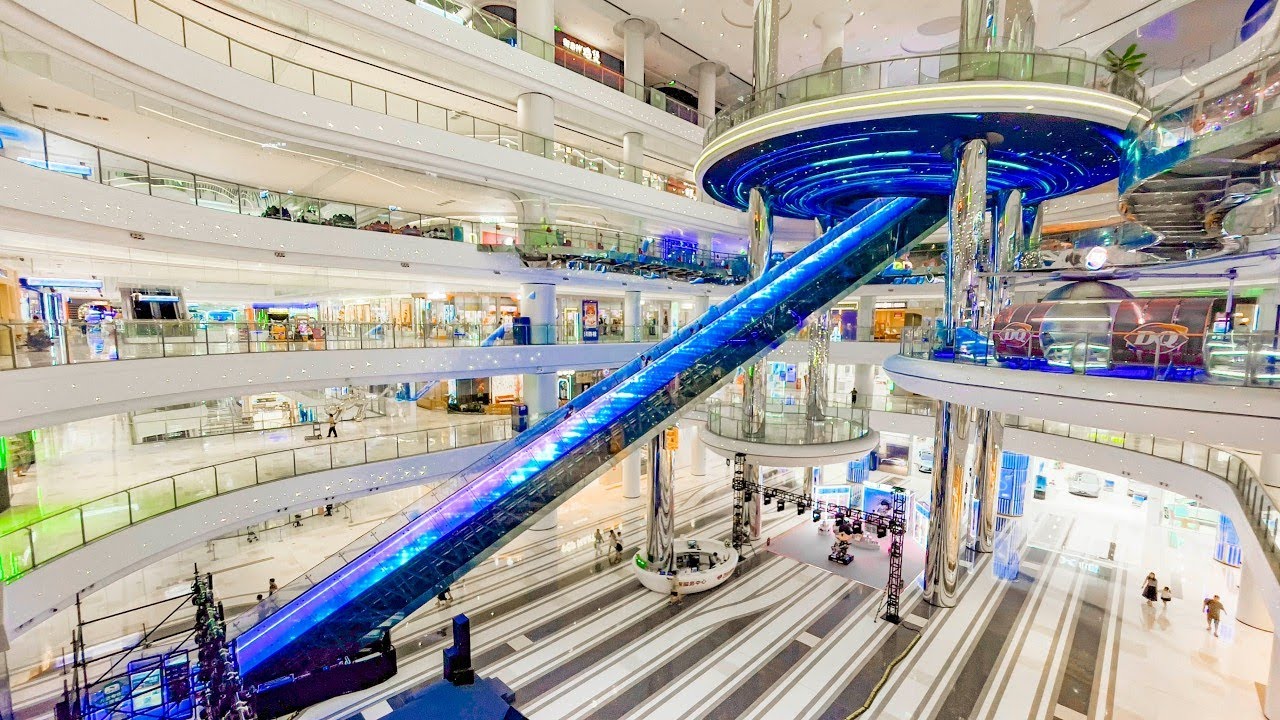
    The retail landscape in Hanoi is poised for a transformative shift, particularly with the impending launch of the Hanoi Centre shopping mall, set to debut in 2025. Located within the Tien Bo Plaza mixed-use project, this 50,000 sqm retail space promises to bring fresh shopping experiences to the city. Meanwhile, the City Fringe area will see the addition of Takashimaya, a 20,000 sqm retail gem slated for completion by the end of 2026. With this wave of new supply, landlords may find themselves in a tug-of-war to entice tenants by offering attractive lease terms in a competitive environment.

    Market Dynamics and Current Trends

    Despite some turbulence, particularly marked by a negative net absorption of 25,530 sqm—largely due to Vincom Nguyen Chi Thanh’s exit from the Prime retail basket after downsizing—Hanoi’s retail market is not without optimism. The recent report from JLL underscores a resilient performance in the food and beverage, lifestyle, and entertainment sectors, especially those appealing to Gen Z and families. “New entrants and expansions—featuring Asian brands like KKV, OH!SOME, and Mr DIY—signal a strong leasing activity, as these businesses secure significant retail spaces ranging from 500 to 1,000 sqm,” the report noted.

    Impact of Recent Developments

    The second quarter of 2025 did not welcome any new prime mall openings, leaving the supply in the City Centre at 55,000 sqm. Conversely, the City Fringe saw its total retail space contract to 581,045 sqm with the exclusion of Vincom Nguyen Chi Thanh. As a result, the City Centre’s vacancy rate crept up slightly to 4.6%, but with new vacancies set to attract tenants by late 2025. In contrast, City Fringe’s vacancy rate dropped to 7.3%, benefiting from the supply adjustments.

    Rent Dynamics and Future Prospects

    When it comes to retail rents, Hanoi’s City Centre experienced a monthly climb to USD 132.6 per sqm for ground-floor spaces in Q2. Meanwhile, rents in the City Fringe stabilized at USD 54.2 per sqm. Year-on-year, this marked a 3% increase in City Centre rents, even as City Fringe saw a slight dip of 0.9%. The competitive landscape of premium malls, including Lotte Mall West Lake and the upcoming Takashimaya, Thiso Mall Westlake, and CJ Shopping Centre slated for 2026-27, suggests that rent growth in the City Fringe will be measured in the coming years.

    As the retail scene evolves, it appears that the thrill of shopping in Hanoi will continue to attract not only local shoppers but also adventurous visitors eager to explore fresh offerings. After all, you never know when a delightful discovery will pop up right around the corner!

    Questions & Answers

    What are the key upcoming developments in Hanoi’s retail sector?
    The Hanoi Centre shopping mall, a significant 50,000 sqm venue, is expected to open in 2025 within Tien Bo Plaza, while Takashimaya is anticipated to add another 20,000 sqm to the City Fringe by the end of 2026.

    How has occupancy changed in Hanoi’s retail market?
    The City Centre’s vacancy rate has slightly increased to 4.6%, while the City Fringe saw a decrease to 7.3%, largely due to the exclusion of Vincom Nguyen Chi Thanh from the Prime retail basket.

    What trends are impacting retail rents in Hanoi?
    Retail rents in the City Centre have increased by 3% year-on-year, reaching USD 132.6 per sqm, while City Fringe rents have dipped by 0.9%. The competitive landscape, driven by new mall developments, poses challenges for rent increases in the City Fringe.


  • IKEA Expands Boldly in India with Diverse Store Formats and Enhanced Supply Chain Strategy

    IKEA Expands Boldly in India with Diverse Store Formats and Enhanced Supply Chain Strategy

    In a bold leap towards modernization and urban adaptation, Swedish home furnishings behemoth IKEA is expanding its footprint across India. The retailer is introducing a fresh approach that encompasses compact city storefronts, expansive mixed-use developments, and an enhanced online shopping experience. As part of this transformation, IKEA is also weaving India more tightly into its global supply chain, aiming to meet domestic demand while diversifying its production capabilities.

    Gone are the days when Indian shoppers had to navigate massive warehouse-style locations. Instead, IKEA’s new city-friendly outlets are tailored for bustling, high-density areas, making accessibility a priority for urban residents. It’s a clever twist that invites customers to experience IKEA without the trek across town.

    This strategic shift comes at a time when India’s retail market is increasingly vibrant, characterized by rapid urbanization and a growing middle class hungry for innovative and affordable home solutions. In 2024, the Indian retail market is estimated to reach nearly $1 trillion, providing a conducive environment for IKEA’s expansion.

    To accommodate this dynamic landscape, IKEA plans to launch not just stores but also mixed-use developments that incorporate residential and commercial elements, reimagining the shopping experience. The idea is to create vibrant community hubs where shopping, dining, and living intertwine seamlessly—because who wouldn’t want a cozy cup of coffee after an afternoon of furniture browsing?

    Simultaneously, IKEA is bolstering its online presence, a move essential in an era where e-commerce continues to rise. With a robust digital strategy in place, the retailer is targeting younger consumers who prioritize convenience and innovation in their shopping experiences. It’s a blend that captures the essence of modern retail, bringing the entire IKEA ecosystem closer to the consumer.

    Questions & Answers

    How is IKEA adapting its store formats for the Indian market?
    IKEA is transitioning from large warehouse-style stores to more compact city-friendly outlets, designed for high-density urban areas to enhance accessibility for city dwellers.

    What additional developments is IKEA pursuing in India?
    In addition to launching new stores, IKEA is investing in mixed-use developments that blend shopping with residential and commercial spaces, creating vibrant community hubs.

    Why is strengthening its online presence crucial for IKEA?
    A robust online strategy is essential as e-commerce continues to surge, helping IKEA connect with younger consumers who seek convenience and innovative shopping experiences.

  • Melbourne Police Bust $10 Million Shoplifting Syndicate In Operation Supernova

    Melbourne Police Bust $10 Million Shoplifting Syndicate In Operation Supernova

    In a significant police operation in Melbourne, 19 individuals, believed to be part of an organized shoplifting syndicate, have been apprehended. The arrested individuals are accused of stealing goods worth over $10 million.

    Operation Supernova

    The Box Hill Divisional Response Unit, through its ‘Supernova’ operation, arrested the group allegedly involved in the theft of high-demand items over a period of five months. The stolen products included baby formula, medicines, vitamins, skincare products, electric toothbrushes, and toiletries.

    The majority of the accused are reported to be Indian nationals, residing in Australia on temporary visas. They are believed to be part of a network that systematically stole items and funneled them to various sellers.

    The Accused

    The arrested group includes six men and one woman, ranging in ages between 21 and 54. According to police reports, the total value of items stolen individually by these suspects ranged from $25,000 to $136,000.

    Detective Acting Inspector Rachele Ciavarella described the operation as “one of the most significant” in recent history to target organised retail theft.

    Not Just Ordinary Shoplifting

    Ciavarella further stated that the apprehended suspects were not stealing for their own use. Instead, they were part of an orchestrated criminal enterprise that reaped financial benefits from the stolen goods.

    In collaborating with major retailers, the police force was able to identify the alleged perpetrators swiftly. This cooperation also enabled them to form a comprehensive intelligence picture, allowing for the successful targeting of the right individuals at the right time.

    Ciavarella concluded with a stern message that those who target the retail sector would, in turn, be targeted by law enforcement.

    The arrested suspects are expected to appear in court in the coming months.

    Questions & Answers

    What was the value of the goods stolen by the shoplifting syndicate?
    The syndicate is accused of stealing goods worth over $10 million.

    Who are the accused individuals?
    The accused are predominantly Indian nationals on temporary visas, including six men and one woman, aged between 21 and 54.

    What types of products were stolen?
    The group is believed to have stolen a range of high-demand products, including baby formula, medicines, vitamins, skincare products, electric toothbrushes, and toiletries.

  • Walmart Unveils Four Cutting-Edge AI ‘Super Agents’ with Strategic Tech Recruitment Boost

    Walmart Unveils Four Cutting-Edge AI ‘Super Agents’ with Strategic Tech Recruitment Boost

    The retail landscape in Asia has been buzzing with activity as major players adapt to the evolving market dynamics. With the ongoing embrace of e-commerce and a resurgence of physical shopping, businesses are honing their strategies to capture the attention of an increasingly discerning consumer base.

    Asia’s Digital Retail Rise

    Digital retail in Asia has witnessed unprecedented growth, fueled by a blend of technological advancements and changing consumer behavior. According to recent reports, the region is on track to surpass a staggering $2 trillion in online sales this year. Beyond mere numbers, this seismic shift reflects a cultural transformation — imagine purchasing a new outfit with a few swipes on your smartphone while sipping bubble tea. It’s convenience served with a splash of personality.

    Bricks and Mortar Make a Comeback

    While e-commerce continues to thrive, the allure of physical retail stores has not dimmed. Many brands are rethinking their brick-and-mortar strategies, merging the tactile experience of shopping with digital savviness. Retailers are increasingly investing in immersive experiences that engage shoppers beyond traditional transactions, sparking excitement for customers keen to explore the latest trends in person.

    Adaptation in the Face of Challenges

    Retailers in Asia are not just riding the wave of digital sales; they are also navigating significant challenges like supply chain disruptions and inflationary pressures. Industry leaders are finding innovative ways to address these hurdles, from streamlining operations to diversifying their supply chains. The savvy among them are even leveraging local artisans and manufacturers to reduce lead times and foster closer community ties.

    Eco-Conscious Consumers Drive Sustainability Efforts

    An emerging trend is the demand for sustainability — consumers are increasingly making purchasing decisions based on a brand’s environmental impact. This rising awareness has prompted retailers to embrace more sustainable practices, integrating eco-friendly products into their offerings and emphasizing transparency in their supply chains. For many brands, being green is not just a marketing gimmick; it’s a commitment to the planet that resonates with their audience.

    Looking Ahead: The Future of Retail in Asia

    The future of retail in Asia looks bright and dynamic. As companies continue to innovate and adapt, the sales strategies of tomorrow will be shaped by technology, sustainability, and a deeper understanding of consumer needs. Expect to see more personalized shopping experiences, AI-driven recommendations, and, possibly, a few unexpected trends that could take the market by storm — like that grassroots coffee shop that becomes a nationwide sensation overnight.

    Questions & Answers

    How is e-commerce changing the retail landscape in Asia?
    E-commerce is revolutionizing retail in Asia by driving online sales to unprecedented levels, with projections exceeding $2 trillion this year, transforming consumer shopping habits along the way.

    What trends are influencing brick-and-mortar stores?
    Bricks-and-mortar stores are evolving to enhance customer engagement, blending physical allure with digital conveniences to attract shoppers who enjoy the tangible shopping experience.

    Why is sustainability becoming a key factor for consumers?
    Sustainability is rising in importance as more consumers are considering a brand’s environmental impact in their purchasing decisions, leading retailers to adopt eco-friendly practices and increased transparency.

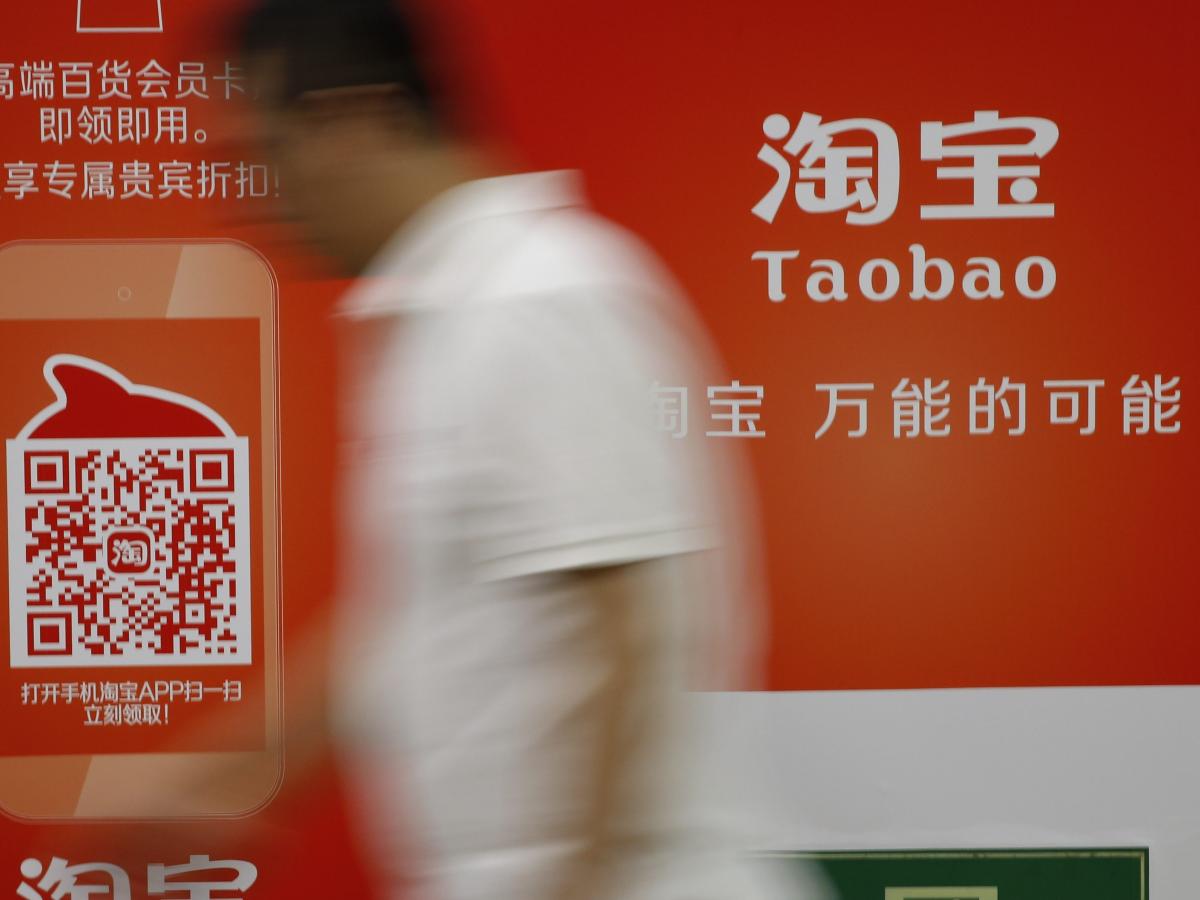
  • Taobao Thailand Sees 60% Surge in User Registrations After Launching Localized App Experience

    Taobao Thailand Sees 60% Surge in User Registrations After Launching Localized App Experience

    Taobao, the renowned online shopping platform under Alibaba Group, is witnessing an impressive surge in user registrations in Thailand following the launch of a localized version tailored for this vibrant market. According to reports from Alibaba International Digital Commerce Group (AIDC), the number of new users registering has soared by 60% year-on-year within just a month of the launch, which took place at the end of May.

    Record-Breaking Sales During 618 Shopping Festival

    In a testament to its successful adaptation, Taobao’s Thai platform achieved remarkable sales during its midyear 618 shopping festival, showing significant growth in gross merchandise volume across various categories, including clothing, consumer electronics, and home furnishings. Notably, the local gross merchandise volume for women’s shoes has doubled compared to last year, report AIDC and Zhao Jing, manager of Taobao Thailand. It seems Thailand’s consumers are ready to step up their shoe game!

    Localized Features Driving Engagement

    One factor fueling this growth is the use of Alibaba’s innovative AI translation technology. This allows Thai users to navigate the app comfortably in their native language, and make payments in baht, creating a seamless shopping experience. This localized effort is part of Alibaba’s broader strategy to expand its customer base across Southeast Asia, complementing the existing Chinese and English interfaces available on Taobao.

    Global Ambitions Amid Domestic Challenges

    The move to localize and grow in Thailand is also aligned with Alibaba’s aggressive overseas expansion strategy, a response to slowing domestic demand and intensifying competition from rivals such as PDD Holdings’ Pinduoduo and ByteDance’s Douyin. Just last month, Taobao announced plans to expand its free global delivery service to 12 countries and regions, marking a significant step in its globalization efforts, as noted by ChinaDaily.

    Last September, Taobao made headlines when it launched its English version in Singapore and Malaysia—its first foray into non-Chinese languages—with a swift rollout into additional markets afterward. With these strategic initiatives, Taobao is clearly gearing up to conquer new frontiers in the bustling Asian retail landscape.

    Questions & Answers

    What factors contributed to the 60% increase in user registrations on Taobao in Thailand?
    The 60% increase is largely attributed to the launch of a localized app version that uses AI translation technology, allowing users to navigate in their native language and make payments in baht.

    What categories saw notable sales growth during Taobao’s 618 shopping festival in Thailand?
    Sales growth was particularly strong in categories such as clothing, consumer electronics, and home furnishings, with women’s shoes seeing a remarkable doubling of gross merchandise volume year-on-year.

    How is Taobao adapting its offerings to compete globally?
    To enhance its international presence, Taobao has introduced localized versions in different languages and expanded its free global delivery service to 12 countries, positioning itself against competitors in the global e-commerce arena.

  • Google Enhances Virtual Try-On Tool with Exciting New AI Features for Shoppers

    Google Enhances Virtual Try-On Tool with Exciting New AI Features for Shoppers

    Amid a landscape of rapidly changing consumer preferences, the Asia-Pacific region continues to lead the way in retail innovation. From bustling markets in Bangkok to sleek showrooms in Tokyo, retailers are adapting to ensure they meet the evolving demands of shoppers who are increasingly drawn to convenience, variety, and experiential shopping.

    Shifting Tides in Consumer Behavior

    As online shopping cements its place in daily life, traditional brick-and-mortar stores are feeling the pressure to reinvent themselves. With a surge in e-commerce, driven by a tech-savvy population eager for instant gratification and seamless service, physical retailers are compelled to enhance the in-store experience. This dynamic is particularly noticeable in countries like China, where the rise of social commerce has changed the shopping landscape overnight. Retailers are increasingly leveraging livestreaming and interactive platforms to engage consumers in real time, encapsulating the adage that if it’s not fun, it’s not selling.

    Technology as a Game Changer

    The integration of technology into retail isn’t merely a trend—it’s a necessity. Augmented reality (AR) and artificial intelligence (AI) are transforming how shoppers interact with products. Innovative retailers are using AR to allow customers to “try before they buy,” enabling virtual fittings for clothing and makeup. Meanwhile, AI is being deployed to analyze shopping data, helping retailers anticipate trends and stock accordingly. The result? A more tailored shopping experience that speaks directly to what consumers want, rather than what retailers predict they might buy.

    The Rise of Sustainability

    Sustainability remains a hot topic in the retail sector, especially among younger consumers who are keen to support environmentally conscious brands. Retailers across Asia are responding with initiatives aimed at reducing waste and embracing ethical sourcing. Brands that can effectively communicate their sustainability practices are not only attracting a loyal customer base but are also setting themselves apart in an increasingly crowded marketplace. It’s all about making sustainability not just a checkbox, but a cornerstone of brand identity—a move that’s both smart and refreshing in an industry often critiqued for its environmental footprint.

    Adapting to Economic Realities

    The economic landscape in Asia is as diverse as its cultures, with each country presenting unique challenges and opportunities. Retailers must navigate fluctuating currencies, varying regulations, and differing consumer sentiments. Cambodia is not just a hidden gem in tourism; it’s emerging as a bright spot for retail investment, attracting international brands eager to tap into a youthful population. Similarly, Southeast Asia’s rising middle class fuels demand for more upscale products, prompting local businesses to upscale their offerings.

    With so much at play, the retail sector in Asia is like a game of chess; those who strategize effectively will be the ones to thrive. Yet, amidst all this growth and change, it’s essential to remember that retail is fundamentally about connection—between brands and consumers, products and experiences.

    As Asia continues to shape the future of retail, one thing is clear: innovation is not just encouraged; it’s a survival instinct.

    Questions & Answers

    How are retailers in Asia adapting to the rise of e-commerce?
    Retailers are enhancing their in-store experiences by integrating technology and leveraging social commerce strategies, such as livestream shopping, to engage consumers more effectively.

    What role does sustainability play in current retail strategies in Asia?
    Sustainability is increasingly central to brand identity, attracting younger consumers who prioritize environmentally conscious practices and ethical sourcing.

    Which countries in Asia are showing promising growth in retail investment?
    Countries like Cambodia are emerging as key markets for retail investment, alongside the rapid growth in demand observed in Southeast Asia due to a rising middle class.

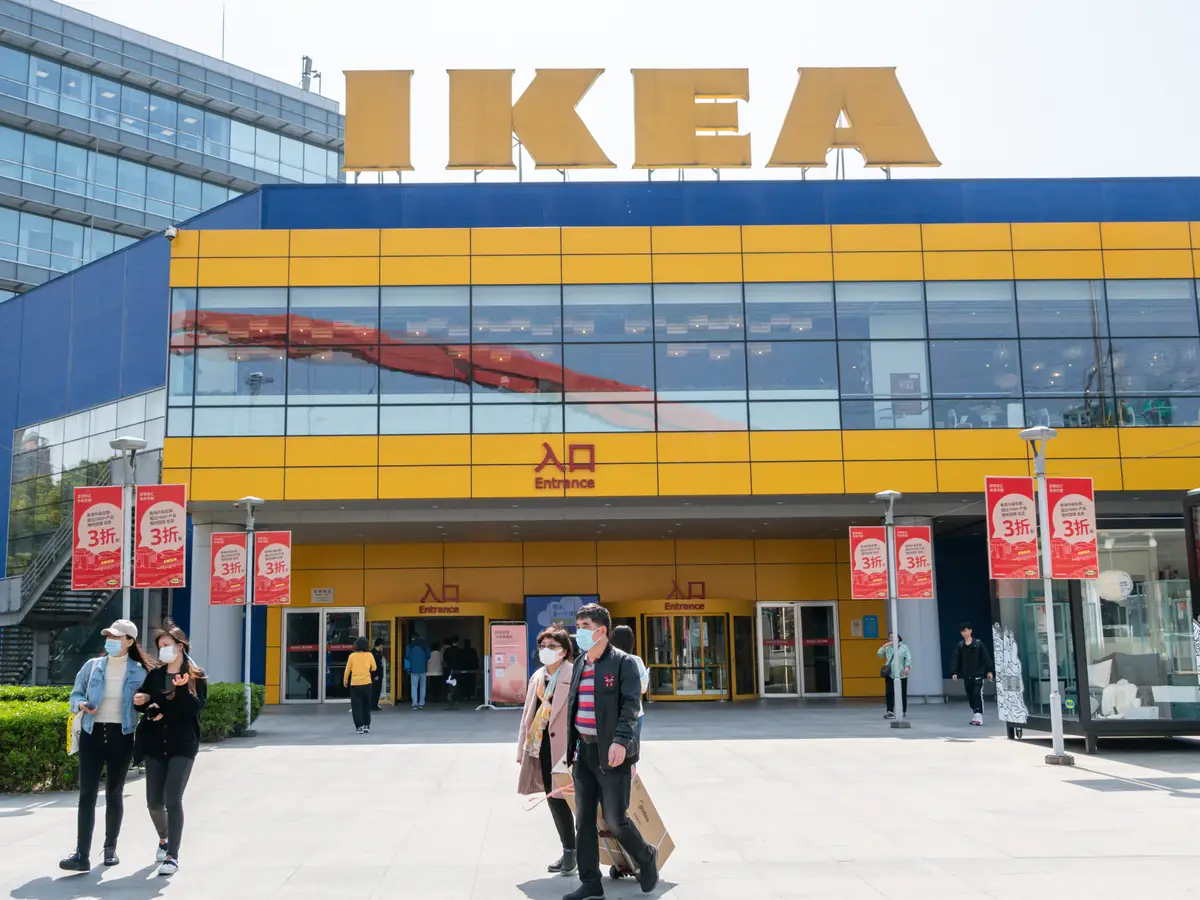
  • Ikea Sparks Green Revolution With Sustainable Retail Space In Shanghai

    Ikea Sparks Green Revolution With Sustainable Retail Space In Shanghai

    Retail giant IKEA is intensifying its commitment to sustainability by launching a dedicated retail space in China that prioritizes environmental responsibility. The new venture, a part of their larger strategy to embrace sustainable practices, features a remarkable assortment of eco-friendly home goods designed to appeal to the Chinese consumer who is increasingly conscious of their environmental footprint. This innovative store isn’t just a shopping destination; it’s a step towards reshaping consumer habits in one of the world’s most populous countries.

    A Green Revolution at IKEA

    The heart of this initiative lies in the selection of products that incorporate sustainable materials and offer solutions to reduce energy consumption at home. IKEA aims to inspire its customers by showcasing not only products but also ideas on how to lead a more sustainable lifestyle. “We want to help our customers make conscious choices in their homes, and that begins with the products we offer,” announced IKEA’s regional director in a recent press conference, emphasizing the brand’s environmentally friendly ethos.

    Location and Features

    Situated in the bustling metropolis of Shanghai, the new store will spotlight a range of innovative designs, from energy-efficient appliances to furniture made from recycled materials. This flagship location is designed to encourage sustainable living, featuring interactive exhibits that demonstrate how everyday choices can lead to a smaller carbon footprint. Notably, the showroom will even include a live demonstration of how to create a rooftop garden, which is bound to intrigue urban dwellers looking to bring a piece of nature into their lives.

    Consumer Response and Future Plans

    Early feedback indicates that shoppers are excited about this fresh approach. One enthusiastic customer, who refers to IKEA as their “second home,” expressed delight at the potential for their favorite retailer to lead the charge on sustainability. As digital engagement continues to grow, IKEA’s push towards a greener retail model could set a precedent across Asia, enticing consumers to reconsider their purchasing decisions. Beyond this Shanghai location, the brand is planning additional eco-focused stores throughout China as part of a larger expansion strategy, aiming to make sustainability mainstream.

    The Bottom Line: An Enhanced Brand Experience

    With this bold step, IKEA is not just selling products but weaving a narrative about responsible consumption and eco-conscious living. It’s a delicate balancing act, transforming retail into a platform for change while continuing to engage with customers on a personal level. As consumers increasingly seek brands that reflect their values, IKEA’s new sustainable focus could very well ignite a green revolution in retail, giving shoppers a reason to rethink the way they furnish their homes – and maybe even their lives. Who knew that shopping at IKEA could take on a mission to save the planet?

    Questions & Answers

    What sustainability initiatives is IKEA implementing in their new Shanghai store?
    IKEA’s Shanghai store will feature a selection of eco-friendly home goods, including products made from sustainable materials, and will emphasize energy efficiency through innovative designs.

    How does IKEA plan to engage consumers with sustainability?
    The store will showcase interactive exhibits and demonstrations, such as creating rooftop gardens, encouraging consumers to adopt a more sustainable lifestyle through practical ideas and inspirations.

    What are IKEA’s future plans for sustainable retail in China?
    Following the launch in Shanghai, IKEA aims to expand its sustainable retail model by opening additional eco-focused stores throughout China, making sustainability a core part of their brand experience.

  • Prime Day Phenomenon: How Amazon’s Mega Sale Is Reshaping The Retail Calendar

    Prime Day Phenomenon: How Amazon’s Mega Sale Is Reshaping The Retail Calendar

    The Evolution of Prime Day

    In the United States, Black Friday has long been seen as the ultimate shopping event. However, Amazon’s Prime Day has been increasingly gaining momentum among consumers since its inception. Launched on June 15, 2015, as part of Amazon’s 20th-anniversary celebrations, it initially offered a 24-hour window of exclusive deals to Prime members.

    Over the past decade, Prime Day has evolved from a one-day sales event to a multi-day shopping frenzy, significantly reshaping the US retail calendar. Melissa Minkow, Global Director of Retail Strategy at CI&T, observed that Prime Day has become an exceptional event where consumers feel inclined to splurge due to the impressive marketing around the event as a significant savings opportunity.

    This year, Amazon extended its Prime Day sale to four days, from July 8th to 11th, making it the longest sale in the company’s history. It is estimated that in 2024, Amazon achieved record sales of $14.2 billion during the 48-hour event, increasing 11 per cent year-over-year. This year’s extended Prime Day event is projected to drive $23.8 billion in spending, a rise of 28.4 per cent compared to the previous year.

    An Adobe spokesperson likened the event to “two Black Fridays,” which brought in $10.8 billion in online spending during the 2024 holiday shopping season. However, Amazon isn’t the only retailer capitalizing on this alternative “Black Friday” shopping season.

    Impact on Other Retailers

    Prime Day has become a pivotal date in the retail calendar, according to Neil Saunders, MD of GlobalData. He noted that many consumers eagerly anticipate the event to secure deals and bargains.

    To keep up with Amazon, other retailers such as Best Buy and Target have devised competing events like ‘Black Friday in July’ and ‘Target Circle Week.’ These events aim to attract consumers already excited by Amazon’s Prime Day.

    Recent data revealed that during Prime Day, 53.4 per cent of consumers intended to explore retailers other than Amazon. Furthermore, a 2024 survey revealed that 35 per cent of Prime members also shopped during Target Circle Week, another 35 per cent participated in the Walmart Deals event, and 12 per cent took part in Best Buy’s ‘Black Friday in July.’

    In response to Amazon’s Prime Day extension, competitors like Walmart and TikTok Shop have also extended their sales events. However, as noted by Daniel Reid, Senior Insights Analyst at Similarweb, merely extending the duration of discount periods isn’t enough to maintain competitiveness. Retailers must also provide a unique and credible value proposition that consumers cannot find elsewhere.

    The Competitive Landscape

    Many retailers, including Target, have adopted strategies such as releasing different deals each day to keep customers engaged and curious about what’s coming next. This year, retailers introduced new promotions to further attract consumers, such as Target allowing its Circle 360 members early access to Circle Week deals, TikTok Shop offering cash back to customers who watch ‘Deals For You Days’ live streams and find a lower price for a featured product elsewhere, and Walmart hosting its Deals event both in-person and online for the first time.

    While it’s unlikely that these retailers will match the sales numbers achieved by Prime Day, it’s evident that they must continue innovating to capture consumers’ attention during this busy shopping period.

    Questions & Answers

    How long was Amazon’s Prime Day event this year?
    Amazon extended its Prime Day event to four days, from July 8th to 11th, marking the longest sale in the company’s history.

    What strategies are other retailers adopting to compete with Amazon’s Prime Day?
    Retailers like Best Buy and Target are creating rival events, while others are extending their discount periods to match Amazon’s. Some are also releasing new deals daily to keep customers engaged and curious.

    What new promotions are retailers offering this year to attract consumers?
    Retailers are offering new promotions such as early access to deals for members, cashback offers, and hosting events both in-person and online.

  • Chinese Discount Retailer Surges as Consumers Seek Affordable Goods in Growing Demand

    Chinese Discount Retailer Surges as Consumers Seek Affordable Goods in Growing Demand

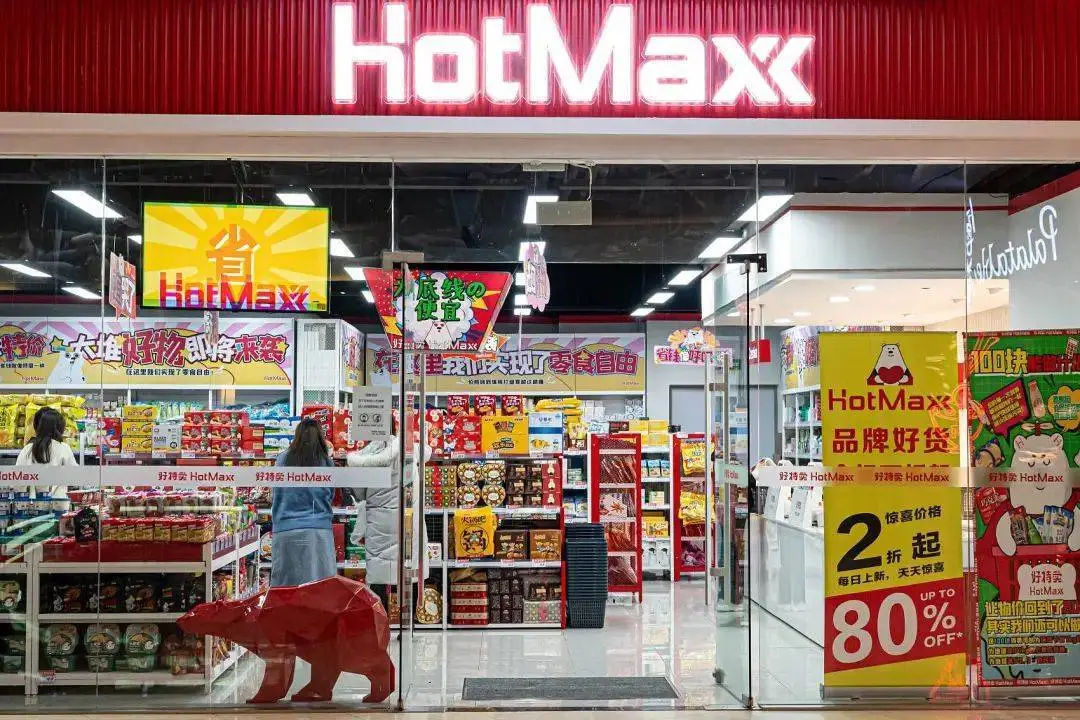
    In a vibrant response to shifting consumer behavior amid an economic slowdown, Chinese discount store sensation HotMaxx is quickly becoming the go-to destination for price-savvy shoppers. The retailer’s strategy of offering branded goods at jaw-droppingly low prices has turned heads and wallets alike, particularly as consumers tighten their belts.

    Managed by Shanghai’s Xinguo Technology, HotMaxx’s “super warehouse” outlet in a Nanjing shopping mall has garnered immense popularity since its debut in December. This retail gem proudly displays an eclectic range of discounted products, from Nike apparel to Doritos chips, and even the occasional Hermes bag—because who doesn’t want to snag a luxury item at a fraction of the cost?

    The festive atmosphere in the store is palpable as shoppers sift through aisles stuffed with savings. Many are drawn to the thrill of finding items typically reserved for high-end retailers, but at prices that could make even the savviest shoppers do a double-take. The allure of spending less and finding great deals is certainly hard to resist!

    HotMaxx’s success illustrates a profound shift in retail dynamics in China, where value-driven shopping is gaining traction. The fusion of convenience, accessibility, and quality has positioned HotMaxx as not only a retail player but a trendsetter in the increasingly competitive landscape of discount retail.

    As the retailer continues to expand its footprint, it’s clear that HotMaxx is not just selling products; it’s tapping into the psyche of a consumer base eager for both savings and satisfaction. If there’s one lesson from this booming warehouse wonder, it’s that in retail, the stakes—and savings—have never been higher.

    Questions & Answers

    What strategy is HotMaxx using to attract customers in a challenging economic environment?
    HotMaxx has embraced a pricing strategy that focuses on offering branded goods at significant discounts, appealing to consumers who are more cautious with their spending amid an economic slowdown.

    What unique products can shoppers expect to find at HotMaxx’s super warehouse outlet?
    Customers can explore a diverse array of discounted items, including popular brands like Nike, snack favorites like Doritos, and even luxury items such as Hermes bags, all at reduced prices.

    How does the atmosphere at HotMaxx contribute to its appeal?
    The vibrant shopping experience at HotMaxx, characterized by enthusiastic bargain hunters and a treasure-hunt vibe, adds an exciting dimension to the retail experience, making it more than just a store but a destination for savvy shoppers.

  • Vietnamese Shoppers Tackle the Challenge of Identifying Fake Products in a Complex Retail Landscape

    Vietnamese Shoppers Tackle the Challenge of Identifying Fake Products in a Complex Retail Landscape

    In early April, a 60-year-old woman in Hanoi visited the doctor, troubled by persistent joint pain that refused to ebb even under a regimen of various supplements. The diagnosis was disheartening: joint degeneration, osteoporosis, and herniated discs. Even more startling was the revelation that one of her supplements contained corticosteroids, potent anti-inflammatory medications known to weaken bones and contribute to adrenal insufficiency.

    In her quest for answers, Thuy turned to her child for help with research, only to uncover the troubling truth—many of her daily supplements had been flagged as counterfeits by local authorities. “I thought expensive medicines were good, but it turns out I have been buying fakes,” she lamented. A month later, her suspicion grew when she learned that another supplement, touted as a safeguard against osteoporosis, was part of a notorious counterfeit milk powder operation. “At this point, I suspect everything I have bought over the last five years is fake,” she confessed.

    Unmasking Counterfeit Operations

    Since early April, Vietnamese authorities have intensified their crackdown on counterfeit goods, unveiling a number of significant operations, including a fake medicine manufacturing ring in Thanh Hoa Province and a warehouse in Hanoi with counterfeit electronics valued at VND22 billion (US$842,270). A notorious milk powder scheme reportedly raked in nearly VND500 billion before authorities intervened.

    On June 7, officials dismantled a network producing counterfeit motor oils from reputable brands like Castrol, Motul, and Honda in Ho Chi Minh City. Two days later, a company in Phu Yen Province was implicated in selling 17 tons of fake coffee. The scale of the discovery is staggering: in the first quarter of 2025 alone, market management authorities conducted 6,192 raids, uncovering over 5,600 cases of counterfeit, smuggled, or substandard products.

    A Dismaying Discovery

    Thanh Truc, 29, visiting her parents in Nghe An Province, was shocked to find her hometown “full of fake products.” From toothpaste that tasted odd to body wash and shampoo that wouldn’t lather, each discovery felt like a betrayal. She even noted a shampoo labeled “Clean,” crafted to mislead consumers into thinking they were purchasing the reputable “Clear” brand.

    “These counterfeit products might not harm immediately, but over time, I cannot imagine the consequences,” she said, echoing a sentiment shared by many as counterfeit goods flood the market.

    E-commerce: A Hotbed for Counterfeit Goods

    Vu Van Trung, vice president of the Vietnam Consumer Protection Association, warns that online platforms have become a haven for counterfeiters. “The tactics employed are becoming increasingly sophisticated, taking advantage of e-commerce loopholes, especially through live-streamed sales on social media,” he explained. These platforms are easy to create, hard to monitor, and even simpler to erase once the counterfeit goods have been sold.

    The allure of counterfeit goods is further driven by significant profit margins. Nguyen Truong Son, president of the Vietnam Advertising Association, pointed out that while the fines for selling counterfeit products range between VND20-80 million, profits can soar into the billions, presenting a tempting risk for criminals.

    Consumers Take Control

    A survey conducted in 2021 by the Market Surveillance Agency revealed that 80% of consumers knowingly purchase fake goods due to their low price or a desire to have branded items that are otherwise unaffordable. April brought a particularly alarming account when Hai Long, 45, from Hai Phong, experienced seizures after taking what he believed were imported stroke prevention pills priced at VND1 million for ten. The discovery that these pills were counterfeit left his family in shock.

    In the wake of such incidents, Hai Long’s wife, Minh Ha, has become an activist for product integrity in her home, eschewing foreign drugs in favor of traditional remedies and devoting her supermarket trips to scrutinizing labels and scanning QR codes. “Living in a maze of real and fake goods, from vegetables to fish sauce and pills, I can no longer tell them apart. Now I have to protect my family on my own,” she stated, highlighting a growing trend towards self-advocacy among consumers.

    After discovering her counterfeit supplements, Thuy discarded everything and now faces daily pain while awaiting treatment. In response, her daughter Do Quyen, 25, has become proactive, committed to researching product authenticity and teaching her family to navigate the complexities of a market riddled with deception. This collective push for awareness is mirrored on social media, where posts offering advice on recognizing real versus fake products garner significant engagement.

    Experts suggest a proactive approach for consumers. Professor Nguyen Duy Thinh, a former lecturer at the Hanoi University of Science and Technology, recommends purchasing from authorized stores, supermarkets, and reputable pharmacies while remaining wary of unusually cheap products and dubious online tips. “Each individual’s action not only protects themselves but also helps protect the community,” Trung added, emphasizing the ripple effect of consumer vigilance in combating counterfeits.

    Questions & Answers

    What sparked Thuy’s realization about counterfeit products?
    Thuy’s diagnosis of serious health issues led her to research her supplements, revealing many were counterfeit.

    How are online platforms contributing to the counterfeiting problem in Vietnam?
    Counterfeiters exploit e-commerce loopholes, particularly through social media live-streaming, making it easier to sell fake goods.

    What proactive measures can consumers take to protect themselves?
    Experts advise purchasing from authorized outlets, scrutinizing labels and QR codes, and reporting suspected counterfeit goods to authorities.

  • Google to improve shopping experience across platforms

    Google to improve shopping experience across platforms

    In its annual Google I/O livestream, Google has just announced a bunch of improvements it is bringing to the search platform (and others), aimed towards improving the experience of both merchants and customers when it comes to shopping online.
    Google introduces the “Shopping Graph,” a newly developed comprehensive dataset, backed by artificial intelligence, to help shoppers find exactly what they are looking for, updated in real time and ensuring products are currently available.
    The Shopping Graph is able to understand and tie together the billions of “products, sellers, brands, reviews and most importantly, the product information and inventory data received from brands and retailers directly.”
    The Shopping Graph will span all of Google’s platforms, connecting and inspiring people with things they may be looking for (whether they be virtual or physical) from what Google claims are over 24 billion listings from merchants online. This means you should be able to find what you are searching for even more easily than before, with Google adding new interactive features for interconnectivity between platforms as well.
    For example, Google Lens has been integrated into Google Photos to make searching for products online easier. Rather than screenshotting an item you are interested in and then forgetting about it, as soon as you snap that screenshot, Google Lens will analyze it, pick out objects within the image, and allow you to instantly search online for them (should you choose to do so).
    Google also teased a new user experience on its YouTube platform, which should be making it simpler to shop for products featured by your favorite YouTube creators. Hopefully this will alleviate the repeated-to-death phrase “links in the description, guys” (links which are sometimes forgotten as well)! Google didn’t us give any more details, other than that the new features are “in pilot.”
    We are also told to expect online shopping research and product comparison to get infinitely easier, with a new widget we’ll be seeing on our Google home page. We all know the hassle of trying to research the heck out of where a particular item is sold for the lowest price (such as the best new smartphone you may want to upgrade to).
    With so many shops and online retailers to review, most of us end up opening a hundred tabs on our browser until we can barely keep track of what’s where.
    Soon, every time you open a new tab, a widget across the center will display the carts across different sites where you’ve shopped the last few weeks. This should let you keep track of desired purchases or items to compare from different sellers much more easily. You can opt to be shown available discounts on your cart icons, as well as having integrated access to the loyalty programs of your favorite stores.
    Once your carts are full, Google will be able to send you notifications when prices of any items drop—only if you opt in, of course. Google has also announced a new collaboration with Shopify to facilitate your shopping experience across all of Google’s platforms: from Google Search to Google Lens, Google Maps, Google Images, and YouTube.
    We’ll keep you updated once we have more details on some of these changes!
  • WinMart Debuts Exciting Russia Corner Shopping Experience in Hanoi

    WinMart Debuts Exciting Russia Corner Shopping Experience in Hanoi

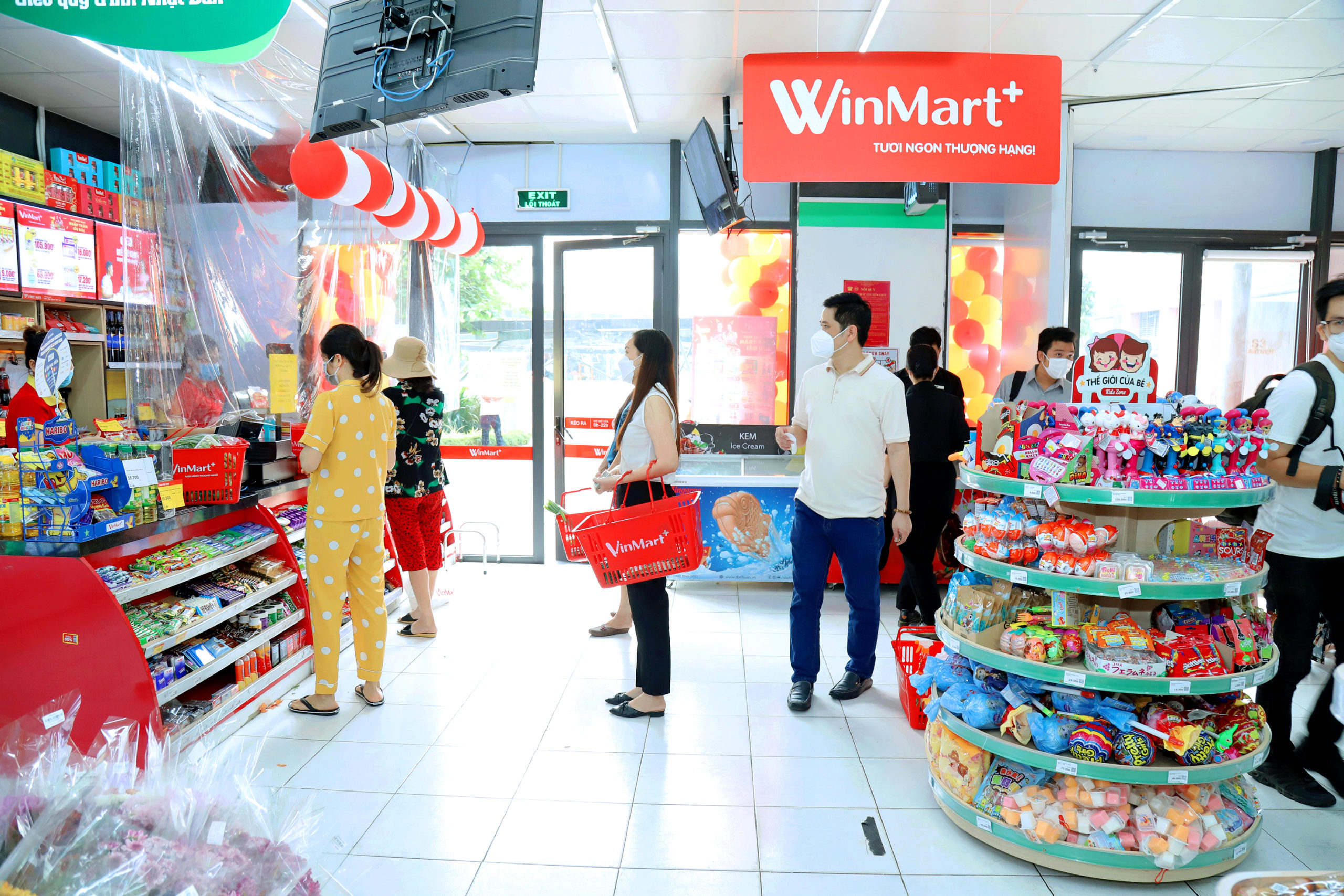
    On June 12, in a vibrant celebration coinciding with Russia Day, WinCommerce unveiled its latest venture—Russia Corner—at the WinMart Royal City in Hanoi. This dynamic space is the brainchild of WinCommerce, the operators behind the WinMart and WinMart+ retail chains, in collaboration with Magnit Group and an array of distributors.

    Discover the Soul of Russia

    Russia Corner introduces an impressive array of over 170 stock-keeping units (SKUs) sourced from more than 30 distinguished Russian manufacturers. Themed “Soul of Russia,” this unique setup invites shoppers to explore an eclectic mix of traditional delicacies, including smoked sausages, black bread, and exquisite Russian chocolates. Each product has been officially imported and meticulously selected, all available at enticing promotional prices.

    A Taste of Russian Culture

    The charm of this corner extends beyond mere shopping; it offers customers an immersive experience into Russian culture, featuring iconic items like blini pancakes, samovar tea, and authentic vodka. This initiative not only fulfills shopping desires but also ignites curiosity about Russian traditions, enabling Vietnamese consumers to experience a slice of Russia right in their city.

    Enhancing the Shopping Experience

    A representative from WinCommerce highlighted that Russia Corner is integral to WinMart’s broader strategy of developing experiential shopping models. Each product is a testament to strong cultural identity, reinforcing WinCommerce’s commitment to creating varied and immersive retail environments for its customers.

    Cultural Engagement and Expansion

    The launch attracted a significant crowd of local shoppers and included notable guests from the Russian Embassy in Vietnam, Russia’s Ministry of Agriculture, the Russian Trade Agency, and key retail partners. WinMart is eyeing further expansion, with plans to enhance cultural activities and interactive experiences related to Russian heritage across major supermarkets nationwide.

    In line with its long-term vision, WinCommerce aims to elevate the shopping experience, nurture emotional connections, and integrate global cultures with Vietnamese consumers. From June 12 to 20, visitors to Russia Corner can indulge in tastings of iconic Russian products, partake in mini-games, and receive delightful themed gifts. Who knew shopping could be such an adventure?

    Questions & Answers

    What products does Russia Corner feature?
    A diverse selection of over 170 SKUs, including smoked sausages, black bread, and Russian chocolates, all showcasing the cultural depth of Russia.

    How long is the promotional event at Russia Corner?
    The festivities run from June 12 to 20, offering visitors a chance to sample products and engage in themed activities.

    What is WinMart’s larger goal with this initiative?
    WinMart aims to enhance the shopping experience by fostering emotional connections and bringing global cultures closer to Vietnamese consumers.

  • Farfetch Expands Into Korean Market Through Alliance With E-commerce Giant Coupang

    Farfetch Expands Into Korean Market Through Alliance With E-commerce Giant Coupang

    The premier luxury e-commerce platform, Farfetch, is set to broaden its business operations into the Korean market. This move is made possible through an alliance with Coupang, which is Korea’s principal e-commerce company.

    Facilitating International Fulfilment

    As part of the collaboration, Coupang will be managing all overseas fulfilment for Farfetch. On the domestic front, RLux, a high-end shopping application owned and operated by Coupang, will provide free delivery service for all items purchased within Korea.

    Enhancing Customer Convenience

    In a move aimed at improving customer convenience, Farfetch will integrate all customs duties and additional fees into the product prices. This means that customers will see the total cost upfront, making it easier for them to make informed buying decisions.

    Stephen Eggleston, Farfetch’s Chief Commercial Officer (CCO), expressed his enthusiasm for the expansion. He highlighted this as a special chance for brands in partnership with Farfetch to reach out to Korean luxury customers directly.

    Rescue from Financial Uncertainty

    In 2023, Farfetch found itself on the brink of bankruptcy. This financial calamity was averted when the company was acquired by Coupang.

    Diverse Brand Portfolio

    Now, Farfetch boasts a diverse portfolio of 1400 brands, boutiques and department stores. The company caters to customers in no less than 190 countries around the globe.

    Questions & Answers

    What new markets is Farfetch expanding into?
    Farfetch is broadening its business operations into the Korean market.

    Who will manage Farfetch’s overseas fulfilment in Korea?
    Coupang, Korea’s principal e-commerce company, will handle all overseas fulfilment for Farfetch.

    What measures is Farfetch taking to improve customer convenience in Korea?
    To enhance customer convenience in Korea, Farfetch will include all customs duties and additional fees in the product prices.

  • Over a third of APAC Consumers Use AI to Shop, with adoption across generational groups, Adyen’s Research shows

    Over a third of APAC Consumers Use AI to Shop, with adoption across generational groups, Adyen’s Research shows

    Adyen, the global financial technology platform of choice for leading businesses, today published its 2025 Annual Retail Report which highlights a rising momentum in AI adoption across APAC’s retail landscape. 

    A poll of 41,000 consumers across 28 markets including Singapore, Australia, Hong Kong, India, Japan, and Malaysia reveals that over a third (38%) of APAC consumers now use AI to help them get their shopping done. This is a 39% surge from 2024, with more than one in ten APAC consumers (11%) having used AI for shopping for the first time over the past 12 months.

    The experience for APAC consumers has been positive. 63% say that AI inspires their purchase decisions from outfits to meals, faster than anyone else can. AI also serves as a search tool, with 62% of APAC consumers wanting to find unique brands and shopping experiences using AI, a development that highlights the chance for brands to combine partnerships and cross-selling to drive customer sales. 59% of APAC consumers are now open to making purchases using AI in the future.

    AI Adoption Prevalent Across Generations 

    Generations across APAC are increasingly exploring shopping with AI. It is most popular among Generation Z (ages 16 to 27), especially in places like Malaysia and Hong Kong, where 74% and 64% of Gen Z shoppers use AI, respectively. Older generations are also catching on; in Singapore, Generation X (44 to 59 years) and Millennials (28 to 43 years) recorded the biggest increases1 in their use of AI in shopping over the past 12 months, at 45% and 28% respectively. 30% of those aged 60 and over say they currently use AI to support them in making purchases. 

    “The introduction of AI in shopping has created new shopper journeys that are more exciting than ever. From it, we see an emergence of new consumer behaviors — one characterized by personalization and convenience,” said Warren Hayashi, President, Asia Pacific, Adyen. “For retailers, embracing AI isn’t just about staying current; it’s about meeting evolving consumer expectations and staying competitive in a fast-changing retail landscape.”

    Retailers Look to AI for Growth

    When asked how they plan to boost revenues in 2025, many APAC retailers pointed to AI and emerging technologies as key strategies. More than a third (34%) said they would invest in AI to support business activities across areas like sales and marketing, product innovation, and security and fraud prevention. 

    “Retailers generate vast amounts of payments data through their daily operations, presenting a substantial untapped opportunity,” said Hayashi. “Where AI comes into play is to drive conversions at scale. Building on this potential, we recently launched an AI-powered payment optimization solution called Adyen Uplift. By training AI on all of the transactions Adyen processes, we help retailers identify genuine shoppers at scale, and fly them through checkout securely and with minimal friction.” 

    Enabling Safer Payments Amid the AI boom 

    While AI sparks excitement, 26% of APAC consumers now feel more worried about the possibility of fraud and scams. One in five don’t enable their devices to remember their payment details in anticipation of fraud. 

    “Besides optimizing revenue, AI could aid in the fraud-fighting efforts of retailers,” said Hayashi. “By training AI on the thousands of transaction data retailers process each day, it can spot anomalies, identify patterns, and predict fraud attempts – ultimately ensuring consumer trust and protecting retailers’ hard-earned revenue.”

    Currently, 40% of retailers in APAC use AI to help prevent fraudulent transactions in their stores.

    Beyond AI, Unified Commerce Offering Still Key 

    While investment in new technologies is welcome, less than half (46%) of APAC retailers currently enable customers to shop easily across online and offline channels. Understanding the importance of an omnichannel strategy, a further 19% of business leaders plan to enable this over the next 12 months. 

    Having an online presence creates new channels for brands to connect with customers. In today’s digital world, 46% of APAC consumers expect to be able to easily shop with a business across multiple touch points including social media, apps, and the online store, with the rise of social commerce seeing more than 36% of APAC consumers using social media to shop.

    Despite this, APAC shoppers still have a strong preference for physical stores. 42% of shoppers like both equally, while the remaining shoppers choose brick-and-mortar (35%) over online platforms (22%). Consumers still prefer to see and feel the product (48%) and try on items (41%) before purchasing, and appreciate the immediacy of having their items on hand upon purchase (35%).

  • China’s Wanda to sell 48 malls in US$6.9 billion deal

    China’s Wanda to sell 48 malls in US$6.9 billion deal

    In a bid to aid its liquidity amidst a challenging real estate market, the China-based real estate tycoon, Dalian Wanda Group, is strategizing to liquidate 48 of its shopping complexes.

    Details of the Deal

    In this context, a joint venture steered by Hong Kong’s PAG investment firm will procure shares in 48 regional firms that undergird Wanda Plaza malls throughout the country. The venture includes other prominent players such as Tencent Holdings, Sunshine Life Insurance, Taikang Life, and a subsidiary of the e-commerce behemoth JD.

    Dalian Wanda Group anticipates a hefty return of 50 billion yuan (equivalent to US$6.94 billion) from this transaction, which is slated to be finalized in the second half of the current year.

    About Dalian Wanda Group

    Dating back to its establishment in 1988, and headquartered in Beijing, Dalian Wanda Group has emerged as one of China’s leading real estate developers. The diversified business operations of the group also span across a film company, a sports entity, and a children’s entertainment venture.

    Questions & Answers

    What is the purpose behind Dalian Wanda Group’s sale of its 48 shopping malls?
    The sale is primarily aimed at raising funds amidst a challenging real estate market.

    Who are the prospective buyers of these shopping malls?
    A joint venture led by Hong Kong-based investment firm PAG, involving Tencent Holdings, Sunshine Life Insurance, Taikang Life, and a division of JD, is set to acquire shares in the 48 regional entities backing Wanda Plaza malls across China.

    What is the expected monetary gain from this transaction for Dalian Wanda Group?
    The group anticipates to receive 50 billion yuan, equivalent to US$6.94 billion, from this deal.