Tag: Singapore

  • Lazada’s Birthday Sale Reveals Singaporeans are Spontaneous Shoppers

    Lazada’s Birthday Sale Reveals Singaporeans are Spontaneous Shoppers

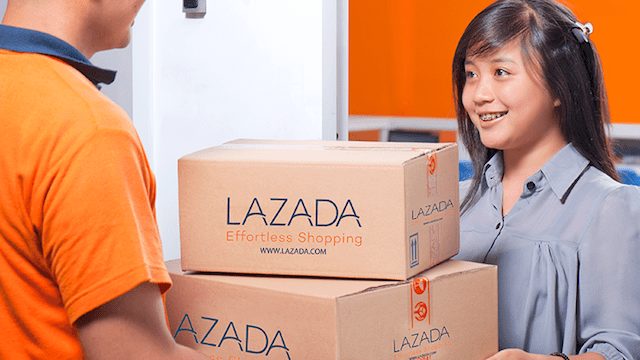
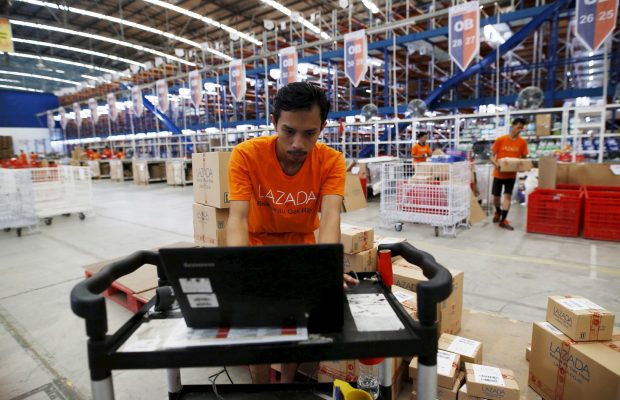
    At the stroke of midnight yesterday, droves of Singapore shoppers clicked “Add to Cart” and checked out their purchases. On the first day of Lazada’s Birthday Sale, 24 April, traffic to the online marketplace surged and it saw a 10x spike in orders in comparison to a regular day.

    The items flying off the shelves first were Lazada’s surprise boxes, worth $100 but available on Lazada.SG at $29 each. The catch – shoppers only knew which brand they were buying from while the contents inside remained a mystery. At midnight, the first 1,300 surprise boxes went on sale, with all boxes running out of stock within the hour. The trend continued throughout the day, with subsequent surprise boxes from household and premium brands consistently selling out within seconds.

    The buying frenzy resulted from Lazada’s 6th Birthday Sale which kicked off yesterday at midnight and runs until 26th April. Across the days, 74 brands are selling the coveted surprise boxes iconic to Lazada’s mega campaigns.

    “Our surprise boxes have been overwhelmingly popular since we introduced them at our last Birthday Sale. To mark our sixth anniversary, we have up to 16,000 boxes from brands and sellers that are available every two hours to satiate the customer demand. These sell out in minutes, so shoppers need to be quick to purchase,” said Mr. Alexis Lanternier, CEO and Head of New Retail, Lazada Singapore. “Beauty brands now form the largest representation of surprise boxes, to cater to the meteoric growth in female shoppers on Lazada,” he added.

    Lazada’s Birthday Sale is a three-day shopping festival with discounts of up to 90% off across 300 official brands and more than 10,000 local sellers, over 600 flash deals and new vouchers up for grabs at 9am daily. Besides the surprise boxes, the top five purchases are:

    1. Tsum Tsum EZ-Link Charm

    2. Apple iPhone X Space Grey 256GB

    3. Dumex Mamil Gold Step 3 Milk Formula

    4. A-Jays Five Earphones

    5. Laneige Multi Cleanser

  • Coach Singapore unveils graffiti wall at the Botanic Gardens

    Coach Singapore unveils graffiti wall at the Botanic Gardens

    Coach Singapore has unveiled a 70m print of New York street graffiti along a wall at the Botanic Gardens MRT station.

    The project was conceptualised in New York City by the US luxury brand to celebrate the symbiotic relationship between fashion and street art.

    It made its debut early this year with a series of murals across the US city put together by 13 influential street artists.

    Singapore’s version, by artists Dain and Such, plays on Coach’s monogram with an urban feel. This collaboration will lead to a special collection of ready-to-wear pieces, tote bags and small leather goods to be launched in July.

  • Lazada Malaysia links up with Singapore

    Lazada Malaysia links up with Singapore

    In the pilot phase, more than 50,000 products from such categories as fashion, health and beauty, home and lifestyle, and sports and travel are being made available to Lazada Singapore shoppers. They include items from such Malaysian brands as Carlo Rino, Pensonic and Swan.

    The move comes on the eve of Lazada’s annual birthday campaign, which offers special promotions and giveaways.
    The DFTZ is the first e-hub outside of China under the Electronic World Trade Platform. Under this roll-out, a single contract grants access to Singapore. Other Southeast Asian countries will be added later.

    The DFTZ provides a centralised bonded warehouse at KL International Airport Aeropolis, which features advanced technology for sorting, shelving, packing and logistics.

  • TWG Tea celebrates with new e-commerce platform

    TWG Tea celebrates with new e-commerce platform

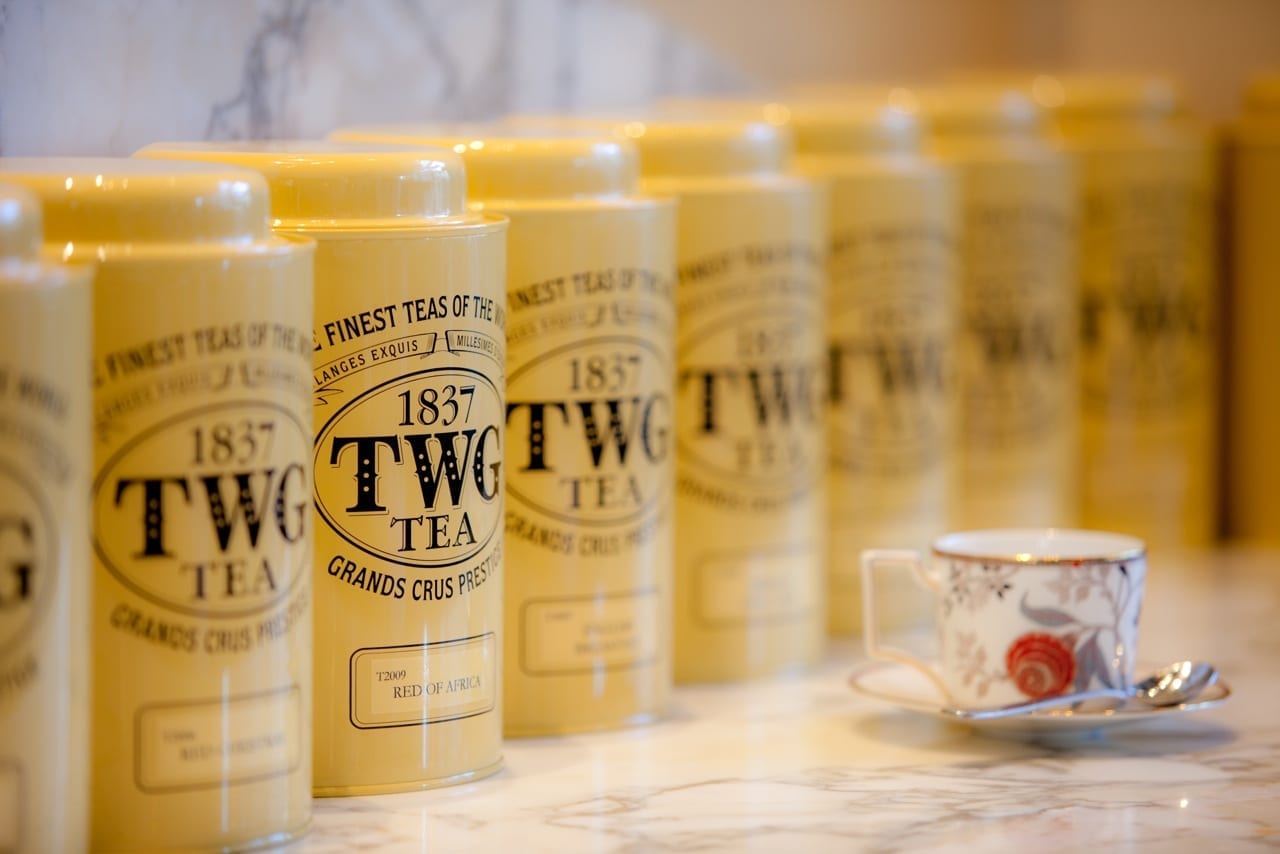
    To mark its 10th anniversary, TWG Tea has launched a global e-commerce website, with Singapore being the first nation to experience it (the company is based in Singapore).

    With a refurbished interface, the site now offers a suite of tools, such as a customised gifting guide and an interactive tea connoisseur service, which recommends a customer’s perfect tea based on a fun quiz.

    There is also richer content so consumers can learn about the brand’s harvests, handcrafted blends, tea merchandise and edible treats.

    With the consumer in mind, the reboot aims to complement and mirror the in-store experience.

    The brand also introduces a premium by-invitation-only membership, “MyTWG”, which offers tea-related rewards and benefits.

  • Subway Singapore applying for halal certificate

    Subway Singapore applying for halal certificate

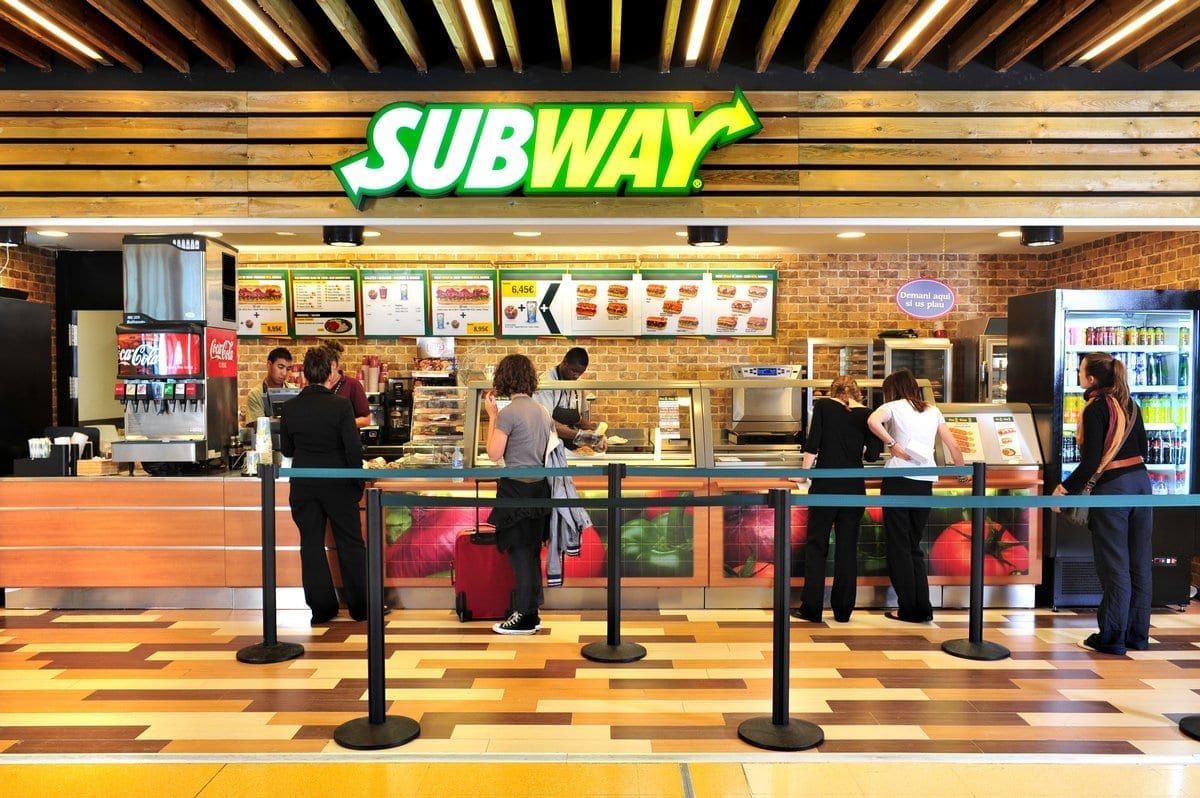
    Popular fastfood chain Subway is in the midst of applying for a halal certificate for its outlets across Singapore, the restaurant said on Wednesday (March 21).

    Subway Singapore said in a Facebook post that it has “initiated a halal certification process” and that all its restaurants will service only non-pork protein from Wednesday onwards.

    Earlier this year, on Jan 31, the Islamic Religious Council of Singapore confirmed in a tweet that the fastfood chain had “shown interest” in applying for halal certification.

    “We’ve had a few rounds of discussion with them to help them prepare themselves,” one tweet said.

    However, it added that it had yet to receive formal applications for the certification.

    In response, Subway Singapore released a statement listing 60 outlets that have stopped selling pork.

     Among the ingredients replaced were regular bacon, with chicken bacon.
  • StarHub ends HFC rollout

    StarHub ends HFC rollout

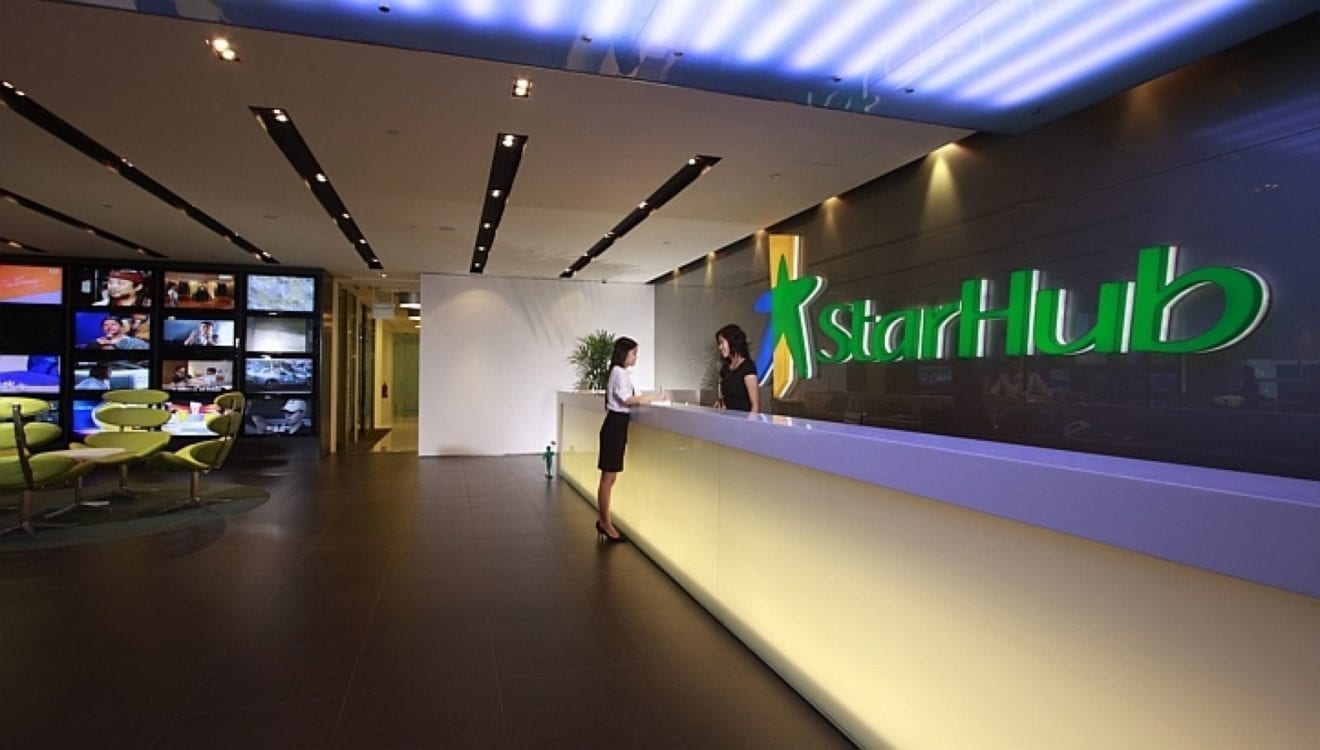
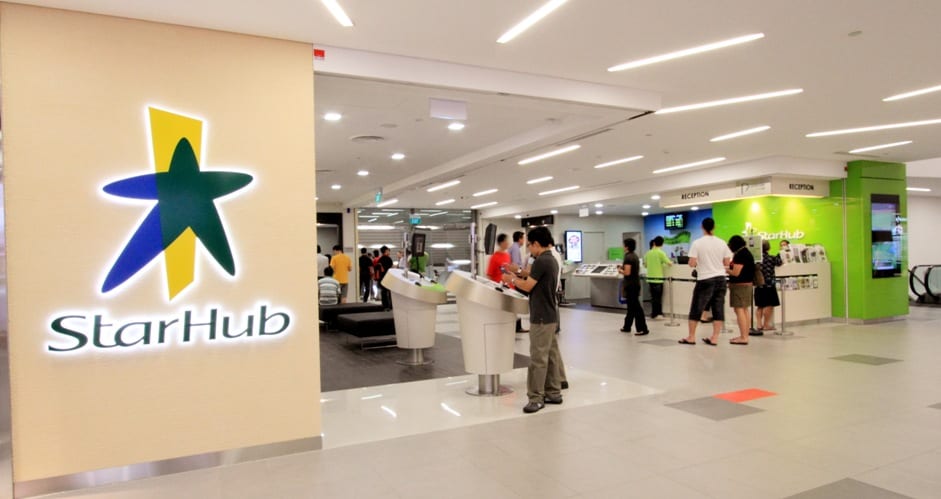
    Singapore’s StarHub has announced that it will cease further rollout of its hybrid fiber coaxial (HFC) network to new residential and commercial buildings in the city state starting from next month.

    In a statement, StarHub said it will deliver its broadband, pay TV and fixed voice services over the Nationwide Broadband Network (NBN) or via its own fiber infrastructure for customers moving into new buildings that obtain “Temporary Occupation Permit” status after April 30.

    StarHub had 458,000 pay TV and 467,000 broadband customers by the end of 2017.

    Chong Siew Loong, chief technology officer at StarHub, said the telco has been steadily expanding its own fiber infrastructure in the past few years and “a significant number” of its customers already moved to fiber networks.

    “StarHub’s own fiber optic network today connects key commercial developments directly, providing companies with diversity in broadband internet access,” Chong said. “Where it is economically viable, we will expand our fiber optic network to connect more commercial buildings to serve customers.”

    Chong said StarHub will continue to help the rest [of its customers] to get their homes and offices onto fiber, adding that the company is currently reviewing its options for the existing HFC infrastructure and will inform them in due course.

    Offering Google Home with bundled plans

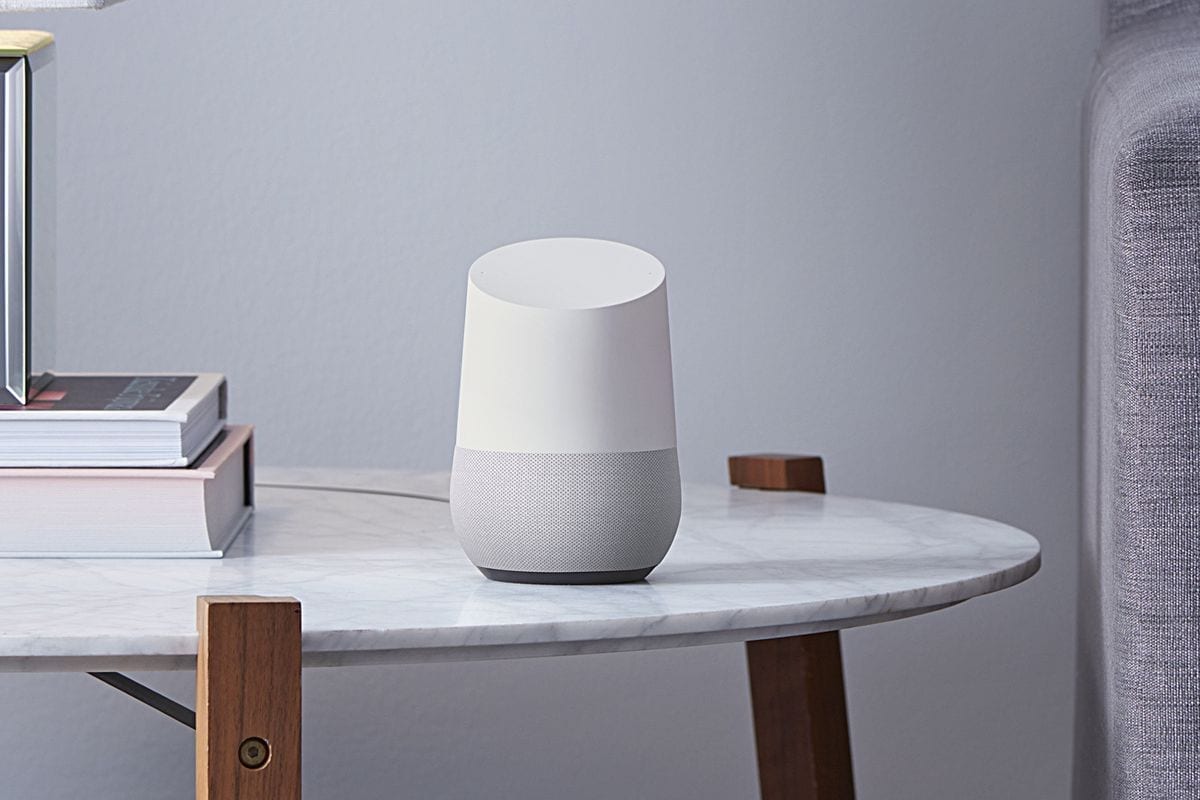
    Separately, StarHub has introduced new plans bundling its fixed voice, pay TV and broadband services with Google Home and Home Mini. The launch comes as StarHub said it has become Google’s exclusive telco retail partner for Google Home in Singapore.

    Starting from April 20, StarHub said, the Home Mini will be available free for customers who sign up for its new hubbing plan, dubbed HomeHub Plus, for S$68.8 ($52.20) each month. The  plan bundles four services including 1Gbps fiber home broadband, up to 77 channels on fiber TV, home phone line and mobile broadband.

    HomeHub Plus customers can choose to upgrade to the larger Google Home for S$120, StarHub said, adding that they can buy Wemo Switch smart plug at S$59 each to “augment the smart home experience”. With hands-free help from the Google Assistant, these plugs can be used to control lights and home appliances using simple voice commands.

    StarHub is also selling the Google voice-enabled speakers at a discount for existing or new customers who sign up for StarHub’s mobile, pay TV or broadband service.

    The operator will also give out a free Google Home for enterprise customers who subscribe to StarHub’s 1Gbps or 500Mbps business broadband plans starting May 1.

    The announcements came on the same day that StarHub appointed Peter Kaliaropoulos as its next chief executive officer.

  • Park N Parcel secures 648,000$ in seed funding

    Park N Parcel secures 648,000$ in seed funding

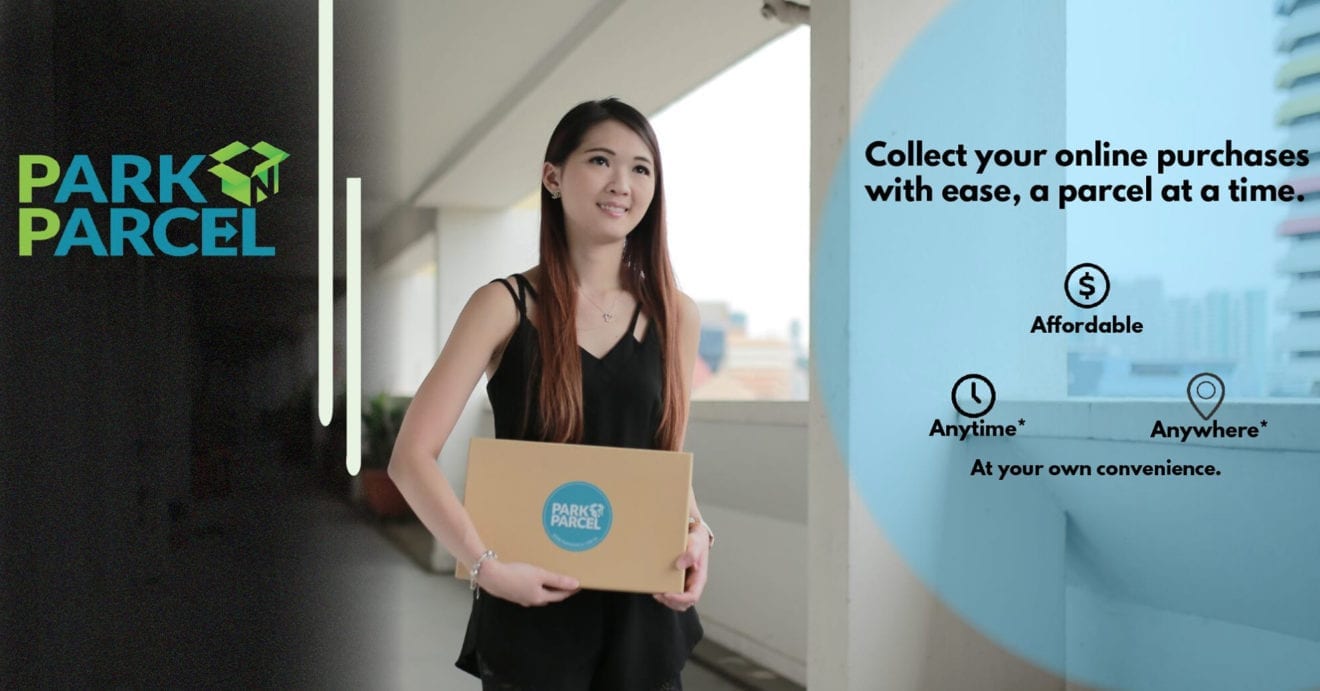
    Singapore’s last-mile logistics startup Park N Parcel plans offshore expansion after raising US$648,000 in a seed funding round.

    Park N Parcel’s service provides “parking” for online purchases. Packages are delivered to a registered residential or commercial “parker” within a 1km radius of the buyer’s home for collection when convenient. After two years, the startup has more than 1500 parkers.

    The fresh funding will be used to strengthen the company’s core leadership team and for expansion into Thailand, Hong Kong and Japan by the fourth quarter of this year, says Park N Parcel co-founder Bryan See Toh.

    As well, the team plans to expand its client base through partnerships with e-commerce platforms and logistics companies.

    “Last-mile has always been a problem for big e-commerce players across Asia, and we believe Park N Parcel has resolved this issue,” says managing partner Christopher Quek of Tri5 Ventures, which led the funding round with a group of angel investors. “There is a huge opportunity in the $701 billion logistics market across Asia.”

    Park N Parcel, along with seven other startups, are heading to Thailand this month to attend the Bangkok Immersion Program organised by Enterprise Singapore under the Ministry of Trade and Industry.

  • StarHub appoints Peter Kaliaropoulos as CEO

    StarHub appoints Peter Kaliaropoulos as CEO

    Singaporean telecoms operator StarHub has appointed Peter Kaliaropoulos (pictured)  as its next chief executive officer.

    In a statement, StarHub said Kaliaropoulos will take over as Group CEO on July 9. He replaces Tan Tong Hai, who will step down from his roles as CEO and executive director from May 1.

    Kaliaropoulos, who was most recently CEO of Zain Saudi Arabia, has 35 years of experience in the global Information and communication technology sector.

    He has previously worked at telcos across Asia Pacific and the Middle East including BT, Telstra, Optus, Clear, Batelco and Ooredoo. Kaliaropoulos was even with StarHub way back in 2000 when the company began operations in Singapore, the Singapore telco said.

    Kaliaropoulos has also led a significant number of acquisitions and contributed as a board director to a number of telcos and ICT start-ups in Australia, USA, Singapore, India and the Middle East.

    In selecting its new CEO, StarHub said key criteria included strong leadership beyond conventional frameworks; understanding of the new market dynamics around intense competition; and one with diverse experience in the telco industry to better lead the team to deal with the rapid changes in the highly competitive environment.

    “This appointment is the result of an extensive and rigorous global executive search. As a telco veteran with a proven track record of achievements across a wide range of markets, and broad industry knowledge, the board is confident that Peter is well qualified to lead StarHub in pursuing new opportunities and managing the challenges that operators face today,” Terry Clontz, chairman of StarHub, commented.

    “My fellow directors and I are delighted to welcome Peter to the StarHub Group and look forward to working closely with him.”

  • Google Singapore goes online

    Google Singapore goes online

    After launching its online store, Google Singapore has introduced its smart speaker Google Home.

    It has taken the technology 16 months to reach SouthEast Asia, and alongside the Google Home Mini the speaker will be sold through retail stores such as Challenger, Courts and StarHub, as well as online from tomorrow.

    There is no word on when the newer Google Home Max will be made available, reports CNet, nor if Google Home will be rolled out elsewhere in Southeast Asia. However, it was launched in India last week and in Japan late last year.

    Singapore’s version of the speaker will support Singlish, and have access to local services such as public transportation chatbot Bus Uncle.

    Google has also enabled multi-user support for Singapore, and will be able to deliver personalised schedules or music based on who is asking.

    “We’re seeing a transition from a mobile-first world to an AI-first world,” says Google VP of product management Rishi Chandra. “We’re looking to reinvent all of our products to make it more natural to use them, and we think voice is going to be a big part of that. Voice can fundamentally change how you interact with computers.”

    He says Home has been designed around Google’s privacy framework. “We want to be transparent and give user control.”

    User data across all Google platforms, including Search and Home, can be managed on a single backend, enabling users to easily view and delete their information.

  • Telin Singapore enters partnership with SGIX

    Telin Singapore enters partnership with SGIX

    Telin Singapore has teamed up with the Singapore Internet Exchange (SGIX) to enhance internet connectivity for business customers.

    Under the agreement, SGIX has set up a PoP within the Telin-3 data center to provide low latency internet peering services to customers using the data center.

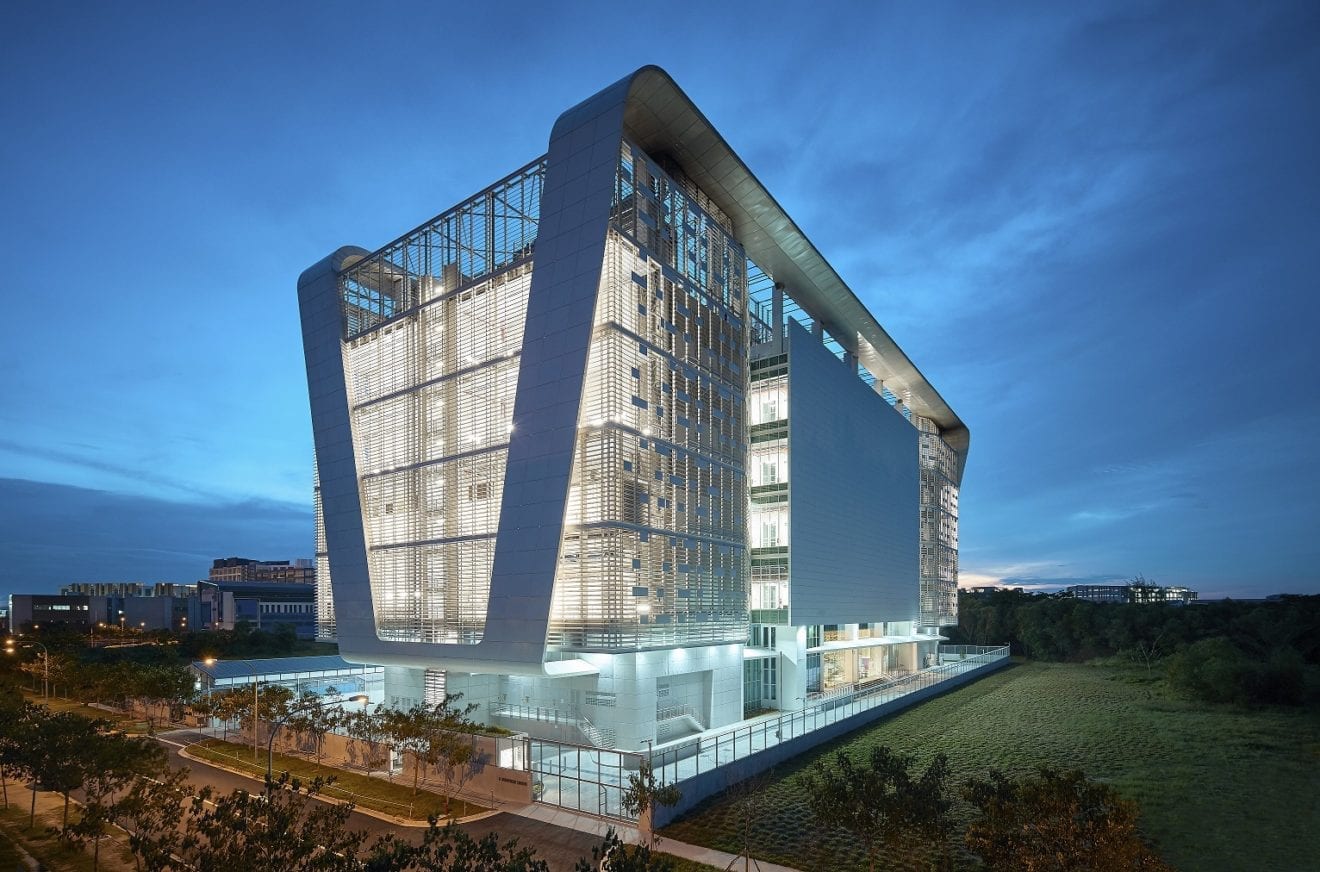
    Telin Singapore, a wholly-owned subsidiary of Indonesia’s PT Telkom, operates Singapore’s only Uptime Institute Tier-IV certified data center.

    Telin-3 is operated on a carrier neutral basis and has been designed to support growing demand for reliable and secure interconnectivity among customers operating in Singapore.

    Carrier-neutral internet exchange service SGIX was meanwhile established by key players from Singapore’s infocomm industry and has the support of regulator IMDA. The company offers internet peering services to customers including ISPs, CDN providers, cloud service providers and carriers.

    “We’re delighted to come on-board SGIX. With the ever-increasing business demand for higher bandwidth and better performance, this partnership will enhance Telin-3’s suite of services and value-add to its world-class facilities,” Telin Singapore CEO  Andreuw Th. A.F said.

  • M1 reports flat profit for 1Q18

    M1 reports flat profit for 1Q18

    Singapore’s M1 has reported flat profit for the first quarter despite a 3% year-on-year increase in service revenue.

    The operator’s net profit stayed stable year-on-year at S$34.8 million ($26.5 million), but this represented an 8.3% increase compared to the previous quarter.

    Service revenue meanwhile grew 3% year-on-year to S$184.7 million, driven by higher fixed and postpaid mobile revenue. But overall operating revenue grew just 0.5% year-on-year and fell 15.8% sequentially to S$254.1 million.

    Fixed service revenue was up a strong 13.9% compared to the same quarter a year ago to S$31.9 million, with M1 adding 5,000 fiber customers to take its total base to 194,000.

    By contrast, mobile revenue increased just 2.6% over the same period, and total mobile subscribers decreased by 2.6% to 1.99 million.

    Mobile data grew to account for 61.3% of mobile service revenue, up from 54% a year ago, with average postpaid smartphone data usage reaching 4.5GB per month.

    Despite the lackluster results, M1 CEO Karen Kooi said the operator is in a position to pursue new growth opportunities looking ahead.

    “We will continue to strengthen our telco core with enhanced value propositions and customer experience,” she said.

    “With our scaled up ICT and digital capabilities, we are well placed to capture the growth opportunities in the Corporate and Government segment driven by corporate digital transformation and Smart Nation initiatives.”

  • Alcheme Skincare ready continue with increased funding

    Alcheme Skincare ready continue with increased funding

    Start-up Alcheme Skincare has closed its seed-funding round and says it is set to launch its disruptive model next month.

    It will use facial-recognition technology to provide “personalised” skincare products, say co-founders Tuyen Lamy and Constance Mandefield.

    Without disclosing the amount raised, CEO Lamy says said the funds will be used for product development, marketing, market expansion in Southeast Asia, and the establishment of an R&D and production laboratory.

    Both Lamy and Mandefield have a decade’s worth of experience in the skincare industry. They were inspired to develop their own line of products during their tenure at a global beauty brand.

    Using facial-recognition technology will provide an objective and scientific assessment of skin, say the co-founders. Data will be interpreted by proprietary algorithms in tandem with cloud-based technologies and open-sourced platforms.

    “The results are then interpreted and paired with active ingredients that not only address a customer’s specific requirements but also help provide an improved and enhanced complexion,” says Alcheme.

    Its point of difference stems from its direct-to-consumer business model, with its skincare products being customised, made-to-order and delivered to each customer.

    “Achieving perfect skin is not about making the most expensive or the most complicated choice, but about making the right choice,” says Lamy.

    Mandefield, Alcheme’s COO, says that insights from investment firm DSG Consumer Partners, which led the seed-funding round, “will help us strengthen our offerings and drive our expansion plans.”

    Based in Singapore, DSG Consumer Partners has a focus on consumer businesses in Southeast Asia and India.

  • LuxLexicon launches offline flagship store to attract customers

    LuxLexicon launches offline flagship store to attract customers

    In a switch from business online, handbag reseller LuxLexicon has unveiled its first flagship store at The Centrepoint.

    Founder Florence Low describes her company as the largest purveyor of Hermes Birkins and Kellys outside Hermes stores in Singapore, and a leader in authenticated luxury consignments for Hermes.

    Previously Low ran a boutique custom-publishing business and a luxury flash-sale e-commerce website before starting to sell Hermes handbags via her Instagram account @luxlexicon in 2016. She sold 1500 Hermes handbags through LuxLexicon last year, with the biggest sale being a new Himalayan Birkin 30 handbag fetching nearly $130,000.

    “Just as cars and timepieces are status symbols for men, handbags are seen to be the status symbols for women,” says Low. “Of all the handbag brands, the Hermes appeal is very strong because women everywhere recognise that these handbags make for good investments. They appreciate in value over time and are highly liquid when one decides to sell.”

    Her flagship store has more than 300 pieces in stock, while her clientele ranges from female professionals and socialites in their 30s to 50s, to men who buy them as gifts.

    While LuxLexicon continues selling online, but has done away with private viewings, Low believes a physical showroom will enable customers to interact with her so they can feel comfortable making a purchase.

    “When it comes to selling luxury goods, nothing beats seeing my customers in person before they make a purchase. It is hard for someone to part with a five-digit figure based on pictures alone. For that reason, the store is meant to offer buyers the chance to assess an item in person before buying it.”

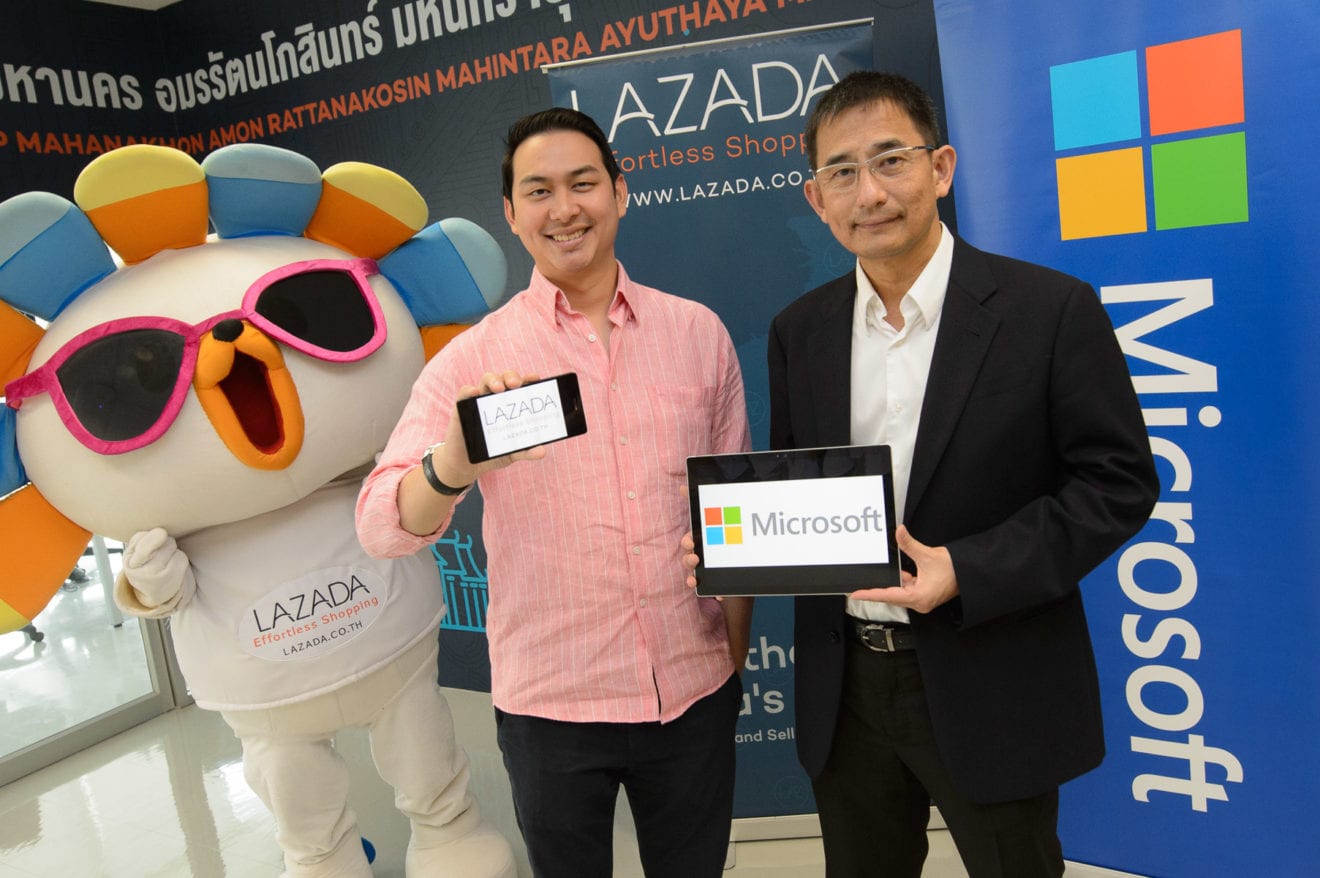
  • Lazada Singapore celebrating 6th birthday

    Lazada Singapore celebrating 6th birthday

    Online market Lazada Singapore has marked its sixth anniversary with a festival at Plaza Singapura in a lead-up to its online birthday sale, starting next Tuesday.

    Crowds attended the weekend festival which offered surprise boxes and activities at Lazada brand and seller booths. Queues formed four hours before the event opened, with more than 550 people lined up on Sunday morning.

    Lazada sold more than 2000 surprise boxes across the two and a half days in less than two hours each day. Shoppers were also able to score discounts of up to 80 per cent on flash deals available only at the event.

    A 5m-high Super Surprise Box held up to 6000 freebies worth $120,000, available for shoppers spending at least $25 at either Plaza Singapura or on the Lazada app. Shoppers had only six seconds to grab a freebie from the box, echoing the “fastest fingers first” at last year’s Lazada Online Revolution Sale, where several brands sold out all 200 units of their surprise boxes in less than seven seconds.

    Partnering with CapitaLand, Lazada aimed to recreate the online shopping experience and ensure a clear link promoting an omnichannel shopping experience. This included QR codes at brand booths linking directly to their official stores on Lazada, as well as encouraging shoppers to buy at Plaza Singapura to qualify for a gift from the Super Surprise Box.

    All the freebies were claimed. These included Philips irons, Laneige serums, whey supplements, milk formulas and Jamie Oliver kitchenware.

    During the festival, Plaza Singapura had a fivefold increase in foot traffic.

    An innovation for the celebration is Shakin’ Deals, which encourages Lazada app users to shake their phones at midday and 9pm to win vouchers worth up to $120 to be used at the upcoming birthday sale.

    “Our daily app usage spiked by 37 per cent from the same time last month, and on Sunday we generated the highest app interaction we’ve seen all month,” says Lazada Singapore CEO/head of new retail Alexis Lanternier.

  • CapitaLand Mall Trust divests Sembawang Shopping Centre for S$248.0 million

    CapitaLand Mall Trust divests Sembawang Shopping Centre for S$248.0 million

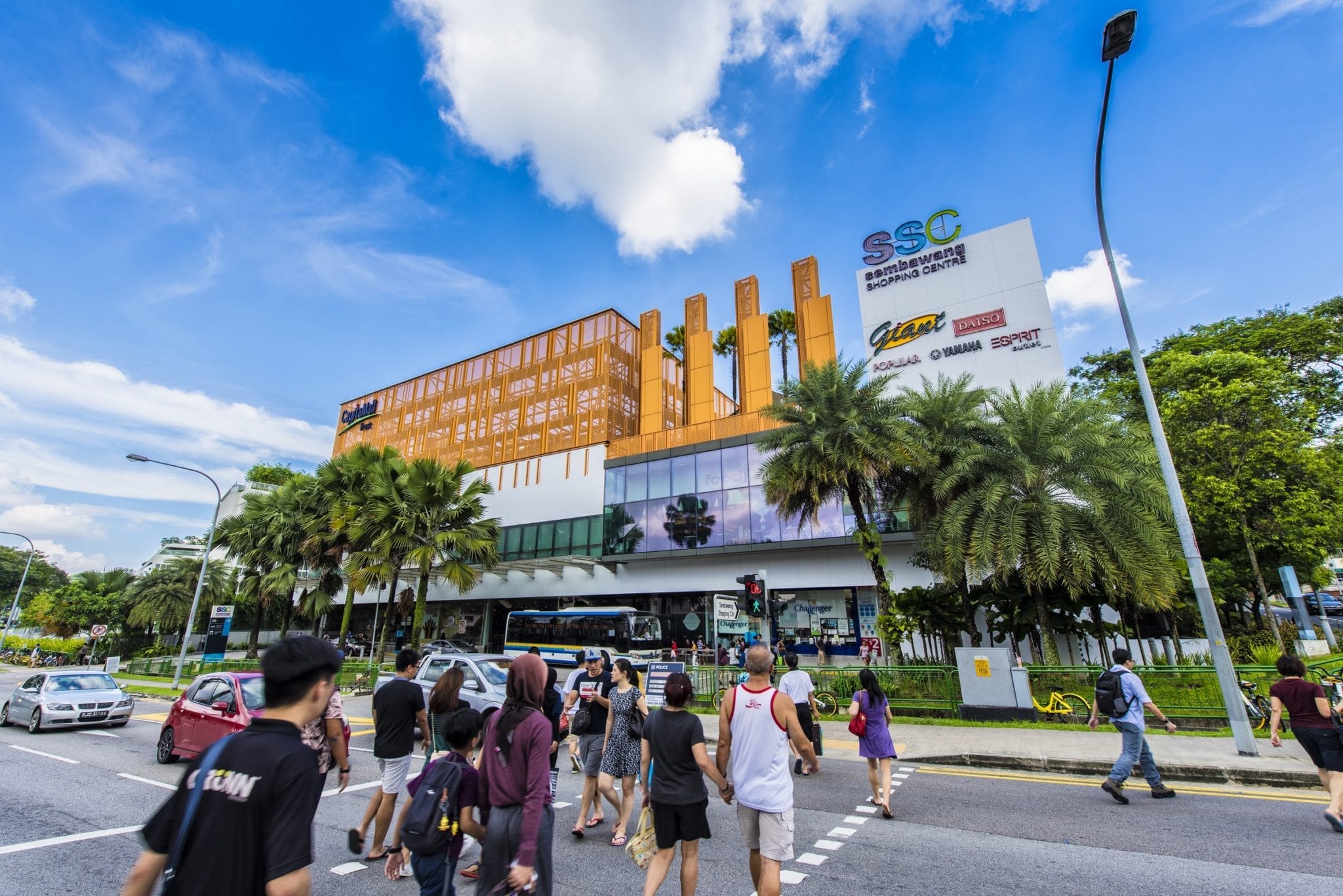
    CapitaLand Mall Trust Management Limited (CMTML), the manager of CapitaLand Mall Trust (CMT), announced today that CMT, through its trustee HSBC Institutional Trust Services (Singapore) Limited, has entered into an agreement to sell Sembawang Shopping Centre to a joint venture between Lian Beng Group Ltd and Apricot Capital Pte. Ltd. for S$248.0 million.

    Based on the latest independent valuation, Sembawang Shopping Centre was valued at S$126.0 million as at 31 December 2017. The divestment is expected to generate net proceeds of about S$245.6 million and a net gain of about S$119.6 million when the transaction is completed by June 2018.

    Mr Tony Tan, CEO of CMTML, said: “The divestment of Sembawang Shopping Centre is in line with our portfolio management strategy of maximising returns for our unitholders. By unlocking the value of Sembawang Shopping Centre at this stage, it will realise the optimal value for CMT’s unitholders. As the mall accounts for only about 1% of CMT’s total asset value, its sale will have minimal impact on CMT’s financial performance and distribution per unit. The net proceeds from the divestment will further enhance and strengthen CMT’s financial flexibility.”

    Upon completion of this transaction, CMT’s portfolio will comprise 15 properties located in suburban areas and downtown core of Singapore. They are Tampines Mall, Junction 8, Funan, IMM Building, Plaza Singapura, Bugis Junction, JCube, Raffles City Singapore, Lot One Shoppers’ Mall, Bukit Panjang Plaza, The Atrium@Orchard, Clarke Quay, Bugis+, Westgate and Bedok Mall.

    Located along Sembawang Road, Sembawang Shopping Centre reopened to shoppers in 2008 following CMT’s acquisition in 2005. It comprises four levels of retail space – three levels above ground and one basement level – with a net lettable area of 143,631 square feet. The mall registered a committed occupancy of 99.4% as at 31 December 2017. Its major tenants include Giant, Yamaha Music School, Food Junction and Daiso Japan.