Tag: Singapore

  • Olivia Burton launched a concept store in Ion Orchard

    Olivia Burton launched a concept store in Ion Orchard

    British accessories brand Olivia Burton, together with Asian retail specialist Norbreeze Group, has launched a concept store in Ion Orchard.

    For the first time in Singapore, the brand’s fashion jewellery collection and personalisation services are being offered at the flagship store. Its signature vintage-inspired watches have been available in Singapore since October.

    Olivia Burton was founded by best friends Lesa Bennett and Jemma Fennings in 2012 and named after Bennett’s great aunt. Its London studio creates detailed watches and jewellery inspired by nature.

    Norbreeze Group co-founder Anne Trads Juel Sauerberg describes Olivia Burton’s accessories as “fashionable and affordable luxury”.

    To celebrate its opening, the store will host experiential activities on Saturday. Guests and customers will be able to create floral crowns and be offered floral cupcakes. The first 20 shoppers will each receive limited-edition exclusive merchandise.

  • Hera Singapore plans more boutique stores

    Hera Singapore plans more boutique stores

    Korean cosmetics brand Hera Singapore will officially launch at Takashimaya Department Store on May 10.

    And the brand will also open a standalone boutique store within the second half of this year.

    Hera’s parent company Amorepacific considers Singapore a strategically important market for international expansion, due to consumers’ strong demand for global brands and their interest in trends.

    Hera  launched in China, its first overseas market, in 2016.

    Amorepacific also plans to bring its haircare brand Amos to Singapore this year.

  • New Singapore jobs portal to better match jobseekers and employers

    New Singapore jobs portal to better match jobseekers and employers

    A High-tech national jobs portal was launched on Tuesday to better match local jobseekers with employers. It can prioritize search results according to the relevance of the jobseeker’s skills, and filter results to show those under government schemes to support training, among other key features.

    The new portal, called MyCareersFuture.sg, was developed by Workforce Singapore (WSG) and the Government Technology Agency (GovTech).

    It replaces the interface of the existing Jobs Bank for users, and WSG said it aims to roll out the function for employers to post jobs by the end of this year.

    For now, employers are still to post jobs on the Jobs Bank, and the posts will be shown on MyCareerFuture.sg.

    A pilot run of the new portal was conducted with 100 users in the last three months of 2017, and the site went live in January this year. It has received 280,000 visitors as of the first week of April.

    To calculate the relevancy of jobseekers’ skills, which is displayed as a percentage from zero to 100, the system uses machine learning to analyse job descriptions and identify the skills needed.

    It then compares these with skills that the jobseeker has indicated.

    For example, after searching for “communications manager” jobs, a user will be prompted to select the skills he has, such as public relations, social media, marketing, or strategic communications.

    The job results will then be listed according to how closely his skills match what is required for those positions. Clicking on a job post will also show other relevant skills that the jobseeker lacks.

    WSG group director for Careers Connect Lynn Ng said this feature is to encourage jobseekers to reflect on the skills and experience they have.

    “It’s better than just submitting applications based on the job title, salary or company name,” she added.

    Search results also display upfront the number of applications for the position and when it was posted. On the Jobs Bank portal, jobseekers had to log in using their SingPass in order to view this information.

    The Jobs Bank was launched in July 2014 as part of the Fair Consideration Framework to boost employment prospects for Singaporean professionals, managers, executives and technicians (PMETs). Companies have to post job ads on the portal for at least 2 weeks before they can apply for an Employment Pass for the role.

    From July 1 this year, this rule will be extended to cover firms with at least 10 workers and for jobs paying under S$15,000 a month. Currently, it applies only to firms with at least 26 workers and for jobs paying under S$12,000 a month.

    So far, more than 300,000 jobseekers and about 30,000 employers have registered on the Jobs Bank. WSG said at a media briefing it does not have statistics on the number or share of successful matches, as not all employers update the status of job applications in the portal.

    It said the new portal is meant to complement the MySkillsFuture.sg portal, which was rolled out last year and caters to the wider population besides jobseekers. It provides information on career pathways and training available.

    WSG will roll out more features for the new portal later this year, such as recommending suitable candidates for employers based on applicants’ CVs, and giving jobseekers tips on how to improve their CV for each job application.

  • Singpost launches new stamps commemorating early trades in Singapore

    Singpost launches new stamps commemorating early trades in Singapore

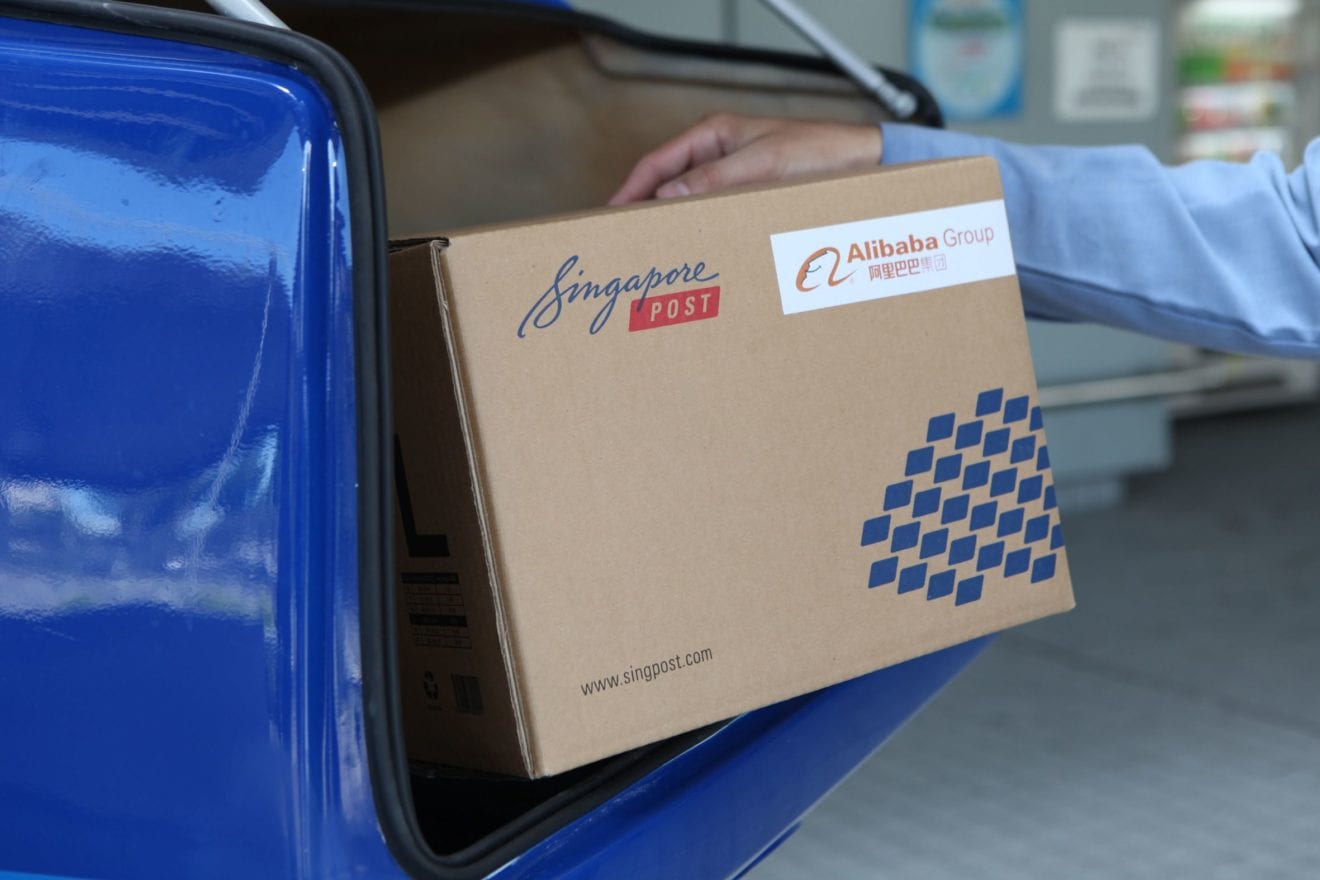
    A set of stamps commemorating four common trades in the early days of Singapore was launched by Singapore Post (SingPost) on Wednesday (Apr 18).

    The stamps depict the samsui women, the Sikh police contingent, the orang laut and the coolies.

    The samsui women were a common sight at construction sites in Singapore from the mid-1930s with their trademark red headscarves. Most had come to Singapore from the Sanshui district of Guangdong province in southern China and are seen to be thrifty and resilient individuals who helped build Singapore’s infrastructure.

    The Orang Laut are tribes of nomadic sea people who made a living as fishermen, boatmen and rowers. They were one of the earlier immigrants to Singapore during pre-colonial days.

    The coolies were unskilled labourers who formed the backbone of Singapore’s earlier labour force during the colonial era. They were often employed in mines, ports, plantations, construction sites and as rickshaw pullers, and were mainly immigrants driven by poverty in China to seek a better life in Singapore.

    The Sikh police contingent was made up of Sikhs from Punjab, India who were recruited to serve as policemen and security personnel in the Straits Settlement. The contingent was established in Singapore in 1881 and was highly regarded by the British police until its disbandment in 1945.

    The stamps, which are available for sale at all post offices, come in four denominations – 1st Local, S$0.60, S$0.90 and S$1.30. Pre-cancelled First Day Covers affixed with the complete set of stamps are available at S$4.60 each.

    It can also be purchased at the Philatelic Store @ GPO, the Singapore Philatelic Museum and at the SingPost online store.

    The stamps are designed by Ms Lim An-ling.

  • OCBC Bank is First in Singapore to Rollout AI-Powered Voice Banking Services

    OCBC Bank is First in Singapore to Rollout AI-Powered Voice Banking Services

    OCBC Bank is the first in Singapore to launch artificial intelligence (AI) powered voice banking in collaboration with Google. With Google Home and Google Home Mini launched in Singapore today, anyone can now speak to the Google Assistant – on a smartphone or a Google Home device – to initiate a conversation about OCBC Bank’s services. These services range from planning for retirement or a new home to saving for a child’s education, getting the latest financial market updates, and more.

    At the forefront of voice-powered banking

    The proliferation of digital voice assistants is tipped to impact the consumer technology market this year. A 2018 Digital Consumer Survey by Accenture of 21,000 online consumers in 19 countries, including Singapore, indicates year-on-year growth of stand-alone digital voice assistants will increase 50 per cent in 2018, suggesting consumers are increasingly comfortable talking to digital voice assistants and smart home devices.

    The Google Assistant will provide consumers with another self-service digital channel to interact with OCBC Bank that is convenient and embedded in consumers’ lives. Consumers can pose general banking questions to the Google Assistant at any time of the day to get instant responses. This complements other self-service digital channels such as AI-powered chatbot ‘Emma’, which was launched in 2017 and specialises in answering home and renovation loan queries on the OCBC Bank website in an intelligent, human-like way.

    OCBC Bank remains the only bank in Singapore to offer voice-based banking on digital voice assistants as a medium for customer interaction and engagement. OCBC Bank has been leading the financial industry in rolling out numerous voice and conversational banking innovations for the convenience of customers. Voice-powered technology has been deployed across the bank since October 2016, when OCBC Bank was the first in Singapore to enable customers to initiate e-payments using Apple’s Siri voice assistant. In October 2017, OCBC Bank was again first in Singapore to let business banking customers check their account balances and make funds transfers using just their voice via Siri. This was extended to retail banking customers in February 2018. OCBC Bank will continue to innovate and add more banking services – payments and account balance enquiries, which require more secure access and authentication – to expand OCBC Bank’s services via digital voice assistants, in partnership with technology companies.

    Mr Aditya Gupta, Head of E-Business Singapore said: “This is the new digital – conversational, smarter and simpler access to banking. For our customers to be able to interact with OCBC services by simply speaking to AI assistants on their smartphones and smart home devices is an exciting development, and an important one as we shape the bank of the future. We are the first bank in Singapore to collaborate with Google on this game-changing service, and will continue to embed ourselves in consumers’ lives using voice-powered AI tools, which will be able to answer more questions and perform more tasks for OCBC customers over time.”

    ‘Talk to OCBC’ via the Google Assistant

    By speaking to the Google Assistant, users will be able to:

    • Calculate the mortgage loan amount they can afford
    • Plan how much to save for their children’s education
    • Ascertain how much they would need to retire comfortably
    • Get the latest updates on the financial market
    • Check unit trust prices
    • Get foreign exchange rates
    • Search for nearby OCBC Bank branches or ATMs

    For retirement planning, a user can activate OCBC Bank’s service through the Google Assistant by saying: “Ok Google, talk to OCBC about retirement planning.” The Google Assistant will then reply to the user with leading questions to eventually calculate the retirement amount required.

    The Google Assistant: “Great! It’s never too late to plan for your retirement. Let’s start with your age, how old are you?”

    User: “I’m 25 years old.”

    The Google Assistant: “Cool, you are 25 years old. At what age do you expect to retire?”

    User: “65 years old.”

    The Google Assistant: “All right – this means you have another 40 years to build your retirement portfolio. Now, imagine

    you are 65 and have just retired. How much do you expect to spend on basic expenses such as utilities, transport, entertainment and food in a month based on today’s prices?” 

    User: “$2,000.”

    The Google Assistant: “All right, $2,000 a month for basic expenses sounds good. Finally, how much do you plan to spend on vacations and overseas travels every year after retirement?”

    User: “$2,000.”

    The Google Assistant: “$2,000 per year it is. In total, it sums up to approximately $2,200 per month. Let’s compare this to the expected income you will receive after retirement. During retirement, how much do you expect to receive from investments and rental per month?

    User: “$2,000.”

    The Google Assistant: “Okay, $2,000 every month from rentals and investments. Lastly, how much do you expect to receive from CPF or other allowances per month?”

    User: “$500”

    The Google Assistant: “Okay, $500 from CPF and allowances every month it is. So, in total, you should be receiving $2,500 a month during your retirement. If you start today, you will need to save approximately $751,000 for retirement. Don’t worry, OCBC can help you achieve your retirement planning goals. Would you like to chat with an OCBC expert about your retirement plans in detail? 

    User: “Yes.” 

    The Google Assistant: “That’s great, can you please provide a contact number so I can arrange for someone to call you?”

    User: “91234567”

    An OCBC Bank customer service representative will then follow up with the user on their retirement plans.


  • OCBC Bank first in Singapore to enable instant digital card issuance and provisioning on Apple Pay

    OCBC Bank first in Singapore to enable instant digital card issuance and provisioning on Apple Pay

    OCBC Bank customers have a new, speedy way of resolving a common issue when shopping or dining: Not having the right credit card to enjoy the best discount, rebate or reward.

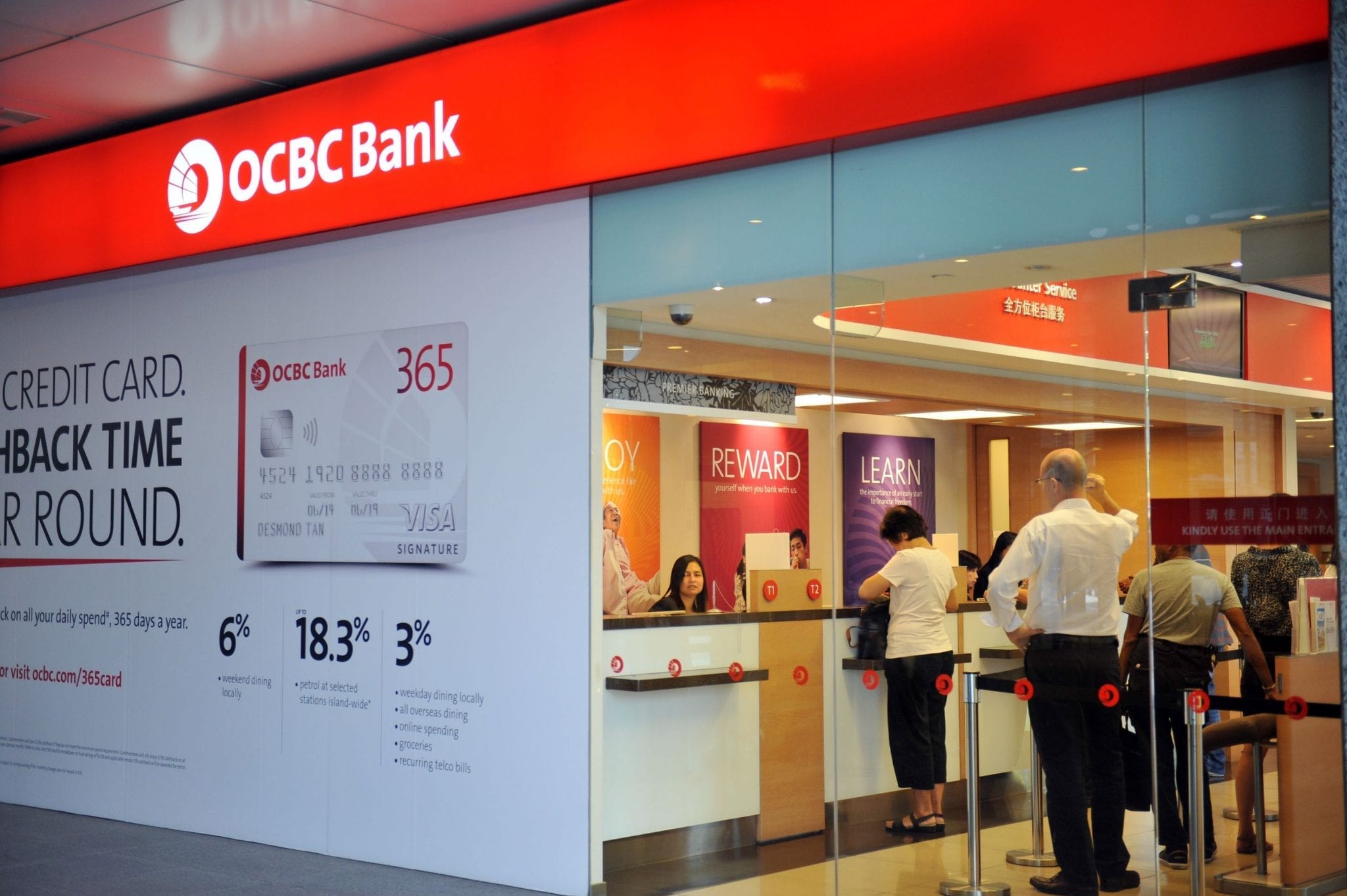
    Since last month, OCBC Bank became the first bank to enable customers to transact at merchants that accept Apple Pay within minutes of applying for a new VISA credit or debit card. Any OCBC Bank customer – even if you do not yet own an OCBC Bank card – can apply for a card online and have your application approved almost immediately. There is no need to then wait for the physical plastic to arrive in your mailbox: The card can be accessed and provisioned (that is, added to) Apple Pay instantly via the OCBC Mobile Banking app.

    VISA cards make up almost 80 per cent of the OCBC Bank cards currently provisioned to Apple Pay. Instant provisioning of cards for use with Apple Pay has been enabled for OCBC Bank VISA credit cards – including the 365, FRANK, Voyage, Robinsons Group, Plus! VISA and NTUC Plus! cards – as well as the Yes! debit card.

    Mr Aditya Gupta, OCBC Bank’s Head of E-Business Singapore, said: “This is the new digital – instant, embedded and frictionless access to banking products and services. Our customers can now receive their new card digitally and provision it to their Apple Wallet to start paying with it straight away – all from within our mobile banking app and within a few minutes. We believe this is a huge level-up in customer experience and will further accelerate our digital card applications and cashless payments market leadership drive.”

    Leader in payments and digital banking

    OCBC Bank is one of the top credit card issuers in Singapore and the market leader in contactless payments; one in every two VISA contactless transactions, including Apple Pay, is made with an OCBC Bank card. Monthly mobile wallet payments have doubled since 2016, while the number of credit cards provisioned to mobile wallets has increased sevenfold. 60 per cent of OCBC Bank cards provisioned to mobile wallets are on Apple Pay. Mobile wallet usage is especially popular for lifestyle transactions including groceries, transport such as private hire cars, food deliveries and fast food.

    Mr Vincent Tan, OCBC Bank’s Head of Credit Cards, said: “When we first introduced mobile payments to our customers in 2016, the future of payments looked exciting then – and it has definitely proven itself to be so. One in every two VISA contactless transactions is made with an OCBC Bank card so we have clear leadership in the mobile and contactless payment space. More OCBC customers, even those who are not currently our cardholders, can now benefit from our suite of credit cards within minutes of applying for one. With our instant digital card issuance, they can immediately provision their new cards to Apple Pay via our mobile banking app, and start to enjoy our cards’ rewards and rebates.”

    OCBC Bank has constantly worked towards making banking seamless and embedded in our customers’ natural behaviour and interactions. OCBC Bank led the way in Singapore in launching voice-powered conversational banking for retail customers in February 2018, which allows customers to ask Siri to check their bank balances, credit card overview and make e-payments. It was the first bank in Singapore to introduce biometric authentication to access bank account details with OCBC OneTouch in March 2015, and OCBC OneLook in November 2017 on the OCBC Mobile Banking app, leveraging fingerprint and facial recognition technology. OCBC Bank then offered customers the convenience of banking on their wrist, launching its mobile banking app for Apple Watch in March 2016. In November 2016, OCBC Bank enhanced its OCBC Pay Anyone e-payments service by enabling customers to send money via OCBC Pay Anyone directly within Apple’s iMessage on iPhones, and via any app on Android devices using the OCBC Keyboard in August 2017.

  • Singapore retail sales buoyed by Lunar New Year

    Singapore retail sales buoyed by Lunar New Year

    Singapore retail sales – excluding motor vehicles – rose 14 per cent in February, reflecting the changed timing of Lunar New Year observation.

    Compared with January, they rose 1 per cent.SG Feb retail sales

    Statistics Singapore estimated the total value of retail sales in February – including motor vehicles – at S$3.7 billion. Online sales accounted for 3.9 per cent of total retail sales.

    Food retailers (excluding supermarkets) recorded the biggest increase by category – up 61.2 per cent as people prepared for celebrating the New Year. Apparel sales rose 42.4 per cent. Sales at supermarkets and department stores rose by an average of 25 per cent.

    Meanwhile, sales of food and beverages at cafes and restaurants rose 4.9 per cent year-on-year.

    SG Feb retail sales FB

  • Singapore among top five destinations for IoT attacks

    Singapore among top five destinations for IoT attacks

    Singapore is in the top five destinations globally for IoT attacks, the latest installment of F5 Networks’ The Hunt for IoT series shows.

    The report, The Growth and Evolution of Thingbots Ensures Chaos, suggests the island nation has a sizable and vulnerable IoT deployment.

    The other destinations in the top five are United States, Spain, Italy, and Hungary. However, the top 5 destinations collectively only received 27% of China’s attacks; the other 73% were globally dispersed to countries that didn’t even account for more than 1% of the total attack volume.

    With 8.4 billion devices currently in use, and over 30 billion devices projected to be deployed by 2020, unprotected devices are a goldmine for hackers, as they find new ways to exploit numerous protocols beyond telnet (an underlying TCP/IP protocol for accessing remote computers) to ensure they capture as many vulnerable IoT devices as possible.

    Thingbots are botnets compromising of infected IoT devices which are typically unmanaged, providing a low likelihood of being discovered by their owner and remediated.

    Thingbots are capable of globally destructive attacks, and the worrying fact is that the security industry has only started discovering them with increasing frequency. Massive, well known thingbots such as Mirai and Persirai have been wreaking havoc around the world, and show no signs of slowing down.

    A new variant of the notorious Mirai malware is exploiting kit with ARC processors. Dubbed the Okiru, is the first capable of infecting devices powered by ARC CPUs which is responsible for running a variety of internet-connected products including cars, mobiles, TVs, cameras and more.

    In fact, despite broad awareness of their existence and threat, it is reported that Persirai infected IP cameras still exist all across Asia with the heaviest concentrations in Thailand, China, South Korea, Japan, Taiwan and Malaysia. There is even a website that collects the streaming footage from over 73,000 hacked IP cameras worldwide. These live feeds range from parking lots and store surveillance to the bedrooms of unknown individuals.

    While China, the US and Russia are clearly the top three attacking countries, the report suggests that because vulnerable IoT devices are deployed globally without bias, there is no standout IoT attack destination.

  • Singapore Airlines planning new first-class offering that will set industry standard

    Singapore Airlines planning new first-class offering that will set industry standard

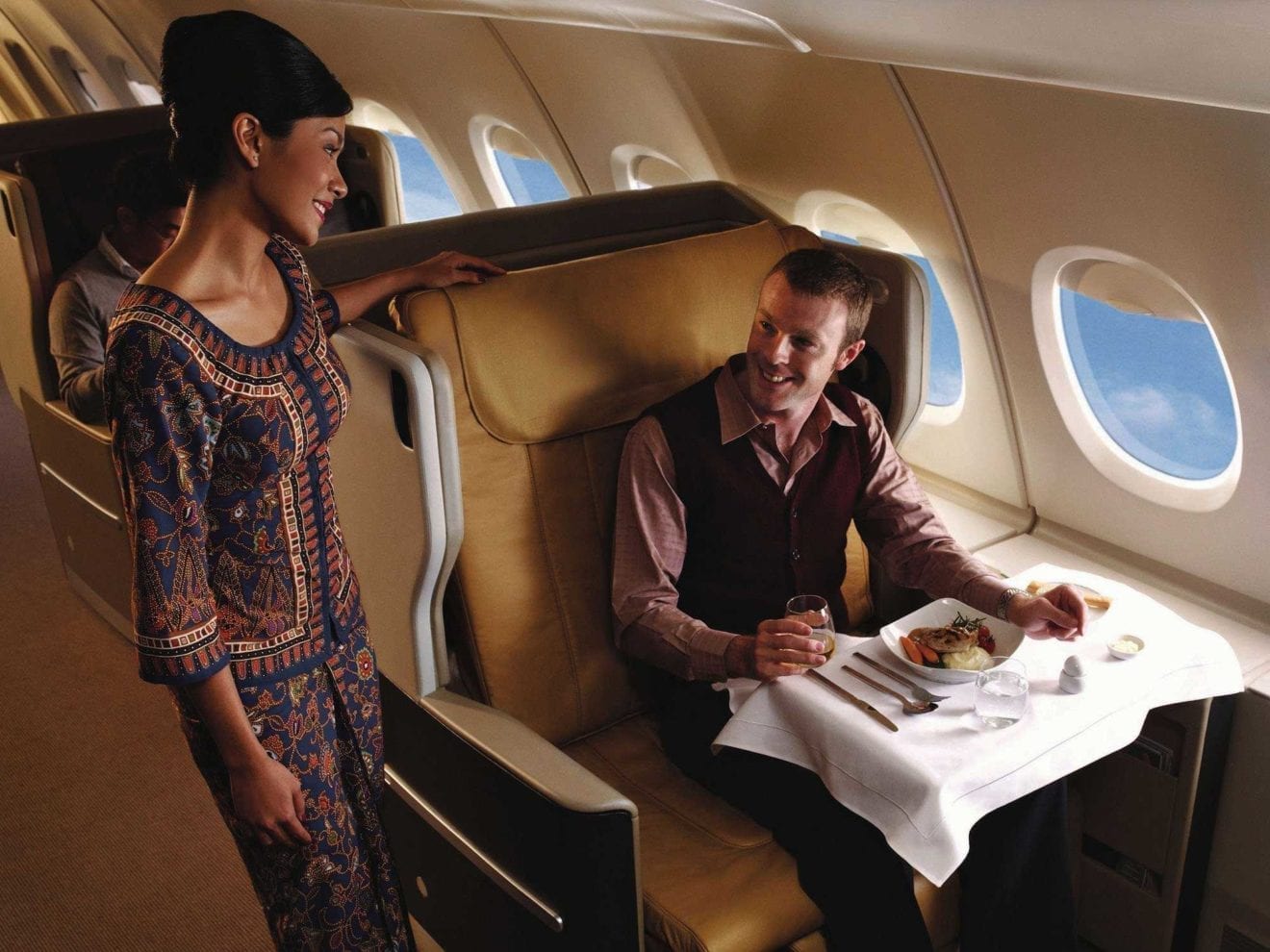
    Singapore Airlines is developing a first-class offering for its new Boeing 777-9 planes that the carrier’s chief promises will set an industry standard.

    The planes, 20 of which SIA has ordered, are due for delivery from the 2021/22 financial year.

    The new first-class offering is currently in the conceptualisation stage. Said the airline’s chief executive Goh Choon Phong: “We believe when we launch it, we will set an industry standard.”

    The Boeing 777-9 will replace SIA’s 777-300ER planes.

    Mr Goh said: “(SIA will) be going out to our consumers and customers to get better ideas about what it is they really want in the next quantum leap of service and product.”

    The plans are part of the airline’s strategy to woo customers with new seats and features, among other service and product enhancements.

    It launched new cabin products for the Airbus 380 late last year. New cabin products for Boeing’s latest Dreamliner variant, the 787-10, will debut on Wednesday (March 28), with the arrival of the plane in Singapore. SIA is the first airline to operate this model.

    Mr Goh was in the United States to collect the first of SIA’s order of 49 B787-10 planes on Sunday from the airplane maker’s Dreamliner production facility.

    Speaking to reporters in North Charleston, South Carolina, on Monday, Mr Goh also revealed that SIA is eyeing a third route on which to deploy a new ultra-long-range (ULR) aircraft it will receive in the second half of this year.

    This is in addition to the relaunch of non-stop flights to New York and Los Angeles with this new aircraft.

    When asked about plans for the new Airbus 350-900ULR – which SIA will be the first airline to operate – Mr Goh said there is potentially one more destination that the carrier has “firm plans” for. However, he declined to reveal what the destination could be.

    With the Airbus 350-900ULR – which SIA has ordered seven units of – the carrier will resume the 19-hour flights to New York and 14-hour trips to Los Angeles that it scrapped in 2013.

    The flights were started in 2004, but the 2008 financial crisis, coupled with rising fuel prices, made the routes unsustainable.

    United Airlines launched a Singapore-Los Angeles service last October, but SIA is undeterred.

    “We think that Los Angeles is a good market, and our customers continue to tell us that they would like to have direct flights to Los Angeles… It’s part of competition, we are not afraid of it,” Mr Goh said.

    During a wide-ranging interview on the SIA group’s strategy and market positioning, Mr Goh said the coming financial year will see significantly more growth for parent carrier SIA.

    From 2011 till 2015/2016, SIA was not growing a lot, because of the transition period when planes were retrofitted with premium economy products, leading to a reduction in seat count for aircraft, said Mr Goh.

    “At the same time, we were waiting for aircraft with the right capabilities, like fuel efficiency, for us to grow in a commercially viable manner.

    “So when the A-350s and 787s were available, that’s how you see that we are beginning to again get back to the growth phase for the parent carrier.”

  • AWS launches Aurora via Singapore cloud region

    AWS launches Aurora via Singapore cloud region

    Amazon Web Services has announced the availability of Amazon Aurora in the AWS Asia Pacific (Singapore) region.

    Amazon Aurora is a MySQL and PostgreSQL compatible database engine for the Amazon Relational Database Service (Amazon RDS) that aims to combine the speed and availability of high-end commercial databases with the simplicity and cost-effectiveness of open source databases.

    Amazon Aurora provides up to five times better performance than the typical MySQL and is three times faster than standard PostgreSQL databases. Customers pay a simple hourly charge for each Amazon Aurora database instance they use and Amazon Aurora can automatically scale storage capacity with no downtime or performance degradation.

    “Historically, customers have had to choose between performance and price when evaluating database solutions. Our customers have consistently told us that they wished for an easier way to get the performance of commercial databases, at the price of open source engines,” said Nick Walton, Managing Director, ASEAN, AWS.

    “Amazon Aurora is a database engine that gives customers the best of both worlds – the performance and availability of the highest-grade commercial databases at a cost more commonly associated with open source.”

    Amazon Aurora automatically replicates data across multiple Availability Zones and continuously backs up data to Amazon Simple Storage Service (Amazon S3), which is designed for 99.999999999% durability without performance impact.

    Amazon Aurora is designed to offer greater than 99.99% availability, and to automatically detect and recover from most database failures in less than 60 seconds, without crash recovery or the need to rebuild database caches. Amazon Aurora continually monitors instance health and if there is a failure, it will automatically failover to a read replica without loss of data.

  • Fatburger and Buffalo’s Express restaurants starting in Singapore

    Fatburger and Buffalo’s Express restaurants starting in Singapore

    Co-branded Fatburger and Buffalo’s Express restaurants will be rolled out across Singapore over the next three years, the first by this Christmas.

    Fat Brands, the US parent of the two quick-service restaurant brands, has signed a franchise deal with Deelish Brands to develop the chain, but has not yet revealed how many stores will be opened. Changi Airport’s Jewel shopping centre is highly likely to be among the first few destinations.

    “Entering the Singapore market has been a goal of ours for a very long time,” said Andy Wiederhorn, CEO of Fat Brands. “We had to be deliberate in our strategy to join this colourful and rapidly-growing nation and have finally found the perfect partner in Deelish Brands.

    “The beauty of Fatburger and Buffalo’s Express restaurants is they bring approachable American fare that everyone can enjoy, together – and we’re excited to bring this to Singapore.”

    Wiederhorn says the Singapore launch of Fatburger and Buffalo’s Express restaurants will build on his company’s previous success in Asia.

    The two brands will offer a menu including boneless wings, made-to-order burgers, milkshakes and fries. The stores offer what he describes as an “authentic Americana ambiance” through customer service and engaging decor.

    Fatburger is a 70-year old fast-casual restaurant serving large, juicy, burgers, custom-made to order.

    Buffalo’s Express, founded in 2012 in Los Angeles, is a fast-casual chain known for its chicken wings, wing sauces, fries, sides, wraps, salads and desserts.

  • Creyate eyes Singapore after Japanese success

    Creyate eyes Singapore after Japanese success

    Indian custom-clothing brand Creyate plans to open stores in Singapore, the US, UK and Dubai after a successful foray into Japan.

    Owned by Arvind Internet, the company recently opened its first luxury store in the Indian city of Bengaluru and is considering ramping up its expansion through a franchise model. It has 13 stores operating in its home market already.

    Described as an emerging brand, Creyate customises apparel products to people who buy online or in-store. Online, they can submit measurements and select designs in advance of picking up the products in store – or having them delivered.

    In Japan,Creyate already has 50 stores-in-stores specialising in denim.

    Arvind Internet COO Tejinder Singh told reporters the company wants to double its retail network within 18 months.

    “With our omni-channel approach, we may cap it at two stores per city, so we are looking to explore Tier-II cities, as well. It is an inventory-light model, which suits the all stakeholders at a macro level,” said Singh.

  • Shake Shack Singapore likely to launch at Changi

    Shake Shack Singapore likely to launch at Changi

    A Shake Shack Singapore store is reportedly planned for the Jewel Changi Airport shopping centre.

    Singapore food blog 8 Days, quoting an “industry source” says the chic American gourmet burger chain is in the final stages of preparation to launch in Singapore. Elsewhere in Asia, the brand is preparing to open in Hong Kong, where it has appointed local licensee Maxim’s Caterers, a division of Dairy Farm International, which also owns the Starbucks license for Hong Kong and Singapore.

    However 8 Days is tipping the Shake Shack Singapore eatery to be run by Korean food and beverage company SPC Group, which operates Paris Baguette and has the Korean rights to Shake Shack.

    The burger chain’s founder Danny Meyer was in Singapore to address a Restaurant Association of Singapore event and while “coy” about plans for Singapore, he reportedly told 8 Days he wants to see the brand launched in the city state.

    “It’s a possibility,” he told 8 Days. “My guys have visited Singapore thrice for site trips and they loved it here. It’s all about finding a good licensee.”

    Jewel Changi Airport is a shopping centre to be managed by CapitaLand, attached to the airport’s Terminal 1 and scheduled to open early next year.

    No confirmation was forthcoming from Changi Airport or SPC.

    Shake Shack, which started out as a food cart in New York City, now has more than 170 outlets internationally.

    Besides burgers, it is known for milkshakes, ice cream and other staple US dishes, but with more focus on flavour and serving size than is traditional in US fast-food restaurants.

  • Chatime to open first Singapore store this year

    Chatime to open first Singapore store this year

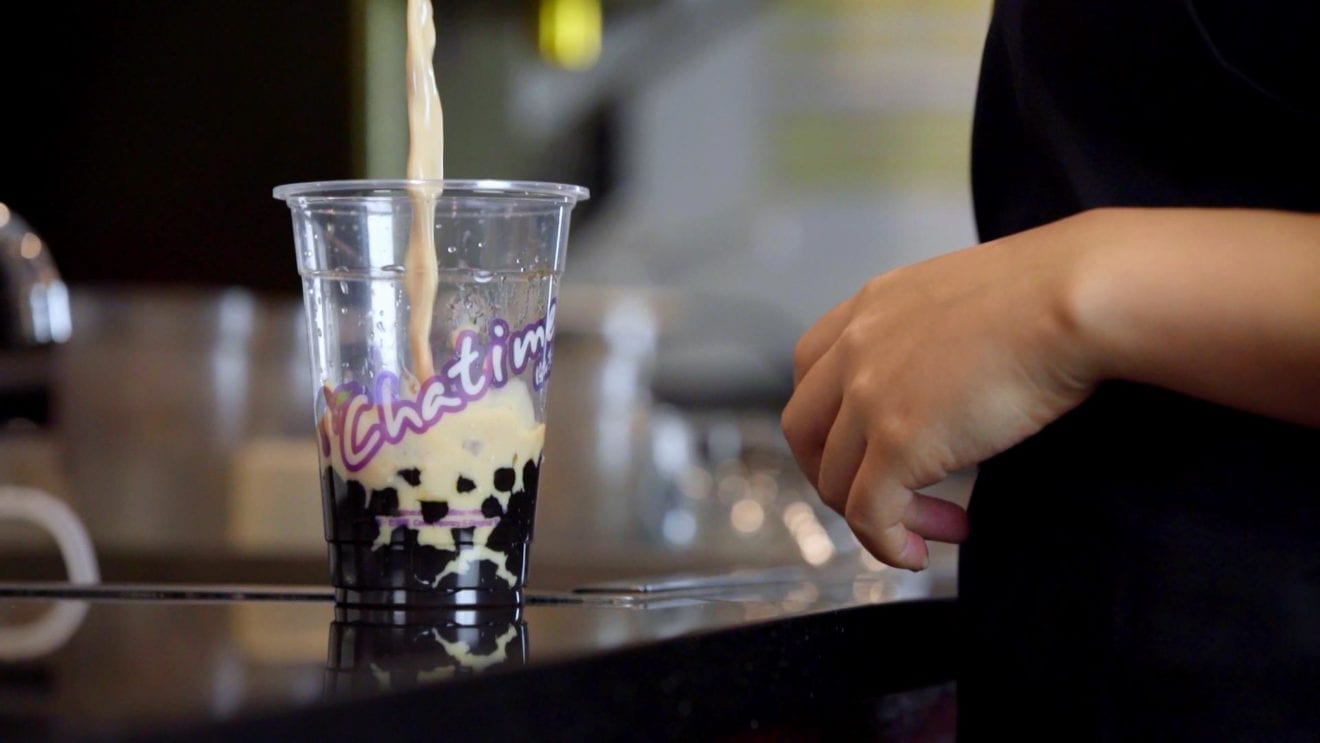
    Malaysia’s Will Group is planning to open first Chatime Singapore outlet this year.

    The first two stores will be opened inside shopping malls, with a third scheduled for Jewel Changi Airport next year.

    The group is also negotiating to take over the Singapore master franchise for the tea brand from current franchisor La Kaffa International.

    Chatime also plans to expand into the Middle East, with outlets in Mecca and Medina this year, under a sub-franchise arrangement.

    Chatime Malaysia has obtained the halal food certification for its menu, paving its way for business expansion.

    Will Group has set a RM100 million (S$33.6 million) budget to open 150 outlets in Malaysia and internationally.

    Will Group became master franchisee for Chatime in Malaysia following a dispute between La Kaffa and ex-master franchisee Loob Holding.

  • Singaporeans interested in biometric authentication

    Singaporeans interested in biometric authentication

    Singaporeans are interested the use of biometric methods to verify identity (97%) and make payments (96%), while recognizing that biometrics are faster, easier and more secure than traditional passwords, according to a recent Visa survey on biometric authentication for payments.

    The survey titled “Biometrics in Payments: Singapore” was conducted by AYTM Market Research late last year. Respondents consisted of 500 adult consumers in Singapore who used at least one credit card, debit card and/or mobile payment method.

    According to the survey, more than half of the respondents have already used at least one form of biometric authentication including fingerprint recognition (88%), facial recognition (56%), iris scanning (50%) and voice recognition (49%). Among the range of biometric solutions, consumers were most familiar with fingerprint recognition, with 51% of them using it regularly.

    Survey results showed one in five Singaporeans currently use fingerprint authentication or facial recognition from their respective banks or mobile phone providers. For those who have not used biometric authentication, 91% stated that they would be likely to use fingerprint or facial recognition authentication from their banks in future.

    More than half (55%) of the respondents agree that the use of biometrics eliminates the need to remember and key in multiple passwords, and PINs, for their respective accounts. Forty one per cent said that biometric authentication is more secure compared to passwords and PINs as they can better confirm individual identities.

    Singaporeans believe that fingerprint recognition is the most desired biometric authentication, followed by eye scanning and facial recognition for both online payment and in-store purchases. For online payment authentication, Singaporeans are keen to use it for large purchases (more than $100) and small purchases (under $100), and transfer of funds to family. The preference is similar for in-store purchases, including using biometric authentication to pay for a meal at the bar or restaurant and buy tickets for transportation.

    Mandy Lamb, Group Country Manager, Regional Southeast Asia for Visa, said, “Singaporeans are early adopters of technology and many of them already have experience with biometrics authentication. With the proliferation of biometric authentication solutions used by mobile providers and banks, Singaporeans recognize the value these new technologies bring to their everyday lives. As the country continues its Smart Nation journey, we believe more people will start to adopt biometric authentication.”