Tag: Singapore

  • The famous “crazyshake” restaurant Black Tap is heading to Singapore

    The famous “crazyshake” restaurant Black Tap is heading to Singapore

    New York’s Black Tap Craft Burgers & Beer is about to make its Asian debut at Singapore’s Marina Bay Sands.

    Paying homage to the great American luncheonette experience, it will offer classic craft burgers, craft beers and its colourful CrazyShake milkshakes.

    Run my Michelin-starred chef Joe Isidori and restaurant/nightclub developer Chris Barish, Black Tap opened in New York in 2015.

    Isidori earned his Michelin star while executive chef of fine-dining restaurant DJT, while Barish is known for the Gordon Ramsay Pub and Grill, and Gordon Ramsay Steak.

    Black Tap Singapore will open in the third quarter at the South Promenade of The Shoppes at Marina Bay Sands, offering a casual vibe reminiscent of a classic American luncheonette and featuring ’90s hip hop and ’80s pop music. It will seat 150 guests.

    A commissioned wall mural will depicts elements of urban life in Singapore.

  • Parcel Santa to Collaborate with Singapore Press Holdings and Buzz Express to Expand E-Commerce delivery coverage

    Parcel Santa to Collaborate with Singapore Press Holdings and Buzz Express to Expand E-Commerce delivery coverage

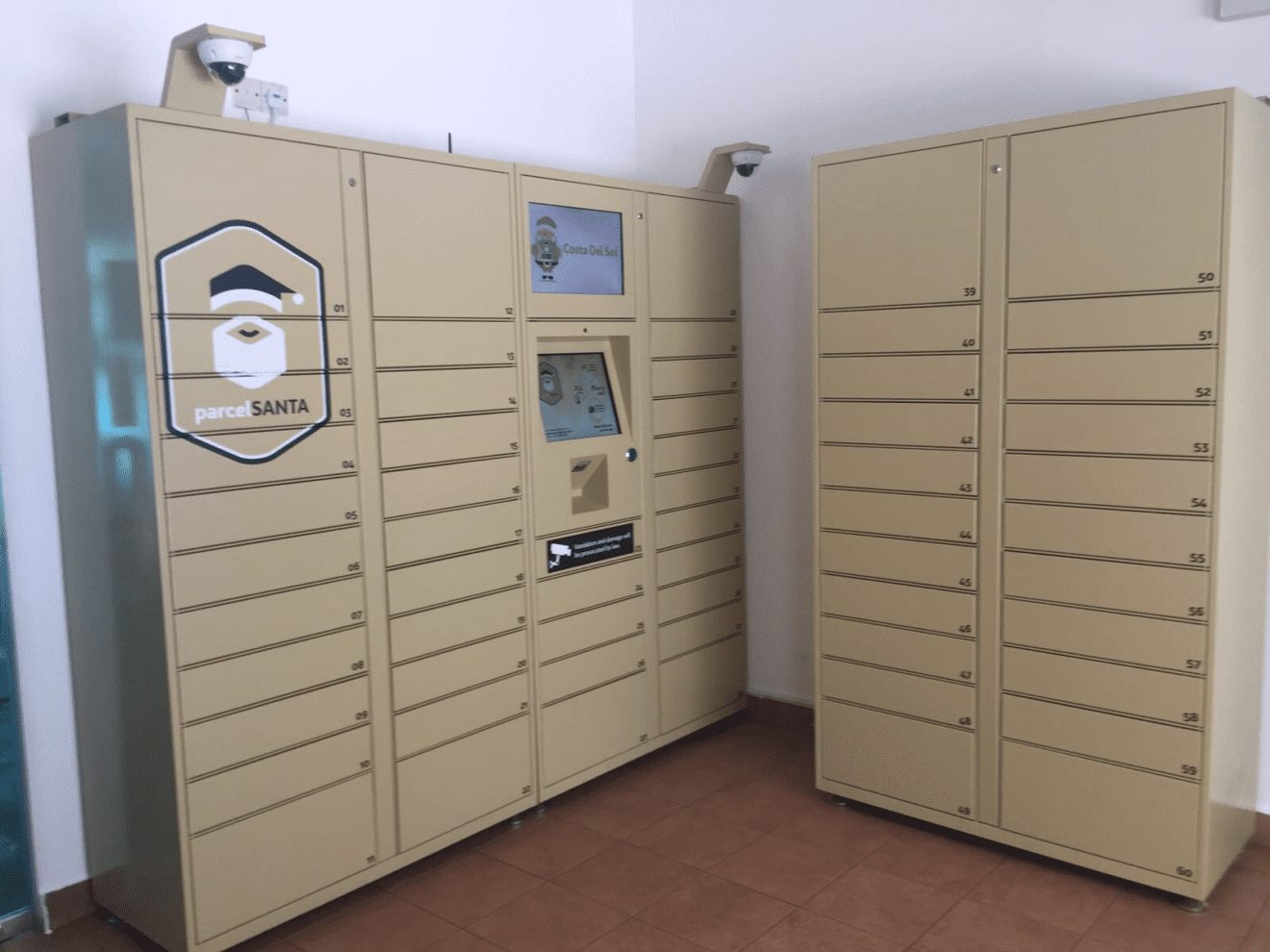
    One-year old sensor technology and parcel locker start up, Parcel Santa, has inked an agreement with Singapore Press Holdings and Buzz Express to utilize the latter’s extensive delivery network to make e-commerce deliveries to Parcel Santa lockers, located in Singapore condominiums.

    Parcel recipients will be informed via SMS when their parcels are delivered to secured lockers, which they have up to twenty-four hours to collect, using a One Time Password (OTP).  Recipients may choose to reschedule delivery to lockers or pay a small fee to extend the collection period.

    The entire delivery process is monitored by Parcel Santa’s back office system, with sensors able to identify when authorized recipients have collected their parcels.  The use of sensors and real-time communication ensures that parcels are received without repeated delivery attempts – which is in line with Parcel Santa and SPH’s corporate objectives to be environmentally friendly corporate citizens.

    As part of this collaboration, non-perishable items delivered by SPH’s network may also leverage Parcel Santa’s back office system and lockers as an end-mile collection point by recipients.

    The service offers the following benefits to the ecosystem:

    1. Environmental Sustainability – minimizes the use of motor vehicles to make repeated delivery attempts
    2. Safety and Security – parcels and couriers are pre-registered and tracked, and only authorized recipients may collect them
    3. Consumer Empowerment – to facilitate e-commerce, shoppers can make purchases and not have to wait for delivery
    4. Property Asset Enhancement – condominiums can offer this service with the latest customer-recognition, IoT (Internet of Things) and 3G/4G wireless transmission technology

    Parcel Santa lockers have been installed in one hundred residential condominium locations across Singapore.  The company is in the process of Series A fund raising to expand its target footprint of 500 condominium installations in Singapore – and initiate its expansion into the Southeast Asian region.  With the latest addition of SPH, Parcel Santa’s delivery partners include DHL Express, FedEx, UPS and WMG Delivery.  Once registered, couriers from partner companies may use Parcel Santa lockers to facilitate deliveries.

    “Since launching one year ago, we have been playing catch up with increasing e-commerce activity in Singapore as the demand for online shopping and other deliveries is on the rise, said Mr. Jim Huang, Co-Founder and Chief Executive Officer of Parcel Santa.  “The addition of SPH and Buzz Express’ networks is a very natural progression in partnering with one of Singapore’s most established delivery networks to provide wider convenience and brings great value to our customers”, he said.

    “SPH has a long history of delivering media and parcels in Singapore, with a reputation of being always on-time and reliable, said Mr. Spencer Tan, Deputy General Manager of SPH.  “With a delivery network of 3,000 delivery staff, SPH and its Buzz Express reaches every corner of Singapore as we deliver media and consumables.  As we strive to become a Greener player in the end mile logistics industry, Parcel Santa offers a unique ability to prevent or minimize failed or missed delivery attempts”, he said.

  • Smiggle Asia shows positive growth

    Smiggle Asia shows positive growth

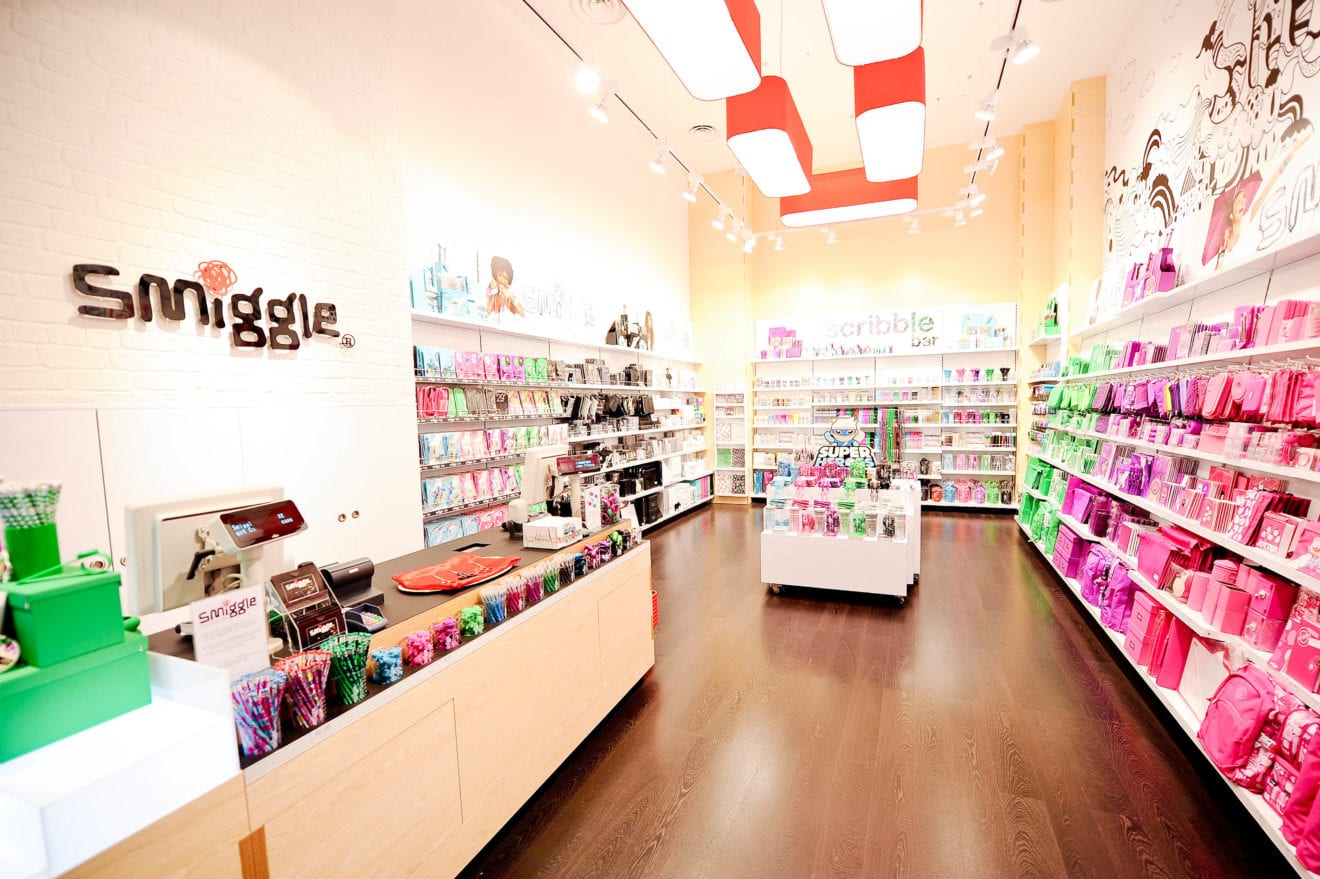
    Smiggle Asia is thriving, its success here encouraging the stationery retailer’s parent to expand in other global markets.

    Smiggle, a subsidiary of Australian listed company Premier Investments, opened three new stores in Hong Kong in the first half of its current trading year and a further two in Malaysia. Both markets now have 13 Smiggle stores trading.

    “The brand now expects to have between 17 and 19 stores operating in Malaysia within three years of first opening. This is well ahead of the original plan,” the company said in an earnings filing.

    “The Smiggle Asia division had an exceptionally strong half. Singapore, the most mature of the Asian markets, enjoyed strong like-for-like growth with tourists providing valuable insights into potential new Smiggle markets.”

    The brand achieved record global sales of A$170.7 million (US$131.6 million) in the first half, up 26.7 per cent on the same time last year, underpinned by the opening of 35 new stores. More than 60 per cent of Smiggle sales during the period were from outside Australia. Smiggle now has 332 stores across Australia, New Zealand, Singapore, England, Scotland, Wales, Northern Ireland, Hong Kong, Malaysia and Ireland.

    The company will open a global flagship on Oxford Street in London in May as the UK business aims for $200 million in annual sales by next year.

  • Singapore firms eye Vietnam food industry

    Singapore firms eye Vietnam food industry

    Many Singaporean firms are interested in investing in food, agriculture, and dining services in Vietnam as they forecast that these sectors will thrive in the near future amidst broader ASEAN integration.

    The statement was made by Andy Yun, Secretary General of Singapore Manufacturing Federation, representing more than 3,000 members operating in automation, biology, construction, heavy industry and more, during the second Vietnam – Singapore business exchange held in the island state last week.

    Yun described Vietnam as a major market in the region with huge potential in agriculture and the food industry. Meanwhile, Singaporean enterprises are strong in technology, supply chains and logistics – a supplementary factor to the bilateral partnership.

    Nguyễn Văn Thân, Chairman of the Vietnam Association of Small and Medium-sized Enterprises, led a delegation of over 100 Vietnamese firms, many of them start-ups, to the event.

    He said many Singaporean enterprises actively connected with Vietnamese ones at the event, proving that bilateral cooperation potential is huge.

    Accounting for over 97 percent of the total, Vietnamese SMEs contribute nearly 40 per cent of the gross domestic product, 33 per cent of industrial production value, 30 per cent of export value and attract more than half of the workforce, he said.

    Singapore is now the sixth largest trade partner of Vietnam in the world and the second largest in ASEAN. Vietnam is also the 12th largest trade partner of Singapore. Two-way trade has grown 12-15 per cent annually over the past years.


  • Converse starts selling online on Lazada

    Converse starts selling online on Lazada

    Lazada has launched the first official Converse online store in Singapore and Malaysia.

    The two companies say they have created “a curated brand experience” which showcases a diverse product offering.
    The store opened on Friday and will expand later this year into Indonesia, Thailand, the Philippines and Vietnam.

    “We look forward to providing Southeast Asian consumers with the broadest selection of Converse products and an elevated shopping experience via our Converse Official Store,” said Dan Brausch, VP of global partner markets with Converse.

    Robin Mah, chief business officer with Lazada Group, said the store allows local fans of the brand to browse and purchase hundreds of styles for men and women.

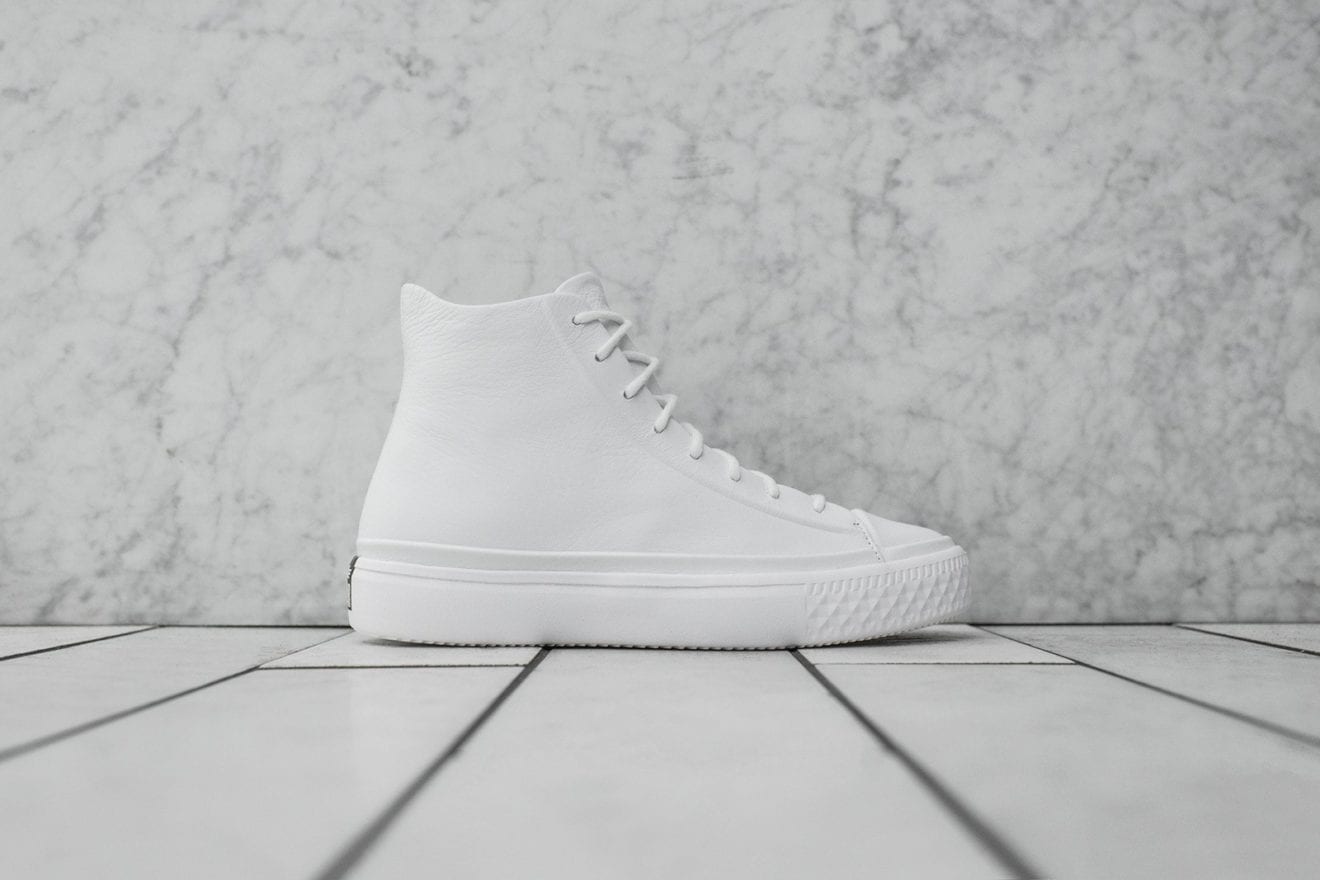
    Popular Converse ranges including the Chuck Taylor All Star, One Star and Chuck 70’s are all available in assorted colours, patterns and materials.

  • One Raffles Place Shopping Mall Add Some Blings To Lure Shoppers

    One Raffles Place Shopping Mall Add Some Blings To Lure Shoppers

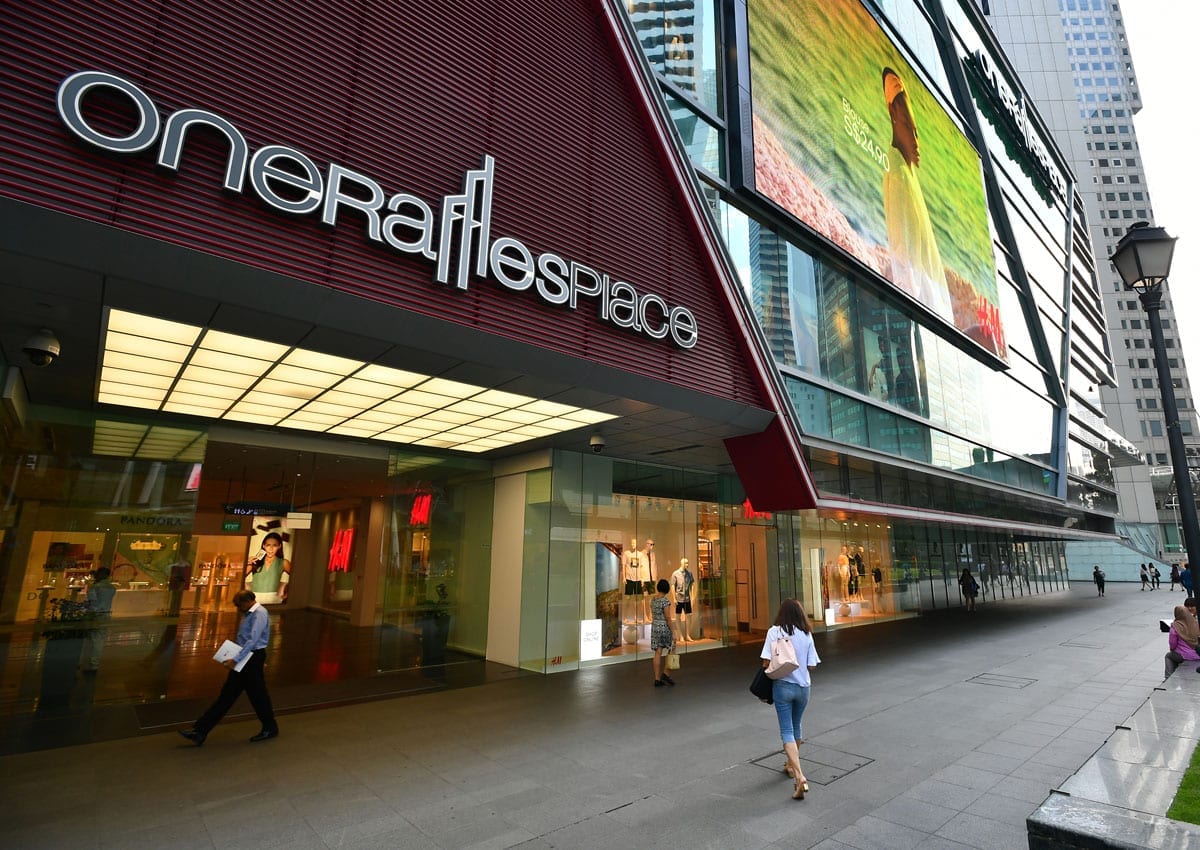
    This Spring/Summer, One Raffles Place shopping mall brings together wardrobe classics and new favourites, providing style options for every occasion. Shoppers can look forward to attractive promotions from 21 March till 22 April 2018, and enjoy a fashion showcase curated by one of Singapore’s leading fashion stylists, Jerome Awasthi, at the mall’s atrium on Level 1.

    Featuring apparel and accessories from the multitude of fashion brands at the mall, such as Revolte Collective, Rabeanco and S Lady, the fashion showcase will present feminine yet strong and futuristic looks. Shoppers will be able to garner inspiration for a new wardrobe this Spring/Summer, in line with the latest trends.

    With a new wave of stores that have opened within the last quarter, One Raffles Place shopping mall strengthens their fashion, food & beverage (F&B), lifestyle and beauty offerings just in time for the season. Including fashion boutiques such as Butterflies & Marigolds and (X)S.M.L, as well as cult beauty brand Black Paint and F&B favourites like Greendot Café and Marks & Spencer, everyone can enjoy a little something every day at One Raffles Place shopping mall.

  • Uniqlo’s Next Designer Collaboration Is Perfect To Wear In Tropical Singapore

    Uniqlo’s Next Designer Collaboration Is Perfect To Wear In Tropical Singapore

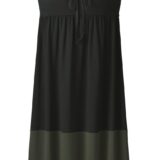
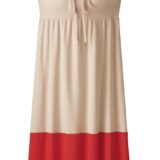
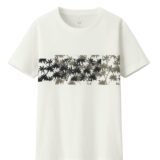
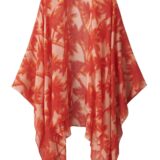
    From regular collections from French model-turned-designer Ines de la Fressange to J.W Anderson‘s recent contribution of the ideal winter wardrobe, Japanese retail giant Uniqlo certainly has a knack for convincing high-end designers to dabble in the affordable clothing arena.

    And joining in on the fray to create Uniqlo’s first Resort Wear Collection is Bottega Veneta creative director Tomas Maier. Of dark hues and vibrant pops of colours, the women collection features easy, breezy silhouettes such as flowy chiffon dresses and loose soft cotton shirts, fitted and industrial pieces like the flight jacket in red, and a range of playful bikinis in bubblegum hues. The men’s range includes various jackets, short-sleeve polos, graphic tees, and swim shorts.


    “Our new collection is designed to work in many different ways. Beach attire can turn into loungewear, casual cover-ups paired with polo shirts can easily be worn in town – this is the concept of my brand,” said Maier in a press statement. “Things work in many ways. Even if bought for a special trip or occasion the customer will soon discover these garments adapt to a year-round life.”

    Prices range from $14.90 for a pair of swim shorts to $129.90 for a cashmere sweater.

  • Jill Stuart Beauty debuts in Singapore

    Jill Stuart Beauty debuts in Singapore

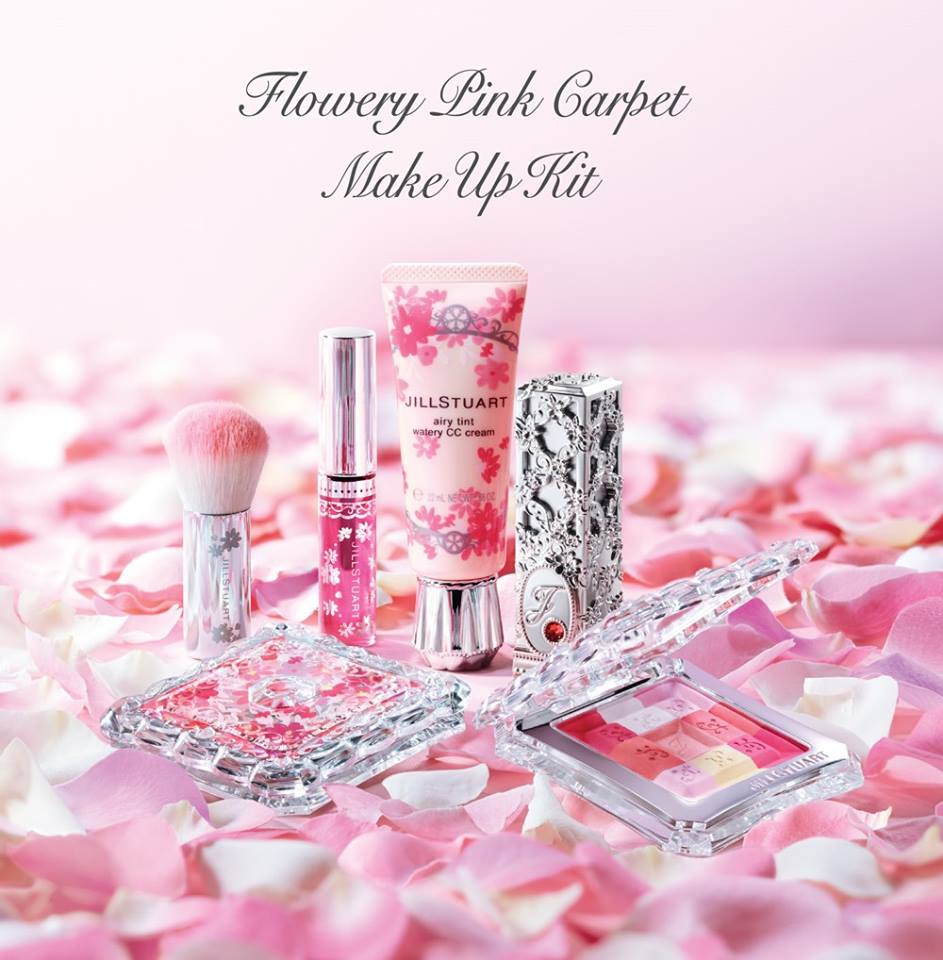
    Japanese-influenced beauty brand Jill Stuart is to open its first presence in Singapore – inside Sephora Ion Orchard.to

    The concession will debut on March 29, offering Singaporeans its full product range, including lipsticks, eyeshadows and blushes, its best-selling items.

    Jill Stuart was founded in 2005 and has built a reputation for its embellished silver packaging inspired by the make-up style of Japanese women.

    Fans of the brand are commonly referred to as ‘Jill girls’, a phrase born in Jill Stuart’s philosophy about being “all for girls to be ‘kawaii’ (cute).

    Jill Stuart is a New York-based designer and her cosmetics brand was developed with Kose Corporation. Her products are already sold in Korea, China, Hong Kong, Taiwan and Thailand.

  • Tumi acquisition lead Samsonite to good numbers

    Tumi acquisition lead Samsonite to good numbers

    Samsonite Asia sales lept 16 per cent last year, a rate slower than the Hong Kong-listed company’s global growth, and predominantly driven by the acquisition of Tumi.

    The world’s largest travel luggage company achieved global sales of US$3.49 billion, up 23.3 per cent, with Asia accounting for $1.19 billion of that. Samsonite Asia sales excluding the Tumi effect grew by a much more modest 4.8 per cent, while sales in Japan grew by 32 per cent, or 12 per cent excluding the Tumi business, driven by the Gregory, American Tourister and Samsonite brands.

    In the first half of last year, Samsonite assumed direct control of the wholesale and retail distribution of Tumi products in South Korea, Hong Kong, Macau, China, Indonesia and Thailand.  Net sales in China increased by 11.9 per cent year-on-year, (7.2 per cent excluding Tumi), due to increased sales of the Samsonite and American Tourister brands. Net sales in South Korea increased by 15.7 per cent, but fell 2.5 per cent excluding Tumi, due to fewer shoppers visiting from China and weak consumer sentiment.

    Net sales in Hong Kong increased by 34 per cent year-on-year, driven by the addition of Tumi, but by just 1.5 per cent excluding Tumi.

    Net sales in India increased by 4.6 per cent, despite a temporary disruption during the year due to the Indian government’s introduction of a goods and services tax that took effect in the third quarter of last year.

    Strong direct-to-consumer growth

    Samsonite showed solid progress on its move towards increasing its direct-to-consumer sales, aided by the acquisition of online luggage retailer eBags last May.

    Net sales rose 57.4 per cent overall, by 32.1 per cent excluding Tumi and by 12.2 per cent after 1 further excluding eBags.

    Dollar reported profit attributable to the equity holders increased by US$24.1 million, or 12.1 per cent.

    “We saw very satisfying growth last year, further driven by a strong performance from the Tumi and eBags businesses following their integration into the group,” said chairman Tim Parker.

    “In particular, we made solid strides in improving Tumi’s performance and as a result it was accretive to earnings in its first full year post acquisition. Now that we have strategically expanded into the highly attractive premium segment, and established a firm foothold in e-commerce, we look forward to more aggressively expanding our presence in the direct-to-consumer channel worldwide, especially direct-to-consumer e-commerce, where we see strong growth opportunities.”

    CEO Ramesh Tainwala said that while the company continued to benefit from the buoyant growth in travel and tourism worldwide, its strong performance was also driven by continued investment in brands, especially in the form of increased marketing support, as well as the expansion of direct-to-consumer e-commerce and brick-and-mortar retail operations.

    “Looking ahead, we will continue to implement our multi-brand, multi-category and multi-channel strategy, while leveraging our decentralised management structure and investment in marketing, in order to capitalise on the many exciting opportunities ahead of the group,” he said.
  • Epiphany Cafe plans to invade Asia

    Epiphany Cafe plans to invade Asia

    A rural New Zealand donut maker is set to expand into Asia, initially targeting the Philippines, Indonesia, Malaysia and Singapore.

    Epiphany Cafe started just two years ago as a single family-owned store in the Waikato city of Hamilton, in the heart of New Zealand’s largest dairy-farming region. Since then it has expanded to five stores in Auckland and Hamilton under a franchise model it is now looking at expanding into other New Zealand towns and cities before heading offshore.

    “We believe there is a need we can fulfil in Asia,” GM for sales and marketing, Suzanne Gaier, said in an interview published on Stuff.co.nz.

    Gaier hopes to have the first Asian stores operating within 12 to 24 months.

    “Our idea is also to bring our core staff members from New Zealand into Asia and inject Kiwiana that way too. The whole idea is to take our Kiwi brand over there and be the Fonterra of sweet treats… as well as provide Kiwi expats with a little slice of home.”

    Epiphany Cafe developed its donut recipe over six months and now boasts 29 flavours regularly rotated.

  • Ant Financial CTO: New technologies will bring more equal opportunities to all

    Ant Financial CTO: New technologies will bring more equal opportunities to all

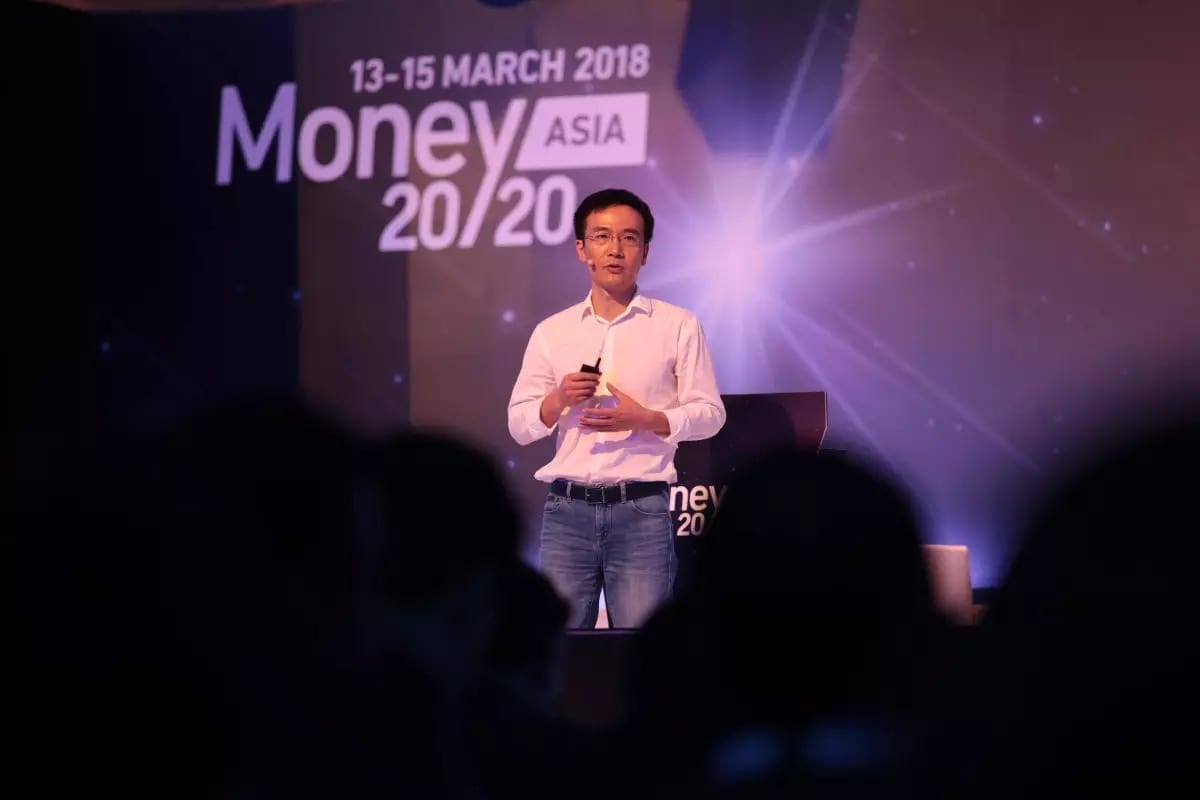
    Ant Financial Services Group (“Ant Financial” or “Ant”) yesterday participated in Money20/20 Asia industry event, where chief technology officer and chief operations officer of global business group, Cheng Li presented the opening keynote speech to an audience of 1800 gathered at the city state.

    Equal opportunities

    Citing the examples of a herdsman and a small merchant whose store is located at the foot of Mount Everest 5200m above sea level, Cheng went on to explain how technology is pathing the way for such communities to now enjoy financial services that were previously closed to them. When China started moving into the mobile age a few years ago, Ant Financial began looking at improving offline payment options so that small merchants who could not afford expensive point-of-sales systems can enjoy efficient, cheap and secure payment too. This gave birth to the use of what is now a familiar sight in many of China’s highly-developed cashless cities – scanning QR codes. Using only simple but highly efficient and secure technologies, Ant Financial has enabled even the smallest of merchants to accept payment, anywhere, anytime.

    B.A.S.I.C

    Speaking on the B.A.S.I.C that forms the building blocks of Ant’s technologies, Cheng went on to explain the importance of each: blockchain, artificial intelligence (AI), security, Internet of Things, and computing as Ant rolled out one new product after another, guided by its mission of bringing equal opportunities through technology. From using blockchain as the new trust mechanism to improve the transparency and traceability of ecommerce supply chains or charity funds, to using artificial intelligence to reduce Ant’s payment risk to less than one in one million, or answering millions of customer inquiries a day, Ant is showing how new technology can be applied to their business to solve previously challenging issues.

    Future challenges

    While Cheng remained positive of the future, there are challenges that lie ahead. With increasingly connected intelligent things generating huge IoT data stream, one of Ant’s biggest challenges is making machines understand the ultra-complex financial system well enough to provide financial services in a more efficient and inclusive way.

    Cheng Li will be due to speak again at the Ant Technology Exploration Conference (ATEC). Led by Cheng Li, the ATEC sessions will see domain experts within Ant Financial and key partner companies deepdive into the B.A.S.I.C. model. The Ant Technology Exploration Conference will take place on March 14, 2018, from 1530 hrs – 1830 hrs at Marina Bay Sands Expo and Convention Centre, Level 4, main stage.

  • Singapore retail sales and Lunar New Year

    Singapore retail sales and Lunar New Year

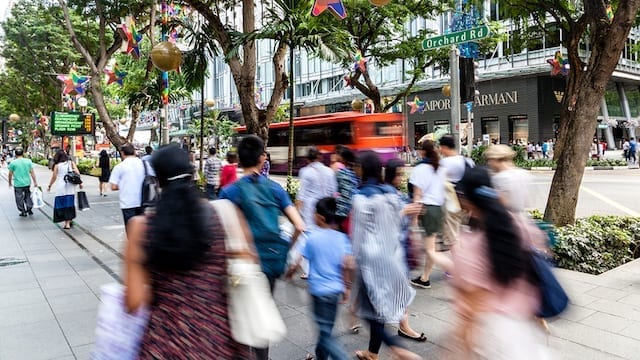
    Singapore retail sales fell in January, however there is little to read from the figures.

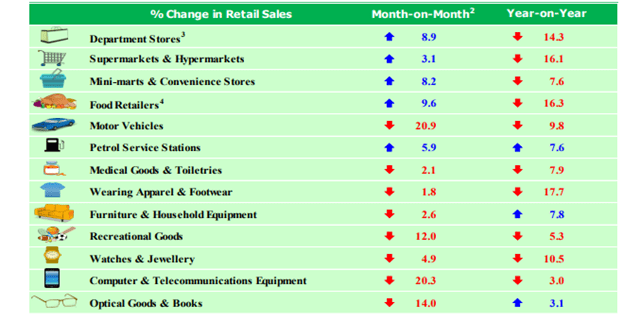
    The decline – of 8.1 per cent (excluding motor vehicles) – is totally attributable to the timing of Lunar New Year which fell in February this year and January last year, making year-on-year comparisons meaningless.

    However, month-on-month sales fell a mere 1.5 per cent which suggests a solid January given the strength of Christmas trade in December.

    Statistics Singapore estimates the total value of retail sales in January at S$3.9 billion, compared with $4.3 billion in January last year. It estimated online retail sales accounted for 4.1 per cent of total sales in the city state.

    The only categories to register a rise in sales year-on-year were furniture and household equipment and optical goods and books, which rose 3.1 per cent and 7.8 per cent, respectively.

    Seasonally adjusted sales of food and beverage services fell 4 per cent in January over December, and 13.2 per cent over January last year, again reflecting the timing of Lunar New Year.

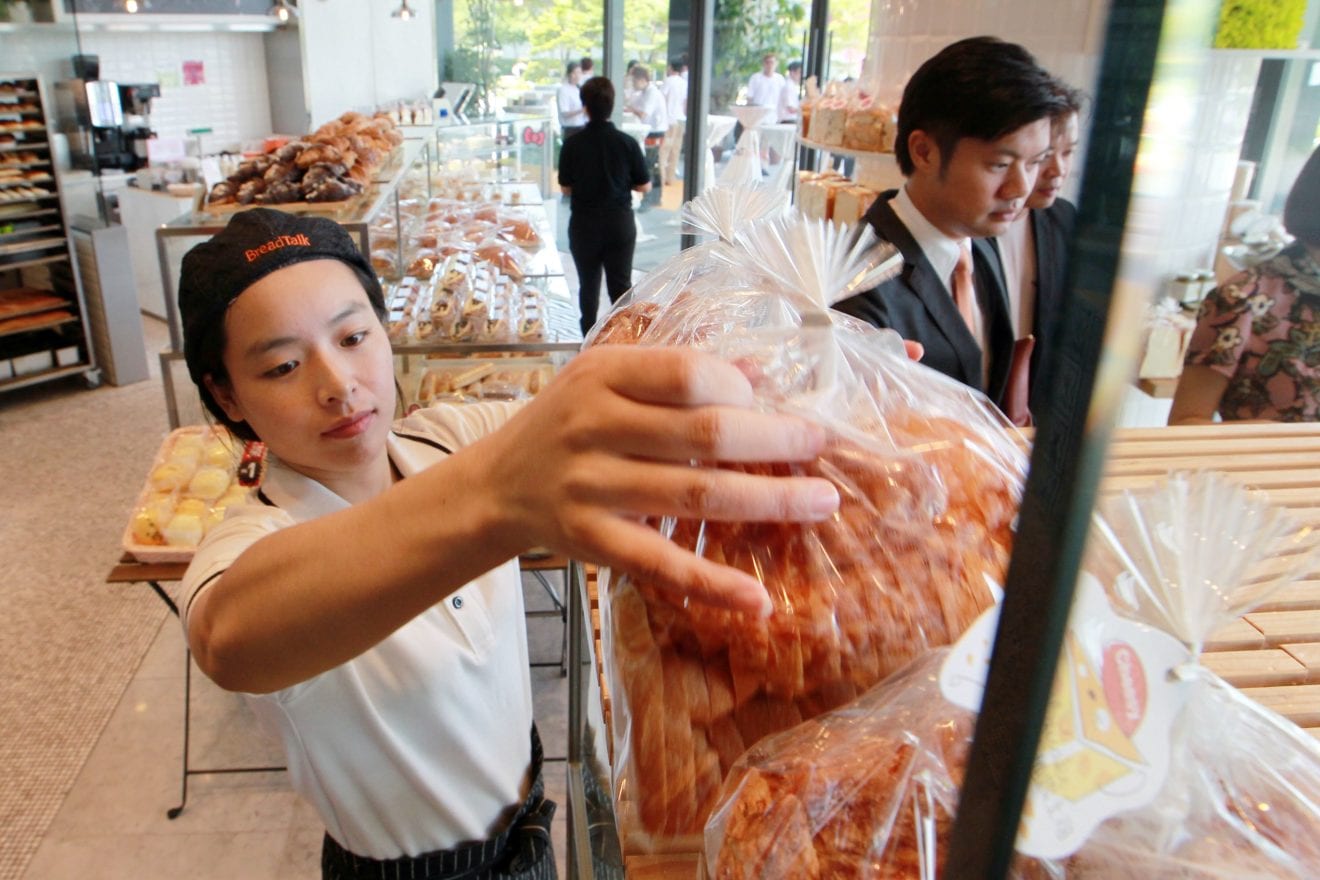
  • BreadTalk to take Taiwan’s Wu Pao Chun bakeries into China

    BreadTalk to take Taiwan’s Wu Pao Chun bakeries into China

    BreadTalk Singapore says it has formed JVs with a Taiwan company to run bakeries in China.

    BreadTalk subsidiary Shanghai Star Food F&B Management has partnered with Wu Pao Chun Food of Taiwan to run Wu Pao Chun outlets in Beijing, Shanghai, Shenzhen and Guangzhou. Shanghai Star will hold 80 per cent of the Shanghai JV and can own up to 40 per cent of the Beijing, Shenzhen and Guangzhou JVs.

    Both companies expect to form JVs for co-operation in Singapore and Hong Kong later.

    BreadTalk owns 1000 retail stores in Singapore, Mainland China, Hong Kong, Malaysia and Thailand.

  • Lazada comes with idea to simplify selling system

    Lazada comes with idea to simplify selling system

    To help Southeast Asian entrepreneurs ride the e-commerce boom, Lazada has rolled out measures to make doing business online easier, faster and more financially rewarding.

    Already in effect, the moves benefit new sellers and about 135,000 merchants already on Lazada’s platform.

    One of the highlights is Seller Rewards, a powerful framework that recognises sellers for outstanding performance. The higher the ratings, the more rewards or benefits the seller enjoys such as:

    ● Higher visibility of products when users search and browse the site
    ● Access to shipping services and price subsidies extended by Lazada
    ● Access to promotional campaigns spearheaded by Lazada
    ● Access to preferred sellers programs; or premium seller program in Malaysia and Seller Prioritas program in Indonesia.

    Customers can rate sellers based on how they apply best practices to deliver a positive customer experience, such as quality checks on products sold, using recommended packing materials to avoid damage, and preventing purchase cancellations through third-party negligence.

    As another plus, sellers will no longer be financially penalised for policy breaches. However,  errant sellers may be delisted by Lazada.

    Instead of three to four days for anyone to start their business on Lazada, the process can now be completed in mere minutes. The simplified sign-up form requires registrants to provide just their email address, telephone number and address. They can start logging up sales 15 minutes after creating an account.

    Lazada group chief operations officer Aimone Ripa di Meana says the seller-friendly initiatives are part of the company’s efforts to empower entrepreneurs to grow their business online. “By incentivising sellers and giving them more leeway to sell efficiently and effectively, we want to ensure Lazada’s marketplace is the best place for sellers to reach out to more consumers.”

    Launched in 2012, Lazada is present in Indonesia, Malaysia, the Philippines, Singapore, Thailand and Vietnam. It helps more than 135,000 local and international sellers as well as 3000 brands serving 560 million consumers. Lazada Group is majority owned by Alibaba Group Holding.

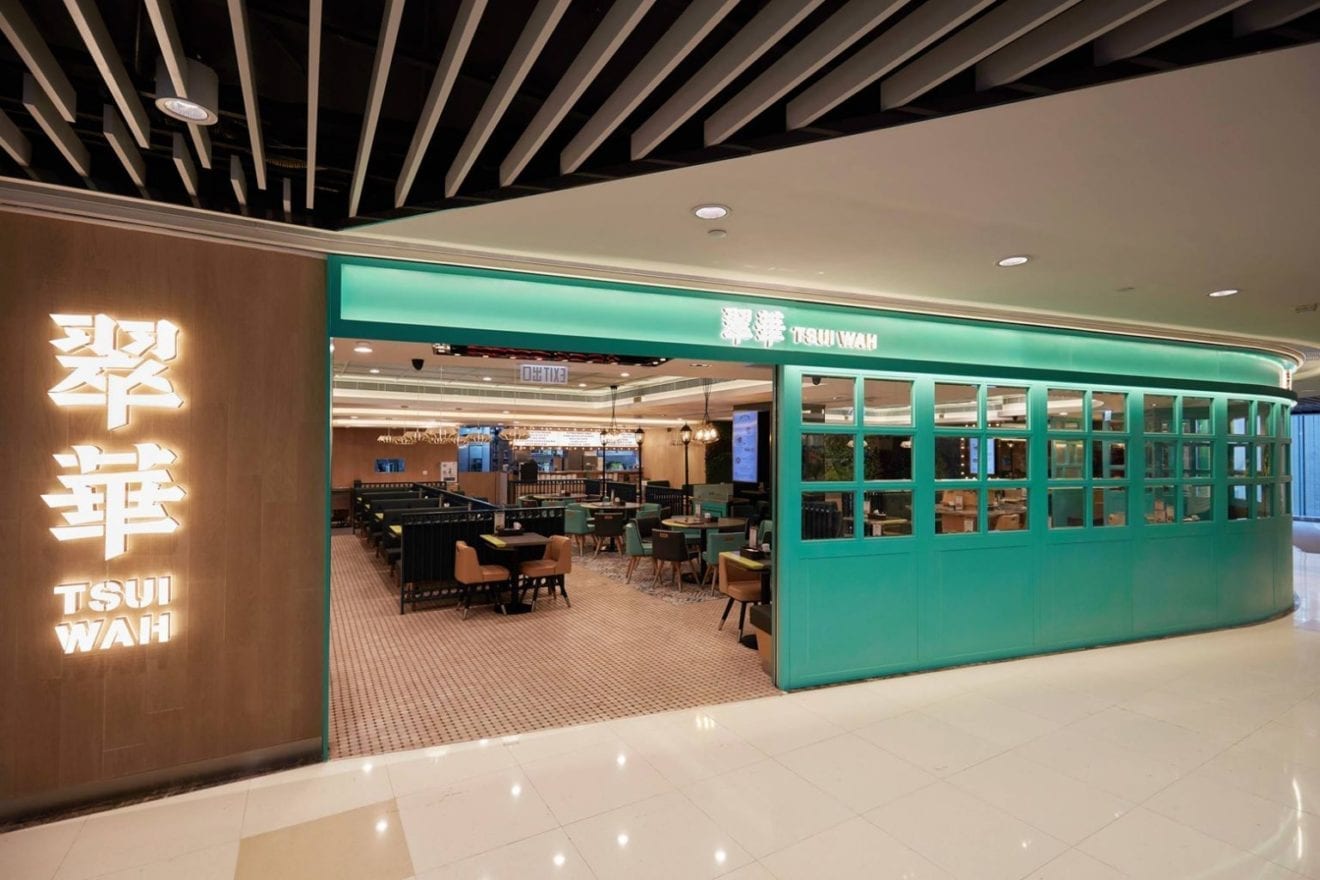
  • Hong Kong’s Tsui Wah to open outlets in Singapore

    Hong Kong’s Tsui Wah to open outlets in Singapore

    Singapore listed restaurant business Jumbo Group has signed a JV agreement with Kang Wang Holdings, a wholly owned subsidiary of Tsui Wah Holdings, to take the Hong Kong-style Cha Chaan Teng under the Tsui Wah brand into Singapore.

    It will be a 49:51 JV between a Jumbo subsidiary and Kang Wang. It has also entered into a franchise agreement with Tsui Wah International Patent, which will give the JVC the right to use the Tsui Wah trademarks and trade names in Singapore.

    The Tsui Wah Group has about 70 outlets in Hong Kong, Macau and China, and this will be it first entry into the South-east Asian consumer market.

    Jumbo says it will fund its share of investment of S$244,998 (US$186,400) in the JVC using internal resources. The agreement covers an initial 10 years.

    Founded in the Mongkok neighbourhood in 1967, the brand is known for its fishball noodles, bottled Hong Kong milk tea and crispy bread drizzled with condensed milk. At the end of January, it had 32 outlets in Hong Kong, 35 in China and three in Macau. Despite a dip in revenue, the group managed to grow its first-half profit, according to its interim results.

    “This is part of our strategy to grow our network of restaurants, and to further strengthen our foothold in Singapore,” says Jumbo group chief executive/executive director Ang Kiam Meng.

    The location of the first outlet has yet to be revealed.