Tag: Singapore

  • Prime retail rents Singapore to stagnate at $35 per sqft

    Prime retail rents Singapore to stagnate at $35 per sqft

    Structural headwinds from e-commerce are blamed for retailers woes.

    Despite economic growth in Singapore, prime rents and yields, which reached $35 psf per month and 4.3% respectively, are expected to stay flat, Savills Investment Manager said.

    According to its 2018 outlook, despite a broader recovery in Singapore’s economy, the country’s increasing interest rate environment, elevated household debt and rising inflation mean consumers are likely to spend cautiously. “Structural headwinds from e-commerce, foreign labour restrictions and high operating costs are forcing retailers to re-examine their strategies and close underperforming stores, driving up vacancy rates. Occupier demand, however, should remain, especially for well-managed regional shopping centres near or integrated with subway stations,” the firm said.

    Savills IM noted that shopping centres in secondary locations and strata-titled shopping centres – where ownership is divided into individual units – will likely continue to suffer, underpinning further rental declines in 2018. “Be cautious of prime retail in Singapore, as leasing demand will be tempered by stagnant consumption growth, structural challenges from e-commerce and supply risks through 2019.”

    As a resolve, Savills IM said that retail market focus should be on neighbourhood regional shopping centres that are near major transportation nodes and are more defensive due to their non-discretionary trade.

    The retail rents problem is also present outside prime properties. The growth of online shopping led to rising vacancy rates and lower retail rents in the past few years. The vacancy rate of island-wide retail space has gradually risen from 4.5% in 4Q13 to 8.1% in Q2.

    The bleak rentals for Singapore’s retail sector are expected to remain weak until 2021. Retailers also face margin pressures from the combined challenges of weaker retail spending and labour costs.

    On a positive note, according to the Singapore Tourism Board, tourism growth helped boost retail sales in H1 2017.

  • Fewer sales, but more profit for Bonia

    Fewer sales, but more profit for Bonia

    While Malaysian fashion retailer Bonia sold fewer handbags in its second quarter, it did manage to grow its net profit.

    It achieved a net profit of RM11.99 million (US$3 million) for the period, to the end of December, up 8 per cent. It attributes the upswing to lower running costs and improved gross profit margins.

    Quarterly revenue dropped 7 per cent to RM160.34 million, Bonia saying this had been anticipated because of the closure of counters as part of a rationalisation process.

    However, the lower revenue was offset by improved gross profit margins, up 5 per cent.

    Year-end sales and the festive season boosted revenue and operating profit to RM15.35 million.
    Business in Indonesia, Singapore and Vietnam was hit by weak consumer sentiment.

    Still, the quarterly growth was not enough to stem the fall on its half-year earnings, which saw net profit slide 31 per cent to RM13.3 million. Revenue contracted by 10 per cent to RM279.23 million.

  • Shopee to offer Singaporean the China Marketplace

    Shopee to offer Singaporean the China Marketplace

    E-commerce platform Shopee Singapore has launched a China Marketplace.

    Users can access it via a dedicated entry point on Shopee’s home page.

    As well as offering a variety of products from China, the new marketplace offers inroads for sellers to tap into Shopee’s retail ecosystem in Singapore.

    In a survey of local online shoppers, Shopee found that more than 60 per cent of respondents shop for products from China at least once a month. Almost 90 per cent indicated they shop from China more today as compared to five years earlier, citing product variety, convenience and cost savings as key reasons. Also, a Paypal report says an estimated half a million Singaporeans spent about S$1.2 billion on cross-border shopping.

    For Shopee’s survey, 57 per cent of respondents said a pain point of cross-border shopping is high shipping fees, 39 per cent indicated language barrier, and 37 per cent listed poor user interface.

    “We believe Shopee’s China Marketplace is the perfect answer,” says Shopee Singapore chief commercial officer/country head Zhou Junjie. “Shoppers will also enjoy free shipping and no agent fees for purchases, as well as easy access to millions of translated listings.”

    China Marketplace features more than 1 million listings across such categories as women’s and children’s fashion, home and living, and kids’ apparel. Shoppers will also have direct access to China’s top sellers and leading lifestyle brands such as Xiaozhainv, Banfang Home, and Xi Home, which have gained significant popularity in Singapore over the past few years.

    “Shopee’s China Marketplace has provided us with a platform to expand our reach to Singapore, and a way to directly engage with an overseas customer base,” said a spokesman for Chinese fashion retail Xiao Zhai Nv. “With strong logistics and integrated payments support from Shopee, we can focus our attention on other aspects of the business, including curating the best product assortment suited for the Singaporean consumer, and enhancing overall customer experience through provision of strong customer support.”

  • WhereIsWhere Launches to Help Singapore Brick-and-Mortar Businesses Attract Customers

    WhereIsWhere Launches to Help Singapore Brick-and-Mortar Businesses Attract Customers

    Singapore’s first free marketing platform helping offline retailers bring nearby customers to their stores, has launched. With just three clicks, users will be able to discover what to eat, shop and do based on two factors: where they are and when they search on WhereIsWhere’s mobile app. In its initial roll-out, WhereIsWhere targets retailers and mall operators: it is already working with Wisteria Mall, a community mall slated to open by the third quarter of this year, to help drive store traffic to its mall and over 100 of its tenant brands.

    Retail is a key industry for Singapore – approximately 22,000 establishments account for almost 1.4 percent of Singapore’s GDP and 3 percent of its total employment. Brick-and-mortar businesses, however, are losing their market share as consumers shift to e-commerce platforms. To help these retailers become more discoverable, WhereIsWhere has developed an effective and affordable marketing solution for targeting and converting nearby consumers.

    “Retailers today face real challenges and frustrations, from high rental prices to the constant fear of losing market share to e-commerce,” said Terence Mak, CEO and Founder at WhereIsWhere. “Brick-and-mortar businesses never really had a platform for differentiating offerings and driving in-store traffic. WhereIsWhere aims to level the retail industry playing field through effective and affordable targeting that enables consumers to better learn about great deals and happenings around them.”

    Driving mobile-first shoppers to offline stores

    With over 80 percent of Singaporeans using smartphones, WhereIsWhere allows offline businesses to cater to mobile-first consumers by enabling brands to push live updates and flash campaigns towards consumers nearby. For users, they can instantly find what to eat, shop and do based on search parameters.

    Businesses can register their listings and activities on WhereIsWhere for free. With WhereIsWhere’s interactive map, businesses can mark their exact location and easily drive nearby traffic to their storefronts. Businesses can also push unlimited marketing messages on WhereIsWhere’s self-servicing dashboard, which allows them to design and run campaigns across multiple outlet locations in real-time, for a fixed monthly fee of S$100 per outlet. In WhereIsWhere’s pre-launch phase, malls and merchants may even avail of a referral programme, which entitles them to free marketing campaign credits after successfully inviting partners such as merchants or mall developers on board.

    Wisteria Mall and Old Chang Kee tap WhereIsWhere to drive traffic

    Prior to its official launch, WhereIsWhere has expanded its merchant and mall network with the on-boarding of Wisteria Mall and Old Chang Kee, one of Singapore’s most recognised household brands.

    “We see lots of potential in this mobile application and intend to work closely with WhereIsWhere to drive higher shoppers’ traffic and sales conversion for all our 80 outlets across the island,” said William Lim, Managing Director at Old Chang Kee.

    Andrew Tan, Director of Wisteria Mall Management, also said: “As a community mall with limited advertising budget, Wisteria Mall, along with its tenants, will be happy to adopt this innovative, cost-effective medium to reach out to our target audience within the primary catchment area.”

    Built by retailers for retailers

    WhereIsWhere is founded by tech entrepreneur Terence Mak. Joining Terence at the helm are retail industry veterans Michael Leong and Patrick Lum, who bring with them over 70 years of combined retail experience across Singapore, Malaysia and Indonesia.

    “As consumers shift to online and mobile, brick-and-mortar players should leverage new solutions to deliver exceptional experiences for discerning consumers,” said Michael Leong, Industry Advisor at WhereIsWhere. “Think of a mobile map app, but for shopping deals, businesses and activities nearby consumers want – that’s how WhereIsWhere aims to revolutionise the Singapore retail scene and consumer shopping behaviour.”

    Interested retailers and mall operators who wish to drive store traffic through WhereIsWhere may register their stores, activities and listings on whereiswhere.com.

  • Alibaba teams up with Singapore university on AI

    Alibaba teams up with Singapore university on AI

    Chinese tech giant has set up a joint research facility at Singapore’s Nanyang Technological University to develop artificial intelligence-based technologies in retail, transportation and healthcare

    Chinese e-commerce and technology giant Alibaba has partnered Singapore’s Nanyang Technological University (NTU) in a joint research facility aimed at harnessing artificial intelligence (AI) to solve societal issues such as Singapore’s ageing population.

    The first of its kind outside China, the Alibaba-NTU Singapore Joint Research Institute will bring together NTU’s AI capabilities, including efforts to develop an artificial companion for the elderly, and Alibaba’s expertise in natural language processing, machine learning and cloud computing.

    The multimillion-dollar partnership between Alibaba and NTU is expected to involve 50 scientists and engineers from both parties over five years. Besides addressing the needs of ageing societies, they will also develop AI technologies in areas such as retail, urban transport and healthcare.

    For example, NTU’s expertise in healthcare research and Alibaba’s knowhow in AI to diagnose and prevent diseases will be pooled to achieve breakthroughs in health-related AI. Both parties will also conduct research to improve urban mobility and reduce Singapore’s carbon footprint.

    Alibaba said its contribution to the research facility will come from a $15bn fund earmarked for its Damo research and development (R&D) programme, which includes establishing research labs across the globe, including one in Singapore.

    The joint research institute is located on the NTU campus, but it is open to researchers and academics worldwide. Alibaba will also build a crowdsourcing platform to connect researchers and industry practitioners in an AI-focused R&D community.

    Jeff Zhang, Alibaba’s chief technology officer, said the AI technology developed by the institute will first be rolled out in NTU, followed by other parts of Singapore and Southeast Asia at a later date.

    “By launching our first joint research institute in Singapore, we hope to work with talent in Singapore and researchers worldwide to explore technology innovation that can address common issues faced by the society at large,” said Zhang.Alibaba’s efforts to develop AI capabilities in Singapore follows the recent launch of Chinese facial recognition specialist Yitu’s regional headquarters in Singapore that will mainly serve as a sales, marketing and operations outfit for now.

    Yitu said plans are also in the pipeline to establish R&D capabilities in the city-state by the end of 2018.

    In May 2017, Singapore’s National Research Foundation said it would invest up to S$150m (US$107m) over five years in a programme called AI.SG to drive adoption of AI to solve business problems.

    To nurture a local AI community, AI.SG will also work with startups and corporate laboratories through new facilities that will provide software tools, anonymised datasets and high-performance computing resources.

  • IRVINS Salted Egg opens store in Hong Kong

    IRVINS Salted Egg opens store in Hong Kong

    Local brand IRVINS Salted Egg, which is popular with both Singaporeans and Hong Kong tourists, have taken their famous potato chip and fish skin snacks to Hong Kong.

    The company opened its first pop-up store in Harbour City in Tsim Sha Tsui on Tuesday (Feb 27), it said in a Facebook post.

    The store aims to “meet the expected huge demand in Hong Kong”, the head of the Hong Kong branch Jeslin Low added in a statement released by the Hong Kong government.

    “As many of our customers are also based in Hong Kong, expanding to the city is in line with our vision to deliver our salted egg snacks and delightful customer experience.

    “That motivated us to build our own team in Hong Kong and deliver the same retail experience as in Singapore,” said Ms Low.

    The brand also hopes to use Hong Kong to launch their snacks within the region.

    “Hong Kong has a robust economy with a high number of international and mainland Chinese visitors,” Hong Kong’s associate director-general of investment promotion Dr Jimmy Chiang was cited as saying in the press release, as he offered reasons to support why Hong Kong is an ideal choice for IRVINS.

    According to the brand’s Facebook page, the Hong Kong team will be built from the “ground up”.

    “Hong Kong is a very business-friendly city and we find the incorporation and opening process here very smooth. These really support our vision and passion to serve our customers here,” added Ms Low.

  • American Eagle Outfitters to exit Singapore by end Feb

    American Eagle Outfitters to exit Singapore by end Feb

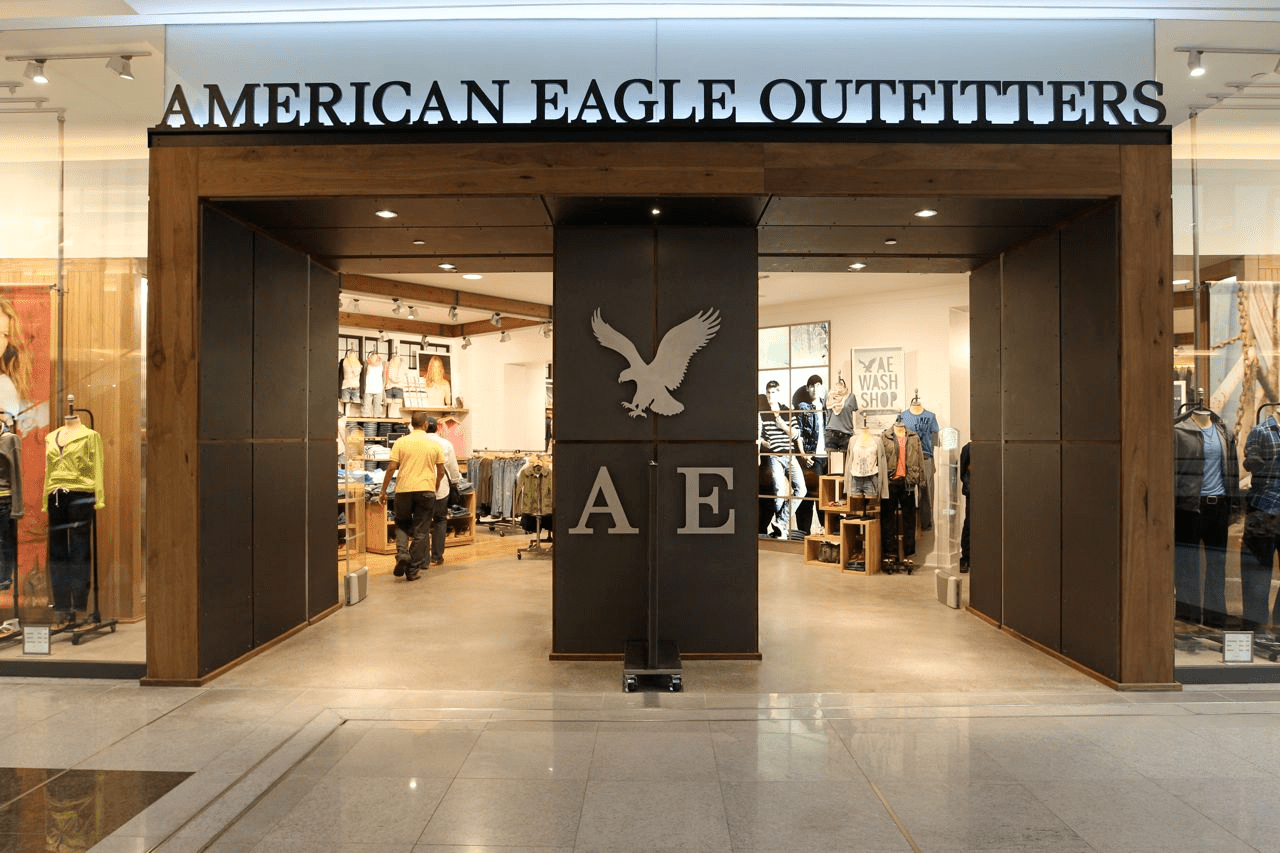
    US fashion retailer American Eagle Outfitters is about to quit the Singapore market.

    At a closing-down sale at at its Suntec City outlet, staff members have confirmed that the store’s closure on Wednesday will mark the end of the brand’s presence in Singapore.

    Its VivoCity flagship store closed last week.

    The brand’s departure comes within days of rival US brands Gap and Banana Republic signalling a retreat from the city after FJ Benjamin decided to drop the franchises.

    American Eagle Outfitters entered Singapore less than three years ago when local firm Star 360 Holdings scored exclusive retail and distribution rights for the brand in Singapore and Malaysia. Star 360 represents brands such as Birkenstock, Cole Haan and Onitsuka Tiger as well as running multi-label footwear and apparel stores.

    A spokesman for subsidiary Trendz 360 says the company will be refocusing on its strategic business in footwear both in Singapore and around the region, and its core business of footwear brands will not be affected by the exit of American Eagle Outfitters.

  • Vietjet to Operate International Flights at Terminal 4, Changi International Airport

    Vietjet to Operate International Flights at Terminal 4, Changi International Airport

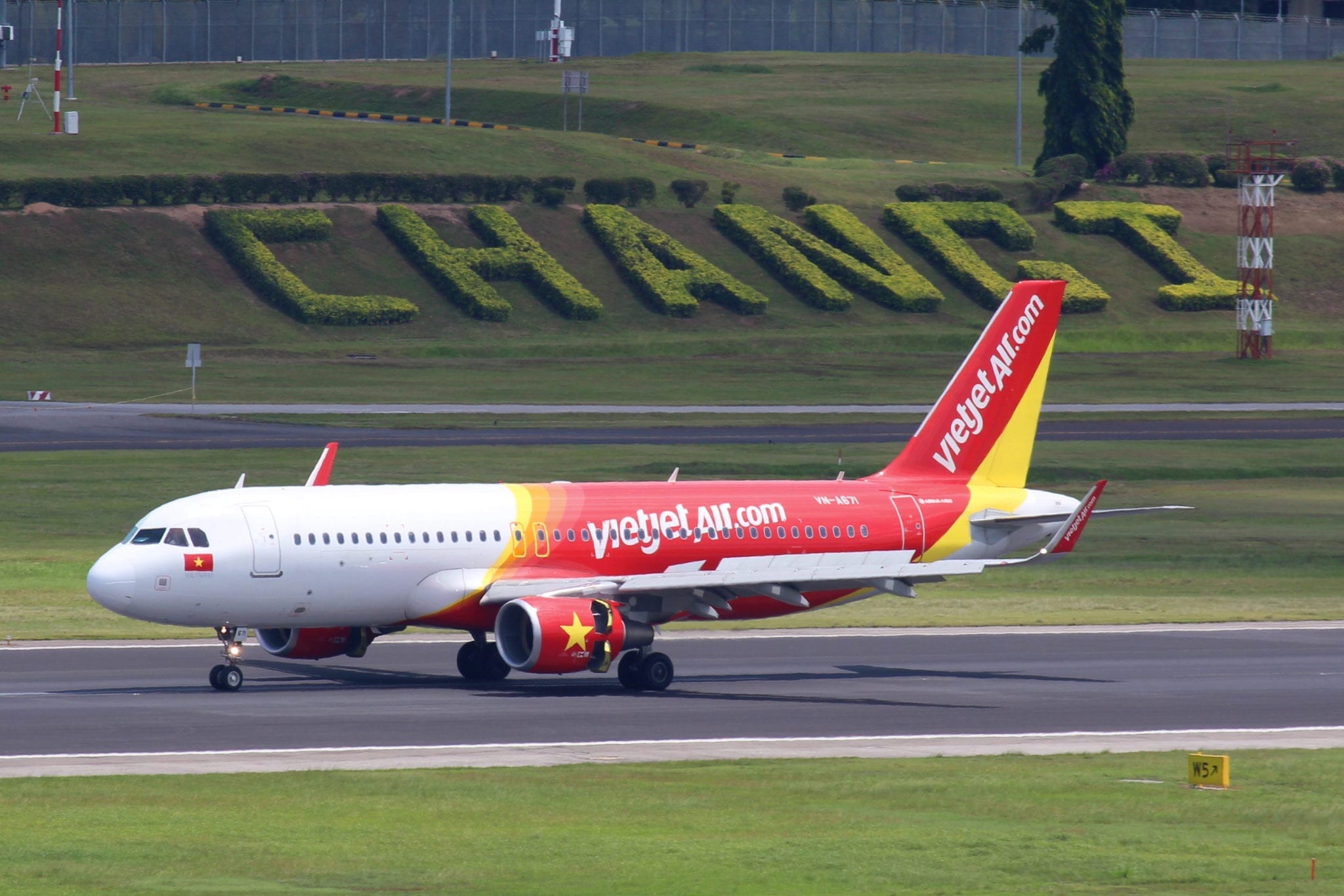
    Vietjet will soon shift its operation of international flights from Terminal 3 to Terminal 4 (T4) of Changi International Airport, Singapore beginning 6 March 2018.

    The forthcoming shift in operation marks the expansion and growth of Vietjet in Singapore’s Changi Airport – the world’s best 5-star international airport in the five consecutive years and also helps to reduce travel time by bus from the aircraft parking area to the terminal.

    Since launching its first flights from Ho Chi Minh City in 2014, Vietjet has continually increased its frequency and launched new routes from Hanoi to Changi, serving the rapidly growing travel demands between the two countries which contributes to promoting regional trade and intergration.

    Officially launched on 31 October 2017, T4 – Changi International Airport has since received over 1.6 million passengers and covered more than 9,400 flights.

    The areas serving Vietjet’s inbound and outbound flights are synchronously designed, equipped with modern equipment and prominent branding signs. Vietjet’s check-in counters are located in the same area making ticket counters accessible and convenient for passengers. The opening time of check-in counters for international flights remains at 3 hours before departure time and the closing time is 50 minutes before departure time. Passengers should be aware of the operational change to the new terminal to ensure all travel formalities including check-in, immigration, customs clearance and security procedures are cleared on time.

    Modeling itself as a ‘Consumer Airline’, Vietjet continues to open new routes, expand its fleet, invest in modern technology and offer more value-added products and services to serve the demands of customers. The airline also offers diverse promotional programs on tickets and entertainment especially during the festive seasons.

  • Mr DIY opens door in Mid Valley Megamall Malaysia

    Mr DIY opens door in Mid Valley Megamall Malaysia

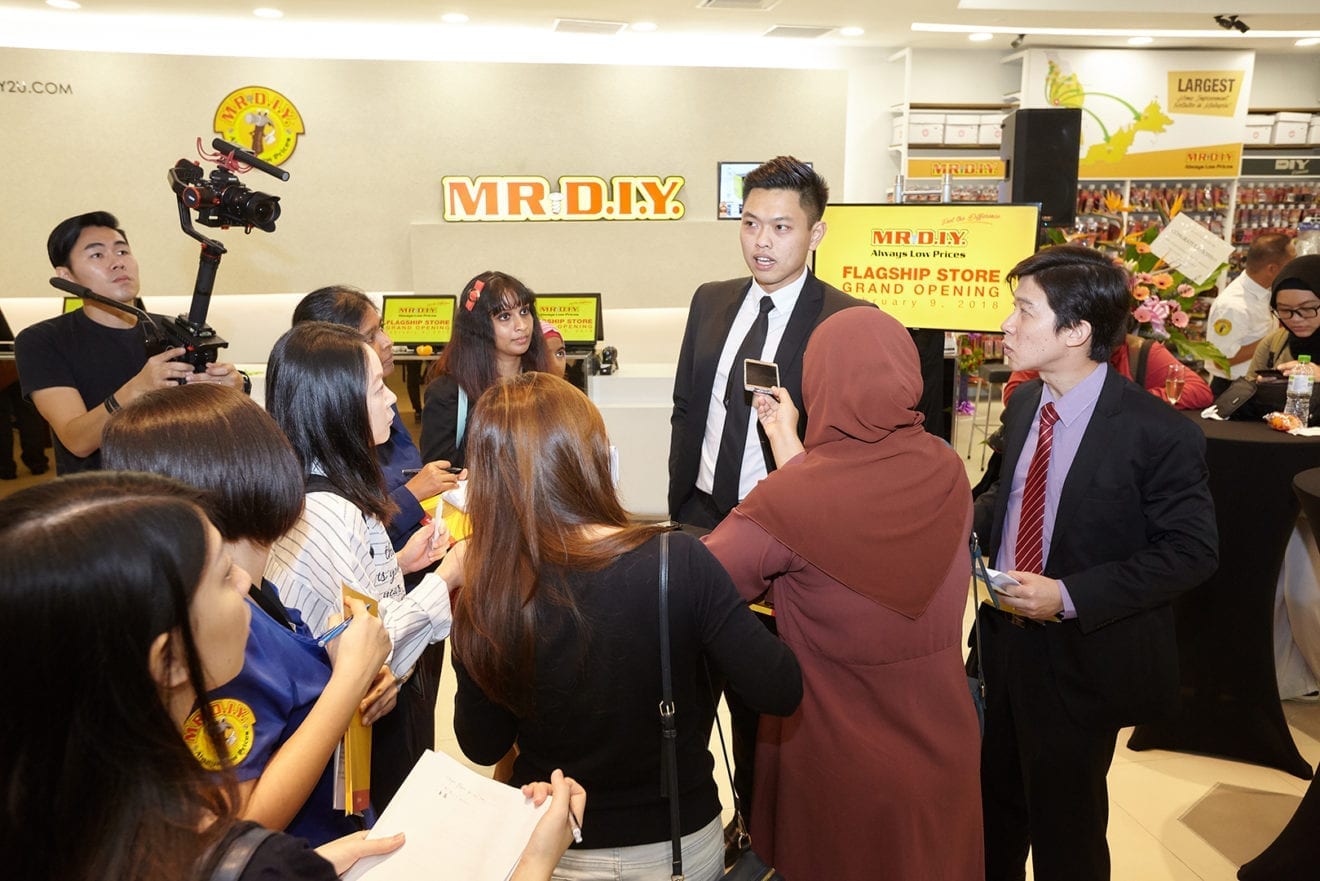
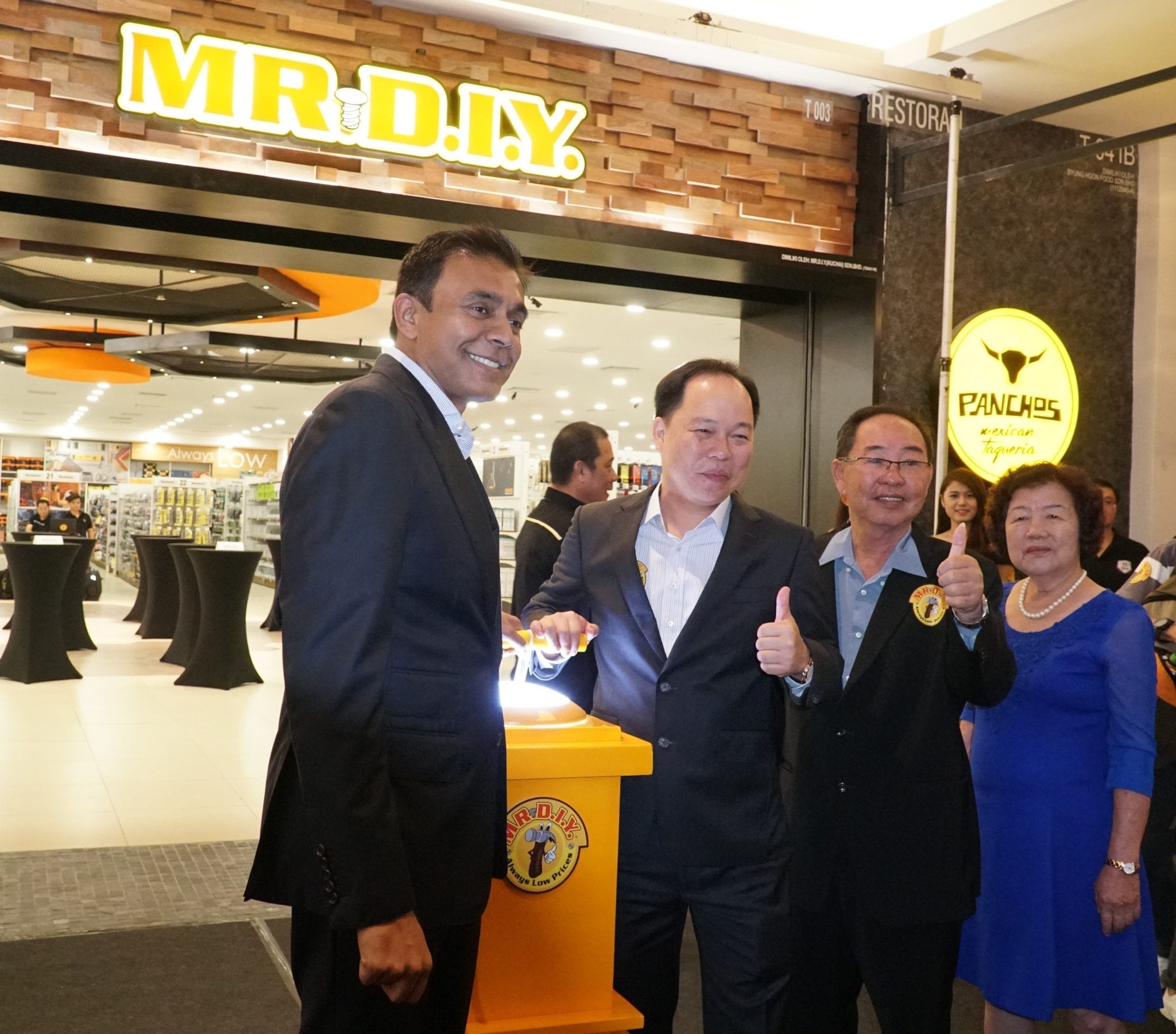
    Malaysian home improvement retailer Mr DIY has launched its first flagship store, at Mid Valley Megamall in Kuala Lumpur.

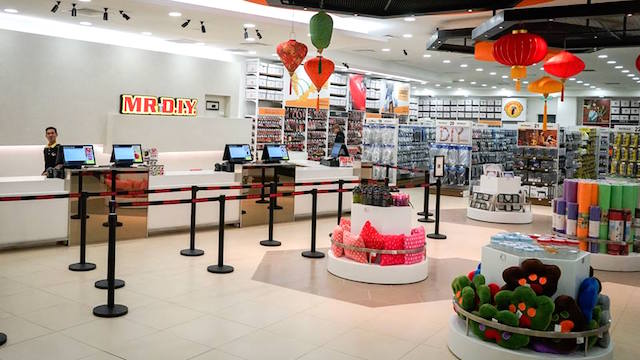
    The chain’s 360th store covers 1393sqm on the mall’s third-floor mezzanine, offering 20,000 product varieties across nine departments – household, hardware, electrical, car accessories, toys, stationery, gifts, sports, and jewellery and cosmetics.

    “This is an important milestone for Mr DIY’s growth in the region as we strive toward our vision of becoming the largest home-improvement retailer in Asia Pacific,” says Mr DIY Trading marketing head Andy Chin.

    With fresh concepts, the flagship store features a ceiling designed like a hexagon nut, plus there are walkways to make it easy for shoppers to navigate the store.

    Chin says RM2 million (US$511,000) was invested in the store, which is expected to drive a monthly footfall of 200,000 customers.

    He says it is an exciting year for the company. “We are targeting a total of 300 new stores across Asia Pacific, with 150 in Malaysia alone. Next, we are looking at expanding our reach into two new countries, Singapore and the Philippines, within the second half of the year while we are set to launch the Mr DIY e-commerce platform in the third quarter.”

    The retail chain last year recorded more than RM1 billion in revenue, serving 110 million customers. It started as a hardware store in Jalan Tuanku Abdul Rahman, Kuala Lumpur, in 2005 and now has more than 450 outlets throughout Malaysia and Asia Pacific, including Thailand, Indonesia and Brunei.

  • More funding comes for Go-jek Indonesia

    More funding comes for Go-jek Indonesia

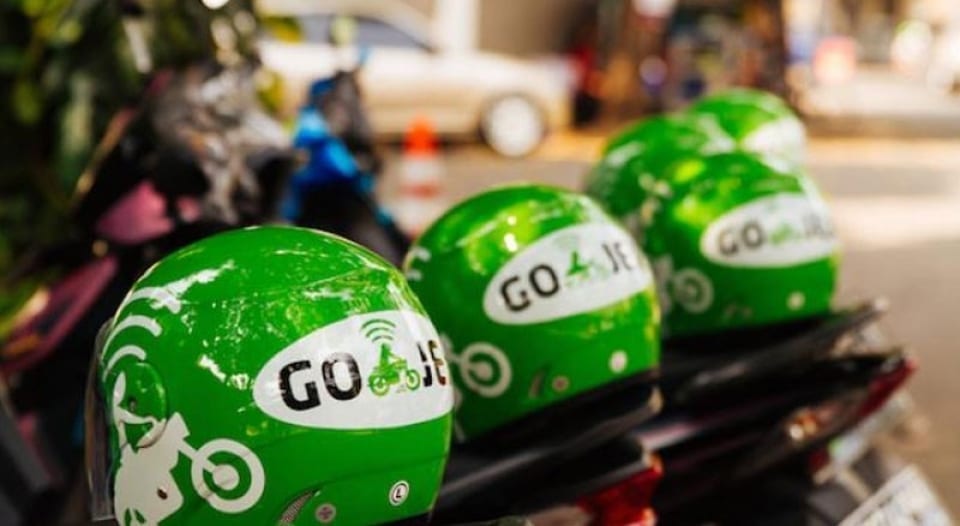
    Go-Jek has raised a higher than targeted $1.5 billion in a fundraising round from a dozen investors, including BlackRock and Google, as the Indonesian ride-hailing firm builds its war chest to fight deep-pocketed rivals.

    Go-Jek had planned last year to raise $1.2 billion, and, with the 25 percent extra funds it has received, it is now valued at about $5 billion.

    Reuters Breakingviews said last month that Go-Jek was valued at roughly $4 billion compared with over $6 billion for Grab, Southeast Asia’s largest ride-hailing firm.

    The additional funds and backing of well-known investors, including Singapore’s Temasek Holdings and Chinese technology giant Tencent Holdings, will help Go-Jek to better compete in Southeast Asia’s cut-throat market where incentives to drivers and passengers are used to build loyalty.

    Singapore-based Grab was expected to have raised $2.5 billion last year and Uber Technologies has pledged to invest aggressively in Southeast Asia – home to 640 million people – even though the US firm expects to lose money in the fast-growing market due to costly battles with rivals.

    Both companies are expanding in Indonesia, Southeast Asia’s most populous country, where Go-Jek, a play on the local word for motorbike taxis, is transforming the local economy, economists say.

    Go-Jek and Grab are also investing heavily in expanding their mobile payments platform.

    “Go-Jek is far beyond a ride-hailing app, it’s a digital platform that dominates consumers’ daily lives, including transportation, food delivery, logistics, and payment, etc.,” said Xiaofeng Wang, senior analyst at consultancy Forrester.

    “That’s also the key value that its key investors like Google and Tencent see. They know well about the power of the digital ecosystem, and Go-Jek has built it in Indonesia, like Google in the US and WeChat in China,” Wang said.

    Go-Jek told Reuters that some investments that came in this year were part of the funding round that kicked off last year but it declined to comment on the amount raised or the names of investors.

    It said the funding was aimed at developing technology for micro, small and medium enterprises in Indonesia.

    Go-Jek delivers everything from meals and groceries to cleaners, masseuses and hairdressers across Indonesia’s capital city Jakarta, all at the touch of a smartphone app – helping it become a crucial workaround in a city with some of the worst traffic in the world.

    Rumours said BlackRock and Temasek are investing about $100 million each in Go-Jek’s latest fundraising.

    BlackRock declined to comment. A Temasek spokesman confirmed participation in the fundraising but declined to say how much it had invested.

    This month, Indonesian conglomerate Astra International said it would invest $150 million in Go-Jek, while  Djarum Group’s Global Digital Niaga is putting in $100 million.

    Go-Jek’s payment system, known as Go-Pay, has emerged as one of the most popular mobile payment platforms in Indonesia. Grab, which bought Indonesian payment service Kudo last year, also sees its future in mobile payments as much as in transport.

    Go-Jek is expanding in other Indonesian cities and has said it plans to start operations in the Philippines this year, followed by other Southeast Asian countries.sou

  • A Successful Singapore Airshow 2018

    A Successful Singapore Airshow 2018

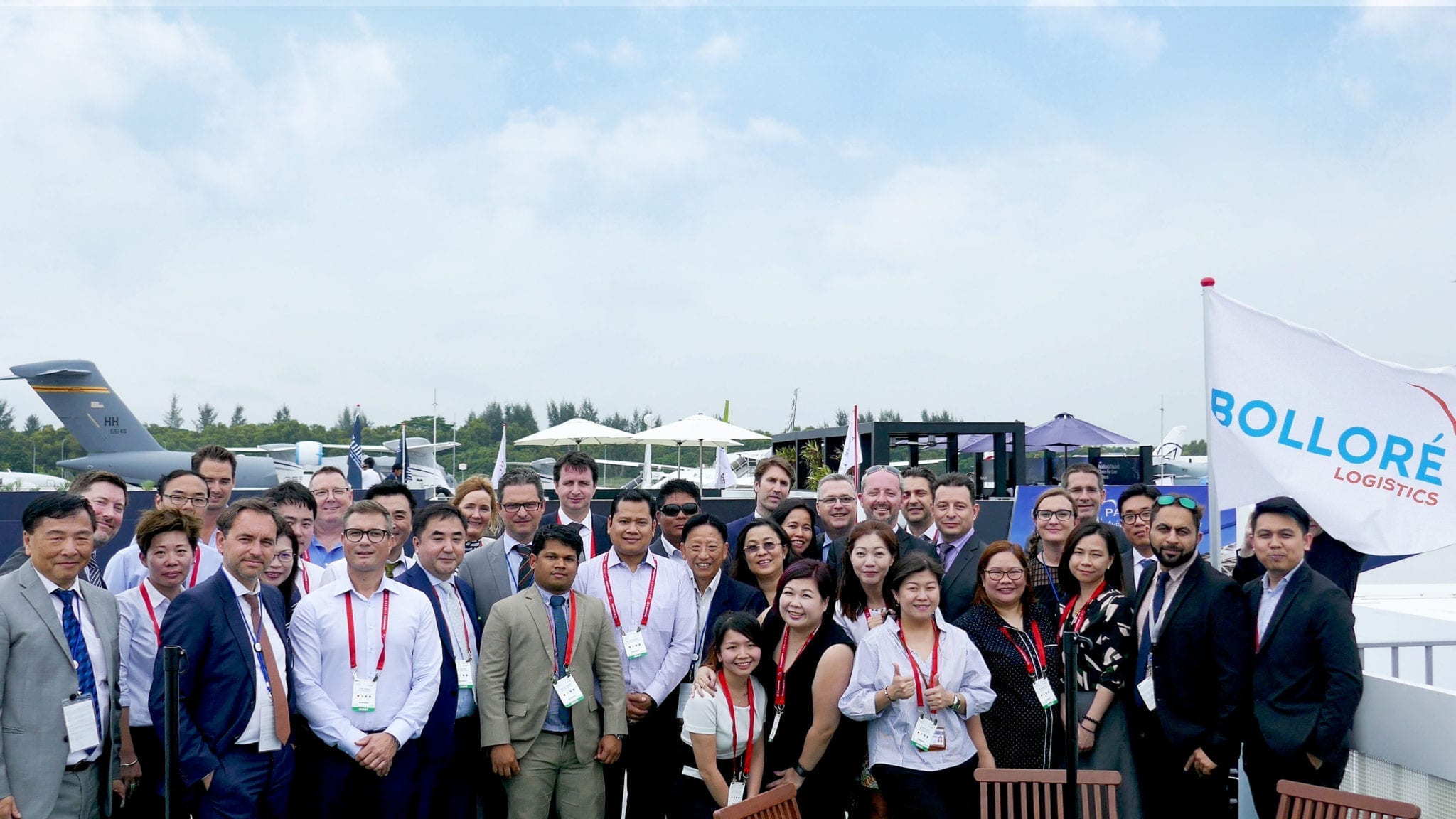
    Bolloré Logistics Asia-Pacific is happy to announce that this year’s edition of the Singapore Airshow was a resounding success. This edition of the biennial event was the 6th since the show’s inception in 2008. With a plethora of exhibitors from 38 countries, there were plenty of opportunities to boost Bolloré Logistics’ recognition at Asia’s largest Aerospace and Defense Airshow. This year featured not just one, but two Bolloré locations within the trade show, both at the booth and chalet.

    The Bolloré Logistics booth has been visited by many people. A lot of information was available through our marketing materials such as our dedicated brochures showcasing our tailored services for Airlines & MROs, Aerospace, and Helicopters, as well as our Press Kit. The presence of IER, a company belonging to the Bolloré Group, which develops and deploys mobile and self-service machines for passenger processing, and also offers track and trace tools for supply chains and logistics providers, was also a great success.

    “The entire industry has embraced self-service solutions and technology, which for airlines and airports also enhances customer experience,” says Fabrice Godeau, Managing Director at IER for Asia-Pacific and the Middle East.

    “We have teams of solution designers tailoring systems for clients, and creating end-to-end service for passengers who increasingly demand there be less time and fewer steps involved between entering terminals to their planes taking off.”

    The Bolloré chalet was equally busy between multiple events such as Speed Meetings, Workshops, and daily Business Luncheons. Over the Trade Days from February 6-9, 2018, executives had the chance to network across 24 different Bolloré Logistics entities. Our internal Speed Meetings brought together both Regional and Key Account Managers to create innovative solutions to address concerns in the Aerospace industry. In addition, some workshops were conducted to improve our approach to challenges in Asian countries that require greater finesse in complying with government and regulatory standards.

    Bolloré Logistics’ clients were also welcomed into the chalet during our daily Business Luncheons. Over a scrumptious buffet, clients and executives fostered a better understanding of their needs and goals. Some clients were even treated to special access visits to our notable hubs in order to gain a better sense of our infrastructure and capabilities. Upon their exit of the chalet, clients received a goodie bag containing – amongst other things – a mock-up of a boarding pass which allowed them to enter a lucky draw at our booth.

  • Qualtrics Announces Online Community Connecting Experience Management Platform Users

    Qualtrics Announces Online Community Connecting Experience Management Platform Users

    Qualtrics, the leader in research and experience management, today announced the Qualtrics Community, a new, online forum to bring together users of the Qualtrics Experience Management PlatformTM. The Qualtrics Community allows users to share best practices, tips and advice about using the Qualtrics Experience Management Platform, the world’s only unified experience management platform, utilised by over 8,500 enterprises worldwide to manage the core experiences they provide across their businesses—including customer, product, employee and brand experiences.

    The Qualtrics Community members include some of the most prolific Qualtrics users in their fields, compiling thousands of years of combined expertise across business, technology, and academic industries, to name a few. The community is open to expert and novice users alike, and is a forum to discuss the projects that drive them, trade tips and tricks, and to enable networking with other users.

    The Qualtrics Community aims to facilitate education and collaboration, allowing users to ask for advice on how best to build their projects using the Qualtrics Experience Management Platform. Experts are available across many domains, including customer experience, employee experience, product experience, brand experience and market research domains. Members can comment and tag the responses they find to be the most helpful. The Qualtrics Community Team is also present to help foster meaningful connections and keep community members on their toes by running competitions and challenges where they can earn points and badges to move up in rank in the community.

    “I love being able to quickly ask questions of other users of the Qualtrics platform to find alternative solutions, or even have a discussion on best practices. This exchange of knowledge has saved me hours across projects,” said Rachel Cvetkovski, an Associate at THREE. “I’ve never had a community of people outside my own company to use as a resource, so I’m very grateful for the collaboration.”

    “Everything we do at Qualtrics is focused on building amazing software for our customers and then helping them to best utilise those tools to create amazing experience programs,” said Paul Sheets, Head of Global Operations at Qualtrics. “While we offer world-class training and support programmes, sometimes users just want to quickly bounce an idea or problem off another user who has been in their shoes. We created the Qualtrics Community as part of our ongoing commitment to helping our customers learn, collaborate and succeed. It’s a place where novice users can connect with experts, obtain high quality information and create new professional connections, or even friends, along the way.”

    To join the Qualtrics Community, go to Qualtrics website and sign in with your Qualtrics account credentials. Other resources for Qualtrics users include a library of support topics, formal certification programmes and 24/7 support via chat, email or phone.

    Meet other users of the Qualtrics Community in person at the X4 Summit™, a three-day master class in experience management, on March 6-9, 2018, in Salt Lake City, Utah.

  • CapitaLand to build highest “horizontal skyscraper” in the world

    CapitaLand to build highest “horizontal skyscraper” in the world

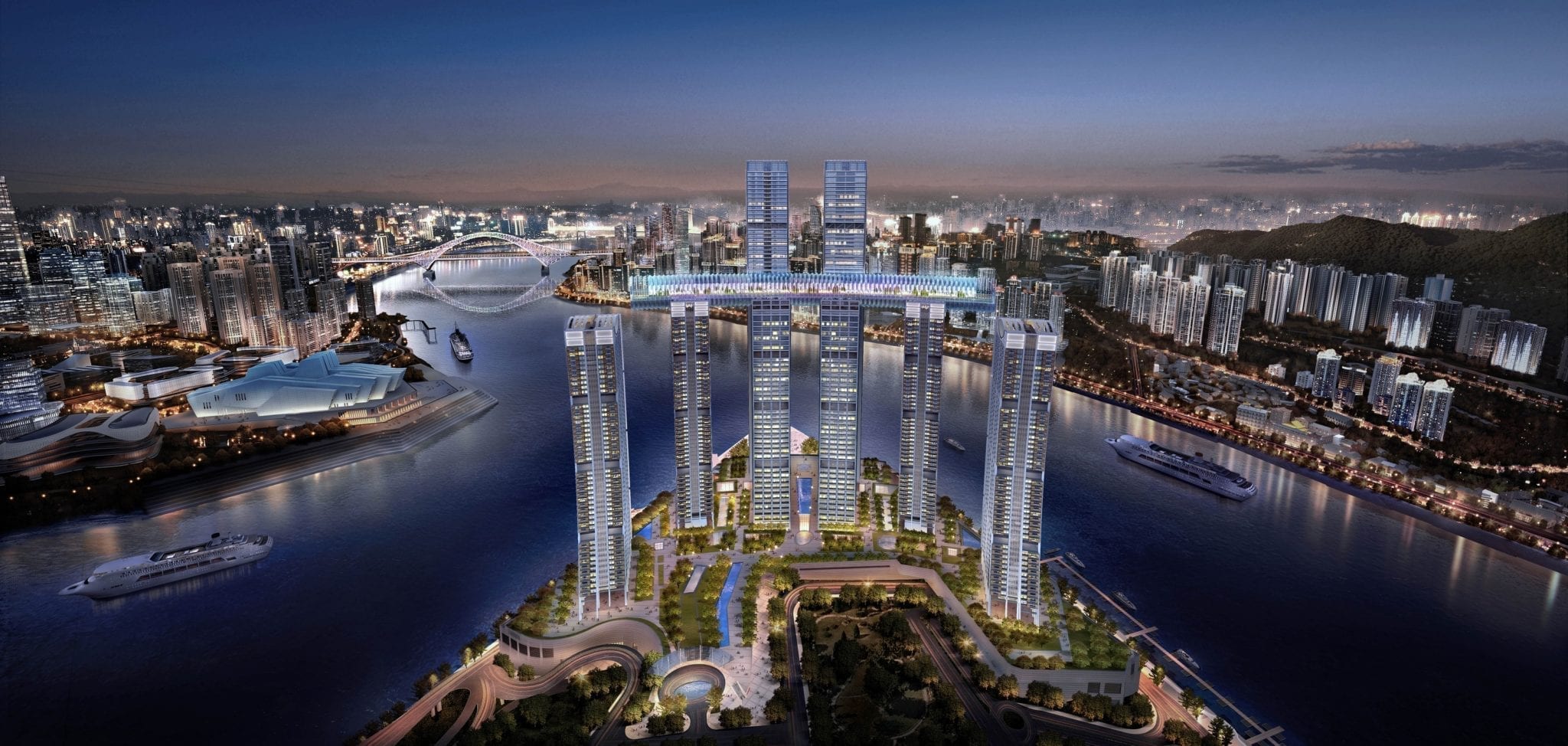
    In its relentless pursuit to redefine urban living with smart design and innovative technologies, CapitaLand has written a new world record as it embarks on the complex crowning process for Raffles City Chongqing, the iconic 1.12 million-square-metre (sq m) urban district located on Chongqing’s famed Chaotianmen riverfront. The crowning process features the extraordinary engineering feat of erecting a curved accordion-shaped “horizontal skyscraper” – measuring 300 m in length, 30 m in width and 22.5 m in height – above four 250 m-tall towers at a total height of more than 400 m above sea level. Raffles City Chongqing now holds the world’s record as the development with the highest sky bridge linking the most number of towers.

    Mr Lim Ming Yan, President and Group CEO of CapitaLand Limited, said: “Raffles City Chongqing is by far the largest and most complex integrated development that CapitaLand has undertaken. Erecting The Conservatory marks the culmination of five years of construction progress and a grand milestone in outlining Raffles City Chongqing’s image of a powerful sail surging forward, as it prepares to welcome the world in 2019. The hoisting of
    The Conservatory is not only a significant moment for Raffles City Chongqing, it marks a global milestone in the field of architecture and engineering. Some of the world’s most advanced construction and engineering techniques have been deployed to install this megastructure on Chaotianmen, known as the crown jewel of Chongqing. CapitaLand is proud to have achieved this phenomenal structural engineering breakthrough of connecting
    skyscrapers, and we will continue to stay ahead of the curve by breaking new grounds in real estate development.”

    Mr Lim added: “More than just a building, Raffles City Chongqing is a landmark urban renewal project that expresses and shapes Chongqing’s global city aspirations. As the master planner of this important site, CapitaLand fully appreciates the historical and cultural significance of Chaotianmen to the people of Chongqing. We have thus gone to great lengths to imbue the project with the highest standards of liveability, connectivity and sustainability by carefully studying the needs of the community and the unique attributes of the site. Our goal is to create a vibrant riverfront urban district that serves as a dynamic city gateway befitting of Chongqing’s growing economic influence.”

    Mr Lucas Loh, CEO of CapitaLand China, said: “As the crowning glory of Raffles City Chongqing, The Conservatory is envisaged as the centre of civic activities where locals and visitors from around the world converge in Chongqing. A highlight is the observation deck, which features an outdoor patio with see-through glass flooring – the tallest of its kind across the whole of west China for the best vantage point to enjoy the stunning views of the Yangtze River and Jialing River merging at Chaotianmen. To ensure the public’s year-round enjoyment of The Conservatory’s facilities, design provisions, such as air-conditioning, have also been catered for. When it opens to the public next year, we are confident that The Conservatory will become a well-loved and well-used community space that lasts for generations.”

    Mr Loh added: “Raffles City Chongqing broke ground in September 2012 and five towers have successfully topped out since. One of these is a 350-m supertall skyscraper, which currently holds two records – China’s tallest residential tower and Chongqing’s tallest building. The development’s luxury residential component Raffles City Residences has begun marketing, with an encouraging take-up for two residential towers that have been launched. Jialing One tower has sold 70% of the 215 units launched, while Yangtze Two tower, which debuted later, has sold more than 40% for its 285 units. Part of Raffles City Chongqing’s office component will begin handover end of this year, while the entire development is targeted to open in phases from 2019.”

    Singapore’s single largest development in China by CapitaLand and Ascendas-Singbridge, Raffles City Chongqing is an ambitious RMB24 billion (about S$4.9 billion) vertically-built urban district comprising a retail podium and eight skyscrapers for residential, office, serviced residence and hotel use. As the ninth “horizontal skyscraper” with 10,000 sq m of gross floor area (GFA), The Conservatory is the heart of Raffles City Chongqing connecting a total of six vertical towers – four towers at its base and two adjacent towers by cantilever bridges. Designed as the centre of attraction, it houses a rich array of amenities, including a themed observation deck and sky gardens, an infinity pool and a food and beverage zone.

    To overcome the site’s unique conditions, which include exposure to strong winds, a wind modelling test was conducted on The Conservatory, together with the eight towers. Building Information Modelling (BIM) technology was also used to coordinate the complex structural and utilities layout of The Conservatory. The support system for The Conservatory’s structure uses advanced frictional pendulum bearings and seismic dampers mounted on the towers. This form of flexibility-driven seismic design dissipates seismic and wind energy more effectively than the conventional rigidity-driven design, and represents a breakthrough in the structural engineering of linked high-rise building clusters.

    The Conservatory is made up of a continuous steel structure weighing 12,000 tons, and enclosed with a ring comprising 3,200 pieces of glass and 4,800 aluminium panels. With a length of 300 m, it is longer than Singapore’s tallest building laid on its side. To erect efficiently, the steel structure is first divided into nine segments – four segments that are built in-situ above the four towers; three middle segments suspended between the four towers that are prefabricated on ground and hoisted into place by hydraulic strand jacks; and two cantilever segments that are assembled in short sections from the two ends of the rightmost and leftmost towers.

    Hoisting the three middle steel segments of The Conservatory – each weighing up to 1,100 tons – to the designated height of 250 m marks a world first. This extraordinary engineering feat was broadcast throughout China during primetime news on China Central Television last December when the hoisting process began. The Conservatory’s steel structure is targeted to be fully erected by mid-2018, which will be followed by the hoisting of the façade enclosure together with gigantic trees and plants for the sky gardens.

    Occupying 9.2 hectares of site area, Raffles City Chongqing brings together a 230,000-sq m shopping mall, 160,000-sq m of Grade A office space, 1,400 residential apartments, Ascott Raffles City Chongqing serviced residence and a luxury hotel – with a total construction floor area of 1.12 million sq m and GFA (excluding car park) of about 817,000 sq m. The development is strategically located on Chaotianmen at the confluence of   Yangtze and Jialing rivers in Yuzhong District, next to the traditional Jie Fang Bei central business district.

    Boasting excellent connectivity, Raffles City Chongqing is fully integrated with a transport hub comprising a metro station, bus interchange, ferry terminal and cruise centre. It is designed by world-renown architect Moshe Safdie, who drew inspiration from the region’s thousand years of waterway transportation culture to create an image of powerful sails upon the river for Raffles City Chongqing to symbolise the host city’s surging growth.
  • Gap, Banana Republic to exit by end of Feb

    Gap, Banana Republic to exit by end of Feb

    Clothing brands Banana Republic and Gap are about to quit Singapore, FJ Benjamin has announced.

    Both outlets have announced their impending departure on their respective Facebook pages.

    FJ Benjamin, which brought both American brands to Singapore, says it will be closing the final two Banana Republic and three Gap stores in Singapore by the end of this month. The company has decided not to renew the franchise, which expires on February 28.

    When the fashion retailer announced the brands’ arrival in Singapore in 2006, it said it planned to open 30 stores – including outlets in Malaysia – by 2010.

    Gap’s stores are at Suntec City, United Square and VivoCity, while the Banana Republic stores are at Paragon and the Shoppes mall at Marina Bay Sands.

  • 3 companies submit bids to operate Singapore Expo

    3 companies submit bids to operate Singapore Expo

    Singapore Expo could be managed by a different operator for the first time in its nearly 20-year history, if SingEx loses its tender bid to two new contenders.

    A tender to operate the space was launched by the Singapore Tourism Board (STB) on Dec 6 last year, and three companies including SingEx have submitted bids, according to government procurement portal GeBIZ.

    The two new contenders have put in bids of S$60 million each, above incumbent SingEx’s bid of S$50 million.

    SingEx, which is owned by Singapore investment arm, Temasek, has managed the space in the east of Singapore since it was opened in 1999.

    According to GeBIZ, the two other bidders are Futuristic Store Fixtures, a store fixture specialist that serves global retail clients such as Victoria’s Secret and L’Occitane and is part of OSIM founder Ron Sim’s V3 Group, as well as Unusual Development, a subsidiary of media entertainment and content company mm2 Asia.

    Futuristic Store Fixtures will be teaming up with AEG, a leading sports and entertainment presenter that owns, operates and provides services to some of the most successful facilities in the world.

    The bidders have signed a non-disclosure agreement and are not able to divulge details of the tender or their plans.

    Aside from price, government tenders also take into consideration criteria such as the bidder’s track record and their vision, direction and strategy of how they intend to run the project.

    The bids come amid a slowdown of Business Travel and Meetings, Incentive Travel, Conventions and Exhibition (BTMICE) visitor arrivals to Singapore.

    While overall visitor arrivals to Singapore reached a new record of 17.4 million in 2017, the BTMICE segment saw 1.75 million visitors in the first three quarters of 2017 – a dip of 5 per cent compared to the same period in 2016.

    In addition, while the 100,000sqm Singapore Expo is one of the bigger spaces in Singapore for such events, it only holds about 600 events a year.

    In comparison, Suntec Singapore holds 1,500 events a year, while Marina Bay Sands Expo and Convention holds more than 3,000 events a year.

    Group managing director of Conference and Exhibition Management Services Edward Liu said that based on the current utilisation rate at Singapore Expo, Singapore must continue to hold trade shows and find ways to differentiate its products from others to stay ahead of rising competition in the region.

    Despite regional competition heating up, experts say the dip in business travellers to Singapore is temporary due to the global economic slowdown in 2015 and 2016.

    UOB Economist Francis Tan said that 2017 was “a good growth year”, and that there was “an uptake in various segments of our economy”. “(I am) a little bit more optimistic on 2018’s BTMICE arrivals into Singapore,” he said.

    While STB has not said when results of the bid will be announced, the winning operator will take over from Jan 1, 2019.