Tag: Singapore

  • Indonesia AirAsia adds two Singapore services on same day

    Indonesia AirAsia adds two Singapore services on same day

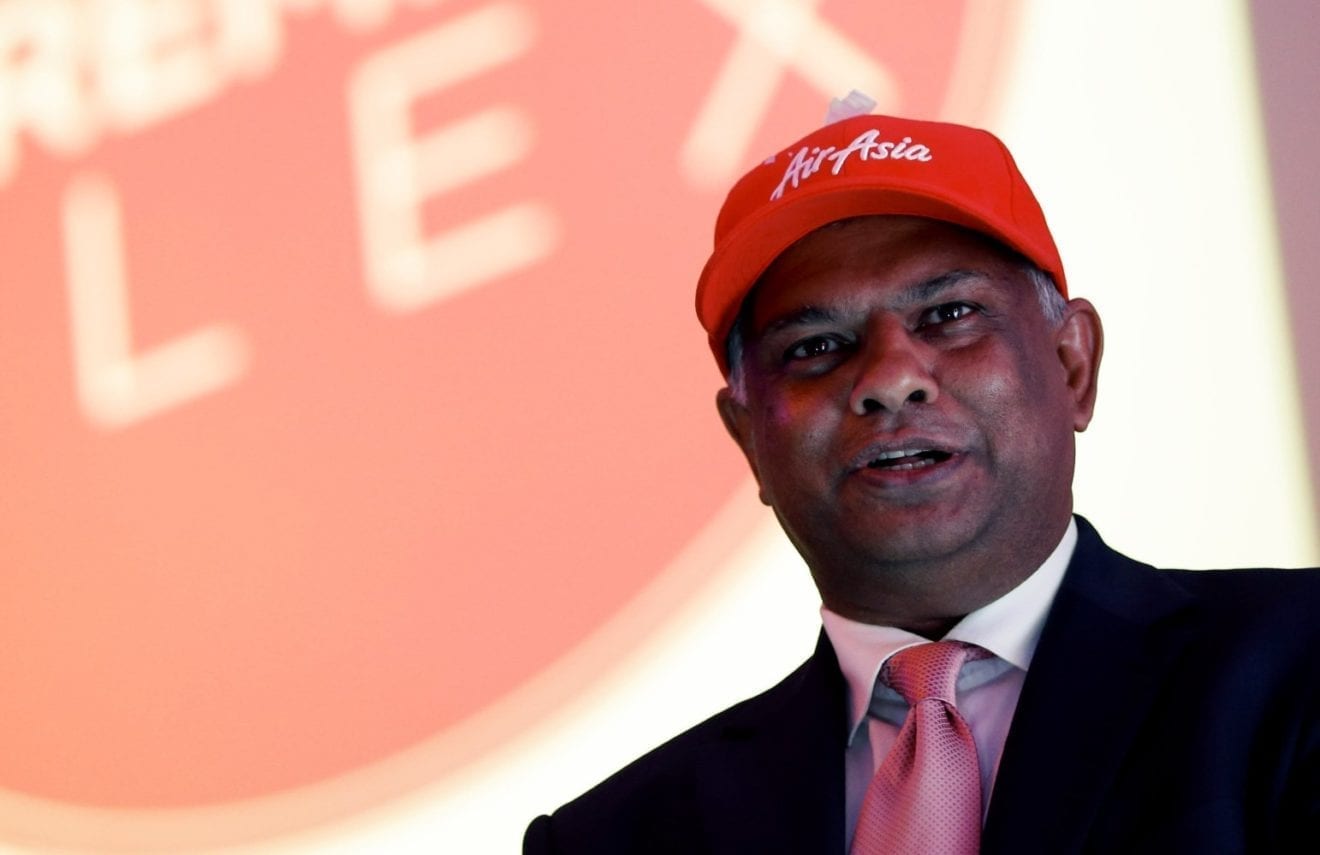
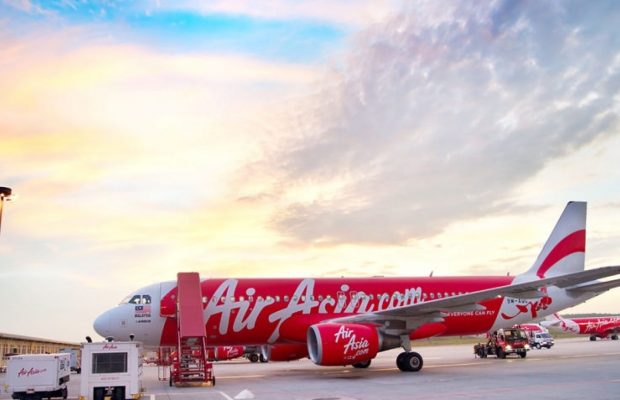
    Indonesia AirAsia added two new Singapore (SIN) services from Medan (KNO) and Padang (PDG) on 9 February. The 621-kilometre Medan link and the 472-kilometre Padang connection will both be served with daily flights operated by A320s.

    The LCC faces incumbent competition on the Medan-Singapore airport pair which is already served by SilkAir with double-daily flights, Jetstar Asia, which has 12 weekly frequencies, and Garuda Indonesia which operates daily flights. However there is no direct competition on the Padang route.

    AirAsia Singapore CEO Logan Velaitham said: “The inaugural flights to Padang and Medan emphasise our commitment to expand Singapore’s network as one of AirAsia’s hubs by linking up to new cities in Indonesia. In 2017, AirAsia Group carried a total of 4.3 million passengers to and from Singapore, an increase of 1.8% from the previous year.”

  • DHL orders Boeing converted freighter at the Singapore airshow

    DHL orders Boeing converted freighter at the Singapore airshow

    Express firm DHL has ordered a converted freighter from Boeing as the aircraft manufacturer secures service deals valued at more than $900m during the Singapore airshow.

    The DHL order is for a B767-300ER Boeing converted freighter, which the manufacturer said could carry “high-density cargo on long-range routes, as well as e-commerce cargo on domestic and regional routes”.

    A list of other service deals signed at the show can be found here.

  • Suntec City Inks Partnership with Alipay To Attract Chinese Tourists

    Suntec City Inks Partnership with Alipay To Attract Chinese Tourists

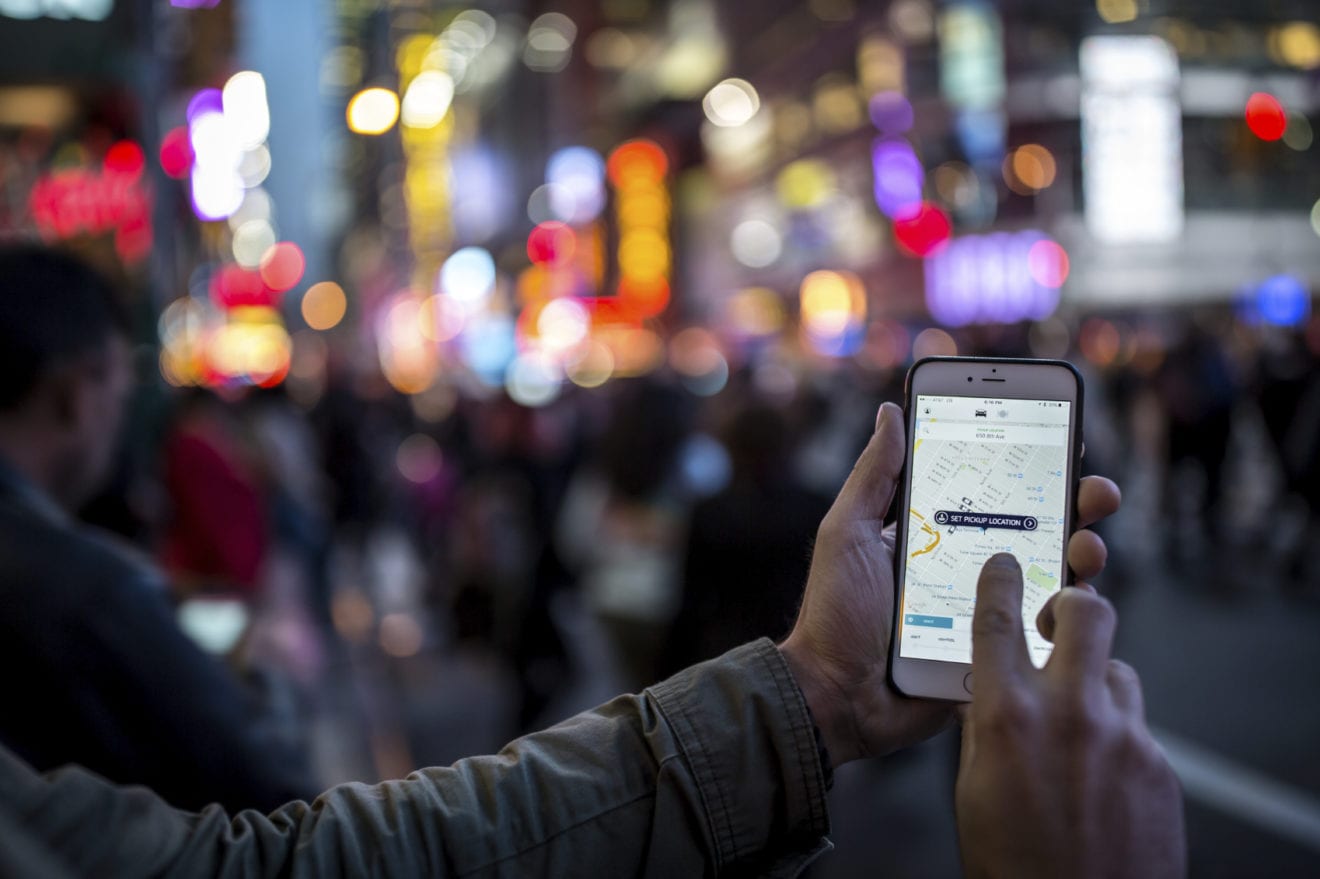
    Suntec City and Alipay are pleased to announce today that they have inked a two-year partnership to launch Alipay touchpoints in Suntec City.

    The two-year partnership between Suntec City, one of Singapore’s largest shopping malls and Alipay, the world’s largest mobile payment and lifestyle platform operated by Ant Financial Services Group, is set to attract more Chinese tourists and enhance their shopping experience at Suntec City.

    Under the partnership, approximately 350 retail establishments in Suntec City will progressively roll out Alipay as a payment option for Chinese tourists. By July 2018, the partners plan to cover 60% of the stores with Alipay touchpoints.

    To enable merchants to leverage on the Alipay platform to engage Chinese tourists, Alipay and its acquirer partners will jointly organize a series of workshops to sign up with Alipay and to promote merchants’ businesses on the Alipay platform. Acquirers also provide hands-on training to merchants to operate the Alipay payment terminal and manage strategic content feature of merchants’ offers. Alipay has also launched a dedicated Suntec City microsite within its app to provide ongoing publicity to Suntec City and its merchants. The current joint marketing campaign with Suntec City on Alipay’s app, from now till Mar 2018, offers a ¥25 F&B voucher and a ¥50 retail voucher which can be used at participating merchants in Suntec City.

    Mr. Chan Kong Leong, Chief Executive Officer of Suntec Real Estate Investment Trust, which owns Suntec City said, “With an extensive range of shopping, dining and entertainment offerings coupled with the iconic Fountain of Wealth as well as being the embarkation point for the Duck & Hippo Tours, Suntec City is a popular destination amongst tourists. We are delighted to partner Alipay to offer our Chinese shoppers a seamless payment system that they are familiar with. This partnership with the market leader in mobile and online payment platforms is a great opportunity for us to elevate engagement with our shoppers in the digital space.”

    “Suntec City is a must-visit shopping destination among Chinese tourists and business delegates who convene at Suntec Singapore for exhibitions, seminars and conferences. We are happy to partner with Suntec City to deploy Alipay touchpoints in the mall for Chinese visitors who are looking for the best of retail and lifestyle offerings and the same seamless shopping experiences that they enjoy at home. At the same time, we are very excited to help merchants in Suntec City connect with Chinese visitors.” said Cherry Huang, General Manager, Cross-border Business for South and Southeast Asia, Alipay.

    According to the Singapore Tourism Board, Singapore received 15.9 million international visitors in the first 11 months of 2017, during which, the number of visitors from China reached close to 3 million, a stellar 13.1% increase from a year ago. This also makes China the single largest contributing country to Singapore’s tourism industry.

  • China to have 100 Commune store

    China to have 100 Commune store

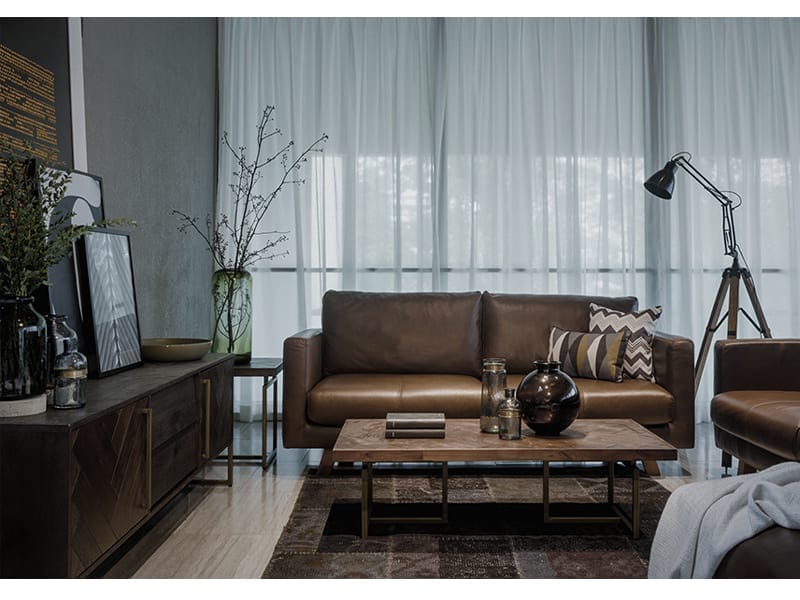
    Singapore furniture designer/manufacturer/retailer Koda’s in-house brand Commune plans to open more than 100 outlets in China by 2020.

    Commune’s sales from the market hit nearly S$7 million (US$5.3 million) last year, accounting for 64 per cent of its total revenue. This helped push half-year profit for Koda.

    For its next stage of growth, Commune will partner with International Enterprise (IE) Singapore to adopt an omnichannel strategy for China.

    Within its three years in the market, Commune has opened more than 42 stores across tier-one and -two cities using a dealership model.

    “With the support of IE Singapore, we intend to increase sales and knowledge of our customers through digital marketing and analytics, while ensuring a seamless shopping experience online,” says Commune sales and marketing director Gan Shee Wen.

    Already the company is equipping its stores in China with VR capabilities so in-house designers can turn customers’ floor plans into a VR environment and so provide recommendations on design concepts.

    Its co-operation with IE Singapore involves building a long-term e-commerce strategy and a seamless online and offline brand.

    Commune plans to subsequently implement its omnichannel strategy in Singapore and other markets. IE Singapore is also working with Commune to expand to Indonesia, Taiwan and Thailand by connecting it to mall owners and dealers.

    Spring Singapore has also been supporting Commune in the development of its VR software, customer-service training and mobile training platforms.

    Meanwhile, Koda’s net profit was up 26.2 per cent to US$2.4 million for its half-year to the end of December.

    Commune’s higher profit margins lifted the group’s gross profit margin to 34.7 per cent for the half from 29.1 per cent.

    Overall revenue for the period declined by 4.2 per cent to $24.2 million because of delays in shipments to key export markets in the second quarter. Revenue contributions from Commune in the second quarter partly offset the decline to take total revenue for the quarter to $11.9 million, a difference of 11.8 per cent compared to the same period a year
    earlier. Most of the delayed shipments were cleared in January.

    Koda turned in a net profit of $1 million in the second quarter, down from $1.05 million for the same quarter in 2017.

  • AirAsia Opens 3 New Routes in Indonesia

    AirAsia Opens 3 New Routes in Indonesia

    AirAsia Indonesia, a budget carrier based in Tangerang, Banten, announced on Friday (09/02) it has opened three new routes, two international and one domestic, to tap into the increasing demand for air travels.

    The carrier, an affiliate of Southeast Asian low-cost airline AirAsia, opened new routes to Singapore from Medan, North Sumatra, and Padang, West Sumatra, and from Jakarta to Medan.

    The flights are served on Airbus A320 airchraft with 180 seats.

    “The opening of the new routes from Padang and Medan showed that AirAsia’s network expansion in Indonesia is not centered in Jakarta and Bali only,” AirAsia Indonesia Dendy Kurniawan chief executive said in a statement.

    Dendy said AirAsia Indonesia expects that the direct flights to Singapore from the capitals of two provinces of the Sumatra island, coupled with low-cost tickets, will attract more visitors from the city-state.

  • Greyhound Cafe plan to open more stores abroad

    Greyhound Cafe plan to open more stores abroad

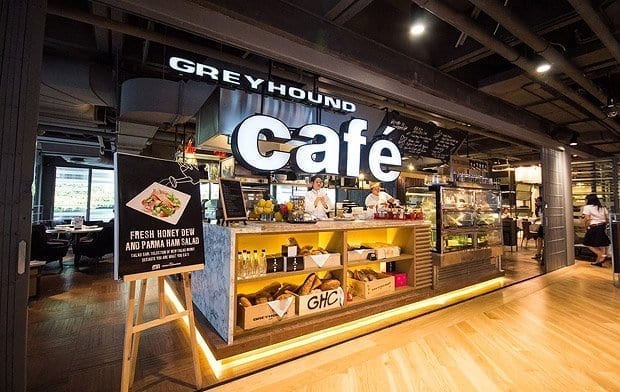
    Nadim Xavier Salhani, the man behind US franchises Au Bon Pain, Dunkin’ Donuts and Baskin Robbins in Thailand, aims now to expand the group’s Greyhound Cafe brand abroad. Greyhound, which has 17 cafes in Thailand and 18 franchises overseas including China, Hong Kong, Indonesia, Malaysia and Singapore, is also planning more acquisitions.

    Already, the company has invested THB150 million (US$4.7 million) to open a 192-seat Greyhound Cafe in London’s Soho district, and has also acquired the 300-year-old Grand Vefour, a Michelin two-star fine-dining restaurant in Paris.

    “We are planning to develop more projects in Tokyo, Hong Kong and Bangkok in the French brasserie restaurant style, at a cost of 40 to 60 million baht each,” Salhani says.

    Meanwhile, he plans to open 12 Dunkin’ Donuts Coffee concept branches this year, including the brand’s first drive-through in Ayutthaya this June. There are also plans to open five Au Bon Pain and five Baskin Robbins outlets this year, taking the total to 300 branches for Baskin Robbins, 80 for Dunkin Donuts and 40 for Au Bon Pain.

  • DBS completes acquisition of ANZ’s wealth, retail units in five Asian markets

    DBS completes acquisition of ANZ’s wealth, retail units in five Asian markets

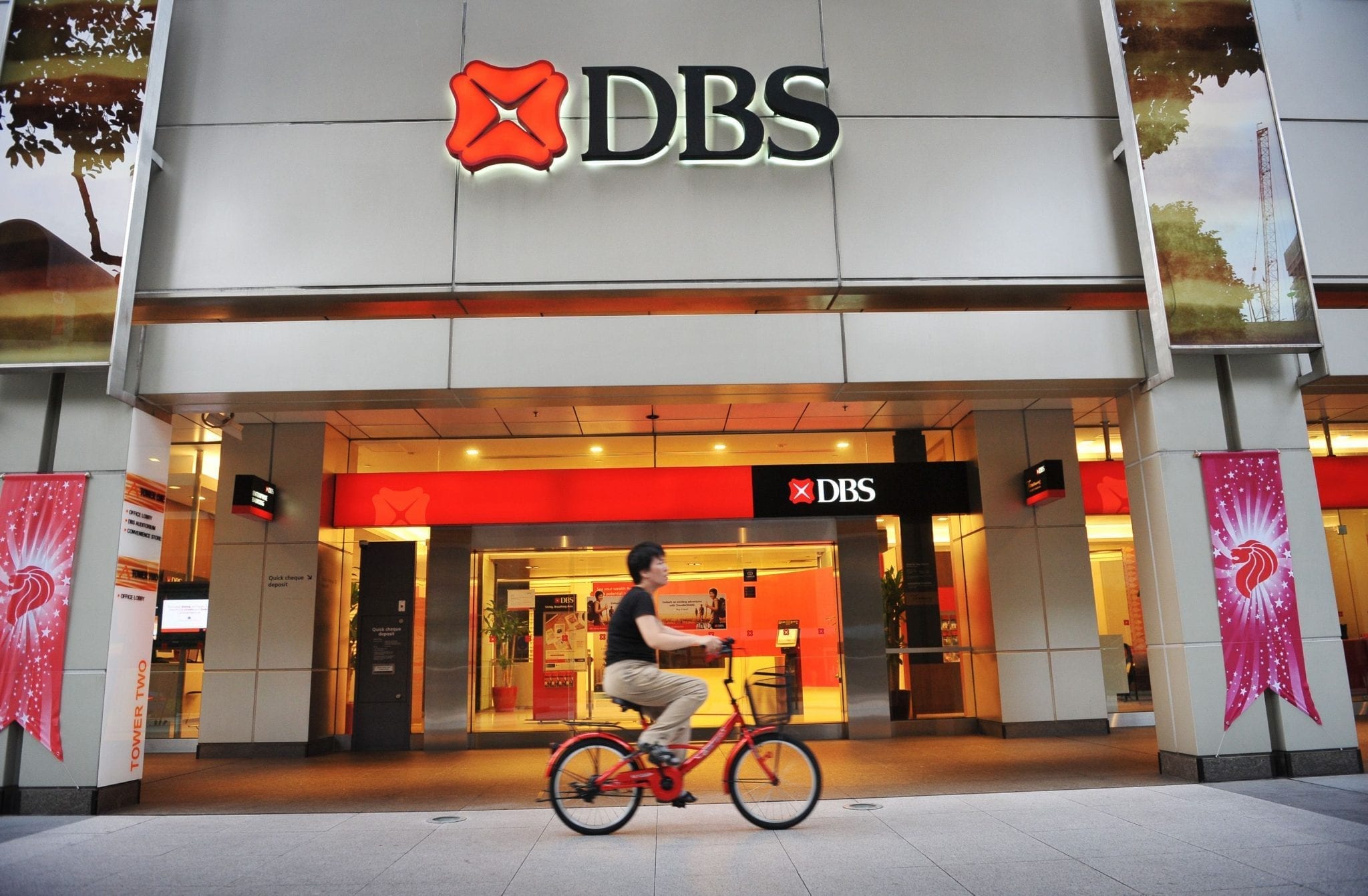
    Singapore-headquartered and listed lender DBS Bank Ltd (DBS) announced on Monday that it has completed the acquisition of Australia & New Zealand Banking Group Ltd (ANZ)’s wealth management and retail banking businesses in Singapore, Hong Kong, Mainland China, Taiwan, and Indonesia.

    In a statement, DBS said the last tranche of the migration was successfully conducted in Indonesia over the weekend, with ANZ transferring its portfolio of businesses to DBS. The migration of businesses from ANZ to DBS started in July 2017, with the target of working towards a full completion of the acquisition in all markets by early 2018.

    In October 2016, DBS said it will pay $79 million above the book value for the ANZ businesses. ANZ has been financially structuring its businesses through cutting both inefficient assets and investments into other institutions. “With the successful acquisition of ANZ’s wealth management and retail banking business, about 90 percent of deposits, assets under management, and loans from ANZ were transferred to DBS,” the Singapore lender said.

    DBS added that the acquisition has added a large customer franchise to DBS in Indonesia and Taiwan, which are key markets for the bank. In Indonesia, DBS gained about 370,000 customers. The cards portfolio being transferred over to DBS Indonesia is also significant, with around 600,000 cards in circulation. In Taiwan, DBS added close to 520,000 customers.

    “This acquisition takes our business to the next level and gives us access to a sizable number of new customers, especially in our key markets like Indonesia and Taiwan,” said Tan Shu Shan, Group Head of Consumer Banking & Wealth Management at DBS. It also gives ANZ’s wealth customers access to more tailored solutions and a full suite of universal banking products supported by Asian insights, research and investment advice, Tan added.

    DBS is competing with larger international wealth managers including UBS Group AG and Credit Suisse Group AG, which are also expanding in Asia.

  • Asia boosts growth for L’Oreal

    Asia boosts growth for L’Oreal

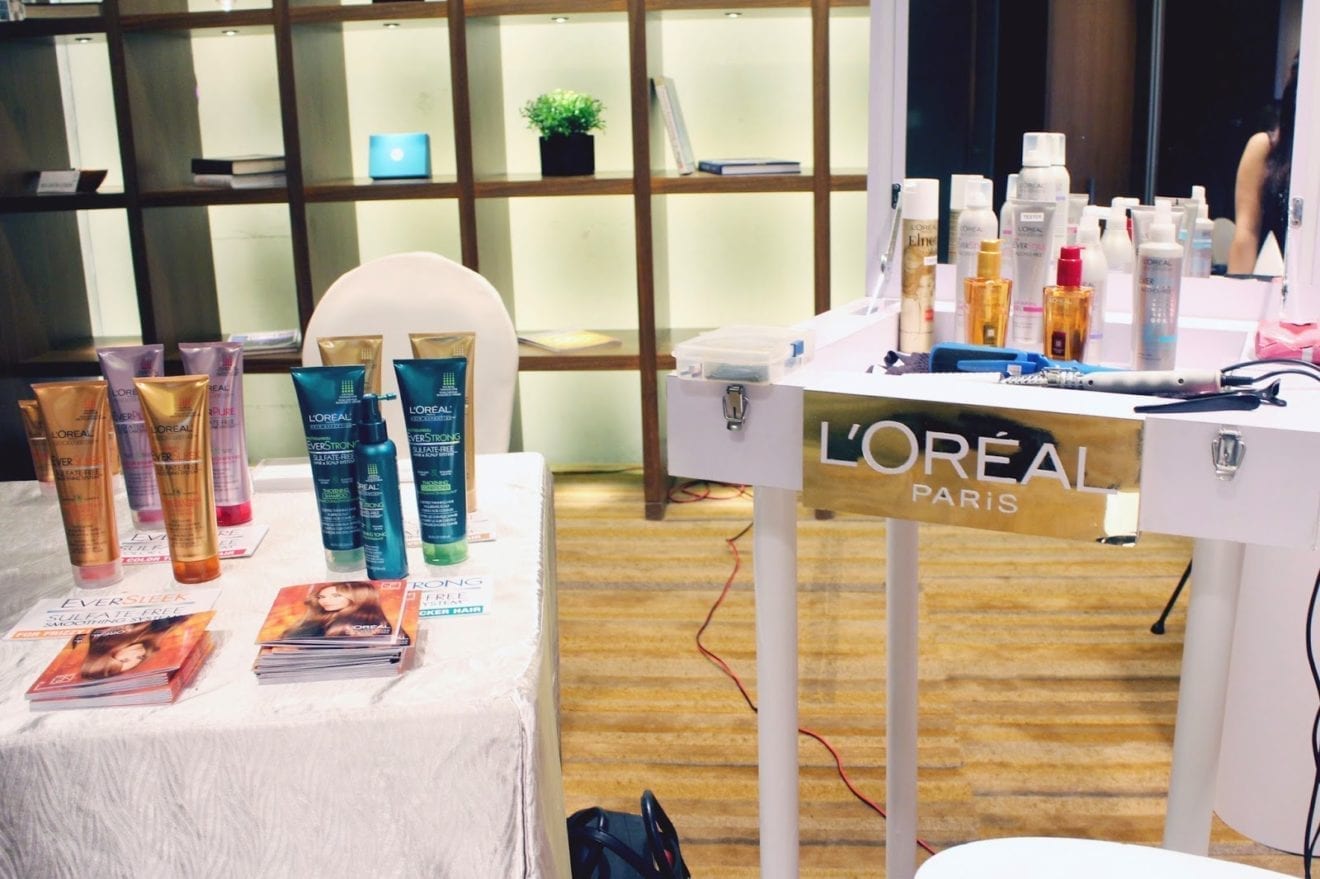
    French cosmetics giant L’Oreal reports “spectacular” growth for last year, particularly in Asia.

    It had growth acceleration of 5.5 per cent in the fourth quarter with sales exceeding €10 billion (US$12.2 billion) in the ‘new markets’, which include Asia Pacific.

    Operating margin reached a record 18 per cent.

    Sales were €26 billion, up 4.8 per cent like-for-like, 2 per cent at constant exchange rates and 0.7 per cent on reported figures.

    Representing a record 18 per cent of sales, the operating profit was €4.68 billion.

    “L’Oreal had a good year with sustained sales growth momentum and robust profits,” says chairman/CEO Jean-Paul Agon.

    The second half accelerated compared with the first, particularly in the fourth quarter.

    Sales grew in all divisions, especially L’Oreal Luxe in Asia. The Active Cosmetics Division achieved more than €2 billion of sales for the first time.

    The new markets exceeded more than €10 billion in sales for the first time ever. The Asia Pacific zone had growth of 12.3 per cent like-for-like and 9.2 per cent reported. In Northern Asia, Chinese consumers are driving growth, particularly for the L’Oreal Luxe Division in China and Hong Kong. China’s growth was fuelled by strong e-commerce results. In Southern Asia, India is proving dynamic, while Malaysia and Thailand are also growing strongly.

    Overall, operating profit, at €4.6 billion, has grown by 3 per cent and amounts to 18 per cent of sales, representing an increase of 40 basis points. Excluding exchange rates, operating profit grew by 4.4 per cent.

  • Ril Creed launches in Hong Kong

    Ril Creed launches in Hong Kong

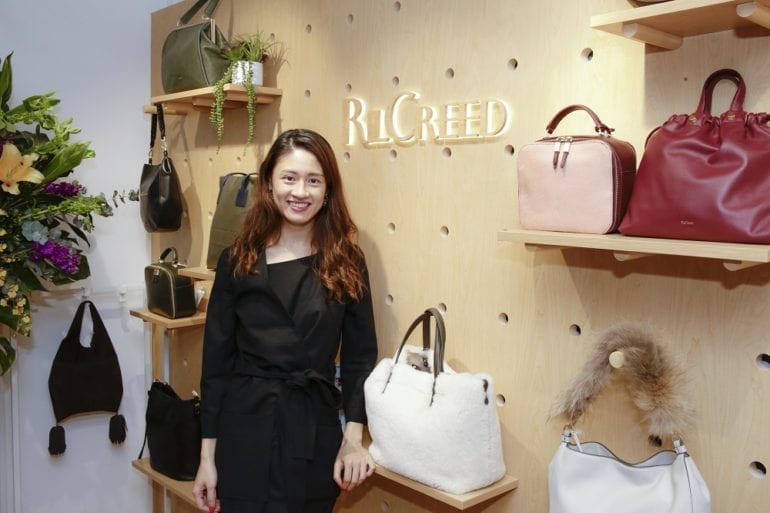
    RIL CREED’s collection of sustainable and ethical Japanese handbags opens its first flagship boutique in Hong Kong.

    Launched in 2012 in Japan and 2014 in Hong Kong, The Japanese handbag label RIL CREED is designed by Hanada Kazue, a seasoned designer who has been the design chief at the coveted Kitson Japan.

    With over two decades of experience, Kazue’s designs are made for the modern working women on the go. Using only fine genuine leather, with on-trend colours and versatile designs, each of RIL CREED’s handbags are made for every smart-casual occasion.

    Made to empower every modern women, each RIL CREED handbag is designed in Tokyo and handmade by artisans with age old craftsmanship. With a vision to revolutionize the handbag industry by using sustainable, upcycled materials and encouraging women to see beyond luxury items, RIL CREED redefines handbags as a tool to collect experiences and a companion in women’s journey to change the world.

    RIL CREED’s latest collection is inspired by owls, a spirited animal that symbolizes a deep connection, intuition, and wisdom of the soul. It represents change, transformation, and clarity. The brand aims to empower women through efforts to use sustainable materials and offcuts from factories. This season, upcycled sheepskin, faux fur and suede has been transformed into clean, elegant and effortless designs.

    Born in the 1970s, Hanada Kazue is Chief Designer of one of Japan’s most sought-after handbag brands, RIL CREED. Previously the design chief at Kitson Japan, Hanada has a deep understanding of what a woman needs when it comes to handbags. She has designed some of the bestsellers for the JAYRO, Kitson and Julia Parker labels, and brings to RIL CREED her renowned expertise.

    A seasoned handbag designer with over 20 years of experience, Hanada has created a beautiful, smart-casual collection for RIL CREED using only the finest genuine leather and horsetail in a variety of on-season, contemporary colours.

    These fashionable and practical designs from Hanada have been extremely popular amongst professional women in Japan and California, and have now set pulses racing amongst Hong Kong’s fashionistas.

  • Singapore retail sales stagnate in December

    Singapore retail sales stagnate in December

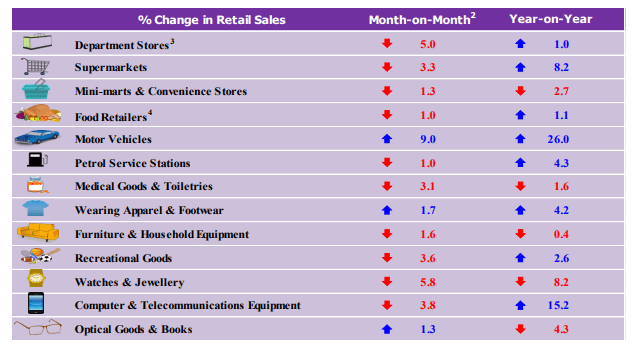
    Singapore retail sales were static in December, increasing just 0.6 per cent year-on-year, after excluding motor vehicles.

    With vehicles included, they rose by 4.6 per cent. Month on month they declined 0.2 per cent against November or by 2.6 per cent with vehicles excluded.

    The figures would have disappointed retailers after a strong November, although that was fuelled in part by the launch of new iPhone models.

    Last November, retail sales grew by 5.3 per cent year-on-year, or by 4.7 per cent excluding motor vehicles.

    That said, computer and telecommunications equipment sales rose 15.2 per cent in December. Sales by supermarkets, of wearing apparel and footwear, recreational goods, and by food retailers and department stores increased between 1 per cent and 8.2 per cent during the period.

    But sales of watches and jewellery, optical goods and books, by mini-marts and convenience stores, of medical goods and toiletries and of furniture and household equipment declined by between 0.4 per cent and 8.2 per cent year-on-year in December.

    Sales of food & beverage services (seasonally adjusted) increased 3.1 per cent year-on-year.


  • Here’s Why Pre-Owned Luxury Fashion Are Growing In Asia

    Here’s Why Pre-Owned Luxury Fashion Are Growing In Asia

    Asia’s pre-owned luxury fashion market is continuing to grow, with shoes and t-shirts gaining ground, according to multichannel retailer Reebonz.

    Although bags continued to dominate, with an average of 77 per cent of total transactions in 2016 and 2017, both shoes and apparel achieved steep sales growth throughout the region, according to Reebonz’s now annual Asia Luxury Index.

    In Hong Kong, for example, sales of used branded sneakers rose 48 per cent last year, while “luxury t-shirt” sales soared six-fold.

    The report is based on Reebonz’s own trading data across Australia, China, Hong Kong, Indonesia, Malaysia, New Zealand and Singapore, along with unspecified “industry reports”.

    Reebonz says millennials are driving the sector’s growth, “tilting the scales in favour of a pre-owned luxury market that continues its growth trajectory”.

    Chanel, the most-purchased pre-owned brand by millennials, recorded more than double the total sales value on Reebonz last year over 2016.

    The report said the changing perceptions towards pre-owned luxury have altered the state of resale and how consumers shop today, contributing to 40 per cent sales growth in the pre-owned category at Reebonz.

    “The growing demands of buying from the resale market cleverly gives rise to a community of individual sellers, injecting the luxury ecosystem with products that meet these needs,” said Reebonz cofounder Daniel Lim.

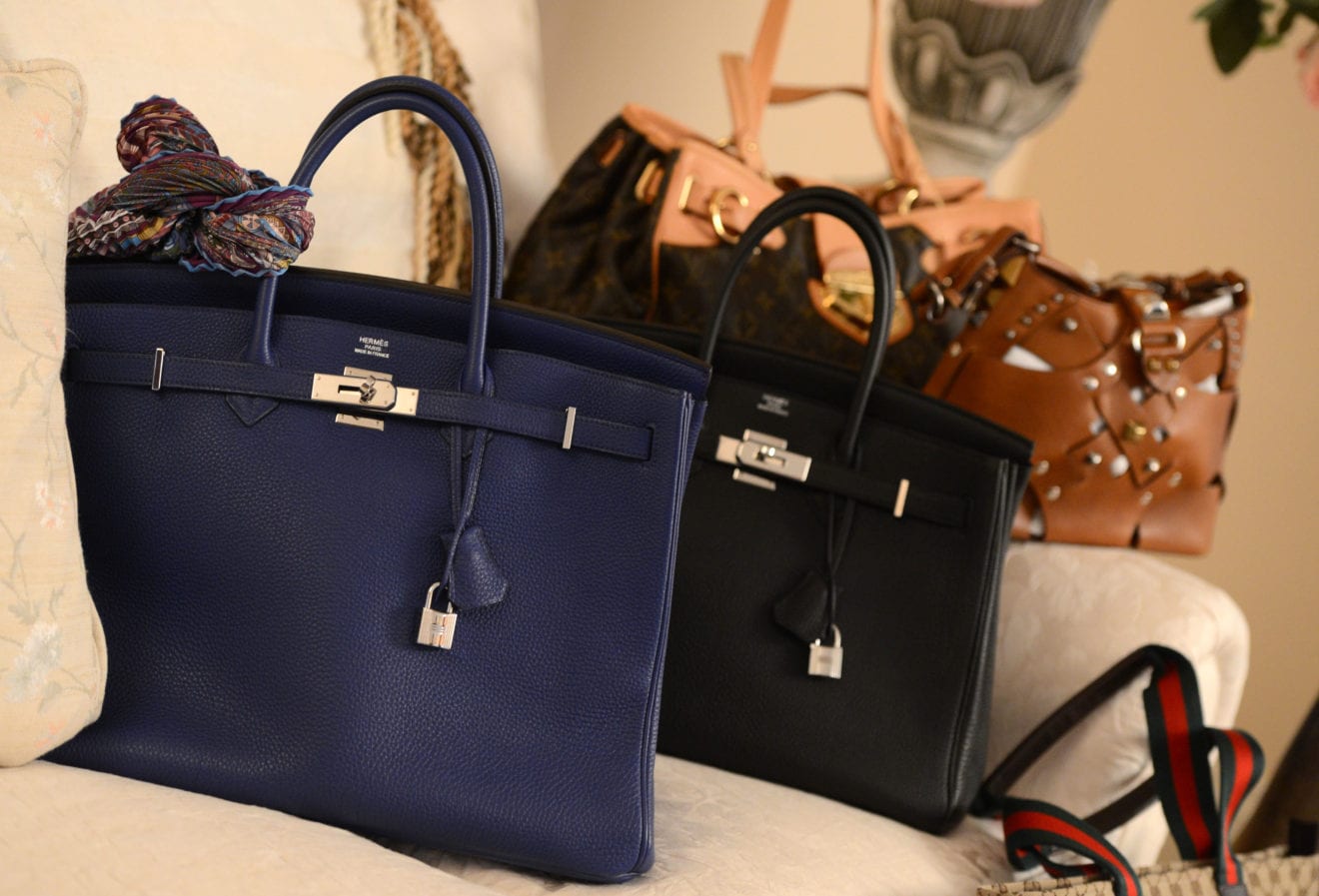
    Louis Vuitton, Hermes and Chanel were the three top-selling brands on Reebonz last year, fetching resale values as high as 125 per cent of their original retail price in the secondary market. Gucci, Celine and Dior were also among the top 10.

  • Asia boosts Hermes international sales

    Asia boosts Hermes international sales

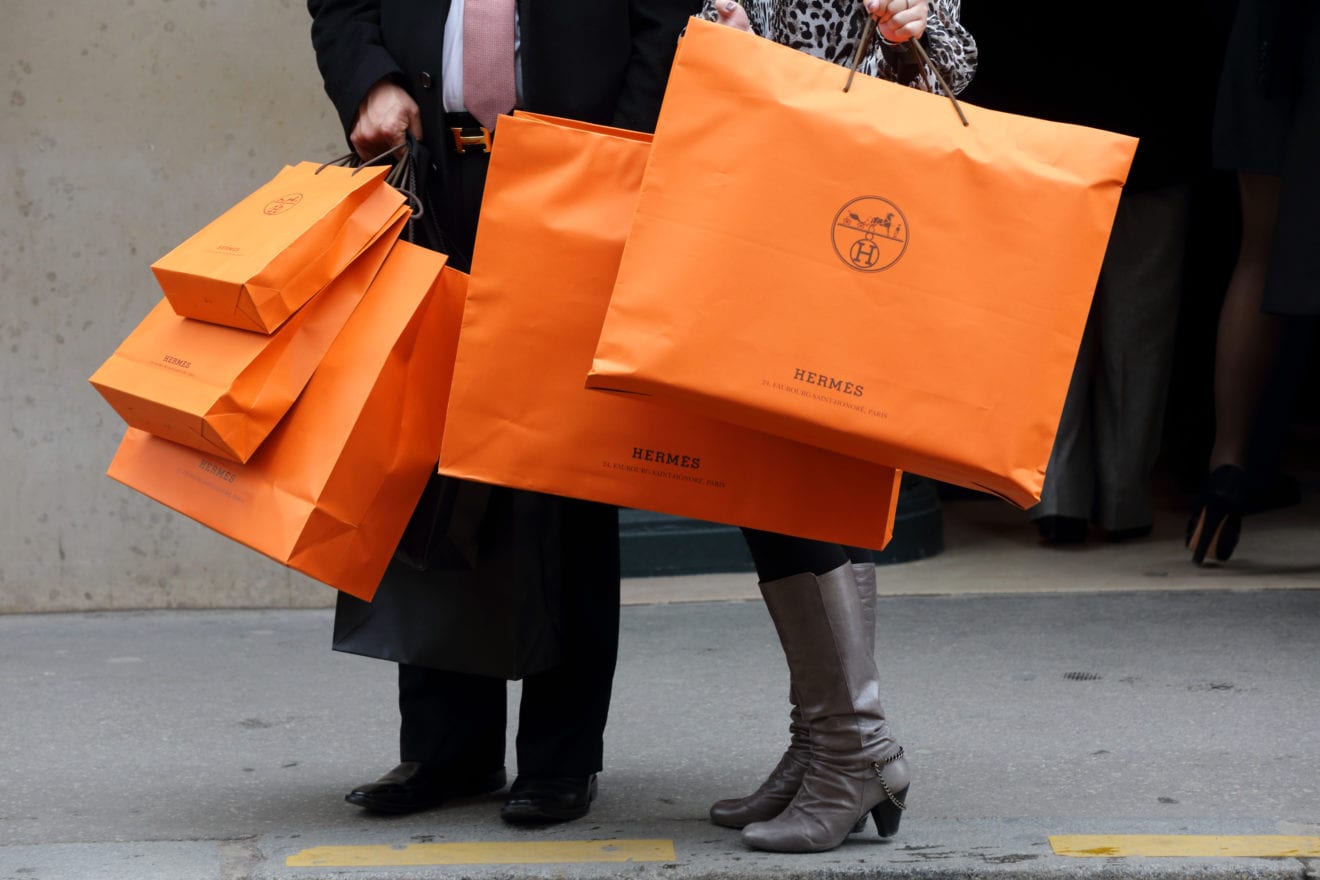
    Hermes international sales showed strong growth last year, pushed by an upward curve in Asia.

    Sales for the French fashion brand were up 9 per cent at constant exchange rates, with consolidated revenues reaching €5.5 billion (US$6.7 billion). After adjustment for the negative currency effect resulting from the year-end strengthening of the euro, the increase was 7 per cent.

    In the final quarter growth was sustained at 5 per cent at constant exchange rates.

    During the year Hermes continued to improve its distribution network, renovating and extending almost 20 stores. It launched websites in Canada and the US, to be followed by China at the end of this year.

    Asia, excluding Japan, saw sales rise 11 per cent with a positive outlook in Mainland China and South Asia.

    Hermes says the context is improving in Hong Kong and Macau. Regional stores were extended and renovated – the Sogo Fuxing store in Taiwan, Kowloon Elements in Hong Kong and the Kuala Lumpur store.

    Despite a high comparison basis, Japan recorded a sustained increase of 4 per cent thanks to its selective distribution network.

    All sectors recorded growth, with a “remarkable” performance by the ready-to-wear and accessories, perfumes and other sectors.

    Leather goods and saddlery sales grew 10 per cent to meet demand for such bags as Constance, Halzan, Lindy and Verrou. Shoes particularly boosted sales in the ready-to-wear and accessories division, up 9 per cent, silk and textiles had a  6 per cent rise, while the perfumes division posted 10 per cent growth with the launch of Twilly d’Hermes.

    There was a 1 per cent rise in watch sales, while other Hermes business lines ‒ encompassing jewellery, Art of Living and Hermes Table Arts ‒ rose 11 per cent.

    Currency fluctuations had a negative impact of €100 million on revenues.

    The company will publish its annual results next month.

  • Garuda Indonesia Eyes $2.4b From Singapore Airshow

    Garuda Indonesia Eyes $2.4b From Singapore Airshow

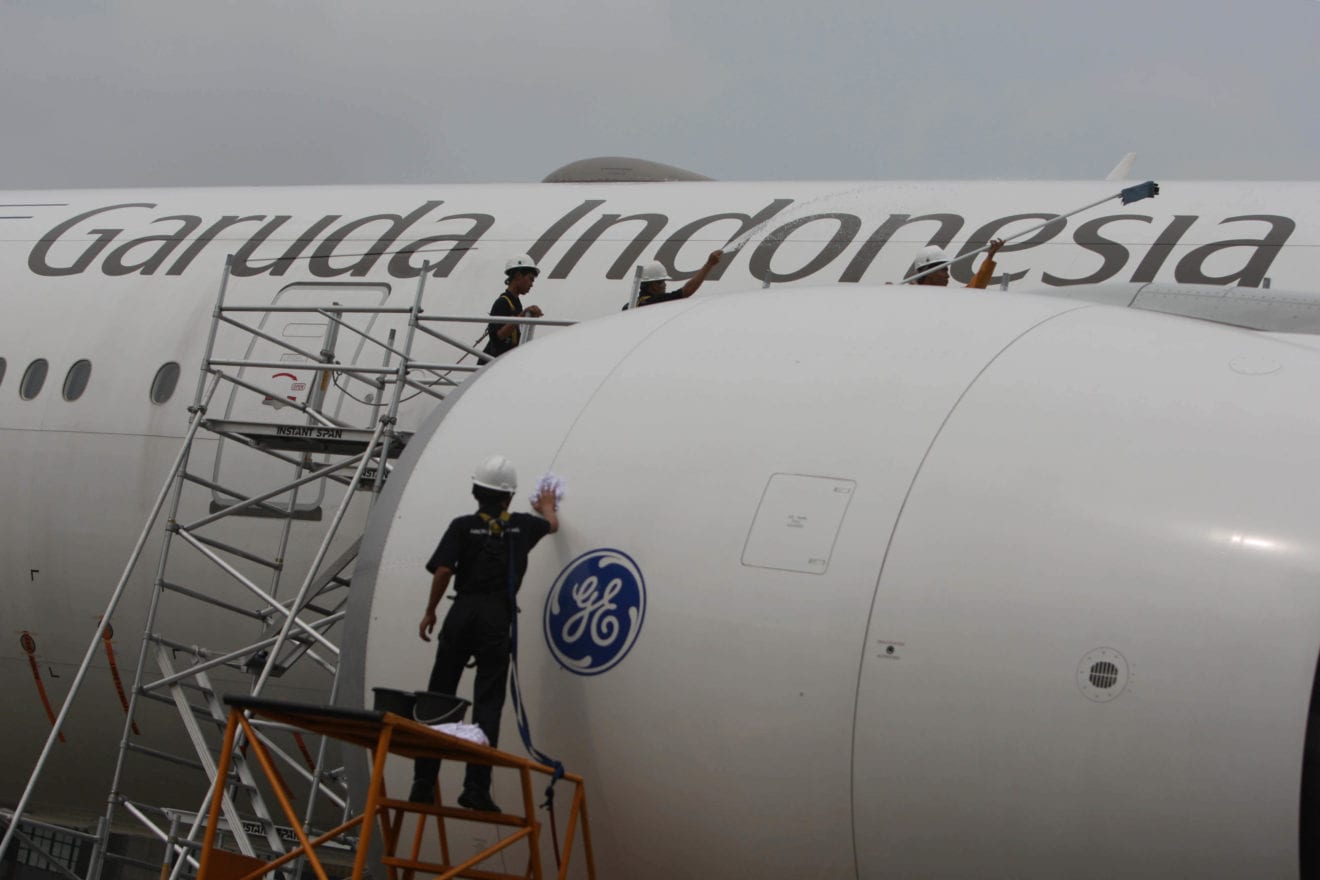
    National flag carrier Garuda Indonesia eyes $2.4 billion in transactions from the 2018 Singapore Airshow, which takes place at the Changi Exhibition Center on Feb. 6-11, the company said in a statement on Monday (05/02).

    The airshow, the biggest of its kind in Asia, gathers major stakeholders in the aviation industry.

    During last year’s edition, Garuda signed transactions worth $129 million. This year, it brings its subsidiaries, including maintenance, repair and operations (MRO) company GMF AeroAsia, budget airline Citilink Indonesia and operations support unit Aerowisata.

    “We’re trying to tell everyone that Garuda Indonesia is a giant in the aviation industry in region, and this event is the place for us to showcase our excellence,” Garuda Indonesia chief executive Pahala Mansury said in the statement.

    Pahala added that the group will be looking for partnerships to expand its business.

    “We’re aiming to penetrate the market this year,” GMF AeroAsia chief executive Iwan Joeniarto said.

    GMF AeroAsia says it has recorded significant growth in the past few years. Overseas investors have recently expressed interest in buying the company’s shares.

    In the third-quarter of 2017, GMF generated $310.5 million in revenue, which exceeded its initial projection by 102 percent, the company said on its website. Its net profit was $38.1 million, up 8.9 percent from the same period a year earlier.

    Meanwhile, Citilink Indonesia said it will take advantage of the event to open international routes. Last year, the company said it will inaugurate international flights in the Asean region in 2018.

    “With our participation in the Singapore Airshow, we try to prove that as a premium low-cost carrier we are ready to open international routes in the immediate future,” Citilink chief executive Juliandra Nurtjahjo said.

  • Singapore cannot ban cryptocurrency trading, for now

    The central bank of Singapore has been studying the potential risks posed by cryptocurrencies, but there is as yet no strong case to ban trading of the digital coins in the city-state, Deputy Prime Minister Tharman Shanmugaratnam said.

    “Cryptocurrencies are an experiment. The number and different forms of cryptocurrencies is growing internationally. It is too early to say if they will succeed,” he said.

    “If some do succeed, their full implications will also not be known for some time,” the deputy prime minister said in a written answer to questions from members of parliament on banning the trading of bitcoin or cryptocurrency.

    “The Monetary Authority of Singapore has been closely studying these developments and the potential risks they pose. As of now, there is no strong case to ban cryptocurrency trading here.”

    In another development, the head of the Bank for International Settlements (BIS) said central banks must prepare to act against cryptocurrencies to ensure they do not become entrenched and undermine trust in central banks.

    Agustin Carstens, general manager of the BIS, an umbrella organisation for the world’s central banks, said in a speech that cryptocurrencies such as bitcoin were “probably not sustainable as money” and failed the “basic textbook definition” of being a currency.

    “There is a strong case for policy intervention,” he said, speaking at Frankfurt’s Goethe University today.

    “These assets can raise concerns related to consumer and investor protection. Appropriate authorities have a duty to educate and protect investors and consumers, and need to be prepared to act.”

    “Private digital tokens masquerading as currencies must not subvert this trust (in central banks)”, he warned, but stopped short of suggesting what concrete measures should be taken.

    Carstens described bitcoin as “a combination of a bubble, a Ponzi scheme and an environmental disaster”. The last refers to the energy-intensive process of “mining” the digital currency.

    To prevent cryptocurrencies from becoming “parasites” on existing financial infrastructure, Carstens said that only those exchanges and products which met accepted standards should be given access to banking and payment services.

    “This means same risk, same regulation. And no exceptions
    allowed,” he added.
  • E-Land Group to get US$91 million fund injection

    E-Land Group to get US$91 million fund injection

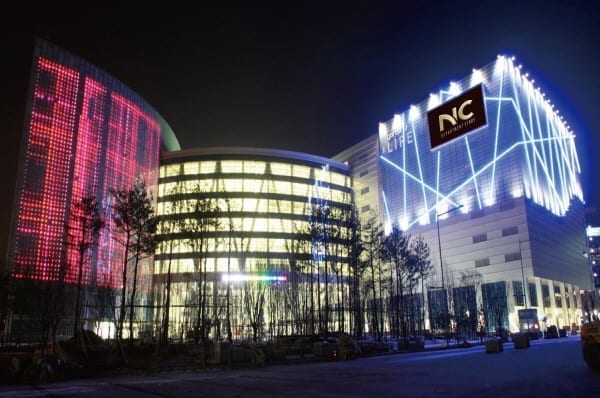
    Singapore’s sovereign wealth fund GIC has injected KW100 billion (US$91 million) into Korean retail major E-Land Group.

    The round was part of a KW200 billion investment led by Hong Kong-based Anchor Equity Partners. With interests in malls, restaurants, theme parks, hotels and construction businesses, E-Land has built its cornerstone on fashion apparel.

    This latest infusion of capital follows the Meritz Financial Group investing KW300 billion in the firm as part of a consortium led by Korea’s Keystone Private Equity last month. GIC has previously invested in E-Land – in 2009 it acquired an outlet of hypermarket Kim’s Club and the Gangnam branch of its NewCore Department Store. It subsequently leased them back to E-Land.

    At the end of March last year, GIC was estimated to have assets under management of between US$359 and $398 billion.

    GIC’s previous investments in South Korea include KW130 billion backing for cafe chain A Twosome Place.