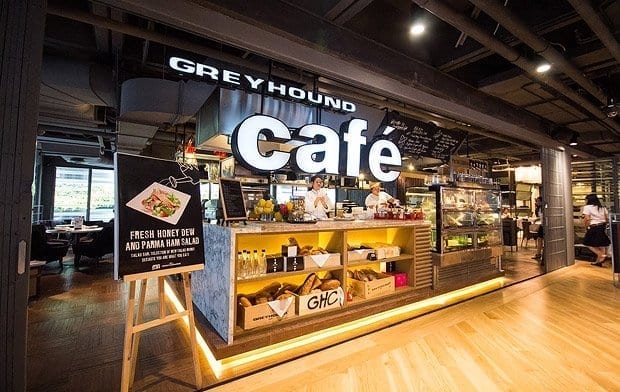
Nadim Xavier Salhani, the man behind US franchises Au Bon Pain, Dunkin’ Donuts and Baskin Robbins in Thailand, aims now to expand the group’s Greyhound Cafe brand abroad. Greyhound, which has 17 cafes in Thailand and 18 franchises overseas including China, Hong Kong, Indonesia, Malaysia and Singapore, is also planning more acquisitions.
Already, the company has invested THB150 million (US$4.7 million) to open a 192-seat Greyhound Cafe in London’s Soho district, and has also acquired the 300-year-old Grand Vefour, a Michelin two-star fine-dining restaurant in Paris.
“We are planning to develop more projects in Tokyo, Hong Kong and Bangkok in the French brasserie restaurant style, at a cost of 40 to 60 million baht each,” Salhani says.
Meanwhile, he plans to open 12 Dunkin’ Donuts Coffee concept branches this year, including the brand’s first drive-through in Ayutthaya this June. There are also plans to open five Au Bon Pain and five Baskin Robbins outlets this year, taking the total to 300 branches for Baskin Robbins, 80 for Dunkin Donuts and 40 for Au Bon Pain.
Singapore-headquartered and listed lender DBS Bank Ltd (DBS) announced on Monday that it has completed the acquisition of Australia & New Zealand Banking Group Ltd (ANZ)’s wealth management and retail banking businesses in Singapore, Hong Kong, Mainland China, Taiwan, and Indonesia.
In a statement, DBS said the last tranche of the migration was successfully conducted in Indonesia over the weekend, with ANZ transferring its portfolio of businesses to DBS. The migration of businesses from ANZ to DBS started in July 2017, with the target of working towards a full completion of the acquisition in all markets by early 2018.
In October 2016, DBS said it will pay $79 million above the book value for the ANZ businesses. ANZ has been financially structuring its businesses through cutting both inefficient assets and investments into other institutions. “With the successful acquisition of ANZ’s wealth management and retail banking business, about 90 percent of deposits, assets under management, and loans from ANZ were transferred to DBS,” the Singapore lender said.
DBS added that the acquisition has added a large customer franchise to DBS in Indonesia and Taiwan, which are key markets for the bank. In Indonesia, DBS gained about 370,000 customers. The cards portfolio being transferred over to DBS Indonesia is also significant, with around 600,000 cards in circulation. In Taiwan, DBS added close to 520,000 customers.
“This acquisition takes our business to the next level and gives us access to a sizable number of new customers, especially in our key markets like Indonesia and Taiwan,” said Tan Shu Shan, Group Head of Consumer Banking & Wealth Management at DBS. It also gives ANZ’s wealth customers access to more tailored solutions and a full suite of universal banking products supported by Asian insights, research and investment advice, Tan added.
DBS is competing with larger international wealth managers including UBS Group AG and Credit Suisse Group AG, which are also expanding in Asia.
French cosmetics giant L’Oreal reports “spectacular” growth for last year, particularly in Asia.
It had growth acceleration of 5.5 per cent in the fourth quarter with sales exceeding €10 billion (US$12.2 billion) in the ‘new markets’, which include Asia Pacific.
Operating margin reached a record 18 per cent.
Sales were €26 billion, up 4.8 per cent like-for-like, 2 per cent at constant exchange rates and 0.7 per cent on reported figures.
Representing a record 18 per cent of sales, the operating profit was €4.68 billion.
“L’Oreal had a good year with sustained sales growth momentum and robust profits,” says chairman/CEO Jean-Paul Agon.
The second half accelerated compared with the first, particularly in the fourth quarter.
Sales grew in all divisions, especially L’Oreal Luxe in Asia. The Active Cosmetics Division achieved more than €2 billion of sales for the first time.
The new markets exceeded more than €10 billion in sales for the first time ever. The Asia Pacific zone had growth of 12.3 per cent like-for-like and 9.2 per cent reported. In Northern Asia, Chinese consumers are driving growth, particularly for the L’Oreal Luxe Division in China and Hong Kong. China’s growth was fuelled by strong e-commerce results. In Southern Asia, India is proving dynamic, while Malaysia and Thailand are also growing strongly.
Overall, operating profit, at €4.6 billion, has grown by 3 per cent and amounts to 18 per cent of sales, representing an increase of 40 basis points. Excluding exchange rates, operating profit grew by 4.4 per cent.
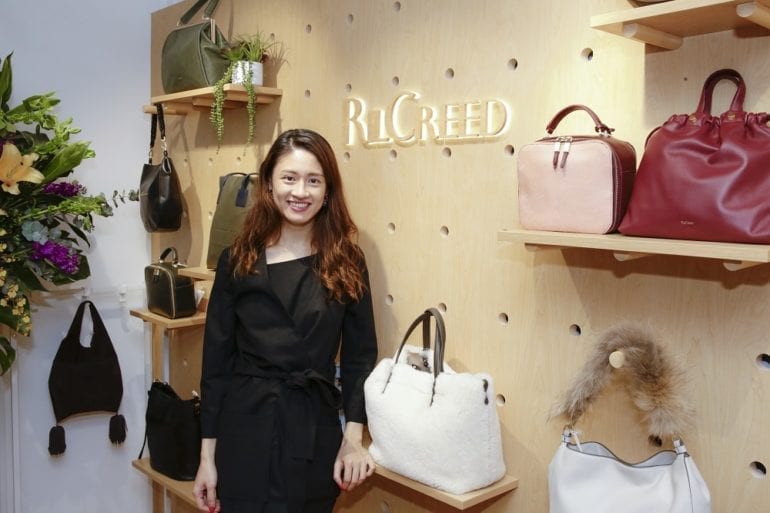
RIL CREED’s collection of sustainable and ethical Japanese handbags opens its first flagship boutique in Hong Kong.
Launched in 2012 in Japan and 2014 in Hong Kong, The Japanese handbag label RIL CREED is designed by Hanada Kazue, a seasoned designer who has been the design chief at the coveted Kitson Japan.
With over two decades of experience, Kazue’s designs are made for the modern working women on the go. Using only fine genuine leather, with on-trend colours and versatile designs, each of RIL CREED’s handbags are made for every smart-casual occasion.
Made to empower every modern women, each RIL CREED handbag is designed in Tokyo and handmade by artisans with age old craftsmanship. With a vision to revolutionize the handbag industry by using sustainable, upcycled materials and encouraging women to see beyond luxury items, RIL CREED redefines handbags as a tool to collect experiences and a companion in women’s journey to change the world.
RIL CREED’s latest collection is inspired by owls, a spirited animal that symbolizes a deep connection, intuition, and wisdom of the soul. It represents change, transformation, and clarity. The brand aims to empower women through efforts to use sustainable materials and offcuts from factories. This season, upcycled sheepskin, faux fur and suede has been transformed into clean, elegant and effortless designs.
Born in the 1970s, Hanada Kazue is Chief Designer of one of Japan’s most sought-after handbag brands, RIL CREED. Previously the design chief at Kitson Japan, Hanada has a deep understanding of what a woman needs when it comes to handbags. She has designed some of the bestsellers for the JAYRO, Kitson and Julia Parker labels, and brings to RIL CREED her renowned expertise.
A seasoned handbag designer with over 20 years of experience, Hanada has created a beautiful, smart-casual collection for RIL CREED using only the finest genuine leather and horsetail in a variety of on-season, contemporary colours.
These fashionable and practical designs from Hanada have been extremely popular amongst professional women in Japan and California, and have now set pulses racing amongst Hong Kong’s fashionistas.
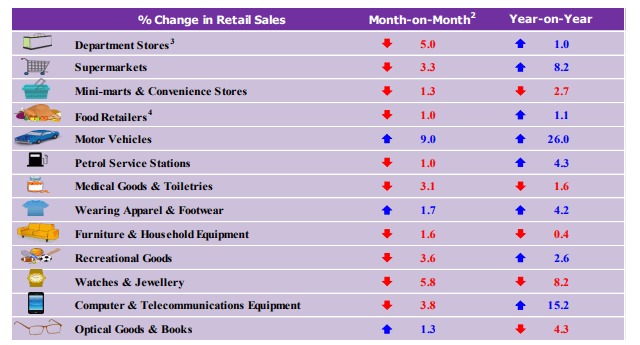
Singapore retail sales were static in December, increasing just 0.6 per cent year-on-year, after excluding motor vehicles.
With vehicles included, they rose by 4.6 per cent. Month on month they declined 0.2 per cent against November or by 2.6 per cent with vehicles excluded.
The figures would have disappointed retailers after a strong November, although that was fuelled in part by the launch of new iPhone models.
Last November, retail sales grew by 5.3 per cent year-on-year, or by 4.7 per cent excluding motor vehicles.
That said, computer and telecommunications equipment sales rose 15.2 per cent in December. Sales by supermarkets, of wearing apparel and footwear, recreational goods, and by food retailers and department stores increased between 1 per cent and 8.2 per cent during the period.
But sales of watches and jewellery, optical goods and books, by mini-marts and convenience stores, of medical goods and toiletries and of furniture and household equipment declined by between 0.4 per cent and 8.2 per cent year-on-year in December.
Sales of food & beverage services (seasonally adjusted) increased 3.1 per cent year-on-year.
Asia’s pre-owned luxury fashion market is continuing to grow, with shoes and t-shirts gaining ground, according to multichannel retailer Reebonz.
Although bags continued to dominate, with an average of 77 per cent of total transactions in 2016 and 2017, both shoes and apparel achieved steep sales growth throughout the region, according to Reebonz’s now annual Asia Luxury Index.
In Hong Kong, for example, sales of used branded sneakers rose 48 per cent last year, while “luxury t-shirt” sales soared six-fold.
The report is based on Reebonz’s own trading data across Australia, China, Hong Kong, Indonesia, Malaysia, New Zealand and Singapore, along with unspecified “industry reports”.
Reebonz says millennials are driving the sector’s growth, “tilting the scales in favour of a pre-owned luxury market that continues its growth trajectory”.
Chanel, the most-purchased pre-owned brand by millennials, recorded more than double the total sales value on Reebonz last year over 2016.
The report said the changing perceptions towards pre-owned luxury have altered the state of resale and how consumers shop today, contributing to 40 per cent sales growth in the pre-owned category at Reebonz.
“The growing demands of buying from the resale market cleverly gives rise to a community of individual sellers, injecting the luxury ecosystem with products that meet these needs,” said Reebonz cofounder Daniel Lim.
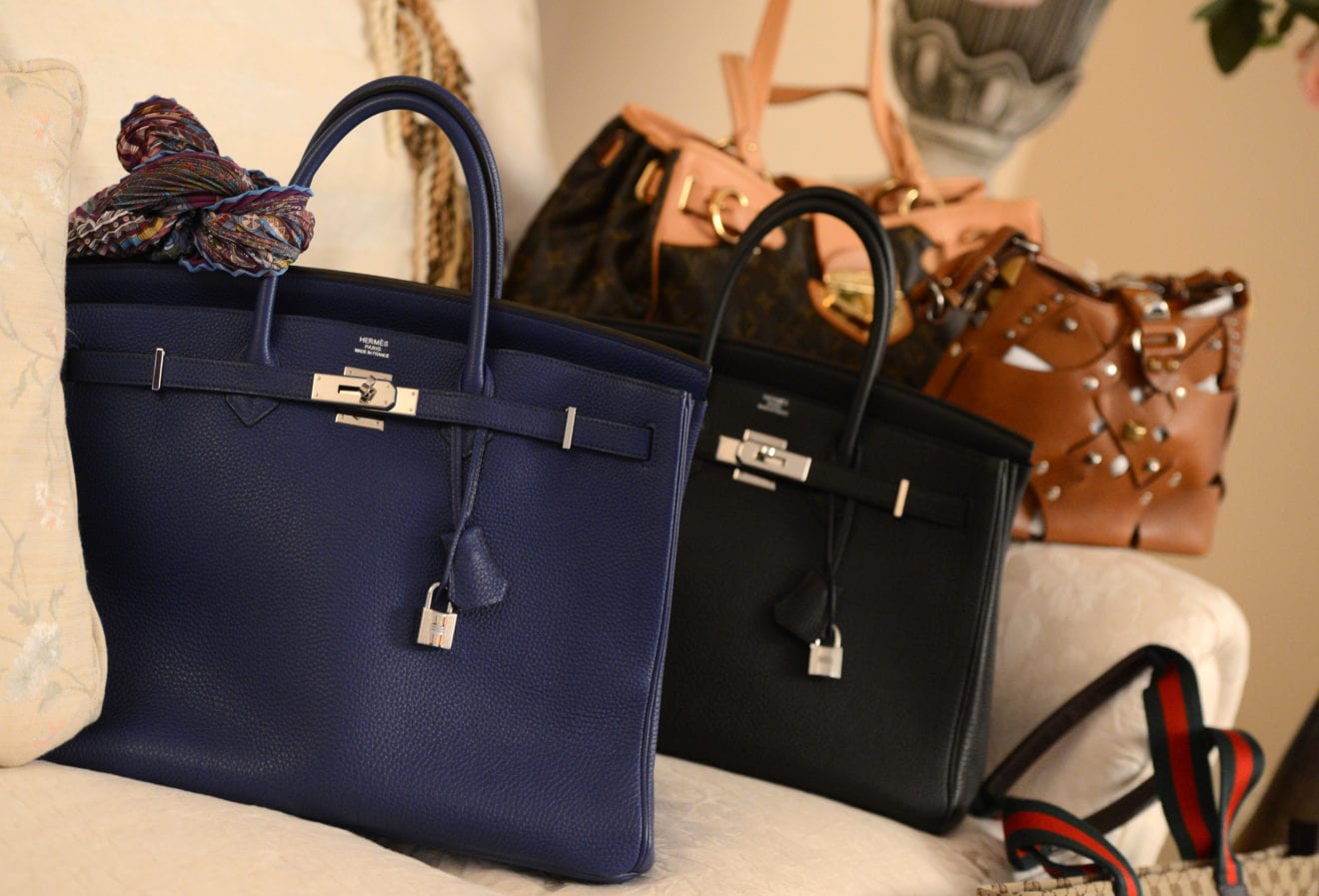
Louis Vuitton, Hermes and Chanel were the three top-selling brands on Reebonz last year, fetching resale values as high as 125 per cent of their original retail price in the secondary market. Gucci, Celine and Dior were also among the top 10.
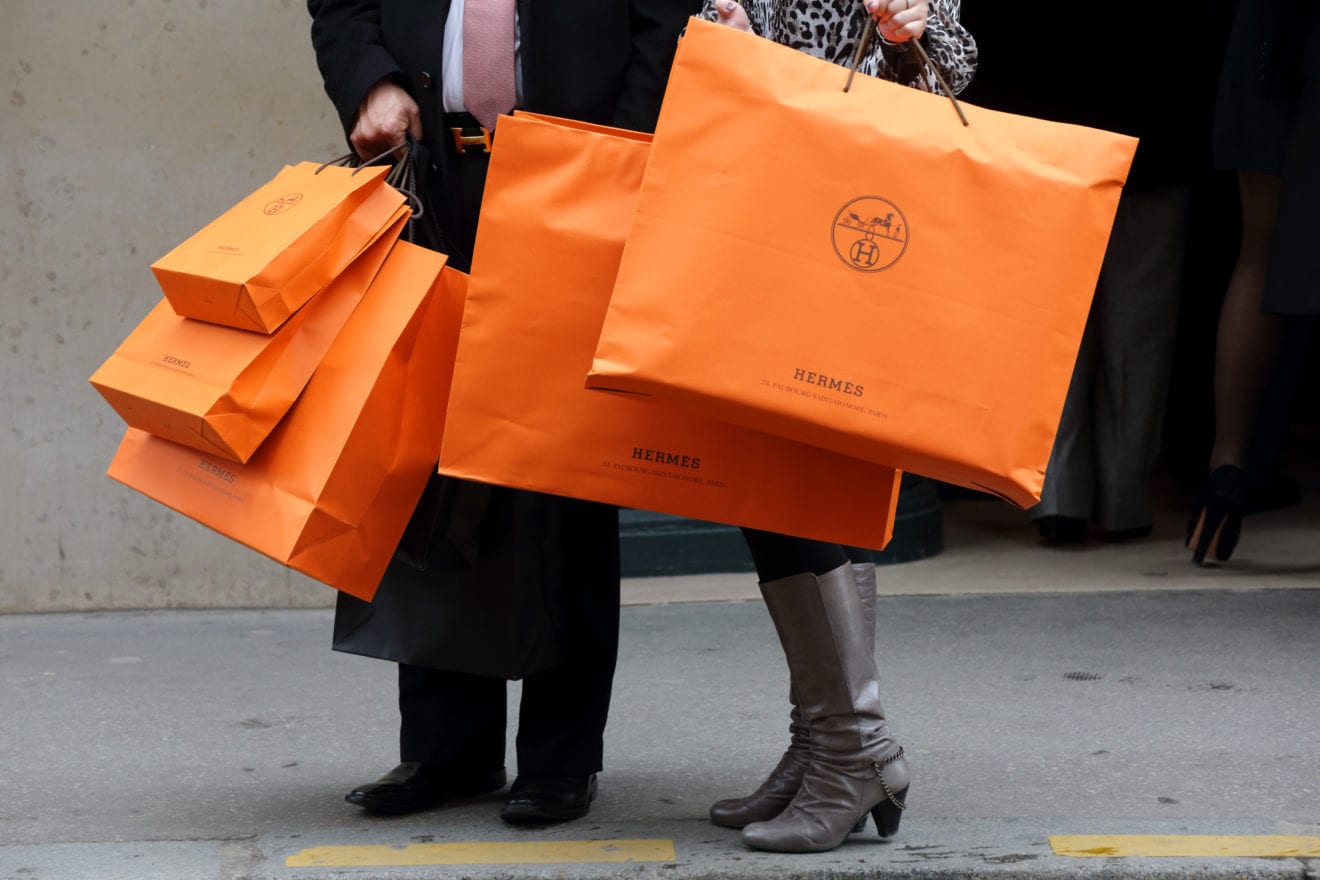
Hermes international sales showed strong growth last year, pushed by an upward curve in Asia.
Sales for the French fashion brand were up 9 per cent at constant exchange rates, with consolidated revenues reaching €5.5 billion (US$6.7 billion). After adjustment for the negative currency effect resulting from the year-end strengthening of the euro, the increase was 7 per cent.
In the final quarter growth was sustained at 5 per cent at constant exchange rates.
During the year Hermes continued to improve its distribution network, renovating and extending almost 20 stores. It launched websites in Canada and the US, to be followed by China at the end of this year.
Asia, excluding Japan, saw sales rise 11 per cent with a positive outlook in Mainland China and South Asia.
Hermes says the context is improving in Hong Kong and Macau. Regional stores were extended and renovated – the Sogo Fuxing store in Taiwan, Kowloon Elements in Hong Kong and the Kuala Lumpur store.
Despite a high comparison basis, Japan recorded a sustained increase of 4 per cent thanks to its selective distribution network.
All sectors recorded growth, with a “remarkable” performance by the ready-to-wear and accessories, perfumes and other sectors.
Leather goods and saddlery sales grew 10 per cent to meet demand for such bags as Constance, Halzan, Lindy and Verrou. Shoes particularly boosted sales in the ready-to-wear and accessories division, up 9 per cent, silk and textiles had a 6 per cent rise, while the perfumes division posted 10 per cent growth with the launch of Twilly d’Hermes.
There was a 1 per cent rise in watch sales, while other Hermes business lines ‒ encompassing jewellery, Art of Living and Hermes Table Arts ‒ rose 11 per cent.
Currency fluctuations had a negative impact of €100 million on revenues.
The company will publish its annual results next month.
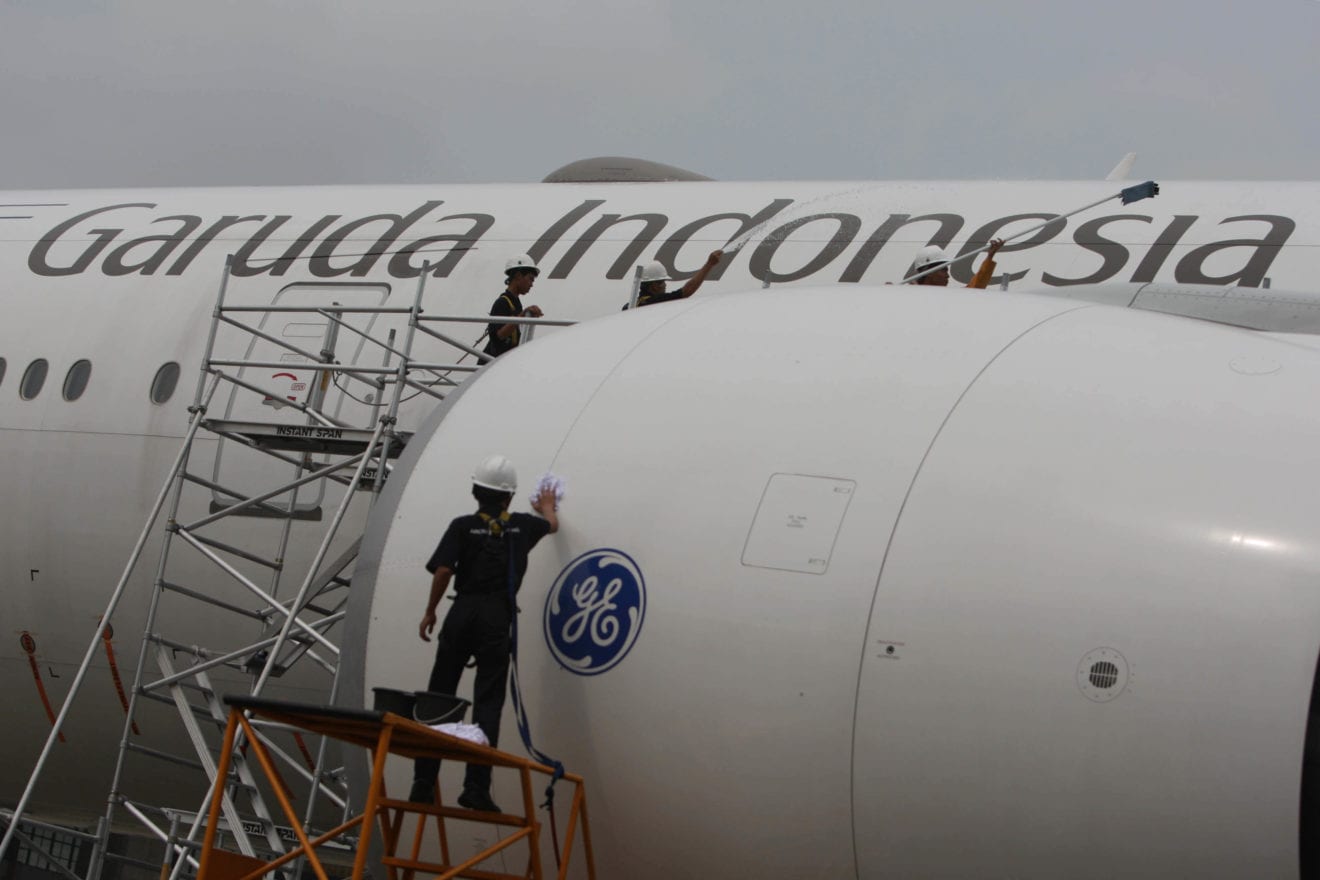
National flag carrier Garuda Indonesia eyes $2.4 billion in transactions from the 2018 Singapore Airshow, which takes place at the Changi Exhibition Center on Feb. 6-11, the company said in a statement on Monday (05/02).
The airshow, the biggest of its kind in Asia, gathers major stakeholders in the aviation industry.
During last year’s edition, Garuda signed transactions worth $129 million. This year, it brings its subsidiaries, including maintenance, repair and operations (MRO) company GMF AeroAsia, budget airline Citilink Indonesia and operations support unit Aerowisata.
“We’re trying to tell everyone that Garuda Indonesia is a giant in the aviation industry in region, and this event is the place for us to showcase our excellence,” Garuda Indonesia chief executive Pahala Mansury said in the statement.
Pahala added that the group will be looking for partnerships to expand its business.
“We’re aiming to penetrate the market this year,” GMF AeroAsia chief executive Iwan Joeniarto said.
GMF AeroAsia says it has recorded significant growth in the past few years. Overseas investors have recently expressed interest in buying the company’s shares.
In the third-quarter of 2017, GMF generated $310.5 million in revenue, which exceeded its initial projection by 102 percent, the company said on its website. Its net profit was $38.1 million, up 8.9 percent from the same period a year earlier.
Meanwhile, Citilink Indonesia said it will take advantage of the event to open international routes. Last year, the company said it will inaugurate international flights in the Asean region in 2018.
“With our participation in the Singapore Airshow, we try to prove that as a premium low-cost carrier we are ready to open international routes in the immediate future,” Citilink chief executive Juliandra Nurtjahjo said.
The central bank of Singapore has been studying the potential risks posed by cryptocurrencies, but there is as yet no strong case to ban trading of the digital coins in the city-state, Deputy Prime Minister Tharman Shanmugaratnam said.
“Cryptocurrencies are an experiment. The number and different forms of cryptocurrencies is growing internationally. It is too early to say if they will succeed,” he said.
“If some do succeed, their full implications will also not be known for some time,” the deputy prime minister said in a written answer to questions from members of parliament on banning the trading of bitcoin or cryptocurrency.
“The Monetary Authority of Singapore has been closely studying these developments and the potential risks they pose. As of now, there is no strong case to ban cryptocurrency trading here.”
In another development, the head of the Bank for International Settlements (BIS) said central banks must prepare to act against cryptocurrencies to ensure they do not become entrenched and undermine trust in central banks.
Agustin Carstens, general manager of the BIS, an umbrella organisation for the world’s central banks, said in a speech that cryptocurrencies such as bitcoin were “probably not sustainable as money” and failed the “basic textbook definition” of being a currency.
“There is a strong case for policy intervention,” he said, speaking at Frankfurt’s Goethe University today.
“These assets can raise concerns related to consumer and investor protection. Appropriate authorities have a duty to educate and protect investors and consumers, and need to be prepared to act.”
“Private digital tokens masquerading as currencies must not subvert this trust (in central banks)”, he warned, but stopped short of suggesting what concrete measures should be taken.
Carstens described bitcoin as “a combination of a bubble, a Ponzi scheme and an environmental disaster”. The last refers to the energy-intensive process of “mining” the digital currency.
To prevent cryptocurrencies from becoming “parasites” on existing financial infrastructure, Carstens said that only those exchanges and products which met accepted standards should be given access to banking and payment services.
“This means same risk, same regulation. And no exceptions
allowed,” he added.
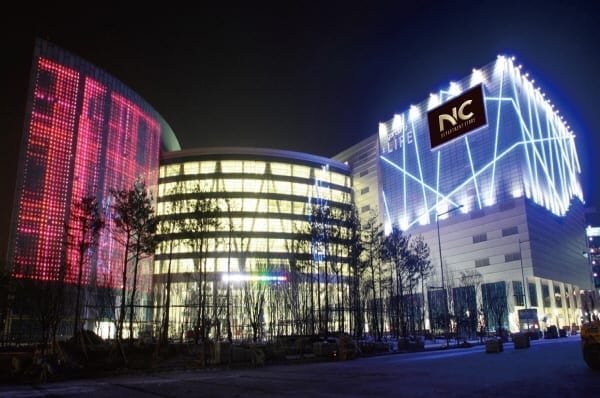
Singapore’s sovereign wealth fund GIC has injected KW100 billion (US$91 million) into Korean retail major E-Land Group.
The round was part of a KW200 billion investment led by Hong Kong-based Anchor Equity Partners. With interests in malls, restaurants, theme parks, hotels and construction businesses, E-Land has built its cornerstone on fashion apparel.
This latest infusion of capital follows the Meritz Financial Group investing KW300 billion in the firm as part of a consortium led by Korea’s Keystone Private Equity last month. GIC has previously invested in E-Land – in 2009 it acquired an outlet of hypermarket Kim’s Club and the Gangnam branch of its NewCore Department Store. It subsequently leased them back to E-Land.
At the end of March last year, GIC was estimated to have assets under management of between US$359 and $398 billion.
GIC’s previous investments in South Korea include KW130 billion backing for cafe chain A Twosome Place.
F J Benjamin Holdings Ltd, founded in 1959, is a consumer driven leader in brand building and management listed on the Singapore Exchange since 1995.
F J Benjamin Holdings announced Group net attributable profit of $961,000 for its second quarter ended 31 December 2017 (2QFY18), representing a significant turnaround from a loss of $7.3 million previously.
Group revenue fell 19% to $50.5 million reflecting the absence of several loss-making brands and businesses which were terminated as part of a restructuring exercise that is now completed.
The $12.0 million decline in revenue comprised $6.8 million of discontinued businesses and an $8.2 million reduction in shipments to the Group’s Indonesian associate company which started buying directly from some of its principals in April 2017. The decline in sales was partially offset by a $3.3 million increase in ongoing businesses.
Group CEO Nash Benjamin said: “We are pleased to report a return to profitability after a painful restructuring exercise which is now completed. With consumer sentiment improving in Southeast Asia, management is working hard to grow our business organically whilst exploring suitable opportunities in the consumer and lifestyle segments.”
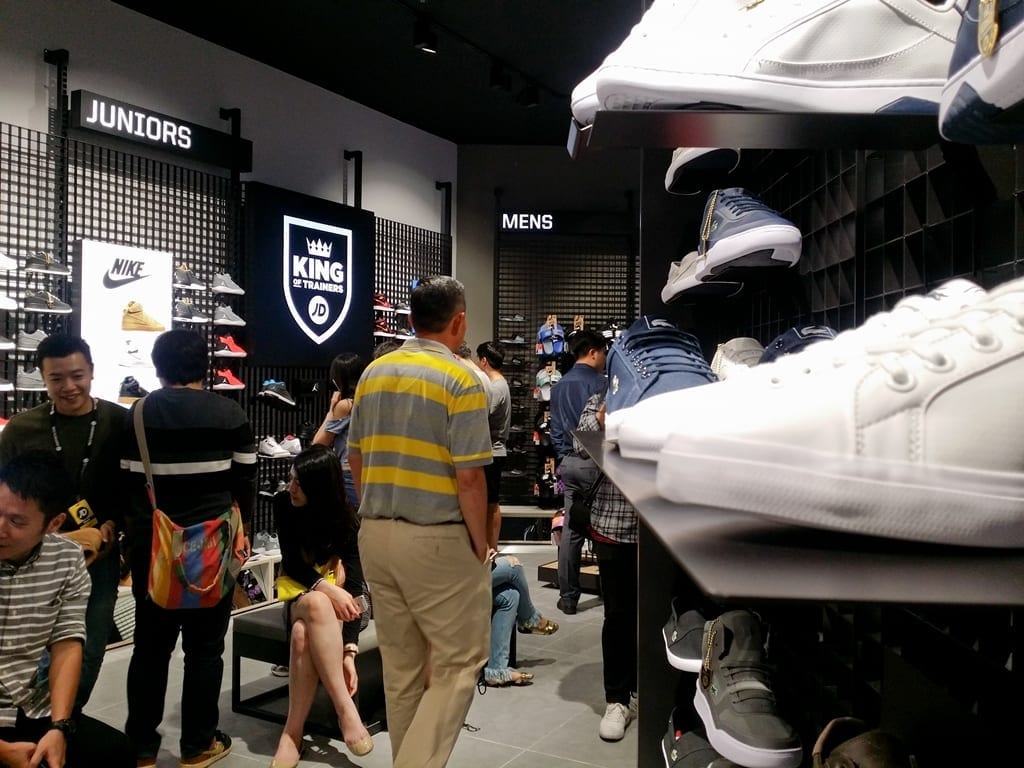
By business segment, Group turnover from the fashion business rose 13% to $34.6 million after excluding purchases by its Indonesian associate, discontinued brands and adjusting for translation loss. Growth came from existing and new stores opened after 2QFY17. Revenue from timepiece business declined by 17% to $3.8 million.
Gross profit margin was up seven percentage points to 46% in 2QFY18 from 39% in the previous corresponding quarter as a result of tighter inventory management and improved full price sell throughs.
Group operating expenses fell 20% to $22.3 million following cost controls and closure of non-performing stores which yielded savings of $5.7 million. Staff costs fell 17% to $6.8 million, rental of premises declined 24% to $7.9 million while other operating expenses were down 18% to $5.9 million.
As at 31 December 2017, inventory was reduced by six per cent to $38.2 million.
For the quarter under review, Group generated positive cash flows of $10.3 million from operating activities. Net gearing stood at 46% at 31 December 2017 against 53% as at 30 June 2017.
F J Benjamin has a strong footprint in South East Asia, with offices in Singapore, Indonesia and Malaysia, and manages over 20 iconic brands, operates over 250 stand-alone stores and over 1,400 points of sale in these markets.
The Group’s international brand portfolio includes fashion, lifestyle and timepiece brands.
Time Out’s City Life Index, a survey of 15,000 people in 32 global cities, has been released, and it shows which ones promise the most fun and excitement in 2018. Eight of them are on this side of the world.
The survey, conducted by Tapestry Research, questioned residents on a variety of aspects of city life.
It ranked cities in categories across food, drink, culture, friendliness, affordability, happiness, and liveability.
It also “found the key factors that make residents find their city exciting,” from dining out often to feeling proud of where they are from.
Here, their ranking in ascending order along with their overall scores:
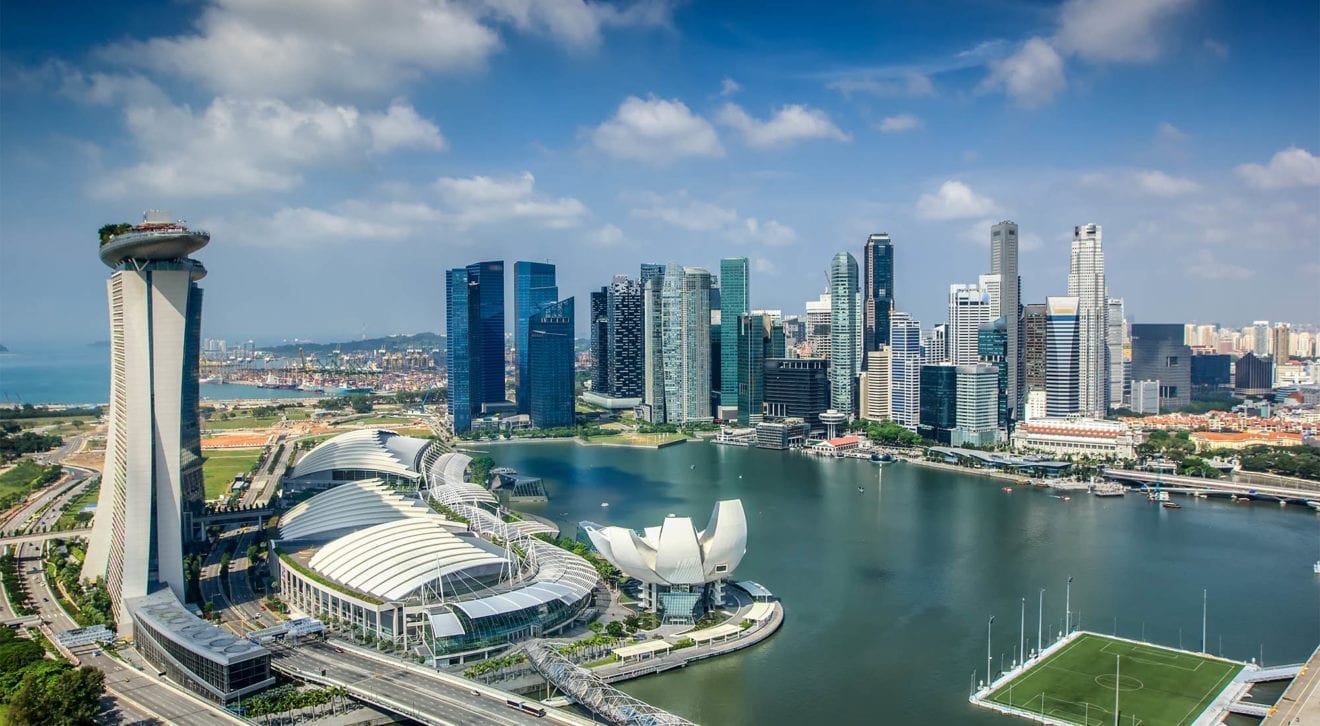
31. Singapore (98.7) — Those from Singapore may not rate its culture scene highly, but they do value the city’s safety and are perfectly comfortable walking around at night.
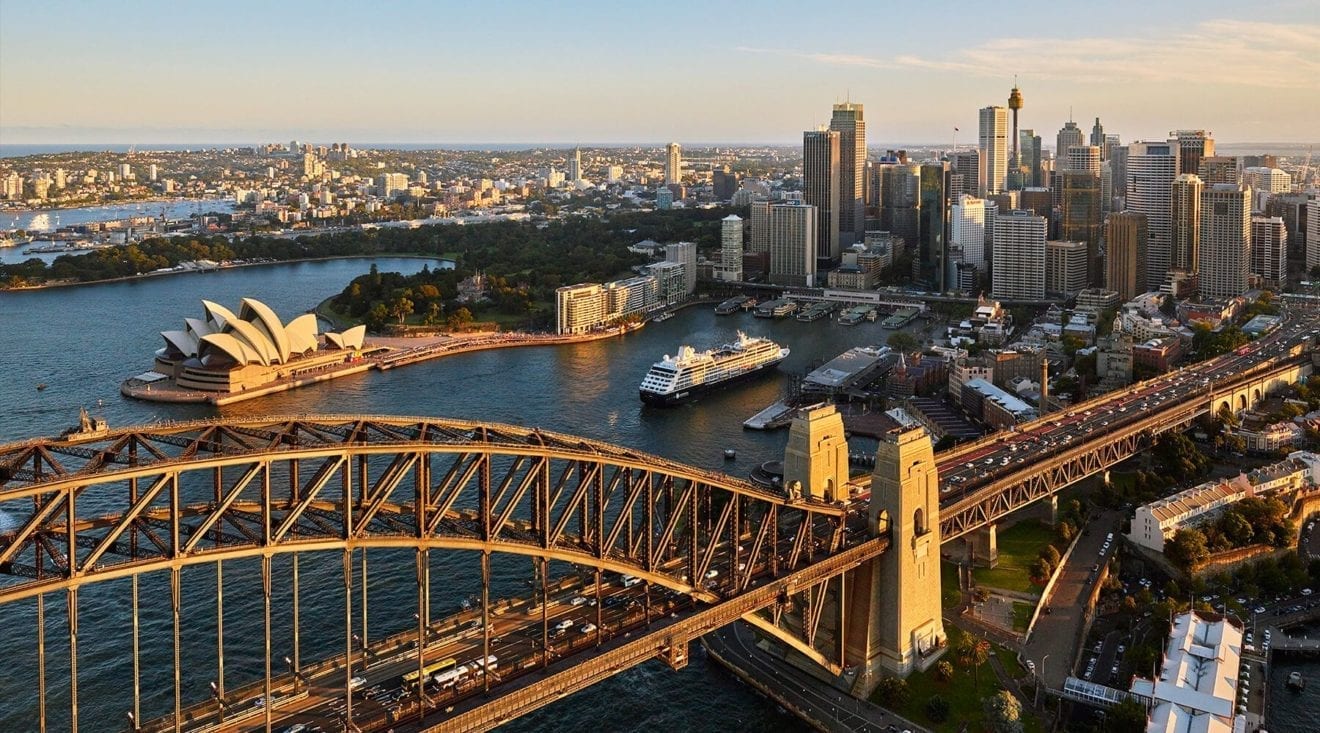
28. Sydney (106.1) — While they may think the city is lacking in things to do and good restaurants, Sydney residents live a healthy life, with 66% having exercised in the past week and 38% never having taken drugs. They know how to party, though, and are the world’s No. 1 vodka drinkers.
26. Hong Kong (109.6) — Seventy-five percent of residents said the public transport in Hong Kong was great, contributing to the city’s overall score. They’re also among the biggest restaurant-goers in the world.
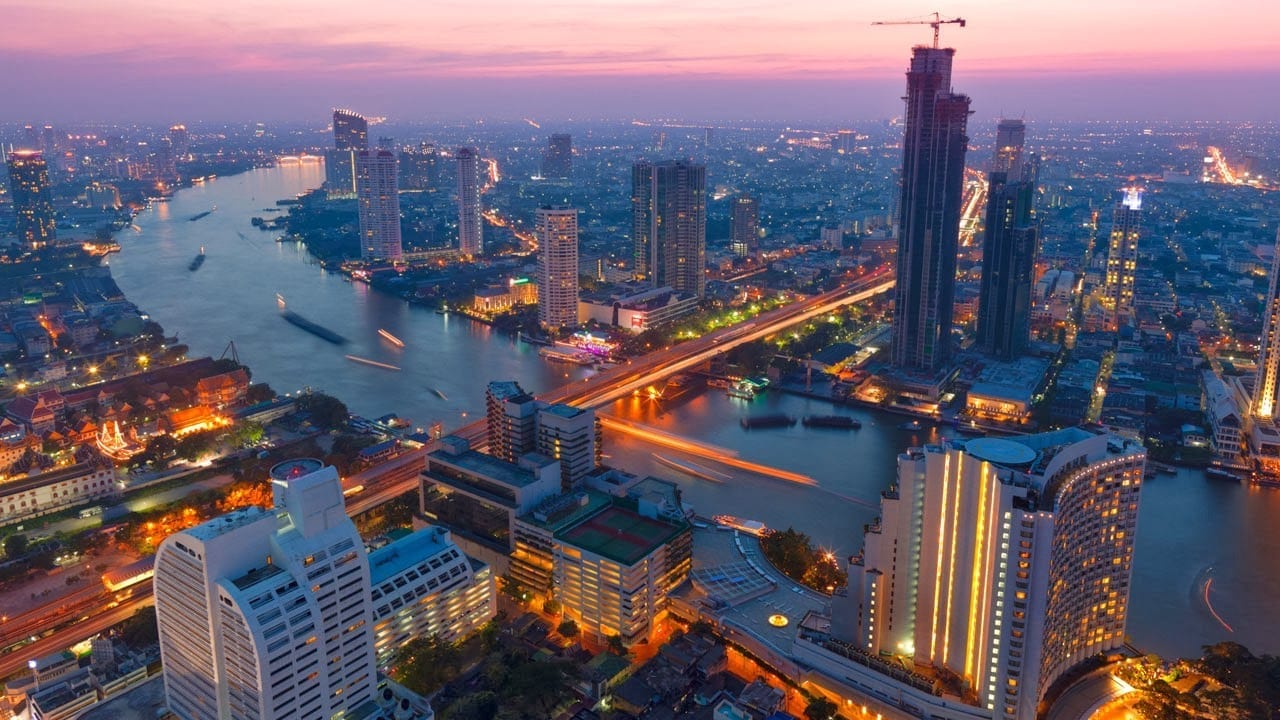
24. Bangkok (111.0) — The survey revealed Bangkok as the world’s street-food capital, with more people eating on their feet than anywhere else — 42 times a year, on average. They’re also the biggest restaurant-goers, with 94% of respondents having visited a restaurant in the past week.
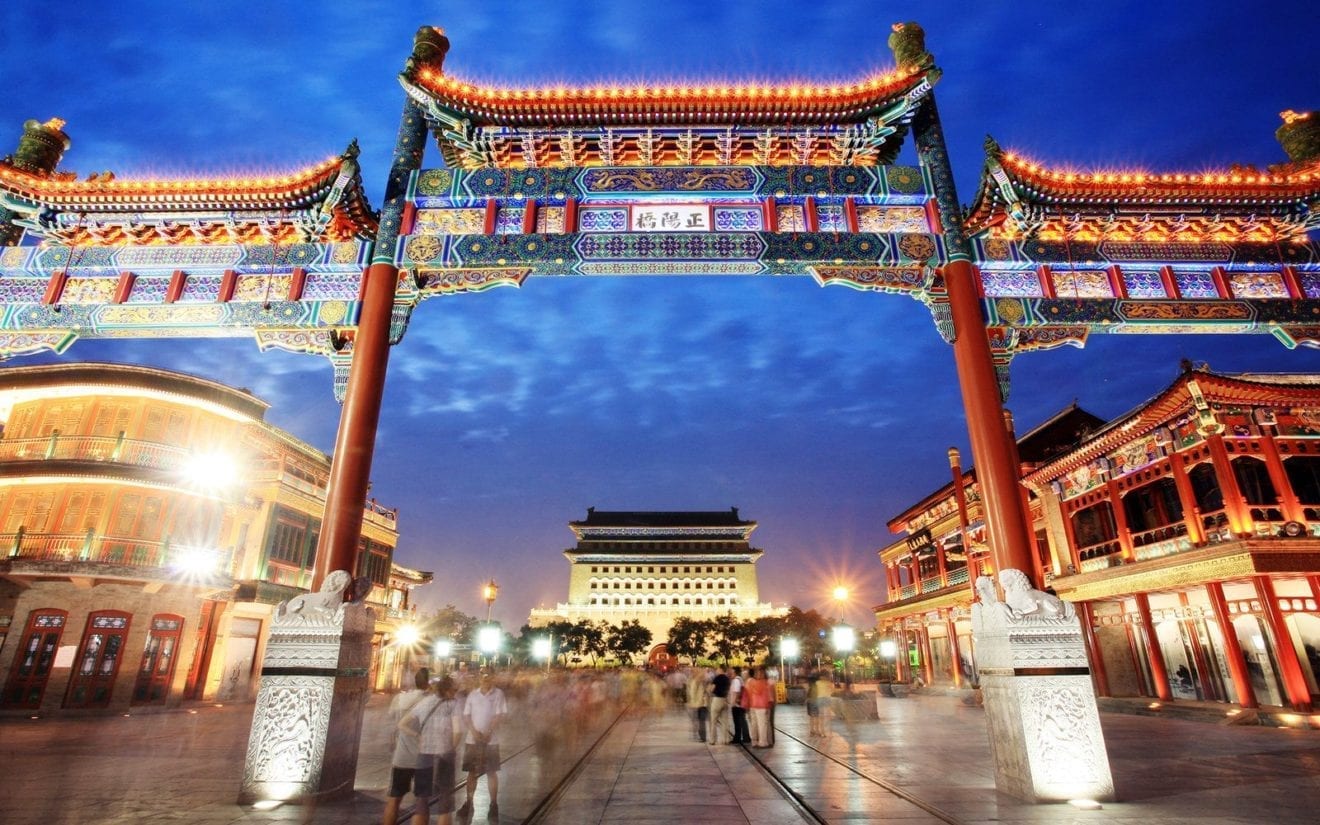
22. Beijing (113.0) — The city may be exciting, but the commute is long, with 6% of Beijing residents even commuting for two to three hours a day.
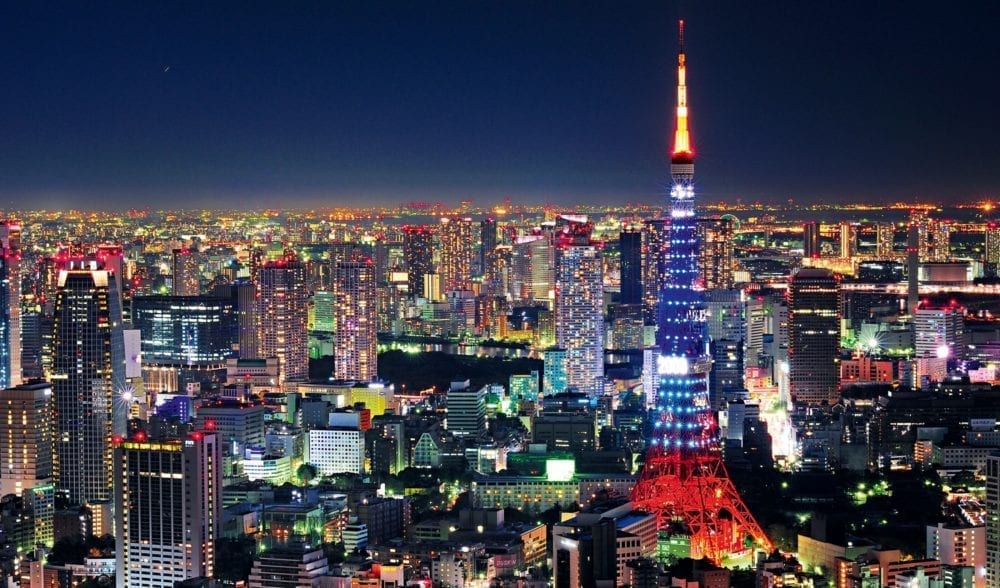
19. Tokyo (117.7) — Tokyo residents love their food — they visit restaurants more than most other cities on the list.
16. Shanghai (119.5) — It may not come cheap, but there’s plenty to do in Shanghai, where residents say that while it is tough to find love, 79% believe it is easy to find a more casual encounter.
4. Melbourne (132.3) — This Australian city came out above all others in terms of happiness, with nine in 10 residents saying they felt happy within the past 24 hours. They also find it easy to make friends and think the food-and-drink scene is one of the city’s best features.
Retail News Asia is selected as one of the winners of the Top Asia-Pacific News websites list! This is the most comprehensive list of best Asia-Pacific News websites on the internet and we’re honoured to be there! Retail News Asia is the leading Retail News portal in Asia Pacific since many years and we show deep respect and bow for being selected as one of the most influencing medias in Asia Pacific.
RetailNews.asia has always been committed to providing both local and global retailers with the latest breaking retail news throughout the Asian market on a daily base since many years. With over 20 post per day with relevant Retail News, we can proudly say that we’re the leading media in the Retail industry.
We have resources for everyone from the independently owned business owners, online-only retailers, and major chains expanding their reach throughout the Asian market.
We Are Stronger Together
You can quickly and easily search for the latest breaking retail news by country, or come here to keep an eye on the latest local, global and seasonal trends on our portal, watch video’s and/or follow uw with both local and international Retail Events.
You can network, engage, and share invaluable information with other retailers. Our retailers come from a wide range of industries and expertise, meaning that whatever the question may be—we have you covered!
We keep you apprised of the upcoming retail events, and even provide coverage and updates during many retail events.
Thank You
Retail News Asia wishes to congratulate all the team members, editorial and advertising departments for all hard work, overtime and sweat. We did it together says Sven, Founder of Retail News Asia
In contrast with data about digital transformation and government’s engagement in promoting digital solutions for retail, Singaporeans have not fully embraced e-commerce.
Credit Suisse data show that Singapore falls behind China, US, and Japan in terms of e-commerce usage.
In 2017, Singapore e-commerce comprised 5% of the country’s total retail.
Meanwhile, e-commerce comprised 23% of total retail in China and 8% of retail in the US.
Singapore still beat other ASEAN countries, however. The proportion of e-commerce in total retail in Indonesia is at 3%, nearly 2% in Malaysia and Thailand, and 1% in Vietnam and the Philippines.
Those data also do not match with marketers’ opinions that frame those markets as a huge opportunity given the slow development of retail physical infrastructure. The fact that most brands are present in the main cities only, and cannot reach the remote areas yet, places e-commerce as a complementary service to compensate the offline retail.
However, those data show that there is still a long way to go. Definitely, millennials in those areas are tech-savvy, but the lack of sophisticated infrastructure slow down the process.
Credit Suisse said with 158 million middle class consumers, ASEAN is often seen as the next frontier for the e-commerce market, but e-tailing — online retailing — is still at China’s levels in 2010.
The firm said the entry of Chinese tech giants could change the ASEAN e-commerce scene significantly.