Tag: Singapore

  • CapitaLand Mall Trust remain stable despite challenges as retail sector stalls

    CapitaLand Mall Trust remain stable despite challenges as retail sector stalls

    Despite challenges in the retail sector, CapitaLand Mall Trust (CMT) maintained stability in its fourth quarter.

    “This points to the underlying strength of our well-located malls, and the management’s continuous focus on enhancing their offering as well as improving efficiency,” says CMT management company CMTML chairman Professor Richard Magnus.

    CMT achieved net property income (NPI) of S$119.3 million (US$90.6 million) for the period, to the end of December, up 2.6 per cent from the final quarter the previous year.

    With Singapore’s GDP growth expected to be stable this year, competition in the retail sector will remain intense, with new retail space coming onstream, says Magnus. “To stay at the forefront of a dynamic retail landscape, CMT will continue to push the boundaries and explore new ways to future-enable its malls.”

    CMT’s malls had an occupancy rate of 99.2 per cent at December 31, says CMTML CEO Tony Tan.

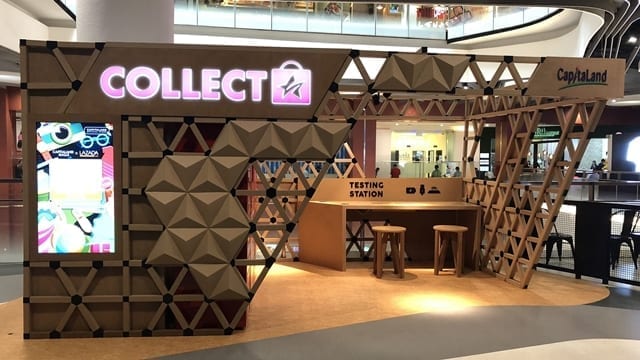
    “As part of our ongoing effort to enhance the offline and online shopping experience in our malls, we introduced seven click-and-collect lounges under CapitaLand’s partnership with e-commerce player Lazada. They are in Bedok Mall, Bugis+, IMM Building, JCube, Plaza Singapura, Tampines Mall and Westgate.”

    He says construction for Funan is progressing well. “With less than two years to target opening, Funan has received strong leasing interest for its retail and office components.”
    For its fourth quarter, CMT recorded growth of 1.8 and 2.6 per cent in gross revenue and NPI respectively year on year. The increase was mainly because of higher occupancy for Bugis Junction and The Atrium@Orchard, partially offset by lower gross revenue from Bedok Mall because of lower rental rates and reduced occupancy.

    For the full year, CMT recorded S$682.4 million in gross revenue, down 1.1 per cent. This was mainly because of the closure of Funan mall for redevelopment, lower rental rates and the lower occupancy at Bedok Mall. This was partially offset by higher rental from IMM Building, JCube and Clarke Quay.
  • AirAsia to add around 30 jets this year amid strong demand

    AirAsia to add around 30 jets this year amid strong demand

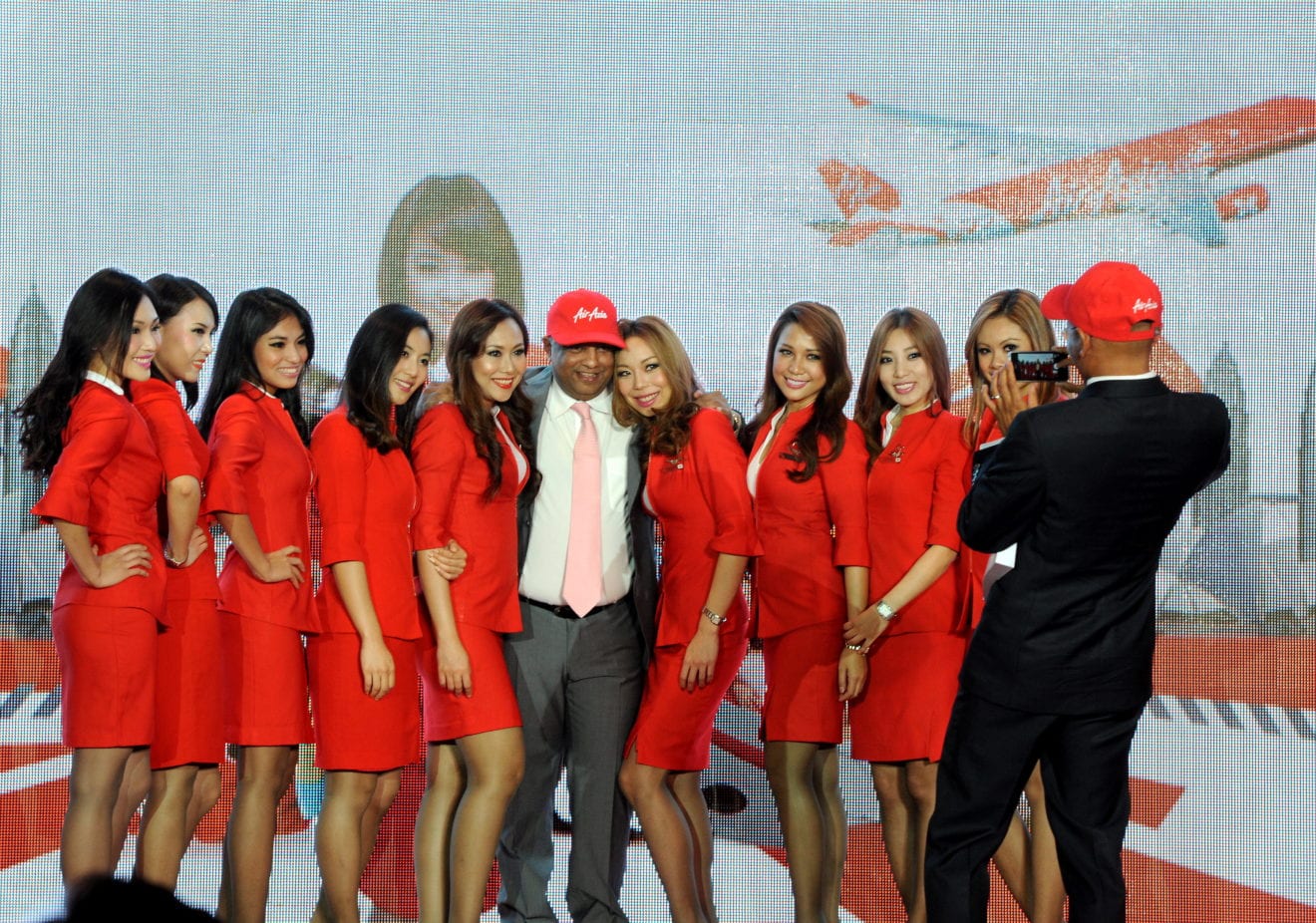
    Budget airline group AirAsia plans to add around 30 jets to its airline affiliates across Asia this year due to strong demand growth across the region, chief executive Tony Fernandes said on Tuesday.

    AirAsia, which flies close to 200 airplanes and is the largest operator of Airbus’s best-selling A320 jet, has airlines in Malaysia, Thailand, Indonesia, the Philippines, India and Japan and plans to grow in China and Vietnam.

    “We’ve been able to get the Philippines and Indonesia really rocking, turning them into little gems,” Fernandes told on the sidelines of the World Economic Forum in Davos.

    “Demand is good, the ancillary model is doing well and our JV business using our data has started moving.” Fernandes said the board of AirAsia’s Indian arm, a joint venture with Tata Group, had approved plans to pursue an initial public offering and was appointing bankers for initial work.

    “India is going to be a real nice surprise for AirAsia,” he said.

    The Indian government this month said it would allow foreign investors to participate in a planned privatisation process for rival state-owned carrier Air India, but Fernandes on Tuesday ruled out AirAsia’s involvement.

    “We know what we are good at – low cost,” he said. “Air India is a great airline, but it is really not our business model and not something that we would be involved in.”

    Fernandes told on Tuesday the group will look at ordering more airplanes “eventually but not at present”.

    AirAsia also has no plans to bring forward deliveries despite strong demand, he said.

    Since Fernandes bought what was then a debt-laden carrier for the token price of one Malaysian rinngit in 2001, AirAsia has expanded to become one of the world’s largest low-cost airline groups as well as one of Airbus’s biggest customers worldwide.

    Industry experts have begun to question whether AirAsia will remain exclusively linked to Airbus as it expands, with some suggesting that Boeing 787s could fit into its long-haul operations. Boeing and Airbus are fighting for twin-aisle sales.

  • Aeon plans foray into on-demand delivery services

    Aeon plans foray into on-demand delivery services

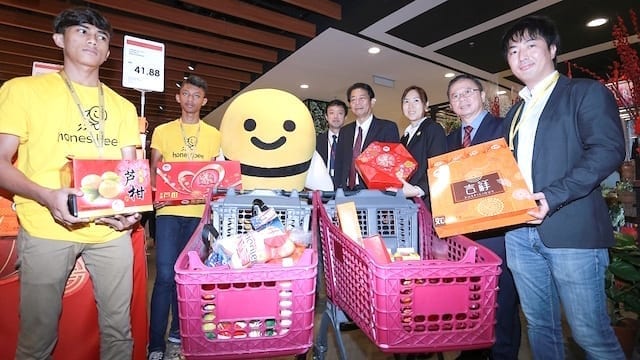
    Aeon Co (M) Bhd signed a memorandum of understanding (MoU) with Singapore-based online concierge and delivery service, honestbee, to venture into on-demand delivery services.

    This new delivery option, which uses personal shoppers to pick up and deliver orders, will enable Aeon customers to make their purchases online, via honestbee mobile app or website.

    Speaking at the signing ceremony, Aeon executive director Poh Ying Loo said the alliance is part of the group’s strategy to speed up its e-commerce business and at the same time add value to its outlets.

    Aeon joined the e-commerce bandwagon in late 2015 through its online website called shoppu.com.my, offering various product categories including electronics, fashion and household items.

    Asked on how this new service will help to elevate its e-commerce sales growth, Poh said at this point of time, it is still early to determine. It was reported that the group’s online website shoppu.com.my contribution in financial year 2016 (FY16) remained marginal.

    For now, Poh said the new online marketplace platform will only offer delivery service for grocery items at its flagship store, Aeon Mid Valley. He said customer who live within 17km radius from the store will enjoy a minimum one-hour delivery service.

    Commenting on its future plans for e-commerce segment, Aeon managing director Shinobu Washizawa said going forward, the group will have more such innovations in the pipeline.

    “In order to enhance the value for our customers by moving towards an omni-channel retailer, we want to combine our strengths with honestbee’s expertise to digitalise our customer’s shopping experience.”

    “We will closely monitor the feedback and demands from our customers, and consider to expand this service both in terms of regional and in merchandise offering,” Washizawa added.

    At present, Aeon has 26 malls, 33 Aeon outlets and two Maxvalu prime supermarkets across the country.

    Launched in 2015, honestbee currently has presence in eight markets including Singapore, Hong Kong, Taiwan, Japan, Malaysia, Indonesia and Thailand. To date, it has 112 partners, providing more than 90,000 products across the markets.

  • Indonesia Ranks Higher in 2018 Global Talent Competitiveness Index

    Indonesia Ranks Higher in 2018 Global Talent Competitiveness Index

    Indonesia improved its ability to attract professionals and keep the existing skilled workforce, the annual Global Talent Competitiveness Index showed on Wednesday (24/01).

    The report was released during the World Economic Forum by graduate business school Insead, which has campuses around the world.

    For the study Insead cooperated with staffing company Adecco Group and telecommunications services provider Tata Communications.

    Indonesia ranked 77th out of 119 countries, which is a leap from last year’s 90th position.

    According to the study, Indonesia has strong employability, as through vocational education and technical training it prepares domestic talents to match the skills needed by the economy.

    Despite the position rise, however, the largest economy in Southeast Asia still lags behind Singapore, which ranks second, Malaysia (27th), the Philippines (54th) and Thailand (70th).

    The Global Talent Competitiveness Index considers four “pillars” called “enable” (reflecting a country’s regulations and markets), “attract” (reflecting a country’s capability to lure resources), “grow” (reflecting the ability to improve self-competence through education and training), and “retain” (reflecting an ability to maintain domestic and overseas talent).

    The report said Indonesia has a lot of homework “to catch up on all the pillars” to cultivate a talent pool large and competitive enough to support its growth in the competitive global economy.

    The index drew data from public sources: the United Nations Educational, Scientific and Cultural Organization (Unesco) for quantitative data; the World Bank’s World Governance Indicators and Doing Business Report for composite indicator data; and the World Economic Forum’s Executive Opinion for survey data.

    This year’s report highlighted the critical role diversity plays in linking talent policies to innovation strategies to increase talent competitiveness.

    “Eventually, diversity has come to be understood as an essential enhancer of corporate productivity and performance. Recruiting the best talent is essential. But evidence shows that diversity can actually trump talent,” Alain Dehaze, chief executive officer of Adecco Group, said in a statement.

    According to the report, diversity can be a national resource, as it will create innovative and competitive working environments, especially in the era of automation, which makes people with different knowledge and experience join together in problem solving.

    “If there is a high diversity of social mobility … then the richness of knowledge, perspective and networks pushes economic performance even higher via increased innovation,” Insead said in the report.

    Developed, high-income countries continue to top the ranking, 15 of them being European countries with well-developed education systems, flexible business regulators, employment policies highlighting adaptability, social protection and internal and external openness.

  • Frasers Commercial Trust Q1 DPU down 4.4% on lower occupancies

    Frasers Commercial Trust Q1 DPU down 4.4% on lower occupancies

    Frasers Commercial Trust (FCOT) has posted a first-quarter distribution per unit (DPU) of 2.40 Singapore cents, down 4.4 per cent from 2.51 Singapore cents in the same period a year earlier as property income fell while the number of issued units had increased.

    The topline took a hit from lower occupancy rates at Alexandra Technopark, China Square Central, 55 Market Street and Perth’s Central Park.

    Gross revenue for the first quarter ended Dec 31, 2017 dipped 11 per cent to S$35.3 million from the same period a year earlier. China Square Central was impacted by planned vacancies to facilitate asset enhancement works at the retail podium.

    A weaker Australian dollar also dented takings.

    Net property income fell 14.9 per cent to S$24.9 million. Half of this came from FCOT’s three Singapore buildings and half from its three properties in Australia.

    In December, FCOT announced its maiden acquisition in the United Kingdom. It expects to complete its purchase of a 50 per cent stake in Farnborough Business Park by the end of January.

    Meanwhile, the S$45 million makeover of Alexandra Technopark announced a year ago is slated to be completed in the middle of this year.

    China Square Central’s retail podium will also undergo a S$38 million asset enhancement starting in the first quarter of 2018 with completion expected by mid-2019.

    FCOT had a 80.3 per cent average occupancy rate as at Dec 31 and an average committed occupancy rate of 86.6 per cent.

    WeWork Singapore, the co-working space operator, has committed to lease around 28,700 sq ft of space at one of China Square Central’s heritage shophouse blocks, FCOT added in its results filing on Monday.

    WeWork will take up the space in phases starting with 16,800 sq ft in the second half of 2018.

    Jack Lam, chief executive of the Reit manager, said: “We are delighted to welcome WeWork to China Square Central … The take-up by WeWork is a strong testament to the attractiveness of China Square Central as a work and business location. We foresee rising demand for co-working facilities and other non-traditional workplace formats in light of the continuous evolution of work culture and reshaping of the business ecosystem.”

    First-quarter earnings per unit was 1.64 Singapore cents, down from 2.36 Singapore cents in the same period a year earlier.

    Net asset value per share was 1.55 Singapore cents as at Dec 31.

    FCOT had a gearing of 34.8 per cent as at Dec 31, and an interest coverage ratio of 4.3 times.

    The counter added two Singapore cents or 1.31 per cent to close at S$1.55 on Monday.

  • Singapore completes public safety trials with NEC

    Singapore completes public safety trials with NEC

    NEC and NEC Asia Pacific have announced the completion of three safety and security test bed projects, held in and near Singapore’s Jurong Island, under the Safety and Security Industry Program (SSIP) 2020.

    The SSIP 2020 is led by the Ministry of Home Affairs (MHA), Singapore Economic Development Board (EDB) and is being conducted in collaboration with JTC.

    The three trials were conducted over a period of 12 months from September 2016, and were aimed at using data analytics and security insights to address Singapore’s safety and security needs.

    They involved early detection of suspicious behavior, off-site security clearance of authorized personnel and on-the-spot enrollment for first-time visitor access to controlled areas.

    In the first trial, NEC provided and tested a system that utilized its high performance NeoFace Facial Recognition software together with the Intelligent Complex Event Processing engine which correlates audio and video analytics, to detect suspicious behavior and identify Persons of Interest (POIs) in both indoor and outdoor areas.

    The second trial facilitated off-site security clearance for entry of authorized personnel into Jurong Island, thus reducing congestion at checkpoints. NEC provided and tested a Bus Sensors Monitoring Management System using customized tamper-proof security sensors to prevent unauthorized opening of vehicle doors during bus journeys.

    The third trial tested the feasibility of an automated system to provide a more efficient method of enrolling first-time visitors for entry into Jurong Island. The system leveraged NEC’s biometric solution to expedite clearance of such visitors via on-the-spot facial and fingerprint recognition enrollment at car inspection bays.

    For all the three trials, the technologies provided real-time monitoring and alerts to the simulated Command Center, to inform the authorities of activities which may require law enforcement action.

  • Takashimaya Singapore to sell Hera soon

    Takashimaya Singapore to sell Hera soon

    Korean beauty company Amore Pacific is to introduce its makeup and skincare brand Hera in Singapore with a counter at Takashimaya.

    Launching in April, the counter will offer not only Hera’s full range, but also its Homme line.

    Hera has been one of the main sponsors for Seoul Fashion Week in the past few years, and is fronted by Korean actress Gianna Jun of My Sassy Girl.

    Singapore is only the second country outside Korea after China to have Hera, as reported, , and a standalone store is planned for the third quarter of this year.

  • Katrina brings So Pho to Shanghai; maiden outlet opened with Ajisen Group

    Katrina brings So Pho to Shanghai; maiden outlet opened with Ajisen Group

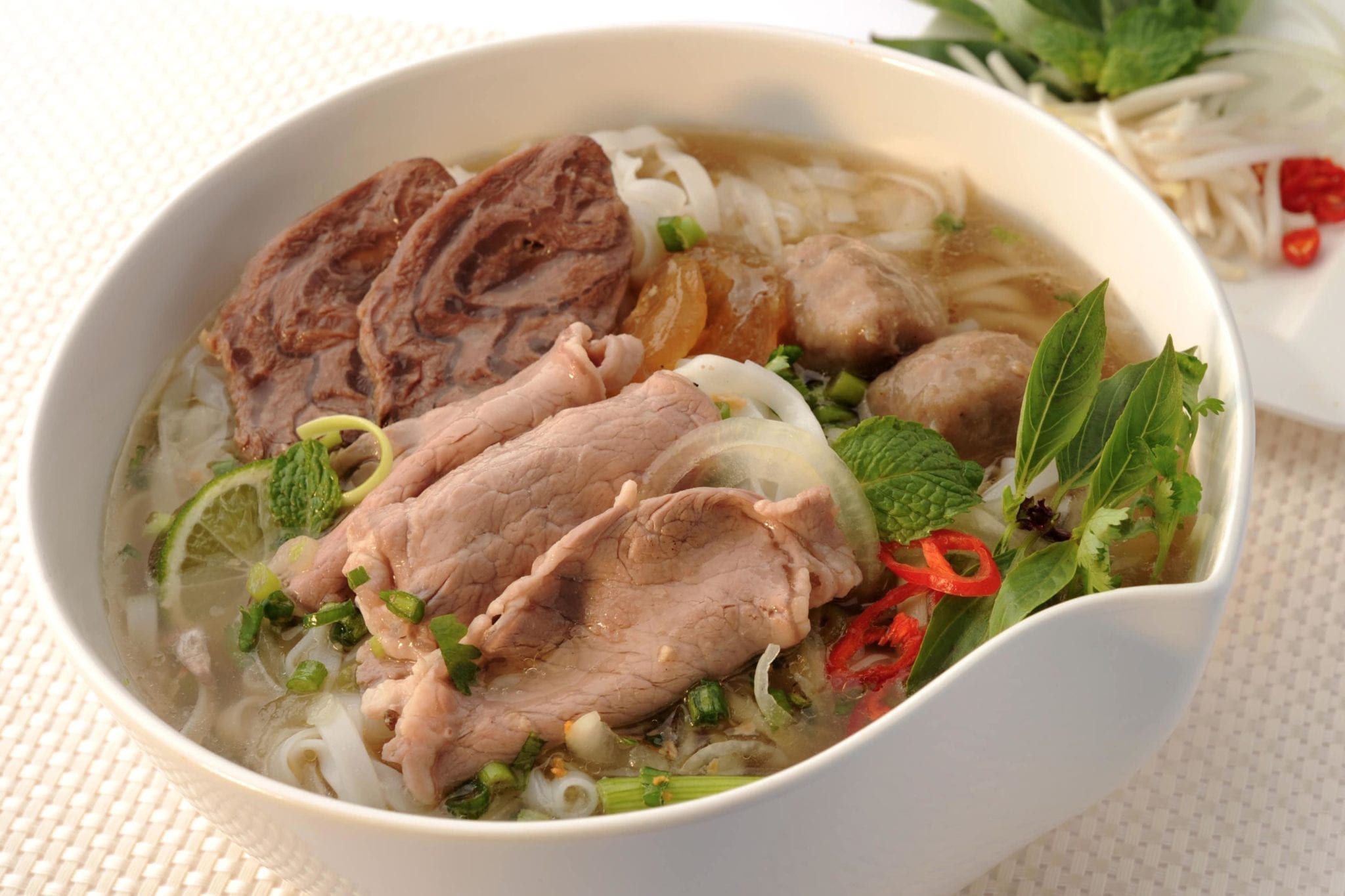
    Katrina Group Ltd. (“Katrina” or the “Group”), an established and recognised Food & Beverage (“F&B”) group specialising in multi-cuisine concepts and restaurant operations, today announced that it has opened its first So Pho restaurant in Shanghai under the joint venture (“JV”) company, So Pho International Limited, with Big Benefit Group Limited, a wholly-owned subsidiary of Ajisen (China) Holdings Limited (“Ajisen China”, and together with its subsidiaries, collectively, the “Ajisen Group”).

    The BaiLian Chuansha Shopping mall is located in Chuansha New Town in the Shanghai Pudong New Area. The Pudong area is a financial hub of modern China and one of the most populous districts in Shanghai. Nearby landmarks include the Port of Shanghai, the Shanghai Expo and Century Park, Zhangjiang Hi-Tech Park, Shanghai Pudong International Airport, the Jiuduansha Wetland Nature Reserve, and the Shanghai Disney Resort.

    The Group’s outlet in Shanghai is approximately 1,162 square feet with a seating capacity of 42. The location of its maiden outlet enhances the Group’s ability to raise the So Pho brand profile to a wider consumer mix, thus helping to pave the way for further expansion in the region.

    The Group has also opened three new restaurants in Singapore, one each in Causeway Point and Northpoint City under the brand name “So Pho” and one at Suntec City under the brand name “Streats”. The Group looks to complete the opening of its outlets at Marina One and West Mall by end-January2018, which will bring the total number of restaurants operated by the Group to 41. Adding to this, the Group has also signed agreements to open a “Streats” outlet in Tampines 1 and a “So Pho” outlet in Jewel Changi Airport.

    We have made good progress since our listing in July 2016, increasing our total number of restaurants by seven to 41 by end-January 2018. Although conditions have been less than favourable since we listed, we see some improvement in consumer sentiment. With the foundation that we have set, we believe that 2018 is a year with the potential for significant positive development for the Group.

    We will continue to persevere and look ahead for further opportunities to raise our profile and market position in the region.”

    The Group will continue to update the market as and when there are material developments to its business.

  • Wakanui Grill Dining to open at Marina One

    Wakanui Grill Dining to open at Marina One

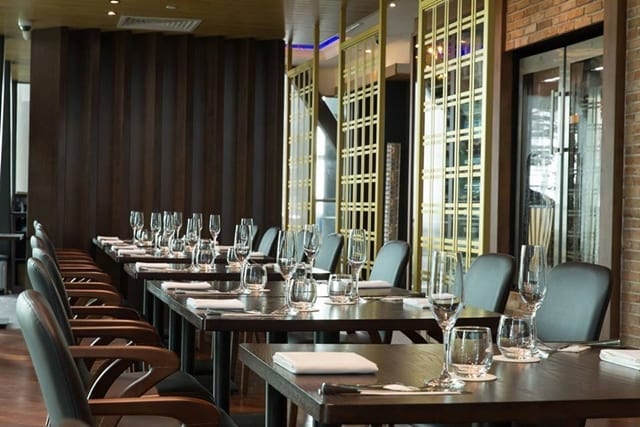
    New Zealand-themed restaurant Wakanui Grill Dining has opened its third international outlet – an 86-seat restaurant in a glass capsule on the fourth level of Marina One.

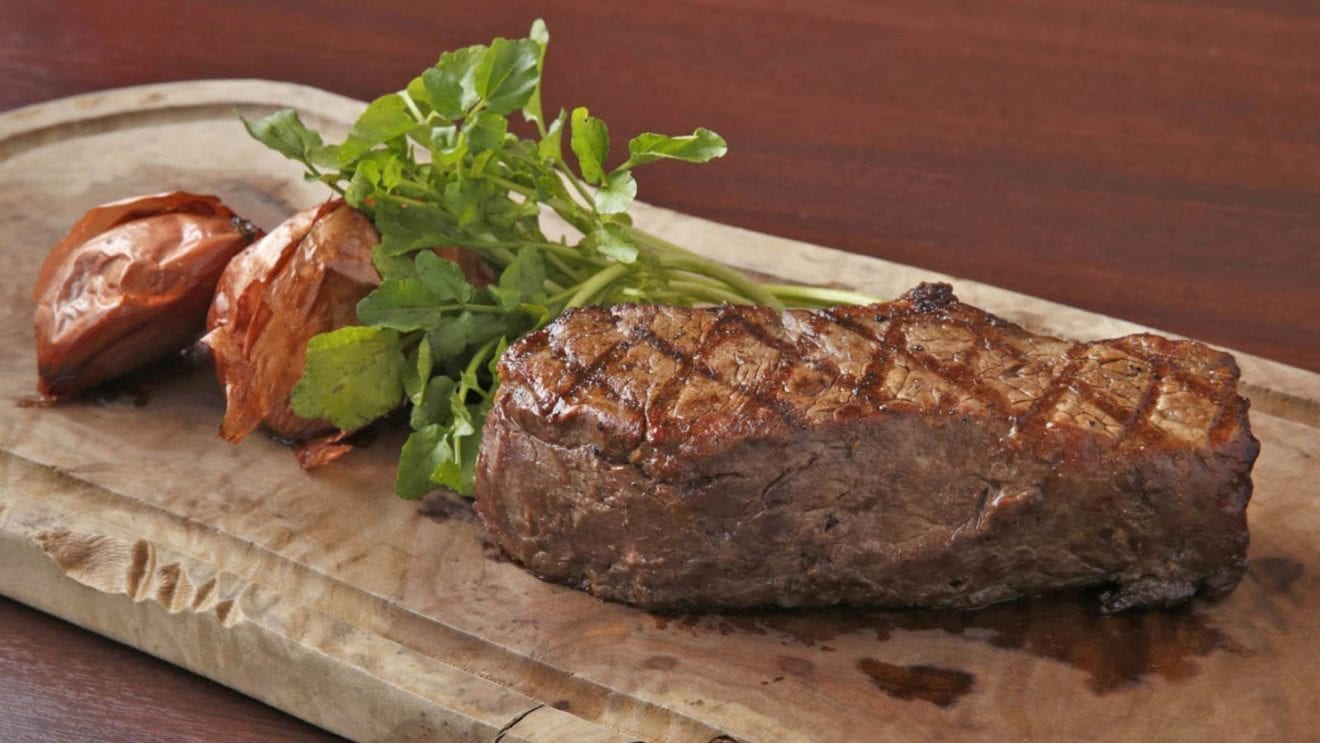
    Singapore is the second territory for Wakanui following the concept’s launch in Tokyo by ANZCO Foods Japan in 2011 (it now has two restaurants there). Its feature dishes are New Zealand Ocean Beef and Wakanui Spring Lamb, both grilled over Japanese Binchotan charcoal in a central open kitchen.

    Starters included clam soup, steamed green-lip New Zealand mussels, hot-smoked salmon, Kikorangi blue-cheese Caesar salad and Wakanui spring lamb chop. The company raises its lambs for about six months on lush pastures, with the mean being aged for around four weeks.

    Other menu features include the Ito Wagyu Chef Creation, plus – a favourite with New Zealanders – Hokey Pokey ice cream with its crunchy confectionery pieces.

    “Wakanui”, which is Maori for big canoe, is a rural centre in Canterbury, in New Zealand’s South Island.

  • Standard Chartered sets up digital innovation, fintech investment unit

    Standard Chartered sets up digital innovation, fintech investment unit

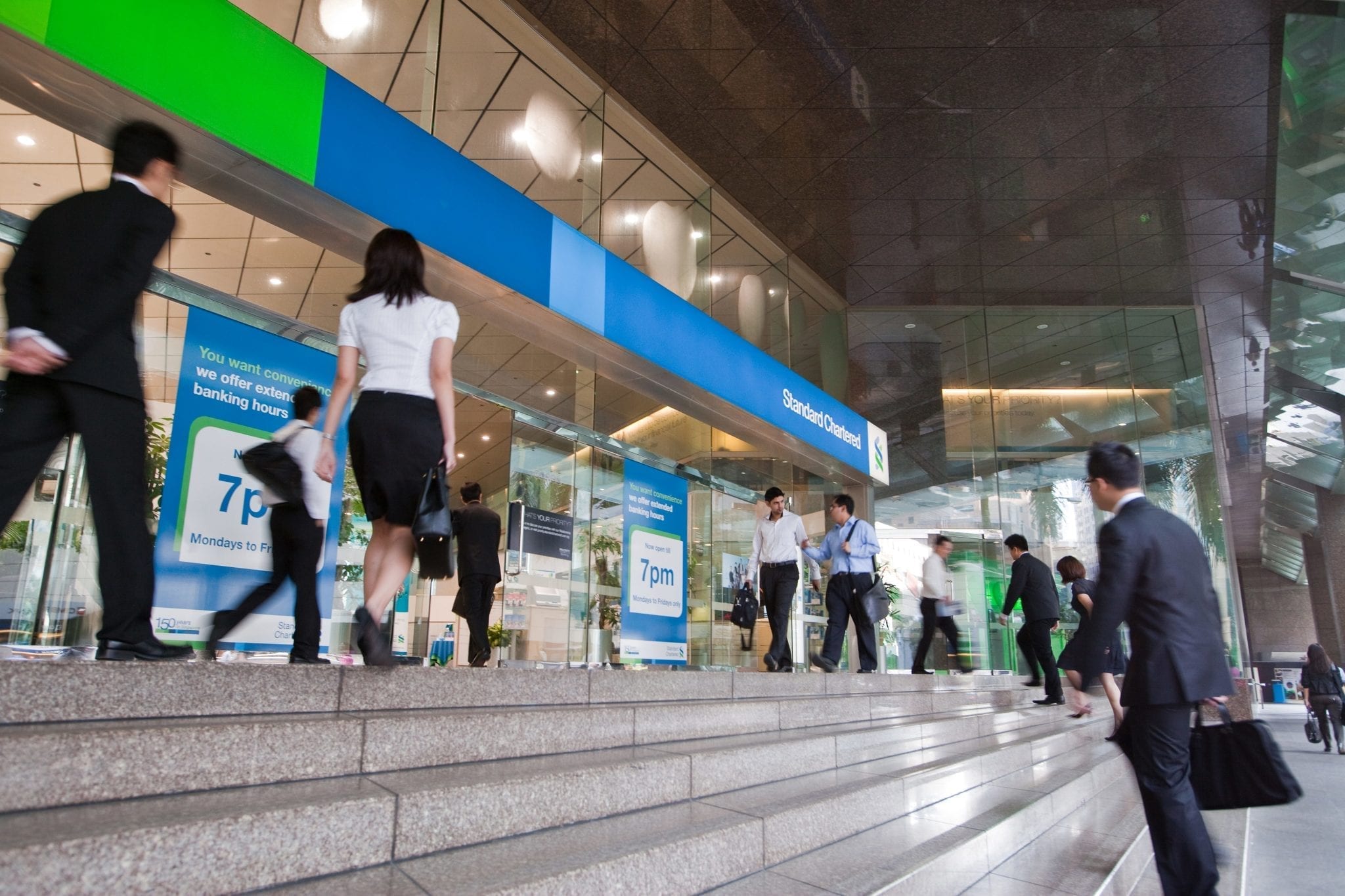
    Standard Chartered PLC has established a new business arm named SC Ventures, to drive digital innovation, invest in fintech and start-up companies and promote rapid testing and implementation of new business models.

    The new unit will focus on problem solving and spreading innovation best practices and client centric design, managing minority investments in FinTech companies and further investments in promising technologies and sponsor and oversee new disruptive technology ventures that are wholly or partially owned by Standard Chartered.

    SC Ventures will be headed by by Alex Manson, who is the Global Head of Transaction Banking.

    “Technology is at the heart of Standard Chartered’s strategy – driving efficiencies, increasing automation, introducing global platforms, reducing manual errors and strengthening how it combats financial crime,” the group said in a statement.

    In 2015, it announced it was investing about US$3 billion (RM11.9 billion) over three years in technology and systems.

  • Chinese smartphone maker Vivo is looking to arrive in Singapore soon

    Chinese smartphone maker Vivo is looking to arrive in Singapore soon

    Singaporeans are spoiled for choice when it comes to choosing a new smartphone, and it looks like Chinese smartphone maker Vivo is looking to make an impression in their purchasing decisions.

    In a Facebook post on Monday (Feb 15), Vivo announced that it would enter the Singapore market for the first time with its flagship V7+ and Y65 handsets.

    The plans have been brewing since October last year, when the company announced that it intended to bring its products into more markets as part of an international expansion, as reported.

    “Singapore is a key market for us and we want to establish our presence here,” said CEO of Vivo Singapore Mr Liu Hong Bin.

    He added that the company would bring in additional handset models in the coming months.

    Vivo’s flagship V7+ and Y65 handsets, which will be available in both gold and matte black, will be on sale from Jan 20 at mobile retail stores.

    Meanwhile, Vivo is still in talks with local telcos to bring the devices in through them sometime next month.

    The V7+ device packs a 16-megapixel primary camera on the rear and a 24-megapixel front shooter for selfies (we all need those killer selfies right?). It runs on Android 7.1 and is powered by a 3225mAh battery.

    The Y65 handset runs on the same OS, but has lower hardware specifications, such as a 5-megapixel front-facing camera and a 3000mAh battery.

    The Chinese smartphone maker has made a name for itself, even beating tech giants like Apple and Samsung to the punch with its in-display fingerprint scanning technology.

    Not forgetting to mention that that very innovation led to Vivo clinching the “Best of CES 2018” award from tech news blogs like Digital Trends.

  • Sip on the world’s first blue wine at a blue-themed cafe in Clementi

    Sip on the world’s first blue wine at a blue-themed cafe in Clementi

    Blue wine. Guess it’s a thing now. Gik is the Spanish company that made waves in the wine industry over a year ago with its new concoction, which blends red and white grapes with organic pigments and flavors, resulting in a sweet, blue-tinted wine that has intrigued some and outraged others.

    Taste-wise, blue wine is said to be reminiscent of a cross between a wine cooler, a cocktail mixer, and juice. Obviously, it won’t really appeal to the snooty wine purist crowd, but if you’re rather liberal and adventurous when it comes to all things booze, perhaps you’d like to give it a go — if just for the ‘gram — ’cause it has finally made its way to our shores.

    Besides ordering bottles online ($55 each)  — on the official Singapore site or retail platforms like RedMart — and hosting blue wine-fuelled parties, you can also sip on the unusual drink at Blue Willow, a new blue-themed cafe in Clementi.

    Gik, a bright blue wine from Bierzo in northwest Spain made with red and white grapes.

    Brought to you by the team behind Fresh Fruits Lab and Harry Potter cafe Platform 1094, the bistro serves up glasses ($13) of the blue beverage for those who simply want to sample it to understand the hype. Apparently, the menu also offers other blue-hued options such as blue carbonara with sous vide egg and rocket leaves, blue pancakes with blue maple sago, blueberries, and butterfly pea, and a dome-shaped mousse cake that’s — surprise, surprise — a shade of blue.

    As for the blue wine itself, only time will tell whether it sticks around or winds up being just another novel millennial invention. Move over, pink rosé?

  • Hubbed Signs Deal with DHL eCommerce to Launch New International Delivery Service

    Hubbed Signs Deal with DHL eCommerce to Launch New International Delivery Service

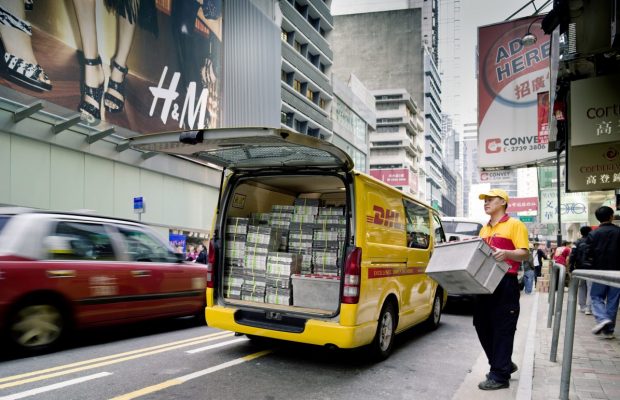
    HUBBED has recently partnered with DHL eCommerce to launch the latest and convenient international delivery service.

    HUBBED is currently offering competitive rates to sellers who are using eBay’s eCommerce platform— and will help them save at least 20 percent on HUBBED’s international standard rates.

    “We’ve partnered with HUBBED to offer you a competitive international shipping service with DHL eCommerce.” DHL Spokesperson

    This offer is only available to eBay sellers and will give them access to HUBBED locations for parcel drop-offs, HUBBED’s international standard rates, quick access to their eBayaccounts, and parcel tracking with email notification on their delivery.

    All rates include parcel tracking, PO Box delivery accepted, insurance coverage of up to $50, and email notifications. Special rates are only valid until 15 February 2018.

    eBay sellers need to link their store to HUBBED and start shipping orders in bulk in a few minutes.

    All import orders from their eBay account go directly into their HUBBED Parcels account. Sellers will then have to package their items, complete the transactions, and then generate their own consignment label.

    Once the packages are all set, sellers will then have to drop off their parcel at any of the 1000+ HUBBED locations near their area. They can track the parcel directly from their HUBBED account and will also receive email notifications for the items.

    Never miss any delivery with HUBBED

    HUBBED offers a much better way for retailers, customers, and carriers to deliver their parcels. They also provide hassle-free returns process at any of their locations.

    They also have the innovative technology solutions that can help you track and deliver your order easily. The company is currently working with several logistics company such as TOLL, BP, Couriers Please, Singapore Post, UPS, and many others.

    What do you feel about HUBBED’s partnership with DHL e-commerce? Share your thoughts down below.

  • FairPrice and Grab to launch new subscription service

    FairPrice and Grab to launch new subscription service

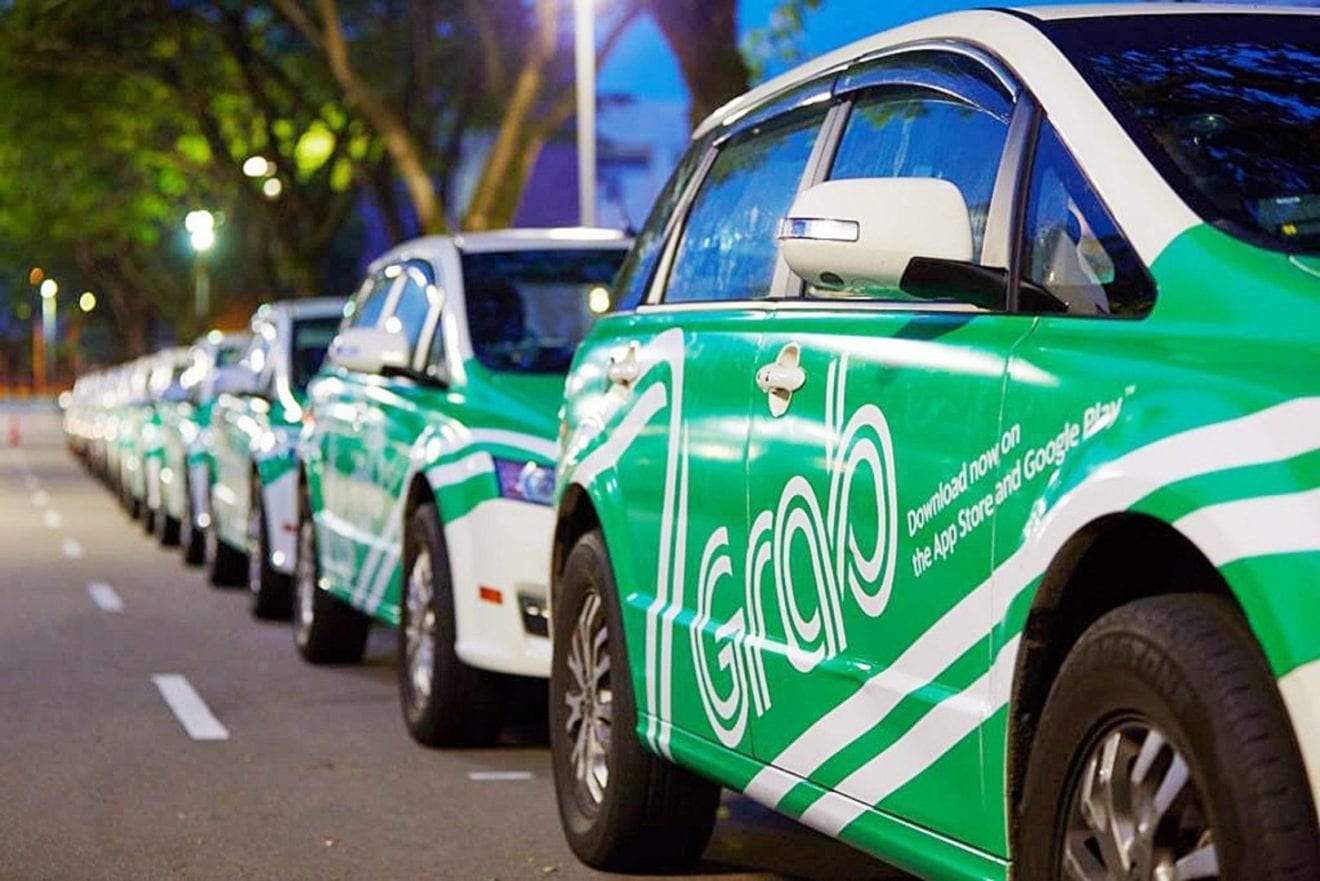
    A subscription service is being planned by supermarket chain NTUC FairPrice and on-demand transportation/mobile payments platform Grab.

    They have signed a memorandum of understanding to embark on a joint initiative to complement the online-to-offline lifestyle of consumers by offering better value, convenience and access to goods and services.

    “Our strategic partnership with Grab signifies our ongoing efforts to cater to the evolving needs of the community,” says NTUC FairPrice CEO Seah Kian Peng.

    Grab Singapore group CEO/co-founder Anthony Tan says the partnership will offer its customers extra discounts and perks from FairPrice. “With both supermarket and transport services as part of this initiative, we are thrilled to provide greater cost savings and convenience.”

    A survey of more than 1000 customers between 20 and 40 years old has shown that 95 per cent are likely to subscribe to such services, while 56 per cent of respondents indicated they are not subscribed to a service. Groceries (69 per cent) and transport (54 per cent) also top the list of services they want from a subscription service.

    Consumers opting for the Grab/FairPrice subscription service will be offered exclusive savings, rebates and access to services on groceries and transport. It is targeted for launch this first quarter.

  • Korea’s Caffe Bene sees the end

    Korea’s Caffe Bene sees the end

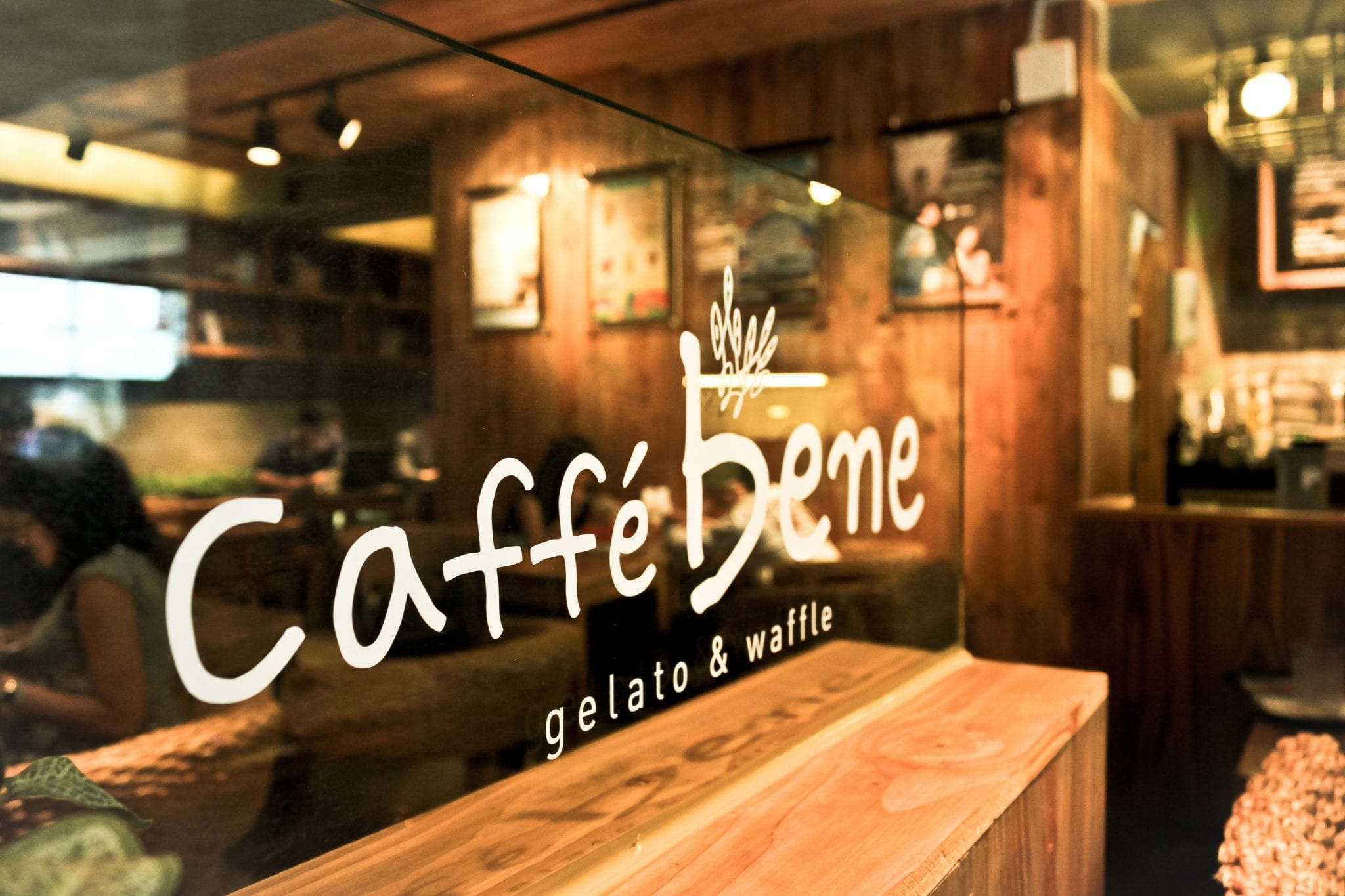
    Korean coffee chain Caffe Bene has collapsed, filing for a court-led restructuring scheme on Friday.

    Yonhap news service reports the court will soon decide whether to put the ailing coffee chain under its receivership or commence liquidation.

    The legal move follows a protracted slump and mounting losses, the company said. In 2016, the company lost about US$32 million on sales of $73 million, down 32 per cent on the previous year. At that time it operated 800 stores in Korea, a figure it said would shrink as it restructured, and about 50 in the US.

    Launched in 2008, Caffe Bene expanded to become one of South Korea’s largest coffee franchises, opening more than 1000 stores in five years, but lost ground in the saturated coffee market. While its US website claims it has opened 1600 stores worldwide, the exact number still trading is difficult to ascertain. It has opened in Vietnam, the US, China, Canada, Brunei, Singapore, Japan, Indonesia, the Philippines, Saudi Arabia, Malaysia, Cambodia and Mongolia.

    But the international foray has met with mixed success. The Cambodian store has already closed and the last Facebook post by the Singapore cafe is dated February last year. In Vietnam several stores have opened and closed, including its downtown flagship which drew huge queues when it opened in 2014. Three outlets remain trading there, but it is not clear if they are franchised or company-owned.

    The company also appears to have exited the Canadian market.

    While rapid growth in the consumption of brewed coffee drove up the Korean coffee industry’s overall expansion, Caffe Bene was unable to match the growth rate at home.