Tag: Singapore

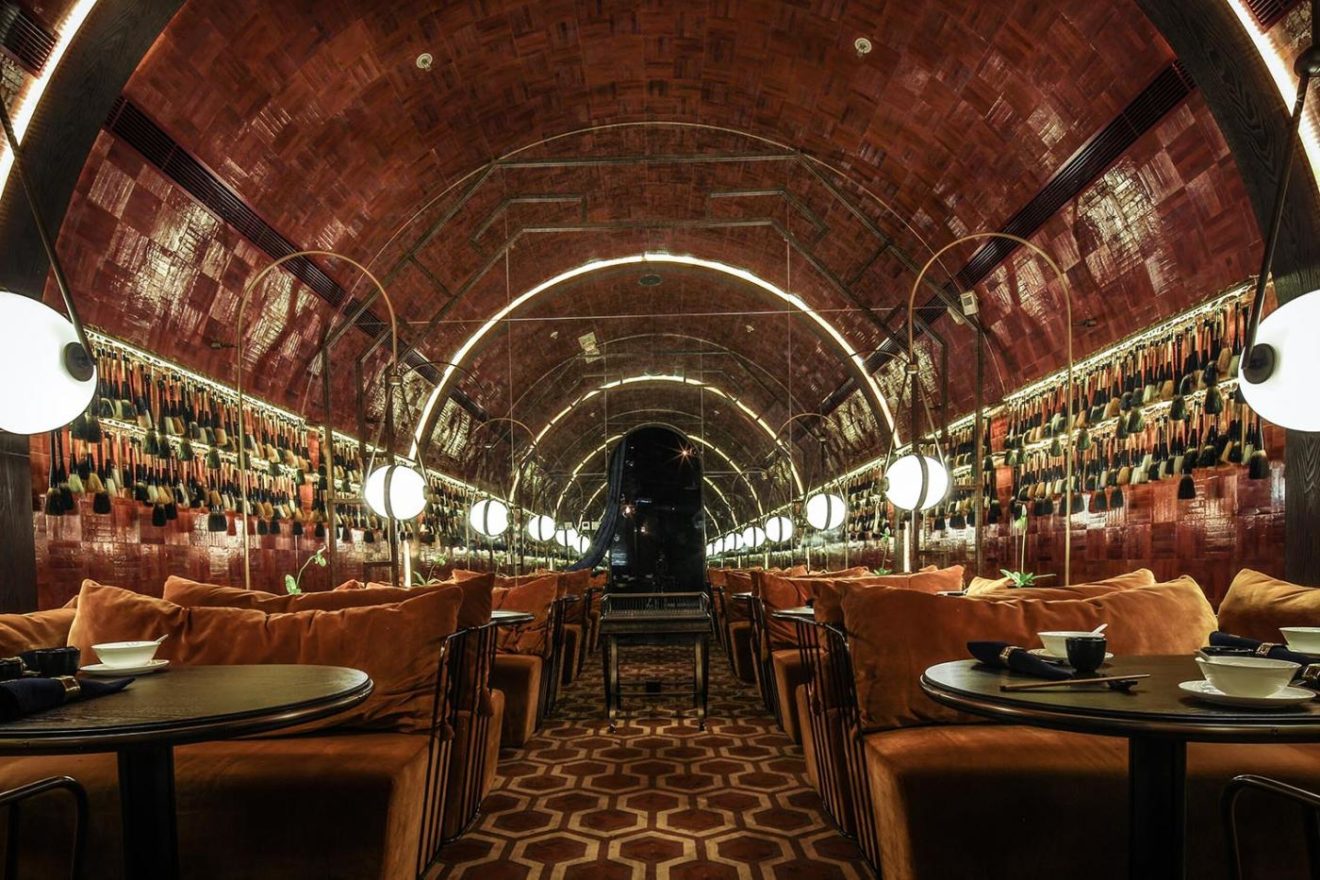
  • Hong Kong restaurant Mott 32 Opens in Singapore

    Hong Kong restaurant Mott 32 Opens in Singapore

    Hong Kong restaurant Mott 32 will open at Marina Bay Sands by the end of this year.

    Operated by MBS and Maximal Concepts, the 7000sqft space will occupy the space of Italian restaurant Nostra Cucina on level B1 at The Shoppes at Marina Bay Sands, which will close within the next two months.

    The space will be designed by Joyce Wang Studio, which is also behind the Hong Kong flagship.

    Set to offer lunch and dinner daily, the menu will feature signature Mott 32 items such as its apple wood-roasted Peking duck and deluxe dim sum, and some dishes with Singapore flavours.

    The restaurant will also have a bar serving Asian-style cocktails.

  • ABCDior pop-up Opening in Singapore

    ABCDior pop-up Opening in Singapore

    French fashion house Dior will launch its personalised ABCDior pop-up store in Singapore.

    Located at the Dior boutique in Marina Bay Sands, the pop up will allow customers to embroider their names, initials or letters on a selection of Dior goods, ranging from its Book Tote, the Diorcamp bags, as well as the Walk ‘n’ Dior sneakers.

    These items are made in the Oblique canvas, featuring the interlocking Dior logo.

    The pop-up will run from June 20 to July 14.

  • The Great Singapore Sale renewed this year

    The Great Singapore Sale renewed this year

    The annual Great Singapore Sale is back this month, with the theme ‘GSS: Experience Singapore’.

    Taking place between June 21 and July 28, the sale will include Shopping Sprees such as ‘TGIF!’ (held every Friday) where retailers and food-and-beverage operators will run day-long specials and discounts.

    On July 7 (7.7), there will be an additional 7 percent off all goods – a marketing initiative based on retailers paying shoppers’ goods-and-services tax.

    Beyond the mega sales and discount programs, the event will boast a host of interactive activities and experiences at Orchard Road and Kampong Gelam.

    The first, the Orchard Road Fashion Scramble on June 21, will center around a fashion show curated by the Singapore Retailers Association and TAFF. Orchard Road will be transformed into a performing arena and an interactive runway for 300 dancers and models – showcasing an array of clothing designs and trends from local and foreign designers.

    The opening segment will feature designs by popular, up and coming local designers, followed by leading international fashion houses, before closing off with award-winning creations by Singapore students.

    The Great Singapore Street Pop Up will coincide with the Orchard Road Fashion Scramble, running from Ion Orchard to Mandarin Gallery, and at Robinsons The Heeren and the Grange Road carpark. The pop up will offer retail experiences and food for 10 days from the June 21-30.

  • Singapore Airlines and the art of airline management

    Singapore Airlines and the art of airline management

    Airlines compete to provide the best flying experience to passengers, in terms of safety, comfort, punctuality, hospitality and meals provided on-board. If you are a business or first-class traveller, you get that extra care and attention from the cabin crew. But behind those services are various training programmes, joint ventures with multiple organisations and immense planning.

    A look at what happens behind the scenes of one of Asia’s best airlines, Singapore Airlines.

    As safety of passengers hinges on the expertise of pilots, most pilots undergo recurrent/refresher training programmes at least twice a year.

    All the pilots from Singapore Airlines, who operate Airbus fleet, are trained in the Airbus Asia Training Centre (AATC) — a joint venture between Singapore Airlines (45 per cent) and Airbus (55 per cent). AATC, located in Singapore, trains about 6,000 pilots every year from 60 different airlines.

    Depending on the qualifications and experience of the pilot, the training programme at AATC spans between three days and one month. The three training technologies used in AATC include interactive training applications such as Airbus Cockpit Experience (ACE), Airbus Pilot Transition (APT) and Full Flight Simulators (FFS).

    ACE replicates the airplane’s cockpit either on a laptop or a tablet from which the pilot learns about aircraft systems and procedures, digitally. The APT is a fixed cockpit set-up that gives an idea about the position and functioning of an Airbus cockpit.

    And FFS simulates the aircraft and the environment in which it flies. It allow pilots to be trained in scenarios, such as take-off, landing, emergency landing and water landing; it may not be possible for pilots to undergo training in a few of these on a real aircraft.

    Behind Singapore Airlines’ in-flight meal, there’s enormous planning on the quantity and quality of meals, menus and meal specification for each class, raw material requirements, introduction or inventory of kitchen equipment, timely delivery and managing food waste.

    To meet the meal requirements for flights departing from Singapore, the Airlines has outsourced these catering services to SATS — the chief ground-handling and in-flight catering service provider at Singapore Changi Airport. SATS, in Singapore, prepares 120,000 meals per day.

    SATS operates with a team of food technologists, dietitians and culinary chefs who work together to develop various menus. Singapore Airlines, on its part,develops meals for the premium cabin classes, in association with celebrity chefs, including Alfred Portale from New York and Sanjeev Kapoor from India.

    Then, the ‘Think Lab’at SATS conducts various tests essential to the product’s development process. Further, the new items are tested in a simulated cabin, that recreates in-flight conditions when it is cruising at 30,000 ft. This is to assess the actual in-flight experience of the food, as our taste buds work differently at different altitudes. To prepare and process the meal, SATS uses new technologies such as omelette vending machine and a rice line that is capable of cooking varieties of rice — Jasmine rice, Japanese rice, Indian basmati rice and flavoured chicken rice.

    Recently, SATS also invested in a pasteurisation and sterilisation technology that can supposedly extend the shelf life of freshly cooked food from two to 90 days.

    Apart from food technologies, SATS is also making use of other scientific advancements, robots within its premises to carry food from one destination to another.

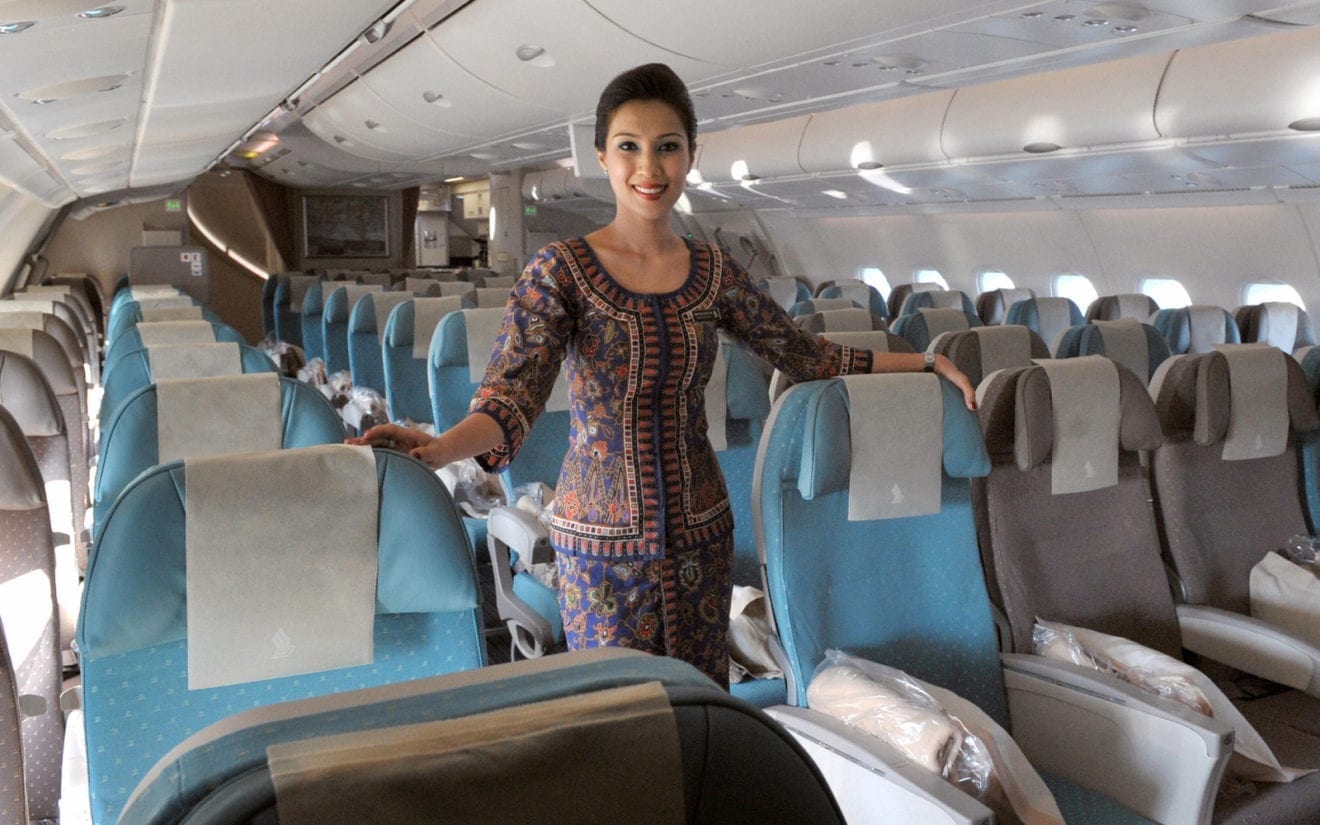
    At Singapore Airlines Training Centre, one can see well-groomed girls and boys training for cabin services, security and emergency evacuation drills at various aircrafts’ cabin mock-ups for first, business, premium economy and economy classes.

    The cabin crew are given training in activities that are construed as trivial, such as arranging news-papers, selecting appropriate glasses for each variant of beverage and serving meals of various cuisines — Indian, Chinese and Japanese. For instance, placing chop-sticks appropriately in Chinese and Japanese meal trays.

    One facility that catches everybody’s attention during a visit to this training centre is the wide swimming pool forsimulating water conditions, should the aircraft have an emergency landing on water. Training for newly-inducted Singapore Airlines’ cabin crew takes over 15 weeks.

  • Visa Transforming Mass Transit Experience Worldwide with Visa Contactless Payments Now Live in Singapore

    Visa Transforming Mass Transit Experience Worldwide with Visa Contactless Payments Now Live in Singapore

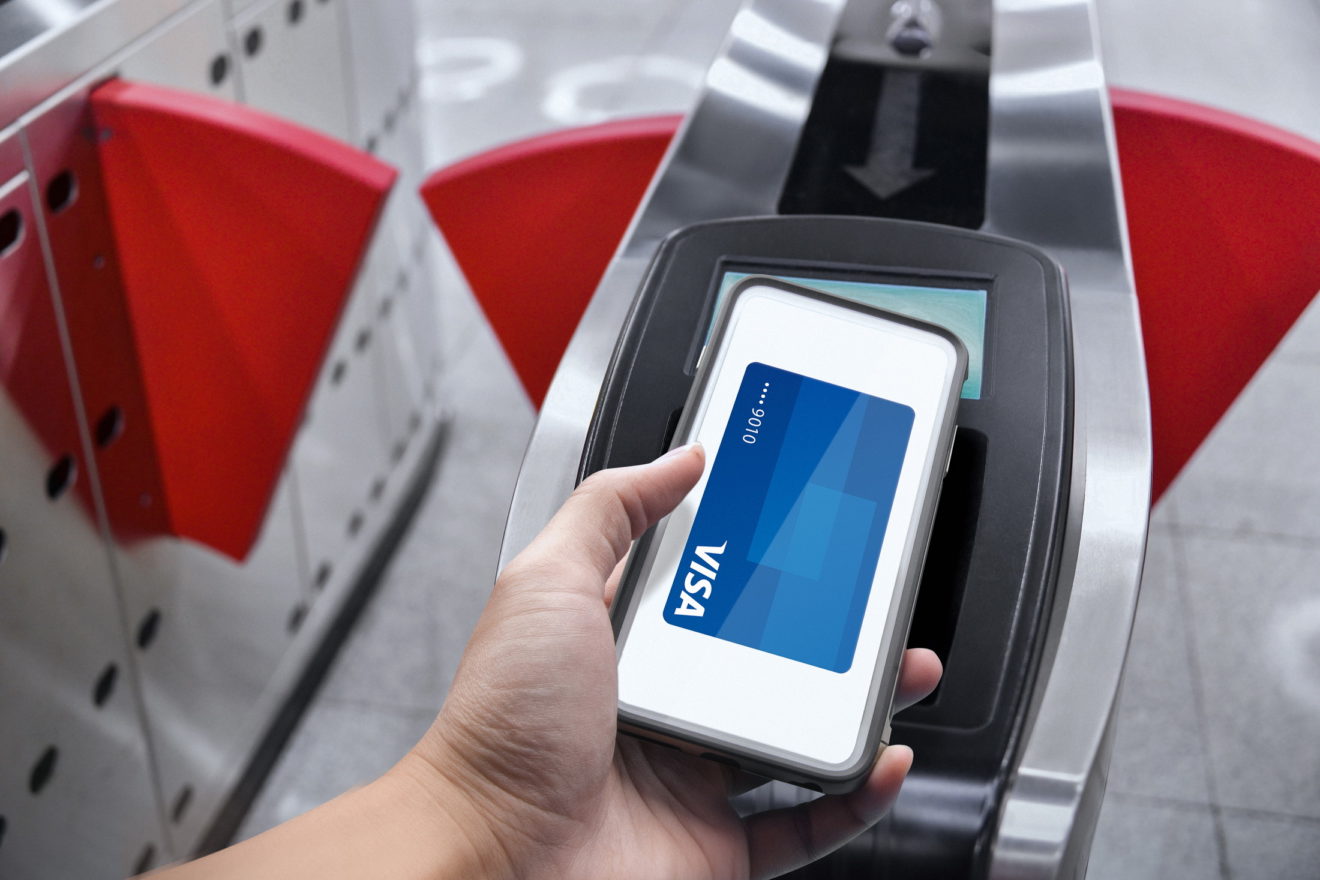
    The project with LTA will be one of Visa’s largest implementation for contactless acceptance for transit globally at 30,000 acceptance points.  All banks that issue contactless enabled Visa cards will be part of this transit initiative. Consumers will also be able to make mobile contactless transactions through compatible devices including Apple Pay, Fitbit Pay, Google PayTM and Samsung Pay.  Singtel Dash mobile wallet users can also tap and pay for bus and train rides with their Dash Visa Virtual Account.

    Paying for public transportation using Visa contactless is not only convenient, but enhances the travel experience for commuters by eliminating the need to carry multiple cards or the hassle of having to top up stored value travel cards.

    More than one-third (35 percent) of respondents in a recent Visa Singapore transit study say it is inconvenient to top-up their pre-paid stored value cards for local travel. In addition, close to 70 percent of respondents say it is a hassle to wait in long queues to purchase fares or top up their travel cards. The same study also highlighted that 75 per cent of Singaporeans are open to using mobile or digital payments as their sole method of payment for public transport.

    Kunal Chatterjee, Visa Country Manager for Singapore and Brunei said: “We are excited to bring contactless transit payments to our cardholders in Singapore as part of LTA’s SimplyGo initiative. Our partnership with LTA to implement contactless acceptance is one of the largest contactless initiatives for transit that Visa is implementing globally and we are proud that this expansive project has come to fruition. By opening up contactless acceptance for transit, we are removing friction from the travel experience, eliminating the need for Singaporeans and tourists to wait in line to top up their stored value travel cards. Visa will continue to work closely with our partners to streamline the payment experience at all touchpoints across Singapore to make it seamless and convenient.”

    With the expansion of the SimplyGo programme to Visa cardholders, Singapore joins other major cities that have enabled open-loop payment cards for public transport, including London, Sydney and New York.  The launch built on Visa’s experience helping transit operators around the world find the best, most cost-effective way to address increasing pressures on their existing infrastructure while also investing in the technologies that will serve them in the future. Over the past year alone, Visa helped launch contactless transit solutions in 20 cities across 12 countries, with more than 150 projects currently underway.

    “Today, Singapore is already one of the top markets globally in terms of contactless penetration with more than 80 percent of all Visa transactions being contactless. We expect this number to grow even faster with the opening of transit acceptance,” added Kunal.

  • Bose pop-up store opens at Changi Airport, Singapore

    Bose pop-up store opens at Changi Airport, Singapore

    A Bose pop-up store has opened at Changi Airport’s Terminal 3 Transit Departure Hall.

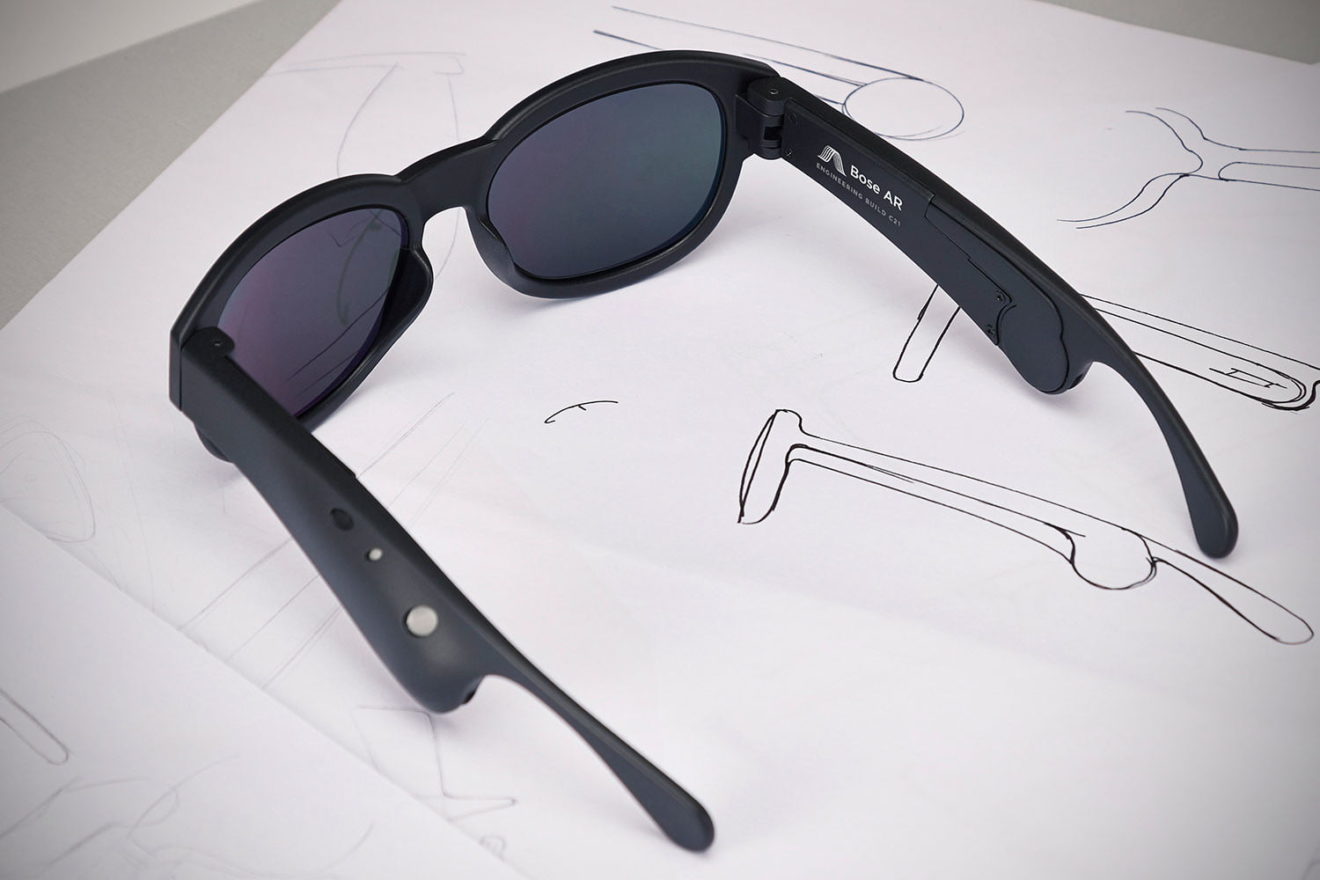
    Trading until June 30, the store will give travellers the chance to experience and own Bose’s first audio sunglasses equipped with Bose AR capability, and to try out its latest noise-cancellation headphones.

    The Bose pop-up store features two zones that let travellers experience Bose products. In one, travellers get to try Bose Frames – the first audio sunglasses from Bose – and go on virtual adventures across different scenes while a soundtrack plays from the device.

    In the other zone, travellers can try out Bose’s latest headphones in sound domes.

    The pop-up store also has a photo booth where visitors can snap and upload pictures of themselves with the Bose Frames for a chance to win a pair of Bose Frames.

    “This technologically savvy pop-up store is an exciting collaboration between Bose and Changi,” said Teo Chew Hoon, group senior VP of airside concessions at Changi Airport Group.

    “As an international hub for travellers, Changi Airport, and by extension Singapore, is the perfect location for the Asia-Pacific launch of our latest product, the Bose Frames,” said Christian Rojas, market development leader, focus market development at Bose.

    “Through engaging travel retail concepts like this, we are confident that the authentic Bose experience will be showcased and look forward to bringing high-quality sound to transit travellers at Changi Airport.”

  • Topshop parent wins lifeline in crucial vote

    Topshop parent wins lifeline in crucial vote

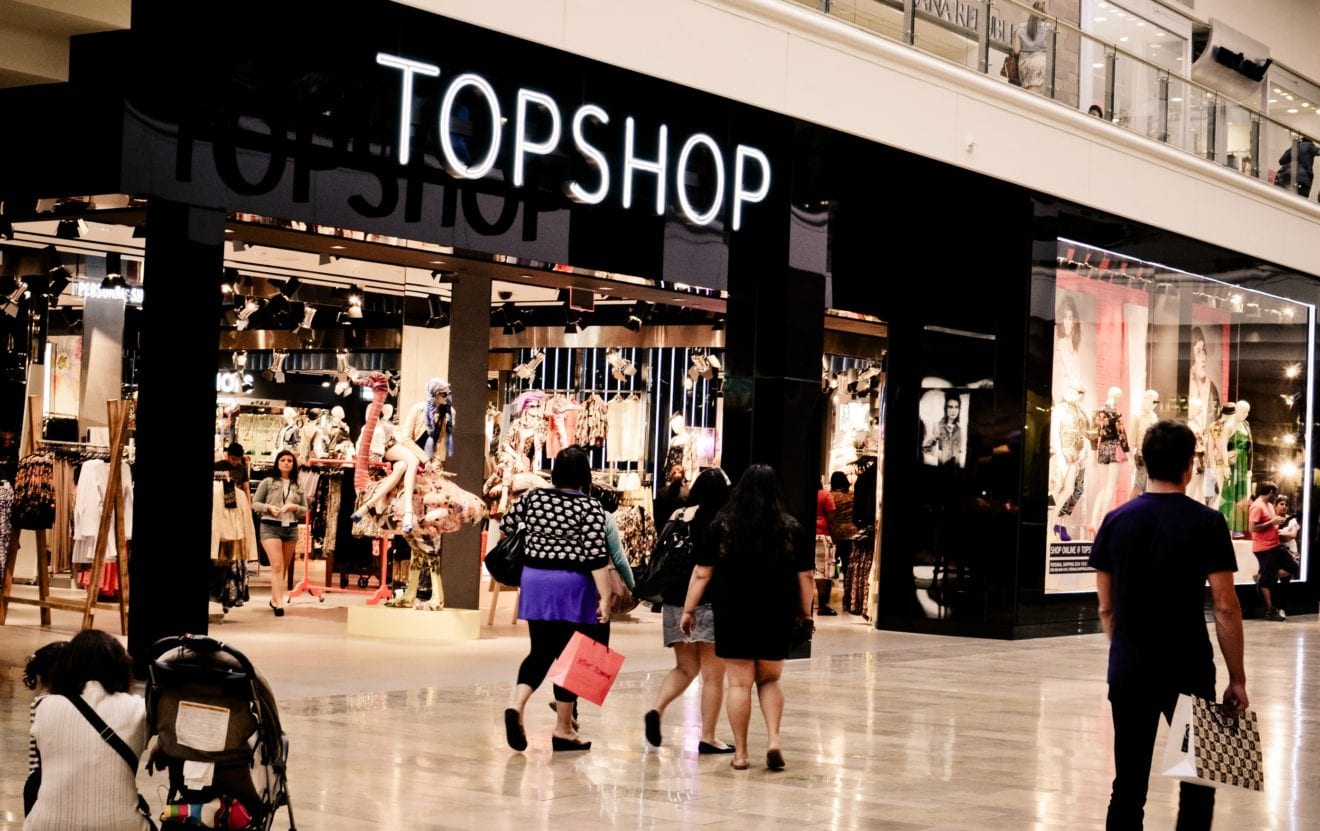
    Topshop parent Arcadia Group has been given a lifeline by its creditors and landlords after a Company Voluntary Arrangement (CVA) was approved yesterday.

    The vote was delayed last week after it became clear it would not gain the 75 per cent approval needed to proceed. However it appears a change of heart by the pension regulatory body secured the arrangement.

    Arcadia Group is now free to close a further 23 stores and will receive reduced rent on nearly 200 others.

    CEO Ian Grabiner said he is confident about the group’s future now the deal has been accepted, promising to provide customers “with the very best multi-channel experience, deliver the fashion trends that they demand, and ultimately inspire a renewed loyalty to our brands that will support the long-term growth of our business”.

    “After many months of engaging with all our key stakeholders, taking on board their feedback, and sharing our turnaround plans, the future of Arcadia, our thousands of colleagues, and our extensive supplier base is now on a much firmer footing,” he said.

    “From today, with the right structure in place to reduce our cost base and create a stable financial platform for the group, we can execute our business turnaround plan to drive growth through our digital and wholesale channels, while ensuring our store portfolio remains at the heart of our customer offer.”

    However Chloe Collins, senior retail analyst at GlobalData, said that although Arcadia’s CVA has been approved, it is not surprising it faced backlash from some landlords who have doubts about the retailer’s future.

    “Arcadia’s leading brands – Topshop and Topman – still have a strong following among millennials, however many of the other, such as Miss Selfridge and Dorothy Perkins, are now irrelevant in a highly saturated market and chances of revival are slim, leading landlords to question whether other retailers could offer their spaces more longevity,” she said.

    “The decision to add Topshop and Topman to Asos’ branded offer as part of Arcadia’s turnaround plan is wise to increase the brand’s reach, especially internationally. However it is crucial that the £60 million invested into advancing Arcadia’s digital platforms includes competitive and convenient delivery methods to rival Asos and maintain traction on the brand’s individual sites.”

    Collins said the £75 million invested by Green into its physical stores will be too thinly spread as even after the planned closures Arcadia will have around 500 stores left.

    “These stores have been neglected for far too long and are now unable to match competition which moves in favour of experience-led shopping.”

  • Pomelo Singapore flagship opening

    Pomelo Singapore flagship opening

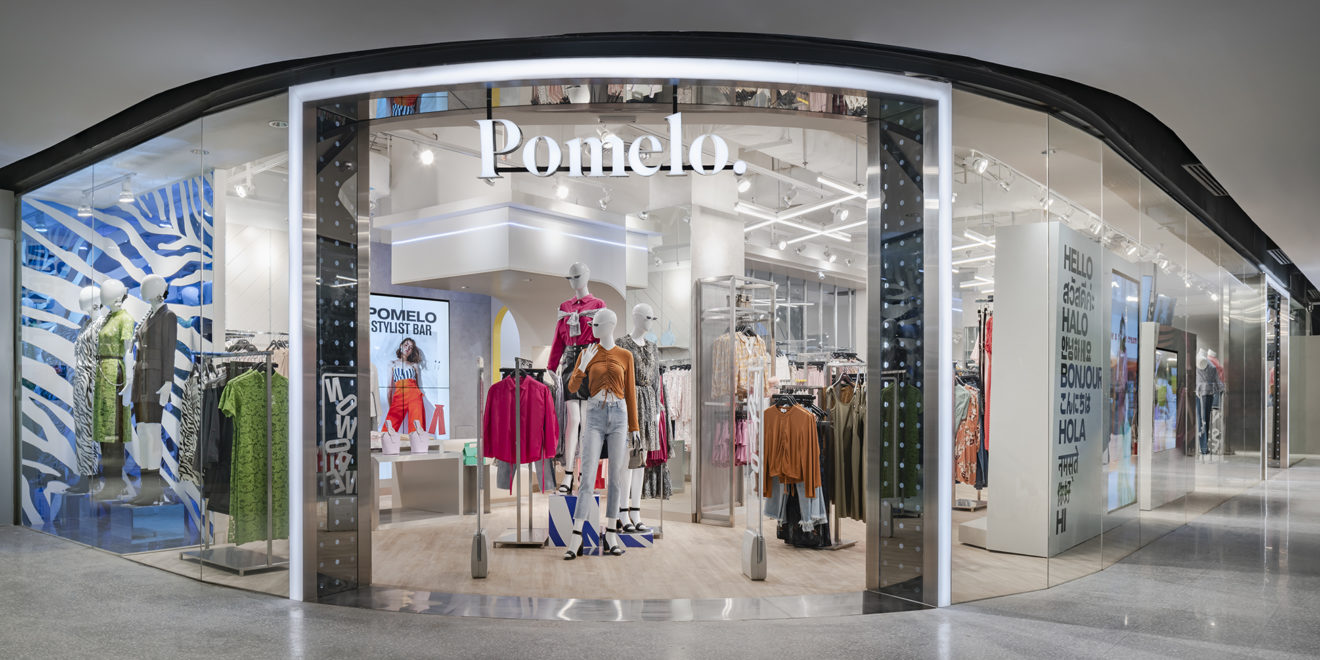
    Fast-fashion company Pomelo has launched a Singapore flagship store at 313@somerset.

    The largest Pomelo store to date, and the first outside of its native Thailand, the store boosts the online-to-offline brand’s Southeast Asian presence to nine outlets. The firm’s regional expansion represents a bid to apply its business model to the Southeast Asian fashion and lifestyle industry.

    The more than 6000sqft Singapore flagship will house Pomelo’s full catalog of 8000 products across different lines. Pomelo’s first cosmetics line, Beet, launched in April 2019, will also be sold at the store. The Singapore store will also stock collections tailored to local tastes, including seasonal collections for Ramadan, Christmas, and Chinese New Year.

    “Delivering the best customer experience has always been a key tenet of our business, and what works for one market may not necessarily work for another,” said Pomelo Fashion CEO David Jou. “Our research shows that Singaporeans shop very differently from Thais, with workwear, modest wear, occasionwear and beachwear being particularly popular in Singapore. Responding to this consumer demand, we have made it a point to stock these styles in our Singapore store.”

    While Pomelo has already served the Singapore market for six years, the flagship store rounds out Pomelo’s omnichannel strategy, offering customers a seamless online-to-offline experience across desktop, mobile and offline channels.

    “Our omnichannel strategy is built upon our ability to provide a variety of retail options,” said Jou. “Features like Pomelo Pick Up, which allow customers to try on their online purchases and only pay for what they take home have proven to be extremely successful in Thailand. As a fashion brand with tech DNA that places customer experience at the forefront, we’re excited to finally launch a core tech-driven Pomelo offering to better meet the needs of our Singapore shoppers.”

    Under the Pomelo Pick Up system, customers looking to pick up their online orders can do so by scanning a QR code at a self-service kiosk before proceeding to a fast lane to collect their packages. To check the fit, they can then try on the items they have picked out in a fitting room booked on in-store mini iPads.

  • Singapore Popular Games

    Singapore Popular Games

    Gaming is growing quickly in Singapore. This is due to a number of different reasons. The economy is now booming in Singapore which means that there a range of different games for customers to play. Also, they have more leisure time which makes them seek out the most entertaining games. Also, playing baccarat online is getting popular in Singapore. This is one of the most popular games due to its intense gameplay. In this article, we will look at why baccarat is so popular and also explore other popular games in Singapore. We will also detail the specific business conditions which have led to a gaming boom within Singapore.

    What is Baccarat

    Baccarat is a card game which has become popular around the world. It can be played in casinos, however recently there have been many online baccarat games being developed. These provide an engaging and realistic gameplay experience. One of the reasons why it is so popular is because the rules are simple to learn. It does not have the same complexity as other games, which makes it highly accessible. However, there are also many strategies and side-bets that come into play. This makes the game exciting to learn and to master.  You can find the best baccarat gaming websites on baccarat.net. They have a wide selection of websites on view. Additionally, they also go in depth about the rules and also discuss the best strategies for winning.

    Most Popular Games in Singapore

    Even though online gambling is illegal in Singapore, many have been enjoying legal casinos operating worldwide that accept players from Singapore. Some of the most popular casino games include the classics such as poker and blackjack. However, many Singapore players have also been enjoying highly engaging video slots. Mobile phone gaming is also very popular in Singapore. Smartphones offer a way for people to enjoy the gaming experience wherever they go. Hence, mobile casinos and other mobile games have become very popular. The high powered graphics and engaging gameplay on smartphones is a major reason for this.

    Alongside gambling games, video games are also highly popular. Singapore is the country where people spend the most hours on gaming in the South-East Asia region. On average they spend 7.44 hours on gaming. Some of the most played games include Overwatch which is an online game that is available on all platforms such as PC, PS4, and Xbox ONE. Role-playing games such as Devil May Cry 5 are also very popular. The Singapore public is fond of these games because they provide an immersive and enthralling experience. The storyline and quests are highly engaging.

    Business Conditions in Singapore

    The current business and retail conditions have been positive for Singapore. Traditional retailers have been facing stiff competition from innovative e-commerce companies. This has forced them to change their ways to evolve in order to compete in the new marketplace. They are creating new shopping experiences that are tailored to the customer. Physical stores aim to recapture the customer base from Amazon and Alibaba. The demand for necessity goods has remained as high as ever. Another key development is unmanned stores which could become even more common in the near future. Overall, there have been a few bumps, however, the long term economic and retail outlook is positive. The people of Singapore like to enjoy their earnings on playing games that allow them to relax.

    Conclusion

    You will now have a better idea on which games are most popular in Singapore. You will also have an understanding of what is causing a surge in popularity for many games. Baccarat continues to be one of the most played games in Singapore due to its exciting and addicting gameplay. However, other games are also being enjoyed, and the business boom means that gaming will continue to grow in Singapore. We look forward to new innovations and developments of gaming in Singapore.

  • Japanese-born Pronto Caffe & Bar is opening in Singapore

    Japanese-born Pronto Caffe & Bar is opening in Singapore

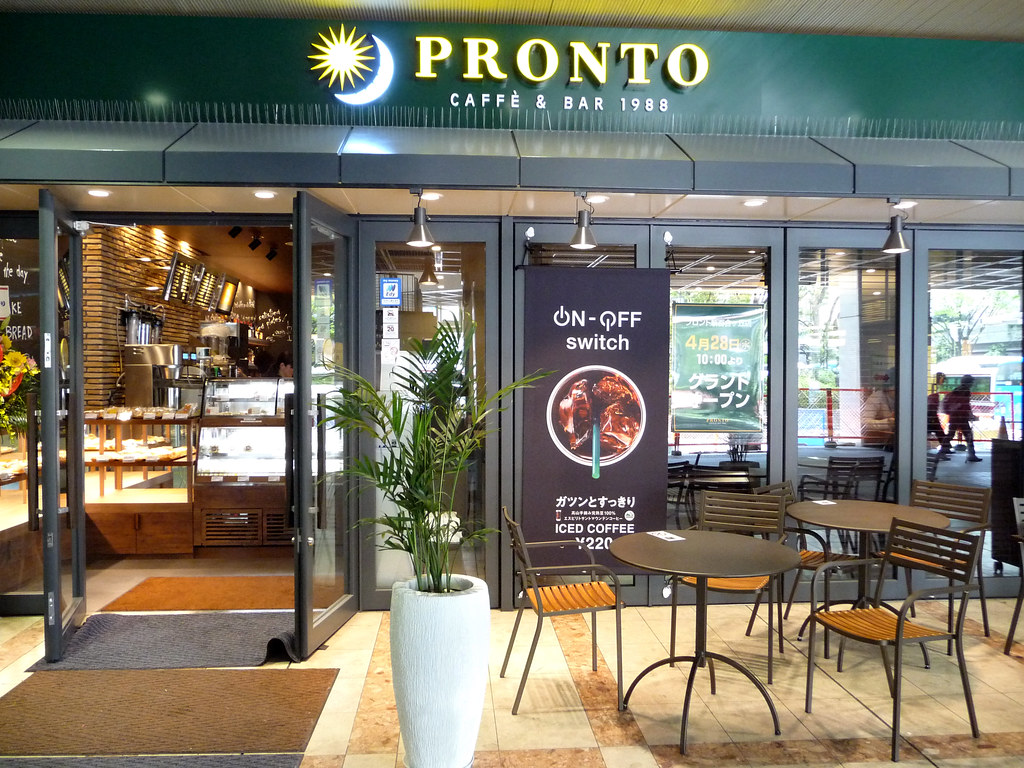
    Japanese-Italian cafe chain Pronto Caffe & Bar is opening in Singapore this week.

    Set to open on Thursday (June 13) at Capital Square, the outlet will serve breakfast sets, pastas, pizzas, desserts and coffee by day; and alcohol and bar food by night.

    The menu features a mixture of Japanese-influenced dishes, including Japanese Style of Pork and Spicy Greens, along with more traditional western fare, such as Eggplant with Bacon in Tomato Sauce pasta.

    Green tea beverages are available as well as coffee.

    First opened in 1988, and jointly owned by Suntory and UCC, Pronto now has more than 260 outlets in Japan.

    There are plans to open more outlets in Singapore next year.

  • Gram Cafe & Pancakes Opening in Singapore

    Gram Cafe & Pancakes Opening in Singapore

    Japanese-based Gram Cafe & Pancakes will open its first Singapore franchised outlet at VivoCity mall.

    Gram is being brought to Singapore by three locals who travelled to Japan and ‘adored’ the chain’s pancakes. A Japanese business partner linked them up with Gram’s owner Takeda Takeshi.

    Established in Osaka in 2014, Gram has six franchised international outlets in Hong Kong, Bangkok, San Francisco, and now, Singapore.

    The 40-seat VivoCity cafe will offer savoury pancakes, such as chilli beef version, as well as an exclusive Japanese Curry pancake set.

    For those who are not pancake fans, the cafe serves French Toast topped with fresh cream, maple syrup, bananas, chocolate sauce and a scoop of vanilla ice cream.

  • Massive slump in Le Saunda sales

    Massive slump in Le Saunda sales

    After reporting another full-year loss last month struggling footwear retailer Le Saunda said it was expecting a return to same-store sales growth after the bulk of its restructuring program had been implemented.

    Yesterday, however, the company reported a first-quarter slump in sales of 25.2 per cent. Same-store Le Saunda sales fell 6.6 per cent and online sales were down 16.1 per cent.

    The company did not release sales figures in currency terms, just percentage changes – and it reminded shareholders that the data was based on unaudited operational data.

    Last financial year the company closed 126 stores, but as of May 31 this year, store count was down 178 outlets compared with the same period last year, suggesting the closures are continuing.

    Announcing the results last month, chairman James Ngai said the company’s objective in the new financial year was to return to same-store sales growth to improve overall performance.

    “After this year’s restructuring exercise, the group believes that its physical store network has resumed to a relatively healthy level. The management team will continue to monitor closely the operating performances and timely eliminate low-efficient stores so that we can concentrate our resources in developing new stores with greater growth potential,” he said.

    However this month’s trading update suggests substantial work has yet to be completed before Le Saunda returns to positive sales growth – and profitability. Ngai’s comments were reported on May 22, just nine days before the end of the quarter in which the company’s sales performance was trending in the opposite direction to his upbeat comments.

    As at May 31, the group had 486 outlets in Mainland China, Hong Kong and Macau. Of those 428 were self-owned outlets across the markets and 58 were franchised stores on the mainland.

  • Ramen chain Afuri Opening in Singapore

    Ramen chain Afuri Opening in Singapore

    Japanese ramen chain Afuri is to open its first outlet in Singapore, at Funan mall.

    Brought to Singapore by F&B group Japan Foods Holding, the Funan outlet will be known as Afuri Ramen + Dumpling.

    Besides Afuri’s signature yuzu ramens, the expanded menu will have small plates options as well as gyoza (dumplings).

    Funan mall will open its doors to shoppers on June 28, after a three-year redevelopment.

    Afuri ramen adds to the food options at Funan, including Japanese restaurant Noka, urban farming outfit Edible Garden City, Taiwanese bubble tea brand Milksha, and modern Peranakan restaurant Godmama.

    Named after Mount Afuri in Japan, the chain first started in 2001, known as Zund-Bar, at the foot of Mount Afuri.

    It changed brand to Afuri in 2003, and now has 15 outlets worldwide.

    The latest location was Lisbon, Portugal.

    Afuri ramen instant noodles have been sold in Singapore at selected supermarkets and Japanese speciality food marts.

  • Five Guys confirms Singapore Restaurant Opening

    Five Guys confirms Singapore Restaurant Opening

    American burger chain Five Guys is set to open in Singapore within six months.

    Local franchisee Zouk Group says the first outlet will open somewhere “central”.

    “There will definitely be more than one outlet here, depending on how many the market can sustain,” Andrew Li, Zouk Group CEO said.

    Five Guys is known for its customisable beef burgers, hotdogs, milkshakes and sandwiches.  Singapore outlets have the same menu as the US and Hong Kong.

    Prices have yet to be confirmed, but the outlet will serve alcohol including craft beer.

    Founded in Virginia in 1986, the brand now has more than 1600 restaurants worldwide across the US, Europe, Middle East and Asia.

  • Love, Bonito to open in Funan Mall

    Love, Bonito to open in Funan Mall

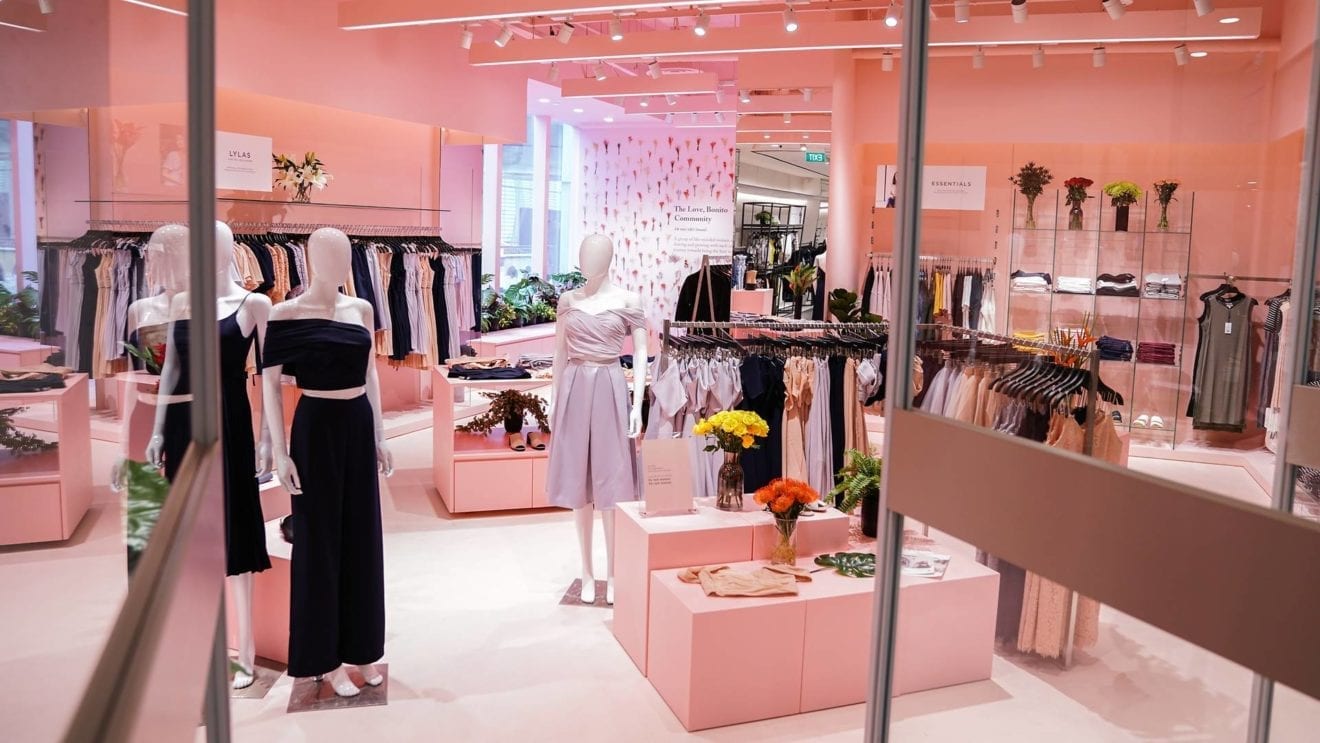
    Online fashion retailer Love, Bonito is about to open its third and largest physical store yet, at Funan mall.

    Set to offer a “thoughtful and feminine” retail experience, the store will have customer touch points such as “Instagrammable” spots, and an express counter for click-and-collect orders.

    “More importantly, the store will hold dedicated and designated space for us to bring our community together to experience the brand, via workshops and events,” Rachel Lim, Love, Bonito co-founder said.

    The store will also offer personal stylists on demand who will be ready to give fashion advice to customers.