Retail News CRM

Tag: singpost

  • SingPost appoints Neo Su Yin as Group Chief Operating Officer

    SingPost appoints Neo Su Yin as Group Chief Operating Officer

    Singapore Post (SingPost) announced the appointment of Neo Su Yin as Group Chief Operating Officer (GCOO), effective 2 January 2025. In this newly created role, Su Yin will be responsible for the Singapore Business Unit, the International Business Unit and Property. Under transitional management arrangements, she will take guidance from the Chairman of the Board, Simon Israel.

    The position of the GCOO is a pivotal role to translate transformation into tangible results, ensuring high quality execution, while fostering a culture of innovation and continuous improvement.  Su Yin will also support the Board in a review of the International Business Unit.

    “The Board is pleased to welcome Su Yin back to SingPost as our Group Chief Operating Officer,” said Simon Israel, Chairman of the Board. “She has a proven track record and deep understanding of SingPost’s business and operations. Her appointment greatly strengthens our leadership’s focus on driving operational performance and excellence – a core foundation for sustainable growth.”

  • SingPost’s Australian unit eyes purchase of Border Express

    SingPost’s Australian unit eyes purchase of Border Express

    Freight Management Holdings or FMH, a subsidiary of Singapore Post, has entered into a conditional sale and purchase agreement with the shareholders of Border Express, for a maximum purchase consideration of A$210 million, or approximately S$183 million.

    Border Express is considered the 6th largest national transport and distribution services company in Australia with comprehensive freight connectivity, warehouses and regional centres.

    It provides end-to-end interstate logistics services with a network of 16 facilities, a fleet of over 700 vehicles, a team of 1,300 employees, and over 3,000 clients across industries, including large retail and consumer brands.

    Upon completion, Border Express will join the transportation companies held under the FMH Group umbrella, which include GKR Transport, Niche Logistics, BagTrans, Formby Logistics and Spectrum Transport.

    Over the past three years, SingPost has expanded its operations in Australia with the FMH Group and CouriersPlease, and more recently, it reached agreement with the remaining minority shareholders of FMH to take its ownership to 100 percent.

    The Australian integrated logistics market is estimated at over A$120 billion. With the acquisition of Border Express, revenues of the wider FMH Group are expected to exceed S$1 billion.

    “Upon completion, the acquisition will support FMH Group to realise the vision of a new logistics ecosystem where people and physical assets are connected through a ubiquitous technology platform, enabling true supply chain efficiency,” said Simon Slagter, Group Chief Executive Officer at FMH Group,

    The transaction is subject to relevant statutory approvals and other closing conditions.

  • SingPost’s Li Yu on e-commerce, logistics and more

    SingPost’s Li Yu on e-commerce, logistics and more

    Singapore Post announced dividends in May as the group posted a record revenue of S$1.9 billion for the financial year 2022/2023, with the international business contributing around 90 percent of the total. In an unpredictable market environment, SingPost’s logistics unit contributed 90 percent of the total operating profit, serving as a buffer for the decline in the postal segment. The postal group is on the verge of transforming into a global e-commerce logistics enterprise with its recent expansion in Australia, newly formed partnerships and the development of international cross-border e-commerce logistics. In this interview, Payload Asia catches up with Li Yu, CEO international at SingPost, to discuss the company’s performance this year as well as the Group’s strategy to capitalise on growing demand for e-commerce logistics.

    What can you say about the company’s full-year performance?

    The Group achieved a record revenue of S$1.9 billion for the financial year 2022/2023. Seventy percent was contributed by logistics versus just 38 percent back in FY2020. More importantly, logistics contributed 90 percent of the total operating profit. Our growth in the logistics segment has mitigated the structural decline of the postal segment, a trend that is prevalent globally.

    The other key highlight is 86 percent of our revenue was generated internationally. With our expansion into Australia and the development of our international cross-border e-commerce logistics business, SingPost is transforming into a global e-commerce logistics enterprise and is well positioned in high growth markets across the Asia Pacific region.

    Can you give us a rundown of your division’s top priorities? Where does e-commerce sit in your priorities and growth strategy?

    According to McKinsey’s projections between 2023 and 2026, the Southeast Asian eCommerce market is expected to triple, boasting a compound growth rate of 22 percent. It is estimated that the market will reach approximately US$230 billion in gross merchandise volume. In a separate report from June 2022, Statista’s forecasts underlined significant growth in the ecommerce market across Asia, Australia, and the Americas.

    At SingPost, we will continue to build on our strengths and establish ourselves as a leading eCommerce supply chain and logistics provider within the 4PL space across Asia Pacific region. Internationally, we have expanded into offering our global customers inbound Australia services, expanding the China/Hong Kong to Singapore lane with efficiencies and offering Europe to Asia services with direct line-haul, and establishing a dual hub system using Hong Kong alongside Singapore to facilitate seamless e-commerce delivery.

    Strategically, we are focusing on three growth drivers. First is enhancing our digital capabilities and leveraging the 4PL model as a supply chain orchestrator, to support the continuous eCommerce growth across Asia Pacific. Second is expanding our hubs in Singapore, Hong Kong and Europe to shorten delivery times and better serve e-commerce flows and delivery into, out of and within Asia. One of the recent partnerships is with SATS to address a growing demand for e-commerce transshipment by leveraging our combined expertise. Third is expanding our infrastructure in domestic markets through pick-up, drop-off (PUDO) network growth to provide convenience and efficiency to our merchants and users, handling the increasing volume of eCommerce parcels

    International business contributed an enormous 86 percent of the Group’s overall revenue? Can you share more about your business in Australia? What makes this market special?

    Australia is the major contributor to our transformation and growth of the logistics business. Over the last 3 years we have seen the business grow three times in size. The logistics business we have built down under caters to both the B2B and B2C segments. The move to go big in logistics is already underway. In December 2020, SingPost took a 28 percent stake in Australia’s Freight Management Holdings (FMH) for A$58.9 million. The stake was eventually raised to 51 percent just over a year later and to a further 88 percent this March. The acquisition of FMH places 4PL (fourth-party logistics) technology at our core. We intend to expand with this asset-light approach in mind, powered by the 4PL digital platform. FMH has performed outstandingly since our initial investment and is a key growth driver in the group’s logistics business.

    Besides FMH, SingPost also owns CouriersPlease, a first and last-mile delivery courier network covering 90 percent of Australia’s population. FMH’s digitally enhanced logistics capabilities, together with our CouriersPlease last-mile delivery network allows us to provide technology-driven, fully integrated logistics solutions for both business-to-business and business-to-consumer operations in the Australian market.

    Does it make sense for big e-commerce players to enter logistics or at the very least insource it? What’s your take on this move?

    There are always two sides of a coin. By undertaking their own logistics, big e-commerce players may gain more control over their supply chain and enjoy more seamless operations. However, substantial initial investment costs are required to set up the logistics systems and infrastructure. Expertise in logistics management, time and resources will need to be devoted to manpower training and technology to provide high-quality logistics services. Fluctuations in e-commerce volumes would also call for the ability to scale their operations efficiently. The decision to establish in-sourcing of its logistics should be based on a thorough analysis and alignment to the company’s long-term growth and strategic objectives.

    In many cases, it is more practical and cost-effective to establish partnerships with reliable logistics providers, increasingly to a 4PL player. Merchants gain immediate access to advanced technologies, established networks, and scalable operations. This allows them to focus on core business functions while the 4PL handles day-to-day logistics tasks, reducing operational burdens.

    The 4PL’s global reach also facilitates international expansion and efficient cross-border shipments, enhancing overall supply chain efficiency, improves customer service, and contributes to the merchant’s business growth in a cost-effective manner.

    With your recent MoU with SATS, what kind of services or enhancements are you looking to unveil in Singapore based on your recent trials in February?

    The partnership with SATS is designed to harness our unique strengths in order to meet the changing demands of e-commerce companies. With a cutting-edge transshipment hub facility, we aim to decrease delivery times and lower operating expenses and labour requirements. By eliminating the need for transportation between SATS and SingPost facilities, we will streamline cargo logistics workflows, reduce reliance on conventional cargo vehicles, and optimise warehouse space usage.

    Based on a 3-month joint operations trial with SATS, we achieved a remarkable 60% reduction in the time taken from arrival to departure. The new approach cut the initial processing time of 21.8 hours to just 8.5 hours. With our extensive air connectivity and flights in Singapore, logistics players who partner us can expect an expedited delivery of products to Asia within a total timeframe of 15.5 hours. The Global eCommerce Hub is poised to disrupt the eCommerce logistics industry by enabling end-to-end delivery within 1-3 days in Asia.

  • SingPost Partners with Tech Startup Shippit to Fuel Small Business Growth in Asia

    SingPost Partners with Tech Startup Shippit to Fuel Small Business Growth in Asia

    Today, fast-growing logistics technology company Shippit, announced a new partnership with Singapore Post (SingPost), Singapore’s leading homegrown e-Commerce courier. The deal allows Shippit to empower small and medium-sized enterprises (SMEs) to scale by providing them with instant access to more delivery options — including packages to be delivered directly to Pick Own Parcel Station (POPStations) and letterboxes — a service typically reserved for larger companies. As part of the deal, Shippit will also offer SingPost’s Speedpost Express Service to SMEs, alongside discounted, pre-negotiated rates for next day and economy delivery services.

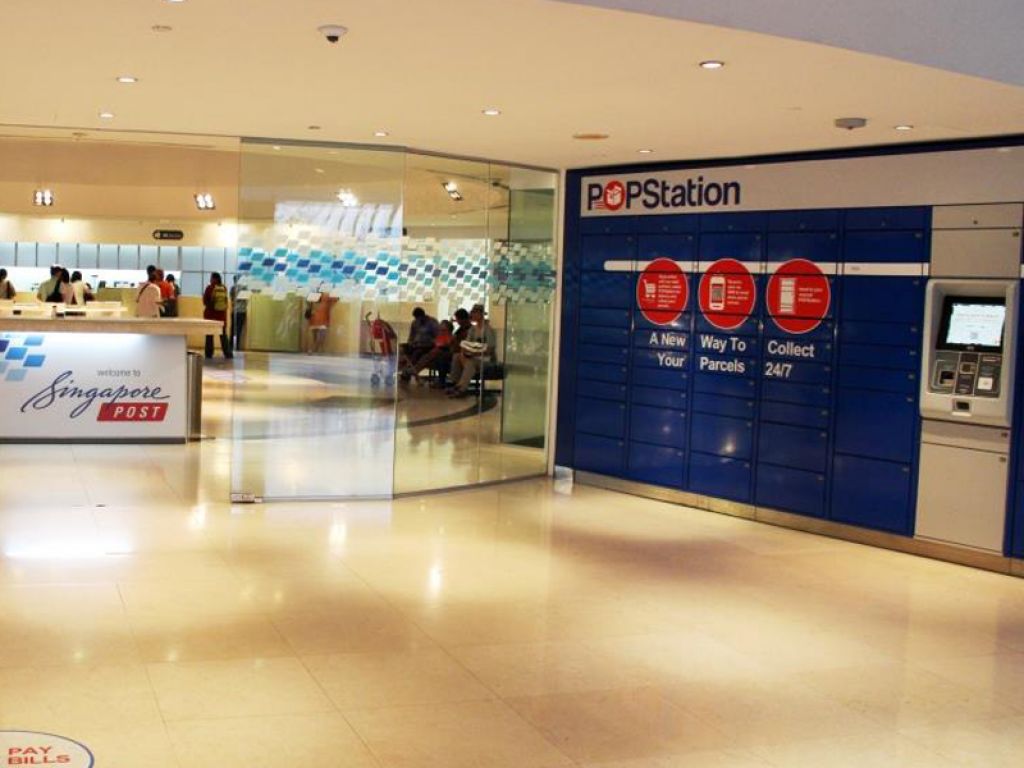
    SMEs on the Shippit platform will now be able to also offer end-customers parcel collection at any time by tapping into the islandwide POPStation network that SingPost currently operates. This brings added convenience to end customers, since parcels can be deposited directly at their closest available POPStation for pickup, without the need to wait for delivery at home.

    These SingPost services are integrated directly into Shippit’s existing online platform, which enables SMEs to access data-driven delivery insights that can be used to optimize shipping costs and share better customer experiences. SMEs also get access to pre-negotiated, delivery SingPost rates on the platform, enabling them to tap into SingPost’s large delivery network and fleet, at a lower cost.

    Lavneesh Arora, Director of Market Development at Shippit, said: “Shippit aims to disrupt the way legacy logistics firms operate. We are always looking for great partnerships to expand our capabilities and give clients a competitive edge. Through the latest partnership with Singapore’s largest and most prominent logistics company, SMEs can use Shippit to get direct access to SingPost’s premium, enterprise-grade delivery services at a fraction of the cost.”

    Shippit’s intelligent tracking system benefits both senders and receivers through proactive delay avoidance technology and accurate delivery estimates — SMEs will know exactly where the parcel is, ensure delivery issues are resolved before customers find out and can also send branded push emails and SMSes to keep their customers informed. On the receiver’s end, one-link tracking and smart notifications are automated, so customers can easily track their shipment, get real-time updates and access delivery support directly from the track page.

    Sara Kalle, Senior Vice President of Group Sales at SingPost, said: “We are tremendously excited to offer our last-mile services to Shippit. Customers can look forward to a hassle-free shipping experience from the moment they confirm their order on Shippit’s award-winning platform, to collecting their shipments from us at their doors or at a nearby POPStation.”

    Shippit officially launched in Singapore on 14 July, to serve as the startup’s regional headquarters. It plans to expand into Malaysia, Philippines, and Indonesia in the near future. Shippit’s existing client base currently includes Sephora, UNIQLO, CottonOn, and Harvey Norman — to name a few.


  • SingPost Looks to Plug Last-Mile with More Delivery Options

    SingPost Looks to Plug Last-Mile with More Delivery Options

    The resurgence of e-commerce in Southeast Asia has helped mitigate the decline in postal mail volumes, but it has also raised last-mile delivery challenges. To address this, Singapore Post (SingPost) is looking to build up its network and offer more options for consumers to receive and send packages.

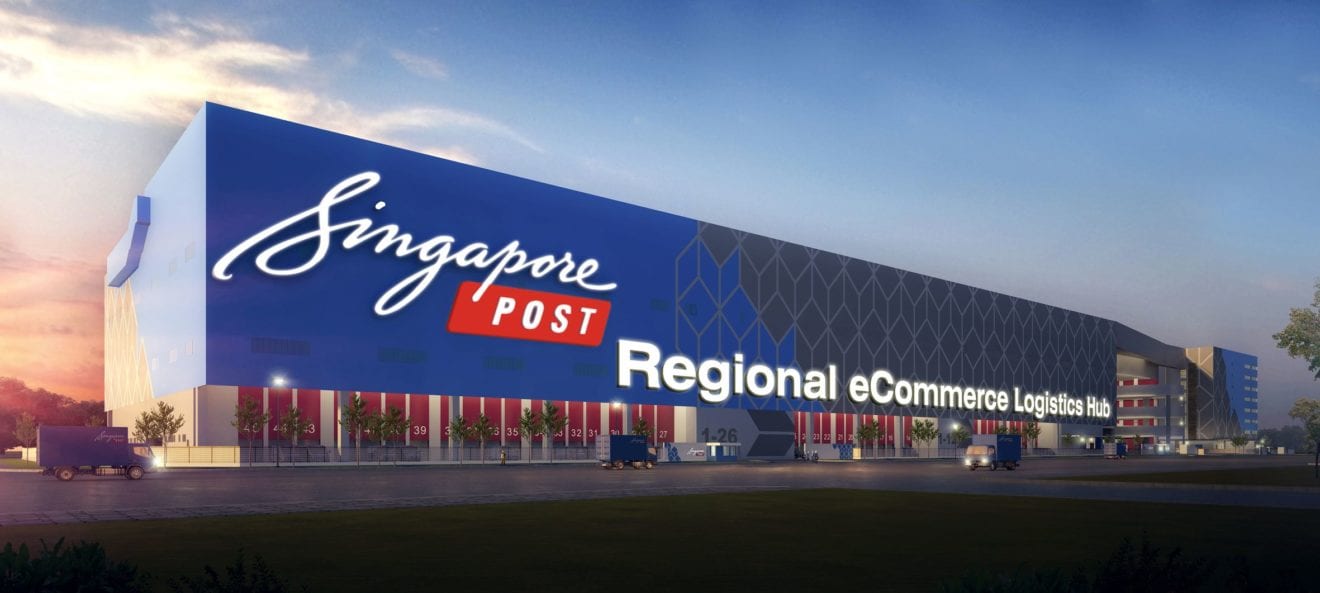
    Established more than 160 years ago, SingPost in 2016 launched its Regional E-commerce Logistics Hub, which has a sorting capacity of 100,000 parcels a day. Parcel volumes in November 2018 climbed 25% year-on-year and the highest volume of parcels processed in one day clocked at 40,000. During the peak period of November to December 2017, some 2,700 tonnes of parcels were delivered.

    In this Q&A with Retail News, SingPost’s group chief digital and technology officer Alex Tan discusses how the postal service provider has been working to keep pace with the region’s e-commerce boom and address challenges in last-mile delivery.

    In what ways have the rise of e-commerce impacted SingPost and the company’s growth and technology roadmap?

    Alex Tan: E-commerce presents a huge opportunity for us and we are driving a lot more e-commerce traffic through our postal and logistics networks. This mitigates the decline in letter mail volumes that is seen all over the world.

    It’s also why we are progressing on a three-year transformation strategy to shore up our footprint in e-commerce logistics. Our vision is to be the regional last-mile delivery and urban logistics platform of choice for Southeast Asia. Our current suite of e-commerce logistics solutions includes frontend web management, warehousing and fulfilment, last-mile delivery, and international freight forwarding.

    In November 2018, we unveiled our latest next-generation logistics platform Last Mile Platform (LaMP), which consolidates various last-mile delivery services such as courier services, parcel lockers, and brick-and-mortar collection points, onto a single platform. Being technology-agnostic, LaMP can integrate services from different retailers and logistics providers to provide greater convenience, flexibility, and control to customers.

    The platform is also location-agnostic and can connect last-mile partner services across Southeast Asia. Through LaMP, retailers can offer their customers the ability to receive their online purchases via any last-mile delivery node in the network, in any country within the region. Consumers may even redirect en-route deliveries to an alternative delivery node on the platform.

    In 2016, we also opened our SGD$182m (£104.08m) Regional E-commerce Logistics Hub, which is fully automated and harnesses the latest warehouse fulfilment and parcel sorting technologies, integrating warehousing and parcel sortation systems for greater efficiency.

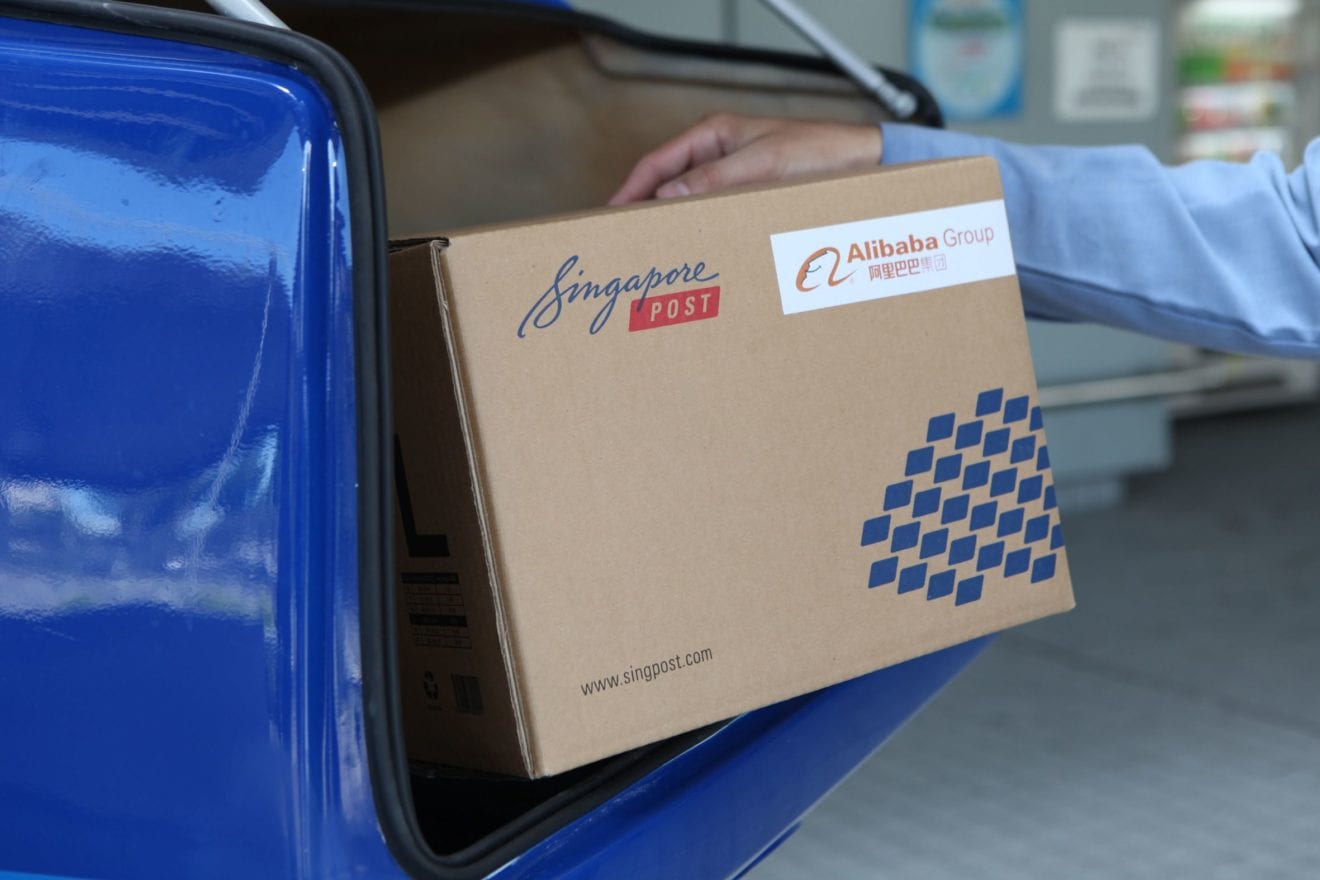
    We are also building on our partnerships with our major shareholders, Singtel and Alibaba Group, working closely with them on cross-border e-commerce and digital innovation, in areas such as big data, warehouse robotics, and artificial intelligence (AI).

    There has been numerous customer feedback on SingPost’s delivery service, most of which revolved around non-deliverables or failed/missed deliveries even when the recipient was home. What challenges does SingPost face in fulfilling the last-mile delivery component, which is especially crucial in e-commerce, and how are you looking to resolve these with technology?

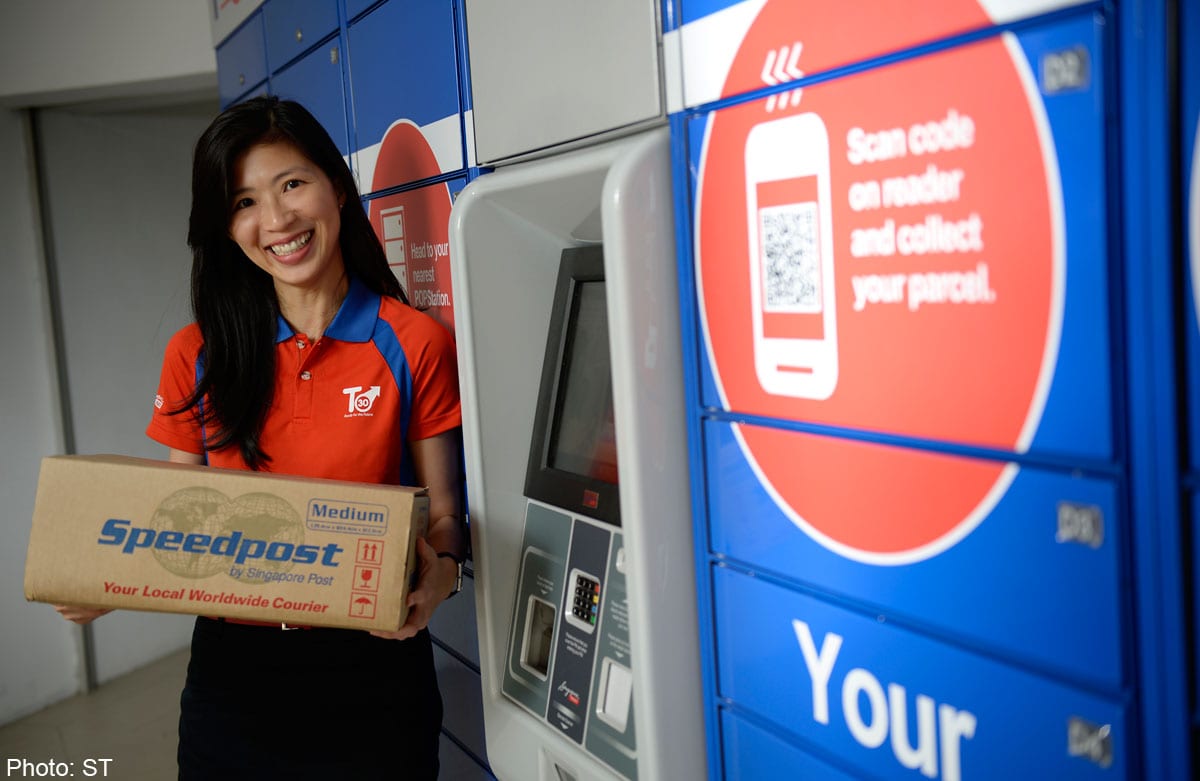
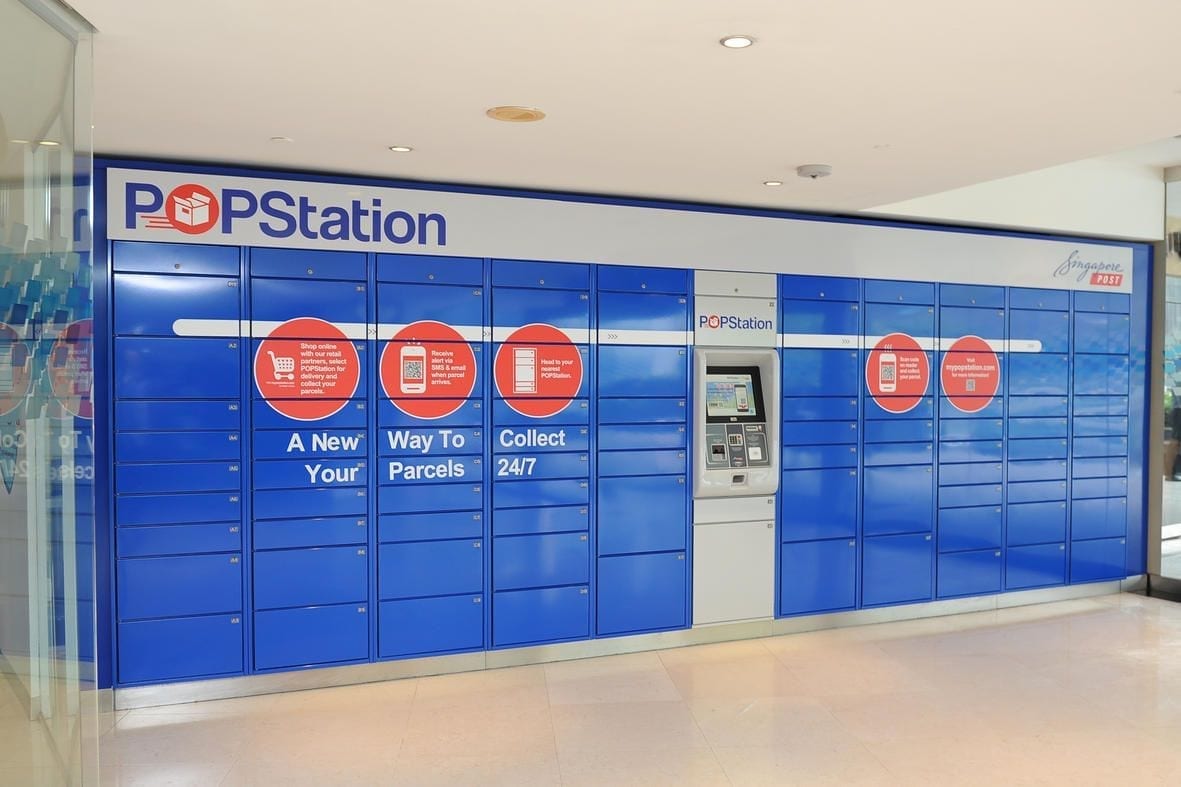
    Providing integrated solutions for last-mile delivery is one of the biggest challenges faced by postal and logistics providers. To improve the last-mile delivery experience, we have installed over 160 POPStation parcel lockers across Singapore. These enable our customers to collect, return, and ship parcels at their convenience. In addition, we are working with the Infocomm Media Development Authority on a pilot for the Locker Alliance, an open access delivery network of 43 lockers in Punggol that residents can use to receive and return parcels conveniently, regardless of which logistics firm handles the delivery. We continue to expand on our network of parcel lockers, installing them in more housing estates and developing new features that facilitate e-commerce services beyond online shopping.

    To enhance customer experience, service quality, and operational efficiency, we launched SmartPost in November 2018, which is an integrated suite of solutions that harnesses mobile and digital technologies. In the current phase, it enables better tracking of deliveries and electronic signing-over of registered mail. It also upskills our postal staff with new tools and technologies that elevate their efficiency and capabilities. To date, we have equipped all of our 1,000 postal employees with a proprietary mobile app that works with Near Field Communication (NFC) tags installed at around 15,000 delivery points across the island.

    Looking ahead, we are working towards providing delivery alerts and status updates to customers via SMS or email, as well as electronic notifications, to collect missed deliveries – replacing physical delivery notes that are currently used.

    In addition, LaMP will augment the online shopping experience, empowering customers with greater choice of delivery options and collection locations, including the option to make changes while a delivery is underway. Leveraging AI, LaMP will soon provide customers with SMS alerts half an hour before their courier arrives.

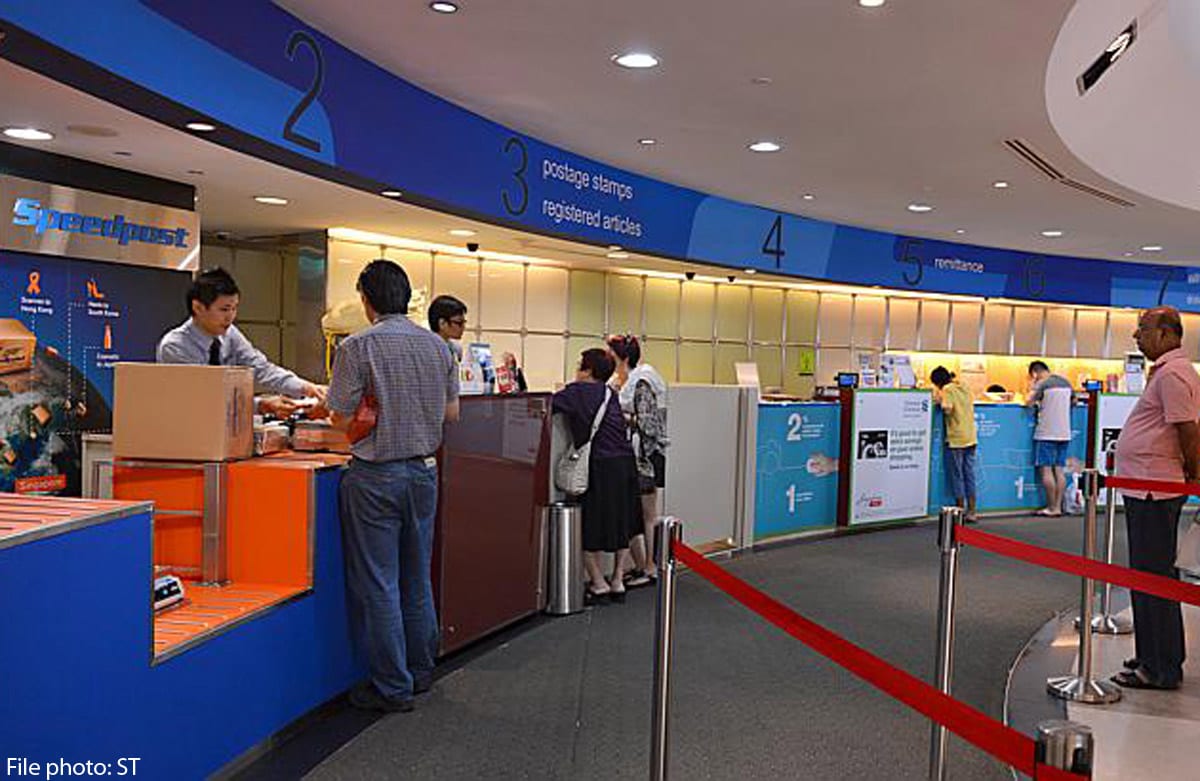
    With customers today wanting a more seamless, digital experience, we are expanding our Smart Post Office network, which combines our physical branch network with our SAM Omnichannel platform, It comprises self-service kiosks, mobile app, and web portal.

    How has the introduction of drone deliveries improved the last-mile fulfilment? Can you provide an update on SingPost’s deployment of drone deliveries?

    There is huge potential in UAV (unmanned aerial vehicle) technology to provide game-changing urban logistics solutions for last-mile e-commerce and mail delivery in the future. We are working with Airbus’ Skyways project to explore how drones can be used to move collect and deliver items autonomously within cities. After a successful flight demonstration in February 2018, we are working towards operating a trial e-commerce delivery service at the National University of Singapore in the coming months.

    Alibaba made significant investments in SingPost in 2014 and 2015. How have the funds been deployed and how has the partnership materialised in terms of the number of deliveries SingPost fulfils from Alibaba’s online marketplaces?

    We have been working closely with Alibaba and its extended ecosystem, which includes Cainiao Network, 4PX, and Lazada.

    Together, Alibaba and its ecosystem have brought in significant cross-border e-commerce volumes for SingPost. We also are collaborating with Alibaba and its technology affiliates on several projects involving AI, warehouse robotics, big data, and cloud computing with the aim to create more opportunities for us to digitally transform our business.

    Alibaba’s investments into SingPost are focused on strengthening our regional e-commerce logistics infrastructure and network, so we can grow and enhance our e-commerce logistics capabilities to better serve the region’s rapidly growing online retail markets.

    What new technologies are you looking at in the next year and how will these be deployed at SingPost?

    We are integrating AI into LaMP to provide parcel traceability and reliability for our customers across Southeast Asia.

    The platform will be able to autonomously plot optimised courier delivery routes based on multiple factors such as parcel destinations, customers’ preferred delivery times, and real-time ground data including traffic and weather conditions. It will be able to analyse and proactively alert all stakeholders on courier movements, and allow customers to receive an alert half an hour before their parcel arrives. This a significant improvement in terms of convenience, especially in dense cities such as Bangkok and Jakarta, where customers are typically provided vague parcel arrival times due to myriad reasons such as traffic jams and extreme weather conditions. On LaMP, all of these will be managed from a single screen called the ‘control tower’, providing enhanced visibility and connecting multiple GPS-tracking systems and APIs.

    On a personal note, when you buy something online, what kind of services do you think these sites should provide in terms of delivery/logistics?

    People want flexibility and control, whether it is choosing the time and location or the mode of delivery, and with the option to change your mind along the way. There is growing agnosticism with regards to geography, where e-commerce shoppers want to be able to shop at online stores in any country and expect a seamless experience no different from buying on a domestic website.

    This calls for a transformation of the logistics industry, and it is why SingPost is harnessing digital technology across the entire supply chain – from transforming our last-mile infrastructure for greater efficiency and responsiveness, to creating agile and open platforms that integrate delivery networks across organisations and geographies.
  • Singpost Links up With Axa Insurances

    Singpost Links up With Axa Insurances

    AXA Insurance and Singapore Post Limited (SingPost) have announced the launch of a pilot for AXA@POST Virtual Assist, a digital sales advisory service that virtually connects SingPost customers with AXA Financial Consultants who can provide high quality advice and services. This is the first advisory service in Singapore that provides financial advice to customers remotely, coupled with the ease and convenience of online application for insurance solutions for their car, home, family, travel, business, savings, health, and life protection and investment needs.

    With AXA@POST Virtual Assist, SingPost customers will receive end-to-end sales advisory services via a live, interactive video feed – from having their financial needs and goals ascertained, to receiving advice on insurance solutions based on suitability, and completing the entire insurance application online in one sitting. Onsite SingPost Financial Services Ambassadors (FSAs) will guide customers to the AXA@POST Virtual Assist booth, where they will begin their discussion with an AXA Financial Consultant via a video interface.

  • SingPost back in black with $23.9m profit and a bright future

    SingPost back in black with $23.9m profit and a bright future

    Singapore Post (SingPost) swung back into the black for its fiscal fourth quarter, booking profit of $23.9 million in the absence of one-off impairment charges in the corresponding period last year.

    Revenue for the three months to March 31 was also up 13.5 per cent to $367.5 million on growth in e-commerce-related activities across its postal and logistics segments, SingPost said. Earnings per share were up to 0.9 cent from a loss per share of 3.03 cents last year.

    For the full year ended March 31, SingPost booked a profit of $126.4 million on the back of $1.46 billion in revenue.

    The board recommended a final dividend of two cents per share to be paid out on July 31.

    For the fourth quarter last year, SingPost was hit with an impairment charge of $208.6 million related largely to the TradeGlobal and Postea acquisitions, as well as a property in Toh Guan, which SingPost highlighted was partially offset by a fair value gain on investment properties of $108.7 million, mainly for the SingPost Centre building.

    The postal segment’s revenue rose 18.2 per cent in the quarter and 15 per cent for the full year as strong growth in international mail revenue helped offset the decline in domestic mail revenue, SingPost said.

    Domestic mail revenue declined 6.6 per cent for the full year to $229.4 million, due to lower letter mail volumes with the “continued migration” towards electronic forms of communication.

    Revenue for SingPost’s e-commerce segment rose 15.7 per cent in the fourth quarter to $65.31 million, and was stable for the full year.

    “SingPost is well positioned to benefit from the strong growth in global e-commerce and last-mile deliveries as we progress to the next phase of our strategy,” said group chief executive Paul Coutts. “We continue to execute on our transformation and build on our partnership with Alibaba in e-commerce. We are integrating and scaling our e-commerce businesses in the United States and South-east Asia, as well as the rest of our overseas operations, and optimising the cost structure of the SingPost group.”

  • Singpost launches new stamps commemorating early trades in Singapore

    Singpost launches new stamps commemorating early trades in Singapore

    A set of stamps commemorating four common trades in the early days of Singapore was launched by Singapore Post (SingPost) on Wednesday (Apr 18).

    The stamps depict the samsui women, the Sikh police contingent, the orang laut and the coolies.

    The samsui women were a common sight at construction sites in Singapore from the mid-1930s with their trademark red headscarves. Most had come to Singapore from the Sanshui district of Guangdong province in southern China and are seen to be thrifty and resilient individuals who helped build Singapore’s infrastructure.

    The Orang Laut are tribes of nomadic sea people who made a living as fishermen, boatmen and rowers. They were one of the earlier immigrants to Singapore during pre-colonial days.

    The coolies were unskilled labourers who formed the backbone of Singapore’s earlier labour force during the colonial era. They were often employed in mines, ports, plantations, construction sites and as rickshaw pullers, and were mainly immigrants driven by poverty in China to seek a better life in Singapore.

    The Sikh police contingent was made up of Sikhs from Punjab, India who were recruited to serve as policemen and security personnel in the Straits Settlement. The contingent was established in Singapore in 1881 and was highly regarded by the British police until its disbandment in 1945.

    The stamps, which are available for sale at all post offices, come in four denominations – 1st Local, S$0.60, S$0.90 and S$1.30. Pre-cancelled First Day Covers affixed with the complete set of stamps are available at S$4.60 each.

    It can also be purchased at the Philatelic Store @ GPO, the Singapore Philatelic Museum and at the SingPost online store.

    The stamps are designed by Ms Lim An-ling.

  • SingPost raises rates for international small packets

    SingPost raises rates for international small packets

    Singapore Post Limited is revising its rates for the international delivery of small packets from Jan 2 next year, following new rates set by a United Nations agency.

    Also from the same date, it will stop accepting delivery of international small packets by ship as several postal organisations have ceased to accept such forms of conveyance, it said. Demand for such a service is also low, with most senders choosing to use airmail.

    International postal settlement rates – the amount that SingPost compensates other postal organisations for mail delivery in their country – are being raised on Jan 1 next year.

    These rates are set every four years by the Universal Postal Union (UPU), a UN agency that sets the rules for international mail exchanges.

    Small packets currently come under international airmail rates, said a SingPost spokesman. With the separate pricing structure for small packets, customers sending small packets will have to pay a maximum increase of S$3.40 per item or enjoy maximum savings of S$1.10, depending on the destination and the item weight, he added.

    The firm told The Business Times that international small packets from public consumers do not currently make up a significant part of its volumes, and it is monitoring the effect of the new rate structure for international small packets on its postal business.

    The changes made by UPN reflect rising volumes of e-commerce packets and the higher cost of delivering such packets, said SingPost.

  • Why SingPost’s logistics segment is a drag to its growth

    Why SingPost’s logistics segment is a drag to its growth

    Intense pricing competition resulted in losses. Singapore Post’s (SingPost) logistics segment went into the red as operating profits turned into a loss of $4.2m in Q2.

    According to Maybank Kim Eng, even excluding provisions, the operating profit would have been $1m, which is much lower than the operating profit of $5m for 1Q2017.

    The segment was in bad debt for a key customer, Quantium Solutions HK.

    Intense pricing competition has also resulted in the loss of business.

    Further weakening of logistics segment could offset the turnaround of mail and logistics segments.

    Whilst the logistics business turned into a weight for the company’s earnings, the drag should still be manageable, the bank said. SingPost’s mail, e-commerce, and associate earnings could still gain momentum, Maybank Kim Eng said.

  • SingPost banks on e-commerce as Q2 net profit slips

    SingPost banks on e-commerce as Q2 net profit slips

    The e-commerce boom continued to prop up earnings at Singapore Post (SingPost), although it on Tuesday posted a fall in second-quarter profits, in the absence of a previous one-off gain.

    Net profit slipped by 9.5 per cent on the previous year, to S$28.47 million for the three months to Sept 30.

    But, with exceptional items excluded, underlying net profit was in fact up by 1.9 per cent, on the back of a 10.2 per cent rise in revenue to S$354.7 million. More than half of that sum – S$190 million, or 53.6 per cent – came from activities related to e-commerce.

    The postal service provider announced in August that it is going through a strategic review, and group chief executive Paul Coutts gave an update: “SingPost’s strategic vision of transforming from a postal provider to an e-commerce logistics player remains relevant and in the right direction.”

    Revenue was up by 16.9 per cent in the group’s postal segment, to S$148.3 million, on the back of more e-commerce deliveries. SingPost singled out China’s Alibaba Group – which owns marketplaces such as Taobao – as a key driver of international mail volume tied to online shopping.

    Meanwhile, logistics revenue increased by 7.6 per cent to S$165.9 million, spurred in part by higher last-mile e-commerce deliveries in Singapore and Australia, although profits were squeezed by the intense price competition in Hong Kong.

    The e-commerce division saw turnover dip by 0.8 per cent to S$63.48 million, largely from the poor performance of TradeGlobal, the United States firm that SingPost picked up in 2015 but has struggled to make money on.

    Mr Coutts said that SingPost is “fully focused on turning the company around”, particularly by drawing on best practices from its other American e-commerce unit, the “good-performing” Jagged Peak.

    This would include tapping automation to bring down manpower costs, he added: “We’re focused on moving from a labour-intensive organisation to being a technology-driven business.”

    Still, SingPost cautioned in its report that TradeGlobal is not expected to be profitable for the financial year ending March 31, 2018.

    Separately, cross-border e-commerce deliveries are expected to be hurt by upcoming changes in the international terminal dues system, although SingPost said that “mitigating measures” are under way.

    As margins are relatively low for international mail and domestic post drops amid a shift to electronic bills and statements, “blended postal margin is expected to decline”, it added.

    SingPost has declared an interim dividend of 0.5 Singapore cent a share, to be paid on Dec 8 – half the size of the one-cent dividend in the same period a year ago.

  • SingPost Centre to have Gong Cha flagship

    SingPost Centre to have Gong Cha flagship

    Never mind bubble wrap, the new SingPost Centre in Paya Lebar is about to have the flagship store for bubble-tea chain Gong Cha as it returns to Singapore.

    Under construction, the store will open in December.

    In May, the brand announced it was leaving Singapore and that its outlets would be replaced by new local chain LiHo. However, Royal Tea Taiwan, the company behind Gong Cha, revealed a couple of months later that the chain would return under a new master franchisee. Former Mr Bean co-founder/MD Kang Puay Seng is leading the return of the brand.

    The new SingPost Centre mall will officially launch next Thursday.

  • SingPost Centre starts opening in phases

    SingPost Centre starts opening in phases

    The SingPost Centre mall has started opening in phases following the repurposing of space as part of an omni-channel e-commerce experience.

    The mall aims to offer convenience by bringing together retailers, customers and e-commerce last-mile fulfillment all under one roof.

    OCBC Investment Research says the mall will complete the omnichannel e-commerce experience involving both online and offline retailers.

    When fully opened, the mall is expected to produce S$17 million (US$12.6 million) a year in rental and property-related income.

  • Singtel, SingPost launch e-waste recycling program

    Singtel, SingPost launch e-waste recycling program

    Singtel has teamed up with SingPost to launch a nationwide e-waste recycling program in conjunction with World Environment Day.

    As part of the ReCYCLE initiative, Singtel will deploy e-waste recycling bins at selected Singtel shops and Singtel exclusive retailers for consumers to dispose of their obsolete mobile or internet-related devices. SingPost will also deploy the bins at post offices across Singapore.

    Singtel will also be providing special envelopes at all its eight shops and 58 Singtel exclusive retailers to allow residents to mail their recycleables.

    “E-waste is one of the fastest growing categories of waste as consumers dispose of electronic equipment even faster these days. According to the National Environment Agency, Singapore generates more than 60,000 tons of e-waste every year,” Singtel VP for group sustainability Andrew Buay said.

    “Most e-waste is still finding its way into landfills which pollutes the environment. With our partnership with SingPost, we’ve gone a step further to bring greater convenience to everyone by doubling our reach and touchpoints. We hope this will encourage more people to recycle and think twice before disposing their electronic devices down the rubbish chutes.”

  • Lazada Singapore moves warehouse operations to SingPost hub

    Lazada Singapore moves warehouse operations to SingPost hub

    Lazada, a huge online shopping destination in Southeast Asia, and Singapore Post Limited, the country’s postal and eCommerce logistics service provider, announced that Lazada Singapore has moved its warehouse operations to SingPost Regional eCommerce Logistics Hub in Tampines Logistics Park.

    With investments by Alibaba in both companies, the move allows Lazada and SingPost to leverage on each other’s strengths to meet rising eCommerce demand in Southeast Asia. This combination of strengths in eCommerce and logistics will enable both companies to be in a leading position in the industry to serve a wider spectrum of customers, both in Singapore and the region. This also emphasises Lazada’s aim to work together with the wider eCommerce ecosystem in Singapore.

    “Moving Lazada Singapore’s entire warehouse operations to the SingPost Regional eCommerce Logistics Hub is the next natural step as we seek closer integration with our partners to better serve the needs of Singapore customers,” said Alexis Lanternier, CEO of Lazada Singapore. “With the recent launch of 99SME, our local sellers have access to more than 3.5 million monthly visitors in Singapore. Moving forward, we can help them expand and sell regionally.”

    SingPost Regional eCommerce Logistics Hub consolidates and integrates both warehousing and delivery hub capabilities into one building. With an integrated, end-to-end solution housed in one building, SingPost is able to provide Lazada with improved efficiency, resulting in a faster turnaround time.

    Lanternier added: “This also adequately prepares us for the Great Singapore Sale starting 6 June, and we are bringing in more brands than ever before, local and global. Customers can shop more with the confidence that their orders will be processed and delivered faster.”

    Sam Ang, executive vice president of SingPost, and CEO of Quantium Solutions International said: “Technology plays a big part in our Regional eCommerce Logistics Hub, increasing productivity and efficiency. This collaboration sees Lazada’s eCommerce platform and SingPost’s end-to-end logistics capabilities coming together and it will result in scale and efficiencies for both of us.”

    “Better still, these efficiencies will help the SME eTailers that are connected with the Lazada platform to strengthen their competitiveness in the eCommerce market domestically and internationally. We look forward to working with Lazada and supporting them as they grow in Singapore,” added Ang.