Retail News CRM

Tag: singpost

  • CapitaLand inks contract to manage mall at new SingPost Centre

    CapitaLand inks contract to manage mall at new SingPost Centre

    CapitaLand, through its wholly owned shopping mall business, CapitaLand Mall Asia, has signed a contract to manage the upcoming mall at the new SingPost Centre.

    This is the third mall management contract that CapitaLand has inked in slightly over six months, after securing the first two in China, the comnpany said on Tuesday (March 28). With this contract, CapitaLand said its network in Singapore will increase to 20 shopping malls with a combined gross floor area (GFA), excluding car park, of about 14.2 million square feet (sq ft).

    Mr Jason Leow, CEO of CapitaLand Mall Asia, said, “The signing of our first third-party mall management contract in Singapore – also our third across Asia in quick succession – demonstrates the scalability of our asset-light expansion strategy to grow our assets under management. We continue to be on the lookout for suitable opportunities to enlarge our retail footprint through third-party management contracts, to complement our core strategy of developing, owning and managing malls in Asia.”

    SingPost Centre is located in the up-and-coming Paya Lebar Central, next to the Paya Lebar MRT interchange station. CapitaLand currently owns and manages three malls in the eastern part of Singapore, namely Tampines Mall, Bedok Mall and Jewel Changi Airport, which is scheduled to open in early 2019.

    CapitaLand will oversee the pre-opening and retail management for the five-storey SingPost Centre mall, which has 269,000 sq ft of GFA, excluding car park, and a net lettable area of about 175,000 sq ft.

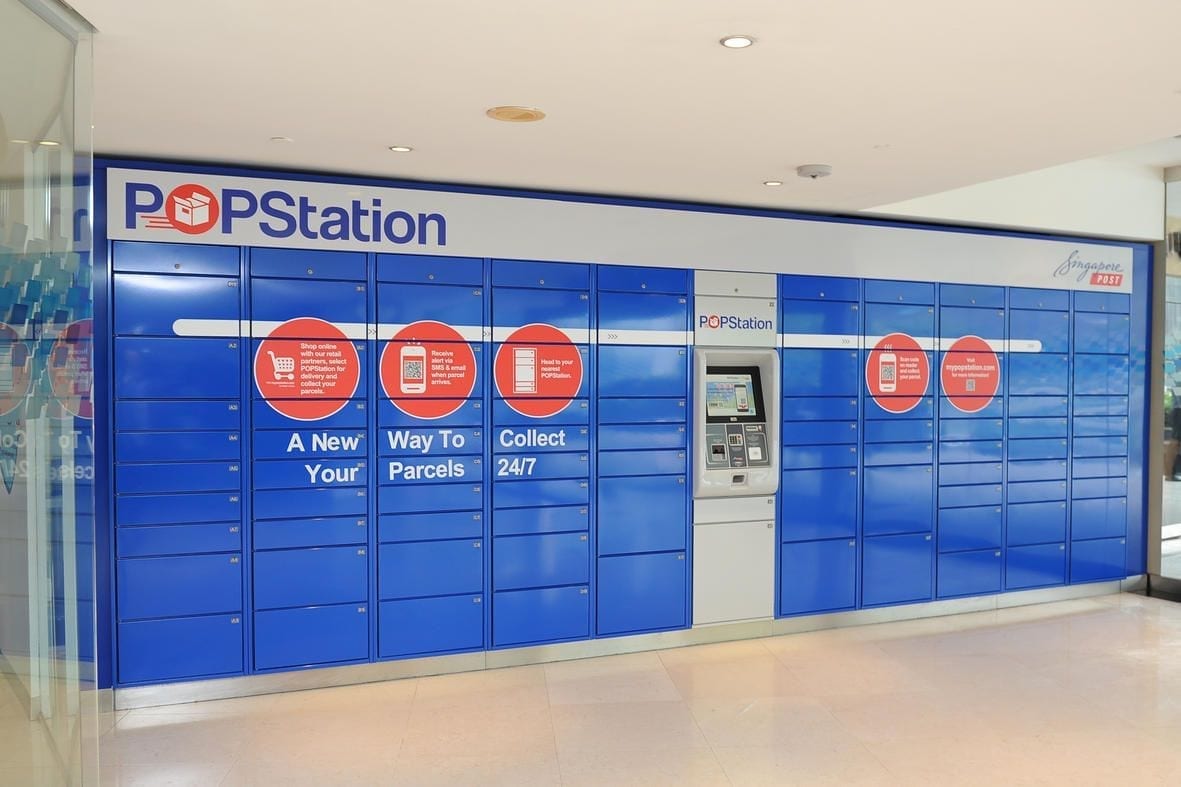
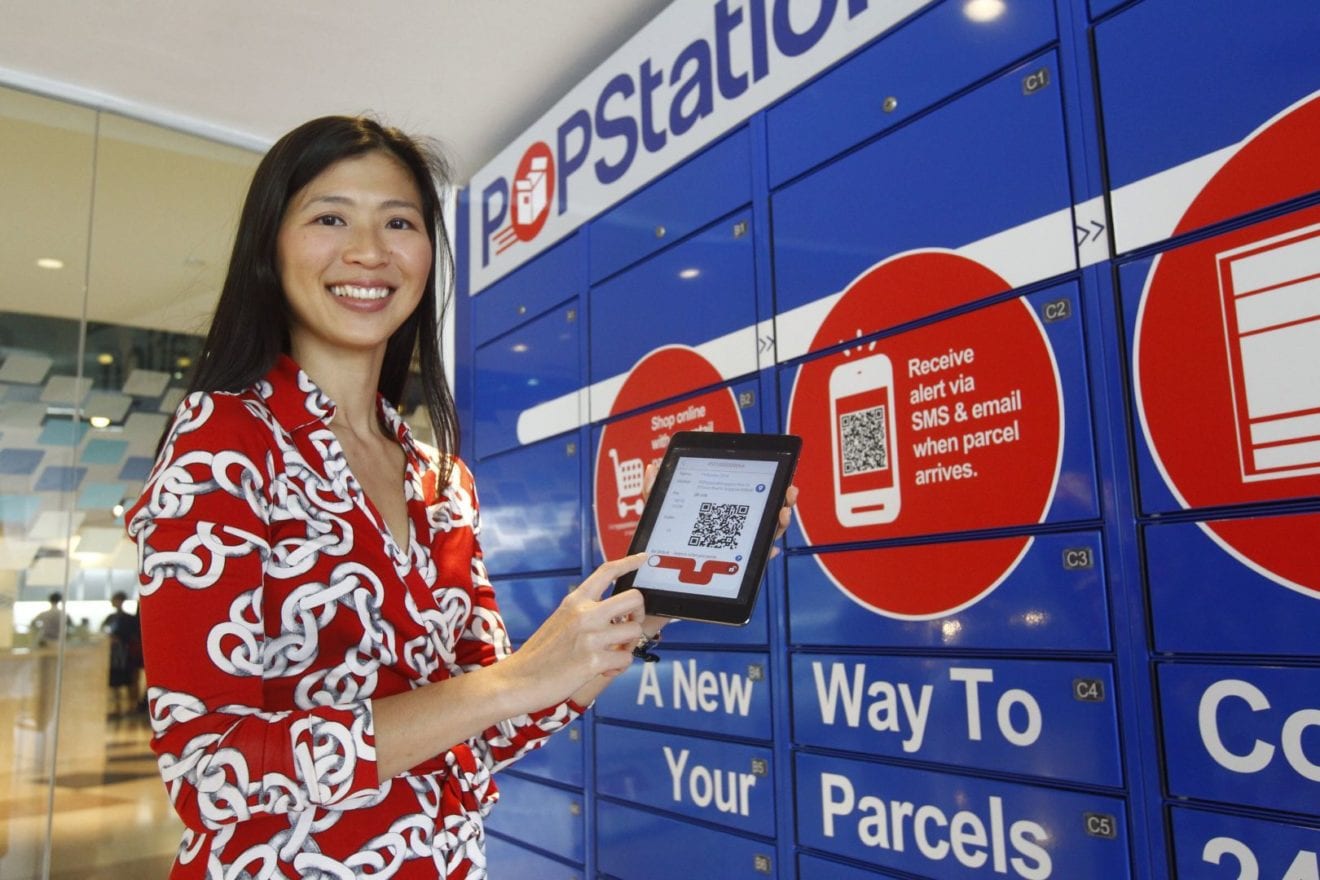
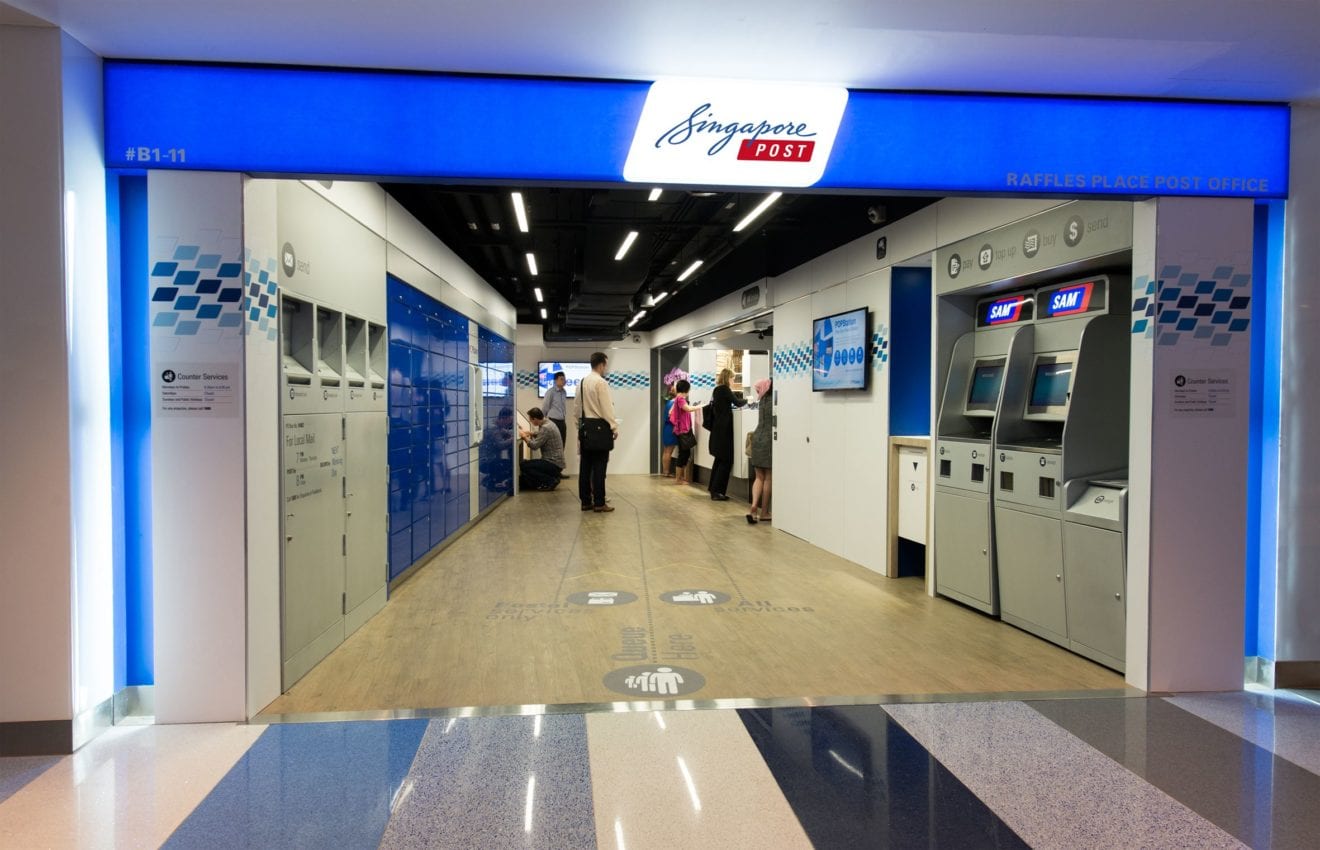
    Targeted to open in the second half of this year, SingPost Centre will house the new General Post Office, which combines traditional counter service with technology-enabled innovations such as POPStations and eSAM machines over a space measuring 3,330 sq ft. The General Post Office will also have a heritage corner, where customers can enjoy a learning journey through SingPost’s 150 years of history.

    Other tenants at SingPost Centre include NTUC FairPrice, Golden Village, Kopitiam, other retail brands, family entertainment outlets and enrichment centres.

    CapitaLand announced last August it is embarking on enlarging its retail footprint through management contracts with the signing of an agreement to manage the retail component of Fortune Finance Center in Changsha, China. In January this year, CapitaLand signed another agreement to manage a mall in La Botanica township in Xi’an, China.

  • CapitaLand to manage SingPost Centre

    CapitaLand to manage SingPost Centre

    CapitaLand, through its wholly owned shopping-mall business CapitaLand Mall Asia, has signed its first third-party shopping centre-management contract in Singapore to run the new SingPost Centre.

    Described as a world-first, Singapore Post is currently building the 25,000 sqm shopping centre which will allow online and offline retailers to showcase their products, side by side.

    The SingPost mall marks the third management contract CapitaLand has inked in about six months, the other two being in China.

    With this contract, CapitaLand’s network in Singapore will increase to 20 malls with a combined gross floor area (GFA), excluding parking, of about 14.2 million sqft (1.3 million sqm).

    CapitaLand Mall Asia CEO Jason Leow says the signing of its first third-party mall management contract in Singapore – also its third across Asia in quick succession – shows the scalability of the group’s asset-light expansion strategy to grow assets under management.

    SingPost Centre is in the eastern part of Singapore, where CapitaLand owns and manages three malls – Tampines Mall in Tampines Regional Centre, Bedok Mall in the rejuvenated Bedok Town Centre and Jewel Changi Airport, scheduled to open in early 2019.

    Five-storey mall

    Under the contract, CapitaLand will oversee the pre-opening and retail management for the five-storey SingPost Centre mall, which has 269,000 sqft of GFA, excluding parking, and a net lettable area of about 175,000 sqft.

    “With CapitaLand as our mall manager, we will be able to optimise the returns from this property while we focus our attention on our core business of postal services and e-commerce logistics,” says SingPost covering group CEO Mervyn Lim.
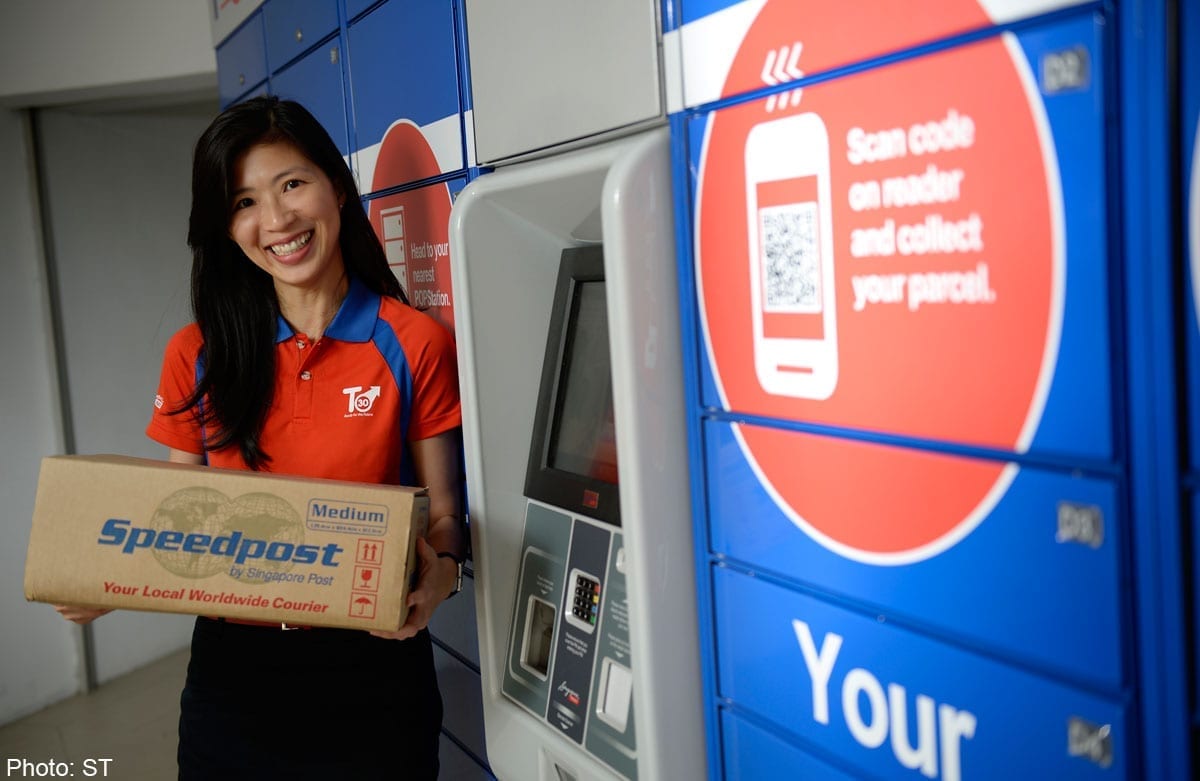
    Targeted to open in the second half of this year, SingPost Centre will house the new General Post Office, which combines traditional counter service with technology-enabled innovations such as PopStations.

    Other tenants at SingPost Centre include Golden Village, Kopitiam, NTUC FairPrice, retail brands, family entertainment outlets and enrichment centres.

  • Alibaba Group raising stake in SingPost

    Alibaba Group raising stake in SingPost

    Chinese eCommerce giant Alibaba Group has been given the go-ahead by Singapore’s stock exchange (SGX) to raise its stake in Singapore Post (SingPost).

    Alibaba Investment, a subsidiary of Alibaba Group Holding, has received in-principle approval from the bourse for the listing and quotation of about 107.6 million new shares in SingPost, says the postal group said in a filing.

    This is subject to compliance with SGX listing requirements, and SingPost shareholder approval.
    Shareholders will be sent a circular with details of the proposed share issuance, and notice of a related extraordinary general meeting.

    The deal aims to be completed by the end of February.

    As Alibaba’s second SingPost investment, it will raise its stake from 10.2 to 14.4 per cent.

  • Shop online better with upgraded Triumph e-commerce

    Shop online better with upgraded Triumph e-commerce

    Singapore Post subsidiary SP eCommerce has worked with lingerie brand Triumph to launch two optimised online stores, for Singapore and Malaysia.

    The online stores have been redesigned and enhanced in areas such as product categorisation and recommendation to improve the shopping experience.

    Triumph launched online shops two years ago, with the latest updates integrating the online stores with Instagram so buyers can share photos via on-site social feeds.

    With custom extensions designed by SP eCommerce – including zip-code validation, redesigned navigation and SingPost PopStation deliveries – the revamped web stores make browsing of more than 5000 styles easier and faster.

    Further improvements are about to be rolled out for the online stores’ product recommendation engine, including a wish list.

    “Customer experience is our top priority,” says Triumph International Singapore/Malaysia commercial director Sheryl Wong. “Serving up a great brand experience has always been at the core of what we do, and that is only possible with a holistic focus on our shoppers’ experience.

    “With SP eCommerce, we are pleased we are able to stay abreast with the latest digital trends, enabling us to provide our customers with an ever-enhancing online shopping experience.”

    SP eCommerce offers end-to-end services covering enterprise-grade eCommerce technology, warehousing, delivery and returns management, web-store operations, and customer-care and performance marketing.

  • SingPost strengthens collaboration with Alibaba in eCommerce logistics

    SingPost strengthens collaboration with Alibaba in eCommerce logistics

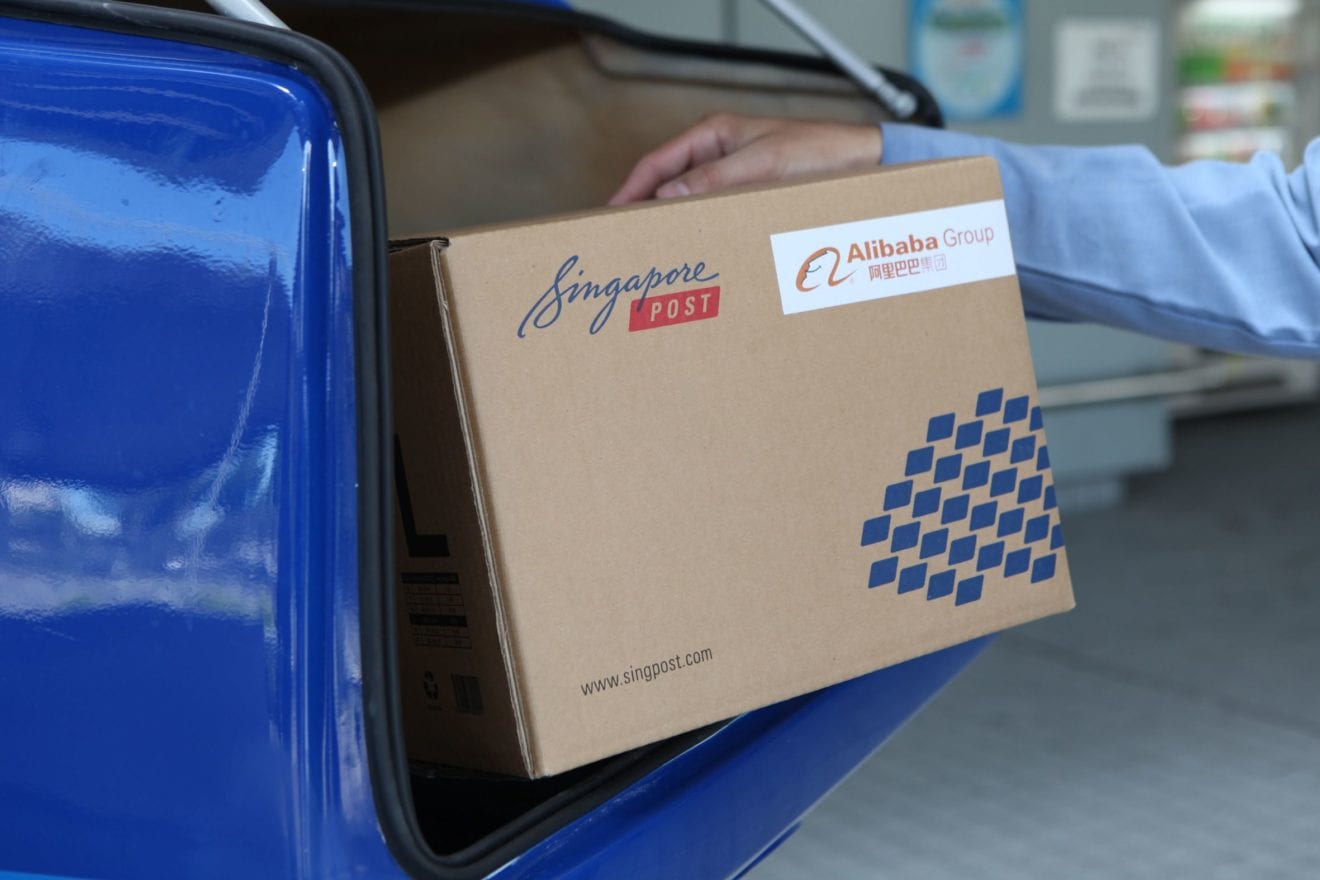
    Singapore Post Limited’s (SingPost) eCommerce logistics collaboration with Alibaba Group Holding Limited (Alibaba) was strengthened as Alibaba’s S$86.2 million investment in SingPost’s logistics subsidiary Quantium Solutions International (QSI) was completed, and regulatory approval for Alibaba’s second investment in SingPost was obtained.

    Joint venture to strengthen eCommerce logistics network

    SingPost completed the joint venture with Alibaba in which Alibaba has invested S$86.2 million for new QSI shares making up 34 per cent of QSI, with SingPost owning the remaining 66 per cent.

    First announced on 8 July 2015, the joint venture is the culmination of deepening business ties between SingPost and Alibaba. Beginning as a customer of SingPost, Alibaba became a SingPost shareholder in 2014, and today, SingPost is a strategic logistics partner for Alibaba.

    QSI, the joint venture between SingPost and Alibaba, will be a common platform to grow and enhance eCommerce logistics capabilities in Southeast Asia and Oceania, to better serve the region’s rapidly growing online retail markets.

    The collaboration will focus on strengthening QSI’s end-to-end eCommerce logistics network, building scale for future profitability. QSI currently operates in 11 markets, providing a full suite of end-to-end eCommerce solutions that includes warehousing, fulfilment, and last mile delivery.

    Mr Simon Israel, Chairman of SingPost said, “The completion of the QSI joint venture underscores the deepening relationship and commitment between both companies to build a leading eCommerce logistics platform together across the region. Both Alibaba and SingPost are confident in the long-term value of collaborating to serve the region’s fast rising eCommerce logistics needs.”

    Mr Daniel Zhang, Chief Executive Officer of Alibaba Group, said, “Our enhanced collaboration with SingPost is another strategic step towards strengthening the fundamental infrastructure for digital commerce that will empower brands and retailers to sell globally through the Alibaba ecosystem. A robust logistics network is vital to helping our merchants successfully serve the vast population across Southeast Asia and Oceania, and realise Alibaba’s vision to ultimately serve two billion consumers worldwide.”

    Update on second share placement

    Approval from the Info-communications Media Development Authority (“IMDA”) has been obtained for Alibaba to increase its interest in SingPost to 14.4 per cent, from 10.2 per cent currently. Alibaba’s further investment of S$187.1 million into SingPost is targeted to be completed by 28 February 2017, in light of the timeline required to obtain the remaining approvals from SingPost’s shareholders at an Extraordinary General Meeting and from the Singapore Exchange for the listing, quotation and trading of new shares on the Main Board of the SGX-ST.

  • SingPost opens regional ecommerce logistics hub in Singapore

    SingPost opens regional ecommerce logistics hub in Singapore

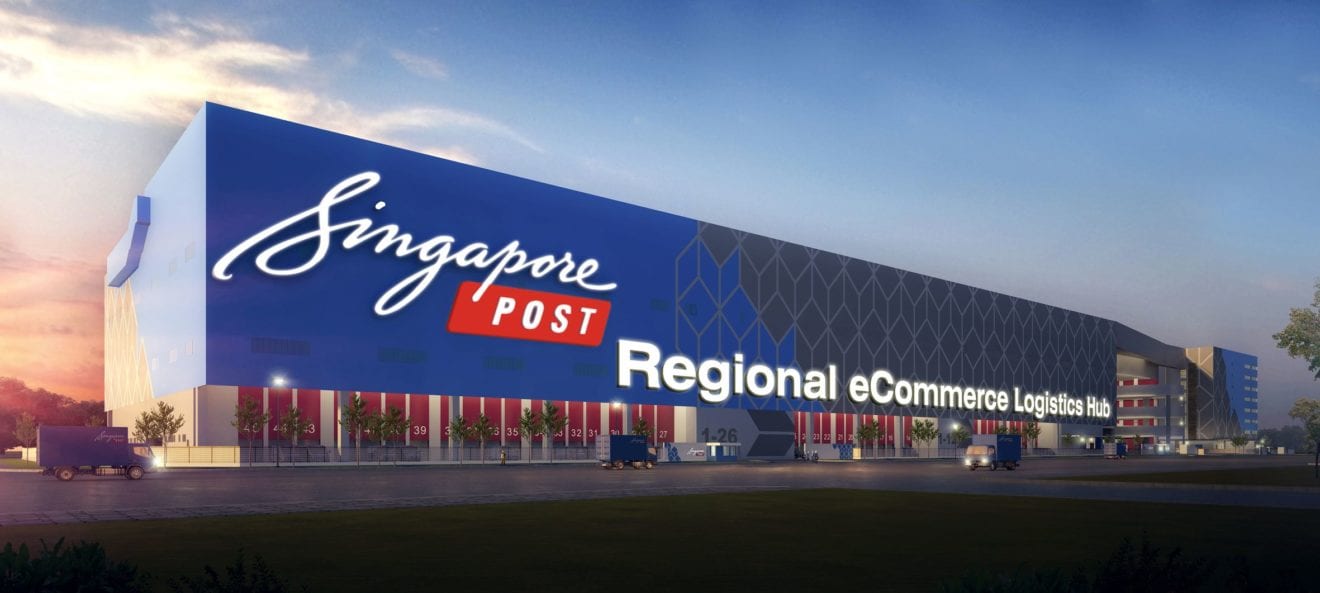
    Singapore Post Limited (“SingPost”) announced the launch of its Regional eCommerce Logistics Hub (“eComm Log Hub”) located at the Tampines Logistics Park. The S$182 million facility is SingPost’s largest eCommerce logistics investment in Singapore to date.

    The eComm Log Hub is officially opened by Singapore’s Deputy Prime Minister and Coordinating Minister for Economic and Social Policies, Mr Tharman Shanmugaratnam.

    SingPost’s eComm Log Hub is a three-storey facility housing two warehousing floors, 150 simultaneous loading bays as well as an office block. The ground floor of the building houses a fully automated parcel sorting facility with a capacity of up to 100,000 parcels a day, and end-to-end sorting, shipping and returns management capabilities that enable quicker order fulfilment. The total built-up area is 553,000 square feet.

    Automation plays a big part in the eComm Log Hub – beyond the fully automated parcel sorting system on the first floor of the facility, the second floor warehouse is also automated, resulting in the entire eComm Log Hub being integrated end-to-end from the eCommerce front-end platform to delivery. The eComm Log Hub will process parcels for delivery within Singapore and those to be shipped to destinations worldwide.

    Said Mr Chua Taik Him, Deputy Chief Executive Officer of IE Singapore, “IE Singapore has been working closely with SingPost on strategies to scale its business in the region, facilitating its projects and partnerships with both brand owners and last mile fulfilment players. Given the strong growth of eCommerce in Southeast Asia, the launch of SingPost’s facility will further support its local and overseas growth. This will also enhance Singapore’s capabilities in fulfilment and facilitate more regional eCommerce trade flows.”

    The Management Team of Sephora Asia said, “This October, SingPost has begun providing us with warehousing services in Australia to handle our beauty and fragrance products. At Sephora, we believe in giving our customers a great end-to-end experience from the time they log in to the moment they receive their purchases. SingPost’s support is critical to delivering that flawless customer experience. With their new eCommerce Log Hub and great solutions like POPStations, we recognise that SingPost is propelling the eCommerce industry forward. We have found SingPost’s professionals to be very conscious of accuracy, cost and service quality.”

    Mr Simon Israel, SingPost’s Chairman, said, “The opening of our Regional eCommerce Logistics Hub is another milestone in the expansion of SingPost’s eCommerce logistics network, which now spans 19 markets across Asia Pacific, Europe and the US. Singapore’s regional connectivity makes it ideally positioned to be a centre for eCommerce. Our Regional eCommerce Logistics Hub leverages on this geographic and infrastructural advantage. Everything in this building is scalable, which means we can keep upgrading it to meet the needs of the future.”

    He added, “With the Regional eCommerce Logistics Hub, our POPStation network and our investments into technologies for new postal and logistics solutions, we are prepared for a sustainable future of car-lite cities and the sharing economy. SingPost is therefore able to shape and play a broader role in how urban logistics is done in Singapore.”

    SingPost’s Centre of Innovation

    At the opening ceremony, SingPost also launched its Centre of Innovation (“COI”).

    The COI was set up in August 2015, with support from the Economic Development Board, to carry out research into new logistics and postal services and products, in collaboration with research institutions and institutions of higher learning.

    Emphasis will be placed on new technologies such as robotics and automation to meet the needs of future customers and markets as well as becoming the tools for SingPost’s next generation of employees.

    Some initiatives now being carried out by the SingPost COI are:

     Deliver significant enhancements to the eCommerce logistics platform which will help support the smart logistics and smart nation initiative;

     Roll out a new version of the Self-service Automated Machine (SAM) platform to enhance customer experience and provide a seamless omni-channel experience encompassing the kiosk and the digital postal office;

     Bring the online and offline world of retail shopping to the SingPost mall, which will provide exciting merchant offerings and delivery options to the customer. Retail merchants will be able to experiment with unique ways of interacting with customers to boost revenue and increase loyalty;

     A digital transformation of the post office to provide customers options to transact with greater ease and pace; and

     Innovate last mile delivery options through building the next generation of POPStations and experimenting with drone delivery across the island.

  • Timberland Asia launches online

    Timberland Asia launches online

    Footwear and apparel brand Timberland Asia has partnered SP eCommerce, a Singapore Post company, to launch its official eCommerce store for the Southeast Asian region.

    The Singapore-based online store uses SP eCommerce’s security, management, digital marketing, store operations and customer-care technology. Order fulfillment is being handled across Singapore through SingPost’s last-mile distribution network.

    This gives Timberland the ability to deliver a seamless shopping experience, with exclusive online promotions as well as its full retail catalog.

    “This is a natural next step for Timberland,” says Malaysia/Singapore GM Daisy Tan of Timberland owner VF Corporation. “Working with one partner for the entire shop-to-ship process lets us focus our attention on serving our customers and growing our business.”

  • SingPost introduces Singapore’s first islandwide open parcel locker service

    SingPost introduces Singapore’s first islandwide open parcel locker service

    Singapore Post Limited (SingPost) introduced Singapore’s first islandwide open parcel locker service: Rent-a-POP, an exciting new service for POPStation.

    Retailers and consumers can now rent a POPStation locker to deliver their parcels conveniently 24/7. The SingPost service provides an innovative last mile delivery option to blogshop owners, marketplace sellers and consumers.

    Currently, there are limited cost effective delivery options which provide end-to-end tracking for this customer segment. SingPost’s Rent-a-POP service addresses this gap in the market, and provides a convenient solution that is easy to use.

  • Report predicts $25b in eCommerce revenues

    Report predicts $25b in eCommerce revenues

    Southeast Asia eCommerce revenues are projected to exceed US$25 billion by 2020, according to new research by growth partnership company Frost & Sullivan.

    Despite acquisitions, market exits and many online retailers struggling to achieve profitability, the market earned $11 billion last year, says the report, from its Telecommunications and Digital Services program, Analysis of the Southeast Asian E-commerce Market. The study examines market trends and opportunities in six key Southeast Asian markets – Indonesia, Malaysia, the Philippines, Singapore, Thailand and Vietnam.

    Key findings include continuing rapid growth as the industry evolves.

    Total revenues from business-to-consumer (B2C) eCommerce in the six markets will increase at a compound annual growth rate of 17.7 per cent.

    Malaysia and Thailand were the largest eCommerce markets in the region last year, generating revenues of $2.3 billion and $2.1 billion respectively. But by 2020, both these markets are expected to be eclipsed by such emerging economies as Indonesia and Vietnam.

    “Despite being relatively young, the eCommerce market in Southeast Asia is developing quickly, thanks to an astounding rate of digital adoption,” says Frost & Sullivan Asia-Pacific lead consultant for eCommerce and digital transformation, Cris Duy Tran.

    “However, companies pursuing an Amazon-style B2C mass-market business model are struggling to turn a profit, and there have been several mergers and acquisitions and market exits,” he says.

    “With fewer players in the market, eCommerce players are beginning to compete beyond price points and logistics, and are moving into new areas such as Online-to-Offline (O2O) eCommerce and loyalty programs.”

    Although the mass-marketing approach has not worked so far in Southeast Asia, he says there are many exciting opportunities in specialized eCommerce and peer-to-peer (P2P) eCommerce. Services such as Carousell, Shopee and Tokopedia are aggressively pursuing a “mobile first” strategy, and Frost & Sullivan expects to see more sector-specific services in areas such as travel, food delivery and luxury goods.

    Challenges

    While the opportunities for growth are immense, says the report, the eCommerce market in Southeast Asia is not without challenges.

    Several key factors that inhibit growth have been identified, including low credit-card ownership – less than 7 per cent of the population in all Southeast Asian markets except for Malaysia and Singapore. In some countries, more than half of the population does not have a bank account, making payment the biggest challenge for eCommerce companies.

    Logistics is another issue hampering eCommerce growth, especially in areas with complex geographies such as Indonesia and the Philippines. However, recent investments by regional logistics players such as aCommerce and SingPost have strengthened eCommerce logistics infrastructure in these markets.

    China’s rapid expansion in eCommerce is providing further impetus for online retail growth in Southeast Asia, says the report.

    “The eCommerce revenue in China represented 12.1 per cent of all retail sales last year, surpassing the US, Europe and Japan,” says Tran. “Given the massive adoption of eCommerce in China, Southeast Asia is set to follow a similar upward trajectory, even though eCommerce now represents less than 2.5 per cent of all retail sales.”

    With more mergers and acquisitions likely during the forecast period, more exciting market developments can be expected in the near future, says Tran.

  • New post at Luxasia Group for SingPost’s ex-boss

    New post at Luxasia Group for SingPost’s ex-boss

    Beauty retailer The Luxasia Group has appointed former SingPost CEO Dr Wolfgang Baier as group CEO, while founder/owner Patrick Chong has become chairman.

    “Luxasia is now at an important crossroads,” says Chong. “We intend to grow with our international partners and strengthen our core competencies to become the leading Asia consumer-centric omnichannel go-to-market partner of the beauty industry.”

    Patrick-Chong-Wolfgang-Baier

    He says Baier has proven leadership capabilities, vast knowledge and skills in areas such as CRM and omnichannel retail. “His track record in the logistics sector will also help strengthen Luxasia’s partnerships.”

    “Transformation is relevant in every sector and particularly for retail, where the digital and physical space is converging,” says Baier. “This makes developing an omni-channel ecosystem critical. We want to revolutionise how we serve consumers and brand partners in the beauty industry across Asia.”

    Chong says the search for a CEO took more than a year, as it was important Luxasia found the right leader.

    “Not only does Wolfgang understand our operations and share the same aspirations, in some ways he is even more ambitious for Luxasia with regard to developing new areas.”

    Established in 1986, The Luxasia Group has developed retail and distribution networks across Asia for some of the world’s biggest beauty companies. Based in Singapore, the privately held company has 11 offices and more than 2000 full-time employees in Singapore, China, Hong Kong, India, Indonesia, Malaysia, Myanmar, Taiwan, Thailand, the Philippines and Vietnam.

    It manages a portfolio of more than 120 international fragrance, cosmetics, skincare and
    professional salon brands including Beiersdorf, Burberry, Clarins, Estee Lauder, Ferragamo, Hermes, P&G and Shiseido.

  • SingPost eCommerce growth, investment shape results

    SingPost eCommerce growth, investment shape results

    SingPost eCommerce delivered soaring sales growth – and expenses – in the last quarter.

    Revenue in the three months to June 30 grew a robust 30.9 per cent to S$333.4 million, buoyed by continued expansion of cross-border eCommerce-related activities, and the inclusion of contributions from new subsidiaries.

    But net profit attributable to equity holders declined 23.0 per cent to $35.9 million, due largely to one-off gains from the divestments of Novation Solutions and DataPost HK in the corresponding period last year. Underlying net profit, which excludes one-off items, was down 11.2 per cent, due to investments in business transformation.

    Interim group CEO Mervyn Lim said the company continued to invest in its business transformation and that will take time to contribute materially to earnings.

    “We are focused on executing our strategy to create value from our acquisitions and build an integrated global eCommerce logistics ecosystem. SingPost’s strategy to protect the postal core and grow its eCommerce logistics network remains on track.”

    eCommerce-related revenues from across the postal, logistics and eCommerce segments more than doubled from $73.1 million to $164.1 million and now make up 49.3 per cent of group revenue – up from 28.7 per cent last year.

    “The sharp increase reflects continued expansion in cross-border eCommerce-related activities across the group, as well as the inclusion of new US subsidiaries TradeGlobal and Jagged Peak,” the company reported.

    “Correspondingly, overseas revenues rose to make up 50.2 per cent of group revenue, up from 37.8 per cent last year. Increased cross-border eCommerce-related activities led postal revenues to a 1.5 per cent rise, despite the deconsolidation of subsidiaries divested during the previous financial year.

    International mail revenue was up 30.3 per cent to $65.5 million, while domestic mail revenue declined 4.3 per cent to $64.0 million due to lower volumes.

    Logistics revenue rose 11.9 per cent to $156.7 million, with steady organic growth at Quantium Solutions and CouriersPlease, as well as the inclusion of a new subsidiary under Famous Holdings.

    Revenue growth for the eCommerce segment was due mainly to the consolidation of new US subsidiaries, TradeGlobal from November 2015 and Jagged Peak from March 2016.

    Operating losses from the segment increased from $1.9 million to $3.5 million as contributions from the newly acquired US subsidiaries were offset by continued investments in eCommerce IT and operational capabilities, as well as marketing and sales efforts in the US to build scale. Beyond these direct contributions, the eCommerce segment was an important driver of warehousing, freight, last mile delivery and customer care services for the logistics segment.

    Rental and property-related income decreased 8.6 per cent to $9.7 million due to the loss of retail rental income from the redevelopment of SPC retail mall, which is due for completion by mid-2017.

  • 3 Things Investors Should Know About Singapore Post Limited Now

    3 Things Investors Should Know About Singapore Post Limited Now

    Singapore Post Limited is a postal and logistics services company. Its business is currently organised into three major segments: Mail, Logistics, and Retail & eCommerce.

    Here are three things about the company investors may want to know:

    1. Latest results

    Singapore Post had released its fourth-quarter and full-year results just last week. For the fiscal year ended 31 March 2016 (fiscal 2016), the company’s revenue had jumped by 25% to S$1.15 billion while the profit attributable to shareholders had grown by 58% to S$249 million.

    Singapore Post’s top-line had benefitted from new acquisitions and organic growth in its Logistics and Retail & eCommerce segments. The even faster profit growth meanwhile, had come on the back of one-off divestment gains. If that were stripped away, the company’s underlying net profit in fiscal 2016 would have been 4.1% lower than in the previous year.

    It’s worth noting too that Singapore Post’s cash flow performance had deteriorated from fiscal 2015, with both operating cash flow and free cash flow falling.

    2. Dividend history

    Singapore Post has had a long history of paying an annual dividend, which goes back all the way to fiscal 2003, the year it got listed. In fiscal 2003, Singapore Post paid a dividend of S$0.042 per share and has been paying an annual dividend ever since.

    The company’s dividend in fiscal 2016 is S$0.07 per share, which gives it a yield of 4.6% at its current share price of S$1.535.

    Singapore Post total dividend per share
    Source: Singapore Post

    3. Valuation

    Singapore Post is currently trading at a price-to-earnings ratio of 14. For perspective, the company’s valuation had reached a peak of 31 in the last five years.  In addition, the PE of 14 is also near the lower end of Singapore Post’s valuation range over the last five years.

  • LF Logistics opens giant Singapore e-commerce facility

    LF Logistics opens giant Singapore e-commerce facility

    LF Logistics has opened a 1-million-square-foot logistics facility in Singapore, the largest automated and customs bonded distribution warehouse in the city state that will target surging e-commerce growth in Asia.

    The nine-story center is located in West Jurong and is the company’s largest distribution facility in Southeast Asia, able to store up to 130,000 pallets with a throughput of 550 pallets per hour, aimed at meeting the fast-changing needs of brands and retailers in the region.

    “Our logistics business has been a bright spot with double-digit growth,” said Spencer Fung, the CEO of Li & Fung group. He did not provide an investment amount.

    According to the recent Asia Pacific Online Retail Forecast, 2015 To 2020, total online retail revenue will nearly double in Asia Pacific from $733 billion in 2015 to $1.4 trillion in 2020, a compound annual growth rate of 14.3 percent over the next five years.

    The total online retail revenues in just five markets of Asia Pacific — China, India, Japan, South Korea and Australia — surpass the combined figure for online retail in the U.S. and Western Europe combined.

    Joseph Phi, president of LF Logistics, said cross-border trade was expected to rise even faster with the establishment of the Association of Southeast Asian Nations Economic Community and the pending Trans-Pacific Partnership.

    “Our new logistics facility is well positioned to serve Singapore, as well as the broader Asia region and beyond. We see this facility as a gateway to the world,” he said.

    Although China dominates the e-commerce headlines, Southeast Asia is one of the markets of the future, said Steven Li, director of strategic partnerships for Cainiao, the logistics platform of Chinese online giant Alibaba Group.

    “Alibaba merged with Lazada recently, the largest online marketplace in Southeast Asia, and we believe the e-commerce market in the Philippines, Indonesia and Thailand will explode in two or three years,” he said at the Cargo Facts Asia conference in Hong Kong.

    Following the opening of the LF Logistics facility, Beh Swan Gin, chairman of the Singapore Economic Development Board, also highlighted the potential of the region.

    “The burgeoning middle class in Southeast Asia will drive consumer demand for more sophisticated products and services,” he said. “This new LF Logistics facility in Singapore is well-placed to address this opportunity. It will also enable the company to harness Singapore’s strong base of supply chain expertise to build differentiating competencies in e-commerce and omni-channel logistics.”

    Singapore Post has been quick to jump on the e-commerce train, and over the past two years, the group has been ramping up its regional logistics capabilities with new or expanded facilities, including the development of a $145 million fully integrated regional e-commerce logistics hub in Singapore that is expected to start operating in mid-2016. SingPost currently has more than 20 warehousing and fulfilment centers in the region.

    Alibaba Group has invested more than $200 million in a partnership with SingPost through a series of initiatives aimed at expanding its e-commerce logistics platform across Asia-Pacific. Alibaba increased its equity stake in the group to 14.51 percent.

    In a second initiative, Alibaba last year acquired a 34 percent stake in SingPost subsidiary Quantium Solutions International for $68 million, with SingPost holding the majority 66 percent share. QSI is a provider of end-to-end e-commerce logistics, warehouse and fulfilment services in Asia Pacific with a network spanning 10 countries.

  • Singapore Post Ramps Up China E-commerce Push

    Singapore Post Ramps Up China E-commerce Push

    Despite signs of a slowdown of imports into China, Singapore Post (SingPost) remains bullish on the prospects for e-commerce flows into Asia’s largest economy. The postal agency has upped its stake in Shenzhen-based e-commerce provider 4PX Information Technology.

    SingPost forked out US$25.6 million to acquire an additional 17.91% position in 4PX, one of China’s top e-commerce cross-border players, whose scope of services ranges from forwarding, express delivery and warehousing to software and consulting services for e-commerce vendors. The postal operator now holds a 36% stake in the Chinese firm.

    4PX runs warehouses in China, Australia, UK, Germany and the US, employing north of 2,600 staff. The company has over 20,000 customers in more than 50 locations in China and globally.

    “The additional investment in 4PX, with its extensive logistics capabilities in warehousing, express delivery and freight forwarding, is a key part of SingPost’s strategy to strengthen our integrated end-to-end e-commerce logistics solutions and to leverage on the rapid growth in China’s e-commerce activities,” said Goh Hui Ling, deputy CEO (international mail) of SingPost.

    With general cargo growth in the doldrums, logistics providers are keen on developing a footprint in e-commerce, which promises rich pickings and robust growth momentum. According to one estimate, global B2C volume is expected to reach US$2.26 trillion a year by 2020, with an annual growth rate of 15 to 20%.

    International carriers are particularly gung-ho on China, citing Chinese consumers’ rising cravings for international brands. Anselm Eggert, head of e-commerce at Lufthansa Cargo, stated that they are showing strong interest in European brands, especially health and beauty products.

    Freighter leasing firm Airborne Global Solutions invested US$16 million last September for a 25% stake in the nascent United Star Express, a new Chinese freighter operator that is expected to take to the skies halfway through this year. Its partners in the venture are Chinese Boeing 737 operator Okay Airways, a developer and an investment company, and Vipshop, the third-largest e-tailer in China, according to AGS president Rich Corrado.

    Postal agencies are pushing aggressively into this arena, their eagerness intensified by a need to make up for the ongoing shrinkage of their traditional letter mail business. With their delivery networks they have a strong advantage over competitors in the critical final-mile segment in their home markets, but they are also increasingly targeting international flows to other markets.

    Japan Post established its own website in China last autumn to offer Japanese merchandise to Chinese consumers. Orders are consolidated and moved by ocean vessel to Shanghai for overland distribution.

    China Post has been in hot pursuit of e-commerce business, which is reflected in the rapid growth of China Postal Airlines. According to one source, China Southern Airlines’ decision last year to bring two parked 747-400 freighters back into service was prompted by the Chinese postal agency.

    To develop its traffic from the postal agencies of Hong Kong and China, Cathay Pacific has implemented barcode scanning of mail at its stations in China and in Hong Kong. This enables the electronic transmission of departure, transit and arrival information. In a second phase, the airline is looking to integrate various IT interfaces – from booking to space management and mail warehouse transit management – to establish real-time data flow, said Mark Sutch, the airline’s general manager of cargo sales and marketing.

    For now many airlines view postal business as the biggest inroad into B2C e-commerce, but this will likely change. Eggert envisages greater involvement from carriers down the road. At this point Lufthansa is studying the market in order to be able to develop more targeted options later on.

    “I think in the future we will go beyond mail. I think the industry needs to think how to work together with partners,” Eggert said. This will require closer alignment, including some degree of IT integration. In light of the fact that the air cargo industry does not have a stellar track record in developing joint solutions, this will be a challenging avenue for operators to pursue, he added.

  • SingPost GD Express sale to boost eCommerce

    SingPost GD Express sale to boost eCommerce

    Singapore Post (SingPost) has sold off part of its stake in GD Express (GDEX) for S$78.4 million (US$55.88 million) and will use the proceeds to drive global growth for its eCommerce logistics.

    This is a net gain of S$64 million – about five times return on the initial investment.

    Yamato Asia, a wholly owned subsidiary of Japanese transportation and forwarding group Yamato Holdings, has bought the 137,418,000 shares.

    Proceeds from the SingPost GD Express sale will be reinvested into its eCommerce services and networks in the US, Europe, China and the rest of Asia Pacific, in line with the group’s strategy to continue strengthening its integrated end-to-end eCommerce logistics, including front-end web management, warehousing and fulfilment, last-mile delivery and international freight-forwarding.
    SingPost deputy group CEO Mervyn Lim says the group is gearing up “on an accelerated path” to becoming a global leader in end-to-end eCommerce logistics.

    “This deal gave us a good return on our investment and also boosted our available resources to drive SingPost’s eCommerce logistics growth as it pivots into the US with the recent investments inTradeGlobal and Jagged Peak.”
    With interlinked systems with GDEX, the group will continue to reap business synergies with the added uplift Yamato brings to GDEX.

    “Collaborations and partnerships are vital to SingPost as we connect the dots in building a global eCommerce logistics ecosystem,” says Lim. “We continue to work with strategic partners in Malaysia and the rest of Southeast Asia while leveraging the Quantium Solutions commercial network, as well as those of our associated companies, to reinforce the ecosystem we are building.”

    SingPost now holds a 11.2 per cent strategic stake in GDEX and retains its board seat.