Tag: smartphone

  • Xiaomi taps China Unicom to boost offline sales

    Xiaomi taps China Unicom to boost offline sales

    Chinese smartphone maker Xiaomi has teamed up with the country’s second largest mobile carrier, China Unicom, to expand its sales through offline retailing channels.

    The partnership with Unicom signals a move to a more conventional sales operation for Xiaomi, whose sales have been heavily relied on internet channels.

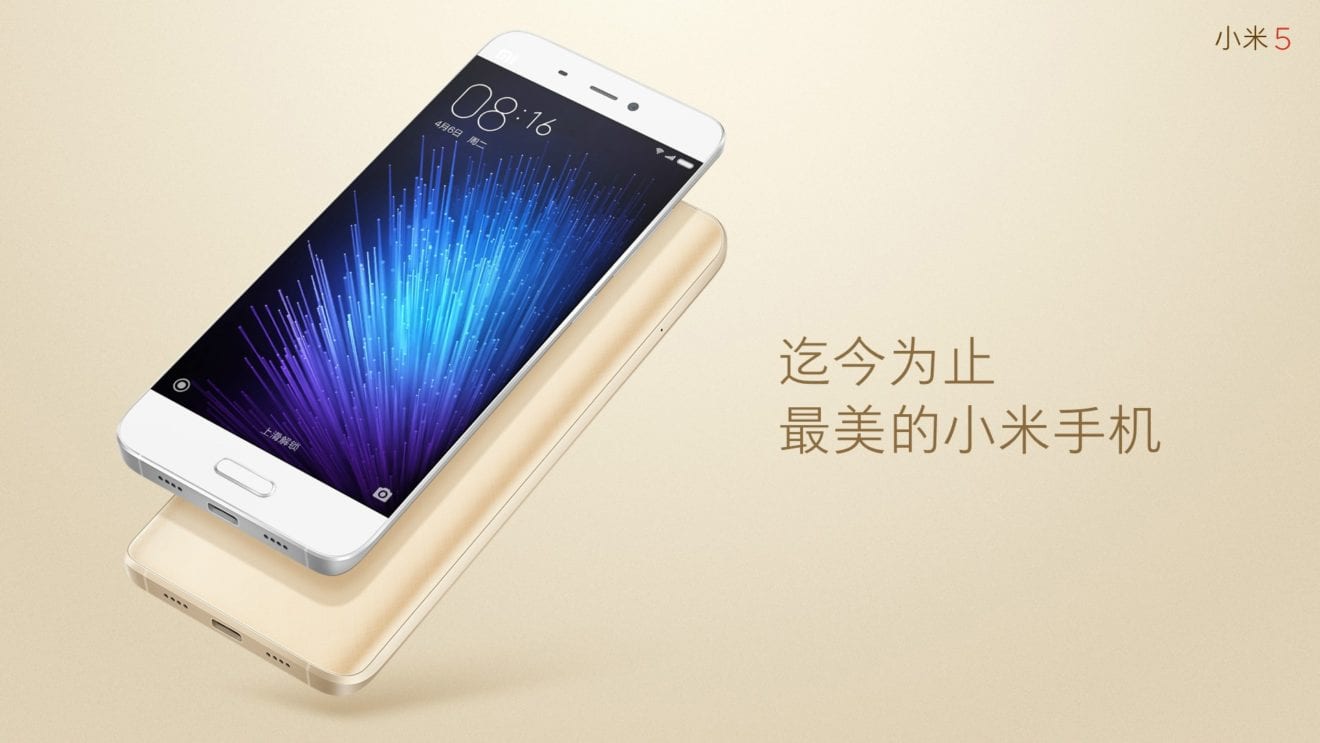
    Xiaomi launched a new customized 4G smartphone Redmi 3X for Unicom, as part of a strategic alliance the pair announced last Wednesday.

    The Redmi 3X smartphone, powered by 1.1GHz octa-core Qualcomm Snapdragon 430 processor and a 4100mAh non removable battery, will go on sale for 899 yuan ($136) through Unicom’s 30,000 own retail stores and more than 230,000 retailing partners.

    Xiaomi CEO and founder Lei Jun said so far more than two-thirds of the company’s smartphones have been sold through e-commerce platforms and the company’s official website.

    “The proportion of online sales is too big,” Lei said. “To maintain the rapid growth we have seen in the past four years, expanding offline retailing channels becomes the key.”

    Xiaomi said earlier this year it will open 200 to 300 of its own retail stores to bolster sales.

    Xiaomi and Unicom will also expand their cooperation beyond handsets to a wide range of products, such as Xiaomi TV, routers, wearable devices and air purifiers.

    China Unicom deputy general manager Xiong Yu said all of these Xiaomi products will be available at the operator’s offline retail stores across the country.

    The move fits into the operator’s broad efforts to transform its abundant bricks-and-mortar assets into a big retailing platform of various electronic products, Xiong added.

  • Philippines is Southeast Asia’s fastest-growing smartphone market in Q1

    Philippines is Southeast Asia’s fastest-growing smartphone market in Q1

    IDC reported that the country saw a 20 per cent year-on-year increase, or 3.5 million smartphones shipped to retail stores in 2016.

    Indonesia’s growth was only 3 per cent during the quarter, while Malaysia was down 20 per cent, Thailand flat, Singapore down 13 per cent, and Myanmar down 1 per cent.

    Dominguez attributes the Philippines’ growth to “stronger support from telco operators” in the form of higher subsidies.

    “For instance, MyPhone’s partnership with Smart Communications paved the way for an affordable (US$19) prepaid smartphone kit that comes with mobile data allocation. Apple’s shipments also grew partly due to lower cash-out requirement and more attractive data and app bundles for iPhones offered by telcos,” IDC market analyst Jerome Dominguez said in an interview with Tech In Asia

    Read more about the interview here.

  • ZTE China plans new stores

    ZTE China plans new stores

    Chinese multinational telecommunications equipment and systems company ZTE Corporation plans to open 23 stores this year, mainly in China but also Germany and Mexico.

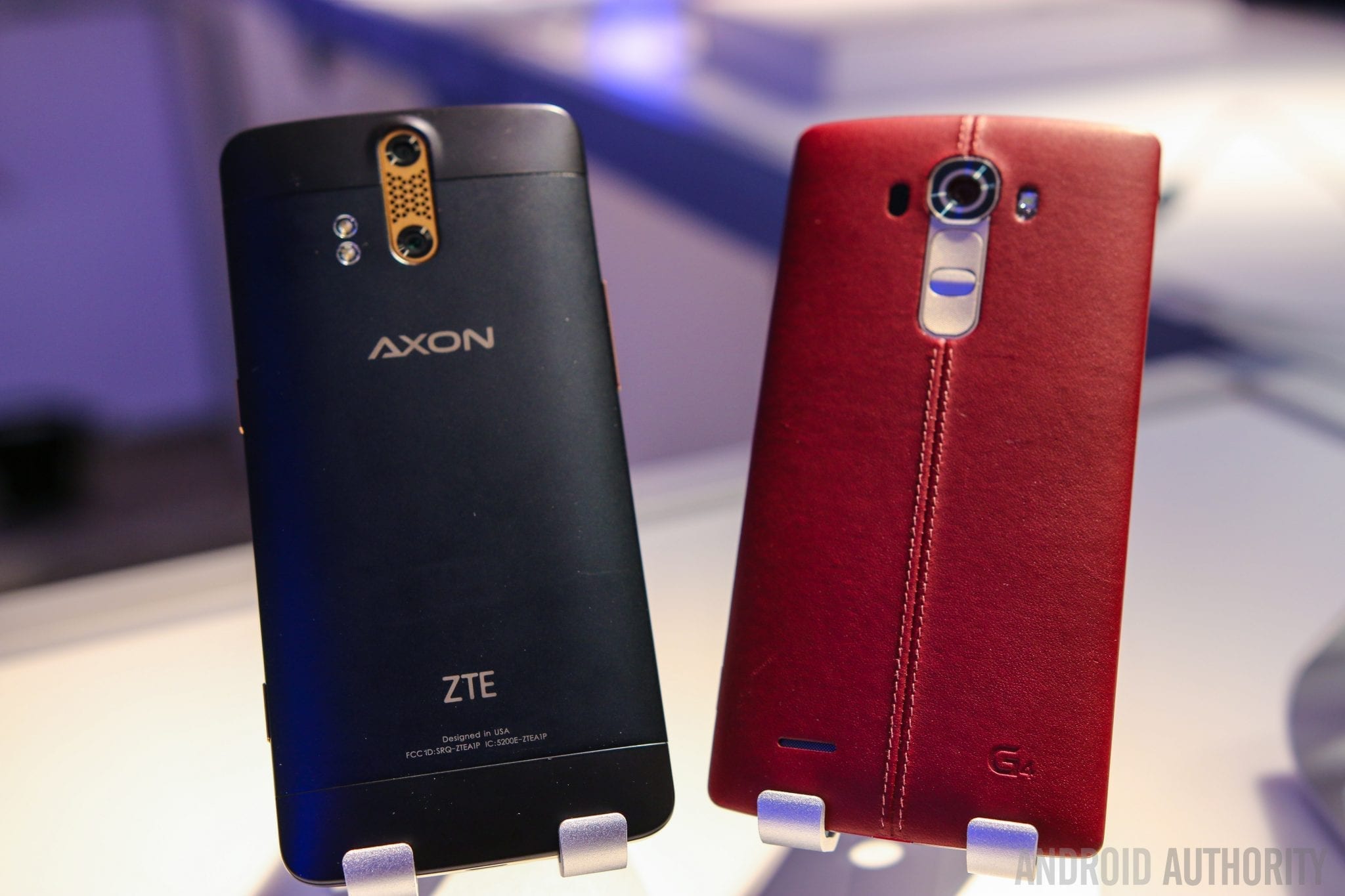
    Meanwhile, its latest smartphone, the flagship Axon 7, will go on sale for $449 in the US next month, up against Apple’s iPhone 6s and Samsung’s Galaxy S7.

    Headquartered in Guangdong, ZTE China has three business units – carrier networks (54 per cent), terminals (29 per cent) and telecommunication (17 per cent). Its core products are wireless, exchange, access, optical transmission and data telecommunications gear, mobile phones and telecommunications software.

    ZTE China also offers video on demand and streaming media. It primarily sells products under its own name.

  • The smartphone boon and bane

    The smartphone boon and bane

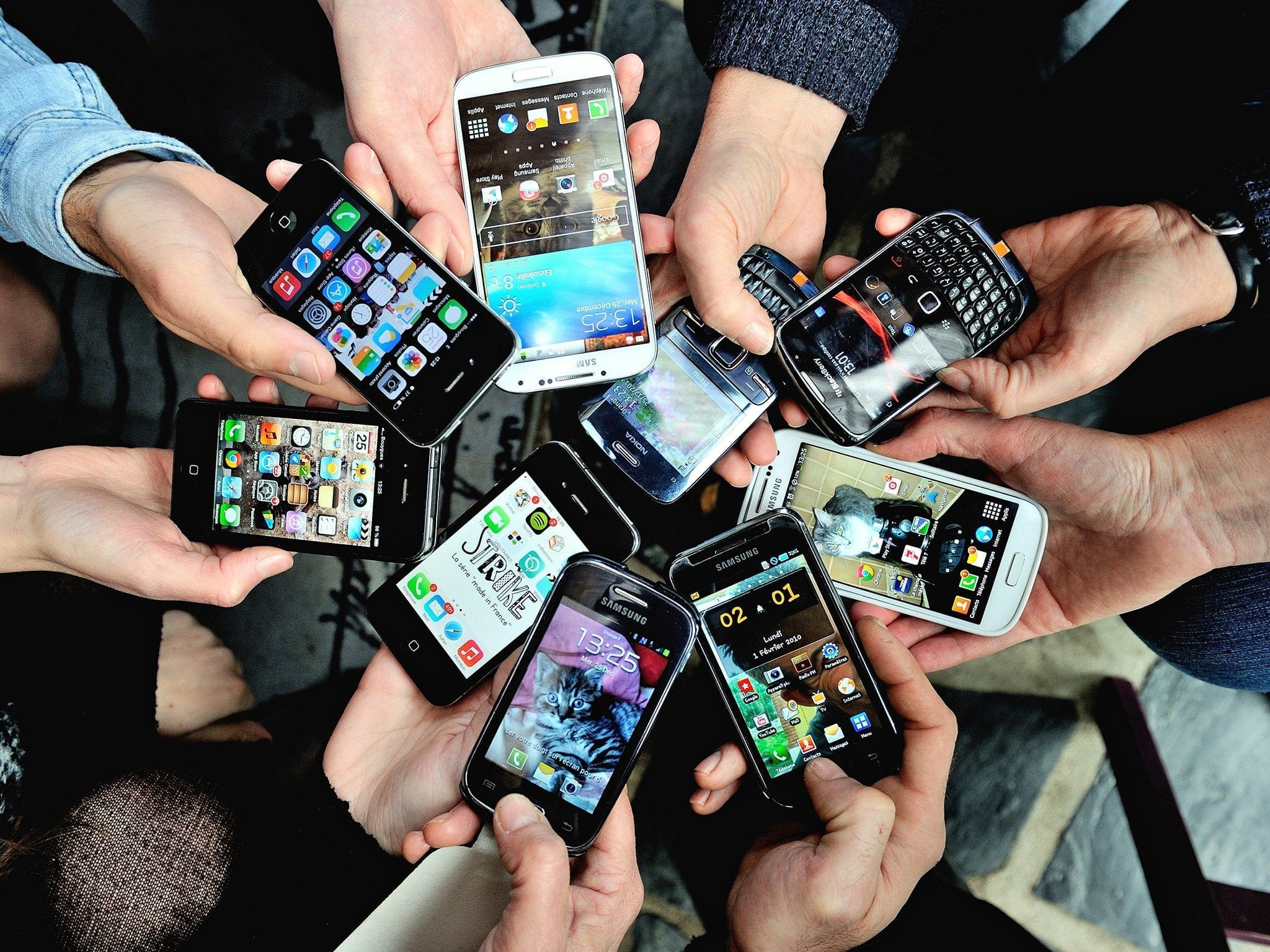
    Feature phones are on their last days, if not their last breath. Consumers’ massive shift in preference for smartphones have decimated feature phone sales.

    The upward mobility of smartphones contrasted with the downward spiral of feature phones has been an intriguing trend to observe. After all, it was only a decade ago when feature phones were enjoying its peak in popularity.

    The upheaval of the mobile industry arrived when Steve Jobs introduced the iPhone to the world in 2007. Steve Ballmer, Microsoft’s chief executive back then, claimed it was the most expensive phone in the world.

    Nowadays, feature phones are not ubiquitous anymore as new players from China, led by Xiaomi, continue to enter the market. These new upstarts not only produce smartphones with industry standard software and applications, but also price them very affordably.

    Asia-Pacific smartphone prices are predicted to drop to an average of $215, making it the region with the lowest price. APAC will be the region with the largest increase in smartphone usage from 2013 to 2019 with approximately 2 billion new smartphone users, where Singapore ranks the highest globally in smartphone users penetration.

    According to a recent survey, 90% of respondents in Singapore say they have access to smartphones. Factors which help facilitate this rapid adoption are fast connectivity and the availability of real-time information access at users’ fingertips.

    As smartphones become increasingly affordable, businesses become more complex specifically the IT infrastructure. Apart from individual and personal use, businesses also encourage employees to use their own devices for work with initiatives such as “bring your own device” (BYOD).

    Enterprises have gained a significant advantage with the modern development of mobile, but these positives also come with new challenges.

    When it comes to devices for businesses, applications play a big role. More and more enterprises are deploying business applications on smartphones and adopting cloud-based business models.

    This enables increased mobility and productivity, making businesses more efficient than ever. Unfortunately, now with various applications installed on smartphones and critical data being so easily accessible, businesses are more prone to virtual threats.

    In 2014, 16 million mobile devices have been contaminated by scams, and hackers are increasingly targeting mobile applications. It has been said that mobile apps are considered “low-hanging fruit” since it is rather fast and easy to exploit the vulnerability of apps as apps exist in an unregulated ecosystem.

    In Singapore alone, mobile security threats have affected 70% of companies. The majority of organizations saying “yes” to employees using their mobile phones for business without giving proper education on BYOD policies also contributed to this number. This trend will cease any time soon as the hackers are expected to continue focusing on mobile devices.

    Given the changes of this behavior and the advancement of technology on smartphones, organizations and governments will need to be able to serve this increasing number of mobile customers and employees while delivering applications and services seamlessly and securely.

    Businesses have always demanded agility and availability without worrying about the security of critical data. That mindset must shift — application security needs to be a top priority for businesses.

    With the rise of smartphones and mobile devices usage for business, the risk of enterprises’ critical data is increasing as well. Business flexibility provided by smartphones comes with a greater responsibility that requires enterprises to step up to secure and manage the applications to keep preforming.

    This generation will see the end of “dumb” phones, and the next might even see them in museums. With such rapid changes in the technology scene, it will be no surprise if the next big thing comes faster than the shift of feature phones to smartphones.

    Asia Pacific holds the biggest stake for smartphones companies, and any respectable industry player must look to the East whenever there is a shift in the mobile telecom enterprise industry.
  • Company founded to revive Nokia mobile brand

    Company founded to revive Nokia mobile brand

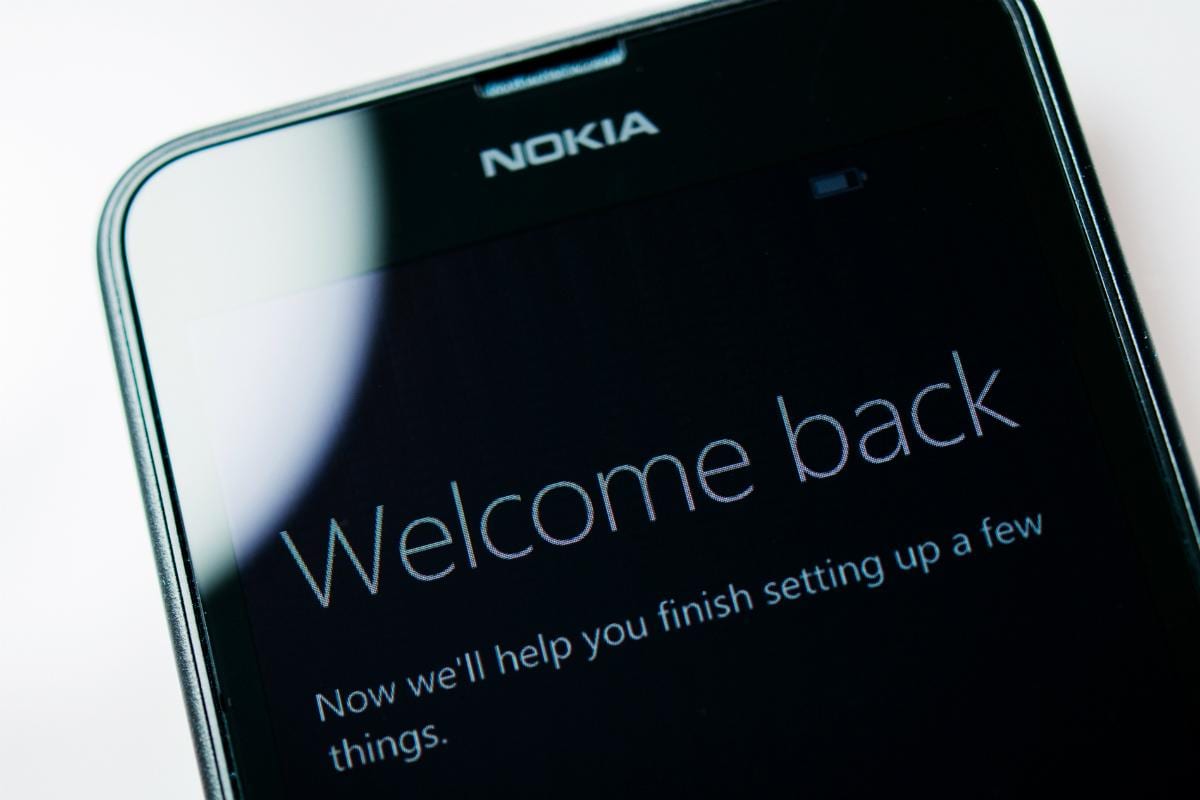
    A new company has been established to revive the Nokia handset and tablet brand. The company, HMD Global, has lined up deals with Microsoft and Nokia to fulfil this goal.

    Nokia has agreed to grant the new company an exclusive global license to create Nokia-branded phones and tablets for the next ten years.

    In return, Nokia will receive royalty payments for all sales of Nokia-branded devices covering both brand and IP rights.

    Microsoft has meanwhile conditionally agreed to sell its feature phone business to HMD and Foxconn’s FIH Mobile for $350 million. With the deal, HMD will also acquire related design rights from Microsoft. This transaction is expected to close in the second half of the year.

    FIH is acquiring assets from Microsoft including device manufacturing, sales and distribution. HMD and FIH then plan to collaborate to build a global business for Nokia-branded mobile devices.

    With the moves HMD will become the sole global licensee for all Nokia-branded mobile devices, and plans to produce a full range of feature phones, smartphones and tablets. The new company plans to invest over $500 million in the next five years to support its foray into the market.

    After the Microsoft transaction closes, HMD Global will be led by Arto Nummela, a former Nokia executive who is currently the head of Microsoft’s mobile devices business for APAC and MEA, as well as Microsoft’s global feature phones business.

    Fellow former Microsoft executive Florian Seiche, now SVP for Europe sales and marketing at Microsoft Mobile, will also join the company as president.

    “Branding has become a critical differentiator in mobile phones, which is why our business model is centered on the unique asset of the Nokia brand and our extensive experience in sales and marketing,” Nummella said.

    “We will work with world class providers in manufacturing and distribution to move quickly and deliver what customers want.”

  • Samsung won’t like it, but Xiaomi is coming to South Korea

    Samsung won’t like it, but Xiaomi is coming to South Korea

    China’s Xiaomi is now expanding in a country where the competition is particularly tough: South Korea.

    The land of Samsung and LG isn’t an easy proposition, but Xiaomi isn’t doing it alone. The company has this month inked a number of deals with Korean suppliers and distributors to ensure that it will have a presence on the ground in the country.

    Xiaomi has reached an agreement with Youmi and Koma Trade, making the two Korean companies the only official dealers of Xiaomi products in the country.

    The two partners will sell a variety of Xiaomi products, including battery packs, headphones, the Mi Band fitness tracker, and the Ninebot “hoverboard.” Neither company will sell Xiaomi phones, but they will be able to repair the devices and provide support.

    The land of Samsung and LG isn’t an easy proposition, but Xiaomi isn’t doing it alone.

    The paper says the partners are “small companies whose core business has become providing services for Xiaomi. Xiaomi selected the two companies since they can devote all their energy to the Chinese tech giant.”

    In addition to building up its network in the land of Samsung, Xiaomi has also been working on ecommerce and online payments.

    On March 8, news broke that Xiaomi’s smart TVs would be sold in Korea by ecommerce giants Gmarket and Auction.

    Xiaomi has also inked agreements with a number of other Korean ecommerce marketplaces, including E-Mart, ZMI, and 11st. This isn’t exactly a surprise – Xiaomi has always emphasized ecommerce sales beyond its own website, with deals on Alibaba’s Tmall and Taobao in China. But in South Korea, where the ecommerce market is a bit more fractured, the company is spreading its resources around.

    The smartphone conundrum

    None of those stores, however, are selling Xiaomi phones – yet. Aside from the occasional short-lived sale online, it’s rare to see Xiaomi’s smartphones for sale in the country, other than second-hand or from random Chinese importers. Ecommerce market KT briefly sold Xiaomi phones in January, but had to close the sale after just two days citing “legal issues.” It’s not clear if Xiaomi officially backed those sales.

    But those “issues” haven’t scared Xiaomi away from the Korean market. Just today, the Korea Herald reported that Xiaomi has filed for a patent in South Korea for its Mi Pay epayments service – a phone-based service that can’t exactly be used with its battery packs or TVs.

    Xiaomi certainly has smartphone sales in Korea on its roadmap.

    The Mi Pay patent shows that Xiaomi certainly has smartphone sales in Korea on its roadmap. The Herald speculates what many have long expected – that Samsung and LG have put pressure on Korean retail companies and mobile carriers to keep Xiaomi out.

    But their embargo doesn’t look like it will last forever. Xiaomi has managed to find enough local partners to gain a solid foothold in the country, and it looks like it will only expand from here. Samsung and LG might not like it, but it looks like their Chinese competition will be hawking smartphones in their backyards any day now.

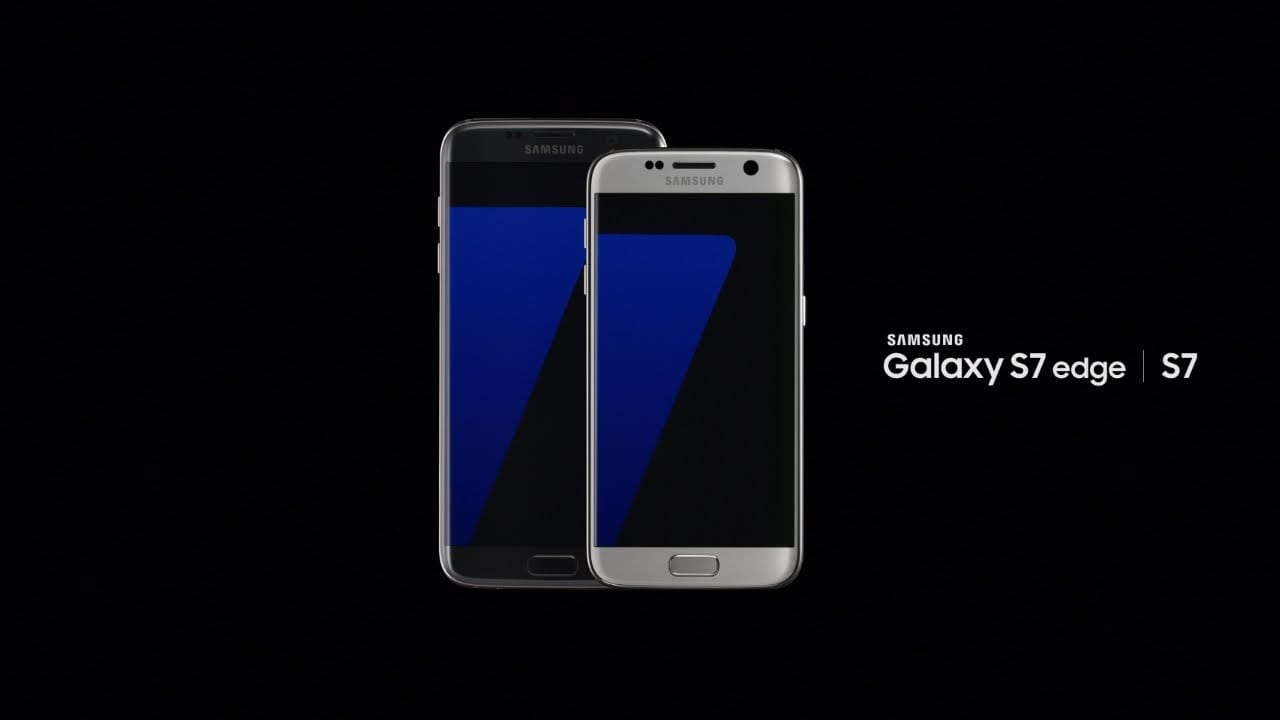
  • Galaxy S7 Sold 100000 Units In First 2 Days In South Korea

    Galaxy S7 Sold 100000 Units In First 2 Days In South Korea

    Last week it was reported that pre-orders for the Samsung Galaxy S7 and S7 Edge were lower than their predecessors over in South Korea. Samsung has since refuted those claims by saying that if anything, pre-orders were stronger than expected and if the latest numbers are accurate, it certainly looks to be that way.

    According to the report, they claim that the Galaxy S7 has managed to sell 100,000 units within its first two days of availability over in South Korea. Breaking it down further, it was suggested that 60,000 units were sold during the handsets’ first retail hours, and the other 40,000 were bought up over the course of the next day. Interestingly enough it seems that the Galaxy S7 appears to be more popular than the Galaxy S7 Edge, a very different story from last year.

    Note that the 100,000 units were just for the South Korean market, meaning that if we were to take into consideration the other markets that the handset was being sold it, we’re looking at a much, much higher number. The official figures from Samsung have yet to be released, but we wouldn’t be surprised if the Galaxy S7 and S7 Edge’s numbers were on par with last year’s figures, or if it even managed to outsell its predecessors.

  • How to choose the right smartphone in India

    How to choose the right smartphone in India

    In this modern era, mobile phone is an important thing for every person and its importance cannot be ignored because of the latest technology by which an individual can use the internet on it and can stay in contact with the dear ones. It is obvious that a mobile phone is an expensive product which cannot be changed after a short period of time, so a person should select the mobile phone carefully. Given below are some points which can assist in making a good decision of choosing the best mobile phone in India.

    Know your requirements:

    A person should list down the requirements because it makes the decision making process and selection easy. He or she should figure out what matters most to him/her like if the person uses the mobile for a lot of texting then the focus should be on the keyboard. Some individuals like physical keyboard while others like to use touch keyboard, so it should also be kept in mind that which keyboard he or she finds easy for texting because some people like to use QWERTY keyboard.

    If the person is fond of taking selfies or clicking random pictures then the attention should be paid on the camera. Nowadays, individuals mostly use mobile phones for using social media platforms or for checking E-mails so, if the person wants it for using the internet then he or she should focus on the internet capabilities. One should not ignore the deciding the size of the mobile and the screen size.

    Prior to making the final decision of purchasing the mobile phone, a person should not ignore listing the personal preferences because not paying attention to the desired choices can result in a wrong purchase.

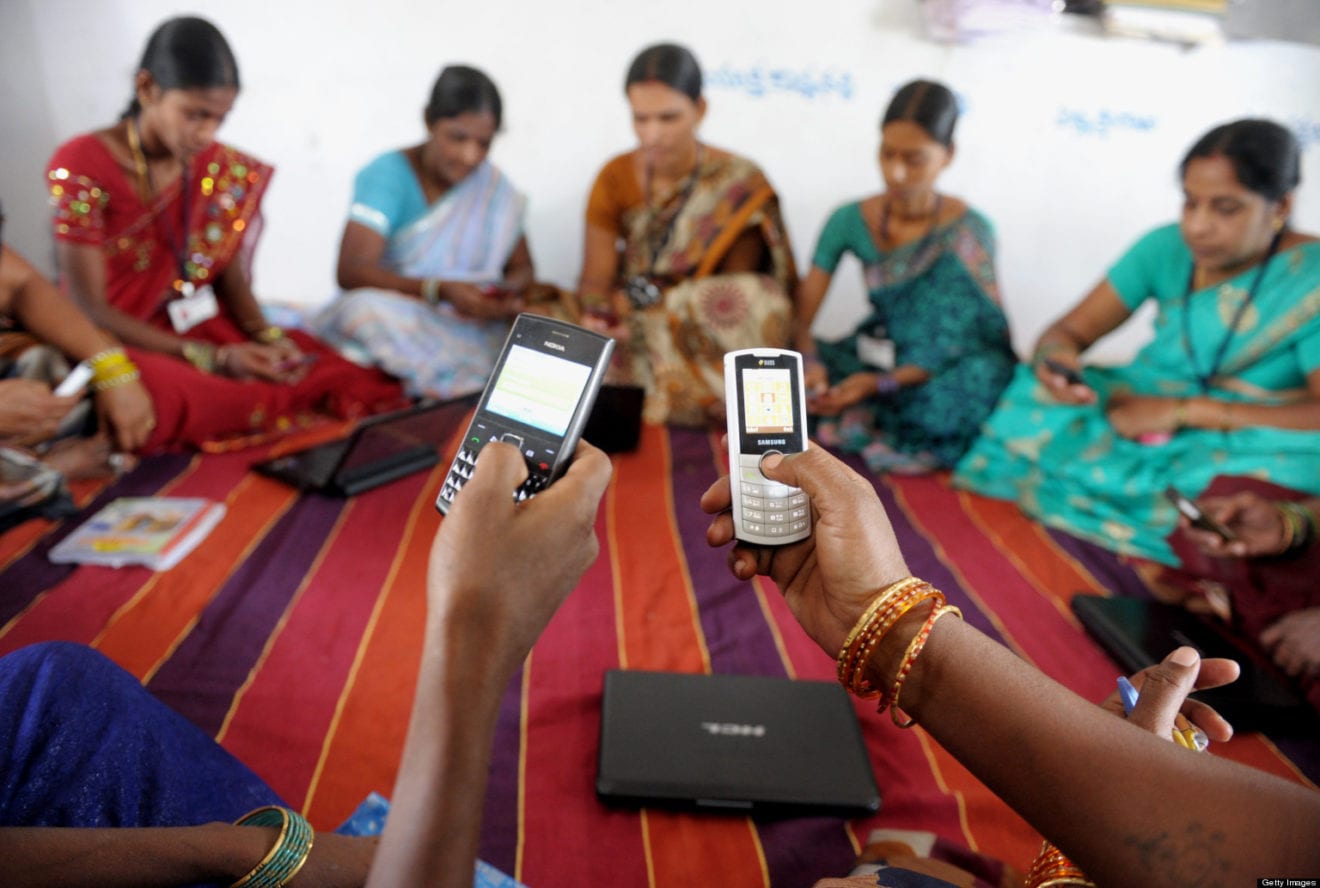
    A vendor speaks on his mobile phone as he waits for customers at his roadside shop selling clothes in Mumbai

    Choose the brand:

    There are many famous brands available in India so, a person should choose the brand before he/she starts looking for the mobile model.

    Find the right design:

    Mobile also reflects the sense of style of the person holding it so one should find the right design that not only looks great when a person carries it, but a person should also be comfortable with the way it looks so a person should pay attention on its design.

    Browse through search engines:

    A person can browse through the search engines to know about the specifications of different models of different brands, which is the best way of selecting the best mobile fulfilling the requirements. One can also see the looks of the mobile phone on the mobile selling websites which he or she has decided to purchase.

    Read reviews:

    Reading reviews on different mobile selling websites is a great way of getting information about the mobile functioning and it is the best way of purchasing the right mobile because one can avoid purchasing a mobile which he or she has selected if the reviews of the individuals using it are not good. Feedbacks of the mobile users assist a lot in making the final decision and helps in preventing the wrong purchase which saves the hard earned money.

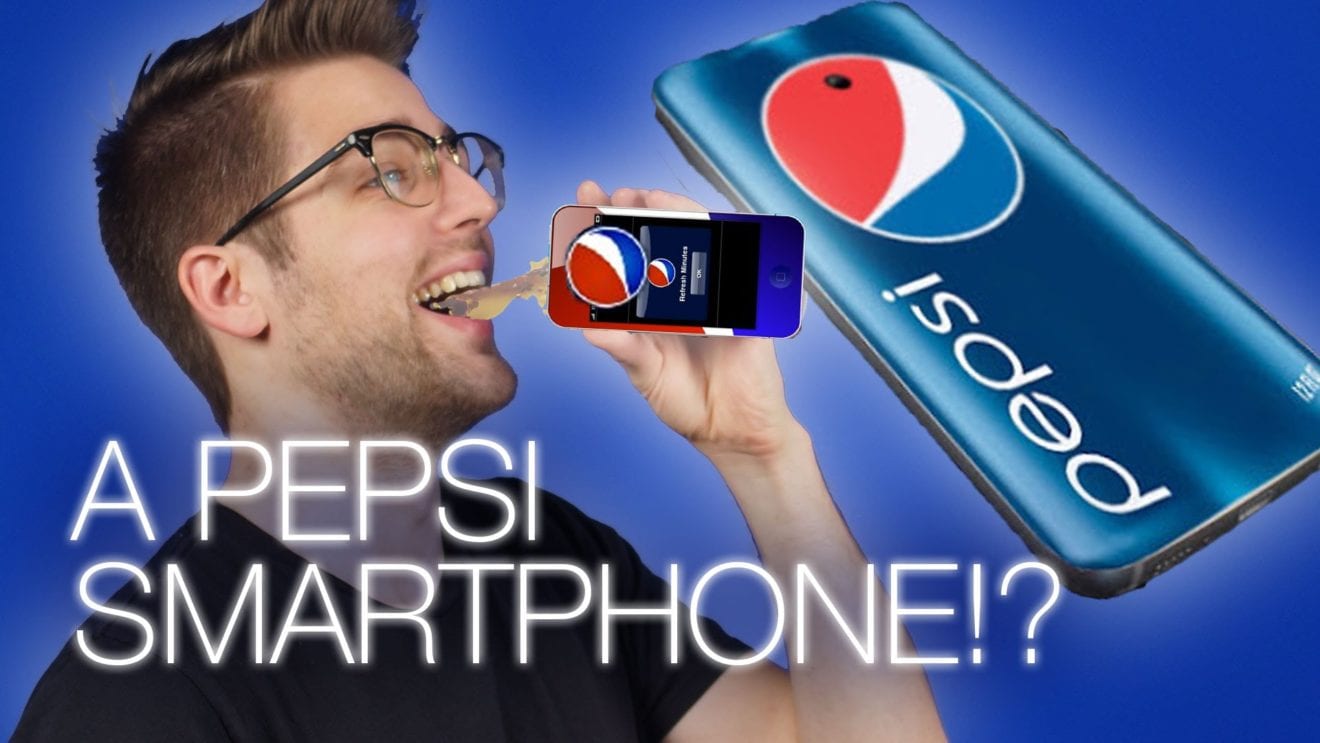
  • Pepsi smartphone planned for China

    Pepsi smartphone planned for China

    PepsiCo will market a range of mobile phones and accessories in China later this year.

    The US beverage giant will licence its brand to a manufacturing partner with the Pepsi smartphone just one of a range of planned licensed products which will also include apparel.

    “Available in China only, this effort is similar to recent globally licensed Pepsi products which include apparel and accessories,” a Pepsi spokeswoman told Reuters by email.

    No further details were released about the phone’s specifications – or the manufacturing partner.

    It won’t be the first technology product born of a partnership between Pepsi and an electronics brand. Last year it teamed up with Danish avant garde audiovisual manufacturer Bang & Olufsen to create Pepsi-branded products to support the soft drink brand’s soccer campaign.

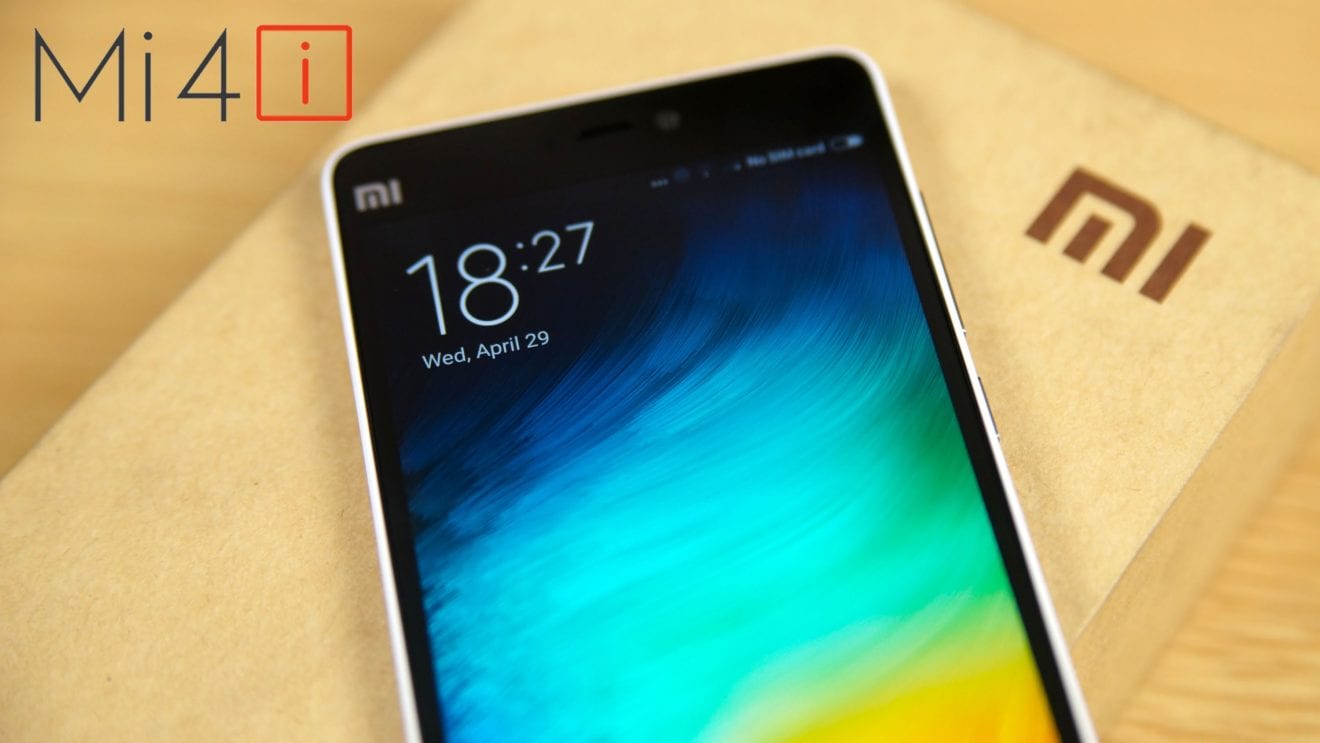
  • Xiaomi Mi 4C Retail Box Surfaces, Confirms Snapdragon 808

    Xiaomi Mi 4C Retail Box Surfaces, Confirms Snapdragon 808

    Xiaomi was incredibly successful last year. The company managed to become China’s number one smartphone OEM and ship 61 million smartphones. Xiaomi is looking to improve upon that next year, and they’ve released a number of really compelling handsets thus far. The company has unveiled their flagship Mi Note phablets, along with a slew of other devices, like the Mi 4i for example. This is the first Xiaomi handset to make it to India before anywhere else, and it’s more than a decent mid-ranger, not to mention it’s quite affordable.

    Well, we’ve spotted another variant of Mi 4i in China recently, dubbed Mi 4C. The reports have been claiming that the ‘C’ stands for China, and the device has also surfaced on TENAA (China’s equivalent to the FCC) quite recently. The device was said to sport Qualcomm’s Snapdragon 808 64-bit hexa-core SoC, and a newly-leaked retail box of the device actually confirms that fact. If you take a look at the provided images, you’ll notice that not only the Snapdragon 808 is listed here, but some other details about the device as well. The box says that the Snapdragon 808 will be clocked at 1.8GHz, and that the device will ship with 3,000mAh battery. 4G LTE support will be on board as well, and the device will also sport the Type-C USB 3.0 port that we’ve seen on the OnePlus 2 (and a couple of other smartphones) recently.

    According to the previously-leaked AnTuTu listing of this device, this thing will be identical to its predecessor (aside from SoC, of course). The phone will sport a 5-inch 1080p (1920 x 1080) display, 2GB of RAM and 16GB of internal storage. The 13-megapixel shooter will be available on its back, and a 5-megapixel snapper will be located up front. Android 5.1.1 Lollipop will come pre-installed on this smartphone, and Xiaomi’s MIUI OS will be placed on top of it. We still don’t know which variant of MIUI will be installed though, MIUI did unveil MIUI 7 recently, but it’s still unknown if this phone will come with that version pre-installed. Either way, Xiaomi is expected to announce this handset soon, so stay tuned.

  • Vietnam leads SE Asian smartphone rush

    Vietnam leads SE Asian smartphone rush

    Vietnam is the fastest growing smartphone market in South East Asia, where sales topped $8bn in the first half of the year according to new figures.

    Data from market researcher GfK indicated that, overall, some 39.8m smartphones were sold in the region, up from 36.6m in the corresponding period of 2104.

    Sales volumes in Vietnam rose 27% in the first half of 2015 compared to the same period a year earlier to reach to total of 6m, making it the third largest smartphone market in the region, Inside Retail Asia reported.

    Thailand was the second-fastest growing market, up 13% to a total of 6.6m, a figure which also put in second place in terms of market size. The Philippines was the third fastest-growing market, up 10%.

    Indonesia, however, remains the largest market in terms of volume, with 14.9m units shifted in six months.

    Sales growth was sluggish in the mature markets of Singapore and in Malaysia, where consumers have cut back on their spending since the introduction of a general sales tax.

    GfK has also started tracking the mobile handset market in Myanmar and reported that 3m units had been sold in the first half, with most of these being smartphones (89%).

    “The availability of a wide range of lower price options nowadays have made it possible and much more affordable for price-sensitive consumers in these developing markets to switch over and own their first smartphone,” said Gerard Tan, GfK account director for technology.

    He pointed out that in the first half of 2013 just 15% of smartphones sold in the region had cost under $100, a proportion that has now climbed to 35%.

    Indonesia, he added, was the country with the most number of entry level smartphone brands and consumers in the region.

    This transformation is being almost entirely driven by Chinese brands, which now account for around 25% of the region’s market compared to 4% in 2013.

    “The perception of Chinese brands has been elevated considerably as a result of their heightened marketing campaigns and the opening up of dedicated showrooms and retail counters,” Tan said.

  • Flipkart to use Singapore image search tech

    Flipkart to use Singapore image search tech

    Flipkart, India’s largest online marketplace, has started rolling out image searching on its mobile shopping app which it clams will revolutionise the shopping experience.

    Flipkart is using ViSenze technology developed in Singapore for visual search and image recognition.

    The image search system allows users to upload photos of fashion items and find similar products in terms of color, pattern or style inside the Flipkart merchandise database. This eliminates keywords guessing when searching for a product, thereby simplifying the search process.

    Additionally, users browsing Flipkart’s catalogue can find visually similar products with a single tap. This brings offline-like shopping experience to mobile, acting as a virtual “shop assistant” who would show products of same color or design when users see something they like.

    This simplified search experience comes handy on the online marketplace that lists over 30 million products and is accessed by 45 million registered users, 75 per cent of them via smartphones. These new features are currently in beta and are due to be released to all users in the upcoming days.

    “We are proud we have managed to offer a solution that is also capable to handle unique needs for the Indian market such as ethnic wear,” said Oliver Tan, CEO and co-founder of ViSenze.

    The tech company originates from an R&D spin-off from the National University of Singapore, and develops highly advanced visual search algorithms, combining state-of-the-art deep learning with the latest computer vision technology to solve search and recognition problems faced by businesses in the visual web space.

    The company provides its visual technology APIs through a Software-as-a-Service offering to online retailers, content owners, brands and advertisers, app developers and digital publishers, enabling their platforms to recognise products for retrieval purposes or instant purchases.

    “The partnership with Flipkart not only attests to the strength of our products, but also reinforces our mission to enable retailers to capitalise on smart innovations in visual technology to uplift conversions, while empowering shoppers with real-time ability to search without the hassle of keyword guessing. And we will continue to innovate in this area,” said Tan.

    Key clients using the company’s image search service include internet retailers and marketplaces like Caratlane, Zalora (a Rocket Internet company), Reebonz, and Rakuten Taiwan, as well as patent search engines like PatSnap.

  • Kodak makes comeback

    Kodak makes comeback

    Kodak – the famous photography brand almost killed off by the digital revolution – has made a comeback.

    In a digital form, of course.

    Kodak has unveiled a new smartphone at this week’s CES consumer electronics show in Las Vegas, the product of a joint venture with specialist mobile device maker Bullitt Group.

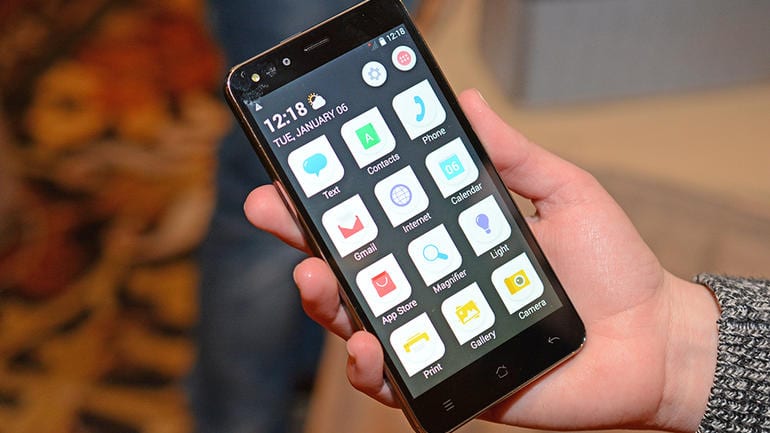
    Called the Kodak IM5 smartphone it’s a 5″ high definition Android-based smartphone its makers describe as being “as easy to use as it is smart”.

    Not surprisingly, photography is what the phone is touted as doing best, with a 13megapixal auto-focus main camera with unique image management software which lets users quickly edit photographs and either display them on the device, share them on social media or print them using a customised app compatible with home printers as well as future printing and sharing services.

    “This is a phone for consumers who appreciate the value and heritage of the Kodak brand,” said Oliver Schulte, CEO of Bullitt Mobile. “It looks great, is easy to use and offers real value for money.”

    Rochester, New York, based Kodak once dominated the photographic industry, but from the late 1990s – as digital technology took over, it began to struggle, despite having invented some of the core technology behind digital cameras.

    It filed for Chapter 11 bankruptcy protection in 2012 and the following year announced it would cease making digital cameras, pocket video cameras and digital picture frames and focus on the corporate digital imaging market. It emerged from bankruptcy in the latter half of 2013 after selling many of its patents to a group of companies including Facebook, Amazon, Apple, Microsoft, Google and Adobe for some $525 million, paying down debts and liabilities. In November 2014 it announced a $19 million quarterly profit.

    The new IM5 phone is largely the product of a brand licensing initiative by which Kodak receives royalties for products bearing its name. And Kodak is certainly a brand with street cred despite its recent misfortunes. But Kodak does appear to have had an active role in the camera and photographic processing technology inside.

    Eileen Murphy, VP brand licensing at Kodak said in a statement: “Too many memories stay stuck on mobile phones, often because the process for sharing them is too complicated for users; that’s why we’ve partnered on the IM5, the first device in a range of mobile products that takes our heritage and experience in photographic technology and combines it with Bullitt’s expertise in designing high-quality devices for a specific target consumer.”

    For the technically minded, the Kodak IM5 has an octa-core 1.7Ghz processor, 8GB standard ROM and 1GB of RAM, expandable to 32GB via a Micro SD card. It also comes with a dedicated app store (called simply “Apps”) that allows users to access a hand-picked selection of applications suited to their interests as well as full access to Google Play.

    Aimed at consumers who want a smartphone that is easier to use than what they are currently using (or being offered), Kodak and Bullitt believe the IM5 serves a market segment that – to date – has been poorly served by handset manufacturers.