Retail News CRM

Tag: smartphone

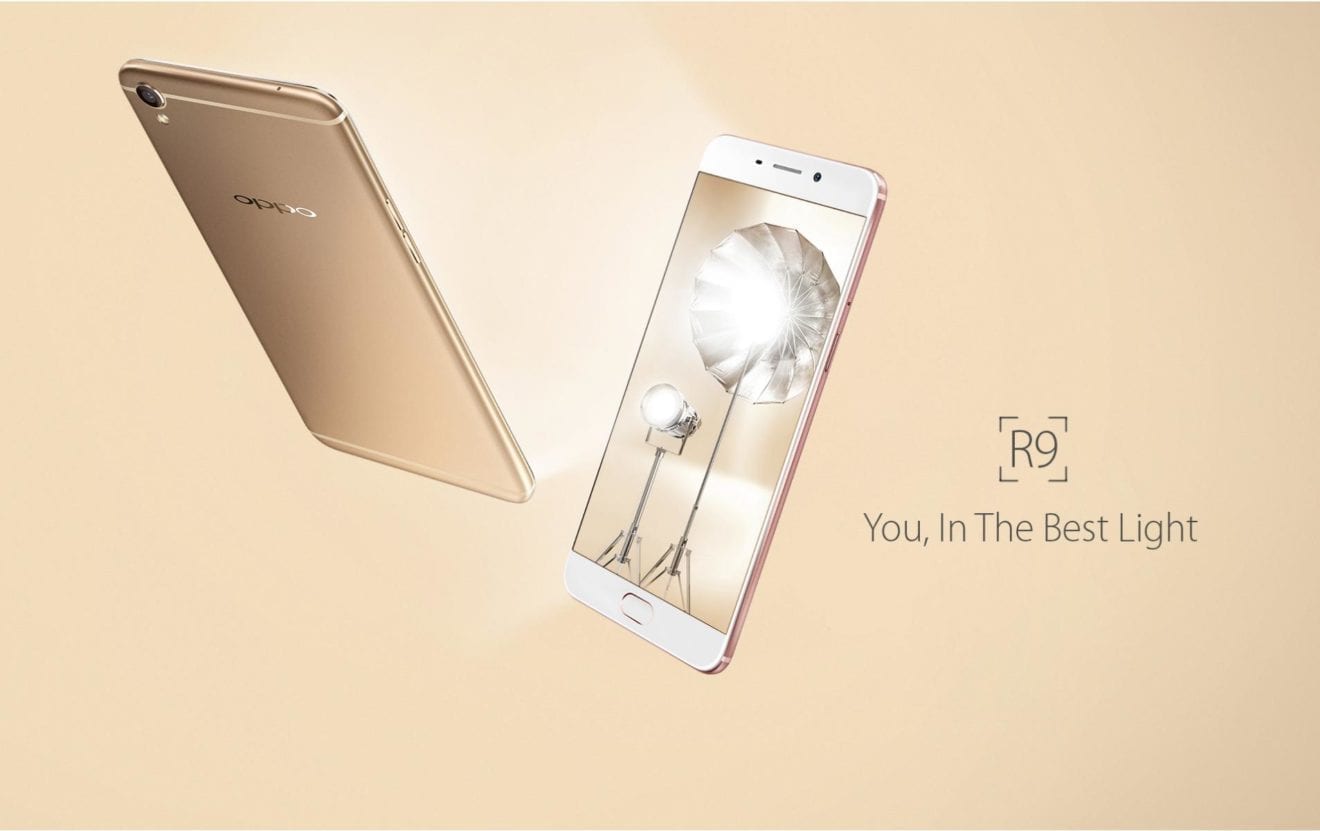
  • Oppo R9 becomes the best-selling device in China

    Oppo R9 becomes the best-selling device in China

    The latest smartphone OS sales data from Kantar Worldpanel ComTech shows a solid 5.2% percentage point US market share increase for iOS during the third quarter of 2016 to 34.2%. Both iOS and Android made gains across most of the EU5 countries. However, Android posted a 3.3 percentage point decline in the US from 66.7 to 63.4%, while iOS share fell in Germany from 17.5% to 15% and in Urban China from 18.7% to 14.2%. 

    Europe’s big five markets include Great Britain, Germany, France, Italy, and Spain.

    In Urban China, Android accounted for 85.3% of smartphone sales in the third quarter of 2016, its second highest share ever in this market. 

    Oppo continues to see significant growth, gaining 8.2 percentage points over the past year to become the 4th largest manufacturer in Urban China with 11.2% of smartphone sales. The Oppo R9 overtook the iPhone 6s as the best-selling device in the third quarter, reported Tamsin Timpson, Strategic Insight Director at Kantar Worldpanel ComTech Asia. iOS posted yet another year-on-year decline to 14.2% of smartphone sales in the third quarter of 2016. Importantly, this marks a period-on-period return to growth in sales, up from 13.5% in the three months ending in August. With supply constrained on the iPhone 7, and particularly the 7 Plus, this positive turn for Apple is a good sign, suggesting that as supply grows to meet demand, Apple will be able to turn the tide in Urban China. 

    In the US, the new iPhone 7 and 7 Plus models made an immediate impact, becoming the best-selling smartphones in the month of September at 17.1%, said Lauren Guenveur, Consumer Insight Director for Kantar Worldpanel ComTech. Strong sales of the iPhone 7 and the lower-priced iPhone 6s, the second best-selling device in the US in September, contributed to an overall growth of iOS to 34.2% in the third quarter of 2016.

    Despite some sales from the beleaguered Samsung Galaxy Note 7, still technically available through the month of September, Samsung posted a year-on-year decline from 36.9% to 33.8% of US smartphone sales in the third quarter, Guenveur continued. The holiday sales season may prove to be more challenging than normal for Samsung, who competes head-to-head with Apple during this crucial time of year. Fallout from the Note 7 recall could have an unintended impact on continuing sales of other, similarly-named Samsung devices (chiefly the Galaxy S7 and S7 edge), as consumers may not always understand the difference between the model names. However, deep holiday discounts, as we saw with the Galaxy S6 last year, may counteract any expected negative impact, as the driving reason for choice among US consumers remains finding a good deal on the price of the phone.

    In Great Britain, the iPhone 7 and 7 Plus were top-sellers during the month of September, accounting for 15.1% of sales, said Dominic Sunnebo, Business Unit Director for Kantar Worldpanel ComTech Europe. In the third quarter of 2016, iOS accounted for 40.6% of smartphone sales, a 2.4 percentage point increase from the same period a year ago. Its interesting to note the continued success of the iPhone SE in Britain, accounting for 8.5% of sales in the quarter vs. a share of just 3.5% in the US. 

    Britain is the only market where Samsung made year-on-year gains, totaling 30.4% of smartphone sales, Sunnebo added. In Italy, Huawei replaced Samsung as the reigning smartphone leader to become the top brand sold at 27.3%, a 15.2 percentage point gain vs. the third quarter 2015. Samsung accounted for 24.7% of smartphone sales in Italy, a decline from 40.6%. In Spain, Huawei and Samsung are now neck-and-neck, with Samsung edging out Huawei 24.2% vs. 23.3%.

  • Low-end smartphones hinder music streaming business

    Low-end smartphones hinder music streaming business

    Music streaming is quickly becoming a favored service, offering Indonesia’s music-seeking public a legal means to access music. However, with a majority of Indonesians possessing low-end smartphones, the outlook may not be as rosy as some think.

    According to a new report by McKinsey, the prevalence of low-cost smartphones among mass market consumers in Asia, including Indonesia, has hindered the take-up of music streaming apps.

    Indonesia experienced a particularly busy time for music streaming services in the first half, with the entrance of foreign-based names such as Spotify, Apple Music, Yonder Music and JOOX coming in around the same period, tapping into the potentials and eagerness of the largest Southeast Asian digital market.

    Services that previously entered and operated in Indonesia include Guvera, Deezer and Rdio, which closed operations in November last year.

    It turns out that 34.7 percent of Indonesians listen to JOOX, followed by 12 percent with Musixmatch, 10.2 percent with SoundCloud, 10.1 percent with Langit Musik and 9.8 percent with Spotify, the report shows.

    However, “in markets such as Indonesia, low-end smartphones cost as little as [US]$75 per device. These devices are slower and possess less memory capacity than other smartphones, posing a dilemma for music streaming services”, the report said.

    “They can optimize music streaming apps for these lower-end smartphones at the cost of functionality that is critical to the customer experience of more affluent consumers or retain the full functionality of streaming apps to maximize the customer experience for affluent customers at the cost of limited access to mass market consumers.”

    Among the most popular smartphone brands in Indonesia in the second quarter of 2016 were Samsung, OPPO, Asus, Advan and Lenovo, all of which offer low-end smartphones.

    Services usually offer an “offline” option, through which listeners can download certain tracks onto their phone for internet-less listening. Usually, streaming relies on an internet connection, making online connectivity necessary.

    Many services offer rates that have adjusted with the market’s emphasis on affordability, with fees as low as Rp 35,000 ($2.67) to Rp 50,000 per month, and varying payment methods aside from the usual credit card option.

    To make their products affordable and wide-ranging, the services partnered with telecom companies, with partnerships including Spotify with Indosat Ooredoo, Yonder with XL Axiata and JOOX and Guvera with Telkomsel.

    However, in terms of low-end smartphone capacity, some services are confident that their apps will give listeners optimum quality regardless of weak Indonesian bandwidth or poor connectivity in some areas.

    For one, Guvera operations and marketing director Onny Robert said that because its service primarily targeted “users who prefer not to pay for their music”, its bundling plans included latching onto smartphones themselves such as Lenovo devices in order to secure listeners.

    After evaluating field connections, Onny said Guvera was able to deliver a capable service even at 3G speed.

    “Bandwidth or phone capacity won’t really matter to Guvera users because our app is practically small in size, 20 megabytes, and because it is bundled with Lenovo devices, it will drive more interest into using our service,” he said recently.

    Guvera has 1.5 million active subscribers, with under-25s dominating their demographics.

    Yonder Music CEO Adam Kidron earlier said the service aimed to further cultivate the music streaming tradition and make it more affordable and accessible.

    Spotify, meanwhile, has seen its users stream over 100 billion minutes of local and international music and listen to an average of 90 minutes of music per day, since its launch in March.

  • Lenovo may release more Motorola smartphones in Indonesia

    Lenovo may release more Motorola smartphones in Indonesia

    Lenovo started marketing on Thursday the latest Motorola-branded phone in Indonesia that targets the middle- and high-end market.

    The Moto E3 Power will be marketed under the Lenovo brand as Motorola is now a subsidiary of the Beijing-based tech company following an acquisition in 2014.

    Lenovo Indonesia mobile business group country lead Adrie R. Suhadi told last Wednesday that the two brands would have different segmentation, with Lenovo targeting  the middle and affordable market.

    Despite the higher target market, Moto E3 Power is priced at Rp 1,899,000 (US$146). Among its highlighted features is a 5-inch display, dual SIM, Android OS v6.0 Marshmallow, quad-core 1.0 GHz Cortex-A53 CPU, 16 GB and 2GB RAM internal memory, 8MP front camera and removable Li-ion 3500 mAh battery.

    Regarding the possibility of other Motorola-branded phones entering the country, Lenovo Indonesia mobile business group 4P manager Anvid Erdian said the company might launch the more premium Moto Z.

  • Samsung kills the Galaxy Note 7 for good

    Samsung kills the Galaxy Note 7 for good

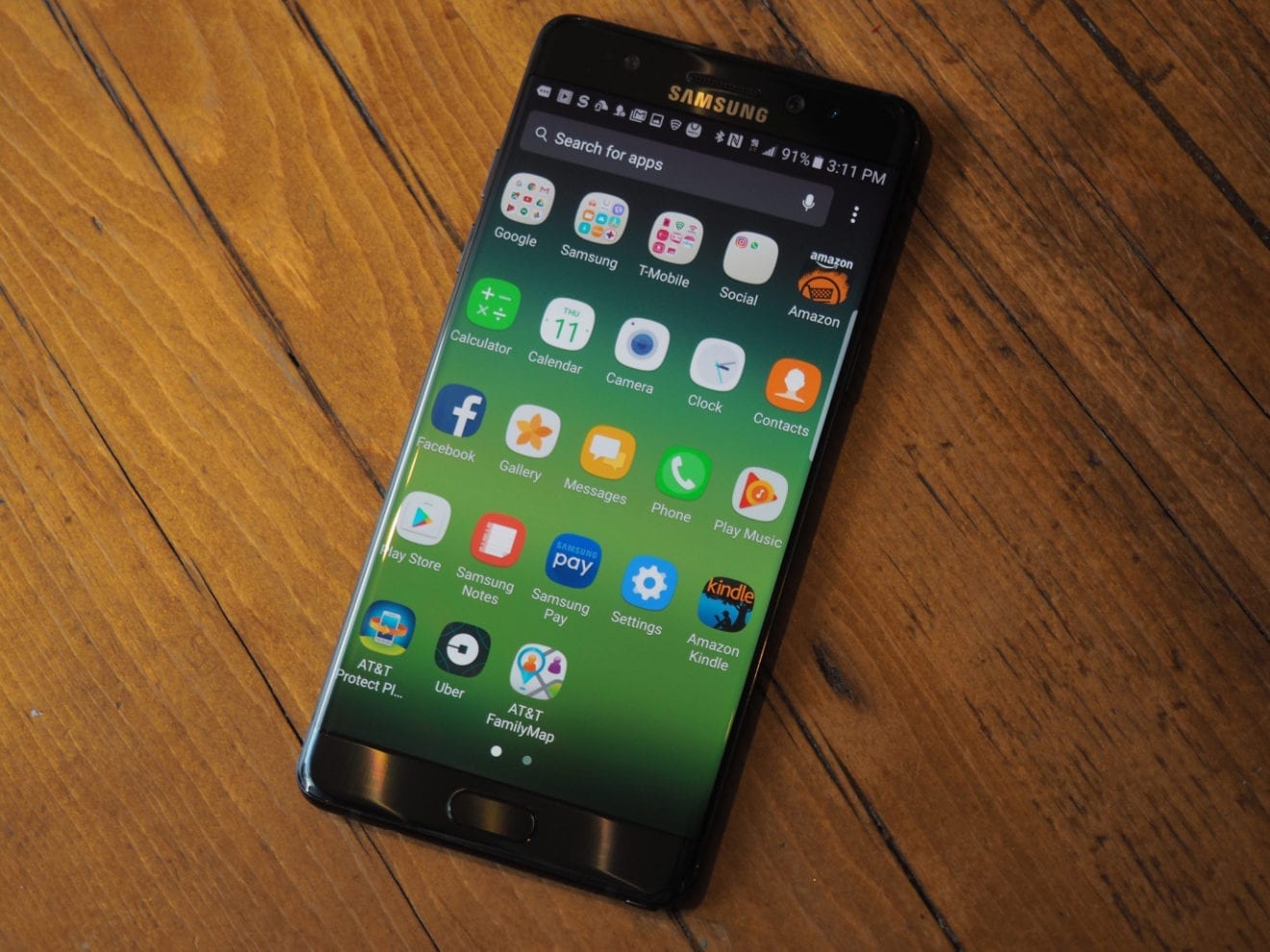
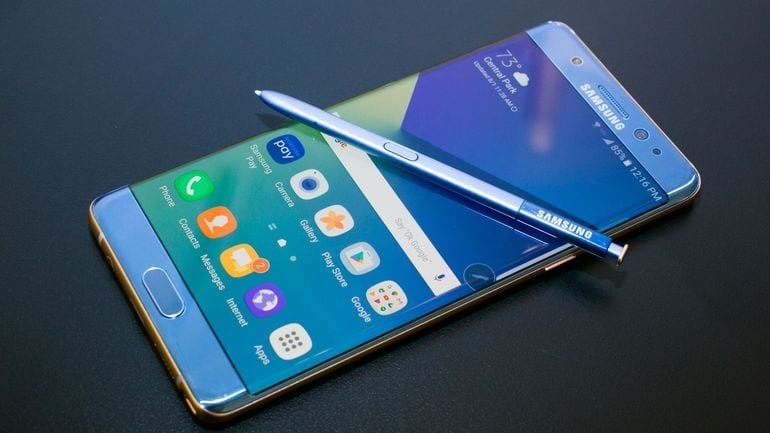
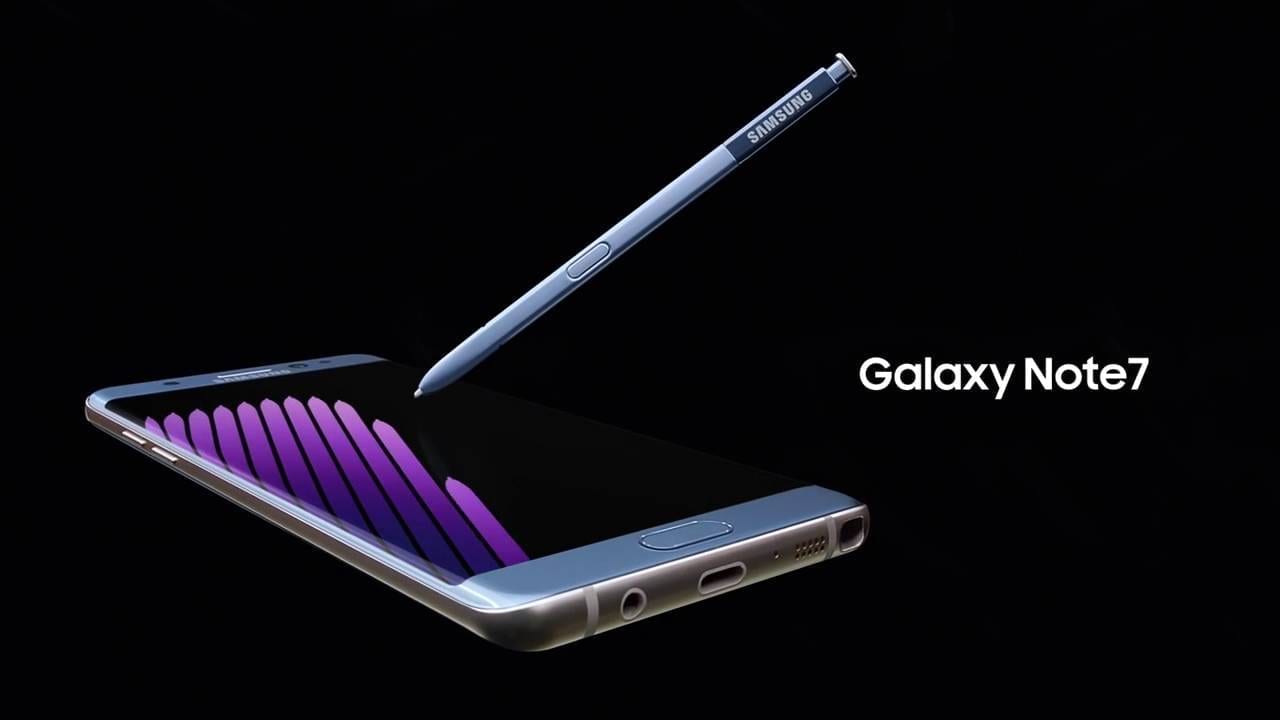
    Samsung is permanently discontinuing production and sales of the Galaxy Note 7 smartphone, owing to safety fears over defective batteries — including in replacement handsets the company had subsequently sent to customers following a recall of original devices.

    The news was reported earlier by the WSJ, and a spokeswomen for Samsung confirmed it is ending production of the device, telling: “We can confirm the report that Samsung has permanently discontinued the production of Galaxy Note7.”

    The company did not provide any additional statement explaining its decision but in a filing about ending production with South Korean regulators it cites ‘customer safety’ as the reason.

    Yesterday Samsung had asked carriers and resellers to halt sales and exchanges of Note 7 devices, as reports of problems with replacement handsets mounted. Note 7 owners were offered a full refund or a refund for a different Samsung smartphone, along with a $25 gift certificate or other add-on to sweeten the hassle of dealing with two rounds of recalls.

    The initial recall of the circa 2.5 million Note 7s in circulation was announced in early September.

    The company had also previously said it was adjusting production of the Note 7 to, in its words, “take further steps to ensure quality and safety matters”.

    However, in the event, and given the mounting PR nightmare of even replacement Note 7s having a demonstrable risk of an exploding battery — coupled with the model being namechecked as a safety hazard at airports and on flights all over the world — it’s hardly a surprise Samsung has decided to pull the plug and put the Note 7 out of its misery.

    Aside from the damage to Samsung’s Galaxy brand of being associated with exploding batteries, the cost of withdrawing the Note 7 will not come cheap. Reuters cites analysts estimating that a permanent end to Note 7 sales could cost the company up to $17 billion.

    Meanwhile, the company’s stock price has also taken a substantial hit on the news of the Note 7’s nixing: falling by 8 per cent today, its biggest percentage decline since October 2008, as investors wiped some $19 billion off the value of the company.

  • Garuda Indonesia Bans Samsung Galaxy 7 Note From All Flights

    Garuda Indonesia Bans Samsung Galaxy 7 Note From All Flights

    Garuda Indonesia has issued a ban on the Samsung Galaxy Note 7 for all its flights starting from Monday due to safety issues.

    This move ensues the recent ban by US Department of Transportation on the device, including its recalled and replaced units, after reports of the smartphone catching fire.

    Garuda Indonesia VP corporate communications Benny S. Butarbutar said in a press release Monday that passengers in possession of a Samsung Galaxy Note 7 would not be permitted to board the aircraft. Bringing the device through carry on baggage, checked-in luggage, or cargo was also strictly prohibited.

    This is the second ban issued by the airline regarding Samsung Galaxy Note 7. In early September, it banned the use of the device during flights as well as warned passengers not to charge the battery or store the smartphone in checked baggage.

    Samsung has already been forced to recall more than 2.5 million devices due to faulty batteries. The company has instructed users to “power down and stop using the device”, and announced the permanent end of its production last week.

  • BlackBerry responds to ‘made in Indonesia’ regulations

    BlackBerry responds to ‘made in Indonesia’ regulations

    BlackBerry’s decision to license software and outsource handset production globally represents a win for the Canadian company’s biggest market, Indonesia, which is seeking a larger share of the smartphone value chain.

    BlackBerry’s new venture signed last month with an affiliate of PT Telekomunikasi Indonesia, the country’s largest wireless carrier, will see its Indonesian partner produce, promote and distribute all BlackBerry-brand devices in Indonesia.

    The venture comes as international phone vendors gear up to comply with the latest “made in Indonesia” regulations to tap growth in what is poised to become the world’s fourth-largest smartphone market by 2020, with total annual sales of nearly $US1 billion ($1.31bn) by then, according to research firm Euromonitor International.

    Adopted in July, the latest rules give producers more options when it comes to meeting next year’s 30 per cent quota for “local content” — which previously focused on local manufacturing but can now include software or investment — in their 4G-enabled tablets and smartphones sold in Indonesia, up from 20 per cent this year. The requirement will rise to 40 per cent in 2018.

    BlackBerry’s joint venture was “created in support of the Indonesian government’s effort to promote manufacturing of locally sourced products”, said Ralph Pini, general manager of devices at the Waterloo, Ontario-based firm, which said last month it would stop making phones and focus on software.

    Indonesia is a crucial market for BlackBerry. Its BBM messaging service is the top messaging platform in the country of 250 million people with nearly 60 million monthly active users as of June, BlackBerry said. WhatsApp and Facebook Messenger trail with about 50 million active users for each app, according to estimates from Britain-based social media consultancy We Are Social.

    In 2012, Indonesia introduced regulations requiring importers of mobile phones to set up assembly plants in the country by the end of 2015. In September 2014, the government issued regulations requiring all 4G devices sold in Indonesia to include at least 30 per cent locally-sourced components by 2017.

    Analysts say the more-flexible regulations passed in July make it easier for handset makers to meet requirements, given that they allow the quota to be reached via other options in addition to manufacturing.

  • Samsung permanently halts Note7 production

    Samsung permanently halts Note7 production

    Samsung has officially halted production of the Galaxy Note7, following multiple reports of batteries overheating and catching fire even in devices replaced during last month’s recall.

    The company confirmed it has permanently discontinued production of its flagship smartphone, leaving the company without a high-end device to compete against the iPhone 7 with during the holiday shopping season.

    During last month’s major product recall, Samsung had blamed a single battery supplier for the overheating problem that caused the fires, and had switched suppliers for production of the replacement models. But with multiple reports that even replaced devices are catching fire, this explanation is in doubt.

    Samsung is offering Note7 buyers either full refunds, or the option to replace their device with an S7 or S7 Edge and receive a refund for the difference in price.

    Analysts are predicting that permanently ending Note7 sales could cost Samsung up to $17 billion in lost sales, and the potential for reputational damage is arguably even greater.

    Curiously, analysis from mobile application technology company Apteligent suggests that the reports of exploding batteries have done little to deter usage of Note7 devices. As of Sunday, the smartphone reached its highest usage rate since in August launch – 10% higher than the date of the recall. The first reports of replacement devices exploding began circulating days earlier.

  • Smartphone sales growth continues to slow

    Smartphone sales growth continues to slow

    The global smartphone market is on track to grow just 4.5% during 2016, rocked by a decline in sales in the premium segment, Gartner predicts.

    The research firm estimates that premium smartphone sales will decline 1.1% for the year, with owners having less incentive to upgrade to the latest models.

    Overall smartphone sales are on track to reach 1.5 billion units in 2016. While the market is slowing as smartphones reach global saturation, Chinese vendors are stimulating sales in the Android segment of the market by offering more affordable premium devices.

    But Gartner expects the market for premium smartphones to return to 3.5% growth next year as stronger replacement cycles emerge.

    The predicted upswing is also in anticipation of Apple’s expected launch of a new iPhone with a new design and features attractive enough to convince smartphone owners to upgrade.

    Total mobile phone shipments are meanwhile on place to fall 1.6% in 2016, while tablet sales are set to decline from 196 million units in 2015 to 177 million in 2016.

    Worldwide combined device shipments – which also include PCs, laptops and related devices, are expected to decline for the second consecutive year, falling 3% to 2.34 billion units.

  • Price of New iPhone 7 in Indonesia Will Be Among Highest Worldwide

    Price of New iPhone 7 in Indonesia Will Be Among Highest Worldwide

    Indonesia is predicted to be the country in Southeast Asia with the second-highest price for Apple’s new iPhone 7, according to a recent price study by iPrice Indonesia, local arm of online shopping startup the iPrice Group.

    The iPhone is manufactured in China, which neighbors Southeast Asia, but according to the iPrice Indonesia study, the iPhone 7 will be significantly more expensive in the region compared to the United States, due to shipment export costs, import duties and taxes, and other fees imposed by governments.

    According to iPrice, the iPhone in Indonesia will be one of the most expensive worldwide.

    “For countries where the iPhone 7 has not yet been officially launched, such as Thailand, Vietnam, Indonesia, Malaysia and the Philippines, the tech savvy have resorted to going abroad in the hope of being the first to own it,” iPrice said in a statement e-mailed to the Jakarta Globe by Andrew Prasatya, the company’s content marketing executive.

    “Unauthorized retailers are purchasing the iPhone 7 from Singapore and Hong Kong [where the iPhone 7 has already been launched] and selling them in their home countries at higher prices, which can go up to 14 percent in Vietnam and 49 percent in Thailand,” iPrice said in the statement.

    Apple has not yet announced the official release date for the iPhone 7 in Indonesia.

    How Expensive Can It Go?

    The study estimates that an iPhone 7 with 128 gigabytes of internal storage will cost about $1,268 when it arrives in Indonesia, making it nearly $500 more expensive than in the United States, from where it originates.

    As for neighboring countries, buyers in Thailand are expected to pay the most, where a new iPhone may cost up to $1,340.

    The cheapest is in Singapore at $897, where the iPhone 7 has been available since last month.

    The study said middle-income Indonesians, with an average salary of $1.80 (or Rp 23,900) per hour, have to work at least 87 days to afford an iPhone 7, assuming that the whole salary is spent on the phone.

    They may likely think twice before purchasing a 128 GB iPhone since the price is equivalent to the latest automatic scooter by Japanese manufacturer Honda. The price would also be equivalent to three-months’ rent of an apartment located in the heart of Jakarta, or 32 bags of rice at 50-kilograms per bag.

    Highly Anticipated

    Still, the iPhone 7 is eagerly awaited in Indonesia. And despite negative reaction around the replacement of audio jack with Apple AirPods, the latest model is in demand because of innovations such as increased storage, a new home button and water-resistance, according to reports from various local media and online tech-focused news portals.

    IPrice said regardless of its fairly high price, the iPhone generally remains popular in Indonesia.

    It referred to industry data showing that about 61.2 million units of the previous generation iPhone 6 and 6s were sold in the country during the first quarter of 2015.

    “In addition to the innovation of the iPhone 7, the iPhone is a status symbol in Indonesia where the owners are perceived as being rich, successful and living in luxury,” iPrice’s statement said.

  • Airlines ban in-flight Note7 use after global recall

    Airlines ban in-flight Note7 use after global recall

    Multiple airlines have banned the use of Samsung’s Galaxy Note7 smartphones while onboard after the company issued a global recall of the devices due to reports of exploding batteries.

    Thai Airways is among the latest airline to ban the use of the smartphone online, as well as storing the device in checked baggage.

    Other major airlines including Singapore Airlines, Australia’s Qantas and the UAE’s Etihad have already issued bans. Aviation authorities in Europe, the US and Japan have also issued safety warnings.

    Samsung has meanwhile urged all users of Note7 smartphones subject to the global recall to turn in their devices as soon as possible for replacement

    The company issued a global recall for the devices last week following reports of faulty batteries overheating or even catching fire. The company said that prior to the recall there had been 35 reported cases of malfunctions globally.

    Samsung Electronics Australia announced that replacement stock will be available to local customers from September 21, and the company will resume selling the devices in the market in early October.

  • Indonesia to overtake Brazil and Mexico as 4th largest smartphone market in 2020

    Indonesia to overtake Brazil and Mexico as 4th largest smartphone market in 2020

    Global prospects for wearable electronics continue to be strong with retail value sales projected to grow by 138% to become a US$45 billion dollar industry in 2021, remaining the worlds second best-selling product behind smartphone

    Euromonitor International’s new data released Tuesday on the global consumer electronics industry also said new products like smart wearables and wireless speakers and innovations like Ultra HD and convertible laptops resonate with the shift in consumer preferences.

    These products command higher retail selling prices, helping boost profit margins of manufacturers and retailers, says Head of Consumer Electronics at Euromonitor International, Wee Teck Loo.

    While wearable electronics demand is growing, Emerging markets like India and Indonesia provide plenty of untapped opportunity for smartphones due to the huge pool of feature phone upgrades.

    Indonesia is projected to overtake Brazil and Mexico as the fourth largest smartphone market reaching almost $1 billion dollar sales in 2020, adds Loo.

    The top-10 smartphone markets in 2021 are projected to be: 1. China 2. India 3. US 4. Indonesia 5. Brazil 6. Russia 7. Mexico 8. Japan 9. Philippines 10. United Kingdom

  • 5G connections tipped to reach 690m by 2025

    5G connections tipped to reach 690m by 2025

    There will be around 690 million 5G connections by 2025, five years after the standard is expected to be approved, Strategy Analytics predicts.

    The research firm expects 5G to account for 7% of mobile connections by this time, driven by early adopters in the US, South Korea and Japan.

    China has also laid out a 2020 5G launch plan, Strategy Analytics notes, which will help accelerate adoption.

    Operators including NTT DoCoMo, SK Telecom, Verizon and AT&T are leading the charge

    Commercial 5G handset sales are meanwhile expected to exceed 300 million by 2025, according to Strategy Analytics director Ken Hyers.

    “While the first commercial 5G handsets will appear in small numbers in 2020 in South Korea and Japan, from 2021 more countries including the US, UK, Sweden, UAE and China will see their own launches,” he said.

    “By 2022 tens of millions of 5G handsets will be sold, and as a proportion of total handset sales will reach low single digit percentages.”

    The first trial 5G handsets expected to emerge in 2018 are expected to have issues including short battery life, no 4G handover or unstable connectivity, Strategy Analytics said. But these teething problems are expected to have been largely resolved once commercial handsets reach the market.

  • India to capture 13.5% of smartphone sales by 2019

    India to capture 13.5% of smartphone sales by 2019

    India is on track to corner a 13.5% share (approximately 180 million smartphones in circulation) of the total global smartphone market by 2019, up from 7.5% today.

    This was revealed by a joint study conducted by the Associated Chambers of Chambers of Comerce & Industry of India (ASSOCHAM) and KPMG.

    The study noted that the advent of affordable smartphones designed for the Indian user and low-cost data connectivity options, more people are shifting to smartphones and mobile Internet.

    The average selling price of a smartphone in India in 2015 was 12,285 rupees ($183.70), a 25% year-on-year increase. The affordable models sell between 3,000 rupees and 10,000 rupees ($44.80 to $149.50).

    “The smartphone shipments in India grew a healthy 23% annually in the first quarter of 2016 compared to the global growth, which stalled for the first time ever since smartphones first began to sell,” ASSOCHAM said in a report posted in its website.

    “The increase in smartphone sales has changed the face of e-commerce industry in India in the last two years,” it added. “Mobile transactions accounted for 41% of total e-commerce sales in 2014. Developing a mobile (sometimes mobile only) strategy has been an important agenda for many of the leading e-commerce players in the country over the last two to three years.”

    The government has launched its ‘Digital India’ initiative in July 2015 for the different stakeholders to work together to transform the economy. Several international device vendors have also set up manufacturing facilities in India, supporting the government’s ‘Make in India’ initiative aimed at boosting local manufacturing.

  • BlackBerry launches BlackBerry Hub+ for Android

    BlackBerry launches BlackBerry Hub+ for Android

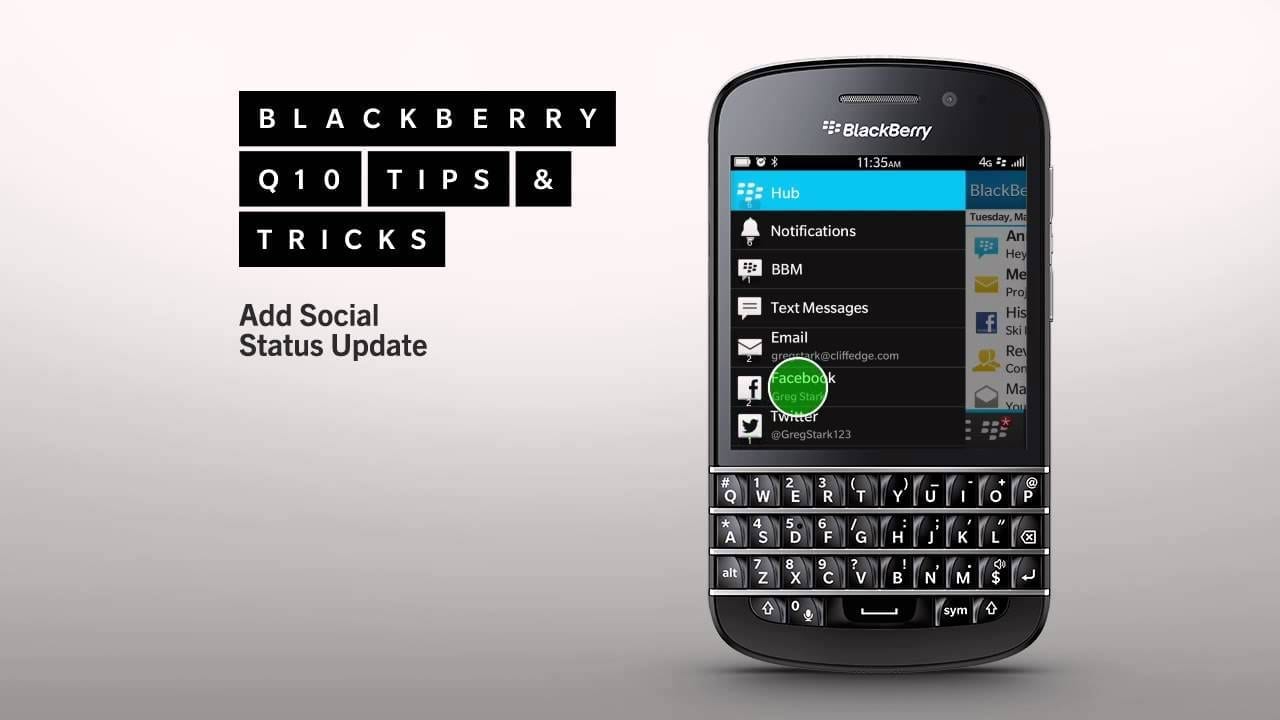
    BlackBerry has launched a software licensing program for its Mobility Solutions business. The vendor has introduced the BlackBerry Hub+ for Android 6.0 Marshmallow smartphones.

    The company’s Mobility Solutions unit manages the BlackBerry smartphone business and development of device software offerings that includes making BlackBerry 10 software features accessible on other platforms.

    BlackBerry Hub+ for Android is a suite of applications that includes the BlackBerry Hub, calendar, contacts, notes, tasks, device search, launcher and password keeper applications for Android smartphones.

    Key features include a unified inbox (Hub), calendar, Password Keeper, Contacts, Tasks, Device Search, Notes, and Launcher.

    The vendor is offering the hub as a free trial on any Android device running 6.0 Marshmallow, and will subsequrently offer the applications for free under an ad-supported model or ad-free for 99 cents per month with the addition of new features.

    “An important initiative of the Mobility Solutions unit is a software strategy that combines BlackBerry’s strength in security, engineering savvy and device experience. The result – the ability to extend the best of BlackBerry’s secure communications and productivity features to any Android M consumer, enterprise or government customer,” said Ralph Pini, Chief Operating Officer and General Manager, Mobility Solutions, BlackBerry.

    “Our customers have always raved about the unique experience of our proprietary productivity apps such as the BlackBerry Hub, calendar and contacts, amongst others. I’m excited that we’re now able to offer these amazing features to all Android users that demand the most out of their smartphones.”

  • ‘Energy drink’ for your mobile phone

    ‘Energy drink’ for your mobile phone

    EVER get that sinking feeling when the last of the battery drains from your mobile phone while in the middle of something? What makes it worse is that you haven’t got your power bank with you, and there’s not a plug point in sight! Now, a cute-looking product called MoBeeGo – a one-time mobile phone charger may just be the answer you have been waiting for.

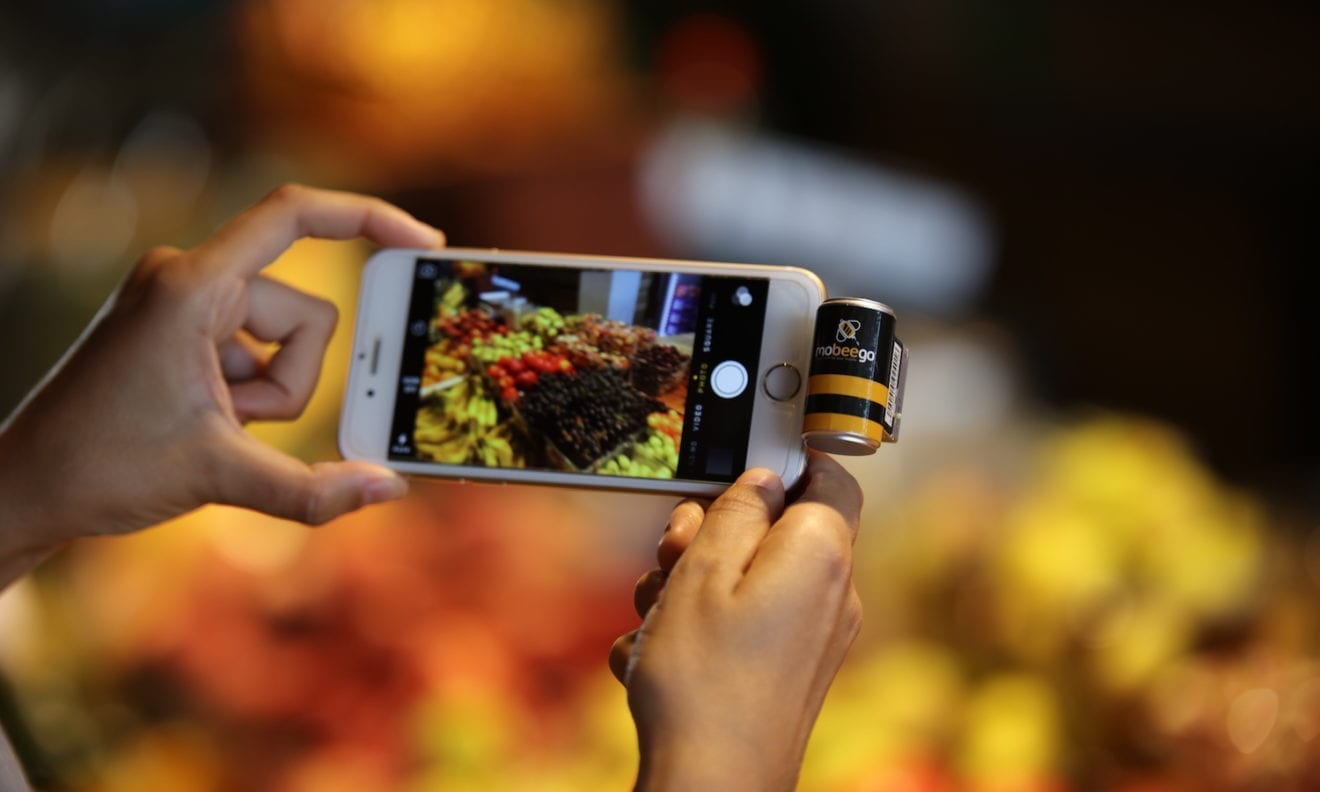
    The cute black and yellow miniature barrels are able to juice up your dying mobile phones for another four hours maximum. Produced by NASDAQ-listed Life Clips Inc, MoBeeGo is an innovative one-time charger that does not require any pre-charging nor the use of cumbersome cords. Brought in to Malaysia by Kelvin Hun and Edric Foong, the founders of Veloster Technology, a local company that specialises in cutting-edge devices and technological gadgets, MoBeeGo is designed with two elements.

    One is a re-usable ultra-compact adapter – there are separate ones available for Google Android and Apple iOs smartphones – that connects to the phone’s charging outlet. The second element is the battery can (shaped to look like a can of an energy drink) or charging unit, which is mounted onto the adapter that attaches to the phone. The charger is tiny and can be easily stored in pockets, purses, and bags. The battery has a 10-year shelf life, enabling consumers to keep them on hand for prolonged periods.

    According to Hun, the battery is hardy enough to withstand extreme temperatures of up to minus 12 and still be able to function well. That’s certainly good news for those planning to travel to cold places this winter. He also added that MoBeeGo is intended to offer convenience and safety, and to be an immediate solution to complement the busy lifestyle of today’s mobile consumers who often carry multiple devices at a time. “With today’s busy lifestyle, we rely heavily on our mobile devices to keep us connected to the world around us.

    Whether we are searching for places to eat on our mobile or playing games during our commute, today’s mobile apps consume lot of power from your devices. The problem lies in trying to squeeze a full day’s worth of power into such mobile devices. Hence, MoBeeGo is designed with ease of use in mind and lets you charge instantly when you need it – anytime and anywhere,” said Hun. The charger and battery is easily available from local stores from next week onwards.

    In the meantime, Veloster Technology is planning to further expand the network of stores where MoBeeGo can be made available. “We are thrilled to have myNEWS as the first convenience retail chain for our award-winning charger. We look forward to expanding our distribution network to even more stores and new markets such as check-out counters in pharmacies, grocery stores, cafes, magazine kiosks, shopping malls, airports and other places where people shop in the near future. So the next time you are running low on battery, just grab a can from the stores, plug it in and go!” said Hun.

    MoBeeGo batteries are recyclable. MoBeeGo is currently sold in 14 countries including Canada, United Kingdom, Malaysia, France and Russia. It recently received an Honourable Mention on the Red Dot Design Award: Product Design this year. The Red Dot Design Award is an international product design and communication design prize awarded by the Design Zentrum Nordrhein Westfalen in Essen, Germany.