Retail News CRM

Tag: smartphone

  • Emerging APAC drives Q2 smartphone sales

    Emerging APAC drives Q2 smartphone sales

    Global smartphone sales grew 6.7% year-on-year during the second quarter to 366.2 million units, driven by demand for 4G handsets in emerging markets, according to Gartner.

    Greater China and emerging APAC markets collectively accounted for nearly half of global smartphone sales during the quarter, the research firm has estimated.

    But China’s share of the overall market has declined from 33.3% a year ago to 27.7% as of the second quarter of 2017, with total unit shipments falling from 114.2 million to 101.5 million over the same period.

    By contrast, emerging APAC’s share increased to 21.4% from 17.3% a year earlier, with shipments growing from 59.4 million to 78.2 million.

    “Although demand for utility smartphones remains strong, there is growing demand in emerging markets for 4G smartphones, with more storage, better processors and more advanced cameras. This is translating into higher demand for midpriced [$150 to $200] smartphones,” Gartner research director Anshul Gupta commented.

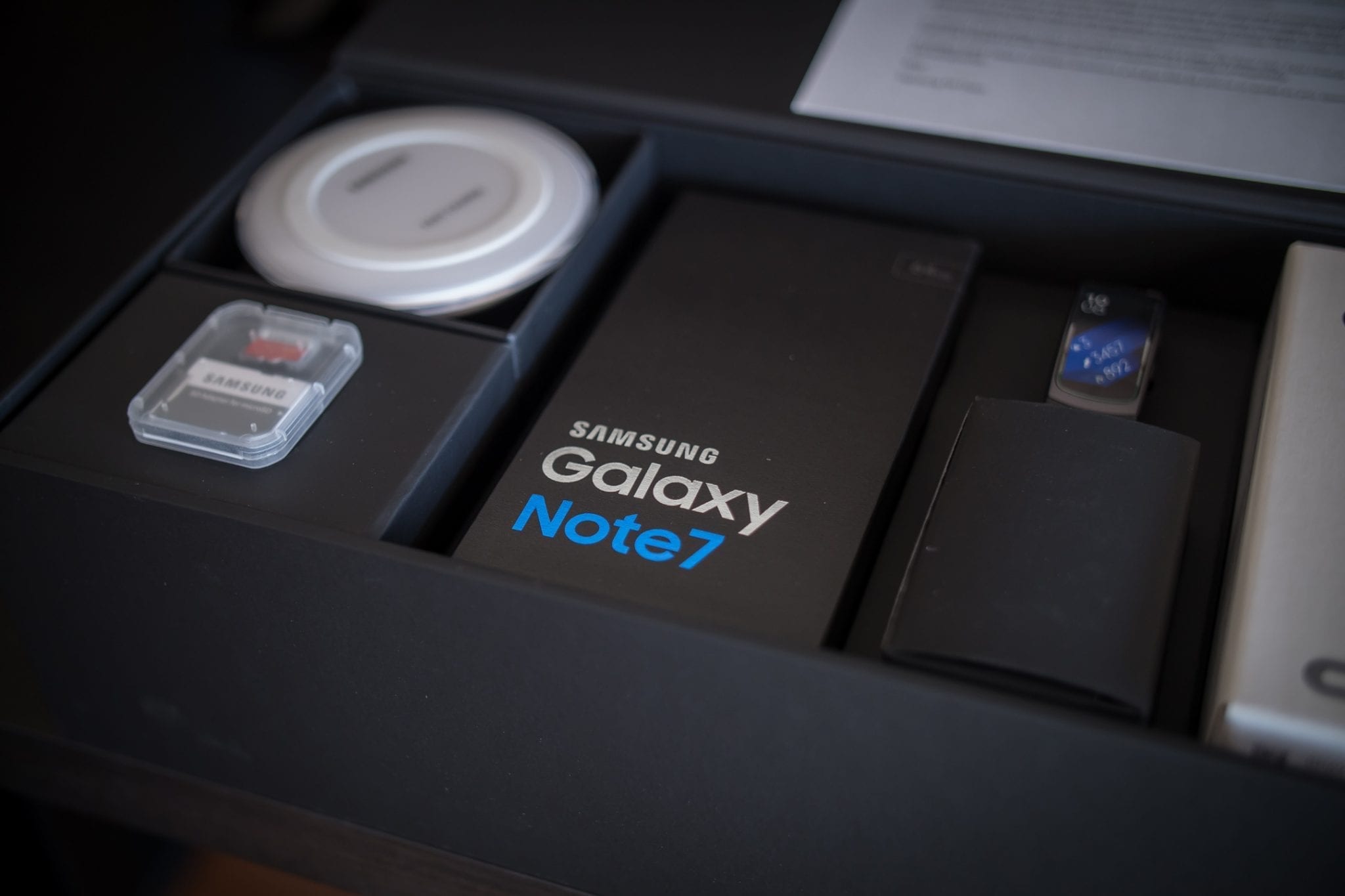
    Globally, Android increased its lead with a market share of 87.7%, compared to 12.1% for iOS, down from 12.9% a year earlier. Samsung meanwhile saw its sales grow 7.5% year-on-year after three consecutive quarterly declines associated with the recall of the Galaxy Note 7.

    But the Galaxy S8 and S8+ are bringing back high demand for Samsung smartphones. “Despite growing competition from Chinese brands such as Huawei, Oppo and Vivo, we expect Samsung to register growth in 2017,” Gupta said.

  • Asus Philippines pinning hopes on new smartphone

    Asus Philippines pinning hopes on new smartphone

    Asus Philippines has launched the Zenfone 4 series as is seeks to carve out more market share.

    Country manager George Su says the Taiwanese smartphone maker is seeking higher second-half growth after posting a 42 per cent hike in  smartphone sales during the first six months.

    “My boss gave me a much higher target for the second half,” he says, noting Asus is ranked fifth in the Philippine smartphone market. “We hope to be number four by the end of the year.”

    Asus CEO Jerry Shen says the firm is upbeat the Zenfone 4 series with its improved design, camera and audio.

    He says it is also easier to use and faster.

  • Oppo Malaysia launches flagship at Suria KLCC

    Oppo Malaysia launches flagship at Suria KLCC

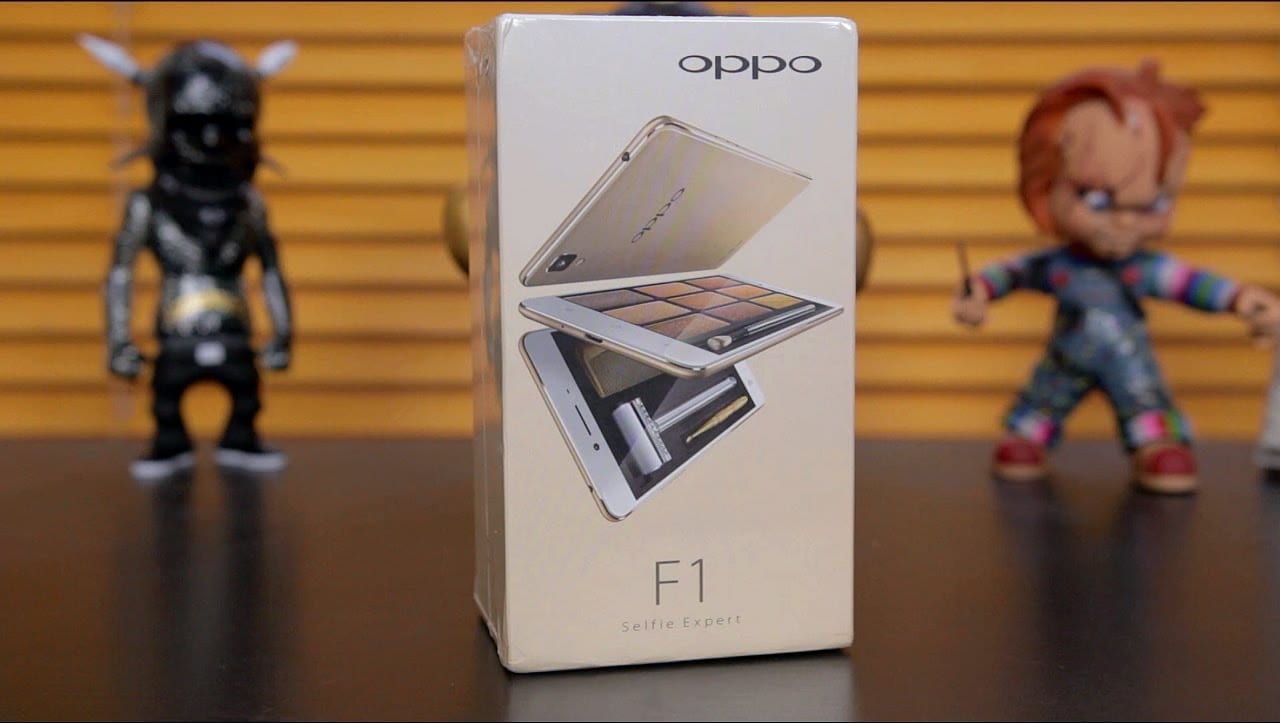
    Chinese phone brand Oppo Malaysia has officially launched its first flagship store for Southeast Asia at Suria KLCC.

    As a special service, customers can have their Oppo devices engraved. Shoppers who buy a phone in store are not charged for the laser-engraving service.

    On the mall’s third floor, the store has an interior of silver-grey aluminum composite panels with white oak wood touches, soft film ceiling and a grey sofa.

    “Malaysia has always been a key market for Oppo,” says Oppo Malaysia sales director Garry Gong. During its three years in Malaysia, the brand has been learning, adapting and improving its services, he says.

    With a focus on customer experience, the new store also offers printing services for photos taken with Oppo camera phones.

  • Huawei maintains China smartphone lead

    Huawei maintains China smartphone lead

    Huawei maintained its lead in China’s smartphone market for the second straight quarter during Q2, while Xiaomi supplanted Apple to take fourth place, according to Canalys.

    Huawei shipped over 23 million handsets during the quarter, the research firm said. China’s smartphone market is now firmly dominated by local vendors, with Oppo taking second place after increasing its shipments by 37% year-on-year to 21 million, and Vivo taking third place with 16 million.

    Likewise, Xiaomi reported a strong 60% quarter-on-quarter growth in handset shipments to 15 million, taking over from Apple in fourth place. Xiaomi is achieving this momentum by focusing on low-cost handsets, according to Canalys research analyst Lucio Chen.

    “Xiaomi still offers the best value in the Chinese market, and it remains the preferred choice for price-conscious consumers. The online channel continues to be a key route to market for Xiaomi and this quarter saw it take the lead in the 618 online sales events across online retail platforms, such as JD.com and Tmall,” he said.

    The rest of China’s top ten smartphone vendors, including Apple, Samsung and Meizu all suffered annual shipment declines during the quarter.

    With the top five brands accounting for almost three quarters of shipments for the quarter, the smartphone market is showing signs of continuing to consolidate, Canalys said.

    Total shipments also fell 3% during the quarter to 113 million, putting an end to six consecutive quarters of growth.

  • Second generation Vietnamese-built smartphone to hit shelves next month

    Second generation Vietnamese-built smartphone to hit shelves next month

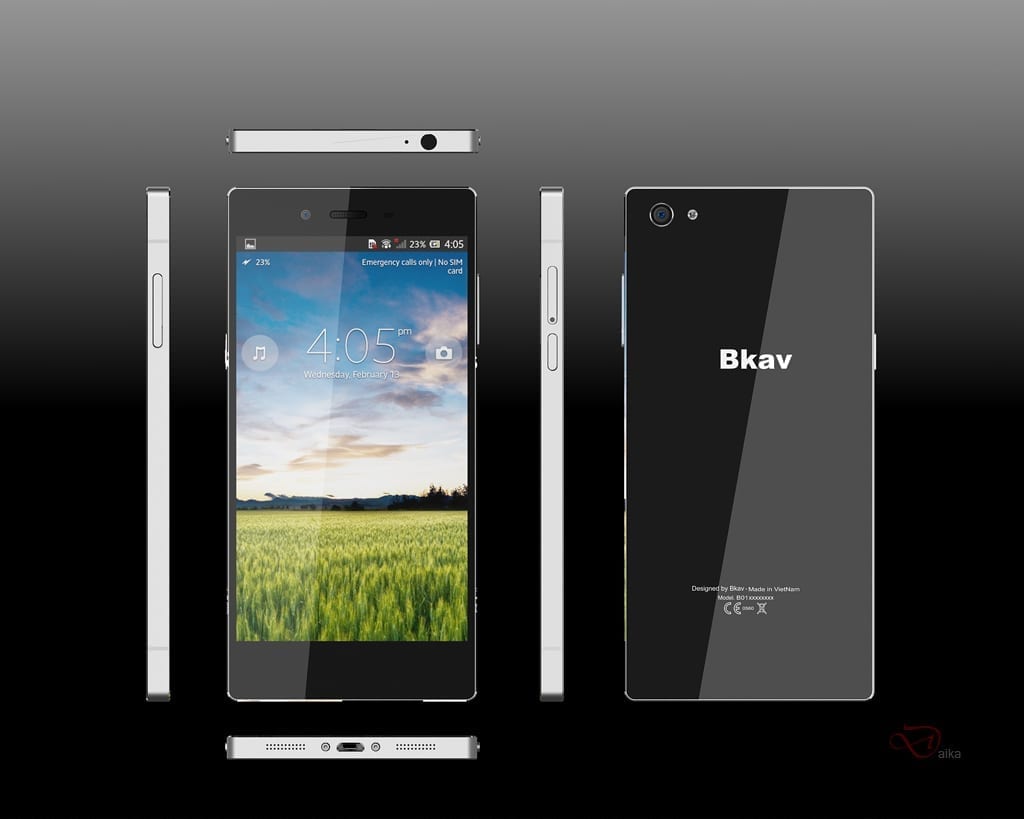
    If the company spent as much time working on the phone as it did on the invites, customers are in for a treat. Vietnam’s leading cyber security firm Bkav will host the launch of its second generation smartphone, currently known as the Bphone 2, in Hanoi on August 8.

    The event will be held at the National Convention Center, the same venue that hosted the launch of the Bphone, Bkav’s first smartphone.

    Over 2,000 invitation letters for the event designed as gilded circuit boards, believed to be based on the new smartphone’s real circuit board, have been sent out to users and members of the press, with “Designed by Bkav – Made in Vietnam” printed on the bottom.

    The invites also featured the time and date of the event on a watermark that was only visible when the cards themselves were submerged. Unlike its predecessor, the new phone will be sold both online and through mobile phone retailer The Gioi Di Dong.

    The Bphone 2 was scheduled for launch last year, but Bkav said it had to delay the event while it was developing new technology.

    Last month, a source from the company said it was possible Bkav would have to drop its new smartphone completely due to the difficulties it had faced creating a truly homegrown smartphone.

    Bkav debuted the Bphone in May 2015. While initially warmly welcomed, the phone’s launch was disappointing to many buyers as it was only available online and the company had to delay delivery four times.

    The phone also caused controversy because despite being Vietnamese-made, 30 percent of the phone was manufactured by a Chinese firm.

    In its 2017 report, Statista, a market research firm based in Germany, said the number of smartphone users in Vietnam stands at 28.5 million, or 30 percent of the country’s population. It predicts that will rise to 40 percent by 2021.

  • Jazz up with the latest Cherry Mobile Flare J1 2017

    Jazz up with the latest Cherry Mobile Flare J1 2017

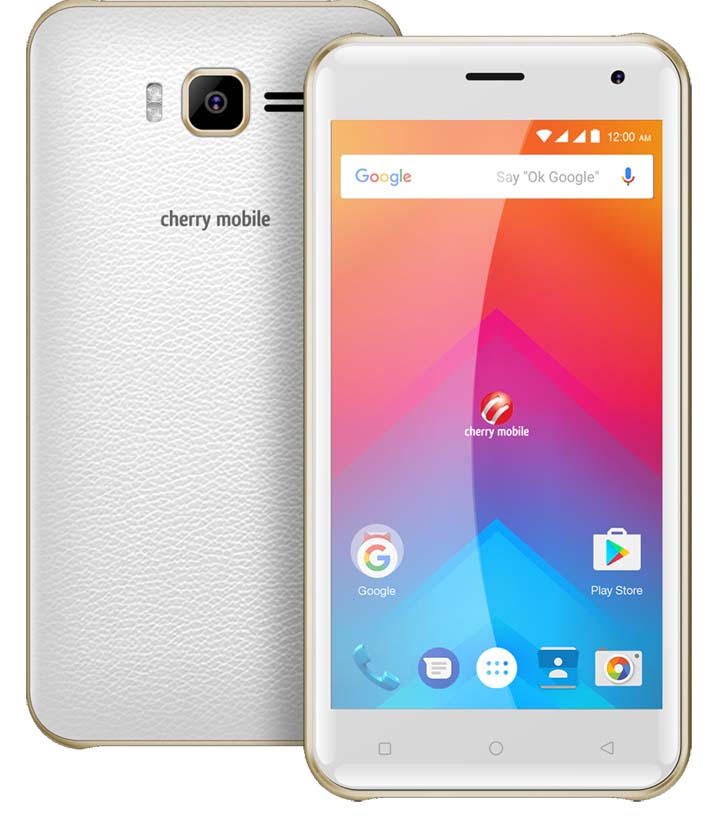
    The year 2017 is all about going bigger, better and bolder. While you’re planning to tick off goals from your bucket list, going beyond your safest zone, or living the life you’ve always wanted, make sure to jazz up with the latest upgrade of Cherry Mobile Flare J1 2017.

    Cherry Mobile Flare J1 2017 encourages the young trendsetters to push their boundaries and live a life with no limits as it is built to take on the demands of one’s hectic lifestyle. The Flare J1 2017 is crafted with a durable and tough LCD that can withstand rough falls and unsightly cracks. Coming with a price tag of P2,699 SRP, you get to own a 5-inch strong and impressive mobile device that will accompany you as you learn the ropes of life the hard way.

    In addition to its durability, the Flare J1 2017is equipped with a1GB RAM and 8GB internal storage which can be expanded to 32GB via microSD. Capture your achievements, any mundane moments or gear up for countless rounds of selfie with the device’s 8MP rear and 5MP front cameras. The Flare J1 2017 is also fitted with a hefty 2300mAh removable battery.

    Feel free to live life on the edge as the Flare J1 2017 is as strong as your will. Make sure to score your first dibs on the latest Flare J1 upgrade this 2017 at any Cherry Mobile concept stores and kiosks near you.

  • Retro Nokia phone hits the right buttons on return to Vietnam

    Retro Nokia phone hits the right buttons on return to Vietnam

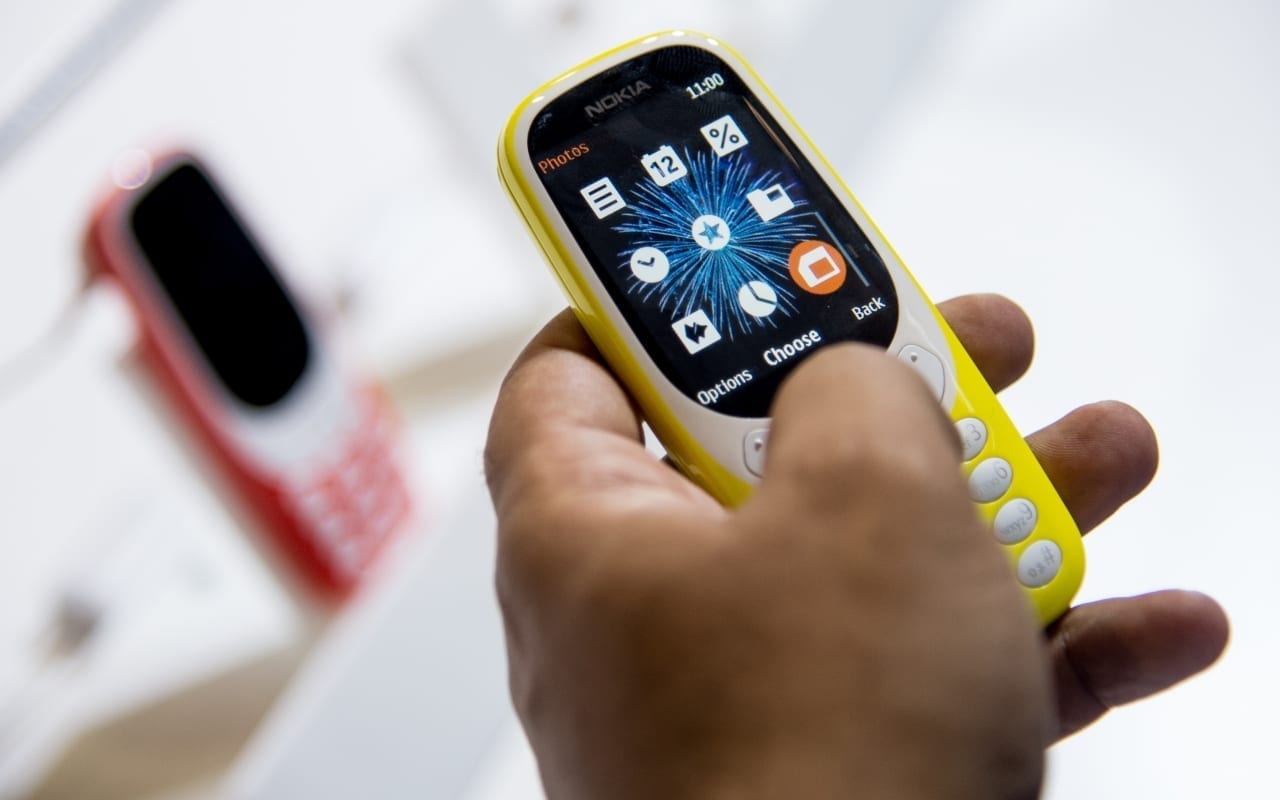
    Nearly two decades after being crowned the king of Vietnam’s cellphone market, Nokia’s classic 3310 has made a successful return to the mobile-crazy country, proving that its charms still work.

    The classic talk and text phone, which was reintroduced in a brightly colored version at the Mobile World Congress in Barcelona last February, hit Vietnamese shops on Monday and has already become a phenomenon.

    “It has triggered a hunt like when the iPhone first arrived in Vietnam,” said one customer who has been trawling the shops in vain for the revamped model.

    Many mobile retailers in Hanoi and Ho Chi Minh City said they had received limited supplies that sold out in a day. An independent shop in Hanoi was sent 20 phones while a retail chain received 500 for its more than 400 outlets.

    A source from the official distributor said that supplies will stabilize from next week. Many buyers have put deposits down for the phone, which costs VND1,059,000 ($46.67).

    Retailers said customers are buying out of a sense of nostalgia.

    The phone is a powerful reminder of Nokia’s popularity back at the start of the millenium, when the 3310 was one of the most popular models in many markets, including Vietnam.

    The original 3310 sold 126 million phones, the 12th best-selling phone model in history. Nine of the top 12 selling models were produced by Nokia.

    Many Vietnamese still consider the old model a benchmark for durability and battery life. The new model is designed for 22 hours of talk time and up to one month of standby time, which might heighten the phone’s appeal as a backup for smartphone users.

    Analysts hailed the 3310 launch as a smart retro gambit, but one which could overshadow the Finnish company’s re-entry into the global smartphone market. Nokia has also launched four moderately priced smartphones ranging from 139 to 299 euros ($156-336).

    Nokia sold its by-then ailing handset operations to Microsoft for $7 billion in 2014, leaving it with its network equipment business and a large patent portfolio.

    But last year, it gave the Nokia brand a fresh start by licensing its devices brand to HMD Global, a new company led by ex-Nokia executives and backed by Chinese electronics giant Foxconn.

    Industry analysts say the revived Nokia 3310 has the makings of one of the hit devices of 2017, appealing to older Nokia fans in developed markets looking for an antidote to smartphone overload, while also appealing to younger crowds in emerging markets.

  • Word of mouth key to Indian smartphone sales

    Word of mouth key to Indian smartphone sales

    The most important factors influencing the sale of smartphones in India are point of sales (POS) techniques and word of mouth, according to research from IDC.

    The research firm’s new Smartphone PULSE (Indian smartphone end consumer research) study finds that 75% of Indian consumers take recommendations from family and friends.

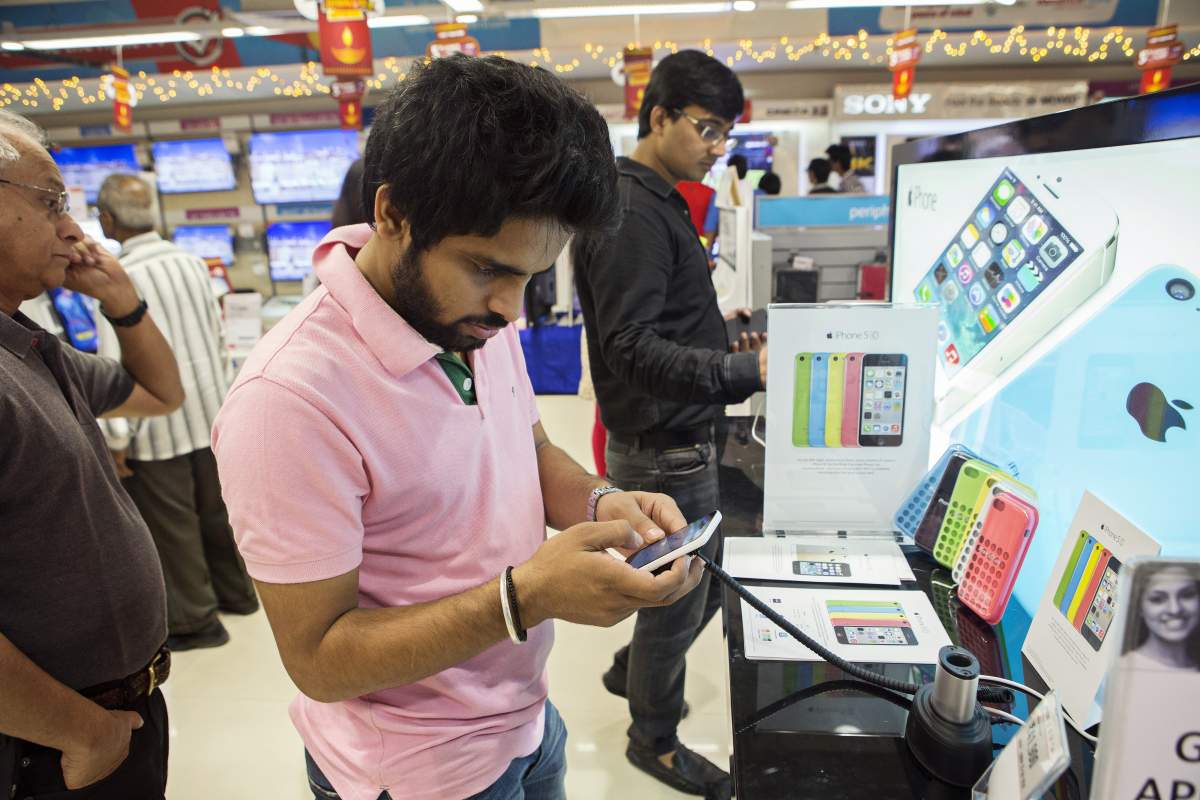
    When it comes to smartphone purchases, 50% of buyers are under 25 years and two-thirds of consumers prefer making the purchase at a brick-and-mortar store where they can touch and feel the device. Also 40% of consumers depend on in-shop promoters and retailers to decide their preference for a brand.

    According to Himanshu Jain , Market Analyst, IDC India “Smartphone is now more of a status and style symbol than a mere communication and utilitarian device. Sheer number of smartphones choices in the market, peer pressure and the need to remain up to date with the latest technology are some of the factors driving the consumers in India to research, seek reviews and recommendations before buying a smartphone.”

    Offline retail is still the biggest sales channel in India contributing 2/3rd of smartphone sales in India. To address the width and depth of Indian market a few China-based vendors like vivo, OPPO, Gionee are investing a lot in branding and marketing campaigns to create brand awareness and availability in smaller towns and cities. Also, the nearest to home convenience of stores followed by retailer trust with wide variety of options gives consumers comfort to go for offline purchase of smartphones.

    Online channel is very competitive since smartphones contribute a large portion to overall sales for all e commerce players. The investments by Amazon and Flipkart to improve user experience, reduce delivery time and entering exclusive alliances with smartphone vendors clearly show that online players are making serious efforts to gain consumer trust.

    e-Commerce is a growing trend in India with 50% of online consumer preferring e-commerce due to the convenience and ease of comparing different smartphone models.

    “The Indian smartphone consumer is looking for value-for–money smartphones that fit their budget, while offering the latest technology. With more than 40% overall share of smartphone segment in India, China-based vendors are investing a lot in offline promotions and branding to lure consumers,” IDC India market analyst Sachin Mehta said.

    “These brands are now perceived to be offering great quality products, with good design, latest specifications and focused high decibel communication on features like selfie camera and extended battery life, these vendors are setting a new trend in the industry.”

    The smartphone demand from Tier 2&3 cities is outgrowing demand from Tier 1 cities as urban markets have begun to saturate. Vendors are looking to tap consumer base in Tier 2&3 and rural areas by setting up robust offline distribution network.

    One of the major drivers of this is rapid expansion and promotion of 4G network footprint by telecom operators in India, led by Reliance Jio. This is compelling customers across city tiers to be future ready, by choosing more 4G than 3G devices, with more than 80% of the smartphones being 4G compatible across all city tiers.

    China based vendors have understood this trend and are gradually building and investing significantly in the offline distribution network in Tier 2 cities and beyond. This shows that the offline channel remains significant and the vendors have understood to address the needs of a diverse Indian consumer base, offline must go hand in hand with the online channel.
  • Smartphone owners use an average of 10 apps daily

    Smartphone owners use an average of 10 apps daily

    Time spent in apps has surged to nearly 1.7 billion hours during the first quarter, largely a result of an exploding global user base, according to App Annie’s latest Consumer App Usage report.

    The report reveals that despite each operating system having a separate top trending app category, there is actually no one size fits all app category.

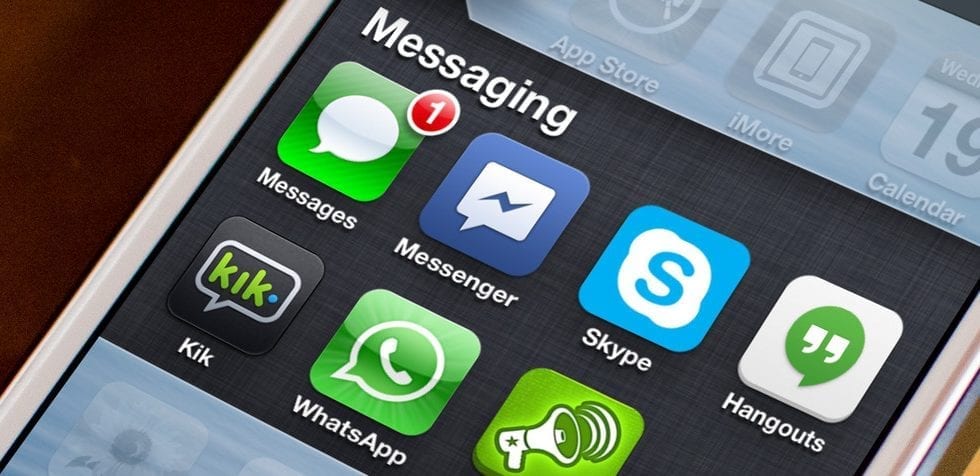
    People now manage their lives with apps as an average of 10 apps are used each day. On average, only 25% to 50% of the apps downloaded are used regularly each month.

    Apps from the Utility and Tools category are most used due to them being pre-installed. This is followed by Social Networking, Communication and Social apps – these make up the largest category by average apps used.

    Android users have over 30% more games than iPhone users, however iOS still leads in gaming revenue due to their higher average revenue per user.

    Singaporeans use an average of 40 apps per month, with around 99 apps downloaded onto their phones. This brings the average daily usage to 12 apps per day – higher than the global average.

    Dating and Productivity apps saw the highest average sessions per day with around four minutes, while Finance and Productivity apps were used for less than one minute per session.

    App usage jumped 10% in the first quarter of 2017 compared to the same quarter of 2016, to reach an average of 192 minutes were spent on apps.

    On global average, over 80% of time spent in apps were spent outside of the country’s top app.

    Key learnings for publishers include, first, there is no one size fits all due to the huge variability across categories in user behaviours.

    Second, brands have to define their KPIs based on the app’s specific use by aligning their engagement strategy with their target users.

    Third, consumers prefer to manage their lives through apps and are increasingly becoming a must-have component for many companies across several industries.

    And fourth, Social Network and Communication apps have heavy influence over users, and underscores the continued importance for marketing efforts for all types of apps.

  • 5G smartphone sales to hit 100m in 2021

    5G smartphone sales to hit 100m in 2021

    About 2 billion mobile phones will be shipped in 2017, a 2% rise from 2016, and this growth rate is expected to continue resulting in a staggering 10 billion mobile phones being shipped over the next five years, CCS Insight estimates

    Smartphones will continue to account for most sales, with an expected 1.53 billion shipped in 2017. This figure will rise to 1.9 billion in 2021, when smartphones will account for 92% of the total mobile phone market.

    “Although total shipment volumes will remain largely flat over the next five years, the proportion of smartphones continues to grow and the technology landscape is changing rapidly,” said Marina Koytcheva, VP of forecasting at CCS Insight.

    The forecast reveals the strong progress that 4G LTE technology has made in mobile phones over the past decade. CCS Insight expects 68% of phones shipped in 2017 to be LTE-capable, climbing to 84% in 2020.

    CCS Insight’s forecast also reveals the emerging potential for 5G-capable handsets, despite the fact that early deployment of 5G networks will focus on providing fixed wireless connections. The analyst firm expects 100 million 5G-capable phones will be shipped in 2021, and leading markets will be North America and developed markets in Asia–Pacific such as Japan and South Korea.

    China will remain the largest global market, with sales reaching half a billion units in 2021. Principal growth markets during the forecast period will be in Africa, India and some other markets in Southeast Asia.

  • Smartphones that fold up are coming by 2019, says Samsung engineer

    Smartphones that fold up are coming by 2019, says Samsung engineer

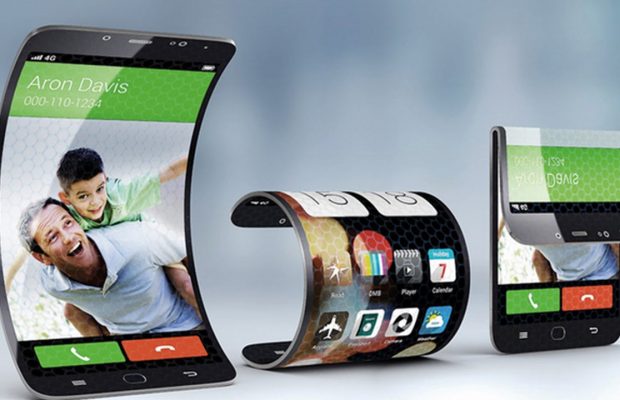
    A Samsung engineer recently said that he expects foldable smartphone displays to be ready for mass consumption in 2019.

    “Because the bezel-free display currently sells so well, we still have enough time to develop foldable displays,” Samsung Display principal engineer Kim Tae-woong. “The technology is expected to be mature around 2019.”

    A foldable display will pave the way for gadgets that can be folded into smaller sizes. Imagine a tablet that can be folded into a smartphone that can be folded into something even tinier and more pocket-friendly.

    Phone-makers have experimented with this sort of “foldable” technology before, though rather unsuccessfully. Kyocera launched a phone on Sprint named the “Echo” that folded in half, but used two separate display panels instead of a truly foldable display.

    A report last summer suggested that Samsung was going to launch a foldable smartphone much sooner. The device, reportedly code named “Project Valley” inside Samsung, was expected to make its debut in February during Mobile World Congress. No such device ever materialized in public view.

    There’s another reason why Samsung may be dragging its feet with foldable screens, though.

    Samsung is currently leading the market in bendable displays. Its curvy displays have been used in its flagship smartphones for the past several years, most recently making an appearance on the Galaxy S8 that launches later this month. They’re used to minimize the bezels on the front of a smartphone, allowing for a display that appears to pour over the edges of the device. Foldable displays will make bendable screens obsolete.

    The comments made by Tae-woong suggest that Samsung is going to take its time perfecting foldable displays, especially while interest in its bendable screens is still growing. Rumor has it, for example, that Apple will finally adopt Samsung’s display technology, possibly employing a bendable AMOLED display in the iPhone 8.

  • Samsung says to sell refurbished Galaxy Note 7s

    Samsung says to sell refurbished Galaxy Note 7s

    Analysis from Samsung and independent researchers found no other problems in the Note 7 devices except the batteries. Tech giant Samsung Electronics said late on Monday that it plans to sell refurbished versions of the Galaxy Note 7 smartphones, the model pulled from markets last year due to fire-prone batteries.

    Samsung’s Note 7s were permanently scrapped in October following a global recall, roughly two months from the launch of the near-$900 devices, after some phones self-combusted. A subsequent probe found manufacturing problems in batteries supplied by two different companies – Samsung SDI Co Ltd and Amperex Technology.


    Analysis from Samsung and independent researchers found no other problems in the Note 7 devices except the batteries, raising speculation that Samsung will recoup some of its losses by selling refurbished Note 7s.

    A person familiar with the matter told in January that it was considering the possibility of selling refurbished versions of the device or reusing some parts.

    Samsung’s announcement that revamped Note 7s will go back on sale, however, surprised some with the timing – just days before it launches its new S8 smartphone on Wednesday in the United States, its first new premium phone since the debacle last year.

    Samsung, under huge pressure to turn its image around after the burning battery scandal, had previously not commented on its plans for recovered phones.

    “Regarding the Galaxy Note 7 devices as refurbished phones or rental phones, applicability is dependent upon consultations with regulatory authorities and carriers as well as due consideration of local demand,” Samsung said in a statement, adding the firm will pick the markets and release dates for refurbished Note 7s accordingly.

    The company estimated it took a $5.5 billion profit hit over three quarters from the Note 7’s troubles. It had sold more than 3 million Note 7s before taking the phones off the market.

    The company also plans to recover and use or sell reusable components such as chips and camera modules and extract rare metals such as copper, gold, nickel and silver from Note 7 devices it opts not to sell as refurbished products.

    The firm had been under pressure from environment rights group Greenpeace and others to come up with environmentally friendly ways to deal with the recovered Note 7s. Greenpeace said in a separate statement on Monday that it welcomed Samsung’s decision and the firm should carry out its plans in a verifiable manner.

  • Chinese vendors dominate local smartphone market

    Chinese vendors dominate local smartphone market

    Top Chinese smartphone vendors are taking up a larger share of their domestic smartphone market, cornering 57% of sales in 2016, IDC estimates. This is up from 46% in 2015.

    The research firm said this shows the growing local acceptance of Chinese vendors in their home countries with the improvement in product features and better marketing messages seen in the past year.

    “Increased dependence on mobile apps has led consumers to seek phone upgrades, thus helping drive the large growth in the fourth quarter. In lower-tiered cities, there was similar demand from consumers, which OPPO and Vivo met by aggressively pushing mid-range smartphones in these cities,” commented Tay Xiaohan, senior market analyst with IDC Asia-Pacific’s Client Devices team.

    A key trend that stood out in 2016, according to IDC, was the slowing growth of the online channel in China.

    “There is no longer a single channel that is seeing exponential growth for smartphones, unlike previous years. Most brands are now using a combination of channels to increase their shipments,” IDC noted.

    Xiaomi, previously focused on online channels, has opened more Mi Home stores to drive offline growth. Apple has also been aggressive in increasing its offline retail presence. Some vendors outside the top five vendor list in 2016, such as Gionee, also saw good growth in 2016 due to its expansion in the offline channel in the lower tiered cities.

    To differentiate itself from OPPO and Vivo – which predominantly target a younger audience – Gionee has been targeting professionals and executives, and hence found a niche market for itself to stand out against its two competitors.

    IDC also observed that for the first time Apple saw a year-over-year decline in the China market. The new iPhone 7 did not create as much of a frenzy compared to the past.

    Despite the decline, IDC does not believe Chinese vendors have actually eaten away Apple’s market share. Most Apple users are expected to be holding out for the new iPhone that will be launched this year, and that will help the brand to see growth in 2017. Apple’s 10-year anniversary iPhone will also likely attract some of the high-end Android users in China to convert to an iPhone.

    In 2017, IDC expects top vendors to continue to taking up a larger share of the market while smaller brands will begin consolidation. Chinese vendors will continue to focus on their international expansion plans. At present, out of the top three Chinese vendors in China, Huawei is the most successful with half of its shipments coming from markets outside of China in the fourth quarter of 2016.

    “We expect these vendors to increase their shipments in the international market, with India as a key target for these top Chinese vendors,” IDC said. “Similarly, Chinese vendors will be aggressive with other new technologies such as flexible screens, augmented reality, and other new areas.”

  • Xiaomi Goes All-In On Retail to Revive China Smartphone Sales

    Xiaomi Goes All-In On Retail to Revive China Smartphone Sales

    After pioneering online flash sales in China to reach the top of the smartphone market, Xiaomi Corp. is turning to old-fashioned retail to arrest its slide. The phonemaker will roll out a chain of about 1,000 brick-and-mortar stores under the Mi Home banner over the next three years, as co-founder Lei Jun mimics a strategy that’s helped the Oppo and Vivo brands leapfrog Xiaomi to the top of China’s smartphone market. The new target accelerates plans outlined just last month to open 200 stores in 2017.

    Xiaomi, which was valued at about $45 billion in 2014, is resorting to traditional selling techniques to make inroads into the next generation of smartphone buyers who eschew buying online. While Oppo and Vivo use a network of resellers to reach consumers in rural areas and smaller Chinese cities, Lei’s strategy would be more akin to Apple Inc.’s, with plans to own and operate its own signature outlets.

    “This is Xiaomi’s biggest problem: how we can overcome the obstacles of our business model,” Lei said in a video clip from a business forum posted by national broadcaster CCTV. “Our model can no longer be online, it has to be new retail.”

    “We have a chance to do 60 to 70 billion yuan in business” from those stores, Lei said without specifying a timeframe.

    Xiaomi is overhauling its approach to try and regain its perch atop the world’s largest smartphone arena. While it’s expanding globally — particularly in India — plugging all manner of household appliances and deepening research into artificial intelligence and online finance, the company still gets much of its revenue from its first hit product.

    Oppo and Vivo’s retail strategy has helped them take two of the top three spots in the Chinese market, providing rebates and incentives for the shop owners that dominate sales in far-flung provinces to push their products.

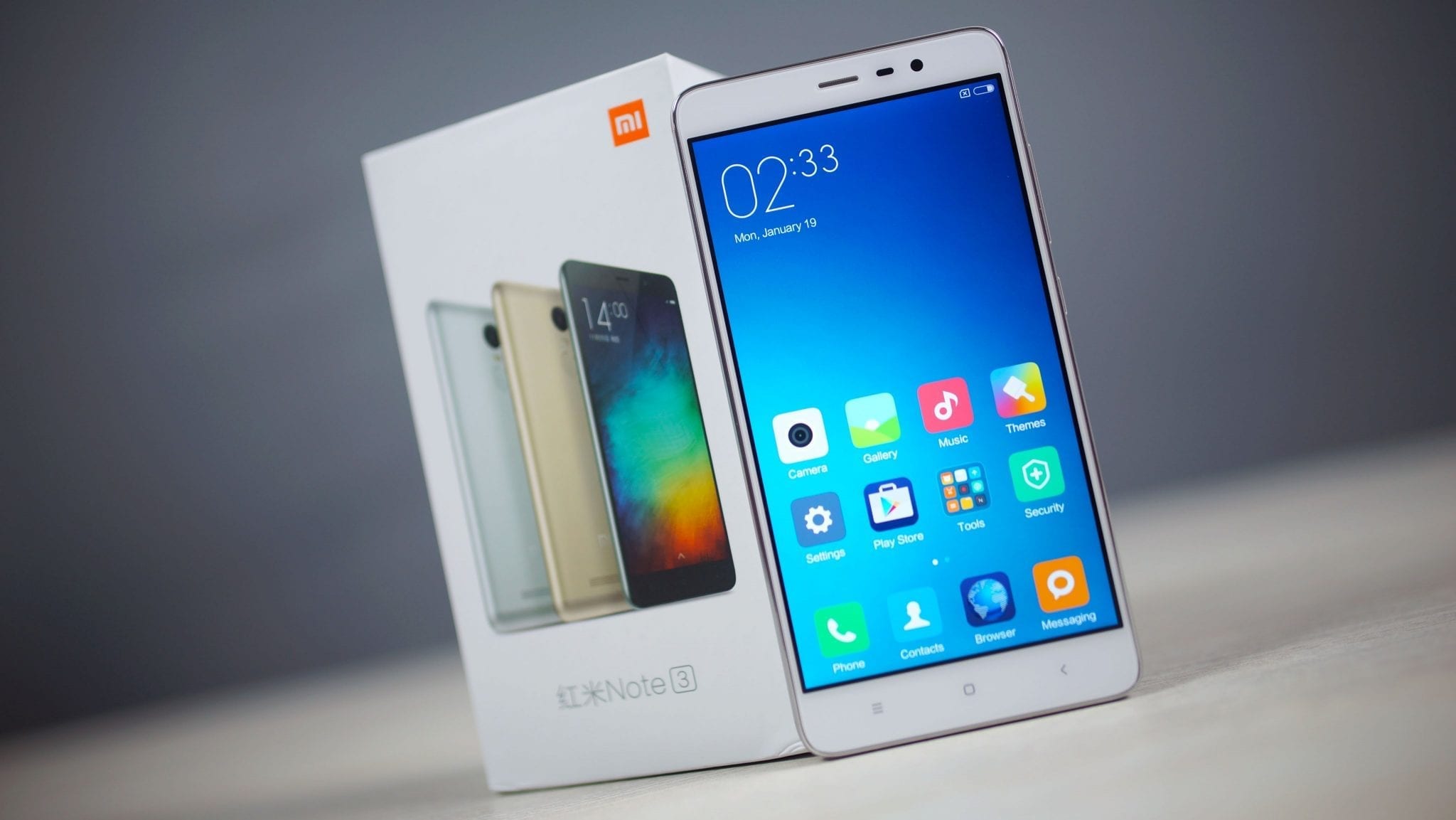
    That has driven down Xiaomi’s share of the home market. Oppo’s smartphone shipments more than doubled to 78.4 million units last year as it took top spot with a 16.8 percent share, according to IDC data. Huawei Technologies Co. and Vivo both rose at a double-digit pace to rank second and third. Xiaomi’s shipments slumped 23 percent and had just 8.9 percent after topping the market two years earlier.

    Savvy use of social media and flash online promotions, where a limited number of devices are available for a short period, helped build buzz around a company that has drawn comparisons to Apple for the fervor of its fans. But that doesn’t work so well in rural areas, where more than 600 million people live and new buyers want advice and demonstrations.

    Having its own network could also help Xiaomi push a wider variety of products.

    While the company is best known for phones, it’s invested in dozens of startups and now offers air purifiers, drones, speakers, TV set-top boxes and robot vacuum cleaners. Its Mi Home outlets resemble Apple stores with their white walls and spare space, but on display is the wider range of appliances that Xiaomi’s invested in over the years. It operates about 50 locations across China currently.

    Apple has about 40 stores across mainland China, most of which are in large cities, but its iPhones are also sold through about 40,000 locations such as outlets controlled by wireless carriers and spots within electronics chains.

    Xiaomi’s not just relying on offline retail to jazz up its phone sales. The company is close to using its own “Pinecone” processors and could introduce the chipset within a month, the Wall Street Journal has reported. In so doing, it would join Apple, Samsung Electronics Co. and Huawei in employing their own processors, which can heighten the user experience by making hardware and software work together more efficiently.

  • China leads growth ins smartphone market in Q3

    China leads growth ins smartphone market in Q3

    Three Chinese vendors — Huawei, Oppo and BBK Communication Equipment — jointly accounted for 21% of the smartphones sold to end users globally in Q3 of 2016.

    The trio were the only smartphone vendors in the global top five to increase their sales and market share during the quarter, according to Gartner.

    “China led the growth in the smartphone market in the third quarter of 2016,” said Anshul Gupta, research director at Gartner. “Sales of smartphones in China grew by 12%, and the vendors who most successfully exploited the sales opportunities there were Oppo and BBK Communication Equipment.”

    In Oppo’s case, 81% of its smartphone sales came from China, while BBK accounted for 89% of smartphones sales in China. These two vendors also grew strongly in India, Indonesia, Malaysia, Thailand and Russia.

    Global sales of smartphones to end users totaled 373 million units in the third quarter of 2016, a 5.4% increase over the third quarter of 2015. However, overall sales of mobile phones fell by 1.3%, largely due to the declining popularity of feature phones.

    Samsung had a good start to the quarter, but the battery problem that caused some Galaxy Note 7 smartphones to catch fire led to lower sales of the company’s high-end and high-profile line of Note products.

    Samsung’s smartphone sales in the third quarter of 2016 as a whole declined 14% year over year — their worst performance ever. Samsung’s previous worst performance for smartphone sales was a 12% drop in the fourth quarter of 2014.

    Apple’s iPhone sales continued to fall in the third quarter of 2016, with a 6.6% decline. Apple accounted for 11.5% of the global smartphone market, its lowest share since the first quarter of 2009.

    Huawei is closing the gap with Apple. In the third quarter of 2016, there was less than a three percentage point difference in market share between them in the smartphone market.