Tag: smartphone

  • Make Vietnam your largest strategic base, PM urges Samsung

    Make Vietnam your largest strategic base, PM urges Samsung

    PM Nguyen Xuan Phuc has suggested that Samsung expands its scale to make Vietnam the group’s largest strategic base. Receiving Lee Jae Yong, vice chairman of Samsung Group, in Hanoi on Tuesday, Phuc said Samsung should not just stop at making Vietnam its largest smartphone production base.

    He suggested the South Korean giant expands its business to other major fields like semiconductors, infrastructure and energy in Vietnam rather than focusing mainly on manufacturing and assembling electronic products, as it has been doing so far.

    A statement posted on the government’s website cited the prime minister as saying that Samsung should work towards building its largest strategic base in the country.

    He also wanted Samsung to continue providing practical support in terms of training and technology transfer to assist Vietnam’s supporting industry.

    As Samsung is making a significant contribution to developing e-government in South Korea, the PM suggested it does the same for Vietnam.

    He promised that the Vietnamese government will keep creating favorable conditions for Samsung’s operations in the country.

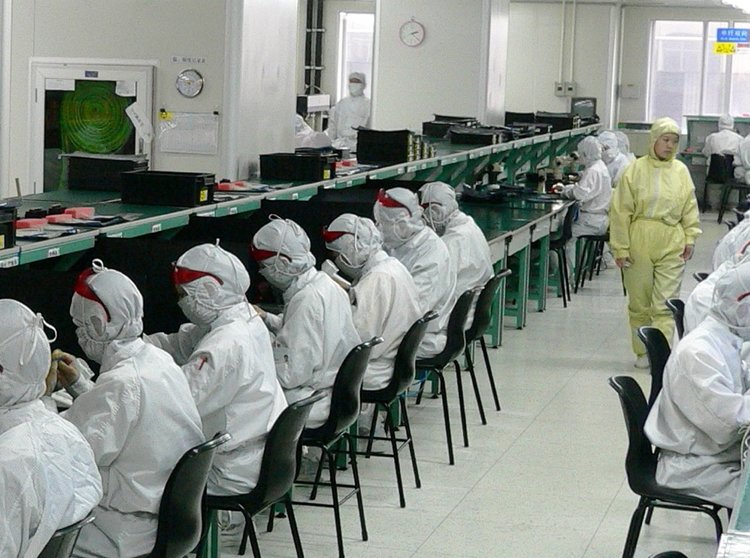
    Samsung Electronics Co. has invested $17.3 billion in eight factories and one research and development center in Vietnam, creating jobs for more than 160,000 locals.

    Exports from Samsung Electronics’ factories in Vietnam totaled $54 billion last year, it said.

    In April, CEO Koh Dong-jin of Samsung Electronics told PM Phuc that the company was determined to further expand production in Vietnam.

    He said Samsung will recruit more Vietnamese employees and develop electronics in smart cities in Bac Ninh province in the northern region and other places.

    Samsung is the largest foreign investor in Vietnam and accounts for around a quarter of the country’s total export revenue. It operates two cellphone factories in Bac Ninh and Thai Nguyen provinces in northern Vietnam.

    The factories produce around half of all the cellphones that Samsung supplies to the global market.

  • Xiaomi is coming to UK

    Xiaomi is coming to UK

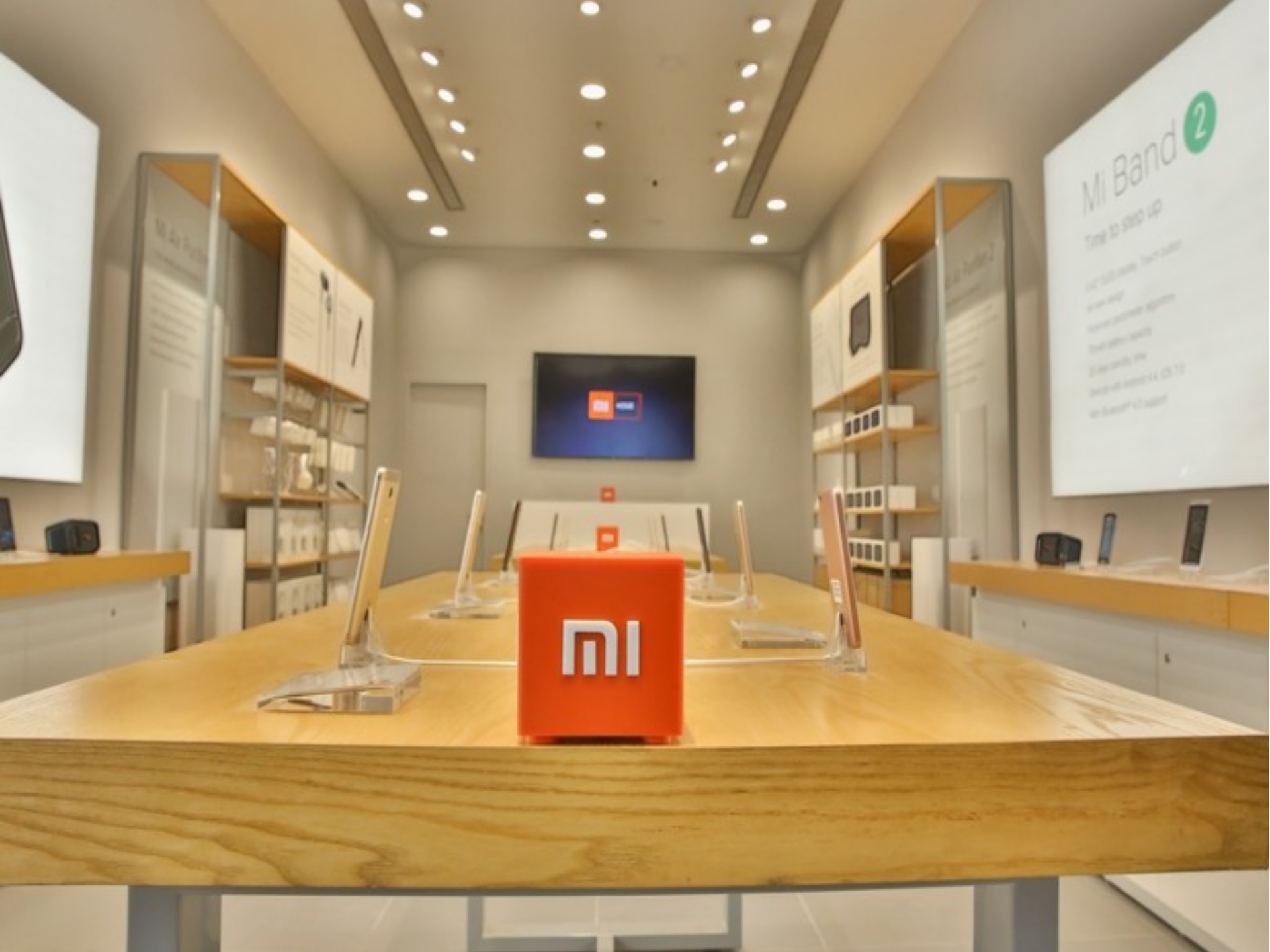
    Xiaomi will open its first store in the UK next week. The fast-growing Chinese electronics company will also sell its smartphones through the Three network, giving the brand exposure in hundreds of stores across the UK and in the Republic of Ireland.

    The Xiaomi UK launch follows openings in Spain and Paris as it joins other major global phone brands fighting for European market share.

    The first store, to be located in Westfield London, will open on November 10 and besides smartphones, will sell consumer electronics and accessories.

    In a Tweet, Xiaomi global spokesperson Donovan Sung wrote: “Excited to announce that Xiaomi will be officially entering the UK. See you all in London!”

    Just eight years after its launch, Xiaomi is now sold in 80 countries and boasts 200 million users. Already the fourth-largest smartphone brand in the world, behind Samsung, Huawei and Apple, Xiaomi sold 28.5 million handsets in the first quarter of this year.

  • Xiaomi’s Pocophone F1 to go on sale next month in Korea

    Xiaomi’s Pocophone F1 to go on sale next month in Korea

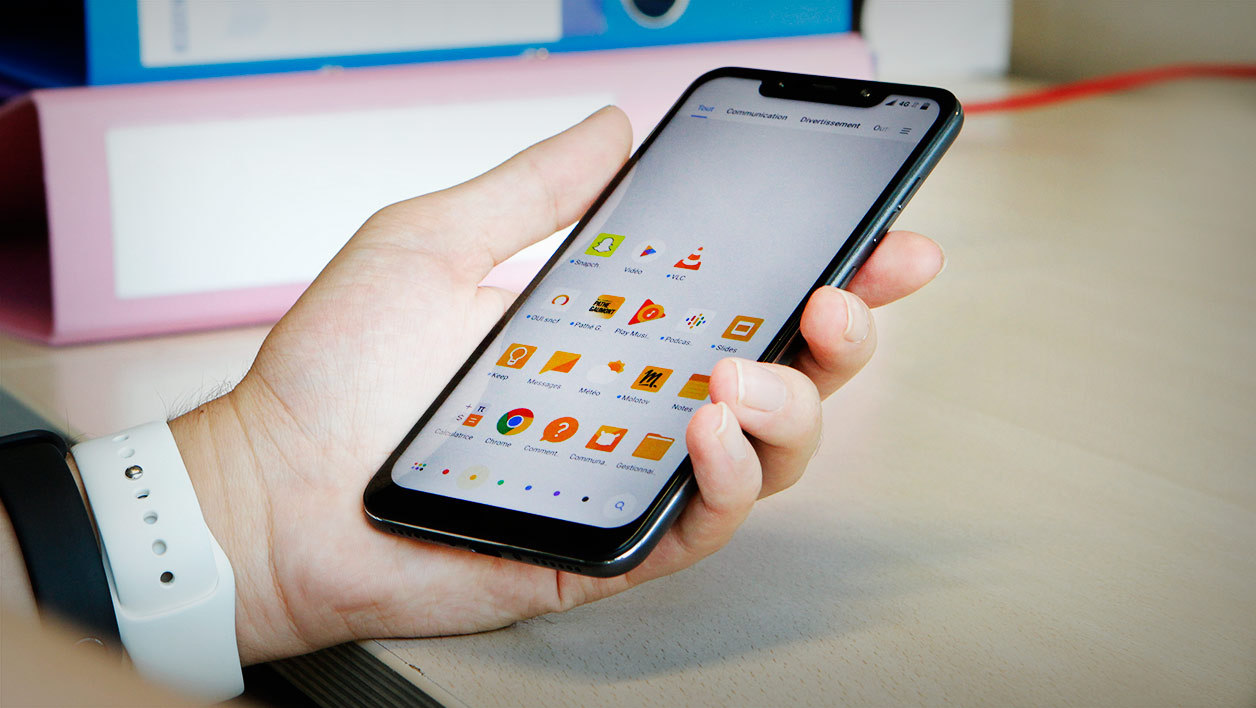
    Xiaomi’s affordable smartphone Pocophone F1 is arriving in Korea next month. The Pocophone F1, the first smartphone from Xiaomi’s sub-brand Poco Global, was first unveiled in early August. The F1 will cost 429,000 won ($376) here, around one-third of the price of an Apple iPhone XS and half the price of Samsung Electronics’ Galaxy Note 9.

    The phone has already proved to be a success in other markets, especially in India, where it raised 30 billion won in sales within the first five minutes.

    The F1 comes with six gigabytes of RAM and three storage options: 64, 128 or 256 gigabytes. In Korea, only the 64 gigabytes will be available for purchase. SK Telecom, KT and LG U+ will start receiving preorders from Nov. 12.

    Jay Mani, the head of product for Poco Global, said the core motivation for developing the Pocophone F1 was the market trend where fierce competition drives manufacturers to add all kinds of new functions and features that aren’t relevant to everybody.

    “So the phones you have today – they have all these new functions but many do not appreciate them, nor are they excited about them, and yet the prices have come up to the current level,” he said in a press conference held in southern Seoul on Monday. “We wanted to buck this trend.”

    The Pocophone F1 focuses on performance. Inside its plastic body, the F1 uses the same processor chip as the Galaxy Note9 and LG Electronics’ latest V40: the Qualcomm Snapdragon 845. Its battery storage is 4,000-milliampere hour, larger than most phones released this year and equivalent to the Note9. To ensure its high speed, the F1 has a cooling system that keeps the phone’s temperature down. The hotter a device, the slower it gets, said Mani.

    However, it also adds some of the core features used in competitors’ top phones today. For example, the artificial intelligence-embedded camera can add 25 filters while taking a photo by automatically perceiving what the object is, while a camera on the front of the device allows for face recognition.

    “Reaching out to loyalists, that’s something that takes time, but there are also a lot of people who we can make think: ‘Does [my phone and its price] make sense?’” said Mani.

  • Singtel and Starhub to offer Google Pixel 3 in Singapore

    Singtel and Starhub to offer Google Pixel 3 in Singapore

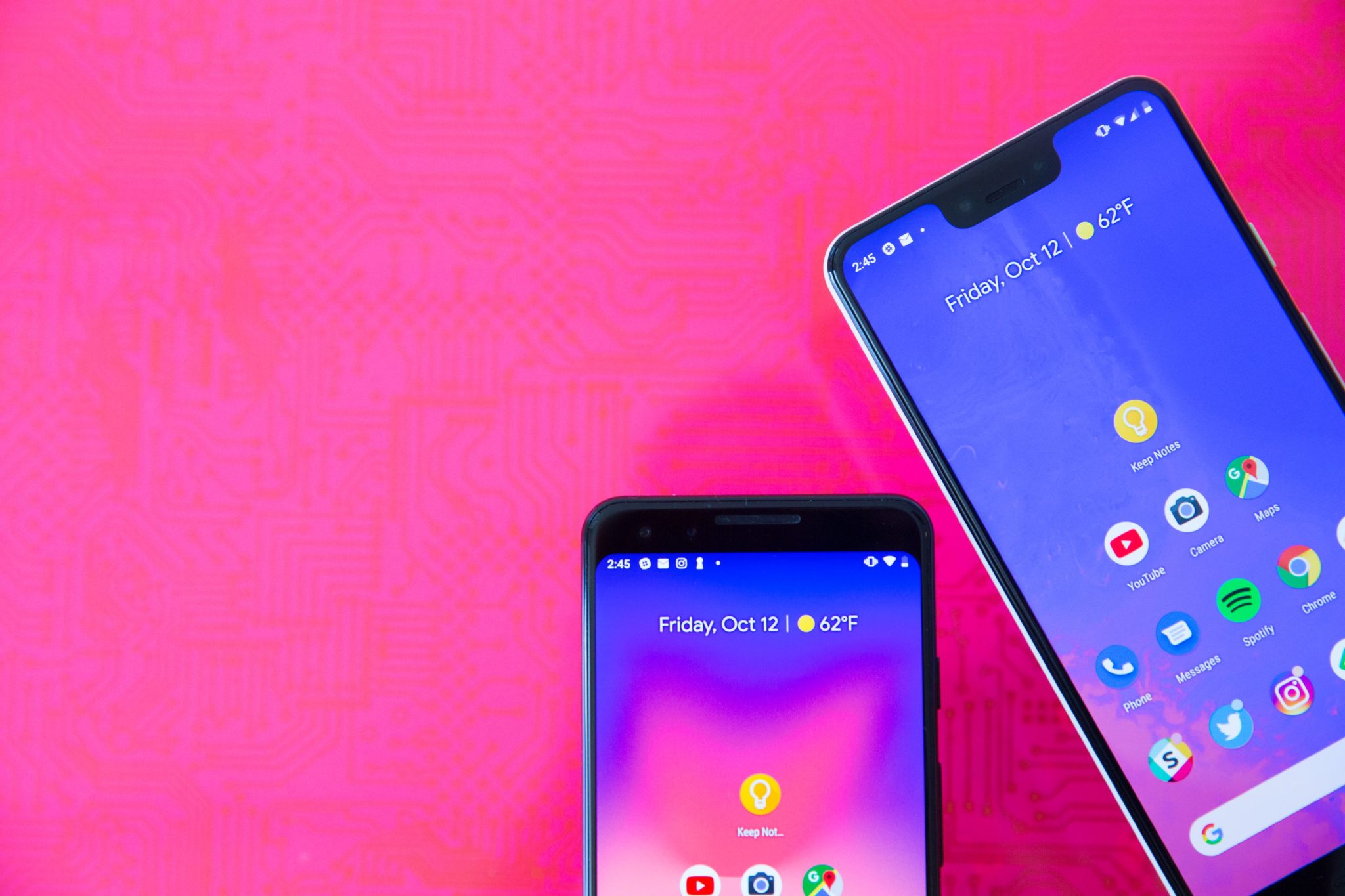
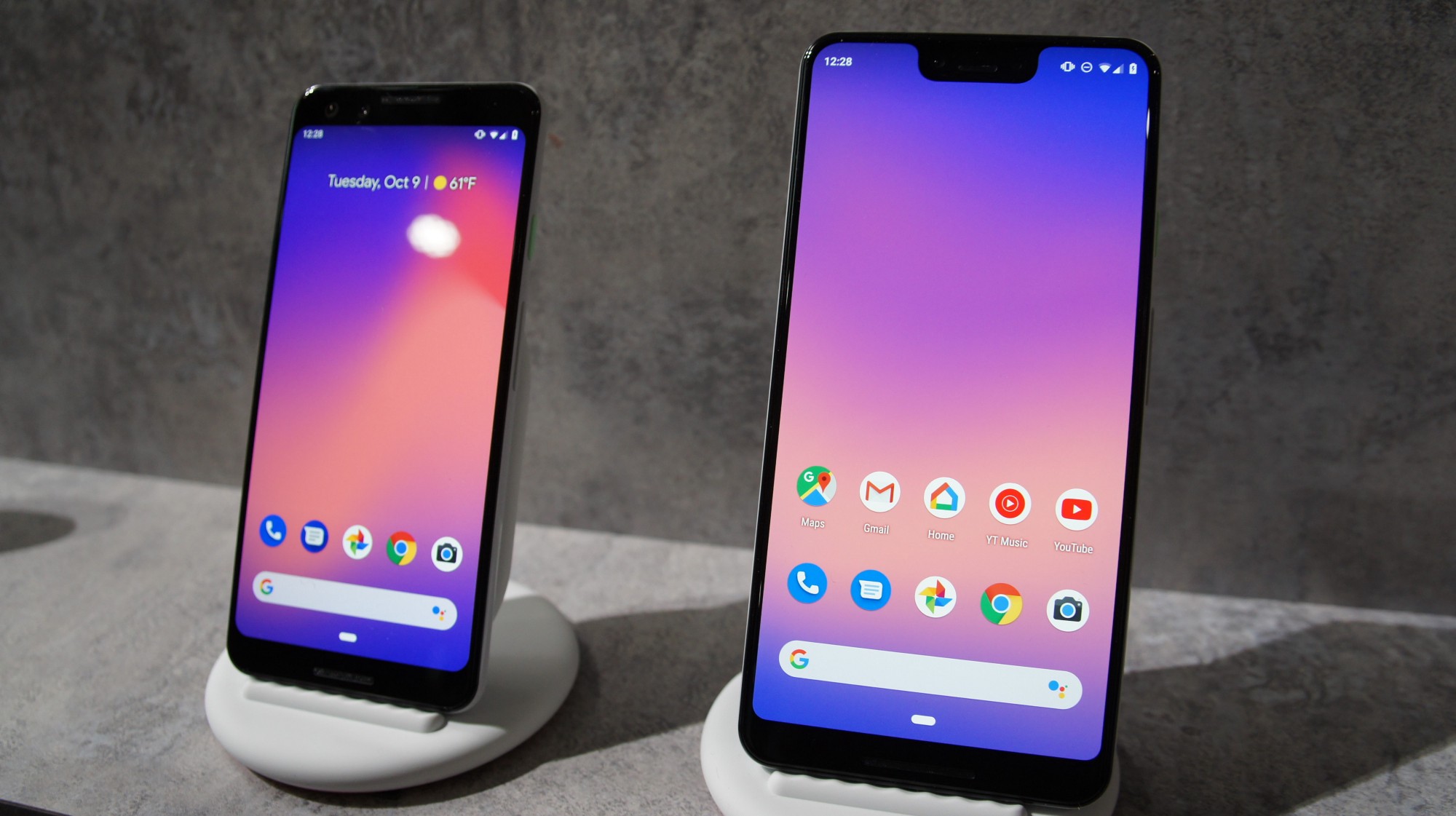
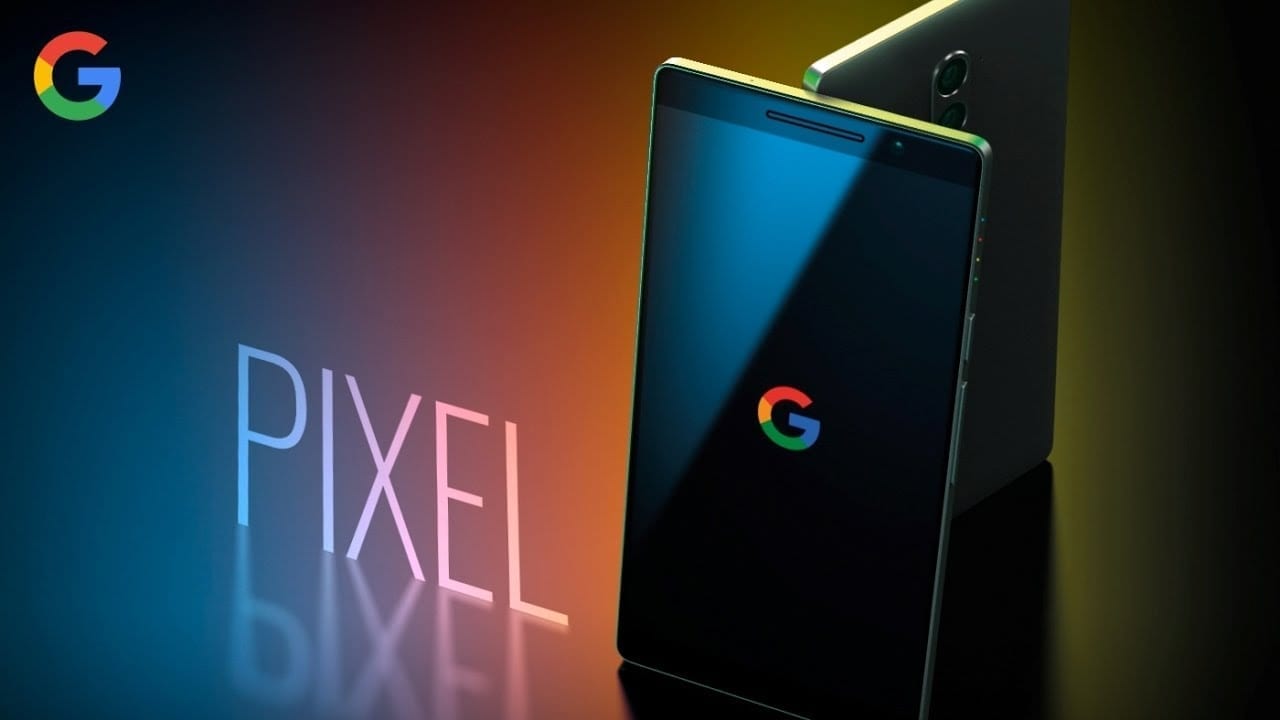
    The local telcos will include Google merchandise as part of their promo. Both Singtel and Starhub will offer Google’s flagship phone Pixel 3 as it launches in Singapore. Google itself will sell the handset through its online store starting 1 November.

    With price ranging from $1,249 for its 5.5-inch model and $1,399 for the 6.3-inch XL model, Google’s flagship will be sold in three colours including Just Black, Clearly White, and new colour Not Pink which will be sold exclusively by Singtel.

    Those who will buy from Singtel will also get a free Google Pixel Stand worth $119 when they additionally purchase certain data subscriptions. Meanwhile, those who will buy from Starhub will get Google Assistant worth $189 as a freebie.

    “Pixel users can gain an edge while streaming high-definition videos and chatting with the Google Assistant,” Starhub vice president of segment and marketing Donovan Kik said.

    Singtel launched the phone for pre-orders on 10 October.

  • Samsung launches Galaxy A9 with rear quad camera

    Samsung launches Galaxy A9 with rear quad camera

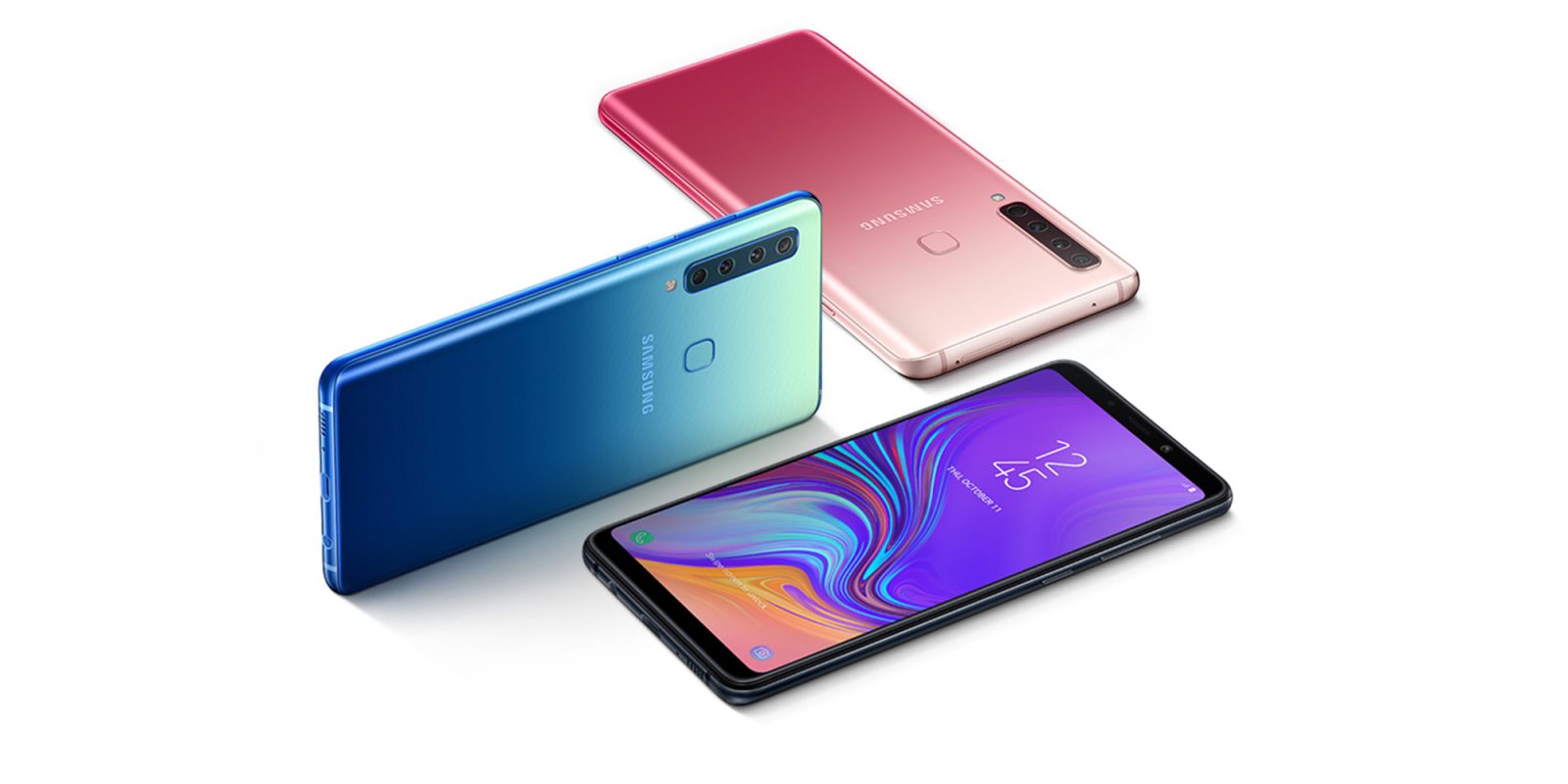
    Samsung Electronics on Thursday unveiled the world’s first smartphone with four rear cameras, packed with new features to capture moments more effectively.  The Galaxy A9 debuted at a launch event held in Kuala Lumpur, Malaysia, highlighting the first rear quad camera built for a world driven by visual communication.

    “Building on our legacy in smartphone camera development, we’re introducing next-generation technology across our entire Galaxy portfolio to give more consumers the opportunity to experience cutting-edge innovation,” said Samsung smartphone chief Koh Dong-jin. “We’re excited to deliver on this promise and debut world-leading smartphone camera technology with the Galaxy A9.”

    The Galaxy A9 with a 6.3-inch AMOLED display is packed with Samsung’s best camera innovations, Koh added.

    The rear quad camera, with four lenses on the back of the smartphone, allows users to get close, with a 2x optical zoom feature for detailed close-up shots even from far away.

    The 24-megapixel main lens captures clearer and brighter images in both bright and low-light conditions, while the ultrawide lens and the scene optimizer allow users to shoot scenes more like a professional.

    In addition, the camera’s AI Scene Recognition feature allows users to identify subjects and adjust settings accordingly for the best photo, in an instant.

    The Galaxy A9 comes with a 3,800-milliampere-hour battery, allowing an all-day performance. The new phone also provides 128 gigabytes of storage and up to 512 gigabytes of expandable memory for storing high-quality images and visual content.

    It will be released globally starting in November, in unique colors: Caviar Black, Lemonade Blue and Bubblegum Pink.

    The A9 also boasts a sleek and ergonomic design that fits in one hand with a curved back made of 3D glass for a luxurious comfortable feel, the company said.

    Smartphones with five cameras are becoming a major trend in the market.

    LG Electronics unveiled the V40 ThinQ smartphone with three cameras on the rear and two on the front on Thursday.

  • Google to send Pixel 3 smartphone into Asia

    Google to send Pixel 3 smartphone into Asia

    Google is taking a more global approach to the Pixel 3 and Pixel 3 XL launch, announcing that it will now offer its new phones in 13 countries, including Japan, Ireland, Taiwan, and France. This builds on the rather small list of countries where Google’s Pixel 2 saw official release, which comprised of US, UK, Australia, Canada, Germany, Italy, Spain, India, and Singapore.

    Now in its third generation, Google has been quite slow to bring its flagship smartphones to a wider audience, especially considering how easy it is to find a competing devices practically anywhere you live. For example, the iPhone XS and iPhone XS Max launched in more than 25 countries. Still, Google’s spread to more countries will give Android users more choice than before.

  • Apple has redesigned new iPhones in China

    Apple has redesigned new iPhones in China

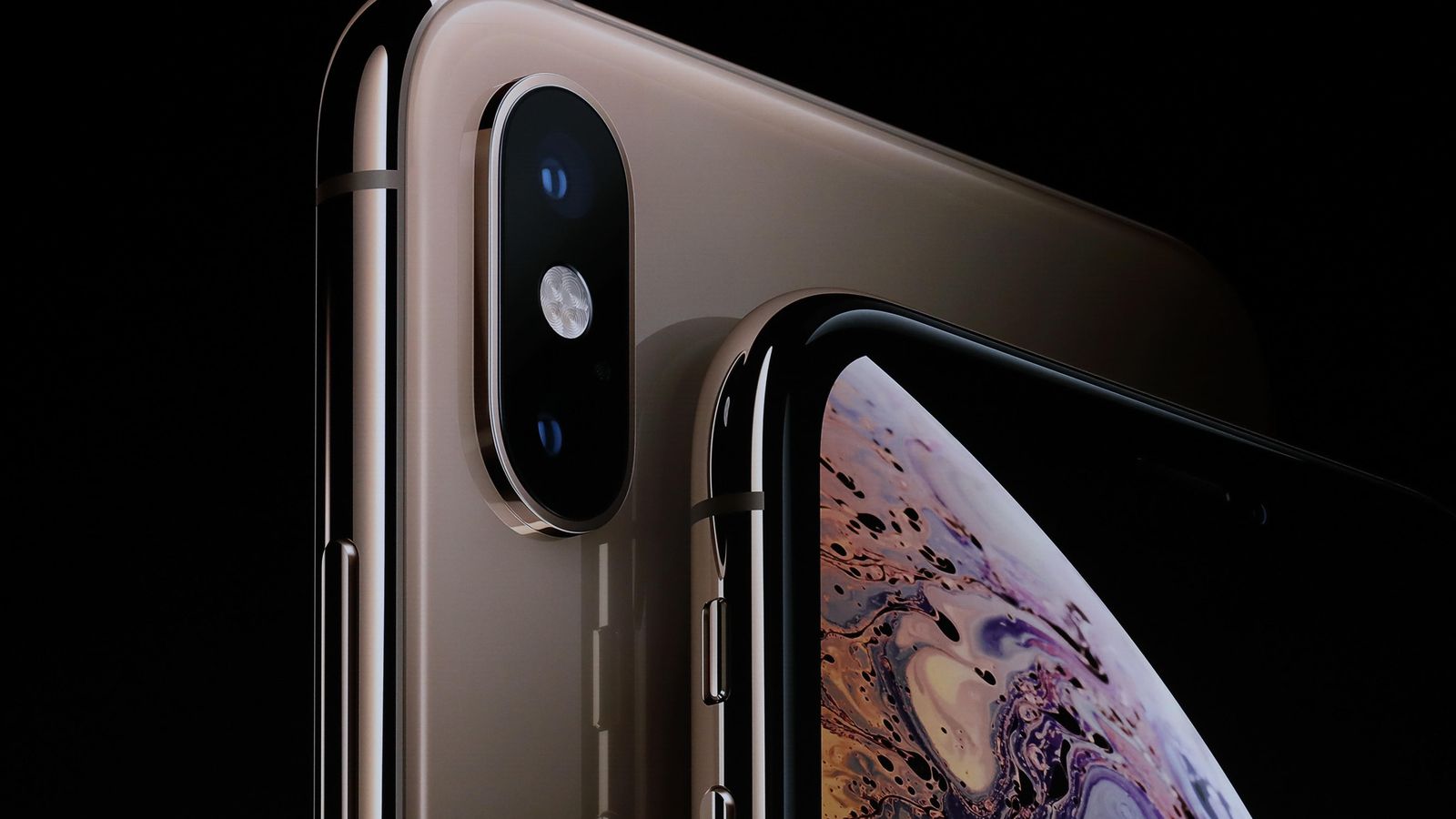
    Apple has made a rare special concession to Greater China with the design of its newest line of smartphones, revealing that new iPhone XS and iPhone XS Max produced for the market will not support the new eSIM feature.

    The eSIM feature, which supports two simultaneous carriers and is designed to allow more convenient switching between them, will not be available in Hong Kong, mainland China and Macau.

    Instead, the devices in these markets will offer slots for two physical SIM cards. This represents a rare case of Apple tailoring iPhones to a specific market.

    The report notes that it is unclear whether the special arrangement is to comply with any Chinese regulations, or merely as a result of pressure from the market’s operators reluctant to enable such easy switching between carriers, and Apple has not commented on the matter.

    But whatever the reason, the concession demonstrates that Apple is willing to take extraordinary steps to maintain its foothold in the world’s largest smartphone market. Greater China was responsible for around 20% of Apple’s total revenues during its 2017 financial year – around $45 billion.

    The company is under increasing competitive pressure from local vendors including Huawei and Xiaomi, which can differentiate by offering more locally oriented services.

  • Chinese brands grab 39 percent of Vietnam smartphone market

    Chinese brands grab 39 percent of Vietnam smartphone market

    Xiaomi and Huawei were the two fastest growing mobile phone brands in Vietnam in the second quarter, technology industry analyst Counterpoint reports.

    They grew respectively by 363 percent and 193 percent, according to the HongKong-based company’s recent release.

    “Further, amid the US-China trade war, the RMB (renminbi) is weakening, resulting in cheaper Chinese products in Vietnam. This will favor the Chinese brands, which now hold around 39 percent of the market in Vietnam,” said Tarun Pathak, Counterpoint associate director.

    Vietnamese smartphone brands face stiff competition from not only Chinese but also other international brands, he said.

    The report noted that Xiaomi had only 1 percent of the market share in the second quarter of 2017, but it surged to 5 percent a year later.

    Overall, Chinese brands have a market share of around 39 percent in the form of Oppo (22 percent), Xiaomi (5), Huawei (5), and other smaller names.

    Besides, the report said Huawei has tied up with local gaming firm VNG to enter the industry.

    Varun Mishra, a research analyst, added that Chinese companies such as Alibaba, JD.com and Tencent have invested heavily in the Vietnamese e-commerce market, which would give a “further boost to the Chinese players who have leveraged both offline and online platforms to sustain growth in similar markets.”

    “While the Chinese players are actively targeting mid-tier segments, local players are being pushed toward the entry level segment.”

    South Korean giant Samsung still dominates the smartphone market with a 37 percent share.

    Vietnamese conglomerate Vingroup has also entered the market. Vingroup hopes to launch its phones next year.

    By the end of March 2018, Vietnam has 118.7 million mobile subscriptions, according to official data.

  • Telenor & QMobile collaborate to bring Pakistan’s most affordable 4G Smartphone

    Telenor & QMobile collaborate to bring Pakistan’s most affordable 4G Smartphone

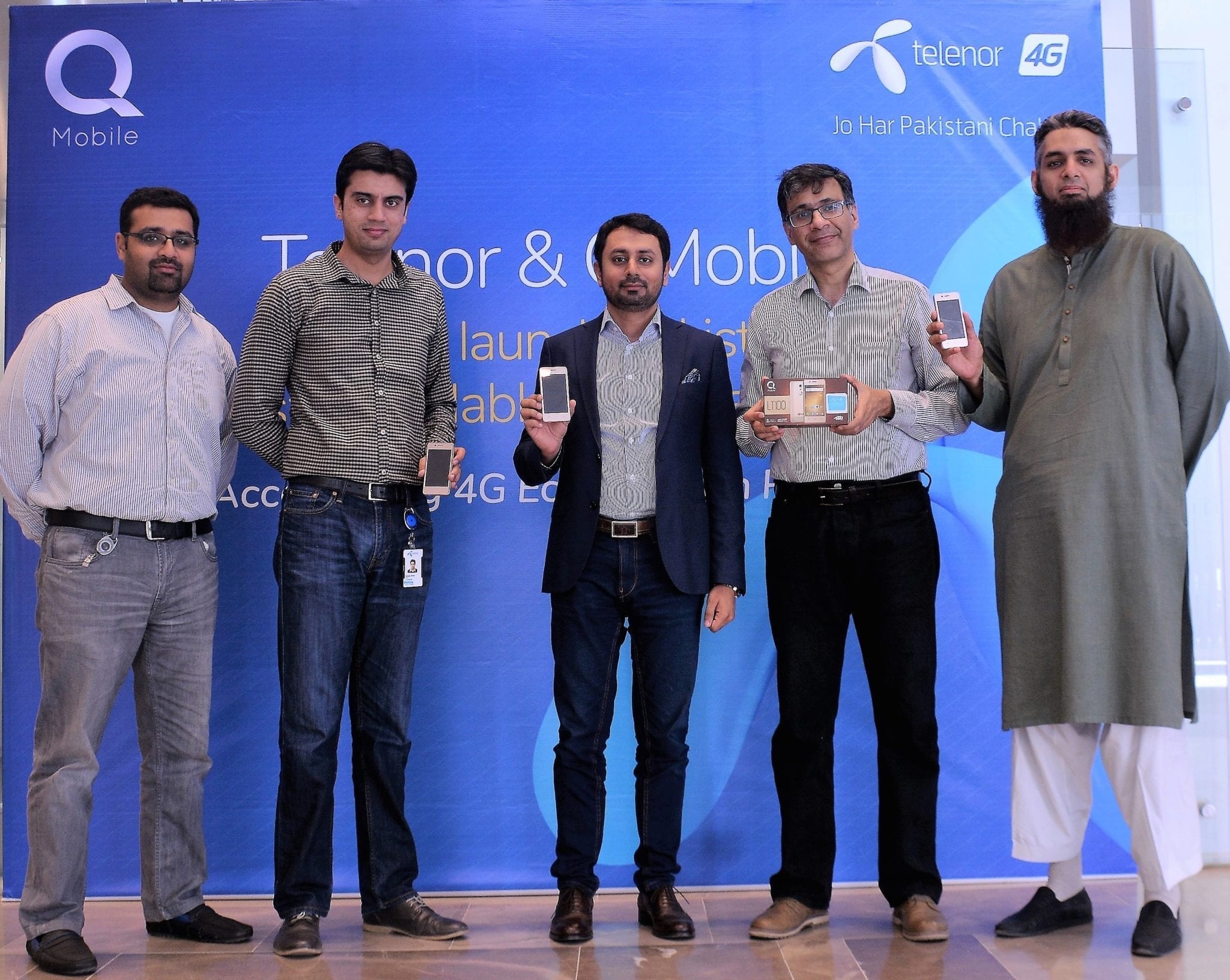
    With an ambition to better connect Pakistan and empower the Pakistani society, Telenor Pakistan, country’s foremost telecom and digital services provider, and QMobile have entered into the next phase of their long-standing collaboration ushering in a new era of 4G ecosystem development through the introduction of LT-100, an LTE-enabled low-cost smartphone. Telenor Pakistan and QMobile had previously joined hands to enable all QMobile 4G phones with Telenor 850 MHz band, and launch new LT (LTE capable) mass market appeal series in 2017.

    The partnership entails both parties working together to develop and promote a robust digital ecosystem in Pakistan where industry’s best digital products and services are served to their mutual customer base. LT-100, a stylish and powerful smartphone delivers on customer expectations of up-to-date specifications, great design, and an attractive price of PKR 6,150. The smartphone comes with a great value combination with 3 Months Free Telenor Pakistan Bundle which includes 1GB/month data and PKR 100 balance/month.

    “We are delighted to enter the next phase of our partnership with QMobile as part of our unrelenting efforts to boost the country’s digital ecosystem which Telenor Pakistan continues to lead,” said Bilal Kazmi, Chief Marketing Officer, Telenor Pakistan. “Since the beginning, we have pursued a two-pronged strategy to develop and promote the digital ecosystem in Pakistan to enhance the mobile broadband outreach and experience while making supporting hardware affordable for the masses. We hope that this partnership will help us achieve our mutual digital inclusion goals faster and in a more effective manner,” he added.

    “The partnership seems natural as both QMobile and Telenor Pakistan share the ambition to empower the Pakistani society to equip our customers with the tools to keep up with today’s fast-paced digital world,” said Zeeshan Akhtar, Chairman and CEO, QMobile. “As we strive to build and promote a strong smartphone ecosystem in the country, together, QMobile and Telenor Pakistan will make technology and internet services more affordable and accessible for the masses.”

    LT-100 comes preloaded with My Telenor App, providing Telenor Pakistan customers unparalleled self-service experience and complete control over their mobile usage and bundle needs. The device will be available across Pakistan at all major mobile markets and retail shops, supported by an extensive communication campaign. Some of the key features of LT-100 include 4G-enabled all-band capability, dual SIM, Android 7.0, 4-inch screen, 8GB ROM with 1 GB RAM, and 5MP back and 2 MP front cameras.

  • Huawei store for Hong Kong

    Huawei store for Hong Kong

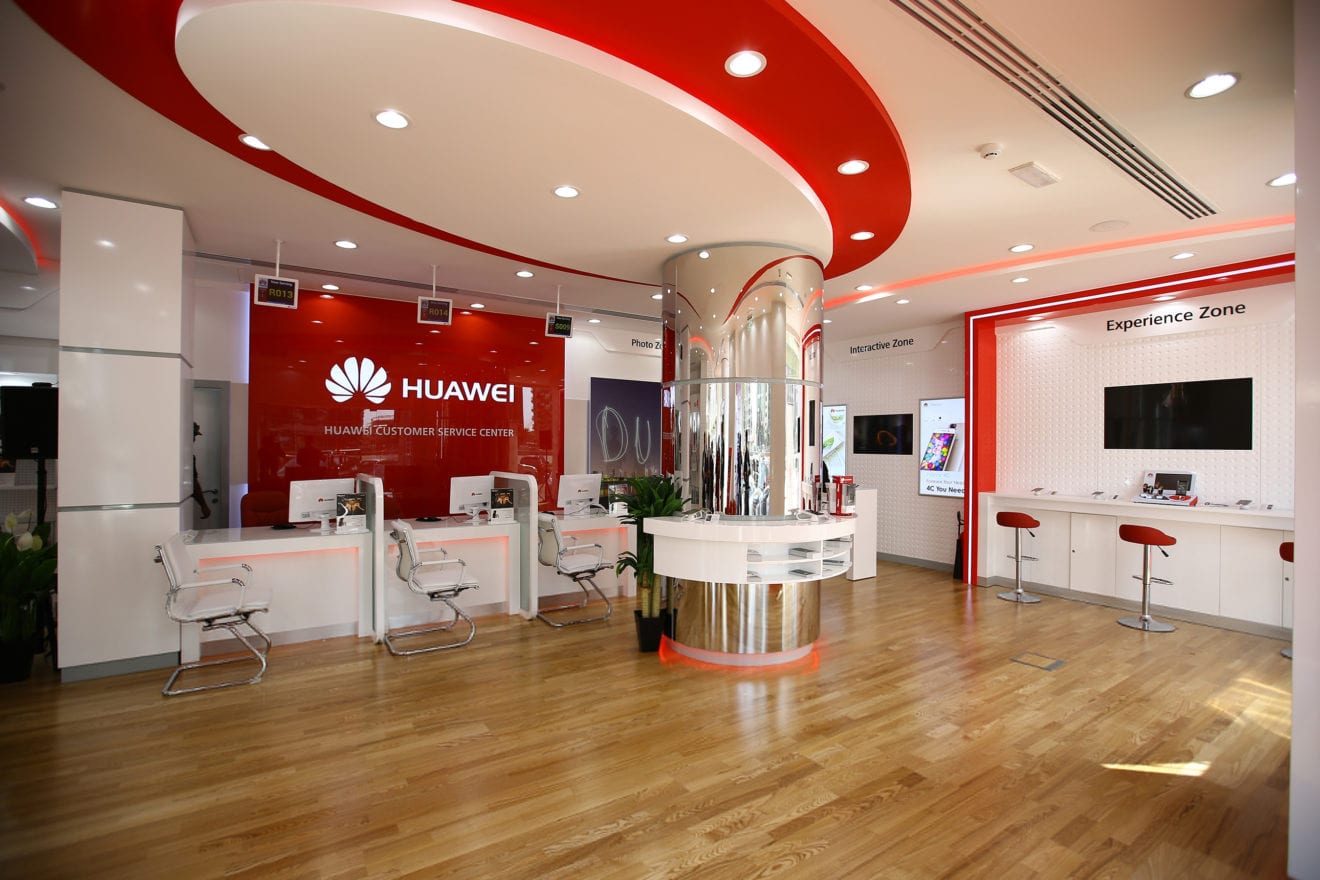
    Chinese smartphone maker Huawei Technologies will open its first retail store in Hong Kong by the end of July.

    Just a week after unveiling its flagship P20 Series smartphones in Hong Kong, the Shenzhen-based company has revealed its plans for a 2000sqft store in Tsim Sha Tsui.

    Huawei has a market share of around 10 per cent in Hong Kong, behind Apple and Samsung, but says it is working hard to achieve 15 per cent by the end of the year.

    Its latest products at the new store will have prices starting from HK$4980 (US$635), and include the P20 Pro, which has a three-camera system that takes photos with a far higher resolution than the iPhone, reports EJInsight. Huawei senior executive Richard Yu has described it as “the iPhone killer”.

    Huawei aims to boost its public exposure in Hong Kong with its own retail store, rather than relying on third-party channels. Already Apple has five stores in the territory since arriving in 2011, while Samsung has its Galaxy Studio. Beijing-based Xiaomi is set to open its third store in Mong Kok next year.

    With its store, Huawei will be able to showcase its technological advancements, such as its 5G development and its Kirin mobile processor. Its P20 Pro and Mate 10 have hardware specifications that surpass those of Apple.

    Worldwide, Huawei is growing faster than most of its rivals and is in a neck-and-neck race with Apple, says EJInsight. In fact, at one point last year it surpassed Apple in shipping volumes, but then the iPhone X and iPhone 8 series were released.

  • Nokia 7 Plus Announced In China With 4GB And 6GB Of RAM

    Nokia 7 Plus Announced In China With 4GB And 6GB Of RAM

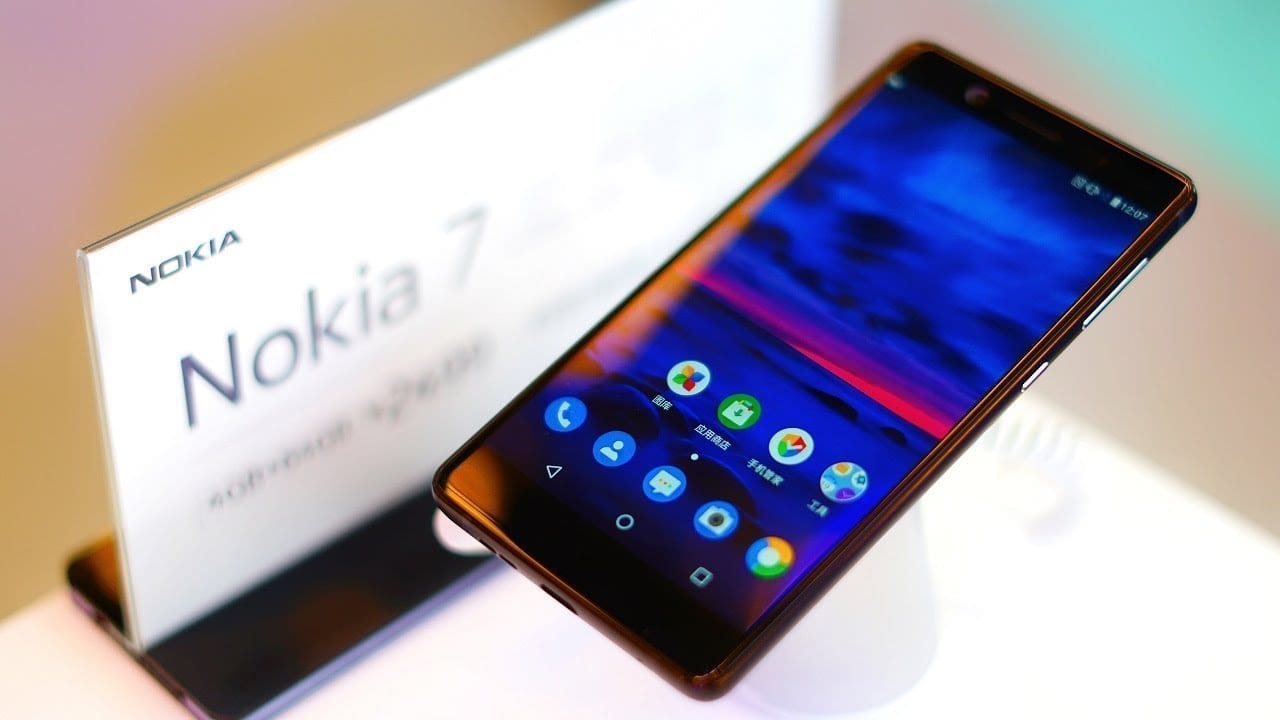
    The Nokia 7 Plus has been announced in China, and HMD actually decided to announce both 4GB and 6GB RAM variants in China, while only a 4GB RAM variant got announced in Europe. HMD had introduced the Nokia 7 Plus a couple of days ago at the Mobile World Congress (MWC) in Barcelona, along with four other Nokia-branded smartphones. This is one of the company’s Android One phones, and it comes with 4GB of RAM, as already mentioned. A 4GB RAM variant of the Nokia 7 Plus which was announced in China is completely identical to the European model, while the 6GB RAM model comes with more RAM, that’s it.

    Now, as the Nokia 7 Plus is an Android One handset, it comes with stock Android out of the box. Android 8.0 Oreo comes pre-installed on the Nokia 7 Plus, but HMD did say that Android 8.1 Oreo will hit the device in the near future. The Nokia 7 Plus is made out of metal, while its display sports rounded corners. All the physical keys sit on the right-hand side of this smartphone, while Nokia’s logo can be found both on its front and back sides. A fingerprint scanner is included on the back of the device, while above it you’ll notice a dual camera setup. This handset also sports somewhat thin bezels, and its spec sheet is nothing to scoff at. The device is fueled by the Snapdragon 660 64-bit octa-core SoC, while it sports a 6-inch fullHD+ display. In addition to 4GB or 6GB of RAM, you’re also getting 64GB of expandable storage.

    A 3,800mAh non-removable battery is included here, and you’re also getting fast charging. Two 12-megapixel snappers are included on the back of the Nokia 7 Plus, while a single 16-megapixel shooter sits on the phone’s front side. The device also offers two SIM card slots, and Bluetooth 5.0. If you’d like to expand this phone’s storage, you will have to utilize its second SIM card slot, which means that you can either use two nano SIMs here, or a nano SIM and a microSD card at the same time. The 4GB RAM variant of the Nokia 7 Plus is priced at 2,299 Yuan ($363) in China, while the 6GB RAM model costs 2,499 Yuan ($395). Both variants of the phone are already available for pre-order, while they will go on sale on March 7 via Tmall, Suning and JingDong Mall (JD.com). The two devices will also be available via a number of retail stores across China.

  • Samsung India’s annual mobile phone revenue up 27%

    Samsung India’s annual mobile phone revenue up 27%

    South Korean electronics major Samsung posted a 27% jump in revenue for its mobile-phone business in India for the year ended March 2017 and the company is hopeful of a similar feat this financial year.

    Samsung India posted revenue of over Rs 340 billion (US$5.3 billion) for the year ended March 2017, helped by local manufacturing and expansion of its retail channels.

    Samsung India’s overall revenue for the fiscal year 2017 was about Rs 570 billion ($8.9 billion), a 20% increase and marginally ahead of the 19% growth of Rs 470 billion ($7.34 billion) in 2015-16. Mobile phones accounted for about 60% of Samsung’s overall business.

    Samsung has been a dominant player in the Indian mobile-phone market, but has faced stiff competition of late from Chinese groups such as Xiaomi, Lenovo, Oppo and Vivo, who collectively enjoy over half of the market.

    A third-quarter report released by research firm International Data Corporation (IDC) in November said Samsung and Xiaomi both enjoy a 23.5% market share each, followed by Lenovo (9%), Vivo (8.6%) and Oppo (7.9%). In the first quarter Samsung enjoyed a market share of 26%, while Xiaomi had 13%.

    Samsung’s best selling brands were Galaxy J2, Galaxy J7 Nxt and GalaxyJ7 Max and those three items contributed to almost 60% of its sales volume.

  • Xiaomi Malaysia picks Kuala Lumpur to open its 2nd store

    Xiaomi Malaysia picks Kuala Lumpur to open its 2nd store

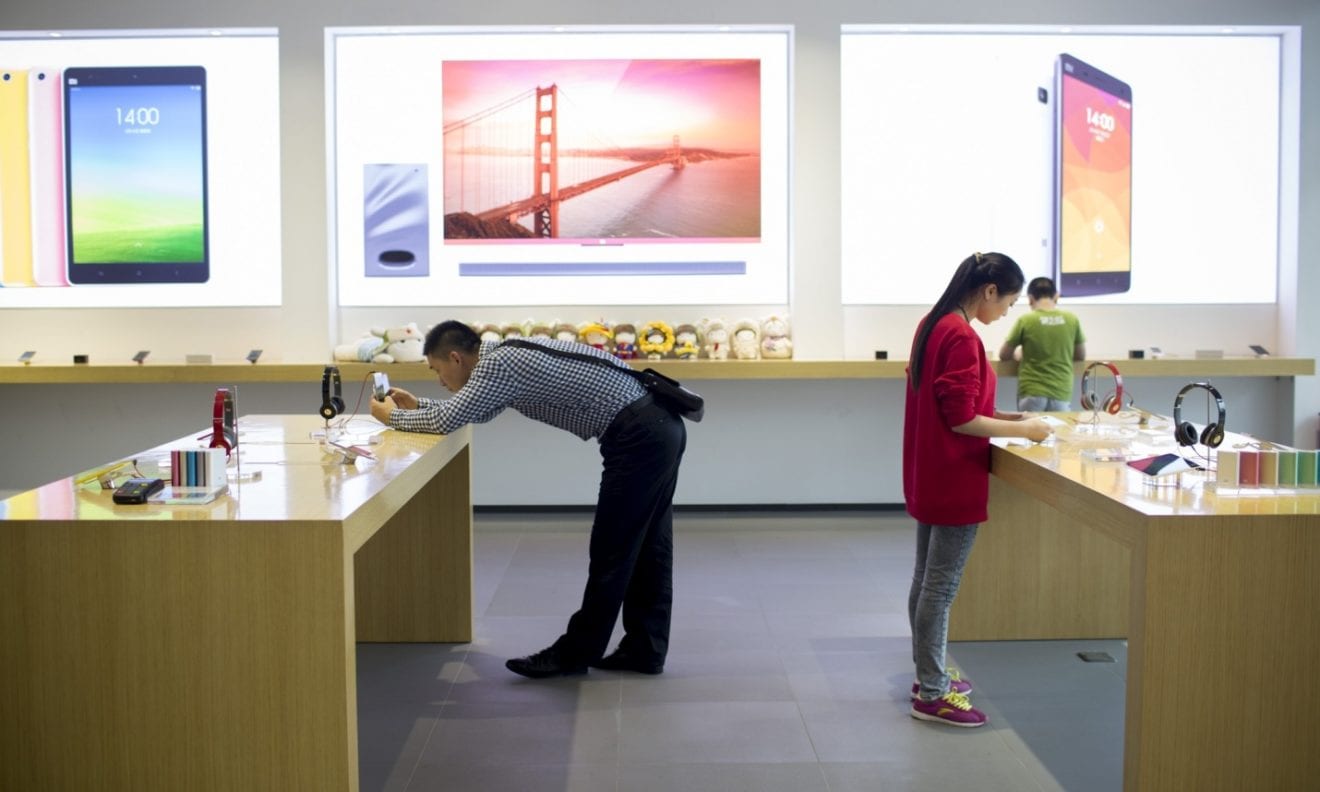
    Xiaomi Malaysia has opened its second retail store, offering Kuala Lumpur shoppers greater access to its Mi Ecosystem products.

    Originally the Chinese electronics company had sold its smartphones and other products exclusively online, but in its home territory has been introducing its Mi Home stores.

    At 940sqft (90sqm), its second authorised Mi Store is smaller than the debut store in Penang.  Xiaomi South Pacific head Steven Shi says the opening of a second store indicates the brand’s “great expectations” for growth in Malaysia.

    Two new smartphone models were released to coincide with the store’s opening, and Shi says Xiaomi will soon expand its Mi Ecosystem of products in Malaysia. These include IoT-ready products such as a smart rice cooker that can be pre-programmed for different recipes, a smart luggage bag than can be unlocked by phone, plus routers, TVs and drones.

    Meanwhile, Xiaomi is expanding across Southeast Asia, and has opened 15 Mi Stores and a factory in Indonesia. Xiaomi also has two Mi Stores in Singapore and one in Thailand. Its network in Malaysia is run by CG Computers.

    Its second concept phone, released with the KL store opening, was designed by Philippe Starck and features a curved ceramic back that that transitions to an aluminium frame. It will be available for pre-order on Saturday through online and offline channels including Lazada and authorised Mi Stores.

    Also showcased in the new store is the Redmi 5A Prime, the first Xiaomi phone that pairs a selfie light with a 16-megapixel front-facing camera. It has a fingerprint sensor on its back.

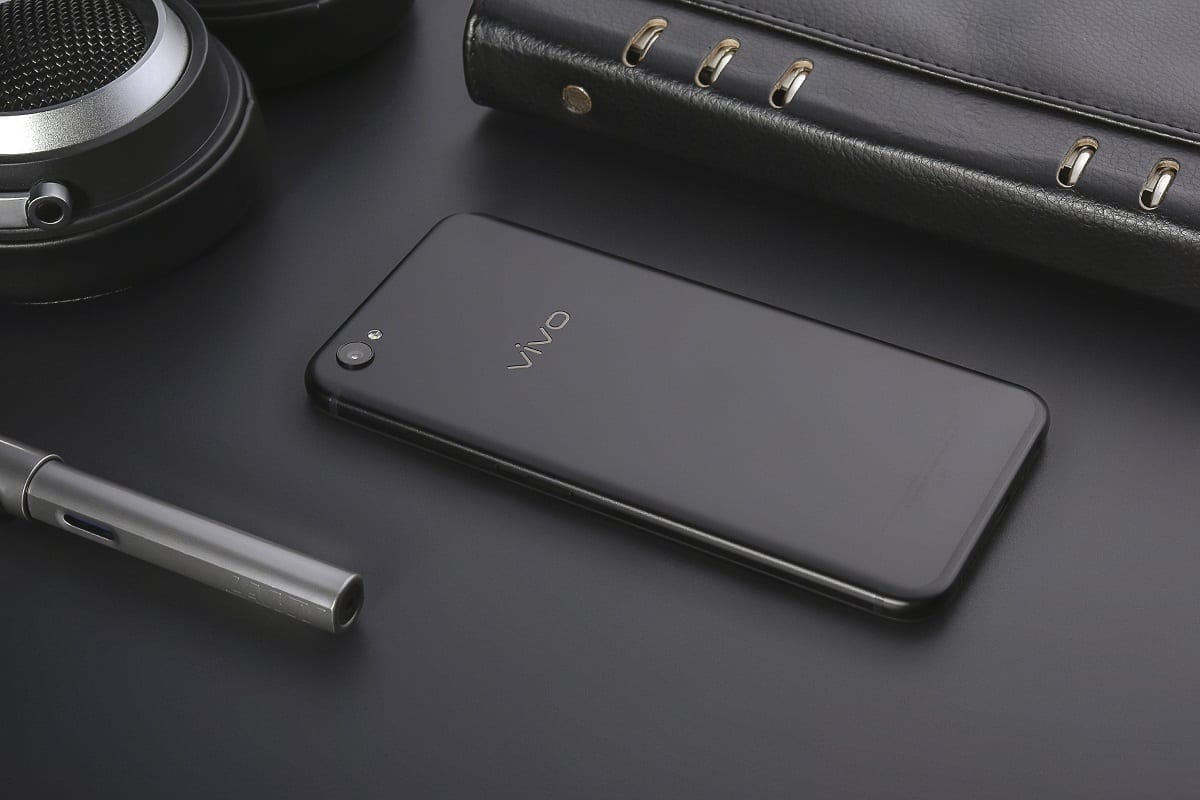
  • Vivo smartphones arrive in Hong Kong

    Vivo smartphones arrive in Hong Kong

    Chinese smartphone brand Vivo has entered the Hong Kong market with the launch of its latest model, the X20.

    It will soon also take its products to Taiwan, Singapore and Russia, followed by a push into Africa early next year.

    With sharp growth in the past year, Chinese smartphone brands now hold a record 48 per cent of global share, says technology research company Counterpoint. Vivio’s V7+ is already attracting strong sales in India, Thailand, the Philippines, Myanmar, Malaysia, Indonesia, Pakistan, Cambodia and Bangladesh.

    “Since our first entry into the international markets in 2014, we have been dedicated to understanding the needs of consumers through in-depth research,” says Vivo senior VP Alex Feng.

    US research company Gartner says Vivo ranked fifth in global smartphone sales for the second quarter of this year in terms of volume, with 6.6 per cent  market share.

    Founded in 2009, Vivo is known for its innovative phone cameras and was the first brand to launch a smartphone with a dedicated Hi-Fi chip. It is the official sponsor of the 2018 FIFA World Cup.

  • HTC and Google form $1.1 billion smartphone partnership

    HTC and Google form $1.1 billion smartphone partnership

    Google has paid US$1.1 billion to Taiwanese smartphone maker HTC to acquire technology and an unspecified number of staff.

    The two companies say the agreement is a testament to the decade-long strategic relationship between HTC and Google around the development of premium smartphones.

    It also supports HTC’s continuing branded smartphone strategy, enabling a more streamlined product portfolio, greater operational efficiency and financial flexibility.

    Despite recognised product quality, HTC has been struggling to make progress in the crowded global handset market. The Google deal will boost its cash reserves and cement the long-standing partnership as Google tries to boost its strength in what some commentators describe as a “fragmented” Android operating system market.

    An unspecified number of HTC employees – many of whom are already working with Google to develop Pixel smartphones – will join Google’s payroll.

    But HTC moved to reassure the market that the company will continue to have “best-in-class engineering talent” currently working on the next flagship phone, following the successful launch of the HTC U11 earlier this year.

    “HTC will also continue to build the virtual reality ecosystem to grow its Vive business, while investing in other next-generation technologies, including the Internet of Things, augmented reality and artificial intelligence,” the company said.

    Google, meanwhile, said the deal “further reinforces our commitment to smartphones and overall investment in its emerging hardware business”.

    “In addition to the talented and experienced team of professionals, Google will continue to have access to HTC’s IP to support the Pixel smartphone family. Additionally, this agreement also represents a significant investment by Google in Taiwan as a key innovation and technology hub.”

    Google will have non-exclusive use rights to HTC’s smartphone IP, the two companies said.

    Deal reflects “Apple threat”

    Commenting on the HTC and Google partnership, John Baptista, an associate professor of information systems with Warwick Business School, and a digital media specialist, said the deal shows Google’s confidence that its has the ideas internally to refine its technology and bridge the divide between IoT, smartphones and other technologies.

    “Despite its larger user base, Google’s future in the smartphone market is being threatened by Apple’s superior ability to integrate hardware and software centred on user experience.

    “The fragmented user experience of Android phones and the increasingly mute voice of Google in this market demands them to raise their stakes and engage more with manufacturers of devices to show more ambition and offer a credible vision for the future,” said Baptista.

    “Google knows it needs to work more tightly with manufacturers to develop a more consistent experience between the phone and other devices such as wearables, home automation, car automation, as well as increasingly work related applications and integration with office systems.”

    Baptista says executing its vision in partnership with HTC will help Google set a reference for other manufacturers that use their platform and explain to its users how and why they should continue to engage with Google’s products.

    “Also, augmented reality and virtual reality look increasingly to be the future for mobile, so it might be that Google needs to work more tightly with chip manufacturers to develop the hardware in conjunction with their software to deliver AR and VR capabilities.”

    “Brilliant step” says CEO

    Cher Wang, chairwoman and CEO of HTC, described the deal with Google as “a brilliant next step” in the company’s longstanding partnership, enabling Google to “supercharge their hardware business” while ensuring continued innovation within HTC’s smartphone and Vive virtual reality businesses.

    “We believe HTC is well positioned to maintain our rich legacy of innovation and realise the potential of a new generation of connected products and services.”

    The transaction, still subject to regulatory approvals and customary closing conditions, is expected to be settled by early 2018.