Retail News CRM

Tag: smartphone

  • Samsung Galaxy A90 tipped to sport huge display

    Samsung Galaxy A90 tipped to sport huge display

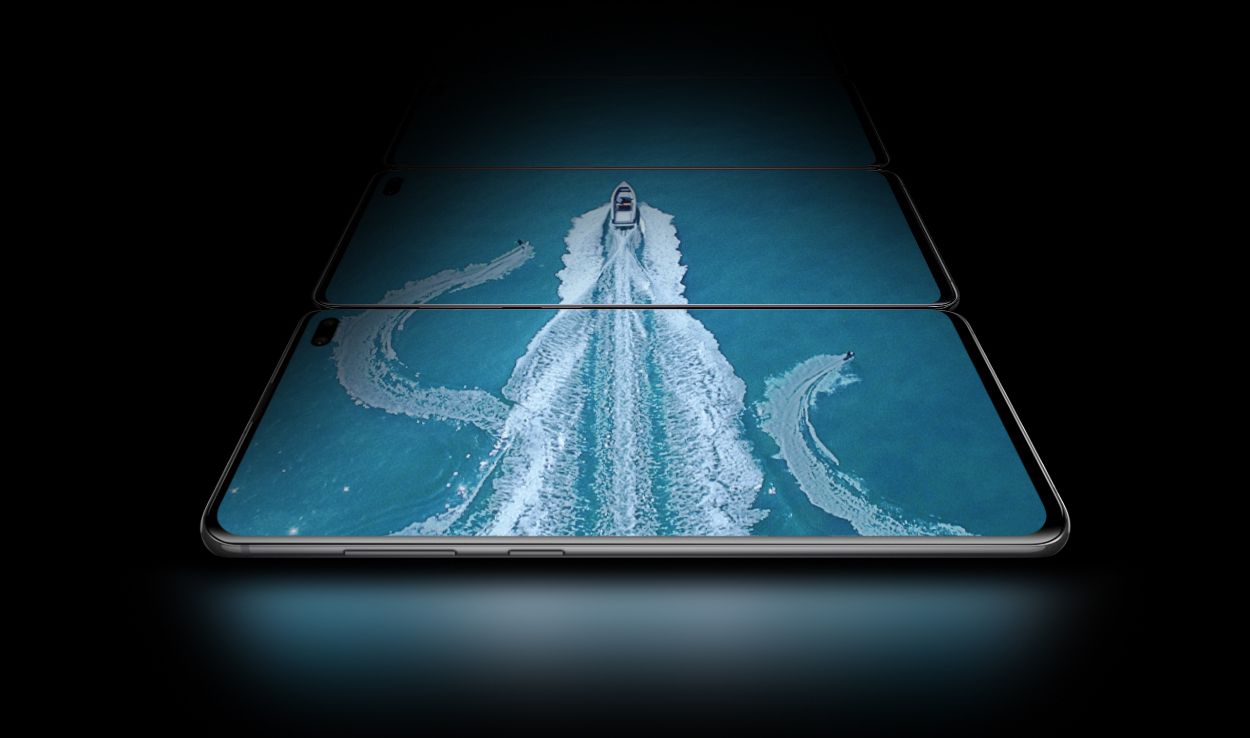
    The Samsung Galaxy A90 is expected to debut in early April, and with less than three weeks to go some extra information about the smartphone’s most important feature has just leaked. As confirmed earlier this week by Samsung’s own website, the Galaxy A90 will be the company’s first and only smartphone to feature a ‘notchless Infinity screen.’ Naturally, this means that there will be no controversial notch or display cutout, with the smartphone instead expected to sport slim bezels all around.

    This prediction was today backed up by a leaked Galaxy A90 screen protector which clearly shows razor-thin bezels and a slightly larger chin. To further solidify the rumors, tipster Steve Hemmerstoffer weighed in on the matter by reaffirming the lack of a notch and pointing towards bezels that are just 1.2mm thick and a chin that measures in at 3.6mm. On a related note, it’s worth pointing out that Hemmerstoffer also believes the Galaxy A90’s display will boast a huge 6.73-inch diagonal, thus putting it on par with the Galaxy S10 5G and subsequently making it one of Samsung’s biggest smartphones ever.

    Expect a pop-out camera mechanism that also rotates

    Despite the company’s efforts to develop in-screen camera technology, Samsung recently admitted that ‘perfect full-screen’ smartphones are still a few years away. Because of this, the South Korean giant has apparently opted for a more unorthodox solution on the Galaxy A90. To be precise, Samsung’s upcoming smartphone is said to include a pop-out camera mechanism which houses the selfie cameras. These sensors, however, can also be used as the rear sensors thanks to a rotating mechanism that the pop-out module includes. Details about the cameras remain quite scarce, but the general expectation is that the device will feature at least three. According to previous leaks, the primary one will sport a whopping 48-megapixel resolution. The resolution of the other sensors hasn’t yet been revealed, but one will probably sport a wide-angle lens, while the other could act as a dedicated depth sensor.

    As a result of this unique setup and the lack of rear cameras, the Galaxy A90 is also expected to sport a very minimal rear design. In fact, the only noticeable element will probably be the Samsung logo – the Galaxy A90 is expected to adopt an in-display fingerprint scanner.

    An impressive processor that could beat the Snapdragon 845

    The inside of Samsung’s upcoming device remains a bit of a mystery. One rumor claims the company is preparing a budget Snapdragon 855-powered flagship which could easily be the Galaxy A90 – the smartphone is expected to sit directly beneath the Galaxy S10e in Samsung’s lineup. However, tipster Ice Universe believes this isn’t the case. Rather than using Qualcomm’s latest flagship chip, the historically-reliable source believes Samsung’s Galaxy A90 will make use of the yet-to-be-announced Snapdragon 700-series chip currently referred to as the ‘Snapdragon 7150.’

    Little is known about this chip right now, but the expectation is that it’ll take advantage of the 8-nanometer manufacturing process. Moreover, in terms of performance, it should sit somewhere between last year’s Snapdragon 845 (10-nanometer) and the newer Snapdragon 855 (7-nanometer) found inside the Galaxy S10 series. No further details about the Galaxy A90’s internal setup were provided, but the smartphone will most likely debut with a minimum of 6GB of RAM and 64GB of storage. However, more impressive variants with extra storage and potentially more RAM do seem extremely likely. Completing the smartphone’s setup should be Android 9 Pie straight out of the box and a 3,700mAh battery. But considering the rumored display size, it’ll remain to be seen what kind of battery life results this produces. In any case, improved fast charging of up to 25W is now expected.
  • BSNL to offer carrier billing for Amazon Prime

    BSNL to offer carrier billing for Amazon Prime

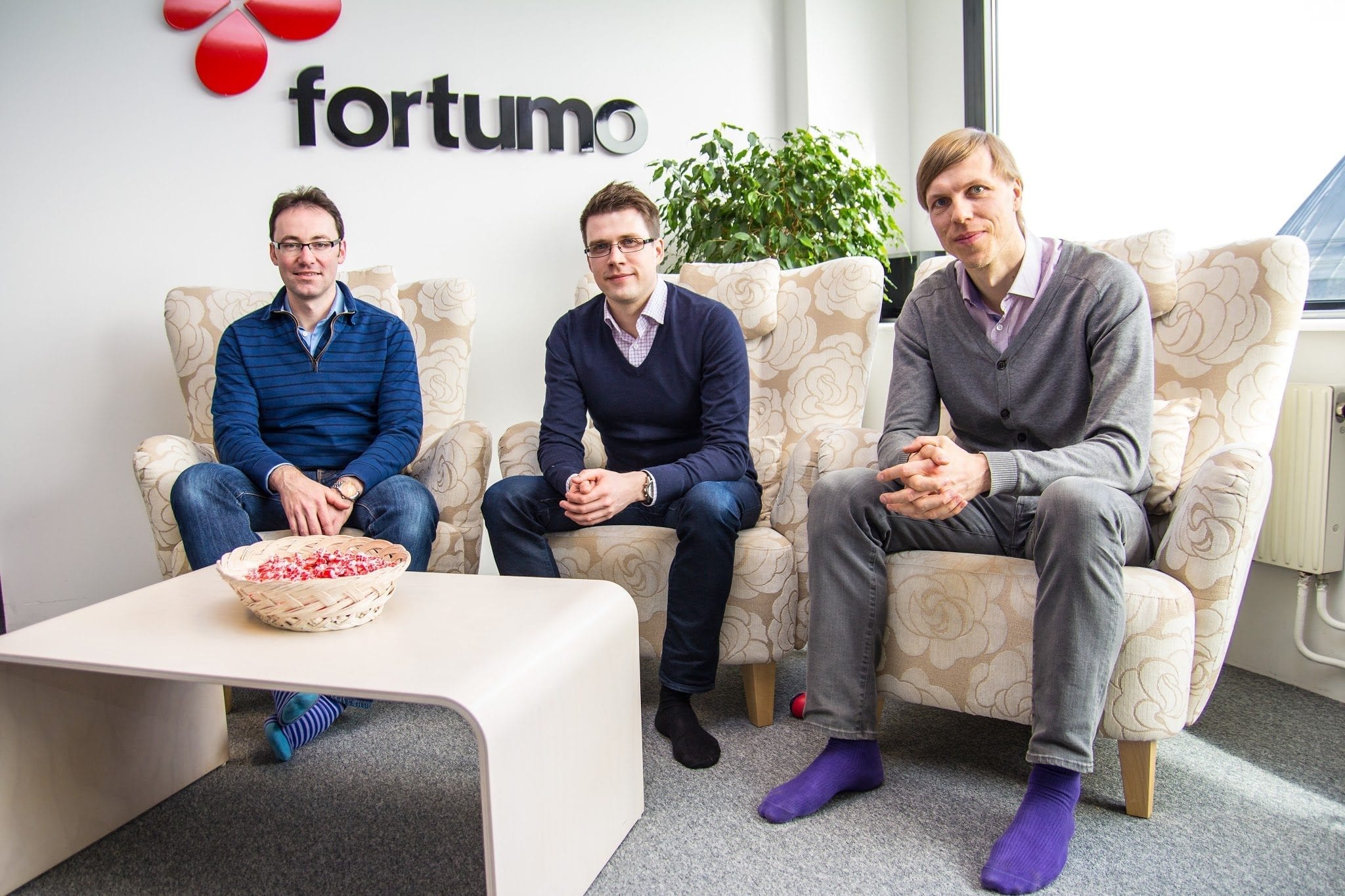
    Mobile technology company Fortumo is providing its Trident Bundling Platform for India’s BSNL to help the state-owned operator distribute Amazon consumer services in the market.

    With the integration, BSNL is offering subscribers one years’ subscription to the Amazon Prime shopping and entertainment platform on certain of its plans.

    The Trident Bundling Platform is designed to allow operators to establish and expand partnerships with OTT service providers by allowing the delivery of digital products packaged with mobile services to support carrier billing.

    OTT companies need only integrate with the platform once, and can then establish multiple bundle partnerships across a variety of potential commercial scenarios.

    Fortumo VP of global business development Andrea Boetti said such operator partnerships are ideal for markets such as India, where smartphone penetration in the country is above 35% but only 3% of the adult population owns a credit card.

    “Interest towards VOD services is today growing the fastest in South-East Asia, Europe and the Middle East. Local telecommunication companies and their marketing capabilities offer the best way for VOD providers to engage this audience,” he said.

    “Fortumo’s Trident supports VOD providers in getting these new users on board as quickly as possible.”

  • Samsung Galaxy A20 goes official with solid features

    Samsung Galaxy A20 goes official with solid features

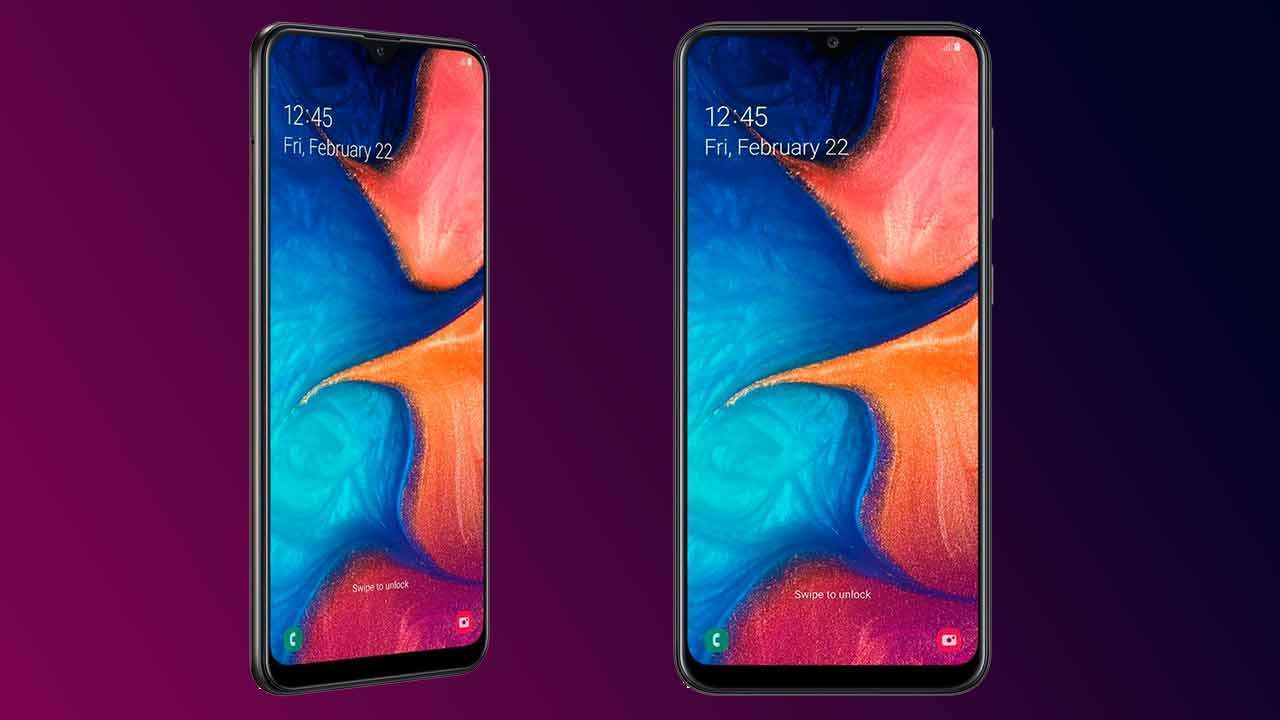
    Samsung is determined to completely overhaul its Galaxy A line, but the amount of device the South Korean company plans to launch in the remaining of the year is a bit overwhelming. We know of at least four Galaxy A phones that should be unveiled in the coming months, and three that have already been launched on the market – Galaxy A10, A30, and A50. Specs-wise, the Galaxy A20 sits between the A10 and A30 and so does in terms of price.

    What’s really amazing about this phone is that it retains some of the features that make its bigger brothers, the Galaxy A30 and A50, so appealing such as the massive, high-quality display and camera setup.

    It retains some of the “premium” features of its bigger A30 and A50 brothers

    The main selling points of the Galaxy A20 are no doubt the Super AMOLED display and the dual-camera on the back side. Of course, there are other important specs that make the Galaxy A20 an interesting budget choice for those who can’t afford a mid-range or flagship device, so let’s take an in-depth look at what the phone has to offer. First off, if you’re one of the many people who absolutely hate notch, the Galaxy A20 is not for you.

    Although it includes a minimally invasive waterdrop notch, it’s still there to bother your sense. However, if you don’t mind the compromise, the Galaxy A20 has a great 6.4-inch Super AMOLED display, which features 720 x 1560 pixels resolution. It’s the same display that Samsung included in the Galaxy A30 and A50, but you’ll be getting this one much cheaper.

    As for the other selling point of the Galaxy A20, it’s no longer unusual for mid-tier phones to include dual rear cameras, Samsung’s new handset is no exception. The dual camera consists of 13 + 5 megapixels sensors, but there’s also a secondary 8-megapixel camera in the front for selfies. Since this is a budget offering, Samsung included a less powerful chipset inside, the same packed inside the cheaper Galaxy A10. The Exynos 7884 is a new addition to Samsung’s line of chipsets and should be on par with Qualcomm’s Snapdragon 450 processor in terms of performance.

    Android 9 Pie & Samsung One UI on a budget

    Even though it’s the most powerful smartphone out there, the Galaxy A20 ships with the latest Android 9 Pie operating system on board and Samsung’s One UI overlay. It’s too early to talk about Android Q since the new version of the OS hasn’t been released yet, but the Galaxy A20 has the required hardware for a software upgrade if Samsung decides to go for it. Samsung’s proprietary SoC (system-on-chip) is paired with 3GB RAM and 32GB internal memory, which can be further expanded up to 512GB via microSD card. That’s the standard memory configuration for a mid-tier smartphone these days, but we’re surprised Samsung did not launch more than one models based on the amount of memory.

    We’re happy to see that Samsung understood how important is for customers to be able to use their phones for longer times without being forced to recharge them. The Galaxy A20 is powered by a massive 4,000 mAh battery, which should be enough for at least a few days of average use.

    Finally, we noticed a fingerprint sensor on the back side, a nice addition for a budget offering. We’re also told that Samsung Galaxy A20 comes with NFC (Near Field Communication) support, which means you’ll be able to use mobile payments services while on the go.

    Samsung Galaxy A20 price, release date, availability

    As far as the price and availability go, Samsung Galaxy A20 is only available for purchase in Russia for the moment, but we expect the smartphone to arrive in other European countries in the coming weeks.

    Price-wise, this is a cheap device for what it has to offer, as customers can buy one for around $215 outright. It’s also worth mentioning that phone prices in Russia tend to be slightly higher than the rest of Europe, and clearly higher than US prices, so a less than $200 price is definitely possible.

  • The Galaxy S10 has helped Samsung triple its market share in China

    The Galaxy S10 has helped Samsung triple its market share in China

    Samsung has been the number one smartphone manufacturer for years. It dominates key markets such as North America and Europe, while also remaining a strong player across Asia. In China, though, the situation is pretty different. Despite the company’s best efforts, over the past few years Samsung has seen its market share drop to a measly 1%. But thanks to the recent release of the Galaxy S10 lineup, things seem to be improving.

    The Samsung Galaxy S10 has accelerated growth in China

    According to reliable industry insider Ice Universe, Samsung’s market share in China has almost quadrupled since the beginning of the year, going from just 1% in early January to an impressive 3.6% during the tenth week of 2019 (March 4th to March 10th). The primary source of this growth is the recently-announced Galaxy S10 lineup.

    The new flagship series, which launched globally on March 8th, has reportedly been outperforming last year’s Galaxy S9 lineup by massive margins in China. In fact, the number of Galaxy S10/S10+ units sold within the first two hours of pre-orders was allegedly equal to double the number of Galaxy S9/S9+ devices sold during the first day.This impressive performance has also extended to a number of key global markets. In both the US and the UK, the Galaxy S10 series set new pre-order records for Samsung. The most popular model proved to be the Galaxy S10+, despite its higher price.

    10 million Galaxy S10 units could be shipped this month alone

    Although predictions do vary by analyst, the overall consensus appears to be that Samsung’s Galaxy S10 trio will achieve sales of between 40 and 45 million units by the end of 2019. Around 20 million of these should ship by the very end of June. If this is successfully achieved, the new lineup will have outperformed last year’s Galaxy S9 duo, which sold 19.2 million units during the same period. In regards to short-term performance, recent forecasts have suggested the Galaxy S10, Galaxy S10+, and Galaxy S10e are on track to ship a combined 10 million units by the end of this month alone.

    Things are looking positive for Samsung in China

    As a result of intense competition from local brands, Samsung revamped its mid-range strategy late last year. The South Korean giant started implementing a number of new designs and focused heavily on its mobile cameras. Additionally, it promised to make flagship features more accessible by introducing them to consumers via the new Galaxy A-series. So far this year, the company has introduced the public to the Galaxy A10, A20, A30, and A50. These represent some of the company’s best value-for-money offerings in years and help cater towards a range of consumers in the budget segment.

    Eventually, these four devices will be joined by the Galaxy A40, Galaxy A60, and Galaxy A70. As indicated by their respective names, these will target consumers with slightly larger budgets and should help cover any remaining price points that Samsung doesn’t yet have covered. Lastly, Samsung’s new Galaxy A series should be completed by the Galaxy A90. This device will act as the most expensive model but should still cost less than the Galaxy S10e. In fact, a rumor floating around leads us to believe that it may be some sort of budget flagship powered by the Snapdragon 855. The smartphone is also rumored to include a bezel-less display paired with a unique pop-out camera mechanism which will remove the need for separate front and rear cameras thanks to its ability to rotate.

  • Motorola is taking pre-orders on the phone it says will last up to three days

    Motorola is taking pre-orders on the phone it says will last up to three days

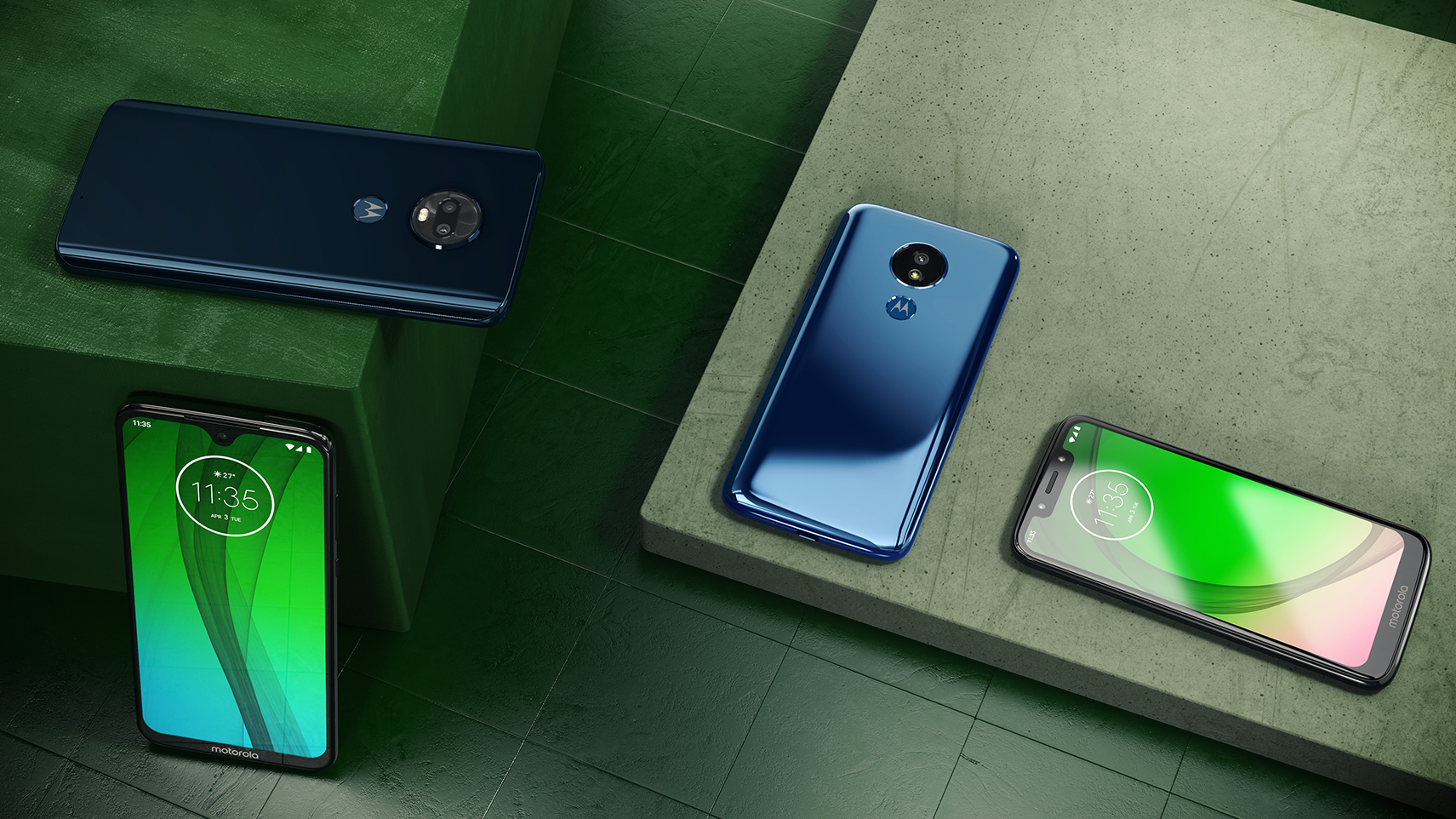
    If a huge battery is the most important feature you want on a new smartphone, you are in luck. Motorola has started accepting pre-orders for the Moto G7 Power. The phone’s claim to fame is the 5000mAh battery that Motorola says will keep the phone running as long as three days on a single charge. Hence, the use of the word “Power” in the phone’s name. With Turbo Charge, you’ll get up to 9 hours of battery life in just 15 minutes. The device is priced at $249.99.

    The Moto G7 Power comes equipped with a 6.2-inch LCD panel carrying a resolution of 720 x 1570 (HD+) and an aspect ratio of 19.63:9. The Snapdragon 632 Mobile Platform is under the hood along with 3GB of RAM and 32GB of native storage. A 512GB capacity microSD slot is available for those seeking additional storage. A 12MP camera adorns the back of the device (f/2.0 aperture) and there is a front-facing 8MP selfie camera. The phone is protected from spills, light rain and sweat thanks to P2i’s nano coating process.

    The Moto G7 Power is available in Marine Blue, and is priced at $249.99. If you finance the purchase, you’ll make 24 monthly payments of less than $11 each. And if you live in the states, the handset is compatible with each of the four major U.S. carriers including Verizon, AT&T, T-Mobile and Sprint. Pre-order the Moto G7 Power directly from Motorola, and you will get a $20 coupon to use on a future Motorola.com purchase.

    The Moto G7 Power is expected to be released on March 22nd.

  • Xiaomi Pocophone F1 Lite could launch soon

    Xiaomi Pocophone F1 Lite could launch soon

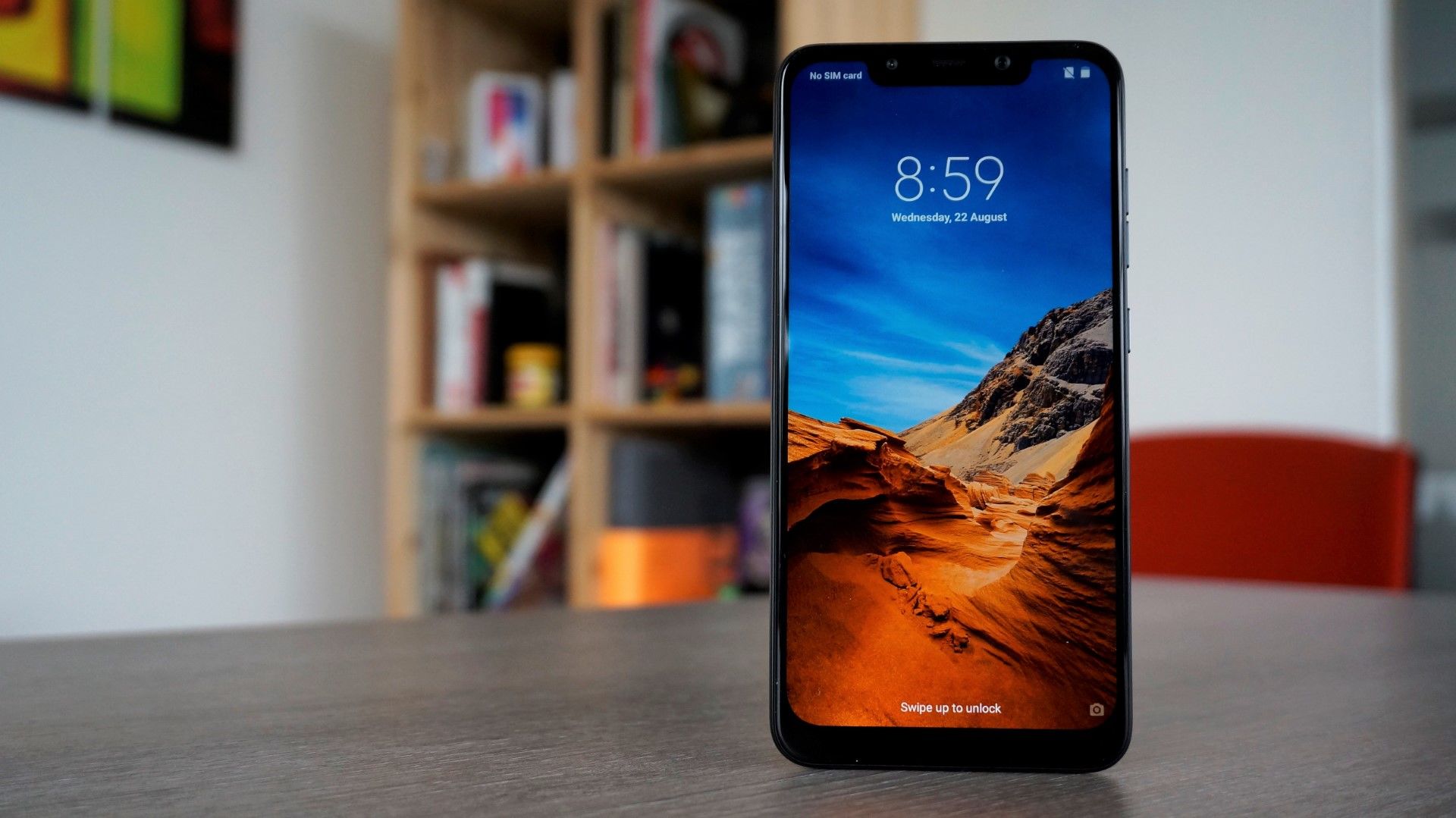
    The Pocophone F1 is one of the most competitively-priced smartphones out there. It offers Qualcomm’s Snapdragon 845, 6GB of RAM, and 64GB of storage for just €329/$389. But not everyone can afford to spend that on a smartphone, and it now seems as though a solution might be on the way. From the look of two Geekbench listings, Xiaomi sub-brand Pocophone is developing a slightly less powerful device that will be offered to consumers at a much lower price. Rather than including the high-end Snapdragon 845, the device looks set to adopt Qualcomm’s mid-range Snapdragon 660.

    This chip has already been succeeded by the newer Snapdragon 670 and 675 but should still provide decent levels of performance. In fact, Xiaomi recently used it inside the Redmi Note 7 and the Android One-powered Xiaomi Mi A2.

    The smartphone, which is codenamed ‘Uranus,’ also includes a respectable 4GB of RAM and Android 9 Pie straight out of the box. As for external features, the notched display and 3.5mm headphone jack will probably both be retained. Xiaomi may also keep the second rear camera, although a downgrade to the sensor is likely.

    At the moment, it’s unclear when this smartphone will hit shelves across the globe. But pricing wise, Xiaomi could easily price this device below $200. After all, the Redmi Note 7 mentioned above costs just €179 ($202) in Asia.

  • Huawei Mate 20 sales achievement proves the company doesn’t need the US

    Huawei Mate 20 sales achievement proves the company doesn’t need the US

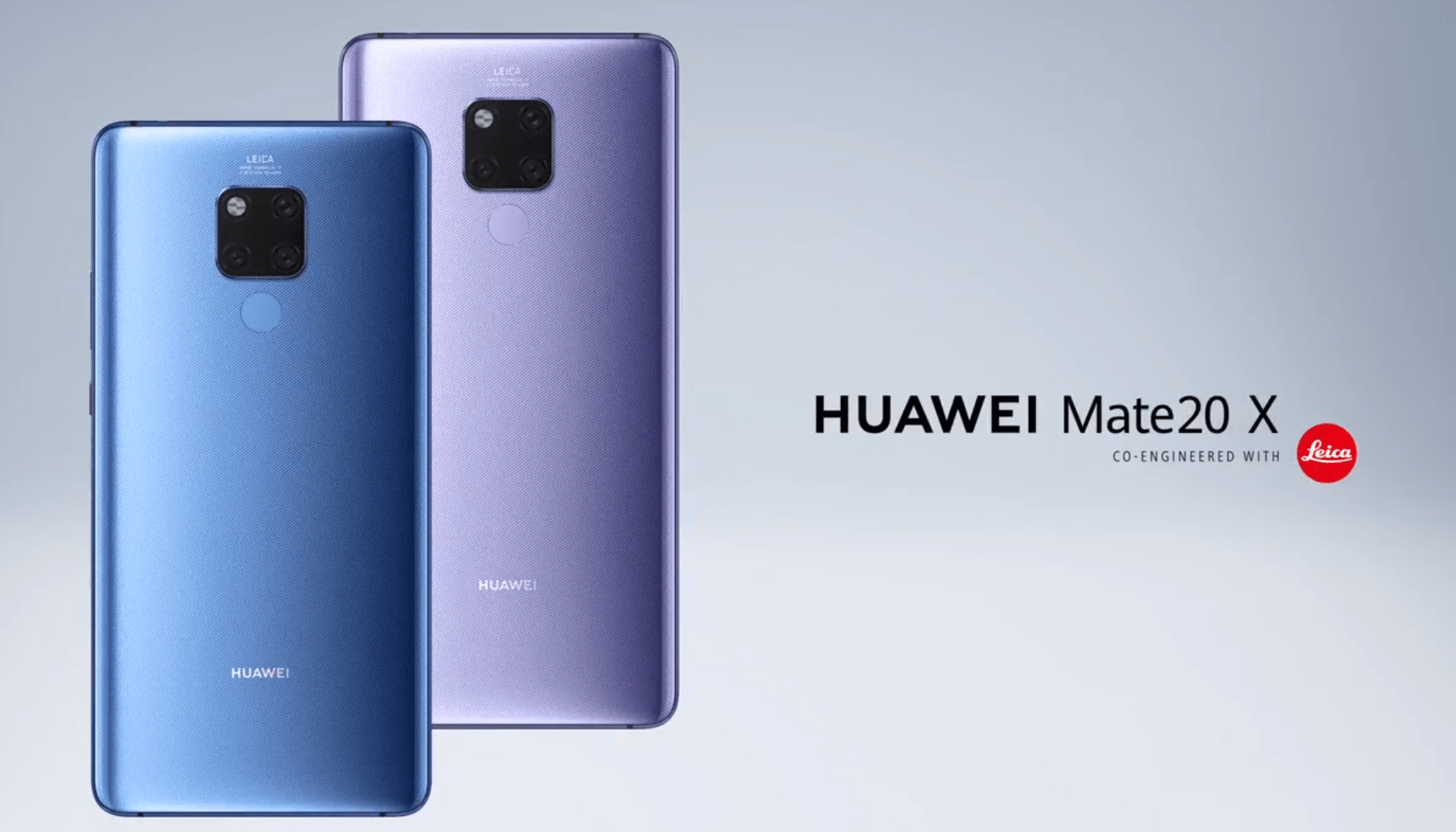
    With a little over two weeks left until Huawei will finally take the wraps off the P30 flagship series, the company is mainly busy building hype around a quad camera setup that might take mobile zoom photography to a whole new level of excellence. But at the same time, the world’s second-largest smartphone vendor continues to boast impressive achievements on its way to the global market’s first place. Despite not being officially available in the US, which remains one of the world’s biggest and most profitable smartphone markets, the Huawei Mate 20 “Series” has managed to rack up a grand total of 10 million shipments in just four and a half months. That’s obviously not the first time one of the company’s flagship families has reached 10 million unit sales, but the P20 and Mate 10 got to that number pretty much simultaneously back in August 2018.

    While the P20/P20 Pro duo needed roughly five months on store shelves to cross the milestone, the Mate 10 and Mate 10 Pro were nowhere near as popular, taking twice as long to score a combined 10 million shipments. And yes, we’re talking about the same Huawei Mate 10 Pro that you could buy unlocked from a number of authorized US retailers with a valid warranty included.<where more or less reliable vendors can hook you up with "international" stock at decent prices, but with no warranty. What this all suggests is that Huawei really doesn't need the US to succeed. The Chinese tech giant is huge in Asia, growing at a crazy pace in Europe, and even decently popular in Canada, where the Mate 20 Pro is sold through major carriers like Rogers, Bell, and Telus. If the company continues its progress in both the high-end and mid-range categories, there's definitely a good chance the smartphone market will have a new leader soon.

  • Hyundai Develops Smartphone Based Digital Key

    Hyundai Develops Smartphone Based Digital Key

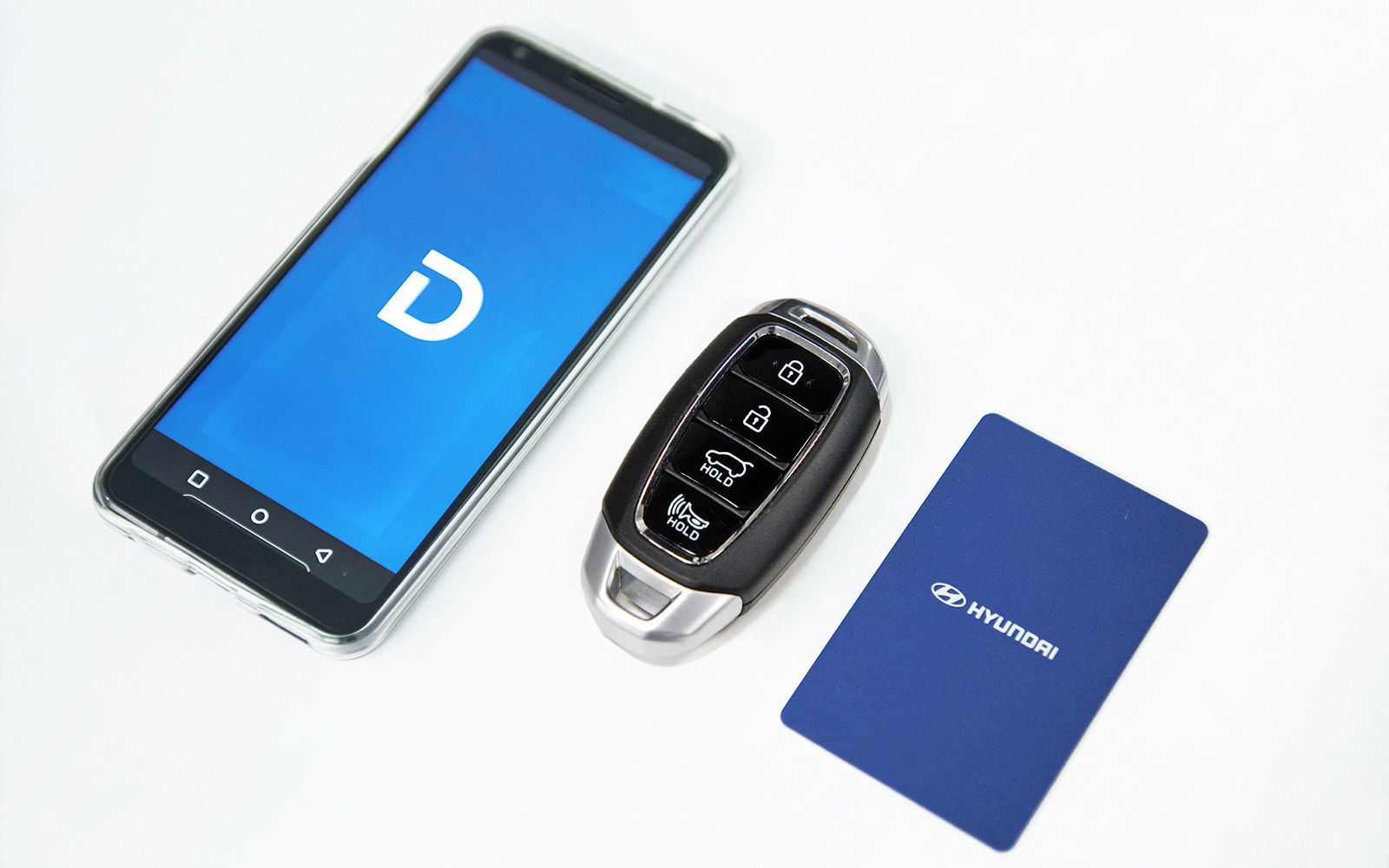
    Hyundai Motor Group announced the development of a Digital Key, which allows users to unlock and start a vehicle via their smartphone. Replacing a traditional physical key, the new Digital Key can be downloaded via an app and can be used by up to four authorised people. The Digital Key can be downloaded via a cell phone application and Near Field Communication (NFC) technology detects the presence of an authorized Digital Key-enabled cellphone in close proximity to the vehicle door. NFC is a form of Radio Frequency Identification (RFID), which boasts a high level of security. The NFC wireless data communication takes place only when the device and the reader are placed several centimetres apart.

    The NFC antenna for entry identification is located in the handles of the driver and front passenger’s doors, whilst one for starting the engine is located within the wireless charging pad. After unlocking the vehicle, the user can start the engine by placing the smartphone on the wireless charging pad in the centre console and pressing an engine Start/Stop button on the dashboard.

    The user’s preferred vehicle settings are stored in the vehicle. When the key is recognized those settings are adjusted automatically – including the position of mirrors, seats and the steering wheel, as well as controls for the audio, video and navigation (AVN) systems and head-up display.Hyundai’s Digital Key can be used to control selected vehicle systems remotely via their smartphone. Using Bluetooth Low Energy (BLE) communication, users can lock and unlock the vehicle, activate the alarm and start the engine. In addition, once the vehicles with autonomous parking features are commercialized, such features are also expected to be remotely controlled.

    The level of access to different vehicle functions can be tailored to each user, for a defined period. The vehicle owner can pre-set the duration of vehicle use or limit the use to only certain features when renting the vehicle. For instance, it can even be used to enable a courier to open the trunk to deliver a parcel.

    For cases such as using a valet service or visiting a repair shop, where handing over a digital key is not feasible, conventional smart key and card type key are also provided. Hyundai Motor Group aims to gradually implement the technology in its new production vehicles, starting later this year.

  • Samsung patent reveals its next foldable smartphone

    Samsung patent reveals its next foldable smartphone

    Two major smartphone vendors, Samsung and Huawei, revealed their first foldable phones – Samsung Galaxy Foldand Huawei Mate X. Although both are based on the same foldable concept, they’re using different technology, which led to some rivalries between the companies and their fans, of course.

    Specs aside, the major difference between these two smartphones is the way their displays fold. First off, we have the Samsung Galaxy Fold, which features a big display that folds to the inside of the device. Secondly, there’s the Huawei Mate X which folds outward, with the part of the display that becomes the back side of the folded phone turning off.

    Many say that Huawei’s solution is much better in terms of design, even though the Chinese company’s foldable smartphone is prone to scratches due to the design. Samsung and Huawei have been arguing about who’s got the best overall foldable smartphone design, but that might not last too long.

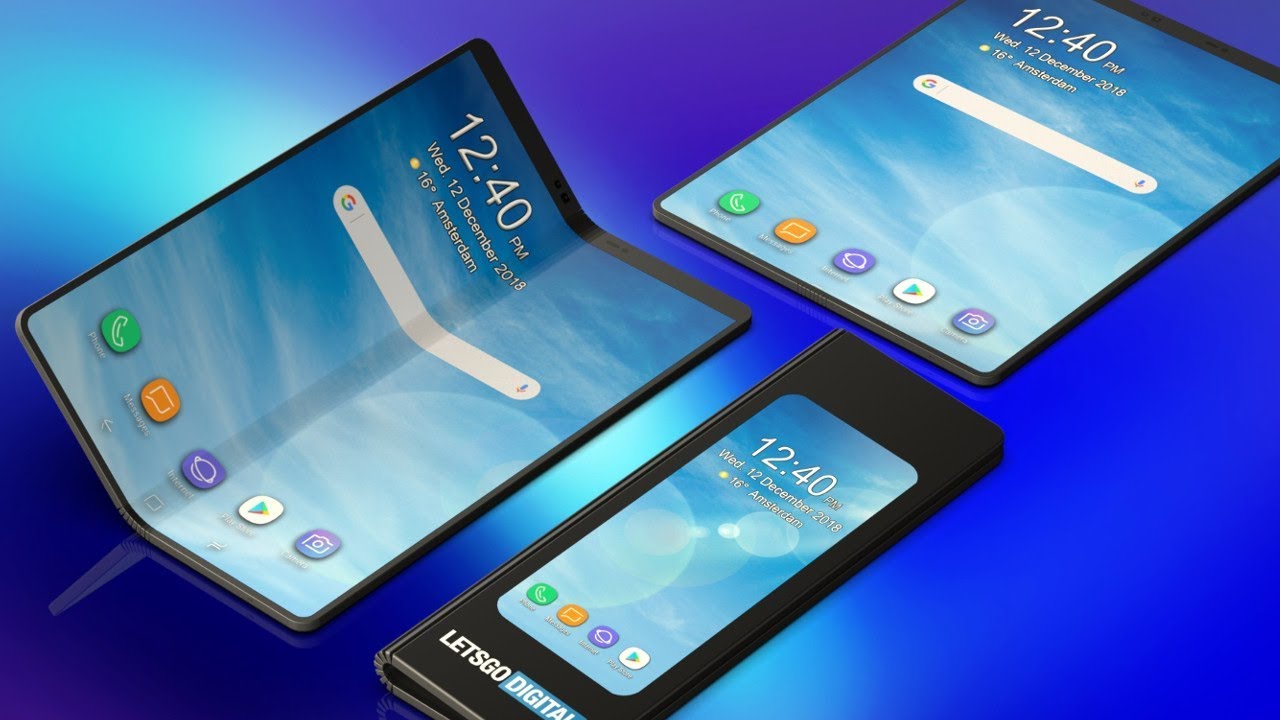
    Samsung is reportedly readying two other foldable smartphones, one of which will feature the same foldable design as the Mate X. One of Samsung’s patents spotted by LetsGoDigital reveals what the upcoming Samsung foldable smartphone might look like.

    It’s definitely a step up from the current model, the Galaxy Fold since it comes with a flexible segment in the middle that makes it possible to close it seamlessly when completely unfolded. The images also reveal some sort of slide that works like a lock to make sure that the phone remains flat when opened.

    This removes the need of having to implement a more sturdy hinge to keep the phone completely flat when you open it. If Samsung does plan to launch such a device, it will be the company’s first foldable smartphone to feature an outward-facing display, in the same vein as Huawei’s Mate X.

    picture by: letsgodigital.org

  • Motorola’s smartphones could soon remove almost every bezel

    Motorola’s smartphones could soon remove almost every bezel

    The Motorola Moto E, Moto G, and Moto Z smartphone lineups could eventually adopt displays that feature almost no bezel, a new patent suggests. Submitted late last year and published earlier this month, parent company Lenovo describes a total of eight smartphone designs range from ‘Model A’ to ‘Model H.’ The first three models focus on different front panel looks which could be used in the near future. The second set of devices, on the other hand, describes different rear designs.

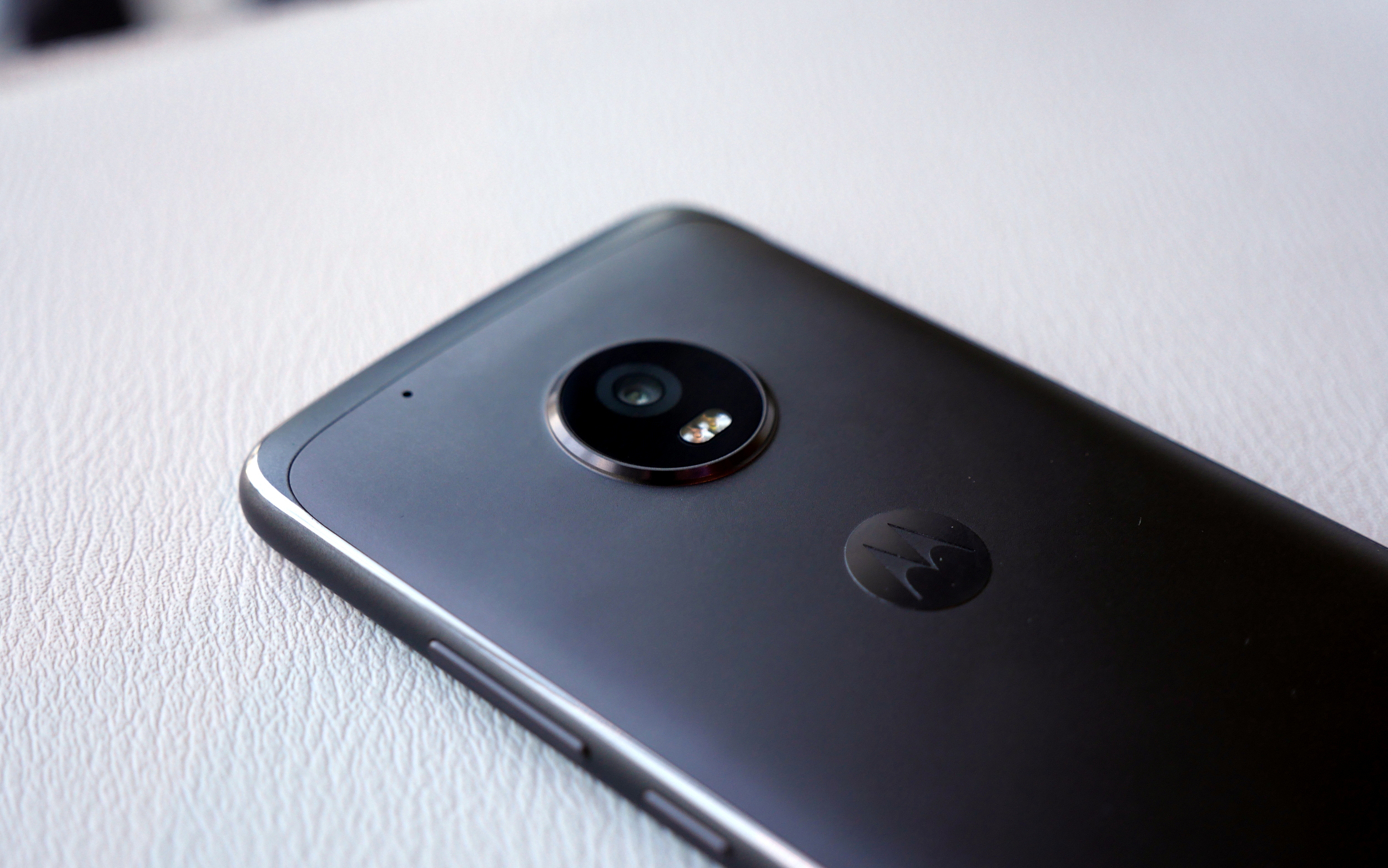
    Starting with Models A, B, and C, these all sport rear panels that resemble current-gen Motorola devices thanks to large circle-shaped camera modules and rear-facing fingerprint scanners. In the case of ‘Model A,’ this rear design is paired with a thick chin up front and a small notch above the display. Overall, the device resembles the recently-announced Moto G7 quite closely.
    Moving on to ‘Model B,’ this smartphone sports a slimmer chin along with the same notch. As a result, the device is reminiscent of the upcoming Moto Z4 Play. ‘Model C,’ however, appears to depict what Motorola’s smartphones will look like in the future. Like the previous two, it maintains the waterdrop-like notch above the display. This time, though, the side and bottom bezels are basically non-existent.
    Taking a look at the remaining models, these all depict different rear setups. Models ‘D’ and ‘E’ resemble slightly updated versions of current Moto Z and Moto P-series devices. Models ‘F’ and ‘H,’ on the other hand, showcase horizontally-aligned cameras that sit in the top-left corner, a design that hasn’t been seen on Motorola smartphones. When it comes to the remaining ‘Model G,’ this rear design resembles the look of older Moto devices by boasting a much smaller camera that sits in the center, just above the LED flash and the Motorola logo.
    Because Motorola no longer competes in the flagship segment, it could be a while until the brand’s mid-range offerings embrace the bezel-less look depicted by Model C. The alternative rear looks, however, could appear in the near future.
  • Smartphone brand Realme expanding in Southeast Asia

    Smartphone brand Realme expanding in Southeast Asia

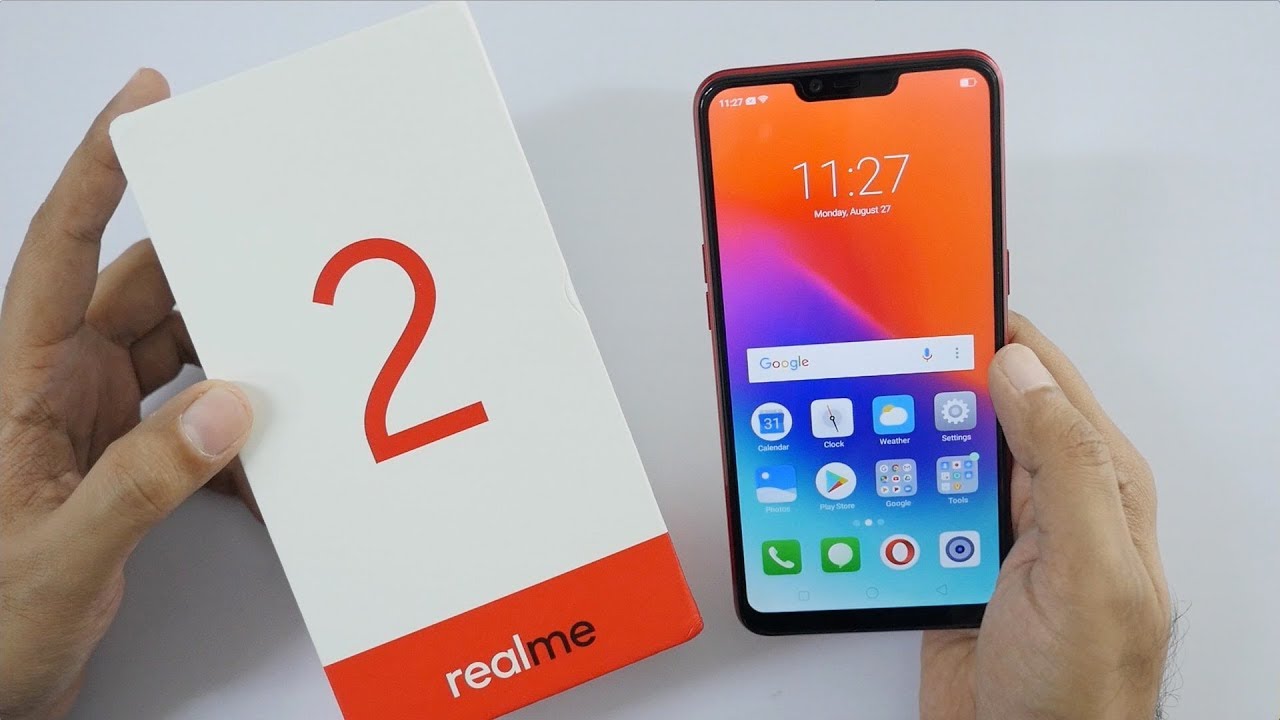
    BBK Electronics’ budget smartphone brand Realme is eyeing expansion into Southeast Asia, Africa and Europe.

    The company’s online distribution strategy has brought it success in the Indian market and makes broader expansion possible, according to Realme global CEO Sky Li Bingzhong.

    “The company’s asset-light operations and focus on online sales allow it to keep costs low. That way, more young consumers can afford its products, which makes the brand more competitive in the market,” said Li.

    Realme launched in India in May last year with handsets priced at INR8,990 (US$129) – becoming the second top-selling smartphone brand during the Diwali festival season from October to November. The brand has joined a number of Chinese phone manufacturers seeking to build strength in the Indian market as they challenge more established international competitors in more saturated markets.

    BBK also owns the Oppo, Vivo and OnePlus brands, selling mid- to high-end models. Independent Realme runs its own R&D operations, but partners with Oppo in smartphone production. Its expansion moves are indicative of Chinese phone manufacturers’ larger strategy to deploy varying brands that each target specific markets globally.

  • Apple appoints former Microsoft executive

    Apple appoints former Microsoft executive

    Apple has appointed Microsoft’s former Corporate Vice President Sam Jadallah to lead the “Home” products category at Apple. Even though Apple has not officially announced the appointment, Jadallah updated his LinkedIn bio to read – “Working on Home at Apple”, reflecting his new role with the iPhone-maker. However, along with Apple, Jadallah has also been tight-lipped over his hiring by the company.

    After Microsoft, Jadallah ran a smart lock start-up called ‘Otto’ that shut down in January 2018.

    “Hiring Jadallah is the latest signal that Apple plans to get serious about its own efforts in the ‘Home’ category,” the report said.

    Apple has a range of “Home’ products including HomeKit — its software service that connects with a variety of third-party products; and HomePod — a smart speaker for the home with voice recognition and music.

    Currently, Apple’s HomePod constitutes a small share of the home products market as compared to Amazon’s Echo and Google Home.

    Recently, Apple acquired a voicetech start-up called Pullstring to strengthen Siri against Amazon’s Alexa.

    “That purchase could help the smartphone-maker become the centre of a connected living room,” the report added.

  • Asia-Pacific the key market for global smartphone sales

    Asia-Pacific the key market for global smartphone sales

    Global smartphone sales grew 5 per cent to hit US$522 billion last year, with Asia-Pacific accounting for nearly half of those. According to a recent Consumer Life Study by GfK, smartphones, feature phones and wearables accounted for a 44 per cent share of the global $1.2 trillion technical consumer goods (TCG) market. But it warned smartphone sales are expected to grow by just 1 per cent this year.

    Apac the key driver

    More than 732 million smartphone devices were sold last year. Despite a slight decline in demand, overall consumer spend increased by 5 per cent.

    China accounted for 60 per cent of the Apac region’s market value and 54 per cent market volume, making it the largest contributing country to the global smartphone market.

    “The Chinese market consumes the majority of the global smartphone production, as well as being the home of local brands that are becoming increasingly global,” observed Alexander Dehmel, GfK regional senior market insights manager.

    “Some 40 per cent of the Chinese brands’ smartphone production in 2018 was purchased outside of China, up from 31 per cent in 2016.”

    In second position, India bucked the global demand downtrend, reporting growth in both sales volume and value in 2018, by 19 and 21 per cent respectively. More than 161 million smartphones worth more than $28.5 billion were sold last year.

    “In Asia’s emerging markets such as India, a country where feature-phone sales still exceeds half of the total handset market, smartphone market rapid growth is fuelled by the high adoption rate of first-time smartphone users, in addition to the fast replacement cycle and upgrading of existing smartphone users,” said Dehmel.

    Premium models and Chinese brands fuel growth

    Globally, 12 per cent (up from 9 per cent in 2017) of smartphones sold were priced at more than $800 last year. The $150-400 segment continues to be an important competitive battleground accounting for 46 per cent of smartphones sold globally (up 2 per cent from 44 per cent in 2017).

    Within Asia, developed markets drove the take up of high-end smartphones. Last year, every other device (53 per cent) sold in these countries cost more than $800. On the other hand, the most affordable phones priced below $150 accounted for half the total market.

    “Chinese brands have been significantly increasing their presence worldwide, and specifically in emerging Asian markets, their popularity have been largely driven by their affordability and faster model refresh cycles with improved specs,” commented Dehmel.

    “Take the region’s third largest smartphone market of Indonesia for instance; Chinese brands accounted for more than two in every five (42 per cent) smartphones sold in the country in 2018.”

    Looking ahead

    The study shows that consumer trends are changing when it comes to possessions. Not only do consumers “prefer to own fewer but higher quality items” that they will pay premium prices for, but they also “value experiences more than possessions”. If larger memory or screen size and multiple high-megapixel cameras can enhance their overall usage experience, such innovations will likely help ignite consumers’ imagination and stimulate greater demand.

    With rapidly evolving technology, the later part of last year saw new launches in the market which offered consumers features such as larger screen sizes, higher resolutions for both the front and back cameras, along with increased number of camera lens, and more-advanced AI functionalities.

    One of the key observations for last year was the continued popularity of larger screen sized smartphones – a trend consistently reflected across every single Apac market. China and Korea were the top two markets where almost nine in 10 smartphones sold had 5.5 inch or larger screen sizes.

    “From the trends that emerged in the second half of last year, we anticipate the growth of larger display smartphones with high screen-to-body ratios (i.e. slim bezels) to continue developing this year, as well as rising demand for models with stronger camera offerings in both resolutions (megapixels) and the number of lenses, powered by more advanced AI capable chipsets,” concluded Dehmel.

  • LG skips foldables, opts for two screens instead

    LG skips foldables, opts for two screens instead

    LG Electronics launched the V50 ThinQ on the eve of the MWC 2019 in Barcelona on Sunday, presenting its vision of how the much-hyped 5G network can take a mobile device’s multimedia experience to the next level. The V50 ThinQ is the tech giant’s first 5G smartphone, a direct competitor to Samsung Electronics’ Galaxy Fold and Huawei’s Mate X, both of which are equipped with foldable screens.

    Rather than a foldable screen, LG Electronics has opted for a secondary detachable 6.2-inch screen, slightly smaller than the main 6.4-inch screen.

    When the second screen is attached, users can activate multiple apps at the same time. The screen on the left, for example, can have the YouTube app playing a video, while the second screen on the right can be simultaneously used for chatting to friends.

    Held horizontally, the top screen could be displaying a smartphone game, while the screen on the bottom could be used for a virtual joystick to make the game experience more immersive.

    “We believe in multimedia,” said Kim In-kyung, a senior vice president at LG Electronics in charge of 5G and network technology at the unpack event on Sunday in Barcelona.

    “Creating content and broadcasting live are most relevant to our 5G products today.”

    To help the hardware endure the increased data processing derived from 5G connectivity, its CPU, developed by Qualcomm, has been upgraded to the latest Snapdragon 855 and the battery capacity has been increased by 20 percent compared to the predecessor V40.

    LG Electronics also unveiled the G8 ThinQ on Sunday, which is dedicated to the existing 4G network.

    The G8 ThinQ, however, has been upgraded with what’s called “Time of Flight” sensors in the front camera, which are able to read palm veins in a 3-D image. The “Time of Flight” sensors are developed in partnership with German tech firm Infineon.

    Placing the palm in front of the front camera will unlock the phone, while moving the fingers in specific ways will give various orders to the G8 ThinQ such as taking screenshots, activating music apps and controlling the volume.

    Such functions will come in handy when users’ hands are too busy to actually touch the smartphone screen, such as when cooking or driving, according to the electronics company.

    “Installing vein recognition in a mobile device is [a] first,” said David Montanya, a product evangelist from LG Electronics’ mobile communications team at the unpack event. “It [allows the users] to make more intuitive interaction[s] with the smartphone. It anticipates your moves and intentions and reacts accordingly.”

    Montanya also added that palm veins are a safer way to protect the phone compared to other biometric methods such as fingerprints.

    “The probability of two people having the same vein structure is less than one in a billion,” he said.

    While an innovative feature is always a selling point for mobile devices, an experimental one that doesn’t yet work properly is not a good sign.

    The new palm-reading feature required intensive training in order to get the hang of the specific hand gestures needed to activate the sensors.

    A specific timeline for the two new phones’ launch in Korea hasn’t been revealed.

  • LG Electronics to debut dual display phones

    LG Electronics to debut dual display phones

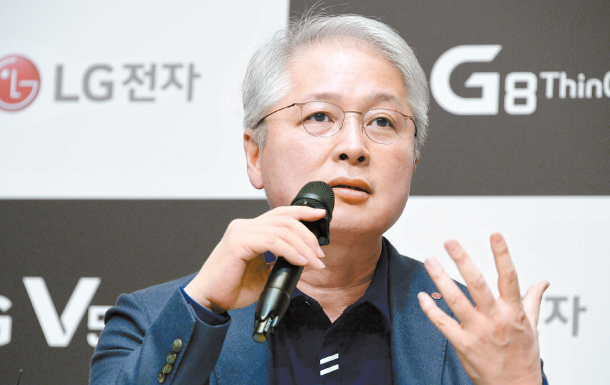
    LG Electronics’ major release of the year will be dual display smartphones, which the company hopes will recover its reputation as consumers flock to next-generation 5G smartphones. “There were internal discussions on releasing foldable phones at the same time but we concluded not to apply the form to early 5G models,” said LG Electronics President Brian Kwon during a press conference at LG Science Park in Magok, western Seoul, Friday.

    The event was the first time since he was appointed to head the smartphone business in November that Kwon shared future strategies for mobile business in front of the local press.

    “Our direction will allow consumers to enjoy 5G network content through dual displays to be showcased at the Mobile World Congress (MWC).”

    “Speaking of displays for early 5G phones, a major question to ask is whether we really need them, is there enough user content that requires such screens? In that perspective, I believe it’s too early to present [foldable phones,]” he added. “In terms of technology, we’re already prepared to make foldable and rollable screens.”

    Changes in form, especially screens, will be a major attraction point at this year’s MWC, the world’s largest trade show for phones. Samsung Electronics and Huawei will be rolling out foldable phones that come with two screens overlapping one another.

    LG’s dual display phone is rumored to come with a separate second screen that can be attached to the back or beside the main screen, although the company did not confirm the details. Its price remains undecided but Kwon said internal discussions were ongoing over whether to set it above or below $1,000.

    The form-factor competition comes in line with the commercialization of 5G networks expected to be realized this year. 5G will transfer data at an extremely high speed, enabling smartphone users to enjoy movies and games at unmatched quality and speed. Phone makers are eyeing the opportunity to win over consumers as they upgrade their phones to models that support 5G.

    LG’s strategy for this generation shift is “two track,” Kwon said Friday. Apart from the dual display phones, the V50 ThinQ 5G and the G8 ThinQ will also be showcased at the MWC. They are the latest models from the company’s high-end V and G lineups. V50 will support 5G networks, while the G8 will remain a premium phone for 4G, or LTE, network users.

    Underlying the two-track strategy is an uncertainty about how fast it will actually take for 5G infrastructure and related services to expand and how many consumers will jump from 4G to 5G.

    “Our plan for the year’s first half is to release the V50 to tackle the 5G market but our direction for the second half will depends on the 5G market,” said Kwon. “If it expands quickly we’ll look into developing a lower priced model that supports the network; if it doesn’t we’ll still have the 4G lineup.”

    LG’s smartphone business has been in the red for 15 consecutive quarters as of last year. Kwon was successfully heading the company’s television business when he was appointed to additionally take charge of the mobile division three months ago.

    “It’s true that industry insiders are hoping the 5G era will push growth of the smartphone market but as there also conservative projections, our goal for the year is not to make a drastic turnaround in the business but to see sales grow and restore our reputation in the smartphone market,” said Kwon.