Retail News CRM

Tag: smartphone

  • HTC’s First Smartphone this Year Soon to Arrive

    HTC’s First Smartphone this Year Soon to Arrive

    Back in 2014, when the brand was riding high due to the success of the One (M8), HTC released a total of 30 smartphones. As its struggles began to sink in, this figure dropped and by 2016 HTC was launching just 16 devices per year. Throughout 2018, the company scaled back its business even further with just 7 releases and this year it’s nowhere to be seen, but that could soon change.

    A mysterious HTC smartphone was recently benchmarked under the name ‘HTC 2Q741.’ It’s unclear at this point what kind of features the device will offer, but the Geekbench listing does reveal the presence of MediaTek’s Helio P35 on the inside.

    Combined with 6GB of RAM, this chip scored 897 points on the single-core test and a respectable 4385 points on the multi-core assessment. These results put HTC’s offering on par with rival Snapdragon 630-powered devices such as the Xperia 10 or Nokia 6.1 but behind Snapdragon 632-powered models like the Moto G7 and Moto G7 Power.

    HTC is yet to confirm when this unnamed model will be released, but the Taiwan-based brand is reportedly developing two other models at the moment too. These include a 5G flagship for the second half of the year and an upper-midrange device powered by Qualcomm’s Snapdragon 710.

  • The Nokia 4.2 is now available to pre-order

    The Nokia 4.2 is now available to pre-order

    Two months after unveiling the smartphone at MWC 2019, HMD Global has today announced that the Nokia 4.2 is coming to the United States in two weeks’ time. In anticipation of its release, pre-orders for the smartphone have already been opened up at Amazon and B&H. Best Buy should also start accepting pre-orders today but it is yet to active the page on its website. Shipments for the smartphone are due to commence on May 14. Also, the Nokia 4.2 will be available to purchase in-store at select Best Buy stores starting June 9.

    Regarding its price, the Nokia 4.2 is set to retail at $189 across the U.S. In terms of specifications and features, it offers Qualcomm’s Snapdragon 439 paired with 3GB of RAM and 32GB of storage. This chipset won’t be breaking any records any time soon, but it should certainly provide a decent level of performance for the price.

    Other Nokia 4.2 details include a notched 5.7-inch display and an 8-megapixel selfie camera. The smartphone, which will be available in Black and Pink Sand, also boasts a 13-megapixel rear camera and an additional 2-megapixel depth sensor that should help with background blur. Completing the entire setup is stock Android 9 Pie as part of the Android One program, a 3,000mAh battery, and support for T-Mobile, AT&T, Cricket, and Metro networks.

  • The Motorola One Vision Will be Announced Soon

    The Motorola One Vision Will be Announced Soon

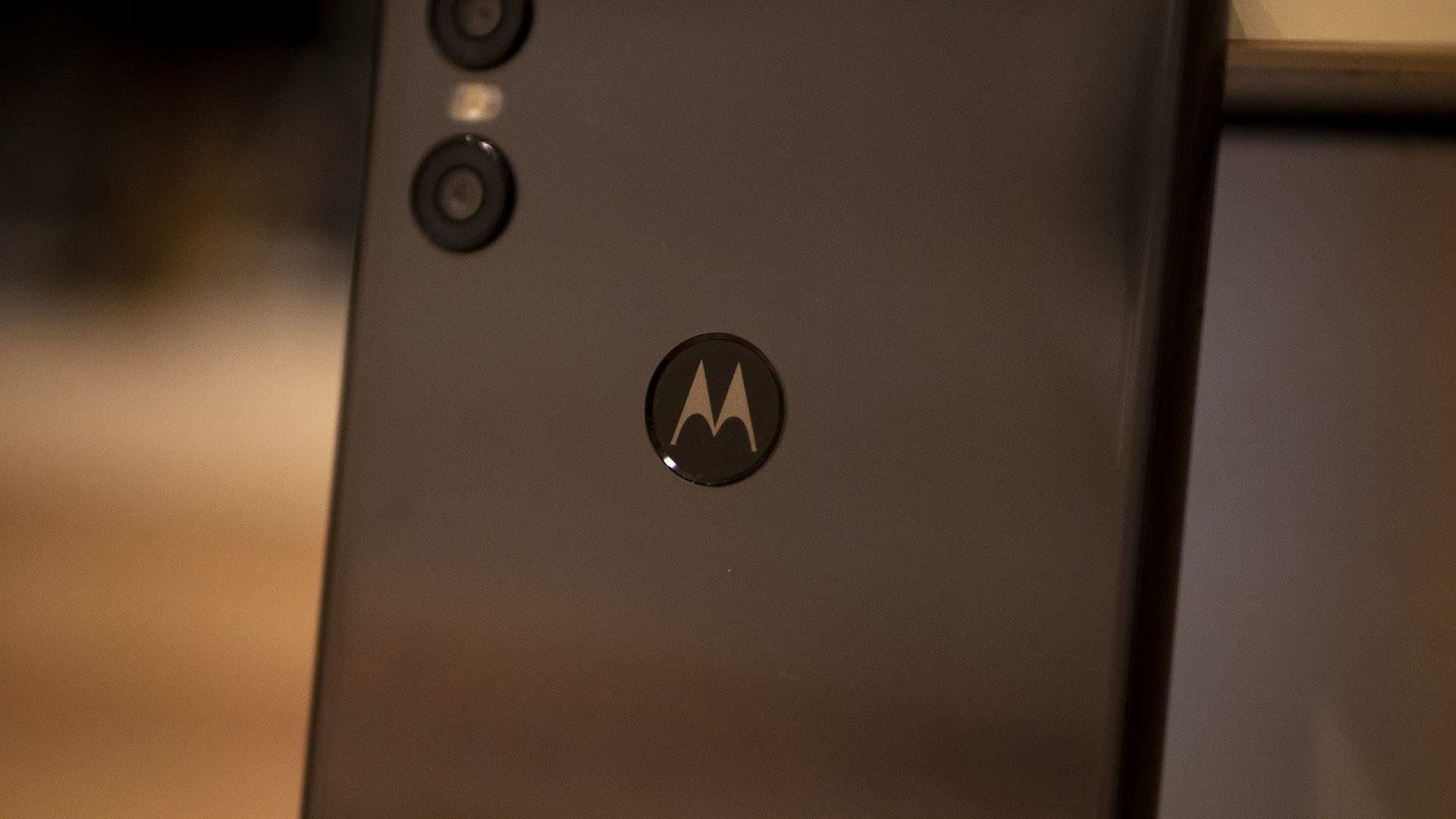
    Motorola has released a total of three Android One smartphones since 2017 – the Motorola One, One Power, and Moto X4 – but soon this list could expand with the launch of the Motorola One Vision.According to one Twitter user with a seemingly solid track record, the Motorola One Vision will make its official debut at an event held in São Paulo, Brazil on May 15th. To further back up his claim, an official-looking invite to the event was provided.

    Brazil isn’t typically the first place manufacturers head to for device announcements, but for Motorola it’s nothing out of the ordinary. Since mid-2014, the Chicago-based brand has been the second-largest smartphone vendor in Brazil behind Samsung. Most of this success is down to the budget Moto G and Moto E lineups, but from the look of things Motorola now wants to increase its sales in the mid-range segment.

    As specified by recent leaks, the Motorola One Vision should arrive equipped with a large 6.2-inch display that boasts a tall 21:9 aspect ratio and a small cut out in the top corner. It’s unclear at the moment what kind of selfie camera the latter will house, but rumor has it the smartphone will come equipped with a 48-megapixel sensor on the rear that’ll be paired with a dedicated depth sensor.

    On the internal side of things, the One Vision looks set to be Motorola’s first smartphone with a Samsung processor in side. Specifically, the Exynos 9610 that was recently used inside the Galaxy A50 was rumored. Performance-wise, this should be on par with the Snapdragon 660.

    Also to be expected is stock Android 9 Pie and a decent 3,500mAh battery. Additionally, 3GB of RAM and 32GB of storage are expected, although variants with 4GB of RAM and either 64GB or 128GB are said to be on the way too.

    Lastly, regarding the pricing and availability, the Motorola One Vision will apparently be sold in both Blue and Gold and could potentially be sold in the US in addition to Europe, Latin America, and China. The smartphone’s pricing currently remains a mystery, but this device could potentially replace the original Motorola One which means a $399 price tag seems likely.

  • Google struggled to sell Pixel 3 smartphones

    Google struggled to sell Pixel 3 smartphones

    Apple, Samsung, LG, Sony, HTC… The list of smartphone manufacturers that have experienced a decline in sales at some point throughout the past year is already pretty long but today it grew by one.

    During Alphabet’s earnings call earlier today, the company’s Chief Financial Officer Ruth Porat revealed that Google experienced a year-on-year decline in Pixel smartphones sales during the first quarter of 2019. Specific numbers weren’t provided, but the negative results do appear to have dragged down the company’s hardware business as a whole.

    Regarding the cause of this drop, Google didn’t mention any concrete details but it did highlight the general “pressures in the premium smartphone industry” at the moment. Moreover, it noted the “heavy promotional activity” by competitors which have been struggling to keep sales up recently.

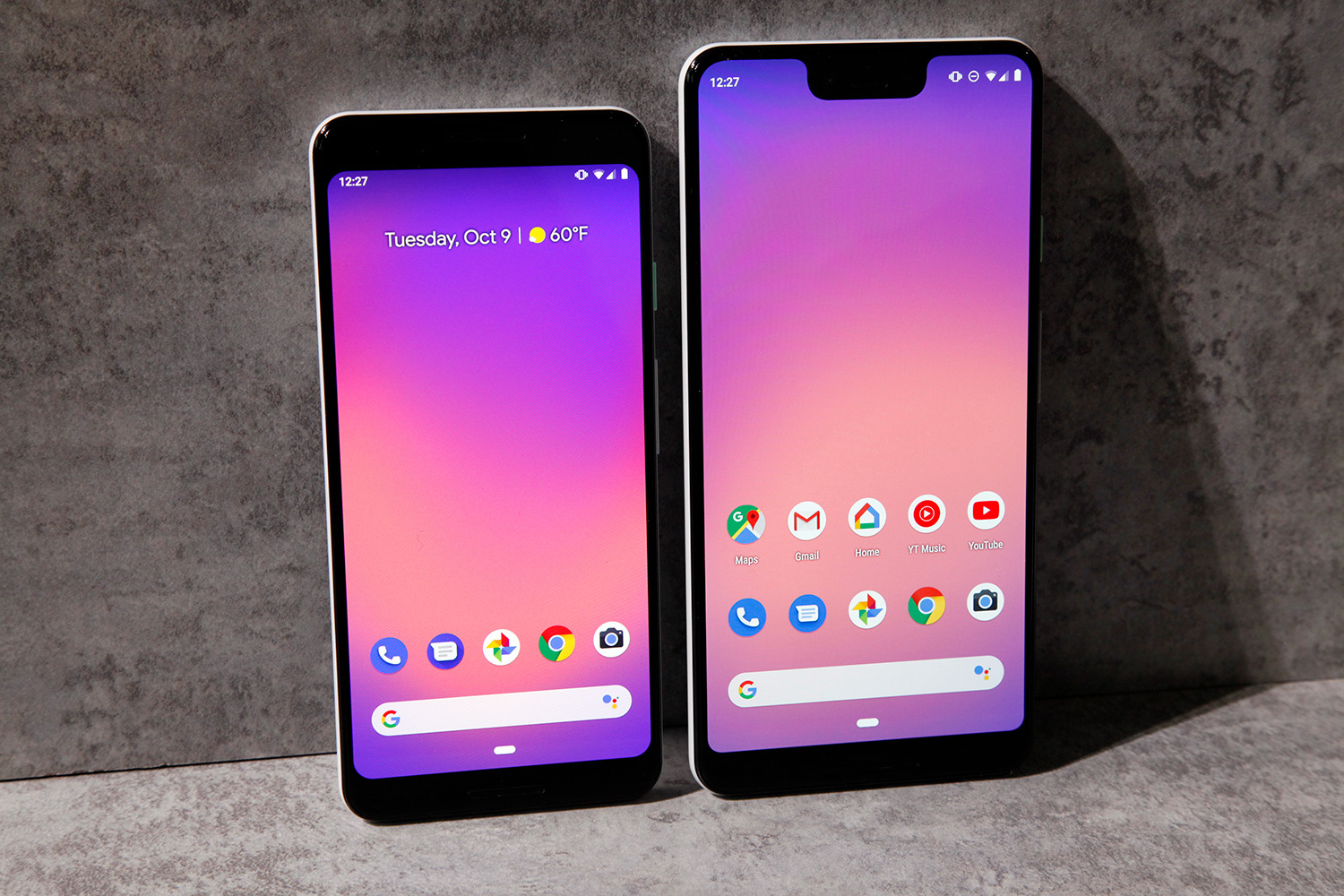
    Another factor that wasn’t mentioned but one that may have negatively affected Pixel 3 smartphone sales is design. Although Google’s smartphone cameras have once again received almost universal praise, the larger Pixel 3 XL has been heavily criticized since before it even launched due to the large notch and huge chin that it features.

    The Google Pixel 3 and Pixel 3 XL were also plagued with memory management issues, something that affected day-to-day use by prematurely closing apps running in the background.

    Despite the lack of Pixel sales, Google pointed out that it was pleased with the “momentum for Assistant-enabled home devices, particularly the Home Hub and Mini devices.” It also mentioned plans for hardware announcements on May 7th at Google I/O, essentially confirming the Pixel 3a’s debut at the event.

    The Google Pixel 3a and Pixel 3a XL, for those of you that don’t already know, are expected to represent Google’s first entries in the mid-range smartphone segment. Building upon the reputation of flagship Pixels, both Pixel 3a smartphones are expected to carry the same rear camera as the Pixel 3 and support software features such as Night Sight. But in order to keep costs down, a number of modifications have been made internally.

    Rather than utilizing Qualcomm’s flagship-level Snapdragon 845, the Pixel 3a duo is expected to include the Snapdragon 670 which will be paired with 4GB of RAM and either 32GB or 64GB of internal storage. This will then be accompanied by stock Android 9 Pie, eSIM support, Google’s dedicated Titan M security chip, and the Active Edge squeezable frame. The smartphones also look set to support 18W fast charging. Speaking of which, the 5.6-inch Pixel 3a will carry a 3,000mAh battery while the 6-inch Pixel 3a XL should feature a larger cell, although its capacity is yet to be specified.

    Pre-orders for the Google Pixel 3a and Pixel 3a XL are expected to commence immediately after their announcement at Google I/O next week. Regarding official pricing, US market details are yet to leak. However, previous information has pointed towards price points of $400/€450 for the Pixel 3a and $500/€550 for the Pixel 3a XL.

    In terms of availability, the devices were previously rumored to be Verizon exclusives. However, more recent reports suggest T-Mobile will also carry them. And for those of you out there that aren’t fans of carriers, the smartphones should be sold unlocked via the Google Store too.

    At the price points mentioned above, the Pixel 3a and Pixel 3a XL probably won’t become runaway successes. But with Google’s smartphone business currently struggling, a boost from the mid-range segment could be all it needs to get back on track.
  • Sony’s days in the smartphone Industry are Ending

    Sony’s days in the smartphone Industry are Ending

    Sony has never been able to obtain success in the smartphone industry the way it once controlled the mp3 market, the video game console market, and the television market. Trying to differentiate itself, this year’s Xperia 1 flagship, unveiled at MWC in February, features a 6.5-inch 4K AMOLED display with a 21:9 aspect ratio. Despite what would appear to be a great screen for watching streaming video on, the pricing is sure to turn some away.

    For the second time in six years, a particular hedge fund is building up a stake in Sony hoping to influence its business decisions. Those familiar with the plans say that Third Point LLC, run by Daniel Loeb, is looking to implement its own turnaround strategy for Sony. Loeb’s fund reportedly has $14.5 billion in assets and is believed to be raising money ($500 million to $1 billion) for a fund dedicated to the purchase of more Sony shares.

    The parts of Sony that Third Point wants to take a hard look at include the semiconductor and insurance businesses and the movie studio, which some believe that Amazon and Netflix could be interested in. And while the report from Reuters doesn’t mention the mobile phone business, it most likely would be a division that Loeb would prefer to see Sony jettison. Last month, the company folded its mobile unit into the same business segment that includes its TV, camera and audio products. And a report published in March stated that by next year Sony will cut the head count in its smartphone division in half.

    Jefferies analyst Atul Goyal told clients in a note sent out last week that Sony needs to exit the mobile phone business. Sony will no doubt want to gauge the reception to the Xperia 1 before it decides whether or not to stop producing smartphones. But if Third Point LLC builds a big enough stake in Sony, the decision whether to cut its losses in the smartphone industry might be taken out of the company’s own hands.

  • Apple’s iPhone XR was the best-selling iPhone in Q2

    Apple’s iPhone XR was the best-selling iPhone in Q2

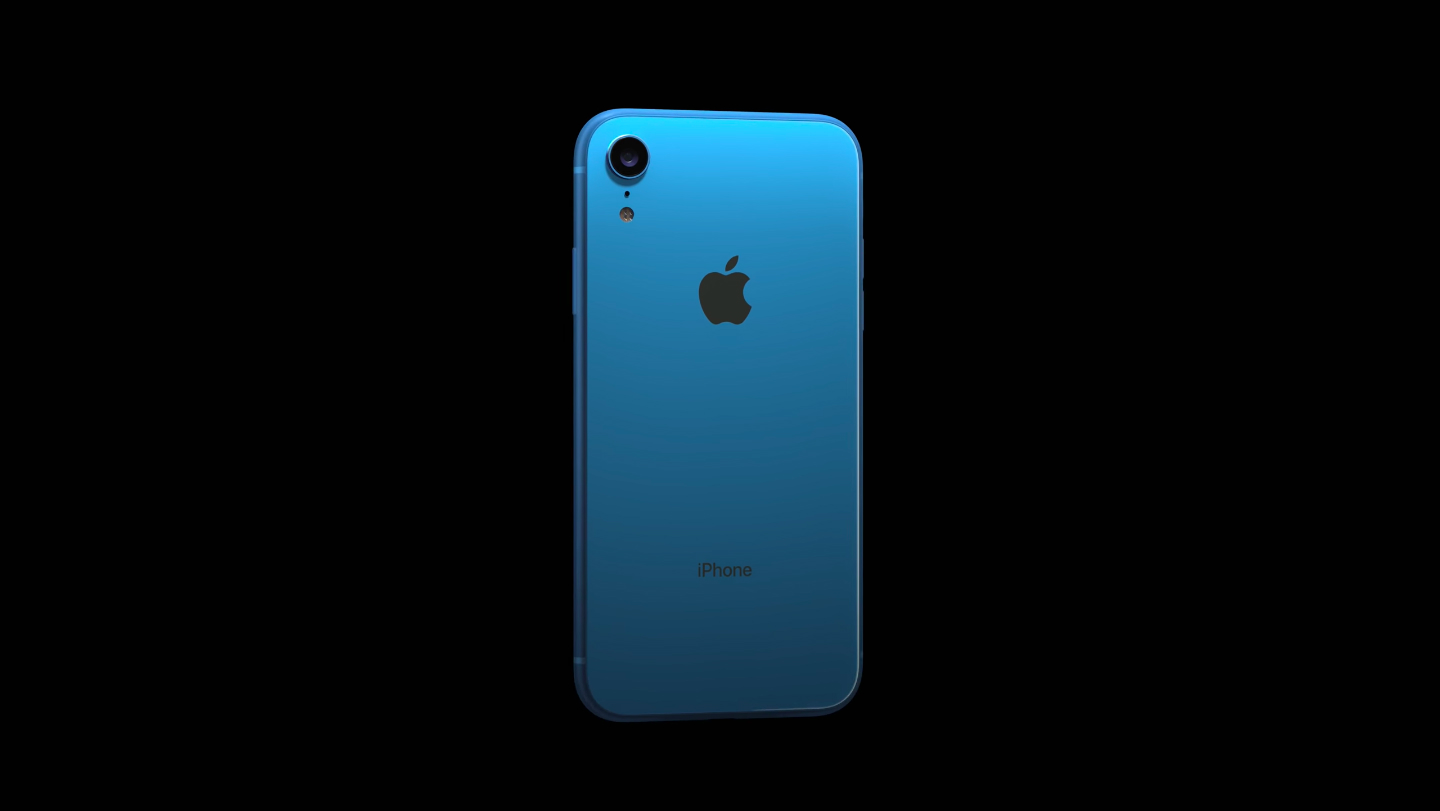
    Although iPhone sales haven’t been living up to Apple’s expectations lately, a recent CIRP report revealed that iPhones were the best-selling devices in the US throughout the first quarter of 2019. And now a new report has revealed which model was the most popular. For the second quarter running, the iPhone XR was the best-selling individual iPhone model in the United States. It accounted for 38% of all US iPhone sales throughout the recent quarter and outsold both the iPhone XS and iPhone XS Max combined by a factor of almost 2:1 – the iPhone XS series accounted for just 21% of sales.

    The remaining 41% of sales were distributed between the iPhone 8 and iPhone 7 lineups. The iPhone 8 Plus and iPhone 7 were the most popular among these, while the iPhone 8 followed closely behind. The iPhone 7 Plus was the least popular by a significant margin, but still managed to sell in numbers that are comparable to those of the iPhone XS.

    During the fourth quarter of 2018, the sales of higher storage tiers are understood to have boosted Apple’s average selling price (ASP) to new heights. But as interest in these devices declined and the iPhone XR became the dominant device, CIRP believes the ASP of iPhones dropped to around $800 last quarter.

    Looking at the second quarter of 2019, the iPhone XR is expected to continue dominating. However, iPhone sales as a whole could lose some ground to Samsung who recently launched the Galaxy S10, Galaxy S10+, and Galaxy S10e.

    During the first quarter the two brands were neck and neck – Apple held a 36% market share while Samsung accounted for 34% of sales – but during this current quarter iPhone sales are set to continue declining while Samsung should finally feel the full effect of the Galaxy S10’s popularity.

    Although Samsung is yet to release official sales figures, its latest flagship smartphones are reportedly outselling last year’s Galaxy S9 lineup by a small margin. Apparently, Galaxy S10 and Galaxy S10+ sales are on par with those of the Galaxy S9 and Galaxy S9+, while the smaller Galaxy S10e is essentially providing a nice boost to Samsung’s total unit sales.

    According to estimates, the Galaxy S10 trio will ship a combined total of 10 million units by the end of this quarter on a global scale. It’s unclear, however what percentage of these will be from the US.

    Continuing into the third quarter of the year, it seems likely that Samsung will continue to dominate the smartphone market. iPhone sales should continue to drop, while Galaxy S10 sales will have lost steam too. However, the South Korean brand is rumored to be preparing a Galaxy Note 10 and Galaxy Note 10 Pro that’ll help boost its performance significantly.

    As for the final quarter of the year, Samsung is expected to return its crown to Apple once again. The latter should release its latest iPhones towards the very end of the third quarter in September, with the full effect of sales being noticeable during the final three months of the year.

    This year, rumors suggest Apple’s iPhone XS and XS Max replacements will adopt triple-camera setups, smaller notches, reverse wireless charging, and a number of other features. The iPhone XR’s successor, on the other hand, should benefit from two rear cameras, Apple’s next-gen processor, and potentially an upgraded screen.

    All three smartphones should ship with iOS 13 straight out of the box. This will introduce a dedicated Dark Mode and a number of other features which are detailed in this article.

  • Michael Kors launches improved Sofie Heart Rate smartwatch

    Michael Kors launches improved Sofie Heart Rate smartwatch

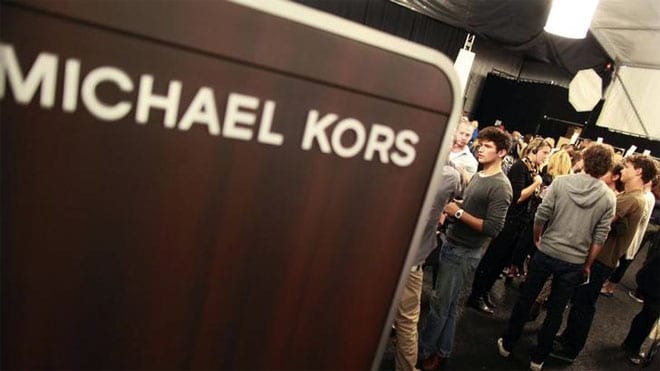
    Michael Kors is expanding its smartwatch offering with an improved version of Sofie, a wearable device that was launched two years ago. The new model, weirdly named Sofie Heart Rate, packs a few new features that the original model lacked, but keeps a similar price.

    The Sofie Heart Rate is available in five colors – Pave Rose Gold, Rose Gold, Silver, Pave Two-Tone, and Gold, for as low as $325. Officially unveiled early this year, Michael Kors’ new smartwatch runs Wear OS and is fully compatible with iPhone and Android phones.

    Unlike the original model, the new Sofie Heart Rate features built-in GPS, NFC (Near Field Communication) payment technology, heart rate tracking, and swimproof technology (water resistant up to 30m). Also, it comes with an AMOLED display, 4GB internal storage, and a 300 mAh battery.

    Design-wise, the smartwatch is made of stainless steel and features interchangeable straps. According to Michael Kors, in addition to the three classic stainless steel platings and the two-tone glitz version models, the Sofie Heart Rate will also be offered in alligator-stamped silicone. Moreover, brown and plum stainless steel platings, along with grey silicone, will be made available this fall.

  • LG Aledgly stopping flagship smartphone production in Korea

    LG Aledgly stopping flagship smartphone production in Korea

    LG’s smartphone business has been struggling for quite some time, but the company is still hopeful of turning a profit. At this point, a sudden uptake in smartphone sales seems unlikely so LG has recently focused on cost-cutting measures, one of which seems to be suspending smartphone production in its home country.

    LG is planning to shift its current Korean smartphone production over to a plant in Vietnam with the objective of helping “turn around the money-losing smartphones division.”

    Currently, LG’s smartphone production plan in South Korea focuses primarily on the production of flagship smartphones. It’s unclear if mid-range and low-end smartphones are also made at the plant, but the production output currently accounts for between 10% and 20% of LG’s total smartphone production.

    LG still has production bases in Brazil, China, India, and Vietnam so this latest development certainly doesn’t mean it’s the end of the road for the South Korean brand. Nevertheless, the company continues to experience declining sales and could soon lose its third-place position in the US to Motorola. And as history has shown us with Sony, it’s almost impossible to achieve profitability without some sort of growth, not matter how much effort is put into cost-cutting.

  • Xiaomi just patented a weird-looking inverted Notch

    Xiaomi just patented a weird-looking inverted Notch

    Since notches first arrive back in 2017, smartphone brands have attempted a range of implementations ranging from wide ones to much subtler water drop alternatives. One thing that hasn’t been attempted, however, is an outward facing one. But Xiaomi’s latest patent suggests it could be working on one.

    In what is presumably an attempt at creating a low-cost smartphone that also presents a notchless display, Xiaomi’s latest patent envisions a smartphone that features minimal bezels and a rather large hump on the very top of the device. This looks exactly like an inverted notch and is home to the in-ear speaker and two selfie cameras.

    On more expensive devices such as the Xiaomi Mi Mix 3, the Chinese brand has chosen to implement a slider design that hides the front-facing cameras and allows for an all-screen design. However, this comes at an added cost that most likely wouldn’t be financially viable in the low-end segment. The company is also rumored to be working on two flagships with pop-up cameras but, once again, this is a costly feature.

    More often than not, patents are a good indication of what’s to come from smartphone brands in the future. But considering the very unusual design that is shown in the included sketches, it seems likely that this particular  patent will never result in a production device.

  • Producers of flexible and punch-hole AMOLED displays Facing Roadblocks

    Producers of flexible and punch-hole AMOLED displays Facing Roadblocks

    Flat panel display producers in China are eager to start selling flexible AMOLED displays, and AMOLED displays with punch-holes. At this year’s China Information Technology Expo 2019 (CITE), which wrapped up earlier this month, companies like BOE Technology, Visionox, Tianma Microelectronics, Everdisplay Technology and China Star Optoelectronics Technology (CSOT) displayed their flexible screens for use in foldable phones. Also showing off its flexible AMOLED panels was Royole, which uses the screens for its own foldable FlexPai smartphone.

    All of these manufacturers are monitoring what is going on with Samsung and its Galaxy Fold device. Earlier today, the company delayed the U.S. launch of its foldable phone by at least one month due to issues with the interior display and the hinge. The Huawei Mate X outward folding device is expected to launch later this year. Other companies that could release a foldable phone in 2019 include Oppo, TCL, Motorola and Xiaomi.µ

    Meanwhile, companies turning out smartphone displays in China are now offering punch-hole panels with resolutions as high as 1080p (Full HD). The punch-hole is a small opening punched into a display allowing a front-facing selfie camera to be housed inside a phone’s screen. Some phones, like the Samsung Galaxy S10+, have two punch-holes in the screen for a dual selfie camera setup. The use of the punch-hole allows phone manufacturers to offer handsets with a high screen-to-body ratio and thin bezels without the use of a notch.

    CSOT is said to be shipping through hole and blind hole panels to Samsung. The latter has a punch-hole that goes completely through the display to the other side, while the latter has a hole that is drilled down to a certain depth. The company also showed off its self illuminating displays, while Tianma exhibited a back-lit smartphone panel. Both of these depend on mini-LEDs as a source of light. These are light emitting diodes that are smaller than 100 micrometers.

  • The Huawei Mate X won’t be Delayed

    The Huawei Mate X won’t be Delayed

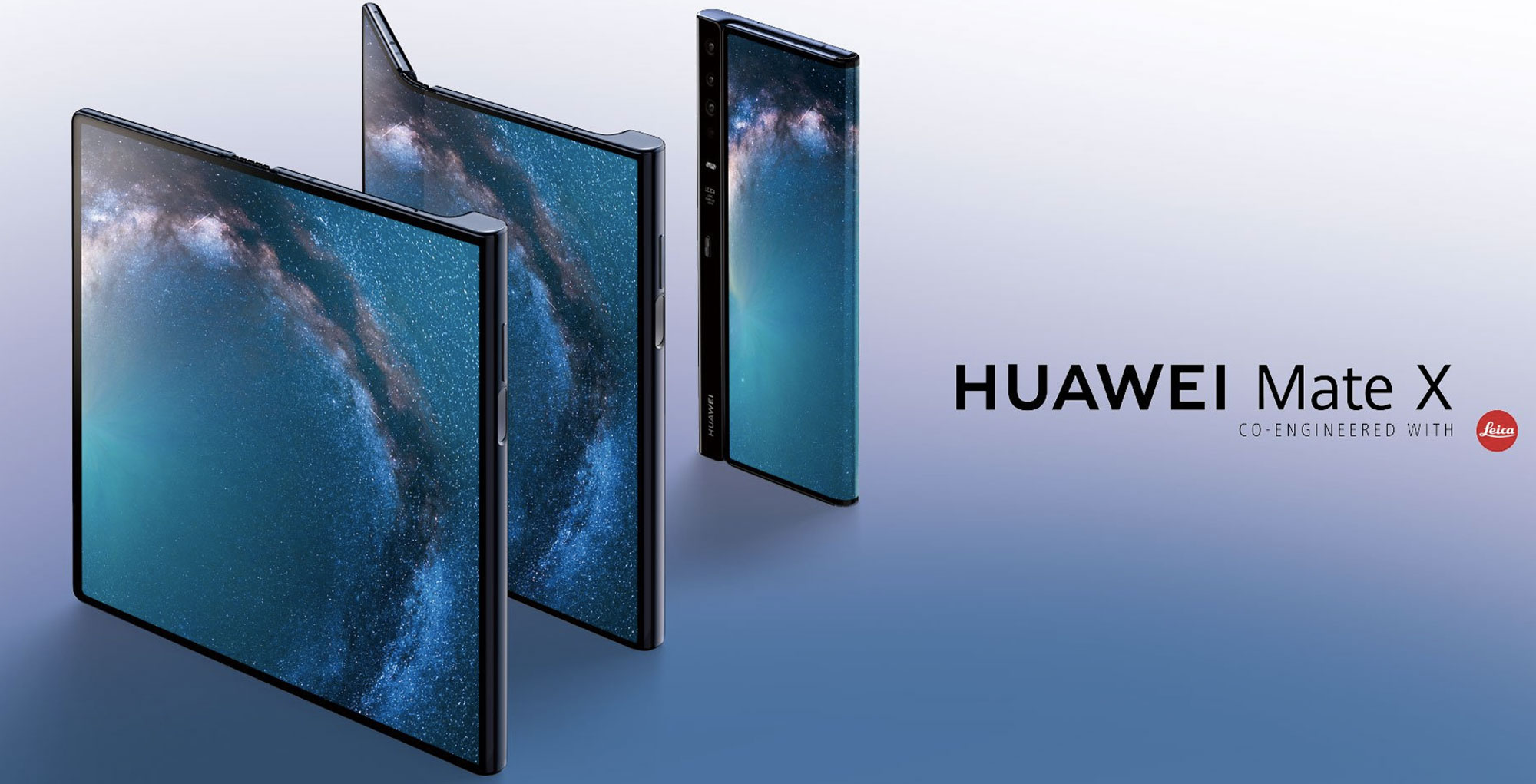
    The Samsung Galaxy Fold has been delayed indefinitely following a number of display issues, but it seems as though the Huawei Mate X is still on track for a release in June.

    Following Samsung’s announcement yesterday, rumors began floating around about a potential Huawei Mate X delay until September in order to iron out any issues and ensure a high level of durability, but today sources within the Chinese company have confirmed to Phoenix Technology that reports suggesting this are false and simply rumors. They went on to state that the company’s foldable flagship will be made available to purchase in June, as previously announced.

    The Huawei Mate X’s design did raise some durability questions when first unveiled. After all, it leaves the flexible OLED panel exposed at all times, thus making the plastic coating on top more prone to scratching. Nevertheless, Huawei seems confident in its design and apparently sees no reason for a delay.

    Samsung’s Galaxy Fold, on the other hand, seemingly presented a much sleeker and studier design from the get-go. However, the South Korean giant’s initial findings suggest the “impact on the top and bottom exposed areas of the hinge” could be the cause of the display issues. In one instance, “substances found inside the device” also affected the performance of the display.

  • Consumer version of BBM closing in May

    Consumer version of BBM closing in May

    BBM, considered the first messaging service designed for mobile users, will be closing its doors to consumers on May 31st. A note sent to BBM members says that it is “Time to say goodbye.” First used internally by employees of BlackBerry parent Research In Motion, BlackBerry Messenger, as the service was originally called, was publicly launched on August 1st, 2005. For many, it was the main reason to purchase a BlackBerry device.
    With BlackBerry becoming irrelevant in the smartphone market and other messaging apps launching, then BlackBerry CEO Thorsten Heins announced in May 2013 that BBM would be made available to iOS and Android users later that summer. After some false starts (including a fake listing in the Google Play Store, and a leaked version), BBM for Android and iOS was officially released on October 21st, 2013.
    BlackBerry continued trying to play catch up by adding new features to the app including stickers. But outside of Indonesia, where it remains the top mobile messaging app, BBM was considered an afterthought compared to other, more popular apps.
    Three years ago, Indonesia based Emtek acquired the licensing rights to BBM for a six-year period. As part of the $207 million deal, BBM’s servers were moved from Canada to Asia.  While Emtek had the rights to the consumer version of the service, BlackBerry continued to run the enterprise version of BBM. And today, BlackBerry said that it is immediately making BBM Enterprise (BBMe) available to individuals through the Google Play Store and Apple App Store.  The service will be free for 12 months; after that period of time, a six-month subscription will cost $2.49.
    In its press release issued this morning, BlackBerry noted that it is offering BBMe to individuals out of respect for loyal BBM users. The company noted that it was not under any contractual obligation to do this.
  • Intel pulls out of 5G smartphone modem market

    Intel pulls out of 5G smartphone modem market

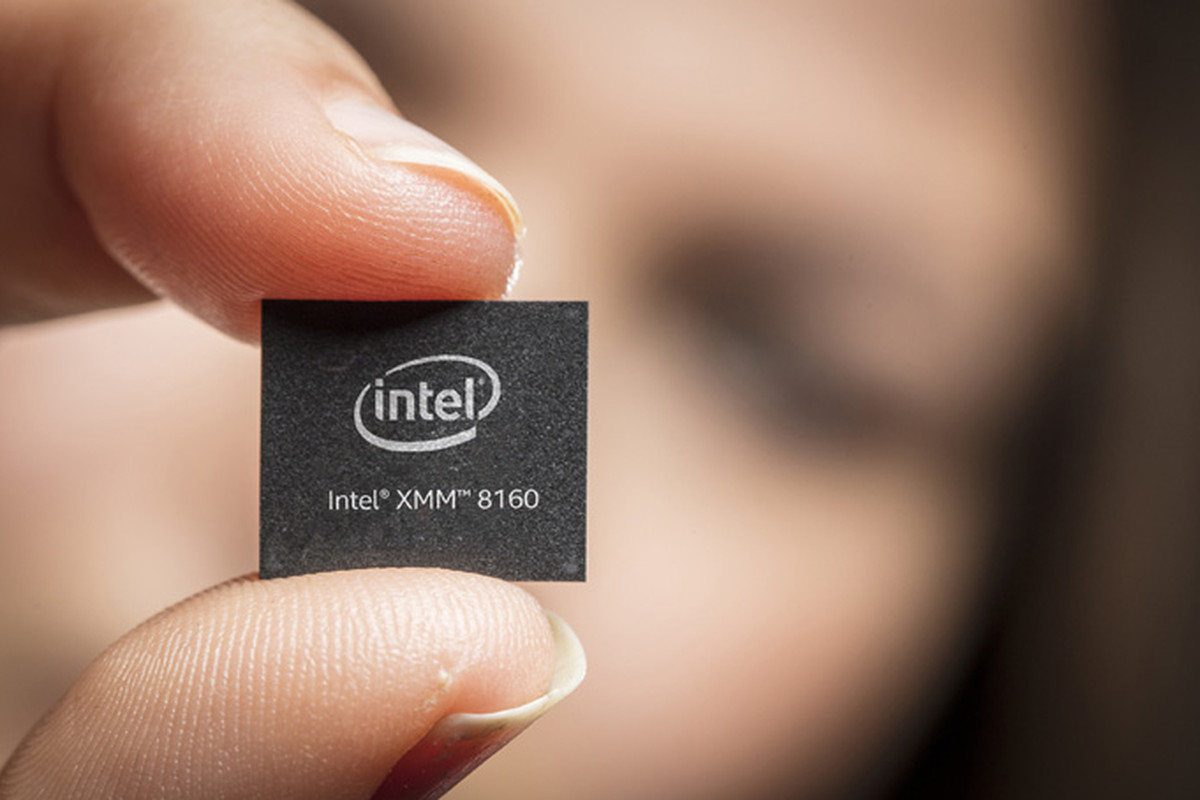
    Intel has announced plans to exit the 5G smartphone modem business hours after Apple announced it was settling its legal battles with Qualcomm over modem patent licensing.

    Apple and Qualcomm announced they have reached an agreement whereby Apple will sign a six year patent licensing deal and agree to buy Qualcomm chipsets, in return for ceasing all litigation.

    Apple had ceased using Qualcomm chips for its smartphones and replaced them with Intel chipsets after accusing Qualcomm of using its patents to maintain a monopoly on the modem chip market, and Qualcomm countered by accusing Apple of violating its patents.

    But with Apple seemingly throwing in the towel, Intel announced it no longer expects to launch 5G modem products for smartphones.

    The company pledged to continue to meet current customer commitments for its existing 4G smartphone modem product line, and said it still intends to invest in its 5G network infrastructure business and assess opportunities for 4G and 5G modems for PCs, IoT devices and other data-centric devices.

    “We are very excited about the opportunity in 5G and the ‘cloudification’ of the network, but in the smartphone modem business it has become apparent that there is no clear path to profitability and positive returns,” Intel CEO Bob Swan said.

    “5G continues to be a strategic priority across Intel, and our team has developed a valuable portfolio of wireless products and intellectual property. We are assessing our options to realize the value we have created, including the opportunities in a wide variety of data-centric platforms and devices in a 5G world.”

  • iPhone XE might be the true compact Apple phone

    iPhone XE might be the true compact Apple phone

    The iPhone SE was originally launched over three years ago, and officially discontinued in 2018. With its 4-inch display, the SE was a tiny offshoot in a world of ever-increasing screen sizes. And even though it struck success on its own terms—perhaps relative to the size of its footprint, but success nonetheless—the iPhone SE never got a second chance.

    Rumors about a successor to Apple’s tiny iPhone have been floating around basically since the first model came out. Alleged factory drawings, screen protectors, and even cases from a major brand were leaked online, all suggesting that the launch of the iPhone SE 2 was just around the bend. Unfortunately for people who wanted a smaller phone, the bend came and went and there was no sign of the SE 2. In fact, it seemed, Apple had no intentions of reiterating the concept of an ultra-compact phone with high-end specs.

    There’s a new light of hope, however, as a new report claims that Apple is actually working on a spiritual successor to the SE, dubbed the iPhone XE. The publication claims that it has a source “closely associated with Foxconn’s manufacturing facility in India,” where it’s getting the information from.

    According to said source, the iPhone XE will feature an iPhone XS-style design with a 4.8-inch OLED display, topped of with a notch. It will also have Face ID, just like its larger brethren, but no glass back. Instead, the XE will reportedly sport an aluminum back (just like in the good ol’ days), which means no wireless charging.

    PC Tablet’s source further claims that the new ultra-compact iPhone model will sport a single main camera, equipped with a 12MP sensor and an f/1.8 lens. As far as internals go, the report says that the iPhone XE will be powered by Apple’s A12 Bionic chip, but provides no other details.

    Another interesting tidbit is that the report claims that the new iPhone model will be made made in India, at a manufacturing facility of Apple’s manufacturing partner, Wistron. Though we haven’t been able to confirm all the claims made in this report, the fact that it comes from an Indian publication, combined with the claim that the information is coming from a source in Foxconn’s manufacturing facility in India, as well as the plethora of rumors that Apple is considering to start flagship production in India, give some credibility to the report.

    If the iPhone XE is, indeed, a real project that’s slated for release later this year, then we should hear a lot more about it in the coming weeks and months. Until then, are you excited at the premise of a much smaller iPhone model, or are you just fine with what’s currently on offer? Tell us in the comments below!

  • Samsung Galaxy Studio creates Heartbeat Experience

    Samsung Galaxy Studio creates Heartbeat Experience

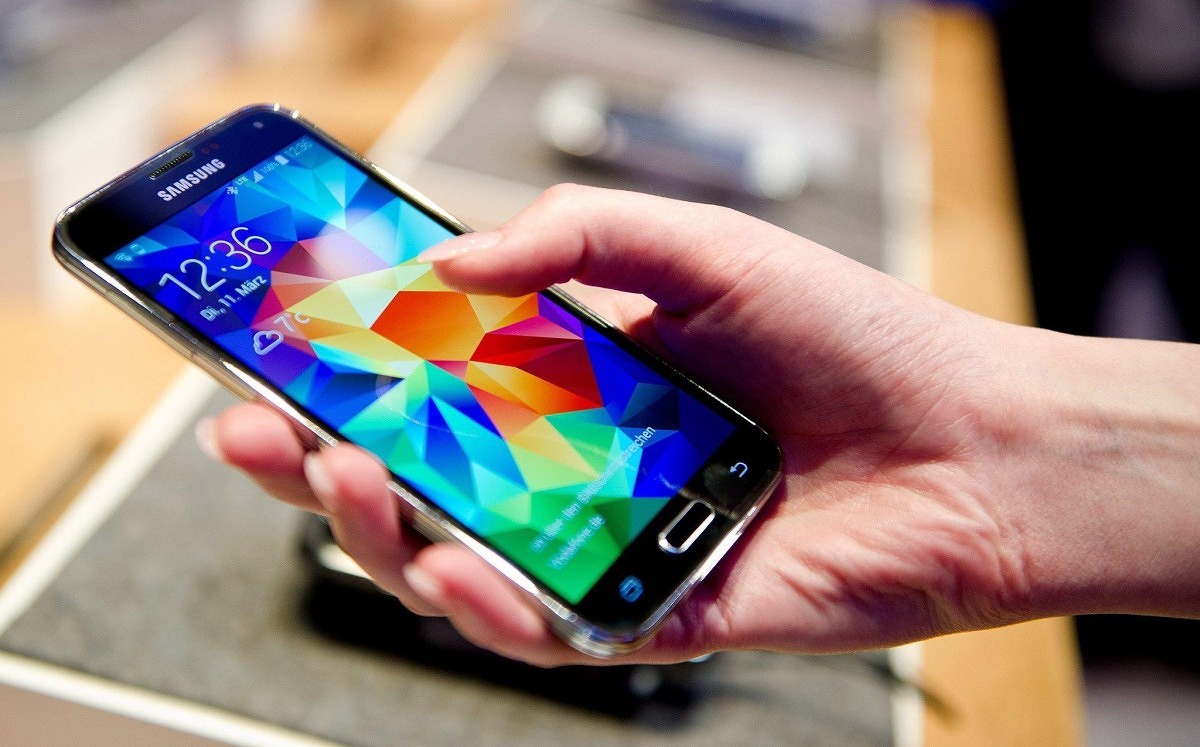
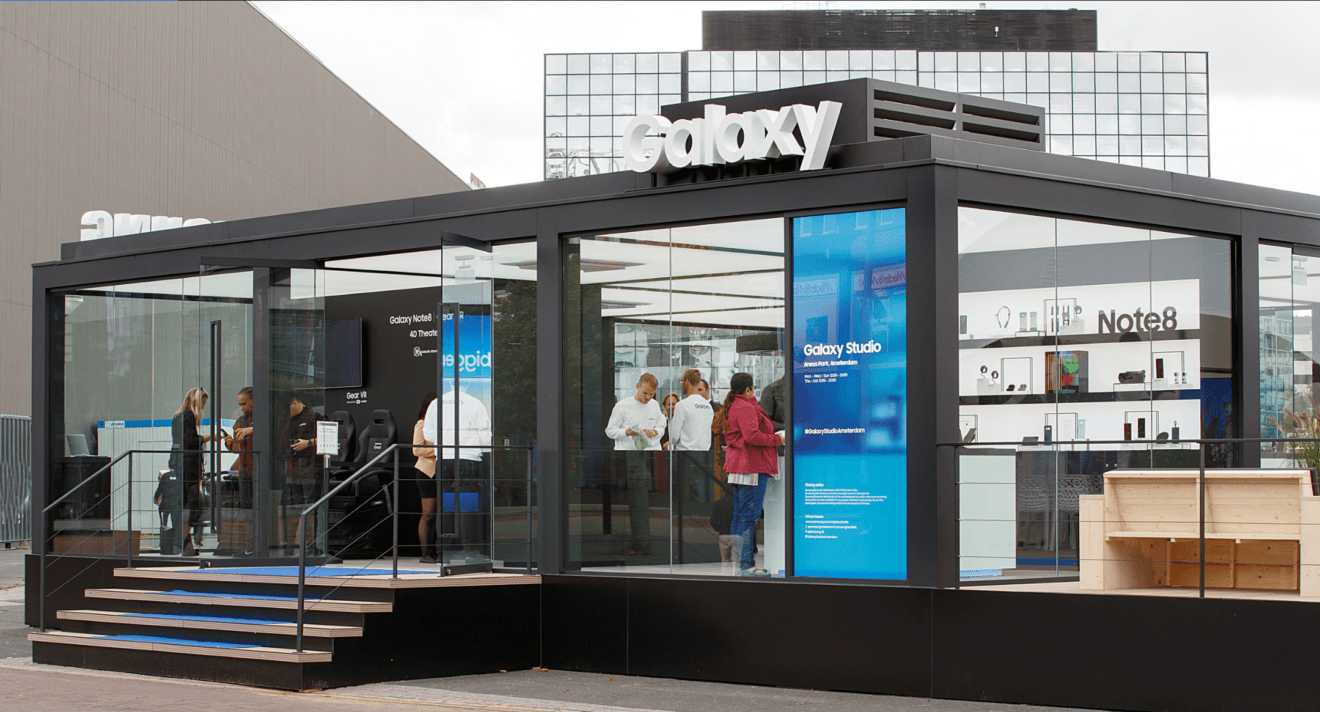
    Samsung Galaxy Studio pop up in Causeway Bay marks the Galaxy S series’ 10th anniversary smartphone.

    Interactive digital lights in the studio allowing participants to create visually stunning motion images responding to their own heart rates and eye images in order to demonstrate the quality of the latest Galaxy S10 phone camera.

    Every participant visiting the Samsung Galaxy Studio will be equipped with a Galaxy S10 smartphone to experience different zones, where they can personally try out the phone’s extensive functions. Participants will be awarded limited prizes upon completion.

    “Samsung has been upholding the belief of innovation for the past 10 years, bringing consumers an excellent smart mobile experience,” said Samsung Electronics HK MD Yiyin Zhao. “At the same time, we understand how Millennials crave for an all-new experience, so we opened the all-new Galaxy Studio in Causeway Bay, where fashionistas gather.”

    Visitors who register at the check-in counter to get a Galaxy S10 smartphone with the Galaxy Buddy app installed are then led through different experience zones. After completing an experience, participants receive a digital stamp through the Galaxy S10’s NFC tag function. Participants may redeem gifts after collecting four digital stamps, and are encouraged to upload their photos to their social media accounts.