Retail News CRM

Tag: Smartphones

  • Eye recognition set to rival fingerprints for biometrics

    Eye recognition set to rival fingerprints for biometrics

    ABI Research predicts in a new report that fingerprint sensors in smartphones will surge to reach a 95% penetration rate of smartphone shipments by 2022.

    This will prompt new opportunities for biometric technologies, such as eye recognition, to be utilized as part of novel identification and payment applications for both the banking and governmental markets.

    “While enterprise markets aggressively adopt vein recognition technologies in physical access control applications, eye recognition technologies will soon be one of the most secure modalities for consumer electronics authentication and secure mobile payments,” ABI Research industry analyst Dimitrios Pavlakis said.

    With each passing market quarter, biometric technologies are extending their reach in consumer electronics, while OEMs in the Asia-Pacific region are aggressively driving new implementations.

    This will fuel an exponential growth in mobile banking and payment apps as banks and financial organizations prove to be less timid when embracing new biometric implementations. ABI Research finds that OEMs and service providers are now actively targeting the emerging IoT, smart home, and automotive segments as future growth areas for biometrics.

    “Vein recognition workforce management software and access control solutions in the enterprise market depict an impressive 18% five-year growth rate, boosted by market leaders like Fujitsu and Hitachi,” concludes Pavlakis.

    “Innovative startups like HYPR are making strides in improving biometric blockchain capabilities, while wearable pioneers like Nymi are triggering a domino effect with heart rate-empowered payments.”

  • Nearly one in five smartphones shipped are fake

    Nearly one in five smartphones shipped are fake

    Nearly one in five mobile phones and one in four video game consoles shipped internationally are fake, according to a new OECD report.

    Trade in Counterfeit ICT Goods finds that a growing trade in counterfeit IT and communications hardware is impacting consumers, manufacturers and public finances.

    Smartphone batteries, chargers, memory cards, magnetic stripe cards, solid state drives and music players are also increasingly falling prey to counterfeiters.

    On average, 6.5% of global trade in ICT goods is in counterfeit products, according to analysis of 2013 customs data. That is well above the 2.5% of overall traded goods found to be fake in a 2016 report.

    The high value of smartphones and ICT accessories and insatiable demand makes them a lucrative target for counterfeiters, and cautions that the number and range of affected products is growing.

    Counterfeit ICT goods entail health and safety risks, service outages and loss of income for companies and governments. China is the primary source of fake ICT goods, and US manufacturers are the most hit by lost revenue and erosion of brand value. Almost 43% of seized fake ICT goods infringe the IP rights of US firms, followed by 25% for Finnish firms and 12% for Japanese firms.

    Counterfeits are goods that infringe trademarks. In an industry that relies heavily on intellectual property rights, ICT counterfeiting preys on consumers’ trust in established brands and poses risks to their health, safety and privacy. Counterfeit phones can contain more hazardous substances like lead and cadmium, while fake phone chargers can mean fire and electric shock risks. Fake intermediary ICT devices and components, including transistors, printed circuits and radio masts, are also being shipped.

    The report estimates the value of global trade in counterfeit ICT goods at $143 billion as of 2013, based on data from nearly half a million customs seizures around the world over 2011-13. Almost two-thirds of counterfeit ICT goods are shipped by express and postal services, significantly complicating the screening and detection process.

    The ICT sector accounted for 5.5% of total value added in the OECD area in 2013, equivalent to about USD 2.4 trillion. World exports of manufactured ICT goods grew 6% per year from 2001 to 2013 to USD 1.6 trillion, with China exporting almost a third of the total.

  • 3.4b smartphones to be ready for m-payment by year-end

    3.4b smartphones to be ready for m-payment by year-end

    The install base of smartphones compatible with mobile payment platforms Apple Pay, Samsung Pay or Android Pay is on track to reach 3.4 billion by the end of the year, IHS Markit has predicted.

    The company estimates that by the end of 2017, 11% of active smartphones worldwide will be ready for Apple Pay, 61% will be compatible with Android Pay and 3% with Samsung Pay – but this overlaps with the compatibility of Android Pay.

    The total install base of compatible smartphones is meanwhile predicted to grow even further to 5.3 billion by 2021.

    But to date Apple has launched Apple Pay in just 15 international markets, Samsung has rolled out Samsung Pay in 14 and Android Pay is available in 10, leaving a large addressable market untapped.

    “To reach [the large install base of compatible] smartphones, Apple, Samsung and Android must strategically expand mobile payments services and build partnerships with banks and financial institutions,” IHS Markit mobile and telecoms analyst Ruomeng Wang commented.

    “Despite Apple Pay having a 10-month head start on Samsung Pay, Samsung has been catching up with Apple in terms of total available markets,” he noted.

    Use of the payment platforms is also increasing online. IHS Markit said currently 38 payment platforms and 2 million small businesses are supporting Apple Pay on the web, while Android Pay allows users to make payments on the Google Play store as well as multiple mobile web sites in the US.

    “Compared to Apple and Google, Samsung doesn’t have the same level of content, app platforms or web browsers designed to keep customers engaged. In order to tie customers to Samsung’s ecosystem, Samsung must actively expand Samsung Pay’s support for online retail,” Wang said.

  • Myanmar smartphone shipments up to 26% YoY

    Myanmar smartphone shipments up to 26% YoY

    According to the latest International Data Corporation’s (IDC) Asia/Pacific Quarterly Mobile Phone Tracker, a total of 2.5 million smartphones were shipped to Myanmar in 2016Q3, reflecting a 26% (year-on-year) YoY growth, IDC said in a statement on 25 December. This has been the strongest YoY growth seen in Myanmar’s budding smartphone market since 2015Q3. Sequentially, shipments declined 10% from 2.7 million in 2016Q2 as soft retail sales and the typhoon season negatively impacted smartphone buying in the country.

    “Despite years of hypergrowth in Myanmar’s emerging smartphone market, channels are now starting to lament about a looming slowdown as retail sales show signs of softening, causing inventory buildup across the board,” says Jerome Dominguez, Market Analyst for Mobile Devices, IDC Asia/Pacific.

    IDC maintains a positive outlook for Myanmar’s smartphone market in 2017, although growth is expected to be tamer compared to previous years.

    “IDC expects Myanmar’s smartphone market to grow by 9% this 2017 off the back of relatively low smartphone penetration rate and rising disposable income. This is already a lowered forecast to account for the slower consumer market and political instability in some parts of Myanmar,” adds Dominguez.

    Myanmar’s projected growth for smartphones in 2017 still stands higher than the 6% growth expected in the whole ASEAN region for next year.

    Myanmar Smartphone Vendor and Market Highlights, 2016Q3

    Samsung continued to keep its lead, owing it largely to the good reception of its budget-friendly J-series. Huawei came in at 2nd place and while finishing with a flat quarter, its sales and distribution were still going strong across Myanmar. Vivo spiked last quarter, coming in at 3rd place as it further penetrated tier 2 and tier 3 cities. Xiaomi dropped to the 4th spot although its volume remained high and consumer response stayed positive as it continued to offer smartphones perceived as good value for money. OPPO held the 5th place, maintaining its stronghold in the urban sites of Yangon and Mandalay although its overall shipments dropped quarter-on quarter (QoQ) due to inventory build-up.

    As with many developing countries, low-cost smartphones continue to thrive in Myanmar. In 2016Q3, 89% of smartphone shipments to the country fall below US$225. “Smartphones priced at US$50<US$150 still holds the sweet spot among Myanmar consumers. However, handsets in the US$150<US$250 price band are also on a growth track due to the influx of mid-range handsets from Chinese vendor Vivo,” adds Dominguez.

    Despite being a budget market for devices, Myanmar’s feature phone market remains very small, unlike other emerging markets, accounting for only 20% of total mobile phone shipments in 2016Q3. “Channels in Myanmar are not expecting the feature phone market to pick up anytime soon based on the rather progressive device adoption in the country, where most consumers would typically opt for a smartphone as their first mobile phone,” states Dominguez.

    In terms of screen size preference, smartphones in the <4.5“segment are now starting to diminish as Myanmar consumers go for larger screen sizes. 5” <5.5” handsets continue to gain traction, growing 44% YoY. Phablets (5.5” <6.99”) also saw a huge annual growth of 160% last 2016Q3, particularly driven by the rise in the 5.5”<6” segment. Huawei and Vivo lead the 5” <5.5” band while Xiaomi and Samsung reign supreme in the phablet category. “Myanmar’s increasing appetite for bigger screens is driven by the rising popularity of content consumption on social media, particularly on Facebook,” says Dominguez.

    4G LTE has just been recently introduced to Myanmar but as of October 2016, all 3 telcos have already been able to roll out 4G LTE services. Concurrently, 4G-capable devices have also shown a spike in 2016Q3, growing 41% QoQ, with market leaders Samsung, Huawei, and Xiaomi leading the wave. “IDC has raised its 4G smartphone shipment forecast in Myanmar for 2017 to account for the positive uptake of 4G smartphones in the country and vendor direction to focus on this air interface moving forward,” says Dominguez.

  • Global device sales set to stay flat until 2018

    Global device sales set to stay flat until 2018

    Worldwide combined shipments of PCs, tablets, ultramobiles and mobile phones are projected to remain flat in 2017 with 2.3 billion units, according to Gartner.

    There were nearly 7 billion phones, tablets and PCs in use in the world by the end of 2016. However, Gartner does not expect any growth in shipments of traditional devices until 2018, when a small increase in ultramobiles and mobile phone shipments is expected.

    “The global devices market is stagnating,” said Ranjit Atwal, research director at Gartner. “Mobile phone shipments are only growing in emerging Asia-Pacific markets, and the PC market is just reaching the bottom of its decline.”

    Atwal said that aside from declining shipment growth for traditional devices, average selling prices are also beginning to stagnate because of market saturation and a slower rate of innovation.

    “Consumers have fewer reasons to upgrade or buy traditional devices,” he said. “They are seeking fresher experiences and applications in emerging categories such as head mounted displays (HMDs), virtual personal assistant (VPA) speakers and wearables.”

    Gartner sees the PC market benefiting from a replacement cycle toward the end of this forecast period, returning to growth in 2018. Increasingly, attractive premium ultramobile prices and functionality will entice buyers as traditional PC sales continue to decline.

    The mobile phone market will also benefit from replacements. There is, however, a difference in replacement activity between mature and emerging markets.

    “People in emerging markets still see smartphones as their main computing device and replace them more regularly than mature markets,” said Atwal.

    Device vendors are increasingly trying to move into faster-growing emerging device categories.

    “This requires a shift from a hardware-focused approach to a richer value-added service approach,” said Atwal.

    “As service-led approaches become even more crucial, hardware providers will have to partner with service providers, as they lack the expertise to deliver the service offerings themselves.”

  • Vietnamese prefer the most luxurious smartphones

    Vietnamese prefer the most luxurious smartphones

    USA Today reported that the ratio of iPhone 7/iPhone 7 Plus buyers in the US when the model hit the shelves was 55/45. The situation is the opposite in Vietnam. The representative of the biggest smartphone retail chain in Vietnam said the ratio of iPhone 7/7 Plus sold had been 35/65 by early December 2016.

    The same thing occurred with Samsung Galaxy S7 and S7 Edge. The most prestigious distribution chains all reported that 80 out of 100 buyers chose curved-screen S7 Edge, while only 20 wanted a S7.

    The distributors say that Vietnamese tend to choose premium versions instead of the standard ones if manufacturers market two models.

    iPhone 7 Plus is now sold at VND22.3 million for the 32 GB version, while the highest price of VND28 million is applied to the 256 GB version. Galaxy S7 Edge is priced at VND17 million though it has seen sharp price decreases. Vietnamese, who have an average income of over $2,000 per annum, prefer premium versions to standard ones. Sony once witnessed the same with Xperia Z and ZL.

    Xperia Z was among the best sellers in 2013 thanks to the luxurious design with glass cover, while ZL with plastics cover could not catch users’ eyes and it nearly disappeared from the domestic market.

    In mid-2016, LG was once heavily criticized when it intended to bring the LG G5 version with Snapdragon 652 and RAM 3 GB instead of the one with RAM 4 GB and Snapdragon 820.

    A branding expert said that Vietnamese tend to choose the best ones despite high prices. They also spend several millions of dong more to buy scooters instead of motorbikes.

    Meanwhile, Lac Huy from CellphoneS, a distribution chain, said that consumers prefer iPhone 7 Plus because of the larger screen, stronger battery and better camera.

    “Apple is a big name. Its design and appearance look luxurious. Therefore, it is favored by Vietnamese, who just want the product which can help them show off, rather than the product which can help fulfill their work,” an analyst said.

    “This explains why many Vietnamese buy iPhones, even though they never intend to learn about the features of the smartphone and they just send messages and make calls with the iPhones,” he said.

  • Corporate-issued mobile device adoption still low

    Corporate-issued mobile device adoption still low

    Mobile device adoption in the workplace is not yet mature, research from Gartner indicates. Although 80% of workers surveyed by the analyst company received one or more corporate-issued devices, desktops are still the most popular corporate device among businesses, with more than half of workers receiving corporate-issued desktop PCs.

    The survey findings are based on the 2016 Gartner Personal Technologies Study, which was conducted from June to August 2016 among 9,592 respondents in the US, the UK and Australia.

    Thirty-six percent of workers received laptops, including convertible laptops. Adoption of convertible laptops as a corporate-issued device is still very low, but has been gradually increasing.

    Gartner analysts expect that more employees will receive convertible laptops in the next three years, driven by the Windows 10 refresh that can enhance the user experience with touch-based input. Adding desktops and laptops (including convertible laptops) together, 75% of workers will receive at least one PC-type device in mature countries.

    In contrast to the high numbers of corporate-issued PCs in the workplace, relatively few workers receive mobile devices. The majority of smartphones used in the workplace are personally owned devices — only 23% of employees surveyed are given corporate-issued smartphones.

    “The low adoption of corporate-issued mobile devices underlines the fact that large numbers of personally owned mobile devices are used in the workplace,” said Mikako Kitagawa, principal research analyst at Gartner. “In fact, more than half of employees who used smartphones at work rely solely on their personally owned smartphones.”

    The usage rate of personally owned tablets lags behind that of personally owned smartphones. Only 21% of employees use tablets — regardless of whether they are corporate issued or personally owned.

    “In the era of mobility, it comes as something of a surprise that corporate usage of smartphones and tablets is not as high as PCs, even when the use of personally owned devices is taken into account,” said Kitagawa. “While it’s true that the cost of providing mobile devices can quickly escalate, proper usage of mobile devices can increase productivity, which can easily justify the extra costs.”

    When employees are provided with corporate-issued devices, they are generally happy with the devices that they receive. Less than 20% of respondents said they were dissatisfied with their employer-provided devices. The satisfaction level is higher with tablets and smartphones compared with desktop and laptops.

    “Usage of personally owned devices in the workplace is nothing new, but the survey results confirm that this trend has become a new workplace standard. Two-thirds of survey respondents said that they use a personally owned device or devices for work,” said Kitagawa.

    “Smartphones and phablets are the most popular personally owned devices used for work, with 39% of employees using them, compared with just 10% who are only using corporate-issued smartphones and phablets.”

  • Smartphones can help India’s drive for cashless economy

    Smartphones can help India’s drive for cashless economy

    India is currently the largest growing market for smartphones and it is estimated that the number of smartphones sold in the country is very likely to be greater than 100 million in 2017.BEIJING: As India embarked on cashless economy with demonetisation of high value notes, smartphones could help in the country’s de-cashing drive like in China where online payment through phones have become order of the day, Chinese media said today.

    “While India is implementing the government-led de-cashing via demonetisation, China is experiencing a rapid market based de-cashing process via the digitalisation of transactions on the online or mobile payment platforms,” an article in the state-run Global Times said today.

    In the most recent 11/11 (Singles Day) online shopping day, consumers spent 120.7 billion yuan (USD 18 billion) on Tmall, the largest business-to-customer shopping website in China, with all transactions settled via Alipay, the online payment platform set up by Alibaba Group, the article said.

    “Meanwhile, Alipay and WeChat Pay (the online payment platform of WeChat by Tencent) are widely accepted by restaurants, shops and even grocers throughout the country,” it said.

    The high ownership rate of smartphones in China may explain this rapid digitalisation in transactions, it said, citing a recent survey by Pew Research Centre, which said smartphone ownership rate is 58 per cent in China, 37 per cent in Japan and 17 per cent in India.

    “This high ownership rate plus a relatively slow growth rate in credit card ownership has led to the ‘leapfrog development’ of de-cashing in China,” the article said.

    “Compared to traditional bank transfers, online payment systems are usually more convenient and user friendly. Hence, market-based de-cashing faces much less resistance than other types of de-cashing,” it said.

    “India is currently the largest growing market for smartphones and it is estimated that the number of smartphones sold in the country is very likely to be greater than 100 million in 2017,” it said, pointing to high sales witnessed by Chinese phone makers like Xiaomi.

    “If India would like to try the Chinese style of de-cashing through online/smartphone payment, it is very likely to be beneficial to both countries,” it said.

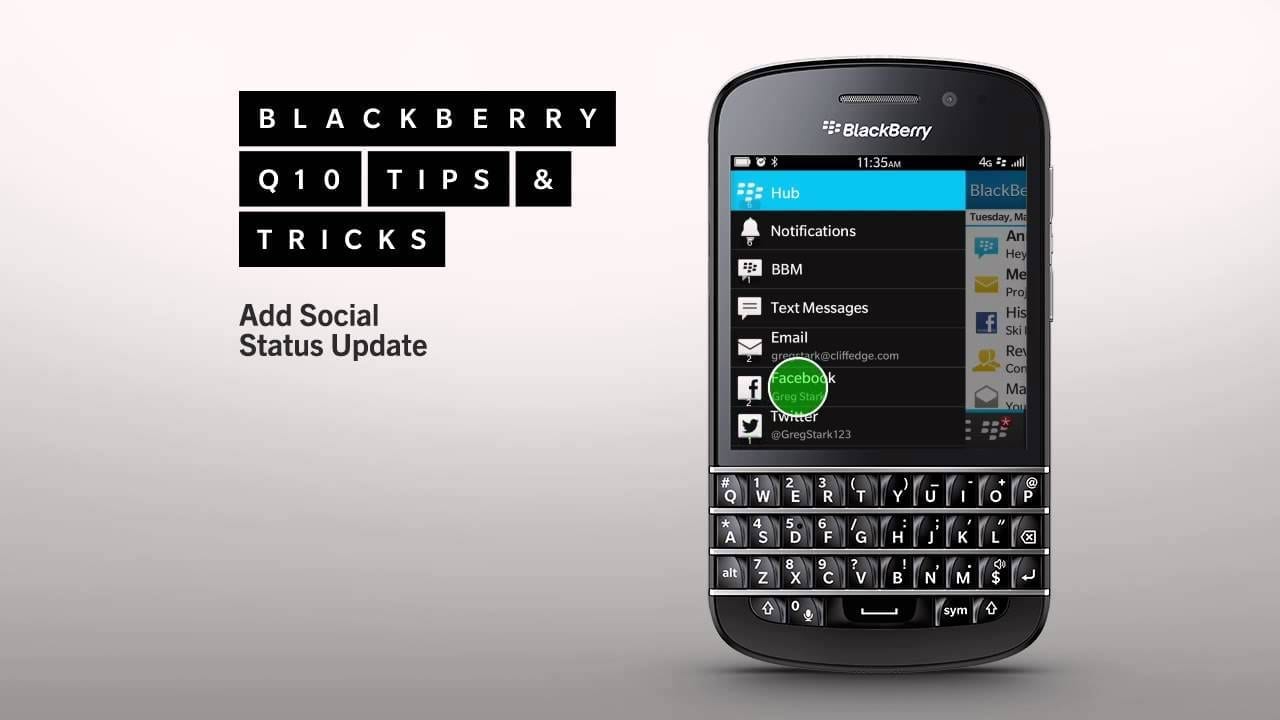
  • BlackBerry Phones Will Live On for Die-Hard Fans in Indonesia

    BlackBerry Phones Will Live On for Die-Hard Fans in Indonesia

    BlackBerry Ltd. may have decided to stop making its iconic handsets, but that doesn’t mean the gadgets will disappear, especially in places where they’re still popular. Case in point: an Indonesian wireless company is already hatching plans to introduce its own version of the keyboard-equipped smartphone for those who can’t live without the device.

    PT Tiphone Mobile Indonesia Tbk, an affiliate of operator PT Telekomunikasi Indonesia Persero Tbk, has struck the first deal with BlackBerry to form a local joint venture called PT BB Merah Putih to make its devices in Indonesia. While the Canadian company is shifting its focus to software, Indonesia remains one of BlackBerry’s biggest markets. BlackBerry in the past launched dedicated phones and apps for the Indonesian market, home to 240 million people.

    Under the preliminary deal, Blackberry phones will be manufactured at a factory owned by a subsidiary of Tiphone Mobile for domestic sales, said Tan Lie Pin, Tiphone’s chief executive officer. Another local company is in talks to join the venture and details are being negotiated, she said in an interview.

    “More than six million people still use BlackBerry in Indonesia and we believe that BlackBerry can still grow in the Indonesian market,” Tan said. “We are very optimistic and excited.”

    BlackBerry CEO John Chen said this week the company would stop making phones and focus its attention on the more profitable and growing software business. The company plans to negotiate manufacturing agreements with multiple overseas partners. While Tan said Tiphone will manufacture phones for the Indonesian market, discussions on the venture are continuing with BlackBerry.

    BlackBerry’s popularity in Indonesia stems from its hugely popular instant-messaging app, BlackBerry Messenger, known as BBM. Many Indonesians still stick to BBM in order to connect with their curated groups of friends and family, even though some of them no longer use BlackBerry devices.

    BBM for iOS and Android devices ranked No. 1 in terms of downloads among chat apps in Indonesia in August, ahead of rival WhatsApp and Line, according to market researcher App Annie. Emtek Group, one of Indonesia’s biggest media and technology companies, signed a licensing agreement with BlackBerry in June in order to bring video content onto BBM and begin developing new applications and services for the messaging app.

  • Chinese retail prices on the new iPhone 7 may drag down sales

    Chinese retail prices on the new iPhone 7 may drag down sales

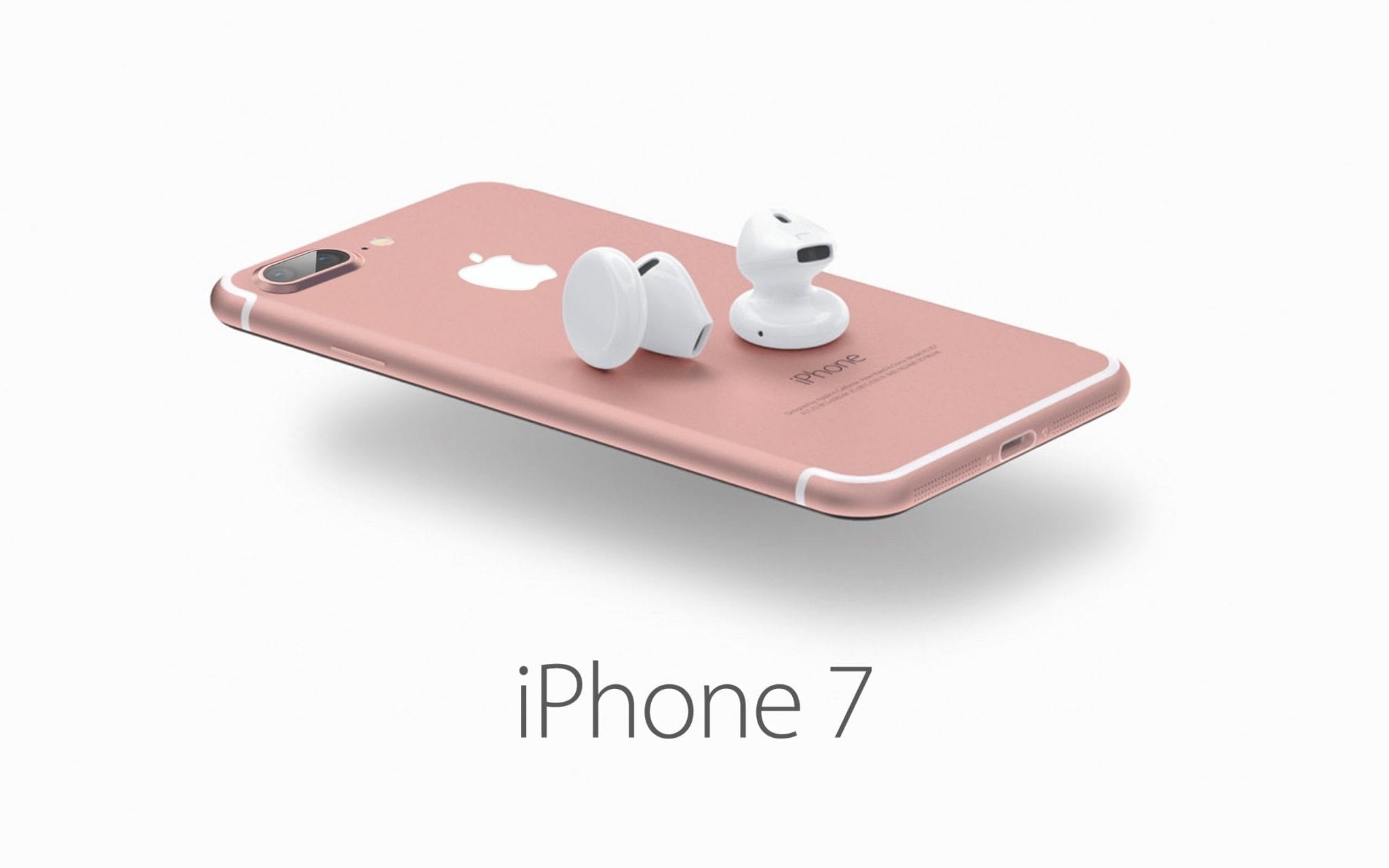
    This is clearly a big change in the industry, and as big changes oftentimes go, people aren’t immediately excited about it. People also seem frustrated with Apple’s new wireless headphone option, the “AirPods”, which will retail for around $160. That’s even more impressive when you consider Apple Watch was only on sale for 8 months of the year. It means for all those who sit at their desks,charge the phone and plug in their headphones to listen to music, Apple’s latest smartphone isn’t going to cut the mustard -you simply can’t do both. Apart from having aLightning input at the rear of the dock, there is a 3.5mm output jack as well.

    We expect more third-party solutions to arrive in the next few weeks to make this less of a pain in the rear. This is only slightly more useful than the one port on the phone. AirPods auto-pair with all your iCloud-connected devices except Apple TV.

    Schiller mentioned that the Lightning adapter Apple includes with every iPhone 7 is a way the company is helping ease the transition from the 3.5 mm jack. Apple killed the 3.5mm audio port with the iPhone 7 and iPhone 7 Plus.

    Apple initially quoted shipping dates of two to three weeks after September 16, but the company quickly pushed ship dates back to four to six weeks for some versions of the black iPhone 7s. And, these standalone left/right AirPods only play music when they detect that they’re in your ear.

    They’re just standard Bluetooth, with a little bit of “secret sauce” for easy pairing with Appledevices. When Apple unveiled the iPhone 7, people took issue with its lack of a headphone jack.

    “Apple has a very long history of removing features we all thought were necessary, and then convincing us that we didn’t need them”, said Ask, noting that Apple paved the way in phasing out the use of floppy discs and optical drives in computers.

    The Bluetooth or Lightning allow for the transfer of audio signals to the headphones digitally.

  • Contactless mobile payments growing

    Contactless mobile payments growing

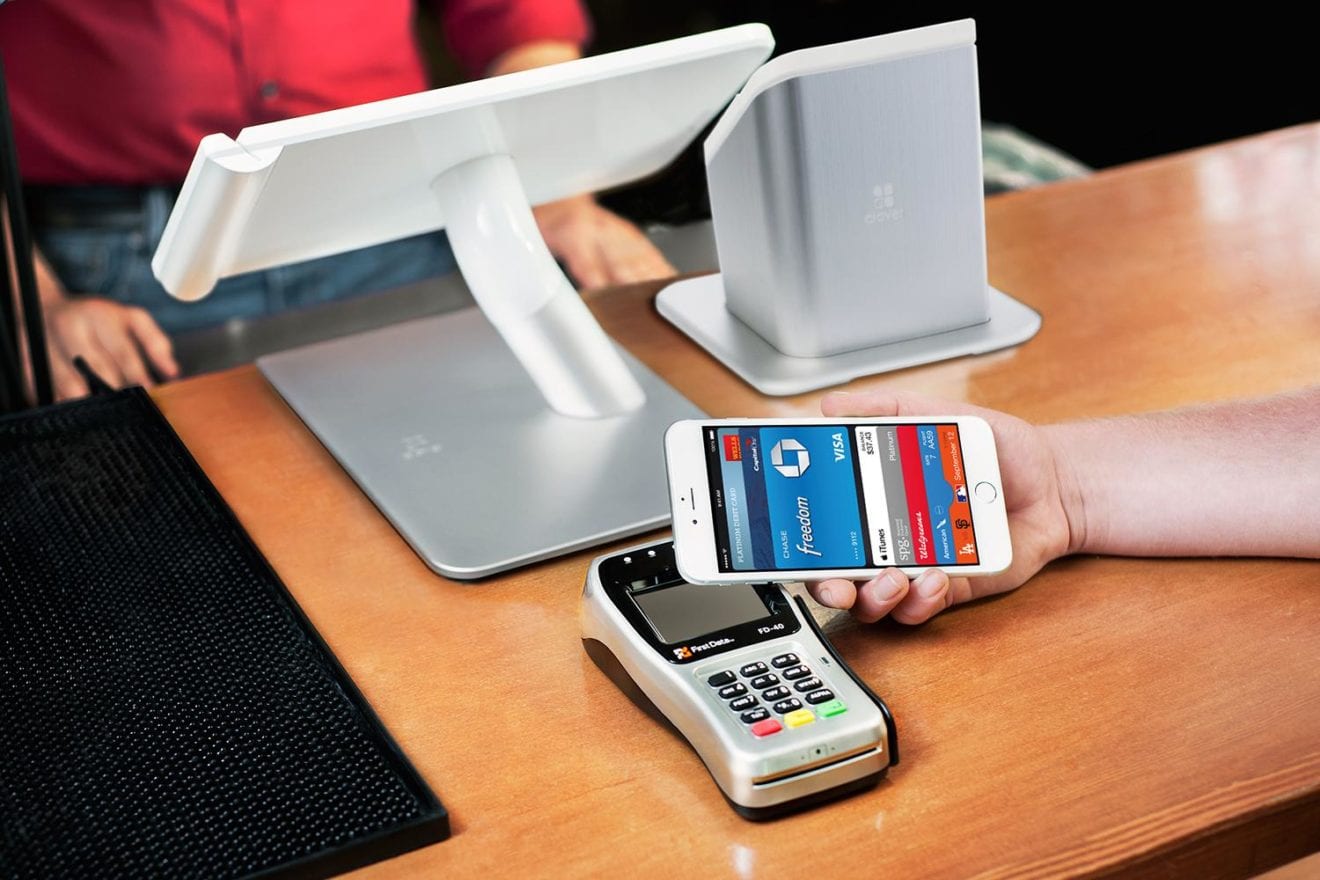
    The number of contactless payments made via mobile handsets will reach 148 million globally this year, according to a study conducted by Juniper Research.

    Samsung and Apple will account for approximately 70 per cent of new customers.

    The study showed consumers have been receptive to this payment method, predominantly because of their strategic placement. When Apple Pay was introduced in China, nearly 40 million payment cards were registered to the service in 24 hours in mid-February.

    Nearly one in five point-of-sale terminals in the US are now contactless-capable, with the report finding this will see smartphones be the number one driver of contactless payments in the US. The report also revealed banks and leading “over the top” players will deploy Host Card Emulation-based (HCE) models.

    “The combination of HCE and tokenisation is extremely attractive to banks. HCE means that they are not dependent on a mobile operator to enable the service; tokenisation reduces the burden on the issuer and allows them to use their existing infrastructure,” research co-author, Dr. Windsor Holden said.

    The study also found that NFC sticker-based solutions can be ‘risky,’ stating that in closed-loop solutions, ‘there’s a chance thieves could simply use all the money in the wallet at participating retail outlets.’

  • SmarTone opens online store for smartphones, accessories

    SmarTone opens online store for smartphones, accessories

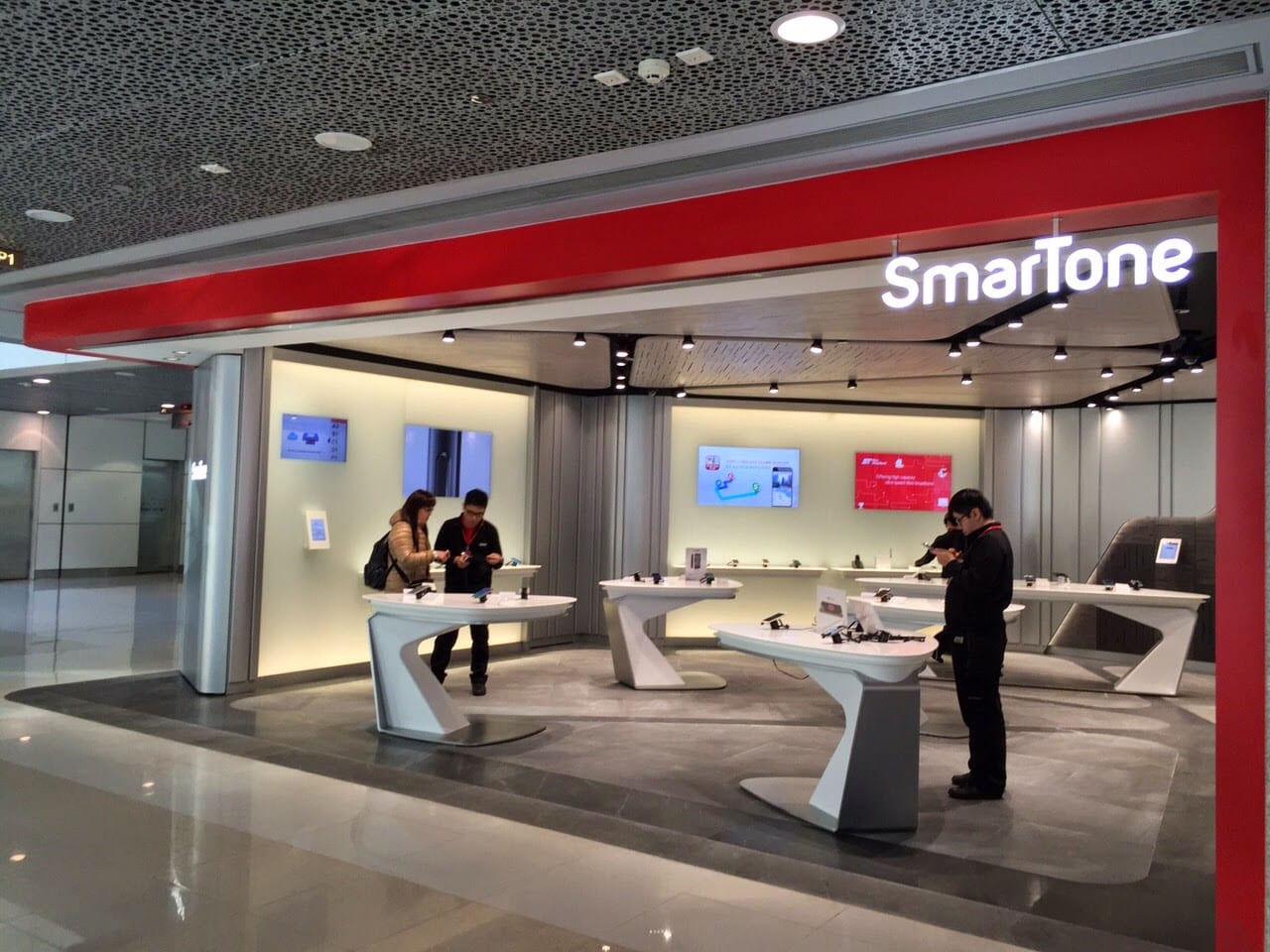
    SmarTone has launched a new online store for customers looking to buy smartphones and accessories.

    The store at shop.smartone.com will provide customers with a range of online exclusive offers, including a 12-month screen replacement warranty for smartphones and HK$50 off on accessories for every HK$1,000 smartphone purchase.

    Customers will be able to use the shop to choose their own numbers for prepaid SIMs from a pool of sought after numbers.

    The store will also offer free delivery to commercial addresses in Hong Kong for every order over HK$300.

    As a promotional offer, the company is providing winning customers with up to a HK$1,000 rebate on their orders, for a total pool of store credit worth HK$100,000. The promotion ends on Tuesday.

    SmarTone interim CEO Stephen Chau said the new store is aimed at adapting to the changing demands of Hong Kong consumers.

    “SmarTone has always focused on delivering an outstanding experience to our customers. In recent years, we have observed the trend of Hong Kong consumers shopping online,” he said.

    “To better serve customer needs, our new online store focuses on bringing products from quality brands internationally to customers, and they also enjoy our renowned customer care such as gift wrapping service and 24/7 Web Chat. Leveraging on our omni-channel capability, we aim to provide customers with an enjoyable shopping experience.”

  • Apple China bracing for fall

    Apple China bracing for fall

    Even as it announces record revenues and net profit, Apple says it has sold fewer iPhones in the first quarter and is bracing for a fall in sales in its critical Chinese market.

    “It’s becoming more apparent that there are some signs of economic softness,” says CFO Luca Maestri. “We are starting to see something that we have not seen before.”

    He admits the tech giant is working in a “very difficult macroeconomic environment” and projects a further slide in iPhone sales for the second quarter, reports the International Business Times. Apple’s projected revenues indicate the company’s sales are about to fall for the first time in 13 years.

    Apple’s sales stumble was masked by the record corporate quarterly profit. Conlumino analyst Neil Saunders takes a close look at the latest Apple report in our international section.

    Apple sold 74.8 million iPhones in the first quarter, ending December 26, which is the first full quarter of sales of the iPhone 6S and 6S Plus. The 0.4 per cent growth in shipments was the lowest since the product’s launch in 2007.

    Maestri says that although Apple China revenue rose by 14 per cent in the quarter, the company is starting to see a shift in the economy, particularly in Hong Kong.

    Apple had record figures in the first quarter for both net profit ($18.36 billion, up from $18.02 billion) and revenue (up 1.7 per cent to $75.87 billion). Greater China accounted for 24.2 per cent of the total revenue, more than all of Europe combined.

    An indication of Apple’s popularity in China can perhaps be gauged by the dwindling number of fake Apple stores in the southern city of Shenzhen, some of which have been taken over by unauthorised outlets for local phone brands.

    In a street of gadget stores, copycat Apple outlets were not uncommon, complete with the latest iPhone models and accessories and uniformed staff. Only four months there were more than 30, but about a third of these have gone, reports Reuters. Instead of iPhones, some of these shops are now selling Huawei, Meizu, Oppo and Xiaomi phones.

    In fact, the iPhone has become a “street cellphone” – a Chinese term that means a widely available and popular product that lacks novelty value.

    “Using an iPhone is hardly something you can show off to people now,” a Shenzhen retailer told Reuters.

    In the US, iPhones are still popular, and 60 per cent of people who had an iPhone before the launch of the iPhone 6 have yet to upgrade, says the company.

    Meanwhile, the Indian market stands out as a rare bright spot for Apple with a growing demand for iPhones, reports The Indian Express.

    Sales of the company’s flagship smartphone climbed 76 per cent in India from the year-ago quarter, according to Luca Maestri.

    Apple CEO Tim Cook has suggested more growth lies ahead with median age in India being 27 years.

    “I see the demographics there also being incredibly great for a consumer brand,” he says. “We have been putting increasingly more energy in India.”

    India cannot immediately offset Apple’s woes in China, says analyst Neil Shah of Counterpoint Technology Market Research. Apple averaged about 450,000 smartphone shipments a quarter in India last year, compared with more than 15 million a quarter in China.

    Also, nearly 70 per cent of smartphones sell for less than $150, leaving  a slim market for Apple’s high-end phones. Its smartphone market share stands at less than 2 per cent, says Shah.

  • Smartphones outpace tablets in Asian eCommerce

    Smartphones outpace tablets in Asian eCommerce

    For the first time, 34 per cent of browser-based online transactions globally are now made on a mobile device, compared to slightly more than 30 per cent last quarter.

    And smartphones are starting to outpace tablets.

    These were key findings of the fourth quarter edition of the Mobile Payments Index by Global payments technology company Adyen, which tracks mobile payment data from browser-based transactions across its client base and monitors Asian eCommerce shopping patterns.

    It also found that many consumers in Asia are increasingly using mobile devices to shop online. This is being driven particularly by such major payments methods as Alipay, JCB and UnionPay. JCB had the highest share (54 per cent) of mobile payments on the Adjen platform, up from 47 per cent the previous quarter. Alipay increased to 44 per cent (up from 35 per cent) while UnionPay reached 31 per cent (from 23 per cent).

    “The checkout stage of the shopper journey is not the end, but the beginning of an on-going relationship with the consumer,” says Adyen Asia Pacific president Warren Hayashi. “Merchants with a frictionless mobile checkout experience are driving repeat traffic, especially in Asia.”

    For the first time, the index shows that smartphones have overtaken tablets as the preferred device for online shopping – 17.5 per cent on smartphone against 16 per cent on tablet, compared to 14 per cent and 17 per cent respectively the previous quarter.

    When it comes to mobile payments globally, the trend to use smartphones rather than tablets continues for the 10th consecutive quarter. Last quarter this share was up 2 per cent to 68 per cent on smartphone versus 32 per cent on tablet.

    Smartphone use far outweighed tablet in Asia, with 29.5 per cent of online payments on a smartphone compared to 4.5 per cent on a tablet.

    In terms of average transaction value, iPad led the way for the first time at $107, edging out not just smartphones but also desktop/laptop, the traditional leader (at $106). Following were Android tablets at $86, iPhone at $83 then Android smartphones at $73.

    Adyen has been tracking the evolution of mobile payments since June 2013. The index is based on its global browser-based mobile payment transaction data. It does not track in-app mobile payments. With its headquarters in Amsterdam and San Francisco, Adyen serves more than 4500 businesses, customers including Airbnb, Booking.com, Crocs, Dropbox, Facebook, KLM, Mango, Netflix, Spotify and Yelp.

  • Used phone chain launches in Seoul subway stations

    Used phone chain launches in Seoul subway stations

    Stores purchasing used cell phones are set to open at Seoul subway stations.

    Seoul Metro, which manages lines No.1 to No.4, says it will open stores that buy used mobile phones at 12 subway stations including Seoul Station, in a bid to stop wasting resources and promote reusing and recycling.

    The new businesses will pay rent to Seoul Metro as well as a commission per phone of at least 7660 won (US$6.50) including VAT. During the contract period of two years, which is the standard agreement period per store, it is expected that 28,800 phones will be purchased.

    Seoul Metro has stipulated the businesses will only be permitted to purchase used phones, and the contract will be invalidated if other forms of business are conducted or the location of the store is changed.

    Clauses forbidding the sale of other items at the store, and limiting the opening hours to within the subway’s hours of operation will be added to the contract.

    However, due to the strict conditions, Seoul Metro is having a hard time attracting investors for the new business.

    Seoul Metro officials emphasised they are starting the venture to strengthen their management efficiency and enhance the convenience of customers. The additional business could be a countermeasure to overcome the organisation’s chronic deficit.

    The selected stations are Dongdaemun Station, Seoul Station, Chungjeongno Station, Sindorim Station, Sillim Station, Seolleung Station, Wangsimni Station, Jongno 3(sam)-ga Station, Oksu Station, Express Bus Terminal Station, Mia Sageori Station and Sadang Station.