Tag: snack

  • PepsiCo franchise rights to be acquired in South, West India

    PepsiCo franchise rights to be acquired in South, West India

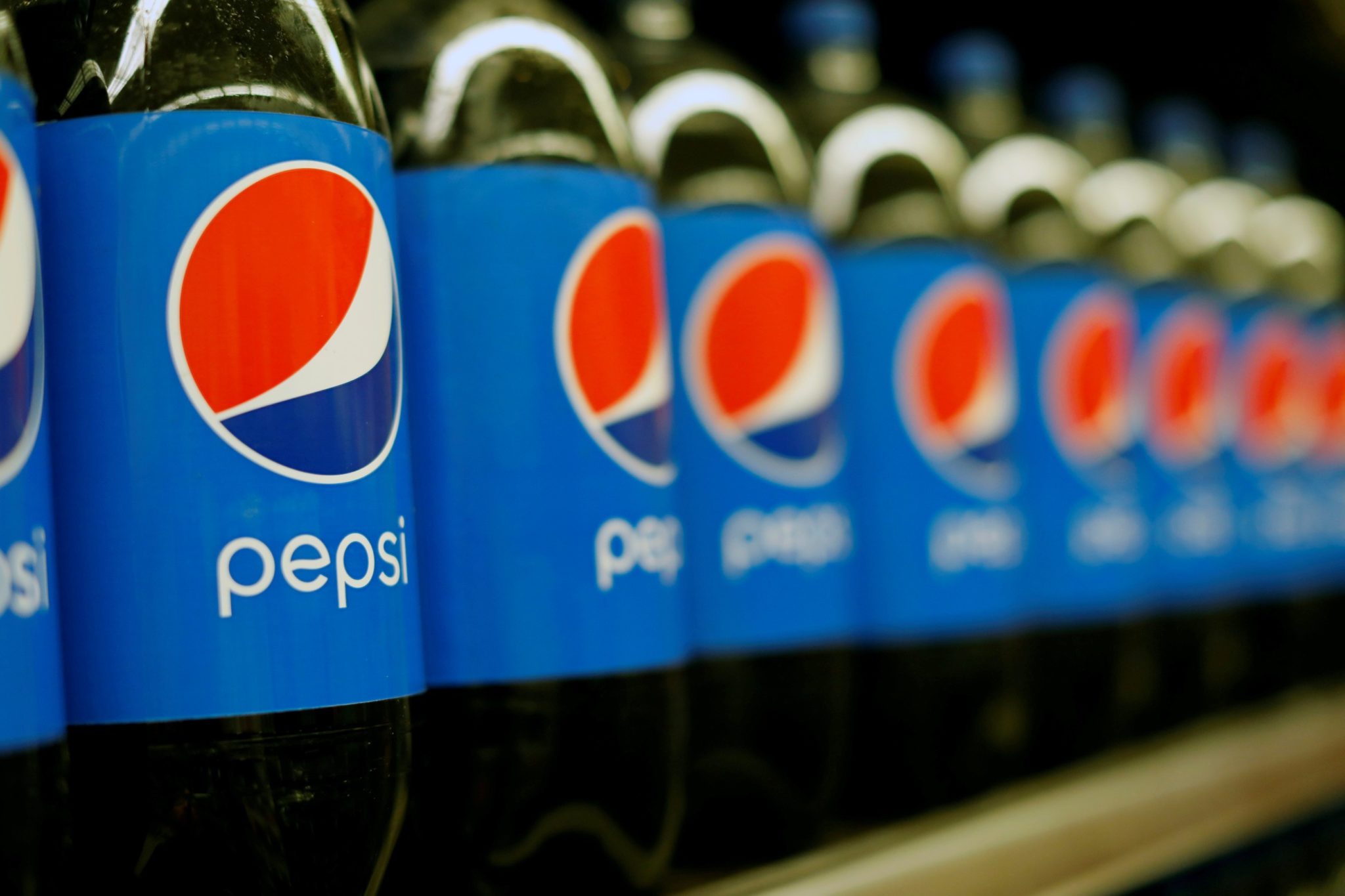
    PepsiCo India’s bottling partner Varun Beverages Monday said its board has approved plans to acquire franchise rights of the beverages and snacks major in South and West regions. The board has approved the company’s intent to enter into a binding agreement with PepsiCo India Holdings to acquire franchise rights in the two regions for a national bottling, sales and distribution footprint in seven states and five UTs, Varun Beverages Ltd (VBL) said in a regulatory filing.

    According to a report, upon completion of these acquisitions, VBL will be a franchise of PepsiCo beverages business across 27 states and seven Union Territories (UTs), it added.

    “The proposed acquisitions are in line with the company’s strategy to expand into contiguous territories and will help to acquire greater scale, operational productivity and efficiency leading to higher revenues and profitable growth,” it said.

    VBL, however, did not disclose financial details of the proposed acquisitions.

    The company further said its board will meet on February 26 to consider raising of capital through Qualified Institutions Placement (QIP).

    Last year in January, VBL had entered into a pact with PepsiCo to sell and distribute the latter’s entire Tropicana range of juices along with Gatorade and Quaker Value-Added Dairy in North and East India.

    VBL already held manufacturing, sales and distribution rights for Tropicana Slice and Tropicana Frutz in the two regions.

    PepsiCo had then stated that North and East regions together accounted for 80 percent of the juice market in India and VBL’s contiguous reach would help it more than double the distribution reach in these states.

  • Belgian Waffle Co expands to Southeast Asia

    Belgian Waffle Co expands to Southeast Asia

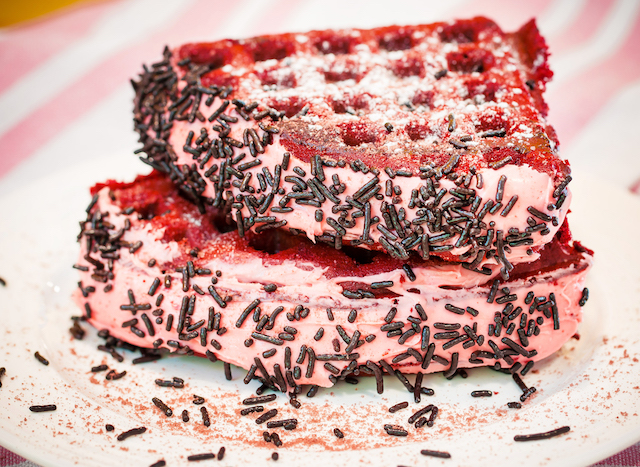
    Indian-headquartered Belgian Waffle Co has partnered with VF Franchise Consulting to expand into Southeast Asia. The chain is operated under small kiosk and cafe models, and is best known for its waffle sandwiches. “The Belgian Waffle Co has seen exponential growth in India in less than three years with unprecedented success,” said Shrey Aggarwal, cofounder of The Belgian Waffle Co.

    “Our vision is to be a Global Player in the QSR segment, being recognised for dessert offerings and our values of affordability, quality and simplicity.”

    Founded in 2015, Belgian Waffle Co now has more than 200 outlets in 55 cities in India, Nepal and Dubai.

    “We are delighted about partnering with The Belgian Waffle Co as the company seeks to expand further into Southeast Asia,” said Sean T Ngo, CEO of VF Franchise Consulting.

    “Belgian waffles have universal appeal amongst Asians and non-Asians alike. They have taken a fork-and-knife approach to eating waffles and turned the industry upside down into a fast, on-the-go food for people who enjoy delicious-tasting breakfasts, snacks and desserts and a business that offers potential fast returns.”

  • eat darling eat opens in Hong Kong

    eat darling eat opens in Hong Kong

    This February, foodies in Hong Kong will salivate over scrumptious treats and desserts at eat darling eat, the new Causeway bay eatery that is bringing a playful twist on iconic Chinese desserts to spread love and evoke warm childhood memories.

    The 1,300 ft design-centric space is bold, surreal and out of the ordinary, sharing an array of lip-smacking treats with an eclectic twist. Situated in Fashion Walk, eat darling eat is the latest addition under Ming Fat House. The dessert spot is further enhanced by the interior design, with large playful stickers on the walls, and creative food photographs that make visitors do a double take. At eat darling eat, all delicious culinary creations are all about stimulating the senses, each of them made with utmost care and loving attention.

    eat darling eat’s extensive menu features iconic Hong Kong desserts such as the homemade fluffy Pineapple Buns (HK$38) that are quintessential to the city, filled with pineapple custard. Chinese “tong sui” desserts get a modern reinterpretation with such intriguing combinations such as double-boiled Papaya (HK$68) with snow fungus, candied papaya and mascarpone cheese. Sweet Potato (HK$68), a sweet potato soup playfully pairs with a luscious chocolate cake and taro ice cream; and Red Bean (HK$68), mixed with tangerine peel soup with a scoop of matcha ice cream.

    Other signature creations are home-made icy treats that have a modern flavour. Set to become a favourite is the Double-strength Milk (HK$48), that features two scoops of the milk flavoured ice cream that are infused with Chinese rice wine. Sichuan Pepper (HK$48), with scoops of the ice cream that bring out the spicy taste of Sichuan peppercorns and complemented with the sweetness from candied bacon.

    The icy treat that is sure to be popular amongst the fans is the Chinese Ginger Vinegar (HK$48), creatively topped with crispy pork skin. Inspired by a traditional Cantonese dish that is typically shared by new mothers to celebrate the arrival of a newborn baby, this trail blazing creation promises a spoonful to remember.

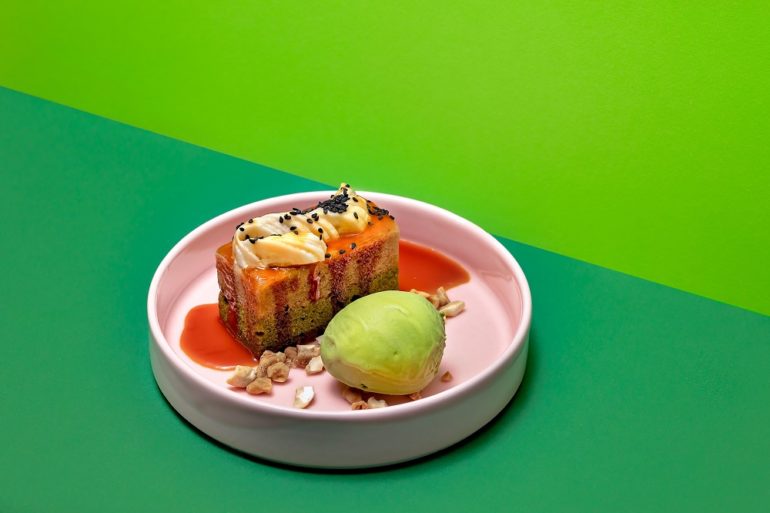
    Other delectable desserts include the Lava Cake (HK$78), featuring a decadent Valrhona dark chocolate filled cake with the earthy taste of walnut soup, and Matcha Cake (HK$58), a sweet caramel sponge cake topped with caramelised banana, and finished with scoops of matcha ice cream.

    “At eat darling eat, we strive to bring the element of traditional Hong Kong desserts that not only touch the heart, but also add a modern twist that will create new memories for our customers,” explained Jonathan Bui, owner of eat darling eat.

    The creative talent behind these quirky and tasty desserts is Executive Chef Jason Luk who tucked international experiences under his sleeve having worked in Bangkok, Shanghai and Miami. In Hong Kong he has honed his skilled at The Drawing Room and Zuma Hong Kong and brings a limitless array of culinary ideas at eat darling eat.

    “While living abroad, I learned a lot about desserts in other places, but at the same time I missed eating food from home. Since coming back to Hong Kong, I want to share the recipes from my experiences and present them to foodies in Causeway Way, which is the perfect place to showcase new and exciting trends and styles,” says Jason.

    eat darling eat offers guests a respite from busy Causeway Bay with its whimsical interiors that mirror the eclectic menu. The design draws inspiration from the experimental Post-modern era, incorporating designs, shapes and colours that challenge convention.

    The interior highlights split-level architecture, where the lower level entrance area is an open concept, while the upper space is framed as a theatre featuring fluorescent colours and reflective surfaces. The overall design is bold, surreal and out of the ordinary, emphasizing the creativity of the desserts.

    While eat darling eat offers mainly fun and playful desserts, it also offers savoury dishes for lunch and dinner that can be chosen from the a la carte menu and signature lunch menu alongside an extensive coffee, tea and cocktail menu. eat darling eat invites diners to take a break, slow down, and savour the moment in the midst of the hustle and bustle of Causeway Bay.

  • 7-Eleven may make India foray with Future Group

    7-Eleven may make India foray with Future Group

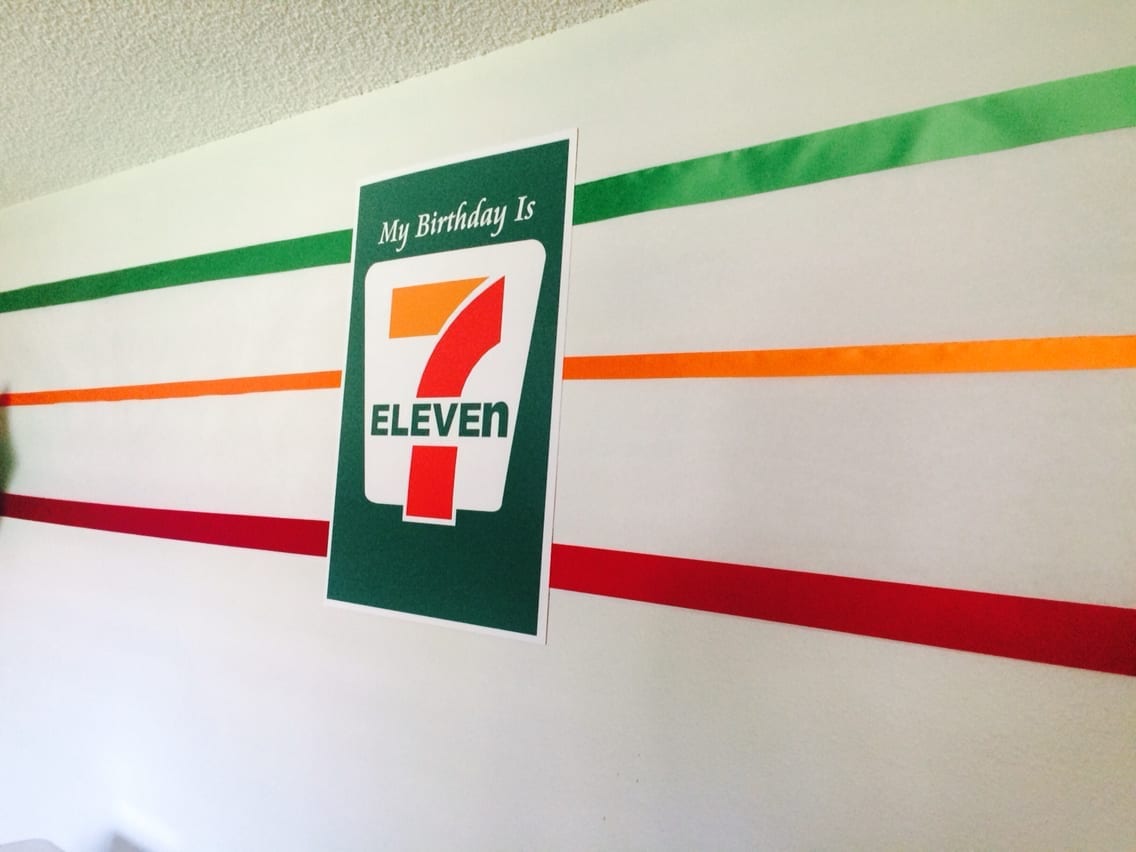
    Convenience store chain 7-Eleven is holding advanced talks with India’s Future Group to enter the territory. The parties may announce an agreement to launch a network of 7-Eleven India stores next month, according to inside reports. Future Group would operate small format stores as a master franchisee, with a focus on food retailing. The partnership is expected to help Future extend its reach to buyers beyond its own existing store network.

    “Future Group has a number of neighbourhood stores through their own format launches and through acquisitions”, observed Devangshu Dutta, CEO at consultancy firm Third Eyesight. “Some of them could surely be repurposed to 7-Eleven convenience stores, while there could be other franchisees appointed for specific sites or territories,” he said.

    “However, becoming a franchisee entails costs and restrictions. The question is whether there is enough margin available in the business to allow for so many tiers of stakeholders.”

    7-Eleven India potential partner Future Group runs 1,444 stores in 409 cities, specialising in food and grocery retailing.

  • More bubble tea shops open in Vietnam

    More bubble tea shops open in Vietnam

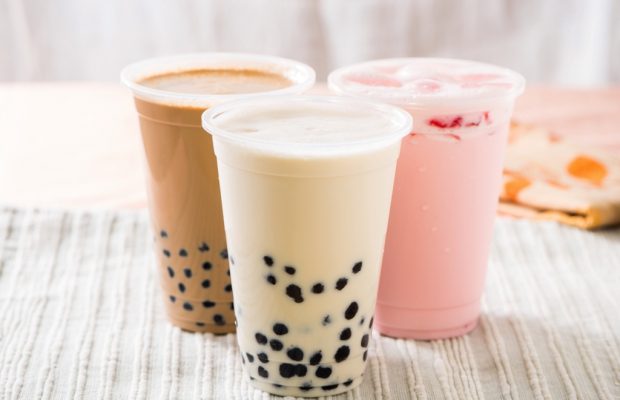
    More and more Vietnamese entrepreneurs are banking confidently on the popularity of bubble tea among the nation’s youth.It was past 10 in the night, but the bubble tea shop was packed. “I opened this milk tea shop just a few months ago, but people have been pouring in every day. My six employees struggle to serve all customers, especially in the weekend,” 33-year-old Nguyen Quang Dung said.

    Located in northern Bac Ninh Province in an industrial area with some 10,000 young workers, Dung’s milk tea shop sells 150-200 cups every day, and he himself has to join his waiters in serving a large crowd.

    “It’s busy, but investing in milk tea shop is one of my best decisions. I have no regrets,” said Dung, who works fulltime as a manager at a nearby power plant.

    Dung is among many Vietnamese entrepreneurs who have been investing in the bubble tea industry in recent years, lured by good profit and high demand among the young population.

    The number of bubble tea stores in Vietnam reached 2,000 last year, with a new store opening every four days, according to the Vietnam Association of Small and Medium Enterprises.

    Even though bubble tea entered Vietnam in 2000, the surge in the number of outlets has only happened in recent years, mostly through franchising.

    Vietnamese brand TocoToco opened its first bubble tea outlet in 2013 and now has almost 200 across the country. Taiwanese brand Ding Tea also has around 200 outlets, while local brand Bobapop has over 100.

    About 30 major bubble tea brands are operating in Vietnam. They are all seeking to compete for a slice of the $282 million dollar market, according to British research firm Euromonitor International.

    Hoang Thi Hien, owner of bubble tea chain Pozaa Tea with outlets in Hanoi, Ho Chi Minh City and other localities, said that the number of outlets increased last year.

    “Many investors want to partner with us. In 2017 we had only eight shops, but the number has increased to almost 60 by the end of last year,” she said.

    She is confident that this figure will rise to 200 this year.

    Generation Z demand

    Visiting a bubble tea shop is among the most popular leisure activities among generation Z, people born between 1996 and 2015, according to a survey by market research firm Nielsen.

    The survey of 210 Gen Z people in Hanoi and Ho Chi Minh City last October found 81 percent of respondents saying bubble tea shops were their favorite hangouts.

    Vo Van Quang, a branding strategy consultant and marketing mentor, said: “Most 15-year-old girls don’t drink coffee, but they’ll gladly pay for a cup of bubble tea. Teenagers are a large customer group for tea-based drinks, hence the high demand for bubble tea.”

    High demand and high profits are irresistible lures for entrepreneurs.

    Nguyen Phi Van, a branding expert and board chairwoman of consulting firm Retail & Franchise Asia, said that an investor can earn up to 40 percent in profit on each cup of bubble tea, which sells for VND25,000-60,000 ($1-2.6).

    Therefore, entrepreneurs are willing to make big investments of up to VND1 billion ($43,000) for one store, including furnishing and brand franchising fees.

    “It takes less than a year for an investor to recover his capital, that’s why this business has been attracting so many,” Van said.

    Tran Thi Thuy Nga opened a bubble tea shop last September in the central Quang Ngai Province with an investment of almost VND800 million ($34,430).Many bubble tea entrepreneurs have other full time jobs and are using their savings to make more money. They can create their own brand or partner with a well-known brand.

    Even though Nga’s store is located in a very small town, students have been coming in every day with their friends and family. Nga often has to ask for help from her family members to join her eight employees in serving customers.

    “I haven’t recovered my capital yet, but so far I’m very happy with the revenue and demand,” Nga said, without revealing specific figures.

    She did reveal plans to open another shop soon.

    Dung, the bubble tea investor in Bac Ninh, has revenues of VND180 million a month ($7,760), and his profit is around half the amount. Dung estimates that he will recover his investment of VND700 million ($30,146) in just six months.

    He is also planning to open a second bubble tea store four kilometers away from the first one, which has been operating for only four months.

    “I’m confident that both stores will do very well.”
  • Starbucks India showcases coffee craft and innovation with ‘Starbucks Barista Pride’

    Starbucks India showcases coffee craft and innovation with ‘Starbucks Barista Pride’

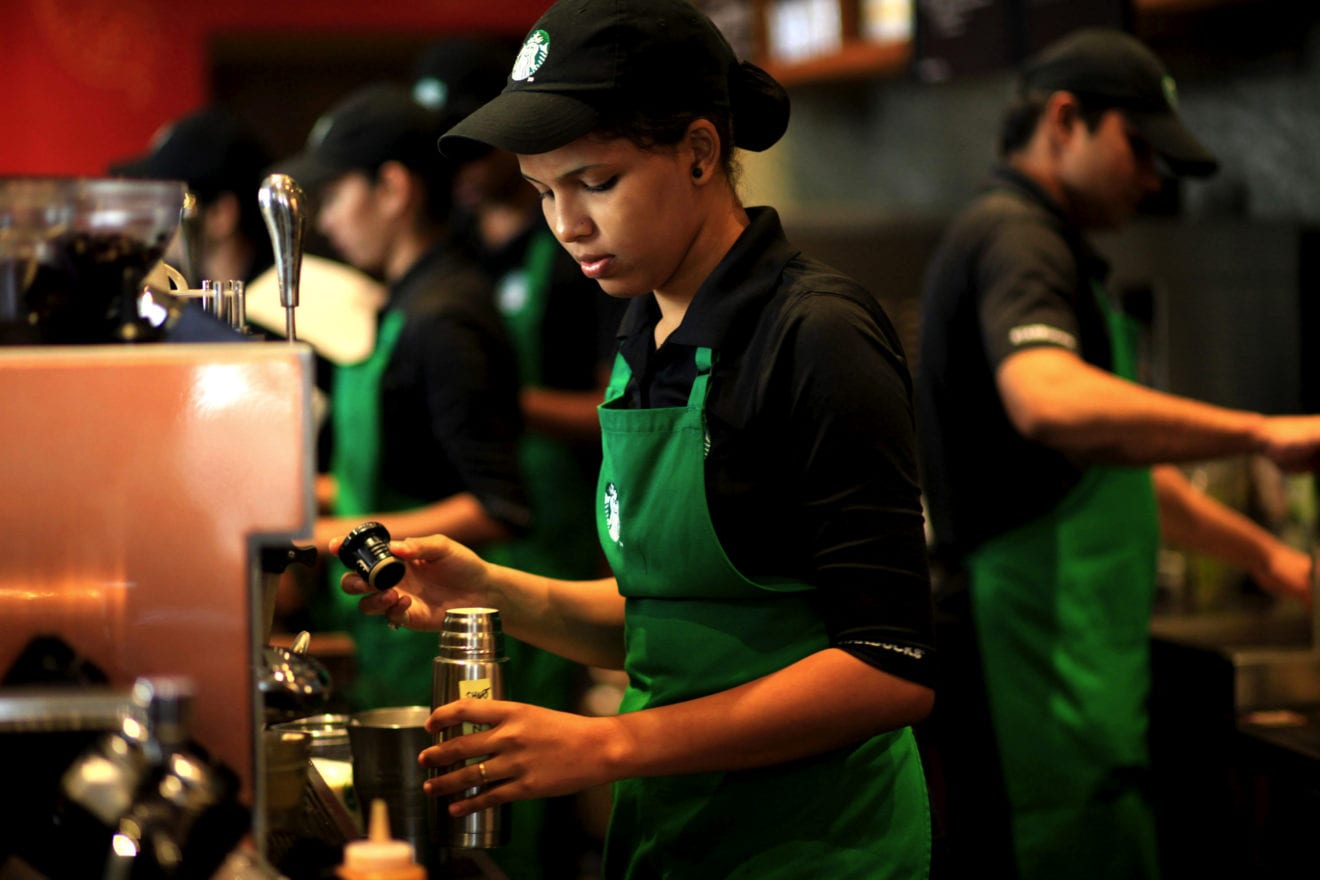
    Starbucks is taking beverage innovation to new heights with the simultaneous launch of 134 new, crafted beverages. Delivering on the iconic ‘Third Place’ experience, while strengthening commitment to innovation and coffee passion, the global coffee chain has introduced a new initiative called Starbucks Barista Pride where baristas from each Starbucks store will feature a beverage unique to their store, conceptualized and created by themselves.

    Till the end of February, all Starbucks stores across India will serve a specially curated beverage, enabling customers to ‘coffee hop’ and try 134 unique beverages across the 134 Starbucks stores in India.

    Based on the idea of customization and personalization, while celebrating the heart and soul of the signature Starbucks Experience, Starbucks Barista Pride is here to showcase the talent and innovation the Starbucks baristas have to offer.

    The wide range of unique beverages includes Turkish Espresso Praline available at the Chapel Road store in Mumbai, Chai White Chocolate Mocha available at the Vega Mall store in Bangalore and Winter Chocolate Cream available at the DLF Hub store in Delhi.

    “Starbucks is committed to delivering an unparalleled, unique experience for every customer. We are delighted to introduce ‘Starbucks Barista Pride’- a new coffee forward initiative which highlights the exemplary coffee skills of our Starbucks baristas and brings to our customers a wide range of artisanal beverages. At Starbucks, we believe in celebrating each customer’s individual coffee preference and profile. For us each cup of coffee is unique and especially suited to the coffee palette of our customer. With a deep understanding of coffee, our Starbucks baristas personalize each cup to perfection,” said Veetika Deoras, Head – Marketing, Category, Digital and Loyalty at Tata Starbucks Pvt. Ltd.

    “We are humbled to lead specialty coffee in India and initiatives like Starbucks Barista Pride are a tribute to our customers and reflect the Starbucks 47-year legacy of sourcing, roasting and serving world’s top Arabica coffee,” she added.

  • Chibo to open Indonesia store soon

    Chibo to open Indonesia store soon

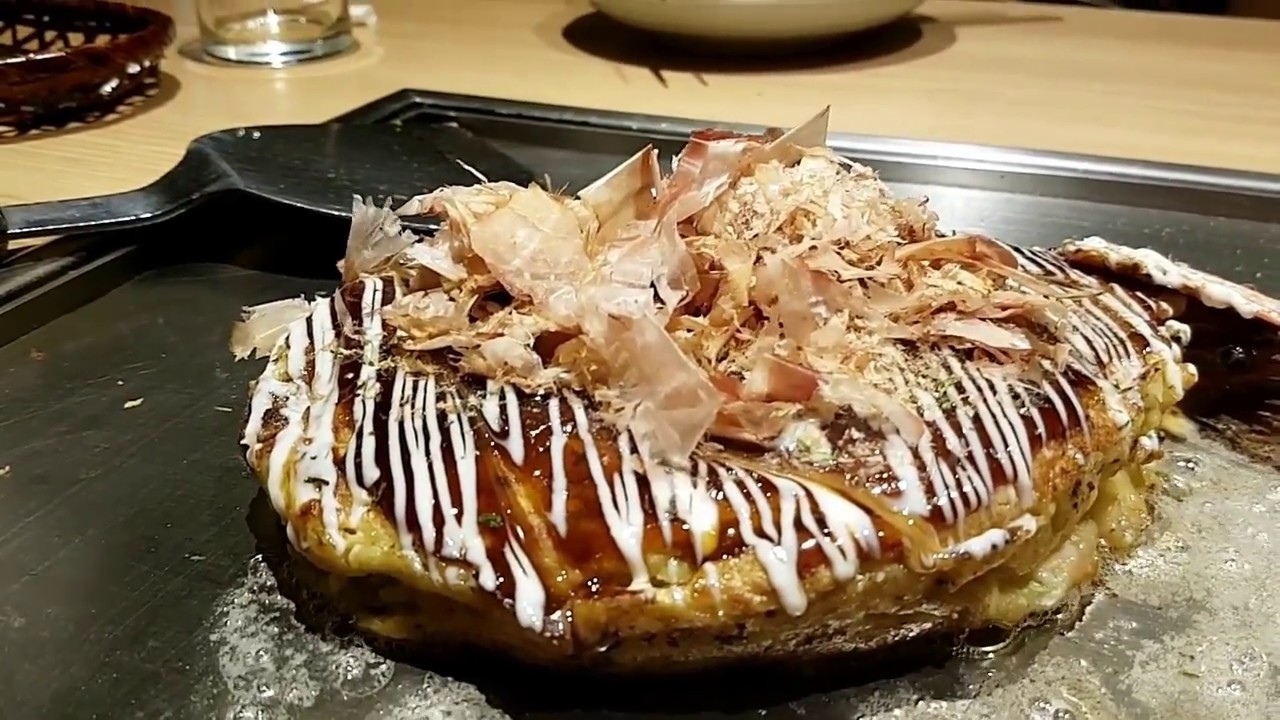
    Japanese “okonomiyaki” pancake restaurant Chibo is launching in Indonesia this month. The opening is part of the firm’s unfolding global plans to counteract a dip in the Japanese food service market. It is partnering with local operator Jaddi Foods within Indonesia’s territory. Importantly for the predominantly Islamic market, the firm will be swapping out pork for suitable Halal alternatives.

    The 188sqm venue is opening at Gandaria City Mall in southern Jakarta, seating 90 diners. It joins eight Chibo restaurants outside Japan, with sister venues in China, Hong Kong, Hawaii, the Philippines, Thailand and Vietnam. The firm is targeting 20 international outlets by March next year, with locations planned for Brazil, London, New York and Russia.

  • Heytea opens store in Hong Kong

    Heytea opens store in Hong Kong

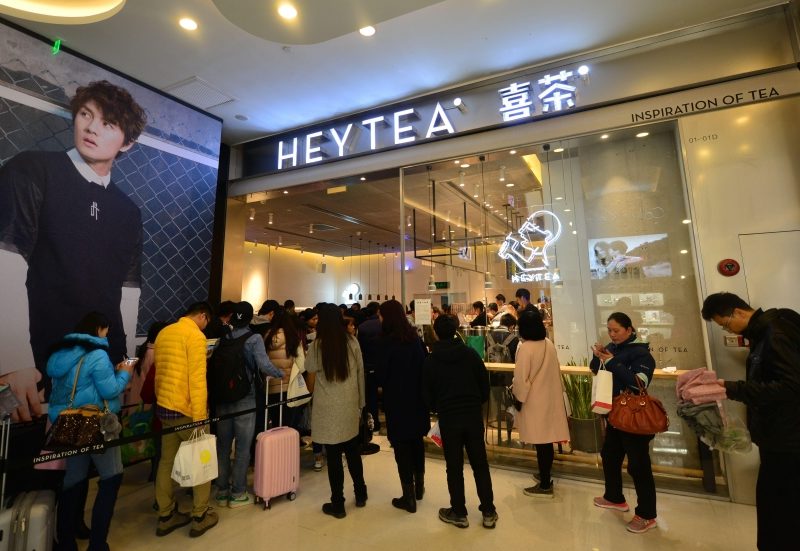
    On December, 24 Sha Tin New Town Plaza, in Hong Kong, welcomed Heytea. A huge crowd queuing up for more than 3 hours just to get a cup of Cheese Tea from the Chinese tea-drink brand Heytea was the protagonit that day. Due to the buy-one-get-one free promotion during the Christmas holidays, people started lining up as early as 6:00 am.

    Heytea officially announced that it had opened its first Hong Kong store only on january, 3. They chose to expand into Hong Kong’s market due to the city’s international status as well as its vibrant food and beverage scene. It helps to promote Heytea as a popular and innovative tea-drink brand among global consumers, especially younger generations.

    The store not only offers its signature cheese tea, but also a great variety of fruit tea and ice cream. The tea is imported from all over the world which aims to renew the traditional tea culture.

    Also, it introduces an exclusive product combined with Hong Kong local food culture, namely, the Eggette Roll Sundae, adding new vitality into the brand, according to its founder Nie Yunchen.

    He said “geographically, Hong Kong is adjacent to Guangdong Province and Shenzhen. Hong Kong people already know our brand and often buy our tea when they visit Shenzhen or other cities in Guangdong. In order to thank our supporters and cope with an increasing demand of our tea, we think it is the right time to extend our reach to the city.”

    Zhenglei, Development Director of Heytea, confirmed that Heytea opened its second Hong Kong store in Causeway Bay on 12 January 2019. “We are quite confident that our tea products will be very welcomed by our customers in Hong Kong.”

    In order to avoid a huge crowd like the last opening, Heytea planned to replace the traditional order and payment method by ordering through their mobile app.

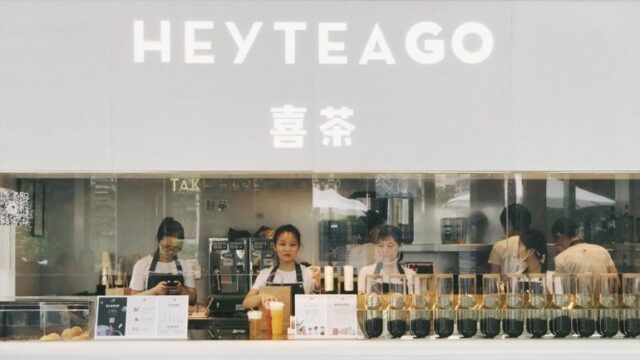
    The second shop of Heytea located in Causeway is named as “Heyteago”, their customer can order online in anytime, anywhere for a cup of tea-to-go. Therefore, cheese-tea lovers can save their time and no need to queue up for 3 hours outside Heytea again.

  • The Alley Taiwan debuts in Singapore

    The Alley Taiwan debuts in Singapore

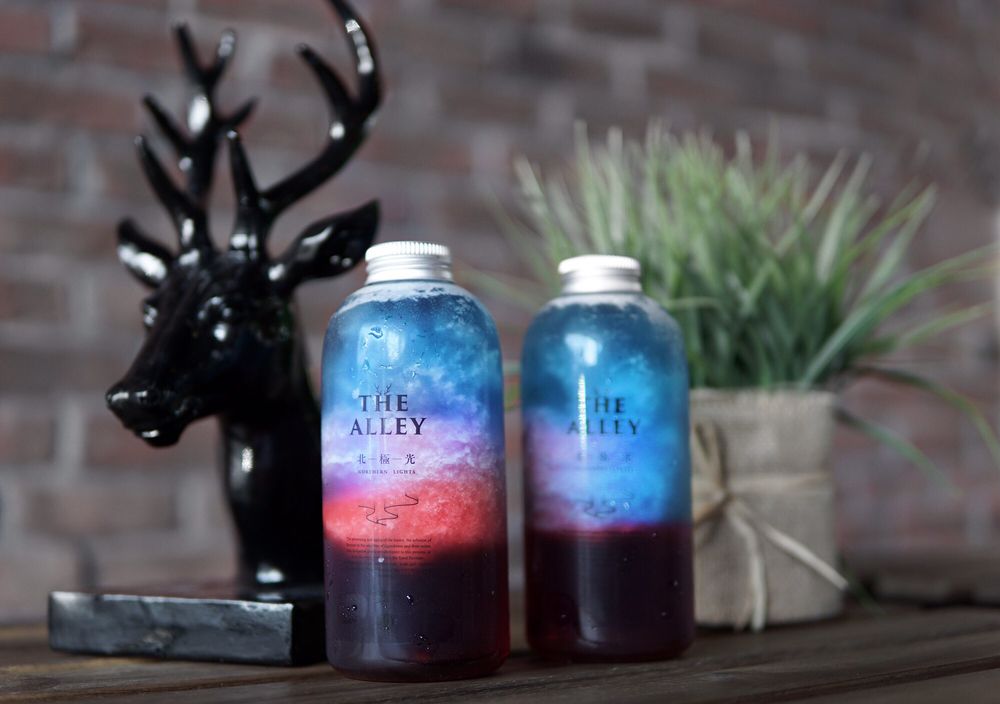
    Taiwanese bubble-tea chain The Alley is to open its first outlet in Singapore. Despite the undisclosed location, the brand has already got Singaporean bubble-tea fans excited with an announcement on its Instagram and Facebook pages. Established in 2013, The Alley is well-known for its brown sugar tapioca (Deerioca) milk tea served in cups with with round bases.

    The chain has outlets in Canada, US, France, Korea, Japan, China, Hong Kong, Thailand, the Philippines, Australia and New Zealand. The Alley entered Vietnam in November 2017, and now has 35 stores nationwide.

  • Tom n Toms plans Myanmar expansion

    Tom n Toms plans Myanmar expansion

    South Korean Cafe chain Tom n Toms has started to launch outlets in Myanmar. Tom n Toms Myanmar has opened two locations in Yangon so far, at the international airport and the Kantharyar Centre, with a third planned for Yankin Township. Information from Myanmar International Business Alliance Company operation director Aung Sithu Khant revealed a fourth planned outlet at the Secretariat Building in Yangon.

    “Myanmar people and coffee brands have been friendly for a long time,” said Khant.

    “We opened these outlets hoping that Myanmar people can taste a high-quality coffee with reasonable price. Next month, strawberries from south Korea will be selling in Myanmar. We will introduce a menu connecting with strawberries.”

    Khant said the third outlet will be opened soon. Future Tom n Toms cafes are expected to open in Mandalay, Taunggyi, and the capital city, Nay Pyi Taw next year.

    “The main thing is the customer is always first. Therefore, we will pay special attention to coffee and other foodstuffs”.

  • Kiki Tea Taiwan launches product created by Michelin Chef

    Kiki Tea Taiwan launches product created by Michelin Chef

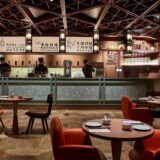
    Hong Kong’s new Taiwanese tea and bubbles sensation KiKi Tea is welcoming the Year of Pig with the inaugural launch of ‘Chinese New Year Puddings’ by three Michelin starred chef Albert Au Kwok-Keung. Exclusive recipes with finest ingredients by the starred Chinese chef are on special offer at KiKi Tea’s debut Hong Kong restaurant, KiKi Tea@Sun’s Bazaar in Pacific Place, as well as KiKi Tea SOGO Causeway Bay Pop-up, and online at from 1 January 2019.

    Chef Au, the Chinese Executive Chef for luxury restaurant group Lai Sun Dining has crafted two of Hong Kong’s most exceptional Chinese New Year Puddings in an exclusive collaboration with KiKi Tea, as the Taiwanese brand continues the runaway success of its popular sun-dried, handmade and additive-free KiKi Noodles.

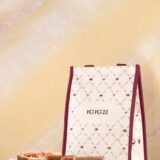
    The signature puddings offer a choice of both sweet and savoury, perfect for gifting and wishing relatives and friends a fruitful new year. KiKi Taiwan Dried Longan and Brown Sugar Pudding (HK$108), marries traditional dried longan from Zhuqi and Chiayi in Taiwan, produced by an ancient roasting technique that reduces 3kg of the fresh fruit to 1kg dried, and is believed to nourish and clean blood – with Taiwan dark brown sugar, considered healthier than traditional cane sugar, free of artificial colouring, preservatives and fructose.

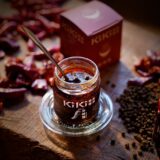
    The savoury KiKi Taiwan Dried Sakura Shrimp Turnip Pudding (HK$128) is crafted from a trio of prized Asian ingredients – delicate sun-dried sakura shrimp from Taiwan, turnip from Japan and preserved local lean Chinese sausage. For a spicy kick of Sichuan peppercorn and chilli, Chef Au recommends enjoying it with KiKi Sichuan Pepper Seasoning or KiKi Spicy Sauce.

    A set of both Chinese New Year Puddings is discounted to HK$228 from either KiKi Tea@Sun’s Bazaar, KiKi Tea SOGO Causeway Bay Pop-up or KiKi Fine Goods (Hong Kong) online at www.kikifg.com.hk during the two-month promotion from 1 January 2019 through Chinese New Year to 3 February 2019. With free delivery for ordering 21 puddings or more, the exclusive puddings are ideal for festive season gifting.

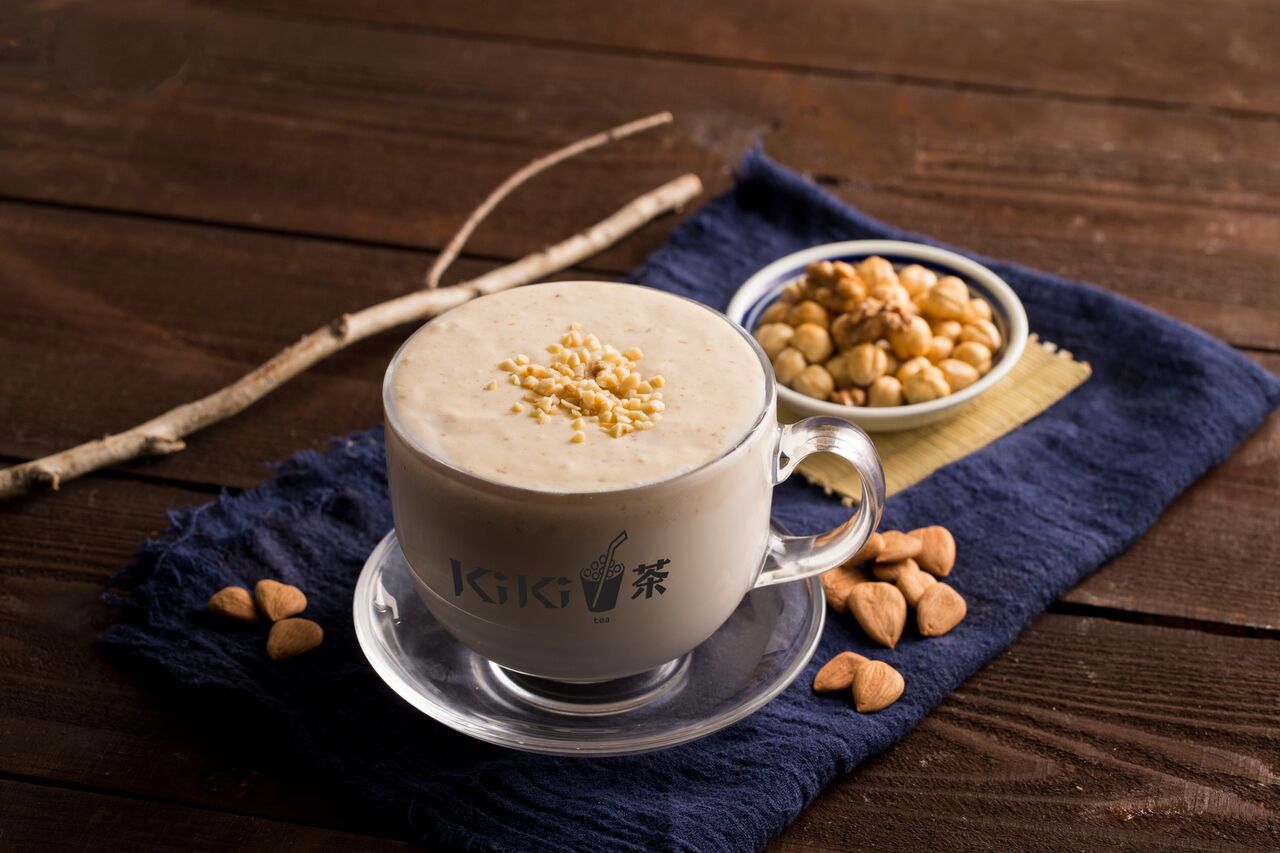
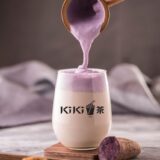
    A HK$5 KiKi Tea cash voucher is also complimentary, redeemable for a discount taste of the brand’s new bubbles, teas, desserts and Michelin-chef created KiKi Noodle dishes at KiKi Tea@Sun’s Bazaar or KiKi Tea SOGO Causeway Bay 2-month long pop-up – where popular favourites include SOGO special drink Brown Sugar Ginger Milk with Purple Sweet Potato Cream Mousse (HK$38), a smooth, flavourful and creamy mousse of steamed sweet potato puree using healthy, natural brown sugar from Taiwan with a warm and hearty ginger flavour. Moisturising drinks also include Almond Tea topped with Caramel & Nuts Cream Mousse (HK$35), Brown Sugar Ginger Tea with Red Dates (HK$34), Homemade Longan and Red Dates Tea (HK$32), and iced Almond Milk (HK$38).

    Chef Albert Au Kwok-Keung is celebrated as the world’s youngest three Michelin starred Chinese chef from helming The Eight restaurant in Macau, having launched his stellar career with his first Michelin star at Hong Kong’s ‘celebrity canteen’ Island Tang.

    Since launching in September 2018, KiKi Tea@Sun’s Bazaar has become an instant sensation, standing out from the  bubble craze crowd with Taiwanese tea and bubble specialties using quality, mostly natural ingredients including premium Taiwanese tea leaves, black sugar and cane sugar, along with authentic Taiwanese tea recipes – highlighting handmade pearls and pressed-to-order House Blend Teapresso. Specialties are brewed with top-of-the-range BKON technology for formulas producing unique tea and fruit infusions.


  • South Korean convenience store openings slow down

    South Korean convenience store openings slow down

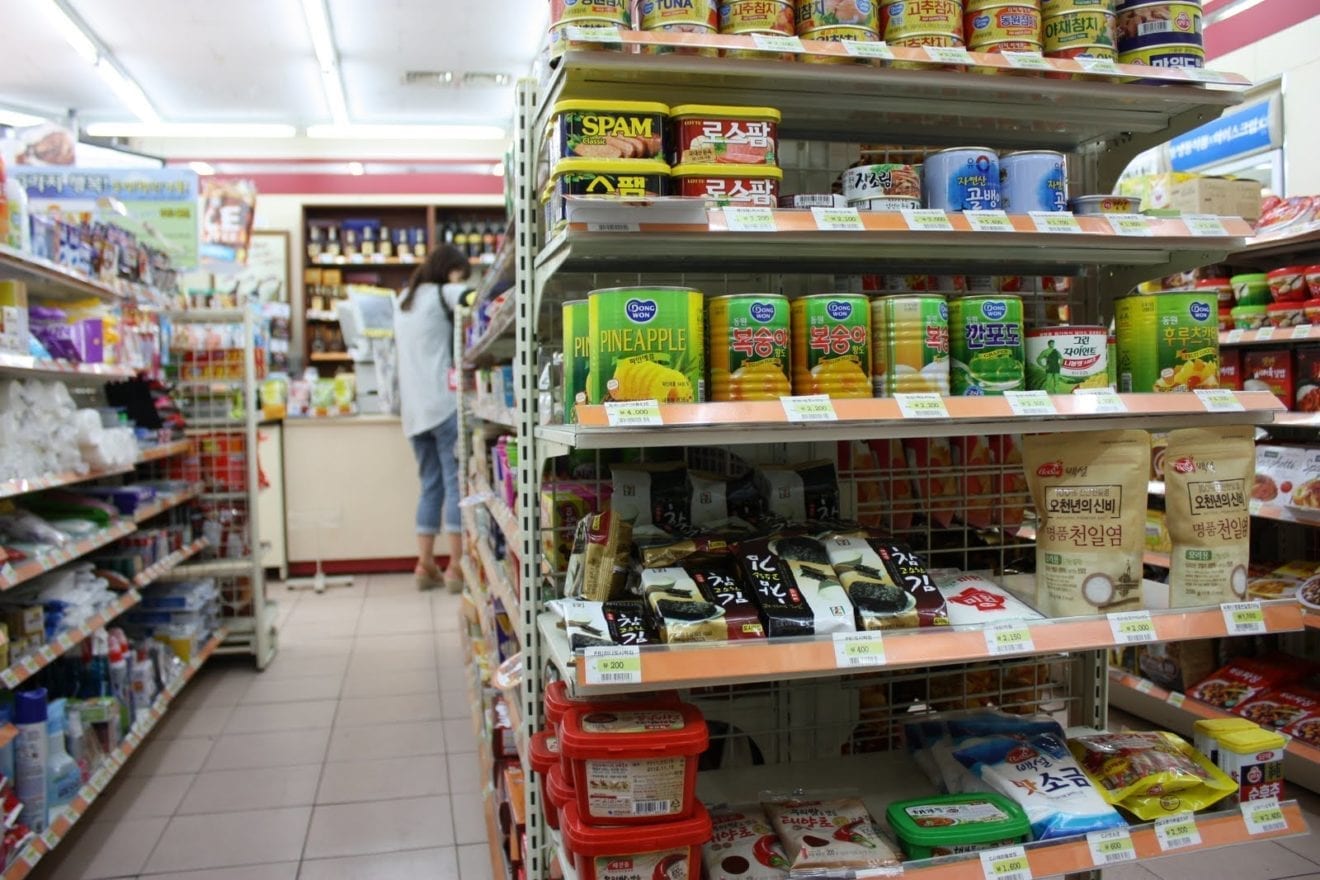
    South Korean convenience store openings in South Korea fell last year, according to industry data. Thought to be the effect of increasing labour costs and market saturation, the slowdown has manifested amongst several industry operators – including BGF Retail’s CU, which opened 980 fewer stores than the previous year’s total of 1646; and GS25, which opened 1023 fewer stores last year after launching 1701 outlets in 2017.

    A government advisory to chain stores to maintain more of a distance between competing branches signals a likely continuation of the downward trend, as well as new laws mandating higher levels of paid leave to staff and a higher minimum wage. The same pressures have seen 19 per cent of convenience stores closing at night rather than operate 24 hours, compared with 10 per cent in 2017.

    A statement issued by CU said that the firm is prioritising profitability of existing stores over opening new locations.

  • Hong Kong’s Hui Lau Shan debuts in Philippines

    Hong Kong’s Hui Lau Shan debuts in Philippines

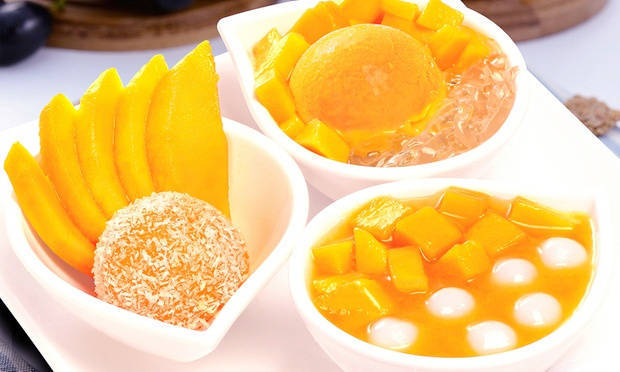
    Hong Kong dessert chain Hui Lau Shan will launch in the Philippines in February. The franchise, best known for its mango-based treats,will open at SM Megamall in Mandaluyong City with a range of desserts that are expected to draw on local fruits. Mango desserts have proven popular in the region recently, with prominent social media coverage of long queues for mango floats.

    Hui Lau Shan is a heritage brand originating from a herbal tea & tea trolley that traded in Hong Kong’s Yuen Long back in the 1960s.

  • Yellow Tie Hospitality to bring Taiwan-based beverage brand Chachago in India

    Yellow Tie Hospitality to bring Taiwan-based beverage brand Chachago in India

    Karan Tanna led Yellow Tie Hospitality, the leading food and beverage franchise management company, has tied up with Taiwan based beverage brand, Chachago to launch its first outlet in Bengaluru in January 2019. Yellow Tie has acquired the master franchise rights for the brand in India as well as UAE, Turkey, Kuwait, Lebanon, Jordan, Israel, Oman, Syria, Turkey, Iran, Iraq, Qatar, Bahrain & Afghanistan and plans to launch100 outlets in India by 2021, with an overall investment of USD 6 million in brand expansion and development in India.

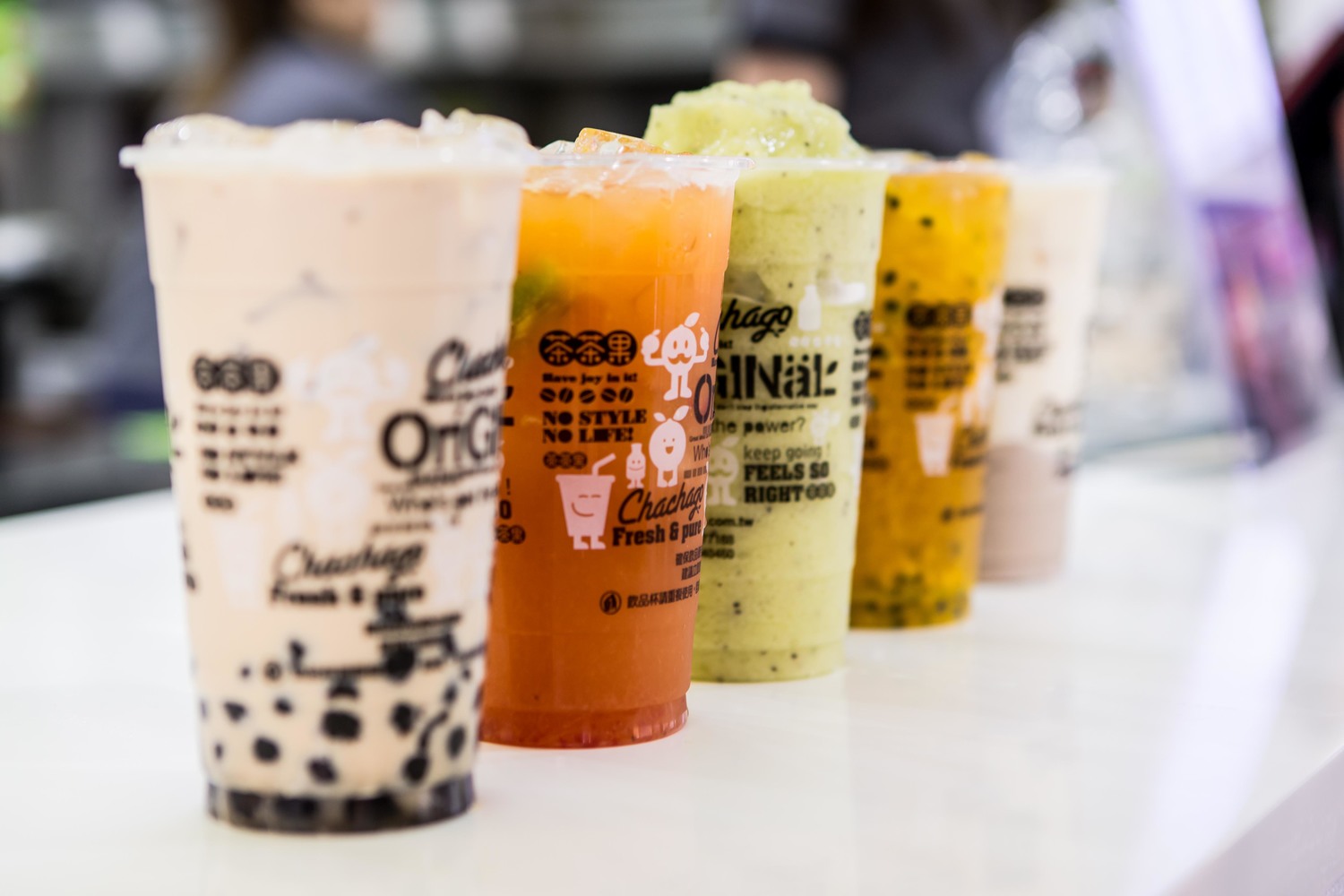
    Chachago is a Taiwanese beverage brand known for its aromatic and delicious varieties of Taiwanese milk tea, bubble teas, fruit-infused beverage, cheese-based beverages, milkshakes, and other specialty beverages and desserts. This is the first time the brand is entering India after having established its presence in countries like Taiwan, Canada, Australia, Hongkong, Vietnam, and Phillippines. A typical Chachago outlet will be in malls, high street, and educational institutions, and will spread over an area of 100 to 500 square feet and a capex of INR 20-40 lakh will be invested in building each outlet.

    Commenting on the launch Karan Tanna, Founder CEO of Yellow Tie Hospitality said: “Chachago is a specialty beverage brand originated in Taiwan, a country also known as the ‘House of Milk Tea’. We felt Indian consumers would connect with these specialty beverages, as there is a high demand for them in a tropical country like ours. It is a well-known fact that specialty beverages are a large and growing segment in the QSR category. As the market evolves, niche offerings are becoming more popular, giving us confidence that a brand like this will go down well with Indian consumers. Chachago is positioned very well with a gamut of products ranging in various teas, fruit infusions, and milkshakes. Chachago will be a one-stop-destination for premium beverages. We are very sure that the finest product development capability of Chachago in Taiwan combined with their experience of over three decades and optimized operation to give more throughput, will enable very quick growth for them in India”.

    He further added that there is a plan to turn Chachago into a 300 outlet chain by 2023 across the franchise geographies, “Going forward, the company is also looking for strong growth in countries outside India, by the second half of 2019; and by the year 2023, we are expecting the total outlets of Chachago to contribute approximate Rs 120 crore in annual revenue.”

    “We have tasted success in the very competitive Taiwanese market because of our own capability of using the most premium ingredients with optimized results. These ingredients are not only appreciated in Taiwan but also in other countries like Canada and Australia. We are very sure that with our experience and the expertise of Yellow Tie Hospitality, Chachago will be able to grow aggressively in a market which is the second highest competitive market in the world. We look forward to our presence in India”, said Hseih Yu Yin, Owner, Chachago.

    To further streamline the franchising process for Chachago, the company will go through a master franchise and multi-unit franchise route wherein franchise selection criteria will be based as per International brand standards. The potential franchise owner’s credibility will be audited by Yellow Tie Hospitality.

    Economic growth and social change on the Indian subcontinent are causing the beverage, dairy and liquid food industry to boom. Euromonitor International forecasted that all beverage sectors will grow at double-digit rates in the next four years, which Drink Technology India (DTI) will also benefit from.

  • Saigonese spend $11.5 a month on convenient food and drinks

    Saigonese spend $11.5 a month on convenient food and drinks

    Each Saigon resident spends $11.5 on average per month on convenient foods and drinks, a consumer research firm says. The product groups most often chosen by consumers are non-alcoholic drinks, nutritional beverages, confectionery and snacks like instant noodles, sausages and pies, according to a study on Saigon consumers’ out-of-home (OOH) spending.

    The study was recently done by Kantar Worlpanel, an international company dealing in consumer knowledge and insights.

    On average, Saigon residents make around 8 or 9 out of home trips for these products a month.

    This study also shows that product selection and external spending patterns are clearly differentiated by gender. Women, especially students, often spend money on milk tea, while men and the seniors prefer coffee. Consumption of carbonated soft drinks, energy drinks and bottled water are highly skewed towards teenagers.

    Coffee shops and tea shops are the most popular places, chosen by 45 percent for those going out for OOH drinks, most of whom are aged 30-39. The remaining channels are convenience stores, restaurants, supermarkets, shopping malls and traditional channels such as markets and pavement shops.

    Previously, market research firm Decision Lab had published a report on spending trends of target groups born in 1995 and later (Generation Z). It is estimated that Vietnam has more than 14.4 million people in this age group, with above 56 percent of them having no income or earning less than VND3 million ($129.12) per month.

    Despite the modest income and large dependence relying on their families, average monthly OOH spending by this generation is VND892,400 ($38.41), almost four times that of the average Saigon resident, the report said.

    On average each month, the total amount spent by this age group on eating and drinking was nearly VND13 trillion ($559.56 million).