Tag: snack

  • China’s cheese tea bakery Nayuki opens in Singapore

    China’s cheese tea bakery Nayuki opens in Singapore

    The cheese tea bakery, which draws inspiration from the Japanese philosophy of ‘Kaizen’ (a dedication to continuous improvement), opened to Singapore shoppers on December 8. Marking its debut international store opening, Nayuki has teamed up in a joint venture with BreadTalk Group for its officially opening in Vivocity.

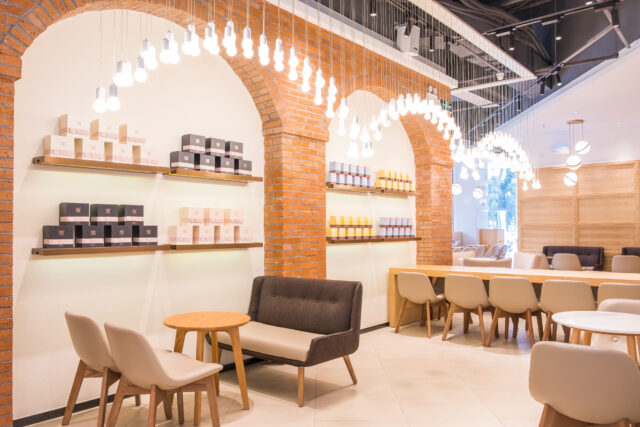
    Vivocity store has been designed to reflect Nayuki’s philosophy: sophisticated and comfortable with seating and premium ingredients such as fresh fruit and tealeaves.

    “When it comes to shop design, we work with different designers, artists and some influential KOLs [key opinion leaders],” Peng Xin, Nayuki’s co-founder said in an interview.

    Singaporeans can now enjoy Nayuki’s signature “fruit tea and soft euro bread pairing” concept featuring the famous Supreme Cheese Strawberry tea and Strawberry fresh cream bread combo.

    In addition to the café’s breads and teas, the outlet also stocks cold brew teas, as well as selling an exclusive edition of its award-winning Alisan Mountain Dew Tea.

    Founded in Shenzhen, Nayuki was launched in 2015 from an appreciation of tea-drinking culture, something that has been known to China for centuries.

    To keep the tradition alive among the younger generation, Nayuki seeks to make tea drinking appealing through a stylish and modern tea concept, and effectively retailing it to millennials.

    And it’s proven successful. With over 100 stores across China across some 13 citie, Nayuki has garnered a cult following with celebrities and international lifestyle brands alike opting to partner with it.

    China is the largest market for tea drinking globally, with 13% of the world’s consumption taking place in China, according to Euromonitor. However, teeing up with BreadTalk Group and entering Singapore is the next step forward in global expansion, according to Peng.

    “Singapore is an important market. We chose Singapore to learn how to meet international standards – and then we can go global,” said Peng.

    Founded in 2000, the BreadTalk Group Limited is a Singaporean multinational food and beverage corporation headquartered in Paya Lebar, Singapore.


  • Jollibee buys out Smashburger with big deal

    Jollibee buys out Smashburger with big deal

    Jollibee has taken full ownership and control of US fast-food chain Smashburger after acquiring an 85 per cent stake in February. The Philippine company said it paid US$10 million to acquire the remaining 15 per cent of the company and that it has made management changes.

    Tom Ryan, Smashburger founder and CEO, will take on the additional title of chief product development advisor at Jollibee Foods Corporation globally, focusing on strengthening taste and quality aspects across key brands and enhancing their relevance across global markets.

    Jose “Pepot” Minana has assumed the role of Smashburger president, including daily operations, collaborating on strategy and brand direction, and lead the continuing integration of Smashburger into the Jollibee Foods portfolio.

    Smashburger has 351 stores and accounts for 7 per cent of Jollibee’s global sales which totalled $3.4 billion last year.

  • Convenience stores a haven for most Saigon youth

    Convenience stores a haven for most Saigon youth

    Increasing numbers of Saigon residents are visiting convenience stores, and most of the youth hangout there. A survey by market research firm Q&Me in December found 80 percent of Saigon residents saying they patronize convenience stores. Of these, 61 percent are youth who also hangout in the stores, using in their eat-in space, attracted primarily by the air-conditioning.

    Fifty-four percent of customers said they use the eat-in space because it is a good place to stay for a short time, while 51 percent said they come for the wifi, said the survey, which polled 500 people aged 16-39 online and 721 visitors at 110 convenience stores in Ho Chi Minh City.

    The majority, 63 percent, of eat-in space customers are estimated to be in their 20s. Those in their 30s account for 16 percent, and teenagers, 15 percent.

    Those who age in their 40s and 50s account for only two percent of eat-in space users.

    Forty-four percent of customers use the eat-in space to drink, and 38 percent to eat and drink. Popular activities are chatting with friends, using their mobile phones and relaxing.

    The most popular foods at eat-in spaces are snacks, instant cup noodles and single customer hotpot. Instant cup noodles are popular during lunch and dinner time, while snacks are taken irrespective of timing.

    The eat-in space is most occupied during lunch time, from 12 p.m. to 1 p.m, with half of the seats taken, on average. The period between 3 p.m. and 7 p.m. also sees a high occupation rate of 33-37 percent.

    The survey found VinMart+ has the highest number of stores at 805, followed by Circle K with 261 and Family Mart with 160.

    Family Mart is the most popular store with 87 percent of respondents saying they have visited it earlier and 12 percent said they recognized it.

    VinMart+ comes next with 84 percent participants visiting and 15 percent recognizing, while the figures for Circle K are 76 percent and 17 percent, respectively.

    The least popular stores are Shop & Go, 7 Eleven and GS25. Forty-two percent of respondents said they recognized Seven Eleven but have never visited a store. This ratio is 36 percent for GS25 and 30 percent for Shop & Go.

    The number of convenience stores in Vietnam has increased by 21 percent year-on-year to 1,819 as of May, the survey found. Most of them are based in Hanoi and Ho Chi Minh City.

    A previous report by market research firm Nielsen Vietnam had said that Vietnamese people have been going to convenience stores more often in recent years. It said that an average Vietnamese shopper make 4.5 trips a month to convenience stores this year, three times that of 2010.

    Since 2012, the number of convenience stores in the country has nearly quadrupled, Nielsen said.

  • Alfamart to add 200 PHL stores

    Alfamart to add 200 PHL stores

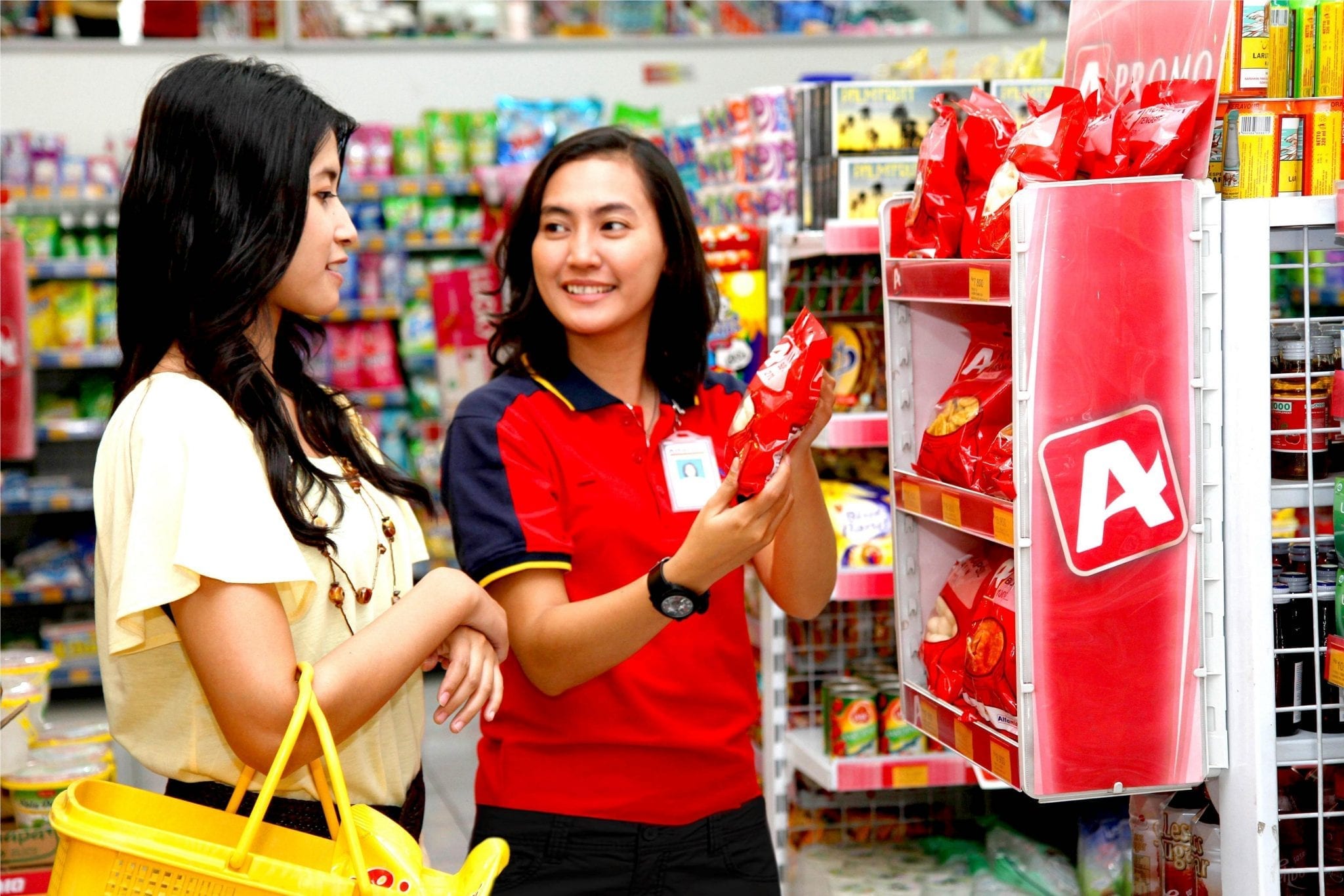
    Mini-mart chain Alfamart will open 200 new stores in the Philippines next year, according to a Fitch Ratings report. It said Alfamart Philippines stores already has 400 stores in the country, of which 180 were opened this year in partnership with local operator and majority stakeholder SM Group. The 200 new stores will take its total network to 600 locations in the Philippines by the end of next year.

    “Alfamart’s investment risk for its Philippine expansion is mitigated by the strong presence of SM Group in the country … Fitch expects Alfamart to have access to SM Group’s large business network and tap its widely known brand”.

    SM Retail operates 1729 stores nationwide. Alfamart’s Indonesian parent has a 35 per cent stake in the Alfamart Philippines business.

    According to the report, “Both Indonesia and the Philippines are consumer-driven markets with young populations and expanding middle classes. Both economies have similar income levels of GDP per capita of US$3000-$4000. Consumers in both markets also prefer to buy small amounts of bundled products rather than filling grocery carts”.

    It described the mini-mart sector in the Philippines “as untapped and having limited competition … the existing players mostly operate convenience stores that carry more limited products. Alfamart’s stores offer additional products, such as fresh and frozen food, personal care and small household appliances, giving the company some competitive advantage in grabbing market share.

    “Alfamart chose to expand in the Philippines as it believes it has more potential than other Southeast Asian markets, such as Thailand and Vietnam.”

  • Lotteria burgers get 2.2% more expensive

    Lotteria burgers get 2.2% more expensive

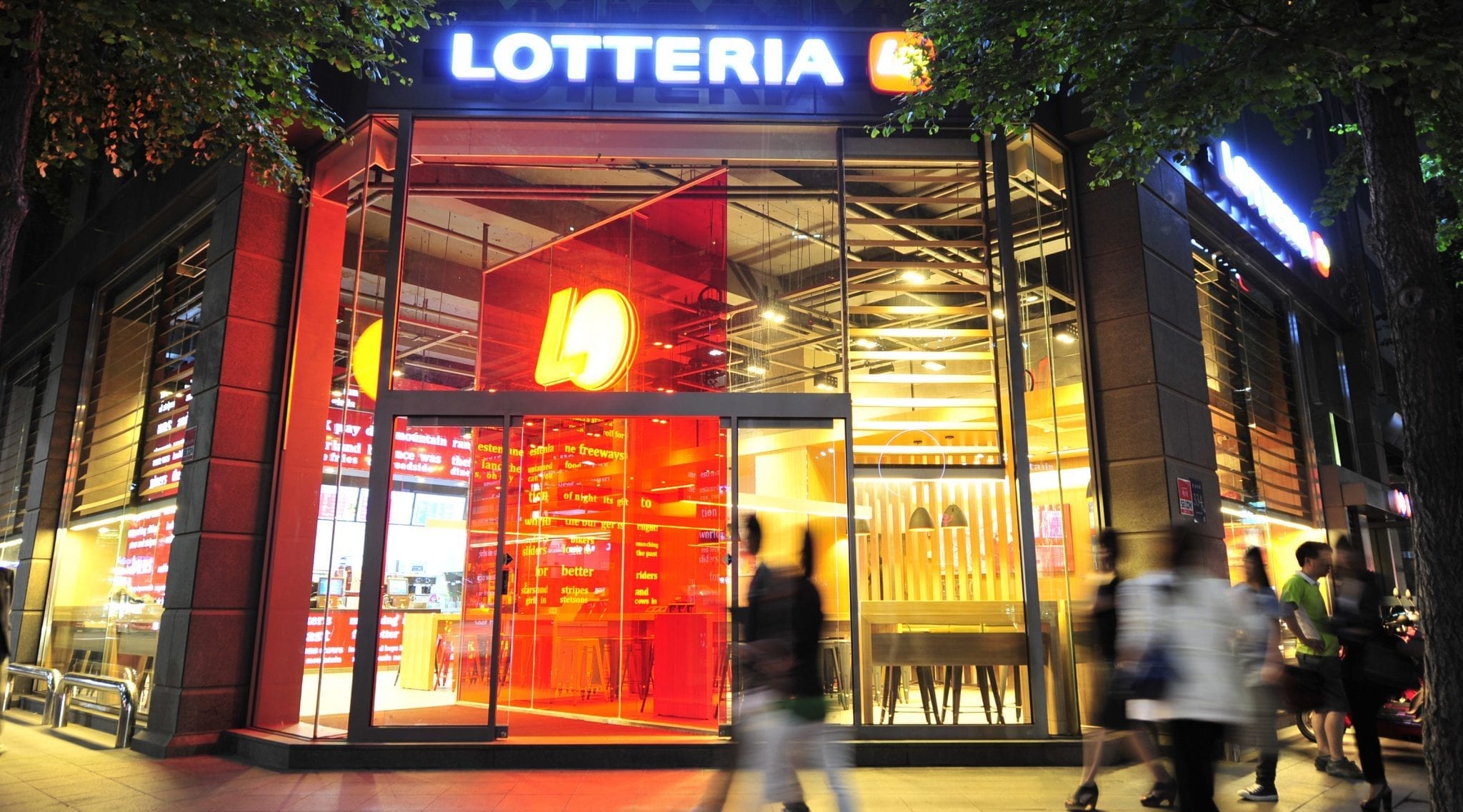
    Lotteria is raising burger prices. The fast food franchise announced Wednesday that it was going to raise the price of 11 of its burgers by an average of 2.2 percent. Its Teri Burger, for example, will now cost 2,300 won ($2.04), up from the original 2,000 won. The price of the Classic Cheese Burger will rise from 4,000 won to 4,200 won.

    “We have decided to increase prices due to economic factors, but hope to offer customers higher quality and service,” read a statement from the franchise.

    Cafe franchise Angel-in-us Coffee also announced it would raise prices of 17 of its beverages by an average of 2.7 percent, or 200 won. Both Lotteria and the cafe chain are operated by Lotte GRS, the food business subsidiary of Lotte Group.

    Angel-in-us cited higher prices of ingredients – like coffee beans and milk, as well as higher labor costs – for the beverage price hike.

  • Cheese tea bakery cafe Nayuki launches debut store in Singapore

    Cheese tea bakery cafe Nayuki launches debut store in Singapore

    Chinese tea bakery Cheese Tea Bakery Nayuki has launched its first overseas store at VivoCity. The popular brand, credited as a forerunner in pairing fruit teas with soft European-style bread items, is offering a one-for-one promotion to celebrate the opening. A wave of similar businesses has emerged within China and throughout the region following the brand’s business model.

    Cheese Tea Bakery Nayuki is entering the Singaporean market under a joint venture agreement with local bakery franchise BreadTalk Group.

  • Remodeled M&M’S World Shanghai reopened

    Remodeled M&M’S World Shanghai reopened

    M&Ms World Shanghai reopened yesterday in Shanghai Shimao International Plaza. The newly remodeled 1600sqm interactive store, which offers an immersive, personalised experience with the M&M brand to residents and tourists, remains the only one based in Asia.

    The store is part of the global M&Ms retail business, which includes My M&Ms’ e-commerce sites and a B2B channel in the US and Europe.

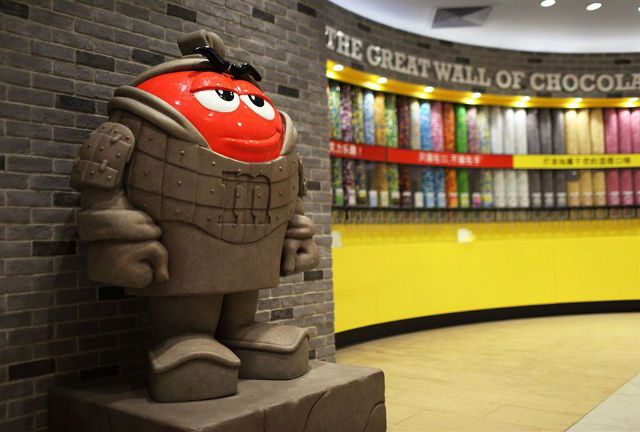
    The M&Ms World Shanghai experience store features a “Great Wall of Chocolate” made out of more than 1 million M&Ms, a personalised printer, and a device that scans customers to create a personalised M&Ms avatar. It also features an improved checkout experience that allows mobile payment options from Alipay, WeChat and Apple Pay.

  • Restructuring continue benefits 7-Eleven Malaysia

    Restructuring continue benefits 7-Eleven Malaysia

    New store openings are maintaining a modest 7-Eleven Malaysia sales growth rate – but improved margins are driving solid profit improvement. The listed convenience store operator released its third-quarter results on Friday, which showed third-quarter sales growth of 1 per cent and year-to-date growth of 1.3 per cent. But net profit was up 4.1 per cent for the quarter and 13.3 per cent year to date.

    CEO Colin Harvey said net profit grew 27.6 per cent quarter on quarter.

    “However, this is only the first step in the right direction towards where the organisation should be, and there is scope for improvement. I am confident that our strategy roadmap focussed on strengthening the key areas of, assortment, supply chain, operational excellence, store base, and digitally enabling the organisation will bear fruit in terms of financial performance, and overall customer shopping experience.”

    He said the group’s net revenue of RM1.66 billion year to date was driven by growth in new stores and consumer promotion activity.

    Continued store expansion has taken the network to 2259 stores.

    7-Eleven Malaysia expects trading conditions for the next quarter to improve with the anticipated heightened consumer sentiment.

    “We expect to see further improvements in the next quarter by pursuing our core strategy pillars of operations excellence, cost management and commercial innovation,” the company said.

  • Cafe Amazon preparing Coffee Shop concept to challenge Starbucks

    Cafe Amazon preparing Coffee Shop concept to challenge Starbucks

    Thai oil company PTT plans to spin off its Cafe Amazon division and build a coffee chain it says will one day rival Starbucks. The company says it will open 20,000 cafes globally, nearly 10 times the current network of 2300 outlets in Thailand, the Philippines, Laos, Cambodia, Myanmar and Japan.

    PTT will invest US$1.3 billion in the Cafe Amazon brand over the next five years to develop the franchise business.

    “We aim to build the Cafe Amazon into a top 10 global brand over the next five years,” said PTT Oil and Retail CEO Jiraporn Khaosawas.

    The move signals PTT’s turn towards the retail business at a time when it stands poised to be floated next year, initially into China and the Middle East via franchise partnerships.

    PTT announced plans earlier this year to sell off half of its retail holdings, which generate 20 per cent of the group’s profits, including takings of THB10 billion (US$303 million) from Cafe Amazon last year. The firm has declined to reveal how much it expects to raise in the floatation, although experts have valued the firm’s retail unit at roughly THB120 billion ($3.6 billion).

    PTT’s executive VP for the retail oil business Suchat Ramarch said: “We will not only expand Cafe Amazon, but we will also expand our petrol stations and our lube oil retail business. However, Cafe Amazon will be the highlight, with strong potential to grow.”

    Informed estimates suggest it would cost about THB2.3 million ($70,000) to open a Cafe Amazon shop in a PTT gas station, and from $100,000 to $300,000 for a stand-alone outlet.

  • Chai Point to open 20 more outlets by FY 2019

    Chai Point to open 20 more outlets by FY 2019

    Tea, which conquers 70 percent of the non-alcoholic beverage market in India, is unofficially the national beverage of the country. Tea lovers never shy away from enjoying a hot cuppa, be it any season or any time of the day. Even the social and emotional lives of Indians are linked with tea. In an effort to brew never-ending excitement around tea, Amuleek Singh Bijral took a plunge into the tea business around eight years ago and since then there has been no looking back.

    Talking about the retail mapping of the brand, Bijral says, “We are into an Omnichannel business and have close to 106 stores. Apart from this, we also have about 2,000 plus milk-based dispensers – boxC – installed at corporate houses and our own line of packaged
    products.”
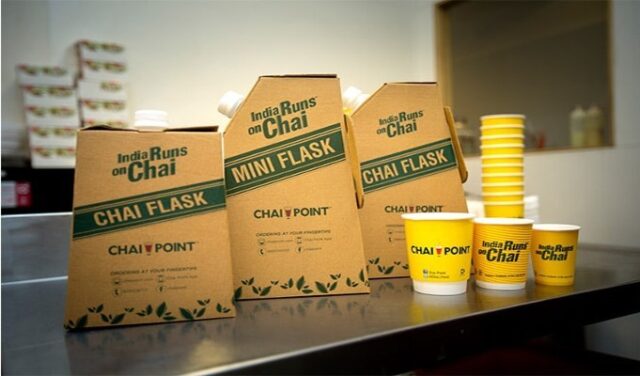
    “Going forward, we want to build a globally relevant tea platform and we are doing this with the help of our cloud-based platform – SHARK, which allows us to manage all our channels in a comprehensive fashion, connects to a common supply chain and allows us to serve customers their various demands and ensures to offer similar customer experience across all the channels,” he states.

    Initial Challenges

    According to Bijral, the initial challenges were to find the prime real estate locations as builders and landlords were not convinced about why such a concept would succeed when tea is available in every nook and corner of the city.

    “However, this notion has now changed over a period of time and the credit goes to customers who have become hygiene conscious and no longer enjoy having their tea on the roadside.”

    Marketing Strategy

    The beverage-centric brand, which gets 25-30 percent contribution towards its revenue from food, has never felt the need to do aggressive ATL spends as stores are their core brand platform.

    According to Bijral, all the brand’s spends are BTL-centric and that is the strategy Chai Point will continue to evolve and adopt.

    “Apart from this, we are very aggressive on digital awareness as our audience is digitally-savvy. We are centred around white-collared corporates and that is an area where our spends can be categorised as ATL and are likely to get more sophisticated and aggressive over time,” he explains.

    Technology Rules

    Bijral, who hails from a technology background, believes technology is an important part of the business. The tea lover has amalgamated technology with tea to provide a frictionless experience to customers.

    Explaining this further, Bijral states, “When customers enter the store, they do not want to stand in the queue, they do not want to punch in numbers to give their loyalty code, they do not want to carry loyalty cards in their wallet, but they want to be served at the earliest possible, so how will the brand solve all these problems? The answer to this problem is facial recognition.”

    “We have successfully piloted facial recognition across five stores and now we are at a stage where we are confident enough of rolling it out across other stores,”says Bijral.

    Even the loyalty program of the brand – PrioriTea – bets big on technology by combining facial recognition with Artificial Intelligence to offer enhanced experience to customers.

    Future Plans

    Singh explains, “ There is an immense opportunity in the tea business. Iced Tea which is a huge market abroad has not even opened up in India.”

    The brand is planning to open 20 more outlets in the next three to four months. As of now, all the outlets are company-owned and company-operated and going further, Chai Point will continue with the same operating model.

    “The brand is still at a relatively nascent stage and we believe that we need to have our own store to cement the system, processes and more importantly aggressively redefine and improve customer experience,” asserts Bijral.

    “Stores remain core to our brand. Delivery and boxC are faster-growing segments, which support the store format,” he adds.

    At present, stores and delivery from stores contribute 56 percent to the total revenue, 4 percent comes from packaged food business and the remaining 40 percent from BoxC business.

    “We have been operating profitable for last six years. We are aiming to be EBITDA level 100 percent profitable by this fiscal-end, covering all the expenses that we have taken towards our Omnichannel growth,” reveals Bijral.

    On a run rate basis, the brand is targeting Rs 200 crore by the end of fiscal.

  • Brewhouse Ice Tea secures US$ 2 mn loan

    Brewhouse Ice Tea secures US$ 2 mn loan

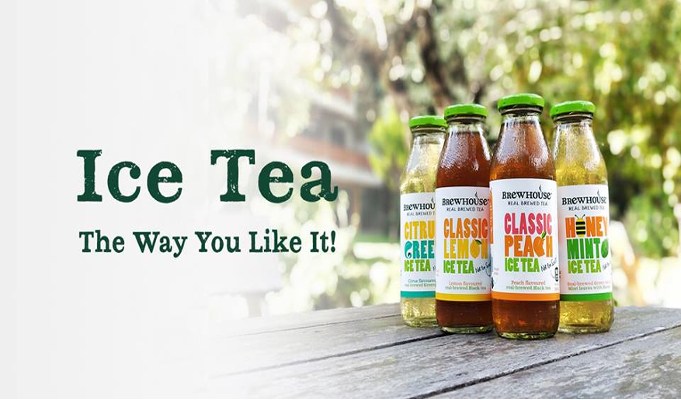
    Bottled ice tea brand Brewhouse Ice Tea Monday said it has secured US$ 2 million loan from Singapore-based FMCG firm Food Empire Group to expand its footprint and product offerings. Food Empire Group had previously invested US$ 6,00,000 in Positive Food Ventures in November 2017. Positive Food Venture Pvt Ltd, maker of bottled ice tea brand Brewhouse, has secured a loan of US$ 2 million from Food Empire Holdings, the company said in a statement.

    “Currently, we are present at over 2,000 points of sale in major cities and are expanding our operation pan India. We plan to invest the loan amount from Food Empire Group towards expanding our reach to 10,000 points of sale in 2020 and to introduce newer and interesting variants,” Siddharth Jain, Founder, Brewhouse Ice Tea said.

    The brand started operations in Delhi in May 2017 and at present has presence in over 10 cities, including Delhi, Chennai, Bangalore, Mumbai, Pune, Kolkata, Hyderabad, Jaipur, Chandigarh, Lucknow and are retailing with over 300 restaurant and cafe partners.

  • Tealive makes debut with opening first store in China

    Tealive makes debut with opening first store in China

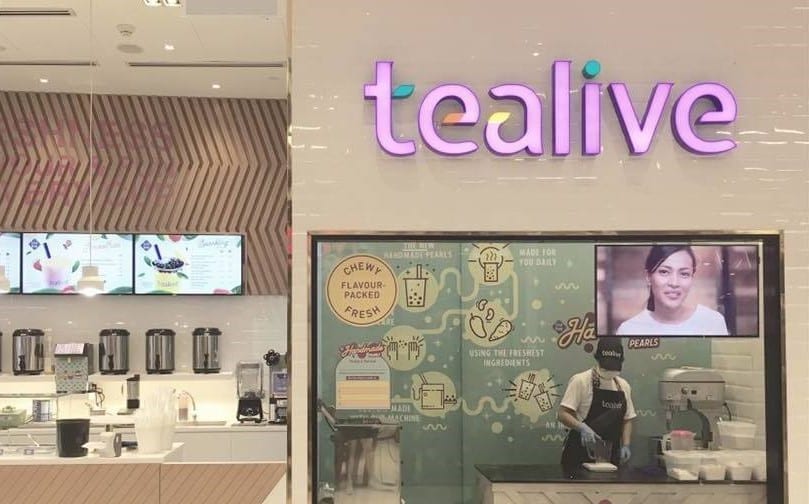
    Malaysian bubble-tea brand Tealive has launched the first of 500 stores planned for China. Located inside SML Center in Shanghai’s Huangpu district, the store attracted long queues on the opening day. “With China being the world’s largest tea market and the fourth overseas market for Tealive, we decided to create a specific menu for China to showcase Southeast Asian ingredients including durian, cempedak, gula melaka, Bentong ginger and Sabah-origin tea,” said Tealive’s parent company Loob CEO Bryan Loo.

    “More outlets will be opened in Shanghai and we plan to have 20 outlets in China by June next year,” he added.

    Loob had entered into a joint venture with two Chinese companies, Zhejiang Boduo International Trade and Shanghai Panfei International Trade to open 500 stores in China within three years.

    After the dispute with Chatime, Tealive has expanded to overseas markets. It entered Vietnam last October, and now has six stores in the country, with two more planned by the end of this year.

    The brand also expanded into Australia in July, with its first store opening in Melbourne.

    In India, Loob has appointed a master franchisee with the target of opening 200 outlets within five years.

  • Food firms hope to feast on snack sales in Vietnam

    Food firms hope to feast on snack sales in Vietnam

    Vietnamese companies are hoping to make big bucks selling popular foods like fried chicken and crispy pork skin. Nguyen Ngoc An, general director of Vietnam Livestock Industry Company (Vissan), sees great potential in the snacks market. He is not referring to potato chips, but to fresh food made with chicken and pork.

    “Deep-fried pork skin, seaweed dried chicken and pha lau (pork meat and offal braised in a spiced stock) are favorite dishes among young people,” he said.

    “Such snacks will be a good source of revenue for the company in the near future.”

    Already in the market, Saigon Food JSC has released more than 10 fresh snack products, including rice paper pancakes, corn fried shrimps, and tamarind fried balut eggs, which are selling very well.

    Le Thi Thanh Lam, deputy general director of Saigon Food, said that the company’s products are sold at 7-Eleven convenience stores in Ho Chi Minh City.

    “In the near future, we will be exploring new product lines that fit the tastes of consumers to expand the snacks segment,” she said.

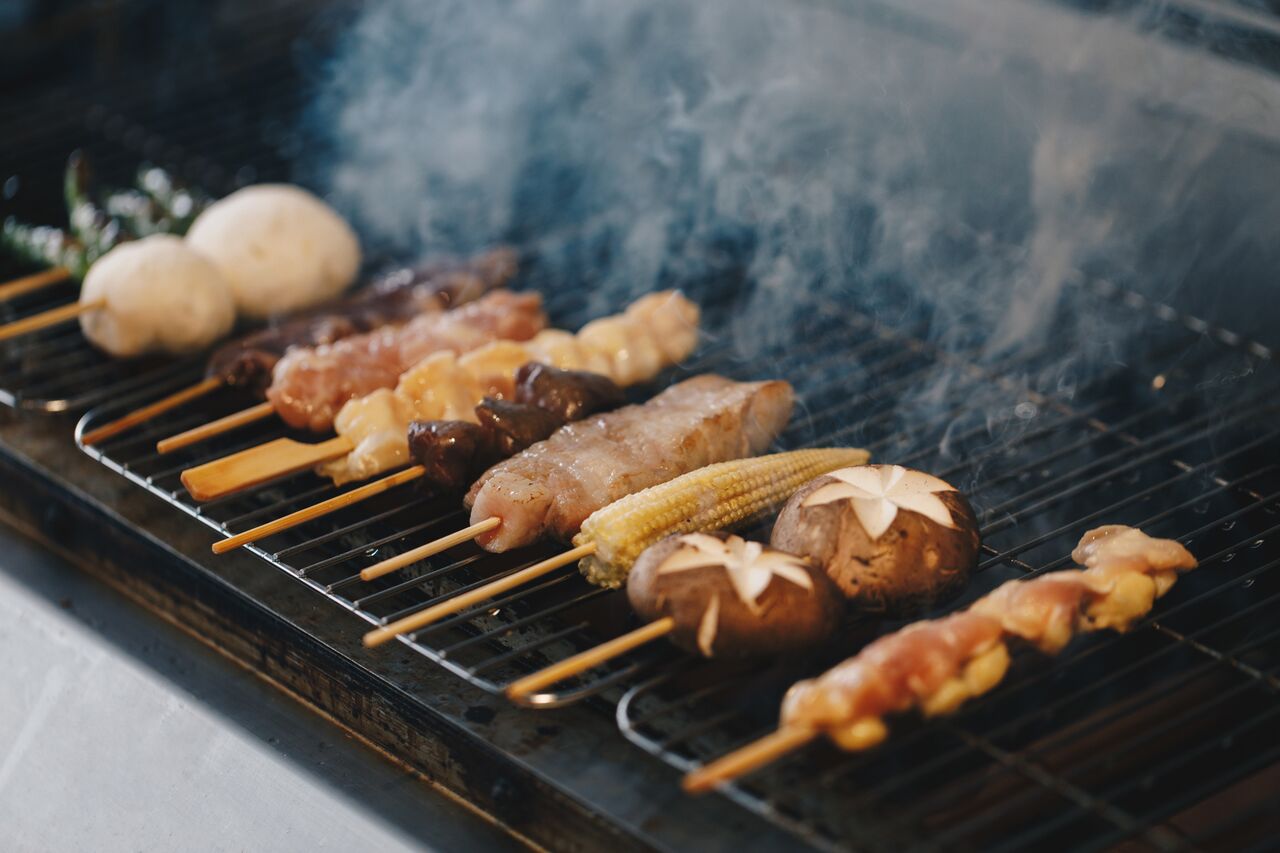
    A leading producer of poultry eggs, Ba Huan JSC has also latched on to this trend, launching a group of snack products including spicy chicken legs, skewers, sausages, and omega 3 flan.

    Pham Thanh Hung, deputy general director of the company, said these snacks are new to the market, but sales are quite high. Most of the products are sold in supermarkets or convenience stores. Spicy chicken legs are most liked, he said.

    Vinh Dat Food JSC, which introduced fresh snacks into the market before any of the above companies, said that initially, processed egg products such as balut egg stew, preserved black eggs and braised eggs saw slow consumption.

    But by 2017, explosive growth of this segment forced the company to invest in more production facilities to meet demand. In the coming months, the company will develop more soft-boiled egg products and wholesale various types of braised eggs to restaurants.

    The latest survey carried out by market research firm Decision La shows that on average Vietnamese youth spends VND13 trillion ($556.53 million) on snacks every month.

    And according to statistics by London-based market research firm Euromonitor, by the end of 2016, Vietnam had about 149,000 food kiosks on the streets, including mobile vans or fixed in front of houses, which earn about VND46.9 trillion ($2.01 billion) per year.

  • Philippine’s La Lola to open in Singapore

    Philippine’s La Lola to open in Singapore

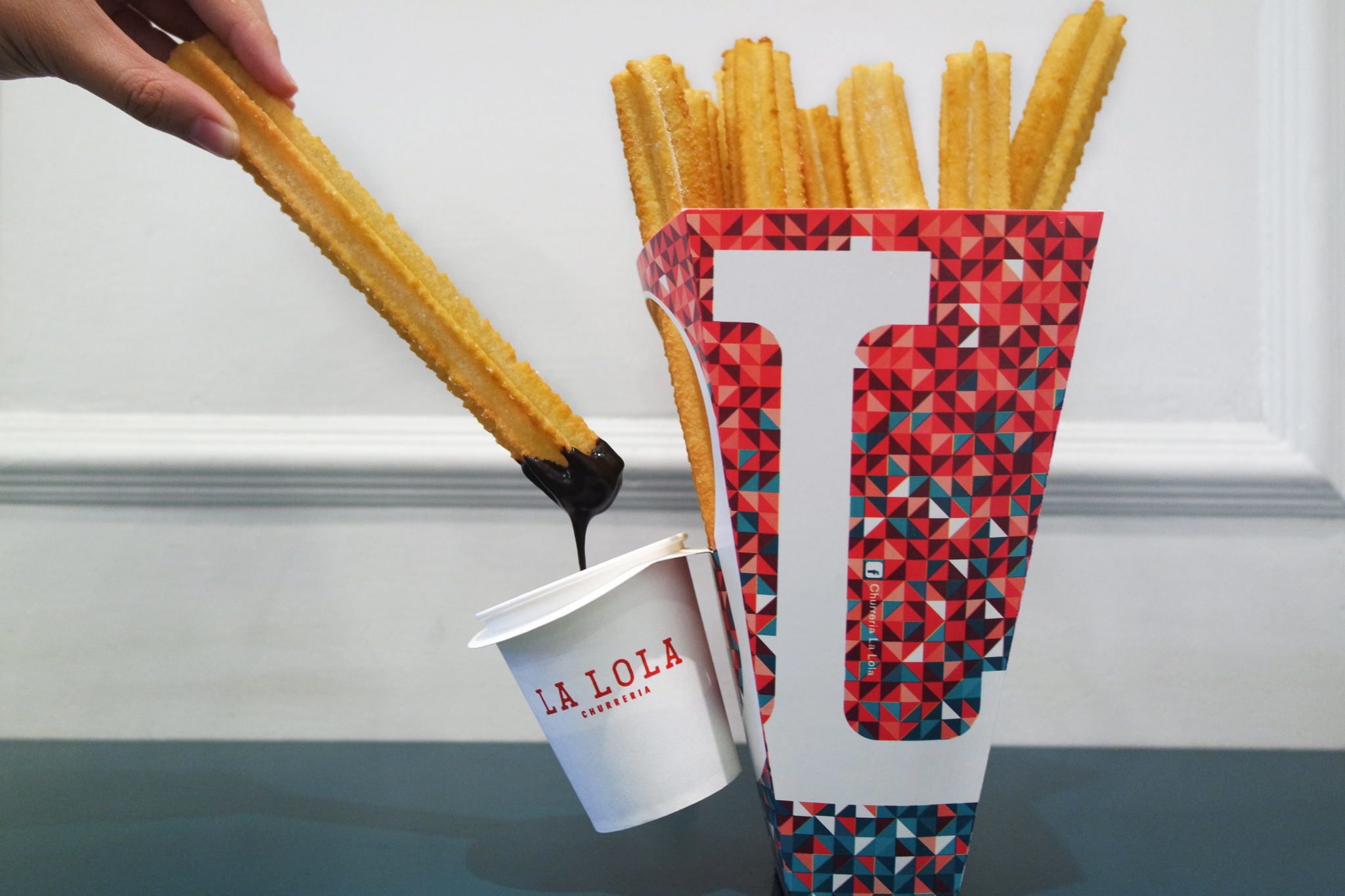
    La Lola Churreria will soon open its first store in Singapore at Clarke Quay Central. The Brazilian-inspired food-retailing concept is being brought to the city by MFT Group of the Philippines, in partnership with Bistronomia which opened the first La Lola store in the upmarket Manila Power Plant Mall at Rockwell.

    The Clarke Quay site was chosen for its close proximity to the MRT and bus stations.

    MFT Group chief marketing officer Chiqui Tan said the company chose Singapore because of locals’ dessert-driven palette and openness to new concepts.

    A former employee of the Philippines’ SM group, Tan says she has been watching La Lola with interest for several years.
    “We’ve been fans of the brand ever since they started. We thought it was genius that something so simple can be done so well. I saw the speed and the scale they grew the brand,” she said in an interview.

    “La Lola churros are so global in flavour that [the concept] can be taken anywhere and will have a strong chance of succeeding,” she said.

    The two companies are planning multiple outlets across Singapore and MFT Group is also actively looking for more food concepts to launch.

    The MFT Group, a private equity investor, has already successfully taken Singaporean chain Salad Stop to Spain. And it plans to open branches of that brand in Vietnam soon.

  • Naganuma Ice to make Singapore debut

    Naganuma Ice to make Singapore debut

    Hokkaido soft serve ice cream franchise Naganuma Ice Co is opening in Singapore. The brand is distinguished as the sole Hokkaido firm certified by the prefecture’s authorities for using raw Hokkaido milk in their ice cream products. The milk is sourced from ranch cows near Naganuma town before being transported immediately to the brand’s factory for low-temperature pasteurisation.

    Naganuma’s three stores in Hokkaido and three in Taiwan regularly see hour-long queues for the ice creams, produced with the raw milk and eggs.

    The new outlet launches November 25 at Carlton City Hotel.