Retail News CRM

Tag: Social

  • Citi Banks on Vietnam’s Potential for Expanding Social Finance Sector

    Citi Banks on Vietnam’s Potential for Expanding Social Finance Sector

    Jorge Rubio Nava, Global Head of Citi Social Finance, recently outlined Citi’s global role in social finance and the prospects for growth in Vietnam and throughout Asia.

    Citi’s Impact in Social Finance

    Since its establishment in 2005, Citi Social Finance has been primarily focused on microfinance, later branching out to finance that enhances access to crucial services for overlooked communities. The venture has successfully mobilized over US$19.7 billion, positively impacting 22.7 million low-income and underserved families, including 12.3 million women in over 50 emerging markets.

    In 2021, the bank introduced its Global Social Finance Framework and, three years later, issued a $3 billion Social Finance Bond. Social finance’s goal is not just to provide funds but also to assure that these funds reach communities where they can foster inclusive economic development.

    Citi defines social finance as supporting projects that enhance access to vital services for underserved populations. This includes affordable infrastructure, housing, economic inclusion, education, food security, and healthcare. Each transaction under this umbrella is scrutinized against pre-set criteria and anticipated social outcomes, with the bank having developed internal guidelines for eligibility, financing structures, and impact measurement.

    Opportunities in Vietnam

    In Vietnam, Citi recently finalized two social trade finance transactions with BIDV and MB. These deals spotlight the significant opportunities in the country, where micro, small, and medium-sized enterprises (MSMEs) contribute more than 45% to GDP and over 60% to employment.

    Citi provided over $100 million in social trade advance facilities to BIDV and MB, intended to bolster the banks’ lending to MSMEs for working capital and income-generating activities. This contributes to business expansion and job creation. These transactions also showcased how social finance can be amplified through collaborations with local financial institutions.

    In addition to their banking partnerships, Citi is also engaging with corporate clients, such as a Vietnamese coffee company. Through a financing arrangement, they are supporting the company’s working capital while also helping expand market access for smallholder coffee farmers via its supply chain.

    Questions & Answers

    What was the purpose of Jorge Rubio Nava’s recent trip to Vietnam?
    The purpose of the visit was to engage with corporate clients and financial institutions to explore how social finance can aid in business growth.

    What is required for social finance to develop further in Vietnam and Asia?
    Continued client demand, transparency in the use of proceeds, measurable outcomes, consistent reporting, and scalability are crucial for the growth of social finance in the region.

    Does Citi plan to continue expanding its social finance activities in Vietnam and other parts of Asia?
    Yes, Citi intends to keep growing its social finance activities in Vietnam and Asia by partnering with clients to develop financing solutions that merge commercial viability with measurable social impact.


  • Revolution in Digital Age Verification: Child Safety Advances Amid Global Social Media Clampdown

    Revolution in Digital Age Verification: Child Safety Advances Amid Global Social Media Clampdown

    In recent years, technology firms have been reluctant to constrict minors’ access to their platforms, citing technical constraints, practicality issues, overreach, and security threats. However, an increasing number of governments are now viewing these challenges as surmountable and are moving forward with stringent new age-verification requirements for social media networks, AI chatbots, and adult content providers alike.

    Global Regulatory Shifts

    Following Australia’s notable prohibition on adolescent social media accounts three months ago, regulatory bodies across Europe, Brazil, and several U.S. states are seeking to replicate the move. High-profile political figures such as California Governor Gavin Newsom and former President Donald Trump have also reportedly shown interest in implementing age restrictions.

    The driving forces behind these regulatory changes are mounting anxieties over online abuse and adolescent mental health issues, recent outrage over AI-generated explicit images of children, and a growing faith in the potential of ‘age assurance’ software. Such software can estimate an individual’s age based on facial analysis, parental permission, ID checks, and other digital hints.

    Technological Advancements and the Age Assurance Market

    Recent strides in artificial intelligence have enhanced the efficiency and reduced the cost of age-verification tools. Social media enterprises can now often accurately determine a user’s age group using digital indicators such as the account creation date and the type of content viewed. Meanwhile, an emerging industry of age-verification vendors offers added layers of checks through automated tools like facial scans and machine-based analysis of government IDs.

    App store platforms like Apple and Google have also introduced tools that enable parents to communicate their child’s age range to app developers. This overall improvement in technology and the resultant drop in verification costs have expanded the scope of its application.

    Cost and Effectiveness of Age Verification

    Age-verification vendors usually charge less than a dollar per check for basic machine-only age-assurance tools. Traditional methods that were standard a decade ago, such as human confirmation and triangulation of personal data, are still available at a premium but are needed less frequently. Furthermore, independent evaluations show progress in the accuracy and precision of these tools.

    For example, face-scanning software was off in age estimations by an average of 4.1 years in 2014, while by 2024, this average has dropped to 2.5 years. The latest models from vendors like Yoti and Persona boast of an average error of less than two years for the age range of 13 to 18.

    Challenges and Limitations

    Despite these advancements, there are still limitations. The systems face difficulties with certain skin tones and older phones. Also, they might fail to catch attempts by youngsters to appear older than they are. However, executives believe that facial age estimation can offer a digital equivalent of offline age screening.

    Adding to this, social media services generally require fewer facial scans and ID checks than adult content or gambling sites due to the abundance of personal information they have on users. This allows them to depend more on an age-verification method called ‘inference’.

    Early Implementation Results

    While it’s too early to assess the full impact of Australia’s teen ban, preliminary results are promising. According to Australia’s eSafety Commissioner, companies have blocked 4.7 million suspected underage accounts since the law came into effect. Regulators in other countries are closely monitoring these developments as they consider implementing similar measures.

    Questions & Answers

    What are some of the driving forces behind the implementation of age verification measures?
    Concerns over online abuse, adolescent mental health issues, and the spread of AI-generated explicit child images have all contributed to the push for stricter age verification measures.

    How have technological advancements influenced the age assurance market?
    Advancements in artificial intelligence have improved the efficiency and lowered the cost of age-verification tools. This has broadened the scope of their application beyond high-value transactions.

    What limitations do current age-verification systems face?
    Current age-verification systems can struggle with certain skin tones and older phones. They may also fail to catch attempts by youngsters to appear older than they are. These challenges highlight the need for ongoing refinement and improvement in this technology.

  • Unmasking the Mystery: Instagram Clarifies Source of Unsolicited Password Reset Emails

    Unmasking the Mystery: Instagram Clarifies Source of Unsolicited Password Reset Emails

    Instagram users have recently been reporting an influx of unsolicited password reset emails. Instagram has now responded by stating that these emails are the result of an internal glitch, not a security breach.

    Instagram’s Response to Password Reset Emails

    Instagram has clarified that the unusual password reset emails received by its users were due to a software glitch. This clarification came after numerous users voiced concerns about the possibility of their accounts being compromised.

    The company categorically denied that there had been any major security breach, countering last week’s claims that it had suffered a data breach. It was previously suggested that sensitive information of 17.5 million Instagram users, including usernames, email addresses, phone numbers, and physical addresses, was being offered on the dark web.

    In their statement, Instagram did not elaborate on the nature of the software issue that resulted in these emails being sent out. However, they assured users that there had been no breach of their systems and that user accounts are secure. Users were advised to disregard the password reset emails.

    Advice for Users

    Regardless of Instagram’s assurance, users are always encouraged to exercise caution when dealing with their account security. It is a standard security practice to ignore and delete any unsolicited password reset emails, without clicking on any links they may contain.

    To enhance account security, users should employ unique passwords for each of their accounts, and change these on a regular basis. In addition, enabling two-factor authentication provides an extra layer of security. Instagram users can check the devices logged into their account via the Meta Account Center, helping identify any potential security issues.

    Unresolved Issues

    Despite Instagram’s reassurances, there are still unanswered questions surrounding this incident. The company has not explained how external parties could have sent out authentic password requests, or who these external parties may be. Many hope that Instagram will provide more clarity on this issue, although it remains uncertain whether they will do so.

    Questions & Answers

    What were the email notifications Instagram users received?
    Users reported receiving unsolicited emails prompting them to reset their Instagram passwords.

    Did Instagram confirm a data breach?
    No, Instagram categorically denied any data breach, attributing the password reset emails to a software glitch.

    What should users do if they receive unsolicited password reset emails?
    Users are advised to delete such emails without clicking on any links they contain. It is also recommended to have unique passwords for each account and to regularly change these passwords. Enabling two-factor authentication is another suggested security measure.

  • Malaysia Tightens Digital Safety Nets: ID Checks and Under-16 Social Media Ban on the Horizon

    Malaysia Tightens Digital Safety Nets: ID Checks and Under-16 Social Media Ban on the Horizon

    Beginning in 2026, Malaysia will prohibit individuals under 16 years old from registering for social media accounts. Communications Minister Datuk Fahmi Fadzil emphasized this government initiative during a recent cyber scam awareness seminar, highlighting the goal to enhance online safety for minors. Consequently, from next year onwards, social media platforms will need to introduce identity verification procedures to confirm that their users meet the requisite age threshold.

    Global Safety Measures

    Fadzil clarified that this new regulation, which restricts social media usage for individuals younger than 16, is set to be implemented in Australia in the coming month. Malaysia will be monitoring the effectiveness of similar initiatives in other nations to inform the development of its own safeguards.

    This strategy forms an integral part of a wider campaign to guard Malaysian children under the Online Safety Act, which will take effect from January 1, 2026. Fadzil also advised parents to promote their children’s participation in outdoor activities to reduce their screen time on digital devices, while simultaneously supervising their usage of these technologies.

    Raising the Age Limit

    The Malaysian Cabinet resolved last month to increase the minimum age for social media users to 16, a rise from the formerly proposed age of 13. This decision also necessitates that social media platforms authenticate users’ ages during the registration process using official identification documents like the MyKad, passports, and MyDigital ID. Furthermore, the Cabinet debated the formation of a dedicated task force to detect issues impacting schools across the country.

    Prime Minister Datuk Seri Anwar Ibrahim also disclosed that the Cabinet is contemplating prohibiting smartphone usage for those under the age of 16.

    Questions & Answers

    What is the new minimum age for social media registration in Malaysia from 2026?

    The new minimum age for social media registration in Malaysia will be 16 years old from 2026.

    Why is the Malaysian Government introducing this regulation?

    The Malaysian Government is introducing this regulation to enhance online safety for minors, reducing their exposure to potential cyber threats.

    What measures will social media platforms need to take?

    Social media platforms will be required to implement identity verification measures during registration to confirm the age of users. This may involve the use of official identification documents such as the MyKad, passports, or MyDigital ID.

  • Malaysia Amplifies Youth Online Safety: Social Media Age Limit Raised to 16 with Mandatory ID Checks from 2026

    Malaysia Amplifies Youth Online Safety: Social Media Age Limit Raised to 16 with Mandatory ID Checks from 2026

    Starting from 2026, Malaysia has decided to raise the age restriction for social media registration to 16 years old. This decision was announced at a recent cyber scam awareness seminar, led by Minister of Communications, Datuk Fahmi Fadzil. The Malaysian government has expressed its commitment to safeguarding children online, and these steps are part of that pledge.

    Identity Verification and Age Restrictions

    Social media platforms will be required to put identity verification measures into place. The aim is to ensure that young users meet the revised age limit. Datuk Fahmi Fadzil explained that a similar regulation has already been planned for implementation in Australia, and that Malaysia will study and learn from the implementation strategies of other countries to develop the most effective practices.

    This initiative is part of an overarching plan to safeguard Malaysian children online. This plan will become law with the Online Safety Act, which will be effective from January 1, 2026.

    Guidance for Parents

    Parents have been encouraged to promote outdoor activities for their children and to monitor their usage of electronic devices closely, in order to reduce screen time. The intention is to cultivate healthier habits in children and to prevent them from becoming overly reliant on digital media.

    Addressing Social Media Use in Schools

    Last month, the Malaysian Cabinet proposed an increase in the minimum age for social media users to 16, a change from the previously suggested age of 13. In order to ensure this, social media platforms will need to verify the ages of users during registration using official identification documents such as MyKad, passports, and MyDigital ID.

    Furthermore, the Cabinet reviewed the idea of establishing a special task force to identify and address issues that schools across the country might be encountering due to the use of social media among students. In line with these discussions, Prime Minister Datuk Seri Anwar Ibrahim has disclosed that the Cabinet is also considering imposing a ban on smartphone usage for individuals below the age of 16.

    Questions & Answers

    Q: What changes are being made to social media registration in Malaysia?
    A: From 2026, the minimum age for social media registration in Malaysia is being raised to 16 years. Social media platforms will also be required to implement identity verification measures during registration.

    Q: What is the purpose of these changes?
    A: These changes are part of the Malaysian Government’s plan to protect children online. The measures are intended to ensure that young users meet the age requirement for social media usage.

    Q: What else is the Malaysian government considering to protect children online?
    A: In addition to the changes in social media registration, the Malaysian government is considering the establishment of a task force to address issues arising in schools due to students’ use of social media. There are also discussions about potentially banning smartphone usage for those under 16 years old.

  • Meta Triumphs in FTC Monopoly Lawsuit: Federal Judge Rules in Favor of Social Media Giant

    Meta Triumphs in FTC Monopoly Lawsuit: Federal Judge Rules in Favor of Social Media Giant

    In a significant legal triumph, technology giant Meta saw a favorable ruling from a federal judge in a lawsuit filed by the Federal Trade Commission (FTC). The lawsuit pertained to Meta’s acquisitions of Instagram in 2012 for $1 billion and WhatsApp in 2014 for $21 billion, comprising cash and Meta (formerly Facebook) stock. The final purchase price for WhatsApp had initially been $19 billion, but a surge in the Meta shares propelled it up to $21 billion.

    Monopoly or Fair Competition?

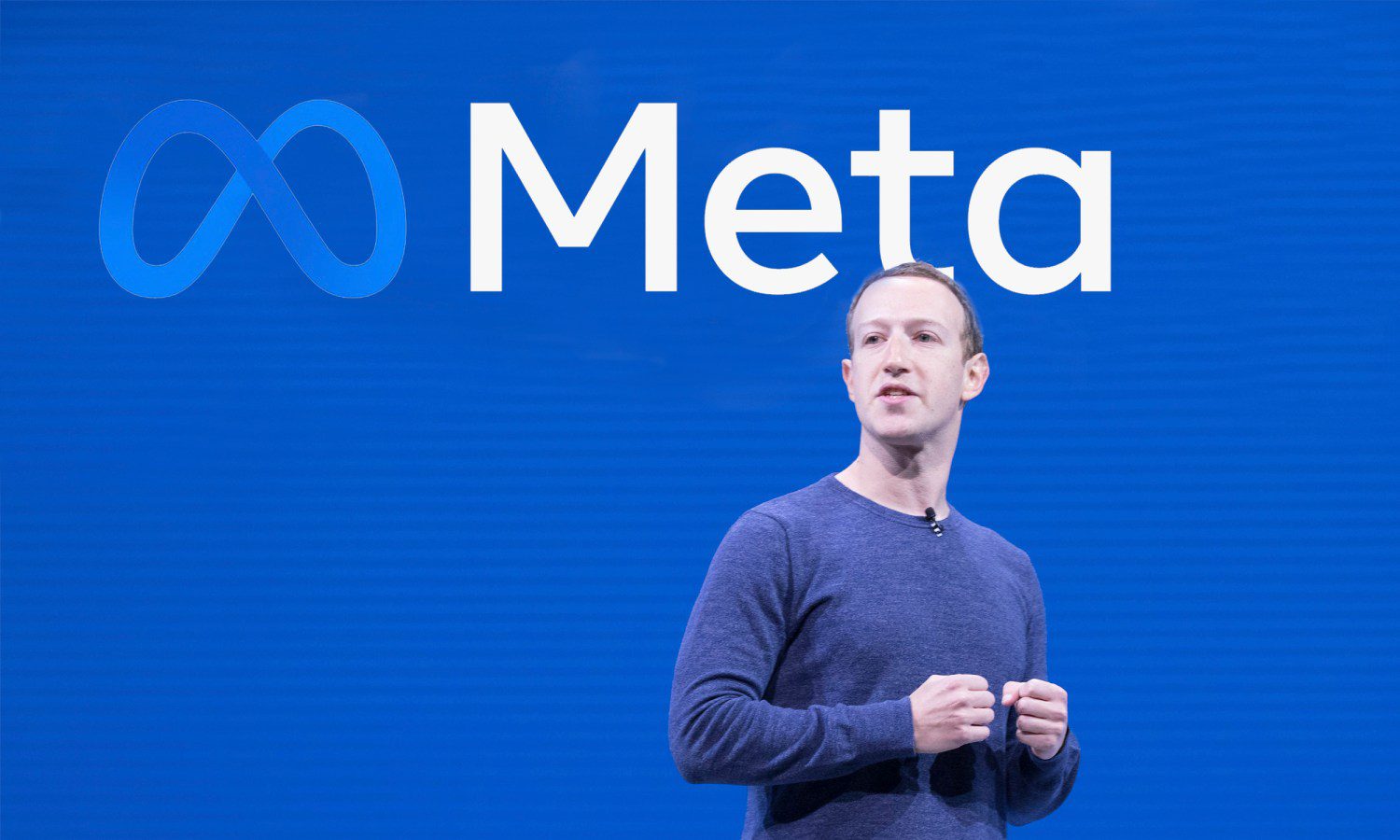
    The FTC’s contention was that Meta, which changed its brand name from Facebook in 2021, acquired these two prominent social media platforms to eliminate competition. The regulatory body viewed these acquisitions as possible infringements of anti-trust legislation. The seven-week trial witnessed the testimony from Meta’s founder, chairman, and CEO, Mark Zuckerberg, who posited that Meta faces stiff competition from other platforms such as YouTube and TikTok.

    These statements managed to draw the attention of Federal Judge James Boasberg, who in his ruling pointed out that YouTube and TikTok prevent Meta from monopolizing social media. He also highlighted that the dynamics of the social media market have transformed significantly since the FTC’s lawsuit was filed, with AI being the most notable shift. The judge argued that AI-generated content nullifies the FTC’s concerns, concluding that Meta does not hold a monopoly in the relevant market.

    Meta’s Market Share and Competition

    Judge Boasberg’s ruling stated that Meta’s apps only account for a “modest share” of the overall time spent on social media, which includes platforms like Facebook, Instagram, Snapchat, TikTok, and YouTube. The judge noted that this share is on a downward trend, and even excluding YouTube’s share, Meta would not constitute a monopoly. Boasberg’s ruling also acknowledged that TikTok, considered by Meta as its primary competitor, managed to penetrate the market a mere seven years ago and has been dominating the sector ever since.

    Reacting to the decision, Jennifer Newstead, Meta’s Chief Legal Officer, emphasized the beneficial nature of their products for people and businesses, and their embodiment of American innovation and economic growth. She expressed eagerness to continue collaborating with the Administration and to contribute to the country’s investment landscape.

    Instagram Acquisition and Market Valuation

    Meta’s acquisition of Instagram could be regarded as one of the most profitable tech deals in history. Instagram’s current estimated valuation ranges from $441 billion to $538 billion. Initially known for its ephemeral messages, Instagram gained user traction when people began using it to share photos of their meals. Instagram’s popularity soared when it incorporated the ‘Stories’ feature from Snapchat.

    Significance of Instagram and WhatsApp for Meta

    Meta argued during the trial that a forced breakup would have been catastrophic for the company. Instagram generates ad revenue for Meta, while WhatsApp provides business subscribers and enhances Meta’s international reputation. Zuckerberg also admitted that Facebook, the company’s flagship platform, is losing popularity. Meta’s argument that regulators had already approved the Instagram and WhatsApp acquisitions when initially proposed was also a crucial point in their defense.

    The Broader Tech Industry Implications

    This victory has considerable implications not only for Meta but also for the larger tech industry, as U.S. regulators have attempted to dismantle Google. The tech behemoth has been deemed a monopoly in two cases, one concerning the company’s search engine and the other its online advertising business. Other tech firms such as Apple and Amazon are also facing scrutiny from the government.

    Questions & Answers

    Why did the FTC sue Meta over its acquisition of Instagram and WhatsApp?
    The FTC claimed that Meta’s acquisitions of Instagram and WhatsApp were attempts to eliminate competition, which they viewed as a violation of anti-trust laws.

    What was Judge James Boasberg’s ruling on the case?
    Judge Boasberg ruled that Meta did not hold a monopoly in the relevant market. He noted that other platforms, such as YouTube and TikTok, prevent Meta from monopolizing social media.

    What is the significance of this ruling for the larger tech industry?
    This ruling is significant not just for Meta, but for the broader tech industry. With U.S. regulators attempting to dismantle other tech giants like Google, Apple, and Amazon, this victory could set a precedent for upcoming cases.

  • Trump’s Truth Social Teams Up with Crypto.com to Revolutionize Online Engagement through Prediction Markets

    Trump’s Truth Social Teams Up with Crypto.com to Revolutionize Online Engagement through Prediction Markets

    Donald Trump’s media company, Trump Media & Technology Group, is set to introduce a new dimension to online engagement through a partnership with Crypto.com. The alliance aims to merge social media, fintech, and prediction trading, a move that could potentially reshape the realm of online interaction.

    Expanding into Prediction Markets

    Trump Media & Technology Group, the organization responsible for the social media platform Truth Social, has recently divulged plans to venture into prediction markets. Leveraging an exclusive collaboration with Crypto.com Derivatives North America (CDNA) – a registered exchange and clearinghouse – Truth Social will pioneer a global first for social media platforms by integrating prediction markets into the user experience.

    The innovative product, dubbed “Truth Predict”, will provide a platform for users to prognosticate a broad spectrum of outcomes. Whether forecasting results of U.S elections or speculating on interest rate decisions, gold prices, inflation figures, or significant sporting events, users will be able to monitor these predictions in real time.

    Transforming Social Dialogue into Market Forecasts

    “Truth Predict will enable our committed users to delve into prediction markets with a reliable network, while also making use of our social media platform to offer entirely unique methods for discussing and comparing their forecasts,” commented Devin Nunes, Chairman and CEO of Trump Media.

    Having amassed over 3 billion dollars in financial assets and achieved a positive cash-flow in its first quarter after becoming a public entity, Trump Media appears to be well-prepared to expand its fintech objectives. Nunes emphasized that the integration epitomizes the company’s aim to “democratize information” and empower users to convert free speech into “actionable foresight.”

    Legally Compliant Approach

    The newly-developed feature will operate within a legally compliant framework courtesy of its partnership with Crypto.com’s CDNA unit. This will provide US users with lawful access to event contracts concerning politics, economics, and financial markets. CDNA’s regulated structure facilitates seamless participation for Truth Social users, effectively bridging the divide between social commentary and capital markets.

    Beta Testing and Global Expansion

    Truth Predict is set to undergo Beta testing on Truth Social ahead of a complete US launch. Upon satisfying regulatory requisites, Trump Media intends to introduce the service on a worldwide scale. If the launch proves successful, Truth Predict could signify the dawn of a new era in online user interaction, merging real-time opinion sharing, market sentiment, and financial involvement on one unified platform.

    Questions & Answers

    What is the primary objective of Trump Media’s partnership with Crypto.com?
    The main aim is to merge social media, fintech, and prediction trading, potentially redefining the online engagement landscape.

    What will the new product “Truth Predict” offer to the users?
    “Truth Predict” will enable users to forecast a wide range of outcomes and monitor these predictions in real time.

    What is the long-term plan for the launch of “Truth Predict”?
    After Beta testing on Truth Social and a full US launch, Trump Media plans to roll out the service globally, subject to regulatory compliance.

  • Overnight Race for Affordable Housing: Hanoi Residents Brave the Cold for a Shot at Social Accommodation”

    Overnight Race for Affordable Housing: Hanoi Residents Brave the Cold for a Shot at Social Accommodation”

    In a show of high demand for affordable housing in Hanoi, individuals queued overnight during the past weekend to submit their applications for the social housing project, Calyx Residence. With the limited quantity of 466 apartments available in the development, applicants arrived well before the submission start time at 8:30 am on Sunday, in hopes of securing their chance at purchasing a home.

    Braving the Cold for a Chance at a New Home

    Applicants prepared for a long wait, bringing along food and water to endure the overnight queue in Hanoi’s chilly weather that dipped to 18-19 degrees Celsius. Among those was Tuan, a freelance worker, who arrived as early as 11 pm on Saturday to secure his place in line. Reflecting on the experience, he noted that just a few minutes could have been the difference between his application being accepted or rejected, making the overnight wait a necessary hardship.

    By 6 am on Sunday, the queue had significantly grown. Bich, a resident of Phuc Thinh Commune, arrived at 7 am with her husband, only to find a considerably long line already formed. Despite the high demand that exceeded morning application numbers, those unable to submit their applications were allowed to register and apply the next day.

    Providing Comfort in the Wait

    The Ministry of National Defense’s 319 Corporation, the project developer, acknowledged the situation and provided amenities such as tarps for shelter, drinking water, and dry rations for the people waiting in line.

    The Calyx Residence project, which started construction late last year, is set on a 1.5-hectare plot. It will consist of four nine-story buildings and is projected to be completed by the end of 2026. The majority of the apartments, 419 units, will be sold directly, while 47 others will be subject to rent-to-own agreements. The prices range from VND824 million to VND1.5 billion, translating to approximately VND20.6 million per square meter, significantly less than Hanoi’s average apartment price of VND85.6 million per square meter.

    Rising Demand Meets Limited Supply

    Given the project’s prime location near Co Loa Road, a main artery in Dong Anh, and the rising prices of social housing, it is expected that the competition for securing an apartment in this development will be fierce.

    Despite the launch of several social housing projects in Hanoi, the market remains dominated by commercial developments. This has led to an increase in prices for social housing units, which have risen from VND20 million to VND25-29 million per square meter over the past three years.

    As part of a national plan to build at least one million social housing units, Hanoi is expected to contribute 56,200 units by 2030. The city has set a target to complete 4,670 units this year alone.

    Questions & Answers

    How many apartments are being built in the Calyx Residence project?
    There are 466 apartments being built in the Calyx Residence project.

    What measures were taken to accommodate the people waiting in line to submit their housing applications?
    The project developer, the Ministry of National Defense’s 319 Corporation, provided amenities such as tarps for shelter, drinking water, and dry rations for the people waiting in line.

    Who gets priority for purchasing the housing units?
    Priority is given to those who do not own a house, people in low-income groups, and employees of defense and security agencies.

  • Globe launches Future Makers 2019 accelerator

    Globe launches Future Makers 2019 accelerator

    The Philippines’ Globe Telecom has launched the latest round of its accelerator program for startups working to tackle some of the market’s most challenging social problems.

    The Globe Future Makers 2019 program will be open to all Philippine-based individuals, groups, or organizations with solutions that use technology to achieve wide-scale positive impact.

    The technology can include devices, platforms, hardware, or software. The solution developed must be a functional product or service that has been working for at least two years, and be able to address one or more of the United Nations’ Sustainable Development Goals.

    Successful applicants will receive technology support from Globe Telecom as well as access to mentorship, collaboration and related support from industry partners.

    The Globe Future Makers program was first introduced in 2017 with the goal of helping encourage businesses to use technology for social good. This year’s event is being jointly implemented by Philippines’ based crowdfunding website and community for social projects The Spark Project.

    “Globe Future Makers offers a unique opportunity for our small enterprises using digital technology to scale up and test if their businesses are replicable in global markets. We encourage social innovators and startups to participate in GFM 2019.”

  • Tiktok Poised To Revolutionize Japanese Market With Integrated E-commerce Feature

    Tiktok Poised To Revolutionize Japanese Market With Integrated E-commerce Feature

    TikTok, the globally popular social media platform, is poised to debut its integrated e-commerce feature, TikTok Shop, in Japan. This is a significant move into a market where live commerce is relatively unexplored but ripe with potential. The initiative is aimed at capitalizing on the platform’s high levels of user engagement to facilitate direct purchases within the application.

    A recent update to TikTok’s privacy policy in Japan that included references to “shopping features” has stirred conjectures that the official launch might occur this month.

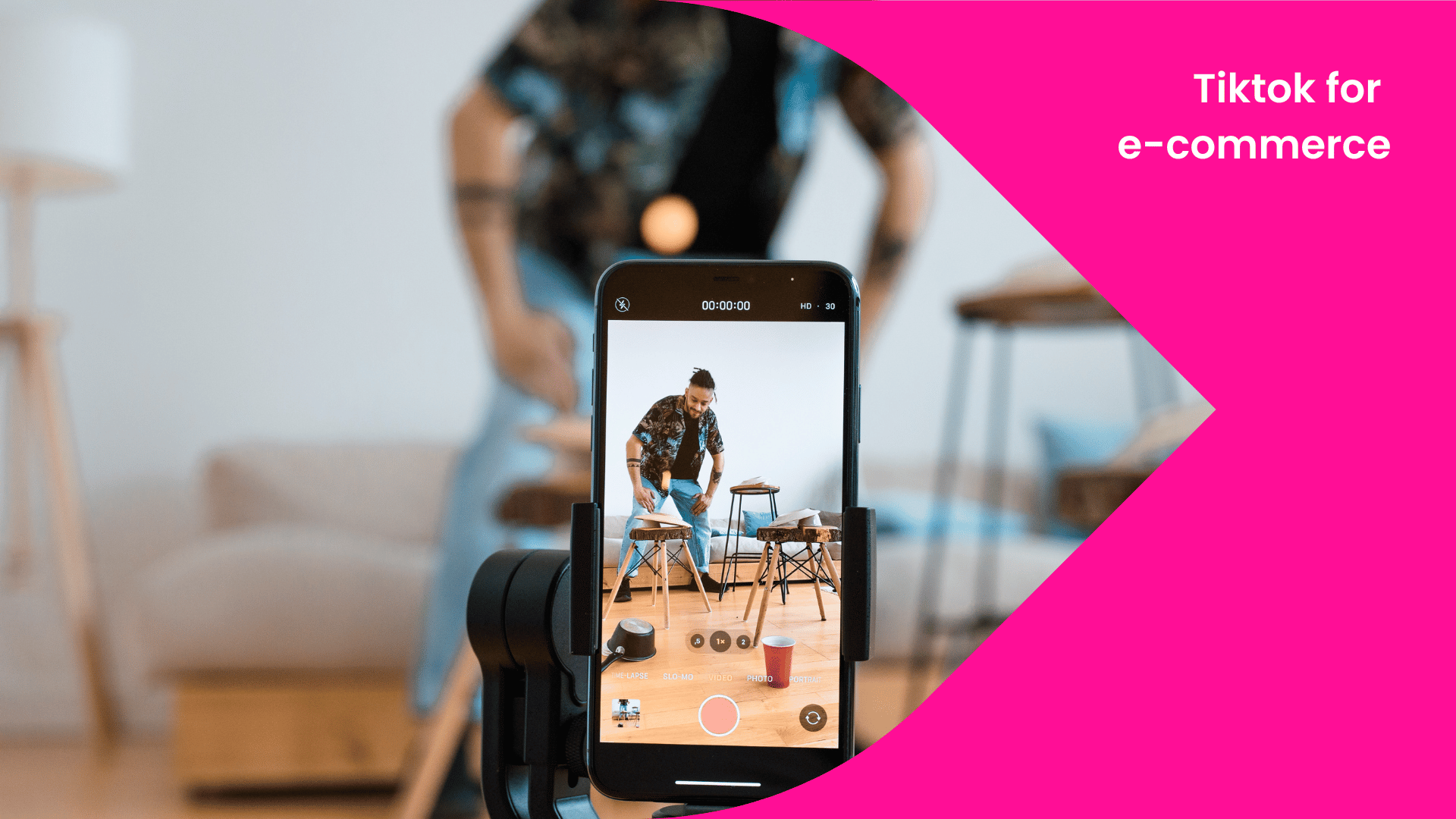
    TikTok Shop offers an in-app shopping experience where users can purchase items during live streams or via short videos. It comes with built-in payment and checkout features, thus eliminating the need for customers to be redirected to external websites. TikTok benefits monetarily from this feature by earning referral fees from sellers who participate.

    ByteDance, TikTok’s parent company based in China, has successfully implemented this feature across the United States and Southeast Asia.

    In preparation for the rollout, companies are gearing up to offer support. AnyMind Group, for instance, is planning to offer data analytics tools and launch training programs for live-commerce streamers through its production unit, Grove. Shodai Fujita, Country Director for Japan at AnyMind, said, “We want to create stars and take the No 1 position in Japan.”

    Simultaneously, Hakuhodo, a Japanese advertising titan, is collaborating with a group subsidiary to provide comprehensive services for TikTok Shop sellers, including planning, operations, and performance analysis. Septeni Holdings, part of the Dentsu Group, is also readying to assist brands making their debut on the platform.

    “The fusion of social media and e-commerce will become a new experience for customers,” Fujita added, indicating the groundbreaking potential of this venture.

    Questions & Answers

    What is TikTok’s new initiative in Japan?
    TikTok is planning to launch its integrated e-commerce feature, TikTok Shop, in Japan. This feature will facilitate direct in-app purchases during live streams or through short videos.

    What is the advantage of TikTok Shop for users?
    TikTok Shop offers a seamless shopping experience for users, eliminating the need to be redirected to external websites for purchases. It provides integrated payment and checkout features for a smoother transaction process.

    Who will be supporting the launch of TikTok Shop in Japan?
    Several companies, including AnyMind Group, Hakuhodo, and Septeni Holdings, part of the Dentsu Group, are preparing to support the launch by providing data analytics tools, training programs, and a range of services for TikTok Shop sellers.

  • TikTok Launches Innovative Business Solutions to Accelerate Brand Growth and Engagement

    TikTok Launches Innovative Business Solutions to Accelerate Brand Growth and Engagement

    TikTok has unveiled a remarkable suite of business tools crafted to fuel growth for brands at every stage of the marketing journey. This innovative approach introduces artificial intelligence-powered technologies, fresh advertising formats, and broadened measurement capabilities designed to transform user engagement into tangible business results.

    Empowering Brands with TikTok Market Scope

    Among the standout features is TikTok Market Scope, an analytics powerhouse that guides brands in tracking and engaging audiences as they navigate the purchase journey. Complementing this is a newly launched mid-funnel ad format called Brand Consideration Ads, meticulously crafted to transition viewers from mere awareness to genuine interest.

    Unifying Creativity with TikTok One

    TikTok has also elevated its creative hub, TikTok One, an all-in-one platform that connects creators, agencies, and essential tools. The introduction of Insight Spotlight—a trend-tracking instrument—enables marketers to grasp which content truly resonates with their target audience. Moreover, the Content Suite offers an extensive, searchable library of user-generated content, curated for ad potential and delivering over 40 times more relevant results compared to conventional in-app searches.

    Expanding Creative Opportunities

    In a rebranding move, TikTok has upgraded its creative agency network to the new name Partner Exchange, previously known as TikTok Creative Exchange, while also extending access to its Creator Marketplace, now available to creators in 26 countries.

    Automating Campaigns with AI Tools

    On the automation front, TikTok is scaling its arsenal of three key AI-driven tools: Symphony, Smart+, and GMV Max. These tools empower advertisers to streamline their campaign performance efficiently. Symphony’s content creation capabilities have integrated with Smart+, enhancing its ability to automate performance campaigns with precision.

    Smart+ now boasts enhanced audience targeting, robust brand safety measures, and integration with Catalog Ads that ensure personalized product recommendations are always on display. Furthermore, TikTok is broadening its measurement offerings with new Media Mix Modeling partners, helping brands understand their impact across various channels. The platform’s TopView ad format, which captures users’ attention as they open the app, has also enhanced its delivery controls and interactive features to drive engagement further.

    In a world where creativity meets AI, TikTok is setting the stage for a marketing revolution—who knew social media could be this resourceful?

    Questions & Answers

    What is TikTok Market Scope?
    It’s an analytics platform designed to assist brands in tracking and activating audiences throughout the purchasing journey.

    What new ad format has TikTok introduced?
    TikTok has launched Brand Consideration Ads, intended to transition audiences from awareness to interest.

    How is TikTok enhancing its creative capabilities?
    TikTok has revamped its creative hub to TikTok One, which combines creators, agencies, and tools, along with new features like Insight Spotlight and Content Suite to maximize engagement.

  • Instagram is reportedly changing its mind about this long-ignored Apple device

    Instagram is reportedly changing its mind about this long-ignored Apple device

    Instagram is finally working on something users have been asking for since the early days — a proper app for the iPad. According to a new report from The Information, Meta has started developing a version of Instagram made specifically for tablets. That means, more than a decade after launching exclusively on iPhone, the social platform could soon be much more usable on Apple’s larger screens. Sound familiar? I thought I’d heard that before.

    This change of heart doesn’t seem to be random. The push to bring Instagram to iPad is reportedly tied to the ongoing uncertainty surrounding TikTok. With a possible ban of TikTok in the United States being debated in Congress, Meta sees a real opportunity to win over creators who may be looking for a new home. Offering better tools and support for creators is one of Instagram’s current priorities — and that includes making sure the app works well on more than just phones.

    Instagram has long resisted building an iPad-specific app. Back in 2020, Instagram head Adam Mosseri said the company had limited resources and too many other things to work on. In 2022, he added that there just wasn’t a big enough group of users demanding an iPad app to make it a priority. As a result, users have been stuck using the iPhone version of the app on their iPads, which looks awkward and doesn’t take advantage of the extra screen space.

    However, we have seen how quickly Meta can make features appear seemingly out of thin air, especially when it involves one-upping a competitor. Let’s not forget how quickly the Meta-owned app “Threads” gained a ton of new features once the company realized that competing app “Bluesky” began to rise in popularity and eating into their user base.

    There’s still no official confirmation or timeline for release, and details on what the app might look like are limited. But the fact that Instagram is even considering it now shows how much the competition has shifted. TikTok already has an iPad-optimized app, and YouTube’s Shorts platform runs well across all devices. Instagram risks falling behind if it doesn’t meet creators where they are — and many of them use iPads for editing, planning, and posting content.

    If this finally happens, it could unlock a lot of potential for iPad users. Instagram now has a chance to capitalize on an opportunity to gain more users, and the timing couldn’t be more critical. Maybe this is one thing we can agree to be thankful to TikTok for. Maybe.

  • Amazon’s last-second bid to buy TikTok is not being taken seriously

    Amazon’s last-second bid to buy TikTok is not being taken seriously

    By law, short-form video app TikTok has until this Saturday, April 5th, to be divested by its current owner ByteDance, or else face banishment in the U.S. The legislation requires ByteDance to find a buyer for the popular app that is not a Chinese company. TikTok has been accused of stealing users’ personal data, and disseminating propaganda from China and the Chinese Communist Party to U.S. viewers.

    It looks like an American company, as American as Apple Pie, has thrown a last-second bid for TikTok into the ring. An unnamed U.S. administration official said today that Amazon has made a bid to acquire TikTok, which had about 1.5 billion monthly active users early this year. Last week, Reuters reported that private equity firm Blackstone was looking at joining a group made up of TikTok’s non-Chinese stockholders Susquehanna International Group and General Atlantic to bid for the app.

    Another U.S. company believed to be interested in buying TikTok from ByteDance is Oracle. The firm is already involved with TikTok as it is designated as the app’s “trusted technology provider” in the U.S. and its servers are used to store the personal data of U.S. TikTok users.

    The New York Times reported today that Amazon’s bid for TikTok came in the form of a letter sent from the company to Vice President JD Vance and Commerce Secretary Howard Lutnick. However, the Times story says that various parties are not taking Amazon’s bid seriously. The value of Amazon’s bid as well as those of competing bids are unknown. The online retailer had previously attempted to copy TikTok by launching a similar feature inside its app called Inspire. However, Inspire was considered a failure and was removed from the Amazon app earlier this year.

    Meanwhile, President Donald Trump is reportedly hosting a meeting in the Oval Office on Wednesday to discuss TikTok and the possible suitors for the app. You might recall that in 2020 during Trump’s first term, he tried to broker the sale of TikTok to American firms that showed interest including Oracle, Walmart, and Microsoft. This time, there is legislation involved as a bill to ban TikTok in the U.S. was signed by then-President Joe Biden last April.

    The bill forced ByteDance to divest its holdings in TikTok by January 19th or get banned in the U.S. President Trump signed an executive order on January 20th, his inauguration day, that prevents the Justice Department from taking action against TikTok until the April 5th deadline.

  • TikTok confirms that it will shut down unless the Supreme Court blocks or delays the ban

    TikTok confirms that it will shut down unless the Supreme Court blocks or delays the ban

    It’s been a wild ride for the TikTok social media platform, as it faces a potential shutdown in the U.S. due to a law requiring its sale by its Chinese parent company, ByteDance. This legal battle has reached the Supreme Court, where arguments are being heard about the law’s impact on free speech and national security. Today, TikTok confirmed that it will indeed shut down its operations in the U.S. unless the Supreme Court blocks or delay the ban.

    The law, which passed with bipartisan support in Congress and was signed by President Biden, aims to address concerns about the Chinese government’s potential influence over TikTok. U.S. officials argue that Chinese authorities could compel ByteDance to share user data or manipulate content on the platform. However, TikTok maintains that there is no evidence of such actions and that the law infringes on free speech rights.

    The Supreme Court’s decision in this case could have significant implications for the millions of Americans who use TikTok for entertainment, information, and even their livelihoods. Content creators, in particular, are anxious about the potential disruption to their audience and income.

    According to a new report, TikTok has now said that unless the Supreme Court strikes down or delays the date this law is supposed to take effect, which is January 19th, the company will be forced to effectively shut down its site in the U.S. by the deadline. Keep in mind that an interruption of even a just month would cost the app one third of its daily U.S. users, not to mention a significant amount of advertising dollars.
    This case is not the first time the Supreme Court has been asked to rule on matters related to new media technologies. The justices have acknowledged their limited familiarity with these platforms, even as they grapple with complex issues of speech restrictions in the digital age.
    Adding to the urgency of the situation, the law is scheduled to take effect on January 19th, just days after the Supreme Court hears the arguments and a day before President-elect Donald Trump takes office. Trump has also asked for a delay in the case so that he could be involved in seeking a political resolution, but it remains to be seen if the judges will agree to that. The court’s decision could come down to the wire, leaving TikTok users and content creators in a state of uncertainty.

    This situation highlights the challenges of balancing national security concerns with the principles of free speech. The Supreme Court’s ruling will also undoubtedly set a precedent for how similar cases are handled in the future, so this case is definitely one for the ages.

    Create a free account and
  • Instagram’s new feature puts an end to DM requests spamming

    Instagram’s new feature puts an end to DM requests spamming

    Instagram is finally adding one of the most requested features since it introduced the ability to send direct messages. A new update makes it possible for Instagram users to restrict who can send them DM requests.

    The new feature was tested last month and now it’s rolling out to all Instagram users. The first limitation introduced with the new feature prevents you from sending more than on DM request to a person who doesn’t follow you on Instagram. If they accept your request, then you will be able to continue to send them new DM requests.

    The second limitation is that DM invites can’t contain images, videos or voice notes, so you can send text-only DM requests to those who don’t follow you on Instagram.

    “We want people to feel confident and in control when they open their inbox. That’s why we’re testing new features that mean people can’t receive images, videos or multiple messages from someone they don’t follow, until they’ve accepted the request to chat. We’re grateful for the feedback we hear from our community — and we’ll keep listening to find ways to help everyone feel safer on Instagram.

    Apart from introducing these new limitations that basically remove DM requests spamming, Instagram also added a Restrict setting that makes it possible to monitor an account that you don’t want to block, but still want to restrict their presence on your Instagram page.

    Once you restrict an account, their comments on your posts will only be visible to them. More importantly, they won’t know that no one can see their posts, and their DMs will be automatically sent to your DM requests folder. It’s a middle-ground solution in case you don’t want to outright block an account, but still want some protection against bullying.