Retail News CRM

Tag: Social

  • Time spent on social, messaging apps grew fourfold in 2016

    Time spent on social, messaging apps grew fourfold in 2016

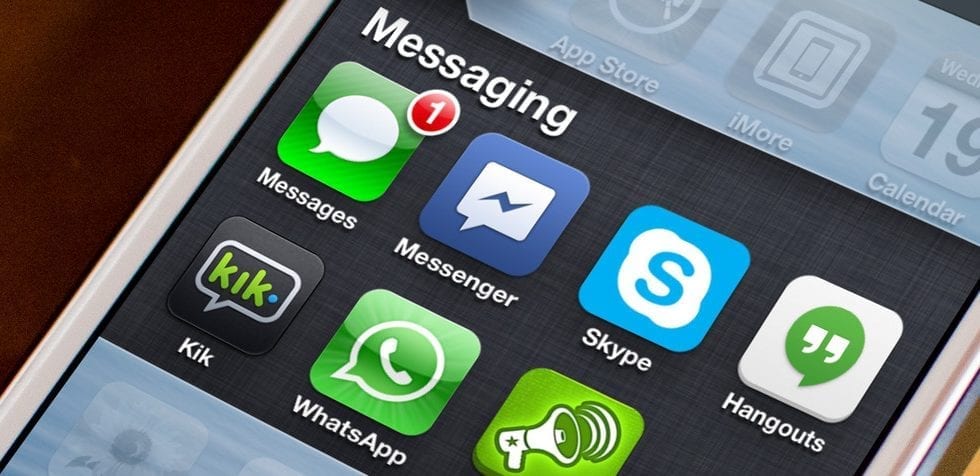
    Yahoo’s Flurry this week released its annual State of Mobile report, which found that social and daily habits apps dominated time spent on mobile apps in 2016.

    Specifically, the study found that the time spent in social and messaging apps grew by four times (394%) over the last year, compared to an average growth of 69% across all tracked segments.

    In its eighth year, the study offers insights on global mobile app usage and trends gleaned from over 2.1 billion smart devices and 3.2 trillion sessions. Phablets continue to dominate with 41% of market share, while small phones now account for just 1% of the market share, said the report.

    “Over the last year, the Flurry footprint grew to track more than 940,000 applications, across 2.1 billion devices, in 3.2 trillion sessions. In this context, we define app usage as a user opening an app and recording what we call a ‘session,’ as well as the amount of time spent in the application.” said Simon Khalaf, a senior VP at Yahoo. “Compared to the year prior, overall app usage grew by 11% and time-spent in apps grew by 69%.

    Khalaf noted that not all app categories grew in tandem in 2016, observing that certain categories of mobile apps have continued growing in terms of session and time-spent at the expense of others.

    For instance, a steep decline in usage is evidenced in the personalization category, which the report attributed to diminishing value for users of these products. Ultimately, the decelerating rate of growth could signal market maturity, saturation or simply the end of the app gold rush.

    “But let us put things in perspective. The gold rush in California ended in 1855. A lot of wealth has been generated since then. We are excited to see what app developers do in the next decade and which industry they chose to disrupt, again,” Khalaf said.

  • China’s Social Consumer Retail Sales Up 10% In October 2016

    China’s Social Consumer Retail Sales Up 10% In October 2016

    China’s social consumer retail sales in October 2016 reached CNY3.112 trillion, representing a year-on-year nominal increase of 10% and actual increase of 8.8% if deducting price factors.

    Meanwhile, from January to October 2016, China’s total social consumer retail sales reached CNY26.96 trillion, a year-on-year increase of 10.3%.

    By location of operating units, China’s urban consumer retail sales were CNY2.689 trillion in October, a year-on-year increase of 10%; while rural consumer retail sales were CNY422.6 billion, a year-on-year increase of 10.3%. During the first ten months of 2016, China’s urban consumer retail sales were CNY23.183 trillion, a year-on-year increase of 10.2%; and rural consumer retail sales were CNY3.777 trillion, a year-on-year increase of 10.9%.

    By consumption type, China’s food and beverage sales in October were CNY349.2 billion, a year-on-year increase of 10%; and commodity retail sales were CNY2.763 trillion, a year-on-year increase of 10.1%. From January to October 2016, China’s food and beverage sales were CNY2.911 trillion, a year-on-year increase of 10.9%; and its commodity retail sales were CNY24.05 trillion, a year-on-year increase of 10.3%.

    In addition, during the first ten months of 2016, China’s Internet retail sales reached CNY3.929 trillion, a year-on-year increase of 25.7%. Of the total, Internet sales of physical goods increased by 24.9% year-on-year to CNY3.174 trillion, accounting for 11.8% of the total social consumer retail sales of China.

  • Starbucks and Tencent Announce Strategic Partnership to Launch Social Gifting on WeChat

    Starbucks and Tencent Announce Strategic Partnership to Launch Social Gifting on WeChat

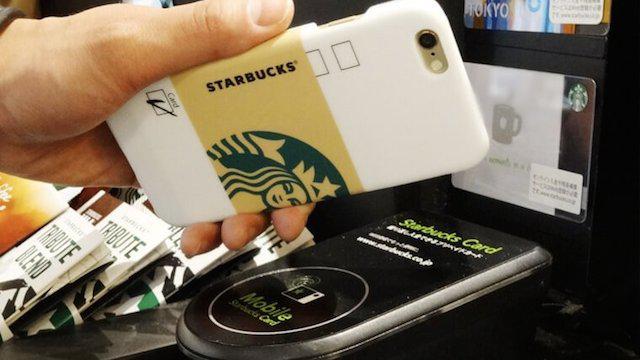
    Starbucks Coffee and Tencent Holdings, a leading provider of internet value-added services in China, today pioneered a strategic partnership to co-create a new social gifting feature on WeChat, China’s leading mobile social communications service, in early 2017.

    This partnership positions Starbucks as the first retail brand to combine and bring a locally-relevant social gifting and digital payment experience to life on WeChat in China. Tapping into the 846 million global monthly active user accounts (as of the third quarter of 2016), the new integrated feature will seamlessly allow customers in China to instantly and conveniently gift Starbucks to a friend or loved one. Beginning today, Starbucks customers will also be able to use WeChat Pay to make purchases at close to 2,500 Starbucks stores across Mainland China.

    “Starbucks and Tencent share similar values to enable greater human connections through our respective products and services, and I am pleased to partner with an established and respected social and mobile industry leader in China,” said Belinda Wong, ceo, Starbucks China. “This new strategic partnership will leverage the strengths of both Starbucks and WeChat to create a true online-to-offline social gifting platform that will deepen our engagement with our customers in a unique and powerful way. Just as Starbucks cards are among the most gifted around the globe, we aspire to also become the most gifted brand digitally in China.”

    “The strategic cooperation between WeChat and Starbucks enables us to bring the unique Starbucks retail experience seamlessly to hundreds of millions of WeChat users in China,” said Allen Zhang, Senior Executive Vice President of Tencent. “We are happy to be the partner of choice of Starbucks and look forward to deepening our connection to our users through the highest-quality services.”

    Starbucks is committed to innovative digital experiences that surprise, delight and deliver an elevated Starbucks Experience for its customers across China. The online social gifting platform is part of the company’s growing digital presence focused on connecting with customers through digital channels, including the Starbucks® Mobile App, the My Starbucks Rewards® program and social media.

    Jointly created by Starbucks and WeChat, the social gifting feature encourages everyday acts of kindness and appreciation among family and friends. Customers will be able to select from Starbucks-branded gifts and products and add a personalized message of love, of gratitude or to simply uplift someone’s day. Recipients of these personal and simple acts of kindness can save their gifts and memories on their WeChat accounts and redeem their gift at Starbucks stores across China to enjoy the unparalleled Starbucks Experience.

    As part of this partnership, Starbucks will introduce the use of WeChat Pay for purchases in its retail stores in a continued effort to elevate the in-store experience for customers. This cash-free digital payment experience, which allows users to pay for their goods and services from their mobile devices, is one of the most popular payment methods in China, with more than 300 million users linking their bank cards with WeChat or QQ, another flagship service of Tencent, as of March 2016.

    Today’s announcement builds on Starbucks rapidly expanding portfolio of digital innovations in China, which integrates the exceptional in-store experience with the digital Fourth Place experience. Earlier this year, Starbucks launched a mobile payment system in China aimed at providing My Starbucks Rewards® (MSR) members access to a fast, seamless and convenient way to pay for purchases, using their pre-loaded Starbucks Gift Card on their mobile devices.

  • Gamified Trading App TradeHero’s Brand Acquired by Ayondo

    Gamified Trading App TradeHero’s Brand Acquired by Ayondo

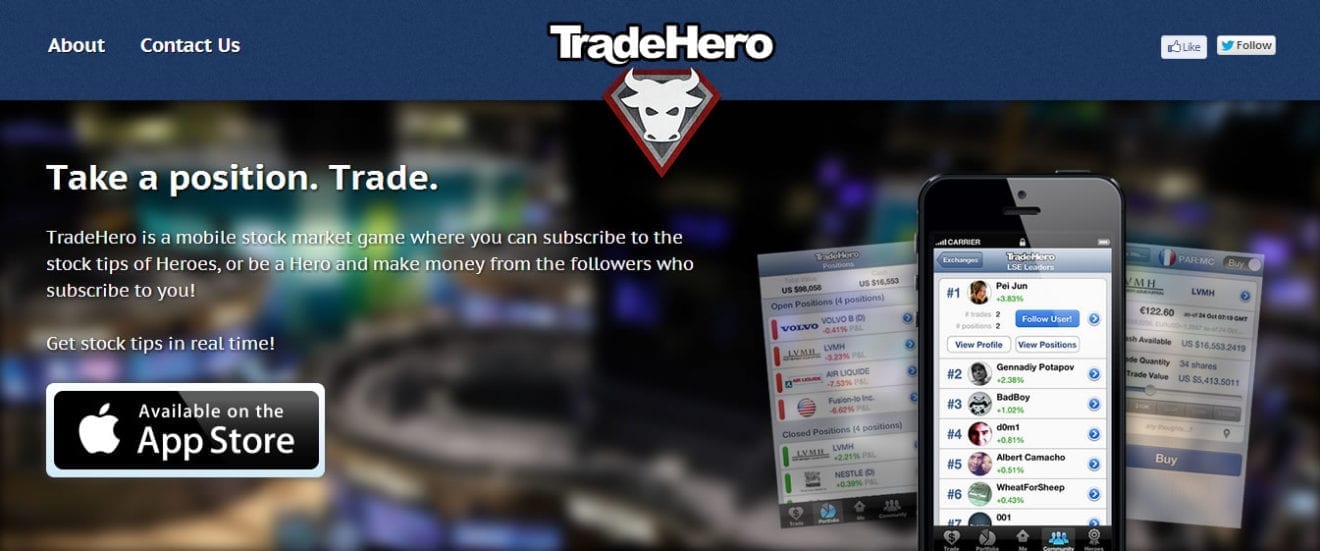
    Ayondo, a social trading technology developer for the financial services industry, has acquired the TradeHero brand, a Singapore-based trading gamification app.

    The acquisition for TradeHero’s brand outside of China and the United States, expands ayondo’s footprint in Singapore nearly a year after it announced a partnership with KGI Fraser Securities Pte Ltd to launch KGI Contrax, a platform for investors to trade Contracts for Difference (CFD).

    Robert Lempka, CEO of the ayondo Group, says: “For ayondo, mobile technology is a big part of the Group’s strategy for expansion and growth. The TradeHero brand is extremely well established in Asia and was the missing piece in our product range. Following Top Traders and taking social trading to the next level, in offering fully automated execution is exactly what is in ayondo’s DNA.”

    Dominic Morris, co-founder of TradeHero and the new Head of Innovation for ayondo Group, adds: “ayondo and TradeHero share the same vision, that is to democratise the world of investing through easy-to-use disruptive technology and knowledge sharing.”

    The team of TradeHero’s mobile technology specialists built the foundation for ayondo’s Singapore based Mobile Lab, where the group’s latest research and development takes place. The group is engaged in advanced negotiations with a SGX-listed company on a Reverse Takeover (RTO) transaction. This could result in ayondo being the first fintech company to be listed on the Singapore Exchange (SGX) and the head office being moved to Asia’s fintech hub.

  • Kaskus founder leaves company, says IT sector becoming too risky

    Kaskus founder leaves company, says IT sector becoming too risky

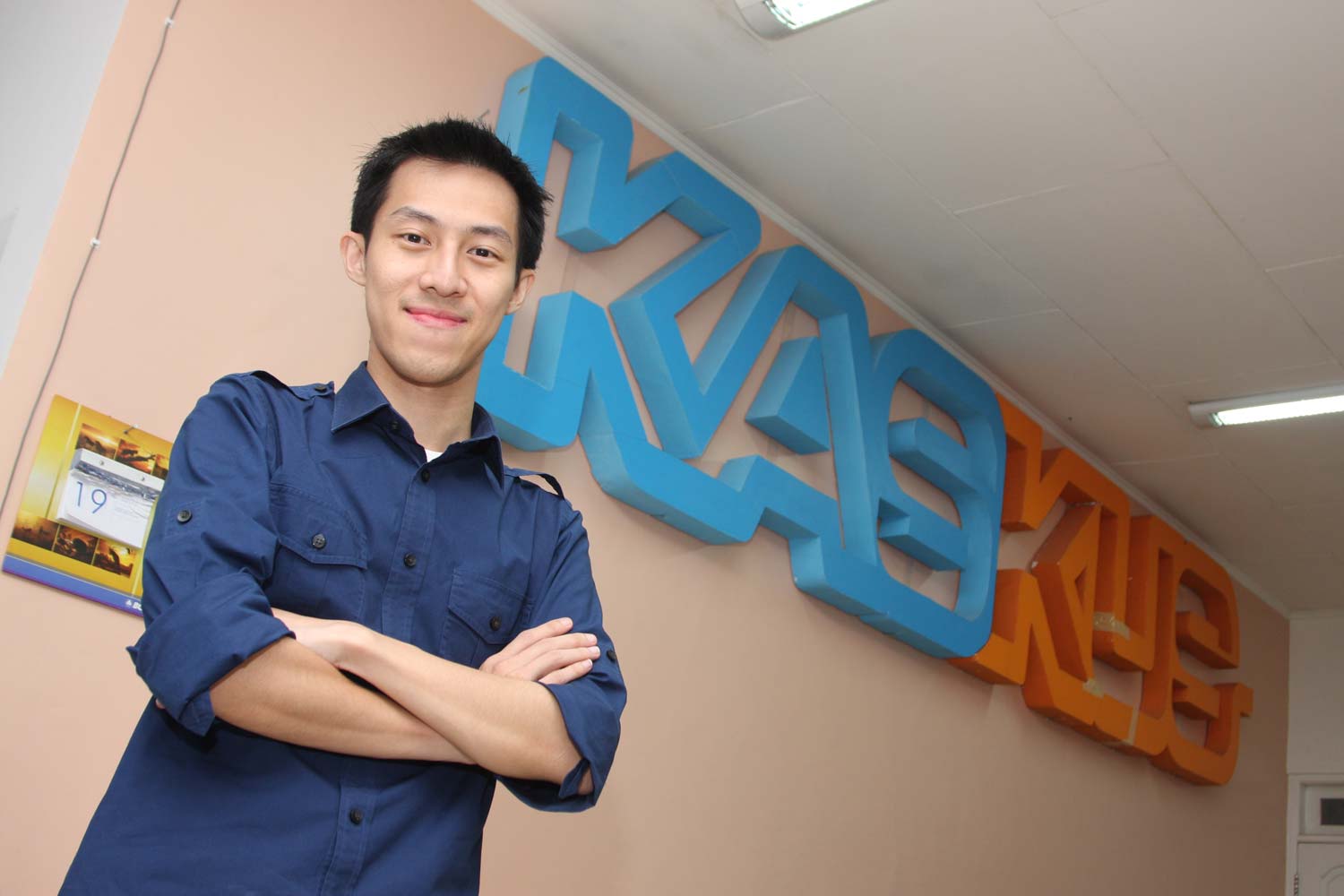
    Kaskus founder Ken Dean Lawadinata has resigned from his position as chairman of PT Darta Media Indonesia, the operator of the Kaskus online community. Ken plans to invest in property and commodities instead of Information Technology (IT).

    Ken released his shares in Kaskus to GDP Ventures.

    “That’s right, I have left Kaskus. I released all my shares to GDP,” he said on Saturday as quoted by kompas.com.

    Ken was one of the founders of Kaskus and elevated Kaskus to its current status as the biggest online community in Indonesia.

    Ken said that after Kaskus, he was not interested in the IT industry anymore. He has his eyes on property and commodity investments such as mining and timber.

    He said the IT industry in Indonesia was still growing and demand was healthy and new ideas kept emerging. However, Ken said the risks in IT were now too high.

    “IT was a sector with low-risk, high-return, but it has now become a high-risk, high-return sector. In this industry, US$10 million is now meaningless,” Ken said.

    Ken also founded Smartmama, a media company for mothers, and Tororo, an online baby products shop. He plans to hold on to these companies.

    “In IT, I will focus on Smartmama and Tororo,” Ken went on to say.

    Another Kaskus founder, Andrew Darwis, who is still chief commercial officer of Kaskus, offered his thanks to Ken for Ken’s dedication in growing Kaskus. He stated that Ken’s resignation would not disturb the company’s performance.

    “Kaskus is focusing on its mission to become the biggest social commerce platform in Indonesia,” Andrew said.

    Kaskus was founded in 1999 by Andrew, Ken and two other friends.

  • Iflix wants to become a social media platform for TV

    Iflix wants to become a social media platform for TV

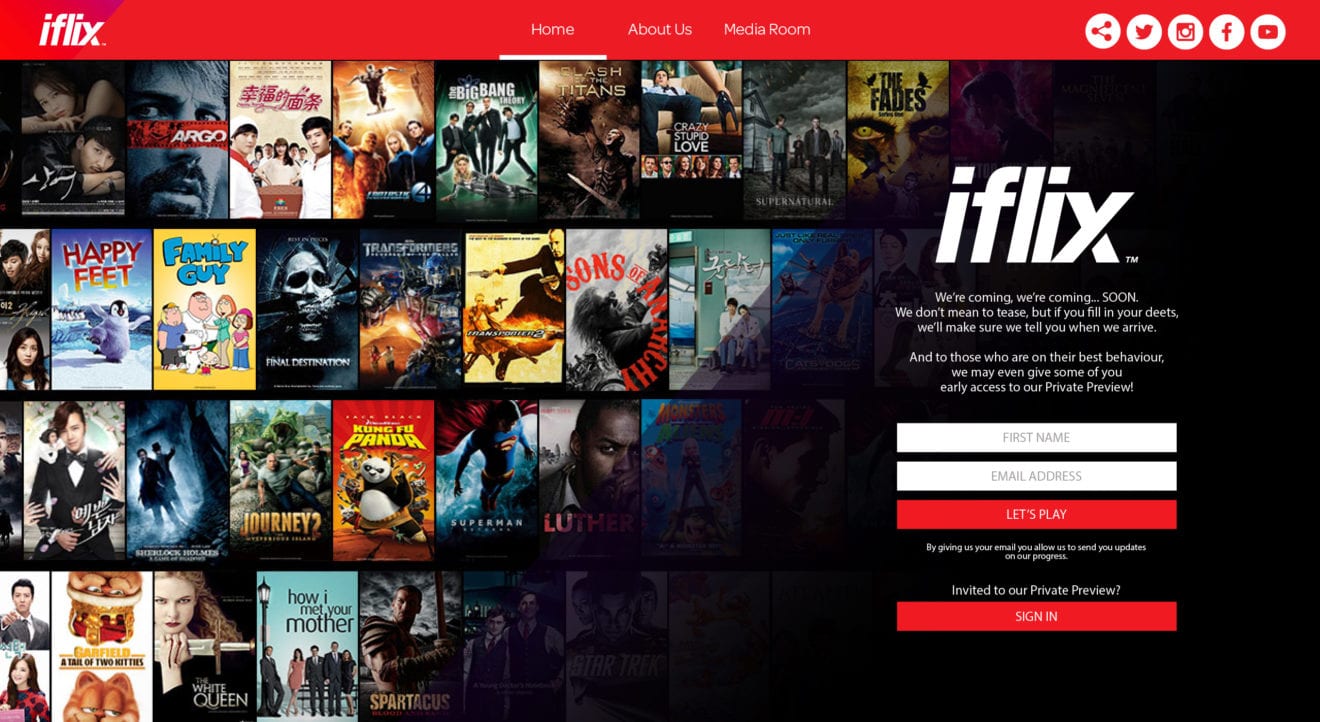
    Emerging subscription-based streaming video service iflix intends to set itself apart from Netflix by becoming a social media platform for television, according to company executive.

    “Netflix is very much into an original production base… they are really focusing their investment on content and user experience and interface,” Cam Walker, chief executive of iflix Indonesia, told telecomasia.net at the sidelines of Communic Indonesia and Broadcast Indonesia 2016, which kicked off Wednesday at the Jakarta International Expo in Kemayoran, Central Jakarta.

    “We have just most recently decided to venture beyond entertainment into becoming a truly social platform for television.”

    To do that, Walker said the company is planning to introduce more social media components and interactive features to the service. For instance, the company will offer a social feature later this year where users can chat with others or interact with local celebrities who have drawn up movie playlists for them.

    Iflix launched its service in Indonesia in mid-June this year and garnered 250,000 activations in about two-and-a-half months.

    Walker said the Indonesian market is relatively new from an OTT perspective and doesn’t see other streaming services as competitive, as they are all heading in different paths.

    “We’re the new kid on the block. We started a couple of years as a cool internet TV concept, with a vision to provide a better service to piracy and a viable alternative at an affordable price point,” he said.

    iflix is now offering 2,000 seasons of 900 programs, 5,000 episodes of 200 kids programs and local content acquired from partners for its Indonesian viewers.

    Walker said iflix will soon produce its first local Indonesian content that will open more opportunities for local actors, producers, directors, scriptwriters and “the new breed of Indonesian talents.”

    “We’re going to be investing heavily in local productions and local acquisitions as well, which I think will differentiate us from the major international players,” he said.

  • Dloky, new Local Promotion Social Medium for Retail

    Dloky, new Local Promotion Social Medium for Retail

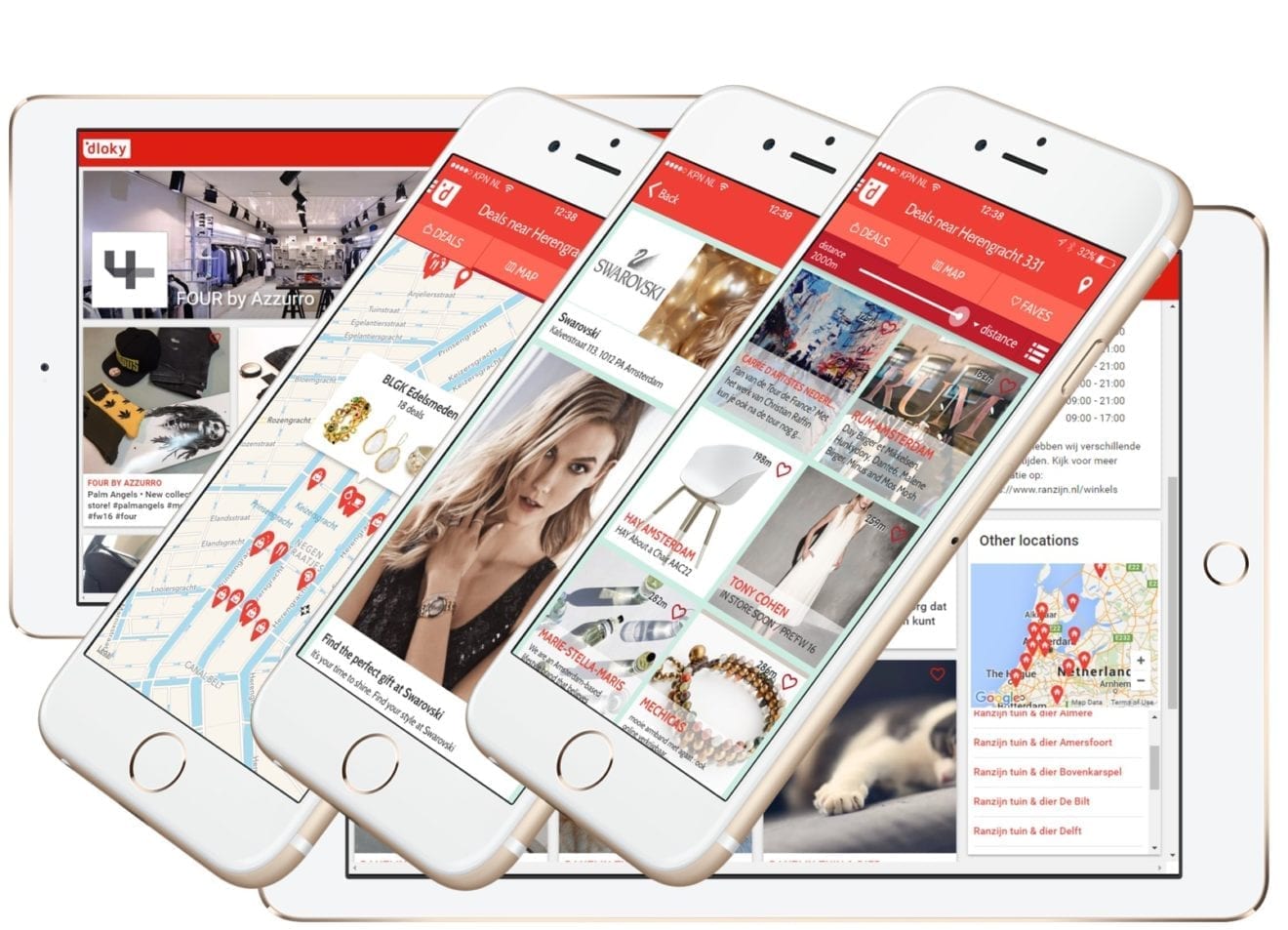
    Dloky is a new Social Media Network for Retail and Hospitality businesses worldwide based on GPS Proximity Marketing and Local Promotion. Dloky started in 2015 as mobile app for iOS and Android and recently the web platform was added.

    Mobile Advertising

    Users can customize their page by setting the search distance, selection of categories, businesses and saving promotions in favorites. Login is not required however possible to save settings over multiple devices and browsers.  

    Proximity Marketing

    Dloky is a free and worldwide open platform for Retail Businesses as well. Businesses can sign up, add and manage all their locations/stores and promotions. Dloky will import large numbers of locations, at no costs. Each store/location and promotion get a dedicated page and relevant URL. Promotions can be posted for all Retail locations combined or for a specific city or location. Accounts can be managed centrally or locally. Dloky is specifically tailored for complex Retail company structures. Many international locations, combinations of franchises, partly or fully owned stores, multiple Admins or multiple Retail Brands or Concepts etc. Apps and Website have the same structure and are linked through App indexing. Dloky plans to offer paid advertisements within relevant categories and locations on the longer term.

    Increase Traffic to physical Stores

    Goal of Dloky is to increase traffic to physical stores. Dloky started in the Netherlands in 2015 and more than 1000 Stores have signed-up such as Fashion; Azzurro, Oger, State of Art Cosmetics: Marie-Stella-Maris Book Stores; Boekenvoordeel Jewelry: Swarovski, BLGK Edelsmeden Galeries: Carré d’Artistes, GaleriesPR2 Shoes: vanHaren, Bristol  Home: Friday Next, HAY  Garden: Ranzijn, Sports, DIY, Beauty etc.

    SEO

    The web application is public and specifically designed for SEO. Each promotion gets an own relevant URL and link back to the Retailers website and web shop, creating relevant and effective backlinks. Retailers have full control on their local promotions. Dloky is currently widely used in the Netherlands by Retail as an alternative for unsolicited physical mail now that the Netherlands is starting to ban unsolicited mail because of environmental reasons.   

    Facebook-coupling

    Also small retailers with a single store love Dloky. With the very efficient Facebook coupling, the Dloky is setup in seconds. The Dloky page can sync with the Facebook page and Facebook posts can be copied automatically in Dloky. Therefor Dloky is a very nice addition to a Local Business Facebook page, post for your followers in Facebook and automatically for potential customers nearby in Dloky. 

  • Billabong kickstarts supply chain transformation

    Billabong kickstarts supply chain transformation

    Global surf brand Billabong and its family of brands is positioning its supply chain to support transformation of its wholesale and retail businesses.

    Billabong said it will connect suppliers and trading partners in a cloud based network using the GT Nexus platform to facilitate and automate processes for supply chain financing, order collaboration, invoice management, in-transit visibility and payment management.

    Billabong International Limited is a global marketer, distributor, wholesaler and retailer of apparel, accessories, eyewear, wetsuits and hardwoods in the boardsports sector under the Billabong, RVCA, Element, Von Zipper, Honolua Surf Company, Kustom, Palmers Surf, Xcel, Sector 9 and Tigerlilly brands.

    Jeff Streader, Chief Operating Officer at Billabong,said making data and capital more accessible to suppliers will remove friction and enable agile delivery of goods. The deployment of GT Nexus is part of a larger global initiative at Billabong to obtain real-time supply chain visibility to drive retail and wholesale business growth.

    “Risk and uncertainty remain prevalent as social, political and economic volatility pose constant threats to supply chains,” said Sean Feeney, CEO of GT Nexus. “The only way to assure undisrupted supply and delivery of goods while preserving margins is end-to-end visibility across all trading partners, brands and business channels. That’s the power of a cloud supply chain operating as a network.”