Retail News CRM

Tag: software

  • Global Flight Disruptions as Airlines Race to Fix A320 Software Glitch Amid Peak Travel Season

    Global Flight Disruptions as Airlines Race to Fix A320 Software Glitch Amid Peak Travel Season

    A host of global airlines experienced temporary disruptions as they carried out software repairs on a widely utilized commercial aircraft following an analysis that discovered a computer code fault possibly led to an unexpected altitude dip of a JetBlue plane last month.

    Software Issues and Solar Radiation

    Airbus, the aircraft manufacturer, stated on Friday that an investigation into the JetBlue incident exposed that intense solar radiation might tamper with data essential for the operation of flight controls on the A320 aircraft family.

    The Federal Aviation Administration collaborated with the European Union Aviation Safety Agency to mandate airlines to confront this issue through a fresh software update. The update is set to affect more than 500 aircraft registered in the U.S.

    The EU safety agency warned of potential “short-term disruption” to flight schedules due to this problem, which was inadvertently introduced by a previous software update to the plane’s onboard computers.

    A Message from Airbus’ CEO

    Airbus’ CEO, Guillaume Faury, offered an apology to customers as the mandatory fix resulted in “significant logistical challenges and delays.” In a message shared on LinkedIn on Saturday, he said, “Our teams are working around the clock to support our operators and ensure these updates are deployed as swiftly as possible to get planes back in the sky and resume normal operations, with the safety assurance you expect from Airbus.”

    Thanksgiving Disruptions in the U.S.

    In Japan, All Nippon Airways, operator of over 30 planes, cancelled 65 domestic flights scheduled for Saturday, with further cancellations likely for Sunday.

    The software modification coincides with U.S. passengers returning from the Thanksgiving holiday – the busiest travel period in the country.

    American Airlines, which has roughly 480 planes from the A320 family, with 209 affected, anticipates the repair will take about two hours for many aircraft. The airline expects updates to be completed for the vast majority of their fleet by Friday.

    Global Impact of the Software Update

    Air India confirmed that their engineers were in the process of implementing the fix, having completed the reset on more than 40% of aircraft that necessitate it, without any cancellations.

    Delta anticipates the issue to affect fewer than 50 of its A321neo aircraft, while United reports six planes in its fleet are affected, predicting minor disruptions to a handful of flights. Hawaiian Airlines stated it was unaffected by the issue.

    European Flights Normalizing

    In France, Transport Minister Philippe Tabarot confirmed that the situation had stabilized as several software updates had already been installed. He said there was an “almost complete return to normal in French airports.”

    Meanwhile, in the UK, disturbance was minimal. British Airways mentioned only three of its aircraft required the update. Germany’s Lufthansa implemented most software updates during the night and the following morning. Despite minor delays over the weekend, no cancellations were anticipated.

    Scandinavia’s SAS also reported normal operations on Saturday after teams worked overnight to install the necessary software.

    Aircraft Manufacturer Overview

    Airbus, whose main headquarters are in France, is among the world’s largest airplane manufacturers, rivalling Boeing. The A320 model, which is the primary competitor to Boeing’s 737, is the world’s bestselling single-aisle aircraft family.

    Questions & Answers

    What was the cause of the recent software issue affecting the A320 aircraft family?
    The software problem was inadvertently introduced by a previous update to the plane’s onboard computers. An investigation into a JetBlue incident revealed that intense solar radiation might interfere with data critical for the operation of flight controls on the A320 aircraft family.

    How are airlines addressing the software issue?
    The Federal Aviation Administration, alongside the European Union Aviation Safety Agency, is requiring airlines to implement a new software update to address the issue. Airlines around the world are working around the clock to deploy these updates and ensure a swift return to normal operations.

    What impact has the software issue had on global flight operations?
    The software issue has caused short-term disruptions to flight schedules worldwide. While some airlines such as All Nippon Airways in Japan cancelled flights, others like American Airlines and Lufthansa have reported minimal impact with minor delays and no cancellations.
  • Revolutionizing Auto-Updates: Kia Introduces Industry-First Plant Remote OTA for Seamless Driving Experience

    Revolutionizing Auto-Updates: Kia Introduces Industry-First Plant Remote OTA for Seamless Driving Experience

    Kia India has recently unveiled an innovative feature in its line of vehicles, the Plant Remote Over-The-Air (OTA) feature, as part of its ongoing commitment to provide seamless and smart mobility options geared toward improving the overall customer ownership experience.

    The Plant Remote OTA Feature

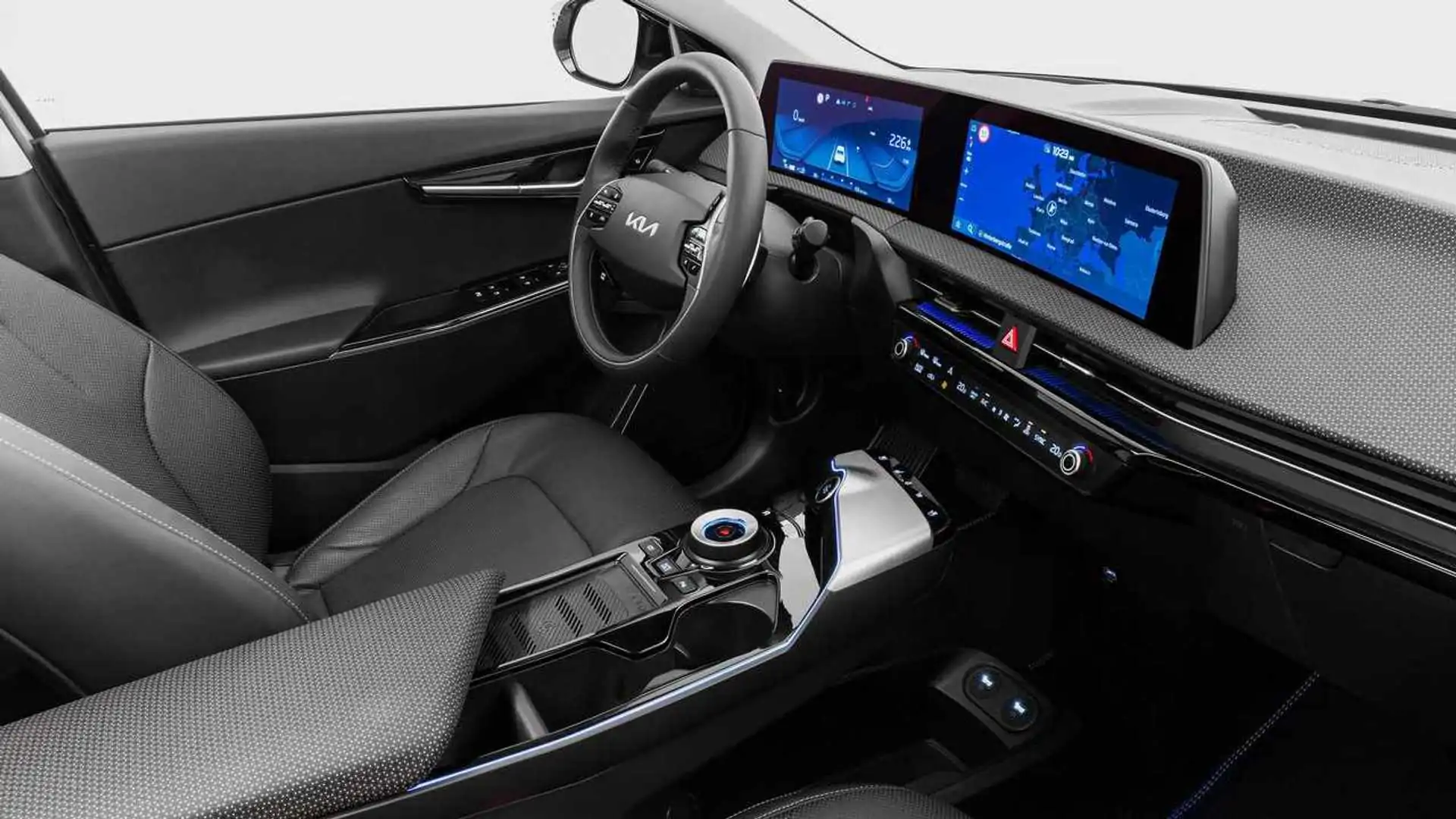
    The Plant Remote OTA feature will be available in Kia India’s latest models with integrated Connected Car Navigation Cockpit (CCNC) technology. This revolutionary feature guarantees that every connected Kia vehicle will receive the latest software updates remotely before departing the factory. This ensures that customers can enjoy an enhanced driving experience, with their new cars already upgraded and ready for use immediately upon delivery.

    Atul Sood, the Senior Vice President for Sales & Marketing at Kia India, expressed his excitement about the rollout of this feature. He emphasized how it embodies Kia’s commitment to spearheading innovation that genuinely heightens the customer journey. According to him, through this initiative, every vehicle will leave the factory equipped with the latest software, significantly enhancing the customer ownership experience by making it more convenient, intelligent, and future-ready. He added that this achievement further cements Kia’s vision for connected mobility, displaying the brand’s dedication to inspiring movement through advanced technology and significant innovation.

    Benefits for Customers

    One of the key benefits of this initiative is that it substantially reduces the need for manual intervention or visits to the dealership. As soon as customers take delivery of their new vehicle, they can instantly access a comprehensive suite of connected services and features.

    Additional Implementations

    The Plant Remote OTA feature, which is compliant with the Connected Car System 2.0 (CCS 2.0) through leveraging Controller OTA functionality, further solidifies Kia India’s position as a leader in tech-driven mobility solutions. The Plant OTA will also be incorporated across all future connected models, thus bridging the gap between production and delivery via timely features and security updates. This will significantly boost customer satisfaction levels and enhance the overall ownership experience.

    Questions & Answers

    What is the Plant Remote OTA feature introduced by Kia India?
    The Plant Remote OTA feature ensures that every connected Kia vehicle is updated with the latest software remotely before it leaves the factory, providing customers with an upgraded and ready-to-drive experience right from the point of delivery.

    How does the Plant Remote OTA feature benefit customers?
    This feature eliminates the need for manual intervention or visits to the dealership, enabling customers to access a full suite of connected services and features immediately upon receiving their vehicle.

    Will the Plant Remote OTA feature be included in future Kia models?
    Yes, the Plant OTA feature will be incorporated into all future connected models, facilitating timely feature and security updates between the production and delivery stages, thereby enhancing customer satisfaction and the overall ownership experience.

  • Google Play Store to make app installs easier with an always visible Install button

    Google Play Store to make app installs easier with an always visible Install button

    If you own an Android phone, you probably spend a lot of time in the Google Play Store, where countless apps and games are available to choose from. However, sometimes app listings can get so lengthy that the Install button can disappear, forcing you to scroll back to the top, which, to be honest, can be annoying. Well, an upcoming change to the Google Play Store aims to address this by making the Install button a permanent fixture on app listings.

    A recent report suggests that Google Play Store version 43.1.19 contains code hinting at a feature that will keep the header fixed in place on app listings. This means the Install button will remain visible as you scroll through the app details.

    The header is packed with essential info about the app, including its icon, name, developer, average rating from the Play Store, and whether it has ads. You’ll also spot the handy Install button for quick downloads right to your device, plus a dropdown that lets you install the app on your other gadgets. And the best part? This header sticks around, so you can always access it easily.

    The header with the Install button sticks at top while you scroll through the app listing. | Image credit – Android Authority/AssembleDebug

    It may seem like a minor tweak, but I think this change could really benefit app developers. Why? Well, while a lengthy app store listing does a great job of informing users, it unintentionally punishes developers for being thorough. When the Install button is stuck at the top, the more you scroll down, the more likely you will bounce instead of scrolling back up to hit that button.

    If the Install button had a fixed position, users could easily download the app after checking out the details, ultimately boosting conversions for developers who invest time in creating rich, informative listings.

    In other news from the Google Play Store, there’s chatter that it might soon spotlight tablet-optimized apps that are also compatible with cars. On top of that, the search feature is getting a new spot on Android tablets and foldable devices.

  • Apple further loosens grip on iPhone apps in the EU by allowing direct downloads

    Apple further loosens grip on iPhone apps in the EU by allowing direct downloads

    Just recently, Apple rolled out iOS 17.4, introducing big changes to the App Store landscape in the European Union. Why? To comply with the newly adopted Digital Markets Act (DMA). These changes include support for alternative app marketplaces, new business terms, in-app purchase options, and more.

    Now, in response to developers’ feedback, Apple has announced a few additional tweaks. Notably, the Cupertino tech giant will introduce a new Web Distribution feature this spring, allowing developers to offer their apps for direct download from their websites.

    For developers in the EU who have agreed to the Alternative Terms Addendum for Apps, the new options include the ability for app marketplaces to exclusively offer apps from the marketplace developer. This change allows a company to run an app marketplace and provide only its own apps for download.

    Additionally, when guiding users to complete transactions on external web pages, developers can now choose how to design promotions, discounts, and deals, with Apple’s design templates becoming optional.

    As mentioned earlier, Apple is introducing a Web Distribution feature, set to launch later this spring. This feature will allow developers to distribute their iOS apps directly from their websites. iPhone users in the EU will have the freedom to download apps without relying on the App Store or any alternative marketplace.

    However, apps distributed through the web must adhere to Apple’s notarization guidelines, restricting installations to registered website domains in App Store Connect.

    For EU iPhone users, this could mean a broader array of apps to choose from, potentially leading to increased competition and, thus, lower prices. Nonetheless, users may need to pay more attention when downloading apps from sources outside the App Store, and managing these apps and updates might be less convenient.

    The recent changes in digital practices, including those made by Apple, are a response to the EU’s Digital Markets Act. This law targets big tech companies like Apple, Google, Microsoft, Meta, TikTok, and Amazon, instructing them to follow new rules to encourage competition and offer users more options. Apple, adapting to comply with these regulations, is even working on a tool to make it easier for iPhone users to switch to Android.

  • Getting ready to embrace AI, Grammarly lays off 230 employees

    Getting ready to embrace AI, Grammarly lays off 230 employees

    If you write for a living, or you’re a student, Grammarly is probably one of your best friends online. Grammarly will help you find and correct grammatical and spelling mistakes and the paid version of the app and website will give you real-time writing suggestions to improve your report. For $12 a month, the paid version of Grammarly will even alert you to accidental plagiarism.

    With many analysts talking about a future where generative AI bots replace human writers, it makes sense for Grammarly to use AI to help subscribers improve their writing skills. This week, Grammarly announced that it is laying off 230 employees to focus on “the AI-enabled workplace of the future,” according to the company. Grammarly said, “This decision supports Grammarly’s vision of bringing responsible AI writing assistance to people and workplaces everywhere. Millions of people and thousands of businesses use Grammarly to achieve more through better writing.”

    In a memo to employees shared in a blog post, Grammarly CEO Rahul Roy-Chowdhury wrote, “As we strengthen our focus toward driving the AI-enabled workplace and deepen our technical investments in AI, we will need a different mix of capabilities and skillsets. We also need to redesign our organization to improve the quality and speed of collaboration — and that means, among other things, restructuring roles and co-locating certain teams.”

    The executive made it clear that the layoffs were not a cost-cutting measure and said that Grammarly’s financial position remains “strong.” Instead, reducing the headcount is being done to get Grammarly prepared for the coming AI future. Those leaving the company will receive a minimum of 3 months’ base pay. That increases for team members who have been with the company longer. U.S.-based team members leaving the company will have an option to continue receiving their health insurance benefits for up to six months.

    Grammarly is also helping those leaving the firm find a new position by offering “stipends or access to services for individualized career coaching, resume review, and other transition services.” The company will also create an “available talent” list that the public will be able to see. The list will include names, specialties, and “key results” that future employees can view. And those leaving Grammarly can keep their company-issued laptop for personal use.

    Looking ahead, it’s easy to see that Grammarly is hanging its hat on AI. CEO Roy-Chowdhury wrote, “We see massive opportunity as every individual and business begins to harness the power of AI. For nearly 15 years, we’ve been building a product that helps millions of people every day, makes teams measurably more productive, and is already used by employees in 96% of the Fortune 500. We’ll build on this foundation to bring even more value to our customers. AI will fundamentally change the workplace for the better—and Grammarly will play a leading role in driving that change.”

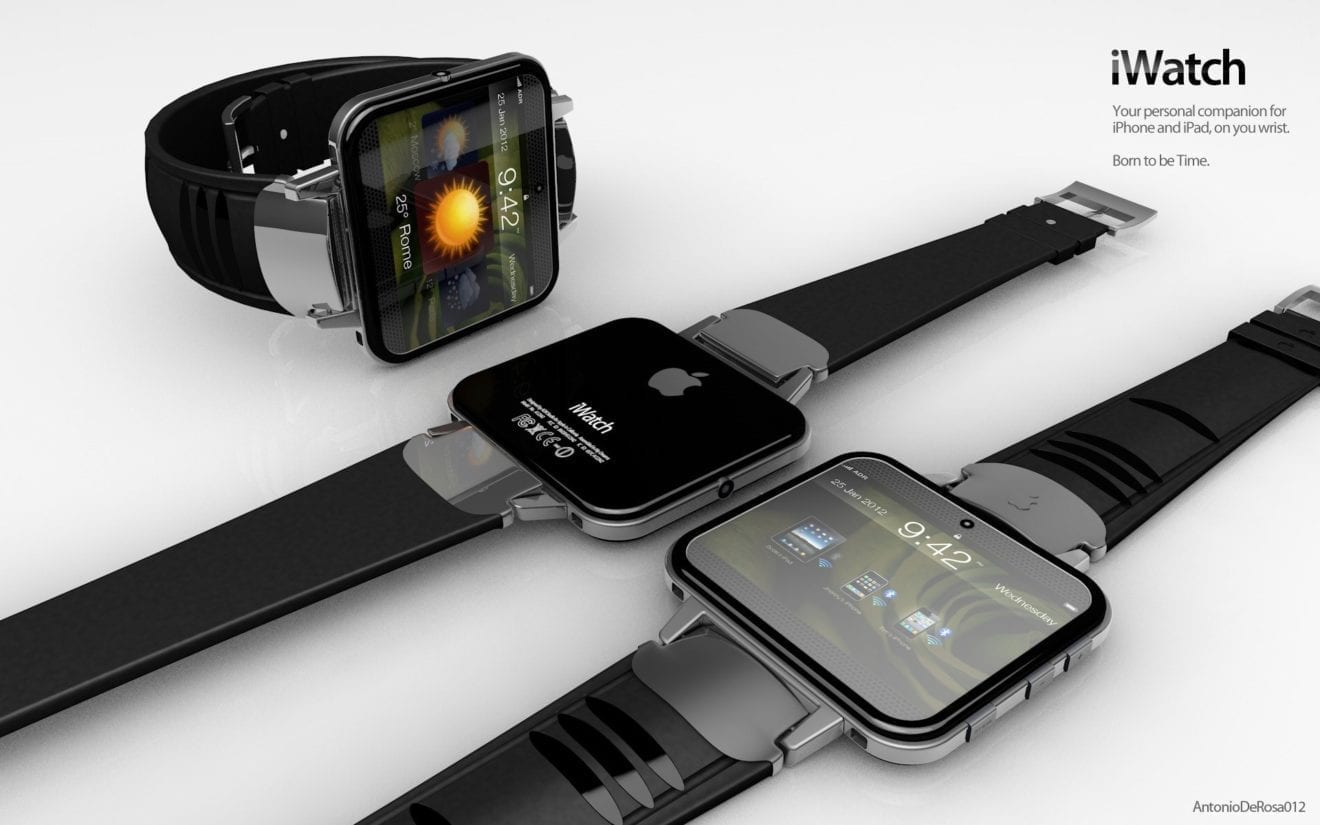
  • Software update is coming to fix annoying bug on Apple Watch Series 9 and Ultra 2

    Software update is coming to fix annoying bug on Apple Watch Series 9 and Ultra 2

    Apple has sent out an internal memo to these authorized repair shops to let them know that the company is aware of an issue with the Apple Watch models released last year.

    The memo, which MacRumors obtained, says “Some customers may report their Apple Watch Series 9 or Apple Watch Ultra 2 is experiencing false touches on their display.” Apple adds that some customers might say that their Apple Watch model is experiencing “ghost touches.” Owners of impacted Apple Watch models say that the screen will “jump erratically” or take other actions even if the user has not interacted with the device. The problem could cause users to be unable to enter their passcode or have an accidental phone call made

    The tweet from @StellaFudge notes that Apple has told technicians working at authorized service centers and, we assume, at Apple Stores as well, not to replace any Apple Watch Series 9 or Apple Ultra 2 units exhibiting this problem. Instead, Apple is telling technicians to inform customers that Apple will soon be issuing a software update that will resolve the problem.

    With that in mind, Apple is telling Apple Watch owners to make sure that they keep their devices updated and running the latest version of watchOS, especially since the touch issue is expected to be fixed via a software update. Apple didn’t give a timeframe as to when we can expect the update to arrive. However, the company is recommending that those experiencing this problem on their Apple Watch Series 9 or Apple Watch Ultra 2 force restart their timepieces to see if that helps solve the problem before any update is sent.

    To force restart either Apple Watch model, hold down the Digital Crown and the side button at the same time for at least 10 seconds, until the Apple logo appears. If this doesn’t rid your Apple Watch of the “ghost touch” issue, you will have to be patient and wait for Apple to push out a software update aimed at exterminating this bug.

  • The final version of iOS 16.6 is just days away

    The final version of iOS 16.6 is just days away

    Apple can’t wait to get iOS 16.6 out, especially in light of the issues that caused it to try three times to patch a serious WebKit vulnerability in iOS and iPadOS 16.5. Apple was aware of reports that said the flaw was being actively exploited and could cause arbitrary code execution which would allow an attacker to steal your personal data. So out went iOS 16.5.1 and iPadOS 16.5.1. But before you could spell Cupertino, Apple pulled both releases because of some bugs found in the software.
    Using its Rapid Security Response system, instead of developing iOS 16.5.2 and iPadOS 16.5.2, Apple released iOS 16.5.1 (a) and iPadOS 16.5.1 (a). But the two updates changed the user agent for mobile Safari. The user agent tells the server all about a device’s browser so it knows what version of the content to serve. For example, it tells the server whether to show the mobile or desktop version of a website or the U.S. or U.K. version of a site. The bugs also prevented iPhone and iPad users from accessing sites like Zoom, Facebook, and Instagram.
    Knowing how serious the vulnerability affecting WebKit was, Apple pulled iOS 16.5.1 (a) and iPadOS 16.5.1 (a) and quickly replaced them with iOS 16.5.1 (c) and iPadOS 16.5.1 (c) and that is where we stand at the moment. However, the Release Candidate for iOS 16.6 was released to developers today which means that update is probably less than a week away. The Release Candidate builds give beta testers the opportunity to test the final build of an update before it is released to most users. Apple continues to split its resources between the remaining builds of iOS 16 and the iOS 17 beta which should end in September with the release of stable iOS 17.
    Besides the Release Candidates for iOS 16.6 and iPadOS 16.6, Apple dropped the Release Candidates for watchOS 9.6, macOS Ventura 13.5,  and tvOS 16.6. All of the updates’ release notes indicate that they will fix minor bugs found on the various OS builds.
    You can check for the new update on your iPhone or iPad by going to Settings > General > Software Update. When the update arrives, you will be prompted to press the appropriate buttons. For the Apple Watch, open the Watch app on your iPhone and tap the My Watch tab at the bottom of the screen. Go to General > Software Update. On Apple TV go to Settings > System > System Update.
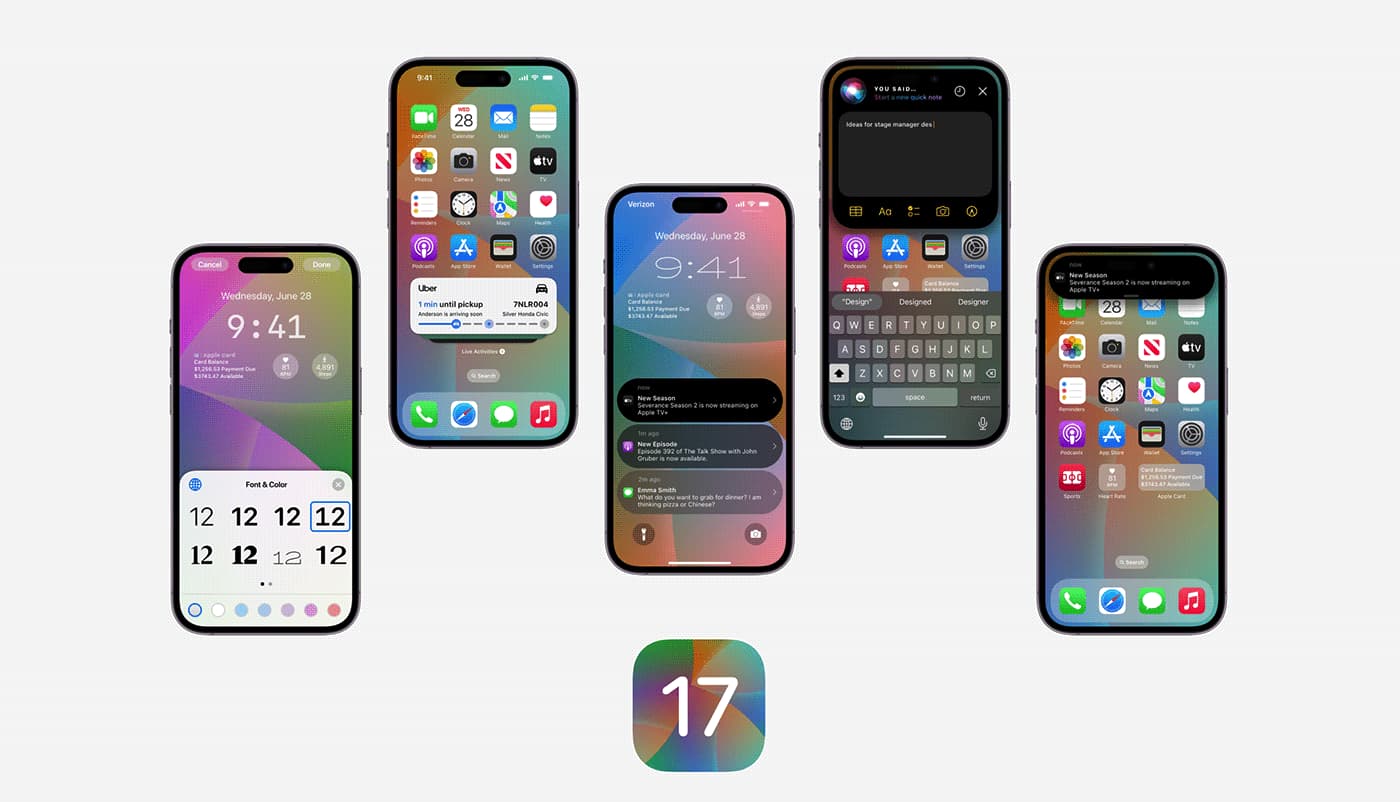
  • iOS 17 could end software support for the iPhone X and other Apple devices

    iOS 17 could end software support for the iPhone X and other Apple devices

    Apple’s iPhones have a general reputation for being considerably more future-proof than the average smartphone, to the extent such a concept is possible in the mobile tech world. This sentiment is partly based on the fact that the Cupertino company commits to ensuring the long-term software support of all of its devices.

    But all good things must come to an end… even software support for smartphones as iconic as the iPhone X. According to a new leak, iOS 17 will be dropping the support for a number of iPhones, including the iPhone X, and the iPhone 8 and iPhone 8 Plus. All three of the aforementioned devices were launched in late 2017.

    Similarly, several iPads are also on the chopping block with iPadOS 17 – namely, the original 12.9” iPad Pro (1st generation), the 9.7” iPad Pro (1st generation) and the fifth-generation vanilla iPad. All devices listed by MacRumors were released between 2015 and 2017.

    For reference, iOS 17 and iPadOS 17 are expected to debut at WWDC 2023, alongside the Apple AR/VR headset. The conference will take place between June 5 to June 9. Beyond the recent leak, we know relatively little about the new iterations of Apple’s operating systems.

    Most reports indicate that iOS 17 will be a somewhat incremental update, focusing more on Apple’s commitment to complying with European legislation. The Cupertino company will likely roll out support for third-party App Stores for the first time.

    On the other hand, we know absolutely nothing about iPadOS 17. In all likelihood, Apple will continue implementing sophisticated multitasking features to facilitate a better 2-in-1 fantasy on its high-end ‘Pro’ iPads.

  • AirAsia Will Use Descent Optimization Technology For More Efficient Flights

    AirAsia Will Use Descent Optimization Technology For More Efficient Flights

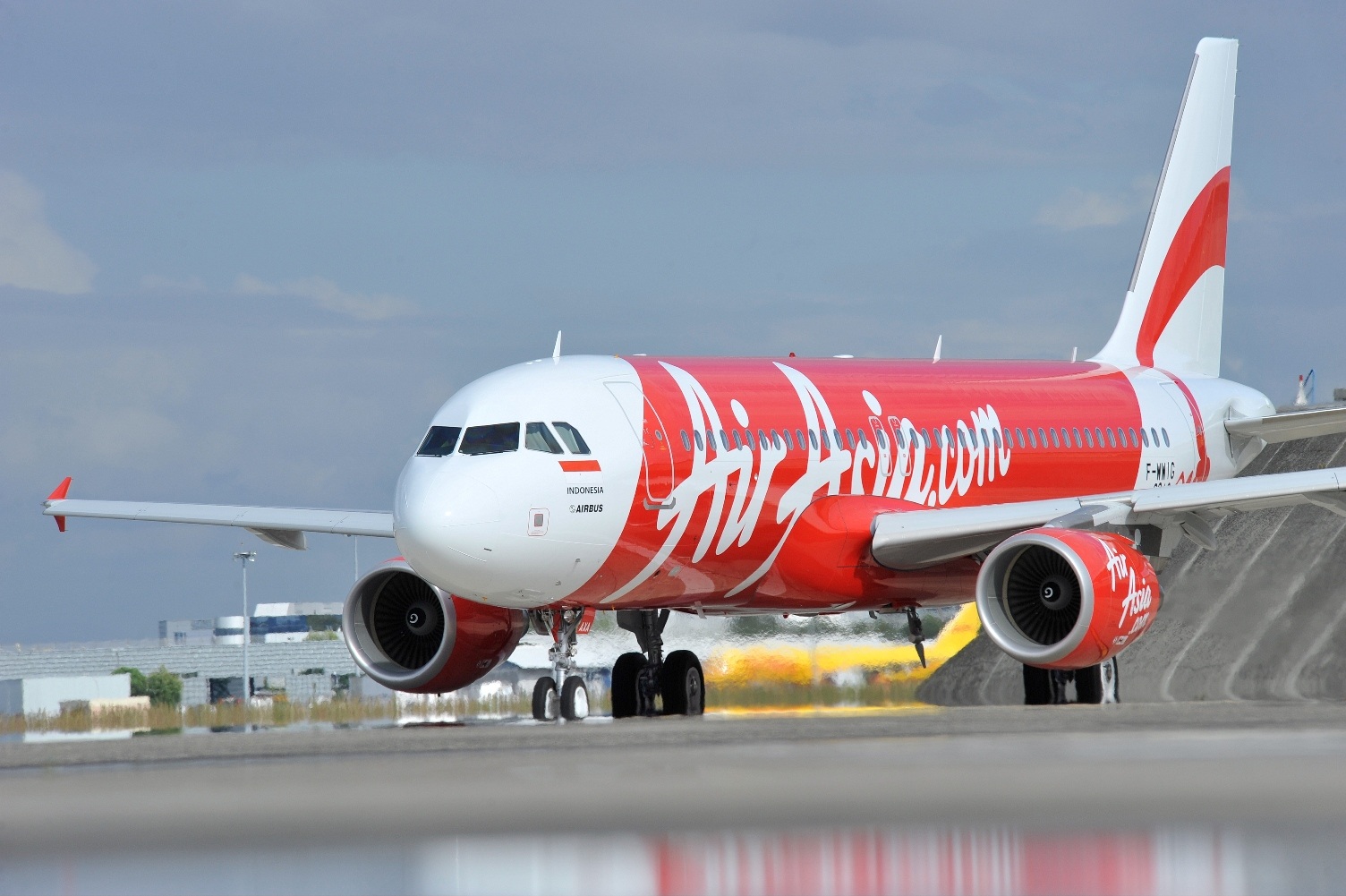
    AirAsia plans to introduce Airbus’s innovative fuel-saving software modification known as Descent Profile Optimization (DPO) to its A320ceo aircraft commencing this month.

    The airline said the enhancement to the aircraft’s on-board flight management system (FMS) performance database offers the ability to generate fuel savings and reduce carbon dioxide (CO2) emissions. The improvement has been previously introduced in LATAM Airlines’s operations, and the FAA has introduced new optimized descent profiles into some US operations.

    Optimization of an aircraft’s flight trajectory is one of the key factors in improving flight operations efficiency. The DPO function allows the aircraft to optimize the descent phase of the flight and descend from cruise altitude using only idle engine thrust. This minimizes the amount of time spent at an inefficient level off (when the aircraft’s engines generate thrust to maintain level flight in dense air before final landing approach), resulting in the reduction of fuel consumption and proportional CO2 and NOx emissions.

    AirAsia commented on the initiative, saying,

    “The new initiative is set to reduce fuel consumption and improve the fuel efficiency by up to 0.75% of fuel burn, which is equivalent to saving 101 kg of CO2 emissions per flight. … This could reduce CO2 emissions by over 221 tonnes per aircraft per year, representing a considerable contribution to more sustainable flight operations,”

    The airline also confirmed that the DPO will be installed initially on 17 A320ceo aircraft. It is expected to save 3,764 tonnes of CO2 per year, or the equivalent of 62,700 urban trees planted.

    AirAsia has set its goal to reach carbon neutrality by 2050. And as the traveling market is recovering, AirAsia expects to get back to pre-pandemic levels by the end of 2022.

    Bo Lingam, Group CEO of AirAsia Aviation Group Limited (AAAGL), said:

    “Given the reality of climate change and the airline industry’s contribution to emissions, reducing our carbon footprint is currently one of our top sustainability priorities and we look forward to further reducing an additional 221 tonnes of CO₂ emissions per aircraft each year with the DPO system we are implementing.”

    AirAsia also plans to gradually upgrade its fleet to a higher capacity and more fuel-efficient A321neo in the longer term.

    Besides the DPO, AirAsia said it has implemented several other key efficiency initiatives from Airbus to reduce fuel consumption and carbon emissions, such as”

    • SETWA (Single Engine Taxi Without APU) which allows the aircraft to operate only one engine during the taxi phase of flight instead of both engines,
    • Idle Reverse Landing, which allows the aircraft to use idle engine thrust upon landing instead of powered thrust to reduce noise and fuel burn, and
    • the Required Navigation Performance-Authorization Required (RNP-AR) approach, which allows the airline uses the aircraft’s advanced navigation capabilities instead of conventional ground-based equipment for the shortest landing approach.

    Bo Lingam, Group CEO of AirAsia, commented,

    “It is important that we review our climate strategy and put in place new mechanisms and processes that will help to minimize the environmental impact of our flight operations.”

    In 2021, it was estimated that by applying the above improvements, AirAsia would avoid emitting 11,175 tonnes of CO2, equivalent to planting 186,250 urban trees.

  • Apple reveals software to make its products more inclusive

    Apple reveals software to make its products more inclusive

    Apple has unveiled new software features aimed at helping make it easier for users with disabilities to navigate, connect and get the most out of its products.

    The tech giant said the updates combine the company latest technologies to deliver customizable tools for users and build on Apple’s long-standing commitment to ensuring the products work for everyone.

    The company says it has advanced its hardware, software and machine learning to match the demands as well as support people with different disabilities. For example, blind people or those with limited vision can use their iPhone and iPad to navigate the last meter to their destination with Door Detection.

    Users with physical and motor disabilities, who rely on Voice Control and Switch Control will now be able to fully control their Apple Watch from their iPhone using Apple Watch Mirroring.

    Meanwhile, the deaf and hard of hearing community can follow Live Captions on iPhone, iPad and Mac. Apple also developed its screen reader VoiceOver with more than 20 new languages ​​and locales.

    “Apple embeds accessibility into every aspect of our work, and we are committed to designing the best products and services for everyone,” said Sarah Herrlinger, Apple’s senior director of accessibility policy and initiatives.

    Additional features such as Buddy Controller, Siri Pause Time or Voice Control Spelling Mode will be added later this year with software updates across Apple’s various platforms.

  • Tesla Raises Full Self Driving Software Price To $12,000 In U.S., Musk Says

    Tesla Raises Full Self Driving Software Price To $12,000 In U.S., Musk Says

    Tesla Inc Chief Executive Officer Elon Musk tweeted on Friday that the electric carmaker will raise the U.S. price of its advanced driver assistant software dubbed “Full Self Driving” to $12,000 on Jan. 17.

    The 20% price rise comes less than two years since Tesla raised Full Self-Driving (FSD) prices to $10,000 from $8,000 in 2020.

    “Tesla FSD price rising to $12k on Jan 17. Just in the US.” Musk tweeted.

    Musk also added that the monthly subscription price will rise when FSD goes to wide release.

    “FSD price will rise as we get closer to FSD production code release,” he tweeted.

    Tesla has been expanding the release of a test version of its upgraded FSD software, a system of driving-assistance features – like automatically changing lanes and making turns, but the features do not make the vehicles autonomous.

  • Mercedes-Benz Accelerates In-House Software Push With New Tech Centre

    Mercedes-Benz Accelerates In-House Software Push With New Tech Centre

    Mercedes-Benz opened a new 200 million euro ($217 million) software center in Sindelfingen on Friday, its latest investment in boosting in-house software capabilities as it works to bring its own MB.OS operating system onto the market by 2024.

    Around 750 of the 3,000 new hires, the luxury carmaker plans to bring in globally to develop the operating system were hired in Sindelfingen, working on features from in-vehicle entertainment to autonomous driving.

    The center is part of a wider effort by Mercedes-Benz to streamline its software strategy from a patchwork approach bringing in technology from a wide range of suppliers to controlling the core of its software offering itself.

    “We take responsibility for software architecture and integration – that is our main goal,” Chief Software Officer Magnus Oestberg said in a roundtable.

    “We don’t do everything ourselves – we place value on partnerships, but of course the parts that are most important for us, we do in-house.”

    One such partnership is with U.S. computer graphics specialist Nvidia, with whom Mercedes-Benz struck a deal in 2020 to develop assisted and self-driving functions that will form part of the MB.OS system launching in two years time.

    The carmaker is 600 unfilled vacancies away from achieving its goal of a global team of 10,000 software engineers in Berlin, China, India, Israel, Japan, and the United States.

    “The profile of a software engineer is highly sought-after – demand is considerably higher than supply,” Chief Technology Officer Markus Schaefer said.

    In a survey of 572 auto executives by research institute Capgemini, 97% said that four out of 10 in-house workers will need to have software skills within five years, from IT architects to cloud management professionals to cybersecurity experts.

  • The Technologies that Changed Online Casino Gaming

    The Technologies that Changed Online Casino Gaming

    According to Statista, the global online gambling market is expected to grow to more than $92.9 billion by 2023. As of 2021, the total market size is valued at $59 billion, meaning the industry’s size will double in the next few years. So, what sustains the popularity and growth of the online casino industry? Aside from the growing interest from experienced and casual players, the casino’s popularity is due to new technologies and innovations. With new technology and innovations, players enjoy better, lucrative, and more immersive games. Here’s a look at the best technologies that redefine the online gambling landscape.

    Mobile gambling and mobile casino apps

    The use of smartphones to play online casino games is not new. But the current generation of casino apps offers players a more immersive mobile casino experience. Using these apps, players can enjoy a wide range of games from slots, table games to live dealer selections. Also, players can now choose between native apps and web apps. Both work on phones that run on the latest iOS and Android operating systems.

    AR and VR technologies that improve players’ engagement

    Augmented Reality (AR) and Virtual Reality (VR) are popular technologies that improve the overall casino experience. With these technologies, players enjoy ultra-realistic images and sounds for an immersive experience. A VR allows a player to enter a virtual casino, navigate the virtual game landscape or even enjoy the games with other players.

    Netent is one of the pioneers in the industry that invested in technology through its Gonzo’s Quest VR. Introduced in ICE Totally Gaming in London in 2017, this VR-powered game is an improvement on the classic Gonzo’s Quest online slot. Instead of a passive player, this game lets a player enter the virtual world and join the playful Gonzo in search of the lost gold. Aside from slots, these technologies are now used in designing poker and blackjack tables.

    Blockchain technology and the rise of cryptocurrencies

    If there’s one technology that’s been dominating the internet right now, then it’s cryptocurrency. Whether it’s in investing or in business transactions, these digital currencies reshape online payments. Blockchain technology is a distributed database that’s shared among nodes in a computer network. It stores information in digital format and serves as the backbone of the most popular cryptocurrencies today such as Bitcoin and Ethereum.

    With blockchain technology, digital currencies enjoy a secure and decentralized record of transactions. These are the primary reasons why many casinos today welcome and accept cryptocurrencies. By using Bitcoin, Ethereum, or other cryptocurrencies, players can enjoy fast, secure, and instant transactions in an online casino. Thanks to its utility, you players can now find crypto-focused casinos. Its adoption also gives rise to the popularity of provably fair online casino games. These are casino games that run on blockchain and guarantees players the transparency of results.

    Numerous safe and reliable payment methods

    Another development in casinos is the introduction of safe and reliable payment methods. Players can still rely on traditional payments like credit and debit cards and bank transfers, but newer ways to send cash are changing the dynamics. In top online casinos, it’s now common to find several leading e-wallets like Skrill, Neteller, and PayPal. As mentioned, another important innovation is the blockchain technology that paves the way for Bitcoin, Ethereum, and Litecoin. These digital currencies rely on peer-to-peer networks and not influenced by governments and Central Banks. Digital currencies like Bitcoin are known for their fast, instant, and secure casino transactions.

    New technologies mean improved user experience

    Online casino gambling becomes more entertaining with the use of new technologies and innovation. The games’ graphics and visuals are improved, and the math is solid. Also, these new technologies improve the players’ access to games, allowing them to enjoy these in different ways. It’s now possible to enjoy these casino games across devices and playing against a human dealer in real-time is now a reality.

    In short, both the casino players and operators are the winners in an industry that’s dominated and improved by new technologies. Casinos can leverage these technologies to boost their bottom-line, and players enjoy an improved user experience while playing for jackpots!

  • Tesla Software Updates Allow Quick Fixes

    Tesla Software Updates Allow Quick Fixes

    Tesla Inc’s ability to quickly issue safety patches via remote software updates is an approach other automakers eye enviously, but that also carries risk as cars become more like rolling computers. Investors have awarded Tesla’s leadership on in-car software with a market value of $905 billion that dwarfs traditional carmakers, many of which are now scrambling to roll out their own ability to offer over-the-air software updates. However, Tesla’s risk-friendly culture and its desire to quickly release cutting-edge technology have also put it on a collision course with U.S. safety regulators, which have launched a string of recalls and investigations into the carmaker in recent months. The latest included the opening of a formal probe on Thursday into reports of unexpected brake activation.

    “There’s definitely the mindset that you can fix fast so you can take a higher risk,” Florian Rohde, a former Tesla validation manager who is now a consultant, said about the electric carmaker’s ability to issue remote updates. That behavior was illustrated earlier this month when the National Highway Traffic Safety Administration (NHTSA) ordered Tesla to issue a recall to prevent some of its vehicles from making “rolling stops” instead of coming to a complete halt at some intersections. That feature violated state laws and was a safety risk, the agency said.

    Tesla Chief Executive Elon Musk, who has a long history of clashing with U.S. safety officials, denied there was a safety issue with the function. “The car simply slowed to 2 mph & continued forward if a clear view with no cars or pedestrians,” Musk wrote on Twitter.

    But the carmaker nevertheless issued a software update to disable the function. NHTSA officials on Thursday said they would push for recalls if they feel safety risks may exist in any vehicles.

    Tesla has said it develops almost all its software to allow for regular over-the-air updates. The carmaker has issued software updates that control vehicle performance, braking, battery charging and infotainment functions.

    Tesla has led the auto industry in over-the-air recall updates. While nearly all recalls issued by NHTSA since 2020 required physical fixes, seven of Tesla’s 19 recalls since January 2020, or 37%, were addressed with over-the-air software updates, an analysis of public data showed.

    Unlike traditional recalls that require a trip to the dealership, remote updates are cheaper and can ensure that all vehicles receive the required fix. Traditional recalls have shown an average compliance rate of around 70%, with that rate falling to less than 50% for older cars, according to NHTSA data.

    With other automakers racing to offer the same upgrades as Tesla, safety experts are concerned wider over-the-air updates could open the door to carmakers lowering their safety thresholds by rushing out immature updates.

    “Over-the-air software updates come with promise and they come with peril,” said William Wallace, manager of safety policy at Consumer Reports. “Companies need to be really responsible.”

    The dispute over Tesla recalls comes as the automaker faces increasing scrutiny by several U.S. agencies over its conduct and CEO Elon Musk’s personal behavior. Musk’s attorney on Thursday accused the U.S. Securities and Exchange Commission of an “endless” investigation to punish him for criticism of the U.S. government.

    Tesla did not respond to a request for comment, but it has criticized the agency for “anachronistic regulations”. Analysts wonder whether the company’s fast-moving, technology-centered culture could lead to issues.

    “The problem is, when you try to apply the Silicon Valley mindset to automobiles, it’s a very different situation,” said Guidehouse Insights analyst Sam Abuelsamid, a former automotive software engineer. He added Tesla should do more internal testing before releasing updates.

    But the software shift also raises new challenges for regulators, with some experts questioning whether NHTSA has the expertise to validate modern technology.

    “I haven’t seen any evidence that NHTSA has people with the experience and expertise to deal with software issues right now,” said Don Slavik, a Colorado-based lawyer who has served as a consultant in automotive technology lawsuits, including many against Tesla.

    NHTSA’s recent investigations into Tesla have centered around the carmaker’s driver assistance system Autopilot and what Tesla calls its Full Self-Driving (Beta) software – technology that allows about 60,000 Tesla users in the United States to test the company’s autonomous technology on public roads.

    While the aggressive approach allows Tesla to deploy software updates faster than the competition, “it puts untrained drivers in the position of having to compensate for potential software defects,” said Philip Koopman, a Carnegie Mellon University professor working on autonomous vehicle safety.

    Safety advocates warn Tesla vehicles potentially affect everyone on public roads.

    “A two-ton vehicle is not the same as a desktop computer or your laptop crashing,” Consumer Reports’ Wallace said. “Automakers and their suppliers need to treat software that relates to safety like it’s a life-and-death issue.”

  • Waze launches Cupid-themed driving experience just in time for Valentine’s Day

    Waze launches Cupid-themed driving experience just in time for Valentine’s Day

    Waze is not missing any chance of bringing new driving experiences to its users, so it’s no wonder that this time of the year we’re getting a Valentine’s Day-themed voice pack to guide us in our travels. Earlier today, Waze revealed that a new Cupid driving experience will be available everywhere in the world.

    We’re not sure who’s supposed to impersonate Cupid but installing the new driving experience implies that you’ll be hearing his words of wisdom. Waze is also “warning” users that Cupid might have some hot takes “on the state of dating and love in 2022,” so if you’re not ready for some dad jokes, you better skip this one (unless Waze has something else in mind).

    Just so you know, the pack will include Cupid’s voice, which can be paired with the limited edition Lovewagon and a Cupid Mood, if you really want to get into the Valentine’s Day mood.

    Of course, the Cupid driving experience will only be available to download for a limited time, but once installed, it’s yours to keep forever. It’s only available in English, but even if you don’t understand the language, I see no reason not to go full Valentine’s Day mode if you love the celebration of romance and love.