Retail News CRM

Tag: software

  • Google launches Android 11 on Android TV

    Google launches Android 11 on Android TV

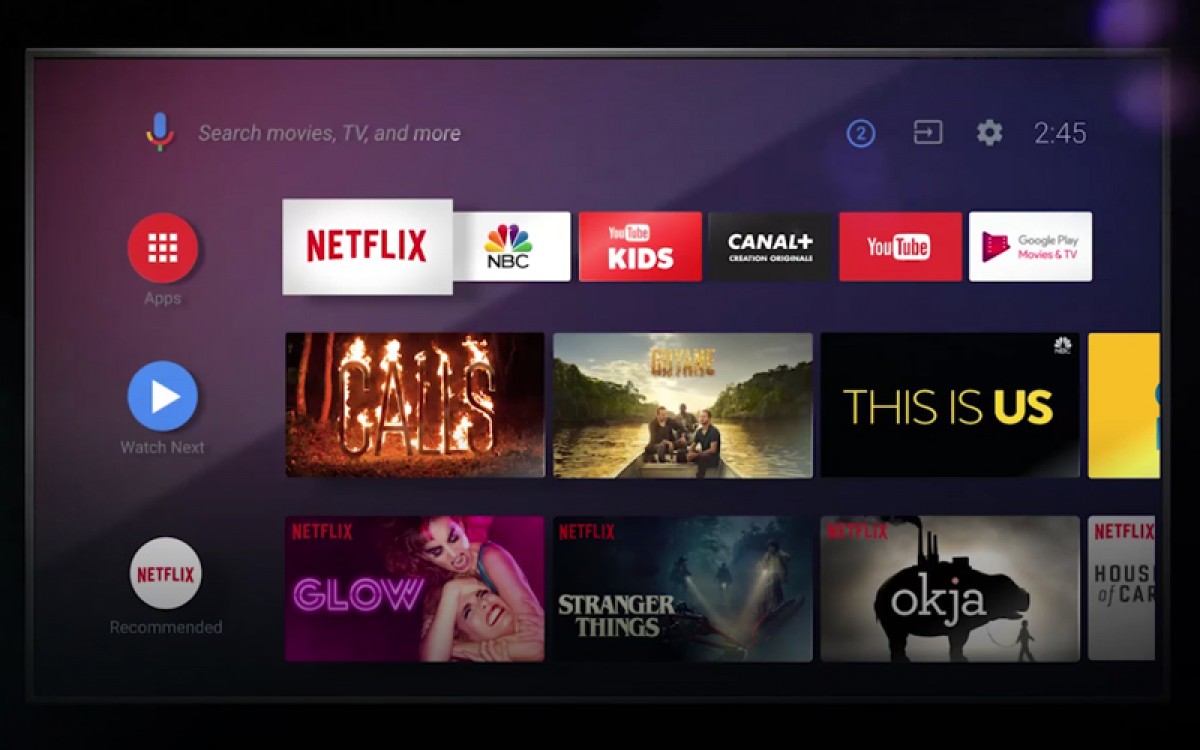
    Google is bringing Android 11 to Android TV devices, the search giant revealed today. Several performance enhancements and privacy improvements will be part of the new Android update, as well as a plethora of new features specifically designed for the TV.

    Among these improvements, Google mentioned enhanced memory management, one-time permissions, and support for Auto Low Latency Mode and low latency media decoding. Since gaming has become such a major part of the entertainment industry, Google is introducing extended gamepad support for Android TV.

    Also, silent boot mode for system updates, inactivity prompts, and OEM configurable wake keys are included in the upcoming Android 11 update for Android TV. All these and more should give users greater control over TV functions.

    And for those interested, testing on Android TV will be much easier with Android 11 thanks to the addition of the so-called “test harness mode,” a feature for third-party app developers that want to automate a device for a fleet of devices.

    According to Google, Android TV OEM partners should release and upgrade to Android 11 over the coming months, so the rollout hasn’t begun yet.

  • These changes being added to Microsoft’s Outlook greatly improve the app

    These changes being added to Microsoft’s Outlook greatly improve the app

    Microsoft’s attempt to take on Siri, Google Assistant, and Alexa was not what you might call a rousing success for the software giant. In most head to head testing, Cortana finished behind all of its rivals including Siri, which is about as bad as things can get. Earlier this year, Cortana was removed from the Microsoft App Launcher. And Microsoft itself has said that at the beginning of next year it will pull Cortana out of the App Store and the Google Play Store.

    But this might not be the end of Microsoft’s digital assistant after all.  In an effort to revitalize its mobile apps, Microsoft announced some changes it is making to Outlook at the request of IT administrators who want to encourage their end-users to start using the iOS or Android version of the app. In a blog post, Microsoft explains that Outlook users will be notified from their desktop or browser that they can have the Outlook experience on their mobile device.

    The users then send a text to themselves containing a link that allows them to download Outlook mobile from the app stores. When they open the app, scanning a QR code will securely transfer their Microsoft credentials from the desktop version of Outlook to the app on their phone. This way they won’t need to enter their username and password when adding a work or school account.” As Microsoft says, “This experience provides a shortcut for both users and IT administrators. Users can easily get started and IT administrators can quickly and confidently know they can scale their deployments in a secure way using the services they already have.

    “Microsoft says that over the next several weeks, it will be adding shortcuts into Outlook for iOS and Android. For example, if suggested replies is enabled by the user and allowed by his or her organization when receiving a message for a get-together, Send Availability will allow the user to work out a time that works out the best for him or her. Tapping on Schedule Meeting will allow the user to create a new event on his Outlook Calendar.

    In the Android version of Outlook, users will be able to respond to email notifications in the app by choosing Archive, Reply, and Delete. Two out of the three can also be selected as responses along with Mark Read, Flag, Read & archive, or none. With Drag and drop, files, text and images can be added to Outlook emails. And those using the iOS 14 version of Outlook now have a widget shortcut to the Outlook Calendar.

    Those with the iOS or Android version of Outlook will be able to schedule a meeting, call contacts from Outlook with their phone, and quickly compose short emails using their voice. This is in addition to searching for people, emails, events, and files, or monitoring new posts in their inbox with help from Cortana.

    The weather is coming to the Outlook app as a way for users to see what the forecast is for later on the same day, the forecast over the next three days, or over the upcoming week. Lastly, AI-based text predictions are coming to the mobile version of Outlook. This makes it quicker to complete composing emails in the app. Swipe on the screen to accept the suggested text or keep typing to ignore it.

    Coming around the beginning of the New Year is Reactions. This feature will allow the Outlook user to add an Emoji quickly in reaction to a message that he or she has received. It helps the user express his view about an email without having to write another long-winded response.

  • UBS to Double Software Engineering Speed

    UBS to Double Software Engineering Speed

    Slowly but surely isn’t good enough principle for the development of software in times of rapid technological progress. UBS, therefore, found a partner that will help it double the speed of development by using a dedicated cloud solution.

    Switzerland’s No. 1 bank has signed an agreement with Gitlab, an open-source platform, to help it achieve a faster pace in innovations. The deal with the San Francisco-based company spans several years, according to a statement released on Thursday.

    UBS will receive access to the so-called DevOps software. At UBS, Agile and DevOps are crucial for constantly developing, testing, and deploying digital solutions, with speed and while they are running, the bank said.

    The collaboration with GitLab is at the heart of DevCloud, which enhances UBS’s ability to cover the entire development process with just one DevOps platform and will advance UBS on its journey to a modernized cloud-based and service-oriented software development lifecycle.

    The goal of the collaboration with GitLab is to enable UBS’s engineers to develop in the cloud and to fully realize the benefits of DevOps and an agile software development approach. This is expected to increase quality and decrease time-to-market significantly: UBS expects to more than double the speed of software engineering by the end of 2021.

  • Dematic Powers the Future of Commerce with Launch of Micro-Fulfilment Solution, first system for Meijer

    Dematic Powers the Future of Commerce with Launch of Micro-Fulfilment Solution, first system for Meijer

    “We’re driven to make shopping at Meijer easy and convenient, so micro-fulfilment is another way our company is leaning into the future of retail. This micro-fulfilment technology will allow us to maximise space in our stores, help us expand our online shopping options and ultimately keep pace with consumer demand for personalized shopping solutions that puts their shopping preferences first.”

    Sid Handa, Director of Strategic Supply Chain Initiatives for Meijer

    Logistics automation innovator Dematic has launched its micro-fulfilment solution, designed to help retailers across industries address increased consumer demand for rapid online order fulfilment in a small footprint. The Dematic solution empowers customers with high throughput requirements to maximise space and achieve profitability with e-commerce ordering, ultimately, advancing their omni-channel distribution strategy to give customers what they want when they want it with one-hour fulfilment.

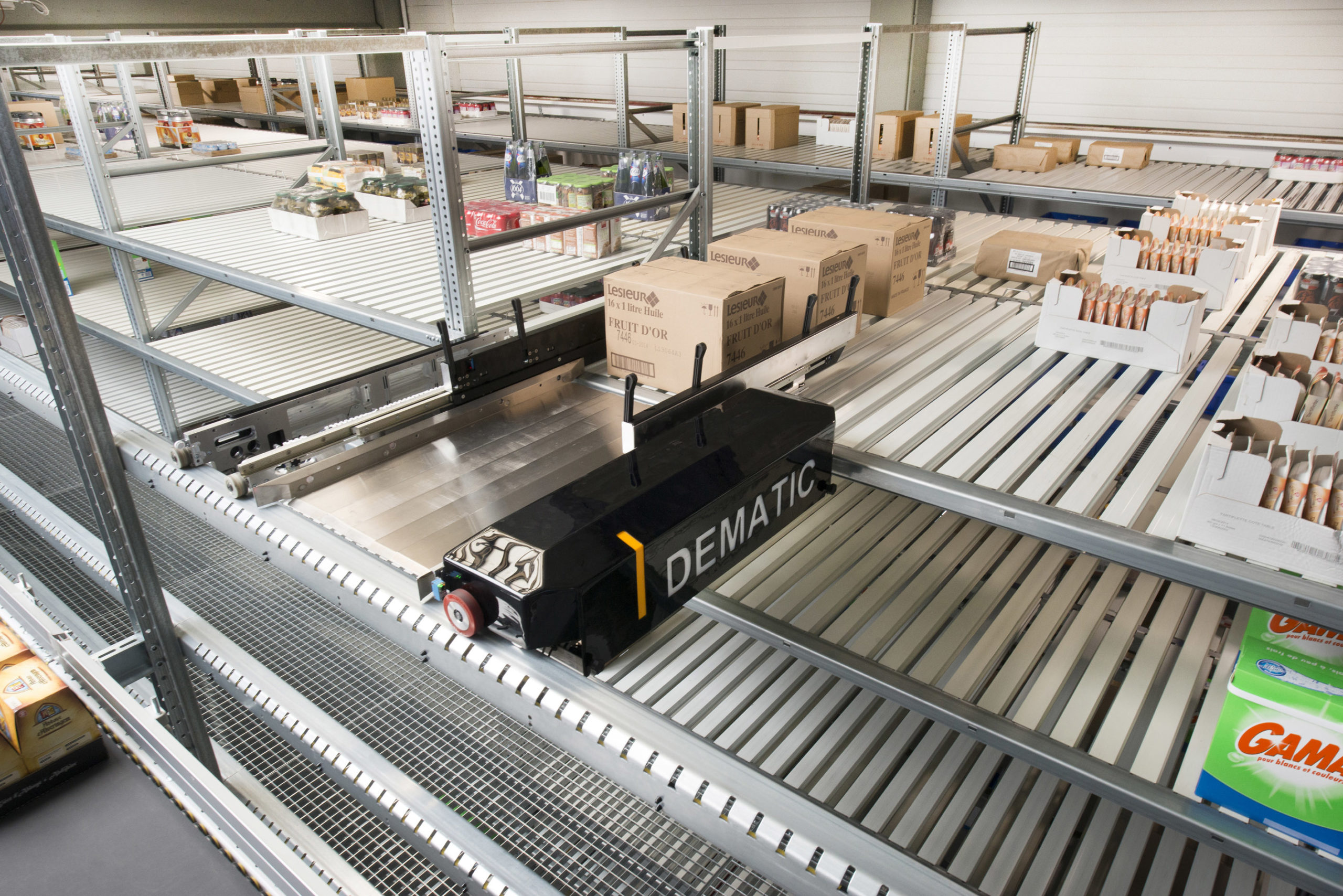
    Dematic’s micro-fulfilment solution implements a compact, automated goods-to-person shuttle system within a section of a retail store, dark store or urban fulfilment centre, in an area as small as 1,000 square metres. Automation enables the retailer to pick and process orders approximately ten times faster than the manual in-store method. Inventory information is available in real time and accuracy is near perfect, which results in satisfied customers who can pick up their order within one hour of placement. Orders can also be transferred to other stores or delivered directly to the consumer.

    Dematic Micro-Fulfilment Advantage:

    • Rapid picking and processing of orders: one-hour fulfillment
    • Installation in as little as 12 weeks
    • Configuration into footprints as small as 1,000 sqm
    • Industry standard-setting technology: Dematic Multishuttle and Goods-to-Person picking solutions
    • Cold zone environment capabilities
    • A global footprint that enables implementation at scale
    • Unmatched 24x7x365 local customer service

    The Dematic Micro-Fulfilment Difference

    Integrating the power of intelligent automation and human expertise, the Dematic Micro-Fulfilment solution is a combination of automated technology and proprietary Dematic iQ software. The software provides seamless integration with inventory management, warehouse and ERP systems so that all stores, distribution centres and corporate offices are networked on the same platform.

    With the ability build and install in as quick as 12 weeks, the Dematic Micro-Fulfilment solution is designed to be implemented close to the end consumer and is configured to fit into small footprints – in the back of a retail store, in a nearby dark store or urban fulfilment centre. Such close proximity enables retailers to better utilise and maximise space, making one-hour fulfillment possible while increasing profitability.

    Dematic’s Micro-Fulfilment solution leverages proven technology like the Dematic Multishuttle and Goods-to-Person Picking solutions that have set industry standards for decades. Additional features that differentiate the Dematic Micro-Fulfilment solution from existing offerings include:

    • Cold zone environment capabilities with ambient, chilled and frozen temperature zones
    • A regional and global footprint that enables implementation at scale, making it possible for customers to install multiple micro-fulfilment solutions at once, at locations worldwide and across Asia
    • Unmatched 24x7x365 customer service with local operations in over 25 countries, supporting scale at speed

    “Dematic has been leading intralogistics innovation and invention for 200 years. We’ve helped automate some of the world’s biggest distribution centres, and now we have a creative solution that truly optimises the smaller footprints found in the backs of retail stores — our expertise in automation and our scale gives us a real advantage. The global effort to bring a Dematic Micro-Fulfilment solution to life in less than six months is proof of that,” said Hasan Dandashly, CEO, Dematic. “Micro-fulfilment is a demonstration of our mission to power the future of commerce, and we aim to set a new standard for order fulfilment, together with our customers.”

    Leading U.S. Grocer Inks Deal for Immediate Installation

    Dematic has a customer installation already in progress with Meijer, a leading U.S. retailer credited with pioneering the modern supercentre concept.

    Grocery Is Just the Beginning

    Dematic’s highly configurable system can accommodate the Stock Keeping Unit (SKU) capacity and order volume required by today’s grocers and wholesalers, but it also has application for apparel, auto parts, consumer electronics, sporting goods, industrial supplies and department stores that are re-purposing retail store space.

    The Dematic Micro-Fulfilment solution addresses supply chain and distribution challenges now inherent to grocers as well as retailers of all sizes and across markets. This includes:

    • Anchoring online and in-store fulfilment from the back of a retail store — creating a true backroom — or from nearby urban fulfilment centres and dark stores, all in much closer proximity to consumers than remote distribution centres.
    • Optimising omni-channel distribution by more effectively using existing real estate for online order assembly, allowing retail consumers to pick up online orders at the closest retail store or service centre, or receive it using a delivery service to their home.

    The Dematic Micro-Fulfilment solution is now available to customers worldwide. Follow along with Dematic micro-fulfilment news and developments on the Dematic blog, as well as on LinkedInFacebook and Twitter.

  • Standard Chartered Converts Physical to Mobile Tokens

    Standard Chartered Converts Physical to Mobile Tokens

    Standard Chartered will transition from physical to mobile tokens for its online corporate banking platform with expectations to benefit more than 100,000 clients in over 38 markets.

    The transition will be rolled out across the markets for the «Straight2Bank» platform, which focuses on cash management and trade transactions, over the next three months.

    According to the bank, «the process of mailing, tracking and continuous replacement required for the physical token activation was time-consuming». Previously, it would take 10 days to open accounts compared to instant account-opening with mobile tokens. The new tokens will also contain enhanced encryption and a built-in layer of security against malware targeting mobile applications.

    Standard Chartered noted that transition from physical to mobile tokens is only the beginning of a broader strategy to «simplify user authentication and security».

    The mobile token solution takes into account not just convenience, it also provides our corporate customers with a more secure solution compared to physical tokens, said Martijn De Jong, Standard Chartered’s co-head of digital channels & data analytics for corporate, commercial and institutional banking.

    This is a critical first step in our aspiration to simplify user authentication and security. The endgame will be to leverage physiological credentials of the user to establish user identity and continuous authentication to combat fraud.

  • Harvey Norman first to launch Microsoft Synchronized Shopping software

    Harvey Norman first to launch Microsoft Synchronized Shopping software

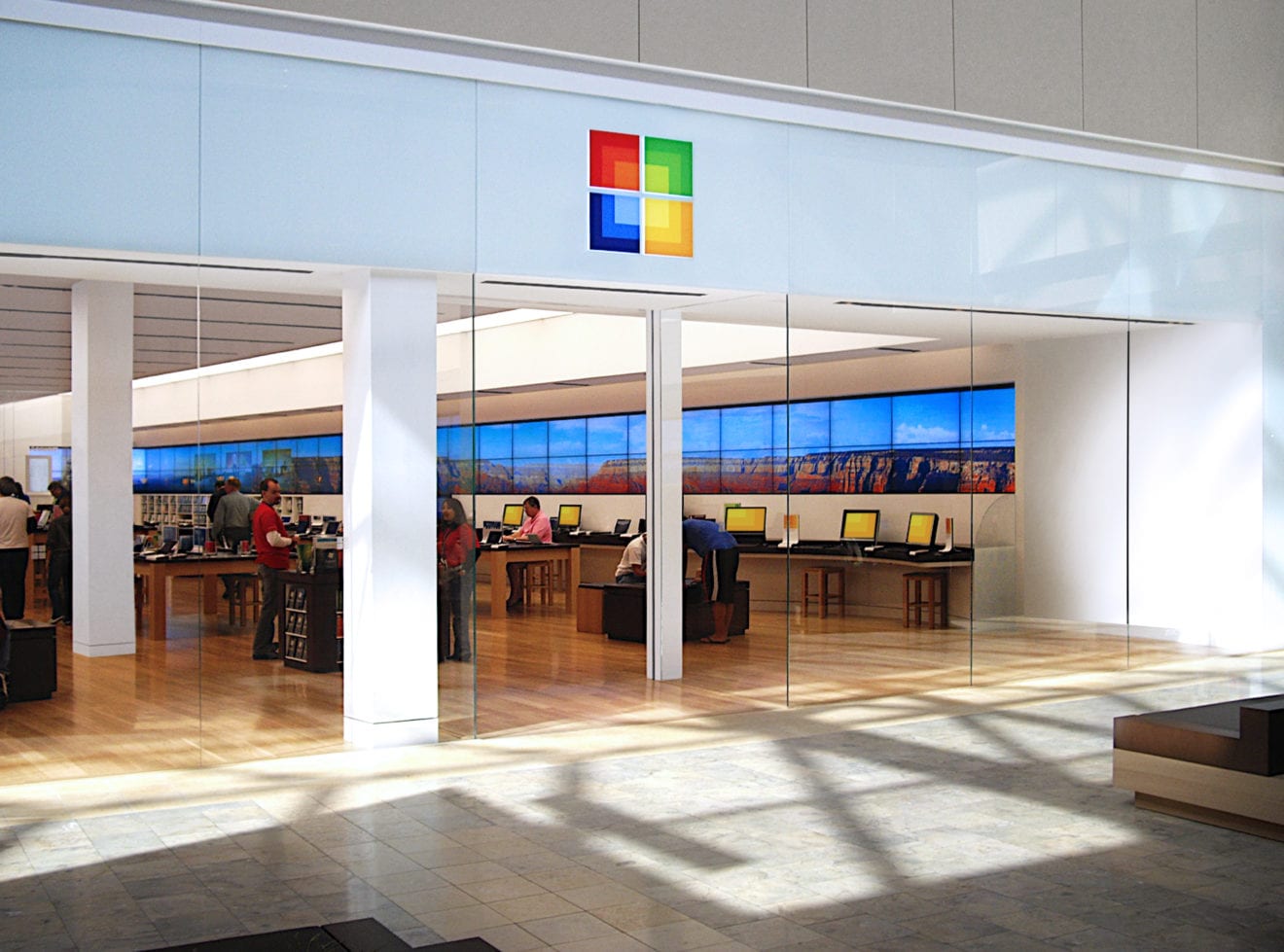
    Harvey Norman has become the world’s first retailer to launch a new AI-powered retail software concept the Microsoft Synchronized Shopping solution.

    Microsoft says its system, accessible via the retailer’s website, “empowers consumers to make informed purchase decisions amidst the myriad of options available online and offline”.

    Visitors to the Harvey Nomran website can use a customized, conversational AI-driven product advisor that asks a series of questions to identify the shopper’s needs, then recommends devices that best suits them. That might feature such as long battery life or storage capacity.

    Microsoft says product advisor results reflect devices that are on display in Harvey Norman, where customers can go to try them out.

    “The immersive and engaging experience starts when the shortlisted device(s) on the website creates a shopper pass on the mobile device with embedded geo-location services. When shoppers are in proximity of the store where the specific PCs are available, they get a phone notification, and once they enter the store are guided to the exact PCs that were recommended by the online advisor,” says Microsoft in a statement.

    “This simplifies the in-store experience, eliminating the need for shoppers to spend time navigating through all the choices in the PC aisle. In addition, it provides a seamless online-offline purchase journey tailored to their needs which is highly secure (and with no footprint of the user on any of the interacting devices).”

    Harvey Norman CEO Katie Page says she believes customers must be able to make decisions holistically, especially in a digitally connected world.

    “This has always guided how we curate our assortment of offerings, and it now shapes how we look at connecting online and offline channels seamlessly for our customers. Microsoft Synchronized Shopping is a major step in the right direction to help all of us live this ‘connected life’.”

    Microsoft says it created the solution to address the challenge faced by consumers of an online proliferation of options and the anywhere/anytime nature of shopping via mobile devices.

    Its research showed that 80 percent of consumers now begin their shopping journey online, and many end up delaying a purchase because they are overwhelmed by the number of choices.

    “Second, they find it difficult to choose the product that best meets their needs, without conducting extensive research, and often ends up buying a less-than-satisfactory device. This ‘choice paralysis’ inspired the design of Microsoft Synchronized Shopping.”

    Microsoft says its Synchronized Shopping solution is part of a broader “retail-reimagined strategy aimed at simplifying the consumer journey” by using intelligent cloud technology.

    It was developed in partnership with Microsoft Gold partner Popcornapps and is built on Azure cloud services, progressive web-apps and geo-location-based services.

  • Android Auto is getting a redesigned interface and Dark Mode

    Android Auto is getting a redesigned interface and Dark Mode

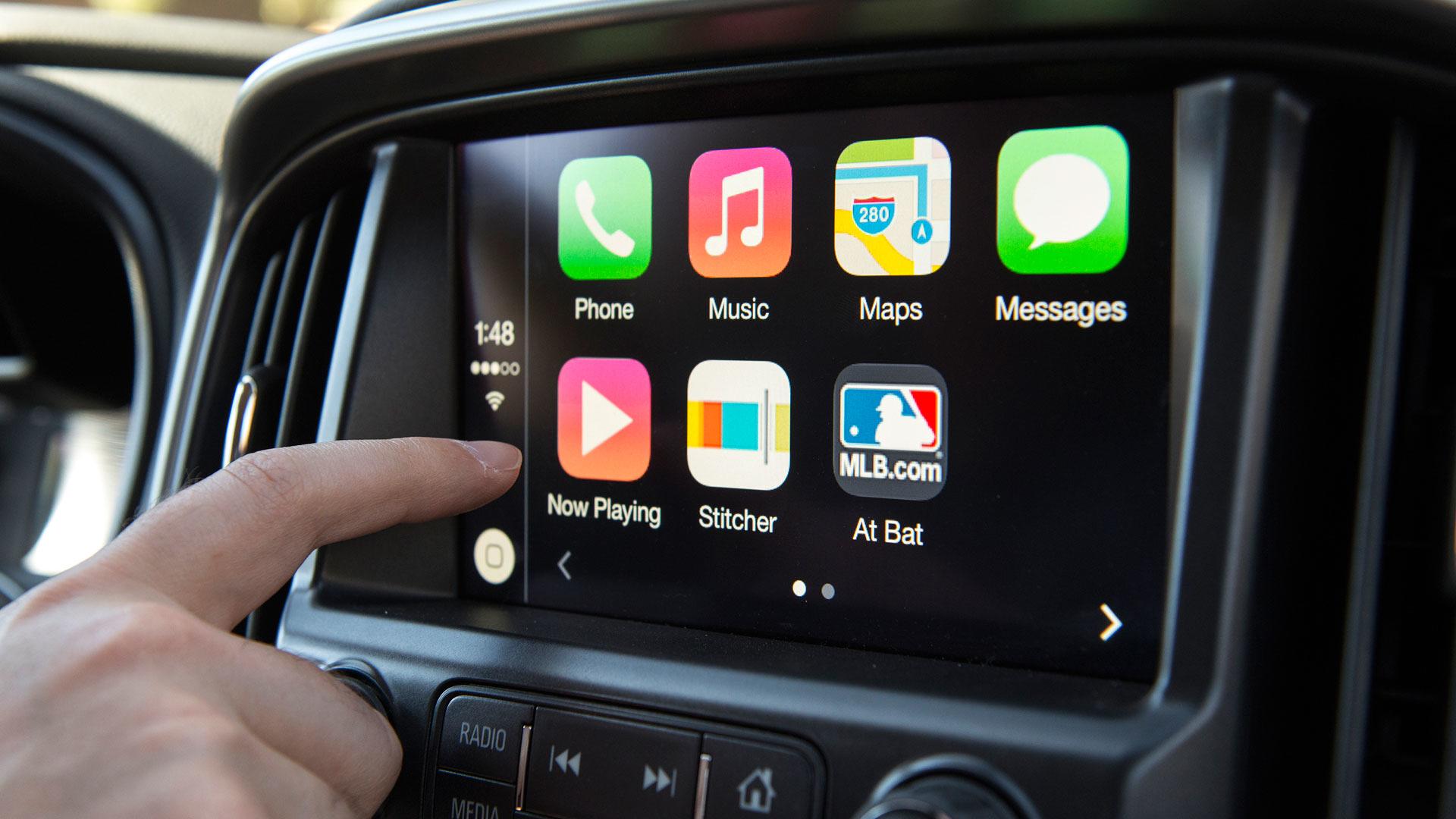
    Google last month announced an update for Android Auto that would change the way the app looks and works, and it is now finally rolling out to some regions. Google says that the refreshed interface was “built to help you get on the road faster, show more useful information at a glance and simplify common tasks while driving.”

    To streamline the experience and to make common tasks even easier to perform while driving, the latest Android Auto update introduces a redesigned bottom navigation bar. It allows users to control apps and media, manage incoming calls and notifications, and get directions on the same screen, with fewer taps required than before.

    The redesigned bottom bar also offers a way to better utilize screen real estate. Since Android Auto is a scalable experience, made to work on many types of displays with different sizes, aspect ratios, and resolutions, the UI design changes are aimed at making the app a consistent and well-optimized experience across the board.

    Speaking of UI changes, Dark Mode is also a thing now in Android Auto. It’s more of a visual change, rather than functional, but it should make using the app during the night a bit easier on the eyes. Google says that the new dark theme was designed to utilize more colorful accents and easier to read fonts to further improve visibility and reduce eye strain.

    The update seems to depend on a server-side switch, as is often the case with Google services, and not on the app version you’re running. Still, you can check if you’re on the latest version by heading to the Google Play Store.

    The new Android Auto update has started rolling out in the UK and US, so other regions where the service is available should start receiving the new features in the coming days/weeks.

  • Prosecutors Fine Bosch 90 Million Euros For Illicit Emissions Software

    Prosecutors Fine Bosch 90 Million Euros For Illicit Emissions Software

    Automotive supplier Bosch has agreed to pay a 90 million euros ($100.21 million) fine for lapses in supervisory duties which enabled carmakers to engage in emissions cheating, German prosecutors in the city of Stuttgart said on Friday.

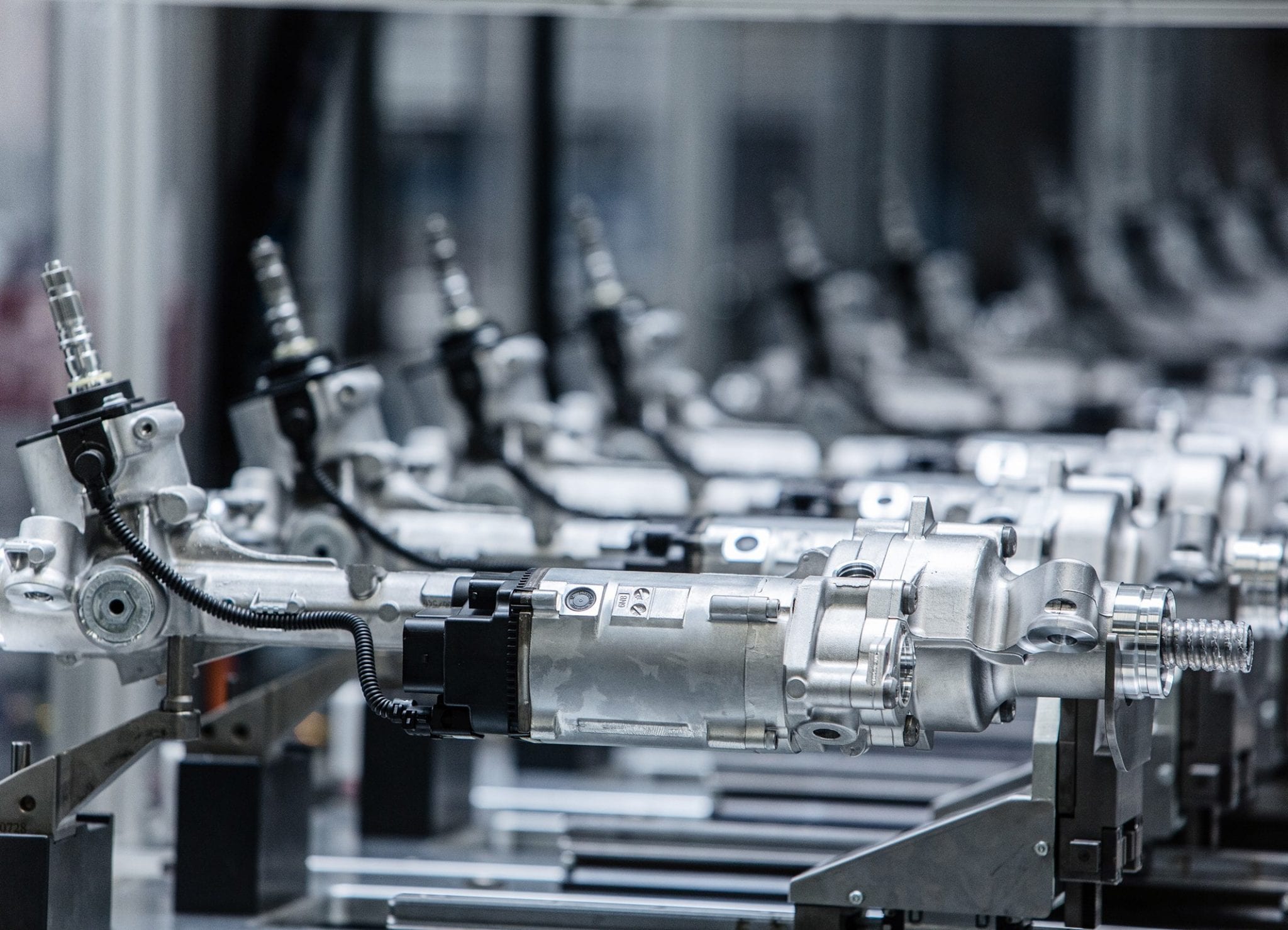
    Privately-held Bosch, the world’s biggest automotive supplier, delivered around 17 million technical devices equipped with engine management software, including tools that allowed carmakers to manipulate emissions tests, prosecutors said in a statement.

    Bosch has accepted the fine and will not appeal the decision, they added.

    Volkswagen used the software provided by Bosch to help the carmaker mask illegal pollution in diesel-engined vehicles.

    Volkswagen has borne the brunt of penalties and fines for emissions cheating since carmakers, rather than suppliers are responsible for certifying that cars meet clean air rules

  • Microsoft does something Unexpected

    Microsoft does something Unexpected

    You didn’t have to be a techie, a fan boy or wealthy investor to enjoy the two-horse race last year between Apple and Amazon. Both companies were neck and neck in a race to be the first publicly traded U.S. firm to reach a trillion dollar valuation. Last August 2nd, Apple hit the milestone first, followed by Amazon almost exactly one month later. And that’s why it was such a surprise when Microsoft finished 2018 as the most valuable public company in the U.S.

    Even though Microsoft finished on top as last year ended, it was the beneficiary of a sharp market correction that took Apple and Amazon down 32% and 27% from their 2018 highs, respectively. But the software giant had never actually joined Apple and Amazon in the trillion dollar club; that is, until today. A positive earnings report released by the gang in Redmond after the market closed last night has propelled the stock sharply higher. This morning, Microsoft’s shares reached a high of $131.37 and at that point, the company was worth $1.007 trillion dollars.

    Microsoft investors have taken some profits, allowing the stock to drift back to $129.64 as we write this. That takes the company under the $1 trillion mark but doesn’t remove the accomplishment from the history books. Meanwhile, Apple and Amazon’s shares have recovered enough from last winter’s drubbing to make another run at a $1 trillion valuation. Apple, which reports earnings next week, is currently worth close to $975 billion. Amazon reports earnings later today and is currently worth $944 billion.

    While some might say that Microsoft has failed miserably in the mobile industry with Windows Mobile and Windows Phone, others might point out the success it has had with the Surface Pro high-end tablets. And more importantly for Microsoft, it owns a slew of Android-related patents that bring in a huge sum of money every year.

  • Facebook could combine two important parts

    Facebook could combine two important parts

    Facebook is split into so many products these days that it’s hard to keep track to everything the social app has to offer if you’re not a hardcore user. News Feed, Stories, Messenger are just some of the features that Facebook has made available to users throughout the years.

    The reason Facebook split its app into so many pieces is quite simple: monetization. Well, it appears that the social giant has found a way to make even more money by combining, rather than dividing, two of these features: News Feed and Stories.

    The changes spotted by software engineer Jane Manchun Wong indicates that Facebook is testing a new format that will combine News Feed and Stories into a one swipeable, hybrid carousel.

    It will allow standard feed posts and ads to be placed inside Stories in the same carousel so that users would be tempted to swipe through them more often than not, which translates in more views and better monetization of content.

    The GIF posted by Jane shows how a user seamlessly switches between a News Feed story and a Stories video, inside the hybrid carousel. The feature has been discovered in the Android version of Facebook, but if the company does indeed plan to make it available, it will be present on all supported platforms.

  • German Motor Authority Probes More Mercedes Emissions Software

    German Motor Authority Probes More Mercedes Emissions Software

    Germany’s motor vehicle authority KBA is investigating Daimler on suspicion that 60,000 Mercedes cars were fitted with software aimed at tricking emissions tests, the Bild am Sonntag newspaper reported on Sunday. A spokesman for Daimler, owner of Mercedes-Benz, said the carmaker was reviewing the facts and fully cooperating with the KBA. Bild am Sonntag said the KBA was looking into suspicious software in Mercedes-Benz GLK 220 CDI cars produced between 2012 and 2015, after tests showed they only meet emissions limits when a certain function is activated.

    Since rival Volkswagen admitted in 2015 to cheating U.S. emissions tests, the scandal has spread to other carmakers. Daimler has ordered the recall of 3 million vehicles to fix excess emissions coming from their diesel engines.

    Bild am Sonntag said the KBA found that the function it had discovered had been removed during software updates carried out by Daimler.

    The Daimler spokesman said the company had complied with a process agreed upon with the KBA and German Transport Ministry when updating software for the 3 million recalled vehicles.

    “The allegation that we wanted to hide something with the voluntary service measure is incorrect,” he said.

    This month European Union antitrust regulators charged BMW, Daimler and Volkswagen with colluding to block the rollout of emissions-cleaning technology.

  • Skype automatically answers calls on Android due to a bug

    Skype automatically answers calls on Android due to a bug

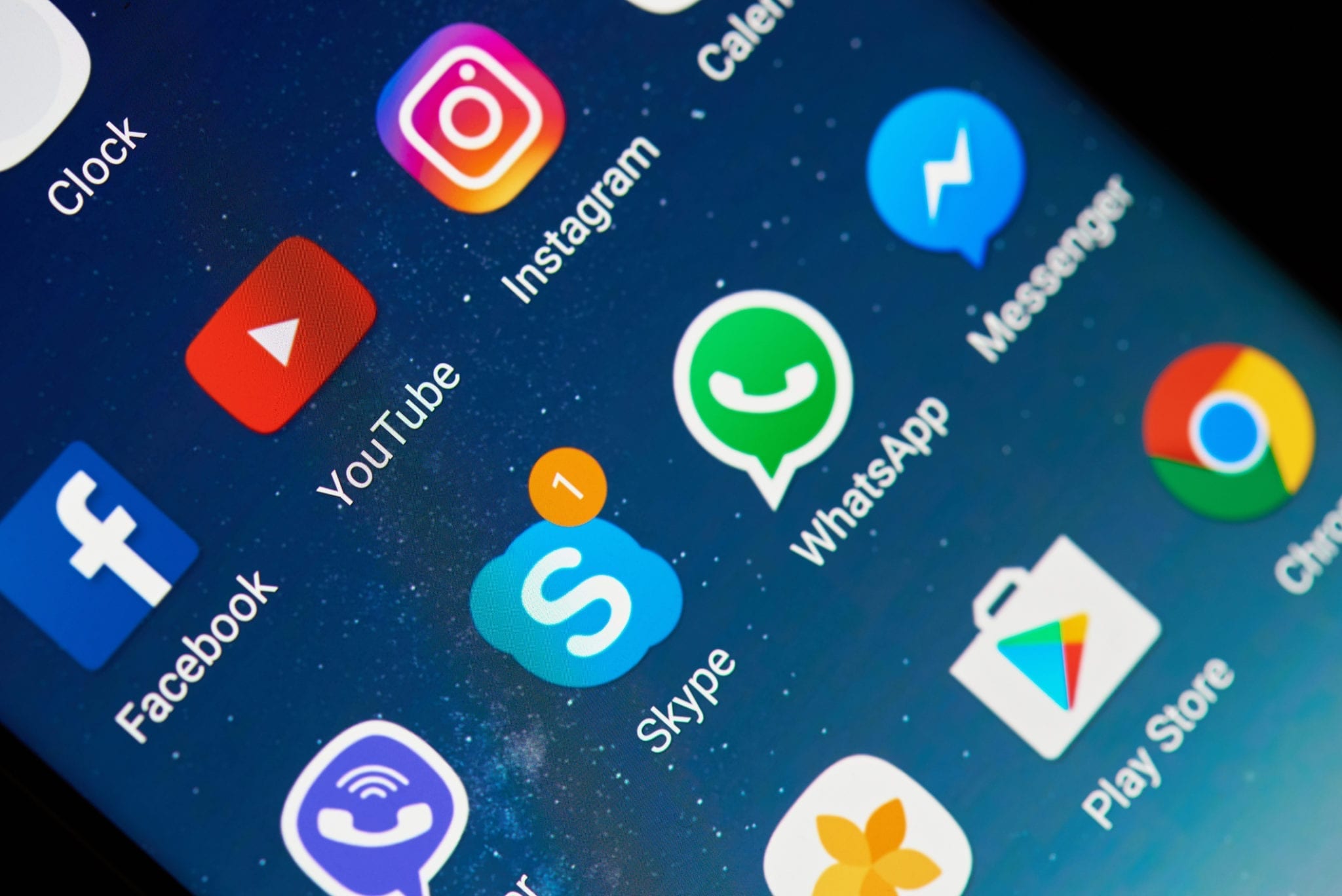
    If you’re using Skype for your day to day communication with friends, co-workers or business partners, there’s a high chance that you’ve been affected by a nasty bug that makes the app automatically answer all calls on Android devices.

    Microsoft is probably the only one that can tell for sure when exactly the issue started to manifest for the first time, but reports go back as far as January, probably soon after the developers updated the app. Sadly, it appears that the issue now affects even more users, as we’re seeing lots of recent reports posted on Microsoft’s support forum.

    For the time being, there’s no workaround to prevent Skype from answering calls that you want to ignore, so the only way to avoid the issue is to uninstall the app until Microsoft fixes it. Not even having the “Answer incoming calls automatically” option disabled will not stop Skype from doing just that.

    The good news is Microsoft has already identified the issue and managed to patch it, but only in the latest Skype preview app. If you want to continue to use the app without being affected by the bug, you can download the beta until the final version gets updated later this month.

  • Capillary Technologies Announces Continued Business Momentum in Southeast Asia

    Capillary Technologies Announces Continued Business Momentum in Southeast Asia

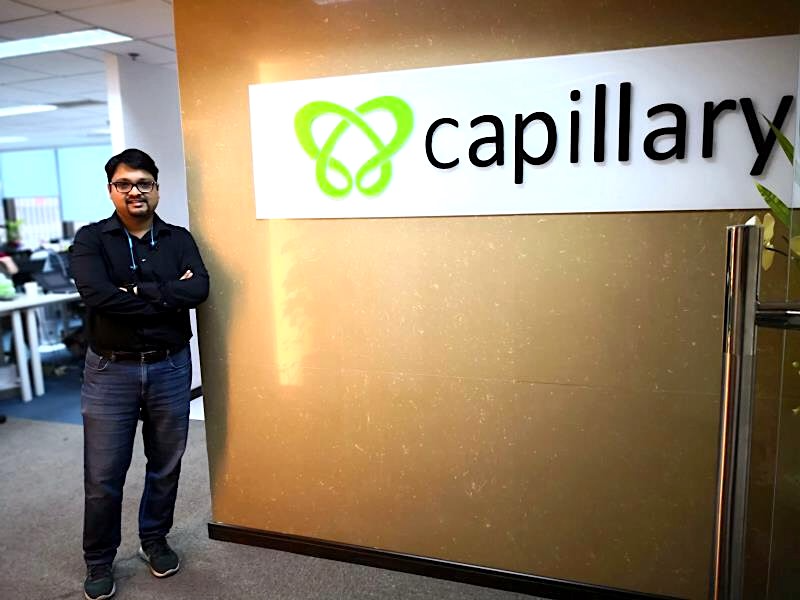
    Capillary Technologies, a leading provider of CRM and digital retail solutions, announced results for 2018 that show significant year-over-year business momentum. The company highlighted many significant developments that contributed to its most successful year since its entry into Singapore in 2012. In 2018, the company posted a record 100% growth from sales of its omnichannel retailing and CRM software in Southeast Asia. From its headquarters in Singapore, Capillary has established a growing presence in Malaysia, Thailand and Indonesia, servicing more than 14 million customers regionally and over 450 brands such as Courts in Singapore, Caring Pharmacy in Malaysia. With over 10 million monthly transactions across 1,400 regional stores, global revenues witnessed an exponential increase of 55% in 2018.

    Solving the region’s retail challenges with AI technology

    The use of artificial intelligence (AI) has been growing by leaps and bounds amongst Southeast Asian retailers. According to a recent report on artificial intelligence in Southeast Asia, more than 24,000 AI-related papers have been published in the Southeast Asia region, with Singapore, Malaysia and Thailand accounting for 86% of the output.

    To help brands realise the full potential of AI and machine learning, Capillary launched several AI-powered solutions: VisitorMetrix, Personalized Campaigns and Instore AI. These innovative products help brands to access accurate and real-time data on visitors and integrate it with transaction data.  Retailers can get insights on store staff effectiveness, power hours, conversion rate, and campaign effectiveness among others. Moreover, personalised analysis of each customer’s needs, preferences and motivations empower retailers to create an ‘offline clickstream’ of data which can be used to provide relevant recommendations and a highly engaging shopping experience.

    Abhijeet Vijayvergiya, President & Managing Director, Global Accounts and APAC, Capillary Technologies said, “Capillary is delighted with the results that we have achieved in Southeast Asia for 2018. The regional retail industry is moving towards providing personalised and seamless experiences to the ever-changing digital consumer. With greater AI implementation, we will see brands capturing more and more data on consumer behavior and preferences across multiple channels to start building individual profiles for each consumer. We are proud to work alongside these online and offline retailers to deliver superior experiences.”

    Leading brands tap on Capillary to drive customer engagement

    In Southeast Asia, Capillary Technologies has partnered with leading brands such as Bata, a leading shoe retailer, to strengthen its omnichannel CRM strategies. “To really improve our brand-customer relationships, we feel it is imperative for us to find ways to walk and talk with our consumers across the various channels they use in their buying journey. The engagement had to be consistent, connected and seamless across platforms,” said Roberto Longo, President – Asia Pacific, Bata on the brand’s objectives for its CRM initiatives. With Capillary, Bata was able to achieve 2.2 times higher returns from targeted campaigns in Singapore and registered 57 times more ROI from Facebook campaigns in Malaysia. In other markets as well, the brand has seen 10 times increase in ROI from its overall CRM investments.

    One of Singapore’s leading F& B chains, TungLok Group recently partnered with Capillary to drive digital customer loyalty and personalised engagement. As a result, TungLok Group experienced a 350 percent increase in sales and a 139 percent increase in loyalty sales. Carolyn Tan, Senior Vice President, Marketing & Corporate Communications at TungLok Group said: “TungLok Group takes immense pride in serving its customers a high-quality experience at every touch point. With Capillary, we extended this beyond our restaurants and outlets. Their inputs on who to target, when and with what offer has been key to improving customer relationship and in turn, contribute to our growth.”

    Ready for 2019

    Capillary Technologies is preparing for even more significant growth in 2019 with the aim of achieving 70% growth globally. In February 2018, it announced an approximate US$20 million funding raised from investors, including its existing investors, Warburg Pincus and Sequoia Capital. This was followed by another round of funding led by Warburg Pincus in October later the same year. Plans are also officially underway for expansion into Vietnam and the Philippines by the end of 2019.

  • Google has yet to fix a serious issue with the Pixel 3 and Pixel 3 XL

    Google has yet to fix a serious issue with the Pixel 3 and Pixel 3 XL

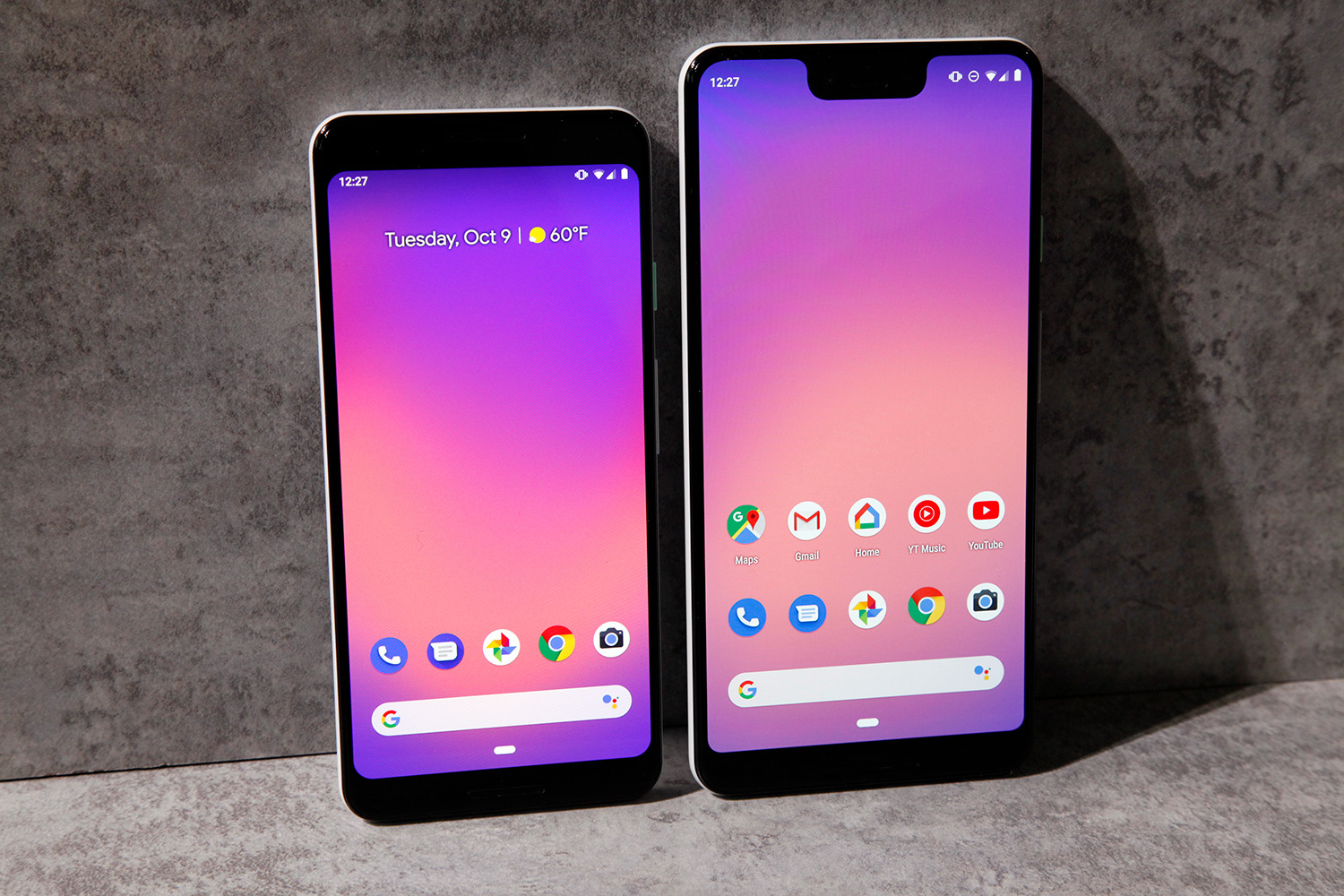
    Back in December, we told you that several Google Pixel 3 and Pixel 3 XL users were having an issue getting the person on the other end of a phone call to hear them properly. The Pixel series has been notorious for having a number of problems out of the box that are fixed by a subsequent software update. You might recall that the Pixel 2 and Pixel 2 XL had so many issues out of the gate that a law firm was recruiting users of the 2017 models to join a class action suit against Google, LG and HTC.

    According to Android Authority, it appears that Google never got around to fixing the problem with phone call connectivity with the 20218 Pixels. On the Google Product Forums are the posts that we discussed in our original story. But newer comments have been posted as recently as last month. It seems that when a Pixel 3 or Pixel 3 XL user is on a regular phone call, the person on the other end of the line is hearing an echo, choppy audio that cuts off words, silence, and more.

    Some troubleshooting tips (factory reset, going into safe mode, switching to 3G from 4G) failed to resolve the issue for everyone, which puts the ball back squarely in Google’s court. Hopefully there will soon be a software update disseminated that will allow those engaged in a phone call with an affected unit to hear the Pixel owner’s voice crystal clear.

  • KT Telecop warns people to secure homes for Seollal

    KT Telecop warns people to secure homes for Seollal

    KT Telecop, the security arm under mobile carrier KT, has warned people to be careful leaving their homes empty over the Lunar New Year period. On Tuesday, KT Telecop said most incidents occur during the first day of the holiday period, according to three years of big data it has collected during the Lunar New Year and Chuseok holidays.

    Theft is the most commonly reported issue, accounting for 59 percent of incidents, followed by property damage at 24 percent and fire at 17 percent.

    A spokesperson from KT said travelling families should keep a tight watch on their front doors and windows before leaving the house to prevent crime.

    For those intending to leave the house empty for a long time, KT suggests keeping some lights on at all times so it appears occupied.