Tag: sony

  • Sony Launches US$60 MDR-3R Wired Headphones Inspired by 1979 Walkman

    Sony Launches US$60 MDR-3R Wired Headphones Inspired by 1979 Walkman

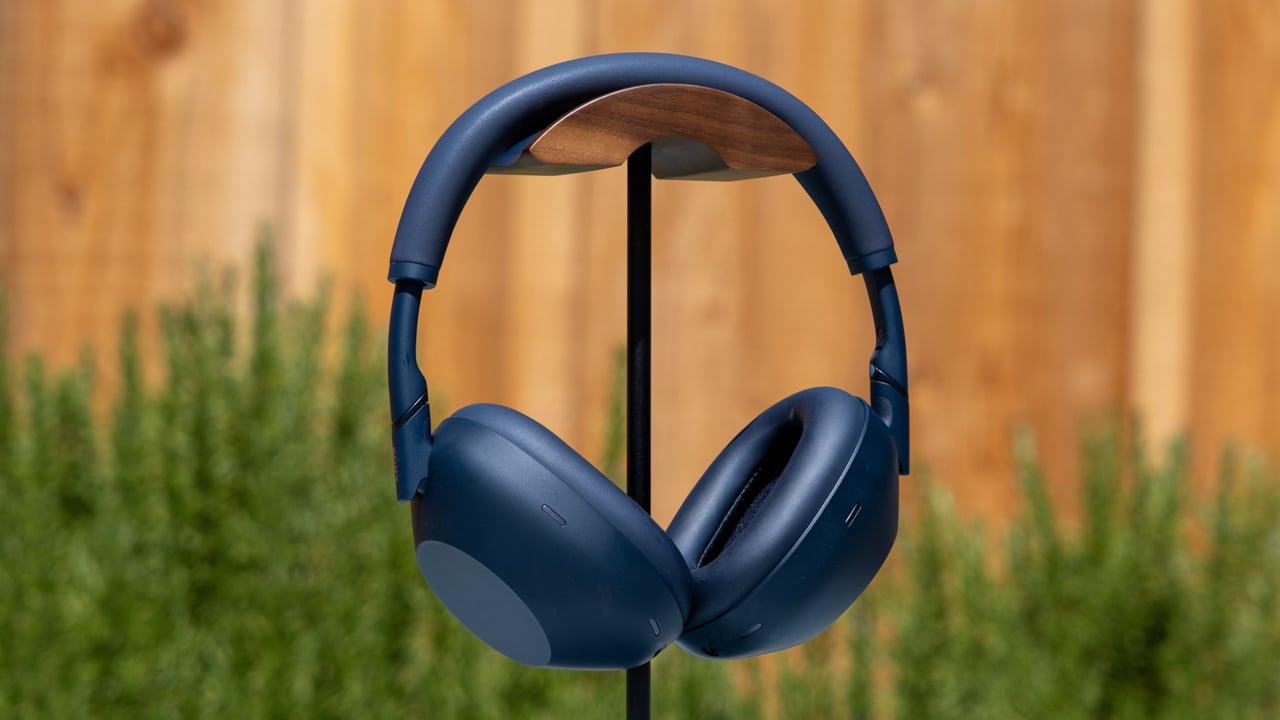
    Sony Group launched the US$60 MDR-3R wired headphones, reviving the design shipped alongside the original Walkman in 1979.

    Joining a broader revival in retro tech, the set updates the vintage format with a USB-C connector, a built-in microphone for voice calls and an in-line remote control.

    Retail distribution runs through Sony, Amazon, Best Buy and other retailers. A co-branded special edition priced at US$80 tied to Netflix series Stranger Things features custom packaging, show branding engraved on the hardware, and red and black earpads, sold directly through Netflix, Amazon and Sony. The standard US$60 release ships with interchangeable blue and orange earpads.

    Re-engineering the 1979 Walkman Acoustic Profile

    Sony kept the 23-millimetre driver units from its vintage predecessor to recreate the sonic signature of the original late-seventies set. The company said in a statement that it made subtle refinements to modernise frequency response for digital streaming formats while retaining a lightweight frame for long sessions.

    The headset excludes active noise cancellation, relying entirely on open-back, on-ear foam pads. Skipping rechargeable battery cells allows Sony to sell the product at a fraction of its wireless noise-cancelling overhead line.

    Budget Audio and the Wired Resurgence

    Consumer electronics distributors face shifting inventory demands as budget wired gear gains traction against wireless Bluetooth earbuds. Apple anchored the category with its US$19 wired EarPods, while Bose recently rolled out US$99 noise-cancelling wired earbuds that have run out of stock repeatedly across retail channels.

    Shoppers choose physical cable hookups to eliminate battery degradation, skip charging cycles, and secure zero-latency audio for video recording and voice calls. Sony is capturing this margin by repurposing intellectual property that is nearly five decades old, reducing research overhead while locking in immediate consumer familiarity.

    Category Competition and Margin Pressure

    The push represents a calculated retreat from the feature bloat that pushed premium consumer headphones into four-figure retail brackets. Bose proved that buyers will pay US$99 for wired audio when premium components are included, but Sony is taking an even leaner route by stripping out active electronics entirely to hit US$60.

    The risk sits in retail durability. Cheap wired sets face fierce price erosion from unbranded peripheral makers that dominate online marketplaces. Sony relies entirely on industrial design nostalgia and acoustic tuning credibility to defend a fourfold price premium over generic alternatives.

    Distribution Pipeline and Product Timelines

    The MDR-3R rollout builds on recurring retro hardware cycles across Japanese technology firms, following decades of portable audio experimentation after the original 1979 Walkman transformed personal listening. Retail inventory allocations across global online storefronts and physical electronics chains are active now, with sales figures across both the standard unit and the Netflix tie-in expected to show up in consumer hardware volume reports over the coming quarter.
  • Sony Lifts Gaming Sales Forecast to 4.83 Trillion Yen

    Sony Lifts Gaming Sales Forecast to 4.83 Trillion Yen

    Sony increased its full-year sales forecast for its Game & Network Services division to 4.83 trillion yen, up 6 per cent from an earlier estimate of 4.54 trillion yen.

    In financial results released on 5 November for the second quarter of the 2026 financial year, the company also lifted its annual operating profit target for the segment from 660 billion yen to 700 billion yen.

    Higher sales of non-first-party titles, tighter cost management, and expanding revenue from PlayStation Plus network services drove the revision. During the July-to-September period, segment sales rose 9 per cent year on year to 1.21 trillion yen, while operating income jumped 83 per cent to 220.1 billion yen despite a decline in hardware sales.

    Network Software Offsets Console Volume

    Hardware demand moderated across the July-to-September quarter, yet Sony lifted margins by shifting its earnings base deeper into software purchases and recurring subscriptions. The corporate upgrade relies directly on royalties collected from outside publishers rather than its own proprietary game rollouts. Digital purchases eliminate standard distribution fees and physical disc pressing costs, keeping gross margins wider even when unit counts level off.

    Hardware remains the hook that locks consumers into Sony’s ecosystem, but the commercial weight has shifted to digital network access. Rival hardware makers face identical pressures as console lifecycles mature.

    Wolverine Sells 2.4 Million Units

    Sony disclosed opening sales figures for Marvel’s Wolverine, confirming the PlayStation 5 exclusive title sold 2.4 million copies globally across its first 50 days. The title was developed by subsidiary studio Insomniac Games and debuted on 15 September 2026. This release represents a separate superhero project following its Spider-Man series.

    That volume tracks below earlier studio debuts. Marvel’s Spider-Man 2 sold 2.5 million units in its opening 24 hours in October 2023, surpassing 5 million units within 11 days. The gap reflects both a standalone character rollout without established gaming sequel momentum and changing seasonal consumer demand patterns in early autumn.

    The Third-Party Pipeline

    The updated full-year forecast includes anticipated commercial tailwinds from outside studio titles, headlined by Rockstar Games’ Grand Theft Auto 6. Sony secured promotional alignment for the title, using PlayStation 5 marketing slots to pitch hardware features including haptic trigger resistance and spatial audio processing. Rockstar’s public distribution channels list both the PlayStation 5 and Xbox Series X and Series S as launch platforms.

    Consolidated digital storefronts capture a percentage cut of all third-party digital purchases, in-game spending, and add-on content without carrying development overhead. This cut cushions Sony’s balance sheet against volatile development schedules from its wholly-owned creative teams. The publisher carries none of the financial write-down liability if third-party production timelines stretch.

    Earlier Platform Performance

    The quarterly report follows a period where platform hardware volumes peaked earlier in the console cycle.

    The group’s operational attention now shifts to retail store channels and digital fulfillment when Grand Theft Auto 6 launches globally on 19 November 2026.

  • Nintendo Quarterly Profit Falls 29Pc to 73.5 Billion Yen as Switch 2 Cools

    Nintendo Quarterly Profit Falls 29Pc to 73.5 Billion Yen as Switch 2 Cools

    Nintendo posted a 29 per cent drop in second-quarter net profit to 73.5 billion yen, missing market forecasts as unit sales for its Switch 2 console slowed.

    The Japanese gaming company fell short of the 82.2 billion yen average estimate compiled by Bloomberg for the July-September period.

    First-half net profit still climbed 11 per cent year-on-year, supported by earlier momentum and software purchases. Operating profit jumped nearly 50 per cent across the six months, aided by steady software transactions and a windfall from US tariff refunds.

    Hardware Volume Drops After Launch Year

    Consumer demand for hardware pulled back sharply across global channels. Nintendo sold nearly 6.5 million Switch 2 consoles during the six months, down from almost 10.4 million units in the comparative period a year earlier when the hardware debuted.

    Component costs hit margins across electronics supply chains this year. Higher prices for memory chips, driven by enterprise demand for artificial intelligence hardware, forced Nintendo to raise the retail price of the Switch 2 console.

    Retail buyers now face a more cautious consumer base. Without an immediate pipeline of top-tier first-party games through the summer, store shelves saw console inventory move at a noticeably slower pace than during the record-breaking 2025 launch cycle.

    Divergence Across Tokyo Tech Giants

    The consumer electronics divide widened between Japan’s two premier entertainment hardware makers this quarter. Sony upgraded its full-year earnings outlook to 1.33 trillion yen, powered by games, theatrical releases and music distribution.

    Sony recorded a 44 per cent jump in second-quarter net profit to 449.6 billion yen. While Sony benefited from favourable foreign exchange rates and box office contributions from titles like Spider-Man: Brand New Day, Nintendo remained exposed to single-platform hardware dependency.

    For consumer tech merchants across Asia, Nintendo’s numbers indicate that price increases on maturing hardware require immediate software drivers to sustain floor traffic. Sony gains additional momentum heading into November with third-party software releases, whereas Nintendo must rely heavily on its internal intellectual property catalog to protect device sell-through.

    Holiday Software Push

    Nintendo is turning to legacy catalog revivals to rebuild retail engagement ahead of the critical shopping season. The company rolled out a remake of The Legend of Zelda: Ocarina of Time to coincide with the franchise’s 40th anniversary.

    The title registered a Metacritic score of 96 out of 100 on the eve of release. Management intends to tap the existing hardware base to generate recurring digital revenue while software sales recover.

    Full-year net profit guidance remains unchanged at 310 billion yen. Retailers and suppliers will measure holiday checkout volumes against that target as shopping campaigns open across regional markets.

  • Sony Unveils $5,900 Gold-Plated Walkman for Audiophiles

    Sony Unveils $5,900 Gold-Plated Walkman for Audiophiles

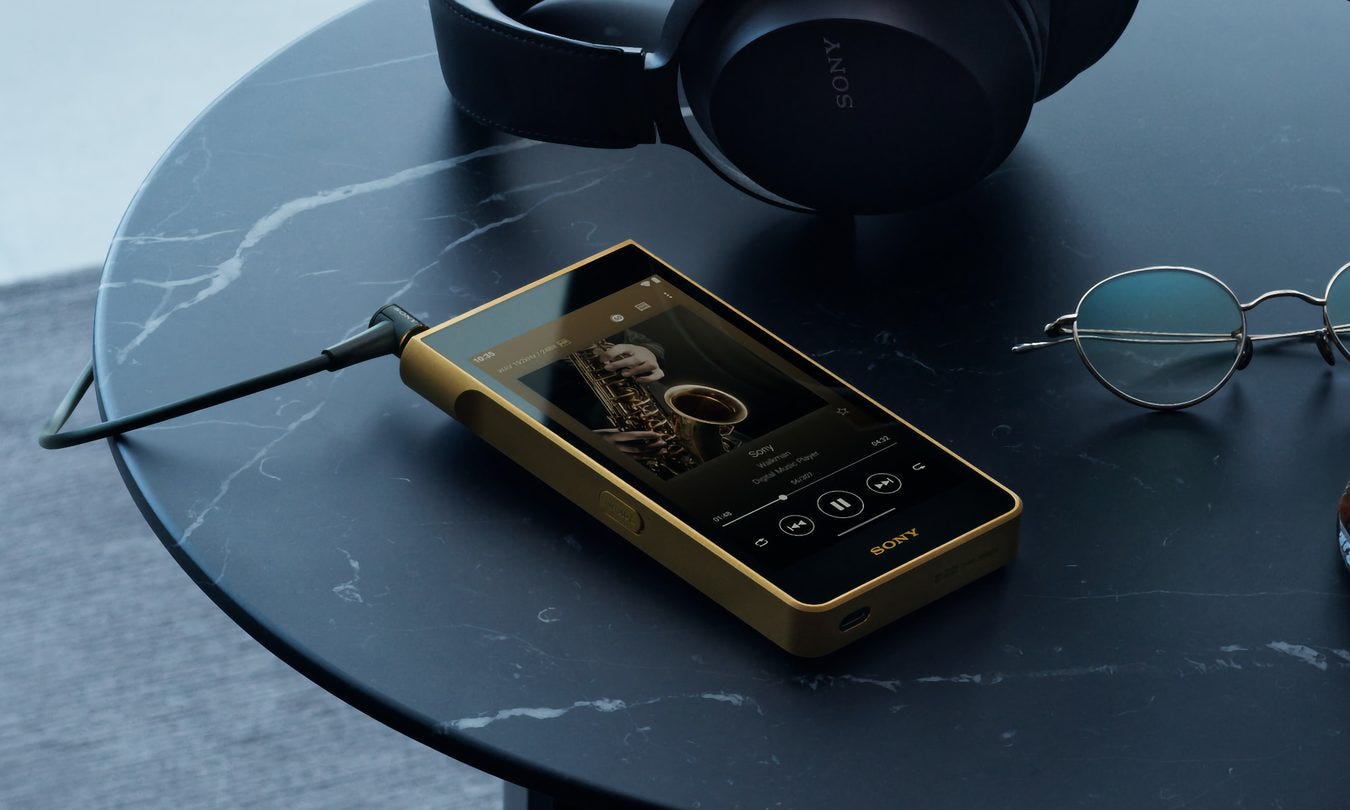
    Sony unveiled a premium, gold-plated Walkman priced at $5,900 in Tokyo on Friday, targeting audiophiles with superior sound quality.

    The launch dispels rumors among users that the iconic music player might be discontinued after shipments of previous models ended this summer.

    Pricing and Hardware Position

    Engineers built the flagship unit with a gold-plated chassis to isolate audio signals and reduce distortion. It caters to buyers willing to pay luxury prices for standalone digital players.

    Mass-market listeners shifted to smartphones and subscription streaming over the past decade. By setting the price at $5,900, the Japanese electronics group has repositioned the Walkman as a luxury item rather than a mainstream gadget.

    Niche Hardware Versus Mass Streaming

    Specialty audio players face intense competition from boutique brands across East Asia. Makers in China and South Korea produce dedicated high-resolution music gear, while Sony relies on heritage brand recognition and proprietary tuning to defend retail share in the premium category.

    Retail buyers in consumer electronics departments across Asia now treat standalone audio players as collectible personal audio equipment. For brick-and-mortar retailers, high-margin niche hardware helps offset shrinking floor space for entry-level electronics.

    Earlier Shipments and Portfolio Shifts

    Rumors regarding cancellation spread after Sony halted deliveries of older portable units earlier in the year. The release confirms that the product line remains active, shifting away from volume sales toward high-margin specialist buyers.

    Sony established the personal audio market when it introduced the original cassette Walkman in 1979. It later adapted the name across portable CD, MiniDisc, and digital file players. The latest release narrows that legacy to high-resolution digital playback.

    Retail Availability and Market Tracking

    Distribution for the $5,900 player centers on specialty audio retailers and flagship Sony showrooms across key Asian and global markets. Store displays and pre-order delivery schedules will track demand among dedicated listeners for premium playback devices.

  • Sony Battles $2.7 Billion UK Lawsuit over Alleged PlayStation Store Monopoly

    Sony Battles $2.7 Billion UK Lawsuit over Alleged PlayStation Store Monopoly

    Sony, the Japanese multinational conglomerate, is currently battling a lawsuit worth nearly £2 billion (approximately US$2.7 billion) in London. The lawsuit alleges that Sony has used its monopoly positioning to inflate prices for digital games. This litigation is one of the latest mass consumer cases to be tried in the United Kingdom.

    Sony is being accused of manipulating its market dominance by making digital games and console add-ons available exclusively through its PlayStation Store. As a result, prices for these digital commodities are allegedly higher compared to their physical counterparts. Sony maintains that it has invested significant resources, time, and billions of dollars into developing an integrated gaming platform that is beneficial to consumers. Sony asserts that their business model, which rivals that of fellow gaming giants Nintendo and Microsoft’s Xbox, is competitive and fair.

    Sony’s legal team has also argued that the profit margin from the sales of games and additional content is reasonable. They state that the lawsuit does not take into account the company’s operating costs and the value of its brand.

    The Ongoing Lawsuit

    This case, which was brought before London’s Competition Appeal Tribunal (CAT) on behalf of nearly 12 million UK residents, is the third of its kind against a major tech company to go to trial since the beginning of 2025.

    Alex Neill, who is spearheading the case, stated that gamers have been overpaying and should be entitled to a monetary reimbursement. Initially, the case was estimated to be worth up to £5 billion, but this has since been scaled down to £1.97 billion.

    According to Robert Palmer, the lawyer representing Neill, Sony is able to set retail prices without any retail competition for digital content, enabling it to earn monopoly profits from digital distribution. However, Sony, which sold 8 million PlayStation 5 consoles between October and December, refutes this claim. The company argues that the lawsuit is essentially advocating for third parties to be permitted to establish a store for the PlayStation and capitalize on Sony’s investments.

    Other Pending Cases

    Apart from this, there are other lawsuits related to app stores that are still pending. Last year, the Competition Appeal Tribunal ruled against Apple over its App Store, a verdict which Apple is currently attempting to appeal.

    Google is also facing a lawsuit, with the trial set to begin in October. Epic Games, the creator of Fortnite and a potential participant in this case, recently withdrew its claim. This development occurred shortly after Google announced comprehensive changes to its Play Store policies.

    Questions & Answers

    What is Sony being accused of in the lawsuit?
    Sony is accused of abusing its dominant market position by making digital games and console add-ons available exclusively through its PlayStation Store, thereby allegedly driving prices higher than their physical counterparts.

    What is Sony’s response to these allegations?
    Sony maintains that it has invested significant resources into developing an integrated gaming platform that benefits consumers in a competitive market. Its legal team also argues that the company’s profit margin on game sales and additional content is reasonable.

    Are there any similar lawsuits against other tech companies?
    Yes, there are other similar lawsuits pending against tech giants like Apple and Google. Last year, the Competition Appeal Tribunal ruled against Apple over its App Store, a decision that Apple is currently seeking to appeal. Google is also set to face a lawsuit in October.

  • Sony Teases New Color Reveal for WH-1000XM6 Headphones: Is Sandpink the Next Big Thing?

    Sony Teases New Color Reveal for WH-1000XM6 Headphones: Is Sandpink the Next Big Thing?

    Sony has had a packed schedule in recent weeks, with the launch of the LinkBuds Clip in the previous month, a teaser for the anticipated debut of its high-end earbuds and the first speculations about the Xperia 1 VIII and Xperia 10 VIII smartphones. Adding to the excitement, Sony has issued another teaser for a unique product.

    New Color Option for Sony WH-1000XM6

    Sony recently posted a brief six-second YouTube video teasing a new pair of headphones. The clip, titled “Your heart (and ears) will be set on us when you see this,” displays a rose-tinted cloth cascading over a set of headphones.

    Regrettably, the teaser doesn’t disclose the specific model hidden under the cloth, only hinting that something is “coming” on February 12, 2026. Much like last week’s promotional teaser for the WF-1000XM6 earbuds launch, the new video doesn’t provide any additional details.

    It appears unlikely that the video is teasing an entirely new headphone model. Instead, it’s more probable that it’s hinting at a Sandpink variant of the WH-1000XM6. Initial claims suggested that the new color could pertain to Sony’s forthcoming earbuds. However, these assertions were later clarified, stating the new shade was for the over-the-ear headphones. The release of the new video appears to substantiate these claims.

    The date and time unveiled in the new teaser aligns with the premiere of Sony WF-1000XM6, which is scheduled for 8am PT on Thursday, February 12. While the new earbuds will feature a redesign, they will initially only be available in black and white. Nonetheless, the possibility of a Sandpink model being released at a later date remains open.

    Similarities with Predecessors

    Apart from the design alterations, the WF-1000XM6 is likely to bear notable similarities with its forerunners. A recent leak suggested that the earbuds could include a new processor and speaker but offered little in terms of additional features. This might make it challenging for Sony to contend with competitors such as the AirPods 3 Pro, Samsung’s Galaxy Buds 3 Pro, and the yet-to-be-released Galaxy Buds 4 and Buds 4 Pro.

    Attracting a Broader Market

    If a splash of color can catalyze iPhone sales in China, why couldn’t it have a similar effect on Sony’s headphone sales? While not everyone may be a fan of pink gadgets, a considerable number of consumers may appreciate the added variety.

    Questions & Answers

    What is Sony’s new teaser about?
    The new teaser is likely about a Sandpink version of the WH-1000XM6 headphones.

    When is the new product expected to be launched?
    The new product is anticipated to be released on February 12, 2026.

    What changes can be expected in the WF-1000XM6 earbuds?
    The WF-1000XM6 earbuds may feature a new processor and speaker in addition to a design overhaul. However, they will initially only be offered in black and white.

  • Sony says smartphone cameras will soon produce better images than DSLR cameras

    Sony says smartphone cameras will soon produce better images than DSLR cameras

    When it comes time for you to capture an important event by snapping a photograph of it or recording it on video, do you tend to use the camera array on your smartphone or do you turn to a dedicated SLR camera to handle these tasks? Smartphone photography has come such a long way that these days most consumers are willing to trust their handsets to deliver outstanding family photos.
    One executive who has a great vantage point showing him the future of smartphone photography is the President and CEO of Sony Semiconductor Solutions (SSS), Terushi Shimizu. The executive runs the team that is the leading supplier of image sensors for smartphones and as a result, Shimizu has a unique look at what is happening in the industry. Shimizu says that “still images (from smartphones) will exceed the image quality of single-lens reflex (SLR) cameras within the next few years.”

    An SLR camera uses a combination of mirrors and prisms so that the image seen through the viewfinder is the same image that will be captured by the photographer. DSLR cameras are Digital Single Lens Reflex cameras that use image sensors rather than film. Sony’s Shimizu made his comment during an industry conference and a slide from that event shows that Sony expects that the quality of smartphone camera images will start to exceed those of interchangeable lens cameras (ILC) in the calendar year 2024.

    That is the same as saying that images from smartphone cameras will start to surpass those achieved by DSLR and mirrorless cameras in as soon as two years. One of the reasons for the improvement will be an increase in the size of image sensors to over one inch in size allowing them to capture more data.. Sony also has created a new structure that saturates each pixel with twice as much light to create more dynamic range while reducing noise on pictures snapped in low-light.
  • Sony Looks To Electric Cars For Its Next Big Hit

    Sony Looks To Electric Cars For Its Next Big Hit

    Japan’s Sony Group Corp plans to launch a company this spring to examine entering the electric vehicle market, looking to harness its strengths in entertainment and sensors to play a bigger role in next-generation mobility.

    The new company, Sony Mobility Inc, comes as the Japanese tech giant is “exploring a commercial launch” of electric vehicles, Sony chairman and president Kenichiro Yoshida told a news conference, speaking ahead of the CES technology trade fair in the United States.

    “With our imaging and sensing, cloud, 5G and entertainment technologies combined with our contents mastery, we believe Sony is well-positioned as a creative entertainment company to redefine mobility,” he said.

    Although its once-dominant position in consumer electronics has been eroded by Asian rivals like South Korea’s Samsung Electronics Co, Sony still has an arsenal of sophisticated technology in areas such as sensors critical to autonomous driving.

    It also remains one of the world’s biggest entertainment companies, home to prominent video game and movie franchises. Audio and entertainment systems are increasingly a focus for next-generation vehicles.

    Shares in Sony jumped 4.2% in Tokyo after the electric vehicle plans were announced, easily outpacing a flat Nikkei index.

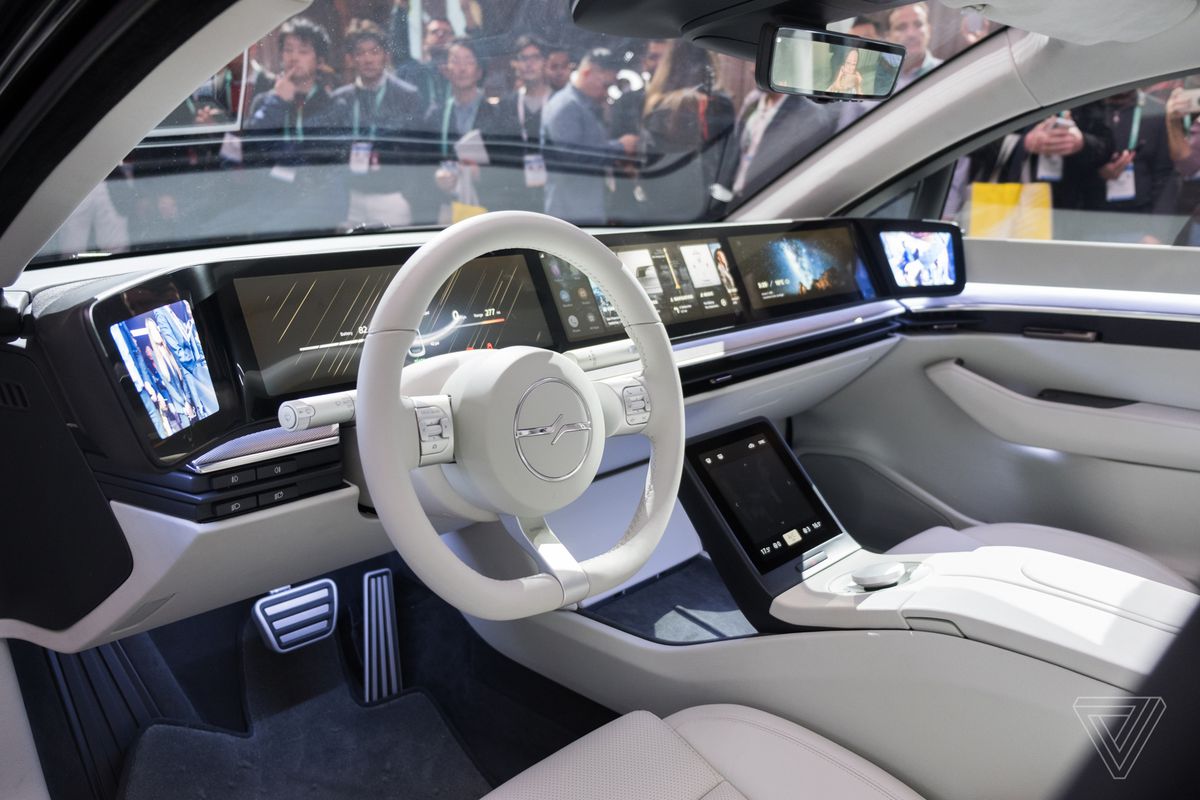
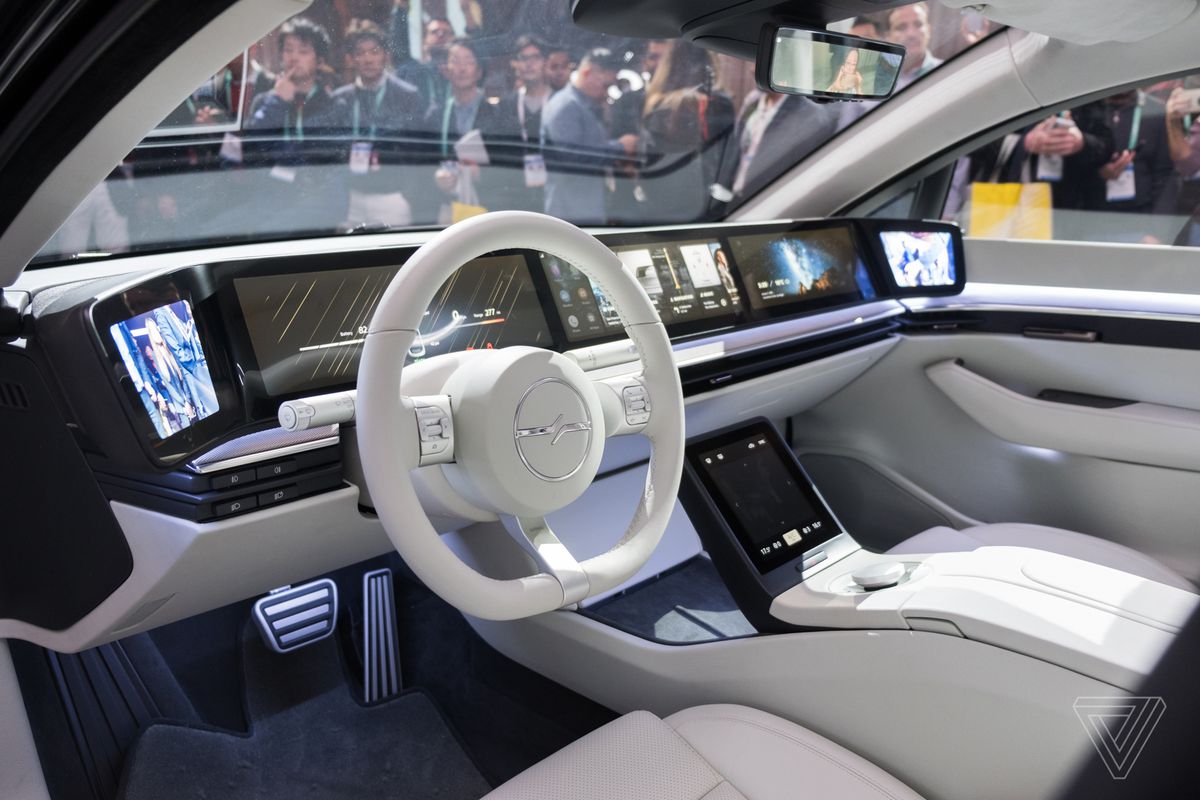
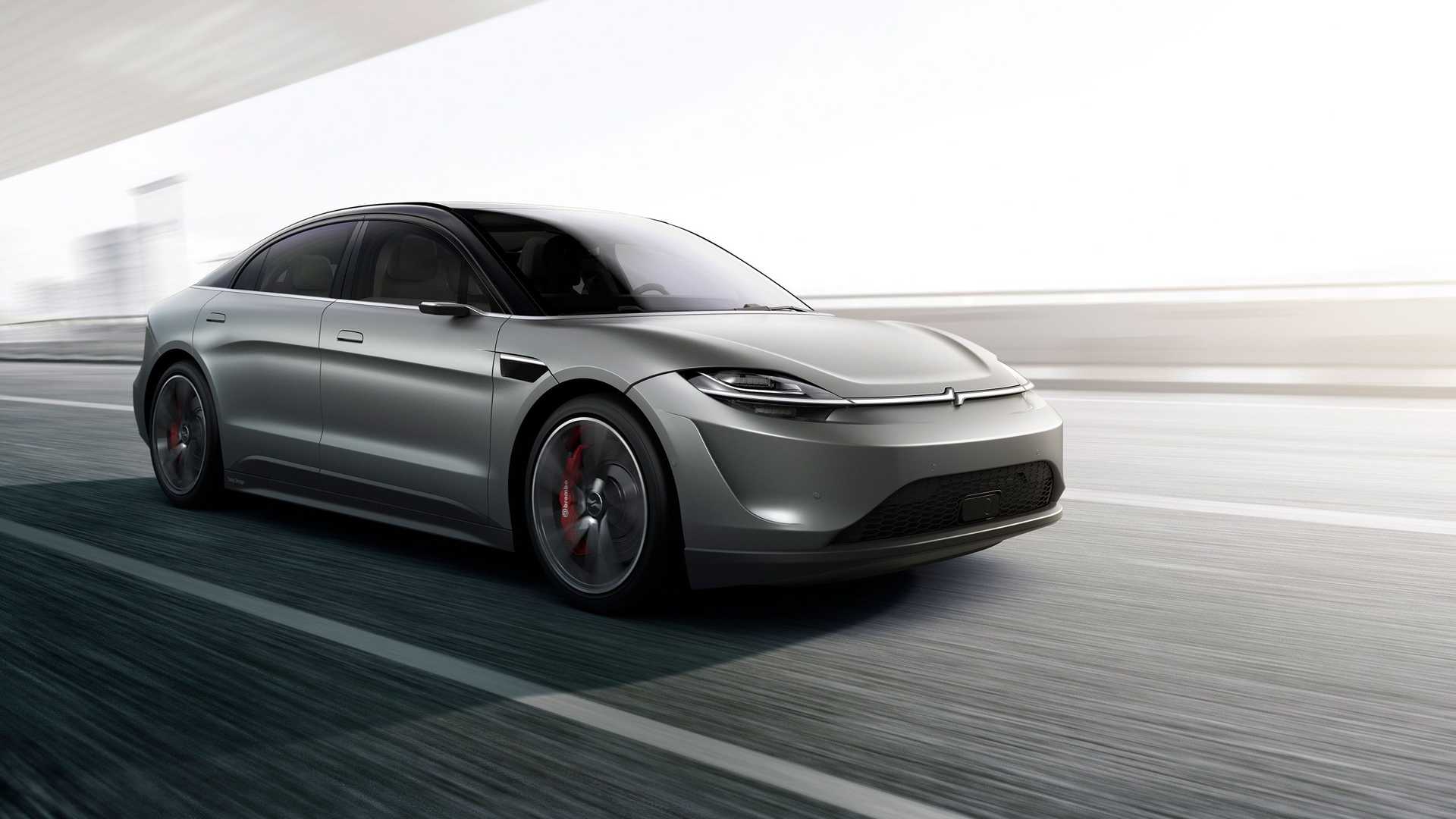
    Yoshida unveiled a prototype sport utility vehicle (SUV), the VISION-S 02, which uses the same electric vehicle platform as the previously announced VISION-S 01 coupe that began testing on public roads in Europe from December 2020.

    He said the company saw mobility as an “entertainment space” where passengers could choose individual entertainment options and use 5G internet connection.

    Wall Street is betting heavily on electric cars and the global auto industry has been upended by Tesla Inc, now the world’s most valuable automaker. Many investors also expect Apple Inc to launch its own vehicle within the next few years.

    Japan’s Toyota Motor Corp in December committed $70 billion to electrify its automobiles by 2030.

  • Sony Xperia 5 III coming to Europe in September and it won’t be cheap

    Sony Xperia 5 III coming to Europe in September and it won’t be cheap

    Sony announced that it will bring the Xperia 1 III in the United States in late September, but didn’t mention anything about the Xperia 5 III, the former’s cheaper brother. That could mean a few different things like maybe Sony isn’t sure when it will be able to bring it to the US, or perhaps it has no intention to sell it in North America.

    Either way, we at least have an idea about how much the Xperia 5 III will cost in the US. The company’s European branch revealed that the Xperia 1 III and Xperia 5 III will be launched in Europe for €1.300 and €1000, respectively.

    Considering the Japanese company has already opened Xperia 1 III pre-orders in the US and the phone is priced at $1,300, it’s safe to assume that the Xperia 5 III will sell for $1,000 in case Sony decides to bring it to the States.

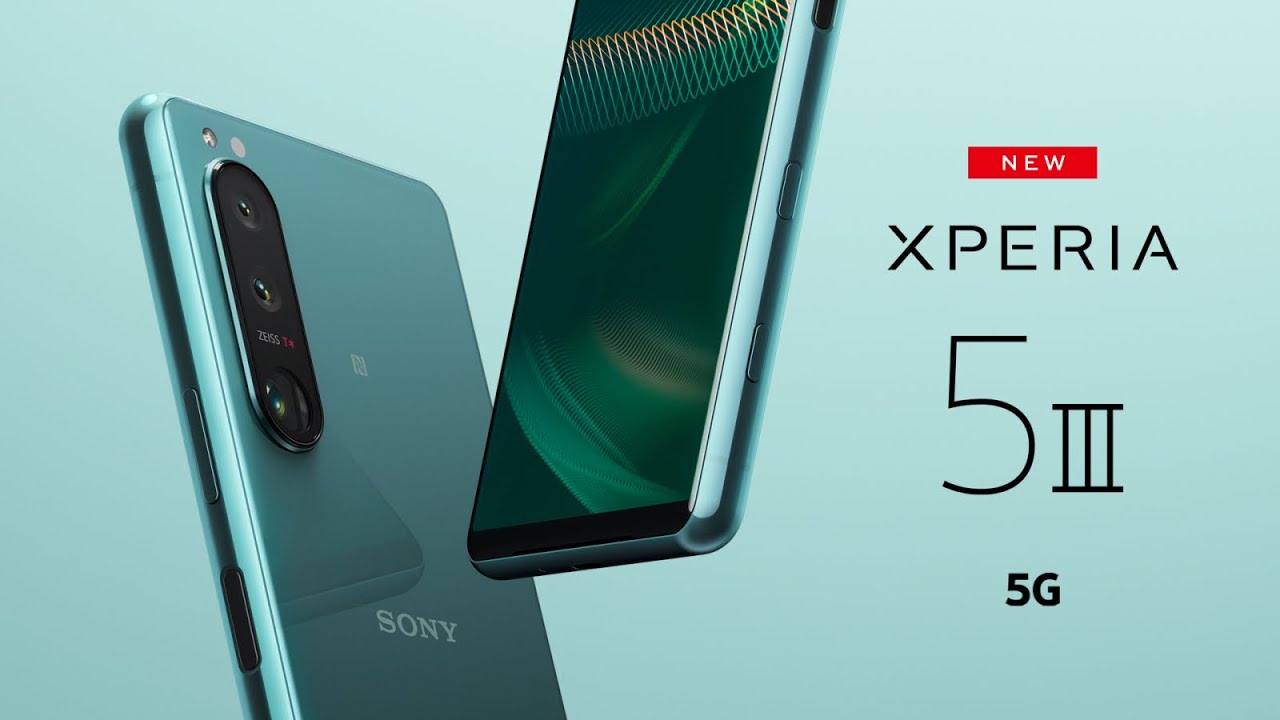
    Just like the Xperia 1 III, the Xperia 5 III will be shipped in Europe from September. This one will be available in Black and Green, but additional colors may be introduced after the phone’s market launch.

    The Xperia III 5 is a top-tier smartphone powered by a Qualcomm Snapdragon 888 5G processor, paired with either 8GB RAM and 128GB storage, or 8GB RAM and 256GB storage. Also, the smartphone boasts a stunning 6.1-inch OLED FHD+ display featuring Corning Gorilla Glass 6 coating.

    However, one of the phone’s main selling points is the triple camera setup (12MP+12MP+12MP). Along with the Xperia 1 III, the Xperia 5 III is the world’s first smartphone with a variable telephoto lens paired with a dual PD sensor. Not to mention that the camera features Zeiss optics and a brand new AI super-resolution zoom technology.

    As far as the battery goes, Sony claims the 4,500 mAh battery can charge up to 50% of capacity in 30 minutes with the 30W charger that comes with the phone.

  • Sony tipped to launch mystery budget phone later this year

    Sony tipped to launch mystery budget phone later this year

    Sony recently unveiled the Xperia 1 III and the Xperia 5 III flagship models as well as the mid-range Xperia 10 III. But if a machine-translated post on Weibo written by a tipster is legitimate, Sony purposely moved up the release schedule of its new 2021 flagships to release both of them during the same time period. This will allow it to release another phone that will either be a budget-priced model or an “Ultra” version of another Sony handset.

    The machine-translated message from a tipster known as ZackBuks, while a bit confusing, seems to suggest that by releasing both 2021 flagships together, it opens up some time to allow a “new U release” to take place months earlier than in past years. Normally Sony unveils its compact flagship model in the fall which is why it was so surprising to see the Xperia 5 III introduced at this time of the year.

    The last such Sony handset to use the “Ultra” title in its name was 2018’s Xperia XA2 Ultra which featured a larger screen, more storage, a larger battery, and an additional front-facing camera compared to the “non-Ultra” Xperia XA2. Another theory is that the “new U release” is a refresh of last year’s budget-priced Xperia L4 model. For those hoping for a top-of-the-line “Ultra” model powered by the Snapdragon 888 SoC, the tipster’s post would seem to make that impossible since he comes right out and states that the 2021 flagships are the Xperia 1 III and the Xperia 5 III.

    The Xperia 1 III features a 6.5-inch AMOLED display with a 4K resolution (1644 x 3840) and a tall and thin 21:9 aspect ratio. Powered by the Snapdragon 888 SoC, this model sports 12GB of memory and 256GB of storage. A quad-camera setup is found on the back.

    The Xperia 5 III is equipped with a 6.1-inch display with a 1080 x 2520 (FHD+) resolution and is powered by Qualcomm’s top-of-the-line Snapdragon 888 chipset. It features 8GB of memory (LPDDR4 RAM), 256GB of storage, and a triple camera setup.

    Speaking of the Xperia 5 III, the phone recently was benchmarked through Ge.

  • Sony Starts Testing Vision-S Electric Car On Public Roads

    Sony Starts Testing Vision-S Electric Car On Public Roads

    It was last year at the 2020 Consumer Electronics Show (CES) in January when Sony Corporation surprised everyone by showcasing its fully electric car – Vision-S. The Japanese technology giant revealed the electric prototype which comes packed with high-end technologies including camera sensors, entertainment systems and much more. Sony’s Vision-S Prototype reached Tokyo in July 2020 for advancing its sensing and audio technologies. Though the car is not expected to go on sale anytime soon, the company seems to have started testing the electric car on public roads in Austria.

    Built by an in-house AI and robotics team, the Japanese company claims that it has been fully road-tested. This is just to ensure that the EV and its platform Vision-S will comply with applicable safety norms and regulations. Moreover, Sony is also working Magna-Steyr to ensure that the vehicle is well-equipped to hit the road in Europe.

    Sony’s driverless prototype comes embedded with 33 sensors which can easily sense people and other vehicles both inside and outside the car to provide driving support. It takes advantage of the brand’s expertise in the field of imaging, entertainment and sensors, which could be employed in the next-generation electric vehicles. The company is already supplying these technologies to Japanese automakers, however, it now wants to develop an individual product that can be supplied as an all-purpose solution.

    Sony hasn’t shared any details about what powers the vehicle. However, it has revealed some key specifications of the car. Dimensionally, this prototype vehicle from Sony measures 4,895 mm in length, 1,900 mm in width and 1,450 mm in height. The wheelbase and ground clearance of the car stands at 3,000 mm and 120mm (up to 135 mm) respectively. The company claims that the Vision-S can sprint from 0 to 100 kmph in just 4.8 seconds before hitting the top speed of 240 kmph.

    It is also equipped with Sony’s 360 Reality Audio offering ensuring an unprecedented and immersive audio experience. The company uses object-based spatial audio technology for recreating vivid realism. Every seat comes with built-in individual speakers so that every passenger can enjoy their music their seats with a personalised sound configuration option. Additionally, there’s a panoramic screen which offers a diverse array of content that can be accessed by driver and passengers.

  • Sony launches Apple TV app on select smart TVs running Android TV

    Sony launches Apple TV app on select smart TVs running Android TV

    Apple launched a brand-new Apple TV app last year, which is now available in more than 100 countries. The app is available on the iPhone, iPad, Apple TV, select Samsung smart TVs, and, starting this week, select Sony smart TVs.

    Sony announced that the Apple TV app will begin rolling out today in the United States on its X900H series via a software update. The good news is Sony plans to expand the availability of the Apple TV app to more smart TVs by the end of the year, including on select 2018 models and most 2019 and 2020 models.

    In case you didn’t know, the app features Apple TV+, Apple’s new video subscription service that offers original shows, movies, and documentaries, including The Morning Show, See, Defending Jacob, Ted Lasso, Greyhound, Boys State, and Beastie Boys Story.

    Furthermore, customers can use the Apple TV app to subscribe to Apple TV channels, such as SHOWTIME, CBS All Access, and Starz, as well as watch ad-free and on-demand, directly on the Apple TV app.

    The Apple TV+ subscription on the Apple TV app on Sony’s smart TVs is available for $4.99 per month. However, for a limited time, those who purchase a new iPhone, iPad, Apple TV, iPod touch, or Mac are getting one year of Apple TV+ for free.

  • Sony Marching Ahead With The Development Of The Vision-S Concept Electric Car

    Sony Marching Ahead With The Development Of The Vision-S Concept Electric Car

    Sony stole the show at CES 2020, alas the last major trade show, before the world was crippled by the pandemic. And the company introduced its show-stopper which was something it is not known for. Cars, an electric one to be precise. Sony’s Vision-S concept stole the show at CES, but at the time, the Japanese company insisted that this wasn’t an overture for a product, but instead just a concept and more about the technology.

    It turns out Sony has more plans for the electric car and now is marching ahead with its development. Magna, the company behind the electric car platform, has now started involving the car in road testing trials in Tokyo, Japan which is also Sony’s home turf. Previously, the car was parked in the Magna Steyr factory in Graz, Austria.

    Just to recap, the Vision-S concept has 33 sensors feeding the driver assistance system coupled with an all-new electric powertrain. The 33 sensors leverage Sony’s leadership in imaging technology with a slew of CMOS and time of flight (ToF) sensors embedded in the system that kind of replicates the job of a LiDAR for autonomous capabilities.

    The car also gets some goodies from Sony’s iconic audio group with technologies like a 360-degree reality audio system that has speakers built-in the seat. Like Tesla, this car even had a panoramic screen for the core user interface of the car. It even features technologies from Bosch and Blackberry which has the QNX automobility platform.

    While Sony hasn’t communicated anything officially that it will be pursuing this venture more seriously, the fact that the car is being tested on roads in Sony’s home, indicates something bigger. It also comes at a time when many big tech companies have started struggling or failing with electric car ventures. Notable examples are Apple and Dyson. While Dyson has pulled the plug on the project, Apple has pivoted towards the development of autonomous car technology which can be integrated with third-party manufacturers rather than making the so-called prophetic “Apple Car”.

  • JD and Sony testing AR foot-measurement tool for online shoppers

    JD and Sony testing AR foot-measurement tool for online shoppers

    Chinese online e-commerce platform JD and Sony Semiconductor Solutions are working together to develop AR technology to measure foot size online.

    The JD and Sony solution requires customers to use their smartphone equipped with a distance-detecting camera and scan the front and sides of their feet in order to take an accurate measurement. The camera works by calculating the time it takes for a signal to bounce off the foot and return to the sensor.

    JD launched an AR feature on its app earlier this year for online customers to virtually try on shoes, a function is now available for more than 1000 sneaker SKUs on the platform and which is also available to external partners as a service, along with the firm’s other AR applications.

    “We hope to use innovations in technology to give all consumers equal access to efficient and convenient purchase and service,” said JD’s head of AR/VR Mingqiang Ye.

    “JD will continue to promote innovations in the area of AR and benefit both our customers and industry partners.”

    The firm is now planning to further develop its AR offerings in additional scenarios such as AR skin evaluation and AR live streaming.

  • Park-themed Sony Singapore store opens in Westgate

    Park-themed Sony Singapore store opens in Westgate

    Sony Singapore has opened a park-themed store at the Westgate shopping center.

    The Japanese technology and electronics company says the store has been designed to connect with customers through their lifestyle by offering consumer products from the photography, videography and audio categories through to home entertainment.

    “Each area of the store is designed to offer a different feel that is closely related to customers’ lifestyle,” said the company in a statement.

    The highlight of the new store is the provision of all things video-related such as information, products and accessories. At the Vlog Studio, customers can hone their video skills by learning video tips and tricks they can apply when shooting their videos live. Product consultants will also be on hand to provide advice on video taking if required. The Vlog Studio will feature regularly changing themed setups, starting with a park theme currently.

    Sony Singapore says the way products are displayed befits the overall park-themed nature of the store.

    “We aim to provide customers with a calm, relaxing environment to audition the products. For example, the Bravia display area features park benches as seats for families to admire the televisions and soundbars while music lovers can listen to new personal audio products … and be immersed in nature surroundings.”