Retail News CRM

Tag: sony

  • Sony launches cheaper noise-canceling wireless headphones

    Sony launches cheaper noise-canceling wireless headphones

    If you’re in the market for a pair of premium noise-canceling headphones, there aren’t a lot of options in the $300-$350 price range. Two companies have distinguished themselves for bringing top-notch products to audiophiles: Bose and Sony.

    Still, if you can’t afford to pay for a pair of Sony WH-1000XM3 or Bose QuietComfort 35 Series II, a new pair of noise-canceling headphones will be available for purchase for a much lower price.

    Sony’s WH-XB900N offer a more accessible alternative for those who need noise-canceling technology. They cost just $250 and offer similar features as the company’s premium 1000XM3 headphones, plus extra bass (hence the XB model name).

    Design-wise, they feature a foldable design and touch panel controls on the headphone housing. Of course, Sony’s WH-XB900N Extra Bass wireless headphones include a built-in microphone for use with Google Assistant. They also pack NFC (Near Field Communication) and Bluetooth connectivity.

    As far as battery life goes, Sony claims its new headphones should offer up to 30 hours of playback time on a single charge. Also, a charge of around 4 hours will keep the headphones powered all day, which is quite impressive.


  • Sony’s days in the smartphone Industry are Ending

    Sony’s days in the smartphone Industry are Ending

    Sony has never been able to obtain success in the smartphone industry the way it once controlled the mp3 market, the video game console market, and the television market. Trying to differentiate itself, this year’s Xperia 1 flagship, unveiled at MWC in February, features a 6.5-inch 4K AMOLED display with a 21:9 aspect ratio. Despite what would appear to be a great screen for watching streaming video on, the pricing is sure to turn some away.

    For the second time in six years, a particular hedge fund is building up a stake in Sony hoping to influence its business decisions. Those familiar with the plans say that Third Point LLC, run by Daniel Loeb, is looking to implement its own turnaround strategy for Sony. Loeb’s fund reportedly has $14.5 billion in assets and is believed to be raising money ($500 million to $1 billion) for a fund dedicated to the purchase of more Sony shares.

    The parts of Sony that Third Point wants to take a hard look at include the semiconductor and insurance businesses and the movie studio, which some believe that Amazon and Netflix could be interested in. And while the report from Reuters doesn’t mention the mobile phone business, it most likely would be a division that Loeb would prefer to see Sony jettison. Last month, the company folded its mobile unit into the same business segment that includes its TV, camera and audio products. And a report published in March stated that by next year Sony will cut the head count in its smartphone division in half.

    Jefferies analyst Atul Goyal told clients in a note sent out last week that Sony needs to exit the mobile phone business. Sony will no doubt want to gauge the reception to the Xperia 1 before it decides whether or not to stop producing smartphones. But if Third Point LLC builds a big enough stake in Sony, the decision whether to cut its losses in the smartphone industry might be taken out of the company’s own hands.

  • Netflix removes key feature from its iOS app

    Netflix removes key feature from its iOS app

    AirPlay is a feature found on iOS and Mac devices that allows users to send audio, video, photographs, screenshots and more between Apple devices sharing a similar network. Using Bluetooth and Wi-Fi, AirPlay will let a home with multiple HomePod speakers in different rooms, share the same song throughout the house. And with several smart TV manufacturers adding support for the feature, content from an iOS or Mac device can be viewable on certain large-screen smart TVs.

    There have been a number of complaints from iPhone and iPad users stating that AirPlay was no longer working with Netflix. That was unusual because the iOS version of the streaming video app has supported AirPlay since 2013. The complaints from iOS users state that when they tried to use AirPlay in the Netflix app, a pop-up error message appeared that said, “Cannot play title. Please try again later.”

    But there is a reason why AirPlay no longer works with Netflix. As a result of what it is calling “technical limitations,” Netflix has pulled AirPlay support from its iOS app. This is actually noted by the video streamer on its support page. Considering that this was an iOS feature that Netflix had supported for over five years, it is strange that AirPlay would all of a sudden no longer work with Netflix. The company has not divulged the details of the “technical limitations” that have forced it to stop offering AirPlay support (more on that later).

    This isn’t the end of the world for Netflix subscribers used to employing AirPlay. After all, the Netflix app can be installed or is already installed on a number of smart television sets. But using AirPlay does make it easier for iOS users with Netflix to stream content from their own account to a smart TV that does not have their Netflix login information.

    “We want to make sure our members have a great Netflix experience on any device they use. With AirPlay support rolling out to third-party devices, there isn’t a way for us to distinguish between devices (what is an Apple TV vs. what isn’t) or certify these experiences. Therefore, we have decided to discontinue Netflix AirPlay support to ensure our standard of quality for viewing is being met. Members can continue to access Netflix on the built-in app across Apple TV and other devices.”-Netflix< The Netflix support page lists some other options that iOS users can try in order to cast Netflix from their phone or tablet to a compatible television. With the Netflix 2nd Screen option, subscribers open the Netflix app on their iOS device and television, signing into the same account on both devices. The mobile device and the TV must share the same Wi-Fi network. On the mobile device, the user needs to tap on "Cast" found in the upper or lower right of the screen, and select the television that he/she wants to view Netflix on. After deciding which show or movie to watch, the user hits play and the selected content will appear on the TV. Another option, found on Philips, Polaroid, Sharp, Skyworth, Soniq, Sony, Toshiba, and Vizio TVs, will allow you to Chromecast Netflix from your iOS device to your television. Simply open the Netflix app on your iOS device, and tap on the "Cast" icon in the upper or lower right hand side of the screen. Select the device you want to watch Netflix on, choose a television show or movie, and hit play. Last month, Apple became a Netflix competitor by unveiling Apple TV+. This is a video streaming service that will be available this fall on iOS devices along with certain smart TVs. There will be new, original programming from Apple along with content from HBO, Showtime and others. Could this new rivalry be behind the "technical limitations" that forced Netflix to stop supporting AirPlay? After all, it does seem strange that Netflix was able to support AirPlay for from 2013 until now, just when Apple introduces a service that will compete with it. Netflix, of course, will never admit to this. And regardless what the true reasons are, the bottom line is that iOS users will have to resort to the aforementioned alternatives if they want to cast any streaming Netflix content from their iPhone or iPad to their smart TV.

  • Sony Mobile insists the end is not near after it closes a smartphone plant

    Sony Mobile insists the end is not near after it closes a smartphone plant

    While Sony’s fall from grace in the global mobile industry hasn’t been as dramatic as those suffered by Nokia, BlackBerry, and even HTC, it’s more than obvious the Japan-based tech and entertainment behemoth needs to do something about its smartphone division. Unfortunately, as the company’s various attempts at revising and transforming the Xperia portfolio over the last few years have failed to turn a profit, the time has come for more drastic austerity measures.

    After laying off 200 employees in Europe to cut costs across a number of mobile business areas, Sony has confirmed long-rumored plans to close an entire factory in China earlier today. The Beijing plant will reportedly cease all smartphone manufacturing activities in “the next few days”, although Sony does intend to “shift production” to a different factory in Thailand in a move expected to greatly contribute to reducing expenses by around 50 percent.

    The ultimate goal is to make the smartphone division profitable again as early as 2020 after years and years of bleeding serious money, but it remains to be seen how much of a mobile business Sony will be left with when that happens. According to the latest official estimates, yearly Xperia shipments are down to as little as 6.5 million units. To put that number into perspective, Samsung’s Galaxy S10 lineup was projected to hit 10 million global unit sales in just its first month of availability.

    Of course, Sony has repeatedly claimed in the past year or so it has no intention to abandon the smartphone market on the eve of a 5G revolution. Once again, the company is highlighting its strategic measures are simply meant to strengthen the business rather than killing it piece by piece. And while it’s definitely not unprecedented to see a major smartphone vendor cut its Chinese costs, it remains unclear exactly how much of Sony’s Bejing operations will “shift” to Thailand.

    Either way, this probably won’t impact the Xperia 1 launch or even the rumored Xperia 2. What comes next, however, is anyone’s guess.

  • Sony MDR-HW300K wireless headphones are 35% off

    Sony MDR-HW300K wireless headphones are 35% off

    Are you looking to buy a nice new pair of wireless headphones? If so, you might want to check out this deal. There’s a 35% discount for Sony’s MDR-HW300K Bluetooth headphones. This model typically retails for $100 at Amazon, but right now, you can grab a brand new pair for $65 at Woot.

    The MDR-HW300K has a driver size of 40mm. The system transmits an uncompressed 2.4 GHz signal to reduce unwanted interference while the real-time automatic channel tuning prevents signal degradation. These features allow the system to deliver high-quality sound without outside interference. Aside from sounding great, the set is also extremely comfortable and stylish thanks to the light-weight, adjustable padded headband and swivel style ear-cup design. The cans are advertised as lasting up to 10 hours between charges.

    If this deal interests you, feel free to follow the above link to Woot. Shipping is free, and a 1-year warranty is included.

  • First Sony Lounge opens in Malaysia

    First Sony Lounge opens in Malaysia

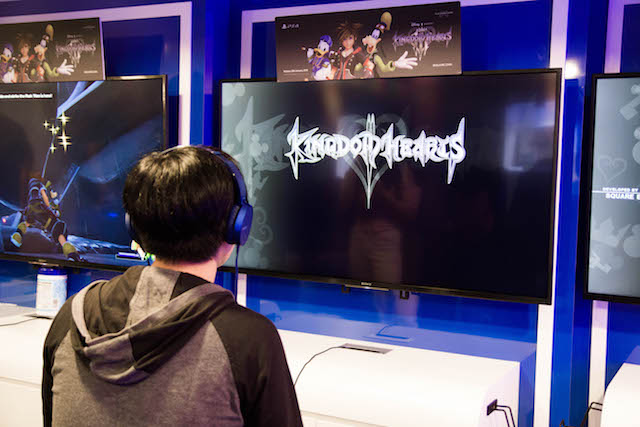
    Sony has opened its first Play Everything Lounge by PlayStation in Southeast Asia at Sunway Pyramid. The lounge, operated by Sony Interactive Entertainment’s local office, will be open until February 17. Sunway Malls and Theme Parks CEO HC Chan said he was honoured the mall has remained a mall-of-choice for experiences. “The partnership with Sony Interactive Entertainment signifies a true collaborative curation by two of the leading names of the industry. It is our privilege to work with a world-renowned gaming giant to bring another dimension of experiences for our shoppers. It is important for malls to go beyond conventions to stay relevant.”

    Sony’s regional head Hidetoshi Takigawa noted the strong performance of the PlayStation business in Malaysia, and said the Sunway Pyramid store is a means for the brand to engage with its local fans.

    Southeast Asia’s first PlayStation Experience was held in Kuala Lumpur last year.

    Gaming tournaments, community engagement activities and unreleased game trials are expected to be held in the space. A virtual reality area allows visitors to try Sony’s PlayStation VR gaming system for PlayStation 4.

    View the image of the lounge below (6 pictures) :

  • Sony opens world’s 1st deep bass concept audio store in Malaysia

    Sony opens world’s 1st deep bass concept audio store in Malaysia

    Sony’s first Extra Bass store in Southeast Asia has just opened in Kuala Lumpur’s Sunway Pyramid Asian Avenue.

    Extra Bass was designed to provide an unusual shopping experience for consumers into sound experiences at home or on the move. Creative displays show off a range of Sony’s Extra-series products, including headphones and wireless speakers.

    Sony plans to expand the concept to create a Music Information Hub for students, working with schools and communities to encourage more young people to participate in music and the arts.

    With a focus on experience and engagement, the store’s primary goal is to broaden people’s minds about music and entertainment, rather than simply sell gadgets.

    “Living in a technological era, brick-and-mortar retail is rapidly losing ground to its online rivals,” said Nixon Ng from Chip magazine in a comment.

    “To combat this, concept stores have appeared on the scene, ready to stimulate our senses and tempt us back to the physical shopping world … It’s a space where art, culture and commerce collide to promote a particular lifestyle.”


  • Nike, Sony and NBA collaborate for PlayStation sneakers

    Nike, Sony and NBA collaborate for PlayStation sneakers

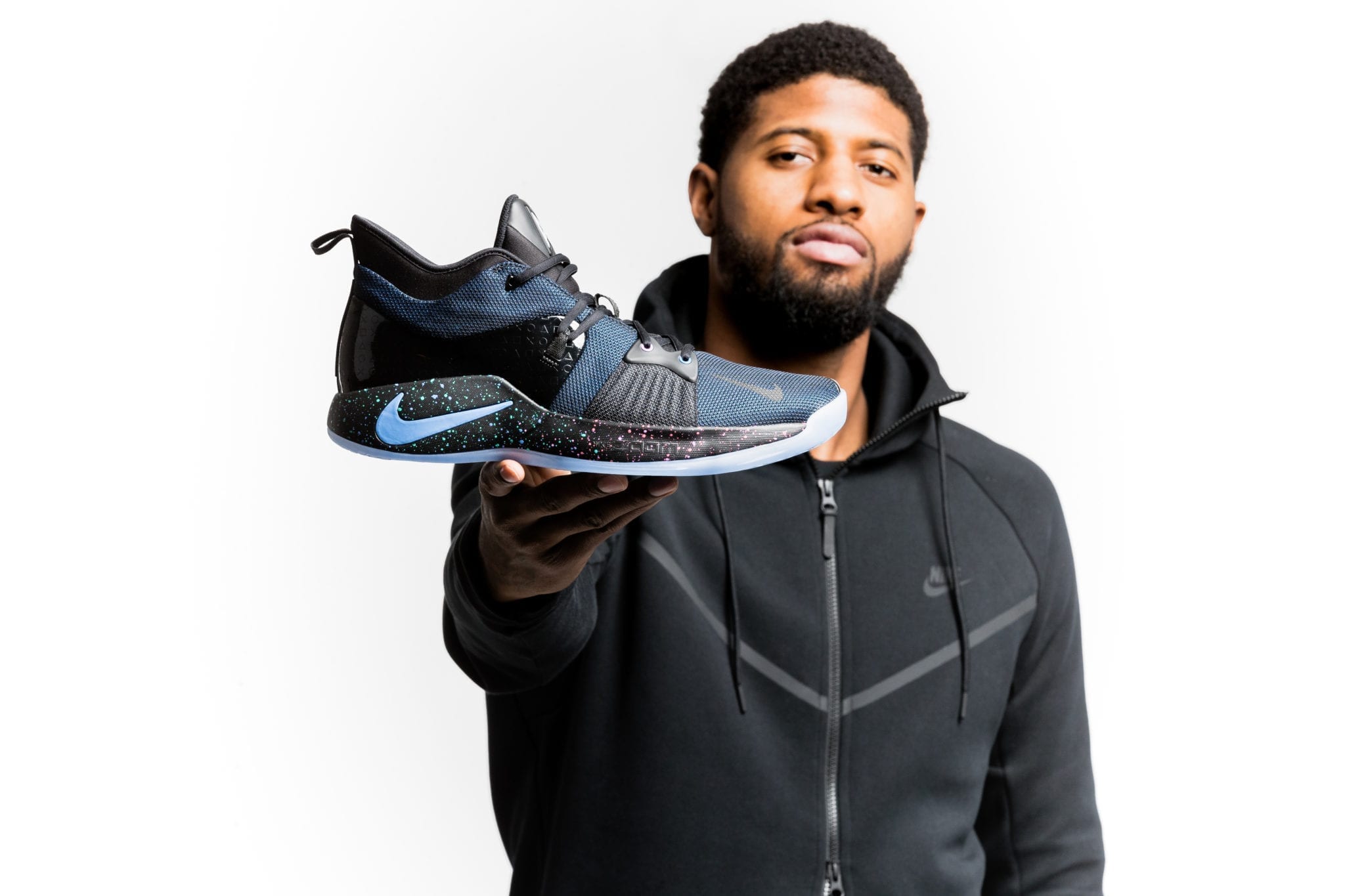
    Nike and Sony Playstation are set to introduce a signature shoe with NBA superstar Paul George.

    Both Nike and Sony have released a teaser video showcasing the sneakers, expected to be released in limited quantities on February 10.

    Capturing the spirit of PlayStation, the footwear features LED logos on the tongue that light up either on static mode or pulse.

    The midsole also takes on PlayStation’s galaxy theme, echoing the PlayStation 2 start-up screen.
    The eyelets on the shoes also feature the classic PlayStation button colours of pastel green, red, pink and blue.

  • Hybrid Smartwatches to Make Up Over 50% of Smartwatch Shipments by 2022

    Hybrid Smartwatches to Make Up Over 50% of Smartwatch Shipments by 2022

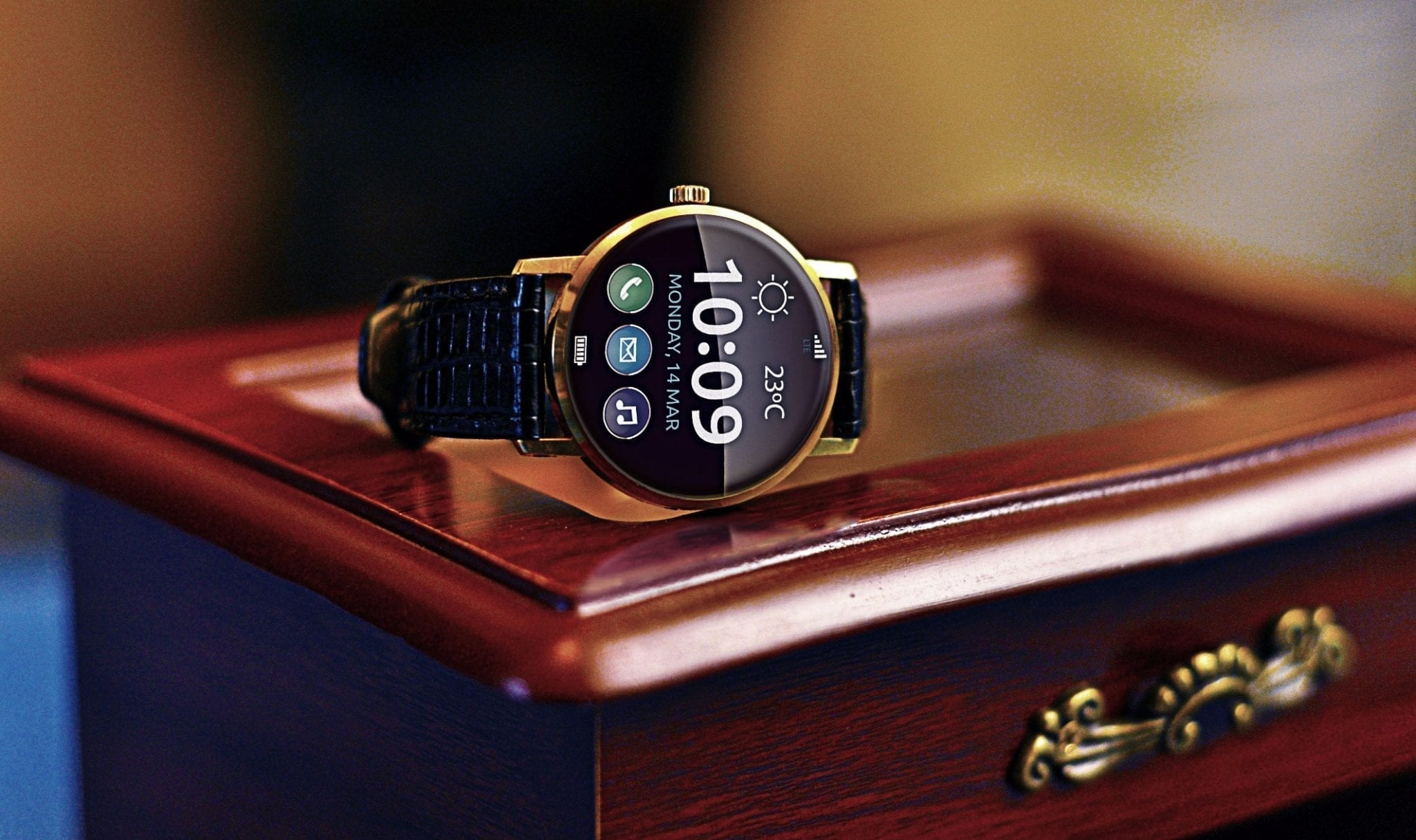
    Watches that appear to be analogue models but integrate smartwatch features will make up more than half of the smartwatch market by 2022, according to Juniper Research.

    This means that nearly 80 million hybrid smartwatches, such as Fossil Q and Nokia Steel, will be shipped by 2022, up 460 per cent from an estimated 14 million last year. However, for digital-display smartwatches like Apple Watch and Fitbit Ionic, Juniper lowers the rate of growth to 160 per cent.

    This slower growth has caused several manufacturers, including Huawei, Motorola and Sony, to leave the space, says Juniper’s new report, Smartwatches: Trends, Vendor Strategies & Forecasts 2018-2022. Those staying in play are pivoting toward specific uses, mainly fitness, which Apple, Casio, Samsung and others have emphasised in recent releases.

    “The smartwatch market is refining itself into a series of specific-use cases”, says research author James Moar. “This is having an impact on every aspect of smartwatches, from their design for increasingly specialised uses to their sale through specific retailers. While most vendors cannot necessarily hope to reach a broad coverage, the industry as a whole is here to stay.”

    Despite the renewed interest in hybrids, Juniper expects individual players to produce few smartwatches. Hybrid watch manufacturers generally ship fewer than 2 million units annually.

    An exception is Fossil, which has released many display and hybrid smartwatches. It is forecast to ship more than 6 million smartwatches annually by 2020.

    Meanwhile, the report has found that different connectivity technologies are becoming more prevalent for smartwatches, with GPS expected to be an element for nearly half of all smartwatches by 2022. In comparison, growth will be limited for near-field communication NFC technology as this is currently locked into specific ecosystems. Juniper does not foresee any change to this in the foreseeable future.

    Juniper Research provides research and analytical services for the global hi-tech communications sector, and has also just issued a complimentary white paper for vendors, Why Most Smartwatches ‘Fail’.

  • Japan’s Denso considering $440 million investment in JOLED

    Japan’s Denso considering $440 million investment in JOLED

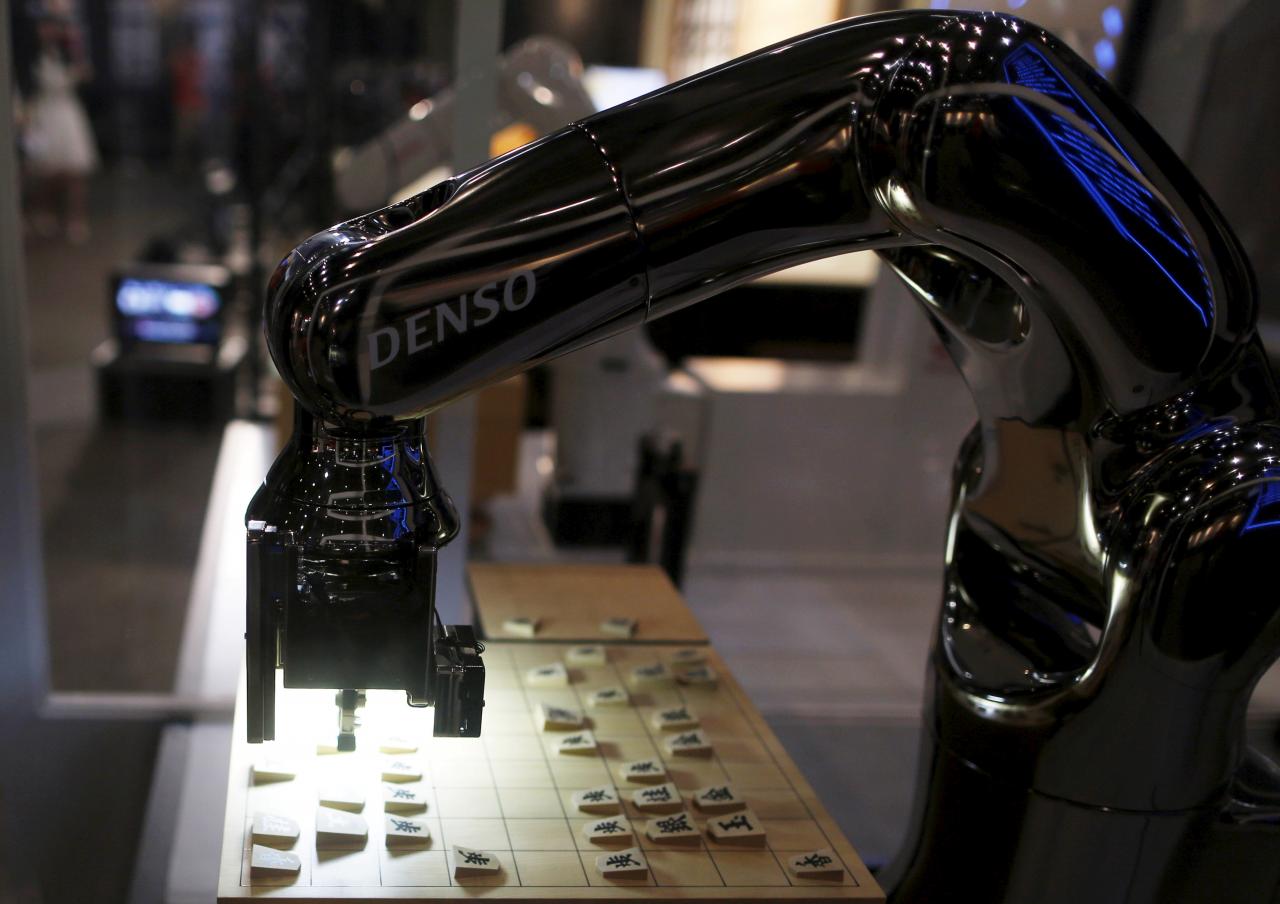
    Japanese auto parts maker Denso Corp is considering a 50 billion yen ($440 million) investment in organic light-emitting diode (OLED) panel maker JOLED, Kyodo news reported, citing sources close to the matter.

    JOLED, majority owned by a state-backed technology investment fund, sold its inaugural batch of OLED screens this month, and has said it wants to raise 100 billion yen by the end of March to expand its currently limited capacity.

    The move comes amid the growing popularity for OLED screens, which are generally thinner and can show more vivid colors than liquid crystal display (LCD) panels. Smartphone makers have been shifting to OLED, including Apple Inc which has adopted them for its iPhone X.

    Cash-strapped domestic display makers such as Japan Display Inc, which has a 15 percent stake in JOLED, and rival Sharp Corp are struggling to respond to the shift, letting Korean rivals Samsung Electronics Co Ltd and LG Display Co Ltd take the lead.

    The Nikkei reported earlier this month that Japan Display had considered investing in JOLED but decided it did not have the funds. Japan Display has said it wants to start mass-producing OLED screens to better compete with Samsung and that it needs capital to do so but has so far declined to disclose details of any negotiations.

    Kyodo’s report said that Sony Corp and Panasonic Corp, which both own 5 percent in JOLED, are also expected to invest 5 billion to 10 billion yen each.

    Sumitomo Chemical Co and Screen Holdings Co are considering chipping in, and the four companies are together seen investing 20 billion to 40 billion yen in JOLED, Kyodo said.

    A JOLED representative said the company was in talks with various materials and equipment makers about the investment, but that nothing specific had been decided.

    A Denso spokesman said the reported plan wasn’t something the company announced, while a Screen Holdings spokeswoman denied the company was considering the investment. Sony said nothing had been decided, while Panasonic and Sumitomo Chemical declined to comment.

    JOLED was created in 2015 by merging the OLED divisions of Sony and Panasonic.

    Analysts have said it lacks the scale and expertise of display makers which have smartphone-size panels. JOLED is 75 percent owned by state-backed fund, the Innovation Network Corporation of Japan.

  • Sony Xperia XZ Premium Up for Pre-orders in South Korea

    Sony Xperia XZ Premium Up for Pre-orders in South Korea

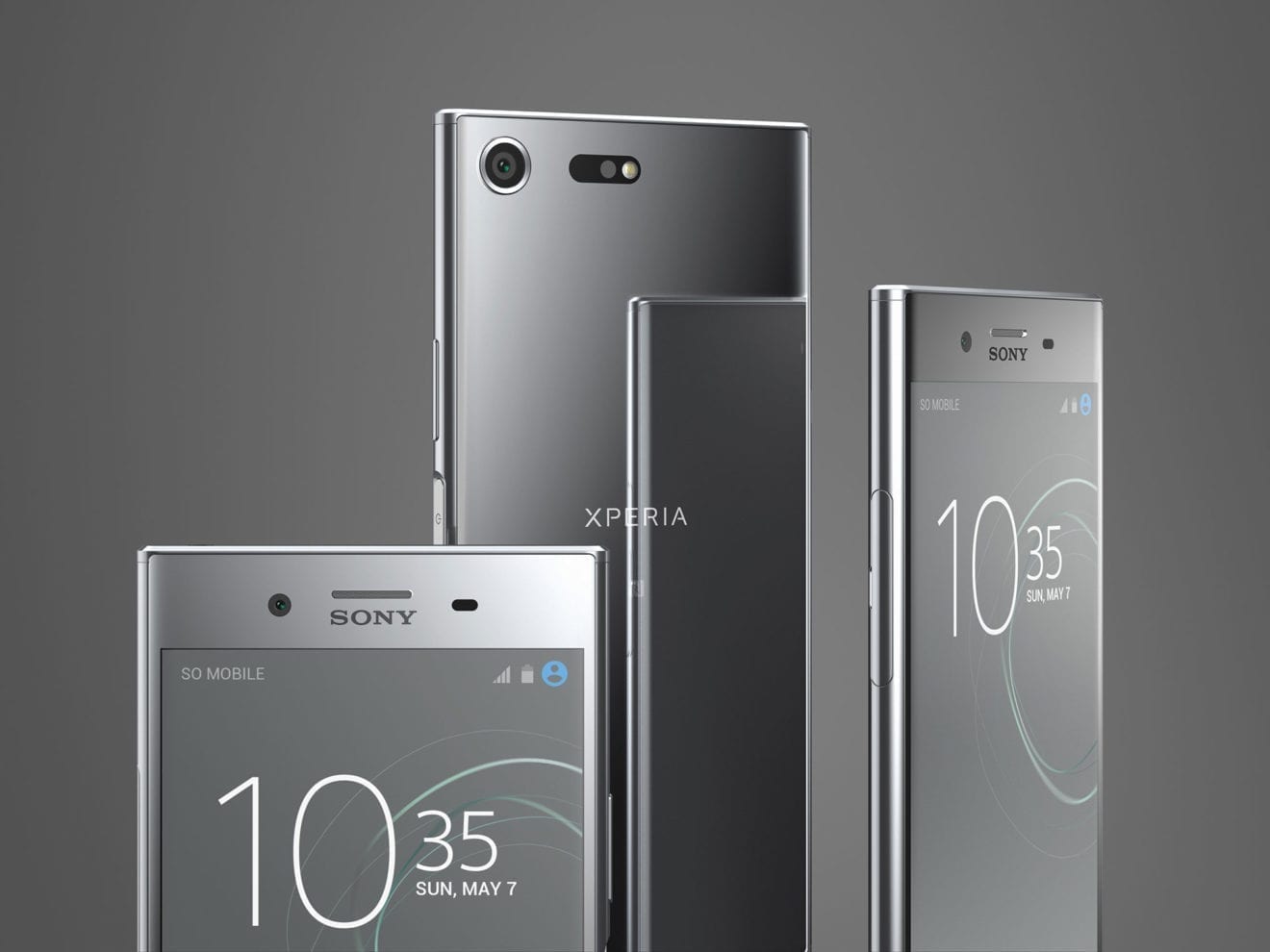
    The Sony Xperia XZ Premium has gone on pre-order in South Korea. The phone carries a KRW 869,000 ($775) price tag, and will go on sale in the Asian market starting June 8.

    The handset will be available through third-party retailers as well, including T WorldDirect and Gmarket. Those who pre-order will also get freebies including smartbands and cases. Color options for the phone include Luminous Chrome and Deep Black.

  • Sony relaunching OLED TVs

    Sony relaunching OLED TVs

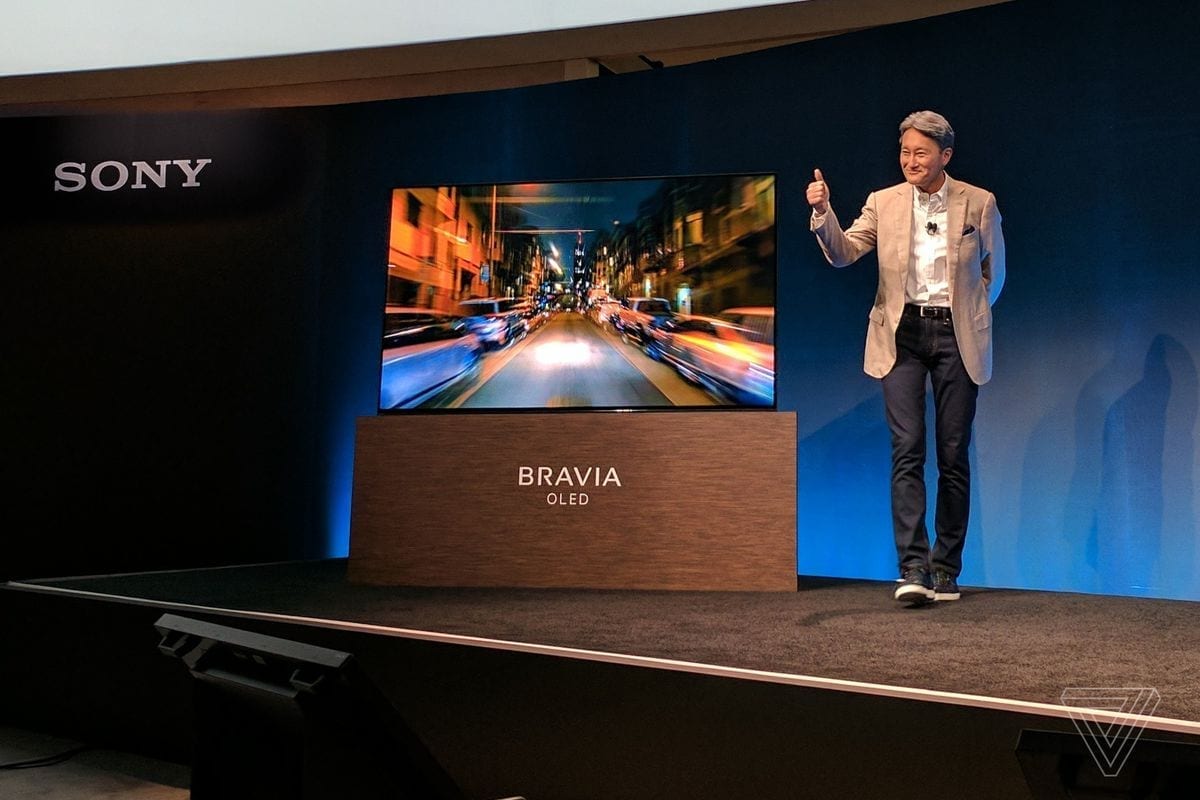
    Sony’s high-definition OLED television, which hits domestic stores next month, will mark a return after sales were halted in 2010. But instead of maintaining its fiercely independent streak, the Japanese group is enlisting the aid of South Korea’s LG Display this time around.

    Good vibrations

    The Bravia A1 series, which Sony said Monday will go on sale June 10, will carry a price tag of around 800,000 yen ($7,092) for the 65-inch model, while the 55-inch will go for about 500,000 yen. Not only does the organic light-emitting diode display generate realistic hues, it also doubles as a speaker. These sets do not come equipped with conventional speakers since the thin, bendable OLED layer is capable of emitting sound vibrations.

    LG Electronics, sister company of Sony’s panel supplier LG Display, also produces its own OLED TVs. Japan’s Toshiba and Panasonic are rivals as well. “OLEDs will really take off this year,” said a source from a major Japanese electronics retailer.

    Sony developed a prototype OLED TV in 2001 and launched the world’s first household model in 2007. But those 11-inch sets failed to attract buyers, and Sony suspended sales in 2010.

    Around that time, a glut in global LCD supplies led to a drop in prices, sending TV segments across the board into the red. Sony withdrew from a joint panel operation with South Korea’s Samsung Electronics. The Japanese company’s TV business later underwent restructuring and a spinoff.

    Sony merged its OLED panel business with Panasonic’s, and that unit is due to become a subsidiary of Japan Display later this year. Sony no longer has in-house panel technologies for consumer TVs.

    The company is making a comeback to big-screen OLEDs because “the performance of the panels we can procure have reached a convincing level,” said Ichiro Takagi, executive vice president at Sony.

    The group continued to develop professional-use TVs and advanced image processing technology even after suspending sales in 2010 in order to “be in a position to release a new model at any time,” said a Sony executive.

  • Sony Indonesia Appoints New President Director

    Sony Indonesia Appoints New President Director

    Sony Indonesia has announced the appointment of Kazuteru Makiyama as its new President Director. He serves as President Director starting on April 1, 2017, replacing Kikuo Okura.

    In a press release on Saturday (5/13), Sony Indonesia stated that Kazuteru Makiyama has been a part of Sony since 1998. He started his overseas sales and marketing career in 2007 in Dubai, and then took on new challenges in Saudi Arabia as head of Sony Saudi representative office in 2011.

    In 2014, Kazuteru was appointed Managing Director of Sony Eurasia (Turkey). During his tenure, he had to work in a very challenging and volatile Turkish business environment.

    “Indonesia is my fourth foreign assignment and the fourth Muslim-dominant country. In all my previous assignments, I always gave high priority to understanding the local culture at the beginning of the assignment, “said Kazuteru Makiyama, President Director of Sony Indonesia.

    He said, this year, Sony has a WOW surprise for all, including the latest Alpha cameras, new OLED televisions., Headphones with Noise Cancelling, PlayStation VR, and more.

    “Without understanding and adapting to the uniqueness of a culture, we will not be able to target consumers precisely in the right place and time,” he said.

  • Jay Mart launches Jaycamera chain

    Jay Mart launches Jaycamera chain

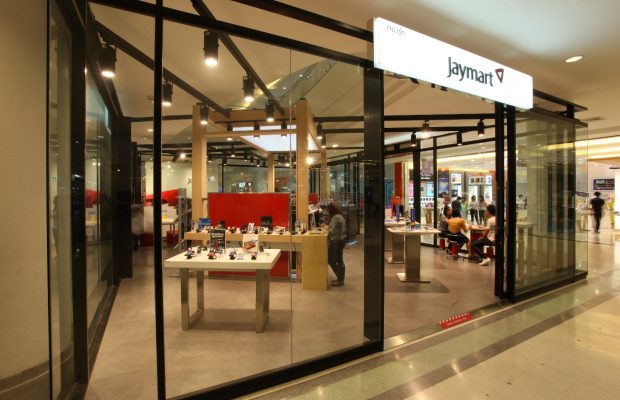
    Thai mobile handset distributor Jay Mart plans to spend THB50 million (US$1.4 million) opening up to 10 Jaycamera shops by the end of this year.

    The outlets are forecast to initially draw in revenue of THB800 million, and within three years the company hopes to claim 40 per cent of the camera market for the lead position in Thailand, with revenue of THB4 billion.

    Chief marketing officer Narathip Wirunechatapant says growth potential in the Thai camera market prompted the company to set up the chain, providing mid- to high-range models and accessories. It will focus mainly on mirrorless and digital single-lens reflex (DSLR) cameras in the THB20,000 to THB200,000 range with young people as the target market.

    The main brands are Canon, Casio, FujiFilm, GoPro, Nikon, Olympus and Sony. In May, the chain will start selling upmarket smartphones such as the Huawei P10.

    Jaycamera launched in the Fashion Island department store, with other outlets to follow in Central and The Mall department stores in and around Bangkok.

    Narathip says that by the end of this year the Thai camera market could reach about THB8 billion and the company hopes to gain about 10 per cent of that.

    By the end of 2019, the company says it will have about 50 Jaycamera shops nationwide, and will also sell camera products at more than 200 Jaymart shops.

  • Sony Pictures signs VR content deal with Nokia

    Sony Pictures signs VR content deal with Nokia

    Nokia and Sony Pictures have inked a new multi-year worldwide agreement whereby the latter will use Nokia OZO hardware and software tools to explore the creative potential of virtual reality production and distribution.

    The studio will also integrate the OZO Player SDK into Sony Pictures Home Entertainment’s Privilege Plus app, available through Google Play.

    “VR is a fast growing medium that is rapidly changing how we communicate and bringing a deeper connection to how we experience content,” said Paul Melin, VP of digital media at Nokia Technologies. “We’re thrilled to partner with Sony Pictures and its talented storytellers to apply our technology and create experiences only possible with OZO — like 3D 360 live VR broadcast.”

    Nokia will collaborate with Sony Pictures and provide equipment and VR technology to support the creation of special VR content. Sony Pictures will also leverage OZO Live to transport fans to Sony Pictures events that they couldn’t otherwise attend.

    OZO Live allows content creators to produce fully immersive live experiences through 3D 360 degree video and audio playback technologies.

    While the OZO solution offers many advantages for content creators, it also extends several benefits for playback. OZO Player SDK will be integrated into Sony’s Privilege Plus app, which will bring unique content straight to fans.

    The OZO Player SDK allows professionals to create amazing VR apps and experiences on any major platform. The SDK supports the creation of immersive apps with the highest quality playback of OZO content including 360 spatial audio, while also providing support for standard VR video and audio formats.