Tag: south korea

  • South Korea cuts natural gas rates 9% from Jan on lower LNG import bill

    South Korea cuts natural gas rates 9% from Jan on lower LNG import bill

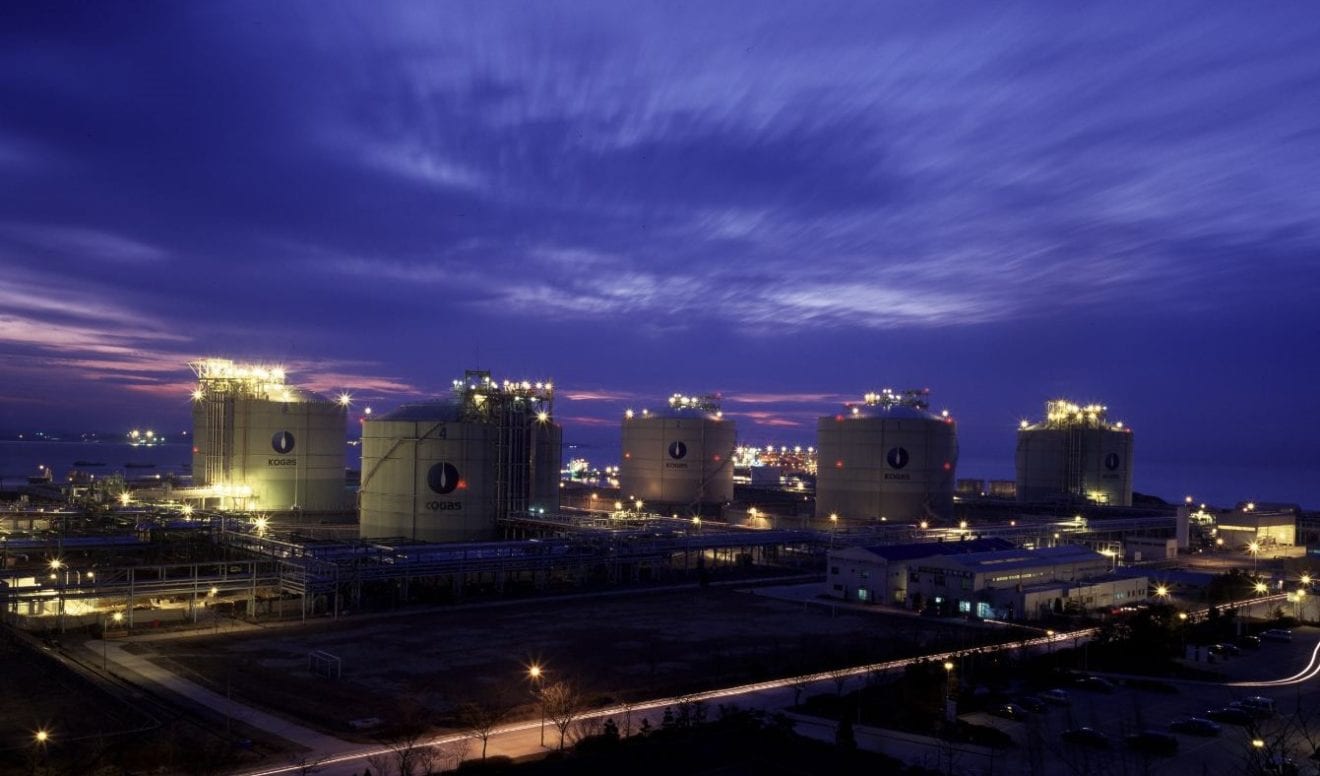
    South Korea will cut retail natural gas prices for households and industry by 9% on average from January 1 to reflect the lower LNG import bill as a result of sliding oil prices, the Ministry of Trade, Industry and Energy said Tuesday.

    “The government will further lower city gas rates if LNG imports costs continue falling,” the ministry said in a statement.

    The 9% cut will lower average retail gas prices to Won 15.69 ($0.01)/megajoule, from Won 17.24/MJ, the ministry said.

    South Korea cut city gas rates several times this year due to falling LNG imports costs — reducing prices by 5.9% in January, 10% in March and 10.3% in May but increasing prices 4.4% in September.

    LNG demand has fallen despite the price cuts. Kogas, which has a monopoly on domestic natural gas sales, sold 27.97 million mt in January-November, down 8.8% year on year.

    Kogas sold 35.17 million mt of LNG last year, down 9.1% from 2013, the first annual decline in five years.

    The trade ministry said Monday it expects South Korea’s LNG demand to fall 5% over the next 15 years due to a steep decline in consumption for power production that offsets mild growth by households and industry.

    It forecast LNG demand to fall to 33.96 million mt in 2022 and 34.65 million mt in 2029, compared with 2014 consumption of 36.49 million mt.


  • South Korea Industrial Production On Tap For Wednesday

    South Korea Industrial Production On Tap For Wednesday

    South Korea will on Wednesday release November figures for industrial production and retail sales, setting the pace for a light day in Asia-Pacific activity.

    In October, industrial production slipped 1.4 percent on month and gained 1.5 percent on year, while retail sales climbed 3.1 percent on month and 8.3 percent on year.

    Thailand will see November numbers for imports, exports, trade balance and current account. In October, imports were worth $13.96 billion, while exports were at $18.29 billion for a trade surplus of $4.33 billion. The current account surplus was $5.18 billion.


  • February launch for Samsung Galaxy S7

    February launch for Samsung Galaxy S7

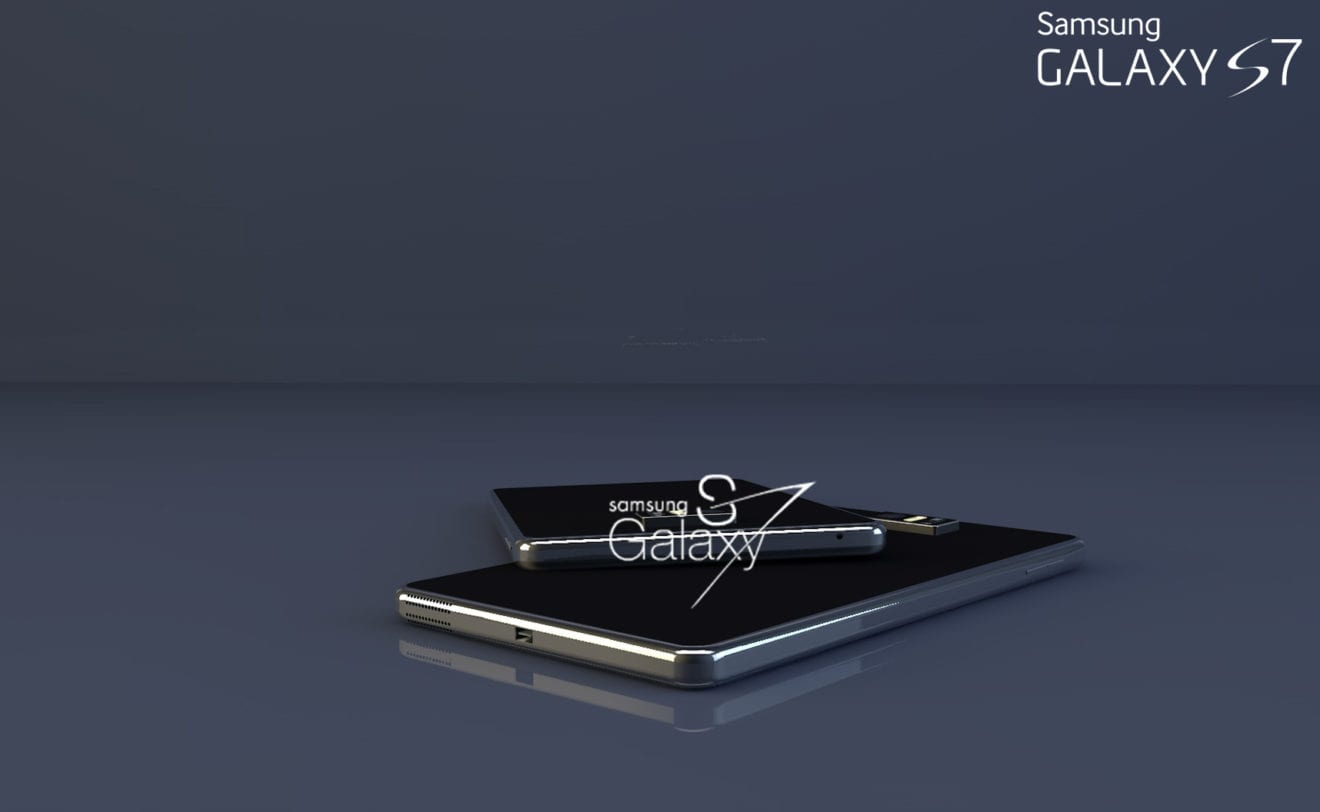
    Samsung Electronics’ new flagship smartphone, presumably to be called the Samsung Galaxy S7, is set to be revealed at a tech exhibition in February, an industry source said Friday.

    And the new generation of the world’s second most famous smartphone is expected to put more emphasis on performance over design.

    The South Korean tech giant will reveal the new Galaxy at the Mobile World Congress 2016 in Barcelona, the source said, with the official release on sale slated for March.

    Industry watchers said the Galaxy S7 will look similar to its predecessor, the Galaxy S6, which went on sale in April, as the market cheered the design of the Galaxy S6 and its sister Galaxy S6 Edge. Thus, Samsung may utilise the design once again and instead focus its efforts on performance, they added.’

    The Galaxy S7 is expected to maintain the built-in battery adopted by the predecessor, which was considered as a deal breaker for some Samsung fans who opted for Galaxies over iPhones for detachable batteries.

    Users, however, may be allowed to insert memory cards to expend data capacity for the new Galaxy, a feature that also disappeared with the Galaxy S6.

    The Galaxy S7 is also forecast to come with new features, such as a new touch system that delivers different commands depending on how strong a user presses the screen, similar to that adopted by the iPhone 6S.

    The new Galaxy will also have a slightly larger screen at 5.2 inches, compared with its predecessor’s 5.1-inch display.

    As the Galaxy S6 Edge and the Galaxy S6 Edge+, which sparked an unexpected sensation in the market with their displays that bend at both ends, Samsung may also add another Edge model for the Galaxy S7.

    While no price details have been provided so far, industry watchers expect Samsung will have no choice but to cut costs amid the booming popularity of budget handsets in the market.

    During the initial release, the price tag on the 32GB Galaxy S6 was 858,000 won (US$726.81), while that of the 64GB edition stood at 924,000 won.

    Samsung said its handset shipments climbed 18 per cent on-quarter to 105 million units in the third quarter, with smartphones accounting for around 80 per cent, or 84 million units.

    Despite increased shipments, its IT and mobile business saw operating profits slip to 2.4 trillion won, from the previous quarter’s 2.7 trillion won, due mainly to the increased shipment of budget models that lacked profitability.

  • Hanwha Galleria to open Seoul downtown duty-free store next week

    Hanwha Galleria to open Seoul downtown duty-free store next week

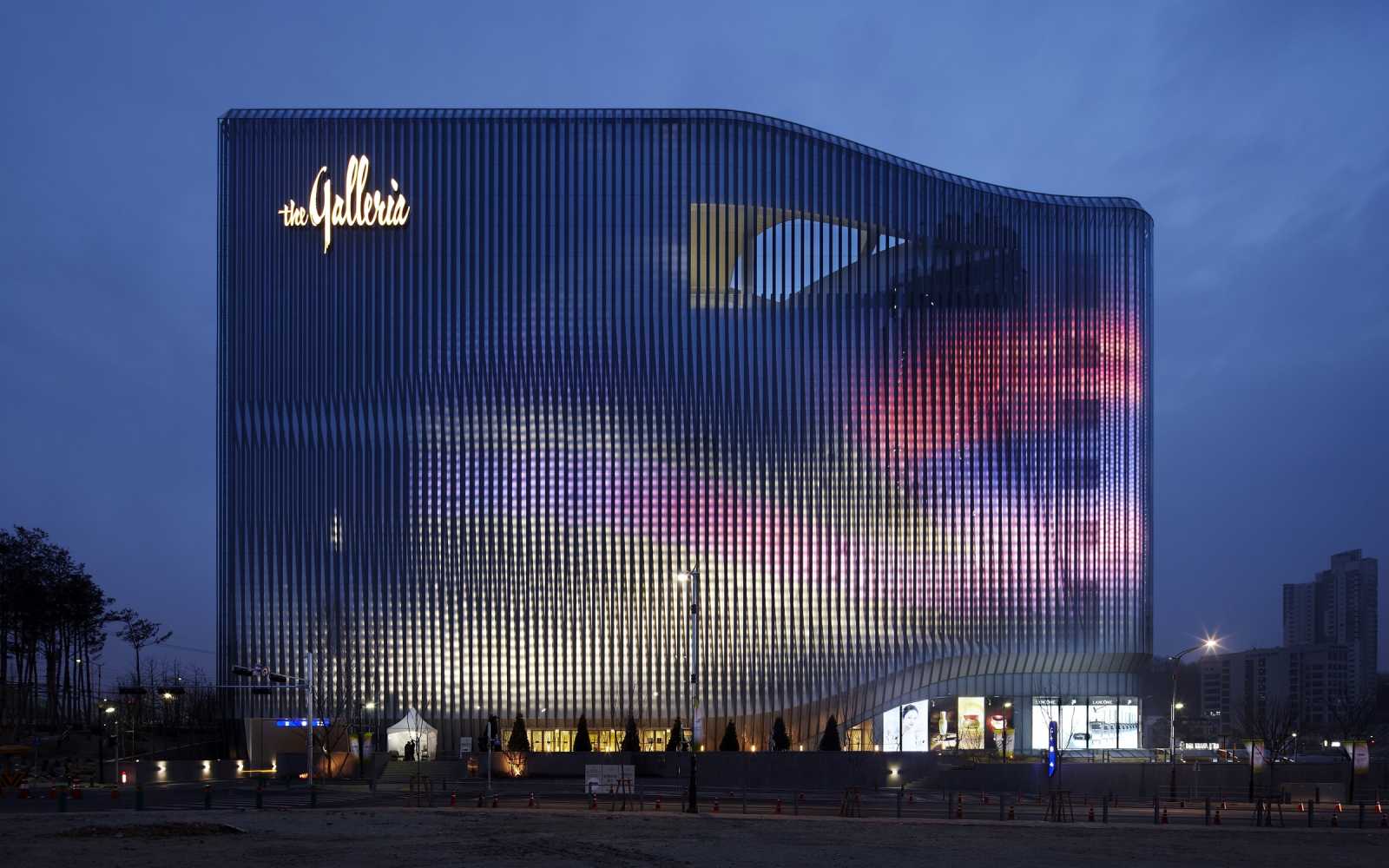
    Korean department retailer Hanwha Galleria is to partially open its first duty-free store at the 63 City Building in downtown Seoul next week, Hanwha Galleria Duty Free merchandising division representative Ji Su Kim told DFNIonline.

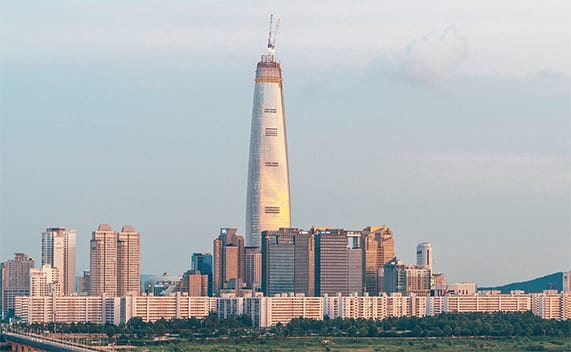
    Kim, was unable to reveal further details, but a YonHap News Agency report indicated Hanwha Galleria plans to open 60% of the proposed space in the gold-tinted skyscraper, one of Seoul’s best known landmarks in Yeouido on December 28. Hanwha Galleria and HDC Shilla Duty Free, a joint-venture between Hotel Shilla and Hyundai Development Co were awarded the main downtown duty-free licences in Seoul by the Korea Customs Service in July following a hotly contested tender.

    The report said the pre-opening would showcase 369 brands, including cosmetics, watches and jewellery with nearly half of them Korean brands. The new duty-free shopping space will be located in the first lower level floor of the main 63 building and floors one to three of the annex building. With a total floor area of 10,072sq m, shoppers will have a  one-stop experience in a modern and comfortable space, according to the company.

    Once the entire store is complete, it is hoped the luxury boutiques and cosmetics stores in the first lower level floor and the watches and jewellery section of the first floor will feature global luxury brands.  The second floor will be filled with Korean cosmetics brands showcasing the best of “K-beauty”. This floor will also feature sections for fashion, accessories, tobacco and liquor. The third floor will be home to “K-Special Hall”, an exclusive concept to Galleria Duty Free. This unites more than 100 of Korea’s top brands and small and medium-sized enterprises.

    Shoppers looking to take a break from shopping can enjoy views of the Han River at “Studio Rue”, a media complex café located on the fourth floor, and browse a selection of Hallyu content products and purchase refreshments.

    Meanwhile, Hanwha Galleria, whose Hanwha Timeworld subsidiary runs the duty-free concession at Jeju International airport, is believed to have made little progress in terms of attracting global luxury brands.

    Hanwha Galleria CEO Hwang Yong-deuk said during a briefing. “Although we want to have luxury brands in the stores they are not yet considering opening new shops, thinking they have enough shops in South Korea.”

    The company added it would continue negotiations to house global brands when the Lotte World Tower store closes this month after the Korean powerhouse lost its licence to travel-retail newcomer Doosan Group.

    It also vowed to continue expanding its duty-free business and revealed it is targeting sales of $429.6m million in the new store next year.

    Stay close to DFNIonline and future editions of DFNI for more on the Hanwha Galleria duty-free expansion project.

  • Korea’s jobless rate stays pat at 3.1% in November

    Korea’s jobless rate stays pat at 3.1% in November

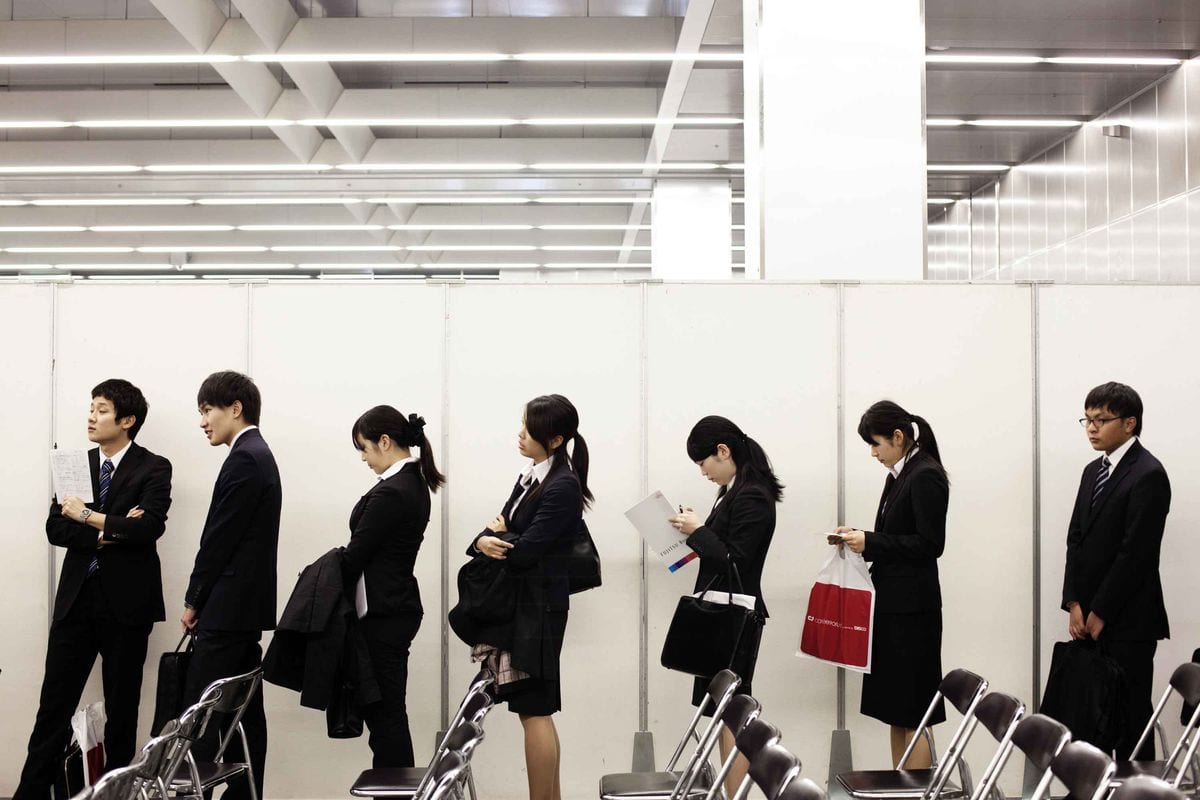
    South Korea’s unemployment rate stayed pat in November compared with the month before as gains in the manufacturing and hospitality sectors were offset by losses in the agrofisheries and retail segments, a government report showed Wednesday.

    According to the report by Statistics Korea, the rate stood at 3.1 percent last month, unchanged from October and the year before. The seasonally adjusted unemployment rate for last month reached 3.4 percent, also flat from the 3.4 percent figure tallied for the previous month. The number of newly created jobs, however, dropped to 285,000 last month, from 348,000 new positions offered in October.

    “Manufacturing continued to fuel growth, along with the hospitality sector, and communication and information technology services, but sharp losses in agrofisheries and to a lesser extent retail affected the job market last month,” said Sim Won-bo, head of the agency’s employment statistics division.

    He said agrofisheries shed 168,000 positions last month from 124,000 jobs lost the month before, while sluggish economic conditions hurt small-time retailer jobs in the country. The official said the loss in agrofisheries was mainly due to rainy weather.

    The manufacturing sector created 190,000 more jobs, with the hospitality sector and communication and information technology services adding a combined 182,000 positions.

    The unemployment rate for people between the ages of 15 and 29 reached 8.1 percent in November, up from the 7.4 percent reading a month earlier, which was the lowest level reported since May 2013.

    The statistical office said the jobless rate for young people usually goes up toward the end of the year as there is a rush to seek employment. The jobless rate among young people has always been higher than the national average.

    The latest report then showed the employment rate for people between 15 and 64, which is used by the Organization for Economic Cooperation and Development to measure employment, stood at 66.3 percent last month, up from 66.2 percent the month before.

    The so-called labor underutilization indicator dipped to 10.3 percent last month from 10.5 percent in October, according to the report.

    The indicator is based on guidelines made by the International Labor Organization and reflects the number of people who are underemployed and those who currently hold part-time jobs but want full-time work. It also counts unemployed people who have given up looking for work not by choice but due to other circumstances.

    The finance ministry said unseasonable weather conditions adversely affected jobs created last month. “The amount of rainfall directly impacted hiring in certain sectors,” it said. “If agrofisheries are not calculated, more than 400,000 jobs were created.” Total precipitation hit 127.8 millimeters, the second highest reading since November 1973.

    The ministry added that while the jobless rate for young people rose, the employment rate edged up 1 percentage point on-year to 41.8 percent, which is a positive development. For the future, it said exports may remain weak but a rise in domestic demand will help create new positions in the coming months.

  • Tokyo-based affiliate eyes major stake in Lotte Confectionery

    Tokyo-based affiliate eyes major stake in Lotte Confectionery

    Korean retail giant Lotte Group’s confectionary affiliate said Wednesday that Japan-based Lotte Holdings has offered to buy 259 billion won ($219.6 million) worth of shares in the firm, a move that will help the group chairman strengthen his control amid a prolonged succession dispute with his brother.

    The Japanese firm will buy 7.9 percent shares of Lotte Confectionary at 2.3 million won per share from the market during trading hours by Dec. 28, the company said in a regulatory filing.

    “By boosting stakes in Lotte Confectionery, Lotte Holdings will be able to improve efficiency based on the potential synergies between the two firms,” it said in a press release.

    Once the purchase is completed, Japan’s leading confectioner will emerge as the second-largest shareholder of the Korean firm with a 10 percent stake. It bought a 2.1 percent stake in the firm on Nov. 4.

    Tightening its grip on Lotte Confectionery means having the group’s key affiliate under control as it holds stakes in Lotte Shopping and Lotte Chilsung.

    Industry insiders said Lotte Holding’s recent decisions to increase its stake in the Korean confectionery unit is to show its support for Shin Dong-bin — the Lotte Group chairman and Lotte Holdings vice chairman — who has been at war with his brother Shin Dong-joo over control of the group since July.

    With Lotte Holdings’ backing, the incumbent chairman who holds an 8.78 percent stake in the Korean unit can cement his leadership over the group, whose portfolio ranges from food to retail mostly in South Korea and Japan.

    Dong-joo, the former Lotte Holdings vice chairman who led the Japanese operations until January, owns a 3.96 percent stake while his father and Lotte founder Shin Kyuk-ho holds a 6.83 percent stake in Lotte Confectionery.

    Meanwhile, the chairman said he would consider listing Lotte Holdings on the Japanese stock market to build a management structure free of the founding family’s feuding.

    During an interview with Japanese media outlet the Nikkei, he said the market debut will be discussed after the Korean initial public offering of Hotel Lotte, slated for the first half of 2016.

    “Coming under tighter scrutiny in the market will enhance the company’s structure and establish transparent corporate governance,” Shin said.

  • Samsung’s Galaxy phone most valuable brand in South Korea

    Samsung’s Galaxy phone most valuable brand in South Korea

    South Korean tech giant Samsung Electronics’ Galaxy smartphone was selected as the most valuable brand in South Korea for the fifth consecutive year, a survey showed Sunday.

    The Samsung Galaxy phone ranked first in the brand survey by Seoul-based market researcher Brandstock, followed by E-Mart, a discount store chain by retail giant Shinsegae Co.

    Incheon International Airport, South Korea’s gateway airport, climbed up one notch to take third place.

    Kakao Talk, South Korea’s biggest mobile messenger with 47 million users, and Naver, the nation’s No. 1 Internet portal, came next, the researcher said.

    The brand value of German automakers suffered after Volkswagen admitted that millions of its diesel cars worldwide were equipped with software that was used to cheat on emissions tests.

    BMW’s rank tumbled from 12th to 31st, and Volkswagen, which ranked 71st last year, dropped out of the top 100, following the emissions cheating scandal, it said.

  • South Korean retailers binge on discounting

    South Korean retailers binge on discounting

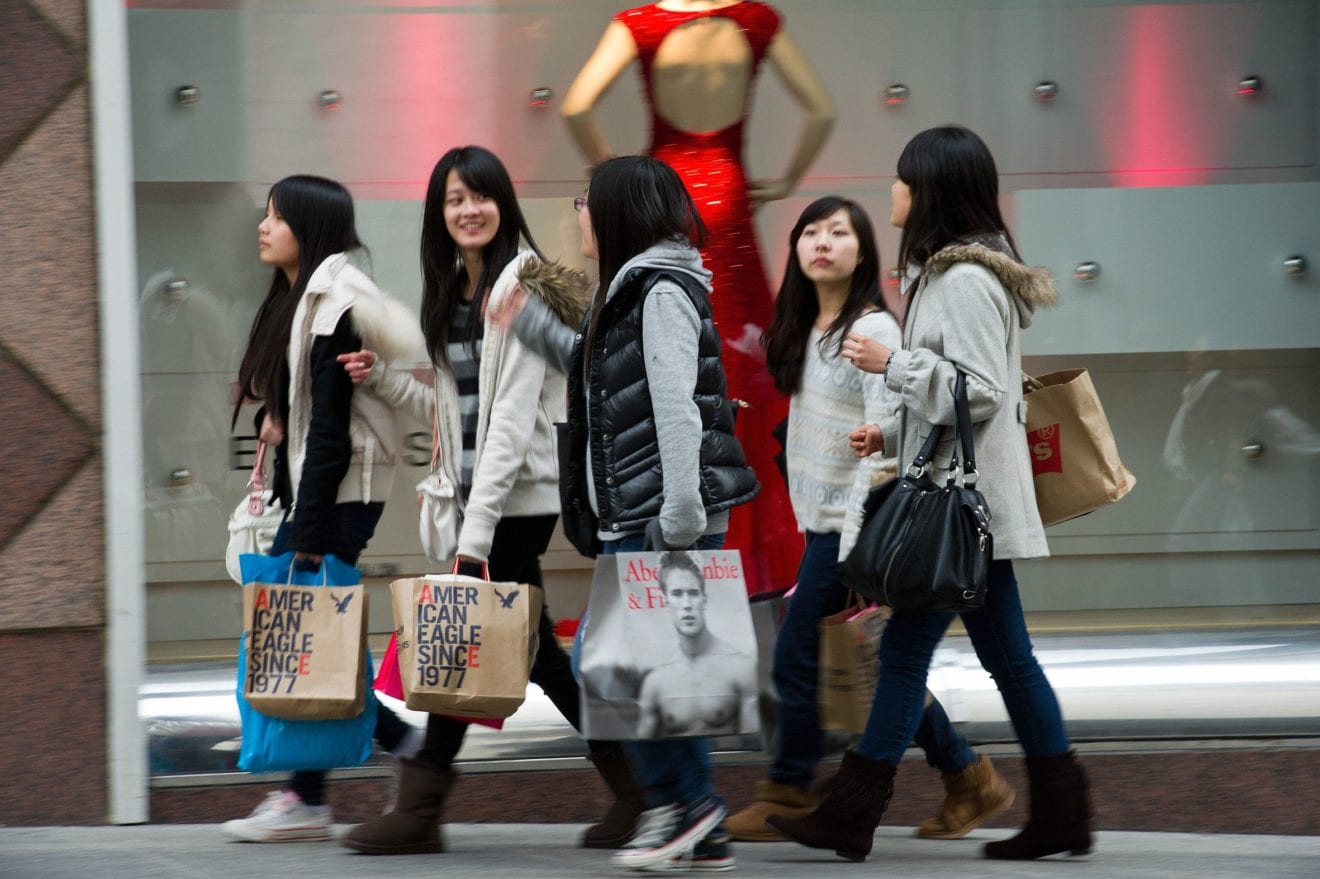
    On top of seasonal sales and occasional promotions, major South Korean retailers have been holding a series of big discount events since summer to create an intense, promotion-heavy atmosphere through the Christmas season and beyond.

    The discount binge has indeed given a fillip to consumer spending here, but market watchers question its long-term effect as a slowdown in Asia’s fourth-largest economy has led to lower incomes for many people, prompting them to tighten their purse strings.

    Most recently, “K-Sale Day” kicked off last week to run for 26 days nationwide, led by major department stores and outlets that hope to grab shoppers’ attention ahead of the original Black Friday.’

    It came just a month after “Korea’s Black Friday”, a nationwide shopping campaign initiated by the government during the first two weeks of October to jack up the stagnant domestic consumption.

    The government-led event even overlapped with “Korea Grand Sale”, during which retailers knocked down prices from early September to mid-October to woo back both domestic consumers and Chinese travelers during the long-haul national holiday.

    One of the main reasons for the deluge of sales is the summer slump following the outbreak of Middle East Respiratory Syndrome (Mers) in late May, which poured cold water on domestic spending and dented tourist numbers.

    More fundamentally, however, the seemingly never-ending sale is seen as an early sign that South Korea is heading into a recession.

    “Although the domestic economy has long grappled with sluggish consumption, the government is ever more concerned about weak spending after exports showed signs of slowing,” says Ko Ga-young, a researcher at LG Economic Research Institute.

    “Exporters in the manufacturing sector had propelled the growth until the 2008 global financial crisis, but their prospects remain bleak due to slowdown in the Chinese economy and tougher global competition in the low-end manufacturing sector.”

    Although policy makers had expected that low oil prices and record-low interest rates would boost the economy this year, the fallout from the Mers outbreak prompted the government to lower its 2015 growth forecast from 3.8 per cent to 3.1 per cent in June.

    The retail discount events, held both online and offline, did not create much buzz like Chinese e-commerce giant Alibaba’s “Singles Day”, which recorded a blockbuster US$14.3 billion in sales on November 11, but the steep discounts did serve as the spending trigger for pent-up demand in a short period of time.

    According to the data compiled by the industry ministry, the 22 retailers that joined the Black Friday Korea campaign saw their sales rise 20.7 per cent on-year to 719.4 billion won (US$634.9 million) during the two-week period.

    While the government touted its “successful effort” in reviving the consumer sentiment, the market remained skeptical over the growth from last year’s low base during the extended holiday season.

    “Large department stores and discount chains face an unfavorable business environment because massive sales events and permanent discount policy produced a limited effect despite last year’s low base,” said Nam Sung-hyun, a researcher at Kiwoom Securities.

    Unlike a one-off factor like the viral disease, market watchers worry that the tight labor market and rising household debt could continue to discourage people from spending on concerns over their unstable future.

    The youth jobless rate reached the highest level in 15 years at 10.1 per cent in June with more college graduates landing at temporary positions, while the average consumption propensity dipped to a record low 71.5 per cent in the third quarter, according to Statistics Korea.

    “The consumption propensity is expected to further decline because households are managing their spending schedule in line with the bleak long-term growth prospect and extended life span,” Ko said.

    Bricks-and-mortar shops face an even dimmer outlook as more consumers are hunting for bargains from online marketplaces abroad.

    Traditional retailers not only have to compete with each other but also counter challenges from international online marketplaces stealing their customers with easier delivery and transaction procedures.

    “As more consumers learn they can easily buy products at a much cheaper price via online vendors, offline shops are more frequently conducting discount events to retain their customers,” said Jun Mi-young, a professor at Seoul National University and co-author of Trend Korea 2016.

    “The experience of buying foreign brands at discounted prices has created a healthy dose of cynicism about department stores’ pricing policy.”

    According to US No 1 retailer Walmart’s Black Friday advertisement, South Korean tech giant Samsung Electronics’ 55-inch HDTV was discounted to $498, less than half prices for similar models sold at Korean department stores.

    Some deals even raise questions over whether retailers set a higher price from the beginning to look like they are giving discounts.

    Lotte Department Store’s K-Sale Day promotional leaflet shows that the price of German kitchenware maker Henkel’s five-star knife block set was reduced from 550,000 won to 229,000 won.

    Sounds like a good deal. But you can buy the same product below 200,000 won at several online shopping malls on any given day.

    The desperate efforts to grab customers with lower prices, however, come at a price.

    As sales start earlier and last longer, they become less important and easier for consumers to ignore. When every day is special, none is.

    “I used to wait for the discount season to buy off-season clothes or other things at cheaper prices,” Lee Su-jin, a 35-year-old office worker in Seoul, said. “These days, I use mobile applications to buy refurbished products or find good deals at overseas websites.”

    While the discount pricing strategy is useful in driving traffic and sales for a short term, marketing professionals worry repeated sales could negatively affect the retail industry in the long run.

    To survive in the borderless digital commerce world, they advise bricks-and-mortar shops to come up with differentiated services to increase customer loyalty.

    ”As the rise of digital shopping has become an inevitable trend in the retail industry, offline sales channels should seek ways to provide better in-store experiences and quality service,” Jun said. “Squeezing margins is not a sustainable business model.”

    Experts emphasise the government’s role in setting a long-term policy to manage the record-high household debt and steer the economy clear of such economic uncertainties as China’s slowdown and market jitters over a US rate hike.

    “The government should control the pace of the household debt growth so it does not rise faster than the income growth, which could further contract spending,” Ko said.

    “Structural reforms are also needed to foster new value-added service sector for healthier growth.”
  • South Korean Convenience Stores Thrive

    South Korean Convenience Stores Thrive

    The growing interest in ready-made meals and other necessities—driven by an increase in single-adult households—has fueled the growth of convenience stores in South Korea, Yonhap reports. These retailers stock daily essentials and food in smaller quantities and are open 24 hours a day, which provides more opportunities for working adults to shop.

    The three biggest chains—7-Eleven, BGF Retail and GS Retail—opened a combined 2,000 new locations this year. Overall, the number of convenience stores in the country jumped to close to 26,000.

    GS Retail, which operates GS 25, generated the largest increase with $3.11 billion in sales from January to September 2015, a 36% bump from the same time period in 2014. Meanwhile, BGF Retail posted a 28.8% rise in sales, while 7-Eleven increased its sales by 26.4%, over the same time period.

    Local convenience stores are capitalizing on the boost in customers by launching their own private-label brands to provide a low-cost alternative to name brands. The stores also have changed up their merchandise mix to include more non-food items in addition to the beverages, cigarettes and instant food items.

    However, the increasing number of convenience stores has begun to saturate the market. Retailers now experience stronger competition from each other, often with stores on opposite sides of the street vying for the same customers.

  • Paul & Shark makes Korea debut launch inside Incheon

    Paul & Shark makes Korea debut launch inside Incheon

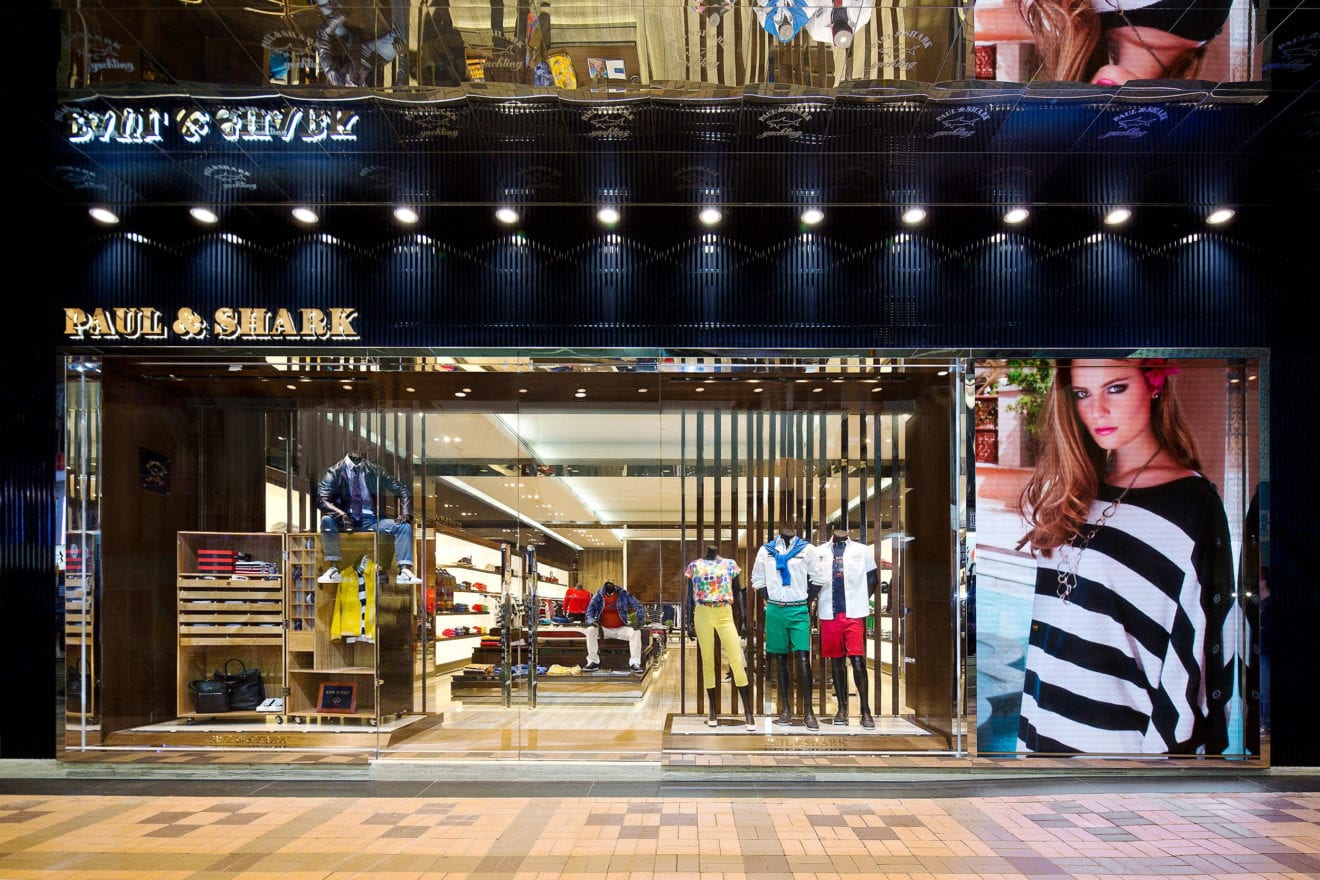
    Paul & Shark will launch its first store in South Korea with a new point of sale opening at Incheon International airport with Lotte Duty Free, and will also open its first personalised boutique onboard cruiseship Costa Fortuna.

    “Our new opening in Incheon will enable us to enjoy truly spectacular visibility for the brand. Along with the Lotte store we have another two openings planned in Seoul by the first quarter of 2016, giving Paul & Shark a very strong foot-print in the South Korean travel-retail market. These openings are both downtown duty-free – one with Donghwa and another with SM Duty Free.”Both stores will make its inaugurate launch next month. “We are so excited about these two projects,” said Paul & Shark Worldwide Travel Retail director Catherine Bonelli. “The Costa Fortuna is a beautiful ship and to have our own standalone boutique onboard is a real coup. Opening in December in the run up to Christmas could not be better timing and we’re expecting really good sell-through during the month.

    This continues a trend that has seen a 55% increase in openings for Paul & Shark over the past 18 months, of which Bonelli said around half were located in airports and the rest with cruiselines and downtown duty-free stores.

    After coming back from a busy TFWA World Exhibition last month, Bonelli sees a rosy future next year. She added that openings in 2016 were earmarked at Pudong terminal one in partnership with King Power Orient; Hong Kong International airport with Lagardère Travel Retail, and Houston with ATU-Heinemann.

    Speaking of last month’s TFWA, she added: “Cannes, with our new stand, was an incredibly busy and successful week for us with head to head appointments all week,” said Bonelli. “Our personalised embroidery service was again a particular talking point and has become a real stand-out highlight for us.

    “It’s been an incredibly busy and hardworking year for the Travel Retail team but the effort is certainly paying off and we are being rewarded with superb locations for the brand. We are confident that 2016 will be another exceptional year for us, as retailers continue to understand and realise the business potential of partnering with Paul & Shark.

  • Korean consumers get cynical

    Korean consumers get cynical

    Korean consumers are becoming cynical about store pricing as they are increasingly exposed to cheaper international online marketplaces and have experienced months of sales and promotions by bricks-and-mortar outlets.

    K-Sale Day, Korea’s Black Friday, Korea Grand Sale are just some of the events that have taken place recently as retailers and government seek to boost consumer spending. This slumped in the wake of an outbreak of Middle East Respiratory Syndrome in late May when people avoided crowded places in an attempt to avoid infection.

    One consequence of that was that more consumers went online for not only essentials like groceries, but also for big ticket items and discovered that these could often be acquired relatively cheaply and with a straightforward delivery process, Inside Retail Asia reported.

    “As more consumers learn they can easily buy products at a much cheaper price via online vendors, offline shops are more frequently conducting discount events to retain their customers,” according to Jun Mi-young, a professor at Seoul National University.

    “The experience of buying foreign brands at discounted prices has created a healthy dose of cynicism about department stores’ pricing policy,” he added.

    Inside Retail Asia highlighted one example – the price of a kitchen knife set slashed by almost 60% in a sale but still more than the price charged by several online shopping malls on any given day.

    And as bricks-and-mortar sales start earlier and last longer, it noted, “they become less important and easier for consumers to ignore”.

    That said, the retail discount events have had some short-term impact, as government data shows that the 22 retailers that joined its own Black Friday Korea campaign saw their sales rise 20.7% year-on-year to 719.4bn Won (US$634.9m) during the two-weeks of the event.

    But “squeezing margins is not a sustainable business model”, Jun pointed out.

    “As the rise of digital shopping has become an inevitable trend in the retail industry, offline sales channels should seek ways to provide better in-store experiences and quality service,” he said. Data sourced from Inside Retail Asia; additional content by Warc staff

  • Indonesia Invests in KFX Project

    Indonesia Invests in KFX Project

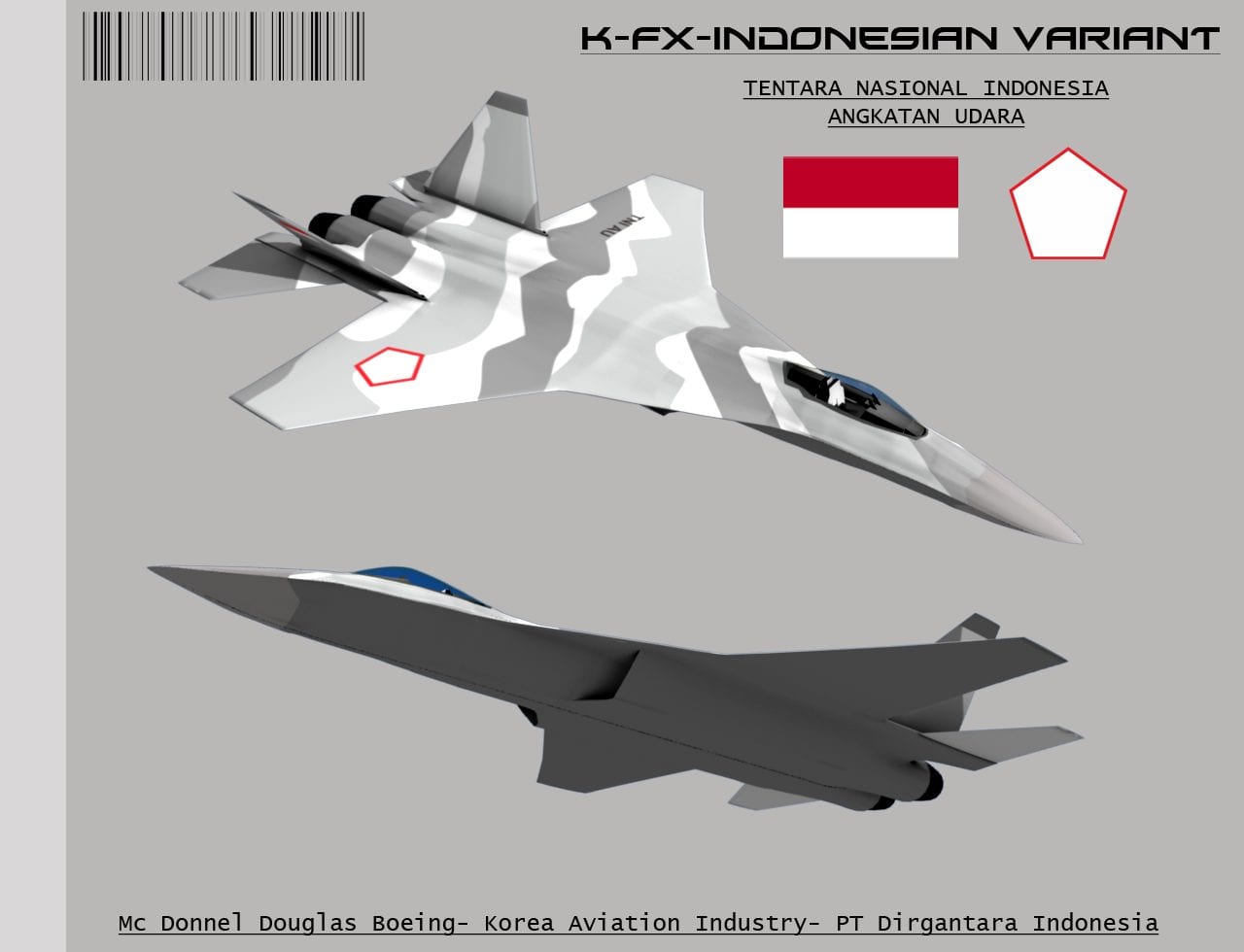
    Korea Aerospace Industries (KAI) signed a provisional contract with Indonesia for the country’s investment in the Korean Fighter Experimental (KF-X) project.

    According to the contract, Indonesia is to bear 20% of the system development cost associated with the KF-X project, which totals 8.67 trillion won, while obtaining a prototype and technical data in return for its participation in aircraft design and component production. The cost is to be shared by KAI and the Indonesian government and KAI and PTDI, Indonesia’ state-run defense company, are to be involved in work sharing.

    KAI is planning to start the development of the system within this year in contract with the Defense Acquisition Program Administration of Korea. At present, Indonesia is working on a similar program under the project name of IFX and is planning to import at least 50 fighter jets from Korea. A total of 18 trillion won is scheduled to be invested in the KF-X project and KAI is looking to sell more than 1,000 fighter jets through the project.

    In the meantime, KAI announced on November 22 that it is working on an autopilot system required for the fighter jets’ low-altitude infiltration and terrain crash prevention based on automatic topographical recognition. It added that it designed a flight control law so that the fighter jets can maintain a level flight under any circumstances.

    According to the KF-X project plan, air-to-air fighter jets are slated to be produced between 2025 and 2028 and air-to-sea and air-to-ground ones are added from 2028. The autopilot system is to be tested from the same year, too.

  • Lotte and WalkerHill lose duty free licenses

    Lotte and WalkerHill lose duty free licenses

    Korea Customs has announced that the Lotte Group has lost its operating licence at its prestigious Seoul Lotte World Tower from next month, but retained its Seoul Myeongdong store, while the WalkerHill Duty Free store operation was also unsuccessful in retaining its long-held duty free licence at the Sheraton Grand Walkerhill Hotel.

    South Korea’s two principal Seoul-based newspapers – the Korea Times and the Korea Herald – both announced the winners today, after the results were initially held back by Korea Customs until halfway through the weekend (when the stock exchange is closed).

    TRBusiness reliably understands that this was intentional to guard against any chance of information leaks impacting on any company’s stock price due to insider trading.

    WalkerHill Duty Free

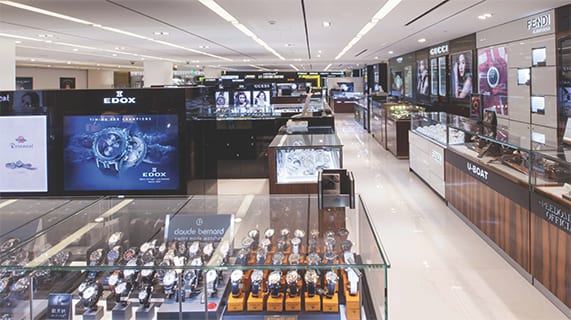
    WalkerHill Duty Free achieved a 46% sales growth in 2014 to $260m compared with $162m in 2013, with 80% of all sales made to Chinese customers. It also unveiled its new-look enlarged store in eastern Seoul last February. The duty free retailer is particularly well known for its high-end watches, carrying 70 brands in total and will be disappointed it has lost its licence. This year the retailer set itself a $350m sales target – some 35% ahead of its 2014 total.

    Meanwhile, Shinsegae has also won one of these duty free licences to convert part of its department store to duty free status, while it also successfully defended its Busan City duty free licence status. Last, but not least, Doosan has won its first duty free licence in Seoul.

    The loss of Lotte’s prestigious Seoul Lotte World Tower duty free licence will come as a big surprise to many and not least to Lotte, which regards this as the most prestigious purpose-built multi-million dollar duty free outlet within its portfolio.

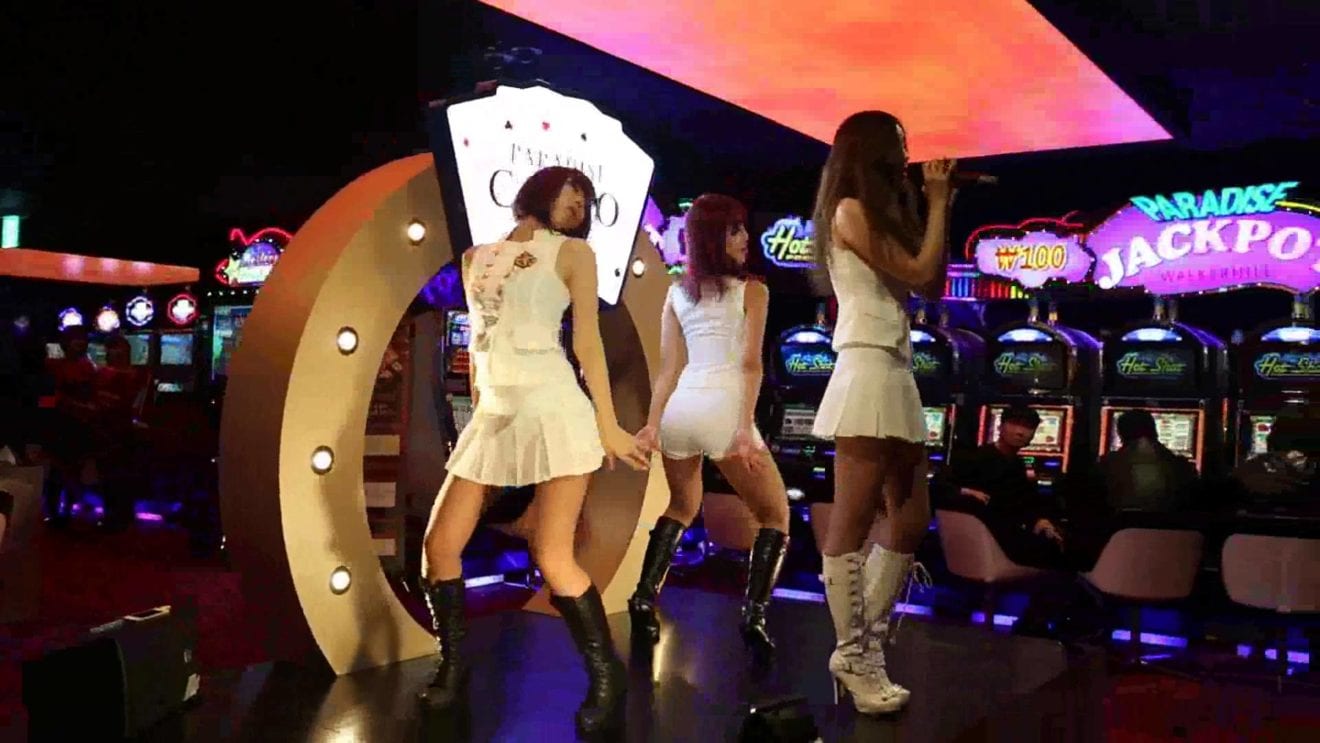
    The WalkerHill Duty Free operation has also become an institution as one of the few retail operations that is an integrated part of both a hotel and a casino, attracting good customer levels.

    Lotte Tower in Seoul

    Lotte’s total duty free sales reached a record US$4.02bn in South Korea in 2014, representing a huge $750m hike in revenue, equivalent to a 22.8% increase. Even given its wide range of duty free outlets at both Incheon Airport and downtown, Lotte will be very disappointed it has lost its licence for this business, since it had planned to make the World Tower shop the largest duty free store in Asia – never mind South Korea.

    Whether internal in-fighting at the top of Lotte has played any role in it losing its Tower license, or merely a view that it is becoming too big (or both) is unknown at present, although TRBusiness hopes to canvass the views of individuals who are very close to this process for further in-depth analysis within the next 24 hours.

    For its part, WalkerHill Duty Free management will also doubtless be very disappointed that it has lost its licence after nearly three decades of trading, with this store particularly well known for its wide range of high quality watches.

    As reported yesterday, Korea Customs initially received 10 bids for the three downtown concessions on offer in Seoul, while the single Busan downtown tender attracted just two bids.

  • South Korea retail sales surge

    South Korea retail sales surge

    South Korea retail sales rose to their highest level in four months in September, as Koreans put the Mers scare behind them and ventured back into stores.

    Data from Statistics Korea show retail sales totalled 31.13 trillion won (US$27.32 billion) during the month, a 4.1 per cent increase on September 2014.

    Department store and discount store sales started to slide in June when the Middle East Respiratory Syndrome (Mers) crisis peaked. From spending of 31.43 trillion won in May, sales fell to 29.35 trillion won in June and 29.45 trillion won in August.

    Rising sales of food, cosmetics and apparel led the rebound in September. Food and beverage sales rose 14.5 per cent, cosmetic sales rose 3.9 per cent and clothing by 0.6 per cent year on year.

    Furniture sales, too, rebounded – up 3.7 per cent.

    Spending at convenience stores soared 32.8 per cent, at discount department stores by 10.4 per cent and in department stores by 5.7 per cent.

    Online shopping spending rose by 18.3 per cent to 4.32 trillion won, accounting for 13.9 per cent of the nation’s total retail spend.

  • Saturation hits luxury retail, but new trends provide hope

    Saturation hits luxury retail, but new trends provide hope

    The Asia Pacific region is experiencing a slowdown in the luxury retail sector, but new emerging trends are set to provide the retail sector with a solid new stimulus for demand in the coming years, according to the CBRE’s special report, ‘The Future of Luxury Retail in Asia Pacific: New Demand Drivers and Shifting Occupier Requirements’.

    Most major luxury retailers are now well established in Asia Pacific with China and Hong Kong being two of the most penetrated markets at 89 per cent and 81 per cent, respectively. However, following several years of rapid expansion, these markets are approaching saturation point.

    “Accounting for one-third of personal luxury goods sales globally in 2014, Asia Pacific is a key region for international luxury brands with key markets including China, Hong Kong, Japan, Singapore, South Korea and Taiwan. However, the high growth period for luxury retailers in the region is gradually coming to an end,” said Dr Henry Chin, Head of Research, CBRE Asia Pacific.

    ”Over-saturation, surging operational costs and weaker retail sales – especially in Hong Kong due to the slowing mainland China economy – have prompted retailers to consolidate their existing store networks and slow their rate of entry into new markets focusing on operational efficiency,” said Dr Chin.

    CBRE has identified three emerging trends which will partially offset some of the negative effects arising from the slowdown and compensate for the loss of demand: Emergence of Affordable Luxury, Inclusion of F&B and Growth of Luxury Childrenswear.

    “With the momentum behind these trends, this will account for a bigger slice of leasing demand for prime retail space,” says Joel Stephen, Senior Director, Head of Retailer Representation, CBRE Asia. “Retailers and landlords can benefit from the projected growth in these market segments,” he adds.

    Emerging retail trends are already impacting luxury retailers’ real estate requirements, resulting in new, and in some cases, weaker demand for different types of retail property, the report said.

    Some of the key trends that CBRE have identified include weaker interest in department stores despite continued interest in prime locations; stronger focus on flagship stores; increased popularity in short-term opportunities for brands to set up exhibitions, pop-up and concept stores, and workshops, to generate greater consumer awareness; affordable luxury brands continuing to drive demand; and more interest in upper floor retail space, but limited to top-tier malls and driven by F&B and childrenswear segments.