Tag: south korea

  • Microwave pasteurization in South Korea

    Microwave pasteurization in South Korea

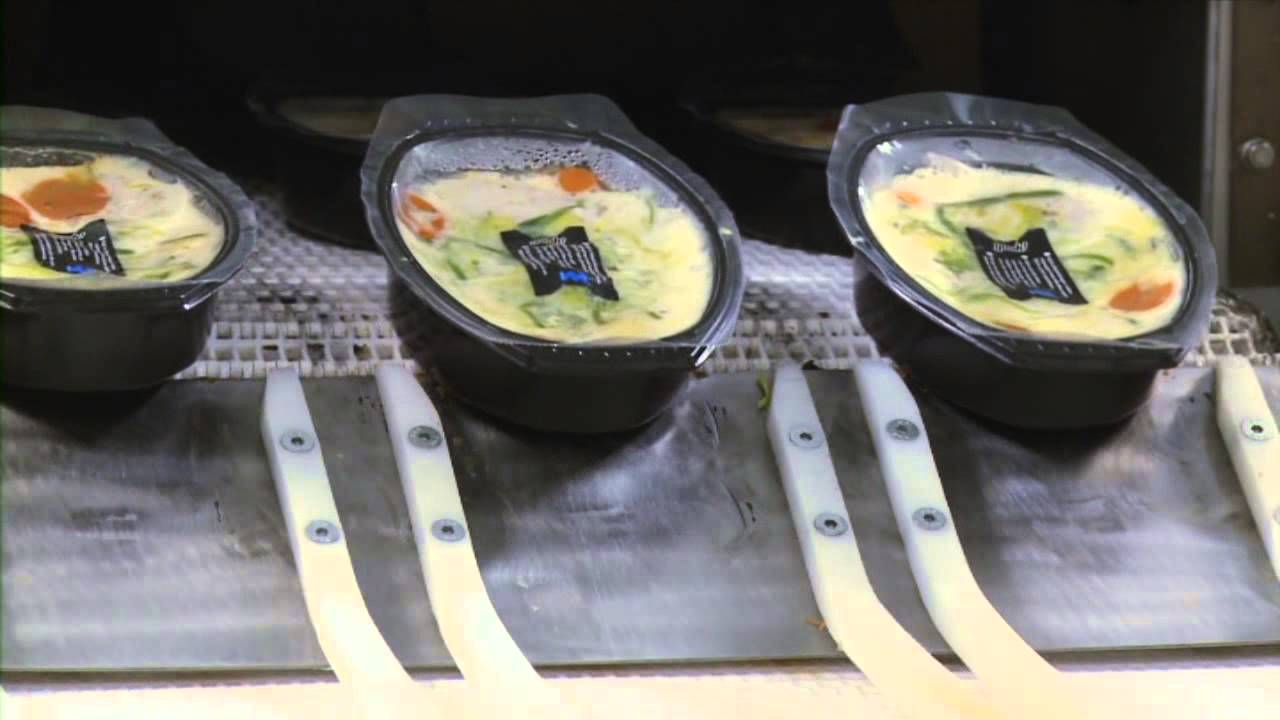
    The new Micvac microwave pasteurization line is installed in one of Daesang’s factories that is dedicated to producing high-quality ready meals. The brand Whistling Cook is distributed nationwide through both retail and Internet channels.

    The range of chilled ready meals consists of six products in 240-, 390-, and 395-g sizes. The recipes are influenced by cuisine from various parts of the world, such as Korea, China, and Europe.

    “We are very happy about this project, and it’s exciting to see how well the products are accepted by the consumers,” says Myounghyun Seo, MV-Project team leader at Daesang Corp.

    “We are delighted that the Micvac concept now also enters South Korea,” says Hirokazu Kushioka, Manager of the Micvac team within Dai Nippon Printing Co., Ltd (DNP). “The producers like the shelf life, which enables a smoother production and efficient logistics.”

    “We are very proud to become a strategic supplier to Daesang Corporation. It’s an industry leader with focus on high quality and innovation,” continues Håkan Pettersson, Managing Director at Micvac. “And I am really happy to see how well Micvac develops in the region together with our partner DNP.”

    Micvac and DNP started their cooperation in 2010, recognizing that interest in high-quality chilled ready meals with both convenience and extended shelf life is on the rise.

  • Korea’s baby market undeterred by economic slowdown

    Korea’s baby market undeterred by economic slowdown

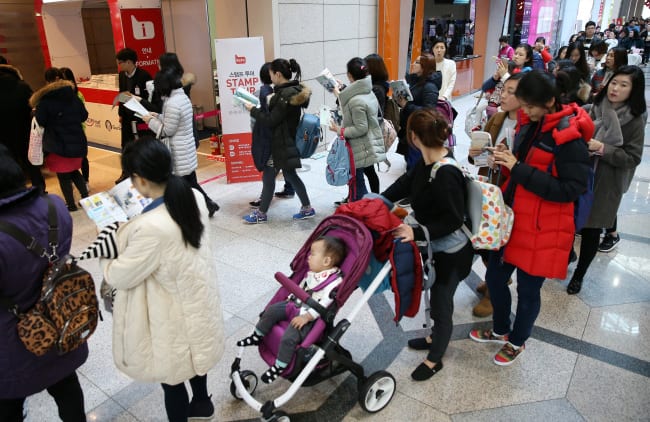
    From couples with babies on strollers to seniors holding toddlers’ hands, a recent annual baby fair held at Coex, in Samseong-dong, southern Seoul, was packed with a sea of Koreans wanting to explore the latest and premium products for their children.

    The three-day event that ended Sunday had about 110,000 visitors, according to organizers, reflecting Korean parents’ unwavering love for their children and their endless interests on the market.

    The market has been thriving in recent years, despite falling birthrates and growing fears over a slowing economy. Korea’s fertility rate is among the lowest in the world. The size of the baby market, however, has been growing rapidly in recent years, and is expected to grow further. The market is now estimated at 1.7 trillion won ($1.38 billion).

    “The number of parents having one kid has been growing. Those parents, even though they might not be able to afford it financially, are more willing to pay for what they believe is necessary for their kids’ well-being,” said an industry watcher.

    Concerns over the economic downturn has led to a growing number of customers looking for quality local products offered at reasonable prices, organizers said.

    Interest, however, still remains high for European products such as strollers priced at around 2 million won and baby chairs offered at nearly 500,000 won each, as young parents are more open to spending money on luxury goods than the older generation, they added.

    A recent Scandinavian fever has also been heating up the market, particularly its luxury segment.

    Parents think highly of Nordic designs and brands that stress safety and cleanliness, according to reports quoting comments from industry insiders. This is why foreign brands have been diversifying retail channels in order to reach out to more customers. They have been making aggressive marketing efforts by expanding their presence in online and mobile markets, they said.

    Another noteworthy trend in the market for baby products is that it is seeing growing spending power among senior consumers.

    According to a recent survey by a daily deals website, sales of baby care products, including diapers and powdered milk, surged the most last year among those in their 60s, followed by customers in their 50s.

    This has led some baby product companies or retailers to closely watch the rise of “urban grannies,” referring to enthusiastic senior consumers purchasing products in a modern way. Some companies have even introduced feeding bottles with numbers printed in larger sizes.

    This is not limited to just the traditional players, such as toy and food companies, the market has seen a growing number of newcomers — such as home appliances and bio companies — targeting parents whose interests go beyond the basic requirements of feeding and changing diapers.

    Coway, a Korean home appliances company, has showcased its latest air purifier that automatically monitors the level of fine dust in the room and transmits the information to users’ smartphones in real time. The smart defect system was devised especially for parents with babies concerned over the impact of worsening dust level in the air to their little ones, the company said.

    At the baby fair, many parents showed interest in smaller gadgets, such as nasal aspirators and digital thermometers manufactured by local companies.

    A crowd of people line up Sunday to enter a baby fair held at Coex in Seoul. (Yonhap)

    “I have come here not only for toy products, but to experience smart gadgets devised for easier baby care,” said Cho Young-eun, a 38-year-old mom with a 2-year-old daughter.

    Bio companies have also been expanding marketing efforts in light of growing health consciousness.

    Local companies like Medipost and Boryung Medience offered services at discounted prices at the fair in a bid to lure parents to invest in their babies’ future health. Both firms operate cord blood banks that store blood cells collected at birth. Cord blood can be used to treat various incurable diseases, including leukemia, later on if needed, the companies said.

  • Online shopping boom in Korea risks mall debt downgrades

    Online shopping boom in Korea risks mall debt downgrades

    South Koreans are spending record amounts shopping with their mobile devices, raising the risk of debt downgrades for retail giants still focused on mall traffic.

    The odds that the nation’s No 1 department store operator, Lotte Shopping Co, will miss debt payments in the coming 12 months doubled to 0.64 per cent from 0.29 per cent a year earlier, according to Bloomberg’s default-risk model that takes into account a company’s finances and stock moves. That suggests it merits a non-investment debt rating. Default risk using the model also climbed for Shinsegae Co, the third-ranked department store operator.

    Moody’s Investors Service and Fitch Ratings have both changed their outlook for Lotte Shopping’s score to negative from stable this month, following a cut in Shinsegae’s outlook to negative by Korea Investors Service last month. The nation’s mobile shopping transactions surged 64 per cent to a record 24.4 trillion won (S$28 billion) last year while sales at department stores dropped for a second straight year, according to Statistics Korea data.

    “We don’t expect a meaningful improvement in Lotte Shopping’s earnings this year,” said Hong Kong- based senior analyst at Moody’s, Wan Hee Yoo.

    Lotte Shopping expects sales in its overseas business to grow this year and it also seeks to increase domestic sales by linking its online and off-line businesses, said its spokesman on Wednesday.

    Shinsegae has been making efforts to reduce its debt ratio since last year, including by selling shares of Samsung Life Insurance Co and issuing perpetual bonds, said its spokesman on Wednesday.

    The spread on Shinsegae’s dollar notes due in 2045 rose to 185 basis points on Feb 23, the highest since its issue in May, showed Bloomberg-compiled data. Lotte Shopping’s 2017 bond spread has fallen 14 basis points this year to 130.

    The nation’s online shopping market is forecast to grow to more than 100 trillion won by 2019, with purchases on mobiles making up about 75 per cent, said Korea Ratings last month, citing Bain & Co’s projection.

    Total transactions on the Internet increased 19 per cent to 53.9 trillion won last year, according to Statistics Korea data.

    South Korea’s smartphone penetration rate is the world’s fourth highest at 83 per cent as of end-March, according to a KT Economics & Management Research Lab report released in July.

  • Kingsdown Debuts First Bedmatch System In South Korea

    Kingsdown Debuts First Bedmatch System In South Korea

    Kingsdown, an employee-owned mattress manufacturer, announced recently that it has debuted its first bedMATCH system in Songdo, South Korea. Kingsdown is one of the largest U.S. manufacturers selling product in Asia, and plans to use this program as a launching starting point for further distribution of bedMATCH systems, Kingsdown and Sleep to Live bedding products throughout the region.

    Partnering with Kingsdown licensee, Navijam, Inc, the South Korea store is the first in the country to feature the patented bedMATCH diagnostic system to enhance the way consumers shop for mattresses. The majority of the Sleep to Live mattresses on the store’s showroom floor are made in South Korea with additional products being imported from the United States.

    “Looking to grow our brand in Asia, we are confident that South Korea is the right location due to their focus on advancements in technology, product quality and styling,” said Kingsdown President and CEO Frank Hood. “As Kingsdown continues to expand we have seen great success and growth abroad through our innovations in sleep technology. We have also found a partner that not only believes in our product but also shares our company’s vision of providing retailers and their consumers with high quality products from an internationally respected brand.”

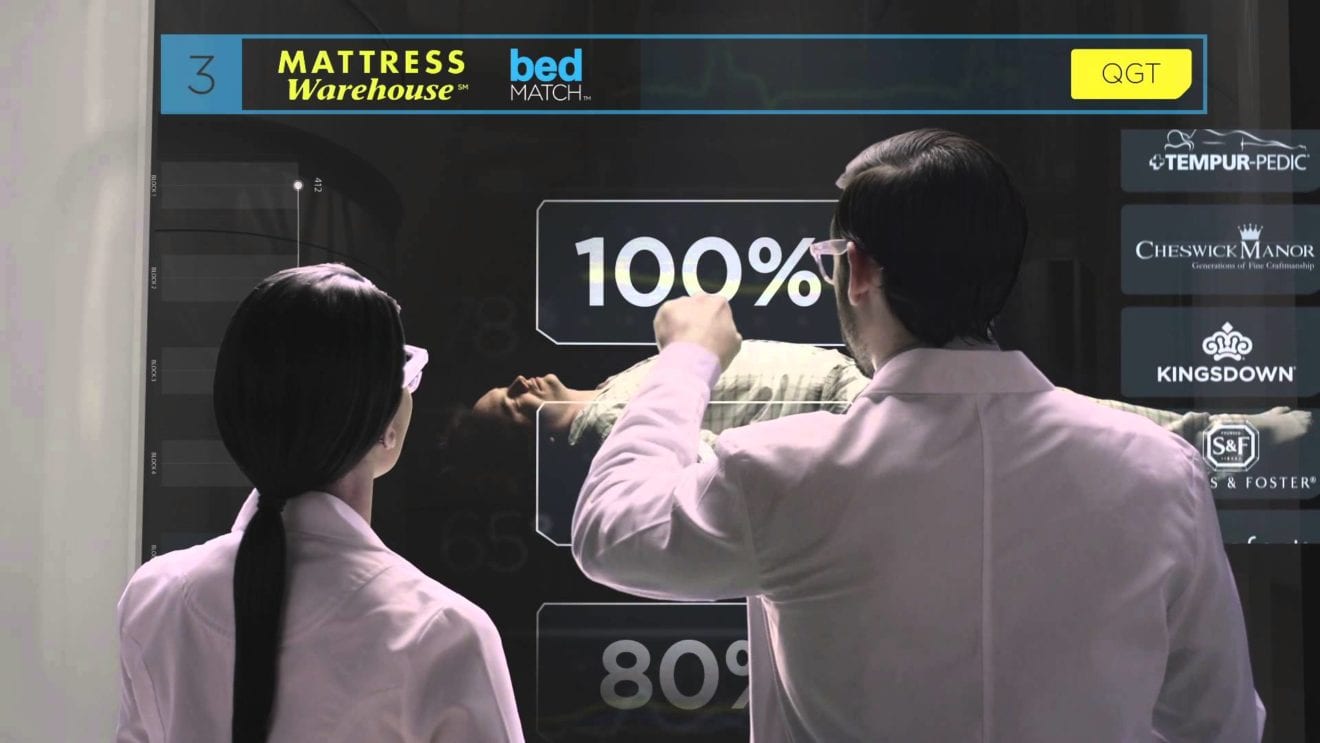
    bedMATCH uses 18 statistical measurements along with thousands of calculations to assist the customer in determining the best mattress option for their specific body type. In addition to this South Korean location, Kingsdown is also set to open 60 additional bedMATCH/My Side locations throughout Asia in 2016.

  • JAJU continues quiet battle with Muji

    JAJU continues quiet battle with Muji

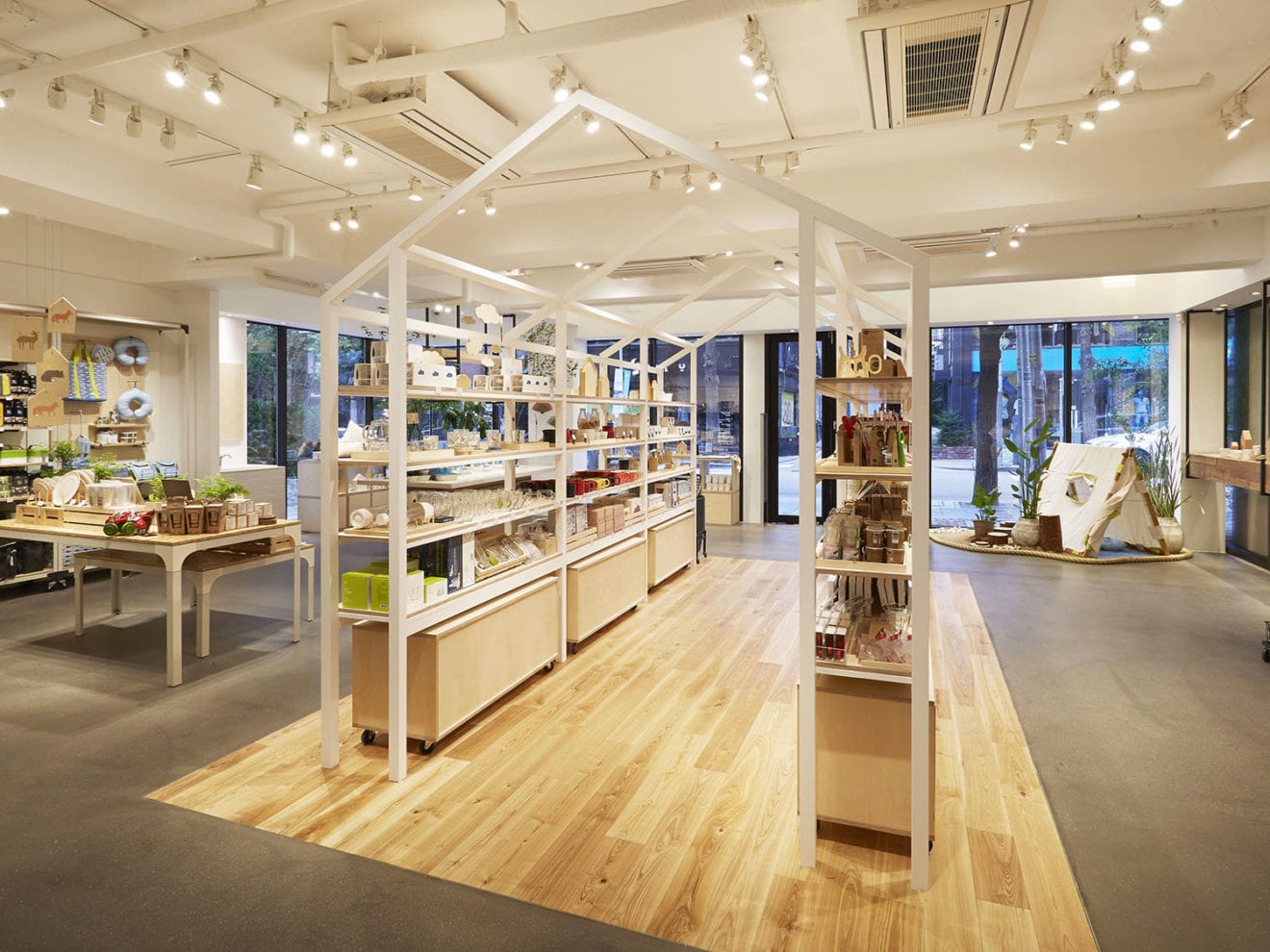
    The flagship store of JAJU, a retail brand by Shinsegae International, is all clean lines, muted colors and minimalist goods.

    Everything from notepads and diffusers to kitchen products, body cushions and clothes are on display for prices that make even the thriftiest shopper comfortable.

    JAJU is the first Korean lifestyle brand by a major conglomerate to offer a huge array of goods including housewares and daily supplies, a segment pioneered by brands like Japan’s Muji.

    Shinsegae International has never explicitly said it hopes to emulate the success of Muji, but the core brand concept – no-frills products at cheap prices – speaks for itself.
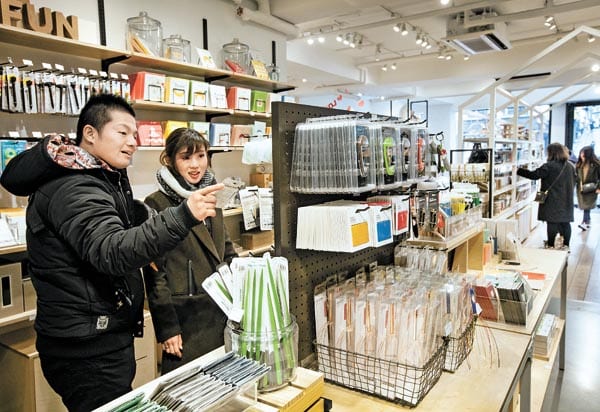
    The combination of simplicity, affordability and decent quality has boosted JAJU’s appeal among local consumers who appreciate a deal, but the similarities with Muji might hinder its expansion into the global market, which is Shinsegae’s ultimate goal.

    The five-story flagship store in the posh Garosu-gil area of Gangnam District, southern Seoul, symbolizes Shinsegae’s ambitions for the brand.

    “An average of 2,500 people visit this store each day on weekdays and some 4,000 to 5,000 people on weekends,” said Han Seung-min, head of the flagship store.

    In terms of sales, JAJU outperforms Muji in Korea thanks to its presence in stores like E-Mart, Shinsegae’s discount supermarket chain, and other shopping outlets.

    JAJU posted 175 billion won ($142 million) in revenue in 2014, while Muji Korea recorded 48 billion won.

    But the sales gap isn’t a big consolation for the local brand, since it operates a drastically larger number of stores.

    Muji has only 14 stores in the country whereas JAJU has 148.

    The brand maintained a humble presence only a few years ago, located solely inside of E-Marts.

    Until 2010, the brand name was Jayeonjui (which translates to “naturalism” in Korean) and was managed entirely by E-Mart.

    But since Shinsegae International, the fashion-oriented affiliate of Shinsegae Group, acquired the brand and changed its name to JAJU, the category of products has expanded.

    The company is also focused on diversifying the location of its stores beyond E-Mart to stave off the perception that JAJU is merely an in-house label.

    Along with the flagship store that opened in 2014, JAJU added an additional branch in the COEX Mall in Samseong-dong, southern Seoul.

    Still, E-Mart remains the largest channel, with 132 branches accommodating the shop.

    “We are looking for different properties to house JAJU to reach different customer bases,” said Park Cho-rong, a public relations representative of Shinsegae International.

    Appeal of simplicity

    The colors, patterns and materials of JAJU products are understated. But the plainness helps keep manufacturing costs low, resulting in lower prices.

    The prices of most goods at JAJU are low even compared to Muji, a major selling point of the brand.

    Muji’s socks start from 4,000 won ($3.25), but those at JAJU are in the 3,000 won range.

    Shinsegae said that the standard design and simple packaging pushes the prices lower, even though 90 percent of the products are made in Korea.

    And the plain-looking goods appear to be appealing to customers’ tastes.

    “When I place plain white dishes and cups together, it gives off a modern and pleasant vibe,” said Choi Hee-young, a 33-year-old woman who was perusing kitchenware at the JAJU flagship store.

    “Because they can form some kind of uniformity, they are easy to match together compared to fancy, carefully designed items with colors.”

    As part of its efforts to enhance design, Shinsegae tapped well-known designer Oh Joon-sik as the creative director for JAJU last year.

    Catering to Korea

    JAJU is trying to carve out a niche for itself by making its products more explicitly “Korean.”

    “Based on the understanding of the Korean lifestyle, JAJU tries to offer quality goods at affordable prices,” said Kim Woong-yeol, head of the sales division at JAJU.

    For example, the brand sells small onggi, or crock pots, designed to better keep traditional dishes such as kimchi and soybean paste. The pots typically come only in big sizes because they are placed outside in bulk.

    “This type of onggi is designed to keep temperatures so that the food inside is better preserved,” said Han, the head of the flagship store.

    “But now the size of households is becoming smaller, and we learned that there is a demand for smaller pots,” she said.

    JAJU stores gained insight into its consumers’ tastes by inviting stay-at-home moms to offer their opinions in the development stage.

    Their thoughts are particularly reflected in kitchenware and kids’ products.

    “Cooking spoons made by overseas manufactures are rather big, which is inappropriate for Korean users,” Han said, “So we surveyed the ideal size of cooking spoon for consumers and adjusted the size.”

    When the retailer revamped its brand in 2010, JAJU added a line of designer furniture, as well as items for kids and travel.

    To boost its furniture collection, JAJU teamed up with global furniture company Fritz Hansen and Sigga Heimis, a former designer for Ikea.

    Of its existing categories, JAJU has boosted aromatherapy, home decor and body care products in response to the growing demand.

    “With the rise of single-person households, we found that products used to decorate houses or as a little treat are really doing well,” Han said.

    “They are not essentials, but the items can cause a little joy or make for a more pleasant atmosphere.”

    Global ambitions

    Shinsegae International said in 2014 that it will develop JAJU into a global brand with annual sales of 500 billion won by 2020.

    The retail unit, headed by Chung Yoo-kyung, a daughter of Shinsegae’s founding family, has yet to elaborate on its global expansion plan.

    Some analysts predict JAJU will focus on local markets for the next year or two because the brand’s revenue drives sales growth for Shinsegae International.

    “JAJU plans to open 10 more stores by the end of this year,” said Yoo Jeong-hyun, an analyst at Daishin Securities.

    “Revenue that comes from each JAJU store is very high, and the combined sales account for 20 percent of Shinsegae International’s sales.”

    But industry insiders say JAJU needs a more distinctive identity and brand strategy to distinguish itself from the better-known Muji.

    The product categories overlap with those of Muji, and some products offer similar functionalities.

    “The key to success in the global market depends on how JAJU can create its own brand concept distinct from Muji,” said a retail analyst who requested anonymity.

    “But right now, the distinction is not enough to pull off the same success as Muji.”
  • Korean beauty brands increasingly offering the interactive retail experience

    Korean beauty brands increasingly offering the interactive retail experience

    In a round-up of the immersive, hands-on retail offerings which beauty brands are increasingly offering in the country, the national paper highlighted the rise of smart technology and wearables as the key driver behind the trend.

    “Seeking to offer more interactive and tailored services to consumers, cosmetic brands in Korea are increasingly utilizing high technology and smart gadgets to satisfy diverse consumer needs at one of the largest, trend-sensitive beauty hubs in the world,” the newspaper notes.

    It highlights AmorePacific, Dior and SK-II as key examples of beauty players at the forefront of this retail trend.

    Magic Ring test

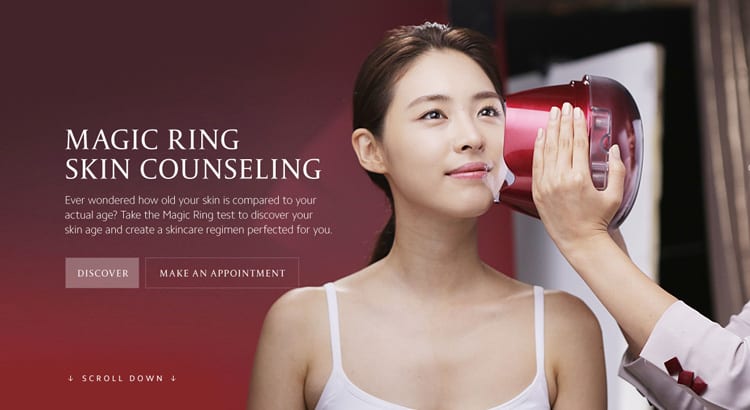
    SK-II’s Magic Ring test (a diagnostics testing process for consumers’ skin), uses a skin imaging machine that tracks details such as the direction and size of pores and wrinkles, offering consumers the personalised product recommendation service they increasingly demand.

    Amore Pacific and Dior are just two of several other major brands reportedly also offering interactive diagnostics services in Korea, and investing in developing bespoke technologies specifically for the immersive retail setting.

    Apps are another key channel boasting interactive opportunities for brands, with L’Oreal reportedly gearing up to launch its MakeUp Genius app (which allows consumers to virtually try on cosmetics) onto the Korean market in the coming months.

    A global trend

    Korea is just the latest in a string of countries in which the beauty industry is adopting the potential of interactive beauty with open arms, to meet the rising demand from young, tech-savvy consumers.

    The Korea Herald report comes hot on the heels of a recent study published by market research firm Euromontior International , which noted that younger generation consumers increasingly demand interactivity.

    Millennials seek out “a curated but interactive sales environment, whether retail or online”, the firm’s analysts confirmed, noting that cosmetics is a rare area in which the consumer group is willing to spend freely.

  • Nation gets first crowdfunding platform

    Nation gets first crowdfunding platform

    As of 6 p.m. on Monday, Marine Techno, a cosmetics company that specializes in products made from marine collagen, successfully gathered 76 million won ($64,000) from retail investors on the nation’s first crowdfunding portal, which had opened earlier in the day.

    A total of 13 investors, including angel investors, the government-led Creative Economy and Innovation Fund, and other retail investors contributed to the biotechnology firm based out of the Jeonnam Creative Innovation Center in Yeosu, South Jeolla.

    Created in 2014, the start-up produces cosmetics by recycling marine byproducts. It owns as many as 30 patents for collagen-producing technologies.

    The company’s success on the crowdfunding platform meant it reached 110 percent of its investment target.

    “I was wondering about this, but we unexpectedly ended up with a good result,” said Hwang Jae-ho, founder of Marine Techno. “We rolled out investor relations activities at many events, and that’s what has led to the good result today.”

    Hwang said the new funds will be used to expand production facilities to meet growing demand.

    Individuals who want to invest in new promising businesses can log in to www.crowdnet.or.kr, operated by the Korea Securities Depositary, to connect with one of the five intermediary firms registered with the Financial Services Commission, the nation’s top financial regulator.

    The five intermediaries that can broker deals with the start-ups online are Wadiz, Ucanstart, OpenTrade, Yinc and Wealth Funding Management.

    On the first day, 18 start-ups, including Marine Techno, attracted investments through the intermediaries.

    The FSC introduced the crowdfunding system as part of its efforts to support the creative economy and financial technology initiatives. The regulator revised the nation’s Capital Market Act in July to provide start-ups with better access to financial resources, hoping to boost the fintech industry and create more jobs for young people.

    Crowdfunding platforms have become increasingly popular, with the U.S.-based Kickstarter attracting as many as 270,000 online investors in just two hours to raise 10.9 billion won for Pebble, a smartwatch maker.

    If they have a crowd funding account with any of the 18 securities firms offering them, retail investors can invest up to 2 million won in a single firm, and up to 5 million won a year. Start-ups are allowed to receive up to 700 million won in total every year through the crowdfunding portal. If a company fails to reach 80 percent of its target by the deadline it has set, the funding will be nullified.

    “There is some concern that the investment limit is too small, but we plan to support the regulator’s move to heat up the mood,” said Kim Young-soo, an executive at Korea Venture Business Association.

    Marine Techno was the only company that surpassed its goal on Monday, with crowdfunding still a foreign concept to many. On the homepage for Yinc, a message reading, “Please be my first investor,” was still flickering at around 5 p.m.

    Still, large financial groups are joining the trend. KB Financial Group launched a matching service for investors and start-ups on Monday. It began to attract investors by using the crowdfunding platform of OpenTrade to help fund four promising start-ups chosen by the group.

  • 50 Global Superstars To Compete in Miss SuperTalent of the World 2016

    50 Global Superstars To Compete in Miss SuperTalent of the World 2016

    Mark your social calendars as 50 gorgeous and talented ladies from all over the globe will sashay under the spotlight in the sixth edition of Miss SuperTalent of the World 2016. Pageant producer Sutal Group announced that the highly anticipated event will be held in Seoul, South Korea. The star studded grand finale will showcase the world’s most beautiful and talented contestants in a kick-off on April 27 and will culminate in a coronation night on May 13 at the K-Hotel Convention Center.

    It’s going to be a dazzling coronation night as various performances are lined up—from heart-stopping martial arts, K-pop dance performances by the hottest Korean artists, to a unique spectacle of angels in collaboration with Korean wave stars and the pageant contestants.

    This year, Miss SuperTalent of the World 2016 launches an engaging two-hour television special, to be telecast and live streamed via Internet worldwide, highlighting a different format of beauty pageant or supermodel search.

    The event is widely watched worldwide, especially in Asia, where it is partnered with SGX-listed social commerce company YuuZoo Corporation. Through YuuZoo’s access to 110 million registered users and 800 million TV viewers, Miss SuperTalent of the World enjoys an unprecedented global audience reach.

    It’s no surprise that Miss SuperTalent of the World is recognized today as the definitive platform where outstanding young women enter the exciting world of fashion, music, and entertainment to carve out successful careers. Past winners have risen to become influential icons, such as Egypt’s Meriam George and Ukraine’s Diana Starkova.

    Sutal Group CEO Lawrence Choi remarks, “Unlike traditional beauty pageants and supermodel search contests, Miss SuperTalent of the World has its sights firmly set on superstars; film stars, pop icons, and supermodels. With its unique concept of discovering and nurturing talented beauties to become future stars in the global entertainment industry, it has launched the careers of its winners to become the faces of L’Oreal and Bollywood, among others.”

    Check out more details by visiting www.misssupertalentworld.com, www.missstow.com (social site)

  • Kingsdown launches bedMatch system in South Korea

    Kingsdown launches bedMatch system in South Korea

    Top 15 U.S. bedding producer Kingsdown announced the debut of its bedMatch system here. Kingsdown plans to use the retail launch as a starting point for further distribution of bedMatch systems, Kingsdown, and Sleep to Live bedding products throughout the region.

    Kingsdown licensee Navijam partnered with Rentus, a retailer in Songdo, to launch the first bedMatch system in the country. The majority of the Sleep to Live mattresses on the store’s showroom floor are made in South Korea, with some products being imported from the United States.

    “Looking to grow our brand in Asia, we are confident that South Korea is the right location due to their focus on advancements in technology, product quality and styling,” said Kingsdown President and CEO Frank Hood. “As Kingsdown continues to expand, we have seen great success and growth abroad through our innovations in sleep technology. We have also found a partner that not only believes in our product but also shares our company’s vision of providing retailers and their consumers with high quality products from an internationally respected brand.”

    In addition to this South Korean location, Kingsdown is set to open 60 more bedMatch/My Side locations throughout Asia in 2016, the company said.

    Navijam, founded in 2011, is a leading mattress manufacturer in South Korea, officials said.

  • Indonesian bank opens branch in Seoul

    Indonesian bank opens branch in Seoul

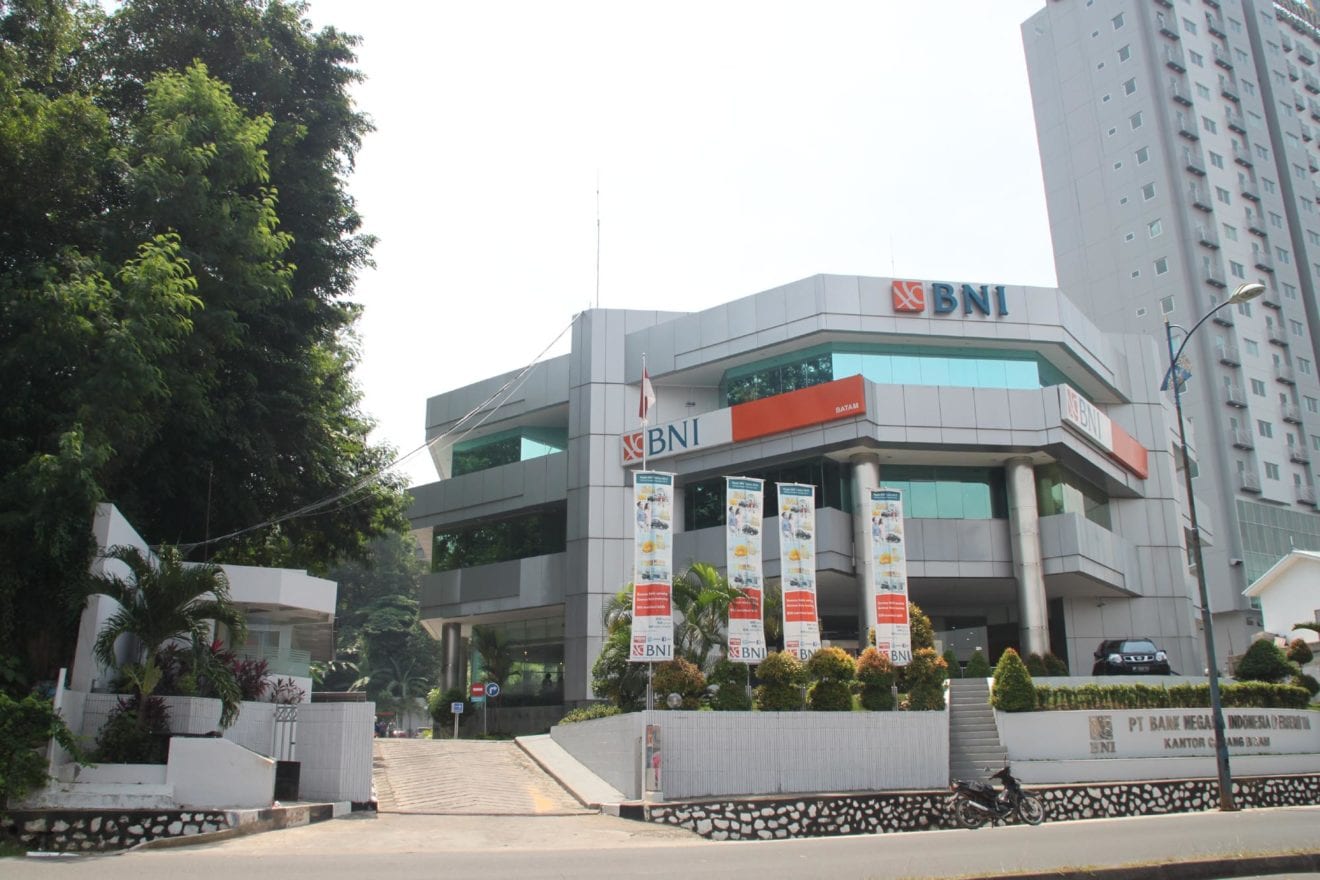
    An Indonesian bank, Bank Negara Indonesia (BNI) 46, opened a branch office in Seoul, South Korea, in Wise Tower, on Monday. It was inaugurated by the Ambassador of Indonesia to South Korea, John A Prasetio and Manager of BNI46 Seoul, Wan Andi Aryati. “The banking industry in South Korea is already shaken, but BNI46 still sees market potential,” Wan Andi said in a statement received by ANTARA here Monday. The BNI46 targets the domestic trade market according to her. “BNI Seoul wants to be a bridge to establish cooperation between Indonesia and South Korea by providing loans and other related banking services,” Wan Andi said.

    The BNI46 also provides services for South Korean businessmen who want to invest in Indonesia, she added.
    “We are also targeting the Indonesian labor market in South Korea, which now reaches 40 thousand people. We are committed to providing the best service for the Indonesias foreign exchange heroes,” she said.

    Meanwhile, Ambassador Prasetio stated that the world economy is still in a state of collapse. The stock market and the value of currency in some countries against the US dollar continues to decline.

    “This shows that the global sentiment has not been encouraging. Uniquely, the Indonesian economy is relatively solid in the middle of the uncertainty shocks,” the ambassador said.

    Cooperation in trade and investment between Indonesia and South Korea are still positive. The demand for Indonesian products and South Koreas investment in the country are progressive, according to him.

    “They respond positively on the economic policies of President Jokowi (Joko Widodo). I believe that the presence of BNI46 in Korea is very important to bridge cooperation between the two countries,” the ambassador said.

    Data from the Investment Coordinating Board (BKPM) shows that South Koreas direct investment in the country in the last five years is ranked fourth with a value of more than US$7 billion. Currently, there are 2,700 South Korean companies in Indonesia.

  • South Korea January dept, discount store sales seen rebounding from December

    South Korea January dept, discount store sales seen rebounding from December

    Annual sales at South Korea’s top department and discount stores in January were seen rebounding from the previous month, finance ministry estimates showed on Friday, backing recent policymaker comments that consumption is steadily recovering.

    Combined sales at department stores run by Hyundai Department Store, Lotte Shopping and Shinsegae rose 9.6 percent in January from a year ago, the finance ministry said in a monthly report.

    Sales at major discount stores were seen to jump 13.4 percent over the same period, the data showed.

    Figures from the trade ministry, which will publish confirmed numbers later in the month, had shown department stores’ December sales fell 5.7 percent and discount store sales had been down 5.1 percent on-year.

    The finance ministry data also showed gasoline and diesel sales in volume terms had gained 8.5 percent in January from a year ago, which was the fastest rise in three months and compared to a 4.3 percent rise in December.

    The ministry said in the report that domestic consumption had steadily posted positive growth while production and investment were showing signs of improvement. However, it noted that external risks to the economy were increased by slowing Chinese growth, geopolitical risks sparked by a rocket launch from North Korea on Sunday, falling oil prices, and jitters stemming from the direction of U.S. monetary policy.


  • Korean Manufacturers Witnessing More and More Idle Production Facilities

    Korean Manufacturers Witnessing More and More Idle Production Facilities

    It has been found that Korean manufacturing companies’ rate of operation reached a record low since the IMF bailout in 1998 due to the sluggish exports and domestic consumption.

    Under the circumstances, the manufacturers’ investment is forecast to decline to cause an increase in unemployment and the slowdown of the national economy as a whole.

    The Statistics Korea announced on February 11 that Korean manufacturers posted an average rate of operation of 74.2% last year, down 1.9 percentage points from a year ago, with their exports showing no signs of recovery amid the global economic recession. The percentage of 2015 was the lowest since 1998.

    According to the Bank of Korea, Korea’s total exports decreased by no less than 10.5% year-on-year to US$548.93 billion last year. Besides, Korea’s exports to the emerging markets including China, which account for 60% of the total exports, showed a decline of 7.9% in 2015.

    Sluggish domestic consumption is another reason for the low operating ratio of the manufacturing firms. According to the Statistics Korea’s report that was released on January 29, Korea’s retail sales index fell 1% from a month ago in November last year and 0.1% in the following month.

  • Lotte launches Paul & Shark in Korea

    Lotte launches Paul & Shark in Korea

    Italian lifestyle brand, Paul & Shark, has opened its first boutique in South Korea, at Incheon International Airport (ICN) in partnership with Lotte Duty Free – with a further two on the way.

    Commenting on the mid- December opening: Catherine Bonelli, Global Travel Retail Director at the brand, says: “This store makes a wonderful first step into the South Korean travel retail market for Paul & Shark.”

    “In the first quarter of 2016 another two openings are planned in Seoul, which will truly cement Paul & Shark’s presence in Korean travel retail. I would like to thank Lotte Duty Free for their support with the opening of this new store, which looks amazing.”

  • South Korean home shopping channel to launch in Thai market

    South Korean home shopping channel to launch in Thai market

    South Korean High Shopping Co, a joint venture between InTouch Media and Hyundai Home Shopping, is set to become the third South Korean home shopping operator to enter the Thai market, with a launch in Vietnam slated for the second quarter of 2016.

    High Shopping’s goal is to be among the top three players in Thailand’s 20-billion-baht home shopping market by 2020, according to the Bangkok Post. “Thailand’s home shopping market has a lot of potential, with annual 20 percent growth to reach 20 billion baht in 2020, double the revenue last year,” explained Lee Hae-seung, High Shopping’s Chief Executive.

    Home Shopping currently represents just 0.5 percent of Thailand’s retail industry, compared to 4 percent in South Korea. High Shopping is predicting that, of the 2,500 products it will offer for sale by mid-2016, cosmetics and kitchenware will be the best-sellers.

    The inventory will initially be made up of premium Korean brands, with international brands once the channel is established. The shopping channel is hoping to achieve sales of THB4.5 billion by 2020, with a 25 percent market share.

    The company is planning to broadcast on satellite TV platforms initially before expanding to cable and mobile devices.

  • “IKEA Effect” Hits South Korea with Boom in Furniture Retail Market in 2015

    “IKEA Effect” Hits South Korea with Boom in Furniture Retail Market in 2015

    The furniture market in South Korea has seen a surge in sales since IKEA entered the retail sector last year, stimulating consumer tastes for trendy home furnishings and competing with local retailers, South Korean news agency Yonhap reported on Monday.“The rising interest in home interior items has boosted demand for new furniture, driving up sales of furniture makers,” said Kim Kwang-seop, an official at Statistics Korea.

    According to Statistics Korea, retail furniture sales have jumped 7 percent since 2014 – the highest growth rate since almost a decade ago – with five trillion won ($4.15 billion) in earnings in 2015.

    Though local South Korean furniture retailers initially voiced concerns about losing business to the Swedish-headquartered furniture conglomerate that set up base in the outskirts of suburban Seoul in January 2015, the healthy competition has been a boom for the industry, according to Yonhap, which terms the industry’s revival the “IKEA effect.”

    The five largest home furnishing retailers – including Hanssem, Hyundai Livart and Enex – reported a 20 percent upsurge in sales in 2015, with experts also attributing the consumer boom to aggressive advertising by retailers through showrooms in major cities as well as the rising popularity of home renovation TV shows.

    IKEA, which has earned $308 million since its launch and has had over 6.7 million visitors, now plans to open up five more stores by 2020, according to Yonhap.