Tag: south korea

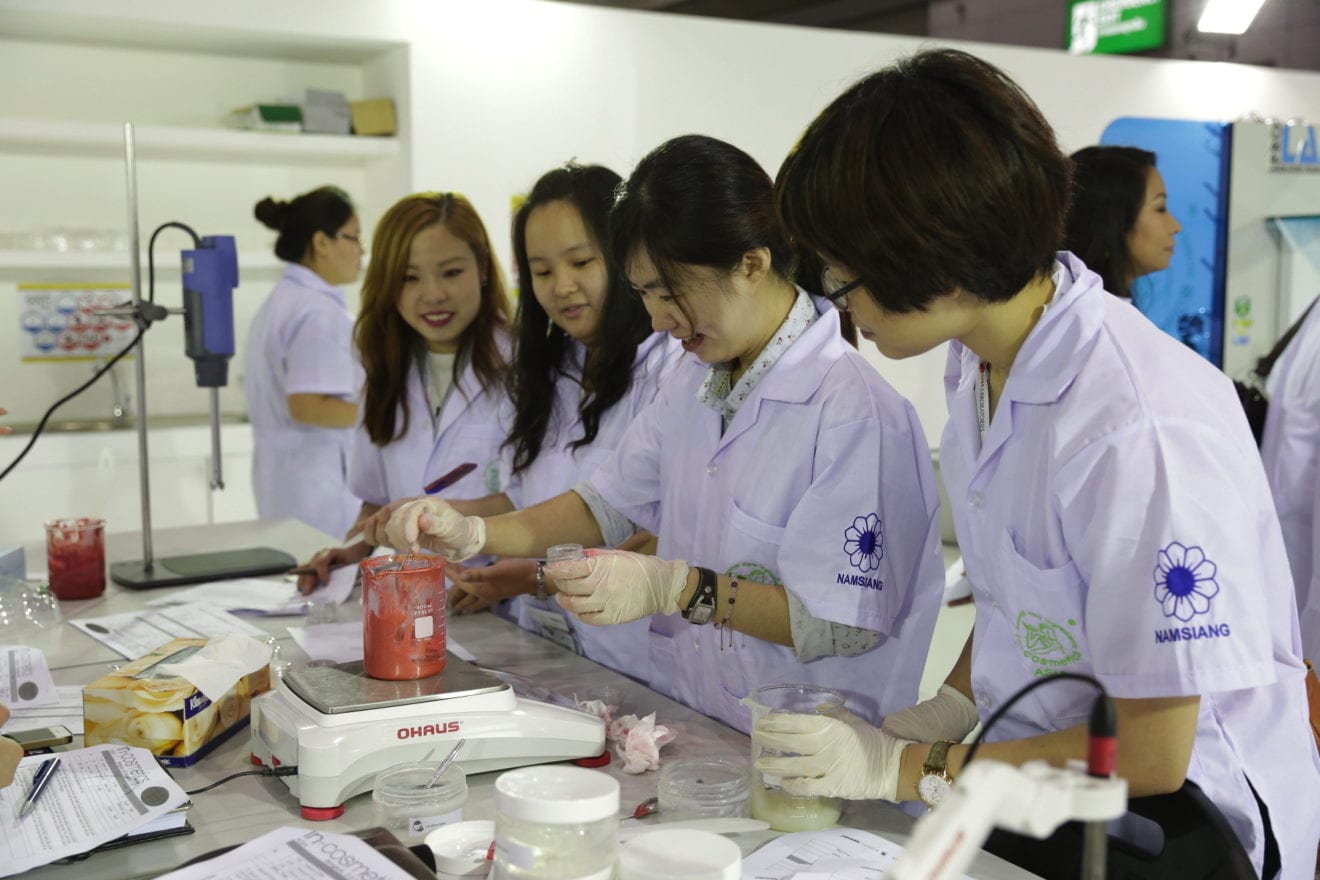
  • Korea to legalise customised cosmetics formulation

    Korea to legalise customised cosmetics formulation

    Increasingly, retailers have begun to offer the on-the-spot bespoke mixing of cosmetics from base ingredients (including colours and scents) as a service for consumers eager for personalised beauty.

    In the past few years, Korea has established itself as a global market leader when it comes to cosmetics, particularly within the field of innovation. Until now, however, retailers in Korea have been unable to embrace the growing trend of personalised product formulation, due to the ban imposed as a result of safety concerns.

    The relaxation of the ban will allow Korean beauty players to start pushing the trend within the country, a move that, we reported, “is projected to further diversify and expand the country’s vibrant cosmetics industry.”

    The young demand personalisation

    Younger consumers increasingly expect a level of bespoke personalisation and interactivity in their beauty products and services, with on-the-spot formulation one of the key elements of this.

    In a recent new report, ‘The Impact of Millennials’ Consumer Behaviour on Global Markets ’, market research firm Euromonitor International states that a personalised, immersive shopping experience is key for the demographic, which is swayed by innovations like try-on technology, skin analysis and mirror apps.

    “Personalisation and interactivity is important in beauty care for millennials, with a rash of digital solutions emerging to appeal to their need for individual solutions,” the report explained.

    The legal selection

    Korea is currently trialing the bespoke production of cosmetics at select stores, including duty free, across several specific product categories. These are reportedly: four types of fragrance, 10 types of skin care products, and eight types of colour cosmetics, including lipsticks.

    Following the trial, the government will assess the safety of the service, with a view to potentially implementing general legalisation across the country.

  • Hyundai Ioniq Recalled in South Korea over Rolling Backwards Problem

    Hyundai Ioniq Recalled in South Korea over Rolling Backwards Problem

    The South Korean manufacturer launched the Ioniq in its home market two months or so ago, yet Hyundai had to recall the electric drive hatchback after a video was published on YouTube. That particular video can be found at the end of this story. Just skip to the 4-minute, 4-second mark and observe what happens.

    Let’s put into words what occurred there. The driver took the Ioniq on an uphill parking exit. He brings the car to a stop while still on the exit ramp. After that, the driver takes his foot off the brake pedal, expecting the hill start assist system to keep things under control. But it doesn’t. He then pumps the throttle pedal repeatedly, only to find out that the Hyundai Ioniq doesn’t do a hill start.

    After the car had started rolling backwards, a firm press of the brake put an end to this dangerous incident. The South Korean motoring media took notice of the incident and Hyundai paid attention, prompting an internal investigation. And as expected, the company decided to recall all Ioniq vehicles made until March 14 for a software update. The Ioniq Hybrid, Plug-in, and Electric made after March 14 have been given the updated software, so they’re not included in this campaign.

    Slated to debut in the United States of America later this week at the New York Auto Show, the Hyundai Ioniq arrives just in time for the 2017 model year. The Ioniq Hybrid will be the first model to hit dealerships nationwide, followed by the Ioniq Electric and the Ioniq Plug-in variants by the end of the calendar year.

    Pricing information for the U.S. market isn’t available at the time of writing, yet don’t expect Hyundai to sell the Ioniq Hybrid for more money than Toyota is selling the fourth-generation Prius. More specifically, the 2017 Hyundai Ioniq Hybrid could hold a suggested retail price of under $25,000 sans destination.

  • Retail regulations failing to make a big impact

    Retail regulations failing to make a big impact

    Since June 6, 2012, a local government regulation has required large discount supermarkets like Lotte Mart and E-Mart to be closed every second and fourth Sunday of the month in a bid to boost merchants at traditional markets who have seen dwindling customers.

    But more than three years since the regulation was put into place, its effects have been tepid. In interviews with merchants at traditional markets, most said they could not sense a big difference after the regulation, but they did not want the regulation to stop, either.

    Many said they hope for more practical measures to stop the decrease in their annual customer numbers. Some complained most traditional markets do not offer parking.

    In fact, parking facilities was one of the biggest reasons why customers said they preferred big supermarkets over traditional markets. Customers also cited the wide variety of items they can buy at a supermarket under one roof as another advantage.

    On top of that, according to market research firm TNS, big supermarkets typically contain 50,000 stock keeping units, while traditional markets only have 2,000, limiting their supply.

    In a TNS survey, when asked what they usually do when big supermarkets are closed, three out of 10 customers said they would postpone shopping until the supermarkets are open again. Seven out of 10 said that they would shop elsewhere, such as at convenience stores or online shopping sites; only 20 percent of those people said they would go to traditional markets instead.

    “The regulation on big supermarkets goes against the retail market’s modernization and hinders its gradual development,” said Ahn Seung-ho, a business professor at Soongsil University, during hearings on the regulation in September 2015.

    “The cause of small retailers going downhill is not the big supermarkets but the competition and competitiveness problems between similar local business conditions. The policy should be written to elevate the competitiveness of local commerce.”

    The regulation has effects not only on big supermarkets but also goods suppliers and supermarket workers. With the stores closed two days a month, goods suppliers suffer a direct economic loss, while supermarket employees, because most of them are non-regular workers, suffer employment instability.

    Supporters of small traditional markets, though, insist the regulation is necessary.

    “From 2013, the monthly business profits of micro-enterprises have decreased 25.5 percent compared to 2010,” said the head of the survey study department at the Nohwabong Micro-enterprise Promotion Foundation. “This is evidence that the regulation was appropriate.”

    Local government and micro-enterprise organizations say the regulation is preventing polarization. They argue that if big market regulations disappear, chances are high that large retailers will monopolize the market, and customers might suffer loss due to price increases.


  • Korea has potential to top Singapore in MICE

    Korea has potential to top Singapore in MICE

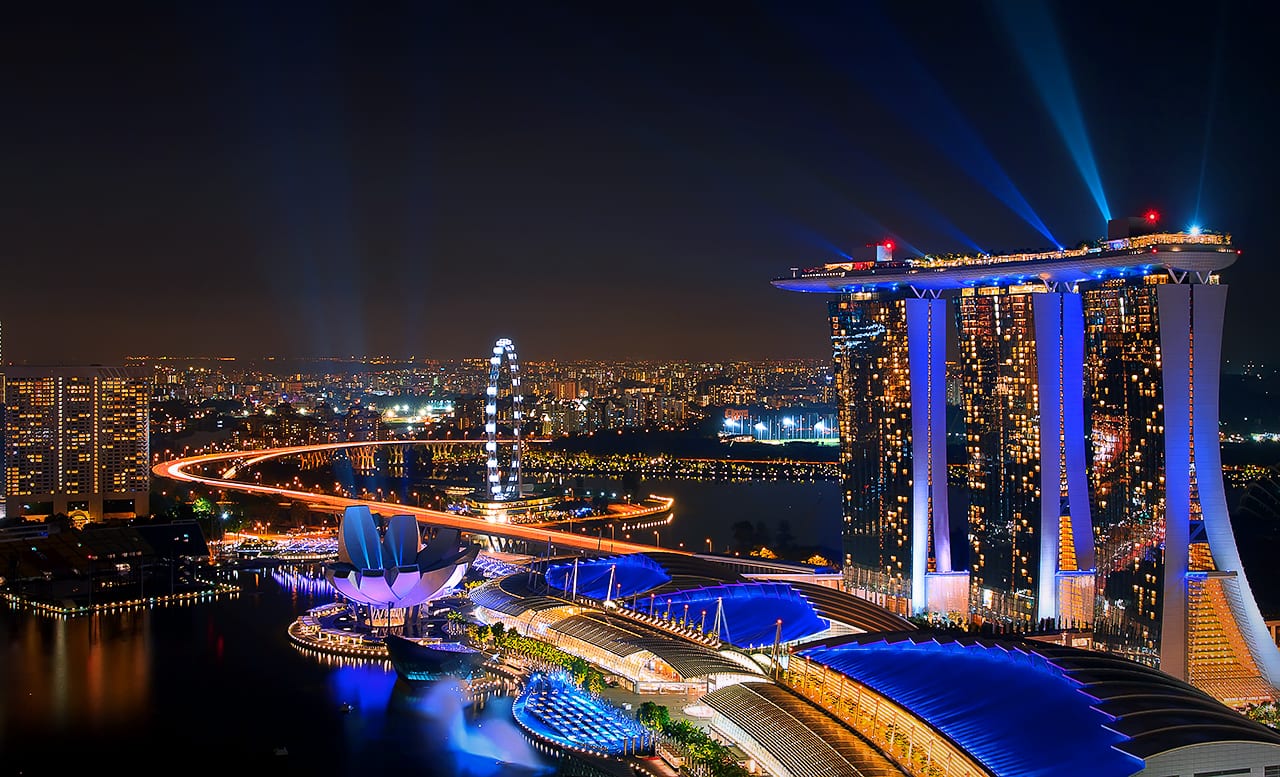
    South Korea has the potential to become the world’s top MICE (meeting, incentive tour, convention and exhibition) destination once it upgrades its tourism infrastructure, Marina Bay Sands (MBS) CEO George Tanasijevich said.By Kim Jae-kyoung

    He added that a large-scale integrated resort similar to MBS in Singapore will not only help Korea revitalize its infrastructure but also serve as a marketing tool to attract more business and leisure tourists from abroad.

    “Korea has a greater opportunity to lift its MICE industry even higher (than Singapore),” Tanasijevich said in an interview with The Korea Times at the MBS Hotel overlooking a panoramic view of Singapore.

    He pointed out that Korea has many advantages over competitors such as Singapore, because it has both rich cultural assets and advanced technology.

    “You have wonderful cultural, historical attractions that the tourism industry leverages very effectively. Where I think it is lacking is in more modern tourism infrastructure. The integrated resort is something that would be a huge positive effect on tourism in Korea,” he said.

    “Korea has a well-established international airport, a highly skilled workforce, and high connectivity. It also has a network of small firms that can support a large-scale resort and at the same time benefit from it. And Korea is very innovative in technology and pop culture.”

    However, the CEO said that there are infrastructure limitations, or even an outright lack of infrastructure within the MICE industry in Korea. He believes that an integrated resort will relieve many such constraints.

    One limitation he cites is that the largest ballroom in Seoul can only serve dinner to around 700 people at once, compared to MBS that can serve dinners to 6,600 people at the same time.

    “That’s an example of an infrastructure constraint in terms of facilities that MICE industry offers in Korea. You can’t have the world’s biggest event because the world’s biggest event wants to have dinners that are bigger than 700 people,” he said.

    Another example of limitation or constraint in the market is entertainment facilities.

    Tanasijevich, who is managing director of Global Development for Las Vegas Sands Corp., said that Korean entertainment is sweeping across the globe but venues are inadequate to really promote the industry within Korea.

    “If we are given the opportunity to develop the resort in Korea, what we would do is create major entertainment components included in it,” he said.

    “It can serve as a home of K-pop, home of Korean entertainment so that you can use it as a marketing tool to draw high-value tourists into Korea who would contribute significantly to your economy.”

    The Singapore-based CEO said that Sands is not interested in investing in building a resort allowing only foreigners to gamble.

    “That’s not our business model. That’s not what interests us in Korea so we are not moving forward with that kind of project. What we are looking to do is to create a MICE-focused resort that is more substantial than MBS.”

    The following is an excerpt from the interview.

    Q: Sands has had tremendous success with MBS in Singapore. What do you think are the key success factors?

    A: We are pleased that in our seven years of operations, we are still partnering with the government to deliver its promises of tourism, jobs and growth to Singapore. I would say the biggest contributor is our unique MICE-focused resort business model, which is a strong fit for a city like Singapore, a top destination for tourism as well as MICE business.

    We did not just bring a replica of what we have developed in other parts of the world. We proposed a very strong MICE element, which would fulfill Singapore’s aspirations as a MICE destination.

    Then we added celebrity chef restaurants, theaters, nightclubs, a sizeable retail mall and a museum to add excitement to Singapore as an entertainment and dining attraction. To alleviate the problem of insufficient hotel rooms, we constructed 2,500 rooms. We then added an iconic SkyPark and architecture that would make a stunning skyline for Singapore, given that we were awarded the focal site in Marina Bay.

    Likewise, we will study the Korean market carefully and develop an integrated resort that will fulfill the aspirations and objectives of the Korean people if we have the opportunity to be in Korea.

    Q: MBS is now a symbol of Singapore and considered a successful integrated resort model. Korea is different from Singapore in many aspects. Do you think the same model can be applied to Korea?

    A: On the flip side, Korea is also similar to Singapore in many ways. It is a developed country with a strong economy, its workforce is highly skilled and its people have the same aspirations for better jobs, better lives and growth for the country. We will adapt our model to Korea, which like Singapore, is a very strong MICE contender among the world’s top business destinations.

    Q: Do you think an integrated resort can contribute to economic growth by creating more jobs and bolstering the tourism industry?

    A: Today, MBS is one of the largest job creators in Singapore. We hire over 9,500 team members for our daily operations and house another 3,000 staffers under the employment of various tenants in our retail mall.

    By 2015, MBS had created 46,000 direct, indirect and induced jobs in the Singapore economy, according to economists. Since we opened in 2010, we have offered thousands of Singaporeans unprecedented opportunities to work alongside the world’s biggest celebrity chefs, stage the biggest entertainment events and learn new skills and trade in gaming, conventions and more.

    If we have an opportunity to open an integrated resort in Korea, we will create similar opportunities for the Korean people, especially for young Koreans who want good careers in a multinational company.

    In MBS, Singaporeans make up 60 percent of senior management, and account for 80 percent of the supervisory and managerial positions. The numbers illustrate that we can provide not only employment, but good jobs for Koreans if we have the opportunity to open in Korea.

    Q: The biggest hurdle to opening an IR in Korea is the public’s negative sentiment against casinos. What is your view on Koreans’ concerns?

    A: We believe many Koreans associate the word casino with gambling dens, which is not what our type of integrated resort like MBS is. Our proposal for Korea is an entertainment complex with theaters, celebrity chef restaurants, a mall, hotel, convention facilities, attractions, and even arenas and parks. The casino is less than 5 percent of the total footprint, making it possible for millions of visitors to enjoy our resort without taking a step into the casino.

    We will work closely with the government to inform and educate the Korean public about our type of integrated resorts we intend to invest in Korea if the government allows us the opportunity to do so.

    Q: What is your bottom line in investment in Korea?

    A: We do not believe that a foreigners-only casino will accomplish the goals of the Korean people. Korea already has 16 of them. It will neither warrant the type of investments we intend to make nor achieve the economic impact that the Korean government wants to achieve. We believe a restricted-entry casino that allows Koreans, subject to social safeguards and barriers to entry in place — no bigger than 5 percent of the total integrated resort footprint, will do so.

    Q: Do you have preferred places to build an integrated resort in Korea?

    A: We think that Seoul and Busan are ideal locations for our type of business model and the size of investment we are prepared to make.

    As you can note from MBS in Singapore, because we have such substantial elements for MICE facilities we need to be in a downtown location that is accessible to major international airports and a place where we can provide opportunities for companies and business people.
  • Korean online bookstores in delivery war

    Korean online bookstores in delivery war

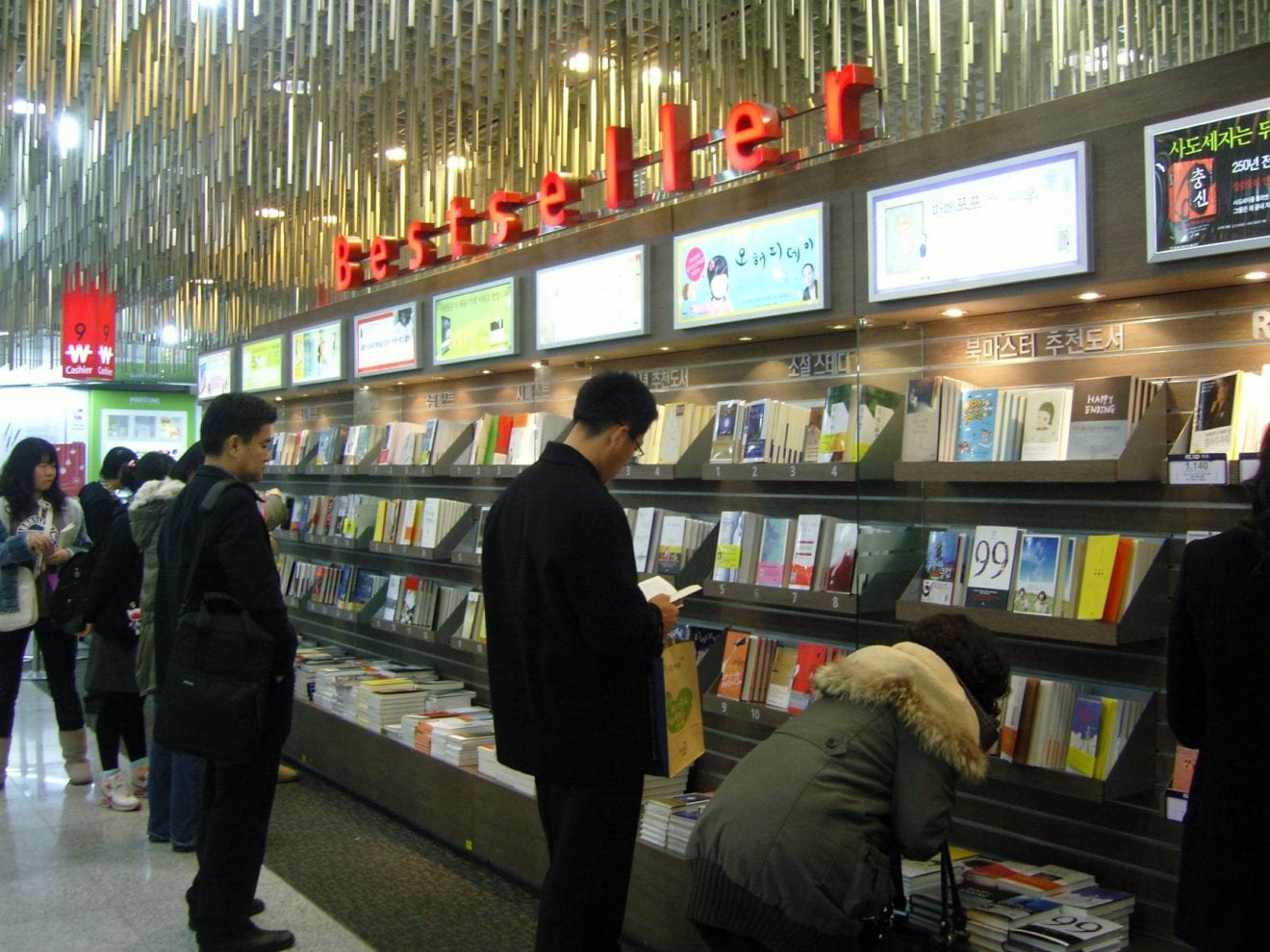
    Korean online bookstores are pushing back their deadlines for same-day delivery, and jumping into the current delivery war that started when Coupang launched its ‘Rocket Delivery’ service.

    But while the bookstores’ new service is expected to attract more customers, concerns are rising over driver safety.

    Yes 24, the largest online bookstore in Korea, announced  it will extend the deadline for same-day delivery service by one hour. Customers will be able to receive purchased products on the same day for orders placed before 2pm, with those in Seoul benefiting from an extra hour and a 3pm deadline.

    Yes 24’s changes follow a move by competing online bookstore Aladdin, which has already pushed back it’s same-day delivery deadline by an hour.

    Coupang started the wave of delivery wars in Korea with the launch of an ultra-fast delivery service called ‘Rocket Delivery’ in March 2014, and the establishment of its own logistics system.

    Henry Ro, Coupang VP, said the Rocket Delivery service offers the greatest customer experience. “Rocket Delivery is an integrated ‘end-to-end’ service that has never been attempted in other countries.”

    However, despite consumer satisfaction, Coupang is expected to log over 400 billion won (US$326.9 million) in operating losses when it files its 2015 audit report in mid-April, due to rising costs in building new logistics centers and hiring new staff, according to industry sources.

    Other negative side effects are also pervasive. While Korean consumers are accustomed to ‘super quick’ deliveries provided by almost every type of business, the number of delivery people injured on the job is skyrocketing.

    According to data from the Korea Occupational Safety and Health Agency, 4460 delivery people were injured on the job between 2012 and 2014. News reports of delivery people involved in fatal accidents are also becoming common.

    Popular 30-minute delivery services are an example. Pizzerias used to compete to deliver pizza within 30 minutes, promising free pizza if the delivery is late. However, 30-minute delivery is now banned, as it was identified as the cause of numerous accidents.

    In the meantime, other online bookstores are looking into joining the delivery war with Yes 24 and Aladdin.

    Interpark plans to extend its deadline for same-day deliveries as well, and Kyobo Books is also looking into providing the service.

    Bookworms are thrilled that they can get the books they ordered right away. One customer commented on the convenience of the service, noting, “we no longer have to make the long trip to the bookstore every time we want to buy a book”.

    However, some point out that bookstores should be focused on providing other services instead of fast deliveries. “The books are so expensive. I would rather have additional benefits such as discounts or book points that can be used at the bookstores,” one customer said.

  • South Korea’s Cosmax beauty products granted halal certification

    South Korea’s Cosmax beauty products granted halal certification

    South Korea’s original development manufacturing (ODM) cosmetics company Cosmax Inc. said its Indonesian subsidiary PT Cosmax Indonesia was granted halal certification, a move that is expected to help pave the way for the company to make forays into the global halal beauty product market.

    The company said on Tuesday that PT Cosmax Indonesia received the halal certification from Majelis Ulama Indonesia (MUI) to sell its cosmetics. MUI is one of the top three halal certification authorities in the world along with Jabatan Kemajuan Islam Malaysia (JAKIM) and Majlis Ugama Islam Singapura (MUIS), and it is acknowledged across about 40 different countries.

    The Korean beauty products maker PT Cosmax Indonesia succeeded in meeting the strict guides of halal certification by producing cosmetics in hygienic conditions and containing zero harmful ingredients, and it became the first halal certified ODM cosmetics company among all Korean ODM beauty brands. The company expects to secure Islamic female consumers who have difficulties using general beauty products as its stable customer base.

    “PT Cosmax Indonesia, with its international halal certification, will do its best as an export base for the company making inroads into global halal market to meet consumer demands on halal products in the world including South East Asia and Middle East,” said Lee Kun-il, head of PT Cosmax Indonesia.

    Halal, an Arabic word meaning “lawful or permissible” in Islam, refers to products that Muslims are allowed to eat and use, and it is applied to various sectors ranging from food, medications and household goods to cosmetics. The halal cosmetics market is estimated at 100 trillion won ($84.2 billion), and it is expected to grow even bigger as more consumers are looking for products conforming to Islamic laws regardless of cost, said an unnamed official at Cosmax.


  • Korean investors to venture in sea transport business in Indonesia

    Korean investors to venture in sea transport business in Indonesia

    An investor from South Korea wants to invest US$80 million in shipping business in Indonesia, the Capital Investment Coordinating Board (BKPM) said.

    The unnamed investor is especially interested in operating liquefied natural gas (LNG) tankers, BKPM chief Franky Sibarani said.

    The Korean investor hoped to operate two LNG tankers in the country, Franky, who visited South Korea recently, said here on Saturday.

    The Korean investor also opened the possibility of building terminal for gas storage, he said.

    He said the prospective investor plans to visit the county to look for local partner to operate the business.

    “We are not only interested in the size of investment but more important is the added value created by the investment,” he said.

    The investor also indicated interest in President Joko Widodos vision of developing sea toll, he said.

    “The program is seen as positive in contribution to the countrys development in general,” he added.

    He said South Korea is one of the countries actively increasing investment in Indonesia.

    South Korean investment implemented in 2015 alone reached Rp15.1 trillion in 2,329 projects. From 2010 to 2015, Korean investment in the country totaled Rp79.6 trillion.

    “In the past five years, South Korea has continued to rank among five largest investors in the country,” her added.

    Korean investment commitments were worth US$4.6 billion in 2015 or an increase of 86 percent from 2014.

  • Galaxy S7 Sold 100000 Units In First 2 Days In South Korea

    Galaxy S7 Sold 100000 Units In First 2 Days In South Korea

    Last week it was reported that pre-orders for the Samsung Galaxy S7 and S7 Edge were lower than their predecessors over in South Korea. Samsung has since refuted those claims by saying that if anything, pre-orders were stronger than expected and if the latest numbers are accurate, it certainly looks to be that way.

    According to the report, they claim that the Galaxy S7 has managed to sell 100,000 units within its first two days of availability over in South Korea. Breaking it down further, it was suggested that 60,000 units were sold during the handsets’ first retail hours, and the other 40,000 were bought up over the course of the next day. Interestingly enough it seems that the Galaxy S7 appears to be more popular than the Galaxy S7 Edge, a very different story from last year.

    Note that the 100,000 units were just for the South Korean market, meaning that if we were to take into consideration the other markets that the handset was being sold it, we’re looking at a much, much higher number. The official figures from Samsung have yet to be released, but we wouldn’t be surprised if the Galaxy S7 and S7 Edge’s numbers were on par with last year’s figures, or if it even managed to outsell its predecessors.

  • South Korea’s CJ Group promises $500 mln expansion in Vietnam

    South Korea’s CJ Group promises $500 mln expansion in Vietnam

    CJ Group, which runs Vietnam’s largest multiplex cinema chain, has promised to invest US$500 million in the country this year to turn it into its second biggest overseas market after China in the next five years.
    The amount is larger than the total of $400 million the Seoul-based conglomerate has invested in Vietnam over the past 20 years.
    While CJ has a presence in many countries, including Indonesia and the US, Vietnam has proved to be a highly promising market where its businesses grew 26.73 percent a year on average in 2011-15, Chang Bok Sang, CEO of CJ Group Vietnam, said at a press conference Thursday.
    CJ plans to boost its activities in agriculture, entertainment and logistics either through direct investment or mergers and acquisitions, he said, adding that it is also seeking partners to enter retail.
    This month the group, which has animal feed plants and food subsidiaries in Vietnam, bought a 4.18 percent stake in the country’s top meat producer, Vissan, for over VND300 billion ($13.26 million) during the company’s initial public offering. It is seeking to acquire another 14 percent in Vissan to become a strategic partner.
    CJ also reportedly took over Ong Kim’s, a popular brand of Kimchi in Vietnam, in January.
    Besides the CGV multiplex cinema chain it took over from British Virgin Islands-based Envoy Media Partners Ltd for $73.6 million in 2011, in Vietnam CJ also has interests in food, film production, communications, and real estate.
  • China’s DJI Opens New Flagship Store in South Korea on March 12

    China’s DJI Opens New Flagship Store in South Korea on March 12

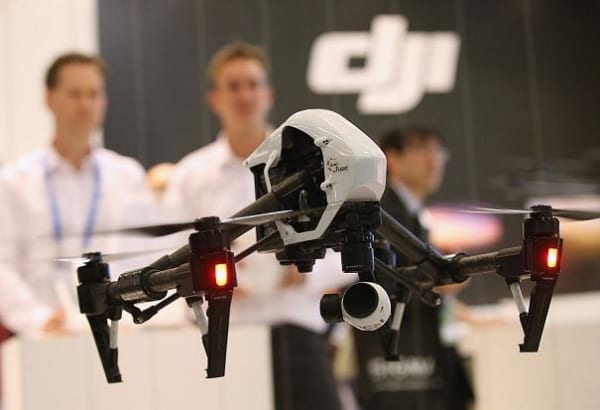
    DJI’s Inspire 1 drone can be fitted with the new Zenmuse XT thermal camera, making it see in the dark.(Photo : Sean Gallup/Getty Images)

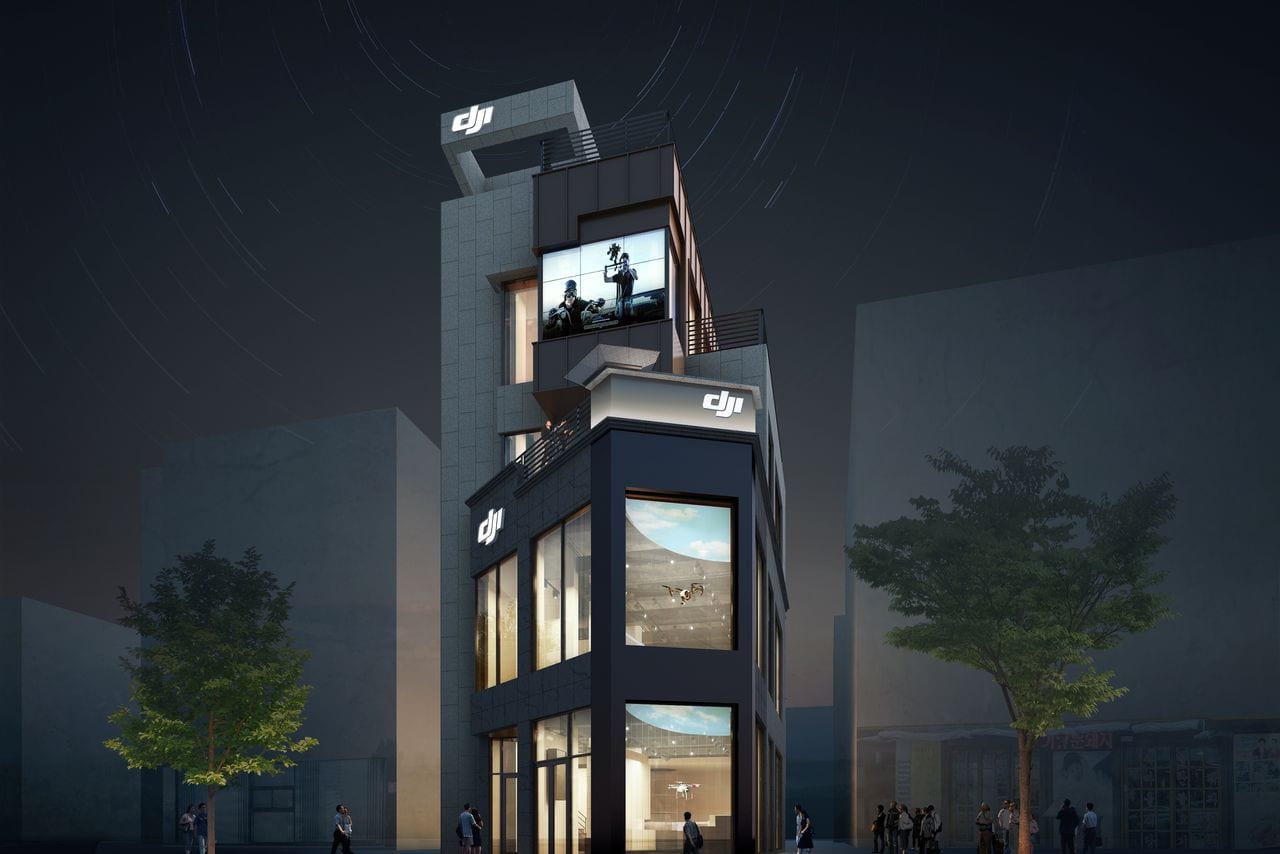
    Chinese aerial vehicle manufacturer DJI is preparing to open a new flagship retail store in western Seoul, South Korea on March 12 at 10 a.m. local time.

    The new five-story store is DJI’s first overseas flagship retail store covering 870 square meter of space. It has various showroom areas for showcasing the company’s consumer products including the Phantom series of quadcopters, the Inspire series, and the Spreading Wings series, among others.

    IFA 2015 Consumer Electronics And Appliances Trade Fair

    The store has an area where visitors can view videos and visual contents taken by the drones, as well as a customer experience zone where professional DJI pilots can perform demonstrations of the company’s products.

    Additionally, the store in Seoul will also provide teaching programs and hands-on sessions with drone experts where people can learn how to safely operate drone technologies, according to a report by Yonhap News.

    Manager of DJI Korea Moon Tae-hyun said, “With more and more people consuming video content on their mobile devices and the growing community of photographers and content creators, DJI sees Korea as a market with strong potential,”

    “We want to provide a truly unique experience for anyone who walks into our new store. Whether you are a professional looking for the latest aerial-imaging equipment, or curious and looking for your first drone, you will get to experience our technology up close and in person.” Tae-hyun added.

    The latest product by DJI is the Phantom 4 drone which costs $1,675 in the South Korean market. In the U.S., the new drone comes with a price tag of $1,399, available via DJI’s official website and exclusively on Apple’s online store.

    DJI, the world’s leader in drone technology, opened its first flagship store back in its homeland in the city of Shenzhen. DJI was founded by Frank Wang in 2006. The company currently has divisions in China, Japan, North America and Europe.

  • Bank of Korea likely to keep policy rate on hold tomorrow

    Bank of Korea likely to keep policy rate on hold tomorrow

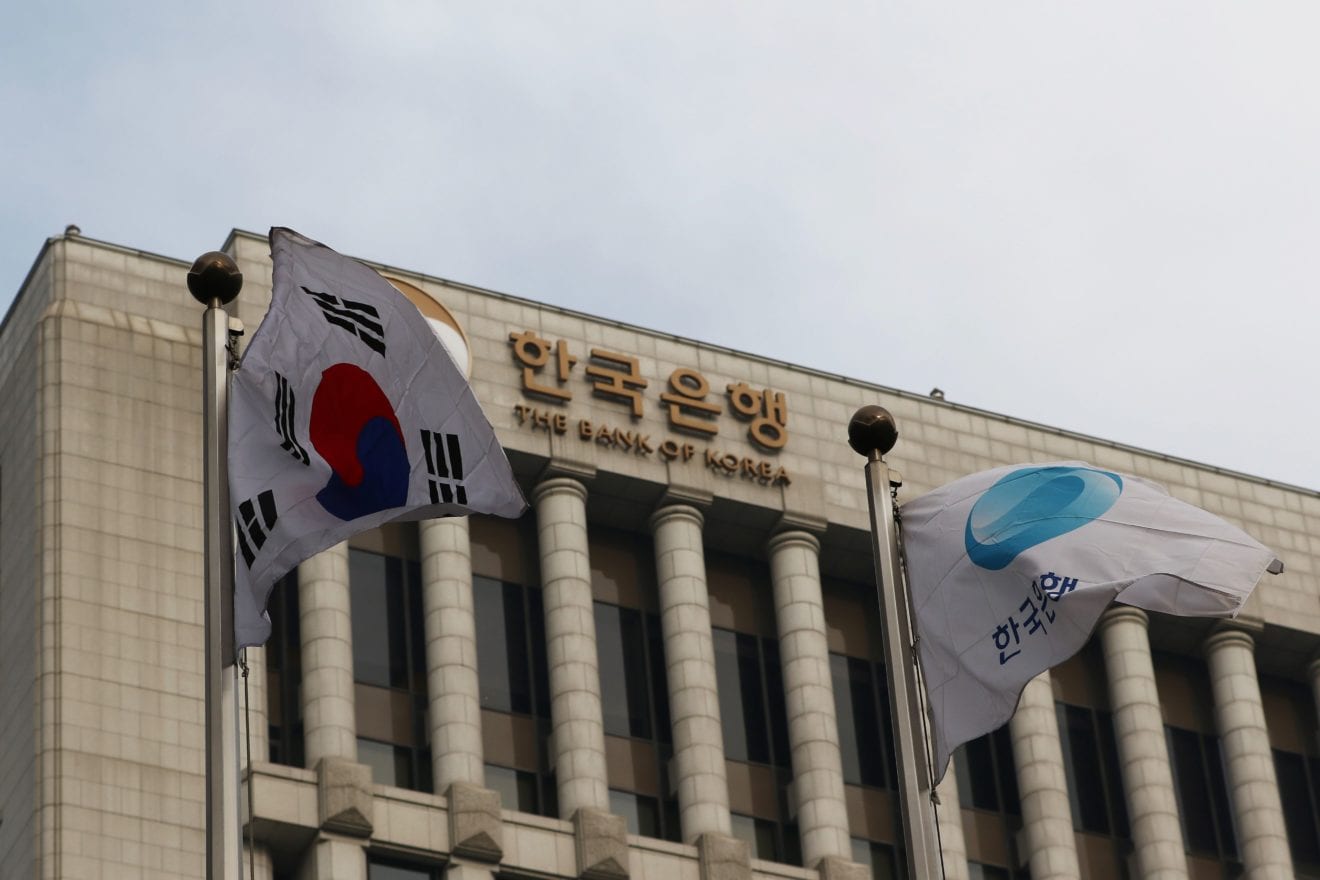
    The Bank of Korea is likely to keep its policy rate unchanged at 1.5% during its upcoming meeting. The meeting will mainly focus on the weakness in January’s activity data. Also, there is a higher probability for another cut in GDP forecasts during the April meeting. But, t he rebounding sentiments in global financial markets and February’s macroeconomic data will help the cautious stance of a majority of the MPC members.

    The February’s monetary policy meeting’s minutes showed central bank policymakers’ reluctance regarding further rate cuts, in spite of further decline in the outlook of growth. All members had agreed that there were growing threats on the downside for growth, but only one member had voted for a rate cut.  The other members didn’t support a cut in interest rate because of the usual worries regarding financial stability, the requirement to secure the room for policy actions, the lack of further downside threats for inflation and the expected diminishing marginal impacts of additional easing actions.

    January’s activity data indicated broad weakening of growth momentum. The drop in manufacturing production was expected given the considerable decline in January exports. However, the contraction of retail sales and services production was a major concern because consumption was the main over GDP growth driver in H2 2015.

    As facility investment did not strengthen in December, it was only construction activity that kept its strength amongst the different activity indices. However, strength in February’s exports alleviated worries regarding growth. The renewed tax cut on autos will stimulate consumption as the retail sales contraction in January was mainly due to auto sales after the termination of tax cut in December. A considerable rise in February’s headline inflation to 1.3% supports most of the MPC members’ views that the central bank’s current inflation forecast is appropriate.

    The Bank of Korea is unlikely to change its policy rate throughout 2016. The unwillingness of MPC members regarding additional easing implies that the central bank is expected to keep rate unchanged even if the GDP forecast is revised downwardly from the current estimate of 3%.

    Also, BoK’s projection of potential growth in 2017 might be as low as 2.8%. Considerable surprises on the downside in growth, which can lead to a sizable reduction in the GDP growth forecast to a level of about 2% or below is expected to be a precondition for a further cut in interest rate.

    © EconoTimes 2015. All rights reserved. The EconoTimes content received through this service is the intellectual property of EconoTimes or its third party suppliers. Republication or redistribution of content provided by EconoTimes is expressly prohibited without the prior written consent of EconoTimes, except for personal and non-commercial use. Neither EconoTimes nor its third party suppliers shall be liable for any errors, omissions or delays in content, or for any actions taken in reliance thereon.

  • Canadian entrepreneur takes male make-up line Formen to South Korea

    Canadian entrepreneur takes male make-up line Formen to South Korea

    A Canadian entrepreneur who sells a dedicated line of skin care and make-up products online is preparing to launch onto the South Korean retail market, according to a report published by Canada’s Metro News.

    Andrew Grella conceived the line after his mother helped him to conceal his acne on prom night, and launched while a student at Ryerson University. The products, which include concealer, an under-eye mask and mattifier, are now set to make their debut on the South Korean market, with a launch in Canadian stores slated for next year.

    “A lot of buyers and people interested in skin care for their stores will go to South Korea to see what’s happening and what’s coming down the pipeline,” Grella told Metro News. “Being in South Korea will give you clout as a product or technology that’s on its way.”

    Formen has eschewed the traditional marketing model for male grooming products – highly masculine packaging and the suggestion that use will increase their chances with the opposite sex – instead employing a matter-of-fact approach including make-up tutorials and simple monotone packaging.

  • Market for Pico Projectors in South Korea Projected to Grow at a CAGR

    Market for Pico Projectors in South Korea Projected to Grow at a CAGR

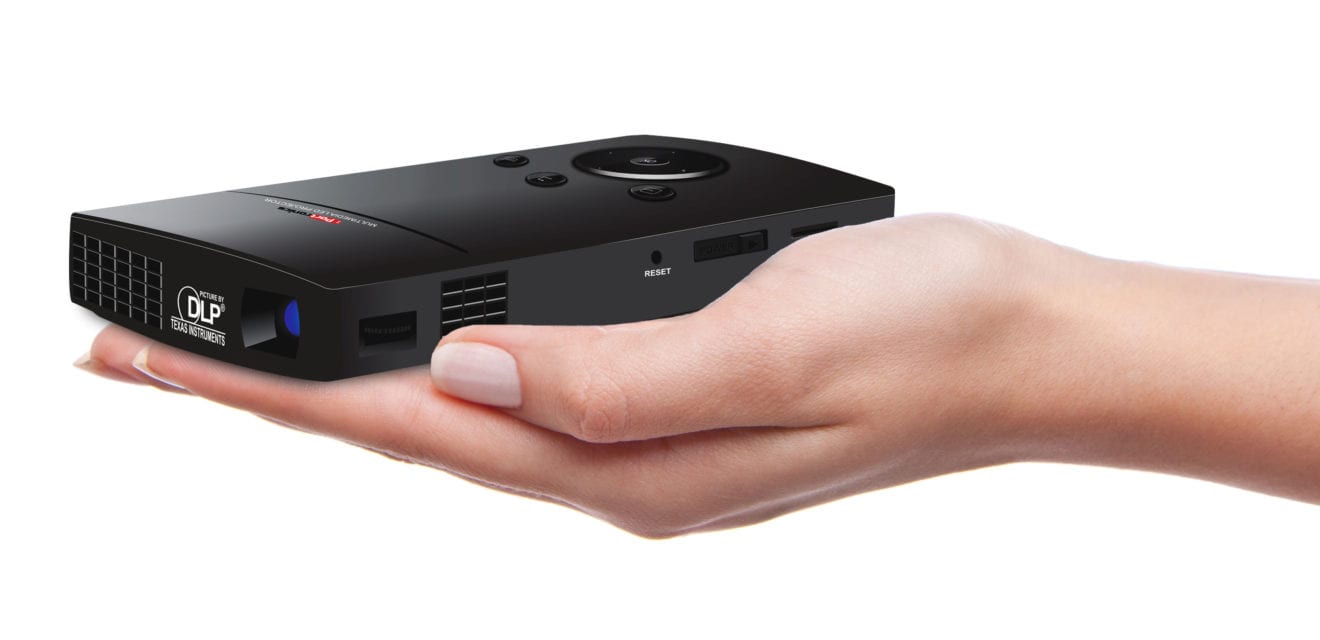
    The market for pico projectors in South Korea is projected to grow at a CAGR of over 24% during 2016 – 2021. LCoS (Liquid Crystal on Silicon) technology garnered the highest share in South Korea pico projectors market in 2015, due to better image quality, high resolution and efficiency, less power consumption, etc., as compared to other display technologies.

    South Korea pico projectors market witnessed rapid growth over the past few years on account of their growing acceptability and rising usage in various end user segments such as consumer electronics, defense & aerospace, automotive, etc. Rising demand for pico projector integrated devices, growing IT investments and increasing mobile workforce is projected to propel growth in the country’s pico projectors market in the coming years.

    Additionally, growing penetration of various compact and small projection display technologies along with increasing demand for handheld and portable devices is projected to drive growth in South Korea pico projectors market during 2016 – 2021.

    Due to these advantages, LCoS technology is being increasingly used in smartphones, tablets, televisions, head up displays, etc. In 2015, the country’s southern region was the largest market for pico projectors, on account of the region’s high per capita GDP and high level of industrialization. Few of the leading companies operating in South Korea pico projectors market include SK Telecom and LG Electronics, among others.

  • Korea’s card spending jumps 16% in January

    Korea’s card spending jumps 16% in January

    Korea’s card spending rose sharply in January, data showed Friday, on the back of increased consumption for the Lunar New Year holiday and a gradual recovery in domestic demand.

    Purchases made with plastic cards reached 56.1 trillion won ($45.4 billion) last month, up 15.9 percent from a year earlier, according to data compiled by the Credit Finance Association (CREFIA).

    Of the amount, credit card spending went up 15.9 percent on-year to 44.79 trillion won, while those of debit cards advanced 16.2 percent to 11.2 trillion won over the cited period, according to the data.The data includes transactions on credit, debit and prepaid cards. Cash advances, overseas spending and card loans were not included.

    “This year, the new year holiday started earlier than last year, which mainly led to the growth in January’s credit card spending,” a CREFIA official said.

    The retail sector, including department stores and big retail chains, enjoyed a 20.4 percent surge in credit spending on-year to 6.7 trillion won, the data showed.

    In particular, purchases made by credit cards in convenience stores spiked 56 percent thanks to the increase in small families and the solid growth in sales of their private-brand products, according to the association.

  • Mohegan gaming authority wins license for Korea casino

    Mohegan gaming authority wins license for Korea casino

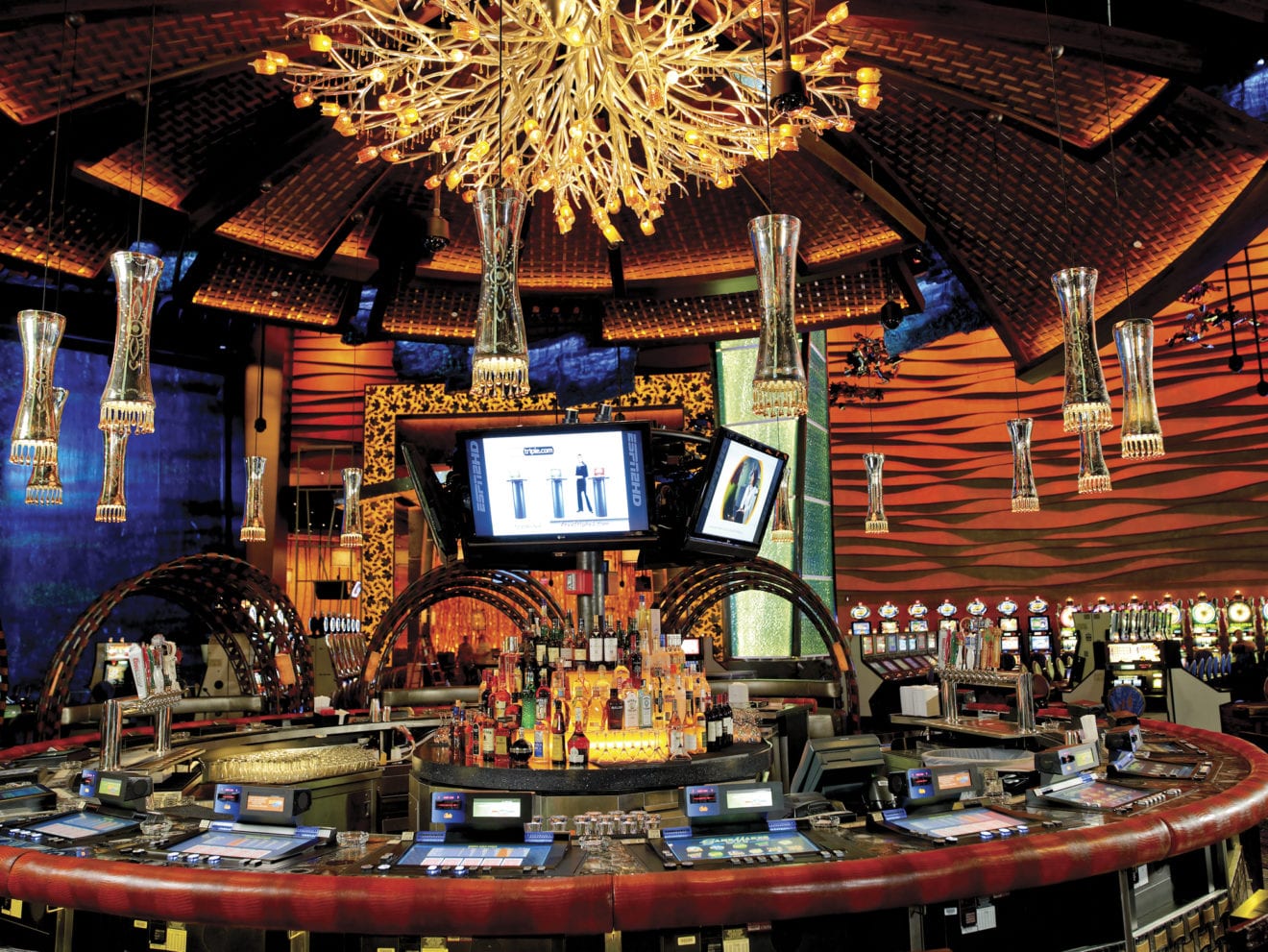
    UNCASVILLE, Conn. (AP) – The parent company of the Mohegan Sun casino says it has received a license from the Korean government to build a $5 billion resort near the international airport in Seoul.

    The Mohegan Tribal Gaming Authority says the project will include a hotel complex with 1,350 rooms, more than 20,000 square meters of retail space and an arena that it says would be the largest in South Korea.

    The gaming authority is teaming with the KCC Corp., a South Korean chemicals company, and the airport for the project.

    Gaming authority president Bobby Soper said Friday the company aims to help the Korean government fulfill its vision of “driving economic development by growing tourism, creating jobs, and showcasing Korean culture via the integrated resort.”