Tag: south korea

  • Coffee wars: South Korea’s cafe boom nears saturation point

    Coffee wars: South Korea’s cafe boom nears saturation point


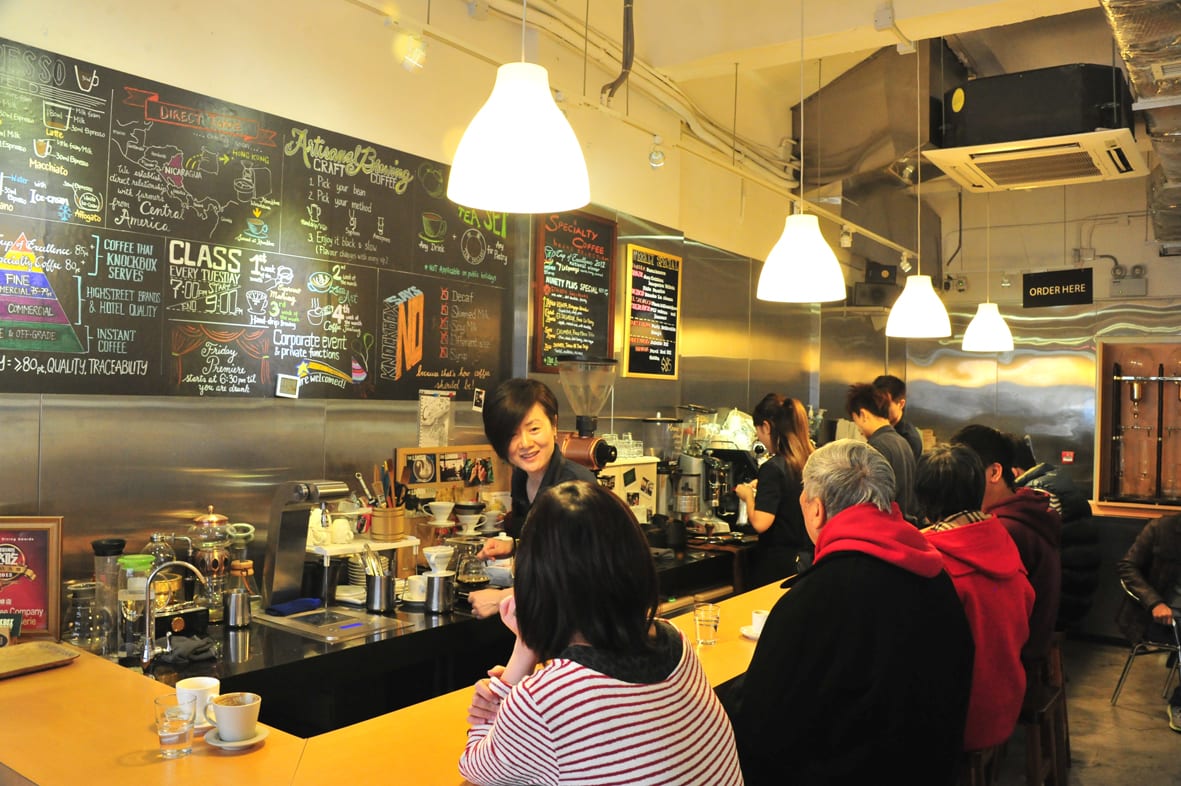
    In fashionable retail and commercial districts of southern Seoul, nearly one in every two buildings boasts a coffee shop – evidence of a boom that has delivered dizzying growth for the likes of Starbucks and local chains.

    But now the market is getting even more crowded, as convenience stores such as 7-Eleven offer 1,000 won (87 cents) cups, and smaller players are feeling the heat.

    “We declared an emergency situation, gathered all employees eight times to debate strategies,” Moon Chang-ki, CEO of mid-priced coffee chain Ediya, the country’s largest operator by location with about 1,800 stores, told reporters recently. “If we sell at that price, our store owners won’t earn any margins.”

    To compete, Ediya says it has instead focused on improving the quality of its coffee, and actually raised prices last year. Other chains have responded to growing competition by cutting back on store numbers and staff, or expanding overseas.

    The number of chain and stand-alone coffee shops in South Korea more than tripled to about 49,600 in 2015 from 12,400 in 2011, according to Korea Contents Media – far faster than overall consumption of coffee, which Koreans have been drinking for decades.

    PEAK COFFEE

    South Korea’s per capita coffee consumption has nearly doubled since 1990 to 2.3 kg (5 lb) per person, according to the International Coffee Organization – still roughly half the 4.5 kg that Americans consume.

    Revenue growth at coffee chains in the country slowed to about 8 percent in 2014, however, from more than 20 percent annually between 2008 and 2012, analysts say. While the number of new coffee shops in Seoul increased, so did closures, according to city data.

    Brewed coffee sales at 7-Eleven, run by Lotte Shopping’s Korea Seven Co Ltd, jumped 88 percent in 2015 after it introduced drip coffee early last year costing about a dollar, almost one-fifth the cost of an average Starbucks cup.

    McDonald’s Corp stores cut coffee prices to 1,500 won from 2,100 won early last year, and have seen sales of the beverage almost triple, the company told Reuters.

    By contrast, local chain Cafe Droptop, with about 225 shops, cut about 20 percent of its workforce at the end of 2015. Another chain, Coffine Gurunaru, with about 100 shops, incurred combined operating losses of 2.5 billion won ($2.2 million) in 2013 and 2014 after being profitable in the previous two years, filings show.

    “Even fried chicken restaurants and pubs are adding coffee, trying to be a cafe, while espresso machines are spreading in offices,” said Lee Kyung-hee, who heads the Korea Business Strategy Institute, a consultancy. “The coffee industry is fighting a war without borders.”

    GOING ABROAD

    Starbucks entered the market in 1999, and is widely credited with starting the country’s habit for splurging on higher-quality coffee and creating a cafe industry SK Securities said was worth about 2.5 trillion won ($2.2 billion) in 2014.

    Starbucks Coffee Korea, a 50-50 joint venture between the world’s biggest coffee chain and South Korean hypermarket operator E-Mart, now has 860 stores, putting the country behind only China and Japan as the company’s biggest markets in Asia, with sales more than doubling between 2011 and 2014.

    It posted a 20 percent increase in net profit to 30.77 billion won in 2014, the most recent year for which results are available, on revenue of 617 billion won, up 28 percent.

    But with industry growth slowing, some chains have been pushing abroad.

    Caffe Bene, which reached 932 domestic stores in 2014 before trimming back to 850 at the end of March, posted a 3.3 billion won net loss in the first three quarters of 2015, according to the latest public data.

    Last month, a joint venture between Singapore’s Food Empire and Indonesia’s Salim Group acquired a 38 percent stake in Caffe Bene, becoming the second biggest shareholder after South Korean private equity fund K3 Equity Partners.

    The chain said it was looking to expand in Southeast Asia to drive growth.

    Zoo Coffee, with 65 domestic shops, has opened about 200 franchise stores in China since entering the country in 2013 and in December announced a tie-up with China’s giant Dalian Wanda Group to open 50 stores per year there.

    Cafe Droptop in November opened its first overseas outlet in Shanghai.

     

  • Lessons to be learned from South Korean TV

    Lessons to be learned from South Korean TV

    Stepping inside the Munhwa Broadcasting Corporation (MBC) in Seoul, you would be surprised how the Korean broadcaster has managed to turn its headquarters into a tourist spot.

    On the ground floor, booths are set up to allow visitors virtually learn singing and take pictures with the K­pop stars, or even pretend to be their girlfriends or boyfriends.

    Upstairs, visitors could take a further step to have a taste of being anchors in news castings or even acting as the empress in the signature dramas.

    Korean dramas have stirred up crazes in Asian countries over the past decade and created huge business opportunities. With the recent success of the military-­setting drama Descendants of the Sun, produced by another broadcaster KBS, many would wonder how Hong Kong, which sees a new free station ViuTV goes on air earlier this month, could learn from the Korean experience.

    It was important for the government to take a careful position, said the country’s envoy in Hong Kong, by pouring resources in nurturing talents in one hand but refraining from meddling in the production.

    “Even though the Korean government support the entertainment industry, they would not intervene directly,” said Yu Byungchae, the country’s consul in Hong Kong on culture. “The content of the dramas and movies depended on the creator’s ideas.”

    The more competitive environment in South Korea, with the rise of new cable broadcasters, has helped boosting the production’s quality, said Yu, and now the industry is eyeing not just locally but the huge overseas market.

    The Descendant of the Sun ­– the first TV series jointly produced by Korean and Chinese firms and aired in both nations simultaneously ­ — has already been sold to 32 countries, including United States, Germany and Russia.

    The drama’s success also helped giving a strong boost to the tourism and retail sectors, said Yu. One of the examples was the surging sale of red ginseng extract ­which the leading actor Song Joong­ki was seen drinking in Descendant of the Sun.

    “In the past, [promoting] culture, drama or K­pop are the responsibility of the Ministry of Cultural, Sports and Tourism,” he said. “But now financial ministers and other sectors are all interested in coordinating [to see] how the government can help those industries to develop more.”

    Yu also said Hong Kong’s advanced financial system actually was a great advantage the city enjoyed to develop its cultural industry, adding he believed the emergence of ViuTV would bring Hongkongers more diversified content.

    “Things we have not imagined before might [happen] now,” he said, referring to the new broadcasters’ all-female mixed martial arts reality show G-1 Fight Club which featured eight Hong Kong starlets beating on each other.

    “It’s natural that competition [boosts] creativity. To survive, [broadcasters] have to create things they have not done before.”

    But Korea watcher Steve Chung Lok­wai was not so optimistic at the city’s capacity in producing dramas of Korea’s quality in short run.

    ViuTV was placing its focus on entertainment or reality shows instead of dramas, he said, as the production of the latter required enormous and sustaining capital and it would be very tough for the newcomer to compete with the broadcaster giant TVB.

    The decades-­long monopoly of TVB has also made Hong Kong lag way behind South Korea, Chung, an assistant lecturer of Global Studies programme in Chinese University, lamented.

    “TVB used to sell its dramas to the overseas Chinese markets, but now even the expat Chinese communities have given up TVB to watch Korean or Japanese dramas instead,” he said.

    Chung said Hong Kong government did not have a macro cultural and entertainment policy and argued only by granting more free-to-air TV licenses, which facilitates true competition, would help improving the stagnant development.

  • Card, not cash, is king in South Korea

    Card, not cash, is king in South Korea

    Whenever she needs to use money – whether to take the subway, buy a drink from a vending machine or pay for lunch at a restaurant – Ms Kim Mee So, 29, will whip out her debit card.

    It is the only card the teacher carries with her in her bag, and the only one she needs for daily expenses.

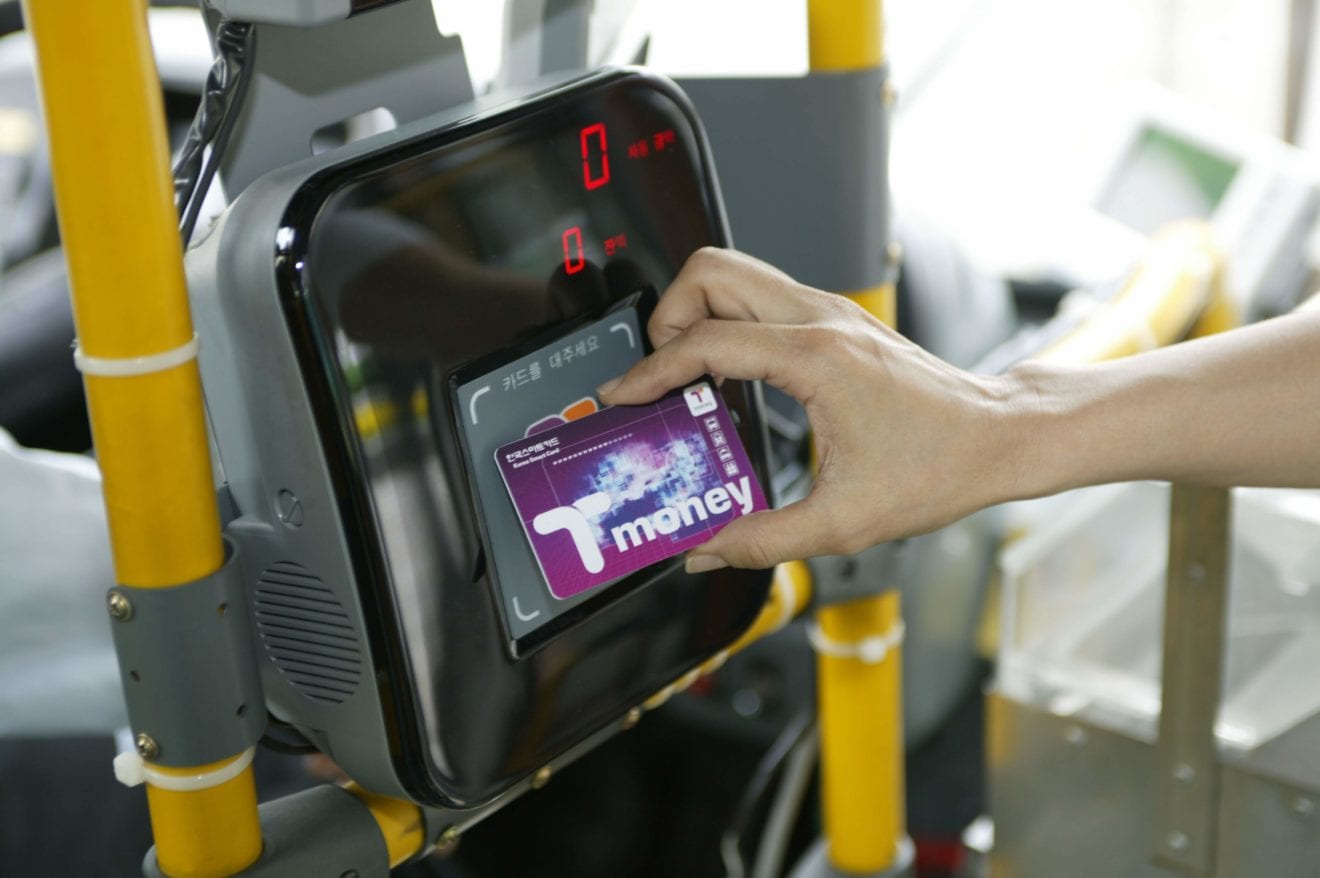
    The Visa debit card is linked to her bank account and equipped with a smart chip that also allows her to use it as a public transport payment card, known as T-money.

    “I don’t use real money because it’s heavy to carry around, and I don’t have a wallet so there’s no place to put it in. The only time I use cash is to pay for food delivery and give an allowance to my brother who’s in high school,” she said.

    Ms Kim is among a growing group of South Koreans who are relying less on cash and more on cards and electronic payments, as the world’s most wired country started early last year to open up its finance technology (fintech) industry and encourage more people to adapt to IT-based systems, including payments via mobile phones.

    NO ROOM FOR CASH

    I don’t use real money because it’s heavy to carry around, and I don’t have a wallet so there’s no place to put it in. The only time I use cash is to pay for food delivery and give an allowance to my brother who’s in high school.

    MS KIM MEE SO, a 29-year-old teacher who carries only a debit card in her bag for daily expenses.

    Only about 20 per cent of all payments here are made with cash – among the lowest in the world – according to the Bank of Korea (BOK).

    The central bank is now aiming for the country to go cashless by 2020, beginning with plans to phase out coins so as to reduce the cost of minting them. It has already cut back on issuing paper money.

    A system is being tested for retailers who receive cash to give back change not in coins but as credit in the customer’s T-money card or credit card.

    It will be rolled out by next year if pilot tests prove to be successful.

    Going cashless is a global trend, led by Scandinavian countries Norway, Sweden and Denmark. Singapore has also committed $225 million to grow fintech start-ups as part of its plan to go cashless.

    In South Korea, electronic payments gained popularity after the introduction of T-money in 2004, as the country sought to streamline public transport payments with a single touch-and-go smart card.

    What is T-money?

    South Korea introduced a smart card called T-money in 2004 to streamline public transport payments.

    Here is how it works:

    • •T-money is a stored-value card with a smart chip for fare deductions, much like Singapore’s ez-link card.

      •Modified T-money chips can also be fitted into credit cards and debit cards, and even into mobile phone SIM cards, which means one can just tap one’s phone to take the bus, subway or taxi.

      •It is also accepted at many convenience stores, retail shops and restaurants.

      •By the end of 2014, T-money was used in 43 million transactions daily.

      •There are 15 million users in Seoul and the surrounding Gyeonggi province, which have a combined population of 22 million.

    Much like Singapore’s ez-link card, T-money is a rechargeable stored-value card with a smart chip for fare deduction. The chip has been modified to fit credit cards, debit cards and even mobile phone SIM cards – which means people can tap their phones to take the bus.

    T-money can also be used at most convenience stores and some retail shops and restaurants.

    By end-2014, T-money was used in over 43 million transactions a day. There are more than 15 million T-money users in Seoul and the surrounding Gyeonggi province, which have a combined population of 22 million. Apart from the T-money card, credit and debit cards have also become a way of life.

    The success of T-money and the popularity of mobile devices have also prompted a new wave of fintech developments.

    Tech giants including Naver, Kakao and Samsung compete to build and bolster their mobile payment platforms to capture consumers shifting from computers to mobile devices.

    Text-messaging app company Kakao, for instance, has its own mobile payment platform KakaoPay that allows its seven million users to shop online as well as pay electricity bills.

    The Seoul Metropolitan Government jumped onto the bandwagon last December, launching an app called STAX to allow users to pay property and car taxes and water and sewage fees on mobile phones.

    Business consultant Lee Youn Joo, 31, said cash has become less important nowadays and is used only on special occasions like weddings and funerals, and when paying street vendors and for valet parking.

    “Koreans are used to convenient transaction means and… the use of credit cards and mobile banking will continue to increase,” he said, adding that he uses credit cards for 90 per cent of his monthly spending.

    But as more people choose to go cashless, there are concerns about credit card security, overspending and whether the elderly can adapt to electronic payments.

    Student Terry Nam, 21, is concerned about security, as the country has witnessed major data leaks involving big credit card companies.

    “Our distrust of privacy protection is very high. The government should explain what it has done to resolve this issue and strengthen the punishment for private data leakage crimes,” he said.

    Wary of credit card companies, graduate school student Kwon Joo Hyun, 27, uses a debit card instead and avoids online payments that require credit card details.

    But she still supports the BOK’s plan, adding that the government can introduce a kind of cashback card for elderly folks to use when coins are phased out.

    But Dr Sohn Sang Ho, senior research fellow at the Korea Institute of Finance, feels the BOK’s plan to go cashless by 2020 is “too ambitious”. He said there is still a big group of older people who rely mainly on cash transactions, especially in traditional markets, and it will take a long time for them to convert to electronic payments.

    “Going cashless can be our long-term goal, but it’s not possible in the near future,” he said.

  • South Korea’s Shinhan expands in Asian retail banking

    South Korea’s Shinhan expands in Asian retail banking

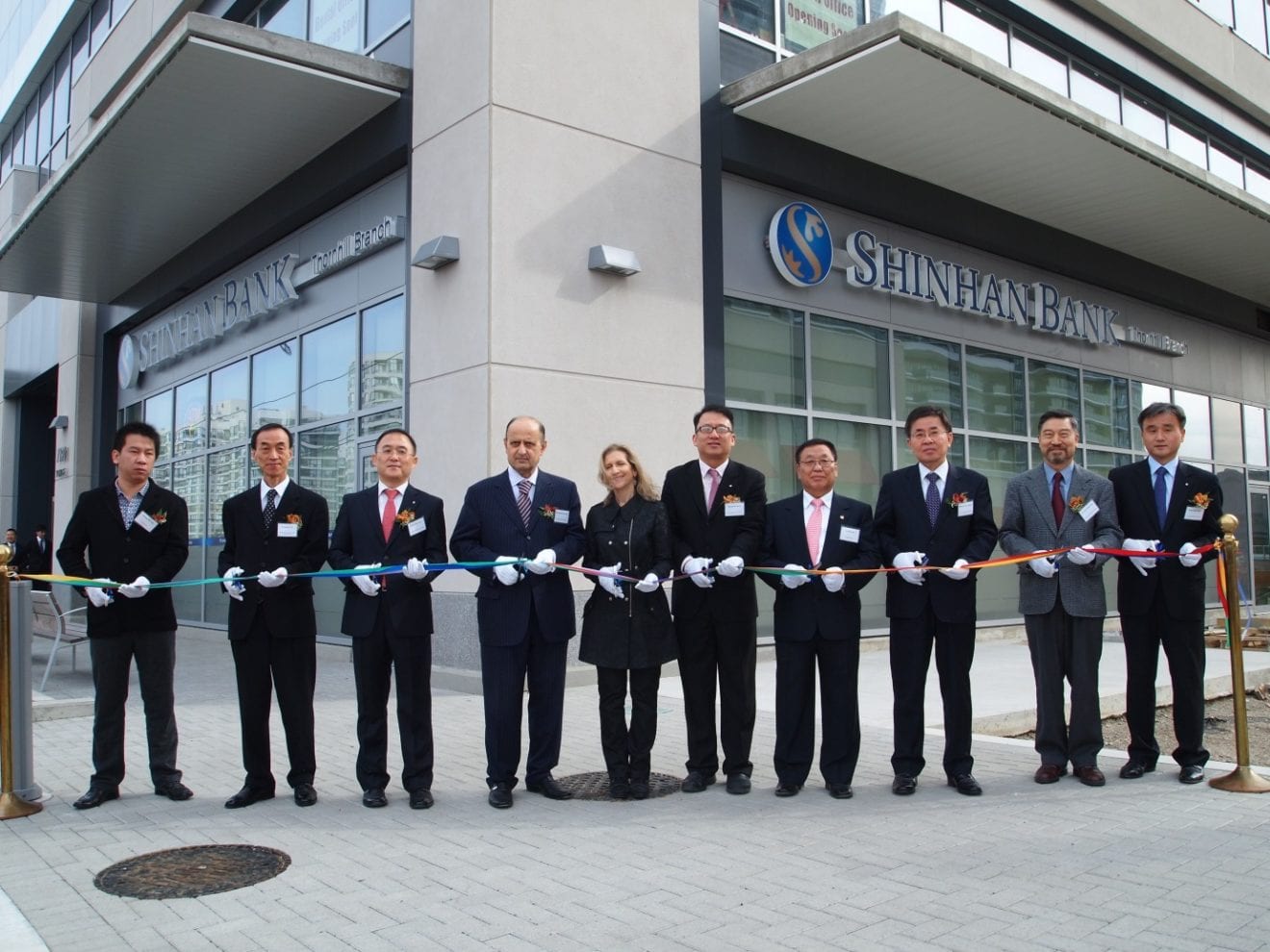
    Through steady no-nonsense efforts focusing on retail banking, Shinhan Financial Group has grown to operate more than 150 overseas branches, the most among South Korean financial institutions. Although much smaller than counterparts from Japan, the U.S. and Europe, Shinhan continues to boldly expand operations in such Asian markets as Vietnam and Indonesia.

    The bank set up a presence in Vietnam in 1993, following Samsung Electronics, LG Electronics and other South Korean conglomerates into the Southeast Asian country. It plans to open four branches there within the year, bringing the total to 18. This should make Shinhan the foreign financial institution with the most branches there.

    As a part of efforts to expand further in the country, the bank has been focusing on boosting lending to individuals. Because wages are low and people tend to change jobs frequently, foreign financial institutions are generally reluctant about extending personal loans in Vietnam, but Shinhan has found a “unique sales approach” for reducing loan default risks. The bank’s salespeople have been visiting labor unions at various factories to seek information on workers who have been working steadily for more than a year or two, since these people would make more secure borrowers.

    All over Asia

    Shinhan traces its roots to Shinhan Bank, which was established in 1982, using funds raised from ethnic Koreans living in Japan as a part of its start-up capital. Following the opening of a branch in Osaka in 1986, the group has maintained close ties with Japan. In its home country, the group has grown on its strength in retail banking.

    With Shinhan Bank at its core, the group now operates more than 150 overseas branches. This puts it ahead of Hana Financial Group to rank No. 1 among South Korean financial institutions in terms of the number of foreign branches, according to research firm CEO Score.

    “We will secure the engine for new growth in the global market, centering on Asia,” Chairman Han Dong-woo said at a general shareholders meeting in March.

    True to his words, Shinhan has been pushing further into other Asian countries. In Indonesia, the group has acquired Centratama Nasional Bank, which has 41 branches, as well as Bank Metro Express, which operates 19. In addition, credit card unit Shinhan Card has a joint venture with local conglomerate Salim Group.

    In Myanmar, Shinhan received approval to open a branch last month, a first for a South Korean bank. The group aims to tap into demand for retail financial services by bringing its credit card and insurance units into the Southeast Asian country.

    Small but solid

    Moody’s has given Shinhan Bank an Aa3 credit rating, one rung above that of Bank of Tokyo-Mitsubishi UFJ. However, Shinhan Financial Group still pales in comparison to Mitsubishi UFJ Financial Group in scale, as its 370 trillion won ($326 billion) in consolidated assets as of the year ended in December are equivalent to just 12% of the Japanese megabank’s total assets. The Japanese banking group also operates a far larger overseas network, counting more than 1,150 branches as of the end of September.

    But Shinhan Bank is set to continue its steady growth by “making the most of its speed and strength in retail sales,” said Executive Vice President Heo Young-taek.

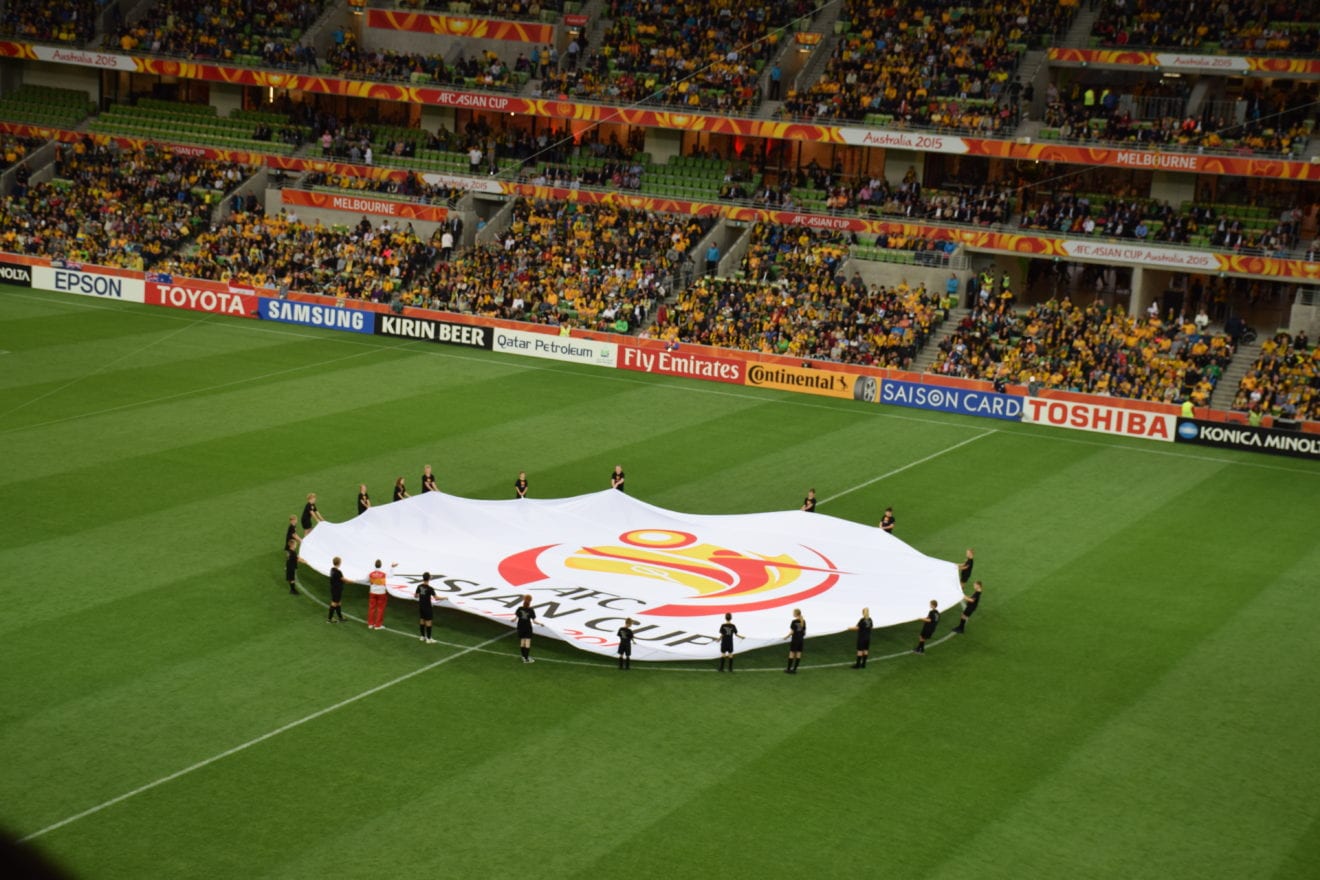
  • China, Indonesia, South Korea, Thailand bid for 2023 AFC Asian Cup

    China, Indonesia, South Korea, Thailand bid for 2023 AFC Asian Cup

    China, Indonesia, South Korea and Thailand have expressed interest in bidding for hosting the football Asian Cup to be held in 2023, the Asian Football Confederation (AFC) said here on Tuesday.During the meeting held in the Malaysian capital, the AFC Competitions Committee announced that the AFC had received expressions of interest from China, Indonesia, South Korea and Thailand by the deadline of March 31, 2016 to host the AFC Asian Cup in 2023, reports Xinhua.

    “The AFC will now send out the Bidding Agreement and the Host Candidate Questionnaire and seek government guarantees and legal opinion on the bids,” it said. China entered the final when the country hosted the Asian Cup in 2004, but lost to Japan 3-1.

  • TransferWise partners with Pay Gate to bring money transfer services to Korea

    TransferWise partners with Pay Gate to bring money transfer services to Korea

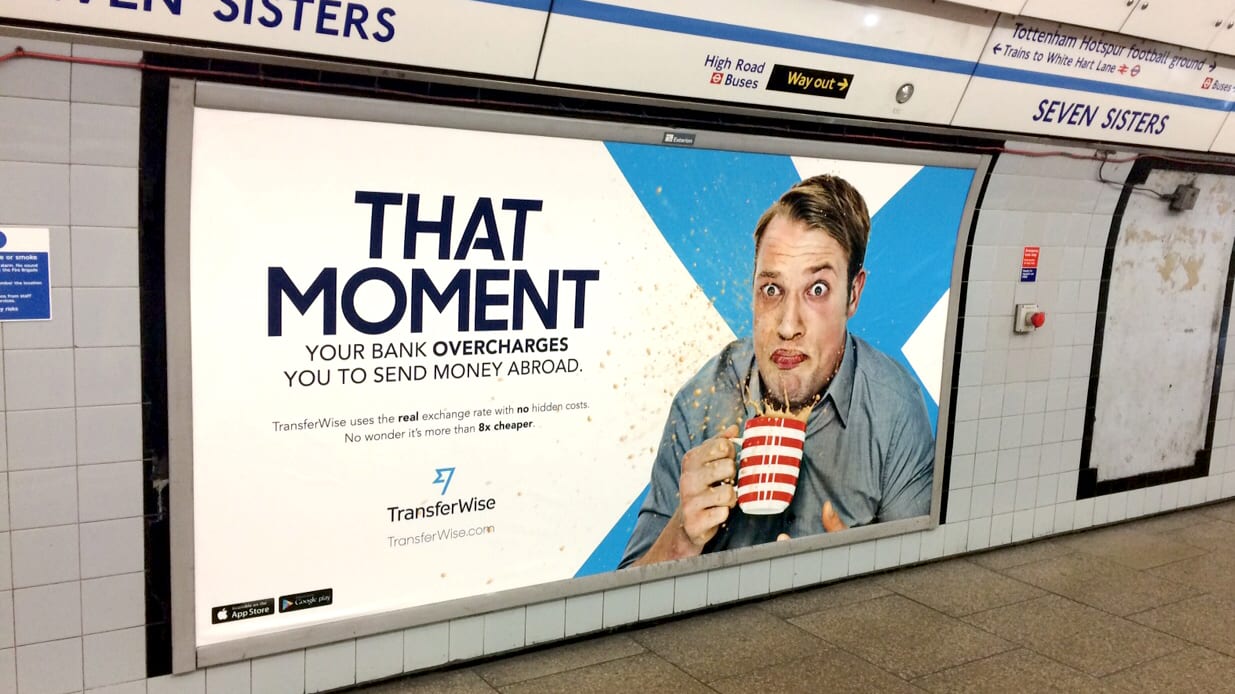
    TransferWise, the P2P international money transfer platform, has opened up transfers to South Korea.

    Until recently, banks and brokers were the only option for consumers needing to send money to the country. But now, thanks to recent changes in regulation, TransferWise has partnered with local firm, PayGate, to bring better, fairer international money transfer to South Korea.Instead of sending the money in Korean Won, banks and brokers send customers’ money in GBP or USD for example, and the receiving bank makes the conversion. This leaves consumers paying two rounds of fees and maybe even two rounds of conversion – and usually they haven’t even been told they’re being charged in this way. But TransferWise sends the money in Korean Won, which means no receiving bank mark-up. The process is also completely transparent. TransferWise charges 1.5% for transfers with a delivery time of the same or next day.

    Taavet Hinrikus, CEO and co-founder of TransferWise, said:
    “Until recently, there was no alternative to banks and brokers when people wanted to send money to South Korea. We’ve heard from consumers that the process was slow and outrageously expensive so we’re hugely excited to launch the route on TransferWise. It’s going to make a huge difference to the seven million Koreans living, working and studying overseas.

    “The steps that the government in South Korea is taking to open up the financial services sector is good news for consumers. There will be more choice and better, fairer services to choose from.”

    So Yeong Park, CEO and co-founder of PayGate, said:
    “It is so glad that we now can serve customers with our 18 years of diverse experience as a Payment Service Provider, for them to make much cheaper, faster, and safer international money transfers to Korea.

    “For the last few years PayGate has been working hard to grow the Korean Fintech Industry and our recent partnership with TransferWise is the result of these efforts. Customers in Korea will see how this alternative finance can positively affect their daily lives.”

    People use TransferWise to transfer more than £500 million globally every month, saving themselves more than £22 million a month in unfair fees and charges.

  • South Korea Has Reached Peak Coffee Shop

    South Korea Has Reached Peak Coffee Shop

    In fashionable retail and commercial districts of southern Seoul, nearly one in every two buildings boasts a coffee shop – evidence of a boom that has delivered dizzying growth for the likes of Starbucks and local chains.

    But now the market is getting even more crowded, as convenience stores such as 7-Eleven offer 1,000 won (87 cents) cups, and smaller players are feeling the heat.

    “We declared an emergency situation, gathered all employees eight times to debate strategies,” Moon Chang-ki, CEO of mid-priced coffee chain Ediya, the country’s largest operator by location with about 1,800 stores, told reporters recently. “If we sell at that price, our store owners won’t earn any margins.”

    To compete, Ediya says it has instead focused on improving the quality of its coffee, and actually raised prices last year. Other chains have responded to growing competition by cutting back on store numbers and staff, or expanding overseas.

    The number of chain and stand-alone coffee shops in South Korea more than tripled to about 49,600 in 2015 from 12,400 in 2011, according to Korea Contents Media – far faster than overall consumption of coffee, which Koreans have been drinking for decades.

    PEAK COFFEE

    South Korea’s per capita coffee consumption has nearly doubled since 1990 to 2.3 kg (5 lb) per person, according to the International Coffee Organization – still roughly half the 4.5 kg that Americans consume.

    Revenue growth at coffee chains in the country slowed to about 8 percent in 2014, however, from more than 20 percent annually between 2008 and 2012, analysts say. While the number of new coffee shops in Seoul increased, so did closures, according to city data.

    Brewed coffee sales at 7-Eleven, run by Lotte Shopping’s Korea Seven Co Ltd, jumped 88 percent in 2015 after it introduced drip coffee early last year costing about a dollar, almost one-fifth the cost of an average Starbucks cup.

    McDonald’s Corp stores cut coffee prices to 1,500 won from 2,100 won early last year, and have seen sales of the beverage almost triple, the company told Reuters.

    By contrast, local chain Cafe Droptop, with about 225 shops, cut about 20 percent of its workforce at the end of 2015. Another chain, Coffine Gurunaru, with about 100 shops, incurred combined operating losses of 2.5 billion won ($2.2 million) in 2013 and 2014 after being profitable in the previous two years, filings show.

    “Even fried chicken restaurants and pubs are adding coffee, trying to be a cafe, while espresso machines are spreading in offices,” said Lee Kyung-hee, who heads the Korea Business Strategy Institute, a consultancy. “The coffee industry is fighting a war without borders.”

    GOING ABROAD

    Starbucks entered the market in 1999, and is widely credited with starting the country’s habit for splurging on higher-quality coffee and creating a cafe industry SK Securities said was worth about 2.5 trillion won ($2.2 billion) in 2014.

    Starbucks Coffee Korea, a 50-50 joint venture between the world’s biggest coffee chain and South Korean hypermarket operator E-Mart, now has 860 stores, putting the country behind only China and Japan as the company’s biggest markets in Asia, with sales more than doubling between 2011 and 2014.

    It posted a 20 percent increase in net profit to 30.77 billion won in 2014, the most recent year for which results are available, on revenue of 617 billion won, up 28 percent.

    But with industry growth slowing, some chains have been pushing abroad.

    Caffe Bene, which reached 932 domestic stores in 2014 before trimming back to 850 at the end of March, posted a 3.3 billion won net loss in the first three quarters of 2015, according to the latest public data.

    Last month, a joint venture between Singapore’s Food Empire and Indonesia’s Salim Group acquired a 38 percent stake in Caffe Bene, becoming the second biggest shareholder after South Korean private equity fund K3 Equity Partners.

    The chain said it was looking to expand in Southeast Asia to drive growth.

    Zoo Coffee, with 65 domestic shops, has opened about 200 franchise stores in China since entering the country in 2013 and in December announced a tie-up with China’s giant Dalian Wanda Group to open 50 stores per year there.

    Cafe Droptop in November opened its first overseas outlet in Shanghai.
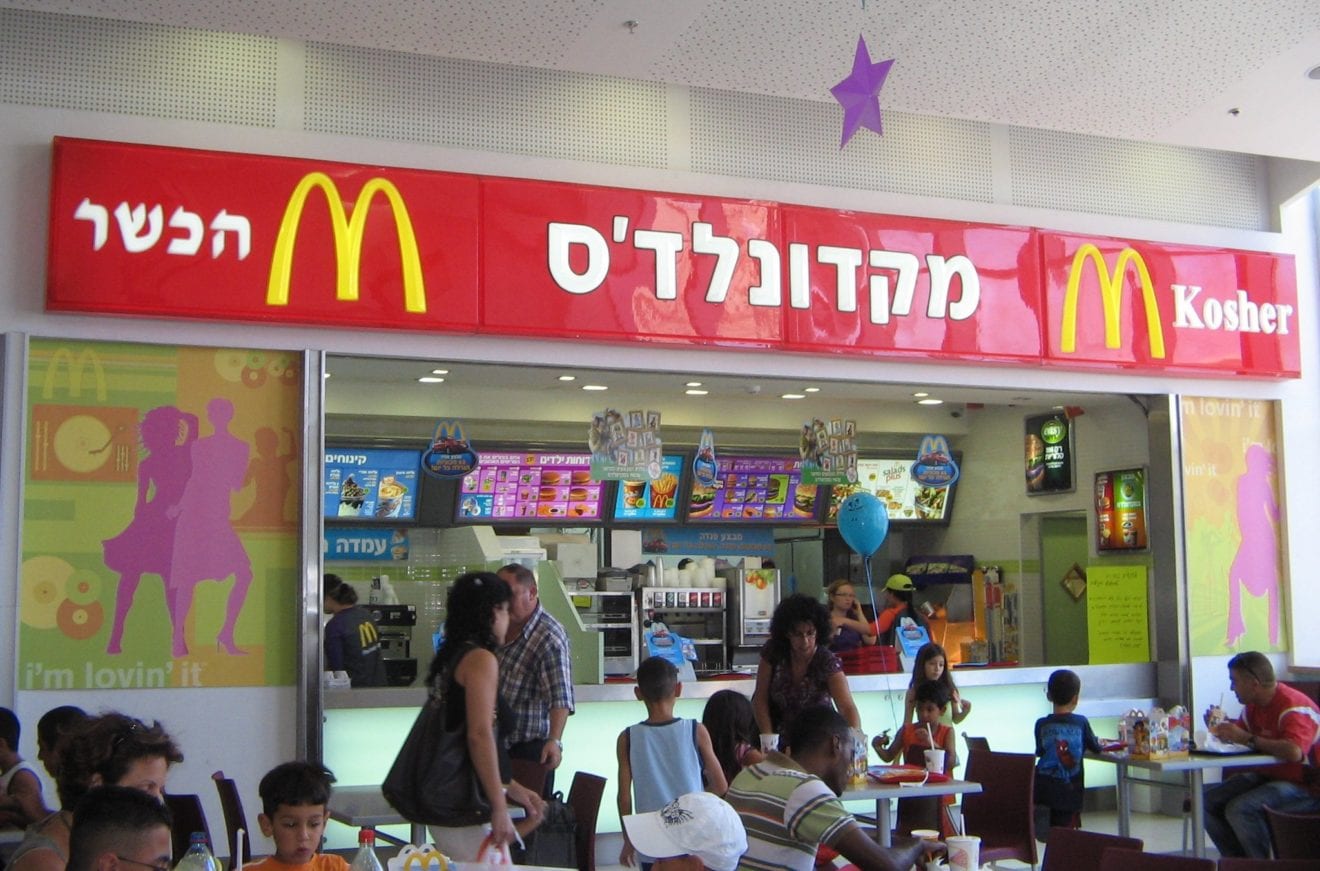
  • McDonald’s to set up 1500 new restaurants in China, Hong Kong and Korea

    McDonald’s to set up 1500 new restaurants in China, Hong Kong and Korea

    McDonald’s Corporation, the world’s largest hamburger chain, said on Thursday that it was adding more than 1,500 new restaurants in China, Hong Kong and South Korea over the next five years and was on the lookout for suitable investment partners.

    The US company said the new outlets are in addition to the more than 2,800 restaurant locations it has in these markets, most of which are company-owned.

    “We’re committed to Hong Kong for the long term and intend to combine our global brand with local insights and expertise. This gives us the ability to enable faster decision-making, achieve restaurant growth and deliver a great restaurant experience for our customers in Hong Kong,” said Steve Easterbrook, President and Chief Executive of McDonald’s.

    The company has 230 McDonald’s restaurants in Hong Kong and employs more than 15,000 people. On average, it serves about 1 million customers every day.

    McDonald’s Hong Kong said: “We have continued our great success in the past 40 years and we know that we would require continued capital expenditure in the future – to open new locations, rebrand our restaurants, accelerate McCafe penetration, and invest in the digital experience so as to take advantage of the opportunities in Hong Kong.”

    “We have not approached any potential strategic partner(s) at this point in time and we are still exploring what the right ownership structure will be for the new McDonald’s outlets in Hong Kong,” it said.

    Jeannette Chan, regional director of retail department at JLL said McDonald’s ambitious expansion plan showed its confidence on market prospects in Asia.

    “Most of the fast food retailers are contemplating expansion or relocation after seeing a sharp fall in Hong Kong retail rentals for street level shops,” she said.

    However, some industry experts said the expansion would be largely focused on the mainland, where there is still huge growth potential. “The Hong Kong market is already saturated” sources said.

    It would be better for McDonald’s to team up with local partners who have well established retail networks for its expansion in the mainland,” they said.

  • Is this the city of the future?

    Is this the city of the future?

    Today, more than half of our planet’s population live in urban areas, with millions of people migrating from the countryside to towns and cities in search of prosperity to a point where the world’s urban population has rocketed from 746 million in 1950 to 3.9 billion in 2014, according to the United Nations.

    As urban populations balloon, the strain on cities – many of them hundreds of years old – increases, with everything from transport to living space, healthcare and security put under pressure.

    In South Korea, the Songdo International Business District (Songdo IBD) is offering one vision of how cities might look in the future. A $35 billion project, Songdo has been developed across more than 1,000 acres of reclaimed land.

    “The original concept of Songdo was as a gateway city to the Korean mainland from Incheon International Airport, where basically all the uses – be they residential, retail, work, educational or cultural – would… all be within a 15 minute walking time of one another,” Jonathan Thorpe, senior EVP and chief investment officer at Gale International, part of the public-private partnership behind Songdo, told CNBC’s Sustainable Energy.

    As well as being technologically advanced, there is a heavy emphasis placed on sustainability. Forty percent of the city has been designated as “green public space” while the city is also home to 20 million square feet of LEED – Leadership in Energy and Environmental Design – certified space.

    “The residents can… control their lighting, their heating, ventilation, air conditioning usage, all within a single panel,” Thorpe said.

    “Moreover, they can track the actual consumption of energy that they individually are consuming, compare that to the use of their neighbours and this helps, really, greatly increase efficiency,” he added.

    The importance of technology is crucial, according to renowned British architect Norman Foster.

    “In many ways technology has been a constant throughout civilization,” Foster told Sustainable Energy.

    “It’s always been maximizing the materials to transform the climate and create a more comfortable environment in an age before cheap energy,” he said.

    “We have to relearn those traditional lessons and apply that with the technology of our time. You have to look at all the elements within the building – the materials, the way in which it responds to climate – to reduce the amount of energy and ideally move to buildings which harvest energy.”

  • Samsung won’t like it, but Xiaomi is coming to South Korea

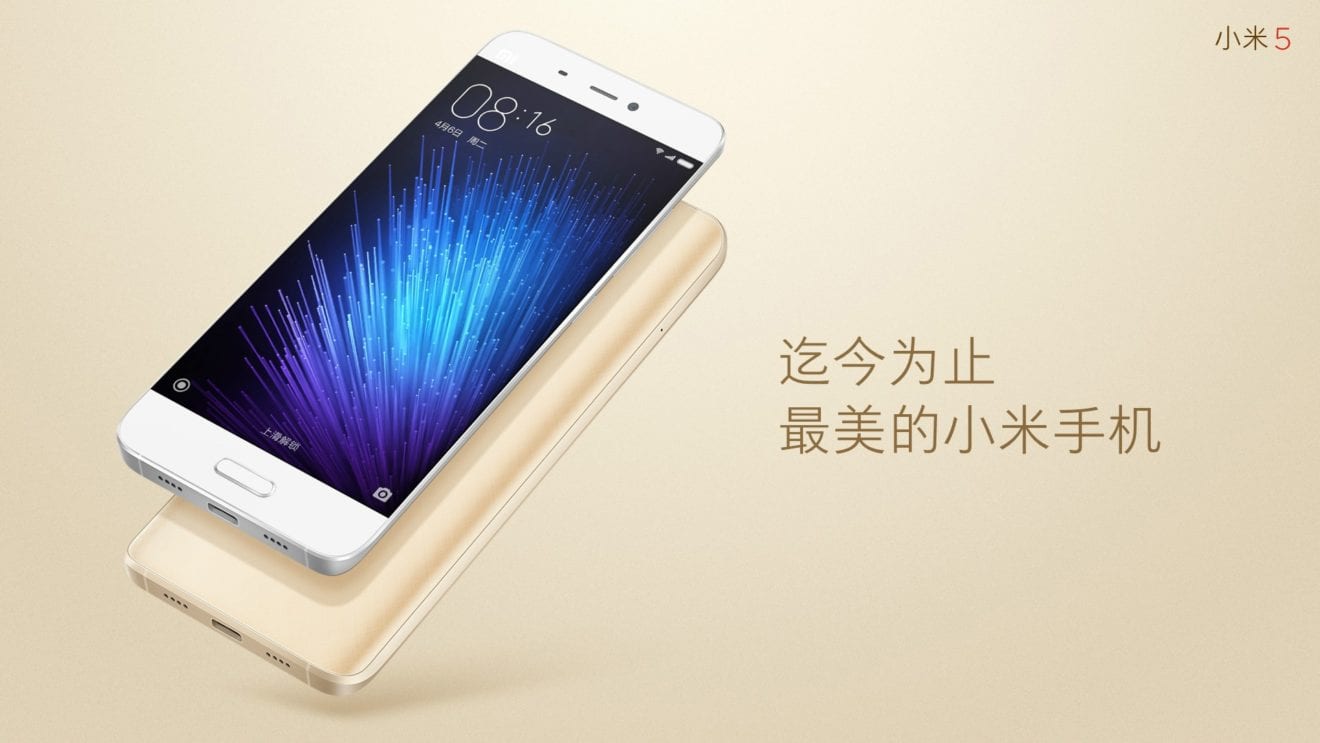
    Samsung won’t like it, but Xiaomi is coming to South Korea

    China’s Xiaomi is now expanding in a country where the competition is particularly tough: South Korea.

    The land of Samsung and LG isn’t an easy proposition, but Xiaomi isn’t doing it alone. The company has this month inked a number of deals with Korean suppliers and distributors to ensure that it will have a presence on the ground in the country.

    Xiaomi has reached an agreement with Youmi and Koma Trade, making the two Korean companies the only official dealers of Xiaomi products in the country.

    The two partners will sell a variety of Xiaomi products, including battery packs, headphones, the Mi Band fitness tracker, and the Ninebot “hoverboard.” Neither company will sell Xiaomi phones, but they will be able to repair the devices and provide support.

    The land of Samsung and LG isn’t an easy proposition, but Xiaomi isn’t doing it alone.

    The paper says the partners are “small companies whose core business has become providing services for Xiaomi. Xiaomi selected the two companies since they can devote all their energy to the Chinese tech giant.”

    In addition to building up its network in the land of Samsung, Xiaomi has also been working on ecommerce and online payments.

    On March 8, news broke that Xiaomi’s smart TVs would be sold in Korea by ecommerce giants Gmarket and Auction.

    Xiaomi has also inked agreements with a number of other Korean ecommerce marketplaces, including E-Mart, ZMI, and 11st. This isn’t exactly a surprise – Xiaomi has always emphasized ecommerce sales beyond its own website, with deals on Alibaba’s Tmall and Taobao in China. But in South Korea, where the ecommerce market is a bit more fractured, the company is spreading its resources around.

    The smartphone conundrum

    None of those stores, however, are selling Xiaomi phones – yet. Aside from the occasional short-lived sale online, it’s rare to see Xiaomi’s smartphones for sale in the country, other than second-hand or from random Chinese importers. Ecommerce market KT briefly sold Xiaomi phones in January, but had to close the sale after just two days citing “legal issues.” It’s not clear if Xiaomi officially backed those sales.

    But those “issues” haven’t scared Xiaomi away from the Korean market. Just today, the Korea Herald reported that Xiaomi has filed for a patent in South Korea for its Mi Pay epayments service – a phone-based service that can’t exactly be used with its battery packs or TVs.

    Xiaomi certainly has smartphone sales in Korea on its roadmap.

    The Mi Pay patent shows that Xiaomi certainly has smartphone sales in Korea on its roadmap. The Herald speculates what many have long expected – that Samsung and LG have put pressure on Korean retail companies and mobile carriers to keep Xiaomi out.

    But their embargo doesn’t look like it will last forever. Xiaomi has managed to find enough local partners to gain a solid foothold in the country, and it looks like it will only expand from here. Samsung and LG might not like it, but it looks like their Chinese competition will be hawking smartphones in their backyards any day now.

  • Sushi for W390 in Korea

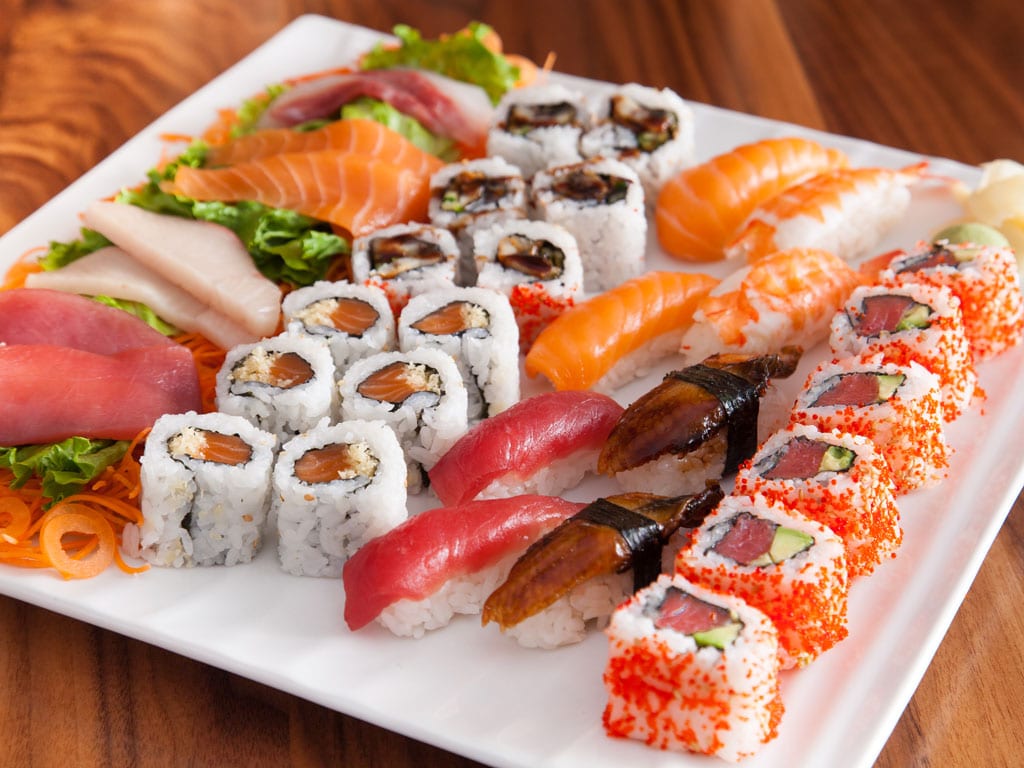
    Sushi for W390 in Korea

    Korea’s retail giant Homeplus launched an expanded line of sushi, which will sell for 390 won (30 cents) each until April 6.

    Homeplus announced Wednesday that it built on their existing sushi line “Chef Sushi,” which was originally limited to 16 types, to 34 variations. These bite-sized delicacies include localized specialties such as tuna-mayonnaise and beef bulgogi sushi, which will cater to the tastes of children and customers who seek something other than seafood on their sushi rice.

    Homeplus’ Convenient Cooking Team manager Heo Na-young said, “We have seen a rise in demand for sushi at our branches due to the overall improvements in retail sushi qualities and the effects of recession.”

    Heo said Homeplus will continue to expand the selection of sushi provided by the retail shop to meet customers’ needs and wants. Chef Sushi will maintain an affordable price range after the promotional period ends.

    Homeplus also sells 8,900 won ($7.7) fried chickens.

  • Oh!K expands into Indonesia

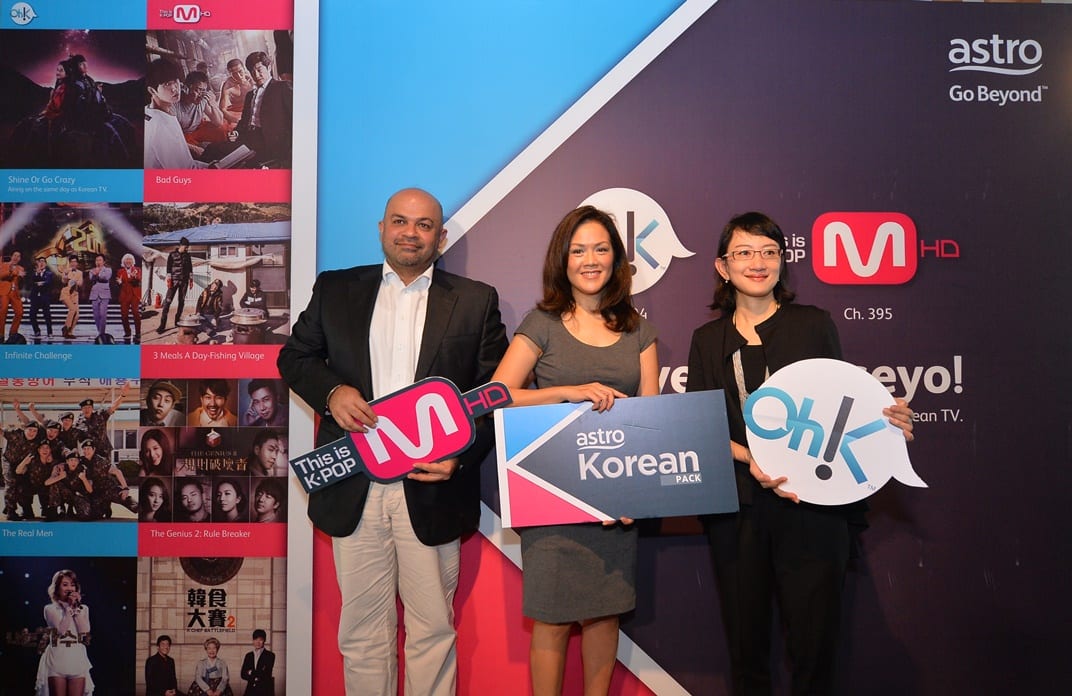
    Oh!K expands into Indonesia

    K-entertainment fans in Indonesia will now be able to catch the latest and best Korean content within hours of its world premiere with the launch of Oh!K on Tribe.

    This new OTT service from XL, a telecommunications operator, offers its subscribers via the Tribe app exclusive access to fresh, first-run, localized and high-quality video, via mobile devices and online.

    Oh!K currently boasts a slew of popular series including Monster, which will premiere later this month, and Marriage Contract, which is currently running on the channel. These express titles air within 24 and 48 hours of Korean telecast, respectively.

    “Since Turner launched Oh!K in October 2014, the channel’s reach and popularity has grown significantly,” said Phil Nelson, Turner’s managing director for Southeast Asia. “In just 18 months, partners in Singapore, Malaysia, Hong Kong and now in Indonesia with Tribe, have responded to the growing appetite for quality Korean content.”

    Other express titles on Oh!K include Just Married and Korea’s No. 1 variety show Infinite Challenge – starring celebrity hosts Yoo Jae Suk, Park Myung Soo, Jung Joon Ha, Jung Hyung Don, Hwang Kwang Hee and Haha.

    Oh!K’s programming is also supplemented by special live simulcasts from Korea, such as the MBC Drama and Entertainment Awards and Gayo Daejun (Korean Music Festival) available on the channel.

  • Samsung’s Galaxy S7 Series Popular in Israel

    Samsung’s Galaxy S7 Series Popular in Israel

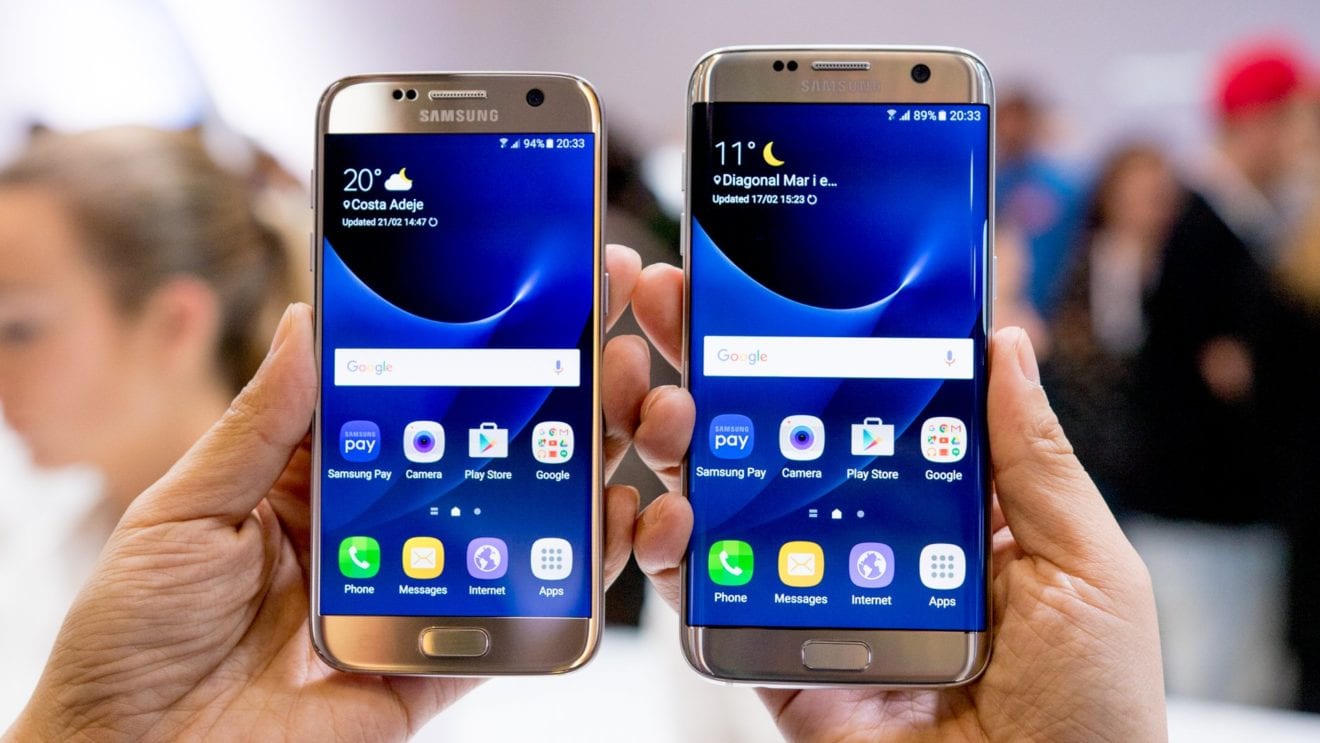
    South Korean tech giant Samsung Electronics Co. said Tuesday its latest flagship smartphones, the Galaxy S7 series, posted robust sales in Israel just a week after their launch.

    The Galaxy S7 series officially hit the shelves on March 14, coming out in major markets including South Korea, the United States and Europe.

    Samsung sold over 10,000 units in the first week in Israel as its advanced waterproof function and visual display received positive feedback, according to company officials.

    “Although only 3,000 units were pre-ordered, sales after the official launch jumped over 42 percent compared to that of the previous phone Galaxy S6,” Goh Kwang-hak, the chief of Israel branch, said.

    Samsung Electronics’ latest smartphone line, the Galaxy S7, hit the shelves of major markets on March 14, 2016. (Photo courtesy of Samsung Electronics)

    Samsung’s smartphones account for 45 percent of the market in Israel, which has a population of 7.8 million and a brisk secondhand phone market. It far surpasses U.S. rival Apple’s 30 percent share.

    The retail prices of the Galaxy S7 and Galaxy S7 edge in Israel are US$907 and $1,011, respectively. The edge version comes with a display that curves at both edges.

  • Here’s why Samsung wants to act like a startup

    Here’s why Samsung wants to act like a startup

    Samsung Electronics, the world’s largest maker of phones, memory chips and television sets, plans to revamp its authoritarian, top-down corporate culture to become more like a lean startup as it copes with sluggish demand and growing competition.

    The company said Thursday its executives and workers pledged to reduce hierarchical practices, unnecessary meetings and excessive working hours in a “Startup Samsung” ceremony held Thursday at its headquarters in Suwon, South Korea.

    The first step in this new culture of flexibility? Requiring all its executives to sign a statement promising to scrap the company’s traditional authoritarian ways.

    Samsung is searching for new business strategies as a father-to-son leadership transition looms. Lee Jae-yong, 48, is expected to succeed his ailing father, Lee Kun-hee, at a time when Samsung’s mainstay semiconductor and phone businesses face intensifying competition from Chinese rivals. Samsung has its eye on expanding into health care and pharmaceuticals, but has responded slowly to hot Silicon Valley trends such as autonomous driving and artificial intelligence.

    The company says it will announce in June how it plans to reorganize its workers and eliminate red tape. It said new vacation systems would allow employees to spend more time with their families and take breaks for self-improvement.

    “By starting to reform the corporate culture, it means we will execute quickly, seek open communication culture and continue to innovate as a startup company,” Samsung said in a statement.

    Samsung says it has been trying to reform its very Korean corporate culture to suit its identity as a global company and to answer criticisms that it stifles creativity and grassroots input from workers. Like most Korean companies, its management tends to mirror the authoritarian ways of South Korea’s past, when a military dictator ruled the country.

    But analysts said Samsung faces a huge challenge in leveling a seniority-based corporate that is decades old. Some suggested the campaign also might be aimed at identifying underperforming workers and trimming the company’s managerial ranks to cut costs.

    Samsung’s regimented, authoritarian ways may have helped it quickly catch up with Sony and other Japanese manufacturers, but they also have hindered recruitment of top talent. That has been a liability as the company competes with Silicon Valley firms that allow workers more independence and flexibility.

    Last year, 26,000 Samsung employees participated in online debates, pitching in ideas. Some have been allowed to build products or launch services outside their original job descriptions at internal Samsung “startups.” The company also introduced flexible working hours last year though current employees said work hours are still too long.

  • DHL, UPS Bid for South Korea’s Logen Logistics

    DHL, UPS Bid for South Korea’s Logen Logistics

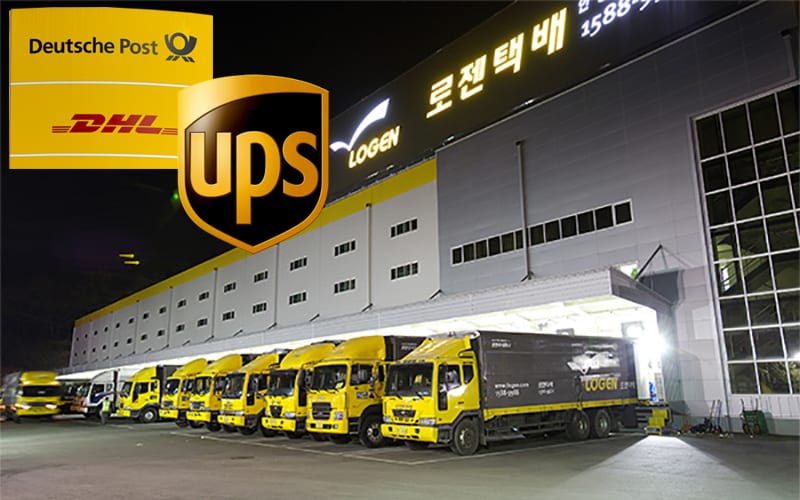
    Deutsche Post DHL Group and UPS are reportedly among the companies which have submitted preliminary offers for South Korean package delivery firm Logen Logistics.

    According to a report today, Affinity Equity Partners, CVC Capital Partners and STIC Investment were also among the bidders.

    Logen is currently wholly owned by Hong Kong-based Baring Private Equity Asia, which bought the delivery specialist from Mirae Asset Private Equity in 2013.

    Logen is reported to be the fourth largest courier services company in South Korea – behind CJ Korea Express, Hyundai Logistics and Hanjin Transportation.

    Global logistics companies UPS and DHL are eying Logen amid burgeoning e-commerce and online shopping in Korea and as part of expansion to the Asian market.

    Private equity firms also believe the logistics business is lucrative investment.

    Moreover, Logen is a solid company with a loyal client base and growing earnings.

    Unlike other parcel delivery service companies, Logen is based on the customer to customer (C2C) business that connects deals between merchants and consumers.

    Logen last year bought a 70 percent stake in KGB Logis Co. for 25.0 billion won, making it the industry’s fourth with a combined market share of over 10 percent.

    Logen recorded 20.7 billion won in operating profit on sales of 263.5 billion won last year.

    The combined earnings before interest, taxes, and amortization of the Logen and KGB Logis are estimated at 40 billion won for this year, up from last year’s around 30 billion won.