Retail News CRM

Tag: south korea

  • Cellphone makers switch to budget handsets after law change

    Cellphone makers switch to budget handsets after law change

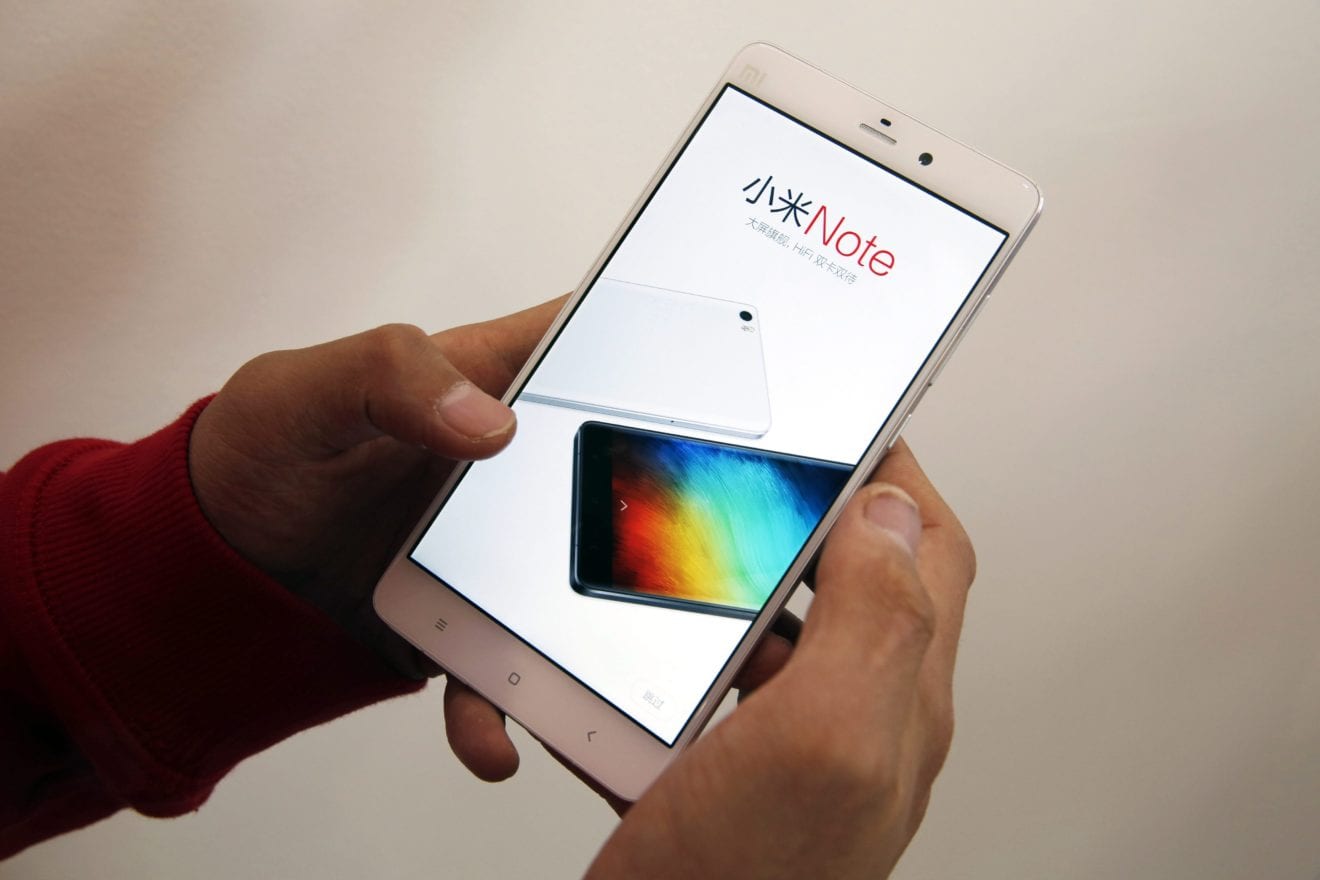
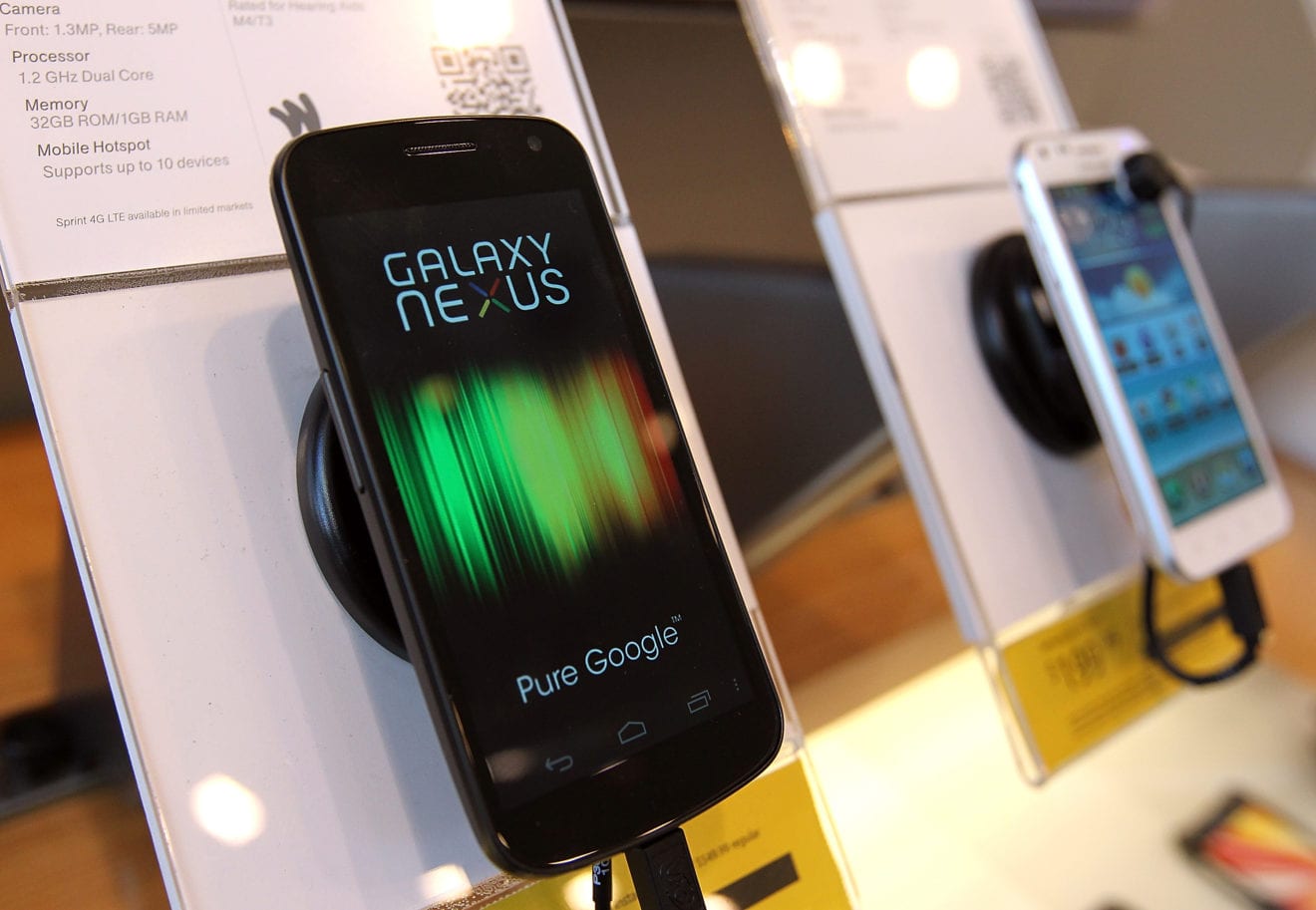
    South Korea’s mobile phone makers are breaking away from their premium-oriented smartphone lineups to churn out cheaper phones as consumers are more price-conscious due to tougher subsidy rules, industry watchers said Wednesday.

    Samsung Electronics Co. recently rolled out its latest mid-end phone, the Galaxy A8, at an about 20 percent discounted price compared with the flagship Galaxy S6, and the budget phone Galaxy J5 for less than 300,000 won (US$259).

    It also started selling the Galaxy Folder, with a price tag similar to the J5 model, which is designed to woo older generations, who need fewer features.

    Samsung’s move came after the Galaxy Grand Max, a low-end model that was released in January, became a smash hit in Korea, with 700,000 units sold so far, watchers said.

    LG Electronics Inc., Samsung’s smaller rival, has also been bolstering its budget phone lineup, unveiling five new models this year, including the LG Volt, the G style and the LG Bello II.

    Industry watchers said such a shift in their lineup strategy is attributable to the enactment of a new law in October last year, which caps the phone subsidies that mobile carriers can provide to retail stores at 330,000 won.

    Although the law was revised to restrict excessive incentives that had led to cutthroat competition, it has prompted consumers to look for cheaper phones because of the reduced subsidies.

    As part of a bid to diversify portfolios, SK Telecom Co., the top mobile carrier in the country, is apparently mulling launching a cellphone rental service in a joint project with its information technology service unit.

    If the rental business kicks off in Korea in fall as widely forecast, it will bring a significant change in the market landscape as it will be an unprecedented move and affect other rivals, market watchers said.

    Skeptics, however, played down its growth potential because the device has more personal elements like banking details and photos compared with other common rental products.
  • S. Korea opens mini-sized derivatives market

    S. Korea opens mini-sized derivatives market

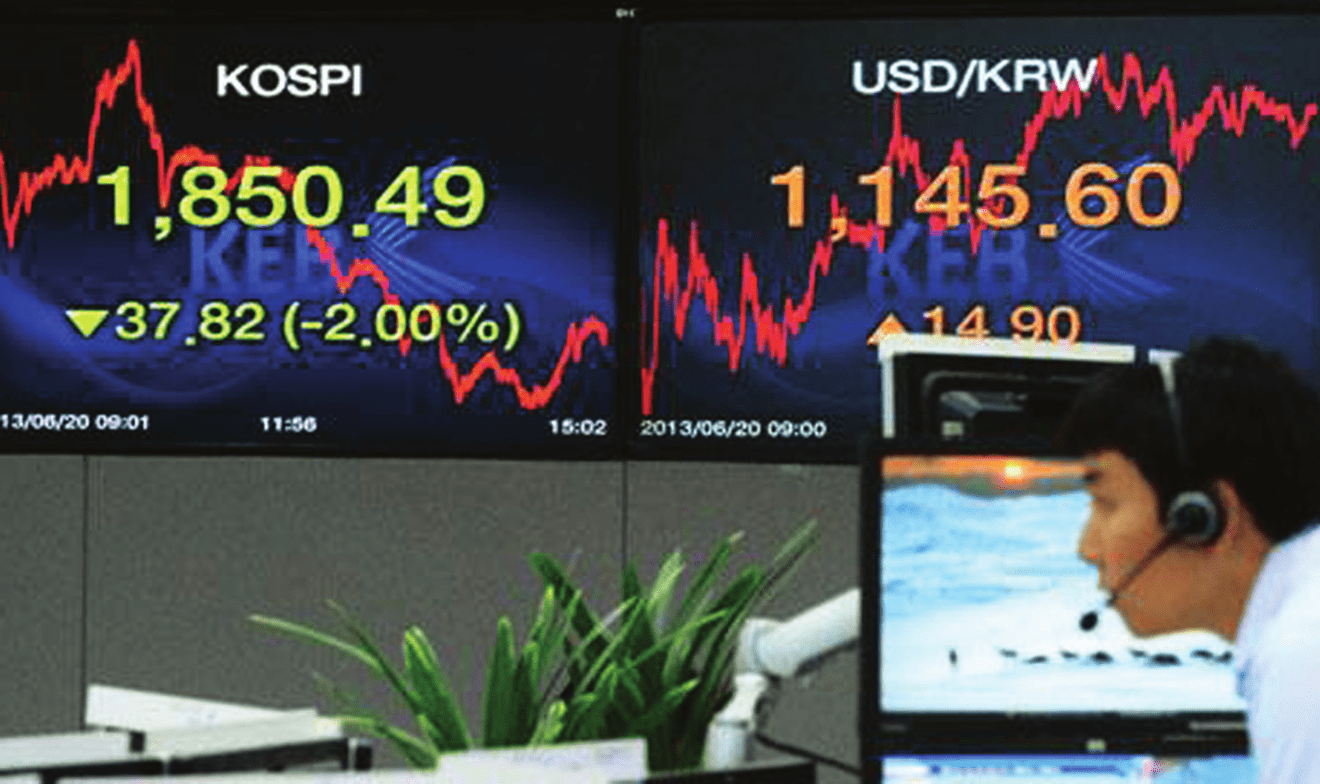
    South Korea opened a mini-sized futures and options market on Monday to offer investors wider choices for hedging and trading, hoping to revitalize the once-vibrant derivatives market with robust liquidity.

    The Korea Exchange currently operates futures and options trading based on the KOSPI 200 index, a flagship index composed of the top 200 stocks by market capitalization. The new system offers contracts for as little as 25 million won ($21,900) and 5 million won for KOSPI 200 futures and KOSPI 200 options, respectively, one-fifth of the minimum price for the current contracts. On the first day of trading, 3,132 contracts of mini KOSPI 200 futures were traded. Retail investors and institutions each held 43.2 percent and 38.9 percent, while foreigners held 17.9 percent, the KRX said.

    Mini KOSPI 200 options registered 6,814 contracts, with half of them traded by foreigners. Institutions and retail investors accounted for 26.8 percent and 22.7 percent of the turnover, respectively. The bourse operator expected the low-cost entry will attract more investors to the derivatives market to boost liquidity and improve the pricing mechanism.

    The latest measure comes as the nation’s derivatives market has suffered a sharp downfall in its trading volume since stricter regulations were adopted in 2011 to limit small speculators in response to calls to cool the highly speculative market.  South Korea was the world’s leading derivatives market in 2011, but it fell to 12th place last year as tight access rules have driven investors to other markets, including the United States and Japan, according to the KRX.

  • Lotte China closes stores

    Lotte China closes stores

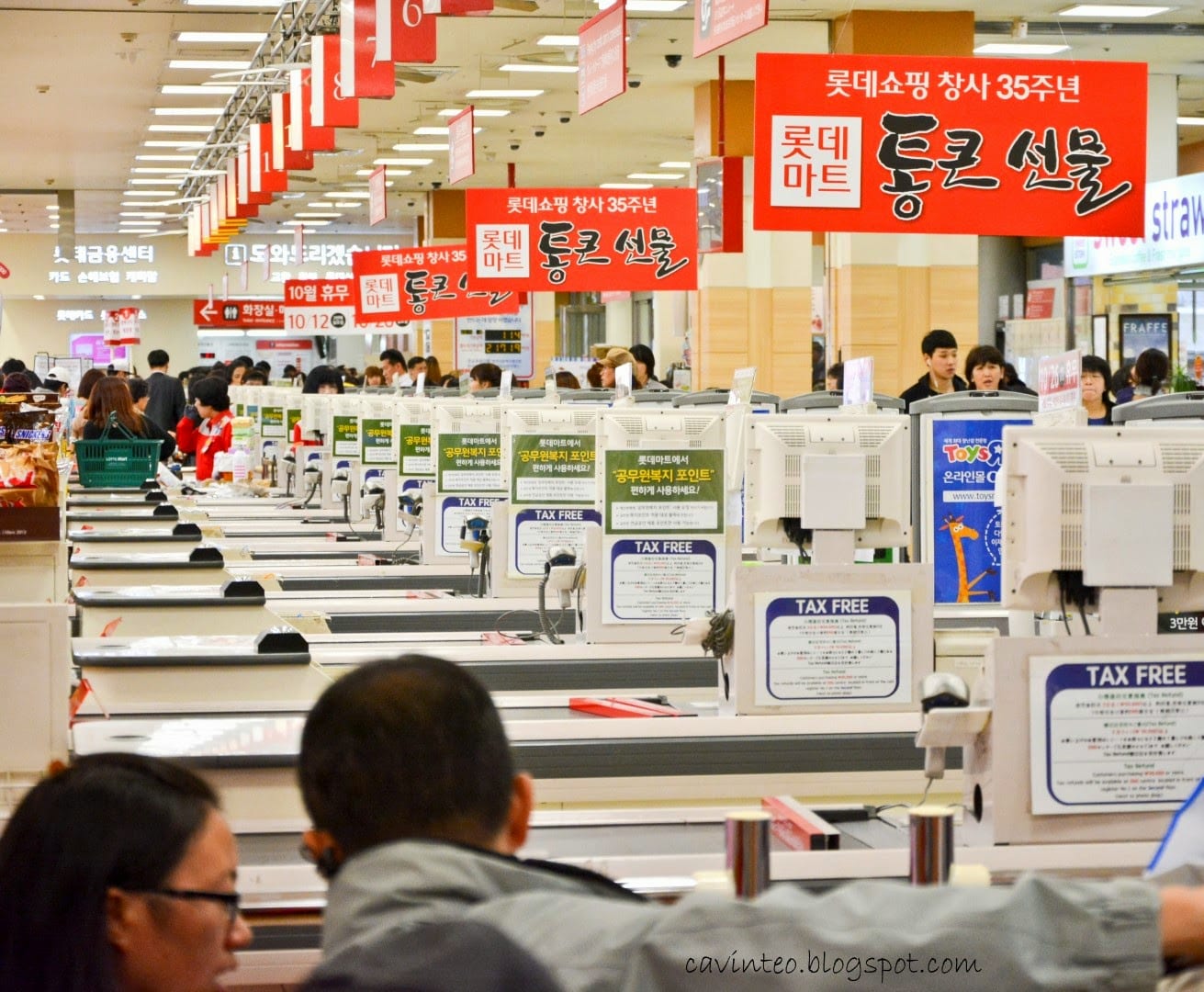
    South Korea’s Lotte is finding the Chinese retail market tough to crack.

    Lotte Mart, the supermarket arm of South Korea’s Lotte Group, is to close four underperforming supermarkets in East China’s Shandong Province, according to the China Business Journal newspaper.

    Lotte is said to be losing market share in Mainland China unable to differentiate itself in the middle ground between local retail chains and the growing power of online retailers such as Alibaba and JD.com.

    Two of the stores to close are located in Qingdao, a second tier city located on the coast. A third is located in Weihai and the fourth in Weifang, an industrial city in central Shandong.

    Another source observed Lotte Mart did not provide a compelling food offer with its supermarkets.

    “For young people, Lotte Mart is not a good choice if they want to eat out as well as shop. There are not many fancy restaurants in Lotte Mart compared with other markets,” the customer told The Global Times on Sunday.

    Lotte Mart has 120 stores in China, 116 in Korea, 39 in Indonesia and 10 in Vietnam.

  • Understanding is key to cracking Asia

    Understanding is key to cracking Asia

    It’s important for investors to be aware of the subtle differences between key Asian countries, according to a survey by BNY Mellon and analytics and advisory firm Oxford Metrica.

    The study looked at trends across Singapore, Taiwan, Hong Kong and South Korea, and noted that the differences between the markets also applies to distribution channels, and other factors that have an impact on the market.

    For example, Hong Kong retailers showed a preference for low-cost fund complexes that could meet all of their needs, while Taiwanese retailers appeared to be more inclined towards appointing specialist managers for each category.

    The report also highlighted the comparatively high costs faced by retail investors in South Korea, compared to institutional investors, and noted that in Singapore and Taiwan, more importance is placed on investment performance, while in Hong Kong, the security of a well-known brand takes prevalence.

    There were also differences in price sensitivity. While retail investors in Singapore, Hong Kong and South Korea that invest cross-border are sensitive to pricing by investment firms, this is not such a concern in Taiwan.

    South Korean institutional investors enjoy the lowest fund prices and, at the same time, regulatory developments in South Korea are geared towards attracting more international assets.

    Product range preferences also vary – a one-stop shopping solution is popular among retail investors in Hong Kong, and they tend to favour firms that can provide funds suitable throughout different market cycles. Hong Kong institutions, however, generally favour niche providers that can provide specialist expertise.

    Retail investors in Taiwan and South Korea were more inclined towards funds offered by specialist providers, and the retail market in Taiwan has even greater product diversity than Hong Kong.

    For retail and institutional investors in Singapore and Taiwan, and, to some extent, South Korea, the report suggested that a fund’s relative performance to the index as important. In Hong Kong, however, brand security tends to hold more weight.

    In Hong Kong, brand security appeared to hold greater weight than outperforming the benchmark in the long-term, however cumulative returns over one-year, three-year and five-year periods were shown to be a strong driver of sales for retail investors across all four markets.

    Singapore, Hong Kong, Taiwan and South Korea are all markets where the European UCITS structure is widely accepted, and so represent accessible entry-points for non-Asian investment managers looking to sell funds.

    Daron Pearce, global investment manager segment head for investment services at BNY Mellon, said: “Sales success in Asia’s major cross-border funds markets requires a deep understanding of the different factors that inform retail and institutional demand.”

    He added: “As one might expect, retail investors are generally more price sensitive than institutional investors. However the interplay between price, product range and performance is finely balanced across all markets analysed and, as such, close attention to the realities of individual markets is required by fund promoters.”

  • S.Korea picks Hotel Shilla JV, Hanwha to operate new Seoul duty-free stores

    S.Korea picks Hotel Shilla JV, Hanwha to operate new Seoul duty-free stores

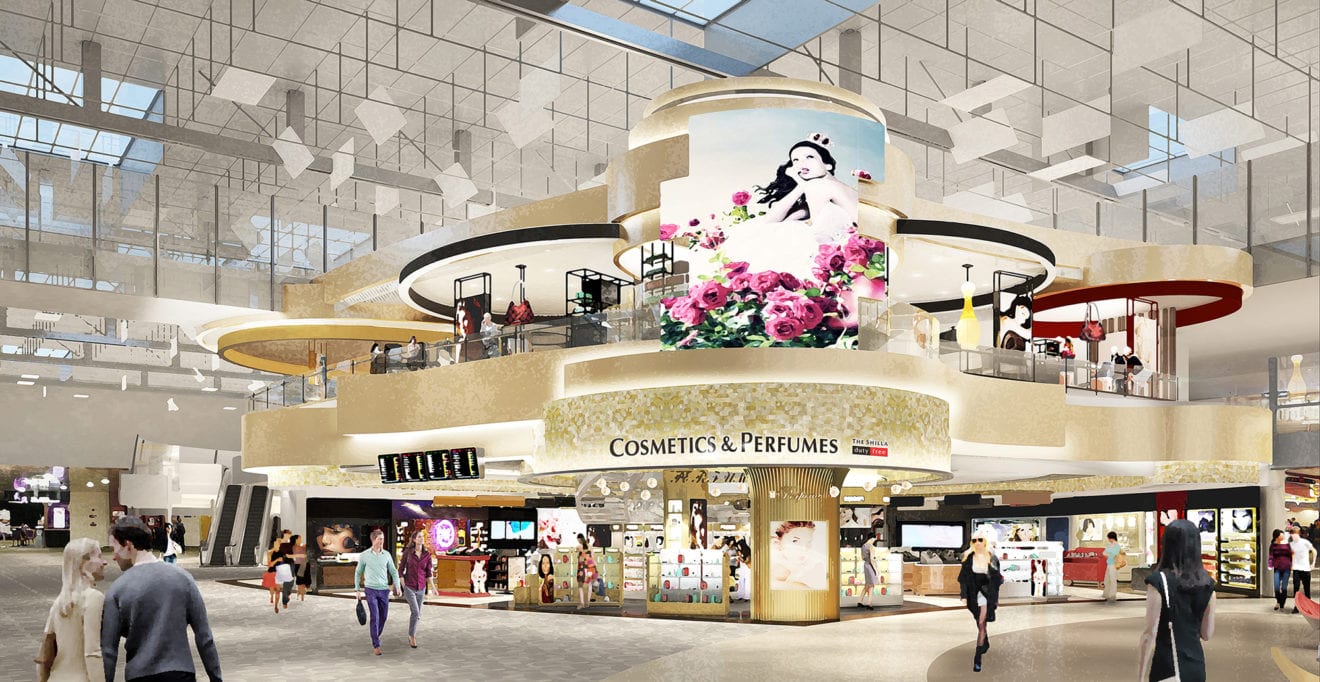
    South Korean retail giants HDC Shilla Duty Free and Hanwha Galleria Timeworld on Friday clinched a high-profile bid to operate duty-free stores in downtown Seoul in what is seen as a golden ticket to bolstering their footing in a retail industry struggling from anemic consumer spending.

    Seven companies had vied for the license, the first of its kind open to large corporations in 15 years. Lotte Duty Free, HDC Shilla Duty Free, a joint venture between Hotel Shilla and Hyundai Development Co., and SK Networks were aiming to increase their market share, while E-land, Hanwha Galleria Timeworld, Hyundai DF and Shinsegae DF were trying to make a fresh entrance into the duty-free sector.

    Currently, four companies run seven duty-free stores in Seoul, whose main customers are foreign tourists, especially those from China. Their insatiable appetite for shopping has been a rare bright spot in the local retail sector grappling with sagging sales amid a weak economy.

    Buoyed by their spending, the duty-free market has been posting double-digit growth in the past five years, compared with crawling sales growth at department stores and hypermarkets.

    In 2014, duty-free stores in Seoul posted a combined sales of 4.4 trillion won (US$3.9 billion), which accounts for more than half of the country’s 8.3 trillion won duty-free market.

    Meanwhile, the customs agency also announced two smaller retailers who will be operating duty-free stores in Seoul and Jeju, South Korea’s southernmost resort island, respectively.

    The new licenses will be valid for five years under a revised customs regulation that shortened the contract period from 10 years. The winning bidders are required to open their stores within six months.


  • Brutal retail market awaits buyer of Tesco South Korea business

    Brutal retail market awaits buyer of Tesco South Korea business

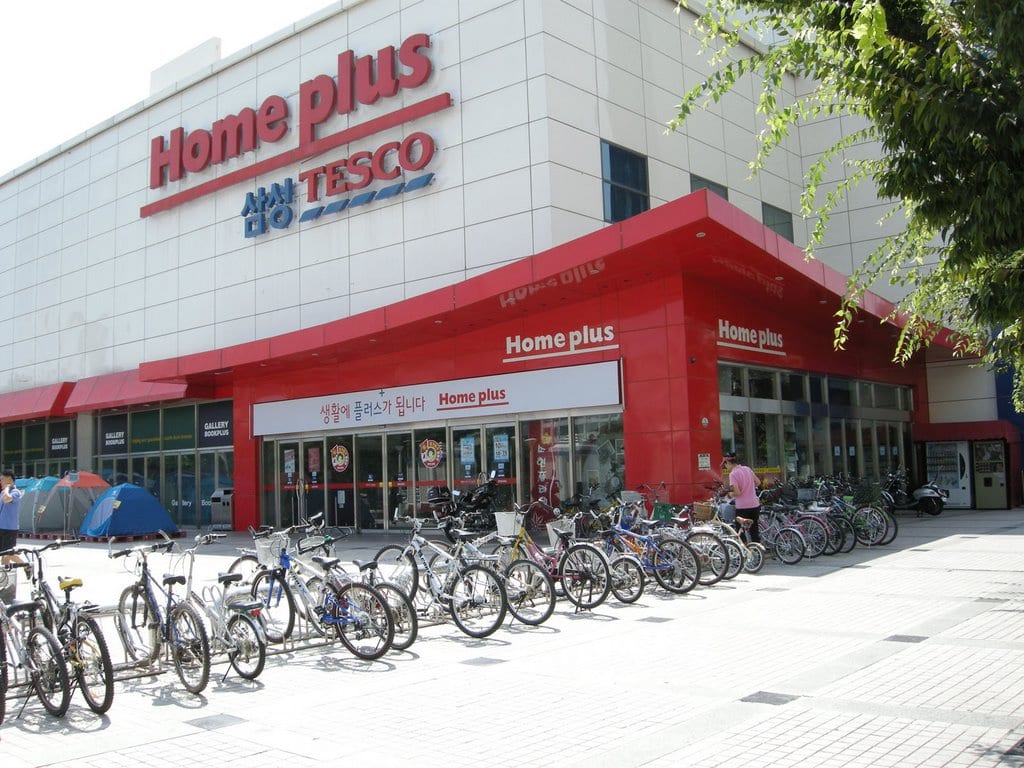
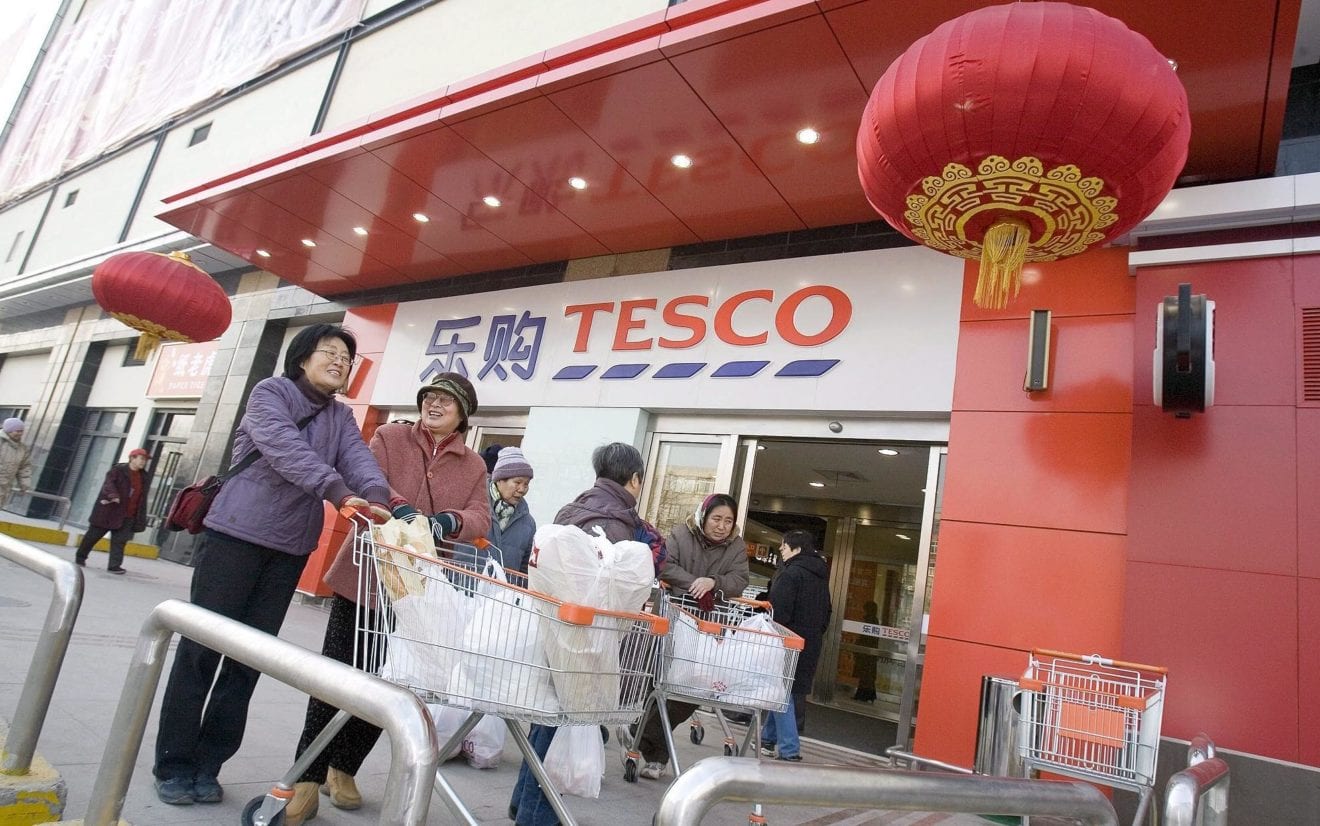
    Any buyer of Tesco’s $6 billion South Korea unit will need a strategy to boost returns in a lethargic and saturated market for traditional retailers, likely involving real estate sales and a greater focus on Internet shopping.

    Britain’s Tesco has hired HSBC to advise on a potential sale of its South Korean unit, Homeplus, Reuters reported this month, in what could be Asia-Pacific’s largest private equity deal and the No. 2 merger in the Asian consumer sector.

    Given the scarcity of big buyout targets in Asia, the sale is generating strong interest among buyout firms including KKR & Co and Carlyle Group CG.N, sources with knowledge of the sale process said. That’s despite difficulties posed by South Korea’s crowded retail sector, a sluggish and fast-aging economy, plus regulatory and labor challenges.

    “Anyone going with the view of closing unprofitable shops, cutting work force, will be in for a surprise,” a senior Hong Kong-based investment banker familiar with the process said, citing likely opposition from labor unions.

    “It’s a tough market but there are some low-hanging fruits in terms of stripping property assets,” said the banker, who declined to be identified as the discussions are confidential.

    Homeplus Co Ltd’s property holdings, consisting mainly of stores, had a book value of 3.09 trillion won ($2.77 billion) as of the end of February, according to a regulatory filing.

    With about 400 stores including 140 hypermarkets, 88 of which it owns, Homeplus has raised about 1.2 trillion won since 2012 by selling and leasing back eight of its biggest-selling stores, according to South Korean deal website Invest Chosun.

    Its prime real estate holdings include a hypermarket in densely populated Seoul suburb Euijeongbu, which frequently ranks among its top 5 stores by sales.

    But it’s a crowded field. South Korea has nearly 500 hypermarkets for a population of 50 million, or twice what the industry considers optimal. The difficulties prompted Carrefour and Wal-Mart to quit the country in 2006.

    In a nod to a fiercely competitive market, Homeplus earlier this year sacrificed an equivalent of about 100 billion won in annual profit, or almost half of last year’s earnings, by cutting prices on some 500 kinds of fresh produce.

    “Competing by undercutting price has become the norm and is expected to continue in future,” said Lee Kyoung-hee, principal researcher at Shinsegae Research Institute.

    ONLINE GROWTH

    As the population ages faster than in any other developed economy and households shrink, retail sales in South Korea grew just 1.4 percent in each of the past two years, lagging broader economic growth.

    E-commerce, however, jumped 17 percent last year to 45.2 trillion won, or 14 percent of total retail sales, and hypermarkets have been scrambling to build share in a fragmented online segment where most players lose money.

    Homeplus’ share of South Korea’s online retail market has risen steadily but was still just 645 billion won last year, according to Euromonitor data in a CLSA report, for market share of just 2 percent, in line with larger rival E-Mart.

    “Hypermarket chains like Homeplus have been bolstering online sales as a possible growth solution, among admittedly few options,” said Kim Tae-hong, analyst at Yuanta Securities Korea.

    Lower priced warehouses have been another bright spot for Korean retailers, but while both E-Mart and Lotte Shopping’s (023530.KS) third-placed Lotte Mart have warehouse brands, Homeplus does not.

    Meanwhile total revenues for existing hypermarket stores have declined since 2012 when new rules required them to close for two Sundays a month to protect traditional markets. Homeplus saw a drop in same-store sales for two straight years.

  • Tesco’s South Korea empire draws interest from private equity giants

    Tesco’s South Korea empire draws interest from private equity giants

    KKR and Carlyle, the US private equity firms, have been invited to bid for the Asian business, which trades as Homeplus, while London-based CVC Capital Partners has also been asked to bid.

    The decision to sell the South Korean stores comes as the retail giant’s chief executive Dave Lewis looks to streamline the business, to concentrate on its core UK shops and raise cash.

    After two decades of uninterrupted growth, Tesco has been struggling after it became distracted by overseas expansion and failed to spot the threat of discounters like Aldi and Lidl.

    The retailer is now looking to slash capital spending, as well as fund a vicious supermarket price war and put more people on the shop floor.

    Hong Kong-based Affinity Equity Partners and Asia-focused MBK Partners were also invited to bid, and Hyundai Department Store, which is separate from the car maker, said today that it was considering bidding.

    Tesco, advised by HSBC, has asked for indicative bids later this month.

    If the sale is achieved it would be Asia’s biggest private equity deal and the region’s second biggest consumer deal ever. Sovereign wealth funds could be involved in the financing of it, given the size of the sale.

    Homeplus is Tesco’s largest business outside Britain, with more than 400 stores, 500 franchise stores and over six million customers a week.

    But the business has been under some pressure, with falling like-for-like sales for the last two years.

    Tesco is also selling its £1 billion Dunnhumby data business, and has already sold its Blinkbox digital entertainment service and Tesco Broadband to TalkTalk for an undisclosed sum.

  • Retail Sales Hit Hard by MERS

    Retail Sales Hit Hard by MERS

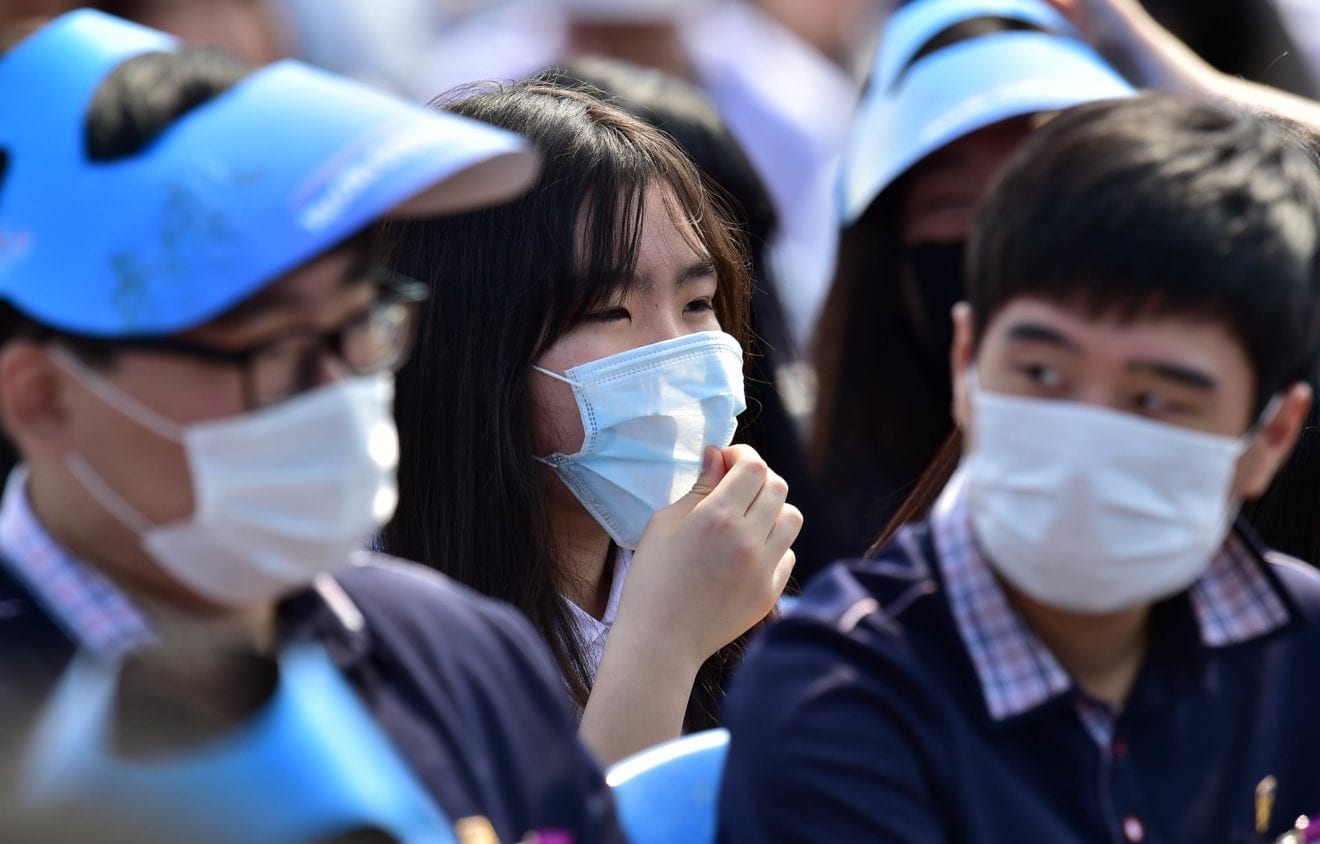
    The ripple effect of the Middle East respiratory syndrome (MERS) is spreading throughout Korea’s retail industry, including department stores, discount stores, restaurants, and cosmetic shops.

    Amid rising concerns about possible infection by the MERS virus, an increasing number of consumers are avoiding crowded places, dealing a blow against the sales of offline stores, including department stores.

    As the MERS crisis prolongs, the number of foreign tourists, including Chinese ones, declines, giving a negative impact on the cosmetics industry. According to industry sources on June 5, Lotte Department Store suffered an 8.4-percent decline in sales during the period from June 1 to 4, compared to a year ago.

    Shinsegae Department Store also suffered a 3.7-percent decline in sales during the same period. E-Mart, the largest discount store in Korea, recorded a 7.8-percent plunge in sales during the period. In particular, its outlet in Dongtan and Pyeongtaek, in southern Gyeonggi Province where the highest number of MERS cases were reported, suffered a 19.7-percent and a 16.2-percent plunge in sales during the period.

  • Chinese, South Koreans prefer online shopping to stores

    Chinese, South Koreans prefer online shopping to stores

    Online shopping has overtaken bricks and mortar retail as the most popular method of purchase in several Asian markets.

    That stunning revelation comes from a new report from real estate company CBRE How We Like to Shop Online which is based on responses from online consumer panels. CBRE warns the findings represent the emerging behavior of this important and fast-growing segment of all markets, but may not fully represent consumer behavior in markets with low online penetration.

    That said, the conclusions remain relevant to traditional retailers.

    “While 50 per cent of Asia Pacific consumers still physically visit a shop to make a purchase, findings show that in emerging markets such as China and India, the majority of respondents – 76 per cent and 68 per cent respectively – use online shopping as their most commonly used method of making purchases,” said CBRE in an overview of the report.

    “This is also the case in more developed markets of South Korea and Taiwan where 73 per cent and 55 per cent of consumers respectively, also said their primary method of making purchases is online.”

    “For emerging markets, given the lack of quality retail space – particularly in lower tier cities – advances in technology and logistics networks mean that online retail is often the most efficient way for retailers to reach their customers,” said Jonathan Hsu, head of occupier markets research, CBRE Asia Pacific.

    Along with convenience, pricing ranks as one of the top reasons why consumers shop online – 63 per cent of the total number of respondents surveyed identified this as their key deciding factor. These correspond to the same deciding factors when shopping at physical stores.

    “With 56 per cent of Asia Pacific consumers using their desktop or laptop to check prices of products online, price transparency is an important aspect for retailers to consider,” said Joel Stephen, senior director, head of retailer representation, CBRE Asia.

    “We recommend retailers review their regional pricing strategy, particularly in China and South Korea where more than two-thirds of consumers identified lower prices and better offers as the main reason behind their decision to shop online. In Asia Pacific, foreign brands – in particular luxury – are often more expensive than other regions due to import duties, exchange rates and the franchise model impacting the price. This may encourage consumers to consider alternative sales channels, such as overseas online markets, in search of better deals,” said Stephen.

    The ability to compare products without having to physically visit individual stores is another key factor for the region’s consumers when shopping online. This trend is more prominent in emerging markets such as Vietnam (64 per cent), China (61 per cent) and India (58 per cent) where quality shopping centers or shops are often located far from each other.

  • SSI to launch Joe Recent Philippines

    SSI to launch Joe Recent Philippines

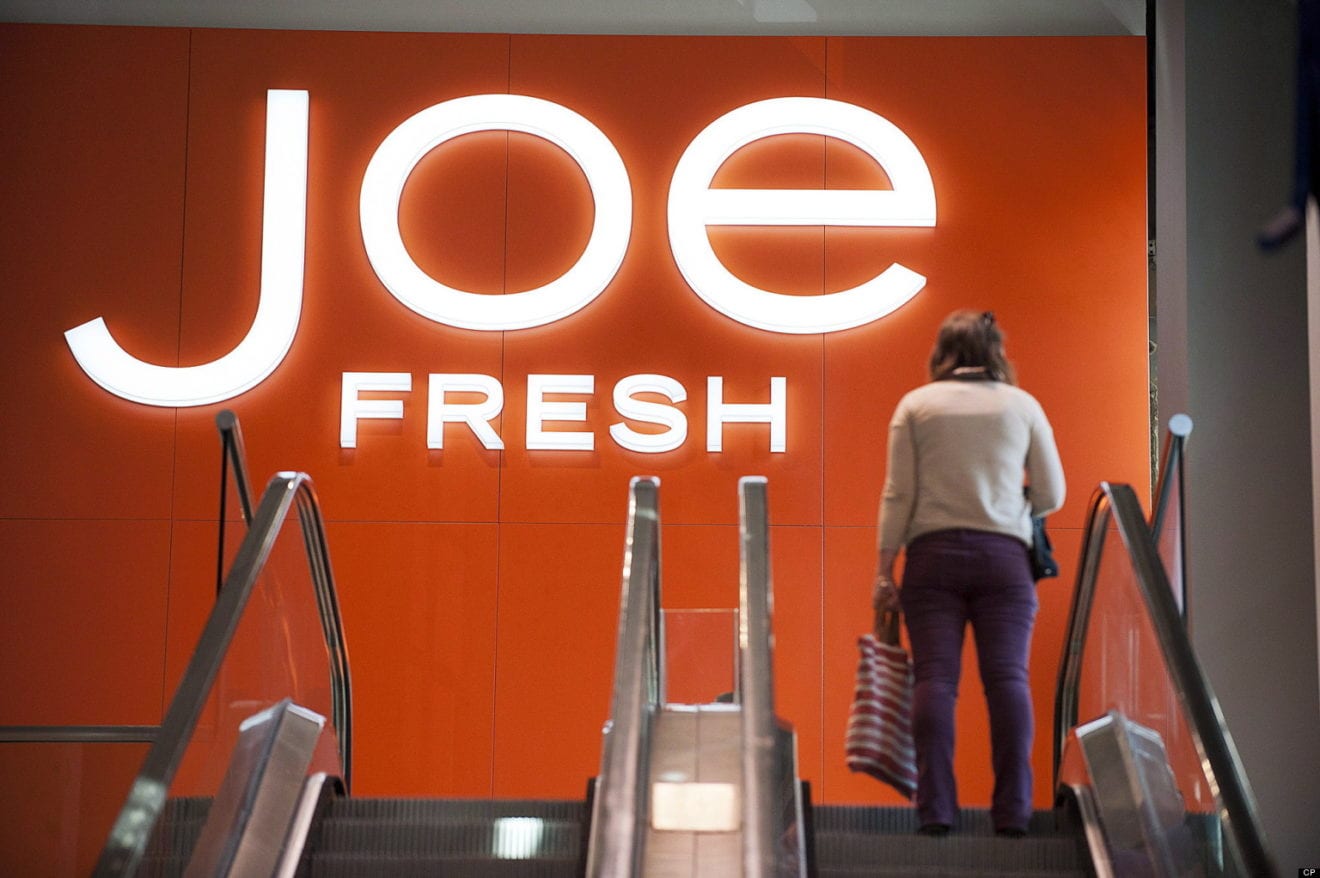
    SSI subsidiary Shops Specialists has obtained the franchise for the Joe Recent style model within the Philippines.

    SSI will open a sequence of Joe Recent Philippines shops underneath licence from Loblaw, the Canadian retail big which owns the model.

    The primary shops will open subsequent yr, ranging attire, equipment, footwear and wonder merchandise for ladies, males and youngsters.

    “Joe Recent additional strengthens our lineup of worth manufacturers, permitting us to faucet and delight a fair broader base of Philippine shoppers,” SSI President Anthony T. Huang stated in a press release.

    With 350 shops in Canada, Joe Recent began increasing outdoors North America in 2014, opening shops with companions in Egypt, Saudi Arabia, South Korea, and the UAE.

    “We’re happy to introduce Joe Recent to the increasing Philippines retail panorama,” Joe Recent president Mario Grauso stated.

    SSI, mum or dad of the Rustan Group, additionally owns the FamilyMart and Wellworth retail operations within the Philippines.

  • Tesco Korea on the block

    Tesco Korea on the block

    UK retailer Tesco has reportedly engaged HSBC to handle the sale of its South Korea retail operations.

    Tesco Korea is the hypermarket big’s largest division outdoors its UK house market and analysts estimate the enterprise might fetch between US$5 and $7 billion, sufficient to make a considerable gap in its debt and restructuring bills.

    Analysts within the UK recommend personal fairness corporations can be the more than likely potential bidders for the operation, particularly funding arms of Korean banks.

    Tesco, the world’s fourth largest retailer by gross sales, might comply with retain a stake within the enterprise

    post-sale, and/or license its model, which has robust recognition out there.

    Tesco says on its web site it has greater than 400 shops in Korea, together with 500 franchised shops, and serves greater than 6 million clients each week.

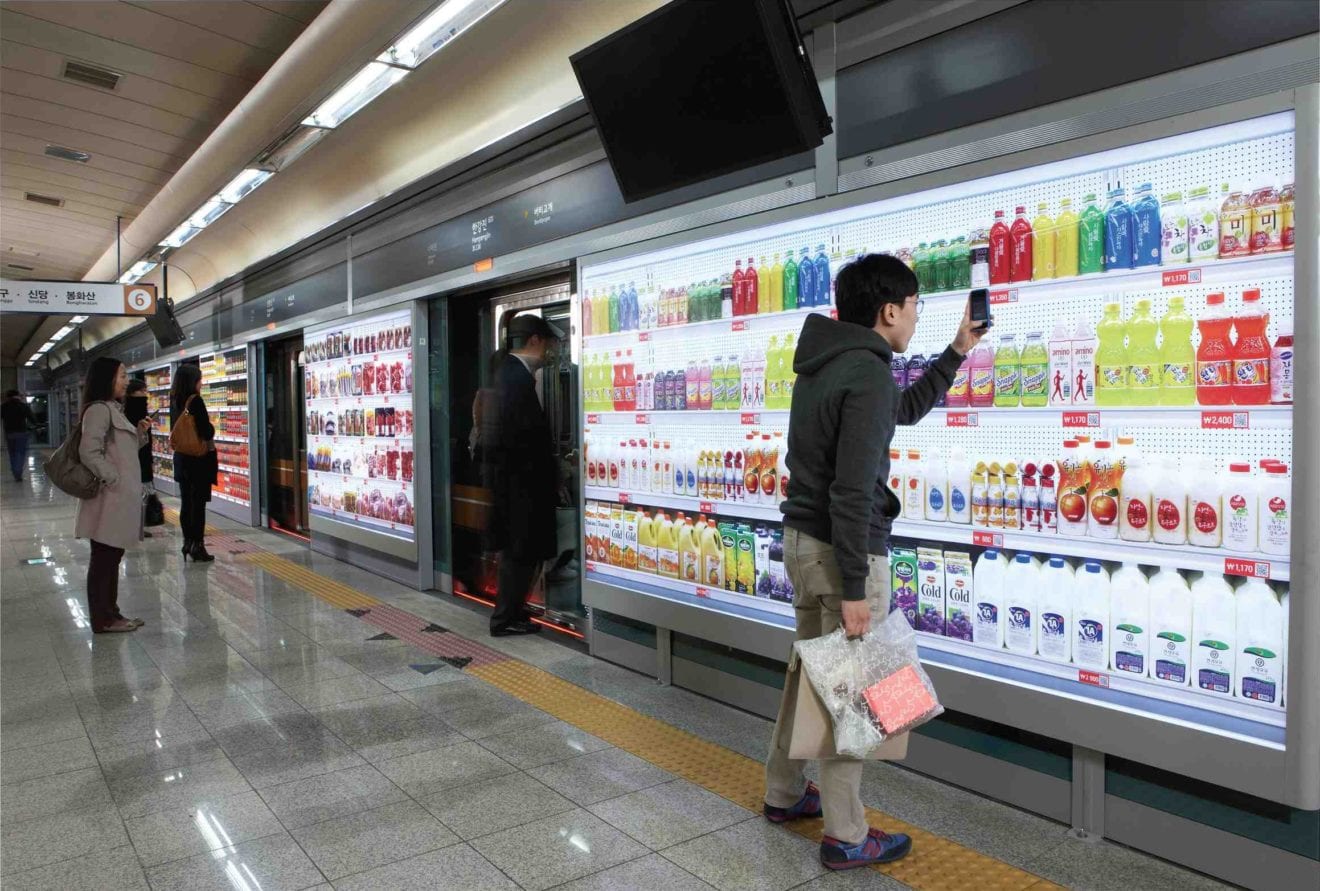
    “We’ve got a worthwhile on-line enterprise and 22 of our award-winning digital shops in South Korean subways and bus stops assist time-pressed clients store on-the-go utilizing their smartphones.”

    The shops are fed by three distribution centres, the most important the Hamahn Recent Distribution Centre, which can also be the most important recent distribution centre in Asia, processing greater than 40 million packing containers per yr.

    “We have now elevated the supply of ready fruit & veg and ready-meals in our shops. “We’ve additionally responded to financial pressures by providing a variety of Homeplus own-brand merchandise in three classes, from ‘Good Zone’ fundamentals on the lowest worth level to ‘Greatest Zone’ premium merchandise,” the corporate says.

    In addition to promoting items in Korea, Tesco says it exports £36 million of largely non-food merchandise from Korea to the remainder of the Tesco Group.

    Tesco has been tipped to divest a few of its Asian operations since an accounting scandal and falling market share within the UK decimated its share worth and new CEO Dave Lewis was appointed to attempt to flip across the struggling organisation.

    Tesco additionally has operations in Thailand and Malaysia

    The corporate posted a pretax lack of £6.38 billion (US$9.52 billion) for the yr to February 28, largely resulting from writedowns. Its everyday operations stay worthwhile.

    Tesco’s overseas retail competitors have already exited Korea, discovering the market, dominated by native gamers, robust to crack. Walmart bought 16 shops there to Shinsegae in 2006 and France’s Carrefour bought out to E.Land Group the identical yr.

  • Koreans purchase Supra Footwear, KR3W Denim

    Koreans purchase Supra Footwear, KR3W Denim

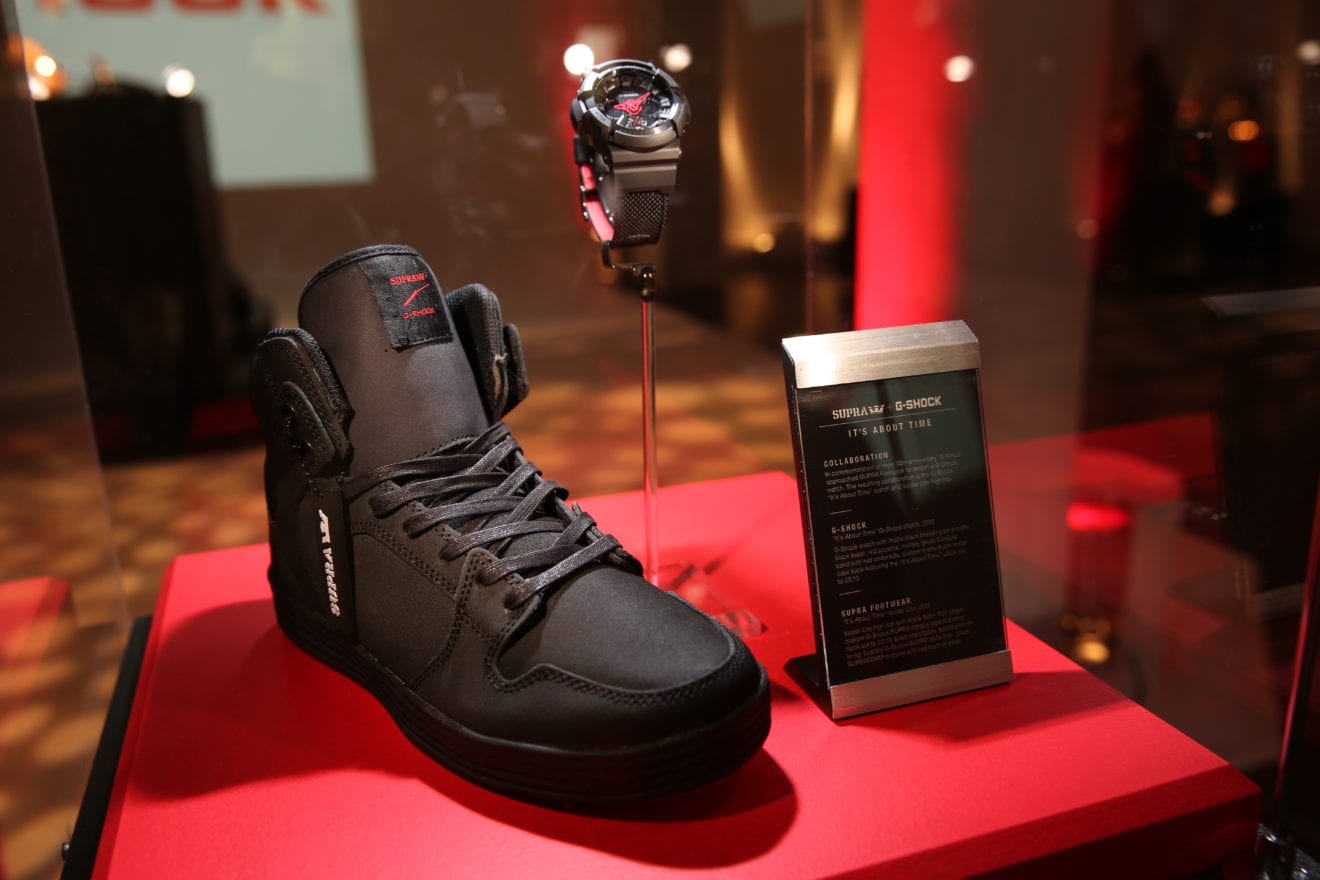
    South Korea’s E-Land Group has purchased two US style retail manufacturers – KR3W Denim Co and Supra Footwear.

    E-Land subsidiary Okay-Swiss International Manufacturers has purchased the 2 manufacturers’ father or mother One-Distribution, a skate-inspired attire and footwear producer.

    Based in 2006, Supra shortly turned one of many largest and most profitable unbiased sneaker manufacturers by way of innovation and elegance, fusing style, music, skateboarding, artwork and road to deliver basic silhouettes to those that demand distinctive designs.

    Supra has flagship shops in Tokyo, Santa Monica, New York Metropolis, Paris and Mexico Metropolis and distributes to over 60 nations by way of a community of choose skate outlets and high-end boutiques.

    KR3W, an attire model born from skate tradition, started in 2003, influenced by Southern California tradition. The model made its identify in denim, and altered the younger males’s denim paradigm with the introduction of its Okay Slim Denim Jean utilizing an progressive stretch material and a slender profile. KR3W has since expanded its attire vary, efficiently blurring the strains between skate and style, whereas sustaining its ‘Darkish Americana’ aesthetic.

    E·Land Group is a South Korean conglomerate headquartered in Chanjeon-dong Mapo-gu Seoul, South Korea.

    KSGB acquired the Fountain Valley, California-based agency from a gaggle of shareholders together with Bertram Capital, a San Mateo, personal fairness agency, and a small group of personal buyers together with One-Distribution Founders Scott VanDerripe, Angel Cabada and Scott Bailey. The worth was not disclosed.

    KSGB has appointed Robert ‘Cape’ Capener because the model president of each Supra and KR3W, reporting to Larry Remington, President and CEO of KSGB.

    “Having shaped KSGB simply two years in the past, we’re on an aggressive monitor to grow to be one of many world’s main multi-brand corporations,” stated KSGB President and CEO, Larry Remington.

    “Supra and KR3W are manufacturers that meet the distinctions we’re on the lookout for in our portfolio: authenticity, robust model consciousness, a monitor document of product innovation and alternatives for long-term, international progress. We’re excited to hitch forces with the One-Distribution group and to put a basis for the longer term.”

    This acquisition takes the KSGB portfolio to a complete of six globally distributed manufacturers, together with Okay-Swiss, Palladium, PLDM, OTZ Footwear, KR3W and Supra. E-Land Group, a $10 billion group of corporations with over 200 manufacturers, 10,000 retail shops and enterprise throughout attire, footwear, retail, lodges, leisure and leisure.

    One-Distribution at present has workplaces in California, Barcelona, Sydney and Dongguan, China.

  • 4G, Asia lead smartphone sales rise

    4G, Asia lead smartphone sales rise

    Global smartphone sales rose by eight per cent in value terms in the first quarter of this year.

    Sales of larger screen devices (5″ and higher) continued to drive year-on-year growth according to data from GfK.

    But while handset demand increased seven per cent to 310 million units, a slowdown in demand in China and developed Asian nations dragged down growth, from 19 per cent year-on-year in the fourth quarter of 2014.

    GfK says 4G compatible phones are rapidly gaining share – surpassing 50 per cent of the global handset market for the first time. It predicts a 4G ramp-up in China in the second half of 2015 to drive incremental demand.

    Kevin Walsh, director of trends and forecasting at GfK, said the weakness in China was caused by a significant slowdown in 3G demand, which was not offset by 4G growth.

    “We forecast China to return to growth in the second half of the year, driven by a continued 4G ramp-up. In Developed Asia, the year-on-year decline was caused by tough comparisons with Q1 2014, when demand was pulled forward in Japan due to an upcoming VAT increase in April. We forecast unit demand in Developed Asia to grow by three per cent year-on-year in 2015, driven by Japan and South Korea, which are expected to return to growth in 2Q15.”
    Smartphone growth in India and Indonesia is also expected to be helped by an expanding 4G network. In Q1 2015, 4G share in both countries was well below the global average, at four per cent and seven per cent, respectively. GfK forecasts 4G unit share within smartphones to reach seven per cent in India and 10 per cent in Indonesia in 2015.

    Q1 2015 saw a continued shift towards larger screen sizes, with sales of 166 million units equating to 47 per cent of the global smartphone market, up from 32 per cent in Q1 2014. In China, where the 4G trend is particularly pronounced, the growth in share to 57 per cent – from 32 per cent in Q1 2014 – was driven by cheaper large screen models flooding into the market.

    GfK forecasts this screen size migration to continue in 2015, with global demand for large screen devices increasing by 30 per cent year-on-year to account for 69 per cent of total smartphone unit demand this year.

    Low-end smartphones – those priced in the region of $0-250 – increased share to 56 per cent, up from 52 per cent in Q4 2014, at the expense of the high-end models ($500+), whilst mid-range ($250-500) share remained stable.

    GfK forecasts low-end smartphones to gain further share in 2015, helped by continued price erosion in emerging markets.

    Walsh added: “GfK forecasts global smartphone unit demand to grow 10 per cent year-on-year in 2015, a slowdown from the 23 per cent growth experienced last year. Emerging Asia is forecast to be the fastest growing region, driven by India and Indonesia, where low smartphone penetration leaves plenty of room for growth.”

  • GIC takes Seoul mall stake

    GIC takes Seoul mall stake

    Singapore funding firm GIC has partnered with the Canada Pension Plan Funding Board to purchase the D-Dice Retail Mall in Seoul, South Korea from Daesung Industries.

    The 2 buyers has paid US$263 million for the mall.

    GIC and CPPIB will every personal an equal half share in D-Dice, a 4 yr previous centre described as a top quality property in a chief location. D-Dice is situated subsequent to Sindorim Station, a serious transportation hub connecting Seoul with Incheon and different main metropolitan cities close to Seoul.

    The mall can be rebranded as Hyundai Division retailer and might be operated by Hyundai, one of many prime retail operators in South Korea. Working alongside GIC and CPPIB, Hyundai will reposition the D-Dice Retail Mall to raised serve the Korean retail market’s anticipated regular progress over the long run.

    Loh Wai Keong, MD & co-head Asia, with GIC Actual Property stated the funding displays GIC’s confidence within the long-term progress of Korean home demand and is in keeping with GIC’s technique of buying high-quality, centrally-located belongings with upside potential.

    “As a long-term worth investor, our pursuits are aligned with CPPIB and we sit up for partnering them on this acquisition.”

    Jimmy Phua, MD, head of actual property investments Asia, with CPPIB stated the D-Dice Retail Mall is a main retail asset situated in a rising and prosperous space.

    “By way of this funding, we’re happy to realize publicity to one of many largest retail markets in Asia, working alongside skilled and aligned companions.”

  • Prada South Korea opens men only store

    Prada South Korea opens men only store

    Prada has opened its first store in South Korea selling only menswear.

    The new shop is hosted inside the Shinsegae luxury department store in Seoul, but features its own distinctive entrances.

    The new space, designed by architect Roberto Baciocchi, covers about 165 sqm and houses the men’s ready-to-wear, leather goods, accessories and footwear collections.

    The internal façade, clad in Saint Laurent marble, is characterised by two large corner entrances. Slim strips of steel frame the window and the light box.

    The entrances lead to an area where the leather goods and accessories collections are displayed.

    The next area features masculine materials and finishes and hosts the ready-to-wear and footwear collections. The space is defined by ebony floorboards and walls, dark brown carpeting and cotto-coloured leather sofas.