Retail News CRM

Tag: south korea

  • Samsung’s Galaxy phone most valuable brand in South Korea

    Samsung’s Galaxy phone most valuable brand in South Korea

    South Korean tech giant Samsung Electronics’ Galaxy smartphone was selected as the most valuable brand in South Korea for the fifth consecutive year, a survey showed Sunday.

    The Samsung Galaxy phone ranked first in the brand survey by Seoul-based market researcher Brandstock, followed by E-Mart, a discount store chain by retail giant Shinsegae Co.

    Incheon International Airport, South Korea’s gateway airport, climbed up one notch to take third place.

    Kakao Talk, South Korea’s biggest mobile messenger with 47 million users, and Naver, the nation’s No. 1 Internet portal, came next, the researcher said.

    The brand value of German automakers suffered after Volkswagen admitted that millions of its diesel cars worldwide were equipped with software that was used to cheat on emissions tests.

    BMW’s rank tumbled from 12th to 31st, and Volkswagen, which ranked 71st last year, dropped out of the top 100, following the emissions cheating scandal, it said.

  • South Korean retailers binge on discounting

    South Korean retailers binge on discounting

    On top of seasonal sales and occasional promotions, major South Korean retailers have been holding a series of big discount events since summer to create an intense, promotion-heavy atmosphere through the Christmas season and beyond.

    The discount binge has indeed given a fillip to consumer spending here, but market watchers question its long-term effect as a slowdown in Asia’s fourth-largest economy has led to lower incomes for many people, prompting them to tighten their purse strings.

    Most recently, “K-Sale Day” kicked off last week to run for 26 days nationwide, led by major department stores and outlets that hope to grab shoppers’ attention ahead of the original Black Friday.’

    It came just a month after “Korea’s Black Friday”, a nationwide shopping campaign initiated by the government during the first two weeks of October to jack up the stagnant domestic consumption.

    The government-led event even overlapped with “Korea Grand Sale”, during which retailers knocked down prices from early September to mid-October to woo back both domestic consumers and Chinese travelers during the long-haul national holiday.

    One of the main reasons for the deluge of sales is the summer slump following the outbreak of Middle East Respiratory Syndrome (Mers) in late May, which poured cold water on domestic spending and dented tourist numbers.

    More fundamentally, however, the seemingly never-ending sale is seen as an early sign that South Korea is heading into a recession.

    “Although the domestic economy has long grappled with sluggish consumption, the government is ever more concerned about weak spending after exports showed signs of slowing,” says Ko Ga-young, a researcher at LG Economic Research Institute.

    “Exporters in the manufacturing sector had propelled the growth until the 2008 global financial crisis, but their prospects remain bleak due to slowdown in the Chinese economy and tougher global competition in the low-end manufacturing sector.”

    Although policy makers had expected that low oil prices and record-low interest rates would boost the economy this year, the fallout from the Mers outbreak prompted the government to lower its 2015 growth forecast from 3.8 per cent to 3.1 per cent in June.

    The retail discount events, held both online and offline, did not create much buzz like Chinese e-commerce giant Alibaba’s “Singles Day”, which recorded a blockbuster US$14.3 billion in sales on November 11, but the steep discounts did serve as the spending trigger for pent-up demand in a short period of time.

    According to the data compiled by the industry ministry, the 22 retailers that joined the Black Friday Korea campaign saw their sales rise 20.7 per cent on-year to 719.4 billion won (US$634.9 million) during the two-week period.

    While the government touted its “successful effort” in reviving the consumer sentiment, the market remained skeptical over the growth from last year’s low base during the extended holiday season.

    “Large department stores and discount chains face an unfavorable business environment because massive sales events and permanent discount policy produced a limited effect despite last year’s low base,” said Nam Sung-hyun, a researcher at Kiwoom Securities.

    Unlike a one-off factor like the viral disease, market watchers worry that the tight labor market and rising household debt could continue to discourage people from spending on concerns over their unstable future.

    The youth jobless rate reached the highest level in 15 years at 10.1 per cent in June with more college graduates landing at temporary positions, while the average consumption propensity dipped to a record low 71.5 per cent in the third quarter, according to Statistics Korea.

    “The consumption propensity is expected to further decline because households are managing their spending schedule in line with the bleak long-term growth prospect and extended life span,” Ko said.

    Bricks-and-mortar shops face an even dimmer outlook as more consumers are hunting for bargains from online marketplaces abroad.

    Traditional retailers not only have to compete with each other but also counter challenges from international online marketplaces stealing their customers with easier delivery and transaction procedures.

    “As more consumers learn they can easily buy products at a much cheaper price via online vendors, offline shops are more frequently conducting discount events to retain their customers,” said Jun Mi-young, a professor at Seoul National University and co-author of Trend Korea 2016.

    “The experience of buying foreign brands at discounted prices has created a healthy dose of cynicism about department stores’ pricing policy.”

    According to US No 1 retailer Walmart’s Black Friday advertisement, South Korean tech giant Samsung Electronics’ 55-inch HDTV was discounted to $498, less than half prices for similar models sold at Korean department stores.

    Some deals even raise questions over whether retailers set a higher price from the beginning to look like they are giving discounts.

    Lotte Department Store’s K-Sale Day promotional leaflet shows that the price of German kitchenware maker Henkel’s five-star knife block set was reduced from 550,000 won to 229,000 won.

    Sounds like a good deal. But you can buy the same product below 200,000 won at several online shopping malls on any given day.

    The desperate efforts to grab customers with lower prices, however, come at a price.

    As sales start earlier and last longer, they become less important and easier for consumers to ignore. When every day is special, none is.

    “I used to wait for the discount season to buy off-season clothes or other things at cheaper prices,” Lee Su-jin, a 35-year-old office worker in Seoul, said. “These days, I use mobile applications to buy refurbished products or find good deals at overseas websites.”

    While the discount pricing strategy is useful in driving traffic and sales for a short term, marketing professionals worry repeated sales could negatively affect the retail industry in the long run.

    To survive in the borderless digital commerce world, they advise bricks-and-mortar shops to come up with differentiated services to increase customer loyalty.

    ”As the rise of digital shopping has become an inevitable trend in the retail industry, offline sales channels should seek ways to provide better in-store experiences and quality service,” Jun said. “Squeezing margins is not a sustainable business model.”

    Experts emphasise the government’s role in setting a long-term policy to manage the record-high household debt and steer the economy clear of such economic uncertainties as China’s slowdown and market jitters over a US rate hike.

    “The government should control the pace of the household debt growth so it does not rise faster than the income growth, which could further contract spending,” Ko said.

    “Structural reforms are also needed to foster new value-added service sector for healthier growth.”

  • South Korean Convenience Stores Thrive

    South Korean Convenience Stores Thrive

    The growing interest in ready-made meals and other necessities—driven by an increase in single-adult households—has fueled the growth of convenience stores in South Korea, Yonhap reports. These retailers stock daily essentials and food in smaller quantities and are open 24 hours a day, which provides more opportunities for working adults to shop.

    The three biggest chains—7-Eleven, BGF Retail and GS Retail—opened a combined 2,000 new locations this year. Overall, the number of convenience stores in the country jumped to close to 26,000.

    GS Retail, which operates GS 25, generated the largest increase with $3.11 billion in sales from January to September 2015, a 36% bump from the same time period in 2014. Meanwhile, BGF Retail posted a 28.8% rise in sales, while 7-Eleven increased its sales by 26.4%, over the same time period.

    Local convenience stores are capitalizing on the boost in customers by launching their own private-label brands to provide a low-cost alternative to name brands. The stores also have changed up their merchandise mix to include more non-food items in addition to the beverages, cigarettes and instant food items.

    However, the increasing number of convenience stores has begun to saturate the market. Retailers now experience stronger competition from each other, often with stores on opposite sides of the street vying for the same customers.

  • Paul & Shark makes Korea debut launch inside Incheon

    Paul & Shark makes Korea debut launch inside Incheon

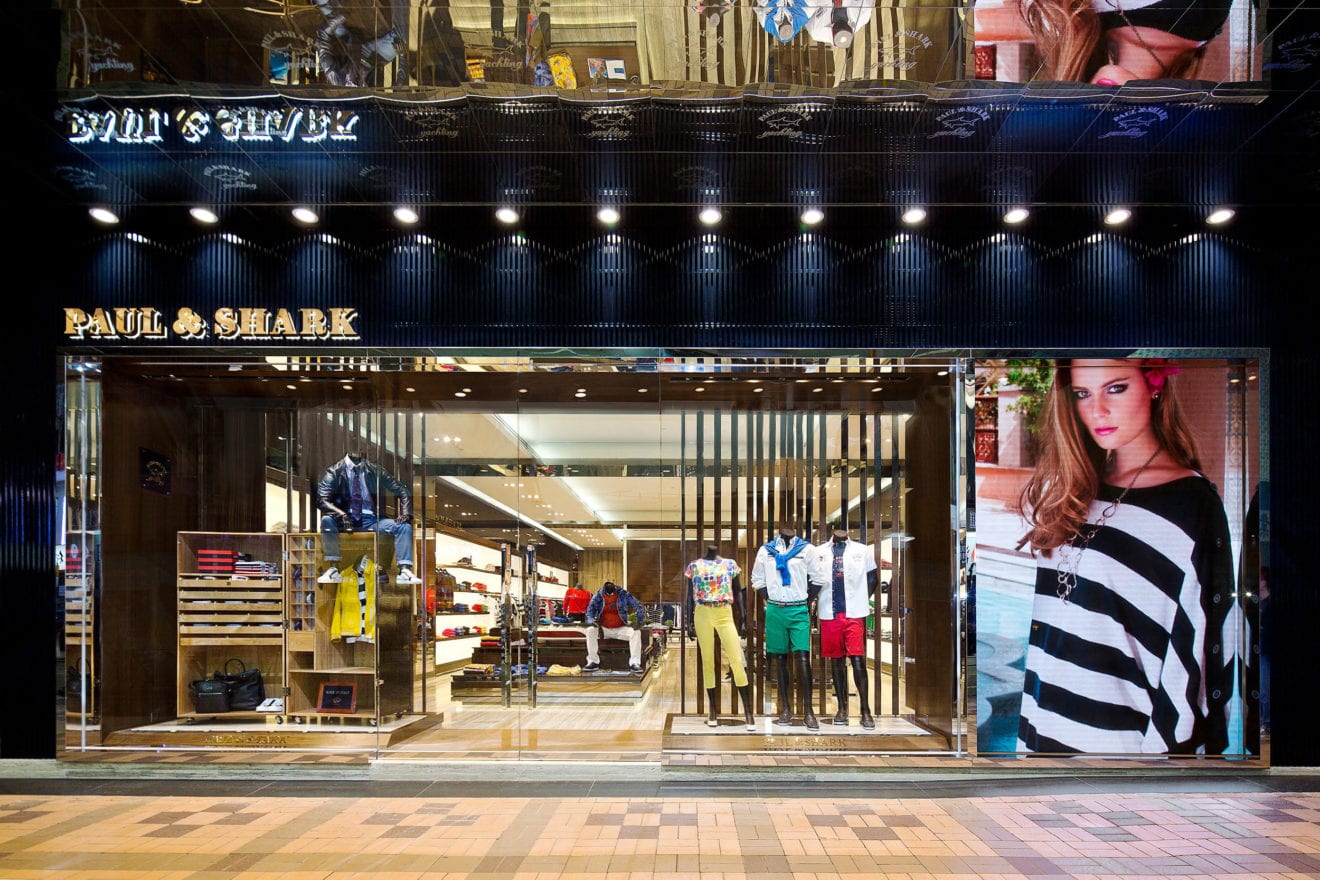
    Paul & Shark will launch its first store in South Korea with a new point of sale opening at Incheon International airport with Lotte Duty Free, and will also open its first personalised boutique onboard cruiseship Costa Fortuna.

    “Our new opening in Incheon will enable us to enjoy truly spectacular visibility for the brand. Along with the Lotte store we have another two openings planned in Seoul by the first quarter of 2016, giving Paul & Shark a very strong foot-print in the South Korean travel-retail market. These openings are both downtown duty-free – one with Donghwa and another with SM Duty Free.”Both stores will make its inaugurate launch next month. “We are so excited about these two projects,” said Paul & Shark Worldwide Travel Retail director Catherine Bonelli. “The Costa Fortuna is a beautiful ship and to have our own standalone boutique onboard is a real coup. Opening in December in the run up to Christmas could not be better timing and we’re expecting really good sell-through during the month.

    This continues a trend that has seen a 55% increase in openings for Paul & Shark over the past 18 months, of which Bonelli said around half were located in airports and the rest with cruiselines and downtown duty-free stores.

    After coming back from a busy TFWA World Exhibition last month, Bonelli sees a rosy future next year. She added that openings in 2016 were earmarked at Pudong terminal one in partnership with King Power Orient; Hong Kong International airport with Lagardère Travel Retail, and Houston with ATU-Heinemann.

    Speaking of last month’s TFWA, she added: “Cannes, with our new stand, was an incredibly busy and successful week for us with head to head appointments all week,” said Bonelli. “Our personalised embroidery service was again a particular talking point and has become a real stand-out highlight for us.

    “It’s been an incredibly busy and hardworking year for the Travel Retail team but the effort is certainly paying off and we are being rewarded with superb locations for the brand. We are confident that 2016 will be another exceptional year for us, as retailers continue to understand and realise the business potential of partnering with Paul & Shark.

  • Korean consumers get cynical

    Korean consumers get cynical

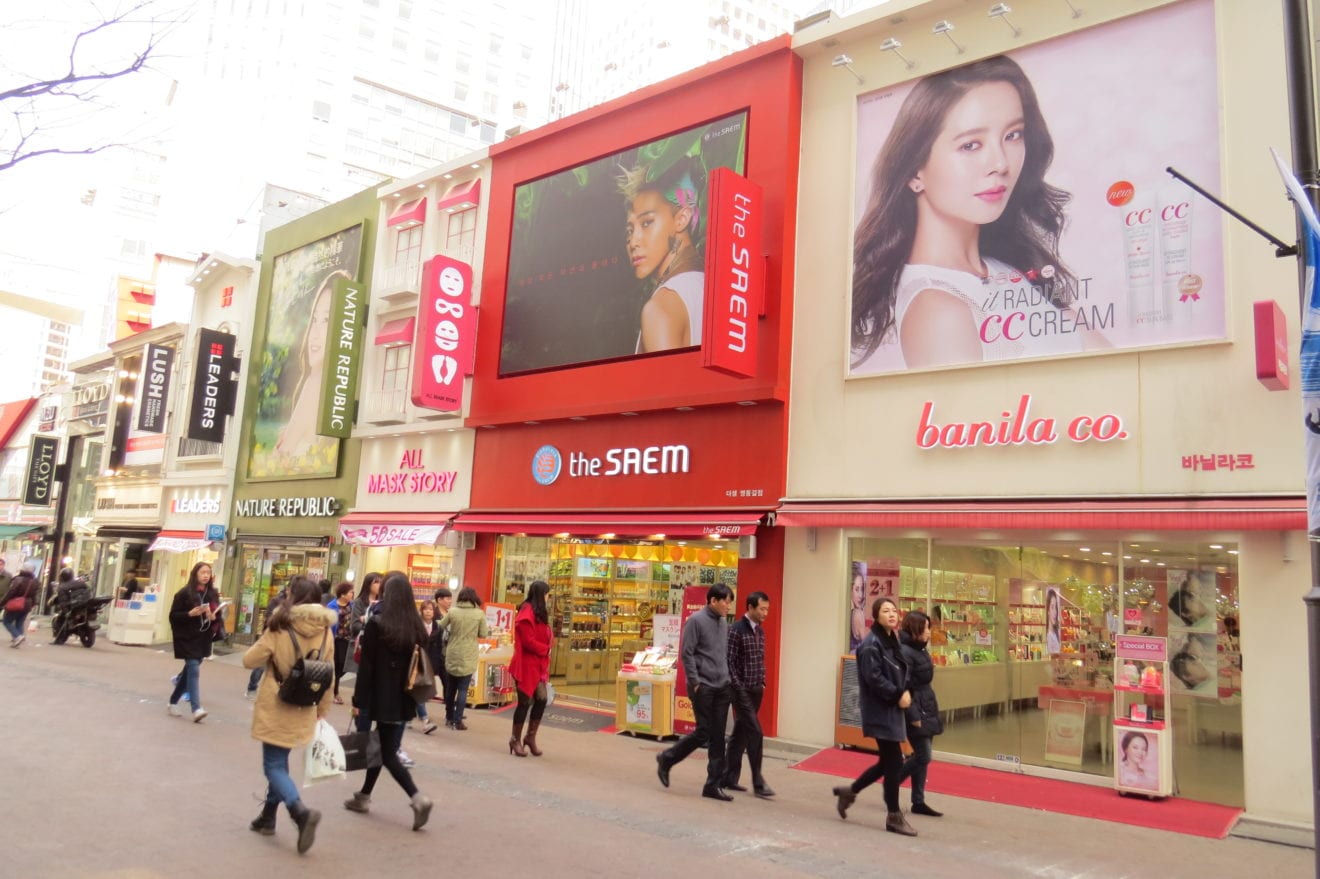
    Korean consumers are becoming cynical about store pricing as they are increasingly exposed to cheaper international online marketplaces and have experienced months of sales and promotions by bricks-and-mortar outlets.

    K-Sale Day, Korea’s Black Friday, Korea Grand Sale are just some of the events that have taken place recently as retailers and government seek to boost consumer spending. This slumped in the wake of an outbreak of Middle East Respiratory Syndrome in late May when people avoided crowded places in an attempt to avoid infection.

    One consequence of that was that more consumers went online for not only essentials like groceries, but also for big ticket items and discovered that these could often be acquired relatively cheaply and with a straightforward delivery process, Inside Retail Asia reported.

    “As more consumers learn they can easily buy products at a much cheaper price via online vendors, offline shops are more frequently conducting discount events to retain their customers,” according to Jun Mi-young, a professor at Seoul National University.

    “The experience of buying foreign brands at discounted prices has created a healthy dose of cynicism about department stores’ pricing policy,” he added.

    Inside Retail Asia highlighted one example – the price of a kitchen knife set slashed by almost 60% in a sale but still more than the price charged by several online shopping malls on any given day.

    And as bricks-and-mortar sales start earlier and last longer, it noted, “they become less important and easier for consumers to ignore”.

    That said, the retail discount events have had some short-term impact, as government data shows that the 22 retailers that joined its own Black Friday Korea campaign saw their sales rise 20.7% year-on-year to 719.4bn Won (US$634.9m) during the two-weeks of the event.

    But “squeezing margins is not a sustainable business model”, Jun pointed out.

    “As the rise of digital shopping has become an inevitable trend in the retail industry, offline sales channels should seek ways to provide better in-store experiences and quality service,” he said. Data sourced from Inside Retail Asia; additional content by Warc staff

  • Indonesia Invests in KFX Project

    Indonesia Invests in KFX Project

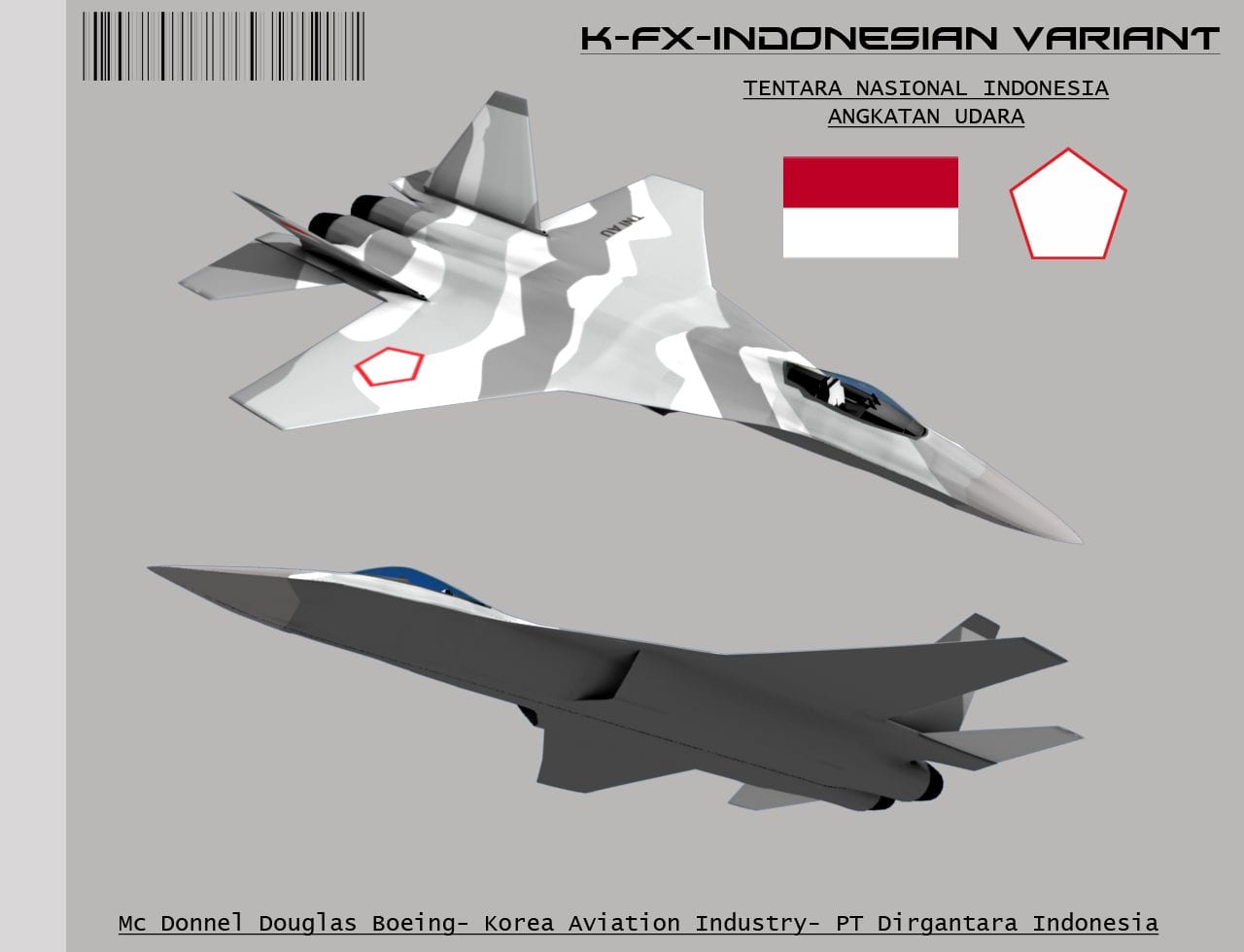
    Korea Aerospace Industries (KAI) signed a provisional contract with Indonesia for the country’s investment in the Korean Fighter Experimental (KF-X) project.

    According to the contract, Indonesia is to bear 20% of the system development cost associated with the KF-X project, which totals 8.67 trillion won, while obtaining a prototype and technical data in return for its participation in aircraft design and component production. The cost is to be shared by KAI and the Indonesian government and KAI and PTDI, Indonesia’ state-run defense company, are to be involved in work sharing.

    KAI is planning to start the development of the system within this year in contract with the Defense Acquisition Program Administration of Korea. At present, Indonesia is working on a similar program under the project name of IFX and is planning to import at least 50 fighter jets from Korea. A total of 18 trillion won is scheduled to be invested in the KF-X project and KAI is looking to sell more than 1,000 fighter jets through the project.

    In the meantime, KAI announced on November 22 that it is working on an autopilot system required for the fighter jets’ low-altitude infiltration and terrain crash prevention based on automatic topographical recognition. It added that it designed a flight control law so that the fighter jets can maintain a level flight under any circumstances.

    According to the KF-X project plan, air-to-air fighter jets are slated to be produced between 2025 and 2028 and air-to-sea and air-to-ground ones are added from 2028. The autopilot system is to be tested from the same year, too.

  • Lotte and WalkerHill lose duty free licenses

    Lotte and WalkerHill lose duty free licenses

    Korea Customs has announced that the Lotte Group has lost its operating licence at its prestigious Seoul Lotte World Tower from next month, but retained its Seoul Myeongdong store, while the WalkerHill Duty Free store operation was also unsuccessful in retaining its long-held duty free licence at the Sheraton Grand Walkerhill Hotel.

    South Korea’s two principal Seoul-based newspapers – the Korea Times and the Korea Herald – both announced the winners today, after the results were initially held back by Korea Customs until halfway through the weekend (when the stock exchange is closed).

    TRBusiness reliably understands that this was intentional to guard against any chance of information leaks impacting on any company’s stock price due to insider trading.

    WalkerHill Duty Free

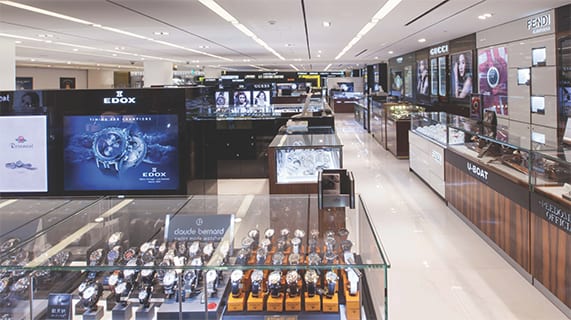
    WalkerHill Duty Free achieved a 46% sales growth in 2014 to $260m compared with $162m in 2013, with 80% of all sales made to Chinese customers. It also unveiled its new-look enlarged store in eastern Seoul last February. The duty free retailer is particularly well known for its high-end watches, carrying 70 brands in total and will be disappointed it has lost its licence. This year the retailer set itself a $350m sales target – some 35% ahead of its 2014 total.

    Meanwhile, Shinsegae has also won one of these duty free licences to convert part of its department store to duty free status, while it also successfully defended its Busan City duty free licence status. Last, but not least, Doosan has won its first duty free licence in Seoul.

    The loss of Lotte’s prestigious Seoul Lotte World Tower duty free licence will come as a big surprise to many and not least to Lotte, which regards this as the most prestigious purpose-built multi-million dollar duty free outlet within its portfolio.

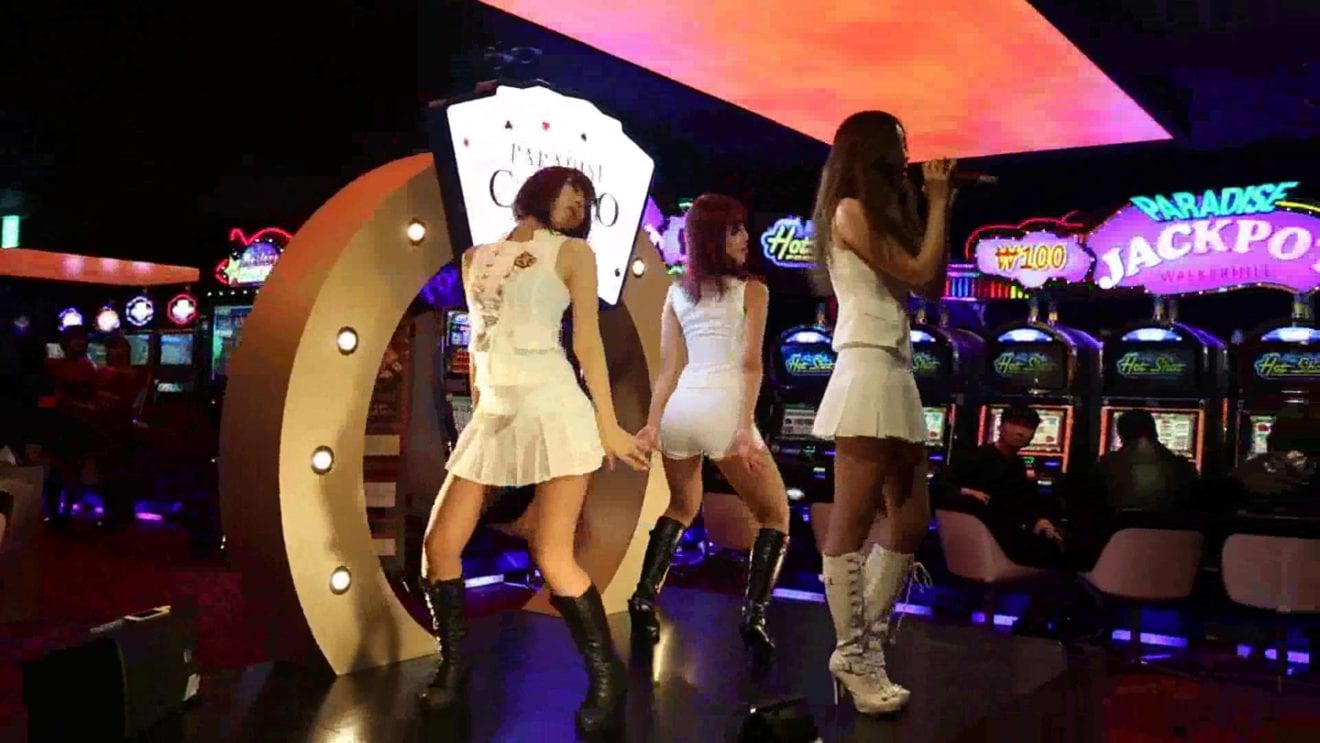
    The WalkerHill Duty Free operation has also become an institution as one of the few retail operations that is an integrated part of both a hotel and a casino, attracting good customer levels.

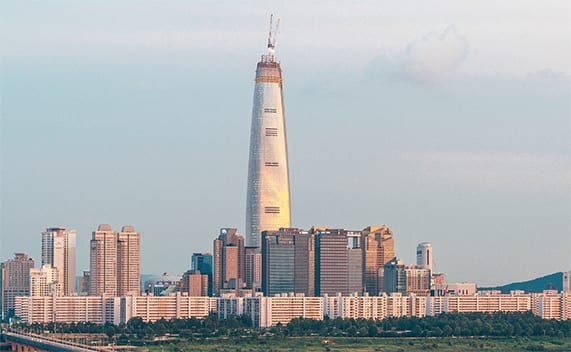
    Lotte Tower in Seoul

    Lotte’s total duty free sales reached a record US$4.02bn in South Korea in 2014, representing a huge $750m hike in revenue, equivalent to a 22.8% increase. Even given its wide range of duty free outlets at both Incheon Airport and downtown, Lotte will be very disappointed it has lost its licence for this business, since it had planned to make the World Tower shop the largest duty free store in Asia – never mind South Korea.

    Whether internal in-fighting at the top of Lotte has played any role in it losing its Tower license, or merely a view that it is becoming too big (or both) is unknown at present, although TRBusiness hopes to canvass the views of individuals who are very close to this process for further in-depth analysis within the next 24 hours.

    For its part, WalkerHill Duty Free management will also doubtless be very disappointed that it has lost its licence after nearly three decades of trading, with this store particularly well known for its wide range of high quality watches.

    As reported yesterday, Korea Customs initially received 10 bids for the three downtown concessions on offer in Seoul, while the single Busan downtown tender attracted just two bids.

  • South Korea retail sales surge

    South Korea retail sales surge

    South Korea retail sales rose to their highest level in four months in September, as Koreans put the Mers scare behind them and ventured back into stores.

    Data from Statistics Korea show retail sales totalled 31.13 trillion won (US$27.32 billion) during the month, a 4.1 per cent increase on September 2014.

    Department store and discount store sales started to slide in June when the Middle East Respiratory Syndrome (Mers) crisis peaked. From spending of 31.43 trillion won in May, sales fell to 29.35 trillion won in June and 29.45 trillion won in August.

    Rising sales of food, cosmetics and apparel led the rebound in September. Food and beverage sales rose 14.5 per cent, cosmetic sales rose 3.9 per cent and clothing by 0.6 per cent year on year.

    Furniture sales, too, rebounded – up 3.7 per cent.

    Spending at convenience stores soared 32.8 per cent, at discount department stores by 10.4 per cent and in department stores by 5.7 per cent.

    Online shopping spending rose by 18.3 per cent to 4.32 trillion won, accounting for 13.9 per cent of the nation’s total retail spend.

  • Saturation hits luxury retail, but new trends provide hope

    Saturation hits luxury retail, but new trends provide hope

    The Asia Pacific region is experiencing a slowdown in the luxury retail sector, but new emerging trends are set to provide the retail sector with a solid new stimulus for demand in the coming years, according to the CBRE’s special report, ‘The Future of Luxury Retail in Asia Pacific: New Demand Drivers and Shifting Occupier Requirements’.

    Most major luxury retailers are now well established in Asia Pacific with China and Hong Kong being two of the most penetrated markets at 89 per cent and 81 per cent, respectively. However, following several years of rapid expansion, these markets are approaching saturation point.

    “Accounting for one-third of personal luxury goods sales globally in 2014, Asia Pacific is a key region for international luxury brands with key markets including China, Hong Kong, Japan, Singapore, South Korea and Taiwan. However, the high growth period for luxury retailers in the region is gradually coming to an end,” said Dr Henry Chin, Head of Research, CBRE Asia Pacific.

    ”Over-saturation, surging operational costs and weaker retail sales – especially in Hong Kong due to the slowing mainland China economy – have prompted retailers to consolidate their existing store networks and slow their rate of entry into new markets focusing on operational efficiency,” said Dr Chin.

    CBRE has identified three emerging trends which will partially offset some of the negative effects arising from the slowdown and compensate for the loss of demand: Emergence of Affordable Luxury, Inclusion of F&B and Growth of Luxury Childrenswear.

    “With the momentum behind these trends, this will account for a bigger slice of leasing demand for prime retail space,” says Joel Stephen, Senior Director, Head of Retailer Representation, CBRE Asia. “Retailers and landlords can benefit from the projected growth in these market segments,” he adds.

    Emerging retail trends are already impacting luxury retailers’ real estate requirements, resulting in new, and in some cases, weaker demand for different types of retail property, the report said.

    Some of the key trends that CBRE have identified include weaker interest in department stores despite continued interest in prime locations; stronger focus on flagship stores; increased popularity in short-term opportunities for brands to set up exhibitions, pop-up and concept stores, and workshops, to generate greater consumer awareness; affordable luxury brands continuing to drive demand; and more interest in upper floor retail space, but limited to top-tier malls and driven by F&B and childrenswear segments.

  • Foreign operators threaten Korea’s duty free shops

    Foreign operators threaten Korea’s duty free shops

    Korea’s duty free stores are sensing a crisis because of increasingly tougher challenges from their competitors in China, Japan and Thailand, industry sources said Tuesday.

    According to the Korea Duty-Free Association (KDFA) and distribution industry sources, the nation’s duty free retail market grew to 8.3 trillion won ($7.24 billion) last year, up 21.6 percent from 2013. There were still wide gaps with the neighboring markets of China (5.6 trillion won), Thailand (2.1 trillion won) and Japan (1 trillion won).

    But these regional competitors are rapidly expanding their markets, going all out to draw Chinese tourists to erode Korea’s lead.

    And this year has provided good opportunities for foreign operators, as the number of Chinese visitors to Korea sharply declined to 4.36 million in the first nine months, compared with 6.13 million last year, affected by the breakout of Middle East Respiratory Syndrome in April. But the number of Chinese people who visited Japan and Thailand in the first nine months rose from 2.41 million and 4.62 million to 3.83 million and 6 million, respectively, from a year ago.

    Foreign analysts also saw it as serious. “The Korean duty free retail market may appear to be a golden goose because of the influx of Chinese tourists,” said Martin Moody, chairman of Moody Report, a British distribution magazine. “Those golden eggs could prove to be quite fragile, however, because of unpredictable factors as seen in the MERS crisis.”

    Industry experts stress the need for enhancing the global competitiveness of domestic operators by expanding their store sizes and developing specialized services. Amid the ever-toughening competition, running duty free stores is no longer a preferential business, they said, adding that the government and industry should cooperate to create more competitive operators.

  • Koreans enter India with beauty products

    Koreans enter India with beauty products

    After automobile and consumer electronics, South Korean companies are venturing into the Rs 6,300-crore Indian cosmetics and wellness market.

    A group of Korean companies has signed agreements with Rajshree Empires, a New Delhi-based distribution company, to sell their products online and offline.  The joint venture company — formed by Korean firms such as PLK International, Coson Co., Esthetics House, OUTIN Futures, Kell and BCL Cosmetics with Rajshree Empires – will set up a manufacturing unit in Uttar Pradesh with an investment of Rs 100 crore. The joint venture aims to set up a Korean cosmetics retail chain with 70,000 sq ft floor space by FY19. Rajshree is set to launch the first store by November-end. “We will be opening a store in north India initially with a floor area of 35,000 sq ft. We plan to cover 21 cities with 70 outlets by end 2016,” said Abhishek Biswas, founder of Rajshree.

    “This is a major achievement of Korean companies to enter India after so many other big corporates from our country have already made an indelible mark,” said Dong, Un Lee, chief executive of PLK.  According to Biswas, in two years, Korean companies would not have to pay import duties on their products.

    “India and Korea are now bonded by CEPA (Comprehensive Economic Partnership Agreement) which lets import of Korean cosmetics duty free,” he said.

    PLK has picked up 50 per cent stake in Rajshree, investing $50 million. “For the past 10 years, Korean cosmetics industry has been growing rapidly. However, our presence in India has not been very significant,” said Lee. Indian cosmetics and wellness market is expected to grow to US$ 4.6 billion (Rs 30,000 crore) by 2020.

  • Amazon Building New Data Centers in South Korea for Cloud Unit

    Amazon Building New Data Centers in South Korea for Cloud Unit

    Amazon.com Inc. in 2016 will open a new cluster of data centers in South Korea, as the Web retailer pushes deeper into Asia to compete with other cloud-computing providers such as Microsoft Corp. and Google.

    The facilities are for the machines that power Amazon Web Services, the business that rents data storage and computing power to other companies, rather than its online retail operations. They are being built in response to requests from customers, including Samsung Electronics Co. and various gaming companies, Seattle-based Amazon announced Wednesday. The data centers will also let Amazon serve new clients, including government agencies and large enterprises that need to keep data exclusively in South Korea.

    Some nations mandate that certain data, such as health records, can’t leave their country of origin, prohibiting cloud providers without data centers located in those countries from certain kinds of business. Proximity to customers also decreases response times for those running Internet-based cloud applications.

    Amazon’s cloud-computing division serves customers such as Pinterest Inc. and Netflix Inc. South Korea will be the fifth AWS region in Asia, and Amazon has committed to building a second cluster of data centers in China and is also planning one in India. The company will have 12 data regions worldwide when South Korea is built in early 2016.

    Amazon didn’t disclose the size of its investment.

  • 20 Lotte affiliates meet IPO requirements

    20 Lotte affiliates meet IPO requirements

    The conglomerate has pledged to simplify its governance structure and boost its managerial transparency through a set of measures, including initial public offerings (IPOs), after a bitter family feud over control of the retail conglomerate. Currently, Lotte has eight publicly traded affiliates here, with the key units being linked through unlisted Japanese units.

    According to the data compiled by the Korea Exchange, a total of 20 out of 73 Lotte subsidiaries are eligible for IPOs in the country. The candidates include Hotel Lotte, Lotte Card Co., Lotteria and Lotte Capital.

    Under local regulations, a firm seeking to be listed is required to have a capital base of more than 30 billion won (US$26.5 million), average annual sales exceeding 70 billion won for the previous three consecutive years and a return on equity surpassing 5 percent.

    After the squabble over control of the sprawling business empire, which has a cobweb-like governance structure, Lotte chairman Shin Dong-bin in August expressed his desire to push for the listing of Hotel Lotte, a key affiliate, as part of its reform plan.

    The listing on the local stock market requires stricter regulatory filings while allowing it to seek capital increases, issue more non-voting stocks and reap other benefits that translate into greater business opportunities.

    “As a South Korean company, we will have more of our affiliates go public with a strong will to contribute to the Korean economy,” a Lotte official said.


  • Walkerhill emphasises importance of Chinese consumers

    Walkerhill emphasises importance of Chinese consumers

    Korean travel retailer Walkerhill Duty Free has outlined the importance of Chinese consumers to overall business while presenting an overview of the leading brands, which have driven growth in Korean Duty Free.

    Speaking as part of a morning workshop last week in Cannes, which focused on South Korea, the world’s largest single travel-retail and duty-free market, which registered sales growth of 22.8% last year giving it a global market share of 12.3%, SK Walkerhill Duty Free senior vice-president Mikyong Kwon said: “Eighty percent of our customers are Chinese. Our brand loyalty is very high built up over 50 years. There is a strong emphasis on Chinese customers.”

    She added: “Walkerhill Duty Free grew 46% in 2013 compared to the previous year and the majority of our customers were Chinese.”

    Pressed by the audience as to whether the retailer relies too much on Chinese customers, she commented: “It is our role to cater to Chinese consumers. There was a time when we dependant on Japanese customers.”

    In terms of brands, total cosmetics sales in Korean travel-retail grew 38% in 2014 versus the previous year. “We have seen outstanding growth of Korean brands in sales and market share. Sulwahsoo, Laneige and Etude House are enjoying accelerated growth.

    “For Walkerhill, number one is WHOO from LG then MCM, Sulwahsoo and Laneige.”

    She added: “I would like to draw your attention to these Korean brands which are leading the sales growth of Korean duty-free. There is still room for growth in the next five or 10 years.”

    Meanwhile, Kwon is remaining positive despite the Middle East Respiratory Syndrome (MERS) outbreak from May to July, which stunted growth. Kwon said: “Although growth has slowed because we hit by MERS we should still reach last year’s sales figure.”

    Regarding Walkerhill’s online and mobile strategy Kwon said online and mobile was definitely the direction to go. “Fifty percent of Koreans are shopping online before departure,” she commented.

    Kwon’s presentation followed a speech from Silla University Professor Yang Song-Hoon, who emphasised the importance of Chinese consumers. “In 2014 there were 6.1 million Chinese tourists in Korea. They are our biggest customer and comprise 40% of total visitors. Their expenditure is double compared to other tourists.”

    According to Song-Hoon, who said facial mask-packs were the hottest items purchased by inbound Chinese travellers in Korea, souvenirs are important purchases for Asian consumers. He explained: “Asian tourists have a duty to express their apologies to family and friends that did not accompany them on their trip. Tangible souvenirs are a means of expressing thanks.”

    Reflecting on this year’s MERS outbreak, Song-Hoon said: “Korea learnt an expensive lesson from MERS outbreak. To rebound from the adverse effect of MERS our government took measures to return to normal. It committed public money including a tourism fund.”

  • South Korea Online Retail Market Outlook to 2019

    South Korea Online Retail Market Outlook to 2019

    Ken Research announced its latest publication on “South Korea Online Retail Market Outlook to 2019” which provides a comprehensive analysis of the retail market in South Korea. The report covers various aspects such as market size of South Korea online retail market, segmentation on the basis of product type and modes of distribution. The report is useful for government, industry consultants, online retailers, offline retailers, food and grocery stores, online electronic chains, apparel and footwear manufacturers, other stakeholders and new players venturing in the market.

    The demand in online retail market of South Korea has inclined at a substantial growth rate even after the economic slowdown in 2008. This demand has enhanced due to the increased usage of high speed internet, rising smart phone penetration and high proportion of old aged people in the country. These factors are expected to lead the growth in online retail backed by the improvements in the payment gateways, better packaging and delivering options. During the period 2009-2014, online retail market in South Korea has expanded at a substantial CAGR of 17.7%, which has marked the gross merchandise value at USD ~ billion during 2014.

    According to the research report, the South Korea online retail market will grow at a considerable CAGR rate thus exceeding USD 66.2 billion by 2019 due to the rising income level and growing influence of social media with increasing demand for clothing, fashion products, electronics and beauty products by a large number of middle aged people in the country who wish to upkeep with the trends and stay up-to-date in line with developments in the country.

    “While, rising disposable income, hike in middle aged population and increasing number of internet and smartphone users in the country will result in increased revenue from online retail in South Korea, Cyber crimes and frauds, higher competition and customers’ reluctance to pay high amounts online are few of the major challenges which will affect the growth of this industry in the future”, according to the Research Analyst, Ken Research.

    Key Topics Covered in the Report:

    South Korea Online Retail Market

    Market Size by Gross Merchandise Value, Number of Orders by Product Type, Average Order Size by Product Type Market Segmentation by Product Type Mode of Distribution Trends and Development SWOT Competition and Market Share Important Mergers and Acquisitions Important Investments Growth Drivers Government Rules and Regulations Pre-Requisites to Enter the Market Analyst Recommendation Cause and Effect Relationship Future Outlook Macro Economic Parameters

    Key Products Mentioned in the Report

    Online Clothing, Footwear and Fashion Products

    Online Books and Stationery

    Online Electronics

    Online Beauty Products

    Online Sports, Music and Entertainment Products

    Online Food and Grocery

    Online Baby Products, Household Goods, Motor Parts & Accessories and Garden Products

    Companies Covered in the Report

    eBay, GMarket, eBay Auction, 11 Street, Interpark, Lotte, Emart, GS Home Shopping, CJ O Shopping, Hyundai Home, Shopping, Lotte Home Shopping, Home and Shopping, NS Home Shopping, Fashion Plus, Dahong, Yesstyle.Com, Bershka.Com, Musinsa.Com, Fashionstart.Net, Elf Fashion, Hiphoper.Com, Etude House, Pore Lab, Thefaceshop, Missha, Roseroseshop, Moonshot-Cosmetics.Com, Naturerepublic.Com, Theskinfood.Com, Sokoglam.Com, Kyobo, Yes24, Aladin, Ypbooks.Co.Kr, Bandinlunis.Com, Libro.Co.Kr, Heyeonni.Com, Compuzone, Himart, Icoda, LG Electronics, B-Store.Co.Kr, Lots Etland, Hello Nature, KGC shop, Highstreet, Expatmart.Co.Kr, Fatbag.Co.Kr, Ezshopkorea.Com