Retail News CRM

Tag: south korea

  • South Korea’s industrial production rebounds

    South Korea’s industrial production rebounds

    South Korea’s industrial production rose 1.2 percent in December from a month earlier, posting the first rebound in three months, a government report showed on Friday.

    The production in all industries declined 1.3 percent in October and 0.4 percent in November each before gaining 1.2 percent in December on a month basis, Xinhua cited Statistics Korea as showing.

    The rebound came on the back of improvement in both production and investment among manufacturers.

    Production in the manufacturing and mining industries grew 1.2 percent in December from the previous month. It was attributable to the resumption of operations in oil refiners and petrochemical companies after the end of the regular maintenance period.

    Output in chemical products increased 4.7 percent, with oil-refining activity expanding 7.3 percent.

    Inventory among manufacturers reduced three percent, and the factory utilisation rate in the manufacturing industry averaged 73.8 percent in December, up one percent from the previous month due to a year-end demand.

    Production among service companies were steady last month due to slump in finance, insurance and wholesale & retail sectors that offset growth in transport and leisure sectors.

    Retail sales, which reflect private consumption, reduced 0.1 percent in December from the previous month, falling for two straight months.

    The private consumption jumped in October thanks to massive promotion events, called Korea Black Friday, and consumption tax cuts for cars, but it turned downward for two months through December.

    Sales of semi-durable goods like clothing tumbled five percent as the average temperature of the winter season was higher than usual despite a temporary cold wave.

    Durable goods sales increased 3.8 percent on demand for cars.

    Facility investment declined 6.1 percent in December on a monthly basis as machinery and transport companies spent less on equipment.

    Construction works completed expanded 7.4 percent as a large number of apartments went on sale and social overhead capital (SOC) was spent much last month.

    For the whole year of 2015, industrial production increased 1.5 percent, up from a 1.3 percent expansion in 2014.

    Production in the manufacturing and mining industries reduced 0.6 percent last year as sluggish exports dragged down the demand for production of ships and electronic devices such as handsets.

    It marked the first reduction in manufacturing production since 2009 when the global financial crisis peaked.

    Manufacturers posted a capacity utilisation rate of 74.2 percent in 2015, down 1.9 percent from a year earlier.

    It was the lowest in 32 years since 1998 when the Asian foreign exchange crisis hit South Korea.

    Production in the service industry grew 2.9 percent in 2015, recording the biggest yearly expansion in four years.

    Retail sales increased 3.4 percent last year, with facility investment growing 6.2 percent.
  • South Korea to Promote Indonesian SME

    South Korea to Promote Indonesian SME

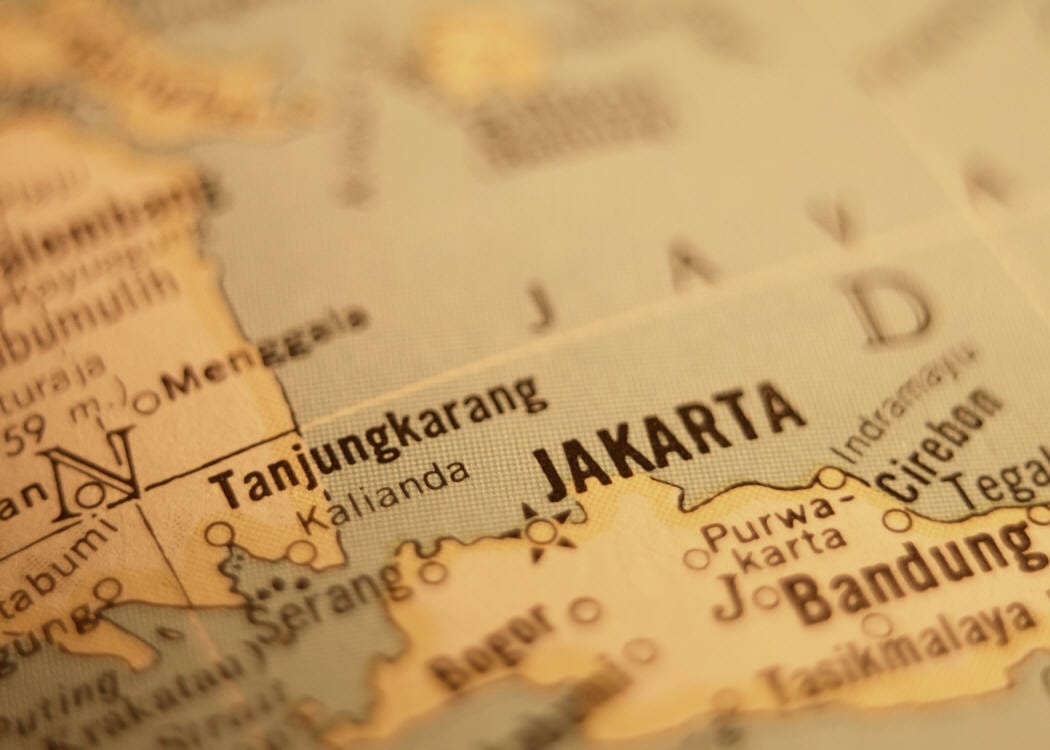
    Agus Mahram, secretary of the Cooperatives and Small and Medium Enterprises Minister, said that the his institution has set a cooperation with the Busan-Indonesia Center (BIC) in South Korea to promote Indonesian small and medium enterprises (SME).

    “100 Indonesian SMEs will partner with South Korean’s,” Agus said in Jakarta on Thursday, January 28, 2016.

    Agus said that Busan has prepared a place for Indonesian SMEs to display their products in South Korea while the BIC will prepare marketing personnel to promote Indonesian products.

    “SMEs to be selected are those operating in the manufacturing sector, such as metal, mechanical, information technology components, software and food,” Agus explained. Agus revealed that the South Korean government realized the importance of the Cooperative and Small and Medium Enterprises Ministry to develop local businesses. The Cooperation, Agus added, was aimed at boosting South Korean investments in Indonesia.

    In addition to boost investments, Agus said that the ministry would also promote technology transfer between South Korea and Indonesia. Similar cooperation had been established between the Indonesian government and the Korean Trade Investment Promotion Agency.

    “The cooperation was aimed to develop regional signature products by crafting a program called the ‘One Village One Product’ through cooperatives,” Agus added.

    Agus also encouraged local products to be displayed at Smesco building in Jakarta. He had prepared spots for local products to increase their competitiveness at the national and international levels.

    “South Korea can buy products at Smesco to be promoted in the country,” he said.

  • Drone Giant DJI Opens Flagship Store In South Korea

    Drone Giant DJI Opens Flagship Store In South Korea

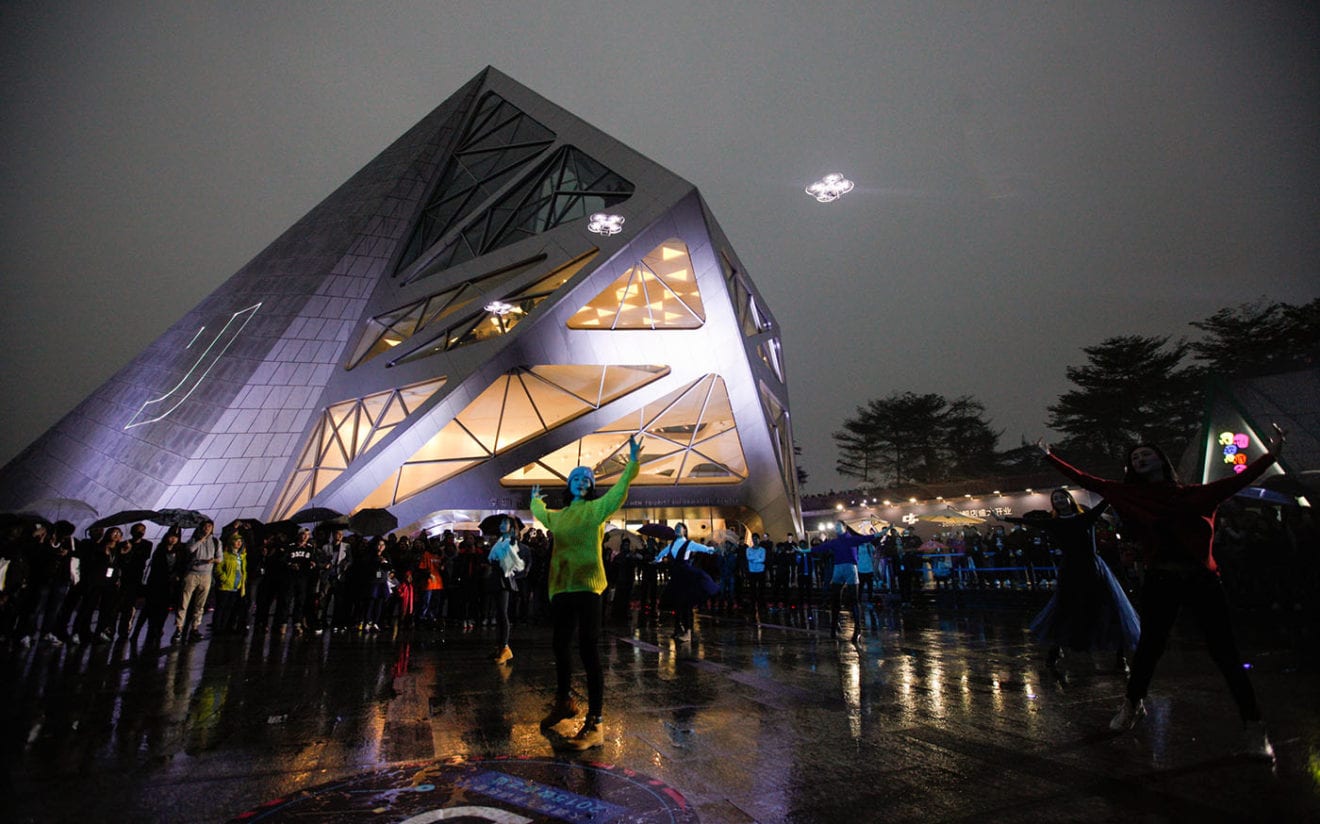
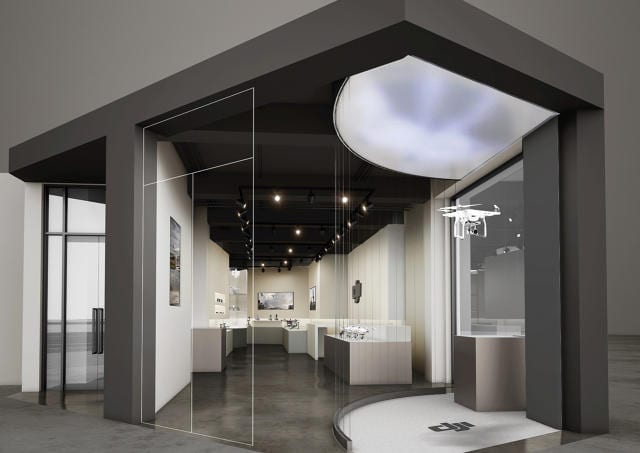
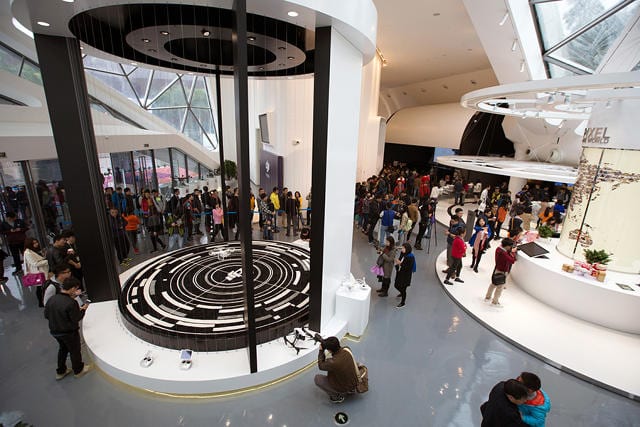
    The Seoul store will open in March. It features five stories and 9,364 square feet showcasing the entirety of DJI’s consumer products. That includes its line of Phantom drones, as well as its Inspire, Matrice, and Spreading Wing drones. Also on display will be DJI’s aerial cameras and its Osmo handheld camera. The store has a theater offering visitors films and other visual content shot using DJI gear, as well as an “experience zone” where DJI pilots will perform demos of the company’s drones.

    A DJI spokesperson said the company has no list of future retail locations. “For us, getting the retail experience right is far more important than the rapid opening of retail stores,” the spokesperson said. “For now, we’ve selected two locations—Shenzhen and Seoul—where we see both opportunity to grow and to offer a hands-on, immersive experience for customers.”

    DJI store in Shenzhen, China

    DJI currently has a 70% share of the global consumer drone market, the company said, with the United States its largest market, followed by Europe.

    In the United States, the federal government now requires owners of most consumer drones to register them or face potentially substantial fines or even imprisonment. As of earlier this month, more than 180,000 people had signed up.

  • Barclays to pull out of Korean market

    Barclays to pull out of Korean market

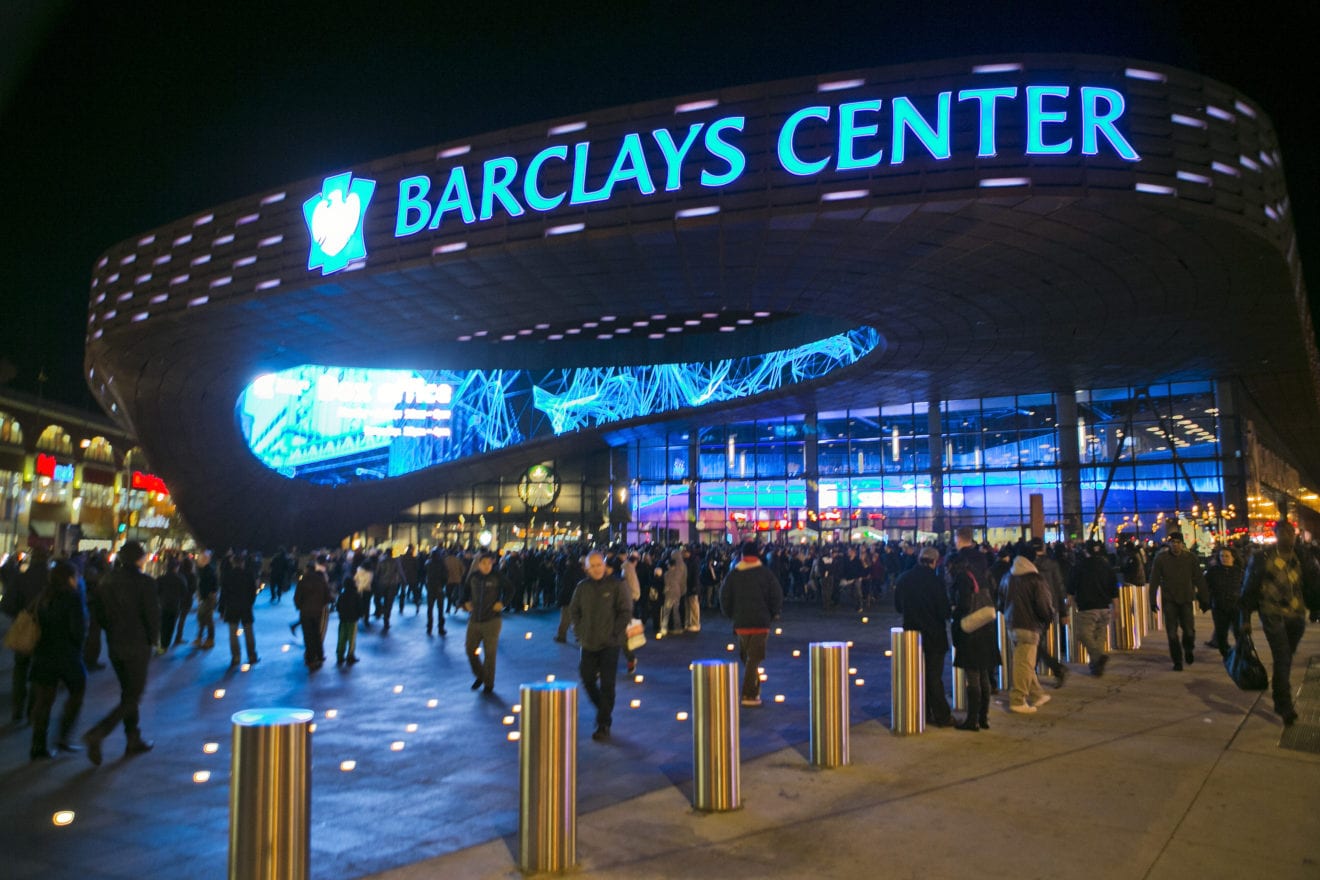
    British banking group Barclays will close its Seoul office as part of its global slimming down strategy, an official from the financial regulator said Wednesday.

    A director at the Financial Supervisory Service (FSS) said Barclays told the authorities of its plan to close its banking and securities business in Korea.

    “Barclays plans to pull out of the Korean market,” said the director, asking not to be named.

    Foreign banks have been withdrawing from the local market, or downsizing, as part of their global strategy to exit non-core businesses. Last month, U.S. banking giant Citigroup signed an agreement with Apro Service Group to sell its consumer finance subsidiary in the country, Citigroup Capital Korea.

    Barclays confirmed that it is looking for business chances in other countries, but said no firm decisions have been made.

    “We are constantly monitoring our opportunities in different geographies and businesses over the cycle,” Barclays said. “If any firm decisions are made, we will provide an update.”

    In December, Barclays said it had agreed to sell its Italian retail banking network of 89 branches, including a broadly balanced portfolio of assets and liabilities, to CheBanca!, a member of the Mediobanca Group.

    “This transaction is further evidence of the reshaping of Barclays Group to focus on our core businesses,” said Barclays Group CEO Jes Staley. “We continue to make progress in the reduction of Barclays non-core assets as we target risk-weighted assets of around 20 billion pounds at the end of 2017.”

    According to Barclays, its rundown of non-core businesses continued last year, with risk-weighted assets (RWAs) decreasing to 55 billion pounds in September from 57 billion pounds in June.

    The U.K. banking group said its announced sale of the Portuguese retail business in the third quarter last year, which will be completed in the first quarter this year, is expected to result in a further 1.7 billion pounds reduction in non-core RWAs.

    Barclays reported 4 percent growth in the group’s adjusted profit before tax to 5.2 billion pounds for the first three quarters of 2015 from the previous year, reflecting improvements in all core operating businesses. Its adjusted return on average shareholder equity also increased to 7.1 percent during the period.

  • Xiaomi’s sister firm taps into Korean market

    Xiaomi’s sister firm taps into Korean market

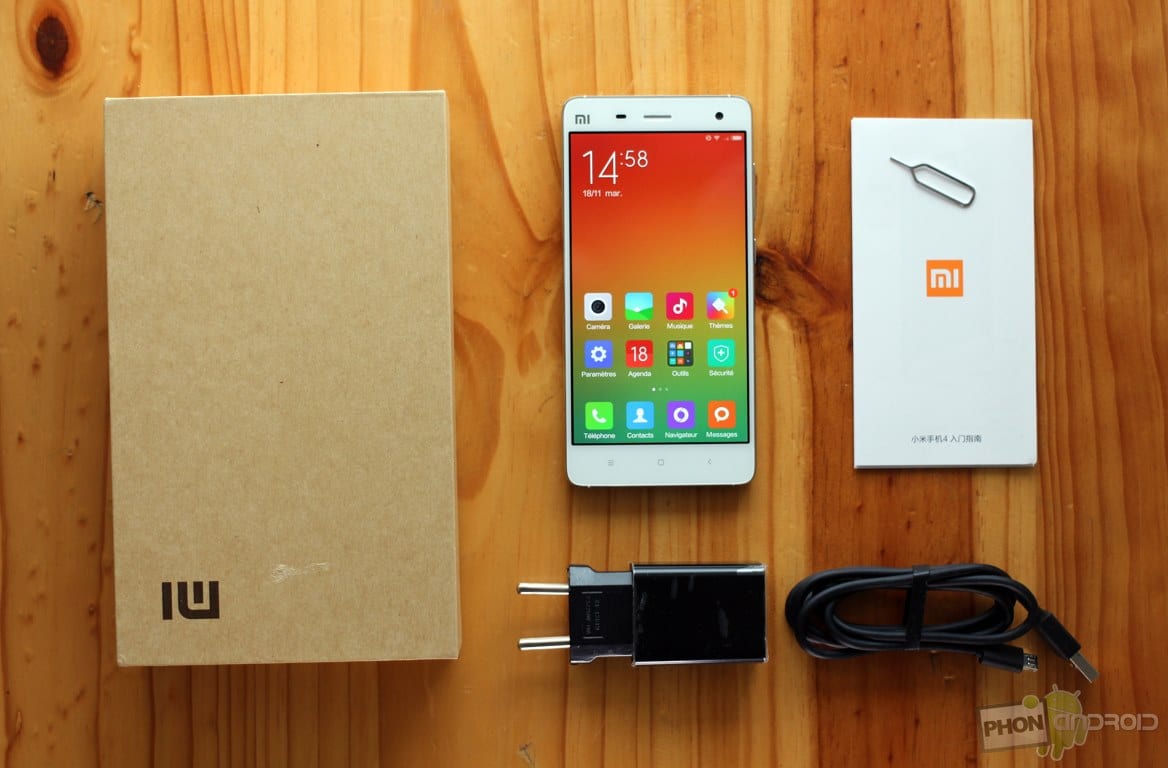
    Chinese electronics giant Xiaomi’s sister company Zmi has tapped into the Korean market by partnering with local online retail site 11st.co.kr.

    The online auction and retail site said Monday that it signed a deal with Zmi, offering exclusive retail channels for the Chinese company. This came months after the retail giant signed a memorandum of understanding with Xiaomi last November.

    Xiaomi and Zmi have been at the forefront of the “Made in China” sensation here, selling 3,000 batteries in April. The Xiaomi subsidiary also held a special promotion event for its batteries and fans last month, and more than 10,000 have been sold in three days through the retail site.

    An 11st official attributed its success to its price competitiveness.

    “The Xiaomi and Zmi products are extremely cost effective,” said the official. “Their performance does not lag behind that of its local rivals, but the price is much lower than them.”

    In particular, Xiaomi’s weighing machine, Mi Scale, gained huge popularity last year for its cost-effective features including its connectivity with other Xiaomi products such as Mi Band, a smart band which allows users to check their body condition.

    “The latest deal led us to become a frontrunner in selling Chinese IT products,” said Lee Chi-hun, digital business department chief for the retail site, in a statement.

    He added the company will keep helping Xiaomi affiliates and partnering companies to penetrate into the Korean market.

    Zmi is best known for producing Xiaomi’s portable battery packs. The latest deal will allow 11st to sell Zmi’s light-emitting diode (LED) lamps and electric fans and its own battery packs. The retail giant added it will also introduce Zmi’s new products including multi-tabs and cables through its site.

    “11st has established a strong foothold in the nation’s retail channel, often dubbed as a representative of Korea’s e-commerce market,” said Wenyuan Huang, co-founder of Zmi. “We are pleased to establish an official retail channel through which Korean customers can buy our products.”

    Meanwhile, local smartphone makers have been strengthening their budget phone lineups in their bid to compete with Chinese super-cheap smartphones. In particular, the Chinese telecom giant’s latest budget phone, Y6, has sold more than 20,000 units in less than a month after launching here. Last week, LG Electronics unveiled its new budget smartphone K10 with a price tag of 275,000 won.

  • Samsung Pay is coming to Singapore

    Samsung Pay is coming to Singapore

    South Korean technology giant Samsung Electronics is expanding its mobile payments service to three additional countries, including Singapore.

    The Korean company made the announcement during its press conference at the Consumer Electronics Show on Tuesday, held ahead of the show’s official opening. Samsung Pay allows consumers to pay at retail locations using their smartphones.

    It also confirmed the news in a Twitter update. “I am happy to announce we’re adding Australia, Singapore, and Brazil to the Samsung Pay roadmap,” said Samsung Electronics America President and COO Tim Baxter. No official date was announced for the three launches.

    The service launched last year in South Korea and the United States, with plans to enter other markets, including China, Spain and Britain.

    Samsung hopes the payments service will set its phones apart from competing devices, helping to protect market share against rivals such as Apple and Huawei Technologies and compel users to pay a bit more for the convenience. Apple announced in October last year its competing Apple Pay service was also coming to Singapore this year.

    Samsung has reported a strong response to Samsung Pay in its home country and the US, though the service does not generate revenue on its own for Samsung. An early advantage for Samsung Pay is its compatibility with magnetic stripe card readers already in wide use among retailers. In comparison, Apple Pay requires retailers to install new equipment supporting near-field communication technology.

  • Korean Customs to issue more duty free licenses?

    Korean Customs to issue more duty free licenses?

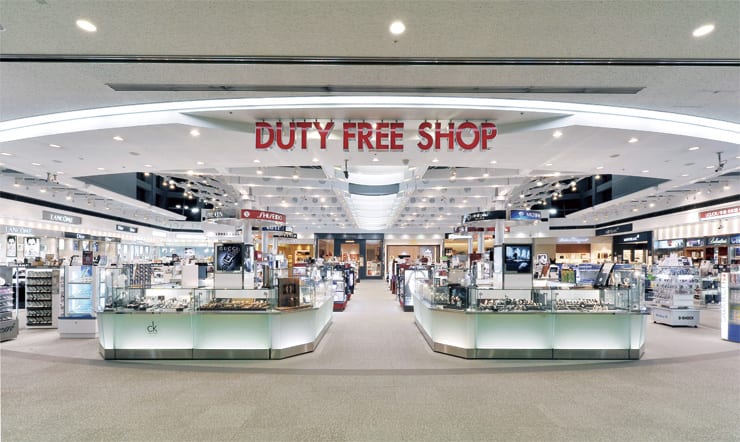
    Park Geun-Hye’s South Korean government has commissioned a formal review of the domestic duty free industry, its impact on tourism and what it perceives as the dominance of Lotte Duty Free and Shilla Duty Free in the sector.

    A private consulting firm has been commissioned to undertake the review, which is expected to forward its findings to government before releasing the results into the public domain.

    We understand that Korea Customs Service officials have informally told duty free industry executives that new Seoul downtown duty free shop licenses could be issued in 2016 – and possibly other key locations – as part of government efforts to reduce Lotte’s and Shilla’s present duty free industry dominance.

    “The government is researching the duty free environment and will announce the results including whether new downtown licenses will be issued and where, and the number of new licenses,” commented a reliable duty free industry source in Seoul.

    “The government has asked a private consulting company to research the duty free market here to boost tourism and reduce the present duty free market duopoly. The government is looking at a different solution to taking away existing licenses; instead they are planning to have more licenses. We hope there will be a positive result from the government’s announcement.”

    Although no decision has been made so far, Korea Customs Service officials are understood to have told duty free industry executives that new downtown licenses may be issued this year. Seoul, the South Korean capital, and Busan are the most likely locations for new downtown shop licenses, along with Jeju Island.

    ‘RUMOURS’ OF MORE LICENSES…

    “KCS is leaking rumours that there will be new duty free licenses around March 2016. There is still a debate in our National Assembly about diluting existing duty free retail monopolies by giving new licenses,” said the source.

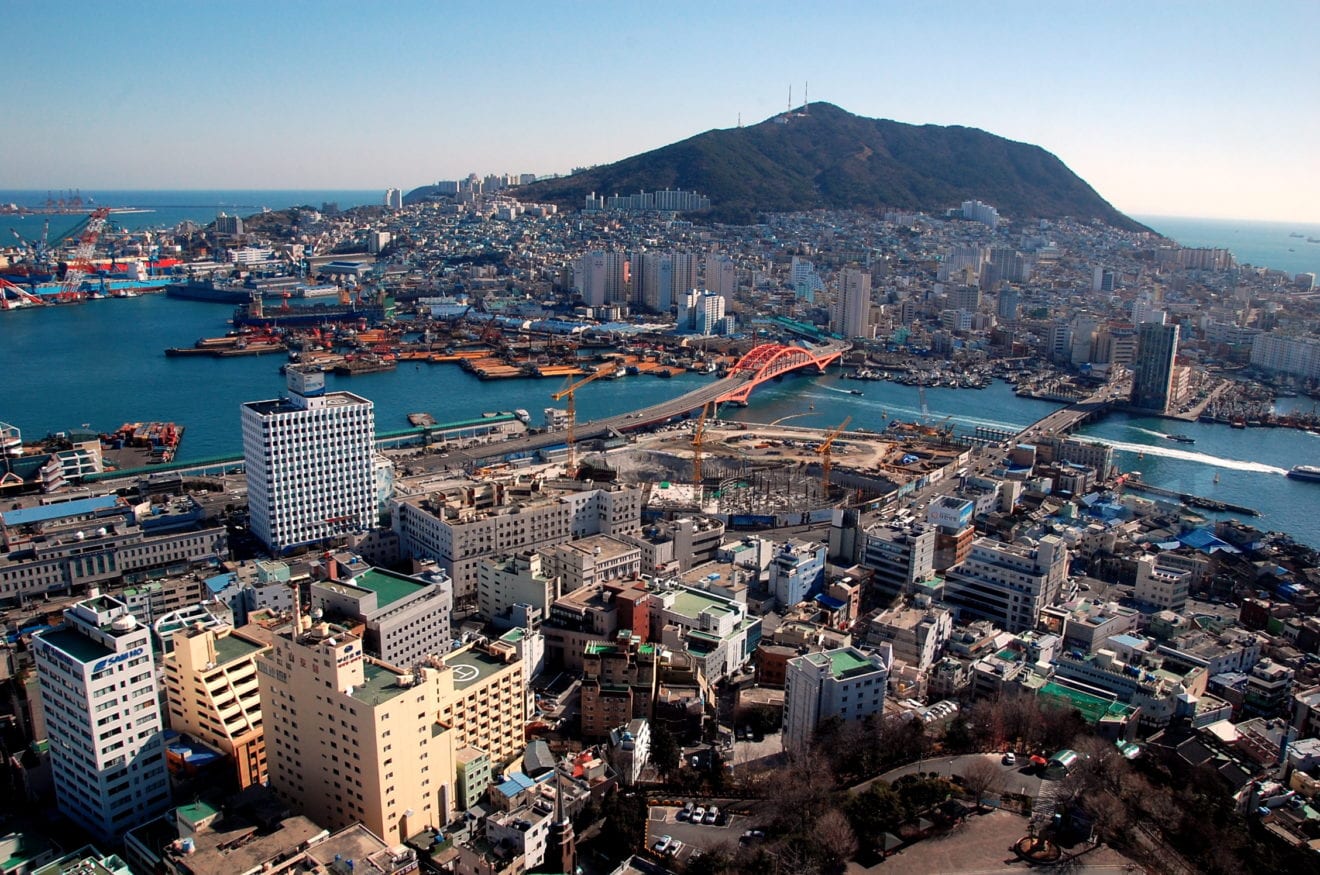
    “KCS is thinking to issue more duty free licenses for Seoul and Busan. Tourism in Busan is growing, but not like Seoul. Lotte’s grip already is weaker as they have lost their Lotte World Tower license; also, Shinsegae Duty Free is coming into central Seoul with their new Namdaemun super store, which will take a significant part of Lotte’s Sogong shop’s sales.”

    News of the government’s duty free industry review comes as speculation continues to grow over the future use of Seoul’s Lotte World Tower duty free store and the Walkerhill downtown duty free shop, after both retailers recently lost licenses to successful rival bids from Shinsegae Duty Free and Doosan Duty Free.

    Under KCS regulations, losing duty free license holders may continue to operate their shops for a grace period of six months after license expirations to allow them to sell off stock, find new employment for staff and wind up their businesses.

    Both the Lotte World Tower and Walkerhill downtown stores are continuing to trade while their owners decide future arrangements for their outlets.

    PRESIDENT PARK GEUN-HYE SAID TO BE ‘CONCERNED’

    South Korean President Park Geun-Hye (top right) has only recently voiced concern about the large financial losses that both Lotte and Walkerhill face under KCS’s new non-renewable license arrangements, after investing in multi-million dollar new duty free facilities, only to lose their licenses soon afterwards.

    “There is a rumour that Lotte will try to pass its Lotte COEX duty free shop license in Seoul to Lotte World Tower duty free shop,” the source said. In the Lotte World Tower shopping complex there are already duty paid Louis Vuitton, Chanel and other luxury brand boutiques.

    “Without its Lotte World Tower duty free license there is no reason for Lotte to keep its former duty free boutiques there as well and have double stores in one location. Lotte will have to destroy all its investment in these duty free boutiques. The government does not want to see this happen, so it is thinking of different options.”

    Other possibilities apart from Lotte being permitted to transfer its COEX downtown duty free store license are that it could win a new license if KCS issues a new series in Seoul this year. Alternatively, another company winning a new duty free license might be permitted to operate the Lotte World Tower outlet, though it is unlikely that Lotte would agree to this.

    WALKERHILL RECONFIRMS IT IS LEAVING THE BUSINESS

    While Lotte continues to search for a solution, the SK Group parent of Walkerhill Duty Free has reconfirmed that it is to leave the duty free industry altogether and it will not seek a new duty free license in future.

    The Walkerhill duty free store actually represents only a very small share of the SK Group’s total revenue compared with its major business activities, that include telecommunications, transportation, oil refining and other energy-related interests.

    SK recently invested more than US$30m in upgrading and expanding its Walkerhill duty free store which forms part of the Walkerhill hotel and entertainment complex in eastern Seoul. The retailer’s options now include converting the duty free store back to hotel use, or leasing the shop to another retailer.

    Paradise Casino, which operates the Walkerhill complex casino, is understood to be disappointed at the loss of the duty free license as many high spending Chinese visitors to the duty free store visited the casino after shopping.

    In fact, the Walkerhill duty free shop and casino rely upon each other to attract customers, as many visitors to Paradise Casino also visit the ajoining duty free shop, which has built a strong reputation for its wide range of high-priced watches, along with other luxury goods.

  • Amazon opens web services in Korea

    Amazon opens web services in Korea

    Amazon Web Services has reported the opening of its twelfth geographic locale in Korea bringing the number of accessibility zones to 32. There are two new accessibility zones accessible in Seoul giving Korean clients the power alternative that they have been asking for quite a while.  The new zones bolsters Amazon EC2 , T2, M4, C4, I2, D2, and R3 occurrences . Other services incorporate Amazon Elastic Block Store (EBS), Amazon Virtual Private Cloud, Auto Scaling, and Elastic Load Balancing. A full posting is accessible in a site by Jeff Barr, Chief Evangelist at Amazon Web Services.

    The service is accessible now and developers can get to the zone details from https://aws.amazon.com. Itemized data relating to the zones was not made accessible but rather every zone comprises of one or more server farms. For Korean clients these will convey low dormancy arrangements anyplace in Korea, conveying under 10 millisecond service the nation over, something that was not accessible before to Amazon clients.

    The Act on the Development of Cloud Computing and Protection of Users (Korean Cloud Act) came into action on 28th September 2015 and was the first Cloud processing law to be passed in the world. With two zones accessible, adaptation to internal failure and failover between the two zones inside of the single national fringe is additionally ensured. The accessibility zones have been produced to be profoundly adaptable so that if request develops AWS will have the capacity to meet it.

    Andy Jassy, Senior Vice President, Amazon Web Services remarked: “Customers continue to choose AWS as their infrastructure technology platform because we have a lot more functionality than any other cloud provider, a significantly larger partner and customer ecosystem built around AWS, and unmatched maturity, security, and performance.”

  • Gaisano bank takes in Korean partner

    Gaisano bank takes in Korean partner

    The Gaisano family has enlisted Woori Bank of South Korea as a strategic partner in thrift bank subsidiary Wealth Development Bank Corp. to boost the banking unit amid a competitive local banking landscape.

    Cebu-based Vicsal Development Corp. (Vicsal), parent firm of Wealth Development, announced the forging of an investment agreement with Woori Bank, creating a strategic alliance between the South Korean bank and one of the country’s leading thrift banks.

    The joint venture combines the global and technical resources of Woori Bank and Viscal. However, the statement did not disclose how much economic interest the South Korean partner would get in this venture.

    “It is a strategic initiative in response to the liberalization of the country’s banking sector,” WealthBank chair Edward Gaisano said.

    Gaisano said the deal was expected to increase the net worth of the thrift bank by threefold, strengthen its balance sheet and deepen its market reach and product offerings.

    WealthBank claims to be one of the country’s fastest growing independent thrift banks, expanding from just one branch in 2002 to 16 across the country today. The bank has close to P7 billion in assets.

    Under the partnership, WealthBank plans to ride on the world-class facilities and expertise of Woori Bank. It also targets to serve 1.2 million Korean tourists who visit the Philippines yearly and the 100,000-strong Korean expatriate community in the country.

    The partnership also seeks to allow WealthBank to cater to overseas Filipino workers in South Korea, as well as local and Korean small and medium enterprises.

    “This partnership with Woori Bank will unlock the huge potential of WealthBank. We are excited about the joint venture as it further underscores our commitment to growth through collaboration with world-class companies,” Gaisano said.

    Vicsal recently strengthened its strategic alliances through joint ventures with other leading global companies such as Ayala Land, Megaworld Corp. and Hong Kong Land.

    Retail unit, Metro Retail Stores Group Inc. (MRSGI), recently debuted on the Philippine Stock Exchange.

    The Cebu-based Gaisanos trace their roots to an entrepreneurial family with a long retailing heritage dating back to the 1930s. From one of the many branches of the Gaisano family sprang the lineage of Victor, who decided to go on his own and, with wife Sally, opened his first store in Colon, Cebu, in 1982. This marked the beginning of MRSGI, which didn’t use the storied surname as part of a deliberate strategy to carve its distinct identity and avoid mix-up with similar businesses operated by relatives.

    Aside from banking and retailing, Vicsal is also into real estate development through the Taft Property Venture Development Corp. and in financial management through AB Capital. Vicsal is also the majority owner of Filipino Fund Inc., a closed-end mutual fund listed on the local bourse.

    Viscal and its various businesses are now run by the second generation Gaisanos: Margaret, Jack, Edward and Frank.

  • South Korea cuts natural gas rates 9% from Jan on lower LNG import bill

    South Korea cuts natural gas rates 9% from Jan on lower LNG import bill

    South Korea will cut retail natural gas prices for households and industry by 9% on average from January 1 to reflect the lower LNG import bill as a result of sliding oil prices, the Ministry of Trade, Industry and Energy said Tuesday.

    “The government will further lower city gas rates if LNG imports costs continue falling,” the ministry said in a statement.

    The 9% cut will lower average retail gas prices to Won 15.69 ($0.01)/megajoule, from Won 17.24/MJ, the ministry said.

    South Korea cut city gas rates several times this year due to falling LNG imports costs — reducing prices by 5.9% in January, 10% in March and 10.3% in May but increasing prices 4.4% in September.

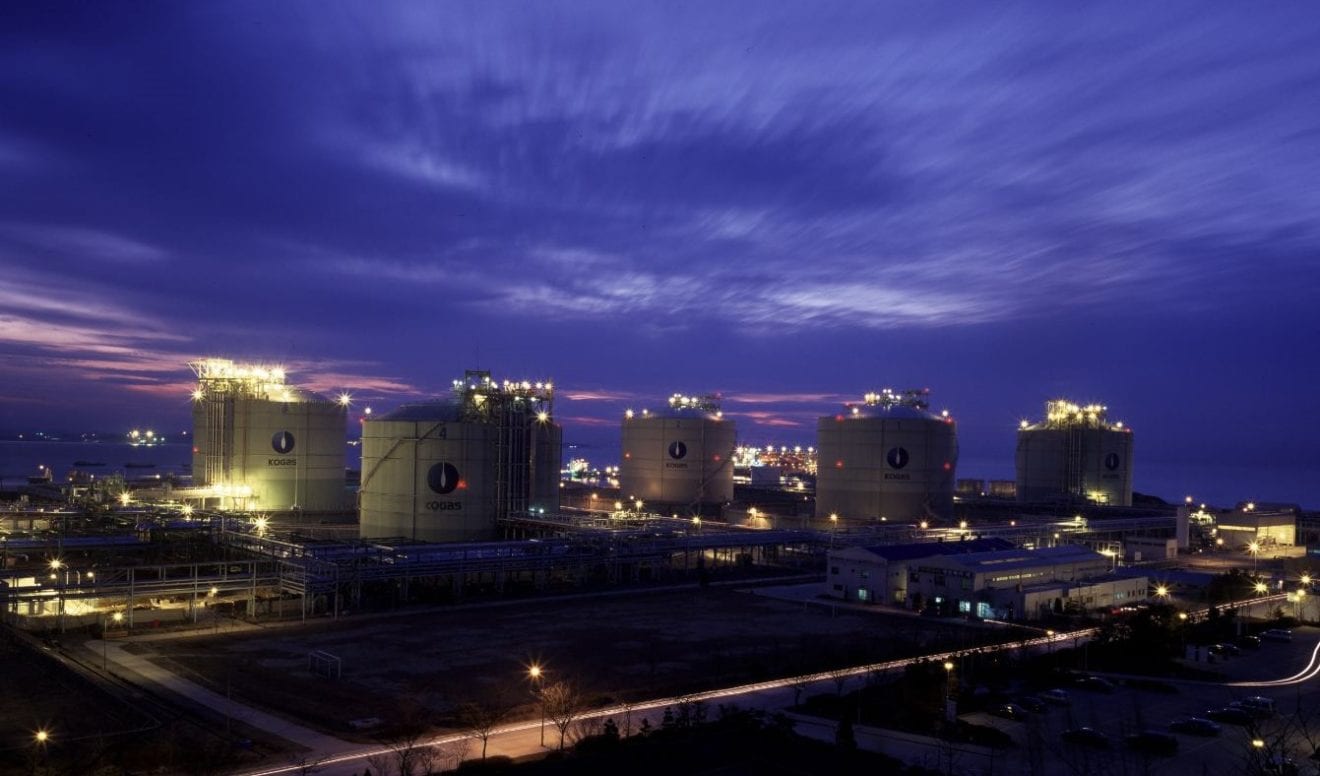
    LNG demand has fallen despite the price cuts. Kogas, which has a monopoly on domestic natural gas sales, sold 27.97 million mt in January-November, down 8.8% year on year.

    Kogas sold 35.17 million mt of LNG last year, down 9.1% from 2013, the first annual decline in five years.

    The trade ministry said Monday it expects South Korea’s LNG demand to fall 5% over the next 15 years due to a steep decline in consumption for power production that offsets mild growth by households and industry.

    It forecast LNG demand to fall to 33.96 million mt in 2022 and 34.65 million mt in 2029, compared with 2014 consumption of 36.49 million mt.


  • South Korea Industrial Production On Tap For Wednesday

    South Korea Industrial Production On Tap For Wednesday

    South Korea will on Wednesday release November figures for industrial production and retail sales, setting the pace for a light day in Asia-Pacific activity.

    In October, industrial production slipped 1.4 percent on month and gained 1.5 percent on year, while retail sales climbed 3.1 percent on month and 8.3 percent on year.

    Thailand will see November numbers for imports, exports, trade balance and current account. In October, imports were worth $13.96 billion, while exports were at $18.29 billion for a trade surplus of $4.33 billion. The current account surplus was $5.18 billion.


  • February launch for Samsung Galaxy S7

    February launch for Samsung Galaxy S7

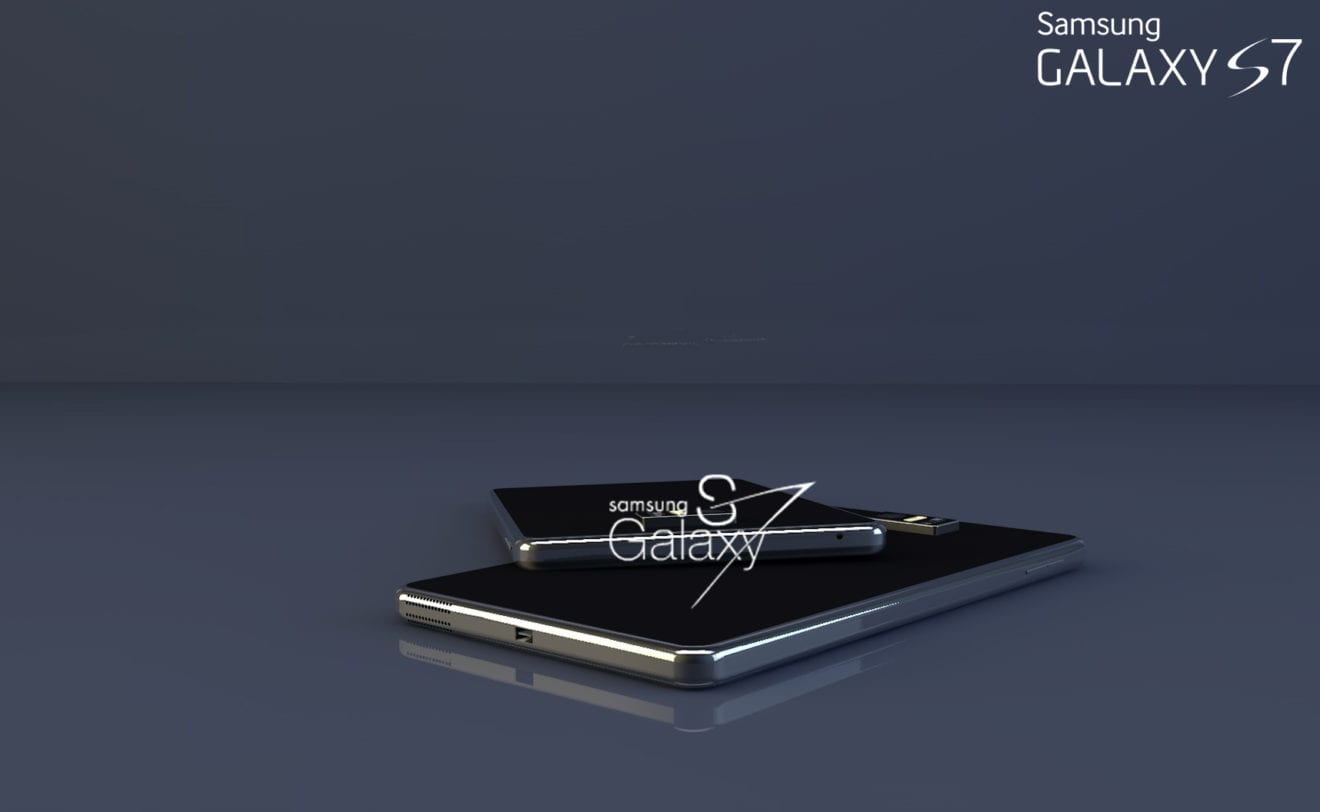
    Samsung Electronics’ new flagship smartphone, presumably to be called the Samsung Galaxy S7, is set to be revealed at a tech exhibition in February, an industry source said Friday.

    And the new generation of the world’s second most famous smartphone is expected to put more emphasis on performance over design.

    The South Korean tech giant will reveal the new Galaxy at the Mobile World Congress 2016 in Barcelona, the source said, with the official release on sale slated for March.

    Industry watchers said the Galaxy S7 will look similar to its predecessor, the Galaxy S6, which went on sale in April, as the market cheered the design of the Galaxy S6 and its sister Galaxy S6 Edge. Thus, Samsung may utilise the design once again and instead focus its efforts on performance, they added.’

    The Galaxy S7 is expected to maintain the built-in battery adopted by the predecessor, which was considered as a deal breaker for some Samsung fans who opted for Galaxies over iPhones for detachable batteries.

    Users, however, may be allowed to insert memory cards to expend data capacity for the new Galaxy, a feature that also disappeared with the Galaxy S6.

    The Galaxy S7 is also forecast to come with new features, such as a new touch system that delivers different commands depending on how strong a user presses the screen, similar to that adopted by the iPhone 6S.

    The new Galaxy will also have a slightly larger screen at 5.2 inches, compared with its predecessor’s 5.1-inch display.

    As the Galaxy S6 Edge and the Galaxy S6 Edge+, which sparked an unexpected sensation in the market with their displays that bend at both ends, Samsung may also add another Edge model for the Galaxy S7.

    While no price details have been provided so far, industry watchers expect Samsung will have no choice but to cut costs amid the booming popularity of budget handsets in the market.

    During the initial release, the price tag on the 32GB Galaxy S6 was 858,000 won (US$726.81), while that of the 64GB edition stood at 924,000 won.

    Samsung said its handset shipments climbed 18 per cent on-quarter to 105 million units in the third quarter, with smartphones accounting for around 80 per cent, or 84 million units.

    Despite increased shipments, its IT and mobile business saw operating profits slip to 2.4 trillion won, from the previous quarter’s 2.7 trillion won, due mainly to the increased shipment of budget models that lacked profitability.

  • Hanwha Galleria to open Seoul downtown duty-free store next week

    Hanwha Galleria to open Seoul downtown duty-free store next week

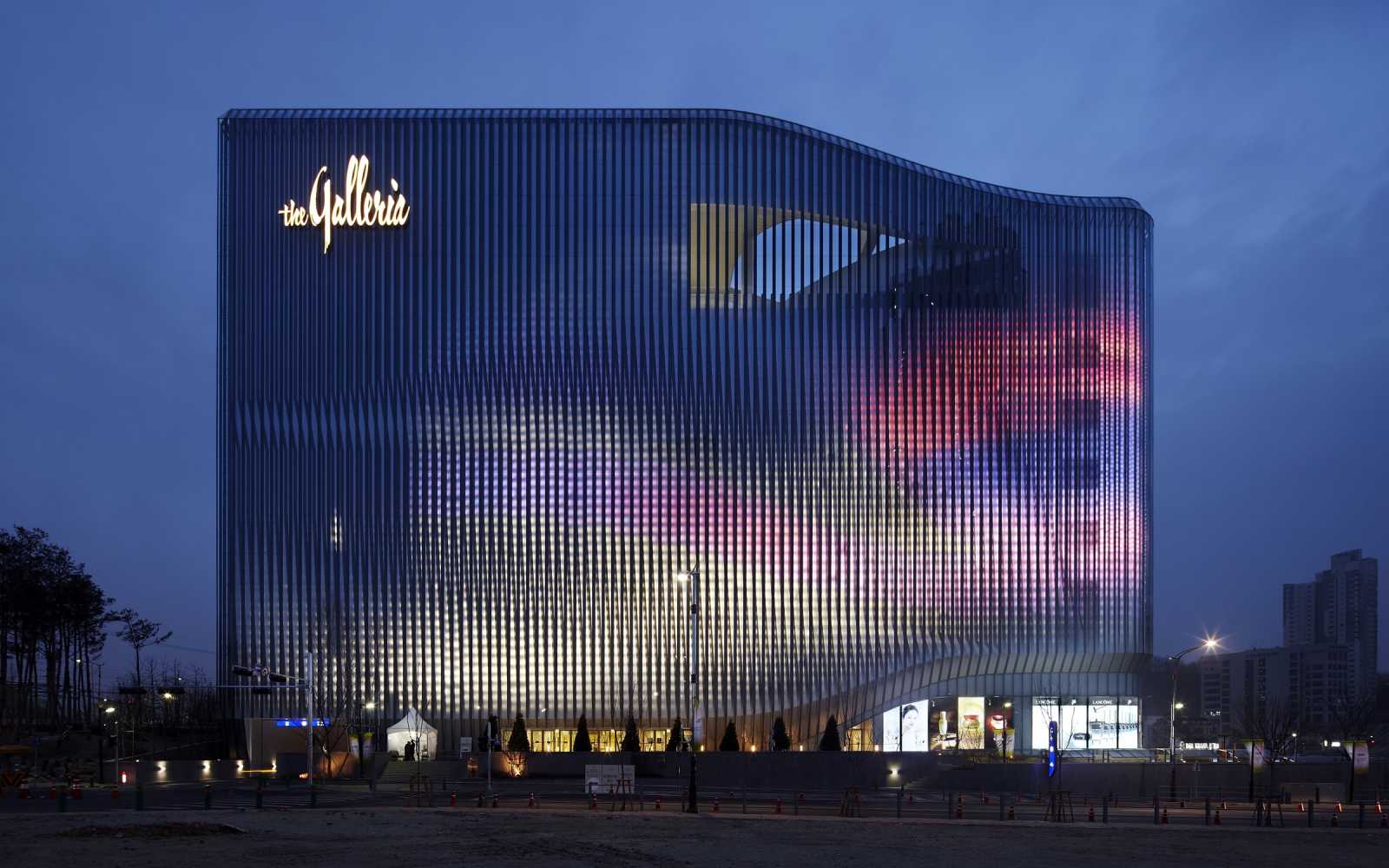
    Korean department retailer Hanwha Galleria is to partially open its first duty-free store at the 63 City Building in downtown Seoul next week, Hanwha Galleria Duty Free merchandising division representative Ji Su Kim told DFNIonline.

    Kim, was unable to reveal further details, but a YonHap News Agency report indicated Hanwha Galleria plans to open 60% of the proposed space in the gold-tinted skyscraper, one of Seoul’s best known landmarks in Yeouido on December 28. Hanwha Galleria and HDC Shilla Duty Free, a joint-venture between Hotel Shilla and Hyundai Development Co were awarded the main downtown duty-free licences in Seoul by the Korea Customs Service in July following a hotly contested tender.

    The report said the pre-opening would showcase 369 brands, including cosmetics, watches and jewellery with nearly half of them Korean brands. The new duty-free shopping space will be located in the first lower level floor of the main 63 building and floors one to three of the annex building. With a total floor area of 10,072sq m, shoppers will have a  one-stop experience in a modern and comfortable space, according to the company.

    Once the entire store is complete, it is hoped the luxury boutiques and cosmetics stores in the first lower level floor and the watches and jewellery section of the first floor will feature global luxury brands.  The second floor will be filled with Korean cosmetics brands showcasing the best of “K-beauty”. This floor will also feature sections for fashion, accessories, tobacco and liquor. The third floor will be home to “K-Special Hall”, an exclusive concept to Galleria Duty Free. This unites more than 100 of Korea’s top brands and small and medium-sized enterprises.

    Shoppers looking to take a break from shopping can enjoy views of the Han River at “Studio Rue”, a media complex café located on the fourth floor, and browse a selection of Hallyu content products and purchase refreshments.

    Meanwhile, Hanwha Galleria, whose Hanwha Timeworld subsidiary runs the duty-free concession at Jeju International airport, is believed to have made little progress in terms of attracting global luxury brands.

    Hanwha Galleria CEO Hwang Yong-deuk said during a briefing. “Although we want to have luxury brands in the stores they are not yet considering opening new shops, thinking they have enough shops in South Korea.”

    The company added it would continue negotiations to house global brands when the Lotte World Tower store closes this month after the Korean powerhouse lost its licence to travel-retail newcomer Doosan Group.

    It also vowed to continue expanding its duty-free business and revealed it is targeting sales of $429.6m million in the new store next year.

    Stay close to DFNIonline and future editions of DFNI for more on the Hanwha Galleria duty-free expansion project.

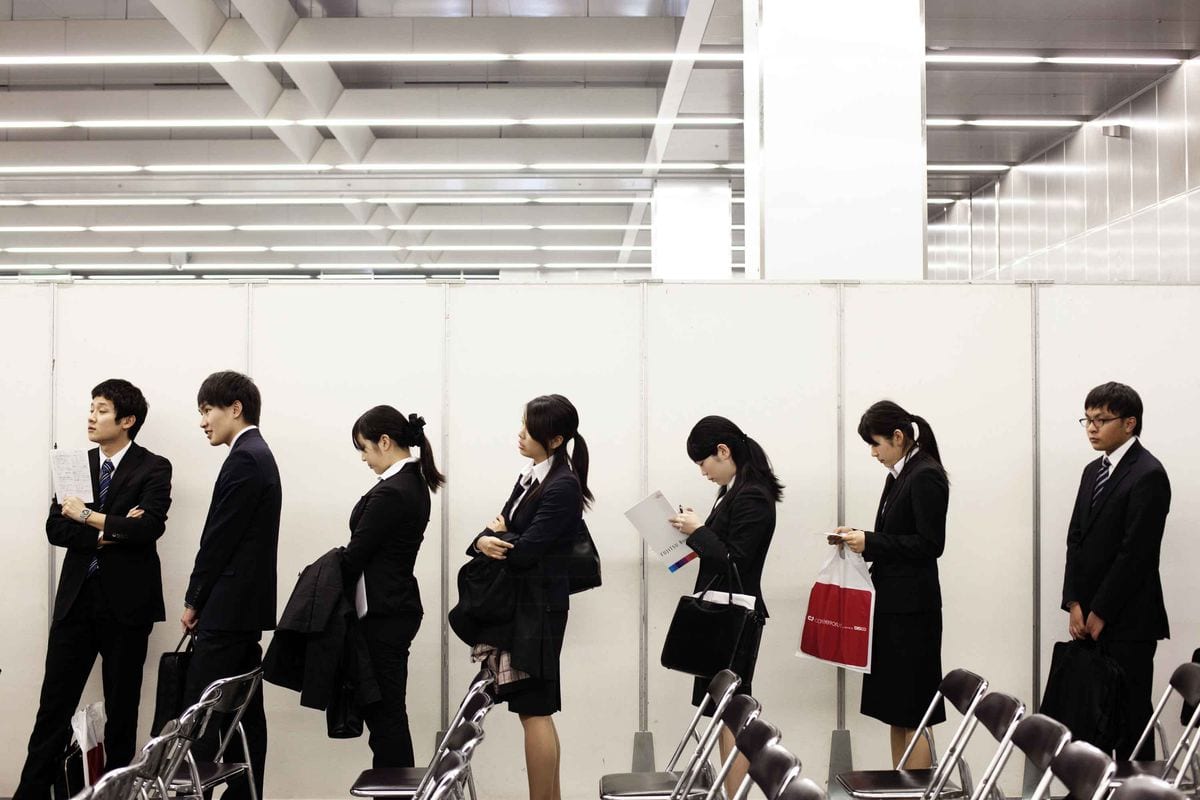
  • Korea’s jobless rate stays pat at 3.1% in November

    Korea’s jobless rate stays pat at 3.1% in November

    South Korea’s unemployment rate stayed pat in November compared with the month before as gains in the manufacturing and hospitality sectors were offset by losses in the agrofisheries and retail segments, a government report showed Wednesday.

    According to the report by Statistics Korea, the rate stood at 3.1 percent last month, unchanged from October and the year before. The seasonally adjusted unemployment rate for last month reached 3.4 percent, also flat from the 3.4 percent figure tallied for the previous month. The number of newly created jobs, however, dropped to 285,000 last month, from 348,000 new positions offered in October.

    “Manufacturing continued to fuel growth, along with the hospitality sector, and communication and information technology services, but sharp losses in agrofisheries and to a lesser extent retail affected the job market last month,” said Sim Won-bo, head of the agency’s employment statistics division.

    He said agrofisheries shed 168,000 positions last month from 124,000 jobs lost the month before, while sluggish economic conditions hurt small-time retailer jobs in the country. The official said the loss in agrofisheries was mainly due to rainy weather.

    The manufacturing sector created 190,000 more jobs, with the hospitality sector and communication and information technology services adding a combined 182,000 positions.

    The unemployment rate for people between the ages of 15 and 29 reached 8.1 percent in November, up from the 7.4 percent reading a month earlier, which was the lowest level reported since May 2013.

    The statistical office said the jobless rate for young people usually goes up toward the end of the year as there is a rush to seek employment. The jobless rate among young people has always been higher than the national average.

    The latest report then showed the employment rate for people between 15 and 64, which is used by the Organization for Economic Cooperation and Development to measure employment, stood at 66.3 percent last month, up from 66.2 percent the month before.

    The so-called labor underutilization indicator dipped to 10.3 percent last month from 10.5 percent in October, according to the report.

    The indicator is based on guidelines made by the International Labor Organization and reflects the number of people who are underemployed and those who currently hold part-time jobs but want full-time work. It also counts unemployed people who have given up looking for work not by choice but due to other circumstances.

    The finance ministry said unseasonable weather conditions adversely affected jobs created last month. “The amount of rainfall directly impacted hiring in certain sectors,” it said. “If agrofisheries are not calculated, more than 400,000 jobs were created.” Total precipitation hit 127.8 millimeters, the second highest reading since November 1973.

    The ministry added that while the jobless rate for young people rose, the employment rate edged up 1 percentage point on-year to 41.8 percent, which is a positive development. For the future, it said exports may remain weak but a rise in domestic demand will help create new positions in the coming months.

  • Tokyo-based affiliate eyes major stake in Lotte Confectionery

    Tokyo-based affiliate eyes major stake in Lotte Confectionery

    Korean retail giant Lotte Group’s confectionary affiliate said Wednesday that Japan-based Lotte Holdings has offered to buy 259 billion won ($219.6 million) worth of shares in the firm, a move that will help the group chairman strengthen his control amid a prolonged succession dispute with his brother.

    The Japanese firm will buy 7.9 percent shares of Lotte Confectionary at 2.3 million won per share from the market during trading hours by Dec. 28, the company said in a regulatory filing.

    “By boosting stakes in Lotte Confectionery, Lotte Holdings will be able to improve efficiency based on the potential synergies between the two firms,” it said in a press release.

    Once the purchase is completed, Japan’s leading confectioner will emerge as the second-largest shareholder of the Korean firm with a 10 percent stake. It bought a 2.1 percent stake in the firm on Nov. 4.

    Tightening its grip on Lotte Confectionery means having the group’s key affiliate under control as it holds stakes in Lotte Shopping and Lotte Chilsung.

    Industry insiders said Lotte Holding’s recent decisions to increase its stake in the Korean confectionery unit is to show its support for Shin Dong-bin — the Lotte Group chairman and Lotte Holdings vice chairman — who has been at war with his brother Shin Dong-joo over control of the group since July.

    With Lotte Holdings’ backing, the incumbent chairman who holds an 8.78 percent stake in the Korean unit can cement his leadership over the group, whose portfolio ranges from food to retail mostly in South Korea and Japan.

    Dong-joo, the former Lotte Holdings vice chairman who led the Japanese operations until January, owns a 3.96 percent stake while his father and Lotte founder Shin Kyuk-ho holds a 6.83 percent stake in Lotte Confectionery.

    Meanwhile, the chairman said he would consider listing Lotte Holdings on the Japanese stock market to build a management structure free of the founding family’s feuding.

    During an interview with Japanese media outlet the Nikkei, he said the market debut will be discussed after the Korean initial public offering of Hotel Lotte, slated for the first half of 2016.

    “Coming under tighter scrutiny in the market will enhance the company’s structure and establish transparent corporate governance,” Shin said.