Retail News CRM

Tag: south korea

  • Korean investors to venture in sea transport business in Indonesia

    Korean investors to venture in sea transport business in Indonesia

    An investor from South Korea wants to invest US$80 million in shipping business in Indonesia, the Capital Investment Coordinating Board (BKPM) said.

    The unnamed investor is especially interested in operating liquefied natural gas (LNG) tankers, BKPM chief Franky Sibarani said.

    The Korean investor hoped to operate two LNG tankers in the country, Franky, who visited South Korea recently, said here on Saturday.

    The Korean investor also opened the possibility of building terminal for gas storage, he said.

    He said the prospective investor plans to visit the county to look for local partner to operate the business.

    “We are not only interested in the size of investment but more important is the added value created by the investment,” he said.

    The investor also indicated interest in President Joko Widodos vision of developing sea toll, he said.

    “The program is seen as positive in contribution to the countrys development in general,” he added.

    He said South Korea is one of the countries actively increasing investment in Indonesia.

    South Korean investment implemented in 2015 alone reached Rp15.1 trillion in 2,329 projects. From 2010 to 2015, Korean investment in the country totaled Rp79.6 trillion.

    “In the past five years, South Korea has continued to rank among five largest investors in the country,” her added.

    Korean investment commitments were worth US$4.6 billion in 2015 or an increase of 86 percent from 2014.

  • Galaxy S7 Sold 100000 Units In First 2 Days In South Korea

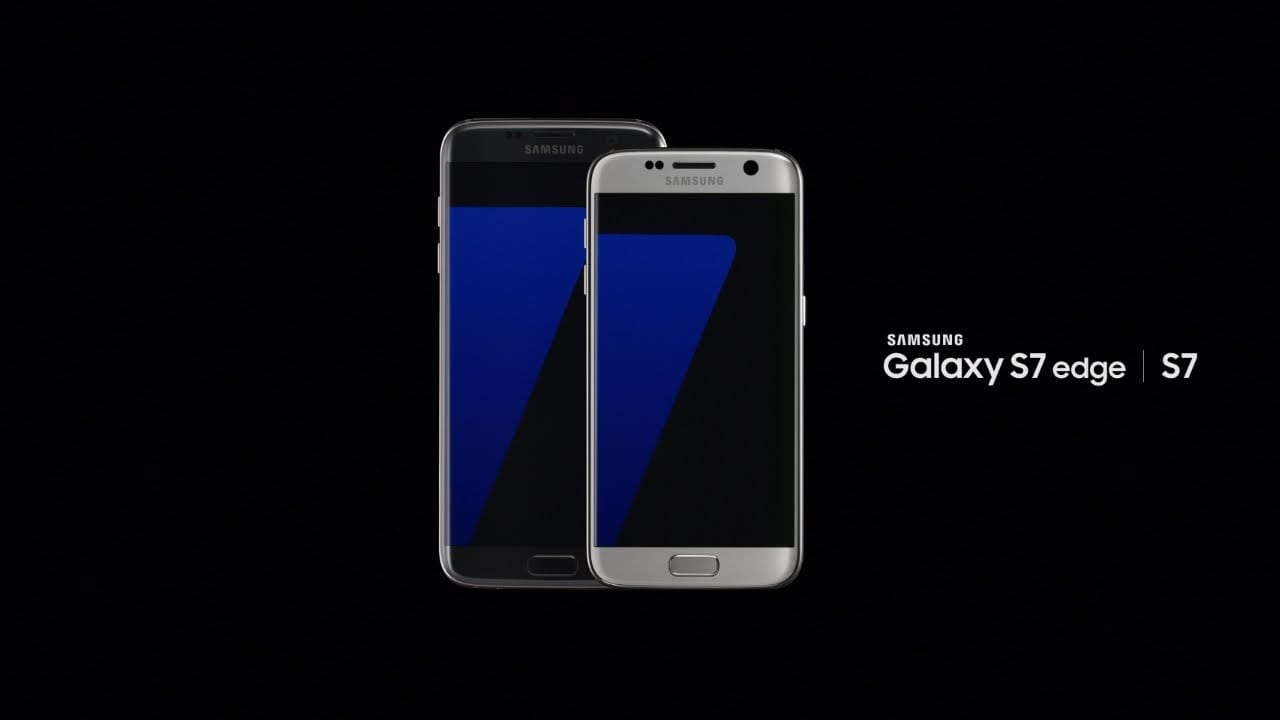
    Galaxy S7 Sold 100000 Units In First 2 Days In South Korea

    Last week it was reported that pre-orders for the Samsung Galaxy S7 and S7 Edge were lower than their predecessors over in South Korea. Samsung has since refuted those claims by saying that if anything, pre-orders were stronger than expected and if the latest numbers are accurate, it certainly looks to be that way.

    According to the report, they claim that the Galaxy S7 has managed to sell 100,000 units within its first two days of availability over in South Korea. Breaking it down further, it was suggested that 60,000 units were sold during the handsets’ first retail hours, and the other 40,000 were bought up over the course of the next day. Interestingly enough it seems that the Galaxy S7 appears to be more popular than the Galaxy S7 Edge, a very different story from last year.

    Note that the 100,000 units were just for the South Korean market, meaning that if we were to take into consideration the other markets that the handset was being sold it, we’re looking at a much, much higher number. The official figures from Samsung have yet to be released, but we wouldn’t be surprised if the Galaxy S7 and S7 Edge’s numbers were on par with last year’s figures, or if it even managed to outsell its predecessors.

  • South Korea’s CJ Group promises $500 mln expansion in Vietnam

    South Korea’s CJ Group promises $500 mln expansion in Vietnam

    CJ Group, which runs Vietnam’s largest multiplex cinema chain, has promised to invest US$500 million in the country this year to turn it into its second biggest overseas market after China in the next five years.
    The amount is larger than the total of $400 million the Seoul-based conglomerate has invested in Vietnam over the past 20 years.
    While CJ has a presence in many countries, including Indonesia and the US, Vietnam has proved to be a highly promising market where its businesses grew 26.73 percent a year on average in 2011-15, Chang Bok Sang, CEO of CJ Group Vietnam, said at a press conference Thursday.
    CJ plans to boost its activities in agriculture, entertainment and logistics either through direct investment or mergers and acquisitions, he said, adding that it is also seeking partners to enter retail.
    This month the group, which has animal feed plants and food subsidiaries in Vietnam, bought a 4.18 percent stake in the country’s top meat producer, Vissan, for over VND300 billion ($13.26 million) during the company’s initial public offering. It is seeking to acquire another 14 percent in Vissan to become a strategic partner.
    CJ also reportedly took over Ong Kim’s, a popular brand of Kimchi in Vietnam, in January.
    Besides the CGV multiplex cinema chain it took over from British Virgin Islands-based Envoy Media Partners Ltd for $73.6 million in 2011, in Vietnam CJ also has interests in food, film production, communications, and real estate.
  • China’s DJI Opens New Flagship Store in South Korea on March 12

    China’s DJI Opens New Flagship Store in South Korea on March 12

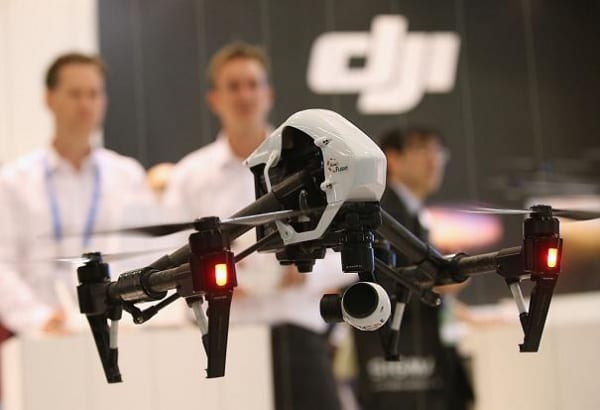
    DJI’s Inspire 1 drone can be fitted with the new Zenmuse XT thermal camera, making it see in the dark.(Photo : Sean Gallup/Getty Images)

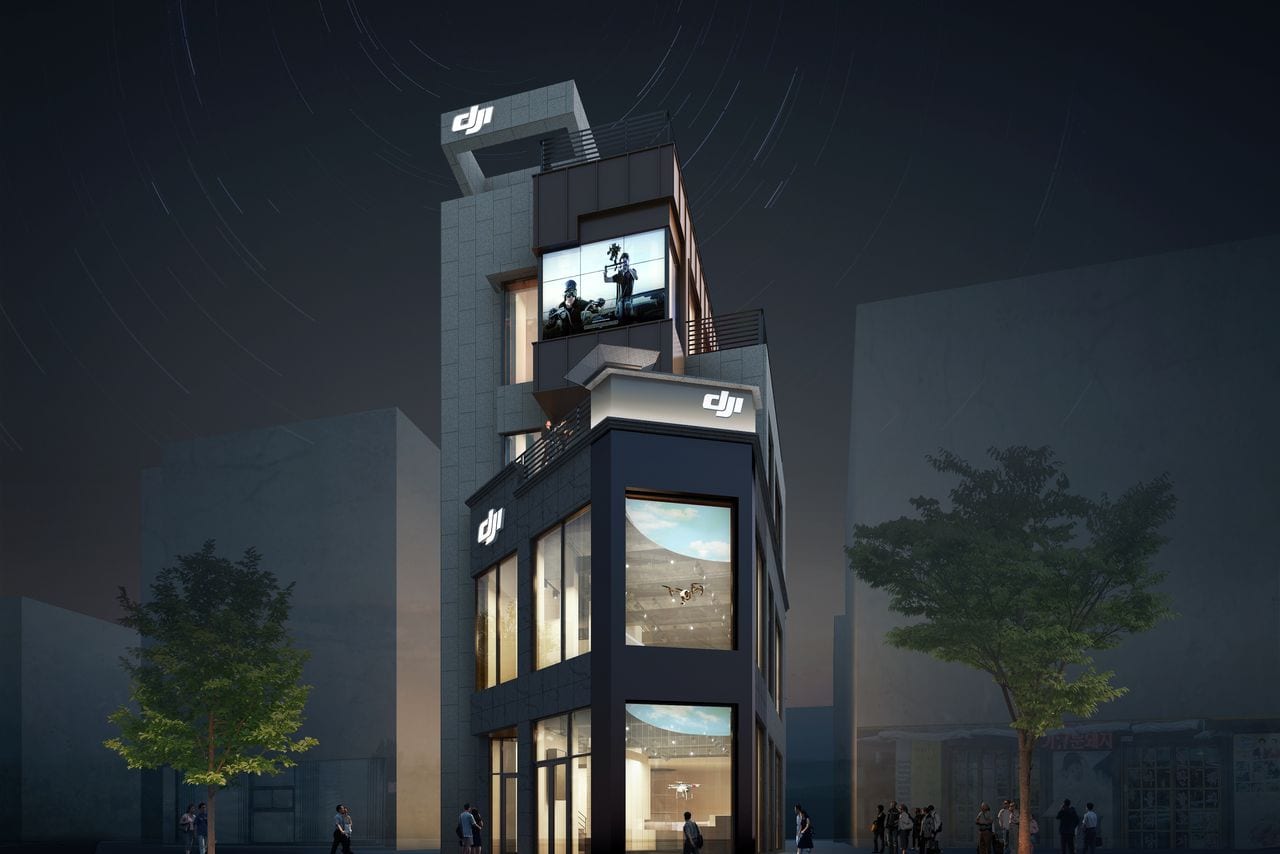
    Chinese aerial vehicle manufacturer DJI is preparing to open a new flagship retail store in western Seoul, South Korea on March 12 at 10 a.m. local time.

    The new five-story store is DJI’s first overseas flagship retail store covering 870 square meter of space. It has various showroom areas for showcasing the company’s consumer products including the Phantom series of quadcopters, the Inspire series, and the Spreading Wings series, among others.

    IFA 2015 Consumer Electronics And Appliances Trade Fair

    The store has an area where visitors can view videos and visual contents taken by the drones, as well as a customer experience zone where professional DJI pilots can perform demonstrations of the company’s products.

    Additionally, the store in Seoul will also provide teaching programs and hands-on sessions with drone experts where people can learn how to safely operate drone technologies, according to a report by Yonhap News.

    Manager of DJI Korea Moon Tae-hyun said, “With more and more people consuming video content on their mobile devices and the growing community of photographers and content creators, DJI sees Korea as a market with strong potential,”

    “We want to provide a truly unique experience for anyone who walks into our new store. Whether you are a professional looking for the latest aerial-imaging equipment, or curious and looking for your first drone, you will get to experience our technology up close and in person.” Tae-hyun added.

    The latest product by DJI is the Phantom 4 drone which costs $1,675 in the South Korean market. In the U.S., the new drone comes with a price tag of $1,399, available via DJI’s official website and exclusively on Apple’s online store.

    DJI, the world’s leader in drone technology, opened its first flagship store back in its homeland in the city of Shenzhen. DJI was founded by Frank Wang in 2006. The company currently has divisions in China, Japan, North America and Europe.

  • Bank of Korea likely to keep policy rate on hold tomorrow

    Bank of Korea likely to keep policy rate on hold tomorrow

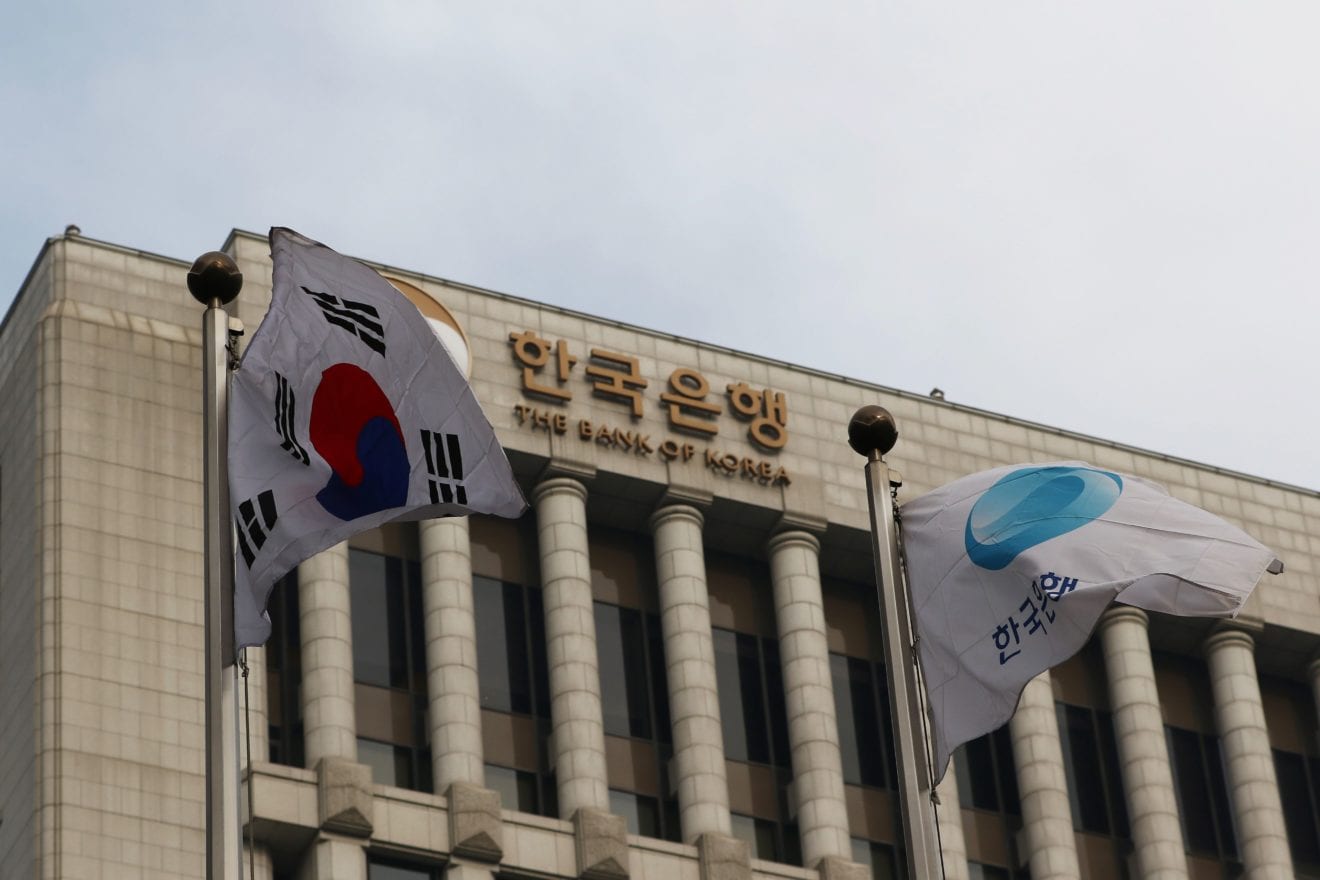
    The Bank of Korea is likely to keep its policy rate unchanged at 1.5% during its upcoming meeting. The meeting will mainly focus on the weakness in January’s activity data. Also, there is a higher probability for another cut in GDP forecasts during the April meeting. But, t he rebounding sentiments in global financial markets and February’s macroeconomic data will help the cautious stance of a majority of the MPC members.

    The February’s monetary policy meeting’s minutes showed central bank policymakers’ reluctance regarding further rate cuts, in spite of further decline in the outlook of growth. All members had agreed that there were growing threats on the downside for growth, but only one member had voted for a rate cut.  The other members didn’t support a cut in interest rate because of the usual worries regarding financial stability, the requirement to secure the room for policy actions, the lack of further downside threats for inflation and the expected diminishing marginal impacts of additional easing actions.

    January’s activity data indicated broad weakening of growth momentum. The drop in manufacturing production was expected given the considerable decline in January exports. However, the contraction of retail sales and services production was a major concern because consumption was the main over GDP growth driver in H2 2015.

    As facility investment did not strengthen in December, it was only construction activity that kept its strength amongst the different activity indices. However, strength in February’s exports alleviated worries regarding growth. The renewed tax cut on autos will stimulate consumption as the retail sales contraction in January was mainly due to auto sales after the termination of tax cut in December. A considerable rise in February’s headline inflation to 1.3% supports most of the MPC members’ views that the central bank’s current inflation forecast is appropriate.

    The Bank of Korea is unlikely to change its policy rate throughout 2016. The unwillingness of MPC members regarding additional easing implies that the central bank is expected to keep rate unchanged even if the GDP forecast is revised downwardly from the current estimate of 3%.

    Also, BoK’s projection of potential growth in 2017 might be as low as 2.8%. Considerable surprises on the downside in growth, which can lead to a sizable reduction in the GDP growth forecast to a level of about 2% or below is expected to be a precondition for a further cut in interest rate.

    © EconoTimes 2015. All rights reserved. The EconoTimes content received through this service is the intellectual property of EconoTimes or its third party suppliers. Republication or redistribution of content provided by EconoTimes is expressly prohibited without the prior written consent of EconoTimes, except for personal and non-commercial use. Neither EconoTimes nor its third party suppliers shall be liable for any errors, omissions or delays in content, or for any actions taken in reliance thereon.

  • Canadian entrepreneur takes male make-up line Formen to South Korea

    Canadian entrepreneur takes male make-up line Formen to South Korea

    A Canadian entrepreneur who sells a dedicated line of skin care and make-up products online is preparing to launch onto the South Korean retail market, according to a report published by Canada’s Metro News.

    Andrew Grella conceived the line after his mother helped him to conceal his acne on prom night, and launched while a student at Ryerson University. The products, which include concealer, an under-eye mask and mattifier, are now set to make their debut on the South Korean market, with a launch in Canadian stores slated for next year.

    “A lot of buyers and people interested in skin care for their stores will go to South Korea to see what’s happening and what’s coming down the pipeline,” Grella told Metro News. “Being in South Korea will give you clout as a product or technology that’s on its way.”

    Formen has eschewed the traditional marketing model for male grooming products – highly masculine packaging and the suggestion that use will increase their chances with the opposite sex – instead employing a matter-of-fact approach including make-up tutorials and simple monotone packaging.

  • Market for Pico Projectors in South Korea Projected to Grow at a CAGR

    Market for Pico Projectors in South Korea Projected to Grow at a CAGR

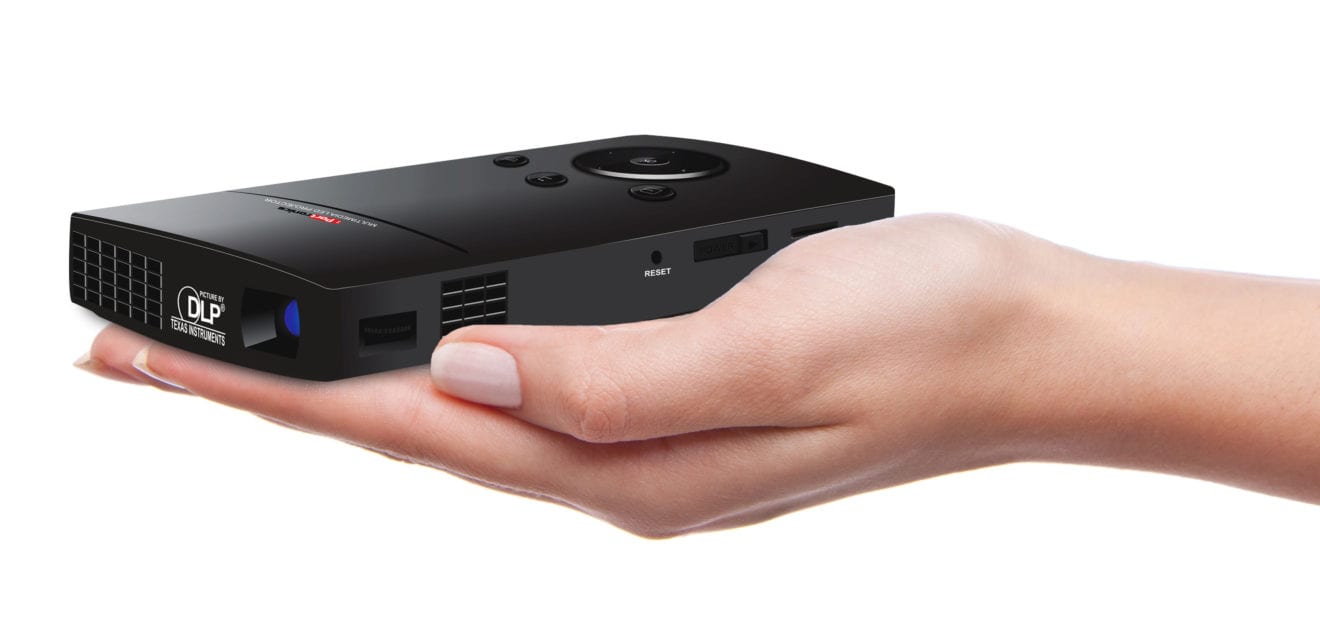
    The market for pico projectors in South Korea is projected to grow at a CAGR of over 24% during 2016 – 2021. LCoS (Liquid Crystal on Silicon) technology garnered the highest share in South Korea pico projectors market in 2015, due to better image quality, high resolution and efficiency, less power consumption, etc., as compared to other display technologies.

    South Korea pico projectors market witnessed rapid growth over the past few years on account of their growing acceptability and rising usage in various end user segments such as consumer electronics, defense & aerospace, automotive, etc. Rising demand for pico projector integrated devices, growing IT investments and increasing mobile workforce is projected to propel growth in the country’s pico projectors market in the coming years.

    Additionally, growing penetration of various compact and small projection display technologies along with increasing demand for handheld and portable devices is projected to drive growth in South Korea pico projectors market during 2016 – 2021.

    Due to these advantages, LCoS technology is being increasingly used in smartphones, tablets, televisions, head up displays, etc. In 2015, the country’s southern region was the largest market for pico projectors, on account of the region’s high per capita GDP and high level of industrialization. Few of the leading companies operating in South Korea pico projectors market include SK Telecom and LG Electronics, among others.

  • Korea’s card spending jumps 16% in January

    Korea’s card spending jumps 16% in January

    Korea’s card spending rose sharply in January, data showed Friday, on the back of increased consumption for the Lunar New Year holiday and a gradual recovery in domestic demand.

    Purchases made with plastic cards reached 56.1 trillion won ($45.4 billion) last month, up 15.9 percent from a year earlier, according to data compiled by the Credit Finance Association (CREFIA).

    Of the amount, credit card spending went up 15.9 percent on-year to 44.79 trillion won, while those of debit cards advanced 16.2 percent to 11.2 trillion won over the cited period, according to the data.The data includes transactions on credit, debit and prepaid cards. Cash advances, overseas spending and card loans were not included.

    “This year, the new year holiday started earlier than last year, which mainly led to the growth in January’s credit card spending,” a CREFIA official said.

    The retail sector, including department stores and big retail chains, enjoyed a 20.4 percent surge in credit spending on-year to 6.7 trillion won, the data showed.

    In particular, purchases made by credit cards in convenience stores spiked 56 percent thanks to the increase in small families and the solid growth in sales of their private-brand products, according to the association.

  • Mohegan gaming authority wins license for Korea casino

    Mohegan gaming authority wins license for Korea casino

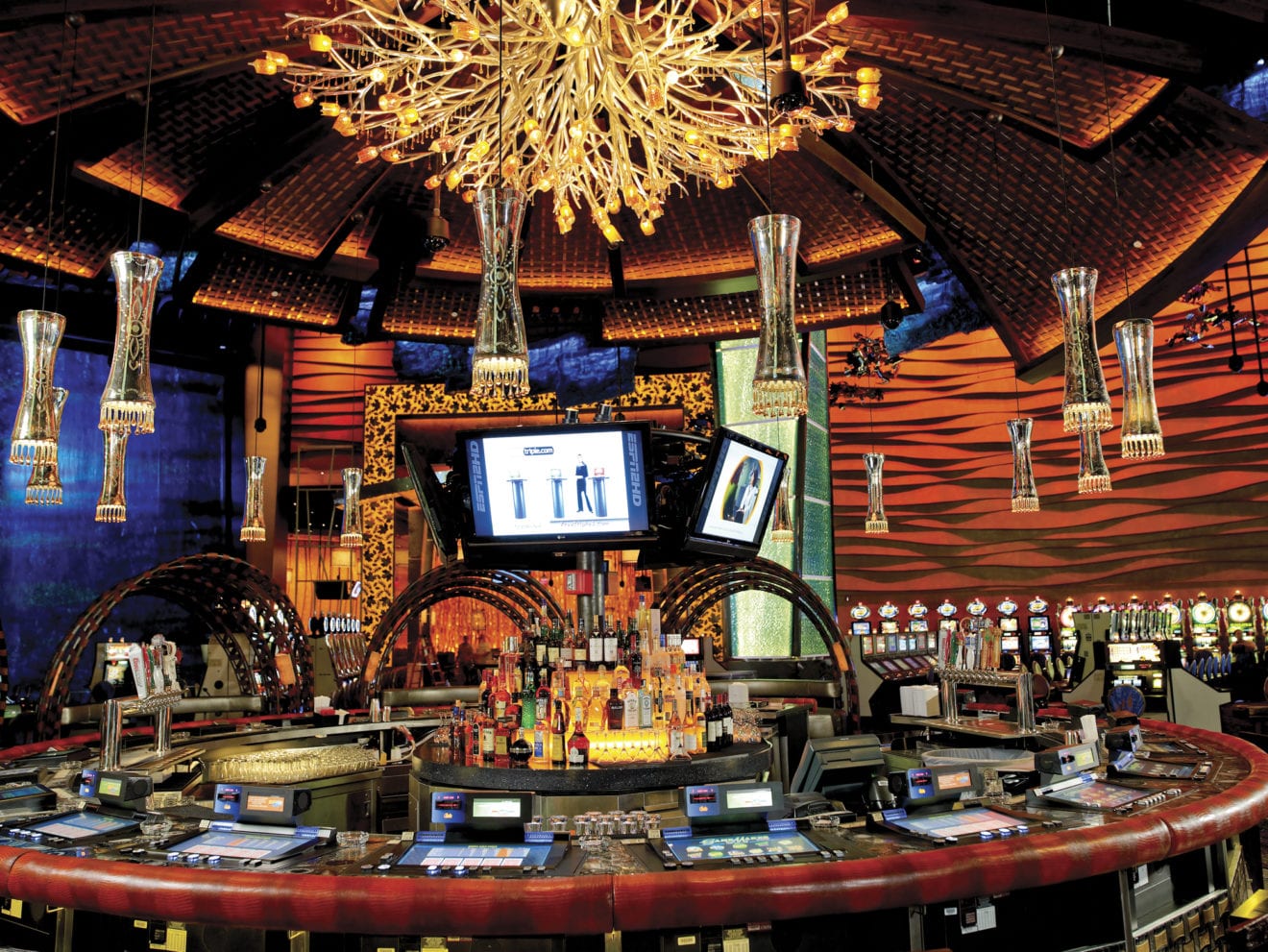
    UNCASVILLE, Conn. (AP) – The parent company of the Mohegan Sun casino says it has received a license from the Korean government to build a $5 billion resort near the international airport in Seoul.

    The Mohegan Tribal Gaming Authority says the project will include a hotel complex with 1,350 rooms, more than 20,000 square meters of retail space and an arena that it says would be the largest in South Korea.

    The gaming authority is teaming with the KCC Corp., a South Korean chemicals company, and the airport for the project.

    Gaming authority president Bobby Soper said Friday the company aims to help the Korean government fulfill its vision of “driving economic development by growing tourism, creating jobs, and showcasing Korean culture via the integrated resort.”

  • Microwave pasteurization in South Korea

    Microwave pasteurization in South Korea

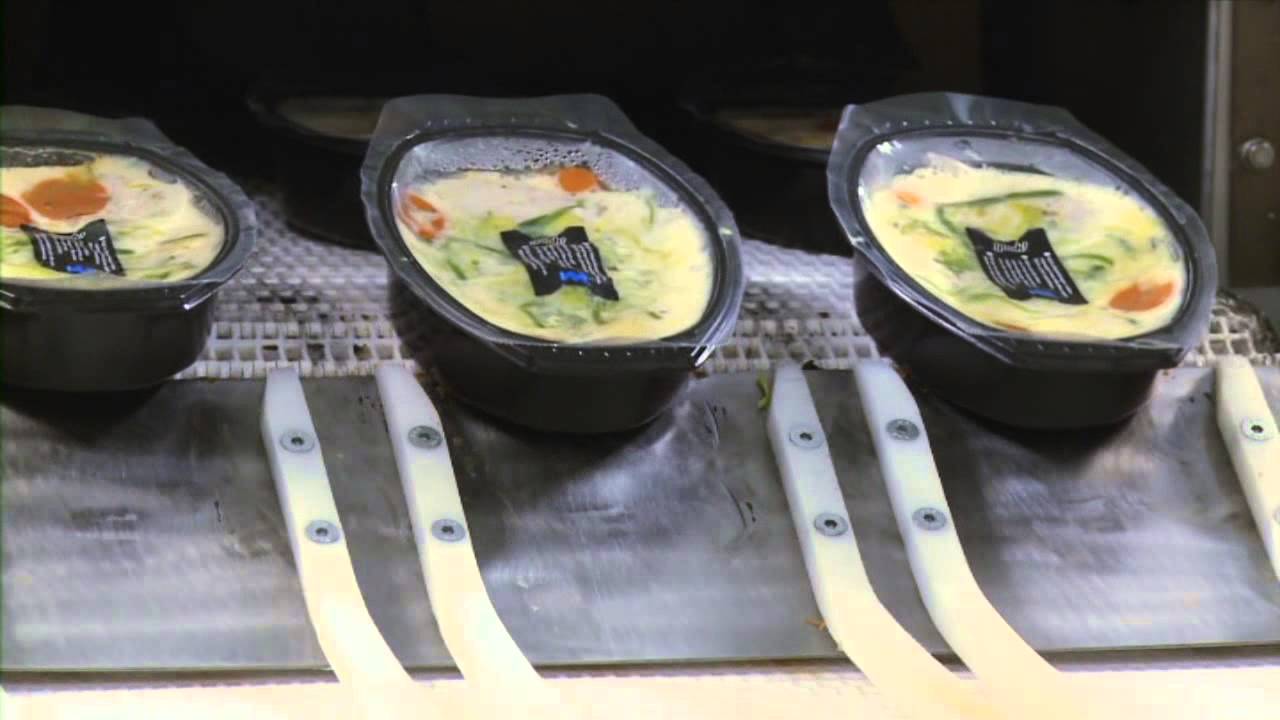
    The new Micvac microwave pasteurization line is installed in one of Daesang’s factories that is dedicated to producing high-quality ready meals. The brand Whistling Cook is distributed nationwide through both retail and Internet channels.

    The range of chilled ready meals consists of six products in 240-, 390-, and 395-g sizes. The recipes are influenced by cuisine from various parts of the world, such as Korea, China, and Europe.

    “We are very happy about this project, and it’s exciting to see how well the products are accepted by the consumers,” says Myounghyun Seo, MV-Project team leader at Daesang Corp.

    “We are delighted that the Micvac concept now also enters South Korea,” says Hirokazu Kushioka, Manager of the Micvac team within Dai Nippon Printing Co., Ltd (DNP). “The producers like the shelf life, which enables a smoother production and efficient logistics.”

    “We are very proud to become a strategic supplier to Daesang Corporation. It’s an industry leader with focus on high quality and innovation,” continues Håkan Pettersson, Managing Director at Micvac. “And I am really happy to see how well Micvac develops in the region together with our partner DNP.”

    Micvac and DNP started their cooperation in 2010, recognizing that interest in high-quality chilled ready meals with both convenience and extended shelf life is on the rise.

  • Korea’s baby market undeterred by economic slowdown

    Korea’s baby market undeterred by economic slowdown

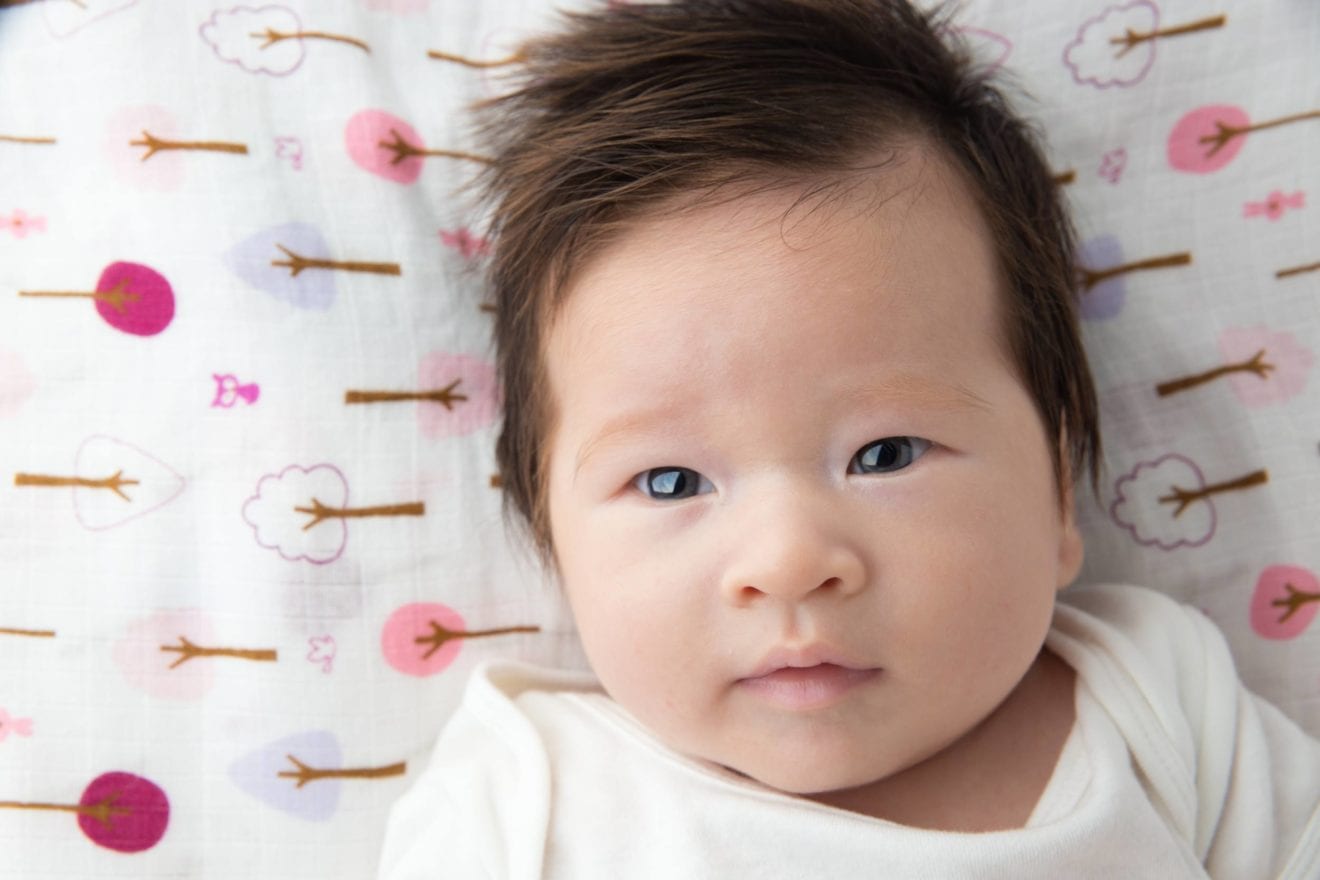
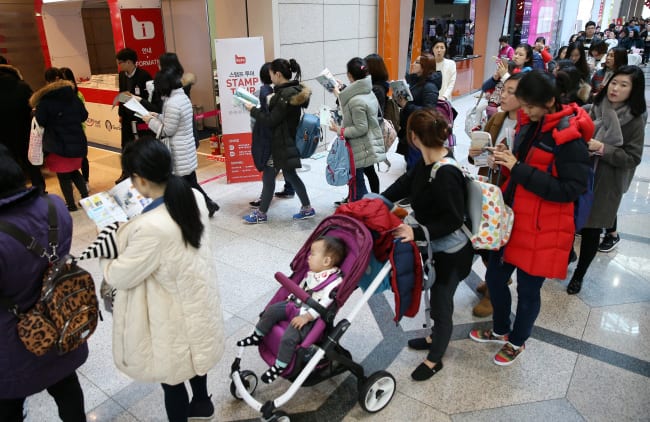
    From couples with babies on strollers to seniors holding toddlers’ hands, a recent annual baby fair held at Coex, in Samseong-dong, southern Seoul, was packed with a sea of Koreans wanting to explore the latest and premium products for their children.

    The three-day event that ended Sunday had about 110,000 visitors, according to organizers, reflecting Korean parents’ unwavering love for their children and their endless interests on the market.

    The market has been thriving in recent years, despite falling birthrates and growing fears over a slowing economy. Korea’s fertility rate is among the lowest in the world. The size of the baby market, however, has been growing rapidly in recent years, and is expected to grow further. The market is now estimated at 1.7 trillion won ($1.38 billion).

    “The number of parents having one kid has been growing. Those parents, even though they might not be able to afford it financially, are more willing to pay for what they believe is necessary for their kids’ well-being,” said an industry watcher.

    Concerns over the economic downturn has led to a growing number of customers looking for quality local products offered at reasonable prices, organizers said.

    Interest, however, still remains high for European products such as strollers priced at around 2 million won and baby chairs offered at nearly 500,000 won each, as young parents are more open to spending money on luxury goods than the older generation, they added.

    A recent Scandinavian fever has also been heating up the market, particularly its luxury segment.

    Parents think highly of Nordic designs and brands that stress safety and cleanliness, according to reports quoting comments from industry insiders. This is why foreign brands have been diversifying retail channels in order to reach out to more customers. They have been making aggressive marketing efforts by expanding their presence in online and mobile markets, they said.

    Another noteworthy trend in the market for baby products is that it is seeing growing spending power among senior consumers.

    According to a recent survey by a daily deals website, sales of baby care products, including diapers and powdered milk, surged the most last year among those in their 60s, followed by customers in their 50s.

    This has led some baby product companies or retailers to closely watch the rise of “urban grannies,” referring to enthusiastic senior consumers purchasing products in a modern way. Some companies have even introduced feeding bottles with numbers printed in larger sizes.

    This is not limited to just the traditional players, such as toy and food companies, the market has seen a growing number of newcomers — such as home appliances and bio companies — targeting parents whose interests go beyond the basic requirements of feeding and changing diapers.

    Coway, a Korean home appliances company, has showcased its latest air purifier that automatically monitors the level of fine dust in the room and transmits the information to users’ smartphones in real time. The smart defect system was devised especially for parents with babies concerned over the impact of worsening dust level in the air to their little ones, the company said.

    At the baby fair, many parents showed interest in smaller gadgets, such as nasal aspirators and digital thermometers manufactured by local companies.

    A crowd of people line up Sunday to enter a baby fair held at Coex in Seoul. (Yonhap)

    “I have come here not only for toy products, but to experience smart gadgets devised for easier baby care,” said Cho Young-eun, a 38-year-old mom with a 2-year-old daughter.

    Bio companies have also been expanding marketing efforts in light of growing health consciousness.

    Local companies like Medipost and Boryung Medience offered services at discounted prices at the fair in a bid to lure parents to invest in their babies’ future health. Both firms operate cord blood banks that store blood cells collected at birth. Cord blood can be used to treat various incurable diseases, including leukemia, later on if needed, the companies said.

  • Online shopping boom in Korea risks mall debt downgrades

    Online shopping boom in Korea risks mall debt downgrades

    South Koreans are spending record amounts shopping with their mobile devices, raising the risk of debt downgrades for retail giants still focused on mall traffic.

    The odds that the nation’s No 1 department store operator, Lotte Shopping Co, will miss debt payments in the coming 12 months doubled to 0.64 per cent from 0.29 per cent a year earlier, according to Bloomberg’s default-risk model that takes into account a company’s finances and stock moves. That suggests it merits a non-investment debt rating. Default risk using the model also climbed for Shinsegae Co, the third-ranked department store operator.

    Moody’s Investors Service and Fitch Ratings have both changed their outlook for Lotte Shopping’s score to negative from stable this month, following a cut in Shinsegae’s outlook to negative by Korea Investors Service last month. The nation’s mobile shopping transactions surged 64 per cent to a record 24.4 trillion won (S$28 billion) last year while sales at department stores dropped for a second straight year, according to Statistics Korea data.

    “We don’t expect a meaningful improvement in Lotte Shopping’s earnings this year,” said Hong Kong- based senior analyst at Moody’s, Wan Hee Yoo.

    Lotte Shopping expects sales in its overseas business to grow this year and it also seeks to increase domestic sales by linking its online and off-line businesses, said its spokesman on Wednesday.

    Shinsegae has been making efforts to reduce its debt ratio since last year, including by selling shares of Samsung Life Insurance Co and issuing perpetual bonds, said its spokesman on Wednesday.

    The spread on Shinsegae’s dollar notes due in 2045 rose to 185 basis points on Feb 23, the highest since its issue in May, showed Bloomberg-compiled data. Lotte Shopping’s 2017 bond spread has fallen 14 basis points this year to 130.

    The nation’s online shopping market is forecast to grow to more than 100 trillion won by 2019, with purchases on mobiles making up about 75 per cent, said Korea Ratings last month, citing Bain & Co’s projection.

    Total transactions on the Internet increased 19 per cent to 53.9 trillion won last year, according to Statistics Korea data.

    South Korea’s smartphone penetration rate is the world’s fourth highest at 83 per cent as of end-March, according to a KT Economics & Management Research Lab report released in July.

  • Kingsdown Debuts First Bedmatch System In South Korea

    Kingsdown Debuts First Bedmatch System In South Korea

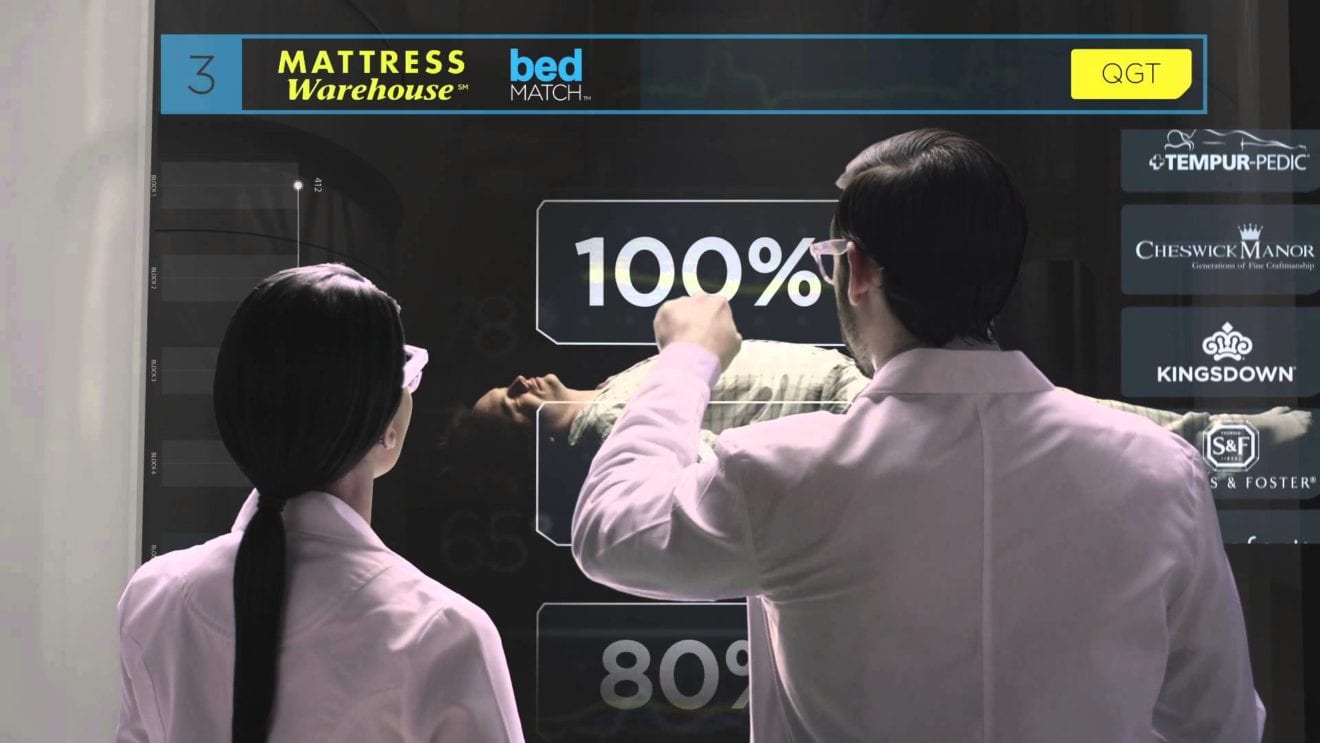
    Kingsdown, an employee-owned mattress manufacturer, announced recently that it has debuted its first bedMATCH system in Songdo, South Korea. Kingsdown is one of the largest U.S. manufacturers selling product in Asia, and plans to use this program as a launching starting point for further distribution of bedMATCH systems, Kingsdown and Sleep to Live bedding products throughout the region.

    Partnering with Kingsdown licensee, Navijam, Inc, the South Korea store is the first in the country to feature the patented bedMATCH diagnostic system to enhance the way consumers shop for mattresses. The majority of the Sleep to Live mattresses on the store’s showroom floor are made in South Korea with additional products being imported from the United States.

    “Looking to grow our brand in Asia, we are confident that South Korea is the right location due to their focus on advancements in technology, product quality and styling,” said Kingsdown President and CEO Frank Hood. “As Kingsdown continues to expand we have seen great success and growth abroad through our innovations in sleep technology. We have also found a partner that not only believes in our product but also shares our company’s vision of providing retailers and their consumers with high quality products from an internationally respected brand.”

    bedMATCH uses 18 statistical measurements along with thousands of calculations to assist the customer in determining the best mattress option for their specific body type. In addition to this South Korean location, Kingsdown is also set to open 60 additional bedMATCH/My Side locations throughout Asia in 2016.

  • JAJU continues quiet battle with Muji

    JAJU continues quiet battle with Muji

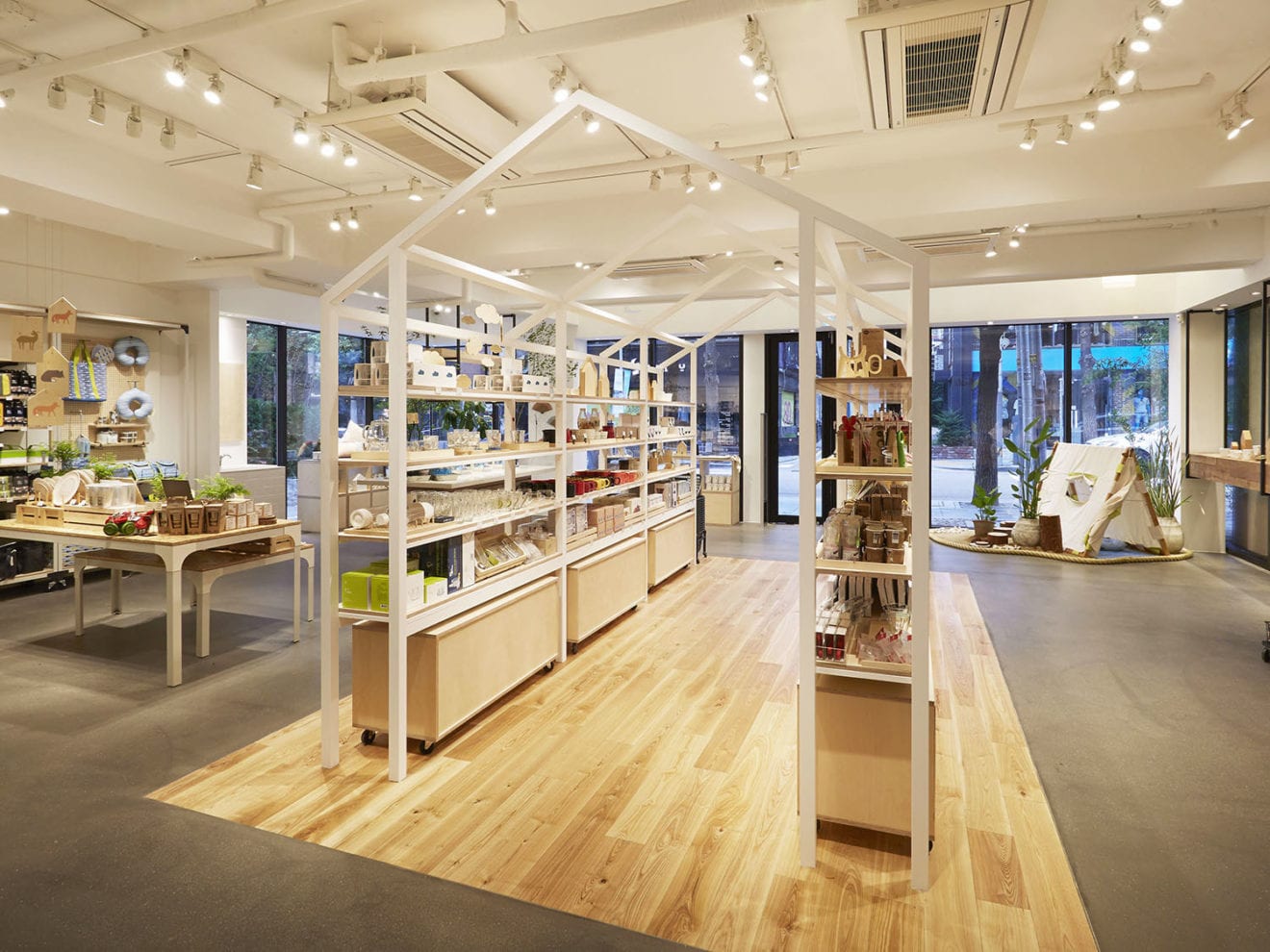
    The flagship store of JAJU, a retail brand by Shinsegae International, is all clean lines, muted colors and minimalist goods.

    Everything from notepads and diffusers to kitchen products, body cushions and clothes are on display for prices that make even the thriftiest shopper comfortable.

    JAJU is the first Korean lifestyle brand by a major conglomerate to offer a huge array of goods including housewares and daily supplies, a segment pioneered by brands like Japan’s Muji.

    Shinsegae International has never explicitly said it hopes to emulate the success of Muji, but the core brand concept – no-frills products at cheap prices – speaks for itself.
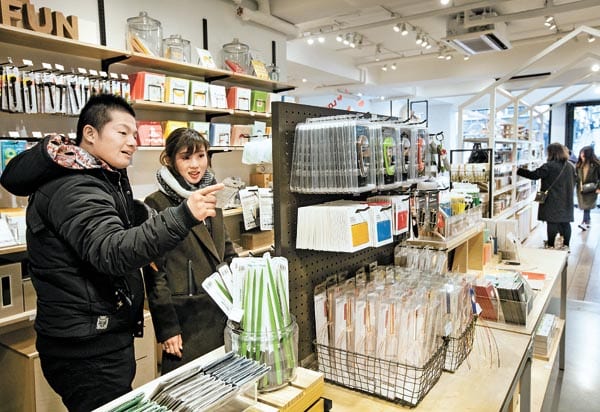
    The combination of simplicity, affordability and decent quality has boosted JAJU’s appeal among local consumers who appreciate a deal, but the similarities with Muji might hinder its expansion into the global market, which is Shinsegae’s ultimate goal.

    The five-story flagship store in the posh Garosu-gil area of Gangnam District, southern Seoul, symbolizes Shinsegae’s ambitions for the brand.

    “An average of 2,500 people visit this store each day on weekdays and some 4,000 to 5,000 people on weekends,” said Han Seung-min, head of the flagship store.

    In terms of sales, JAJU outperforms Muji in Korea thanks to its presence in stores like E-Mart, Shinsegae’s discount supermarket chain, and other shopping outlets.

    JAJU posted 175 billion won ($142 million) in revenue in 2014, while Muji Korea recorded 48 billion won.

    But the sales gap isn’t a big consolation for the local brand, since it operates a drastically larger number of stores.

    Muji has only 14 stores in the country whereas JAJU has 148.

    The brand maintained a humble presence only a few years ago, located solely inside of E-Marts.

    Until 2010, the brand name was Jayeonjui (which translates to “naturalism” in Korean) and was managed entirely by E-Mart.

    But since Shinsegae International, the fashion-oriented affiliate of Shinsegae Group, acquired the brand and changed its name to JAJU, the category of products has expanded.

    The company is also focused on diversifying the location of its stores beyond E-Mart to stave off the perception that JAJU is merely an in-house label.

    Along with the flagship store that opened in 2014, JAJU added an additional branch in the COEX Mall in Samseong-dong, southern Seoul.

    Still, E-Mart remains the largest channel, with 132 branches accommodating the shop.

    “We are looking for different properties to house JAJU to reach different customer bases,” said Park Cho-rong, a public relations representative of Shinsegae International.

    Appeal of simplicity

    The colors, patterns and materials of JAJU products are understated. But the plainness helps keep manufacturing costs low, resulting in lower prices.

    The prices of most goods at JAJU are low even compared to Muji, a major selling point of the brand.

    Muji’s socks start from 4,000 won ($3.25), but those at JAJU are in the 3,000 won range.

    Shinsegae said that the standard design and simple packaging pushes the prices lower, even though 90 percent of the products are made in Korea.

    And the plain-looking goods appear to be appealing to customers’ tastes.

    “When I place plain white dishes and cups together, it gives off a modern and pleasant vibe,” said Choi Hee-young, a 33-year-old woman who was perusing kitchenware at the JAJU flagship store.

    “Because they can form some kind of uniformity, they are easy to match together compared to fancy, carefully designed items with colors.”

    As part of its efforts to enhance design, Shinsegae tapped well-known designer Oh Joon-sik as the creative director for JAJU last year.

    Catering to Korea

    JAJU is trying to carve out a niche for itself by making its products more explicitly “Korean.”

    “Based on the understanding of the Korean lifestyle, JAJU tries to offer quality goods at affordable prices,” said Kim Woong-yeol, head of the sales division at JAJU.

    For example, the brand sells small onggi, or crock pots, designed to better keep traditional dishes such as kimchi and soybean paste. The pots typically come only in big sizes because they are placed outside in bulk.

    “This type of onggi is designed to keep temperatures so that the food inside is better preserved,” said Han, the head of the flagship store.

    “But now the size of households is becoming smaller, and we learned that there is a demand for smaller pots,” she said.

    JAJU stores gained insight into its consumers’ tastes by inviting stay-at-home moms to offer their opinions in the development stage.

    Their thoughts are particularly reflected in kitchenware and kids’ products.

    “Cooking spoons made by overseas manufactures are rather big, which is inappropriate for Korean users,” Han said, “So we surveyed the ideal size of cooking spoon for consumers and adjusted the size.”

    When the retailer revamped its brand in 2010, JAJU added a line of designer furniture, as well as items for kids and travel.

    To boost its furniture collection, JAJU teamed up with global furniture company Fritz Hansen and Sigga Heimis, a former designer for Ikea.

    Of its existing categories, JAJU has boosted aromatherapy, home decor and body care products in response to the growing demand.

    “With the rise of single-person households, we found that products used to decorate houses or as a little treat are really doing well,” Han said.

    “They are not essentials, but the items can cause a little joy or make for a more pleasant atmosphere.”

    Global ambitions

    Shinsegae International said in 2014 that it will develop JAJU into a global brand with annual sales of 500 billion won by 2020.

    The retail unit, headed by Chung Yoo-kyung, a daughter of Shinsegae’s founding family, has yet to elaborate on its global expansion plan.

    Some analysts predict JAJU will focus on local markets for the next year or two because the brand’s revenue drives sales growth for Shinsegae International.

    “JAJU plans to open 10 more stores by the end of this year,” said Yoo Jeong-hyun, an analyst at Daishin Securities.

    “Revenue that comes from each JAJU store is very high, and the combined sales account for 20 percent of Shinsegae International’s sales.”

    But industry insiders say JAJU needs a more distinctive identity and brand strategy to distinguish itself from the better-known Muji.

    The product categories overlap with those of Muji, and some products offer similar functionalities.

    “The key to success in the global market depends on how JAJU can create its own brand concept distinct from Muji,” said a retail analyst who requested anonymity.

    “But right now, the distinction is not enough to pull off the same success as Muji.”

  • Korean beauty brands increasingly offering the interactive retail experience

    Korean beauty brands increasingly offering the interactive retail experience

    In a round-up of the immersive, hands-on retail offerings which beauty brands are increasingly offering in the country, the national paper highlighted the rise of smart technology and wearables as the key driver behind the trend.

    “Seeking to offer more interactive and tailored services to consumers, cosmetic brands in Korea are increasingly utilizing high technology and smart gadgets to satisfy diverse consumer needs at one of the largest, trend-sensitive beauty hubs in the world,” the newspaper notes.

    It highlights AmorePacific, Dior and SK-II as key examples of beauty players at the forefront of this retail trend.

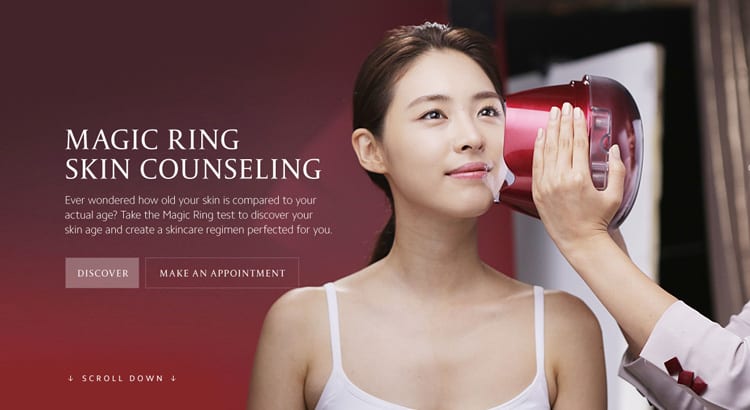
    Magic Ring test

    SK-II’s Magic Ring test (a diagnostics testing process for consumers’ skin), uses a skin imaging machine that tracks details such as the direction and size of pores and wrinkles, offering consumers the personalised product recommendation service they increasingly demand.

    Amore Pacific and Dior are just two of several other major brands reportedly also offering interactive diagnostics services in Korea, and investing in developing bespoke technologies specifically for the immersive retail setting.

    Apps are another key channel boasting interactive opportunities for brands, with L’Oreal reportedly gearing up to launch its MakeUp Genius app (which allows consumers to virtually try on cosmetics) onto the Korean market in the coming months.

    A global trend

    Korea is just the latest in a string of countries in which the beauty industry is adopting the potential of interactive beauty with open arms, to meet the rising demand from young, tech-savvy consumers.

    The Korea Herald report comes hot on the heels of a recent study published by market research firm Euromontior International , which noted that younger generation consumers increasingly demand interactivity.

    Millennials seek out “a curated but interactive sales environment, whether retail or online”, the firm’s analysts confirmed, noting that cosmetics is a rare area in which the consumer group is willing to spend freely.