Retail News CRM

Tag: south korea

  • South Korea to Launch Nationwide Shopping Festival in Fall

    South Korea to Launch Nationwide Shopping Festival in Fall

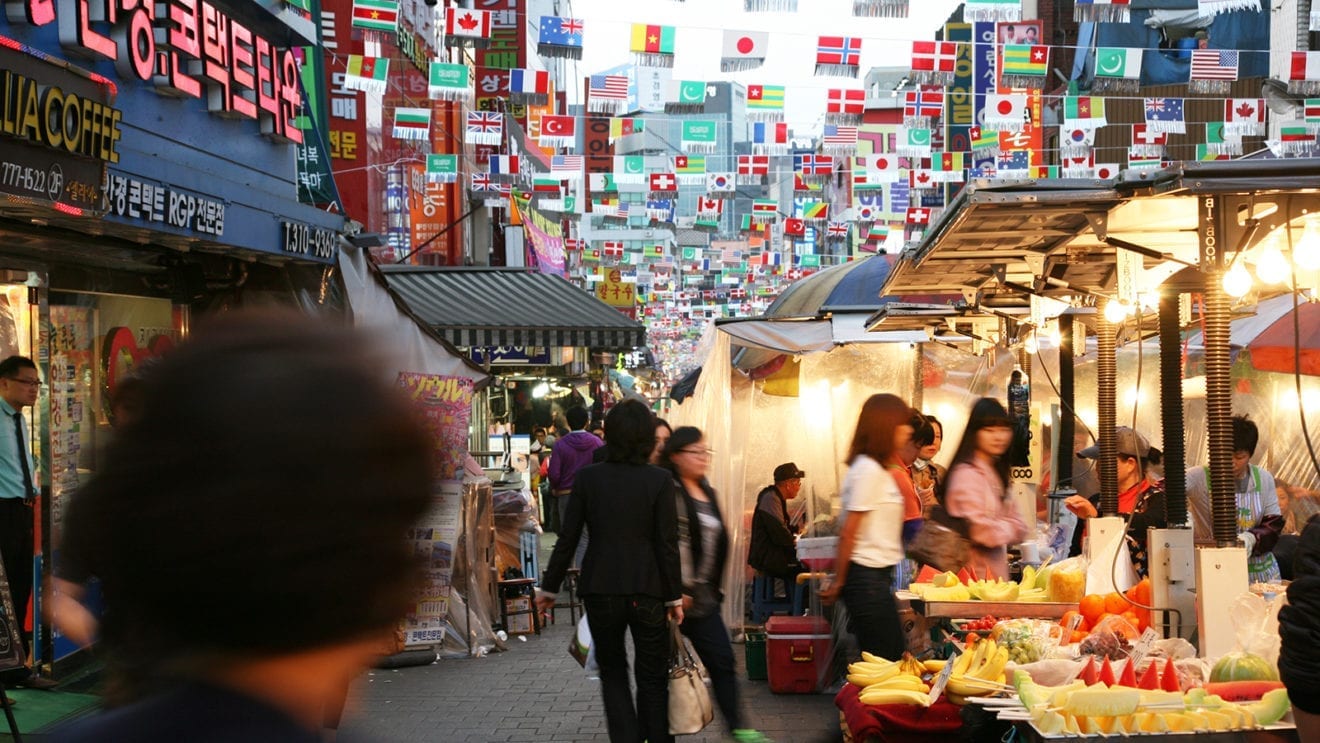
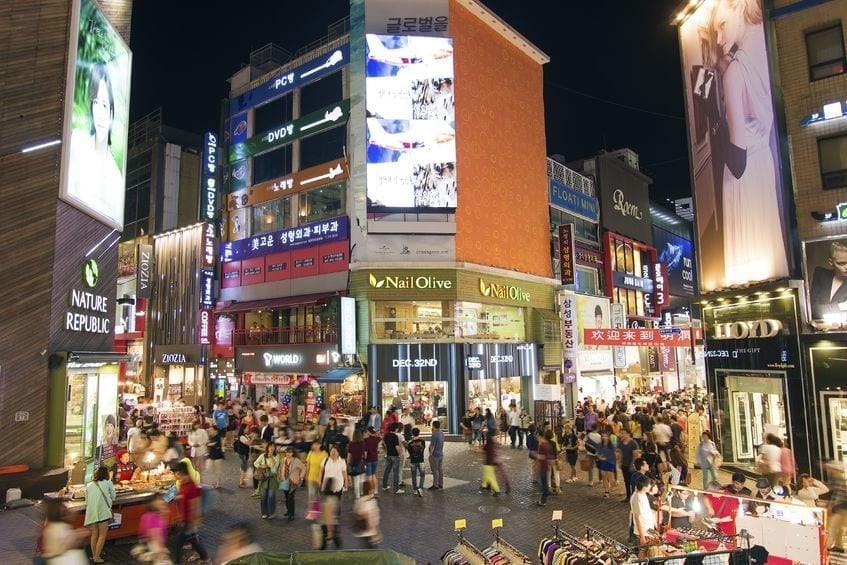
    South Korea will hold a nationwide shopping festival involving major retailers, manufacturers and traditional markets in the fall to draw foreign travelers and jack up lackluster domestic consumption, the government said Tuesday. 

    The Ministry of Trade, Industry and Energy and the Ministry of Culture, Sports and Tourism jointly formed a task force to create the massive shopping campaign, called “Korea Sale FESTA,” scheduled from Sept. 29 to Oct. 31. 

    “The government consulted with major manufacturers in consumer electronics, clothing, cosmetics and food industries, and they were positive about offering discounts on various items,” the ministries said in a release. “As Korea Sale FESTA is prepared well in advance, more manufacturers are expected to participate in this year’s event.” 

    The ministries separately held discount events last year as part of efforts to prop up the national economy hit hard by the Middle East Respiratory Syndrome outbreak last May.

    The culture ministry initiated a shopping festival called “Korea Grand Sale” from early September to mid-October during which retailers knocked down prices to woo back both domestic consumers and Chinese travelers during the long-haul national holiday. 

    Less than a month later, the trade ministry held another nationwide shopping campaign, called “Korea’s Black Friday,” during the first two weeks of October, to stimulate stagnant domestic consumption. 

    As last year’s discount campaign was criticized for hasty preparations and limited participation by retailers, the government formed a joint task force with industry officials this year to negotiate with retailers and manufacturers and offer shoppers better deals. 

    The culture ministry plans to provide support by hosting cultural and entertainment events with K-pop stars to attract foreign travelers, while the trade ministry will push for trade fairs and exhibitions to create a synergy effect. 

    The government will start promotion at home and abroad starting from late July and work with provincial governments and related organizations to link with local festivals during the period. 

    “We will combine shopping, tourism and culture to promote Korean culture and create a festive mood to bring in domestic and international consumers,” the ministries said.


  • Losses Likely To Continue For South Korea Market

    Losses Likely To Continue For South Korea Market

    The losing streak has hit four sessions now for the South Korea stock market, which has surrendered more than 55 points or 2.9 percent along the way. The KOSPI now rests just above the 1,970-point plateau, and the market is looking at continued weakness again on Wednesday.

    The global forecast for the Asian markets is negative ahead of key risk events – specifically today’s FOMC’s rate decision, and next week’s Brexit vote. The European and U.S. markets were down and the Asian markets are tipped to follow suit.

    The KOSPI finished modestly lower on Tuesday as losses from the retailers were tempered by support from the technology stocks and shipping companies.

    Among the actives, Samsung Electronics added 0.44 percent, while SK hynix jumped 2.65 percent, Hanjin Shipping surged 6.26 percent, Hyundai Merchant Marine advanced 2.75 percent, Lotte Confectionery skidded 2.54 percent and Lotte Chilsung tumbled 3.93 percent.

    The lead from Wall Street is soft as stocks were down on Tuesday, if well off their worst levels of the day.

    The Dow slipped 57.66 points or 0.3 percent to 17,674.82, while the NASDAQ edged down 4.89 points or 0.1 percent to 4,843.55 and the S&P 500 dipped 3.74 points or 0.2 percent to 2,075.32.

    Traders expressed trepidation ahead of the Federal Reserve’s monetary policy announcement later today. The Fed is widely expected to leave interest rates unchanged, but traders will keep a close eye on the accompanying statement.

    Ongoing concerns about next week’s referendum on whether Britain will remain in the European Union also weighed on the markets.

    In economic news, the Commerce Department reported stronger than expected retail sales growth in May. The Labor Department also noted that import prices surged more than expected in May amid another substantial increase in fuel prices.


  • Naver uses VisualOn platform to power Line TV application

    Naver uses VisualOn platform to power Line TV application

    VisualOn’s OnStream MediaPlayer+ is now integrated into Korea’s Naver Player for Line TV service for iOS and Android devices.

    The aim is to enable scalable cross-platform media playback for global streaming media brands for a high-quality video playback experience,

    Naver Player enables Naver’s various live broadcasts and VOD videos to be viewed on iOS and Android devices with higher stability, quality, and scalability than the built-in device video player. Additionally, the platform features a one-touch notification function and an audio-only mode.

    Ranked one of the top 100 companies that matter most in online video by Streaming Media Magazine, VisualOn was chosen by Naver for the partnership for its market-proven multimedia software. Naver’s customers can now access high-quality, live TV streams and recorded shows on all the connected iOS and Android devices anywhere and at any time.

    “The Korean market is a crucial region for Naver and VisualOn due to its high volume of mobile consumers that expect a high-quality viewing experience no matter where they are,” said Andy Lin, CEO, VisualOn.

  • South Korea’s Lotte Chemical makes $3.1bn counter bid for Axiall

    South Korea’s Lotte Chemical makes $3.1bn counter bid for Axiall

    The two companies last year formed a joint venture to build an ethylene cracker plant together in the US, which is due to start production in 2018.

    Lotte declined to reveal the exact terms of its offer, but analysts said the bid would top Westlake’s $3.1bn approach. The counter offer could prompt Westlake to raise its bid after Axiall, a maker of polyethylene products, rejected the approach in April, the analysts added.

    “Lotte Chemical will be seen as a white knight for Axiall,” Park Young-hoon, an analyst at LIG Investment & Securities, told Reuters.

    If successful, Lotte Chemical would use the acquisition of Atlanta-based Axiall to diversify its product portfolio and secure a foothold in the US.

    Axiall said it has been in talks with several potential buyers after its rejection of the first approach prompted Westlake to launch a proxy fight to oust Axiall’s board.

    However, investors were unimpressed by Tuesday’s counter-offer, driving Lotte Chemical shares down 3.5 per cent to Won260,500 — their lowest in more than four months — while the Kospi benchmark index closed up 1.3 per cent.

    “The deal could be positive for Lotte in terms of securing a stepping stone in the US, but its shares were weighed down by concerns that the acquisition price could be much higher than expected,” said Lee Ji-Yeon, analyst at IBK Securities.

    The deal would be Lotte Chemical’s largest overseas acquisition. The company, formerly named Honam Petrochemical, took over Malaysia’s Titan Chemicals for Won1.5tn in 2010.

    South Korean chemicals makers are trying build scale to compete better with lower-cost Chinese rivals, with Lotte Chemical buying Samsung Group’s chemicals business for $2.5bn last year.

    South Korean petrochemical companies posted record profits last year as lower oil prices drove down material costs. Lotte Chemical reported a Won990.7bn net profit in 2015 on sales of Won11.7tn. The company said it could afford the cross-border deal, with its annual cash flow reaching $2bn.

    Almost devoid of hydrocarbon deposits, South Korea relies on oil imports but is also a big exporter of petroleum and petrochemical products. More than half of its processed output goes to markets including China, Japan and the US.

    Separately, South Korea’s Hanwha Chemical said on Tuesday its Hanwha Advanced Materials unit had submitted a letter of intent to buy US automotive materials supplier Continental Structural Plastics. The group declined to give the details of the offer but the Maeil Business Newspaper said the deal could fetch $600m.

    Axiall’s New York-traded shares, which have lost one-third of their value over the past year, were down 2.5 per cent on Monday at $23.30, before news of Lotte’s approach was made public.


  • South Korea says Nissan manipulated emissions, plans fine and recall

    South Korea says Nissan manipulated emissions, plans fine and recall

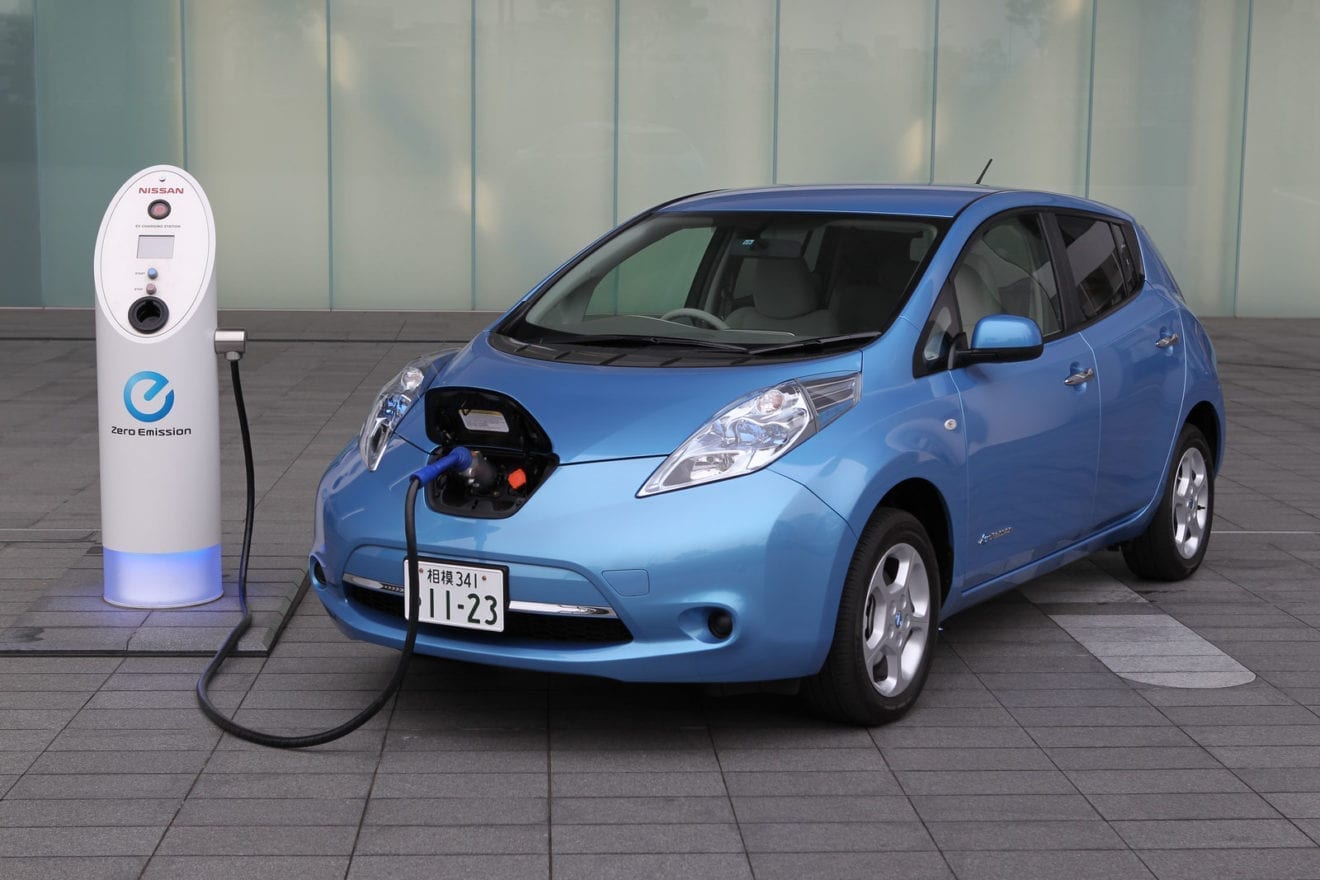
    outh Korea said that Nissan Motor had manipulated emissions on a diesel sport utility vehicle and that it planned to fine the automaker as well as sue the head of its Korean operations.

    The government said the Japanese automaker had used a so-called defeat device that helps a vehicle’s emissions management system turn off during regular driving conditions.

    Nissan denied any wrongdoing.

    “Nissan Motor has never illegally manipulated any vehicles we have produced so far and used defeat devices in those cars,” the automaker’s Korea unit said in a statement.

    The South Korean environment ministry said it planned to fine Nissan 330 million won ($279,920) for manipulating emissions on its Qashqai SUV. It will also order a recall of the 814 Qashqai vehicles sold in the country so far.

    South Korea conducted tests on 20 diesel vehicles, after finding in November that Germany’s Volkswagen AG had falsified emissions tests.

  • Anti-hangover ice cream hits stores in South Korea

    Anti-hangover ice cream hits stores in South Korea

    South Korean retail chain Withme FS has started selling ice cream, which it claims can cure your worst hangover.

    The new product is called Gyeondyo, which can be translated as “Tough it out” or “Hang on”. Company officials explained that the message is addressed to Korean office workers who often have to endure a long day at work after a night of heavy drinking.

    In South Korea, it is hard for an employee to excuse himself from drinking in the evening with colleagues, especially superiors. Regular staff parties are a part of the country’s business culture. Workers often feel pressured to drink even if they don’t like alcohol so as not to be frowned upon. The ice cream is supposed to help such workers cope with the consequences of their attempts to fit in.

    A clerk arranges ice cream bars named Gyeondyo-bar, which translates to "hang in there" at a convenience store in Seoul, South Korea, May 20, 2016. REUTERS/Kim Hong-Ji

    The grapefruit ice-cream contains oriental raisin tree fruit juice — a popular anti-hangover treatment in South Korea, Reuters reported.

    South Korea tops the Asia-Pacific rating of countries regarding the consumption of alcohol. According to a 2014 World Health Organization report, individual South Koreans drink 12.3 liters of alcohol per year. The total annual sales of anti-hangover medicine in the country is nearly $126 million.

    Alcohol creates a huge industry of other products in South Korea, including special beauty care products for women, aimed at softening skin that gets dry because of drinking.

    On another note, ice cream seems to be getting a lot of attention all over East Asia. In April, a Japanese firm, Akagi Nyugyo Co. Ltd, released a video in which staff apologized for raising prices of the company’s ice cream for the first time since 1991.

    https://www.youtube.com/watch?v=J_2a_N4WVqg

    The video went viral, collecting millions of views. Akagi Nyugyo produced ice cream has unusual tastes, such as potato, spaghetti or soup.

  • Shinhan Bank officially launches its Indonesian operations

    Shinhan Bank officially launches its Indonesian operations

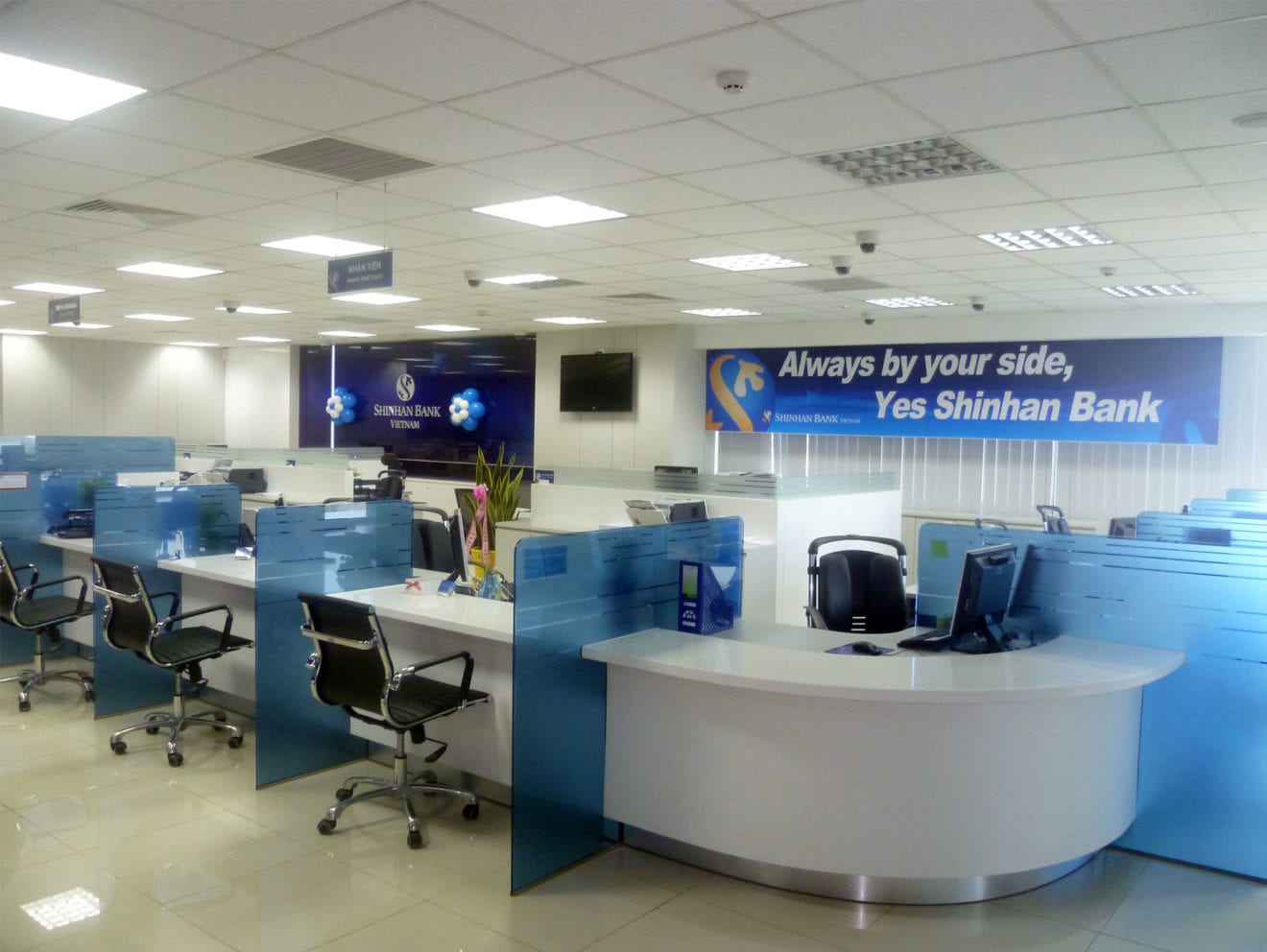
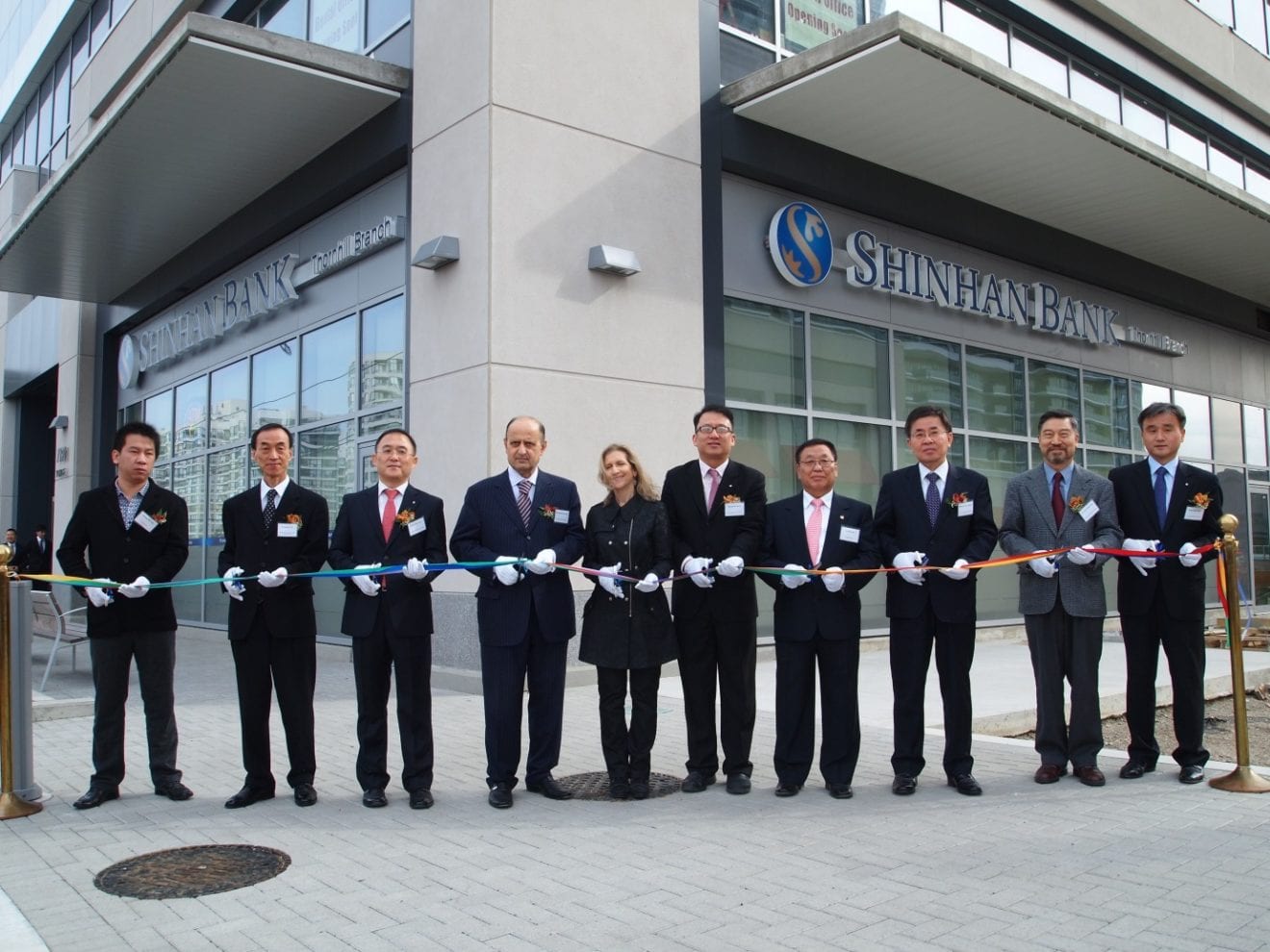
    South Korea’s Shinhan Bank has embarked on operations in Indonesia via Shinhan Bank Indonesia, a move that is expected to help the Korean bank expand its presence not only in the Southeast Asian country but also across Asia.

    Shinhan Bank said on Tuesday it officially launched Shinhan Bank Indonesia, which was renamed from Bank Metro Express (BME), a Jakarta-based bank with 19 branches that was acquired by the Korean bank last year. Shinhan Bank Indonesia is newly headquartered in the International Financial Center Tower 2 in Jakarta, the capital city of Indonesia.

    The kickoff of Shinhan Bank Indonesia’s operations follows a series of launches of the Korean bank’s overseas operations in other Asian countries such as Japan, China and Vietnam in recent years. The latest overseas operation is expected to help Shinhan Bank achieve its ambitious goal to build an extensive financial network across Asia.

    The Korean bank also aims to merge Shinhan Bank Indonesia with Centratama Nasional Bank (CNB), another Indonesian bank that it took over last December, later this year. The Indonesian bank has 41 branches across Surabaya, the second biggest city in Indonesia, and other cities in Java Island.

    Once the merger is complete, the Korean bank would have 60 networks across Indonesia, the world’s fourth most populous country. It currently has 141 overseas networks across 19 countries. It would also be the first in the Korean banking industry to purchase two offshore banks and merge them.

    Cho Yong-byung, the president of Shinhan Bank said at the launching ceremony on Tuesday that he expects the merger of the two Indonesian banks would set a new milestone in Indonesia.

  • Hotel Lotte IPO expected to become S. Korea’s biggest offering

    Hotel Lotte IPO expected to become S. Korea’s biggest offering

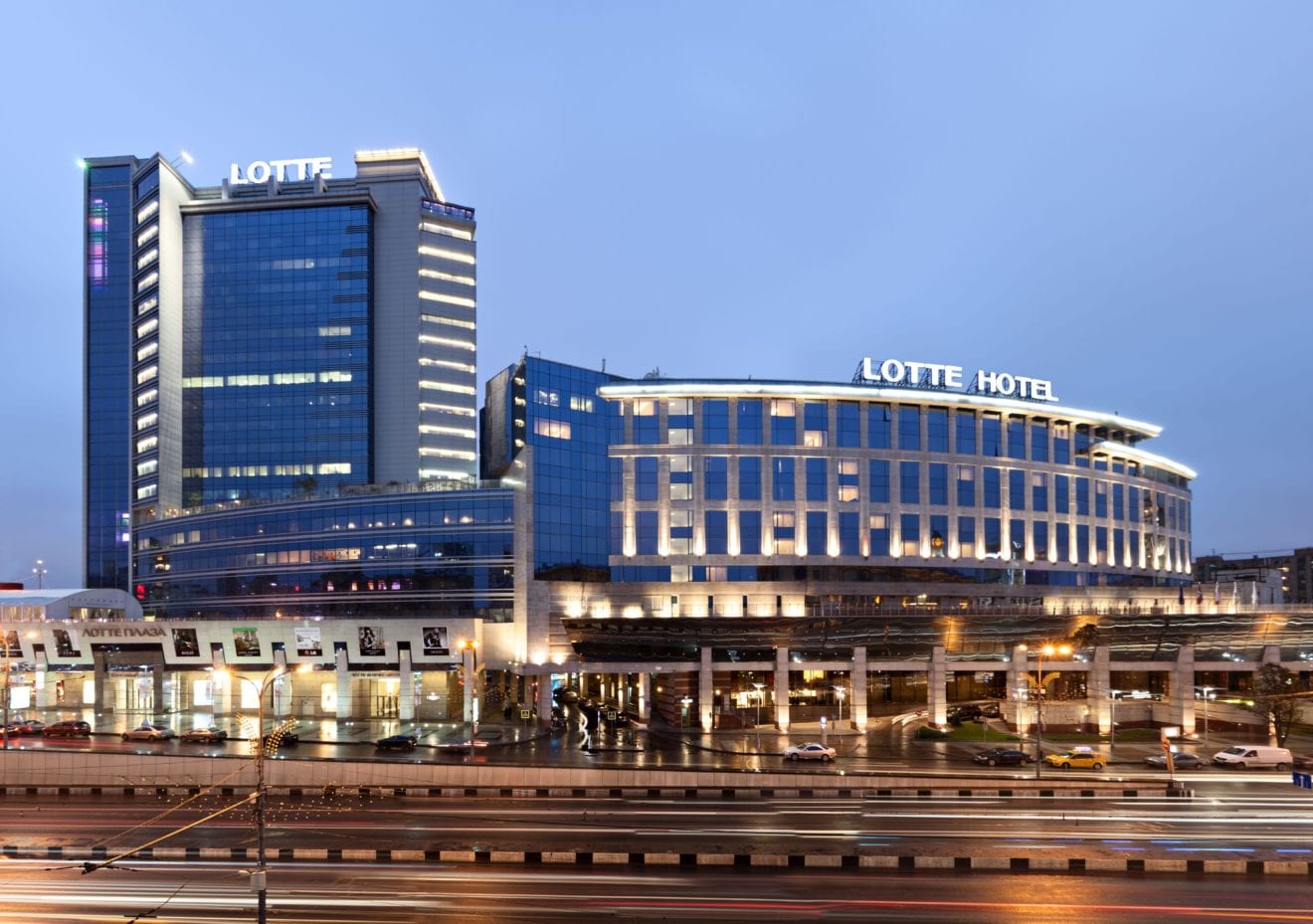
    South Korean retail giant Lotte Group’s hotel unit said Thursday it will go public on the KOSPI market on June 29, which is expected to fetch over 5 trillion won (US$4.19 billion) to mark as the nation’s largest-ever initial public offering (IPO).

    Hotel Lotte Co. said in a regulatory filing that it will offer 47.85 million shares at a range between 97,000 won to 120,000 won per share.

    The offering is estimated to be around 4.6 trillion to 5.7 trillion won, and its medium range of price would surpass the record amount of 4.9 trillion sale by Samsung Life Insurance Co. in 2010. 

    Hotel Lotte, the world’s No. 3 duty-free operator, said it will use the fund to step up its duty-free business, hotel chain and theme park to offer comprehensive options to travelers.

    “Hotel Lotte will use the IPO fund to invest in expansion of duty-free stores at home and abroad to become the world’s largest duty-free operator,” the company said in a statement.

    The duty-free business is the company’s key source of income, accounting for 86 percent of its total sales.

    Starting from next month, Hotel Lotte plans to hold a series of deal roadshows in major cities, including New York, London, Singapore and Hong Kong, according to company officials.

    The listing of Hotel Lotte is one of the reform pledges that Lotte Group Chairman Shin Dong-bin has made as part of efforts to improve corporate image after a bitter family feud for control of the retail-focused conglomerate, which has sprawling businesses both in South Korea and Japan.

    The prolonged family feud has virtually come to an end as the founder’s second son and incumbent chief won shareholder support in March to tighten his grip on the nation’s fifth-largest conglomerate.

    On Thursday, Lotte founder Shin Kyuk-ho, who was undergoing a mental competence evaluation to prevent a legal guardian appointment, abruptly rejected the procedure and left Seoul National University in just three days of hospitalization.

    In December, the 94-year-old founder’s younger sister requested a Seoul court to name her as his legal guardian, claiming her aging brother was no longer capable of making consistent decisions.

    As a result, the aged tycoon was unseated from board seats at major affiliates during a shareholders’ meeting in March.

    Experts say Shin’s early discharge from the hospital has raised the likelihood of his sister becoming his legal guardian.

    “The case of dementia requires at least two weeks of hospitalization for examination. His discharge from hospital in just three days means that officials could not proceed with normal procedure,” Lee Hyun-kon, the lawyer for Shin’s younger sister, said. “The possibility of (the court’s) appointment of a legal guardian for Shin has risen as he could not prove that there’s no problem with his mental health.”

    Dong-joo has claimed he is his father’s hand-picked successor, but Dong-bin argued that his father is unable to make reasonable judgments due to mental health problems.

  • Indonesia to promote cruise, yacht destinations in Korea

    Indonesia to promote cruise, yacht destinations in Korea

    The Ministry of Tourism will promote Indonesian tourism destinations, especially for cruising and yachting, at the Seatrade Cruise Asia 2016 to be held on May 12-14 in Busan, South Korea.

    During the cruise industry exhibition, the government will introduce Indonesias best cruising and yachting destinations, Deputy of International Marketing Development of the Ministry of Tourism I Gede Pitana stated in a press release here on Thursday.

    The ministry will inform the international companies and yacht owners of the governments step to increase tourist arrivals by simplifying the approval procedure for yachts entering Indonesian waters through the Clearance Approval for Indonesian Territory system.

    “The process to issue an entry permit will take only one hour,” Pitana noted.

    The government is prioritizing 10 yachting destinations, such as Tanjung Kayang Belitung, Tanjung Lesung, Seribu Islands, Mandalika Lombok, Labuhan Bajo, Wakatobi, and Morotai, in which marinas have been built to accommodate yachters.

    For cruise tourism, the five major ports of Belawan in Medan, Tanjung Priok in Jakarta, Tanjung Perak in Surabaya, Benoa in Bali, and Soekarno-Hatta in Makassar will serve as the entry gates to Indonesia.

    Eight marine tourism companies of Indonesia are also participating in the Seatrade Cruise Asia 2016.

    Moreover, the government is promoting its visa-free policy for Korean citizens by advertising its campaigns in the local media and through catalogs placed in Korean high-speed trains.

    The guests at the exhibition will be able to enjoy the performances of Indonesian dancers and several varieties of Indonesian coffee at the Wonderful Indonesia booth at the Seatrade Cruise Asia 2016.

  • Coffee wars: South Korea’s cafe boom nears saturation point

    Coffee wars: South Korea’s cafe boom nears saturation point


    In fashionable retail and commercial districts of southern Seoul, nearly one in every two buildings boasts a coffee shop – evidence of a boom that has delivered dizzying growth for the likes of Starbucks and local chains.

    But now the market is getting even more crowded, as convenience stores such as 7-Eleven offer 1,000 won (87 cents) cups, and smaller players are feeling the heat.

    “We declared an emergency situation, gathered all employees eight times to debate strategies,” Moon Chang-ki, CEO of mid-priced coffee chain Ediya, the country’s largest operator by location with about 1,800 stores, told reporters recently. “If we sell at that price, our store owners won’t earn any margins.”

    To compete, Ediya says it has instead focused on improving the quality of its coffee, and actually raised prices last year. Other chains have responded to growing competition by cutting back on store numbers and staff, or expanding overseas.

    The number of chain and stand-alone coffee shops in South Korea more than tripled to about 49,600 in 2015 from 12,400 in 2011, according to Korea Contents Media – far faster than overall consumption of coffee, which Koreans have been drinking for decades.

    PEAK COFFEE

    South Korea’s per capita coffee consumption has nearly doubled since 1990 to 2.3 kg (5 lb) per person, according to the International Coffee Organization – still roughly half the 4.5 kg that Americans consume.

    Revenue growth at coffee chains in the country slowed to about 8 percent in 2014, however, from more than 20 percent annually between 2008 and 2012, analysts say. While the number of new coffee shops in Seoul increased, so did closures, according to city data.

    Brewed coffee sales at 7-Eleven, run by Lotte Shopping’s Korea Seven Co Ltd, jumped 88 percent in 2015 after it introduced drip coffee early last year costing about a dollar, almost one-fifth the cost of an average Starbucks cup.

    McDonald’s Corp stores cut coffee prices to 1,500 won from 2,100 won early last year, and have seen sales of the beverage almost triple, the company told Reuters.

    By contrast, local chain Cafe Droptop, with about 225 shops, cut about 20 percent of its workforce at the end of 2015. Another chain, Coffine Gurunaru, with about 100 shops, incurred combined operating losses of 2.5 billion won ($2.2 million) in 2013 and 2014 after being profitable in the previous two years, filings show.

    “Even fried chicken restaurants and pubs are adding coffee, trying to be a cafe, while espresso machines are spreading in offices,” said Lee Kyung-hee, who heads the Korea Business Strategy Institute, a consultancy. “The coffee industry is fighting a war without borders.”

    GOING ABROAD

    Starbucks entered the market in 1999, and is widely credited with starting the country’s habit for splurging on higher-quality coffee and creating a cafe industry SK Securities said was worth about 2.5 trillion won ($2.2 billion) in 2014.

    Starbucks Coffee Korea, a 50-50 joint venture between the world’s biggest coffee chain and South Korean hypermarket operator E-Mart, now has 860 stores, putting the country behind only China and Japan as the company’s biggest markets in Asia, with sales more than doubling between 2011 and 2014.

    It posted a 20 percent increase in net profit to 30.77 billion won in 2014, the most recent year for which results are available, on revenue of 617 billion won, up 28 percent.

    But with industry growth slowing, some chains have been pushing abroad.

    Caffe Bene, which reached 932 domestic stores in 2014 before trimming back to 850 at the end of March, posted a 3.3 billion won net loss in the first three quarters of 2015, according to the latest public data.

    Last month, a joint venture between Singapore’s Food Empire and Indonesia’s Salim Group acquired a 38 percent stake in Caffe Bene, becoming the second biggest shareholder after South Korean private equity fund K3 Equity Partners.

    The chain said it was looking to expand in Southeast Asia to drive growth.

    Zoo Coffee, with 65 domestic shops, has opened about 200 franchise stores in China since entering the country in 2013 and in December announced a tie-up with China’s giant Dalian Wanda Group to open 50 stores per year there.

    Cafe Droptop in November opened its first overseas outlet in Shanghai.


  • Lessons to be learned from South Korean TV

    Lessons to be learned from South Korean TV

    Stepping inside the Munhwa Broadcasting Corporation (MBC) in Seoul, you would be surprised how the Korean broadcaster has managed to turn its headquarters into a tourist spot.

    On the ground floor, booths are set up to allow visitors virtually learn singing and take pictures with the K­pop stars, or even pretend to be their girlfriends or boyfriends.

    Upstairs, visitors could take a further step to have a taste of being anchors in news castings or even acting as the empress in the signature dramas.

    Korean dramas have stirred up crazes in Asian countries over the past decade and created huge business opportunities. With the recent success of the military-­setting drama Descendants of the Sun, produced by another broadcaster KBS, many would wonder how Hong Kong, which sees a new free station ViuTV goes on air earlier this month, could learn from the Korean experience.

    It was important for the government to take a careful position, said the country’s envoy in Hong Kong, by pouring resources in nurturing talents in one hand but refraining from meddling in the production.

    “Even though the Korean government support the entertainment industry, they would not intervene directly,” said Yu Byungchae, the country’s consul in Hong Kong on culture. “The content of the dramas and movies depended on the creator’s ideas.”

    The more competitive environment in South Korea, with the rise of new cable broadcasters, has helped boosting the production’s quality, said Yu, and now the industry is eyeing not just locally but the huge overseas market.

    The Descendant of the Sun ­– the first TV series jointly produced by Korean and Chinese firms and aired in both nations simultaneously ­ — has already been sold to 32 countries, including United States, Germany and Russia.

    The drama’s success also helped giving a strong boost to the tourism and retail sectors, said Yu. One of the examples was the surging sale of red ginseng extract ­which the leading actor Song Joong­ki was seen drinking in Descendant of the Sun.

    “In the past, [promoting] culture, drama or K­pop are the responsibility of the Ministry of Cultural, Sports and Tourism,” he said. “But now financial ministers and other sectors are all interested in coordinating [to see] how the government can help those industries to develop more.”

    Yu also said Hong Kong’s advanced financial system actually was a great advantage the city enjoyed to develop its cultural industry, adding he believed the emergence of ViuTV would bring Hongkongers more diversified content.

    “Things we have not imagined before might [happen] now,” he said, referring to the new broadcasters’ all-female mixed martial arts reality show G-1 Fight Club which featured eight Hong Kong starlets beating on each other.

    “It’s natural that competition [boosts] creativity. To survive, [broadcasters] have to create things they have not done before.”

    But Korea watcher Steve Chung Lok­wai was not so optimistic at the city’s capacity in producing dramas of Korea’s quality in short run.

    ViuTV was placing its focus on entertainment or reality shows instead of dramas, he said, as the production of the latter required enormous and sustaining capital and it would be very tough for the newcomer to compete with the broadcaster giant TVB.

    The decades-­long monopoly of TVB has also made Hong Kong lag way behind South Korea, Chung, an assistant lecturer of Global Studies programme in Chinese University, lamented.

    “TVB used to sell its dramas to the overseas Chinese markets, but now even the expat Chinese communities have given up TVB to watch Korean or Japanese dramas instead,” he said.

    Chung said Hong Kong government did not have a macro cultural and entertainment policy and argued only by granting more free-to-air TV licenses, which facilitates true competition, would help improving the stagnant development.

  • Card, not cash, is king in South Korea

    Card, not cash, is king in South Korea

    Whenever she needs to use money – whether to take the subway, buy a drink from a vending machine or pay for lunch at a restaurant – Ms Kim Mee So, 29, will whip out her debit card.

    It is the only card the teacher carries with her in her bag, and the only one she needs for daily expenses.

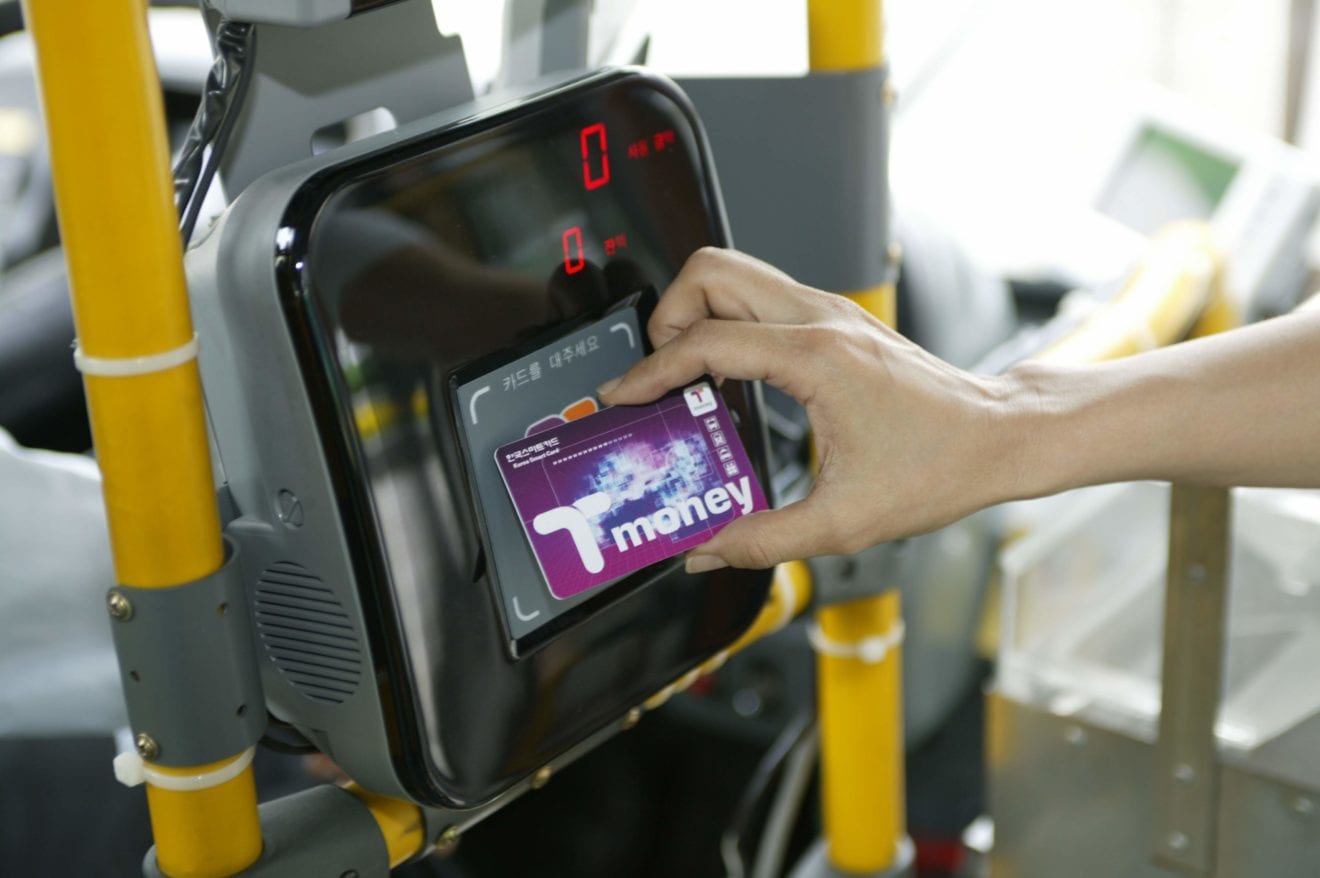
    The Visa debit card is linked to her bank account and equipped with a smart chip that also allows her to use it as a public transport payment card, known as T-money.

    “I don’t use real money because it’s heavy to carry around, and I don’t have a wallet so there’s no place to put it in. The only time I use cash is to pay for food delivery and give an allowance to my brother who’s in high school,” she said.

    Ms Kim is among a growing group of South Koreans who are relying less on cash and more on cards and electronic payments, as the world’s most wired country started early last year to open up its finance technology (fintech) industry and encourage more people to adapt to IT-based systems, including payments via mobile phones.

    NO ROOM FOR CASH

    I don’t use real money because it’s heavy to carry around, and I don’t have a wallet so there’s no place to put it in. The only time I use cash is to pay for food delivery and give an allowance to my brother who’s in high school.

    MS KIM MEE SO, a 29-year-old teacher who carries only a debit card in her bag for daily expenses.

    Only about 20 per cent of all payments here are made with cash – among the lowest in the world – according to the Bank of Korea (BOK).

    The central bank is now aiming for the country to go cashless by 2020, beginning with plans to phase out coins so as to reduce the cost of minting them. It has already cut back on issuing paper money.

    A system is being tested for retailers who receive cash to give back change not in coins but as credit in the customer’s T-money card or credit card.

    It will be rolled out by next year if pilot tests prove to be successful.

    Going cashless is a global trend, led by Scandinavian countries Norway, Sweden and Denmark. Singapore has also committed $225 million to grow fintech start-ups as part of its plan to go cashless.

    In South Korea, electronic payments gained popularity after the introduction of T-money in 2004, as the country sought to streamline public transport payments with a single touch-and-go smart card.

    What is T-money?

    South Korea introduced a smart card called T-money in 2004 to streamline public transport payments.

    Here is how it works:

    • •T-money is a stored-value card with a smart chip for fare deductions, much like Singapore’s ez-link card.

      •Modified T-money chips can also be fitted into credit cards and debit cards, and even into mobile phone SIM cards, which means one can just tap one’s phone to take the bus, subway or taxi.

      •It is also accepted at many convenience stores, retail shops and restaurants.

      •By the end of 2014, T-money was used in 43 million transactions daily.

      •There are 15 million users in Seoul and the surrounding Gyeonggi province, which have a combined population of 22 million.

    Much like Singapore’s ez-link card, T-money is a rechargeable stored-value card with a smart chip for fare deduction. The chip has been modified to fit credit cards, debit cards and even mobile phone SIM cards – which means people can tap their phones to take the bus.

    T-money can also be used at most convenience stores and some retail shops and restaurants.

    By end-2014, T-money was used in over 43 million transactions a day. There are more than 15 million T-money users in Seoul and the surrounding Gyeonggi province, which have a combined population of 22 million. Apart from the T-money card, credit and debit cards have also become a way of life.

    The success of T-money and the popularity of mobile devices have also prompted a new wave of fintech developments.

    Tech giants including Naver, Kakao and Samsung compete to build and bolster their mobile payment platforms to capture consumers shifting from computers to mobile devices.

    Text-messaging app company Kakao, for instance, has its own mobile payment platform KakaoPay that allows its seven million users to shop online as well as pay electricity bills.

    The Seoul Metropolitan Government jumped onto the bandwagon last December, launching an app called STAX to allow users to pay property and car taxes and water and sewage fees on mobile phones.

    Business consultant Lee Youn Joo, 31, said cash has become less important nowadays and is used only on special occasions like weddings and funerals, and when paying street vendors and for valet parking.

    “Koreans are used to convenient transaction means and… the use of credit cards and mobile banking will continue to increase,” he said, adding that he uses credit cards for 90 per cent of his monthly spending.

    But as more people choose to go cashless, there are concerns about credit card security, overspending and whether the elderly can adapt to electronic payments.

    Student Terry Nam, 21, is concerned about security, as the country has witnessed major data leaks involving big credit card companies.

    “Our distrust of privacy protection is very high. The government should explain what it has done to resolve this issue and strengthen the punishment for private data leakage crimes,” he said.

    Wary of credit card companies, graduate school student Kwon Joo Hyun, 27, uses a debit card instead and avoids online payments that require credit card details.

    But she still supports the BOK’s plan, adding that the government can introduce a kind of cashback card for elderly folks to use when coins are phased out.

    But Dr Sohn Sang Ho, senior research fellow at the Korea Institute of Finance, feels the BOK’s plan to go cashless by 2020 is “too ambitious”. He said there is still a big group of older people who rely mainly on cash transactions, especially in traditional markets, and it will take a long time for them to convert to electronic payments.

    “Going cashless can be our long-term goal, but it’s not possible in the near future,” he said.
  • South Korea’s Shinhan expands in Asian retail banking

    South Korea’s Shinhan expands in Asian retail banking

    Through steady no-nonsense efforts focusing on retail banking, Shinhan Financial Group has grown to operate more than 150 overseas branches, the most among South Korean financial institutions. Although much smaller than counterparts from Japan, the U.S. and Europe, Shinhan continues to boldly expand operations in such Asian markets as Vietnam and Indonesia.

    The bank set up a presence in Vietnam in 1993, following Samsung Electronics, LG Electronics and other South Korean conglomerates into the Southeast Asian country. It plans to open four branches there within the year, bringing the total to 18. This should make Shinhan the foreign financial institution with the most branches there.

    As a part of efforts to expand further in the country, the bank has been focusing on boosting lending to individuals. Because wages are low and people tend to change jobs frequently, foreign financial institutions are generally reluctant about extending personal loans in Vietnam, but Shinhan has found a “unique sales approach” for reducing loan default risks. The bank’s salespeople have been visiting labor unions at various factories to seek information on workers who have been working steadily for more than a year or two, since these people would make more secure borrowers.

    All over Asia

    Shinhan traces its roots to Shinhan Bank, which was established in 1982, using funds raised from ethnic Koreans living in Japan as a part of its start-up capital. Following the opening of a branch in Osaka in 1986, the group has maintained close ties with Japan. In its home country, the group has grown on its strength in retail banking.

    With Shinhan Bank at its core, the group now operates more than 150 overseas branches. This puts it ahead of Hana Financial Group to rank No. 1 among South Korean financial institutions in terms of the number of foreign branches, according to research firm CEO Score.

    “We will secure the engine for new growth in the global market, centering on Asia,” Chairman Han Dong-woo said at a general shareholders meeting in March.

    True to his words, Shinhan has been pushing further into other Asian countries. In Indonesia, the group has acquired Centratama Nasional Bank, which has 41 branches, as well as Bank Metro Express, which operates 19. In addition, credit card unit Shinhan Card has a joint venture with local conglomerate Salim Group.

    In Myanmar, Shinhan received approval to open a branch last month, a first for a South Korean bank. The group aims to tap into demand for retail financial services by bringing its credit card and insurance units into the Southeast Asian country.

    Small but solid

    Moody’s has given Shinhan Bank an Aa3 credit rating, one rung above that of Bank of Tokyo-Mitsubishi UFJ. However, Shinhan Financial Group still pales in comparison to Mitsubishi UFJ Financial Group in scale, as its 370 trillion won ($326 billion) in consolidated assets as of the year ended in December are equivalent to just 12% of the Japanese megabank’s total assets. The Japanese banking group also operates a far larger overseas network, counting more than 1,150 branches as of the end of September.

    But Shinhan Bank is set to continue its steady growth by “making the most of its speed and strength in retail sales,” said Executive Vice President Heo Young-taek.

  • China, Indonesia, South Korea, Thailand bid for 2023 AFC Asian Cup

    China, Indonesia, South Korea, Thailand bid for 2023 AFC Asian Cup

    China, Indonesia, South Korea and Thailand have expressed interest in bidding for hosting the football Asian Cup to be held in 2023, the Asian Football Confederation (AFC) said here on Tuesday.During the meeting held in the Malaysian capital, the AFC Competitions Committee announced that the AFC had received expressions of interest from China, Indonesia, South Korea and Thailand by the deadline of March 31, 2016 to host the AFC Asian Cup in 2023, reports Xinhua.

    “The AFC will now send out the Bidding Agreement and the Host Candidate Questionnaire and seek government guarantees and legal opinion on the bids,” it said. China entered the final when the country hosted the Asian Cup in 2004, but lost to Japan 3-1.

  • TransferWise partners with Pay Gate to bring money transfer services to Korea

    TransferWise partners with Pay Gate to bring money transfer services to Korea

    TransferWise, the P2P international money transfer platform, has opened up transfers to South Korea.

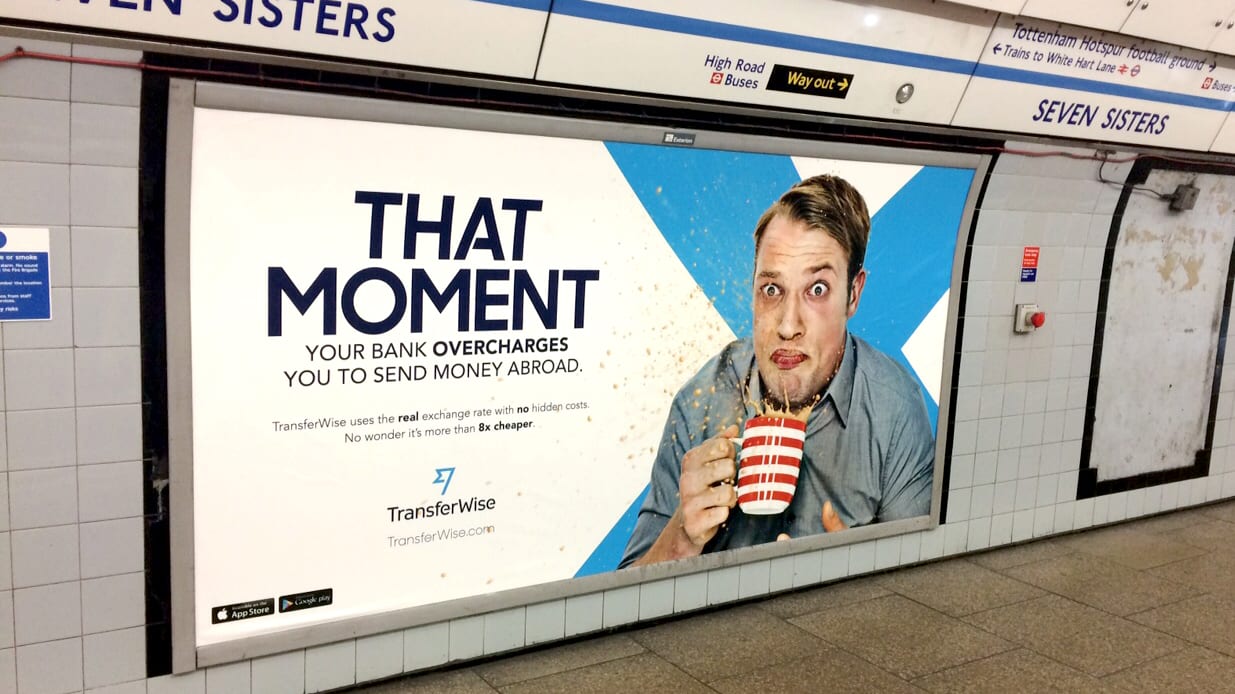
    Until recently, banks and brokers were the only option for consumers needing to send money to the country. But now, thanks to recent changes in regulation, TransferWise has partnered with local firm, PayGate, to bring better, fairer international money transfer to South Korea.Instead of sending the money in Korean Won, banks and brokers send customers’ money in GBP or USD for example, and the receiving bank makes the conversion. This leaves consumers paying two rounds of fees and maybe even two rounds of conversion – and usually they haven’t even been told they’re being charged in this way. But TransferWise sends the money in Korean Won, which means no receiving bank mark-up. The process is also completely transparent. TransferWise charges 1.5% for transfers with a delivery time of the same or next day.

    Taavet Hinrikus, CEO and co-founder of TransferWise, said:
    “Until recently, there was no alternative to banks and brokers when people wanted to send money to South Korea. We’ve heard from consumers that the process was slow and outrageously expensive so we’re hugely excited to launch the route on TransferWise. It’s going to make a huge difference to the seven million Koreans living, working and studying overseas.

    “The steps that the government in South Korea is taking to open up the financial services sector is good news for consumers. There will be more choice and better, fairer services to choose from.”

    So Yeong Park, CEO and co-founder of PayGate, said:
    “It is so glad that we now can serve customers with our 18 years of diverse experience as a Payment Service Provider, for them to make much cheaper, faster, and safer international money transfers to Korea.

    “For the last few years PayGate has been working hard to grow the Korean Fintech Industry and our recent partnership with TransferWise is the result of these efforts. Customers in Korea will see how this alternative finance can positively affect their daily lives.”

    People use TransferWise to transfer more than £500 million globally every month, saving themselves more than £22 million a month in unfair fees and charges.