Tag: south korea

  • Woowa Korea gets $320 million from overseas

    Woowa Korea gets $320 million from overseas

    Woowa Brothers, the operator of the popular food delivery app Baedal Minjok, said Thursday that it succeeded in securing $320 million from major foreign investors including Sequoia Capital, famous for investing in leading tech companies such as Apple and Google.

    According to Woowa Brothers, other major investors include China’s Hillhouse Capital – which is also known for investing in Chinese tech giants including Tencent and Baidu and led this round of funding – and the Singapore government-owned wealth fund GIC.

    The food delivery app developer said the investment has solidified its position as a unicorn company – an unlisted start-up worth over $1 billion – as its post-money valuation is now worth 3 trillion won ($2.66 billion).

    The company said it was able to secure such a large investment thanks to its exceptional growth.

    The Baedal Minjok app, normally referred to as Baemin, now processes nearly 27 million food delivery orders every month, up from 20 million in July. The app has 8 million monthly active users.

    Food delivery sales have more than doubled in the past three years. Baemin processed around 5 trillion won worth of food delivery orders this year, up from 2 trillion won in 2015.

    Since its founding in 2010, Woowa Brothers has received a total of 506.3 billion won in investment. Previous investors include Goldman Sachs, which invested 40 billion won, and Naver, which invested 35 billion won.

    “It’s significant that our company’s growth and future potential was recognized by reputable global investors,” said Oh Se-yoon, Woowa Brothers’ executive vice president and CSO.

    Woowa’s business interests go beyond food delivery. Its other projects include developing delivery robots powered by AI and self-driving technology and building an online system to help restaurant owners manage revenue and customers.
  • Hana Bank reveals Vietnam expansion plan

    Hana Bank reveals Vietnam expansion plan

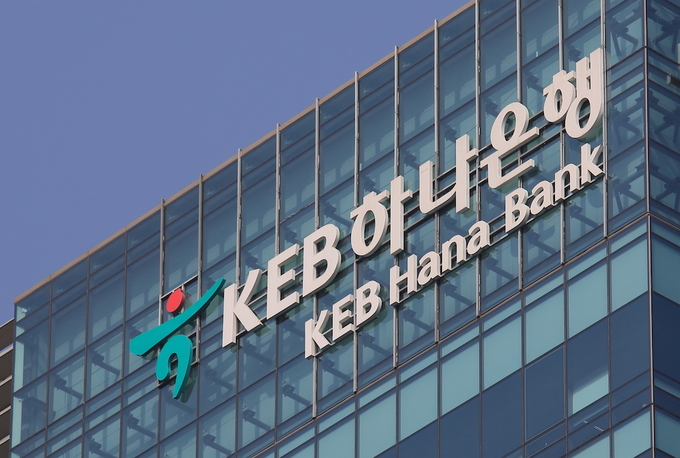
    South Korean banks are setting themselves up to score big in Vietnam as foreign ownership limits would be loosened. South Korea’s second-largest lender by assets, KEB Hana Bank, is interested in buying a 17.65 percent stake in the Bank for Investment and Development of Vietnam (BIDV), a source said. BIDV is currently the second-largest state-owned lender in Vietnam by assets. 95.28 percent of its equity belongs to the country’s central bank, the State Bank of Vietnam (SBV).

    The SBV has “proposed to sell” the stake to KEB Hana for 30 billion won ($26.6 million), said the source, who requested anonymity.

    Last year, Shinhan Bank, a commercial banking unit under Seoul-based Shinhan Financial Group, acquired ANZ Vietnam’s retail unit, bringing along the Australian bank’s 95,000 credit card customers.

    Shinhan Bank has recently become the largest foreign bank in Vietnam with $3.3 billion in assets, surpassing HSBC.

    Vietnam presented a draft securities law in Hanoi earlier this month that would remove the current 49 percent foreign ownership cap in many sectors, allowing majority or even 100 percent ownership of a company.

    Although the limit for banks remains at 30 percent, government economic advisor Can Van Luc said at the draft presentation forum on November 7 that authorities would consider raising this limit for banks on a case-by-case basis, Reuters reported.

    Analysts say Vietnam’s growth potential and deregulation plans make it an attractive market for South Korean banks.

    “Vietnam is the most desirable market among emerging countries,” said Seo Young-soo, an analyst at Kiwoom Securities.

    “It has more advanced urbanization, and its market is more concentrated compared to Indonesia. Its government-driven economic development model is also familiar to South Korean banks, which have grown under the same strategy,” Seo said.

    Data from the Seoul-based regulator Financial Supervisory Service (FSS) show that total assets held by South Korean banks in Vietnam increased 18.9 percent last year to $5.7 billion.

    This ratio is higher than that of foreign lenders overall, whose combined total assets increased 12.9 percent to $42 billion during the same period, FSS said. South Korean lenders’ combined net profit in Vietnam also jumped 28.9 percent last year to $61 million.

    Vietnam has nine wholly-owned foreign banks, four state-owned banks and 31 domestic joint-stock banks.

  • Holiday boosts South Korean retail sales

    Holiday boosts South Korean retail sales

    A government report has shown a rise in South Korean retail sales of food during the Chuseok holiday. The holiday, likened to the Korean version of Thanksgiving, is thought to have sparked a 6.9 per cent spike in combined revenue for major online and offline retailers during September, compared with last year’s figures for the same period.

    Total online sales grew 8.6 per cent, with 6 per cent growth in offline sales during the holiday period.

    Ahead of the holiday, discount chain food sales increased by 8.1 per cent; department store food sales rose 4.7 per cent, and convenience stores saw 5.1 per cent increases in demand for imported beers and lunch boxes.

  • New fashion inspiration for young South Koreans

    New fashion inspiration for young South Koreans

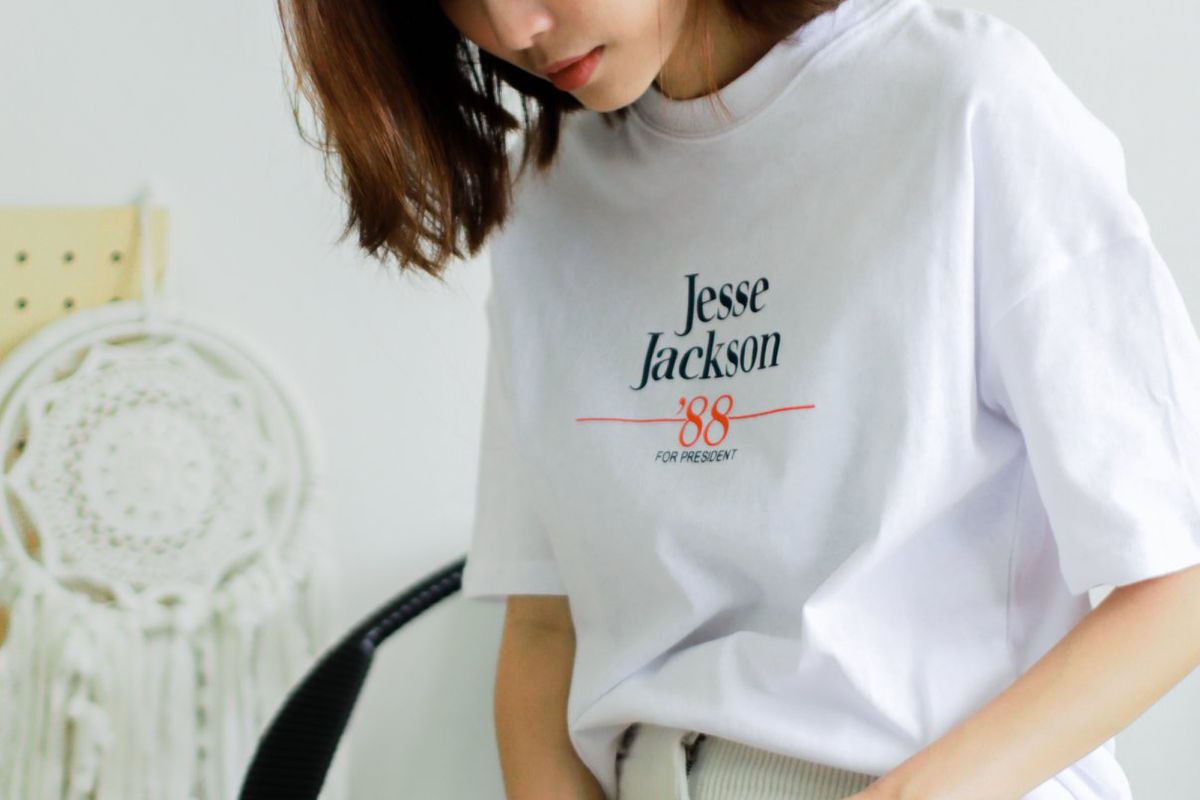
    Among young South Koreans, civic rights activist and Democratic presidential nominee Jesse Jackson’s 1988 campaign T-shirts and French fashion brand Balenciaga’s Bernie Sanders-inspired caps are some of the hottest fashion items at the moment. “What size is it?” “Has it been sold yet?” Comments like these quickly appear when well-kept secondhand Bernie Sanders caps are put up for sale in online communities, as a brand new one could cost nearly US$310.

    Celebrities like actor Ha Yeon-soo and singer HyunA have been seen sporting the Balenciaga cap, the design of which has been inspired by US politician Bernie Sanders’ 2016 presidential campaign logo.

    The Jesse Jackson-inspired T-shirts appear within reach for a wider demographic, as they are sold at a much cheaper price, ranging between 10,000 and 20,000 won.

    Other than being seen as fashionable, the two items share another thing in common. They are both inspired by progressive US presidential campaigns from the past, yet their origins receive little to no attention from South Korean consumers.

    The comments from major Web portal Naver speak volumes.

    “It hugs my body perfectly,” one comment about Jesse Jackson T-shirts read, while another said, “It goes well with my denim.”

    YouTuber Seni, who specializes in makeup and fashion, did a video on a hip-hop festival look in September, which she complete with the Bernie Sanders-inspired Balenciaga cap.

    During the video, the YouTuber got ready for a music festival but the background knowledge behind the cap’s design did not take center stage.

    Online fashion retailer Yuiiyuii, which sells Jesse Jackson T-shirts, says it’s mostly the design of the shirt that has gained popularity despite its originally political nature.

    “Not just Jesse Jackson but other T-shirts with similar fonts and colors gained popularity beginning around last summer.”

    While the two figures once contended for the leadership of the United States, their profile in Korea is not as strong as other US political figures such as President Obama and former Democratic presidential nominee Hillary Clinton.

    On a rare occasion in September, Jesse Jackson met with President Moon Jae-in during his visit to New York to attend the United Nations General Assembly.

    During the meeting, Jackson praised Moon’s North Korea policy and called the South Korean president a “breath of fresh air,” adding Moon was following in the footsteps of South African President Nelson Mandela and South Korean President Kim Dae-jung.

  • South Korea’s Diet Plan Company Launched

    South Korea’s Diet Plan Company Launched

    GLAM.D, healthy diet brand from South Korea, has launched three products in Singapore exclusively at Guardian. With the festive season approaching, it’s the time for feasting on Christmas goodies and even Chinese New Year treats. Amidst all that glorious food, GLAM.D drinks will come in handy so you can still look fabulous in your party outfit.

    The carb-blocking Weight Loss Drinks range includes lemon-flavored Easy Slim ($31 for box of 15), that is refreshing and easy to drink on a hot day, while the coffee-flavored Glam Café Original ($35 for box of 30) is perfect for coffee lovers.

    Both contain a key ingredient, Garcinia Cambogia Extract. Effective in blocking dietary carbohydrates from converting into body fat, they are suitable for the carb-heavy Singaporean diet.

    For snacking alternative, at only just 5 calories, maintain your daily calorie limits with water jelly treats from the Low Calorie Line. The 5Kcal Water Jelly ($3, available in apple, peach and mango flavours) drink contains fruit purée and natural sweeteners and is bursting with delicious fruity flavor.

    GLAM.D is available at over 50 Guardian stores islandwide, including Takashimaya, NEX, Jurong Point and Tampines Mall, as well as via Guardian SG Online.


  • Dufry blossoms in Asia market

    Dufry blossoms in Asia market

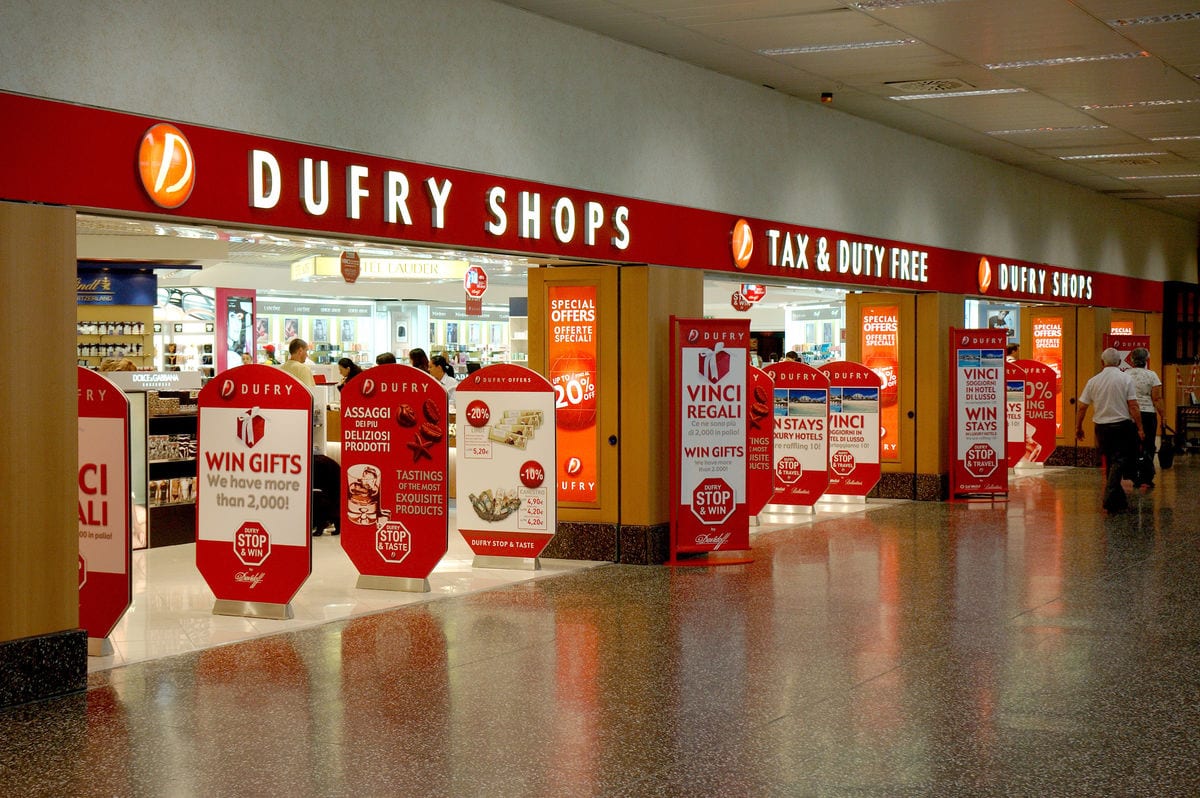
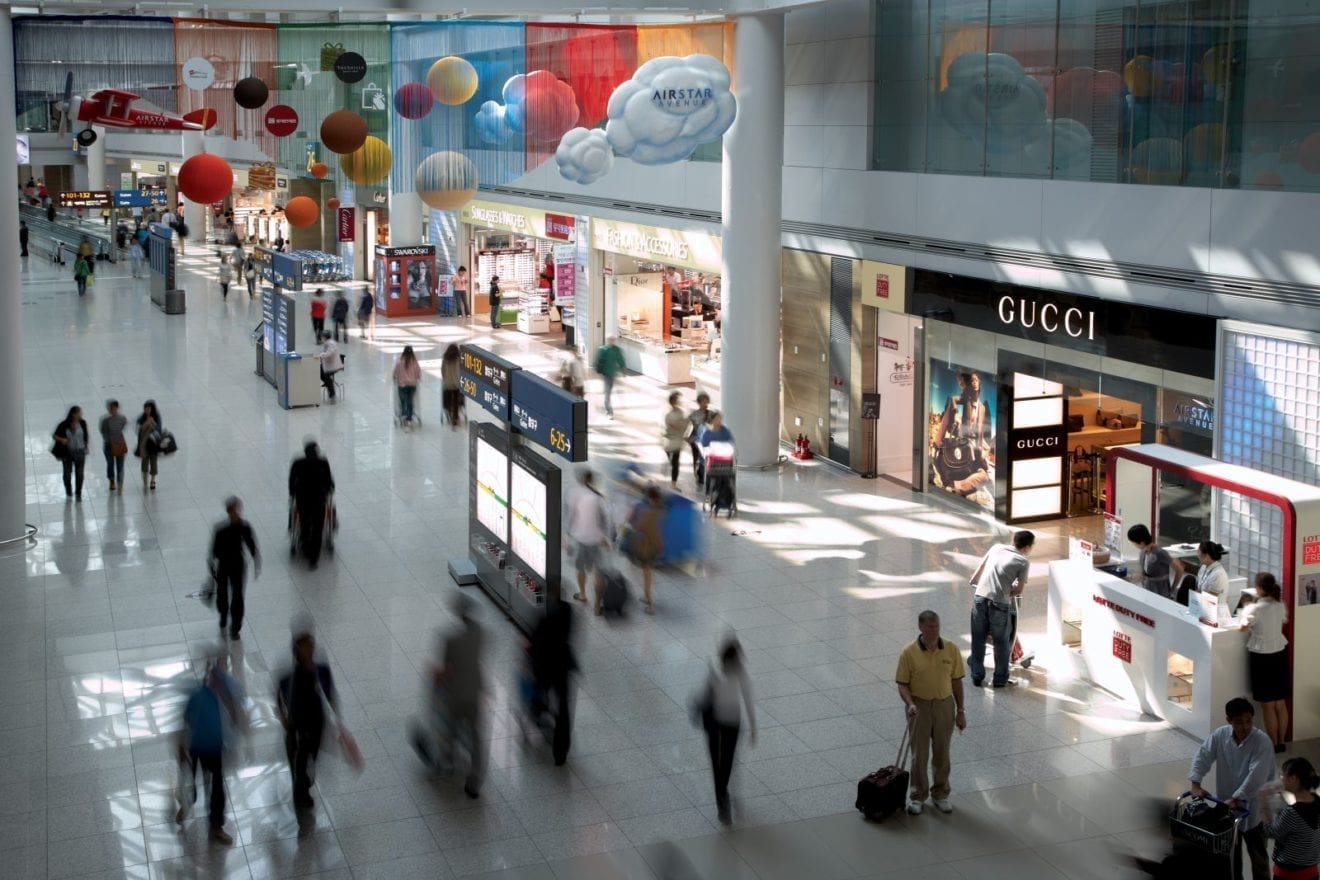
    Asia “continued to boom” for travel retailer Dufry in the first half of this year.

    Bali, Cambodia, Indonesia, Macau and South Korea all achieved double-digit sales growth during the half year, with Chinese tourists credited for much of that growth. Australia also achieved “strong double-digit performance” after the full renovation of Dufry’s stores there.

    “Eastern Europe, Middle East, Asia and Australia continued to outperform, driven by a growing number of Chinese passengers,” the company said in an earnings statement. Organic growth across Eastern Europe, Middle East, Asia and Australia rose 22.1 per cent.

    Globally, the Swiss company’s turnover grew by 7.2 per cent to CHF 4.097 billion (US$4.112 billion). Earnings before interest and tax grew 38.4 per cent to CHF 124.6 million.

    Dufry says its organic sales growth rose by 5.5 per cent thanks to an expansion and refurbishment program across the group.

    In the first half of this year, it expanded and opened 13,200sqm of gross retail space, which included new operations aboard 12 cruise ships, totalling 3500sqm across 38 stores. A further 22,400sqm of refurbishments are planned during the second half year, including the implementation of its new generation store concept at Heathrow Airport’s T3.

  • Converse x KASINA Capsule launched

    Converse x KASINA Capsule launched

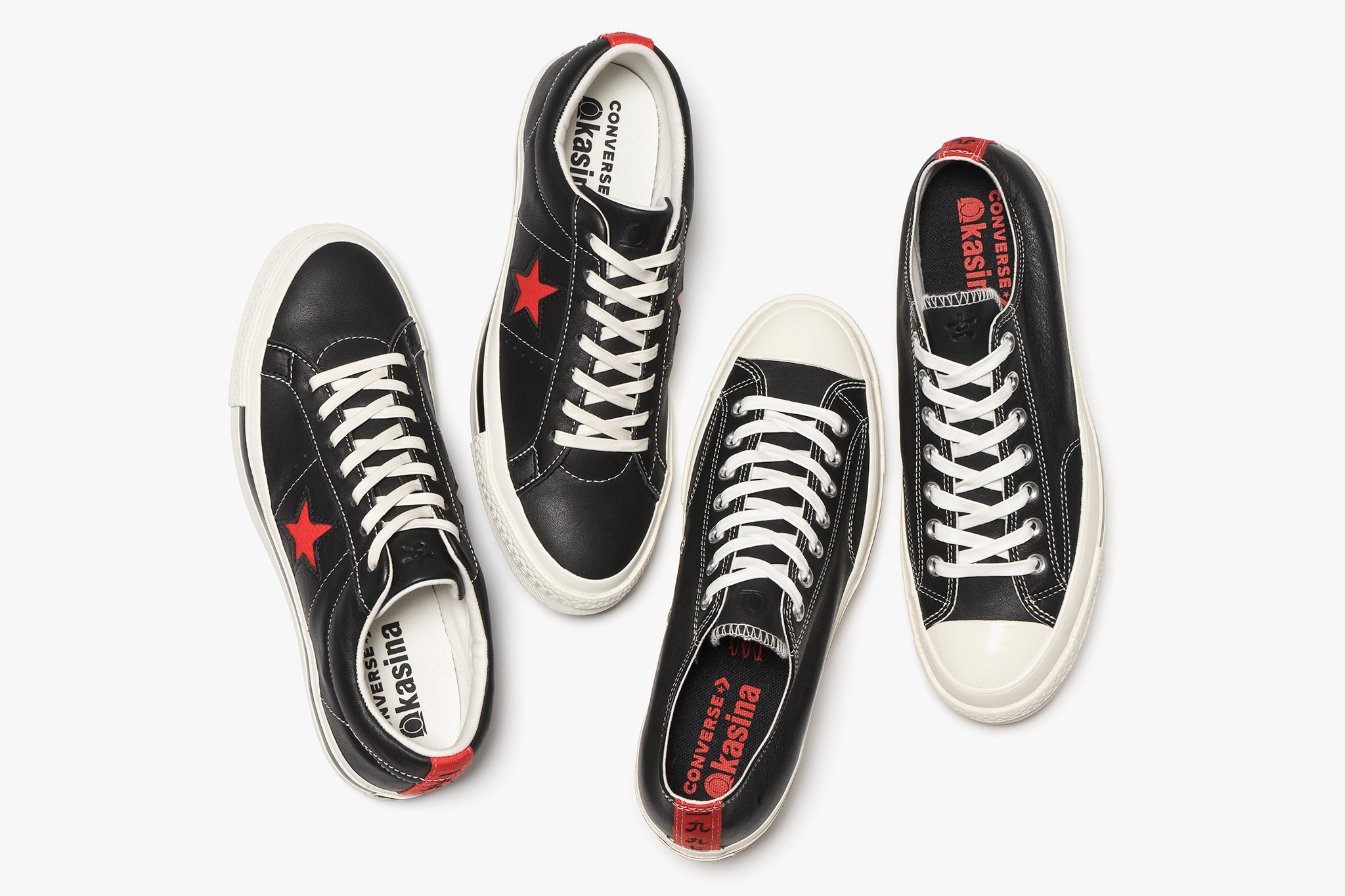
    Popular footwear label Converse has partnered with South Korean streetwear brand Kasina to release a collaborative capsule collection.

    Today’s Kasina x Converse global release on converse.com and in Kasina stores will feature Chuck 70 Ox and One Star silhouettes, an homage to Kasina’s urban styles and the iconic Korean fashion staples of recent decades.

    Kasina started trading in 1997 as a skateboarder garment label that blossomed as its image found favour with KOLs in Korean entertainment. The shoes bear the firm’s inaugural year on the heel along with the brand’s symbol – the Chinese character for “woman”.

  • South Korea to hold 5G auction June 15

    South Korea to hold 5G auction June 15

    The South Korean government has announced plans to hold an auction for 3.5-GHz and 28-GHz 5G spectrum on June 15.

    The government has also decided to go with its first proposed option of distributing the spectrum evenly among the nation’s three operators – SK Telecom, KT and LG U+ – rather than allocating the largest portion of spectrum to the highest bidder.

    Likewise, the government plans to limit bid amounts to stop the auction from being overly competitive and burdening the winners with high spectrum costs.

    With the move, the ICT ministry hopes to set the stage for the commercialization of 5G technology in South Korea.

    South Korean operators are expected to be among the earliest adopters of 5G technology. Currently KT has announced plans to launch commercial 5G services in March, and is expected to be the first South Korean operator to go live with the technology. But both KT and LG U+ have significant 5G rollout plans of their own. The operators already trialed 5G during the recent PyeongChang Winter Olympics.

  • South Korea agrees to further open auto market to US

    South Korea agrees to further open auto market to US

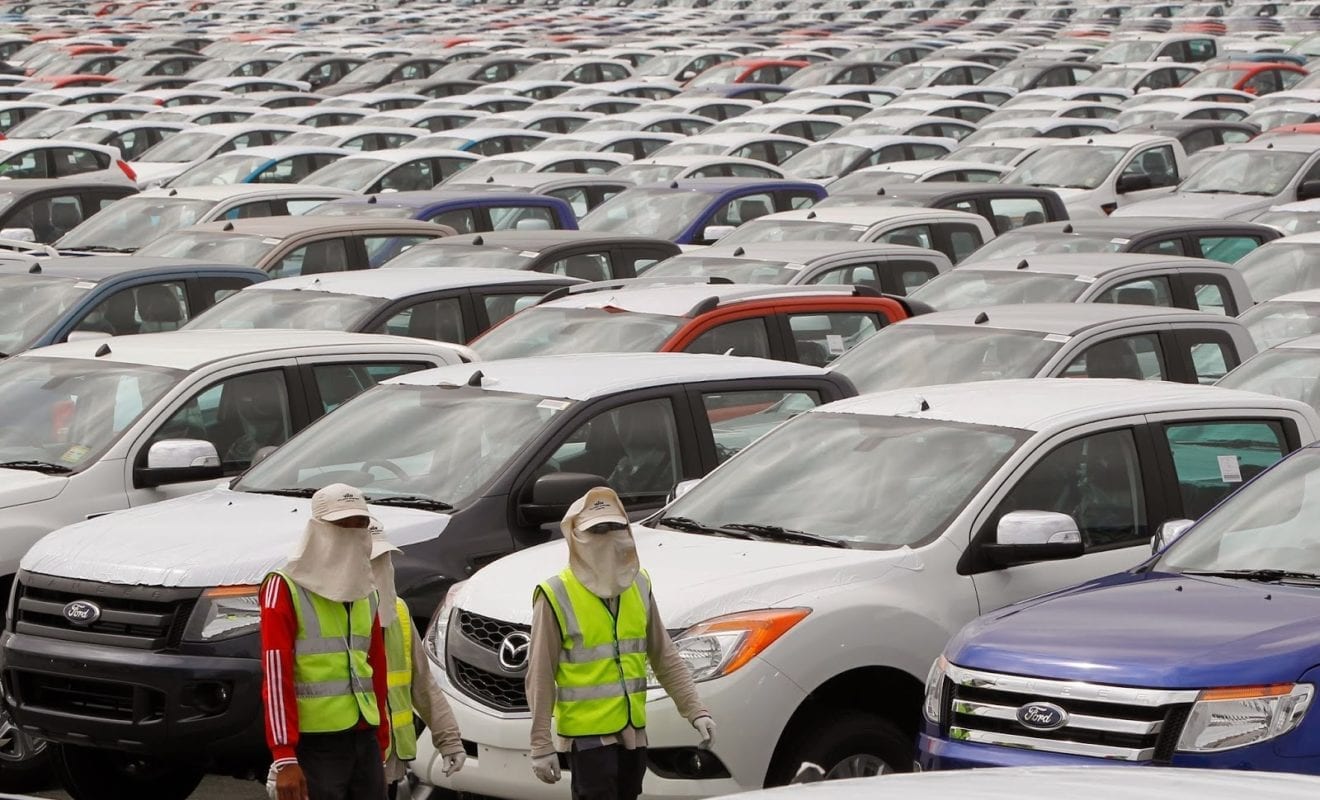
    South Korea has agreed to further open its auto market to the United States as the two countries prepare to amend their six-year-old free trade agreement, its top trade negotiator said Monday. South Korea’s Trade Minister Kim Hyun-chong said the United States will end tariffs on South Korean-made pick-up trucks in 2041 instead of 2021.

    Each American carmaker will also be able to export 25,000 additional vehicles to South Korea each year without having to comply with domestic safety regulations. South Korea also will ease emission standards for American cars shipped from 2021-2025, when the Asian country is due to set new import regulations.

    Kim said South Korea also won an exemption from increased import tariffs on steel products. The third-largest steel exporter to the United States after Canada and Brazil, South Korea was among 12 countries whose exports of steel and aluminum U.S. President Donald Trump recently said would be hit with heavy tariffs. But South Korea’s steel tariff exemption is subject to a quota of about 2.7 million tons of steel products a year, about 74 percent of its exports in 2017.

    The agreements in principle were announced Monday just hours after Trump said the United States was on the verge of amending its trade agreement with South Korea, which took effect in 2012. They came as a relief to South Korean industries, although the steel companies said they had wanted a larger quota of tariff-free exports to the United States.

    The auto sector is among the most contentious issues in South Korea’s trade dealings with the U.S. The Korean Automobile Manufacturers Association praised the government’s efforts to protect South Korean automakers and avoid major changes on sensitive issues such as adjusting tariffs.

    The revised agreement appears like significant concessions by South Korea but is expected to have little impact on its exports to the United States or its domestic auto market. No local auto companies export pick-up trucks made in South Korea to the United States, according to Kim.

    While U.S. carmakers will be able to ship 50,000 cars to South Korea annually, 25,000 more than before, without being subject to domestic safety regulations no American car brand sold more than 10,000 vehicles in South Korea last year.

    South Korean negotiators managed to avoid changes in treatment of its agriculture sector, a highly sensitive area in domestic politics.

    The two allies started working on amending the free trade pact in August after Trump blamed the arrangement for causing the U.S. trade deficit with South Korea.

    The president told reporters at a Friday news conference that trade deals are being made with various countries and then highlighted South Korea, a key economic and national security partner in Asia. The United States ran a $10.3 billion trade deficit with South Korea last year.

    While the United States posted a trade surplus of $10.7 billion with South Korea in the services sector, it recorded a goods trade deficit of $27.7 billion in 2016, leaving an overall deficit of $17.0 billion.

    After Trump’s remarks, Commerce Secretary Wilbur Ross said he hoped a final agreement with Seoul would be announced next week.

  • ‘1000 Won Coffee’ Is Getting Much Popular In South Korea

    ‘1000 Won Coffee’ Is Getting Much Popular In South Korea

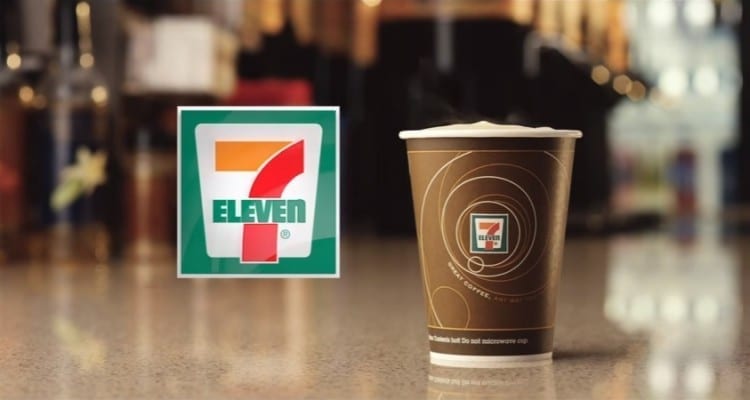
    The South Korean retail industry suggest that the popularity of “1,000 won coffee” is constantly growing. People are fond of it as it is brewed directly from the coffee machines and they get the opportunity to taste it while shopping at the convenience stores.

    The costs of basic necessities including foods are rising in South Korea, but to the coffee lovers, “1,000 won coffee” is always unique, delicious and worth drinking. According to 7-Eleven officials, instant brewed coffee was first introduced to the industry in 2015. Between 2015 and 2017, approximately 45 million cups of Americano from its brewed coffee brand Seven Café were sold (cost 1,000 won per cup).

    Another convenience store brand in South Korea managed by the GS Company, GS 25 also sold approximately sold 64 million cups of instantly brewed coffee directly from the machines in 2017. In 2016, the number was at 23 million. On the other hand, South Korea’s largest chain store (having more than 10,000 convenience stores), CU sold instant brewed coffee (at the rate of 1,200 won per cup) over 60 million cups in 2017. In 2016 and 2015, CU’s figures were 45 million and 25 million respectively.

    Traditional banana-flavored milk replaced

    One of the 7-Eleven officials, Lee Na-ra said that the brewed coffee ranked first in 2017 beating the traditional banana-flavored milk that was on the top. The result was same in all the 7-Eleven stores across the nation. Presently, the brand not only has a major presence in the Republic of Korea, it has over 9,000 stores spreading across the nation. The first 7-Eleven was unveiled in 1989 in Songpa-gu in Seoul with a franchise license under the Lotte Group.

    The 7-Eleven Lee Na-ra further said that the brand only utilizes high-quality coffee beans that are imported from various nations such as Ethiopia, Brazil, and Columbia. The workers roast the coffee beans separately at the factory before making it ready for brewing and offering to the customers.

    Why office workers drink instant brewing coffee frequently?

    To the office workers, the instant brewing coffee acts as an energy booster. They tend to drink several cups of coffee every day. Another reason for drinking it frequently is that its price is quite cheap. An office worker named Kim Dong-in said that since the price is about one-third compared to coffeehouse chains like Starbucks, he prefers to drink it three to four cups a day.

  • South Korean economy to uphold decent growth

    South Korean economy to uphold decent growth

    According to a state-run think tank Sunday, the economy of South Korea is preserving a decent growth rate while private spending is picking up, reaching a compensation for a hold up in corporate investment.

    In its monthly assessment of economic conditions, the Korea Development Institute (KDI) declared “facility investment growth slowed down, and construction investment continued its pace of deceleration, while consumer sentiment ran high, with retail sales posting sharp growth.”

    KDI found that even though December’s outbound shipment growth slowed down, exports are proving a modest expansion day by day.


  • S. Korea’s service sector investment focused on wholesale

    S. Korea’s service sector investment focused on wholesale

    South Korea’s investment in the service sector has been focused on low value-added areas, such as wholesale, retail and restaurants, official data showed Monday.

    The gross fixed capital formation (GFCF) for the service sector was tallied at 256.1 trillion won (US$239.6 billion) in 2015, the findings by the Bank of Korea and the National Assembly Budget Office showed. This represents a solid 13.9 percent increase to 224.8 trillion won reported in 2006.

    The GFCF refers to the net increase in assets that takes into account both investments and deductions within a set period of time.

    The tally, however, showed investments in high value-added areas, such as cultural and education industries, backtracking.

    From 2006 through 2015, when investment in the service sector shot up the steepest, investment was centered on restaurants and catering, as well as retail and wholesale.

    An injection of funds into this sector reached 18.1 trillion won in 2015, or a 69.2 percent spike from 10.7 trillion won tallied in 2006.

    The increase rate is five times faster than gains for the entire service industry as a whole in the same time period.

    The central bank said the sharp rise has allowed restaurants and catering businesses, and retail and wholesale to make up 7.1 percent of all service sector investments in 2015 from 4.8 percent in 2006.

    On the other hand, investment in the cultural sector contracted 20.8 percent to 7.6 trillion won in 2015 from 9.6 trillion in 2006, with 15.2 percent drop being reported for education-related outlays in the same period.

    Hong Joon-pyo, a senior analyst at the Hyundai Research Institute (HRI), said areas where investment has focused on in recent years is closely associated with self-employed posts.

    “Many people who retire and do not have any skill sets often go into these businesses so there has been a natural rise in investment,” he said.

    The economist said that this trend has led to an over saturation of certain service sectors that has eaten into profits.

    Statistics Korea said operating profits of restaurants and catering industries stood at 13.4 percent in 2015 or down 9 percentage points from five years earlier, while numbers for retail and wholesale correspondingly stood at 5 percent or down 2 percentage points.

    The statistical office said this has led to such stores’ average survival rate three years after opening standing at an average of just 39.1 percent. Such dismal numbers are not conducive to sustainable growth for the economy as a whole.


  • Low Production Hurting South Korea Economy

    Low Production Hurting South Korea Economy

    The recovery pace of the South Korean economy has remained feeble for months as an upturn in exports and private consumption was offset by weak industrial output, a government report said Tuesday.

    “The South Korean economy saw its exports and investment continue to rise and private consumption make a slight rebound, but its recovery pace remained lackluster due to a slowdown in the production of mining and manufacturing,” the finance ministry said in its monthly economy assessment report called the “Green Book”, Yonhap reported. The report is based on the latest economic indicators of such key factors as output, exports, consumption and corporate investment, which could provide clues as to how the economy has been fairing in recent months.

    Exports extended its winning streak to nine months, which started in November last year, thanks to stellar overseas sales of chips and petrochemical products. Facility investment rose 5.3% in June from a month earlier on increased demand for semiconductor equipment and machinery, spearheading the recent economic recovery along with exports. Retail sales moved up 1.1% on-month in June on rising demand for clothes and cosmetics, turning around from a 1.1% drop from the previous month.

    However, such gains were offset by the 0.2% on-month fall in industrial output and a 2.4% drop in construction-related investment. The finance ministry said that external downside pressures, including geopolitical risks centered on North Korea and trade issues, will weigh on the South Korean economy in the coming months.

  • South Korean cellcos won’t sue over subsidy hike

    South Korean cellcos won’t sue over subsidy hike

    South Korea’s mobile operators have reportedly decided against taking legal action over the mandated subsidy hike for regular telecoms subscriptions.

    The ICT ministry this month instructed operators to implement a 25% discount rate for regular new subscribers, up from the current discount rate of 20%. In response, SK Telecom, KT and LG Uplus were said to be considering taking the government to court to request having the order rescinded.

    But the operators have now written to the ministry indicating that they will accept the discount hike.

    The discount is typically offered to customers on a two-year contract plan choosing not to take advantage of a handset subsidy.

    The ministry has estimated that the discount increase will allow a combined 19 million subscribers to achieve a combined 1 trillion won ($888.6 million) in savings per year. The current government has made reducing telecoms expenses for households a priority.

    But the operators have opposed the move on the grounds that it could dramatically impact their profitability, and that the decision was made without sufficient consultation with the industry. The operators have also expressed concern that the discount rate could be raised further in the future, compounding the impact on their finances.

  • Crown Equipment Opens New Facility In South Korea

    Crown Equipment Opens New Facility In South Korea

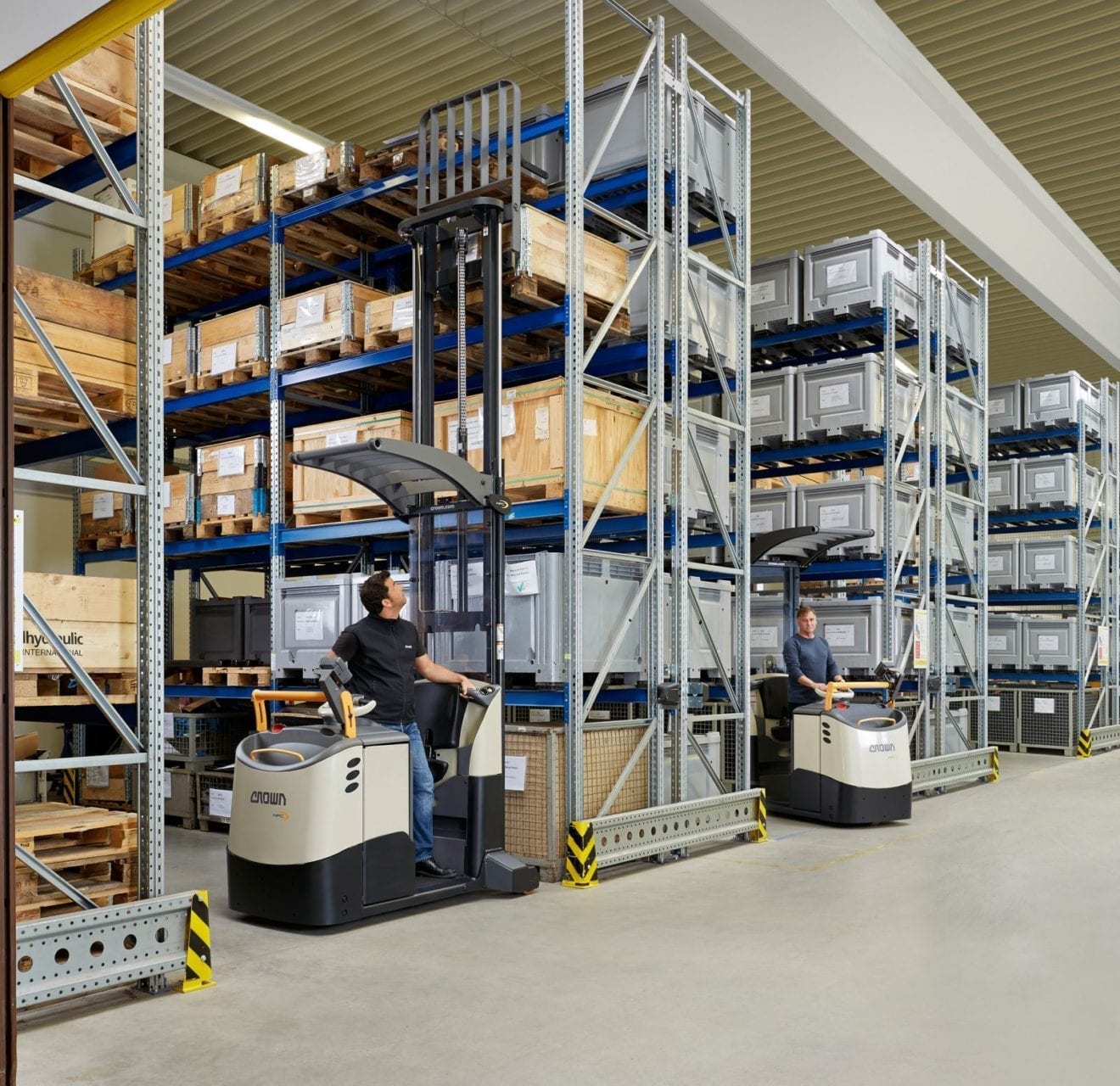
    To continue to meet growing demand for its lift trucks and fleet management technology, Crown Equipment to upgrade its South Korean operations with a move to a larger facility in one of the country’s fastest growing logistics hubs.

    Located in Icheon, Gyeonggi-do, the new facility supports Crown Korea’s experienced, factory-trained team of material handling specialists including the sales and service technicians and support staff who assist customers countrywide.

    The new branch is located for greater convenience and features larger sales and rental forklift fleets, better stock capacity and improved inventory management for faster parts turnaround.

    The Icheon facility is the third major demand-driven expansion in Asia for Crown in the last 12 months, following recently completed facilities in Johor, Malaysia and Rayong in Thailand.

    Crown Equipment managing director for Asia Pacific, Steven Hill, said the new facility was required due to steadily increasing customer numbers and geographical spread of demand for Crown’s innovative products and services.

    “The new branch is another example of Crown’s commitment to our growing number of South Korean customers in manufacturing, industrial, warehousing and logistics,” Mr Hill said.

    “It also demonstrates Crown’s ability to improve the customer experience through ongoing infrastructure development in the Asian market, which is bringing global technology to local business in Asia whilst expanding the customer support network.

    “Since we began operating in South Korea, Crown has delivered genuine cost savings, operational improvements and operator safety improvements to its customers, as well as growing employment opportunities.

    “The new facility also enables Crown to extend its already strong environmental credentials, which is in harmony with the sustainability focus of the Icheon area.

    Located in the region’s commercial Busan-Jeonju-Icheon ‘growth triangle’, Icheon is home to the port of Tanjug Pelepas, South Korea’s largest logistics complex, which supports the majority of the country’s resource refineries.

    The area is also at the junction of three major expressways servicing Jungbu, Gyeongbu and Yeongdong, for easy vehicle access.