Tag: south korea

  • South Korean retail sales rise as Covid-19 crisis eases

    South Korean retail sales rise as Covid-19 crisis eases

    South Korean retail sales rose by 3.9 percent year on year during April.

    The nation’s retail industry in general has benefitted from increasing demand in the e-commerce sector brought on by changes in consumer behavior in the midst of the coronavirus pandemic, despite a major hit to offline retailers.

    Figures released by Korea’s Ministry of Trade, Industry, and Energy showed combined South Korean retail sales by major companies hit US$8.74 billion last month, up from $8.39 billion during the same period last year.

    Offline retailers experienced a 5.5 percent drop in sales during the same month, compared to last year’s results.

    While sales from department stores, large supermarkets, and convenience stores dropped 14.8 percent, 2.6 percent, and 1.9 percent respectively, online retailers selling food and daily necessities saw sales increase by 16.9 percent.

    Total sales of food products increased by 56.4 percent during the month, while clothes sales dropped 8.8 percent.

  • South Korea introducing disposable cup deposits

    South Korea introducing disposable cup deposits

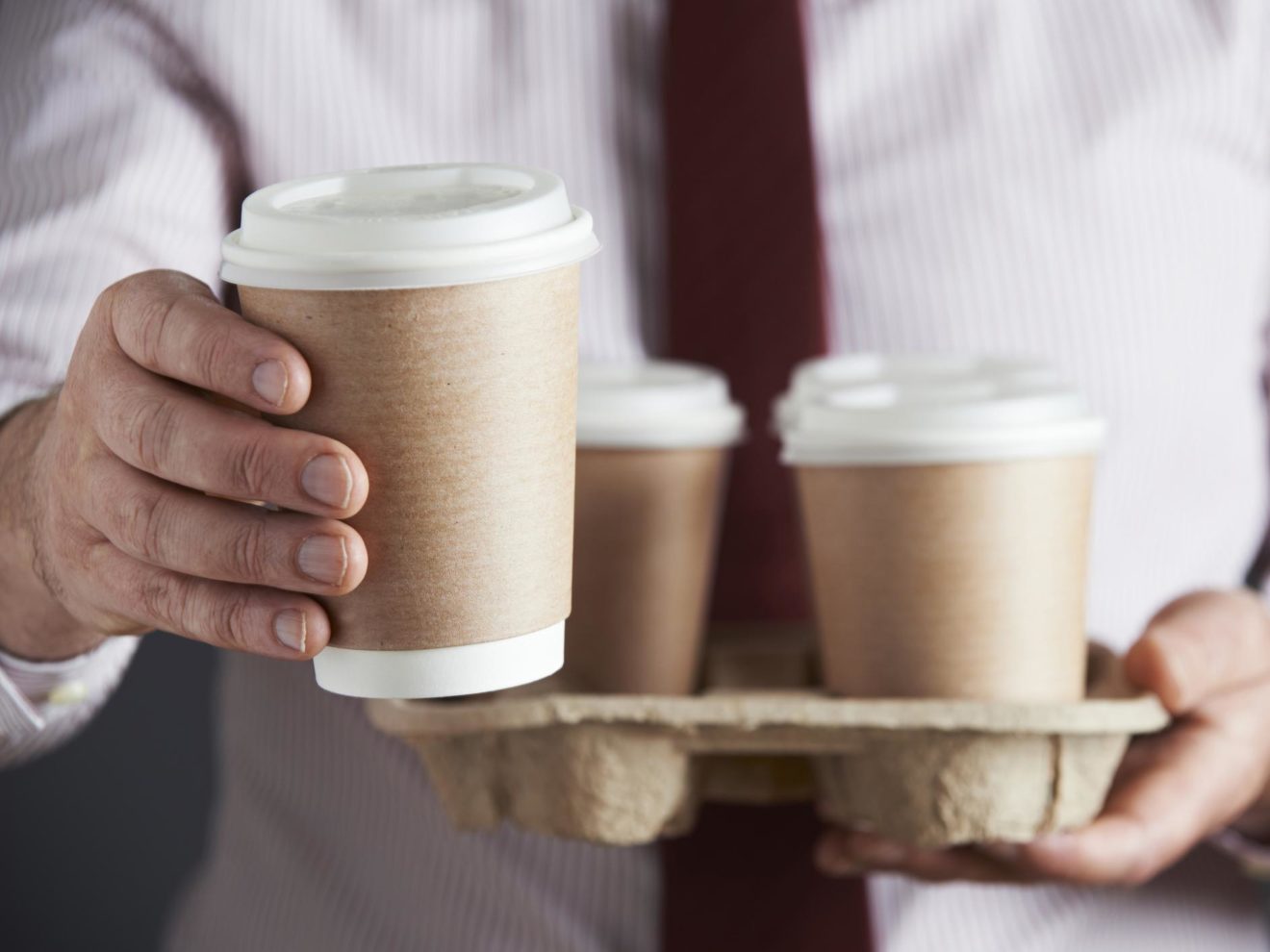
    South Korea is set to introduce disposable cup deposits at coffee shops and fast-food outlets, starting 2022, in its latest efforts to cut carbon emissions.

    Under a set of bills approved in Parliament this week, businesses will factor the deposits into prices and refund the amount when customers return used disposable cups. It usually takes from six months to two years for passed bills to go into effect.

    The country’s environment ministry said it plans to set the value of disposable cup deposits based on manufacturing costs and policy needs.

    The ministry expects the policy to help reduce carbon emissions by 66 percent by boosting recycling and cutting costs related to waste incineration.

    It estimated the economic benefits coming from the plan would total 44.5 billion won (US$36.2 million) each year.

    The ministry also plans to minimise the inconvenience by allowing consumers to return the cups anywhere (ie: not from where the cup was purchased) through talks with relevant industries.

  • South Korea’s Kurly wins funds for expansion

    South Korea’s Kurly wins funds for expansion

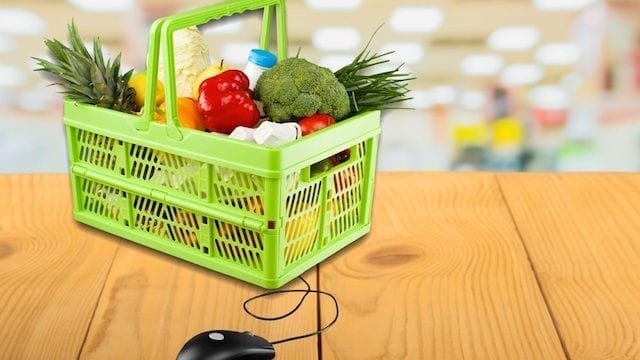
    Kurly, a South Korea-based grocery-delivery startup, has netted Series E funding totaling KRW200 billion (US$160 million).

    The funding round for the five-year-old company was led by DST Global, with additional participation from several existing backers – including Hillhouse Capital, Sequoia Capital China, Fuse Venture Partners, SK Networks, and Translink Capital. Newcomer Aspex Management also contributed to the new financing.

    Total funding in Kurly has now reached KRW420 billion won ($328 million), confirming unicorn status for the venture. The company expects to use the funding to set up a new fulfillment center in Seoul, more than twice as large as its current facilities.

    “Kurly has been showing incomparable growth in the fast-expanding online grocery market,” said DST Global investment partner and head of Asia Pacific John Lindfors, “and as the first to establish morning deliveries, has demonstrated its ability to disrupt the logistics industry and change the grocery shopping habits of Korean consumers”.

    The firm recorded annual average revenue growth of 3.5 times since opening, and extended its fulfillment capability area by a factor of 4.9 last year, with a 2.9 times increase in total deliveries.

  • Second Starbucks community outlet opens doors in South Korea

    Second Starbucks community outlet opens doors in South Korea

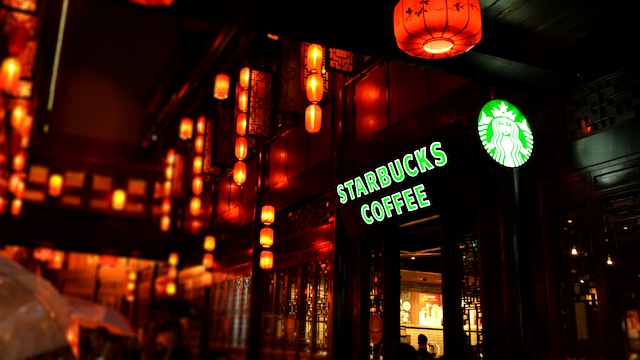
    A second Starbucks community store has opened in South Korea.

    The new venue, located in Seongsudong, Seoul, is described by the company as a “hub for young people and prospective startups to share information about networking and starting their own businesses”.

    The store is located near a sizable startup and social-venture community and a major metro station.

    Starbucks will host a series of startup workshops for young people at the store via its new Starbucks Youth Startup Entrepreneurship Programme, which is funded by a portion of sales from the store, coordinating with other stores across the market to offer the program to youth in other parts of the country.

    The community space within the store features movable walls and furniture as well as regular cafe seating.

  • Louis Vuitton raises retail prices in South Korea

    Louis Vuitton raises retail prices in South Korea

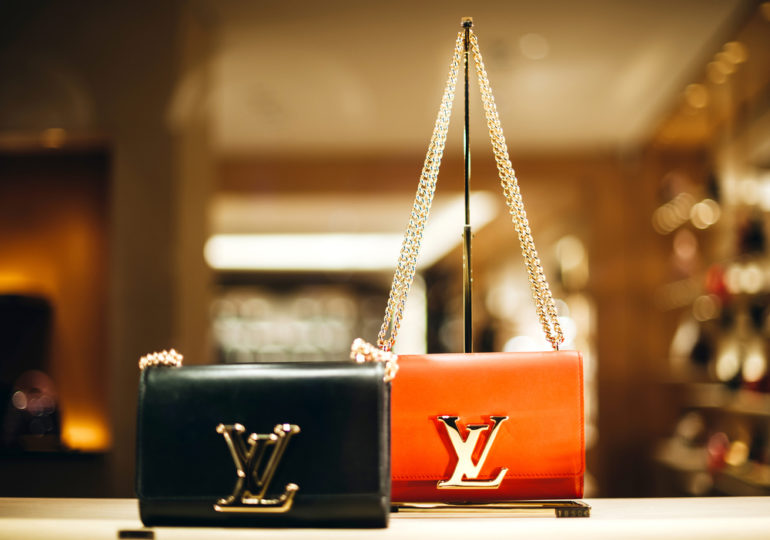
    French fashion house Louis Vuitton is raising prices for its luxury items in the South Korean market, allegedly in a bid to take advantage of a prospective surge in buying following the coronavirus outbreak.

    According to Pulse News Korea, the brand has raised prices by between 5 percent and 10 percent across its various product lines, its third price increase within the past seven months.

    “We have decided to raise the prices starting on May 5,” said a representative of Louis Vuitton Korea. “It was part of our pricing policy based on the long-term view.”

    Poor exchange rates and the closure of production facilities in France and Italy may have contributed to the brand’s decision to raise prices, although some consumers remain suspicious that the price rises are timed to take exploitative profits from coronavirus-related restrictions.

    In general, the luxury industry has seen some sales increase as high-end consumers spend disposable income on expensive treats instead of traveling. South Korean department stores Shinsegae, Lotte, Hyundai, and Galleria have all reported increased luxury sales at their outlets.

    Rival luxury brands Tiffany & Co. and Bulgari have also hiked prices within the last month.

  • South Koreans move from malls to markets in Covid-19’s wake

    South Koreans move from malls to markets in Covid-19’s wake

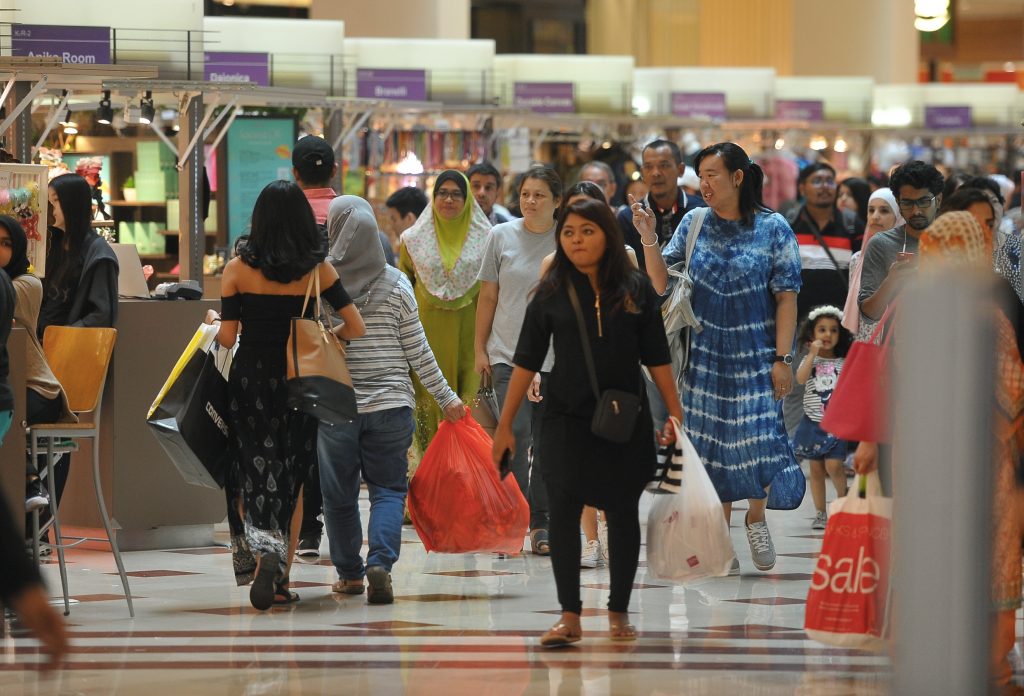
    Offline retailers in South Korea, once on the verge of a crisis after consumers flocked to e-commerce vendors following the coronavirus outbreak, are now seeing a chance to make a comeback.

    As people remain indoors for extended periods due to work-from-home policies and delays to the school year resumes, a growing number of South Koreans are going to local supermarkets and stores to do their shopping.

    Local discount retailers and large-sized malls saw sales increases of 1 to 5 percent after South Korea raised the public health alert to its highest level.

    After the World Health Organization declared Covid-19 a pandemic, local supermarket sales jumped by more than 14 percent between March 8 and 21, while large-sized malls and discount retailers saw their sales drop.

    “As the coronavirus outbreak dies down, more people are choosing to go to local supermarkets or convenience stores that are close by, rather than going to large malls that tend to be located further away,” said Hwang Hee-yeong, CEO of Opensurvey, a local pollster.

    In other words, South Korea has seen an initial surge in demand at large distributors fragment into demand for products offered at smaller distributors.

    Experts argue that this trend may continue even after the coronavirus outbreak is over.

    “As the coronavirus is expected to be around for a long time, people are choosing to go to local supermarkets instead of large-size malls and discount retailers. More people are also visiting local stores that sell side-dishes,” said Hwang.

    “The coronavirus outbreak has set up a basis for localized consumption, a trend commonly observed among advanced nations.”

  • Meal kits drive strong sales and profit growth for GS Retail

    Meal kits drive strong sales and profit growth for GS Retail

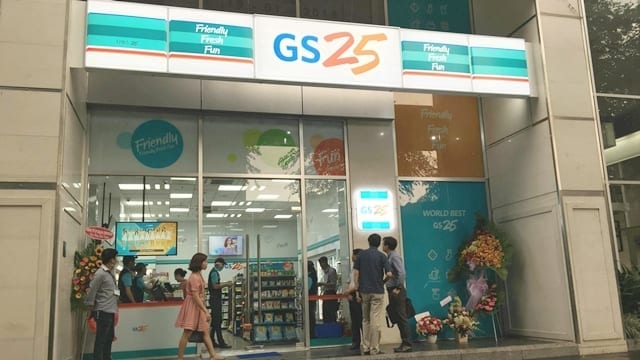
    GS Retail, which operates the South Korean convenience-store chain GS25, has reported a huge profit increase for this year’s first financial quarter, boosted by sales of pre-packed meal kits popular during the coronavirus lockdown.

    GS Retailreported a KRW88.8 billion (US$72.1 million) in profit from January to March, a 314.7-per-cent increase over last year’s figures. The result was considerably higher than the projected KRW23.9 billion ($19.5 million) profit for the period and sparked a 16.6-per-cent rise in its share value.

    A 98.7-per-cent surge in online sales was also a significant contributor to the firm’s first-quarter good fortune, with overall sales totaling KRW1.6 trillion ($1.3 billion).

    Last year, in the same period, GS Retail recorded a loss of KRW4.8 billion ($3.9 million).

  • South Korean duty-free stores cut hours since travel restrictions

    South Korean duty-free stores cut hours since travel restrictions

    South Korean duty-free stores are electing to temporarily close for business as the coronavirus pandemic continues.

    With the continued idling of airport gateways, the industry has been hit particularly severely, with operators making tough decisions on opening hours that usually run 24/7/365.

    Shilla Duty-Free will shutter its store on the popular Jeju Island on weekends and holidays for the month, while Shinsegae Duty-Free closed yet its fifth outlet out of 19 stores at Incheon International Airport. Shinsegae has also agreed with the airport to stop midnight sales at the remaining stores in operation.

    Lotte Duty-Free and Shilla have also reduced hours at their Incheon Terminal 2 stores, closing at 9.30 pm. Shilla is also expected to shutter its Yongsan downtown store in Seoul.

  • AI fashion-tech firm Odd Concepts receives $6 million

    AI fashion-tech firm Odd Concepts receives $6 million

    South Korean AI-based fashion-tech firm Odd Concepts has raised US$6 million in Series B funding, taking the company’s accumulated investments to about US$10 million.

    The funding is expected to allow the business to expand its growth into Asia-Pacific markets, applying its proprietary machine learning technologies to other industries.

    Fashion-tech firm Odd Concept’s fashion-styling service PXL is based on the firm’s own algorithms for recognizing, analyzing and searching images and recommends personalized fashion products based on an analysis of products that interest consumers. Around 100 e-commerce firms in Korea and other countries in the region use the service, with about 9 million unique users.

    Participants in the funding round included KB Securities, HB Investment, Kiwoom Investment-Shinhan Capital, Korea Development Bank and SBI Investment Korea.

    “We decided to invest in Odd Concepts because the company’s own technology clearly verifies the class of excellence in the popular field of fashion commerce,” said KB Securities assistant manager Jeong Seong-hoon.

    “I expect Odd Concept’s proprietary machine-learning technologies would be applied to other industries extensively.”

  • South Korean department stores look to VIPs as sales slide

    South Korean department stores look to VIPs as sales slide

    South Korean department stores have launched an all-out effort to secure VIP customers who spend more than ordinary customers.

    Department stores have suffered fallout from the surge in popularity of online shopping malls for years, but sales have come under further pressure with the coronavirus outbreak.

    Sales at Lotte Department Store from March 1 to 22 decreased by 37.8 percent compared to the same period last year.

    At the height of the pandemic, and under the burden of its economic consequences, the top priority for South Korean department stores is to secure VIP customers.

    While VIP customers at the Galleria Department Store account for only 10 percent of all customers, their consumption amounts to 60 percent of sales.

    According to Shinsegae Department Store, the number of VIP visits last month was 2.5 times that of regular customers.

    Even when the number of visits by regular customers dropped by half after the Covid-19 outbreak, the number of VIP customers dropped by only about 20 percent.

    Managing loyal VIP customers and securing more big players in the future is a matter directly related to a store’s survival.

    This is why Lotte Department Store made changes to its VIP system. Under the old scheme, customers had to spend 20 million won (US$16,400) per year to qualify for the lowest level VIP program, as part of what was a four-level system.

    However, Lotte recently added another lower-level program to expand the scope of its VIP offerings.

    Meanwhile, Galleria Department Store, unveiled the largest VIP lounge in South Korea on the 12th floor of its newly opened Gwanggyo branch in Suwon, south of Seoul.

    VIP lounges in South Korean department stores have typically been places for customers who spend tens of millions of won a year. However, at the Gwanggyo branch, customers who spend 5 million won per year can enjoy the VIP lounge.

    “The fact that VIP thresholds have been lowered is indicative of a sales strategy to secure loyal customers by providing better services to more customers,” said a source in the department store industry.

  • South Korean malls remain calm despite panic buying worldwide

    South Korean malls remain calm despite panic buying worldwide

    Panic buying is spreading like wildfire among a number of countries as fear of the coronavirus deepens.

    But large shopping malls in South Korea, however, are as peaceful as in the pre-coronavirus era.

    Experts argue that prior experiences in dealing with various epidemics, such as Severe Acute Respiratory Syndrome (Sars) in 2003 and Middle East Respiratory Syndrome (Mers) in 2015, has allowed retailers to maintain a stable supply of everyday necessities at shopping malls.

    Rapid technological advancement in online delivery and distribution systems thanks to the fierce competition among retailers has also helped maintain supply despite the surge in demand, some argue.

    “Despite the coronavirus outbreak, we are maintaining a delivery speed of half a day or one day at the latest. This is top class even on global standards,” said a source familiar with the e-commerce industry.

  • South Korean malls remain calm and patient

    South Korean malls remain calm and patient

    Panic buying is spreading like wildfire among a number of countries as fear of the coronavirus deepens.

    But large shopping malls in South Korea, however, are as peaceful as in the pre-coronavirus era.

    Experts argue that prior experiences in dealing with various epidemics, such as Severe Acute Respiratory Syndrome (Sars) in 2003 and Middle East Respiratory Syndrome (Mers) in 2015, has allowed retailers to maintain a stable supply of everyday necessities at shopping malls.

    Rapid technological advancement in online delivery and distribution systems thanks to the fierce competition among retailers has also helped maintain supply despite the surge in demand, some argue.

    “Despite the coronavirus outbreak, we are maintaining a delivery speed of half a day or one day at the latest. This is top class even on global standards,” said a source familiar with the e-commerce industry.

  • South Korea’s Crispy Chicken n’ Tomato expands in Japan

    South Korea’s Crispy Chicken n’ Tomato expands in Japan

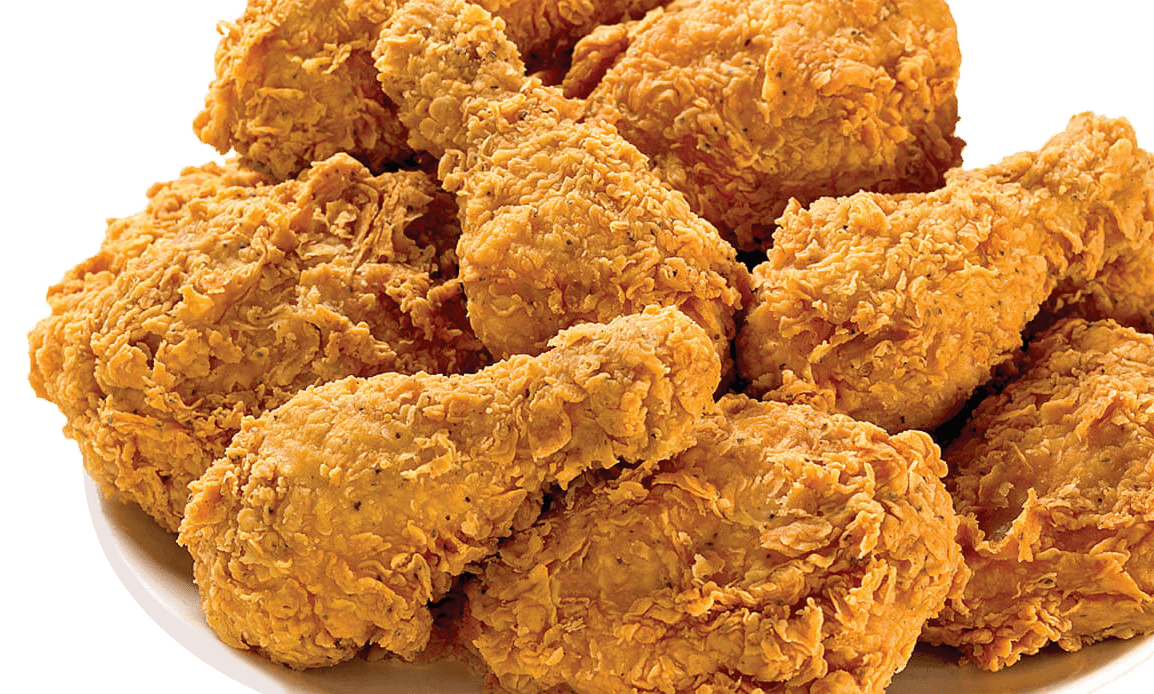
    South Korean chicken chain Crispy Chicken n’ Tomato has expanded its retail network into Tokyo, opening 10 stores in the city this month.

    Besides selling at stores, Crispy Chicken n’ Tomato has also partnered with UberEats to offer “sharing brand service” which allows one store on UberEats to bear two brands at the same time.

    The company introduces this type of business as unlike franchises, owners do not need to change interiors, uniforms, equipment or their existing menu.

    Crispy Chicken n’ Tomato’s operator, E-mate Co, said food-delivery sales are increasing significantly in a local restaurant market that has traditionally suffered slow sales growth for various reasons.

    “We are looking for restaurant partners and agencies that want to secure new profits”, said a spokesperson.

  • South Korean fashion chain Aland quits Hong Kong

    South Korean fashion chain Aland quits Hong Kong

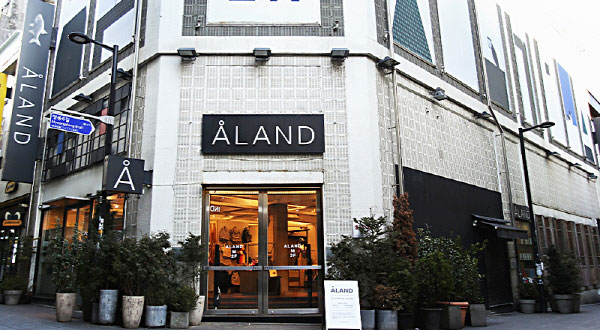
    South Korean fashion chain Aland has quietly exited the Hong Kong market, after shuttering its final stores.

    The multi-brand retailer opened its first international branch in 2011 at Harbour City. Riding the ‘Korean Wave’ in the local market, the multi-brand retailer opened multiple stores within the following years, including at Lee Theatre, APM and Megabox. Without an official announcement, Aland has just folded its most recent branch at Mong Kok’s TOP mall, which opened in 2018.

    The South Korean fashion chain Aland, best described as an affordable fast-fashion brand, was founded 15 years ago by sisters Kinam Jung and Jung Eun Jung in Seoul, South Korea and still has branches in their domestic market and Thailand. It recently expanded its footprints in the US.

    Meanwhile, South Korean coffee chain Tom n Toms also left Hon

  • South Korea hopes Vietnam will not quarantine Samsung experts

    South Korea hopes Vietnam will not quarantine Samsung experts

    he South Korean envoy has expressed concern Samsung may suffer huge losses if 1,000 South Korean experts are isolated upon arrival in Vietnam.

    “If experts and engineers of Samsung Electronics enter Vietnam and are placed in quarantine for 14 days, this giant can suffer great damage,” Ambassador Park Noh-wan told reporters in Hanoi Friday.

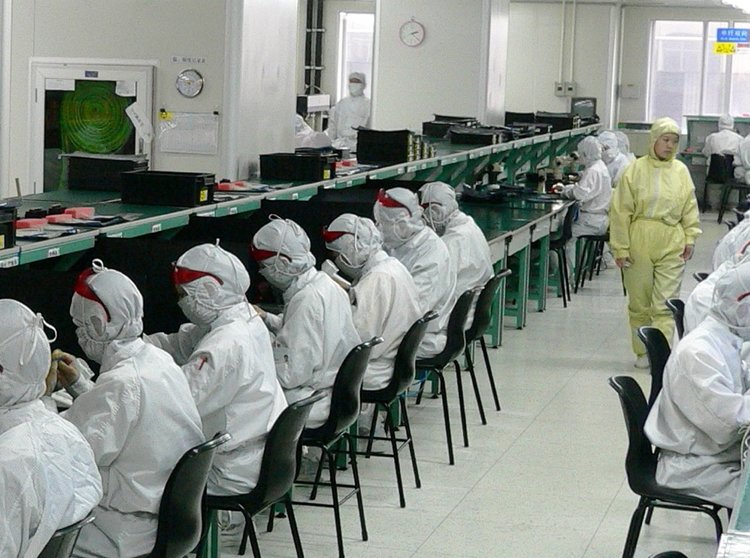
    Samsung needs to bring in another 1,000 experts to Vietnam to support production line operations, he said.

    Vietnam has suspended entry for those arriving from Daegu City and North Gyeongsang Province, South Korea’s two largest Covid-19 outbreak areas, over the past two weeks. Those arriving from South Korea are automatically quarantined for 14 days as a preventive measure.

    The South Korean Embassy in Vietnam has proposed that the Vietnamese government adjusts its policy, allowing representatives of Korean businesses, including experts and engineers of Samsung and LG, to enter the country and not be quarantined.

    South Koreans with diplomatic and official passports should also be considered for this policy, Park said, adding that all people with a medical certificate issued by Korean medical authorities should be allowed to enter Vietnam normally.

    “The fact that they are in an isolated area will cause a lot of damage. We are very worried,” Park said.

    Park said the number of South Koreans coming to Vietnam has plummeted after Vietnam halted visa waivers for South Korean nationals starting February 29. During the first two months of this year, only 100 South Koreans arrived every day, compared with the previous figure of 13,000, he said.

    The ambassador said that from March 7, Vietnamese airlines are suspending all flights to South Korea. Previously, there were 80 non-stop flights every day between Vietnam and South Korea, around 550 flights per week. About 170,000 South Koreans live in Vietnam now.

    “I hope that the two countries will take effective measures to prevent the (Covid-19) epidemic (from spreading) but not affect the two countries’ long-term relations,” he said.

    South Korea sent three emergency response teams to Vietnam Thursday to provide consular support to more than 270 citizens quarantined over the novel coronavirus outbreak.

    The teams plan to stay in Vietnam for a week starting Thursday, but they could decide to extend their stay if needed. They will discuss with Vietnamese authorities the possibility of lifting the quarantine, while helping citizens who want to return home and those facing visa and other consular problems.

    South Korea is one of Vietnam’s biggest trade partners and investors. The country is the second-largest feeder market of Vietnamese tourism, after China.

    Samsung, the world’s biggest smartphone maker, is the largest foreign investor in Vietnam, employing around 160,000 people.

    Samsung Electronics began construction on a $220 million research and development center in Hanoi, the first of its kind outside South Korea, on Monday.

    Samsung Electronics said on Friday that it would temporarily move some smartphone production to Vietnam from South Korea. The announcement was made after another of its Korean staff tested positive for the coronavirus, forcing it to temporarily close a factory in the southern city of Gumi in South Korea.

    Since late February, a total of six workers have tested positive at the factory complex in Gumi, close to the city of Daegu – the epicenter of South Korea’s virus outbreak – leading to previous temporary closures at the plant. “Once the Covid-19 situation stabilizes, we plan to move back the output to Gumi,” it said in a statement.

    The global death toll from the Covid-19 epidemic had reached nearly 3,600 in 102 countries and territories by Sunday morning, mostly in mainland China (3,097), followed by Italy (233), Iran (145) and South Korea (50).

    The Vietnamese government has deployed various measures to prevent the spread of the virus, including requiring everyone coming from mainland China, Italy, Iran and South Korea, the worst-hit countries so far, to be quarantined for at least 14 days on arrival.

    As of Sunday afternoon, Vietnam has confirmed 30 Covid-19 infections, with the latest nine being foreign tourists. All nine have been quarantined.