Tag: south korea

  • South Korea’s retail sales increase in October

    South Korea’s retail sales increase in October

    South Korea’s retail sales increased 6.4 per cent year-on-year in October amid higher demand for food items and daily necessities.

    The combined sales of 25 major offline and online merchants grew to 15.3 trillion won (US$11.87 billion) during the month from last year’s 14.4 trillion won, Ministry of Trade, Industry and Energy (MOTIE) data showed.

    Online sales grew 12.6 percent to 7.95 trillion won attributed to an increase in bulk economy-size purchases and strong demand for travel packages and outdoor autumn season activities-related items.

    Online food products sales rose 23.4 per cent while sales of cosmetic products and living/furniture items increased 21.5 per cent and 16.9 per cent, respectively.

    However, online fashion/clothing sales dropped 3.7 per cent while sporting goods sales slid 4.1 per cent.

    Meanwhile, offline sales climbed 0.5 percent to 7.36 trillion won, led by a 6.8 per cent rise in sales at convenience stores. Sales at super supermarkets advanced 3.1 percent.

    On the other hand, sales at hypermarket chains dropped 4.1 per cent as sales of innerwear and miscellaneous goods fell 10.5 per cent. Home/living, home appliances/culture sales at hypermarkets also declined 5.6 per cent and 1.5 per cent, respectively.

    Sales at department store chains went down 2.6 per cent as sales declined across all categories except women’s casual, which grew 1.0 per cent.

  • Capital Elite attracts South Korean investors

    Capital Elite attracts South Korean investors

    Capital Elite is a popular investment destination for Korean investors due to its prime location in Hanoi’s new CBD and diverse entertainment and leisure areas.

    The Vietnamese real estate market is attracting South Korean investors due to rapid infrastructure development, reasonable property pricing, and potential value appreciation.

    The proportion of foreign individuals interested in Vietnam’s real estate is increasing, with a particular focus on Korean investors.

    According to The Chosun Ilbo, Vietnam is the second most popular destination for real estate investment among Korean investors.

    Experts point out that it primarily stems from the high-profit potential and high-quality products, coupled with the participation of reputable developers, which have contributed to driving the investment trend. The relaxation of Vietnam’s housing law is also making it easier for foreigners to purchase property.

    Furthermore, the attractive market prices are a crucial factor in drawing the attention of Korean real estate investors.

    According to Le Thi Hang, CEO of Indochine Real Estate, with the same amount of money, they can purchase three high-quality apartments in Vietnam instead of investing in one apartment in their home country. This allows them to diversify their investment portfolio.

    Moreover, rental yields in Vietnam are quite favorable. Continuous infrastructure growth also brings excellent price appreciation potential to the real estate market.

    Renowned for their culture and lifestyle that leans towards apartment living, up to 79% of Korean customers opt for premium high-rise condominiums in major urban centers.

    One of the luxury apartment projects in Hanoi, Capital Elite is capturing the attention of the Korean community.

    Not only does Capital Elite boast a prime location right on Pham Hung Street, one of the most rapidly developing thoroughfares, but it also sits at the heart of the new CBD, the new economic hub of Hanoi, which is home to major administrative centers, headquarters of large corporations, and a variety of entertainment and leisure areas.

    As a result, residents enjoy seamless connectivity to a plethora of educational, healthcare, entertainment, and government facilities in the area, all within just a few minutes’ commute, making it a perfectly integrated living space.

    The My Dinh area is also a hub for a substantial expatriate community in the capital city. Capital Elite serves as one of the ideal destinations to meet the rising demand of Korean nationals living and working in Vietnam, a number that increases each year.

    Especially in the My Dinh-Me Tri urban areas, there is a concentration of affluent Korean residents.

    With the growing demand for housing, workspace, and entertainment for this group, the potential for both rental income and property appreciation is on the rise.

    In addition to its favorable location, on-site amenities and living spaces are also factors that investors pay special attention to.

    With a collection of 36 exclusive amenities, including a shopping center, international restaurants, a luxurious sky bar, all-season swimming pools, a jacuzzi, and a premium gym and fitness center, Capital Elite aligns perfectly with the notion of enjoying the most extensive amenities when living in an apartment for Korean residents.

    Furthermore, the project’s abundant amenities, along with the fact that 100% of the apartments cover over 100 square meters and have 3 bedrooms, ensure that it meets the standards of even the most discerning Korean guests.

    For further information, contact the Development & Project Management Unit for Capital Elite on the first floor of the CT4 Vimeco Building, Nguyen Chanh Street, Cau Giay District, Hanoi.

  • South Korea e-commerce market to surpass $160 billion mark in 2027

    South Korea e-commerce market to surpass $160 billion mark in 2027

    South Korea continues to evolve as a major e-commerce market and is expected to register a strong compound annual growth rate (CAGR) of 7.7% between 2023 and 2027 to reach KRW202.6 trillion ($160.4 billion) in 2027, forecasts GlobalData, a leading data and analytics company.

    GlobalData’s E-Commerce Analytics reveals that South Korea e-commerce market has been on growth trajectory, registering a CAGR of 17.4% between 2018 and 2022 to reach KRW136.6 trillion ($108.2 billion) in 2022. This trend is expected to continue in 2023, with e-commerce sales expected to grow by 10.0%.

    Shivani Gupta, Senior Analyst Banking and Payments at GlobalData, comments: “South Korea has a well-developed e-commerce market supported by high-speed internet, rising smartphone penetration, availability of secure online payment systems and increasing consumer confidence in online shopping.”

    South Koreans are frequent online shoppers with over 80% of the consumers reported to have shopped online in the past six months, while only 10% indicated that they never shopped online, according to GlobalData’s 2023 Financial Services Consumer Survey*.

    The availability of new and innovative mode of online shopping such as video live streaming is also encouraging shoppers to go online. South Korean e-commerce giant Naver leads this space by enabling merchants to live stream their products on its “Naver Shopping Live” platform. Customers can view the product details, interact with the seller and buy from the platform on real-time.

    International brands are also venturing into this space, contributing to the e-commerce growth in the country. In June 2023, YouTube launched its first official online shopping channel in South Korea, live-streaming products in Korean language.

    Gupta adds: “Koreans increasingly prefer shopping online even for day-to-day products, a trend that continued post COVID-19. GlobalData’s survey revealed that everyday essentials such as food and drinks account for nearly one fourth of the e-commerce purchases by value in 2023, while clothing and footwear account for 12.2%.

    Gupta concludes: “South Korea’s e-commerce market registered sustainable growth during the last five years. The uptrend in e-commerce sales is likely to continue over the next few years supported by the growing consumer preference, improving payment infrastructure, and growing popularity of innovative online shopping modes.”

    *GlobalData’s 2023 Financial Services Consumer Survey was carried out in Q2 2023. Approximately 50,000 respondents aged 18+ were surveyed across 40 countries.

  • Charles & Keith opens first flagship store in South Korea

    Charles & Keith opens first flagship store in South Korea

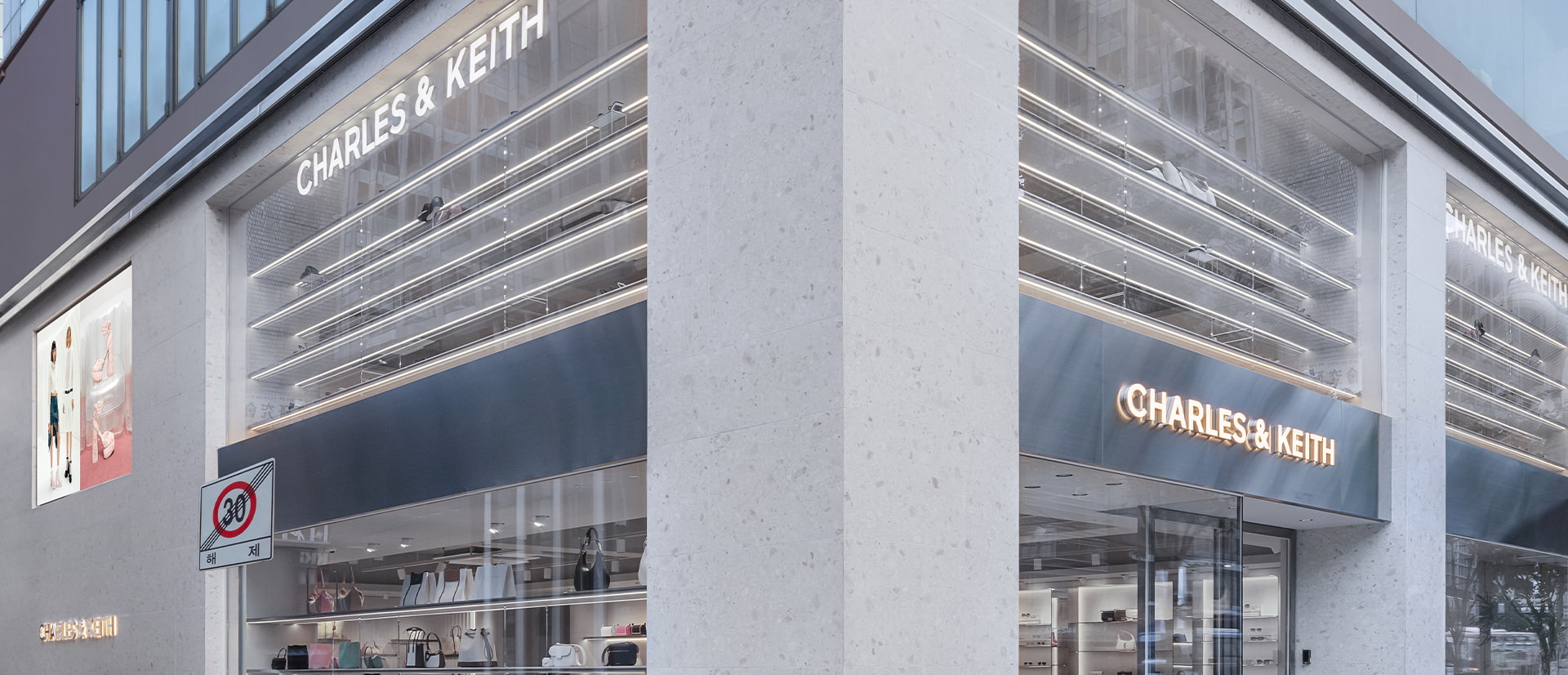
    CHARLES & KEITH’s inaugural duplex flagship store in South Korea, situated in the vibrant shopping district of Gangnam, Seoul, is now open. Spanning an expansive area of over 330 sqm, the two-storey flagship store stands as the largest CHARLES & KEITH boutique in South Korea. Staying true to the brand’s signature minimalist aesthetic, the brand-new flagship store showcases a thoughtfully designed interior characterized by gradual curves and fluid lines. These design elements are seamlessly integrated with a clean and understated colour scheme, resulting in a space that emanates a modern and refined ambiance.

    The flagship store features striking sculptural artworks by South Korean artist Jeesun Park, making a bold statement throughout the space. These sculptures, while harmoniously complementing the spatial design, stand out with their unique shapes and artistic presence. Fragmented hemispheres, arcs, cut-out shapes, ellipses, and other unfinished forms intertwine to create new compositions.

    In addition to its remarkable features, the flagship store in South Korea is the first in the country to introduce Made for Me by CHARLES & KEITH, an exclusive in-house personalization service. This offering empowers customers to express their unique individuality by embroidering their names onto selected items. The embroidery also includes two exclusive icons inspired by Seoul: a magpie and a graphic artwork depicting the city’s vibrant essence. Going beyond the celebration of creativity and individuality, the Made for Me service adds an invaluable personal touch that brings deeper meaning to the act of gifting.

  • South Korean pizza chain GoPizza eyes major Asian expansion

    South Korean pizza chain GoPizza eyes major Asian expansion

    South Korean fashion chain GoPizza has launched its first physical location in Indonesia as part of a broader Asian expansion plan.

    This brand’s first direct-to-consumer store in Indonesia is located in Jakarta. It follows the opening of a small store inside CGV Grand Indonesia in October of last year in collaboration with Korean multiplex operator CGV. The brand reportedly will open its second branch at Mall of Indonesia this month and the KM 6B Toll Rest Area the following month.

    Beyond Indonesia, the company aims to increase its footprint in India from 25 to 100 locations this year and is preparing to expand into other markets, including Vietnam, Thailand, Malaysia, and the US.

  • Apple launches Apple Pay in South Korea

    Apple launches Apple Pay in South Korea

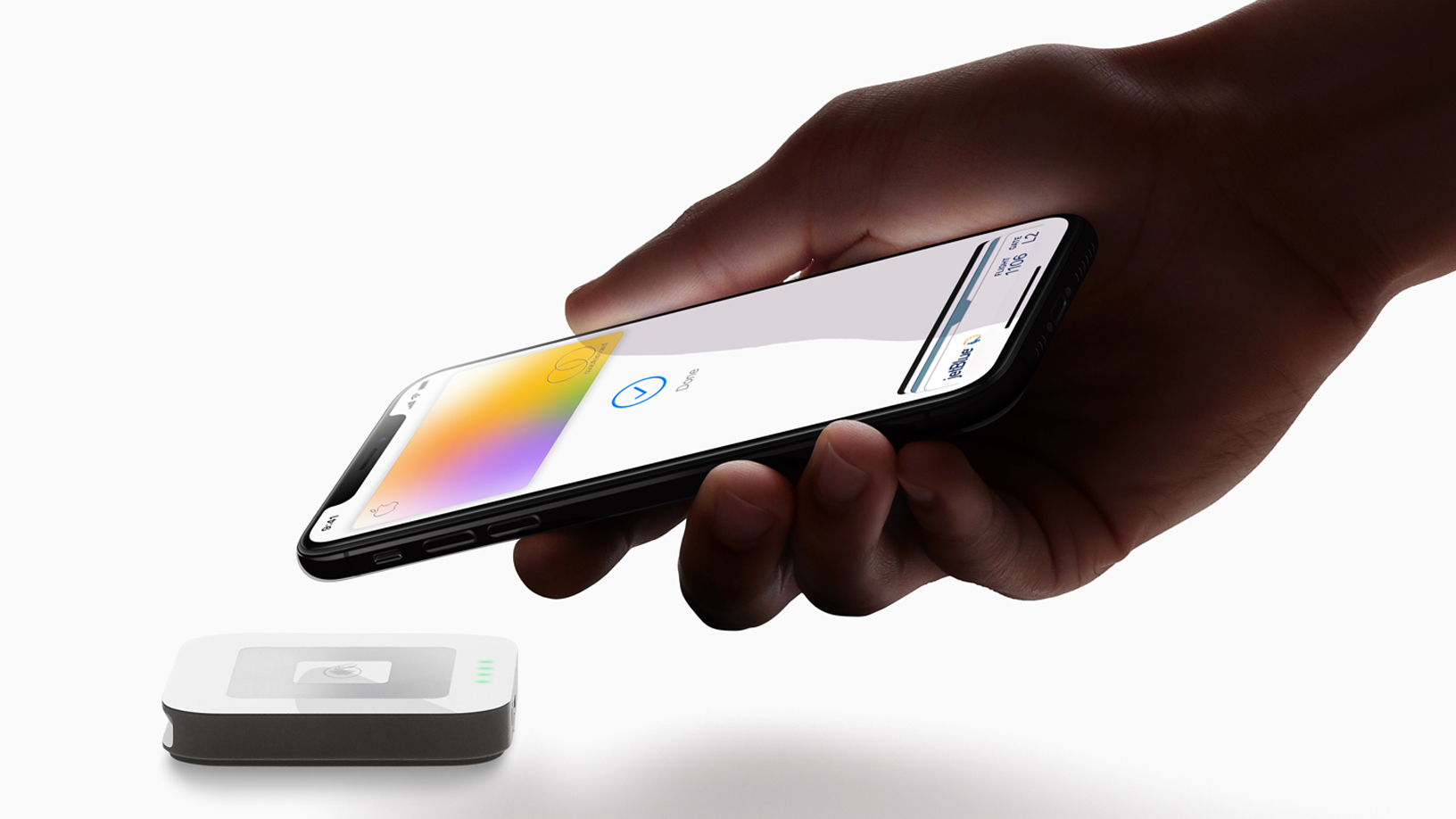
    After a years-long wait, Apple Pay today launched in South Korea, allowing those living in the country to use Apple’s payment system to make contactless payments using the iPhone or Apple Watch.

    Apple has been working to bring ‌Apple Pay‌ to South Korea since 2017, but Apple was unable to be registered as an electronic financial business operator because regulators were investigating whether ‌Apple Pay‌ violated local regulations and laws. Apple was finally approved by financial regulators back in February.

    NFC terminal adoption was also low in retail stores in South Korea around when ‌Apple Pay‌ first launched, which continues to be an issue. There are more NFC terminals than there were six years ago, but The Korea Times suggests ‌Apple Pay‌ will face “significant challenges” in Korea due to the limited number of NFC terminals.

    With ‌Apple Pay‌, credit and debit cards from supported banks in South Korea can be added to the ‌iPhone‌ and Apple Watch to make purchases at stores that have contactless payment options. ‌Apple Pay‌ cards can be used on ‌iPhone‌, iPad, and Mac to make ‌Apple Pay‌ purchases on the web.

    At the current time, ‌Apple Pay‌ is limited to Hyundai Card users, which could see South Koreans interested in using the service picking up a Hyundai Card. No other card companies are participating in ‌Apple Pay‌ as of yet.

  • South Korea’s first Five Guys store to open at the end of June in Gangnam

    South Korea’s first Five Guys store to open at the end of June in Gangnam

    South Korea’s first Five Guys burger restaurant is set to open in Gangnam, southern Seoul, by late June, its operator said Monday.

    The store, set to open in the bustling commercial district near Gangnam Station, will have up to 150 seats, according to Galleria Department Store owned by Hanwha Solutions.

    Established in 1986 as a Virginia-based family business, Five Guys is famous for large quantities, free peanuts and flexible options that give customers more than 250,000 possible ways to order.

    The operator said it plans to additionally open more than 15 Five Guys stores in South Korea in the next five years.

  • South Korean restaurants feel the pinch of surging delivery costs

    South Korean restaurants feel the pinch of surging delivery costs

    Higher demand for food delivery workers has ramped up the industry’s labor cost. The rapid growth of South Korea’s food delivery market during the COVID-19 pandemic has inadvertently caused a sharp rise in delivery fees, leaving small business owners and consumers struggling to cope with the added costs, Korea Bizwire reported.

    According to a government-issued report, the number of domestic delivery workers in South Korea has doubled in just three years, reaching 237,100 in the first half of 2022.

    Amidst surging demand for food delivery services, delivery companies have been struggling to secure enough delivery workers to meet the demand, compelling them to offer increasingly attractive pay packages. The higher cost of labor has been passed on to consumers through higher delivery fees.

    Companies such as Baemin and Coupang Eats paid delivery workers an additional fee of $1.54 (KRW2,000) to $1.92 (KRW2,500) per delivery in 2021 to secure their services. Some also offered prizes such as camping cars or pure gold.

    Popular delivery apps such as Baedal Minjok and Coupang Eats said they have had to raise their brokerage and delivery fees in response to rising labor costs.

    Consumers are paying almost the same amount for delivery as their food, with the average delivery tip based on the maximum distance being $3.84 (KRW5,000) in February. The average amount for Baemin delivery tips was higher at $4.46 (KRW5,810).

  • Starbucks to open 400 stores in APAC in 2023

    Starbucks to open 400 stores in APAC in 2023

    Its newly-opened 5,000th store is located in Gwanyang-si, South Korea.

    Starbucks is planning to expand further in Asia Pacific by opening 400 stores this 2023 after it opened its 5,000th store in the region in South Korea.

    In a statement, Starbucks said it aims to build on its over 300-store portfolio across 40 cities in India and enter the market of at least five new cities.

    In Southeast Asia, the company plans to build more stores outside the metropolitan areas of Indonesia, Thailand, Malaysia, and the Philippines. It opened its first store in Laos in November in the capital city, Vientiane, and plans to open another this year.

    The company’s 5,000th store in the region opened in Gwanyang-si, South Korea which is located on a major road that connects the residential areas with business districts and features a drive-thru service.

    “Asia Pacific is a dynamic and diverse engine of growth for Starbucks globally. As recovery continues, the region achieved over 20% sales growth year on year, demonstrating the strength and relevance of the brand,” said Michael Conway, group president, International and Channel Development for Starbucks.

    “We are well positioned for further growth with our licensed business partners, who continue to elevate the Starbucks Experience across a range of innovative store formats,” he added.

  • Chinese tea chain Mixue expands into South Korea and Japan

    Chinese tea chain Mixue expands into South Korea and Japan

    Mixue, a Chinese tea-based beverages brand that is set to list on the main board of the Shenzhen Stock Exchange, has recently entered the South Korean and Japanese markets.

    In the beginning of November, an account named “MIXUE.Japa” became active on Xiaohongshu, a lifestyle-sharing Chinese social media platform, where it released a brief opening notice and site selection of its first store in Japan. The location is Omotesandō, Tokyo, a business district as popular as Harajuku and Shibuya, focusing on high-end fashion and creative clothing.

    According to Chinese web users living in Omotesandō, this high-end location isn’t concentrated with Chinese people, and it seems to be inconsistent with the low-cost style of Mixue. However, MIXUE.Japan quickly said in the comment area that besides Tokyo, it will expand to Kyoto and other places in the future.

    The first store in South Korea of Mixue officially opened at the end of October. It is located near Chung-Ang University, where local students and Chinese students often gather. In the first three days of opening, attracted by free ice cream, the store was crowded with customers.

    Many Chinese students posted pictures of products from the store on social media. The types of drinks are basically the same as those in China, but the prices are slightly higher. Lemonade is around 8 yuan ($1.14), which is similar to the price of a bottle of water in Korea, and the most expensive drink costs less than 16 yuan. The store was opened by Chinese people, and most of the employees in the store are also Chinese, so ordering in Mandarin is possible.

    Another Chinese milk tea brand called Gongcha has opened over 700 stores in South Korea, with a price range between 23 yuan and 42 yuan. Other milk tea brands, such as COCO, Tiger Sugar and Guming, have also expanded their stores to South Korea, and their product prices are much higher than those in China.

    Entering the Japanese and South Korean markets for the first time, Mixue has experienced imperfections in its operations. Due to the long journey to purchase raw materials from China and inconvenient logistics, Mixue was often out of stock after opening, and a large number of packages in the stores are still in Chinese. MIXUE.Japan’s short promotional video was also criticized by social media users because the translation was not in place.

    Established in 1997, Mixue opened its first overseas store in Hanoi, Vietnam in 2018. By the end of March, 2022, Mixue had opened 249 stores in the country, with a total revenue of 9,290,400 yuan and a net profit of -322,000 yuan. The brand runs 317 stores in Indonesia, with an operating income of 25.4108 million yuan and a net profit of 2,235,500 yuan.

  • Kering Eyewear opens first South Korea store, its largest yet in Asia

    Kering Eyewear opens first South Korea store, its largest yet in Asia

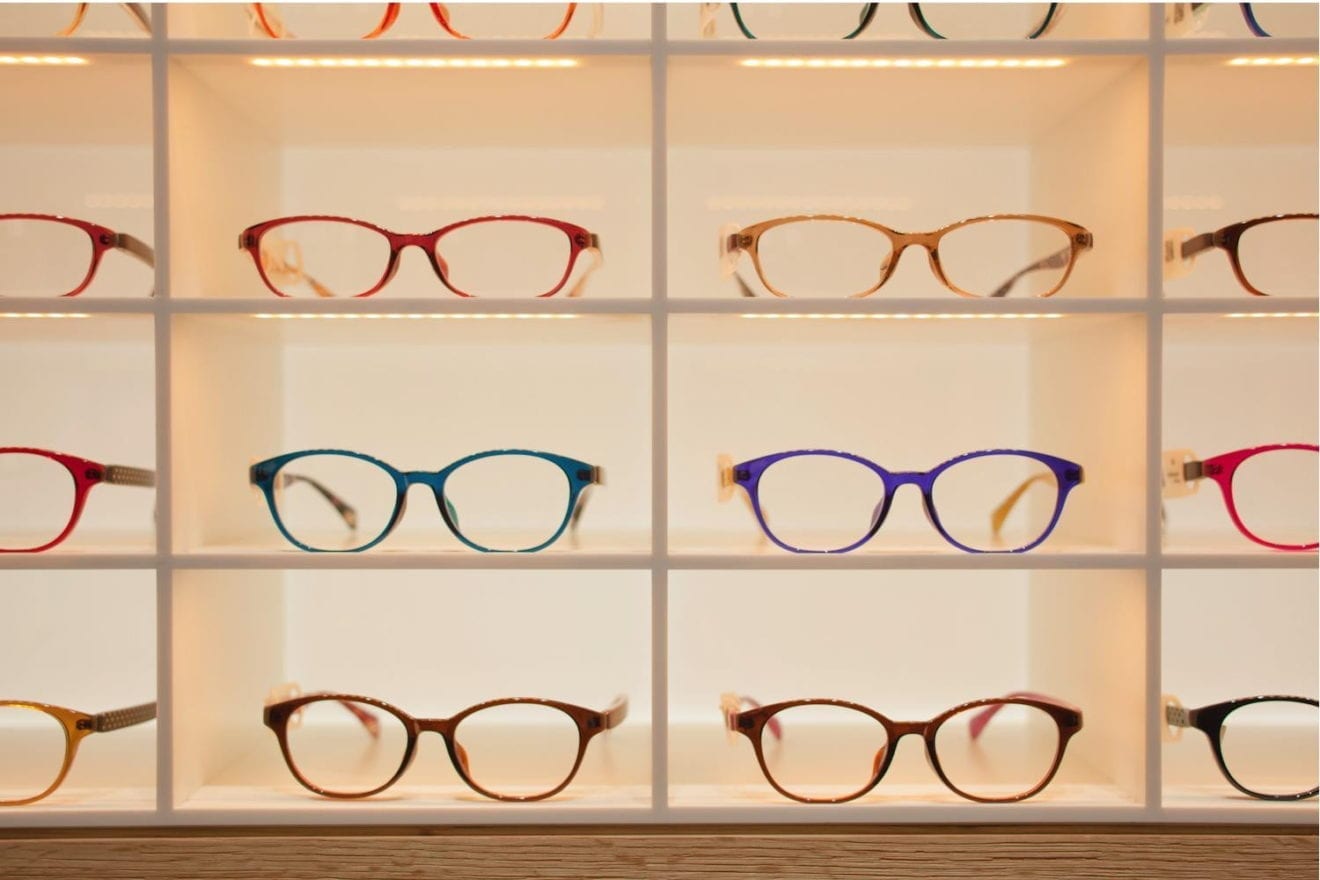
    Luxury brand Kering Eyewear has launched its first store in South Korea, located on the eighth floor of Lotte Duty Free’s store in Busan.

    A collaboration between Kering Group and Lotte, the brand claims the new boutique is its largest store in Asia to date.

    Center stage in the store is a giant media wall showcasing new products. A virtual fitting service for Kering eyewear is provided by Lotte Internet Duty Free using augmented reality (AR) technology. Lotte Internet Duty Free plans to implement a virtual reality (VR) tool allowing customers to view the boutique in 360 degrees without physically visiting the store.

    Kering Group wants to expand its presence in Asia and deepen its commitment to sustainability. The group has also revealed plans to strengthen its Gucci brand’s presence in China, where it aims to become the market leader by 2025.

    Kering wants to cut its carbon footprint by 40 per cent by 2025. It also emphasizes its efforts in sustainable sourcing, buying 30 per cent of organic cotton, 100 per cent of gold, and 73 per cent of sustainable leather from suppliers who source their materials ethically.

    Last March, Kering Eyewear bought luxury eyewear company Maui Jim as part of its expansion strategy.

  • Vestiaire Collective launches in South Korea

    Vestiaire Collective launches in South Korea

    Online fashion resale platform Vestiaire Collective said on Wednesday it is expanding into South Korea, choosing the fast-growing luxury market as a springboard for a deeper push into Asia.

    The expansion of the Paris-based tech start-up that hit unicorn status last year comes as pre-owned fashion sales continue to grow quickly, fuelled by young, environmentally conscious shoppers seeking bargains for second-hand clothing.

    The platform will be available in Korean and the company is adding an authentication site to its operations in Seoul.

    While luxury labels have traditionally been wary of secondhand sellers, an increasing number are exploring ways of getting involved in the market, partly as a way to engage with younger consumers or to provide an extra service to high-spending shoppers.

    Investors in Vestiaire Collective include French luxury group Kering SA which took a 5% stake last year, as well as private equity firm Eurazeo SE, Japan’s SoftBank Group, U.S. investment firm Tiger Global Management and Vogue publisher Conde Nast.

    Founded in Paris in 2009, the platform sells fashion and leather accessories from luxury labels such as Louis Vuitton, Gucci, Prada and Dior, and in May marked its highest transaction – a Birkin handbag from Hermes that sold for 158,000 euros

  • Sephora makes Vietnam debut

    Sephora makes Vietnam debut

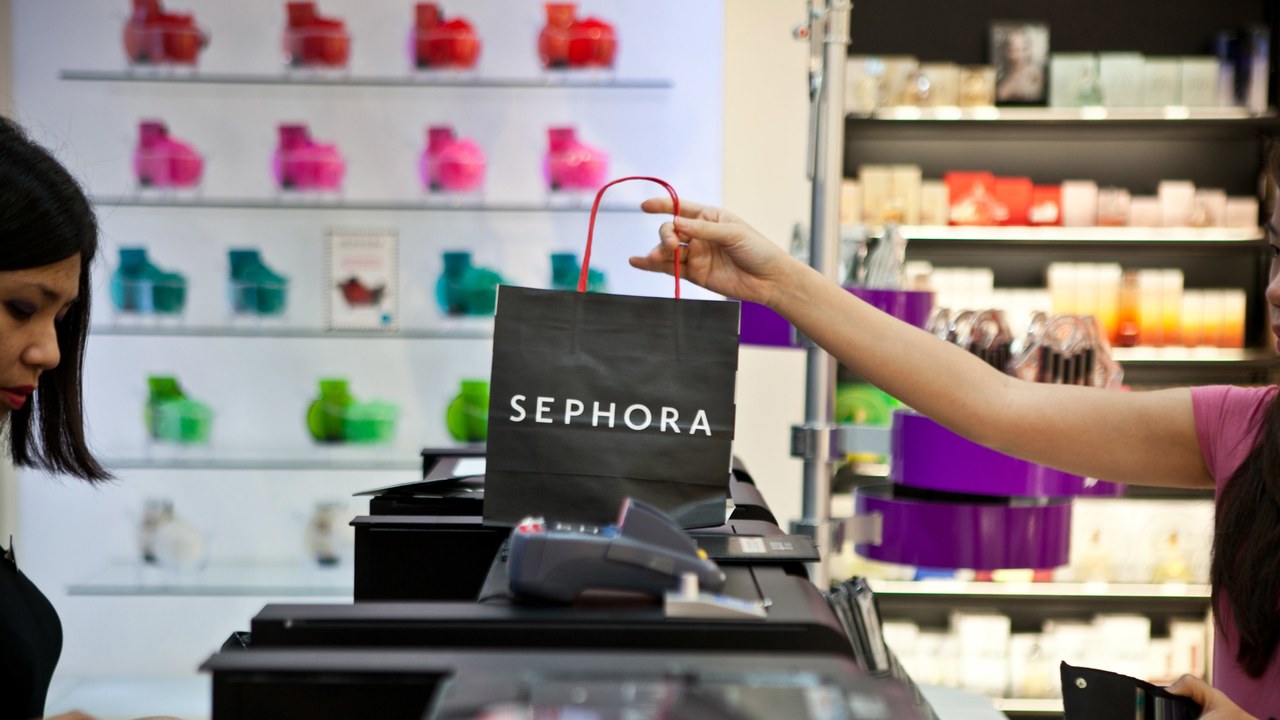
    Beauty retailer Sephora has entered the Vietnamese market with a dedicated ecommerce store after an initial trial period of five months.

    Local customers can now buy directly from Sephora online, but there is no word yet on whether the global brand will open a physical store.

    About 90% of Vietnam’s cosmetics market is filled with foreign brands, led by South Korean products and followed by European and Japanese names. Market revenue, on the other hand, is pegged at US$514 million.

    Sephora enhanced its Asian presence in 2019 with debuts in South Korea, Hong Kong, and New Zealand. It now has 200 stores in 16 Asian countries.

  • South Korea’s retail sales rebounded in February

    South Korea’s retail sales rebounded in February

    Sales at South Korea’s top department stores rebounded sharply in February from the previous month, government estimates showed on Tuesday, reflecting this year’s change of timing for the Lunar New Year holiday.

    Combined sales last month at department stores run by Hyundai Department Store, Lotte Shopping and Shinsegae Co rose 7.1 percent from a year ago, the finance ministry said.

    This was the fastest gain for department store sales since a 10.5 percent rise seen in August last year and compared to a 11.0 percent drop in January, which was the steepest contraction on record.

    Retail numbers are usually distorted at the beginning of the year as the Lunar New Year holiday, when consumers tend to splurge, can fall either in January or February. This year the holiday was in February while it was in January last year.

    Sales at the country’s top discount stores also showed a sharp gain in February, jumping 30.5 percent on-year and bouncing back from a 18.3 percent drop in January.

    The January decline was the sharpest fall seen since February 2014.

    Meanwhile, the same data showed annual sales of locally produced automobiles last month slipped 3.8 percent, undermining a 3.9 percent gain in January.

    Gasoline sales by volume last month rose 12.5 percent in annual terms, rising for a third straight month and picking up the pace from a 5.3 percent rise in January the finance ministry data showed.

  • Lotte Group acquires Ministop South Korea

    Lotte Group acquires Ministop South Korea

    South Korea’s Lotte Group has agreed to acquire a 100% stake in Ministop Korea for 313.4 billion won ($263 million), the country’s fifth-largest convenience store chain, from Japan’s Aeon Co., Lotte said on Jan. 21.

    With the purchase in cash, Lotte’s convenience store operator 7-Eleven will be able to take on the two sector leaders —  CJ Group’s CU and GS Group’s GS 25, while further widening the gap with fourth-ranked Shinsegae’s E-Mart 24.

    “Competition is heating up in the quick commerce market for short-distance services, based on convenience stores,” said an official of the group’s holding company Lotte Corp.

    “We are now adding Ministop Korea’s 2,600 stores and 12 logistics centers to the list of our stores, which will expand our points of customer contact in the near term.”

    Lotte’s 7-Eleven runs 10,500 outlets nationwide. By comparison, CU boasts 14,900 stores, trailed by second-ranked GS 25 with 14,600 stores.