Tag: south korea

  • Asian Tech Giants Taiwan and South Korea Form AI Hardware Alliance Amid Surging Demand

    Asian Tech Giants Taiwan and South Korea Form AI Hardware Alliance Amid Surging Demand

    Long-standing technological competitors Taiwan and South Korea are joining forces to address the booming global demand for AI accelerators, the specialized hardware critical for training generative AI models. This alliance marks a significant shift from decades of intense rivalry to a necessary partnership in the digital age.

    The insatiable demand from tech giants for computing power has strained the capacity of key accelerator suppliers like Nvidia and AMD. Their products rely on an increasingly interconnected supply chain linking Taiwan and South Korea, making cooperation essential to meet the massive market need.

    Nvidia CEO Jensen Huang highlighted the urgency at Computex 2026 in Taipei, personally requesting more memory wafers from South Korean firm SK Hynix. This collaboration underscores that no single country can satisfy the current scale of AI infrastructure expansion alone.

    From Intense Competition to Interdependence

    For decades, South Korea and Taiwan fiercely competed for supremacy in technologies ranging from televisions and smartphones to memory chips. Both nations, former Japanese colonies, built their economies on exports, initially focusing on labor-intensive goods before advancing to electronics. This rivalry saw Taiwanese brands like Acer and Asus compete against South Korean giants Samsung and LG.

    South Korea often pulled ahead due to the integrated structure of its conglomerates, such as Samsung, which controlled multiple stages of the supply chain. A notable example involved Samsung reportedly aiming to dominate industries where Taiwanese firms competed, though Samsung denied such a specific ‘Kill Taiwan’ strategy.

    Taiwan’s strength, however, lay in its highly specialized contract manufacturing ecosystem. Unlike South Korea’s vertically integrated companies, Taiwan developed a dense network of firms each focusing on a narrow part of the manufacturing process. This specialization allowed for greater flexibility and adaptability, enabling enduring partnerships with global tech firms like Apple, which eventually made Taiwan Semiconductor Manufacturing Company (TSMC) its primary chip supplier over Samsung.

    Taiwan’s AI Hardware Dominance and Future Outlook

    In the current AI era, Taiwan’s multifaceted ecosystem has proven highly advantageous. Taiwanese companies now hold dominant positions in crucial niches, from power supplies to chip packaging and advanced cooling systems. This allows global customers to select and combine suppliers, maintaining production flexibility. Nomura’s May report ranked Taiwan first globally in AI hardware production, with its AI-related exports contributing to a 15-year high economic growth of 8.7% last year.

    This economic divergence saw Taiwan surpass South Korea in GDP per capita in 2025 for the first time in over two decades. However, this has not deepened the rivalry; instead, the AI boom has fostered greater interdependence. South Korea excels in High Bandwidth Memory (HBM), with SK Hynix and Samsung together accounting for approximately 80% of global HBM production. These critical memory components are then integrated with computing chips from Taiwan’s TSMC using advanced packaging techniques, a final step in creating AI accelerators.

    This dynamic has resulted in South Korea achieving a record trade surplus with Taiwan last year. The relationship is best described as a ‘frenemy’ dynamic, driven by the sheer scale of AI demand. Despite lingering competitive sentiments, the complementary strengths of Taiwan’s contract chipmaking dominance and South Korea’s memory market stronghold make them indispensable partners in powering the next wave of artificial intelligence.
  • Asian Stocks Soar as US Treasury Intervention Calms Bond Market Fears

    Asian Stocks Soar as US Treasury Intervention Calms Bond Market Fears

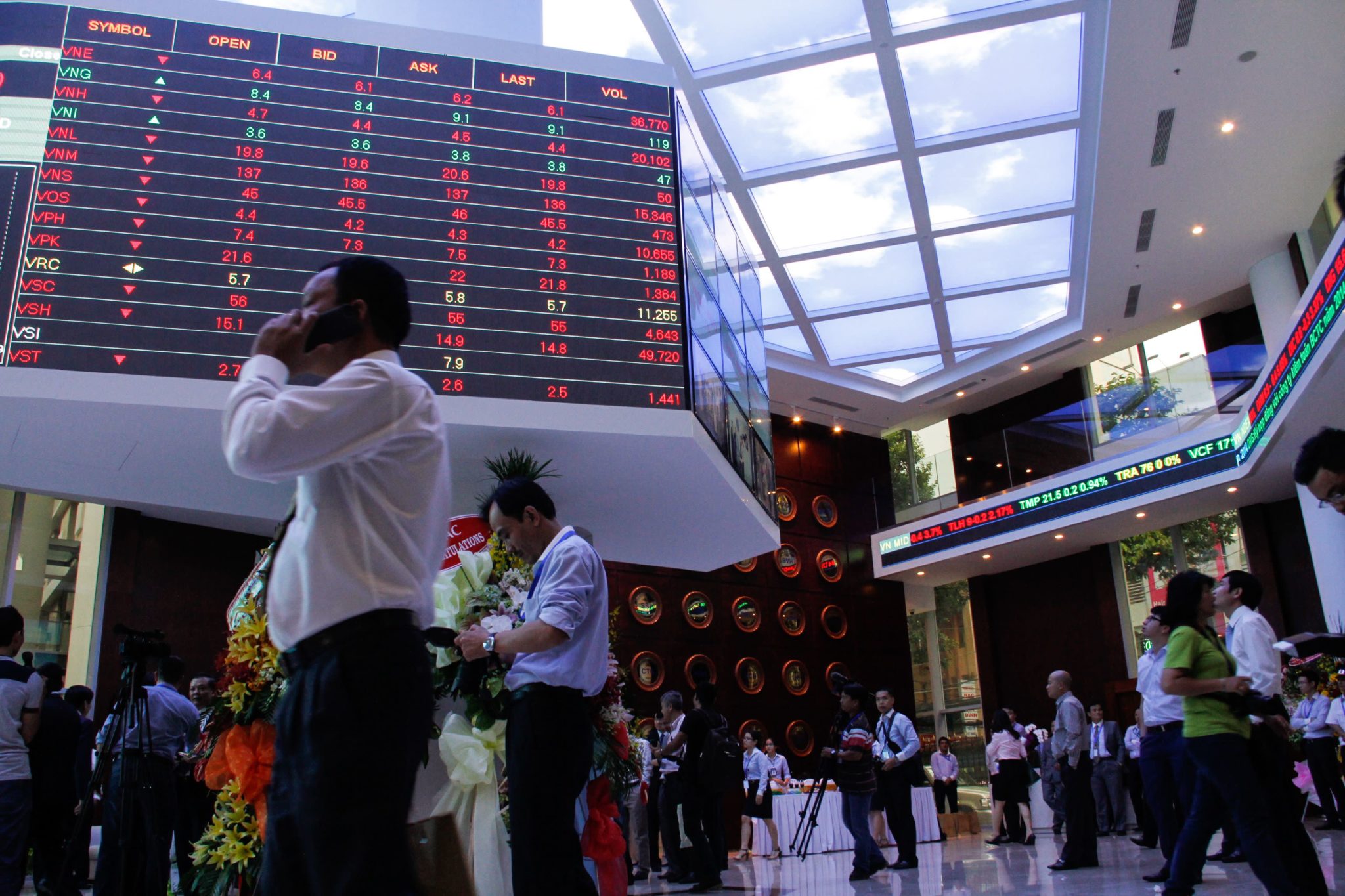
    Asian stock markets rallied strongly on Thursday after the US Treasury intervened to calm fears over rising bond yields. The announcement that the Treasury would significantly increase its long-term bond issuance provided a much-needed boost to investor confidence, leading to a rebound in equities across the region.

    This intervention comes after weeks of heightened concern over US bond yields, which had climbed to near two-decade highs. The prospect of sustained high inflation, increased government borrowing, and potential further interest rate hikes by the Federal Reserve had pushed yields on 10- and 30-year US Treasuries to unsustainable levels, sparking a sell-off in riskier assets, including Asian stocks.

    Yield Concerns Eased By Treasury Move

    The US Treasury’s unexpected decision to “at least double” the amount of long-term bonds it issues is a clear signal to the market that authorities are uncomfortable with the recent spike in borrowing costs. This move is intended to inject liquidity and bring down yields, which had seen the 30-year US Treasury yield reach its highest point since June 2007 earlier in the week. The immediate effect was a reversal of losses in US equities and a decline in the dollar against other major currencies.

    For Asian markets, the impact was immediate and positive. Technology firms, which often rely on significant debt for capital expenditure, particularly in areas like artificial intelligence, had been hit hard by rising yield concerns. Seoul’s Kospi index led the charge, jumping over six percent at one point. South Korean chipmaker SK hynix saw its shares rocket more than 12 percent, partly bolstered by its recent US$29 billion share buyback announcement, with Samsung also climbing almost nine percent. Elsewhere, Tokyo, Hong Kong, Shanghai, Sydney, Wellington, and Manila also reported strong gains. RetailNews Asia has observed that stability in financial markets is crucial for regional consumer brands planning expansions or significant capital investments, as it directly influences their cost of funding and investor sentiment.

    Future Outlook For Rates And Oil

    Despite the current relief, market observers question how long the fall in yields will last. Key factors that could reignite pressure on the long end of the Treasury curve include persistently high oil prices and ongoing concerns about US government borrowing. Crude prices have been on an upward trend for the past two weeks, fueled by fading hopes for a US-Iran deal regarding the Strait of Hormuz, with tensions in the region remaining high.

    Investors are also closely watching the US Federal Reserve’s stance on interest rates. Minutes from the Fed’s July meeting indicated that many policymakers believe further rate hikes might be necessary if inflation does not sufficiently decline. Three of the twelve voting members of the Federal Open Market Committee advocated for an immediate rate increase, noting robust economic activity driven largely by the AI industry. Attention now turns to the upcoming annual meeting of central bankers in Jackson Hole, Wyoming, next week, where Fed boss Kevin Warsh is expected to provide further clarity on the central bank’s rate strategy.

  • Samsung Eyes over $72 Billion Shareholder Return Amid AI Chip Surge

    Samsung Eyes over $72 Billion Shareholder Return Amid AI Chip Surge

    Seoul, South Korea based Samsung Electronics is expected to announce a substantial new shareholder return policy later this month, reportedly exceeding 100 trillion won (approximately $71.75 billion). This initiative comes as the technology giant seeks to share record profits with investors, largely fueled by the ongoing AI-driven chip supercycle.

    According to media reports, the South Korean memory-chip maker’s board is scheduled to convene at the end of August to approve the new shareholder return plan. Industry sources suggest the program will include a special dividend and allocate 50 percent of the company’s free cash flow to this new scheme.

    Rival Actions and Market Impact

    This anticipated announcement from Samsung follows closely on the heels of a significant move by its local competitor, SK Hynix. On Wednesday, SK Hynix, the world’s second-largest memory-chip producer after Samsung, revealed its own 40 trillion won share buyback and cancellation program. This represents the largest shareholder return initiative ever declared by a publicly listed South Korean company. SK Hynix also committed to dedicating over 50 percent of its free cash flow generated between 2025 and 2027 to shareholder returns.

    Such large-scale financial commitments from key players like Samsung and SK Hynix highlight the robust profitability within the global semiconductor industry, particularly in the memory chip segment. The surge in demand for chips due to advancements in artificial intelligence has created a lucrative environment for these technology powerhouses, allowing them to reward investors handsomely. These moves are likely to influence investor sentiment and financial strategies across Asia’s tech sector, setting a precedent for how major corporations manage their excess capital in times of high growth.

    Rewarding Investors Amid Strong Performance

    The reported shareholder return program from Samsung underscores a period of strong financial performance for the company. The AI-driven surge in demand for high-performance memory chips, essential for AI applications, has significantly boosted revenues and profits for chip manufacturers. By distributing a substantial portion of its free cash flow, Samsung aims to enhance shareholder value and maintain investor confidence. The company has not yet commented on the media reports.

  • Asian EV Sales Surge Amidst Global Oil Price Hike and Policy Shifts

    Asian EV Sales Surge Amidst Global Oil Price Hike and Policy Shifts

    Electric vehicle (EV) sales are seeing a significant boost globally, with a record 29 percent of all new cars sold worldwide this year expected to be electric, including battery-powered models and plug-in hybrids. This marks a sharp increase from just 4 percent in 2020. The surge is largely attributed to spiking oil and gasoline prices, exacerbated by the U.S. Conflict with Iran and the closure of the Strait of Hormuz, which began in February 2026. Brent crude prices have climbed over 25 percent since the conflict started.

    While traditional internal combustion engine cars face a steady decline, with sales projected to hit their lowest level since the early 2000s this year, the shift towards EVs presents both opportunities and challenges across various markets, including Asia-Pacific. Analysts suggest that while short-term factors like oil prices play a role, the long-term economic benefits of EVs, such as falling battery costs and lower operational expenses, will continue to drive adoption.

    Asia-Pacific Markets See Accelerated Adoption

    Several Asia-Pacific nations are at the forefront of this EV acceleration. South Korea, Australia, and New Zealand have nearly doubled their EV share of total new car sales since the conflict in Iran began. Laos is experiencing a dramatic increase in battery-powered vehicle imports from China, while Indonesia, Malaysia, and Taiwan are also recording notable gains in EV market share between 2025 and 2026.

    Other Asian markets, including India, Singapore, and Thailand, have also witnessed a substantial rise in EV sales since the Iran war started. Singapore, for instance, saw its EV market share jump from 31 percent in July 2024 to 65 percent in July 2026. This rapid growth indicates a clear consumer response to fuel price volatility and a growing preference for electric alternatives.

    China’s Pivotal Role and Policy Impacts

    Despite China accounting for roughly half of global EV sales, its domestic purchases fell this year due to a weakening economy and reduced government subsidies. Nonetheless, China remains a dominant force in the global EV supply chain, with Chinese companies exporting approximately 2.4 million electric vehicles in the first half of this year, nearly matching their total 2025 exports. These low-cost Chinese EVs are increasingly welcomed in markets such as Argentina, Australia, Indonesia, New Zealand, and South Africa, where they constitute over 80 percent of electric car sales.

    Several Asian governments have introduced new policies to encourage EV adoption. Cambodia and Kenya have temporarily slashed tariffs on imported electric vehicles, while Laos went a step further by barring imports of gasoline-powered cars for the remainder of 2026 and cutting taxes on EVs, leading to a significant influx of Chinese models. These policy shifts demonstrate a concerted effort by regional governments to curb reliance on expensive oil imports and accelerate the transition to electric mobility. Retailers and distributors across the Asia-Pacific region are closely watching these developments, adapting their inventory and sales strategies to meet evolving consumer demand and capitalize on the growing EV market.

  • Korea’s Chief Trade Negotiator Dismissed Amid Escalating US Tariff Pressure

    Korea’s Chief Trade Negotiator Dismissed Amid Escalating US Tariff Pressure

    South Korea’s chief trade negotiator, Yeo Han-koo, has been dismissed from his role. The Ministry of Personnel Management notified Yeo of his dismissal on Friday, according to officials. This decision occurs amid heightened pressure from the United States regarding tariffs and other bilateral trade issues.

    A Ministry of Trade, Industry and Energy official confirmed the dismissal but did not provide a specific reason. Despite speculation linking his departure to tariff negotiations between Seoul and Washington, a government official speaking to Yonhap News Agency stated that the dismissal was unrelated to these talks. Yeo himself addressed rumors of personal misconduct, calling them unfounded and threatening legal action against false reports.

    Mounting US Pressure

    The dismissal happens at a critical juncture for bilateral trade relations. The United States is pressing Seoul to accelerate its investment commitments under a prior tariff agreement. Also, there is an ongoing dispute concerning fines imposed on the US-listed e-commerce giant Coupang for a personal data breach.

    Just days before Yeo’s dismissal, on Thursday, US President Donald Trump signed a proclamation imposing new tariffs. These included a 15 percent levy on drones and their components imported from Korea, among other items. Yeo had previously served as trade minister under the Moon Jae-in administration and was reappointed in May 2025 by the Lee Jae Myung administration, playing a key role in trade discussions with Washington.

  • K-Beauty Retail Sector in South Korea Undergoes Rapid Transformation

    K-Beauty Retail Sector in South Korea Undergoes Rapid Transformation

    South Korea’s K-beauty retail sector is currently undergoing a swift transformation, moving away from its traditional reliance on heavy discounting towards new and diverse sales channels, including pharmacies. This shift signals a broader evolution in how beauty products are distributed and purchased across the country.

    New Retail Channels Emerge

    The established model of beauty retail, which frequently featured steep price reductions and promotions, is being re-evaluated. Retailers are now exploring alternative strategies to reach consumers and differentiate their offerings. Pharmacies, traditionally not primary points of sale for cosmetic products, are emerging as a significant new frontier for K-beauty brands. This expansion into health-focused retail spaces suggests a potential alignment with consumer demand for efficacious and scientifically backed beauty solutions, or simply a strategic move to increase accessibility and visibility.

    Adapting To Market Dynamics

    The rapid changes in the K-beauty market indicate a need for brands and retailers to adapt quickly to evolving consumer preferences and competitive pressures. By diversifying their sales points beyond conventional beauty stores and online platforms, companies can tap into new customer segments and enhance convenience. This strategic pivot underscores a dynamic retail environment where innovation in distribution is key to maintaining market relevance and growth.

    Questions & Answers

    What is the primary change occurring in South Korea’s K-beauty retail sector?
    The K-beauty retail sector in South Korea is rapidly changing, shifting away from its traditional reliance on heavy discounts and expanding into new sales channels, including pharmacies.

    Which new sales channel is gaining prominence for K-beauty products?
    Pharmacies are emerging as a significant new retail channel for K-beauty brands, indicating a diversification of distribution strategies.

    What does this shift signify for K-beauty retailers and brands?
    This transformation suggests that K-beauty retailers and brands are adapting to evolving consumer preferences and market dynamics by exploring new ways to reach customers and maintain relevance.

  • Starlink Powers Up South Korea: A New Era of Maritime, Aviation, and Emergency-Response Connectivity

    Starlink Powers Up South Korea: A New Era of Maritime, Aviation, and Emergency-Response Connectivity

    SpaceX’s satellite internet service, Starlink, has officially commenced operations in South Korea. By doing so, the company is expanding its worldwide low-Earth orbit (LEO) satellite coverage. It is positioning itself to be a crucial provider of high-availability connectivity across the country’s maritime, aviation, and emergency-response sectors.

    Starlink’s Korean Launch

    Starlink Korea has begun accepting nationwide subscriptions through its official website, introducing both residential and business offerings. The residential plan is priced at KRW 87,000 (USD 59) per month, providing unlimited data with anticipated download speeds of 135 Mbps and upload speeds of 40 Mbps. The cost for customer hardware is established at KRW 550,000.

    Analysts believe that Starlink’s greatest market potential in Korea is outside the domestic arena. Given that the nation already operates one of the fastest terrestrial networks globally, with LTE speeds averaging 179 Mbps, LEO satellite broadband is anticipated to serve as an additional layer in areas where ground-based coverage is limited.

    Maritime, Aviation, and Emergency-Response Sectors

    The demand is expected to increase in the maritime, aviation, and emergency-response sectors, where traditional satellite services are expensive and operate at a slower speed. Despite Korea’s ranking as the fifth largest commercial shipping capacity worldwide, many vessels continue to face difficulties in maintaining real-time connectivity at sea. LEO constellations, which orbit much closer to Earth than geostationary satellites, offer lower latency and more reliable links for ships and aircraft, supporting digital operations and crucial communication.

    Enterprise Offerings

    Starlink’s enterprise offerings are targeting land-based mobile and fixed business users. Packages start at KRW 90,000 per month for 50 GB and go up to KRW 755,000 for 2 TB. Once the data limits are reached, the speeds are reduced to 1 Mbps download and 0.5 Mbps upload, although users have the option to purchase additional data. The business packages include prioritized bandwidth and service-level guarantees.

    Local operators SK Telink and KT Sat will manage sales and technical support, as well as develop customized offerings for commercial vessels, budget airlines and government agencies.

    Aligning with National Strategy

    This initiative is in line with South Korea’s strategic aim to reinforce disaster-resilient networks. According to the Electronics and Telecommunications Research Institute (ETRI), satellite links, which remain operational even if terrestrial base stations are damaged, provide an essential backup layer for remote, mountainous, or infrastructure-challenged areas.

    Globally, Starlink operates over 7,600 satellites and provides service to more than 8 million users across 115 countries, emphasizing its growing significance in the future of connectivity ecosystems.

    Questions & Answers

    What are Starlink’s offerings in South Korea?
    Starlink has introduced both residential and business internet services. The residential plan provides unlimited data with download speeds of 135 Mbps and upload speeds of 40 Mbps. The business plans range from 50 GB to 2 TB with prioritized bandwidth and service-level guarantees.

    What sectors could benefit from the launch of Starlink in South Korea?
    The maritime, aviation, and emergency-response sectors in South Korea are expected to benefit from this launch due to the high-availability connectivity that Starlink provides.

    What is the strategic significance of Starlink’s launch in South Korea?
    The launch aligns with South Korea’s strategic push to enhance disaster-resilient networks. Satellite links can remain operational even when terrestrial base stations are damaged, providing a crucial backup layer for remote or infrastructure-challenged areas.

  • South Korea’s Retail Industry Expands Private Label Business Beyond Food And Household Items

    South Korea’s Retail Industry Expands Private Label Business Beyond Food And Household Items

    South Korea’s retail industry is swiftly growing its private label (PB) business by extending beyond food and household items to include clothing, innovative digital platforms, and even international markets. This expansion comes as firms ranging from convenience stores and hypermarkets to e-commerce businesses vie to fortify their brand identities and profitability.

    Private Label Sales on the Rise

    BGF Retail, the parent company of the CU convenience store chain, reported noteworthy growth in PB sales. The years 2023 and 2024 saw increases of 17.6 percent and 21.8 percent, respectively, followed by an additional 19.1 percent surge during the first nine months of 2025.

    GS25, another retail chain, offers around 800 PB items via the YouUs line, which now make up nearly 30 percent of total sales. Their affordable Real Price range saw a significant year-on-year increase of 125 percent.

    Leading supermarkets are also jumping on the bandwagon. Approximately 8 percent of Emart’s sales and 10 percent of Lotte Mart’s sales come from private-label goods. Emart boasts well-known PB labels such as No Brand, Peacock, 5K Price, and Days, while Lotte Mart promotes Today’s Good and Cookit.

    Online retailers aren’t left behind either. Kurly, for example, reported a year-on-year increase of over 10 percent in sales of its flagship PB lines, echoing the growing consumer demand for retailer-exclusive products.

    Expanding Across Platforms and Borders

    The once rigid boundaries between retailers are now blurring as PB products start to appear across rival platforms. Even Coupang, an e-commerce platform, sells Lotte Mart’s Today’s Good and Homeplus’s Simplus brands, while Emart’s Peacock products can be found on Kurly’s online marketplace.

    Convenience chains are also making their mark on the global stage. GS25 exports PB products to 33 countries, including the United States, Australia, Japan, and China. CU also sells its own-label items in more than 20 countries, through outlets such as Japan’s Don Quijote stores.

    Earlier this year, BGF Retail forged a partnership with China’s Ningxing Youbei, a prominent importer and distributor. The partnership’s goal is to introduce CU-branded sections on Chinese e-commerce platforms and operate pop-up stores that showcase its products.

    In addition, 7-Eleven Korea ventured into the clothing sector in April, launching its own line of socks, underwear, and T-shirts, and recently, knitwear.

    A spokesperson from the retail industry emphasizes that selling robust PB products via external channels provides both marketing and revenue advantages. The more positive experiences that customers have with a retailer’s PB products, the more likely they are to become loyal to that retailer’s own platform.

    The Challenges and Risks of Brand Identity

    Despite the success of the PB trend, it has stirred concerns about potential conflict with national brands. For instance, Coupang was previously accused of allegedly manipulating search rankings to favor its own PB products.

    Experts also caution that expanding PB lines too broadly across platforms could blur brand identity and complicate logistics and inventory management, thereby undermining the very benefits that PB lines are intended to provide.

    Kurly, which previously sold select CU PB products, reverted to an in-house-only model. A spokesperson stated that the company is more interested in preserving brand integrity than achieving broader exposure, and has no plans to offer its PB products on external platforms.

    Questions & Answers

    What is the trend of private label sales growth in South Korea’s retail industry?
    The trend shows consistent growth, with companies like BGF Retail reporting significant year-on-year increases in private label sales.

    How is the expansion of private labels affecting the retail industry?
    The expansion is blurring boundaries between retailers, causing them to compete on multiple platforms. It’s also leading retailers to venture into new markets like clothing and international sales.

    What are the potential risks associated with the expansion of private label lines?
    Potential risks include conflicts with national brands, the blurring of brand identity, and complications with logistics and inventory management.

  • South Korea’s Payment Card Market Set to Hit $1 Trillion by 2025: A Game Changer for Retail!

    South Korea’s Payment Card Market Set to Hit $1 Trillion by 2025: A Game Changer for Retail!

    In a remarkable shift towards digital finance, South Korea’s payment card market—encompassing both point-of-sale (POS) payments and ATM withdrawals—is projected to grow by 3.8%, reaching an impressive $1 trillion (KRW1.4 quadrillion) by 2025, as revealed in a recent report by GlobalData. This growth is largely fueled by a burgeoning preference for digital payment solutions among consumers.

    Between 2020 and 2024, card payments in South Korea are anticipated to experience a robust compound annual growth rate (CAGR) of 7.8%, spiking to about $972.4 billion (KRW1.3 quadrillion) by 2024. In stark contrast, cash withdrawals from ATMs are expected to grow only marginally at 0.9%, as more consumers opt for card-based transactions over traditional cash withdrawals.

    “South Korea’s cards and payments industry is well-developed, with each individual estimated to hold more than six cards as of July 2025,” noted Shivani Gupta, a banking and payments analyst at GlobalData. Gupta also highlighted that the frequency of card usage is on the rise, increasing from an average of 86.2 transactions per card in 2021 to a projected 97.8 transactions per card by 2025.

    By 2025, POS transactions are expected to dominate the landscape, accounting for a striking 96.1% of all card payments, leaving a minuscule share for cash withdrawals. The total number of card payment transactions is forecasted to increase from 24.2 billion in 2021 to 30.7 billion by 2025, achieving a CAGR of 6.2%, and advancing further to 35.9 billion by 2029.

    Efforts to enhance card usage are evident in recent industry initiatives. In January 2025, payment company NHN KCP partnered with Verifone to launch the all-in-one POS terminal “KCP Terminal The Black,” specifically designed to assist small and medium-sized businesses. Additionally, a collaborative agreement signed in July on Jeju Island between six organizations, including the Korea Payment Service Promotion Agency, aims to broaden the use of contactless cards on local bus services. Who knew public transport could be this tech-savvy?

    Looking ahead, the payment cards market is expected to continue its upward trajectory, forecasted to grow at a CAGR of 3.6% from 2025 to 2029, ultimately reaching KRW1.6 quadrillion ($1.2 trillion) by 2029, according to Gupta.

    Questions & Answers

    What is driving the growth of the South Korean payment card market?
    The growth is largely attributed to a rising preference for digital payments among consumers, significantly influencing both POS payments and ATM withdrawals.

    How many cards does the average South Korean hold?
    As of July 2025, it is estimated that each individual in South Korea will hold more than six payment cards, reflecting the market’s robust development.

    What innovations are being introduced to enhance card usage?
    Recent innovations include the launch of the all-in-one POS terminal “KCP Terminal The Black” by NHN KCP and Verifone, aimed at supporting small and medium-sized businesses, as well as initiatives to expand contactless card use in public transport on Jeju Island.

  • Korean retailer launches do-not-disturb shopping service

    Korean retailer launches do-not-disturb shopping service

    Lotte Department Store, one of South Korea’s country’s major department-store chain operators, will introduce a do-not-disturb shopping service it dubs ‘shop-alone’.

    Aimed at customers who do not wish to be approached by sales clerks and other employees – a bugbear of many consumers used to shopping in many Asian countries – has been inspired by the Covid-19 crisis and social-distancing practices.

    Customers will be able to shop alone without any offer of assistance from staff if they carry a ‘shop-alone’ sticker or bag ring available near stores’ information desks or escalators.

    The do-not-disturb shopping service is the brainchild of new, young staff born after the 1980s, and will be tested at Lotte Department Store’s flagship Young Plaza, and the company’s Jamsil branch starting today.

    For VIP customers, a personal-shopping consultant will be available for reservations, made via Lotte Department Store’s smartphone app, after they choose an item of interest.

  • Korea’s Retail Sales Surge 9.2% in March: Strong Consumer Demand Boosts Growth

    Korea’s Retail Sales Surge 9.2% in March: Strong Consumer Demand Boosts Growth

    South Korea’s Retail Sector Sees 9.2% Growth Amid Rising Online Sales

    In a marked turnaround, South Korea’s retail industry experienced a remarkable 9.2% year-on-year growth in March 2025, driven by a surge in online shopping. While brick-and-mortar stores faced challenges, the digital marketplace thrived, particularly in food and essential services.

    Digital Sales Propel Retail Growth

    According to the latest data from the Ministry of Trade, Industry, and Energy (MOTIE), online sales soared by an impressive 19.0%. This shift highlights changing consumer patterns, as shoppers increasingly turn to e-commerce for their purchasing needs. In contrast, traditional offline sales reported a slight decline of 0.2%.

    Despite the overall positive growth, not all retail segments fared well. Both hypermarkets and department stores recorded declines, with drops of 0.2% and 2.1%, respectively. Categories like fashion and home appliances were particularly hard-hit.

    Growth in Convenience and Supermarkets

    Amid the fluctuating landscape, convenience stores and supermarkets bucked the trend with notable gains. Convenience store sales increased by 1.4%, while super supermarkets enjoyed a robust growth of 3.6%, driven by local shopping preferences that continue to dominate the market.

    Strong Demand for Food and Services

    Online sales significantly benefited from the rising demand for food products, which climbed by 19.4%. Additionally, services experienced a staggering 78.3% boost, largely due to an increased reliance on food delivery and online orders. However, fashion and sports categories struggled, witnessing declines of 4.7% and 10.1%, respectively.

    Notably, back-to-school shopping stimulated demand for home appliances and consumer electronics, which rose by 7.8%. The cosmetics sector also saw a growth of 7.5%, thanks to ongoing online sales momentum.

    Implications for Consumer Trends

    The retail landscape in South Korea is evolving rapidly, with online sales playing a pivotal role in shaping consumer trends. As digital shopping continues to expand, it presents significant opportunities and challenges for retailers, necessitating adaptations to meet the shifting preferences of consumers.

    As the retail sector navigates these changes, the potential for sustained growth remains promising, particularly for brands that embrace innovation and enhance their online presence.

  • IKEA Unveils First Mixed-Use Store in South Korea, Boosting Retail Growth

    IKEA Unveils First Mixed-Use Store in South Korea, Boosting Retail Growth

    IKEA Expands Footprint in South Korea with New Mixed-Use Store

    Dive into IKEA’s latest venture in Seoul as the global home furnishings giant enhances its local presence in a rapidly evolving retail landscape.

    A Strategic Investment in South Korea

    IKEA has officially opened its fifth store in South Korea, a significant milestone that is part of the brand’s ambitious strategy to invest over $341 million (approximately €300 million) in the country. This latest store, located in the Gangdong I-Park The River complex in eastern Seoul, marks IKEA’s first foray into a mixed-use facility, innovatively combining shopping, entertainment, and business spaces.

    Innovative Offerings for Modern Consumers

    The IKEA Gangdong store showcases a robust selection of 7,400 products, with 3,700 available for immediate purchase. Among its notable features are a sustainable living shop, designed to promote eco-friendly practices, and a circular hub that encourages recycling and repurposing. Furthermore, the introduction of electric vehicle deliveries aligns with IKEA’s commitment to achieving zero emissions and underscores its dedication to addressing emerging consumer trends toward sustainability.

    Reinforcing Digital and Physical Presence

    This opening is a key component of IKEA’s broader strategy to deepen its engagement within the South Korean market. The company is focused not only on expanding its physical stores but also on enhancing its digital presence to cater to the evolving needs of consumers. With this investment, IKEA aims to provide an elevated shopping experience that meets the demands of today’s discerning customers.

    Impact on the Retail Sector

    IKEA’s strategic expansion in South Korea reflects a dynamic shift in the retail landscape, responding to the rising consumer demand for integrated shopping experiences. As brands evolve to embrace sustainability and innovation, the implications for consumers and the broader retail sector are significant, paving the way for more versatile shopping environments that foster convenience and eco-consciousness.

  • Zara to open first cafe in South Korea

    Zara to open first cafe in South Korea

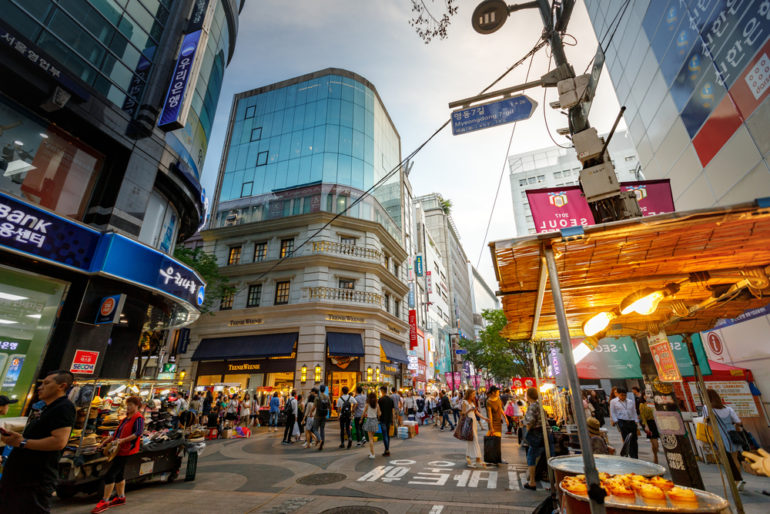
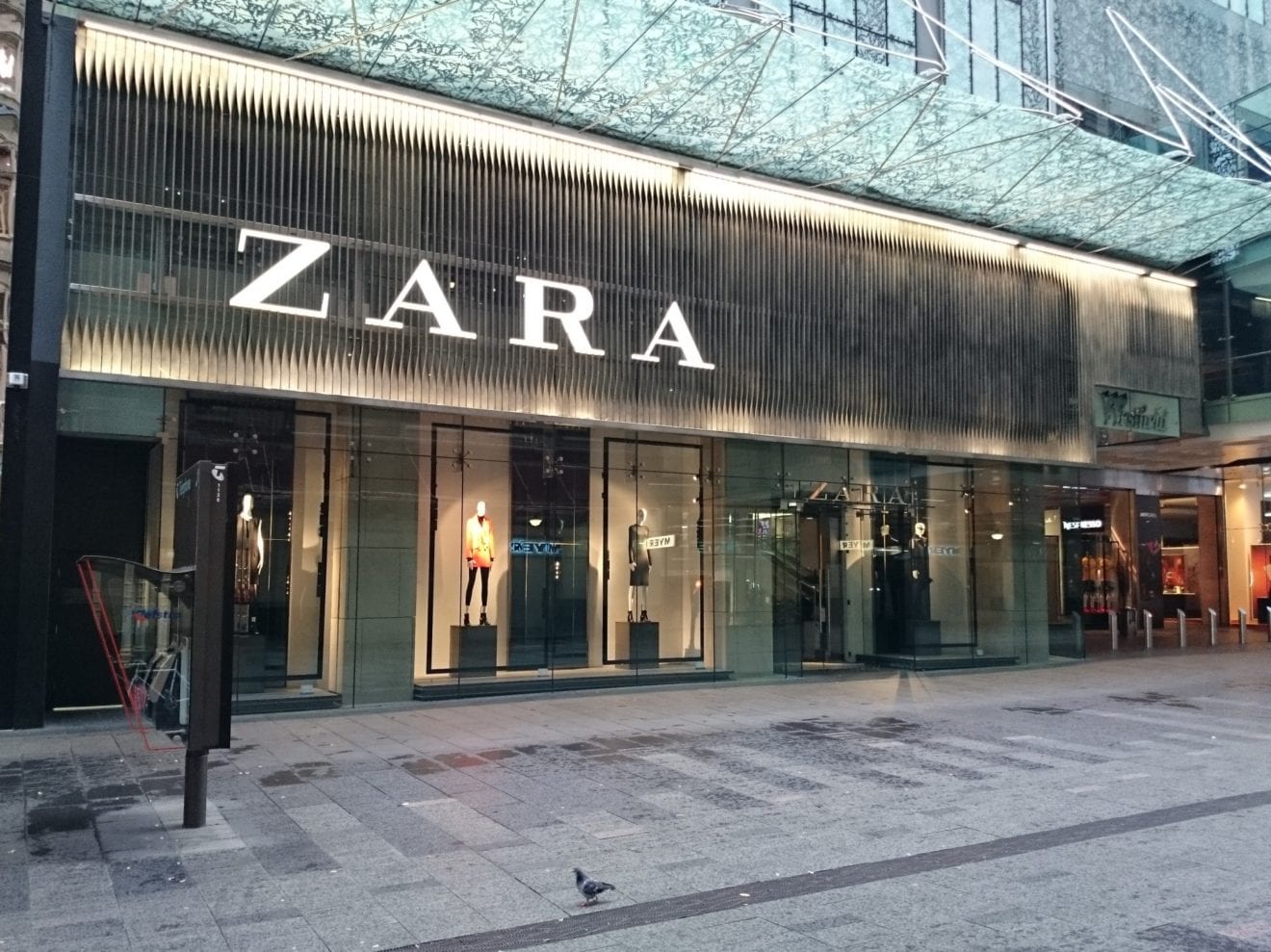
    Zara, the Spanish fashion giant, is set to open its first Zacaffe location in South Korea this May, launching inside the brand’s newly renovated flagship store in Myeong-dong, Seoul.

    The move reflects a growing trend among global fashion brands incorporating cafes into their retail spaces, offering customers a more immersive brand experience.Zara introduced Zacaffe in Madrid in November 2024, integrating a cafe space within select stores to serve coffee, desserts, and branded merchandise, including tumblers, hats, eco-bags, and t-shirts. Following its China debut in Nanjing this month, the Seoul location will be its third global outpost, with an Osaka store also in the pipeline.

    “Myeong-dong is a prime shopping and fashion district, attracting both locals and tourists, making it the perfect location for a flagship Zara store and our cafe experience,” a Zara representative said.

    Zara also plans to introduce Korean-inspired desserts and a cafe design that reflects local aesthetics, aiming to attract both domestic customers and international visitors. The company is considering further expansion within South Korea.Zara is not alone in blending retail and café culture. Luxury fashion brands have increasingly adopted coffeehouse ventures to strengthen their brand presence and enhance customer engagement.

    Ralph Lauren introduced Ralph’s Coffee to South Korea in September 2024, opening a cafe in Seoul’s Garosu-gil district, a decade after launching the brand in New York in 2014. The cafe, featuring classic green-and-white interiors and American-style menu offerings, has drawn long queues, even on weekdays. Ralph’s Coffee also opened a popular pop-up store at The Hyundai Seoul last month.
    Maison Kitsune, the Parisian-Japanese brand under Samsung C&T fashion division, launched cafe Kitsune in Seoul’s Garosu-gil in 2018. The brand has since expanded to Hyundai Department Store’s Mokdong and Pangyo locations, as well as Shinsegae’s Centum City branch, where the cafe welcomes over 400 customer groups daily on weekends.

    Gelato Pique, a Japanese homewear brand, entered the cafe scene in September 2024 by opening Pique cafe in Hannam-dong, Seoul. The cafe offers specialty crepes and gelato, aligning with the brand’s “comfortable luxury” ethos and attracting foot traffic to the store.The trend underscores a strategic shift in the fashion industry. With the rise of e-commerce reducing in-store foot traffic, brands are reinventing retail spaces as lifestyle destinations.

    “Online shopping has made it harder for brands to showcase their identity in physical stores,” a fashion industry insider noted. “By launching cafés and selling branded merchandise, fashion labels create a more tangible, memorable experience for customers.”

    As more brands adopt cafe-driven retail strategies, the industry’s shift toward experiential shopping is expected to accelerate, blurring the lines between fashion, lifestyle, and hospitality.

  • South Korean hypermarket Emart to launch in Laos

    South Korean hypermarket Emart to launch in Laos

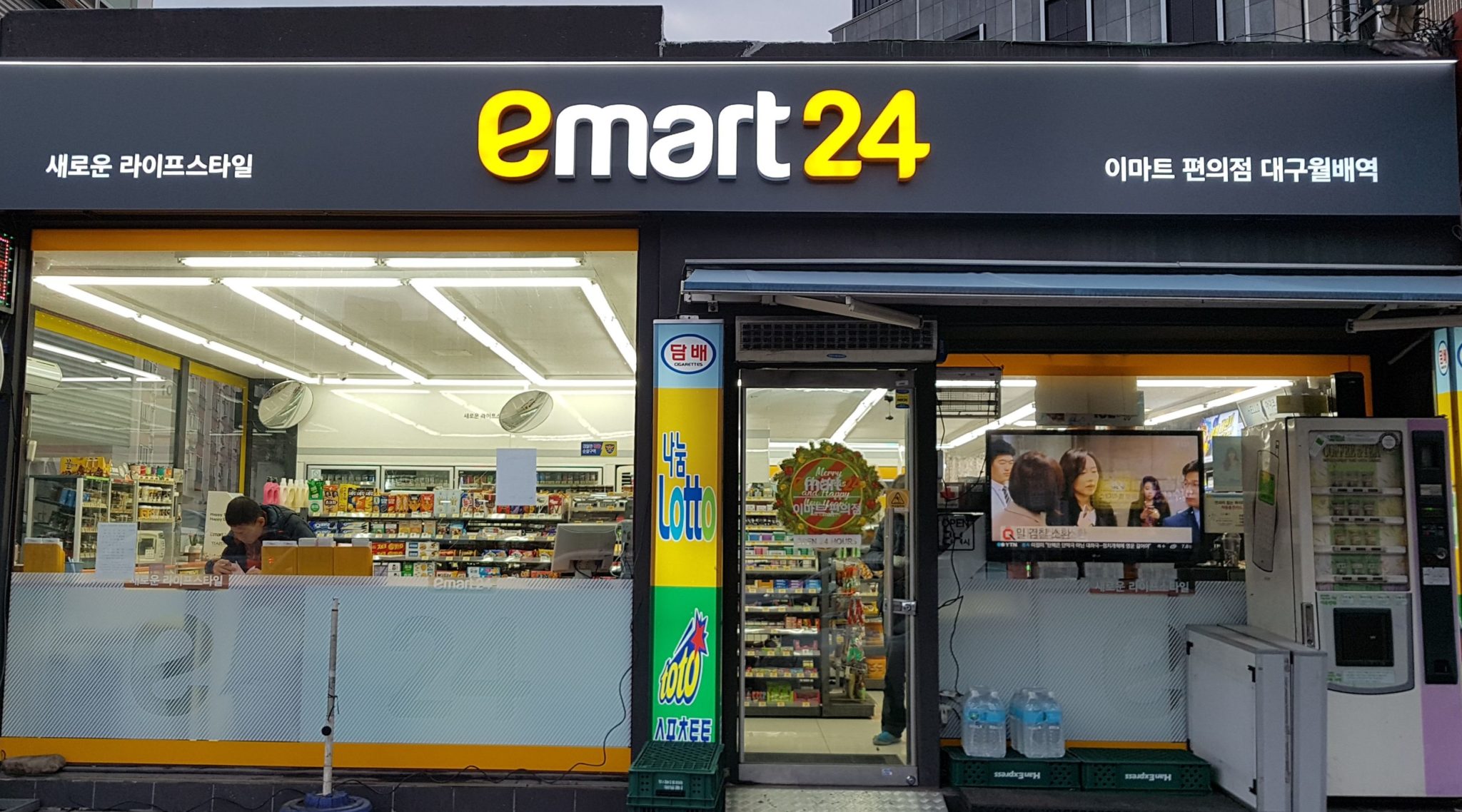
    Emart, the South Korean hypermarket retailer, will expand into Laos this year through a master franchise deal with U-Dee, an investment entity owned by LVMC Holdings.

    The move follows the company’s announcement earlier this month that it would expand into Cambodia in June.

    The agreement includes opening one Emart discount retail outlet and three hard-discount outlets under the brand name No Brand – Emart’s house label – in Laos later this year.

    Emart operates three Emart stores in Vietnam, four in Mongolia, and 17 No Brand stores in the Philippines.

    The firm intends to open 20 E-Mart locations and 70 No Brand stores in Southeast Asia during the next 10 years.

    LVMC Holdings, originally known as Kolao Group, was founded in 1997 by South Korean businessman Oh Se-young. The group debuted its footprint in the retail market with a local hypermarket chain dubbed Kok Mega Mart in Laos last year.

  • Italian outerwear label Herno makes global duty-free debut in Korea

    Italian outerwear label Herno makes global duty-free debut in Korea

    Italian luxury brand Herno has made its first presence in South Korea, in partnership with Shinsegae International. The launch also marks Herno’s first presence in a duty-free shop.

    Located on the ninth floor of the Shinsegae Duty-Free Myeongdong branch, the store offers its latest winter collection in a variety of colors, with products made primarily of cashmere, silk, goose down, and nylon.

    “Even though outerwear is expensive, there is a perception that people buy high-quality products and wear them for a long time, so the demand for luxury padding is steadily increasing,” said a representative for Shinsegae International Herno.

    “As the number of travelers leaving overseas, including foreign tourists, is rapidly increasing ahead of the end of the year. We are expecting a good response from the Shinsegae Duty Free Myeongdong branch.”

    Herno, founded in 1948 by Giuseppe Marnezi, is notable for not showing its logos, in line with the quiet luxury trend. The decision to create a duty-free store was made in reaction to South Korea’s emergence as a centre of luxury fashion, the recent growth in international tourists visiting Korea, and the rapid increase in overseas travel by Koreans.