Tag: south korea

  • South Korea Retail Sales Rose 6.4% in July on Summer Spending

    South Korea Retail Sales Rose 6.4% in July on Summer Spending

    South Korea’s major retailers increased combined sales by 6.4 percent year-on-year in July. Demand for vacation gear, imported fashion, and food delivery services drove the rise.

    Internet platforms handled the bulk of that growth. They captured 60.8 percent of total retail revenue during the month, according to data from the Ministry of Trade, Industry and Energy.

    Department Stores and Convenience Chains Expand

    Brick-and-mortar turnover climbed 3.2 percent from a year earlier. Both department stores and convenience chains extended their unbroken run of year-on-year growth to 13 consecutive months.

    Department stores posted the sharpest gains offline, with sales jumping 17.9 percent. Demand rose across every major category. Imported apparel, summer travel gear, and cooling appliances led the expansion.

    Convenience stores generated a 1.1 percent sales increase over the same period. Foot traffic slipped. Higher spending per transaction kept overall takings positive.

    Online Channels Take Larger Revenue Share

    Digital platforms posted an 8.5 percent revenue increase compared with July last year. Food delivery orders, packaged groceries, and home appliances recorded the fastest category gains across web storefronts.

    Consumer habits in the country continue to split. Digital channels dominate everyday replenishment, while physical stores rely on experiential shopping and premium apparel to draw spending.

    Trade ministry officials will publish the August retail index next month. That report will show whether back-to-school shopping and late-summer promotions sustained the sales momentum.
  • South Korea Retail Investor Deposits Drop Below 100 Trillion Won

    South Korea Retail Investor Deposits Drop Below 100 Trillion Won

    South Korean retail investor deposits fell below 100 trillion won ($72.4 billion) as individual stock traders increasingly turned to borrowed money to finance equity purchases in Seoul.

    Deposits held by individual investors reached 98.92 trillion won on Wednesday, shedding 3.62 trillion won in a single session, according to data from the Korea Financial Investment Association. The contraction marks the first drop below the 100 trillion won threshold since Aug. 12, reversing a brief rebound that peaked at 106.58 trillion won on Aug. 19.

    Margin Debt Climbs for Seven Sessions

    While cash balances shrank, margin debt climbed to 33.1 trillion won, adding 254 billion won on the day. The figure crossed the 33 trillion won mark for the first time in nearly a month, following an upward run across seven consecutive trading sessions that started Aug. 18. Outstanding margin balances had dropped to 27.4 trillion won on Aug. 4 before reversing course.

    Retail market participants offloaded a net 2.25 trillion won worth of shares on the benchmark Kospi on Aug. 26. The combination of falling cash deposits and persistent net equity sales indicates that individuals are pulling direct liquidity out of their trading accounts even as debt-financed exposure expands.

    Credit Stress and Index Resistance

    Short-term credit transactions climbed to 1.15 trillion won, an increase of 146.9 billion won from the previous trading day. Forced liquidations triggered by unpaid credit, known as margin selling, reached 12.7 billion won, representing 1.3 per cent of total short-term credit balances outstanding.

    Across regional equity desks, high domestic retail use often amplifies market swings when local indices stall at major technical barriers. Individual retail flows in Seoul remain heavily sensitive to market momentum, and rapid debt accumulation during rangebound periods leaves trading portfolios exposed to sharp forced selling if share prices drop.

    Trading desks in Seoul are now tracking whether the Kospi can break past the 7,000-point level or if margin liquidations will expand beyond the current 12.7 billion won daily threshold.

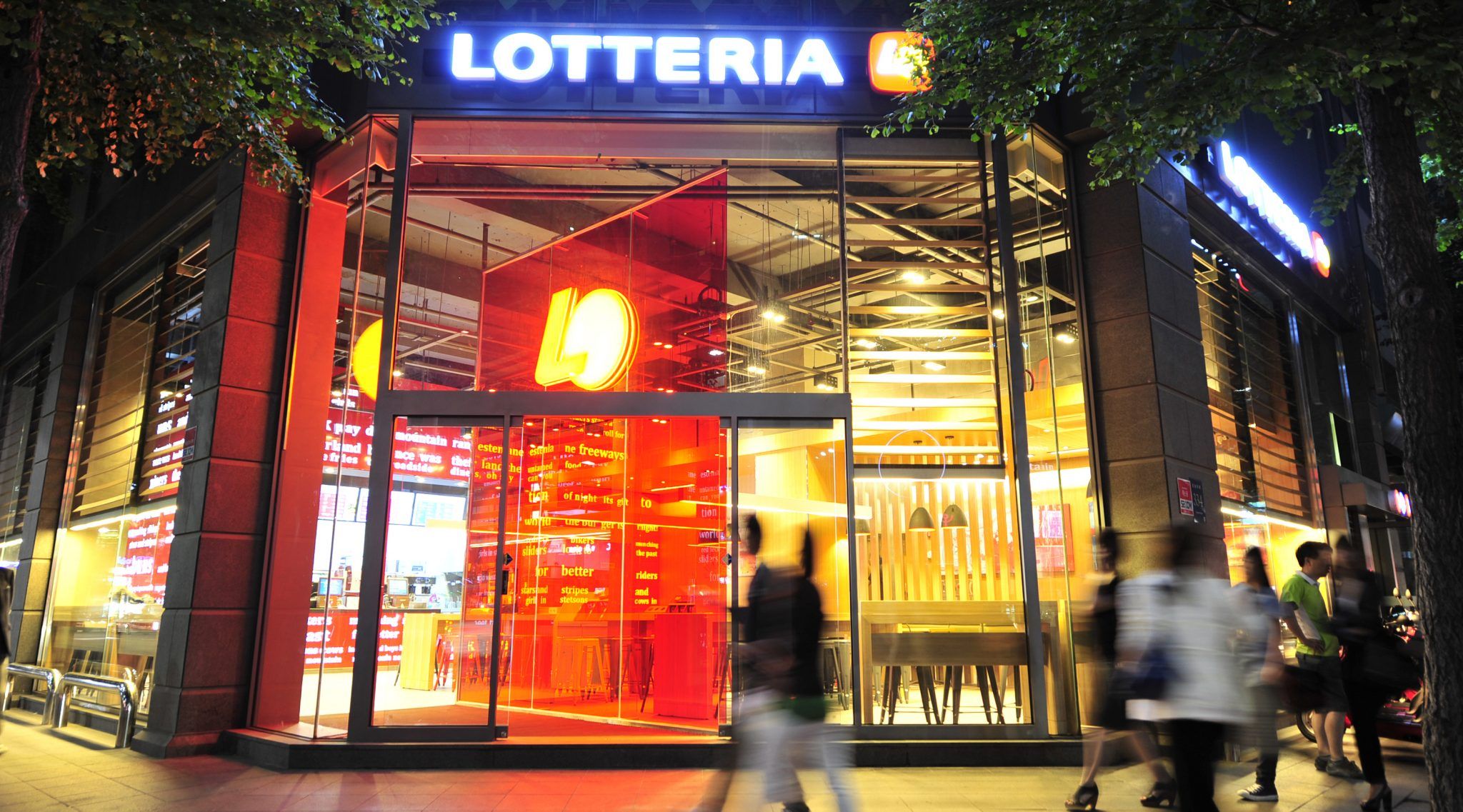
  • Lotte GRS to Re-Enter Indonesia with 10 Angel-in-Us Coffee Outlets

    Lotte GRS to Re-Enter Indonesia with 10 Angel-in-Us Coffee Outlets

    South Korean restaurant operator Lotte GRS will reintroduce its Angel-in-Us coffee brand to Indonesia through a master franchise agreement with Surabaya-based Bogajaya Group.

    Bogajaya plans to open 10 outlets across Indonesia over the next five years, starting with a debut location before the end of 2026.

    The agreement brings Angel-in-Us back to Southeast Asia’s largest economy after Lotte pulled its direct operations in 2020. Bogajaya Group, an Indonesian food and retail operator with nearly 50 years of operating history, specializes in travel retail and runs concessions across the country’s major airports.

    Airport operator takes the master franchise

    Lotte GRS operates several consumer foodservice brands across Asia and the United States, including burger chain Lotteria, Krispy Kreme Doughnuts, Villa de Charlotte, and food hall concept Plating. Outside its home market in South Korea, the group runs locations in Vietnam, Malaysia, Singapore, and the US.

    Securing a local franchisee with established airport concessions allows foreign food groups to avoid the heavy capital commitments and real estate bottlenecks that often hamper direct store operations in Indonesia. South Korean food operators have increasingly favored asset-light franchise partnerships across Southeast Asia, shifting operational risk to domestic companies with existing commercial lease networks.

    Southeast Asian expansion targets

    The Indonesian rollout follows Lotte GRS’s push into neighboring markets earlier this year. The company introduced its Lotteria fast-food chain to Singapore in February with an opening at Jewel Changi Airport.

    Bogajaya will begin store buildouts immediately, targeting its first Angel-in-Us site launch before January 2027 as it starts the 10-unit rollout schedule.

  • Burger King Korea Opens Seoul Flagship Store as It Chases 1.1 Trillion Won in Sales

    Burger King Korea Opens Seoul Flagship Store as It Chases 1.1 Trillion Won in Sales

    Burger King Korea will open its first global flagship store in Seoul on September 10, backing a push to reach 1.1 trillion won in annual sales.

    The quick-service operator is targeting a network of more than 600 locations across South Korea this year, up from its current footprint.

    Located in the eastern district of Seongsu, the new format trades under the name Flameground. Local operator BKR designed the venue around exclusive menu items, branded merchandise and reservation-only dining, shifting away from standard counter-service fast food into experiential dining in one of Seoul’s busiest retail corridors.

    Private equity backing and store targets

    BKR operates both Burger King and Canadian coffee chain Tim Hortons in South Korea. The company entered the country in 1984 with an initial site in Jongno, changed hands to VIG Partners in 2012, and joined Hong Kong private equity firm Affinity Equity Partners in 2016.

    Affinity attempted to divest its Burger King operations in South Korea and Japan in 2022 before pausing the auction. In June, the buyout group restarted the sale process for BKR, seeking an exit four years after first testing buyer appetite.

    Shifting format in Seongsu

    Fast-food chains across East Asia are building larger experiential flagships in high-footfall neighborhoods to protect margins against rising ingredient costs and weaker discretionary spending. Seongsu has become the preferred testing ground for experimental retail formats, drawing both domestic fashion pop-ups and international food brands trying to appeal to younger consumers.

    BKR will open Flameground on September 10, with transaction advisers watching whether the higher-margin concept supports the ongoing sale process.

  • Hyundai Targets 9 per Cent Margin and Adds 1.27 Million Units of Capacity

    Hyundai Targets 9 per Cent Margin and Adds 1.27 Million Units of Capacity

    Hyundai Motor will add 1.27 million units of global vehicle production capacity by 2030 as it lifts its operating profit margin target above 9 per cent.

    The South Korean group plans to refresh or introduce more than 100 models over the next four years, directing more than half of those releases to North America. The product roadmap includes the Santa Fe extended-range electric vehicle (EREV), which the company will manufacture at its assembly plant in Alabama, alongside a new luxury hybrid vehicle.

    Management raised the group’s 2030 consolidated operating margin guidance from an earlier band of 8 per cent to 9 per cent. It left its 2026 operating margin forecast unchanged at 6.3 per cent to 7.3 per cent, while reaffirming an annual target of 5.55 million vehicle sales by 2030, representing roughly 6 per cent global market share. Electrified vehicles are projected to make up 60 per cent of those deliveries by the end of the decade, up from 23 per cent in 2025.

    Hybrids and US Production Footprint

    Surging fuel prices tied to geopolitical conflicts have steered American consumers back toward hybrid powertrains. Cox Automotive survey data shows 56 per cent of prospective US car buyers are more inclined to choose a hybrid due to high pump prices, while research group Omdia tracked a 19 per cent rise in overall hybrid sales across the first half of 2026. Hyundai reported its own quarterly hybrid volume surged 71 per cent in the second quarter.

    Trade policy remains a major operational hurdle for the Seoul-based manufacturer. The pending review of the United States-Mexico-Canada Agreement has introduced friction into North American parts logistics, as US trade officials resist automatic treaty extensions in favor of tighter annual oversight across cross-border automotive supply chains.

    Factory Automation and AI Compute

    Beyond vehicle assembly lines, the carmaker is pushing capital into industrial robotics and autonomous driving platforms. Commercial deliveries of IONIQ 5 electric crossovers to Alphabet’s autonomous fleet unit Waymo begin in the fourth quarter of 2026, while driverless passenger operations run by Hyundai’s Motional joint venture start in Las Vegas later this year.

    Robotics manufacturing will begin in the US in 2028 with a planned annual run rate of 30,000 units. The company will deploy Boston Dynamics’ Atlas humanoid robots at its Georgia Metaplant facility in 2028 after completing factory floor simulation testing. Supporting its software-defined vehicle pipeline, Hyundai will also bring a 100-megawatt artificial intelligence data center online in 2029 equipped with more than 50,000 graphics processing units.

    For Asian automotive majors balancing choppy electric vehicle demand, shifting output toward high-margin hybrid platforms and domestic US manufacturing has become the primary playbook to protect operating cash flow.

    Investors reacted cautiously to the capital expenditure plans, sending Hyundai Motor shares down 3.3 per cent in Seoul against a 1.3 per cent gain on the benchmark KOSPI index. The company will cancel 789 billion won ($570 million) worth of treasury shares while maintaining a minimum 35 per cent shareholder payout ratio.

  • South Korea’s APR Targets W500b in Europe After First-Half Sales Surge

    South Korea’s APR Targets W500b in Europe After First-Half Sales Surge

    South Korean beauty company APR raised its full-year European sales target to 500 billion won ($358 million) after regional revenue jumped 363 per cent in the first half of 2026.

    European sales reached 228.9 billion won ($163.8 million) during the six-month period, accounting for roughly 17 per cent of the Seoul-based firm’s total revenue.

    Amazon Stores and Sephora Shelves

    Online momentum built quickly after APR launched official storefronts on Amazon in the UK, France, Germany, Italy and Spain late last year. Average monthly sales across those five country portals grew more than eightfold between January and June, lifted by demand during Amazon’s Prime Day event.

    Physical retail followed a parallel trajectory. APR secured shelf space at Sephora in March, driving its first-half offline revenue in Europe up more than ninefold compared with the same period a year earlier. To support the retail push, the company increased its available stock-keeping units in the region by more than five times.

    Korean Beauty Footprint Abroad

    The European push shows how quickly Asian beauty brands can convert digital traction into physical shelf space once regional distribution networks open up. While domestic Korean cosmetics demand remains steady, major operators in Seoul increasingly rely on Western department store chains and global e-commerce portals to absorb rising production volumes.

    APR is preparing to open dedicated Amazon storefronts in additional European countries while negotiating terms with regional department stores and specialty beauty chains to widen its physical distribution network before the end of the year.

  • CES Asia Unveiled Expands to Seoul in Partnership with KES

    CES Asia Unveiled Expands to Seoul in Partnership with KES

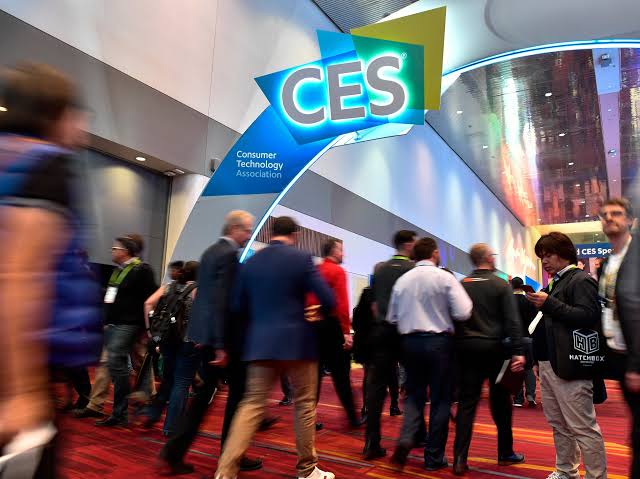
    CES Asia Unveiled is expanding into Seoul through a formal partnership with the Korea Electronics Show. The tie-up connects the regional preview platform directly with South Korea’s primary trade gathering for consumer electronics, appliance manufacturers and component suppliers.

    Organisers designed the Seoul event to give domestic tech makers, retail buyers and international media an early look at product launches ahead of the main global exhibitions. South Korean conglomerates and hardware startups will gain a dedicated stage to demonstrate consumer hardware, artificial intelligence applications and smart home devices to regional distributors.

    Bringing Preview Formats to South Korea

    The Seoul expansion reflects South Korea’s position as a dominant exporter of consumer electronics and display technologies. By collaborating with the Korea Electronics Show, the platform integrates local exhibition infrastructure with international brand networks that typically anchor large-format consumer technology shows across Asia.

    Participating companies will present products across smart appliances, mobility solutions, gaming hardware and personal devices. The format focuses on direct business matchmaking, pairing device manufacturers with Asian retail operators, ecommerce platform buyers and regional supply chain partners seeking early product inventory.

    Regional Competition in Consumer Electronics

    Trade event organisers across the Asia-Pacific region continue to adjust their calendars to secure hardware debuts from top tier manufacturers. While previous editions of regional technology shows concentrated heavily in Shanghai and Tokyo, trade bodies are increasingly setting up multi-city formats across key consumer markets in Northeast Asia.

    For South Korean electronics suppliers and regional distributors, the joint event provides immediate access to product roadmaps without requiring travel outside the domestic market. Registration timelines and exhibition schedules for the joint Seoul show will open through official trade channels as participating brands finalize their regional product lineups.

  • Samsung and SK Hynix Slump Drags Seoul Benchmark Down 3.12 per Cent

    Samsung and SK Hynix Slump Drags Seoul Benchmark Down 3.12 per Cent

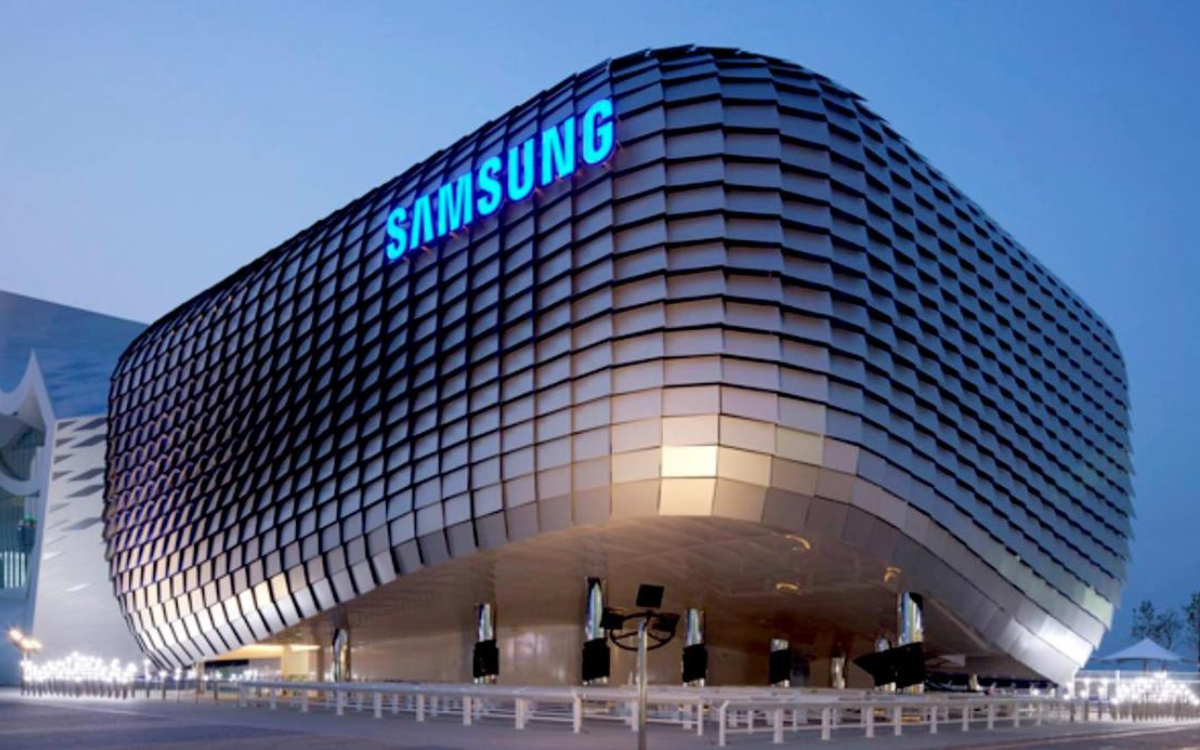
    South Korea’s benchmark KOSPI index dropped 3.12 per cent on Monday as sharp declines in Samsung Electronics and SK hynix dragged down Seoul equities. The semiconductor sell-off erased gains from the previous two sessions, leaving Samsung tumbling 8.70 per cent and SK hynix down 3.41 per cent by the close.

    The benchmark index settled at 6,696.96 points, down 215.99 points from Friday after opening 0.46 per cent lower. Foreign institutional funds drove the retreat, offloading a net 3.69 trillion won ($2.67 billion) in shares, while domestic institutions sold 1.29 trillion won. Local retail buyers absorbed 3.32 trillion won of the selling pressure.

    Divergent Shareholder Return Strategies

    Investor disappointment centered on the stark contrast between the capital return programs announced by the two semiconductor giants. SK hynix revealed a plan last Wednesday to repurchase and cancel 40 trillion won of its own stock, alongside a pledge to return at least 50 per cent of its free cash flow over the next three years. The chipmaker immediately started buying roughly 650,000 shares a day, accounting for up to 15 per cent of its daily trading volume.

    Samsung took a different approach, winning board approval on Friday for a capital allocation package worth between 90 trillion and 110 trillion won this year. That total includes about 30 trillion won in cash payouts and regular third-quarter dividends. Traders reacted negatively to the lack of immediate share cancellations, dumping the stock after management deferred specific allocation mechanics.

    Retail Buyers Cushion Foreign Outflows

    Across regional tech capital, institutional funds increasingly reward immediate share retirements over cash dividends because equity cancellations permanently reduce share count. Samsung’s reliance on cash payouts left investors exposed to timing uncertainty while SK hynix locked in direct daily buying demand.

    Capital that fled Samsung found a temporary home in smaller technology names. The secondary Kosdaq index gained 1.42 per cent to close at 813.33 points as money rotated into secondary battery suppliers and electronic materials manufacturers. In foreign exchange trading, the Korean won ended onshore trade at 1,382.4 per US dollar, strengthening by 4.1 won.

    Samsung’s board of directors is scheduled to meet in late October to determine the final dividend allocation and exact cash distribution timetable for the remaining portion of its 110 trillion won plan.

  • Korea Eximbank Backs LS Cable Virginia Plant with 300 Billion Won

    Korea Eximbank Backs LS Cable Virginia Plant with 300 Billion Won

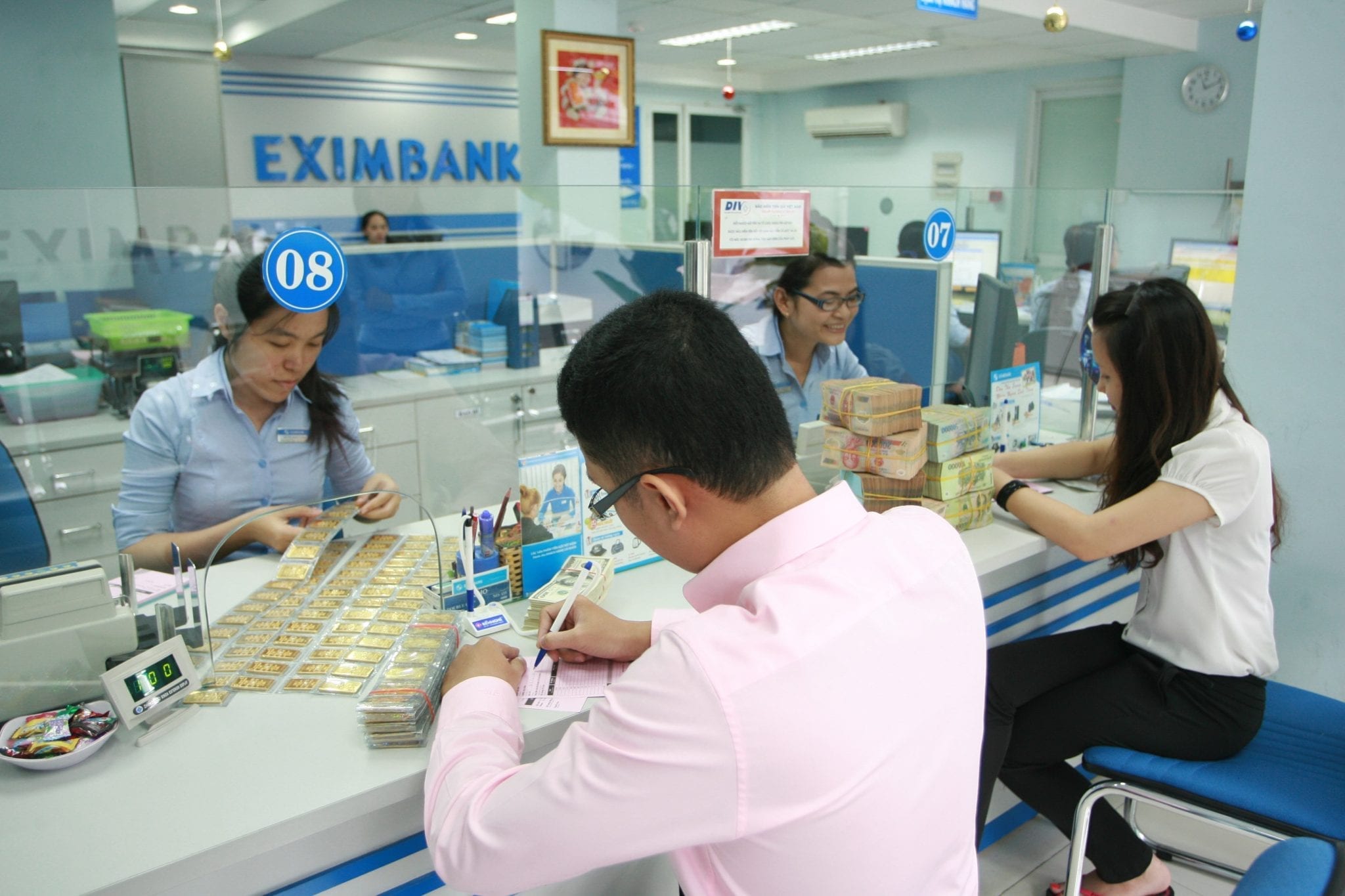
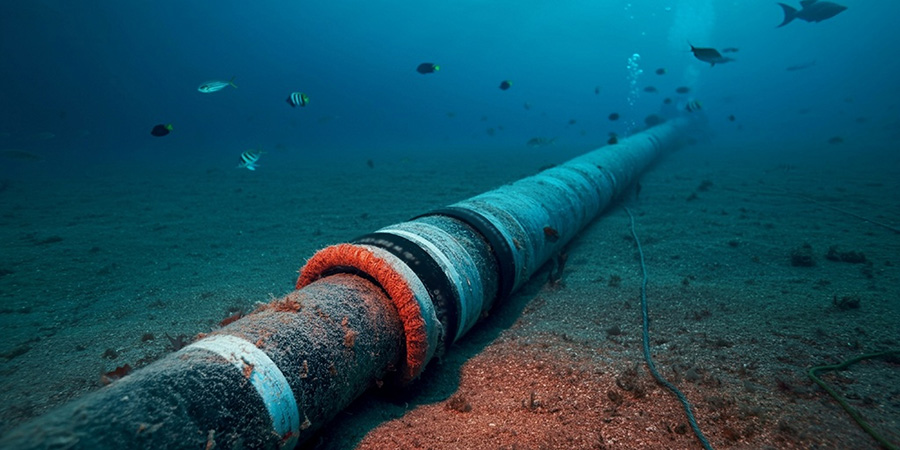
    The Export-Import Bank of Korea will provide 300 billion won ($217.7 million) in financing for LS Cable & System’s subsea cable factory in the United States.

    State backing covers nearly a third of the South Korean manufacturer’s total 1 trillion won ($725.6 million) investment to build the production site in Chesapeake, Virginia. The lender arranged the debt package to secure a foothold for Korean industrial suppliers in the North American energy transmission supply chain.

    Targeting AI Grids and Offshore Wind

    Construction in Chesapeake is scheduled for completion in the second half of 2027. Once fully operational, the plant will produce 500 kilometres of high-voltage direct-current (HVDC) subsea cables each year to link regional power grids across long distances with minimal transmission loss.

    The output will serve power grid operators in North America as well as offshore wind developers in Europe. Rising electricity consumption from hyperscale artificial intelligence data centers is accelerating utility spending on heavy-duty transmission lines that can carry bulk power across borders and coastal waters.

    South Korean Cable Makers Push Abroad

    South Korean manufacturers are building manufacturing capacity closer to Western grid projects as local transmission networks face backlogs. Rivals such as Taihan Cable are also expanding their subsea and offshore installation capabilities to capture orders outside East Asia.

    State lenders plan to issue additional credit lines to domestic cable producers competing for long-term supply contracts across North America and Europe. The Chesapeake plant remains on track to start commercial deliveries by late 2027.

  • Simon Property Group Revenue Jumps 20 per Cent as Retailer Leasing Surges

    Simon Property Group Revenue Jumps 20 per Cent as Retailer Leasing Surges

    Simon Property Group lifted second-quarter revenue by 20 per cent to US$1.79 billion as retailer demand pushed occupancy across its global portfolio to 96 per cent.

    The shopping centre landlord completed more than 1,200 lease deals during the three-month period, up 20 per cent year over year, with rent spreads on new leases gaining 17 per cent.

    First-half revenue reached US$3.548 billion, also up 20 per cent compared to the same period in 2025. Net after-tax income attributable to stockholders fell 13.1 per cent to US$483.1 million in the quarter, leaving first-half profit flat at US$962.7 million. Funds from operations totaled US$1.185 billion in the second quarter and reached US$2.293 billion across the first six months.

    Outlet conversions and tenant mix

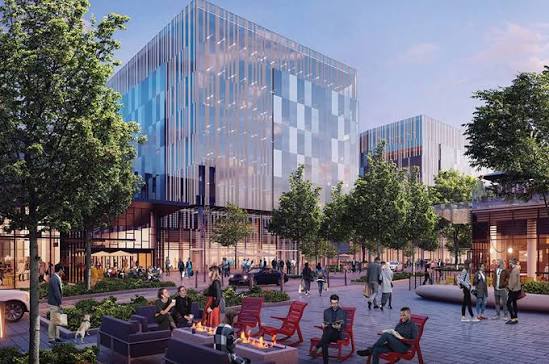
    Average base minimum rent across the US properties rose 6.3 per cent to US$62.42 per square foot. The landlord is carving up approximately 1 million square feet of shuttered Saks Off 5th outlet space into smaller parcels, which chief executive Eli Simon said will lift rental revenue on those boxes from US$18 million to US$44 million.

    Leasing demand spanned athleisure, home goods, Gen Z apparel, and Asian beauty and collectables brands entering physical formats. Food and beverage operators form another core target, with incoming restaurant projects expected to generate between US$400 million and US$500 million in incremental sales across regional centres.

    Global footprint and Asia presence

    The company ended June with 175 malls and premium outlets in the United States, 16 Mills properties, and 42 international centres. Its Asian footprint comprises 19 locations, led by 10 properties in Japan and seven in South Korea.

    Asian outlet centres operated through joint ventures continue to capture cross-border retail traffic, serving as low-risk entry points for brands testing overseas demand without committing to high-street flagships. RetailNews Asia tracks how western mall operators increasingly count on Asian beauty, lifestyle, and character-merchandise concepts to fill medium-sized vacancies left by shrinking traditional apparel chains.

    Management allocated all first-half capital expenditure toward densification, hotel additions, and residential mixed-use redevelopments rather than new ground-up mall openings, with re-leasing work on the remaining outlet vacancies scheduled through 2027.

  • Bank of Korea Projected to Lift 2026 Economic Growth Estimate Past 3%

    Bank of Korea Projected to Lift 2026 Economic Growth Estimate Past 3%

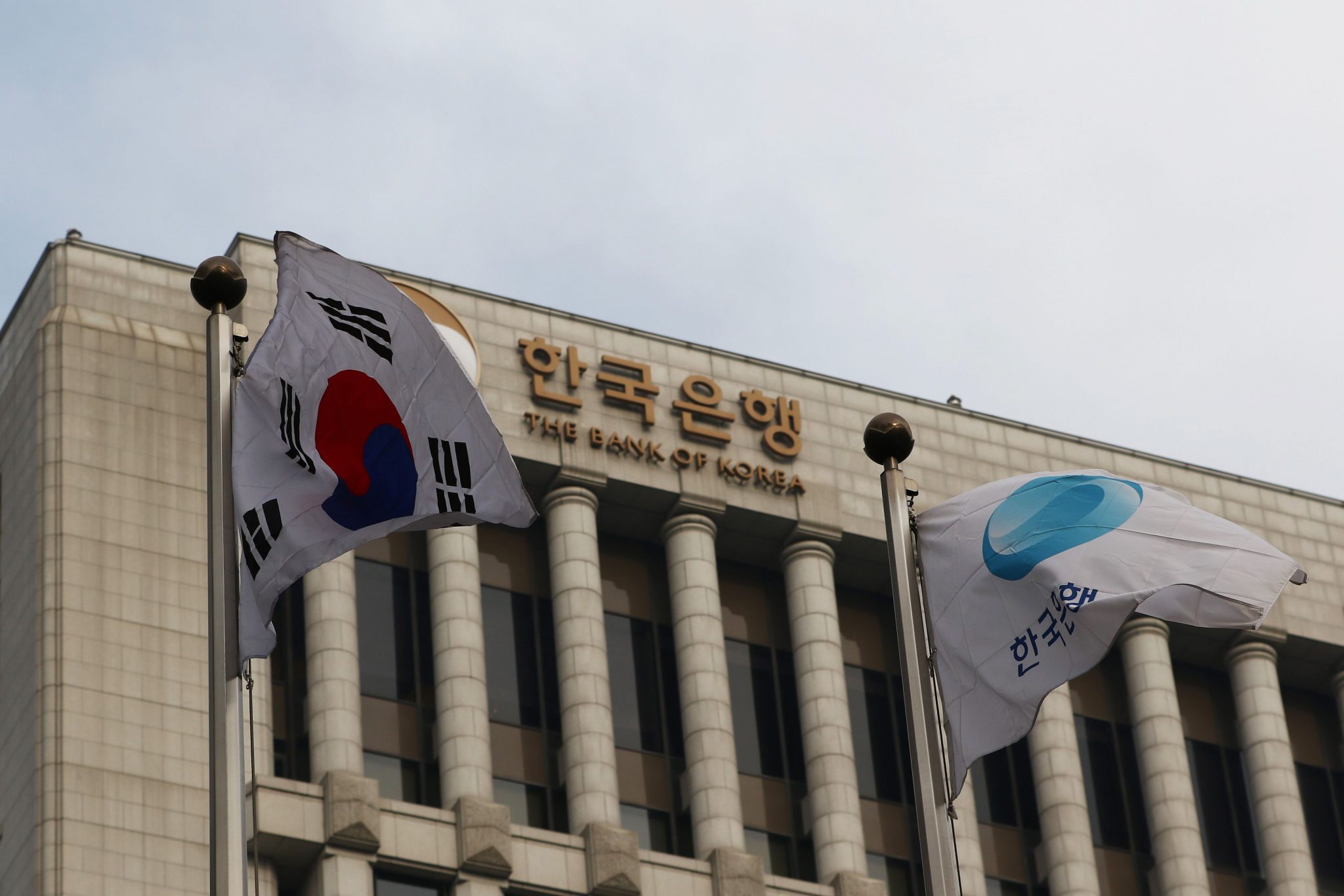
    The Bank of Korea is expected to raise South Korea’s 2026 economic growth forecast above 3 per cent from 2.6 per cent.

    Surging semiconductor exports and recovering domestic consumption are driving private analyst projections as high as 3.4 per cent. Economic forecasters surveyed by Yonhap News Agency anticipate the central bank will adjust its outlook upward during its upcoming revision cycle, reflecting stronger factory output and higher state spending supported by rising tax receipts.

    Semiconductor Supercycle Drives Upward Revisions

    Nomura Securities posted the highest forecast among respondents at 3.4 per cent. Park Jeong-woo, an economist at Nomura, noted that exponential growth in artificial intelligence inference workloads continues to outpace chip production, suggesting supply constraints could extend beyond 2027.

    Korea Investment & Securities analyst Ahn Jae-kyun projected 3.2 per cent annual growth, pointing to a combination of heavy technology exports and a rebound in local consumer demand. Other respondents placed their 2026 projections between 3.1 per cent and 3.2 per cent. Projections for 2027 moderated, landing between 2.2 per cent and 2.8 per cent across the surveyed institutions.

    Some analysts urged caution regarding the duration of the current technology cycle. Joo Won, deputy director of economic research at Hyundai Research Institute, noted that chip exports dipped in August compared to the prior month, suggesting the export boom may reach its peak between late 2026 and early 2027.

    Surplus Records and Consumer Price Pressures

    South Korea’s current account surplus for the first six months of 2026 has already surpassed the 2025 full-year record of $191 billion. Economists expect the central bank to sharply increase its previous $250 billion annual surplus projection published in May.

    For consumer-facing businesses across the region, a stronger macroeconomic baseline in South Korea provides welcome support for retail footfall and high-ticket consumer electronics, though imported inflation limits purchasing power. Central banks across East Asia face similar cross-currents as artificial intelligence hardware spending lifts headline industrial figures while currency volatility keeps domestic borrowing costs elevated.

    Economists expect the Bank of Korea to hold its 2026 consumer price inflation projection at 2.7 per cent, with elevated oil prices and the won-dollar exchange rate serving as the main hurdles to earlier interest rate cuts.

  • South Korea Tightens Regulatory Requirements for Foreign Food Facility Imports

    South Korea Tightens Regulatory Requirements for Foreign Food Facility Imports

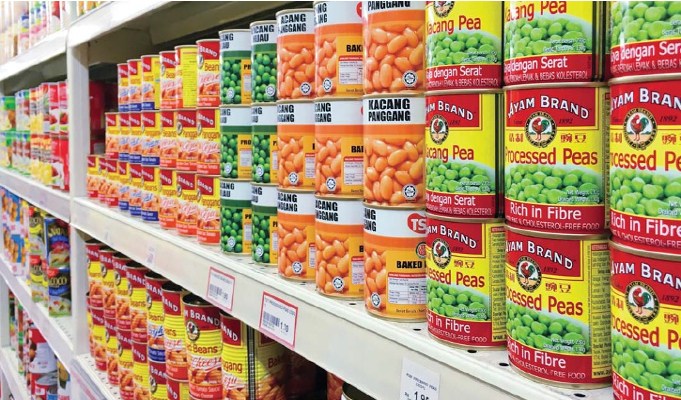
    South Korea has strengthened its regulatory framework for food imports, imposing tighter requirements on overseas facilities that manufacture and process products bound for the domestic market.

    The updated measures target foreign food manufacturing plants and export facilities, increasing scrutiny on safety standards and compliance records before shipments clear customs.

    Stricter oversight for overseas facilities

    Under the enhanced framework, overseas food production sites supplying South Korean buyers must meet updated registration and safety verification rules. Importers and foreign operators must maintain verified documentation confirming compliance with national safety standards, reducing contamination risks across cross-border supply chains.

    Border authorities retain the mandate to audit and inspect overseas facilities directly when risk factors or compliance discrepancies arise during entry processing.

    Regional trade and compliance demands

    Regulators across East Asia continue to raise the bar for food safety governance, aligning import protocols with domestic manufacturing standards to protect consumers. Stricter facility requirements place heavier administrative obligations on international food brands and regional suppliers exporting packaged food, raw ingredients, and agricultural commodities to South Korea.

    Foreign suppliers and domestic importers must complete required registrations and facility filings ahead of scheduled shipping cycles to prevent port delays and product rejections.

  • Taihan Cable Teams with Robotics Firm to Build Subsea Installation ROVs

    Taihan Cable Teams with Robotics Firm to Build Subsea Installation ROVs

    Taihan Cable partnered with a specialized marine robotics firm to develop domestic remotely operated vehicles for underwater power network installations. The project aims to eliminate reliance on foreign equipment suppliers across offshore grid contracts.

    Developing dedicated subsea machinery in-house gives the South Korean manufacturer direct control over offshore laying schedules and operating costs. Specialized subsea trenching and burial vehicles remain critical bottlenecks in regional power grid deployments, where contractor shortages routinely delay cable commissioning.

    Cutting Dependence on Foreign Marine Tech

    The joint engineering effort focuses on building specialized subsea remotely operated vehicles capable of handling deepwater cable laying, seabed trenching, and cable protection tasks. Most Asian grid developers currently lease or purchase heavy marine robotics from a small group of European and North American specialists.

    Localizing this machinery allows the company to bid on turnkey offshore wind and interconnector jobs without exposing project timelines to overseas equipment availability. The company said the project will sharpen its construction competitiveness as it targets large-scale contracts in the global power infrastructure market.

    Offshore Power Grid Expansion

    Offshore wind expansion across East Asia has triggered a race among regional cable makers to secure dedicated installation vessels and underwater trenching tools. Rival Asian manufacturers have made similar investments to vertically integrate their offshore installation divisions.

    Commercial rollout timelines for the newly developed subsea vehicles and their initial deployment sites will determine how quickly the group can challenge established European installation contractors in regional waters.

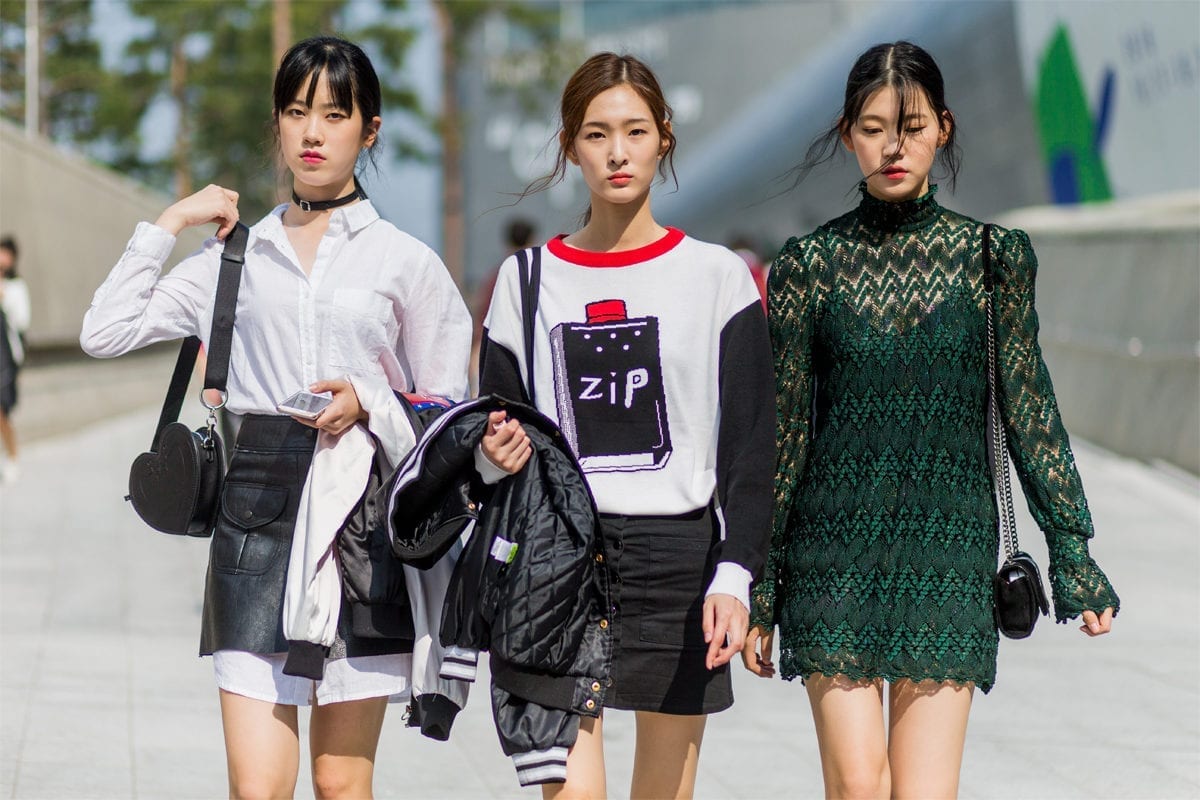
  • Korean Fashion Labels Cluster in Seoul’s Hannam District for Flagship Retail

    Korean Fashion Labels Cluster in Seoul’s Hannam District for Flagship Retail

    Independent Korean fashion labels are securing standalone flagship stores across Seoul’s hillside Hannam-dong district, establishing physical footprints along Itaewon-ro to capture rising domestic and inbound tourist spending. The neighborhood offers an alternative to the crowded retail pop-ups of Seongsu-dong, giving younger brands space for full-collection stores and dedicated hospitality concepts.

    Womenswear label Glowny anchors the strip with a 660-square-meter flagship, its first physical location before opening a second store in Apgujeong. Founded in 2020 by sisters Choi Jane and Choi Ji-ho, the label built an audience of nearly 400,000 social media followers on basic jersey lines and low-rise denim before scaling into multi-level retail.

    Celebrity Placement Drives Footwear and Apparel Sales

    Physical stores in the quarter rely heavily on styling seen on Korean pop performers. Open YY, operated by sisters Kim Ji-young and Kim Bo-young, pairs its runway apparel and in-store cafe with sell-out shoe lines, including ballet boots that emptied inventory after appearances during Paris Fashion Week. The store combines seasonal ready-to-wear with swimwear and footwear on open floor plans.

    Streetwear outfit SunburnProject sells graphic apparel alongside accessories like its multi-way M.O.S Bag, supported by licensed partnerships including a collaborative line with American character brand Paul Frank. Nearby, Davichi singer Kang Min-kyung opened a dedicated Hannam outpost for her brand Avie Muah in June, selling higher-priced tailoring alongside metal phone accessories.

    Global Retail Roadmaps and Category Expansion

    For several emerging operators, Hannam flagships serve as testing grounds before international rollouts. TooMuchTax, launched in 2023 around bodywear and swimwear, merchandises its hotel-lounge concept store with individual displays for waffle knitwear and scarves. The label plans to run a US pop-up next year ahead of a targeted permanent American store opening in 2028.

    Across menswear, brand Pottery occupies an entire multi-story building focused on workwear and durable textiles, incorporating lounge space to increase dwell time. Multi-brand retailer Beaker provides broader distribution for domestic labels alongside international home goods from Tekla and Ilkwang Lighting, while makeup brand Hince operates a standalone cosmetic store offering custom palette formulation.

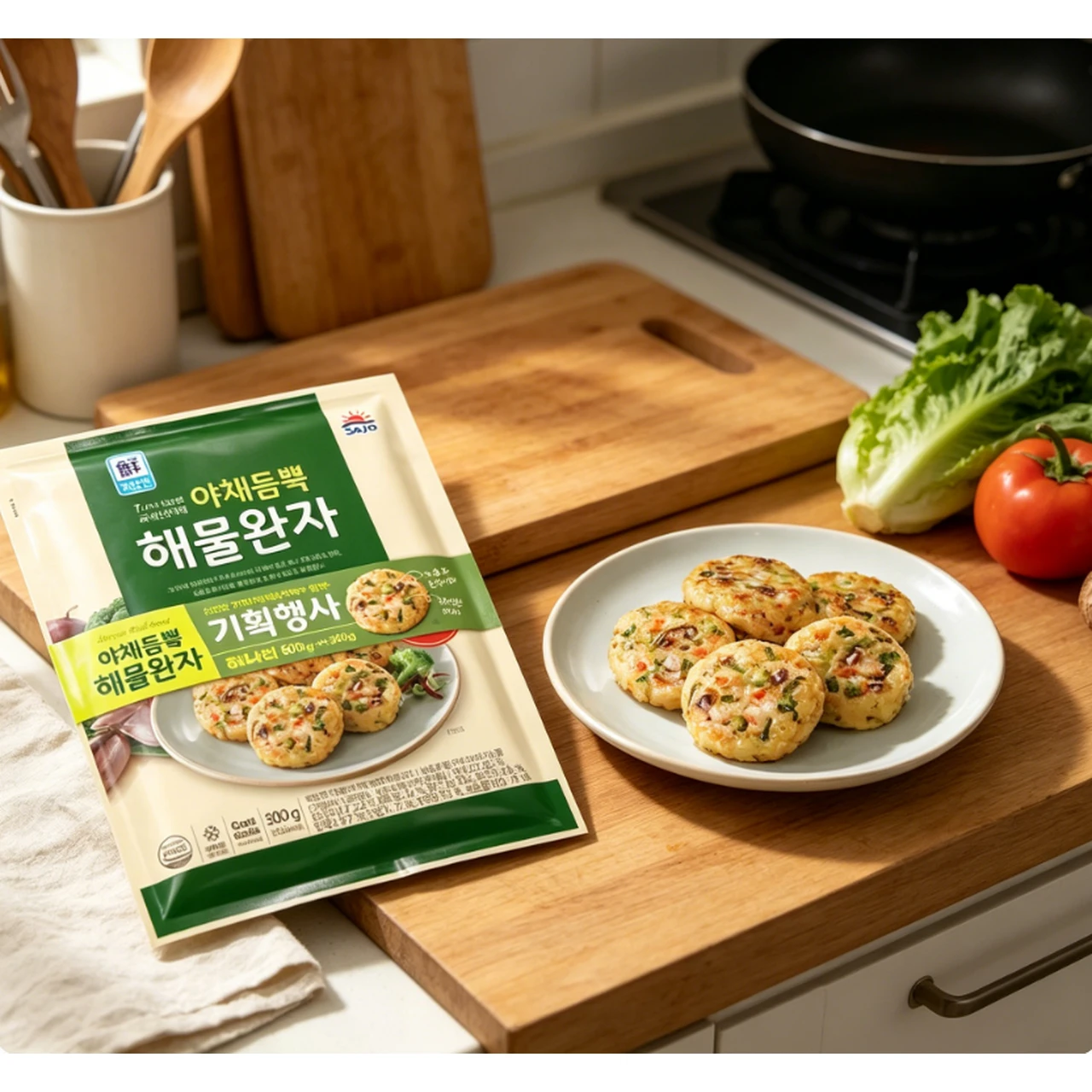
  • Sajo Seafood Buys Hines Cold Chain Shed in Greater Seoul for $65M

    Sajo Seafood Buys Hines Cold Chain Shed in Greater Seoul for $65M

    Sajo Seafood agreed to buy a Greater Seoul cold storage warehouse from Hines and Pebblestone Asset Management for KRW 90 billion ($65 million).

    The purchase gives the South Korean tuna processor and deep-sea fishing group full ownership of Hines Logistics Namyang in Hwaseong, Gyeonggi province. Sajo said the acquisition will expand its storage operations and add a direct distribution hub serving the capital region.

    Payment Schedule and Asset Specs

    Regulatory filings show Sajo paid an initial 10 percent deposit of KRW 9 billion. A second installment of KRW 18 billion falls due on 30 September, with the final KRW 63 billion balance scheduled for payment when the property transfers on 26 November.

    At the agreed price, Sajo is paying just under KRW 2 million per square metre of floor space. Completed in 2023, the four-level facility spans 487,258 square feet of gross floor area across ambient and refrigerated zones, featuring full ramp access, 10-metre clear ceiling heights, and floor load capacities up to 2.5 tonnes per square metre. E-commerce giant Coupang Fulfillment Services and Korea Food Services Corporation occupy space as key tenants.

    Shifting Cold Chain Capital

    Houston-based Hines and Seoul-based Pebblestone broke ground on the Namyang site in late 2021 as Hines made its first direct property investment in South Korea. The exit allows both managers to return capital after building out the multi-temperature asset from scratch on a 30,658-square-metre plot.

    Food producers across East Asia continue to buy dedicated logistics hubs rather than rely entirely on third-party cold chain operators, aiming to lock in temperature-controlled capacity near dense urban populations. The Hwaseong site sits within 50 kilometres of 21 million consumers, positioned between Incheon Airport, Incheon Port and Pyeongtaek Port.

    Hines has stepped up capital recycling across Asia, selling a Tokyo office tower to LaSalle Investment Management while acquiring Singapore retail assets. The final ownership transfer for the Hwaseong cold storage facility remains on track for completion on 26 November.