Tag: south korea

  • Hyundai Motor Shelves Boston Dynamics IPO Plans for 2027

    Hyundai Motor Shelves Boston Dynamics IPO Plans for 2027

    Hyundai Motor Group will not list its robotics subsidiary Boston Dynamics in 2027, delaying a public offering while the unit works through heavy financial losses.

    A regulatory filing from Hyundai Glovis shows the robotics developer lost 528.4 billion won in 2025, bringing cumulative losses between 2021 and 2025 to nearly 1.7 trillion won.

    The Seoul-based automotive group bought a controlling stake in the Massachusetts robot builder in 2021. In July, Hyundai agreed to buy out SoftBank’s remaining 10 per cent stake for approximately 500 billion won, or 371.5 million dollars, turning Boston Dynamics into a wholly owned subsidiary. Commercial deployment of the Atlas humanoid robot has not reached factory scale, pushing listing plans beyond the immediate horizon.

    The cost of scaling humanoid hardware

    Industrial automation across Asian supply chains has rewarded specialised logistics machinery, but general-purpose humanoid robots remain expensive to build and unproven on high-speed assembly lines. Hyundai wants Boston Dynamics to supply working units across its vehicle manufacturing network, yet the gap between demonstration prototypes and repetitive factory shifts remains wide. Automakers betting on humanoid labor face steep component costs, software reliability hurdles and long testing cycles before seeing labor cost savings.

    For regional manufacturers and component suppliers, the delay tempers market hype around immediate automated factory turnarounds. Tesla continues to face similar manufacturing bottlenecks with its Optimus project, while Chinese competitors such as UBTech and Unitree focus on lower-cost, narrower task automation. The real contest in manufacturing robotics is not agility in a laboratory, but component longevity on a twenty-four-hour assembly floor.

    “It’s not difficult to make robots dancing, but it’s challenging to make them carry heavy loads and get involved in manufacturing at plants,” said Kim Hyun-su, senior fund manager at IBK Asset Management in Seoul.

    Valuation targets and factory schedules

    Brokerages in Seoul remain split on the financial trajectory of the robotics unit. Samsung Securities puts market valuation estimates between 50 trillion and 100 trillion won, while IBK Securities projects a valuation of 141 trillion won by 2030 based on an estimated 11 trillion won in annual revenue. Meritz Securities analyst Kim Joon-sung estimates that an initial public offering will take until 2029 or 2030 because the company must gather operating data from internal factory floors before pitching systems to third-party commercial clients.

    Investor interest in the technology previously lifted Hyundai Motor shares to record highs following the presentation of the production-ready Atlas robot in Las Vegas in January. The stock has since surrendered a portion of those gains as markets demanded concrete delivery schedules and operating metrics.

    Georgia plant tests set the timeline

    Hyundai plans to build a dedicated facility capable of producing 30,000 robots a year by 2028. The group aims to initiate operational trials of Atlas robots at its electric vehicle manufacturing facility in the US state of Georgia that same year, using those assembly lines to test reliability under commercial factory conditions before rolling units out to wider operations in South Korea.

  • NFD Korea Starts Work on 300MW AI Data Campus in Dangjin

    NFD Korea Starts Work on 300MW AI Data Campus in Dangjin

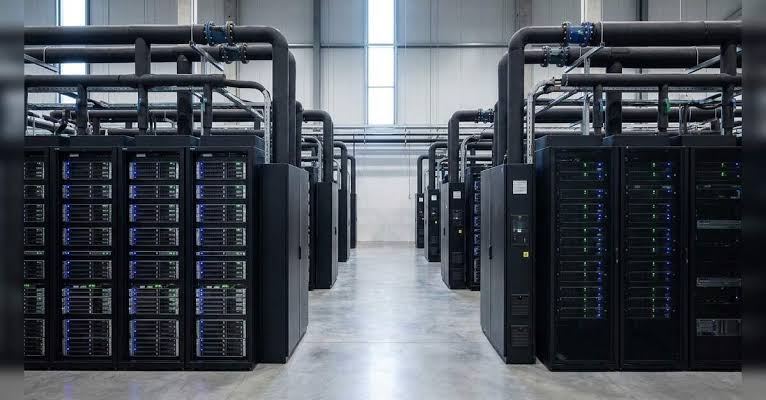
    NFD Korea has started development on a 300-megawatt artificial intelligence data center campus in Dangjin, roughly 90 kilometers southwest of Seoul.

    Building permits for an initial 200-megawatt phase came through in September 2026. General contractor DL E&C broke ground in early November.

    A second agreement signed on September 9 with Chungcheongnam-do Province, Dangjin City, and EFD Co. Added a 100-megawatt parcel (Building C) valued at 1.24 trillion won ($920 million). Permitting for that final block wraps up in December 2026. The completed 300-megawatt facility will use liquid cooling engineered for rack densities up to 160 kilowatts to handle AI model training and inference workloads.

    Securing power outside the capital

    Grid bottlenecks in greater Seoul have pushed data center developers into industrial belts further south. Securing high-voltage power allocations near the capital now takes years. Operators also face regulatory delays and local residential pushback.

    Placing the campus inside the Songsan 2 General Industrial Complex avoids urban zoning disputes and secures grid access. Korea Electric Power Corporation has committed a full 300-megawatt supply. LS Electric will deliver step-up transformers in stages across 2027 and 2028.

    Between low community-opposition risk inside the industrial complex, proximity to the Seoul metro, and strong local government backing, Dangjin is positioned to deliver AI data center capacity quickly.

    The race for high-density capacity

    High-density space remains scarce for cloud providers and hyperscalers entering South Korea. Standard enterprise facilities cannot handle the heat generated by modern graphics processing units. Most of these processors require dedicated liquid cooling.

    Institutional real estate investors across Asia are shifting capital away from speculative logistics and into purpose-built computing hubs backed by long-term leases. NFD Korea is currently negotiating terms with international cloud service providers and AI firms to anchor the Dangjin site before commercial rollout.

    Building out a national pipeline

    Dangjin’s buildout follows an initial memorandum of understanding signed in 2023 for the first 200 megawatts across Buildings A and B. Founder and chief executive Choi Jae-woo, a former infrastructure lead at Amazon Web Services and Brookfield-backed DCI Data Centers, launched NFD Korea to develop a gigawatt-scale pipeline across the country.

    In Yongin City, the developer broke ground on an 80-megawatt hyperscale facility in September 2025. That site will also go live in 2028.

    Commercial service for Dangjin’s Phase 1, consisting of Building A, begins in the first quarter of 2028. Phases 2 and 3 are scheduled to come online before the end of that year.

  • Musinsa Opens Hongdae Beauty Flagship as Daiso Expands Low-Priced Cosmetics

    Musinsa Opens Hongdae Beauty Flagship as Daiso Expands Low-Priced Cosmetics

    Musinsa opened its first standalone four-storey beauty flagship in Seoul’s Hongdae district. The store stocks 600 cosmetics labels alongside a licensed pharmacy counter.

    That launch follows a 30 per cent jump in beauty sales at discount retailer Daiso between January and August. Non-traditional operators are carving up South Korea’s cosmetics retail market.

    Above ground, the Hongdae site stocks skincare, makeup, and health lines from brands such as Rovectin, S.Nature, and LBB. In the basement, Musinsa partnered with Onnuri Pharmacy to run Beauty Onnuri Pharmacy. The counter pairs regulated pharmaceuticals with active dermocosmetics containing polydeoxyribonucleotide (PDRN) and tranexamic acid. Pharmacists staff the counter directly. They provide multilingual consultations for foreign tourists and young domestic shoppers.

    Customers can shop more efficiently in one building, with relatively high-performance skincare products concentrated at the pharmacy on the basement floor.

    Daiso cuts into the sub-5,000 won segment

    At the opposite end of the pricing spectrum, discount chain Daiso opened a 66.12-square-metre specialist store near Konkuk University in Seoul. It dedicates 80 per cent of shelf space to beauty products. Daiso caps all item prices at 5,000 won ($3.70). The store targets university students, office workers, and tourists.

    Several low-cost formulas have sold out repeatedly across Daiso’s network after viral social media attention. Top sellers include Mommy Care’s Sea Grape Skin Pack and VT Cosmetics’ Reedle Shot lines. Daiso avoids direct competition with prestige brands. Instead, the discounter relies on volume sales and high turnover among young shoppers seeking alternatives to high-street beauty chains.

    Online lift and store conversions

    Physical flagships serve primarily as discovery hubs for fashion platforms like Musinsa. They feed digital marketplaces. When Musinsa opened a beauty zone on the second floor of its Seongsu Mega Store, sales in that section increased 20 per cent between April and August. Digital sales for approximately 500 beauty brands listed on Musinsa’s online platform rose 35 per cent in the three weeks following the Seongsu opening.

    Legacy health-and-beauty specialists face immediate pressure along Seoul’s retail corridors. Fashion e-commerce leaders are building multi-brand flagships. Meanwhile, dollar-store operators capture everyday replenishment spend. Traditional middle-ground retailers face squeezed margins and rising customer acquisition costs.

    Earlier retail formats laid the groundwork

    Both retailers tested formats before committing to dedicated spaces. Musinsa spent the past year running shop-in-shop beauty sections and curated brand zones before taking the Hongdae building. Daiso expanded supplier partnerships with domestic cosmetics manufacturers for exclusive budget lines, then converted standalone retail space near university transport hubs.

    Industry attention turns to the autumn shopping season. Retailers will track whether Musinsa’s pharmacy concept can sustain tourist spending volumes, while monitoring Daiso’s inventory levels for viral formulations across its national network.

  • Samsung Fights Apple Foldable Push as Counterpoint Projects 25 per Cent Duo Share

    Samsung Fights Apple Foldable Push as Counterpoint Projects 25 per Cent Duo Share

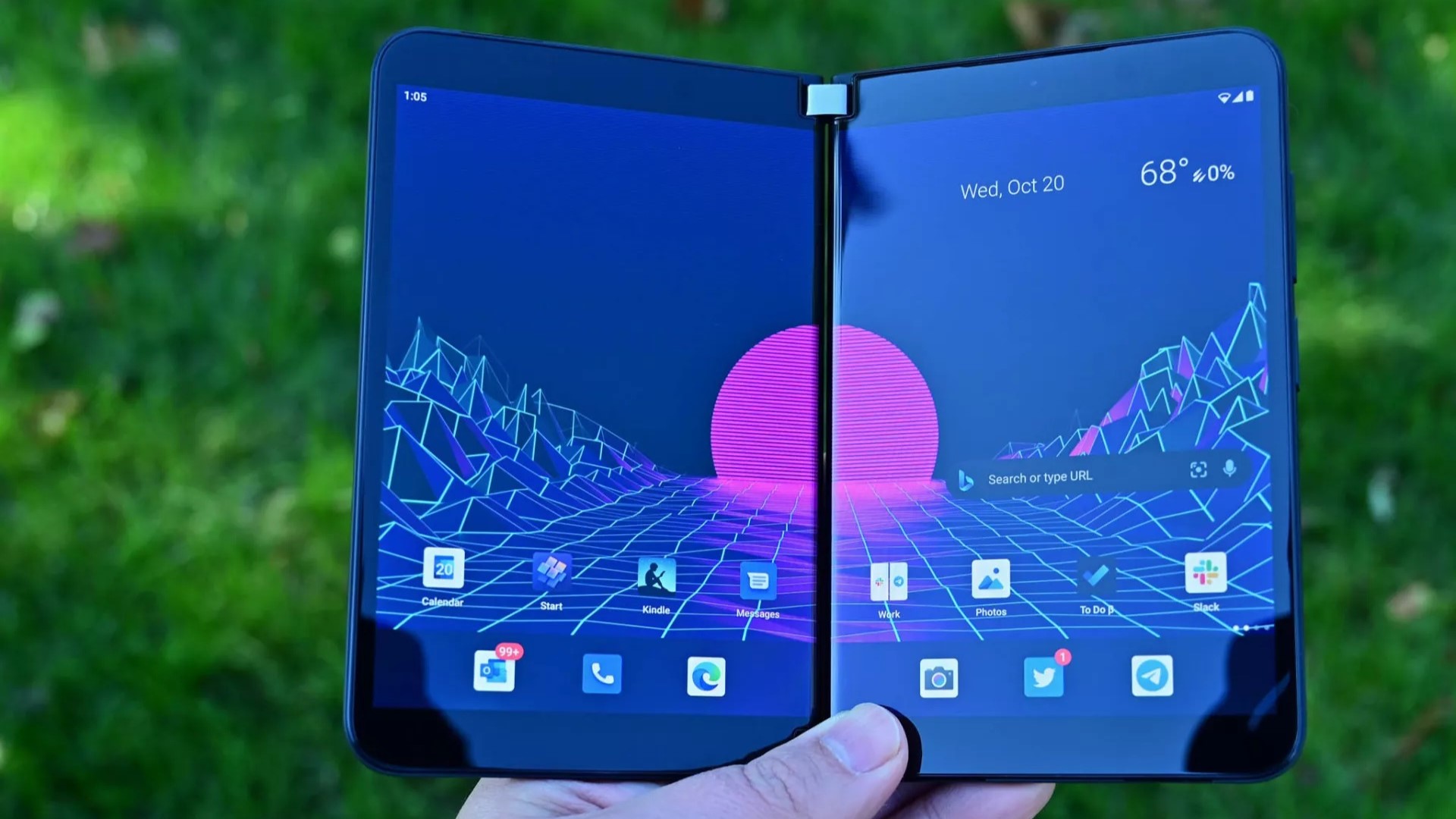
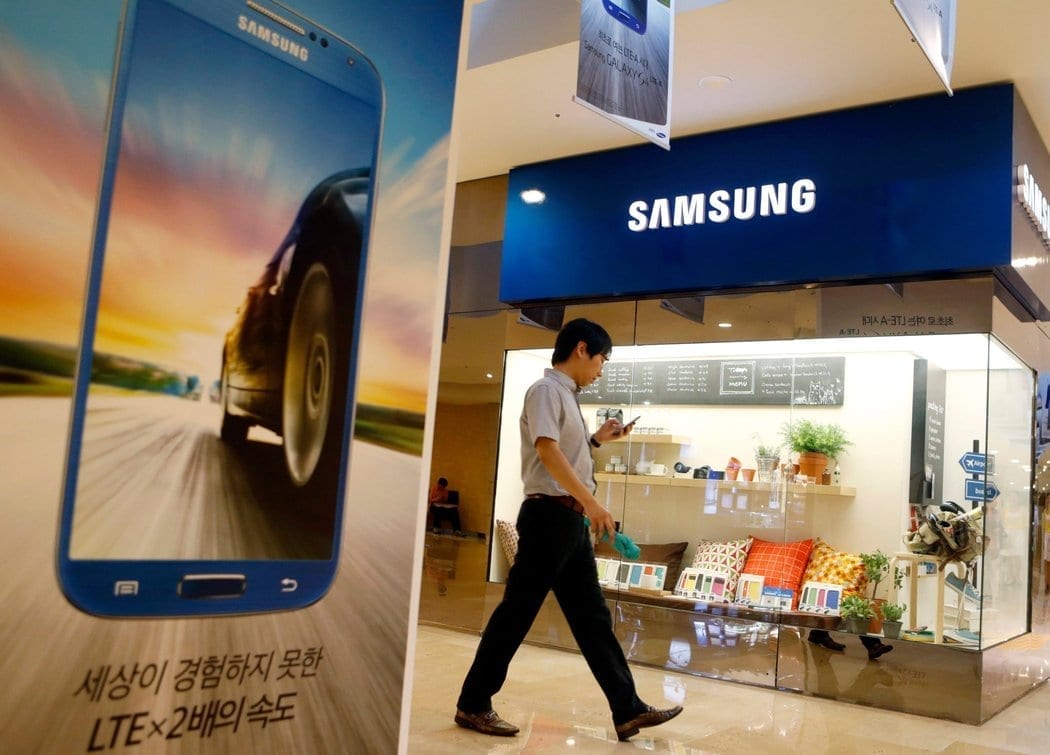
    Samsung launched a marketing blitz across Asia and Europe on Wednesday to protect its premium smartphone business. The campaign follows Apple’s release of its first folding handset, the $1,999 iPhone Duo.

    Apple’s entry puts it in direct competition with the $1,899 Galaxy Z Fold 8. Counterpoint Research expects Apple to capture a 25 per cent global market share this year, cutting into Samsung’s projected 38 per cent share.

    Cupertino designed the Duo with a passport-style layout similar to Samsung’s latest flagship, which runs Alphabet’s Gemini artificial intelligence. Samsung fought back by booking billboards across Seoul, Tokyo and London with slogans like “Welcome to Foldables” and “The World’s Lightest Fold”. It also posted technical notes on its consumer website detailing its hinge and weight reductions.

    The Margin Fight at Two Thousand Dollars

    A narrow $100 price gap shifts the fight to hardware refinement and software ecosystems. For telecom carriers and electronics retailers across Asia, having two players at the $2,000 price point turns foldables from a show into a high-volume margin driver.

    Heavy risks sit with Samsung’s mobile division, which faces margin erosion if affluent buyers in South Korea, Japan and Greater China defect to iOS. Samsung Display supplies the folding screens for the iPhone Duo and collects component revenue on every unit sold. Even so, the handset division loses its most profitable hardware moat.

    Rivalry in Component Supply and Social Media

    Online, Samsung went on the offensive. It ran posts on X describing the Duo as “reheating our leftovers” and “So far, so same”. Apple chief executive John Ternus fired back, calling earlier foldables “like two phones awkwardly stuck together.”

    Industry analysts note that Apple waited for screen mechanics to stabilize before entering the segment. “Apple is good at getting its timing right and entering the market when a product reaches a certain level of maturity,” said Ben Wood, chief analyst at CCS Insight.

    Seven Years of Category Building

    Samsung created the commercial category in 2019 after display failures delayed the original Galaxy Fold release by several months. Over the next eight device generations, the Suwon-based company improved screen durability and expanded global distribution while battling Chinese rivals like Huawei in domestic and regional markets.

    Stores begin stocking the iPhone Duo later this month. That starts the first direct quarterly sales clash between Apple and Samsung during the peak year-end shopping season.

  • Foreign Funds Buy $4.7 Billion in Asian Equities Ending Nine-Month Selloff

    Foreign Funds Buy $4.7 Billion in Asian Equities Ending Nine-Month Selloff

    Foreign investors poured a net $4.72 billion into Asian equities in August. The buying ended a nine-month selling streak across seven regional markets. Strong hardware demand and better-than-expected corporate earnings drew international funds back to North Asian technology exporters after heavy selling in July.

    Capital flowed heavily into Taiwan, which took in $11.15 billion in net purchases during August. Fresh allocations continued into early September. Global funds added another $1.52 billion across regional bourses through Tuesday.

    Tech Earnings Power North Asian Rebound

    Quarterly profits from regional technology suppliers accelerated sharply, shifting market sentiment. Across Asia, 2,108 large and mid-cap companies tracked by LSEG beat analyst projections by an average of 10.2 per cent, posting 44.7 per cent overall profit growth. Technology exporters led the charge. Their profits surged 88.3 per cent.

    Suppliers in Taiwan benefited directly from higher revenue guidance issued by US hyperscalers including Amazon, Microsoft, and Nvidia. Broader markets gained ground as well. The MSCI Asia-Pacific ex-Japan index climbed 3.01 per cent in August, rebounding from a July low of 797.6.

    The latest foreign inflows appear to reflect a renewed AI allocation rather than a broad-based return to Asia.

    Divergent Flows Across Seoul and Southeast Asia

    Rallies bypassed parts of the region during August. South Korea recorded foreign outflows of $8.65 billion, extending net foreign selling in Seoul to a fourth straight month. Sentiment turned only in the first week of September. Overseas buyers then picked up $1.1 billion of South Korean shares alongside $1.45 billion in Taiwanese equities.

    India maintained steady foreign interest. The market pulled in $3.1 billion in August for its second consecutive month of net foreign purchases. Southeast Asian bourses presented a more fragmented picture. Indonesia and Vietnam recorded modest foreign inflows of $68 million and $11 million. Meanwhile, foreign funds withdrew $749 million from Thailand and $216 million from the Philippines.

    Earnings Visibility Counters Macro Risks

    Asset managers are targeting compute infrastructure rather than broad consumer recovery plays. For corporate treasurers and regional operators, these selective flows deepen the divide between high-margin tech supply chains and local consumer sectors.

    Market volatility persists as investors weigh high US bond yields against fluctuating energy costs. Attention now turns to third-quarter order books for regional semiconductor and component manufacturers to see if they match the optimistic guidance set by North American cloud buyers.

  • Ralph Lauren Partners with Korea National Cancer Center for 2028 Facility

    Ralph Lauren Partners with Korea National Cancer Center for 2028 Facility

    Ralph Lauren will open its first Asian cancer recovery facility in Goyang, South Korea, in 2028 through a partnership with the Korea National Cancer Center Foundation.

    This project extends the New York-listed luxury group’s philanthropy into South Korea. Government registry figures show more than 2.7 million people in the country live with or beyond cancer.

    Inside the Goyang facility

    Plans place the Ralph Lauren Center for Patient and Family Recovery inside the Phase II Proton Therapy Center at the National Cancer Center’s new Innovative Cancer Research Center. The facility will provide recovery rooms, psychological counseling, family education and social welfare support for proton therapy patients.

    Funding flows through Pink Pony, Ralph Lauren’s global oncology initiative founded in 2000. That program currently supports 38 beneficiary projects across 17 countries. The company has funded local cancer programs in South Korea since 2012, but the Goyang project is its first physical center in the region.

    Cancer care should extend beyond treatment itself to helping patients return to their daily lives and improve their quality of life.

    Han-Kwang Yang, president of the National Cancer Center of Korea and chairman of the Korea National Cancer Center Foundation, noted that proton therapy requires extended care. Those long treatment cycles place heavy emotional demands on families, making non-clinical support spaces essential.

    Luxury philanthropy across Asian markets

    Global apparel and luxury houses have shifted corporate giving in North Asia away from generic sponsorships toward long-term civic infrastructure. For luxury groups operating in Seoul’s department stores and duty-free corridors, institutional healthcare partnerships build local goodwill. Transactional marketing cannot match that standing.

    The Goyang facility mirrors Ralph Lauren’s healthcare network in the West. That roster includes facilities at Memorial Sloan Kettering in New York, Georgetown University in Washington, USC Norris in Los Angeles, the University of Chicago and the Royal Marsden in Britain. Adapting that model to East Asia tests whether Western lifestyle brands can anchor specialized public health infrastructure in state-run Asian medical institutions.

    Building out regional healthcare commitments

    Overseas, the retailer recently established the UChicago Medicine Ralph Lauren Center in the United States as part of a wider run of foundation grants. In South Korea, the National Cancer Center has operated under the Ministry of Health and Welfare since 2000. The agency serves as the central coordinator for nationwide oncology research, clinical practice and patient screening.

    Construction on the broader Innovative Cancer Research Center is underway in Goyang. When the complex opens in 2028, the Ralph Lauren facility will begin welcoming proton therapy patients and their families.

  • Goldman Raises Asia Pacific Ex-Japan Index Target to 1,120

    Goldman Raises Asia Pacific Ex-Japan Index Target to 1,120

    Goldman raised its forecast for the MSCI AC Asia Pacific ex-Japan Index to 1,120 from 1,080, projecting a 26 per cent upside driven by higher earnings expectations in Korea and Taiwan.

    Second-quarter earnings across the benchmark grew 102 per cent, with 44 per cent of companies beating forecasts compared with 27 per cent that missed.

    Earnings growth was led by Singapore, Taiwan and Indonesia, while Australia, Malaysia and India lagged, with Singapore and Taiwan recording the highest number of firms exceeding expectations.

    North Asian Tech Dominates the Rally

    The bank assigned an overweight rating to Japan, South Korea, Taiwan and mainland China A-share equities. South Korea’s benchmark Kospi received a revised 12-month target of 12,000, representing a 79 per cent upside from current trading levels, underpinned by heavyweight chipmakers Samsung Electronics and SK Hynix.

    By contrast, Hong Kong, Singapore, Malaysia, India and offshore Chinese equities remain rated at market weight. Southeast Asian markets face a split outlook, with Thailand, Indonesia and the Philippines assigned underweight ratings alongside Australia.

    Consumer Retail and Hardware Divergence

    Sector allocations show a sharp divide between capital-intensive tech manufacturing and consumer-facing retail. Goldman designated tech hardware, semiconductors, capital goods, healthcare and non-Australian, non-Chinese lenders as its most favored sectors.

    Consumer retail, media and property remain ranked at market weight across the region, reflecting steady but unspectacular domestic consumer demand. Transportation, utilities and automotive manufacturers received underweight ratings.

    Earlier Forecast Trajectory

    The revised projections build on earlier upgrades from May, when Goldman set an initial 12-month Kospi target of 9,000 before tech earnings accelerated. The broader index target of 1,120 reflects cleaner investor positioning following recent portfolio unwinds across regional exchanges.

    Investors now track third-quarter tech hardware order books and upcoming United States midterm election policy rhetoric, which remain key external risks alongside elevated bond yields and Middle East tensions.

  • Spate and Vogue Business Track Top 5 Beauty and Wellness Trends

    Spate and Vogue Business Track Top 5 Beauty and Wellness Trends

    The Vogue Business Beauty Tracker, produced in collaboration with Spate, tracks the top 5 brands, trends, and ingredients driving significant year-on-year growth.

    Haircare search data from August 2025 to July 2026 highlighted growing interest in active follicle health solutions, including redensyl, peptide serums, and rice water hairspray.

    Clinical scalpcare leads hair category

    Brand interest centered on science-backed and premium solutions, with Labo-H trending for Korean scalpcare and hair loss prevention, alongside Bare Anatomy, UltraSwim, Iso Beauty, and Bvlgari Beauty.

    Swimming-specific cleansers from UltraSwim and salon-grade styling tools from Iso Beauty recorded steady increases, alongside luxury hybrid cleansers from Bvlgari Beauty. On TikTok, content centered on practical styling and protection gathered engagement, with hashtags for fast curly hair routines and freshwater mineral protection drawing steady viewership.

    Bodycare shifts to clinical active ingredients

    In body treatments, consumer preference moved toward exfoliating and brightening actives typically used in facial skincare during the July 2025 to June 2026 period. Alpha hydroxy acid body lotions, kojic acid formulations and hand exfoliators logged steady volume gains, alongside muscle recovery products such as epsom salt lotions.

    Brand interest concentrated on sensitive skin and barrier support lines. Australian brand QV Skincare recorded rising interest for barrier-repair lotions, while Curology drew search gains for dermatologist-led body acne treatments. Naked Bee expanded visibility for honey and oatmeal formulas, while Luna Daily captured queries for microbiome-balanced intimate care products.

    Functional delivery formats reshape wellness

    Wellness searches reflected demand for targeted, screen-free and non-pill formats over the 12 months to June 2026. Wearable dopamine patches for focus, acupressure wristbands for motion sickness, and screenless fitness trackers outpaced standard health devices in monthly search acceleration. Liquid zinc and male fertility nutritional supplements recorded higher query volumes across preventive health channels.

    Specialist wellness labels captured the shift toward single-benefit nutrition. Artemis Tea gained traction for organic herbal infusions, Nancy’s Probiotic logged search growth for cultured nutrition, and Sparkle Wellness grew search share through collagen powders targeting skin and joint vitality.

    For retailers across the Asia-Pacific region, the data confirms that personal care margins are shifting away from generic beauty counters toward specialized, clinical formulations. Department stores and health-and-beauty chains that allocate shelf space to dermatological actives and targeted scalp solutions will capture higher spend per basket than those relying on standard mass-market shampoos and washes.

    The risk sits with legacy beauty manufacturers that depend on generalized marketing claims without published active percentages. Consumers now search directly for specific compounds such as redensyl and kojic acid, leaving little room for unformulated private-label products to compete on price alone.

    This search acceleration builds on a two-year migration toward functional personal care across Asian metropolitan hubs, where scalp clinics and derma-skincare lines have steadily replaced multi-step cosmetic routines. Retail buyers in Seoul, Singapore and Mumbai spent late 2025 rebalancing shelf inventory toward pharmacy-adjacent brands.

    Merchandisers now look to fourth-quarter procurement orders to see whether high search volumes for topical actives translate into sustained reorder rates across regional drugstores through the first half of 2027.

  • Petrovietnam and KEPCO Speed up Talks on Ninh Thuan 2 Nuclear Project

    Petrovietnam and KEPCO Speed up Talks on Ninh Thuan 2 Nuclear Project

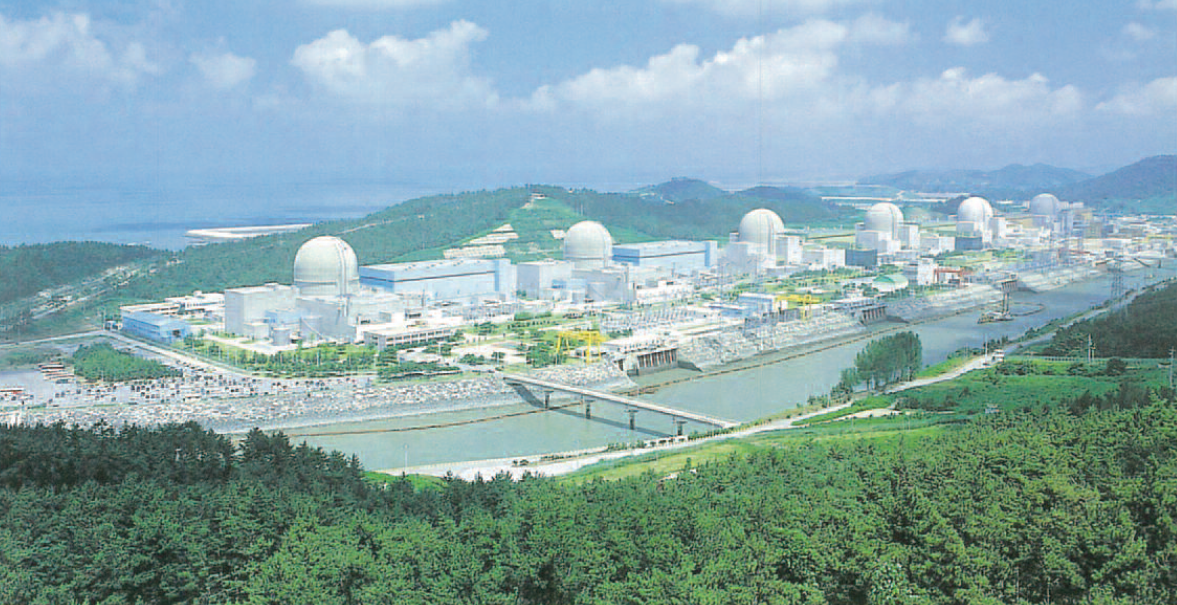
    Petrovietnam and South Korea’s Korea Electric Power Corp have accelerated negotiations to construct Vietnam’s Ninh Thuan 2 nuclear plant. Workers have already cleared 97.5 per cent of the site land.

    Chief Executive Le Manh Cuong met KEPCO President Kim Dong-cheol in Seoul on Tuesday. They met to advance technology, investment, and project financing frameworks for the commercial nuclear facility.

    Land Clearances and Financing Talks

    Hanoi assigned Petrovietnam to lead development of the Ninh Thuan 2 station to revive nuclear power generation. In July, the Ministry of Industry and Trade confirmed KEPCO as the primary foreign partner candidate following preliminary discussions with Vietnamese authorities.

    Site preparation in Ninh Thuan province is almost complete. Petrovietnam confirmed that remaining clearance operations will finish shortly. That clears a key requirement before commercial construction agreements can proceed.

    South Korean Reactor Push in Southeast Asia

    KEPCO presented its delivery of the Barakah nuclear power plant in the United Arab Emirates as an operational blueprint for Vietnam. The four-reactor Barakah complex represents Seoul’s main export reference. It gives KEPCO an edge in discussions over procurement models and long-term project debt financing.

    Choosing KEPCO creates a deliberate split in Vietnam’s nuclear procurement program. Hanoi previously designated Russia’s state atomic agency Rosatom to develop the separate Ninh Thuan 1 project. The strategy distributes technological reliance across competing nuclear suppliers rather than committing to a single foreign vendor.

    Power Demand and Grid Readiness

    Vietnam shelved nuclear power planning in 2016 because of cost constraints and fiscal discipline. Rising baseload electricity demand from industrial clusters has forced trade officials to bring atomic power back into the long-term national power development master plan.

    Factories and industrial operators in Vietnam face ongoing grid capacity constraints as export manufacturing expands. High-capacity nuclear baseload addresses supply reliability. However, commercial terms and safety licensing still require bilateral government approvals.

    Next, Hanoi and Seoul will run financial structuring reviews while Petrovietnam finishes the final 2.5 per cent of site clearance work.

  • Shinsegae Chairman Joins US-Led AI Supply Chain Push

    Shinsegae Chairman Joins US-Led AI Supply Chain Push

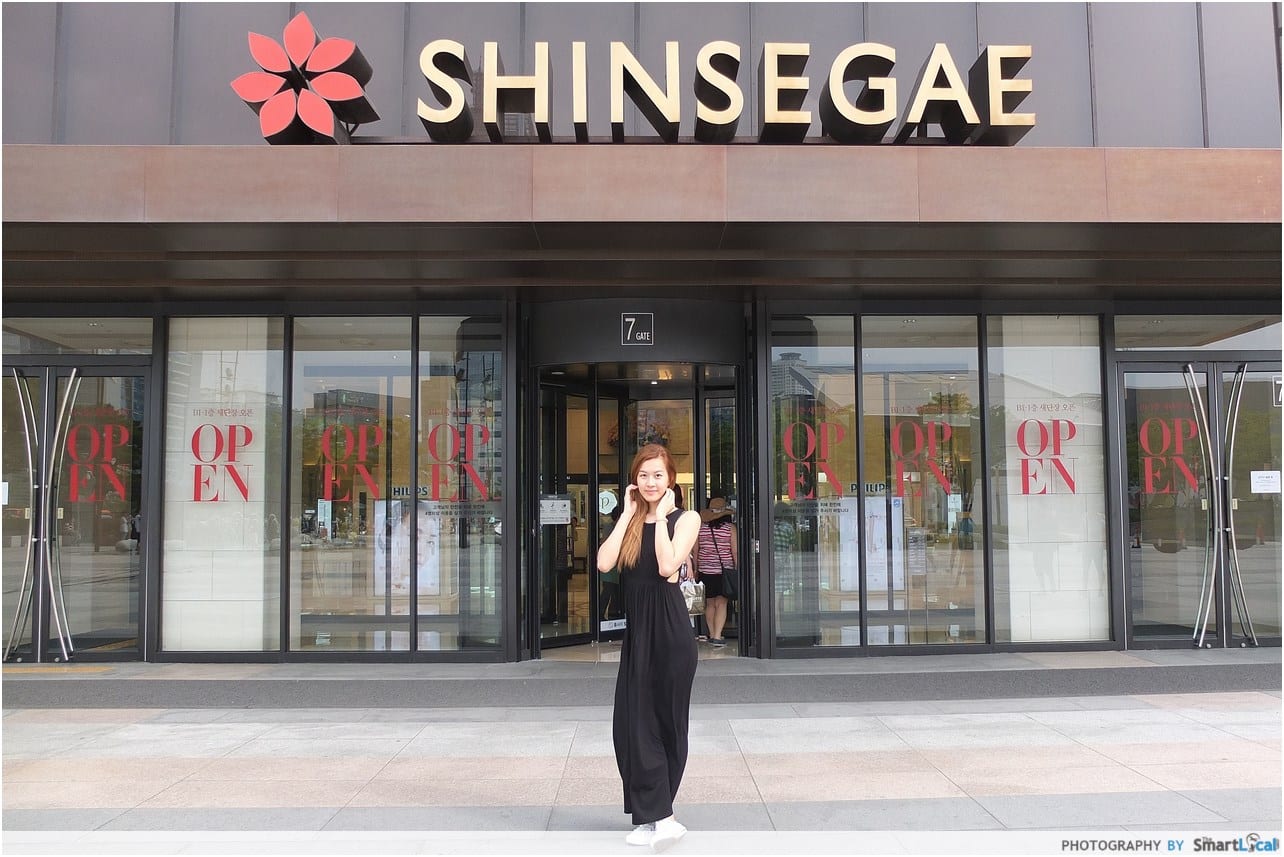
    Shinsegae Group Chairman Chung Yong-jin met senior United States officials in Washington on Thursday, expanding the Korean retail group’s role in a US-led artificial intelligence supply chain initiative.

    The Korean retail giant partnered with US startup Reflection AI in March, and the two companies are currently working to establish a joint venture and select a site for a large-scale AI data center in Korea.

    Washington Backing for Korean Infrastructure

    Chung attended the launch of Foundry School at the Donald J. Trump Institute of Peace after an invitation from US Vice President JD Vance and the US Department of State. Run jointly by the State Department and Stanford University, the program trains technical talent and entrepreneurs for strategic industrial sectors.

    US Under Secretary of State for Economic Affairs Jacob Helberg called the Shinsegae alliance with Reflection AI a template for allied economic security under Washington’s Pax Silica framework. The initiative aligns supply chains across semiconductors, artificial intelligence, advanced manufacturing and power generation among allied nations.

    Attendees included US Secretary of State Marco Rubio and House Republican Majority Leader Steve Scalise. Corporate leaders present included Meta President Dina Powell McCormick, Micron Technology CEO Sanjay Mehrotra and Applied Materials CEO Gary Dickerson.

    “Successfully leading an advanced-industry supply chain alliance centered on the US is the task of our time,” Chung said during discussions in Washington.

    From Department Stores to Server Racks

    Shinsegae is pivoting from traditional store networks into digital infrastructure. Department store operators across Asia face margin pressure in physical formats. That pressure is driving conglomerates to seek revenue from digital services, logistics networks and cloud infrastructure.

    Securing backing from Washington gives Shinsegae diplomatic standing and potential hardware access that purely domestic competitors lack. Execution carries risk. Developing and powering high-density data centers requires heavy capital expenditure and massive grid capacity in an already constrained Korean energy market.

    Next Steps for Joint Venture

    Talks in Washington build on an initial agreement signed in March, when Shinsegae and Reflection AI agreed to pursue a dedicated data center project in South Korea. That deal was the first project designated under the State Department framework promoting allied AI expansion.

    Both companies are now finalizing terms for the joint venture entity. They are reviewing prospective sites across South Korea ahead of formal construction filings.

  • Zara Opens 2,100-Square-Metre Flagship Store in Seoul’s Gangnam District

    Zara Opens 2,100-Square-Metre Flagship Store in Seoul’s Gangnam District

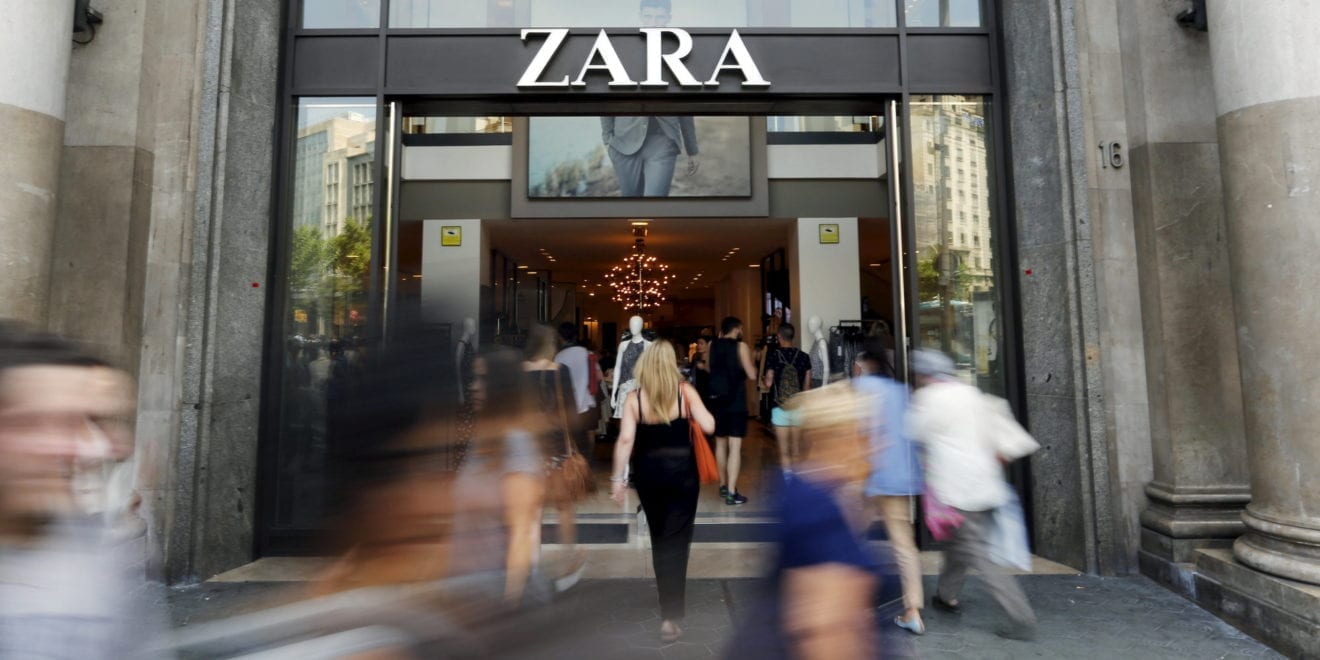
    Zara opened a flagship store spanning more than 2,100 square metres in Seoul’s Gangnam district on September 8. The three-storey space is part of the retailer’s push into larger, experience-driven flagships across key Asian commercial hubs.

    Designed by Zara’s Architecture Studio, the interior uses stone, wood, concrete, and metal finishes to segment product categories across three levels. Womenswear and youth collections occupy the ground floor. The second floor carries an expanded women’s range, plus dedicated footwear and handbag sections. Menswear lines sit on the third floor, including Zara Origins, Athleticz, and limited collaboration releases.

    Floor Layout and In-Store Cafe

    The Gangnam store incorporates a Zacaffe outpost with an outdoor terrace and a book collection focused on Korean authors. It also houses a site-specific art installation titled Imugi, created with Seoul-based creative studio Our Labour. The artwork spans all three floors. It draws on Korean folklore, traditional timber construction, and dancheong decorative painting.

    Digital retail functions are embedded across the sales floor. Shoppers can check real-time store inventory through the Zara mobile app. They can also pick up online orders at dedicated counters and process refunds at automated return terminals alongside assisted checkout lanes.

    Store Rationalisation and Format Upgrades

    Across prime Asian shopping corridors, global apparel brands are trading smaller mall units for high-visibility, multi-category flagships. By bundling hospitality, local art, and specialized collections into destination spaces, operators aim to drive physical footfall against domestic e-commerce platforms. Seoul high street landlords face rising demand for experiential tenants who can draw sustained weekend crowds.

    This format brings operational complexity. Running in-store cafes and custom art installations alongside fast inventory cycles demands higher operating expenditure than standard retail units. It also requires tighter inventory turn rates. Fast-fashion retailers must balance these interior costs against strict store-level margin targets.

    Expansion Across East Asian Flagship Hubs

    The Seoul opening follows the June debut of Zara’s flagship on Huaihai Road in Shanghai, which introduced the brand’s updated global format to mainland China. Both openings show the company’s focus on prime retail corridors across North Asia rather than secondary market expansion.

    Attention now turns to how Inditex manages its remaining South Korean store fleet as leases expire. Industry watchers are also tracking whether the group brings the Zacaffe concept to other major metropolitan locations across the region.

  • Korea Post Names Capstone and IGIS for $368M Property Debt Strategy

    Korea Post Names Capstone and IGIS for $368M Property Debt Strategy

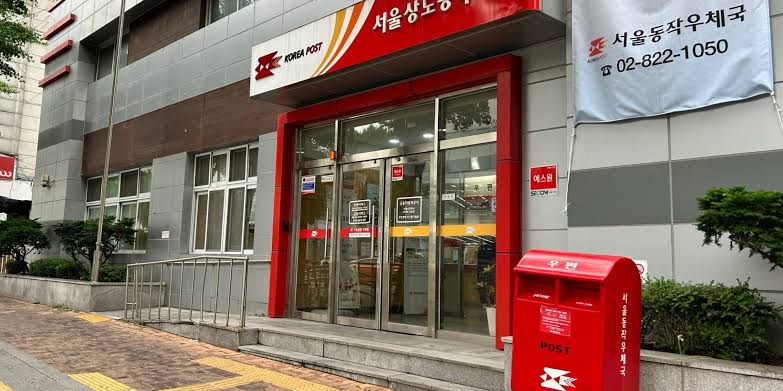
    Korea Post has picked Capstone Asset Management and IGIS Asset Management to manage a 500 billion won ($368 million) domestic property loan strategy. The mandate reopens development lending after three years.

    The state-run postal agency selected the two Seoul-based asset managers as preferred bidders following a July tender. It has not disclosed how the capital will be split between them.

    This is the first domestic real estate debt programme from Korea Post Savings since 2023. Back then, the institution committed 400 billion won to a single manager while banning all development and project financing. Lending to construction projects is now permitted once building work is underway. Bans remain on higher-risk land-backed and bridge loans.

    Lending Terms and Guardrails

    Under the guidelines, the blind-pool funds will focus on senior secured loans backed by South Korean offices, logistics hubs and other commercial real estate. Senior debt must account for at least half of all invested capital. Korea Post is targeting a net internal rate of return of at least 5.5 per cent.

    Each fund vehicle must raise a minimum of 150 billion won. The investment period runs up to three years, with an initial lifespan capped at eight years. Portfolio-level loan-to-value and loan-to-cost ratios are capped at 70 per cent. Individual completed-asset loans may reach 75 per cent LTV, while development loans are limited to 80 per cent LTC.

    Single asset commitments cannot exceed 40 per cent of a fund’s total commitments. Each management team must co-invest at least 1 per cent. Korea Post also retains first-refusal rights on co-investment opportunities across the portfolio.

    Institutional Capital Returns to Development

    South Korean institutional investors pulled back sharply from property project finance following the 2022 Legoland developer default and subsequent interest rate hikes. Korea Post is now providing liquidity to completed and active sites through post-groundbreaking debt. Strict collateral covenants remain in place to prevent land-stage exposure.

    The debt mandate brings Korea Post’s announced domestic property commitments since 2025 to 1.15 trillion won. That total includes up to 500 billion won committed to a Mirae Asset Global Investments core property vehicle deployed into Seoul commercial assets. It also covers a 150 billion won REIT and senior debt mandate awarded to IGIS in June.

    Korea Post manages 157 trillion won in savings and insurance assets, balancing rising returns from alternative credit against persistent deficits in its traditional mail operations. Final manager appointments will conclude once on-site due diligence and investment review committee approvals wrap up.

  • Gentle Monster Parent Iicombined Appoints Renaud Divisia as Europe GM

    Gentle Monster Parent Iicombined Appoints Renaud Divisia as Europe GM

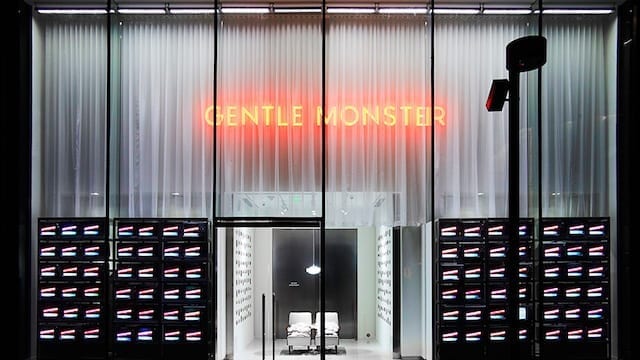
    In September 2026, Seoul-based Gentle Monster parent Iicombined appointed Renaud Divisia as general manager of Europe to lead its regional expansion.

    Divisia previously served as general manager of Puig Korea and international director of Byredo, following several years at LVMH’s Dior Parfums in leadership roles across Europe and the Middle East.

    In his new role, Divisia oversees organisation, retail expansion, and commercial strategy across Europe, where the South Korean group first launched in 2018.

    Expanding Beyond the London Beachhead

    Iicombined entered Europe in 2018 with a Gentle Monster store in London’s West End. Standalone locations in Paris and Milan followed. Those openings tested European appetite for the brand’s gallery-style retail spaces in competitive fashion capitals.

    Europe demands a different commercial model than Asia. In Asian markets, Gentle Monster built scale through experiential flagships that rotate art installations every few months. European high streets present steeper prime rents in cities like Paris and Milan. These locations require tighter retail economics and established wholesale accounts alongside mono-brand real estate.

    Bringing in a leader with roots in European luxury fragrance and cosmetics gives Iicombined a structure capable of handling multi-brand rollouts. The company cannot rely solely on the eyewear playbook that drove its early international visibility.

    Managing a Multi-Brand Portfolio

    Founded in 2011, Iicombined has expanded well beyond eyewear into a broader lifestyle business. Its wider portfolio includes fragrance and skincare brand Tamburins, bakery cafe concept Nudake, headwear label Atiissu and kitchenware brand Nuflaat.

    Tamburins gives the group a second growth vehicle with direct appeal to European department stores and specialty beauty retailers. Fragrance brands scale faster than luxury eyewear. Replenishment cycles are shorter, and distribution networks through multi-brand retail are already built.

    Operational risks remain across fragmented European real estate markets. Opening high-cost flagships in London or Paris requires major capital. Western European luxury consumers also demand sustained brand heritage rather than rapid trend turnover.

    Capital Backing and the Next Phase

    Private equity firm ZWC Partners invested in Iicombined earlier this year to finance global expansion. That capital targets growth across Asia alongside deeper penetration into Europe and North America.

    Divisia must now decide how to expand the wider portfolio. His immediate challenge is whether to introduce Tamburins and Nudake into existing flagships or secure dedicated real estate across prime retail streets in France, Italy and the United Kingdom.

  • South Korean Retail Traders Amass Billions in US Used ETF’s

    South Korean Retail Traders Amass Billions in US Used ETF’s

    South Korean retail investors poured an estimated $10 billion into US used exchange-traded funds during the first half of the year. The buying gave them dominant stakes in several high-risk products. Korea Securities Depository filings show domestic accounts held $5.24 billion in the Direxion Daily Semiconductor Bull 3X Shares alone. That equals 27 per cent of the fund’s $19.3 billion market capitalisation.

    This concentration spreads well past semiconductor tracking. Korean buyers hold 38.8 per cent of the Direxion Daily TSLA Bull 2X Shares and 37.6 per cent of the Direxion Daily MSCI South Korea Bull 3X Shares, alongside 20.9 per cent of the ProShares Ultra QQQ. Net buying of the semiconductor fund reached $2.43 billion this year. That outstripped demand for standard index trackers by a factor of 1.5.

    Regulatory Caps at Home Drive Outflows

    Financial regulators in Seoul prompted the overseas shift by imposing minimum deposit rules and volume ceilings on domestic single-stock used products. The restrictions failed to cool risk appetite. Capital flowed straight to US exchanges, where investors access uncapped daily use across individual equities, semiconductor benchmarks, and international country indices.

    Total Korean equity holdings in the US stand at $112 billion. That is barely 0.2 per cent of total American market capitalization. In specialized used derivatives, however, concentrated buying turned Seoul day traders into the dominant liquidity provider.

    Past retail surges across East Asia followed a similar pattern. Tighter domestic margin rules in markets like Hong Kong and Tokyo pushed speculative volumes into offshore derivatives whenever local platforms restricted margin access.

    Night Trading Halts Force Blind Orders

    Heavy order flow disrupted execution infrastructure on September 1. Alternative trading system Blue Ocean ATS suspended daytime trading for 18 securities, including the top semiconductor and Korea bull funds. The platform acted under the US Securities and Exchange Commission Fair Access Rule. That rule triggers extra regulatory burdens when an alternative venue handles 5 per cent or more of a single security’s volume over four out of six months.

    Local brokerages including Samsung Securities and Toss Securities routed daylight orders to alternative platforms MOON and Bruce to keep order lines open. These backup venues do not deliver real-time quote feeds. Clients had to enter limit orders without viewing bid and ask spreads.

    Blue Ocean reviews trading volumes monthly to determine when the 18 suspended securities can return to its platform. Meanwhile, brokerage houses in Seoul are building backup order-routing networks to prepare for further liquidity limits.

  • ESR Kendall Square Sells Pyeongtaek Warehouse to Samsung SRA for $253 Million

    ESR Kendall Square Sells Pyeongtaek Warehouse to Samsung SRA for $253 Million

    ESR Kendall Square sold Pyeongtaek Logistics Park to a Samsung SRA Asset Management vehicle backed by South Korea’s National Pension Service for KRW 343 billion ($252.6 million). The transaction closed on 1 September at KRW 1.8 million per square metre of gross floor area.

    The deal transfers one of South Korea’s largest modern sheds from foreign pension backing to domestic institutional ownership. ESR built the 2023-vintage facility with capital from Canada Pension Plan Investment Board and Dutch asset manager APG. Samsung SRA funded the acquisition through a KRW 400 billion core fund that drew KRW 250 billion from the National Pension Service alongside capital from Samsung-affiliated insurers.

    Hub for Port and E-Commerce

    Pyeongtaek Logistics Park spans 190,000 square metres across a 165,827-square-metre site in the Poseung district of the Gyeonggi Free Economic Zone. E-commerce platform SSG.com pre-leased the entire ambient facility in late 2021 before ground broke.

    Located three kilometres from Pyeongtaek Port, the property features direct ramp access to every floor, high ceilings, South Korea’s largest single-floor warehouse footprint, and 10 megawatts of power capacity. Logistics inventory in Pyeongtaek expanded more than 1.7-fold between 2022 and mid-2025 as third-party logistics firms and end-users absorbed space near regional automotive and electronics clusters.

    Capital Flows Shift Domestic

    Institutional buyers are moving on cash-flowing assets in South Korea as new warehouse construction drops sharply from post-pandemic peaks. Overseas capital accounted for more than 60 percent of industrial trades in 2025, but Korean managers with long-term domestic mandates are now securing completed, fully leased assets as supply eases and ambient rents start to climb.

    Greater Seoul logistics net absorption rose 42 percent to 164,000 square metres in the second quarter, while nominal rents reached $7.65 per square metre per month. Investors are tracking second-half completions, which fell to one-third of their year-earlier level, to test how quickly remaining vacancies tighten across the capital region.