Tag: south korea

  • Salomon Expands Womens Footwear Push Following Jisoo Seoul Campaign

    Salomon Expands Womens Footwear Push Following Jisoo Seoul Campaign

    Salomon released a collaborative sneaker capsule with FP Movement on Monday priced up to $185. The launch accelerates its push to win female consumers across global and Asian markets.

    Direct-to-consumer sales to women rose 10 percentage points over the past two years. They now account for roughly 45 percent of direct revenue, according to Amer Sports disclosures.

    The capsule reworks Salomon’s XT-6 and XT-Whisper silhouettes in gradient colorways. The XT-6 incorporates pink, mint, and ivory tones with green accents. Meanwhile, the XT-Whisper blends coral, blush, and peach alongside purple and blue details across its SensiFit structure. Pricing runs between $145 and $185 across select Salomon and FP Movement retail stores and e-commerce channels.

    Building Out Womens Technical Footwear

    Amer Sports has made expanding Salomon’s female audience a core pillar of its revenue strategy. Management outlined the plan during an investor day presentation in September. Targeted product design, specific color palettes, and focused design collaborations are expanding the French label’s footprint beyond its traditional core of male trail runners.

    Kristof Cavazzana, vice president of product and experience at Salomon, pointed to multi-season design partnerships like previous work with Sandy Liang as crucial drivers for broadening market reach. The brand uses these capsules to bridge mountain sports heritage with everyday lifestyle demand in major metropolitan centers.

    For retailers and multi-brand distributors throughout the Asia-Pacific region, the shift recalibrates shelf space allocation. Salomon has transitioned from a niche technical outdoor label into a mainstream lifestyle competitor. It now challenges established athletic giants for premium display space in top shopping malls across Seoul, Tokyo, and Shanghai.

    Asian Demand and Cultural Alignment

    Operational risk sits in maintaining technical credibility while chasing fast-moving fashion trends. Functional outdoor brands that lean heavily into trend-driven colorways risk alienating core athletes and face rapid product life cycles. Salomon hedges this risk by keeping its proprietary sole units, chassis systems, and weather-resistant membranes fully intact across all lifestyle releases.

    Competition in technical outdoor footwear has intensified across Asian gateway cities. Competing labels are fighting for the same urban consumers who combine weekend trail activities with commuter sportswear. Salomon’s conversion rates depend on maintaining authentic performance specifications while delivering softer aesthetic executions.

    Campaign Precedents in Seoul

    The FP Movement capsule follows Salomon’s major visual campaign titled In The Open, which debuted in late September starring Blackpink member Jisoo. Shot across parks, trails, and urban streets in Seoul under creative director Heikki Salonen, the campaign presented the Fall/Winter 2026 footwear range against South Korean landscapes.

    Jisoo formalized her global ambassadorship in May, making this visual rollout her first major project with the label. The campaign showed technical footwear built for mixed environments, including the XT-6 Protective, the XT-Whisper Gore-Tex, and the XT-4 OG Gore-Tex.

    Valerie Loh, senior vice president of brand and marketing at Salomon, noted that female participation in direct sales channels climbed from 35 percent to roughly 45 percent during the two-year repositioning period.

    Next Steps on the Product Calendar

    The wider Fall/Winter 2026 collection featured in the Seoul campaign goes on sale globally on October 7 through Salomon’s direct website and wholesale network. Amer Sports management will track whether conversion rates among female shoppers keep rising as these seasonal styles reach physical stores across Asia and North America.
  • GS25 Sales to North American Shoppers Jump 131 Percent

    GS25 Sales to North American Shoppers Jump 131 Percent

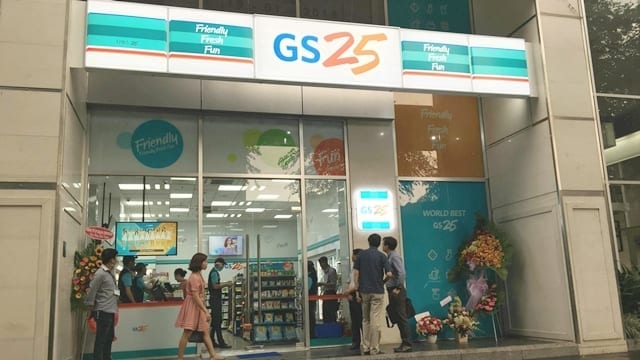
    GS Retail recorded a 131 percent jump in sales to North American visitors at its GS25 convenience stores in South Korea during the first eight months of the year.

    The surge pushed North American shoppers to roughly 30 percent of total foreign customer sales across the network. That leaves them just 10 percentage points behind visitors from Greater China, who continue to hold the largest foreign share at approximately 40 percent.

    Buying beer instead of banana milk

    Spending patterns between the two visitor groups show a sharp split in basket composition. North American customers spend primarily on canned beer, wine and spirits, alongside sports drinks, energy drinks and sodas, spending more on canned beer than any other overseas group. Shoppers from Greater China buy dairy products, instant noodles and baked goods, where blueberry Greek yogurt recently overtook banana milk as the top-selling item.

    Geographic data highlights a similar divide in where travellers spend. Greater China tourists stay clustered around traditional shopping hubs and downtown districts in Seoul, Busan and Jeju Island. North American footfall has concentrated heavily along coastal resort corridors.

    East coast sales outpace Seoul hubs

    Regional revenue from North American buyers saw its fastest expansion in Gangwon Province, where sales climbed 338 percent year on year. The bulk of that volume settled along the province’s beach-lined east coast, driven by seasonal leisure travel.

    For convenience operators in South Korea, this geographic and product divergence changes how individual franchise locations must manage inventory during peak travel seasons. Stores in coastal resort towns require alcohol distribution and cold beverage stock lines calibrated for Western preferences, while urban transit hubs must protect shelf space for packaged snacks and fresh dairy popular with Chinese tour groups.

    GS Retail and rival chains such as CU and 7-Eleven have spent years competing over inbound tourist wallets, yet historical strategies focused almost exclusively on Mandarin-language signage and group tour bus routes. A sustained shift toward Western independent travellers introduces higher margins on liquor and ready-to-drink beverages, but demands different localized marketing at the store shelf.

    Merchandising shifts across 1,000 stores

    Earlier network expansions set the groundwork for tracking foreign transaction data at the point of sale. GS25 introduced foreign card processing upgrades across its domestic estate over recent operating quarters, giving the chain real-time visibility into basket differences by issuing bank and country of origin.

    About 1,000 GS25 stores located in high-traffic tourist corridors have rolled out English-language promotional displays, recipe cards and product preparation guides this year. The company plans to use autumn purchasing data from coastal and metropolitan stores to adjust product distribution schedules ahead of the winter travel cycle.

  • LG Energy Solution to Supply 46100 Battery Cells to Mercedes-Benz

    LG Energy Solution to Supply 46100 Battery Cells to Mercedes-Benz

    LG Energy Solution will supply Mercedes-Benz with a new 46100 cylindrical battery cell for the German automaker’s next-generation electric vehicles starting in 2028.

    The agreement expands a series of four long-term supply contracts signed between the two companies since October 2024.

    New Dimensions for Cylindrical Packs

    With a diameter of 46 millimetres and a height of 100 millimetres, the 46100 format is an unannounced variation within the broader 46-series family. The cylindrical format gained industry prominence after Tesla adopted the 4680 size. Other manufacturers have experimented with 4695 and 46120 designs. The 100-millimetre height fits the specific packaging requirements of Mercedes-Benz vehicle architectures.

    Pilot manufacturing for the 46100 cell will take place at LG Energy Solution’s domestic facility in Ochang, South Korea. That site will calibrate machinery and refine production tolerances before equipment ships to Europe. Mass production will run at the group’s manufacturing complex in Wrocław, Poland, where line installation begins next year. The supplier is also weighing capital expenditures for dedicated module assembly lines at the Polish site to deliver complete clusters directly to vehicle assembly plants.

    Diversification Across Cell Geometries

    Automakers in Europe and Asia are rethinking their dependence on pouch and prismatic cell formats. Cylindrical cells offer superior structural stability and heat dissipation. That reduces the risk of thermal runaway in high-output drivetrains. Mercedes-Benz previously relied heavily on pouch cells from suppliers including SK On and Farasis Energy. Safety recalls and module complexity pushed the brand toward mixed procurement strategies.

    LG Energy Solution has built out manufacturing capacity for varied cylindrical specifications. The company started production of 4695 cells at the Ochang plant late last year. It is preparing to manufacture cylindrical units ranging from 4680 to 46120 specifications at its facility in Arizona by the end of this year. Adding a 46100 line gives the manufacturer a customized offering for premium European carmakers without redesigning its core cell chemistry.

    Procurement Rivalry Among Korean Suppliers

    Mercedes-Benz is maintaining a competitive supplier base across Asian manufacturers rather than granting exclusivity to a single partner. In April, the carmaker signed its first long-term electric vehicle battery contract with Samsung SDI. China’s CATL continues to supply large volumes across multiple vehicle platforms. Sourcing from multiple cell makers prevents bottlenecks and keeps downward pressure on pricing per kilowatt-hour.

    For Korean battery producers, securing multi-year European supply pacts offsets softer domestic electric vehicle adoption and tariff uncertainties in North America. The challenge sits in production yield rates for large-diameter cells. Scaling 46-millimetre lines requires tight welding tolerances and rapid tabless assembly processes. Both have created ramp-up delays across the sector.

    Manufacturing Milestones Ahead

    Validation testing on the Ochang pilot line will finish before commercial tooling is installed in Poland next year. Initial volume shipments will follow for the 2028 model rollout, building on supply agreements executed over the past two years as Mercedes-Benz overhauled its platform roadmap.

  • Seoul High Court Clears Coupang Probe Amid $350 Billion US Talks

    Seoul High Court Clears Coupang Probe Amid $350 Billion US Talks

    The Seoul High Court on Wednesday rejected Coupang’s bid to suspend an on-site antitrust inspection, allowing South Korea’s Fair Trade Commission to proceed with its investigation.

    The ruling complicates talks between Seoul and Washington over the next stages of a planned $350 billion South Korean investment in the United States.

    Coupang had refused to cooperate with the probe, arguing that the regulator failed to provide advance notice. Following the court’s decision, FTC Chairman Ju Biung-ghi vowed to review internal agency rules to prevent companies from using court injunctions to evade or delay investigations.

    Court Clears On-Site Fair Trade Probe

    Ju rejected claims from Washington that Korean regulators are singling out American businesses. He affirmed that the watchdog enforces competition rules equally across domestic and foreign firms. The regulator opened its on-site probe in September following months of tension over platform compliance and supplier relationships. In June, Coupang secured FTC approval for a voluntary co-prosperity scheme tied to private brand supplier contracts. Broader compliance inquiries continued anyway.

    For digital platform operators across South Korea, the ruling establishes that procedural objections will not derail regulatory sweeps. Domestic rivals such as Naver and Shinsegae-backed SSG.com, alongside foreign entrants targeting the Korean market, face strictly enforced spot checks. Suppliers and merchants gain use against platform gatekeepers as regulators examine contract terms and distribution dominance.

    Scrutiny Strains Bilateral Investment Package

    Regulatory friction is now spilling into broader trade diplomacy between Seoul and Washington. Under a bilateral framework, South Korean conglomerates agreed to commit 350 billion dollars to US industrial projects in exchange for lower US tariffs on Korean exports. The two sides have already selected a 200 billion dollar gas-fired power facility in Texas. It will power data centres and semiconductor fabrication plants.

    Subsequent tranches of the investment deal remain subject to negotiations over financing, returns and government approvals. Those talks involve capital commitments in nuclear energy, Westinghouse technology partnerships and the Alaska LNG development. Heightened scrutiny on Coupang gives American trade officials use to demand protective carve-outs for US-domiciled technology companies operating in South Korea.

    Pressure Builds in Washington

    Political pushback in the United States has mounted steadily over the summer. A US House committee accused South Korean authorities in July of discriminating against Coupang. A US lawmaker also introduced draft legislation to sanction foreign regulators deemed to be targeting American corporations. Seoul maintains that all enforcement actions adhere strictly to domestic competition statutes, targeting business conduct rather than corporate nationality.

    South Korean President Lee Jae Myung met US President Donald Trump in New York on the sidelines of the UN General Assembly to review bilateral economic cooperation.

    The platform dispute remains a persistent flashpoint as both governments work to finalize the bilateral investment framework.

    What Lies Ahead for Platform Rules

    Attention now shifts to the FTC’s findings at Coupang headquarters and the pending rewrite of procedural inspection rules. RetailNews Asia will track whether the regulator levels formal financial penalties against the platform and how Washington incorporates tech sector protections into upcoming project rounds of the 350 billion dollar pact.

  • South Korea Retail Sales Fall 1.8% as Auto Output Plunges in August

    South Korea Retail Sales Fall 1.8% as Auto Output Plunges in August

    South Korean retail sales dropped 1.8 percent in August from the prior month, dragged down by sharp pullbacks in automobile deliveries and durable goods spending.

    Industrial production contracted 1.3 percent over the same period while facility investment tumbled 9.5 percent, marking the first simultaneous decline across all three economic measures since May.

    Data released by the Ministry of Data and Statistics showed mining and manufacturing output fell 4.8 percent, driven by a 24.8 percent slide in automotive production. The drop in vehicle manufacturing was the steepest single-month decline recorded since May 2020, when output collapsed 34.9 percent during early pandemic disruptions. Component suppliers absorbed direct hits, with rubber and plastic sector production dropping 11 percent as tire orders shrank.

    Auto production slide hits retail

    Auto assembly lines faced dual disruptions during the month from concentrated plant shutdowns and earlier labor actions. Assembly lines slowed after worker walkouts in July interrupted delivery schedules, while domestic automakers clustered annual plant maintenance and worker holidays into August rather than spreading them across two months.

    “In July, workers at some automakers staged strikes, which partly affected output in August. While summer vacations were previously spread across July and August, they were concentrated in August this year.”
    Lee Doo-won, Senior Statistics Official, Ministry of Data and Statistics

    The manufacturing shortfall moved straight through the supply chain into retail showrooms. Recreational vehicle shipments took the largest hit, leaving dealerships short on inventory and curbing consumer purchases of high-ticket items across the country.

    Durable goods lead consumer pullback

    Consumer spending across retail channels showed deep divergence by category. Durable goods sales, which include passenger cars and large household purchases, dropped 4.5 percent month on month. Non-durable goods, covering everyday consumer items such as cosmetics, fell 1.6 percent.

    Softlines provided limited relief against the wider consumer retreat. Sales of semi-durable goods, including apparel and footwear, rose 0.4 percent as seasonal autumn fashion collections entered stores. Total wholesale and retail trade output still finished down 0.7 percent for the month.

    Factory spending drops across sectors

    Capital expenditure among Korean businesses saw severe cutbacks led by fleet and transport orders. Facility investment dropped 9.5 percent in August, driven by a 32.8 percent contraction in transportation equipment procurement.

    General factory equipment investment showed modest resilience despite the broader slide. Machinery investment grew 1.6 percent, and machinery output rose 3.1 percent over the month, though the gains failed to offset the heavier drop across mobility hardware.

    Service sector provides isolated cushion

    Services output expanded 0.5 percent in August, preventing a steeper fall in headline gross output. Gains centered heavily in the information and communication sector, which expanded 4.7 percent to offset contractions in wholesale distribution channels.

    The August figures follow an uneven recovery cycle where strong technology and semiconductor demand masked softer domestic consumer sentiment. Automotive manufacturing normalization in September and third-quarter earnings from major carmakers will show whether the production slump was purely seasonal or reflects softer vehicle export orders.

  • S&P Dow Jones Indices Tests New Strategies in South Korea Ahead of Global Markets

    S&P Dow Jones Indices Tests New Strategies in South Korea Ahead of Global Markets

    S&P Dow Jones Indices is introducing its newest investment strategies in South Korea before other markets, using the country as a launchpad for global innovation.

    The index provider is testing products ranging from multi-asset and covered call strategies to thematic indices and blockchain-based versions of core benchmarks such as the S&P 500.

    Cameron Drinkwater, chief product and operations officer at S&P DJI, outlined the expansion in Seoul this week during Korea Premium Weeks. Drinkwater, who joined the firm in 2019 and previously served as chief financial officer, said local investor acumen and inventive financial firms make the country a prime testing ground.

    Tokenised Benchmarks and Retail Crypto Demand

    Digital asset infrastructure anchors the push into Seoul. South Korea maintains one of the highest retail cryptocurrency participation rates in Asia. That creates a consumer base accustomed to 24-hour trading, direct custody inside unified digital wallets and fractional share purchases. S&P DJI plans to match these trading habits by putting traditional benchmark exposures onto distributed ledger networks.

    On-chain indices allow asset managers to offer fractionated index units without the clearing overhead of traditional depository receipts. Tokenised index units reduce settlement friction for institutional distributors in Seoul. They also permit instant rebalancing across multi-asset portfolios. Local brokerages that run separate desks for domestic equities, offshore derivatives and digital tokens can merge those channels into unified mobile platforms.

    “It is a very important market for us not only because it is growing so quickly but also because of the amount of innovation that has been originating here,” Drinkwater said.

    Institutional Infrastructure and Product Design

    South Korean asset managers have become prolific issuers of complex exchange-traded products, particularly covered call strategies linked to major US equity indices. These yield-focused instruments sell call options against underlying index holdings to generate cash distributions for local retail accounts. Local firms frequently modify standard option-writing schedules to maximise monthly payouts. That push forces index providers to supply custom calculation algorithms and dynamic strike selection models.

    Execution plumbing carries the operational risk. Retail appetite for high-distribution strategies is strong, but covered call structures cap upside capital gains during market rallies. If domestic issuers flood the Seoul exchange with overlapping derivative-income products, secondary market liquidity could fragment. That would widen bid-ask spreads during periods of elevated equity volatility.

    Derivatives Expansion and Regulatory Timelines

    Expansion in Korea aligns with a broader buildout of S&P DJI’s global derivatives ecosystem. S&P DJI signed a 25-year extension of its exclusive licensing agreement with Cboe Global Markets through 2051. The agreement preserves Cboe’s exclusive rights to trade S&P 500 Index options while establishing joint work on tokenised option contracts. SPX options trading hit an annual record of 970.6 million contracts in 2025. Average daily volume reached 3.9 million contracts, up 25 per cent from 2024.

    Rollouts for on-chain indices in Seoul depend on final policy guidelines from domestic financial authorities. South Korean regulators are drafting frameworks for digital asset classification and tokenised securities through 2026. Technical operating standards are scheduled for completion in early 2027.

  • Samsung Pledges $1B to KKR AI Infrastructure Vehicle Helix

    Samsung Pledges $1B to KKR AI Infrastructure Vehicle Helix

    Samsung committed $1 billion to KKR’s Helix Digital Infrastructure strategy on Tuesday. The deal lifts total capital secured for the artificial intelligence platform past $11 billion.

    Half the capital comes from Samsung Electronics. Five group affiliates will contribute the remaining $500 million to fund data centres, electricity networks and cooling systems for global hyperscalers.

    Affiliate Capital and Supply Rights

    Funding flows directly into Helix’s long-duration capital fund. Samsung C&T, Samsung SDS, Samsung SDI, Samsung Life Insurance and Samsung Fire & Marine Insurance are supplying the non-electronics portion.

    The structure gives Samsung a dual role as an equity backer and a priority supplier. Helix confirmed it will explore tapping Samsung for technology, engineering and construction, power storage, and data centre cooling. Samsung Electronics acquired climate control specialist FlaktGroup last year to expand its cooling portfolio. Meanwhile, Samsung SDI manufactures server backup batteries, and Samsung SDS operates GPU cloud infrastructure.

    KKR created Helix to package property development, power generation, transmission and connectivity into a single vehicle for tech giants. The platform launched in June. It secured anchor capital from KKR’s balance sheet alongside commitments from Nvidia, the Kuwait Investment Authority and US power generator Vistra.

    “Samsung’s commitment is a strong vote of confidence in Helix’s strategy and further deepens the long-term capital base we’ve built to meet the scale of AI infrastructure demand,” said Adam Selipsky, co-founder and CEO of Helix.

    Selipsky runs the platform after leading Amazon Web Services through 2024, where he oversaw annual revenue reaching $100 billion. Helix chief investment officer Waldemar Szlezak heads KKR’s digital infrastructure unit globally. He previously managed telecommunications assets at Soros Fund Management.

    The Conglomerate Supply Play

    This capital injection gives Samsung an inside track on massive construction contracts outside its domestic market. Hyperscale operators face severe shortages of high-voltage power equipment, battery storage and specialised cooling gear. That bottleneck cannot be resolved by real estate capital alone. By pooling six corporate entities into one vehicle, Samsung secures a customer pipeline for its heavy industrial, battery and IT services units.

    For regional infrastructure operators and competing landlords, the tie-up raises the barrier to entry. Standalone data centre developers must now compete against private equity consortiums that bring proprietary equipment, chip partnerships and power agreements to site negotiations. The chief risk for Samsung lies in capital concentration. Matching long-duration equity to hyperscale facility leases leaves cash locked into physical assets if artificial intelligence buildout schedules slow down.

    KKR’s Expanding Footprint in Seoul

    South Korea has become a key target for KKR, which has deployed roughly $3 billion in the country this year. In August, KKR agreed to purchase a 29 percent stake in SK Horizon, the server facility arm carved out of SK Broadband. That deal was part of a KRW 3.08 trillion ($2.2 billion) joint transaction with Korean funds.

    That acquisition followed a July agreement between KKR and SK Inc to launch a renewable energy joint venture. The venture started with 1.7 gigawatts of operational capacity. It holds a stated target to expand to 10 gigawatts by 2031.

    Beyond digital infrastructure, KKR has been active across commercial property and logistics in Seoul. The firm completed the KRW 1 trillion buyout of the 427,354-square-metre Cheongna Logistics Center in Incheon from Brookfield in December, securing leases with Coupang and Emart24. It also manages office assets including Namsan Square and the Shinhan Investment headquarters.

    Regional Data Capacity Expansion

    Digital infrastructure deals across Asia Pacific have accelerated as operators race to match power and compute requirements. KKR and Singtel recently completed their buyout of ST Telemedia Global Data Centres, paying S$6.6 billion to take full control in a deal valuing the platform at S$13.8 billion ($10.9 billion). KKR holds 75 percent of that vehicle. It controls 2.3 gigawatts of design capacity across Asia and Europe.

    Helix has yet to announce its first ground-up Asian development site. Meanwhile, the operational carve-out of SK Horizon is scheduled for completion before the end of the year.

  • Daesang Expands US Kimchi Output as Brand Captures 56% of South Korea Exports

    Daesang Expands US Kimchi Output as Brand Captures 56% of South Korea Exports

    South Korea’s Daesang Corporation captured 56 per cent of the country’s total kimchi exports in the first half of 2026, generating 48 million dollars in overseas shipments.

    Total South Korean kimchi exports reached 86 million dollars during the six-month period, cementing the United States as the group’s largest foreign market.

    California Plant and Supply Sourcing

    The Seoul-listed food group expanded output across North America through its 10,000-square-metre facility in the City of Industry, California, and its 2023 purchase of food maker Lucky Foods. The California factory provides 2,000 metric tons of annual processing capacity, holding dedicated cold-storage rooms and running lines for regular, vegan, white, cucumber and extra-spicy Silbi recipes.

    Daesang buys napa cabbage, radishes and green onions directly from growers in the United States. Sourcing produce locally allows the manufacturer to bypass trans-Pacific shipping schedules and preserve crispness across its mainstream supermarket accounts in western and central states.

    Mainstream Retail and Product Tweaks

    Asian packaged food producers face flat domestic populations and high ocean freight expenses, pushing operators to build manufacturing inside export destinations. By establishing factory lines in California, Daesang avoids refrigeration surcharges and port congestion that erode margins on perishable shipments sent from South Korea.

    Building local production networks introduces new supply-chain liabilities. Processing regional crops exposes the company to North American harvest price swings, while reformulating recipes for western supermarket chains risks alienating traditional Asian diaspora shoppers who built the brand’s initial market share. Daesang is calculating that volume from mainstream retail shelves will easily offset higher US factory overheads.

    Portfolio Shift Beyond Korean Grocers

    Jongga began expanding out of Asian supermarket channels into broadline American grocery stores in 2019. The company completed its California plant in early 2022, becoming the first Korean food maker to operate a commercial-scale kimchi facility on American soil, before buying Lucky Foods a year later to add the Seoul Kimchi brand to its stable.

    Global export sales for the brand tripled from 32 million dollars in 2017 to 90 million dollars in 2025. The United States overtook Japan in 2023 as the label’s highest-volume international destination, supported by distribution agreements that put jars into mainstream grocery aisles.

    Global Scale and Product Formats

    To match western consumer eating habits, Daesang widened its catalog beyond whole fermented cabbage. The lineup includes shredded carrot and green cabbage blends, mild white varieties, apple-beet-carrot mixtures, spreadable kimchi pastes for bread and crackers, and portioned Crunchy Bites containers.

    Commercial collaborations have also entered the schedule. In 2024, Daesang partnered with San Francisco chef Corey Lee to sell San Ho Won Kimchi lines under its Gourmet Edition badge.

    The United States has emerged as Jongga’s largest export market and is a key market for our global kimchi business.

    Retail analysts will track Daesang’s full-year 2026 sales reports to see whether overseas kimchi revenue tops the 90 million dollar total booked in 2025.

  • Musinsa Helps 15 Korean Fashion Brands Enter China via Shanghai Pop-Up

    Musinsa Helps 15 Korean Fashion Brands Enter China via Shanghai Pop-Up

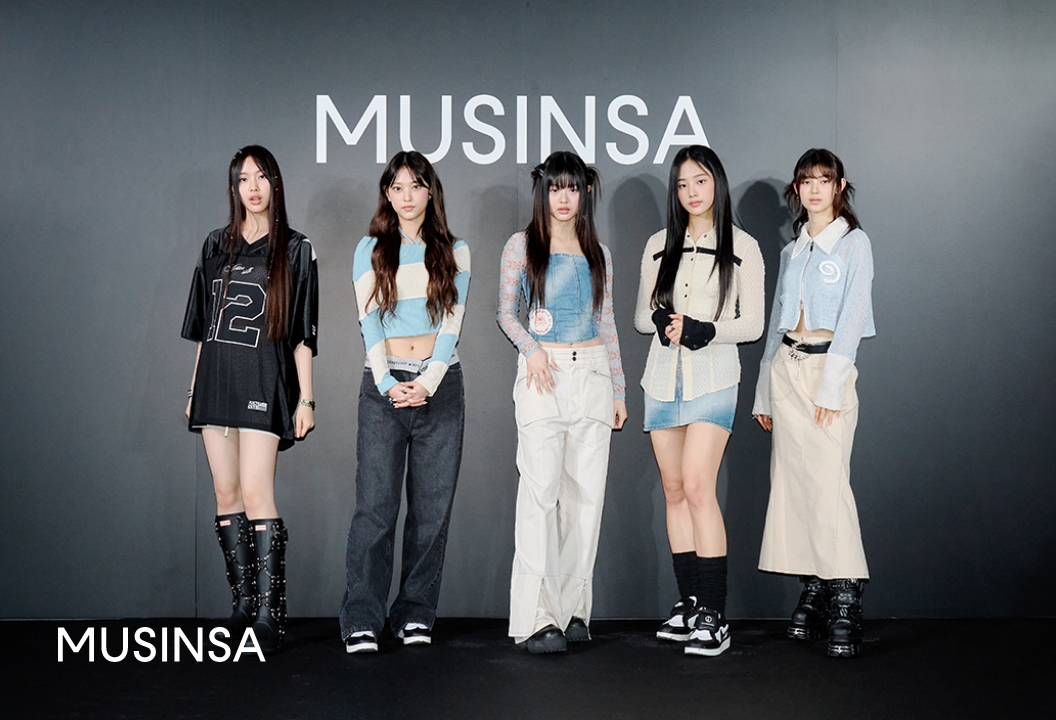
    South Korean fashion platform Musinsa is helping 15 domestic apparel brands enter China through a dedicated pop-up store at Shanghai’s Jing An Kerry Centre. The temporary retail space drew more than 10,000 visitors between Aug. 21 and Sept. 21.

    Running through Nov. 30 on Nanjing West Road, the initiative covers product certification and in-store sales operations. Backed by South Korea’s Ministry of Trade, Industry and Energy alongside the Korea Trade-Investment Promotion Agency, the project aims to reduce costs and hurdles for small and midsize brands entering the market.

    State backing and regulatory clearance

    Participating labels include Lookast, Lebah, Tillaidie, and RSSC. Musinsa selected brands based on local demand and consumer preferences, assisting them with Chinese product standards required for local distribution and managing on-site sales.

    Small apparel exporters face steep barriers in mainland China, where localized testing, labeling rules, and import certifications routinely stall foreign market debuts. Handling store staffing and inventory management centrally removes upfront capital expenditure for the labels, letting them test mainland consumer appetite without signing long-term commercial leases.

    Testing demand on Nanjing West Road

    Securing prime frontage at Jing An Kerry Centre places these emerging Korean names beside established global luxury flagships. The high-traffic shopping corridor gives independent streetwear and contemporary labels immediate exposure to Shanghai’s core fashion demographic.

    Foot traffic numbers indicate solid curiosity, but footfall does not guarantee recurring wholesale orders. Chinese consumer spending across mid-tier fashion remains selective, and domestic Chinese streetwear brands have taken market share by responding to local trends faster than overseas competitors.

    The platform approach across Asian markets

    Musinsa’s export model shifts financial risk away from single designers and turns the platform into a consolidated distributor. The company is replicating this physical playbook across the region, pairing its domestic roster with localized retail partners, as seen in Southeast Asia where its Musinsa Standard private label partnered with ACx Retail to enter the Philippines.

    For commercial landlords, the arrangement provides a rotating roster of trending Korean brands without the lease default risks tied to single-label tenants. For the fashion brands, the structure caps downside exposure while testing whether Chinese shoppers will buy beyond short-term novelty.

    Anfu Road pipeline and next steps

    The Kerry Centre project builds on Musinsa’s permanent footprint in Shanghai. The company opened a flagship retail space on Anfu Road in December, which serves as a dedicated launchpad for Korean apparel labels seeking Chinese distribution.

    That location has already hosted individual pop-ups for brands including Ronron, Sculptor, and Stand Oil. Accessories label Find Kapoor starts a monthlong residency at the Anfu Road store on Oct. 30, while the Jing An Kerry Centre multi-brand show runs until Nov. 30.

  • Misto Group Opens 1St Taiwan Store for Korean Label Mucent

    Misto Group Opens 1St Taiwan Store for Korean Label Mucent

    Misto Group has partnered with Korean streetwear brand Mucent to open the label’s 1st store in Taiwan, launching in Taipei in September 2026.

    The contemporary casualwear label is recognised for its monochromatic aesthetic with black as a signature colour, blending streetwear influences with everyday wear targeted at younger female consumers.

    The Store Network Across Three Cities

    Following the Taipei debut, Misto Group plans to open additional Mucent stores in Taichung and Kaohsiung by the end of the year.

    Opening three prime urban locations within a single calendar quarter requires dedicated retail floor space in top-tier shopping districts. By targeting Taiwan’s three largest metropolitan centers at once, the distributor bypasses a slower test-and-learn strategy in favor of immediate national visibility.

    Targeting the Young Fashion Consumer

    Mucent built its domestic reputation in South Korea around everyday casualwear combined with functional streetwear accents. The brand focuses heavily on monochrome design palettes, using black textiles as its core visual identity to attract young female consumers.

    Taiwanese department stores and street-level shopping strips have steadily increased their allocation of floor space to independent Korean apparel labels. Streetwear concepts that emphasize affordable styling and daily wearability compete directly against Japanese fast-fashion operators and domestic boutique chains.

    Pressure on Regional Distributors

    Distributors managing imported fashion brands face compressed shelf-life cycles driven by social media trends. Physical retail commitments across three separate cities demand consistent replenishment logistics and strong sell-through rates to offset rising retail lease costs in central Taipei.

    Local retail landlords in Taichung and Kaohsiung continue to court imported lifestyle concepts to draw younger foot traffic into physical malls. Misto Group relies on Mucent’s existing online traction among regional shoppers to drive footfall into the new brick-and-mortar units.

    Expansion Timeline for Southern Doors

    South Korean apparel exporters have broadened their presence across East Asia by leaning on established local distribution partners to manage store buildouts and inventory risk.

    Work now shifts to site preparation in central and southern Taiwan. RetailNews Asia will track the opening schedules for the Taichung and Kaohsiung stores as Misto Group works toward its year-end target.

  • CJ Foods Oceania Names Jamie Henderson Managing Director

    CJ Foods Oceania Names Jamie Henderson Managing Director

    CJ Foods Oceania, a subsidiary of South Korea-based food giant CJ Foods, appointed Jamie Henderson as its new managing director on September 28, 2026.

    Henderson brings extensive commercial and leadership experience across the Australian fast-moving consumer goods sector to the role.

    Local FMCG Leadership

    Henderson joins the Oceania unit following senior leadership roles at poultry producer Inghams. His commercial track record spans several major Australian packaged goods suppliers, including Capilano Honey, Goodman Fielder, and Primo Foods, the smallgoods brand owned by JBS.

    CJ Foods Oceania operates as the regional arm of CJ Foods, the packaged food division of South Korea’s CJ Group. The business distributes Korean packaged staples, frozen foods, and ready meals across Australian and regional retail channels.

    Broader Push Into Western Grocery Channels

    Asian packaged food groups face an ongoing challenge in Oceania: crossing over from specialty Asian grocers into mainstream supermarket aisles at Coles and Woolworths. Bringing in leadership from established domestic suppliers like Goodman Fielder and Inghams directly addresses retail buyer relationships and domestic distribution terms.

    The risk sits in category demand. While consumer appetite for Korean food brands has climbed across Western markets, securing permanent shelf space in Australian chilled and frozen sections requires heavy trade spending and consistent promotional support.

    Commercial Track Record

    CJ Foods has steadily built out dedicated regional subsidiaries across Asia-Pacific, North America, and Europe over the past decade to localize sales and distribution. The Oceania unit handles the company’s retail rollout across Australia and neighboring markets.

    Henderson will oversee retail account growth, supply chain operations, and product placement across Australian supermarket chains as CJ Foods Oceania builds out its product lineup for the coming financial year.

  • Seoul Operators Hold 140 Trade Meetings to Pitch Nighttime Tourism in Tokyo

    Seoul Operators Hold 140 Trade Meetings to Pitch Nighttime Tourism in Tokyo

    Seoul tourism authorities and nine commercial operators held more than 140 trade meetings in Tokyo, pitching late-night retail, hotel, and entertainment packages directly to Japanese travel agencies. The push took place at Tourism EXPO Japan 2026. Organizers targeted an event crowd of roughly 130,000 visitors at Tokyo Big Sight to drive spending past standard daytime sightseeing.

    During the fair’s first two days, municipal promoters met alongside South Korean luxury hotels, duty-free retailers, performing arts producers, and yacht operators. The public booth drew approximately 3,200 Japanese consumers over the weekend. Visitors tested transit and attraction packages tailored for after-dark shopping and dining.

    Targeting High-Yield Nighttime Spending

    Organizers want longer visitor stays and higher evening spending across Seoul’s commercial districts. To sell the idea, the Seoul Tourism Organization built its pavilion around round-the-clock city access. The displays paired daytime sightseeing with late-night food markets and illuminated retail streets.

    The Discover Seoul Pass took center stage as it marked its 10th operational year. The foreign-exclusive card combines public transit with entry to major tourist sites. Officials want the card to steer independent Japanese travelers into local shopping districts.

    Commercial Exposure for Retailers and Hotels

    Nine hospitality and retail enterprises joined the delegation to negotiate direct slots in Japanese tour packages. Direct inventory commitments give South Korean operators steady booking flows. That consistency matters as cross-border travel shifts toward independent, experience-driven trips.

    Structured group itineraries and curated evening tours help department stores and duty-free outlets defend foot traffic against regional competitors. Luxury hotels and entertainment venues also count on these packages. They help fill mid-week rooms and theater seats.

    Bilateral Travel Demand Surges

    Japanese outbound travel to South Korea continues to rise, driven by steady interest in Korean music, television shows, and food. Asian travel demand shows uneven recovery across other routes. Still, the Tokyo-Seoul corridor delivers dependable visitor numbers.

    Japan remains a crucial market with immense affection for Korean culture. By inviting travelers to experience Seoul by day and night, we aim to drive regional economic growth through sustained tourism momentum.

    Contract Execution and Tour Rollouts

    Following the 140 Tokyo trade meetings, Korean operators and Japanese buyers are turning initial agreements into autumn and winter tour products. Participating agencies will track booking conversions and pass redemptions ahead of peak fourth-quarter holiday travel.

  • Chanel Acquires France’s Oldest Shirtmaker Charvet

    Chanel Acquires France’s Oldest Shirtmaker Charvet

    French luxury fashion house Chanel acquired France’s oldest shirtmaker Charvet in July. Sibling co-directors Jean-Claude and Anne-Marie Colban continue to lead the heritage brand from its long-standing boutique on Place Vendôme in Paris, offering classic tailored shirts and ties.

    The move comes alongside milestone anniversaries and executive transitions across independent fashion labels. British brand YMC is celebrating 30 years since its first collection, with creative director Sage Toda-Nation directing design alongside co-founder Jimmy Collins after joining in 2024 following the death of co-founder Fraser Moss.

    Wholesale Networks and Direct Market Entry

    In retail, South London store Suntosons launched in 2025 under founder Keita Hiraoka, formerly of Beams Japan and Trunk, while in Southeast Asia, former Mall Group executives founded retail venue Friend Friend in summer 2025 inside Bangkok’s Emporium shopping mall.

    South Korean fashion exports have gained commercial traction across Tokyo and Shanghai, helped by consumer demand for unisex silhouettes and neutral palettes. Direct market entry allows brand owners to retain higher gross margins compared to pure wholesale distribution, which often discounts unsold seasonal inventory through third-party stockists.

    Mass Market Scale and Regional Supply Chains

    At the top of the market by volume, Fast Retailing’s Uniqlo is projecting annual sales of 3.9 trillion yen, equivalent to 20.8 billion euros, keeping pace with global fast-fashion operators Inditex and H&M Group. The Japanese retailer is using functional outerwear, including padded blousons with checked linings, to anchor seasonal volume across its Asian store network.

    Independent designers across the region are also integrating domestic textile manufacturing into global wholesale networks. Seoul-based designer Jiyong Kim, an LVMH Prize semi-finalist in 2024 who trained at Louis Vuitton and Lemaire, supplies Dover Street Market in Singapore and Paris, 10 Corso Como in Seoul, and GR8 in Tokyo with sun-weathered and light-responsive fabrics.

    Repurposing Mall Real Estate in Southeast Asia

    Retail formats in Southeast Asia are shifting space away from conventional department store layouts toward multi-use commercial hubs. In Bangkok, retail venture Friend Friend opened inside a converted car park at The Mall Group’s Emporium shopping complex at 622 Sukhumvit Road.

    Former Mall Group executives Suchada Peanpiriya, Worapun Sinakhom and Tanchanok Thitisaksakul established the venue in 2025, mixing workshops, food service and lifestyle merchandise. The floor plan stocks local ceramics from Bangkok’s Aoon Pottery alongside Sekisaka tableware from Japan and Kent hairbrushes from Britain, demonstrating how mall operators are converting underutilised square footage to drive foot traffic.

    Niche Manufacturing and Technical Commuter Lines

    Specialist Asian apparel makers are targeting functional categories to build export niches. In Japan’s Tokai region, Gifu-based commuter brand Ketta developed cycle-ready formalwear, adding cuff fasteners to suit trousers to prevent gear snags during urban commutes.

    Cross-border production partnerships are supporting this technical shift. Japanese label Comoli paired with Italian outerwear house Ten C, overseen by Federico Melchioli, to manufacture a nine-piece black collection blending Japanese flannel with humidity-responsive jersey textiles. In South London, former Beams Japan buyer Keita Hiraoka founded appointment-only showroom Suntosons in 2025, contracting garment factories in Japan to produce heavyweight denim fatigue jackets for European buyers.

    Commercial landlords and multi-brand buyers across Shanghai and Tokyo are now reviewing autumn order books as Recto finalises its opening retail locations in both territories.

  • South Korea Pours 30 Billion Won into Six Regional Retail Districts

    South Korea Pours 30 Billion Won into Six Regional Retail Districts

    South Korea’s Small Enterprise and Market Service will inject up to 5 billion won ($3.68 million) into each of six regional shopping districts through 2027.

    This two-year project targets commercial hubs outside the capital. Funding will cover multilingual infrastructure, foreign payment systems, tax-refund stations and retail startup spaces across provincial cities.

    Funding and rollout for six hubs

    Selected commercial zones include Seorak Rodeo in Sokcho, Octopus 1955 in Yeongju, Hwangnidan-gil in Gyeongju, Gyodong in Daegu, Dongmyeong in Gwangju and the central shopping district of Seogwipo on Jeju Island. Each precinct will upgrade physical storefronts to pull international tourist footfall away from Seoul.

    Municipal operators will install luggage storage points, digital directories in multiple languages and instant tax-refund counters. The program also pays for pedestrian street redesigns alongside joint marketing campaigns with digital content creators.

    Repurposing retail in Sokcho and Yeongju

    In Sokcho, the Seorak Rodeo district spans 443 stores along Jungang-ro, connecting coastal tourism with retail strips. Planners will convert vacant second-floor commercial units into digital media galleries. Ground-floor properties will run as pop-up retail space for local consumer brands.

    Yeongju’s Octopus 1955 commercial area covers 52,400 square meters and 179 stores near Yeongju Station. The site builds a branded retail route around regional food traditions dating back to the 1955 opening of the Yeongdong railway line. It links local merchants with e-commerce platforms for regional produce, beef and ginseng.

    Global infrastructure for Hwangnidan-gil

    Gyeongju’s Hwangnidan-gil district is the largest hub in the program, covering 347,500 square meters and 479 retail and dining units. The district recorded 11 million visitors in 2025. Roughly 300,000 of them were foreign travelers.

    Operators in Gyeongju will install point-of-sale systems accepting overseas digital wallets, translate commercial directories and open pop-up stores to test new consumer products. Foot traffic will be routed directly to older adjacent shopping streets, including Geumridan-gil, Bonghwang-ro and the Jungang and Seongdong traditional markets.

    Decentralising consumer spending beyond Seoul

    For regional store owners and landlords, the state subsidies address a structural headache. South Korea’s retail spending remains heavily concentrated in the Seoul metropolitan area. That leaves provincial shopkeepers dependent on weekend domestic trade and seasonal domestic holidays. Upgraded payment terminals and tax-refund desks lower the barrier for foreign visitors who rarely venture past metropolitan transit zones.

    Retaining independent retail tenants after construction finishes will be the main operational test. Upgraded commercial strips frequently drive up rents. When that happens, higher overhead displaces the independent food vendors and craft retailers who created foot traffic in the first place.

    Government agencies have spent the past three years trying to spread tourism receipts beyond Seoul’s central shopping corridors of Myeongdong and Hongdae, following the post-pandemic reopening of regional flight corridors.

    Participating districts will open their first multilingual traveler centers and pop-up storefronts in early 2027. Total tenant counts and foreign tourist transaction volumes will be tracked through the final funding deadline in December 2027.

  • CharIN Tests 1,000 kW Megawatt Charging Systems at 2026 Testival

    CharIN Tests 1,000 kW Megawatt Charging Systems at 2026 Testival

    Global charging alliance CharIN stepped up interoperability testing for heavy-duty electric trucks and passenger vehicles as hardware communication failures continue to disrupt high-power charging deployments in 2026.

    Live trials using Phoenix Contact systems delivering up to 720 kW revealed persistent connection handshaking delays between vehicle software and chargers, proving that standardisation on paper has outpaced field implementation.

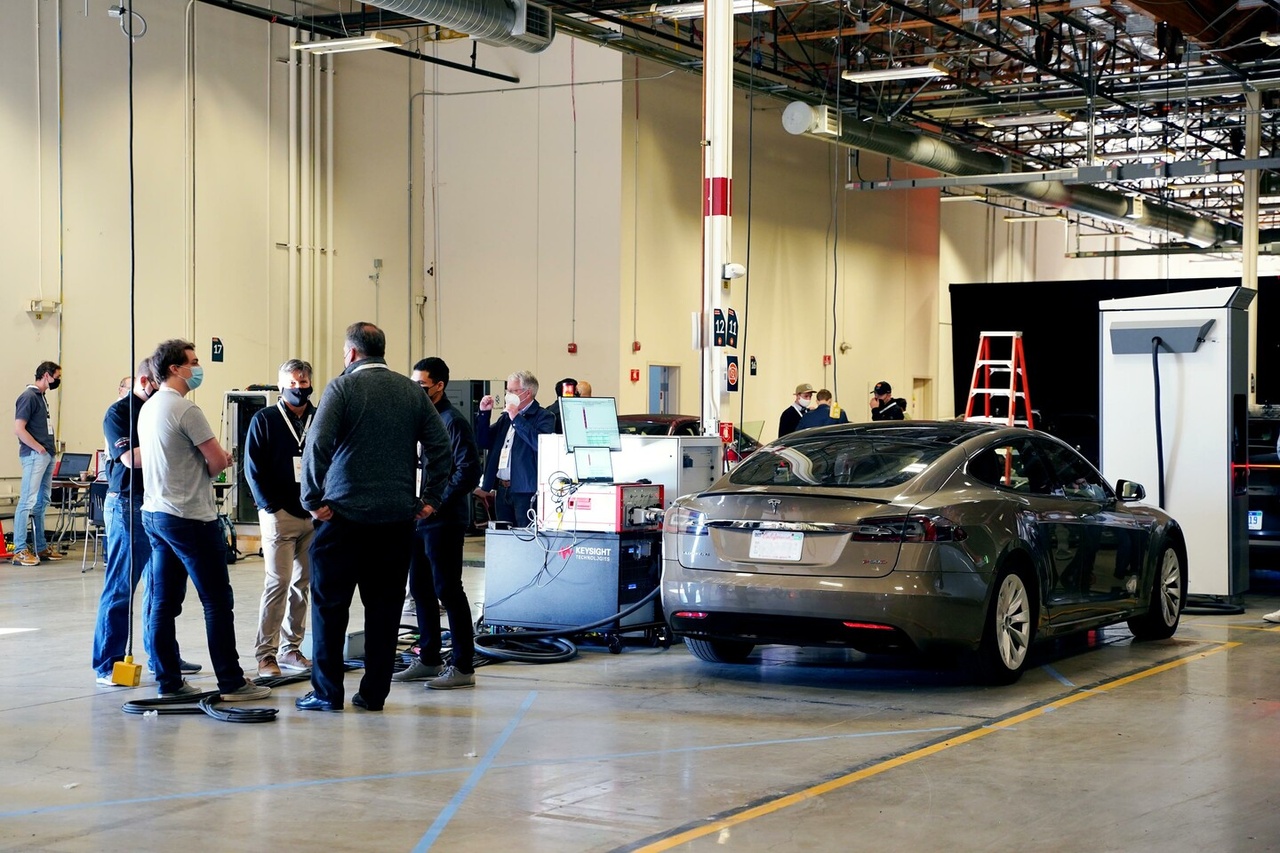
    The tests evaluated the Megawatt Charging System, known as MCS, alongside the second-generation ISO 15118-20 communication protocol. Commercial vehicle demonstrations verified throughput capacity of up to 1,000 kW on the Mercedes-Benz eActros 600, 750 kW on the MAN eTGX, and 700 kW on the Volvo FH Aero Electric. CharIN, which has coordinated MCS specifications across 120 member companies since 2018, confirmed that physical socket standards remain governed under IEC TS 63379 specifications.

    Protocols Advance Faster Than Hardware

    Software standardisation moved forward following the release of the ISO 15118-20 Amendment 1 update in July 2026. That revision incorporated MCS services, grid-tied alternating-current distributed energy resource applications, and updated TLS 1.3 cryptographic security protocols. Yet physical trials revealed ongoing mechanical locking and inlet alignment faults across multiple hardware vendors.

    Michael Keller, chief technology officer of CharIN, stated during the trials: “Without 100% interoperability, the customer has no guarantee of a successful charging process when they arrive at an unfamiliar charging station.”

    Vehicle-to-grid capabilities showed wider compliance variations during system trials. Out of 23 direct-current test systems evaluated for bidirectional energy flow, 13 handled European grid feedback specifications, while only seven out of 11 alternating-current systems functioned under simulated grid conditions. CharIN confirmed that automated energy management and bidirectional communication channels require extensive local certification before utility networks permit commercial power exports.

    Implications for Asian Logistics Hubs

    For fleet managers and warehouse operators across Asia-Pacific logistics corridors, the lack of plug-and-play uniformity introduces direct capital risk. Port operators and long-haul logistics fleets in markets like South Korea, China, and Australia cannot afford failed charging handshakes during tight freight turnaround windows. Purchasing megawatt-rated dispensers does not guarantee scheduled power delivery if proprietary truck control units reject public charger firmware.

    RetailNews Asia notes that retail distribution centers face secondary property planning bottlenecks alongside vehicle testing. Megawatt-level charging requires dedicated onsite battery buffering, dynamic load balancing, and restructured depot layouts to accommodate non-standard charging port positions. Operators building high-voltage freight hubs must design facilities around shifting cable lengths, cooling hardware, and transformer lead times rather than vehicle specifications alone.

    Grid Constraints Dictate Rollout Timelines

    Distribution network operators also struggle to process high-capacity grid hookups at the pace demanded by fleet operators. German electrical industry body ZVEI pointed out that local substation headroom and administrative approvals form the primary constraint on fast-charging hubs. In response, regulators such as the Federal Network Agency began publishing regional utility connection timelines to expose connection bottlenecks.

    Municipal public transport operators have already hit these limits during depot conversions. Local authorities in districts like Lippe reported that while over 50 percent of municipal bus fleets are now electrified, expanding depot connections requires balancing local rooftop solar arrays against uncoordinated central energy directives.

    Regional Testing Heads to South Korea

    Standardisation efforts previously focused primarily on light passenger vehicles before shifting toward megawatt-class haulage at trials in Arnhem earlier this year. Those earlier Dutch sessions validated basic bidirectional direct-current flows but left connector durability and automated communication handshakes unresolved for mass-production trucks.

    Testing now moves to the Korea Electrotechnology Research Institute in Ansan-si on October 12, 2026. Industry participants, including GridWiz, VertexCom Technology, and GENIS Korea, will test HomePlug GreenPHY validation workflows and ISO 15118-20 interfaces against Asia-Pacific grid codes.