Tag: south korea

  • Coupang Reaches 34.5 Billion Dollars in Sales as Margin Squeeze Drags Valuation

    Coupang Reaches 34.5 Billion Dollars in Sales as Margin Squeeze Drags Valuation

    Coupang generated 34.5 billion dollars in revenue across South Korea and regional markets in fiscal 2025. Growth followed expansion in Taiwan and luxury retail.

    Sales climbed 14.1 percent year on year. Net income finished at roughly 208 million dollars, leaving the group operating on a net margin of 0.6 percent.

    The Seoul-based e-commerce operator relies heavily on its WOW subscription program. It pairs proprietary logistics with midnight-to-morning dawn delivery across densely populated South Korean metro districts. The company also runs its own fintech payment rail and operates luxury marketplace Farfetch, acquired to seed a cross-border fashion offensive.

    Cash flow and margin pressure

    Balance sheet disclosures for December 2025 show a current ratio of 1.0x, leaving short-term assets equal to short-term obligations. Debt-to-equity stood at roughly 1.0x at year-end. Free cash flow reached 522 million dollars for the fiscal period. Stock-based compensation accounted for 26.8 percent of operating cash flow, reflecting non-cash add-backs rather than cash conversion from retail sales.

    Gross margin held at 28.35 percent. Logistics expenditures, customer acquisition costs, and Farfetch integration costs continue to compress bottom-line profit. The stock dropped to 13.88 dollars, sitting at the bottom of its 52-week trading band between 13.88 dollars and 32.96 dollars. Market capitalisation now stands at 26 billion dollars.

    Regulatory exposure and security fallout

    Domestic operating risk escalated after a November 2025 data breach affected 33 million user accounts. The incident triggered regulatory reviews in Seoul. The Fair Trade Commission and labor authorities already maintain scrutiny over marketplace practices and courier working conditions.

    Legal exposure for corporate leadership remains an active concern under South Korean commercial codes. Foreign exchange fluctuations also shaved earnings value as the South Korean won weakened against the dollar. That compounded price competition from domestic rivals and global platforms such as Amazon.

    The Taiwan expansion and luxury play

    South Korea’s high digital retail penetration leaves limited runway for volume expansion at home. Geographic diversification has become essential for Coupang’s capital spending. Management has directed fulfillment investment into Taiwan, deploying its automated logistics blueprint in Taipei to test whether delivery speed can outmuscle incumbent Southeast Asian platforms.

    Buying Farfetch gave the group direct access to European luxury supply channels. Turning around the loss-making fashion portal while funding warehouse construction in Taiwan absorbs capital that could otherwise bolster operating cash.

    Valuation gap against regional peers

    Investors price Coupang at a forward price-to-earnings multiple of 71.4x. This reflects high expectations for earnings recovery despite a trailing price-to-sales multiple of 0.7x. By comparison, Latin American peer MercadoLibre trades at a forward price-to-earnings multiple of 32.8x. It generated 2.0 billion dollars in net income on 39.1 percent revenue growth to 28.9 billion dollars.

    Public equity markets place a clear premium on embedded fintech profitability over asset-heavy logistics networks that operate with sub-one-percent net margins. Coupang’s revenue expanded from 24.4 billion dollars in 2023 to nearly 34.5 billion dollars in 2025. Its next filing must demonstrate that overseas volume in Taiwan can generate operating use without further diluting returns.
  • Korea Exchange Extended Session Triggers 5,354 Trading Halts in First Week

    Korea Exchange Extended Session Triggers 5,354 Trading Halts in First Week

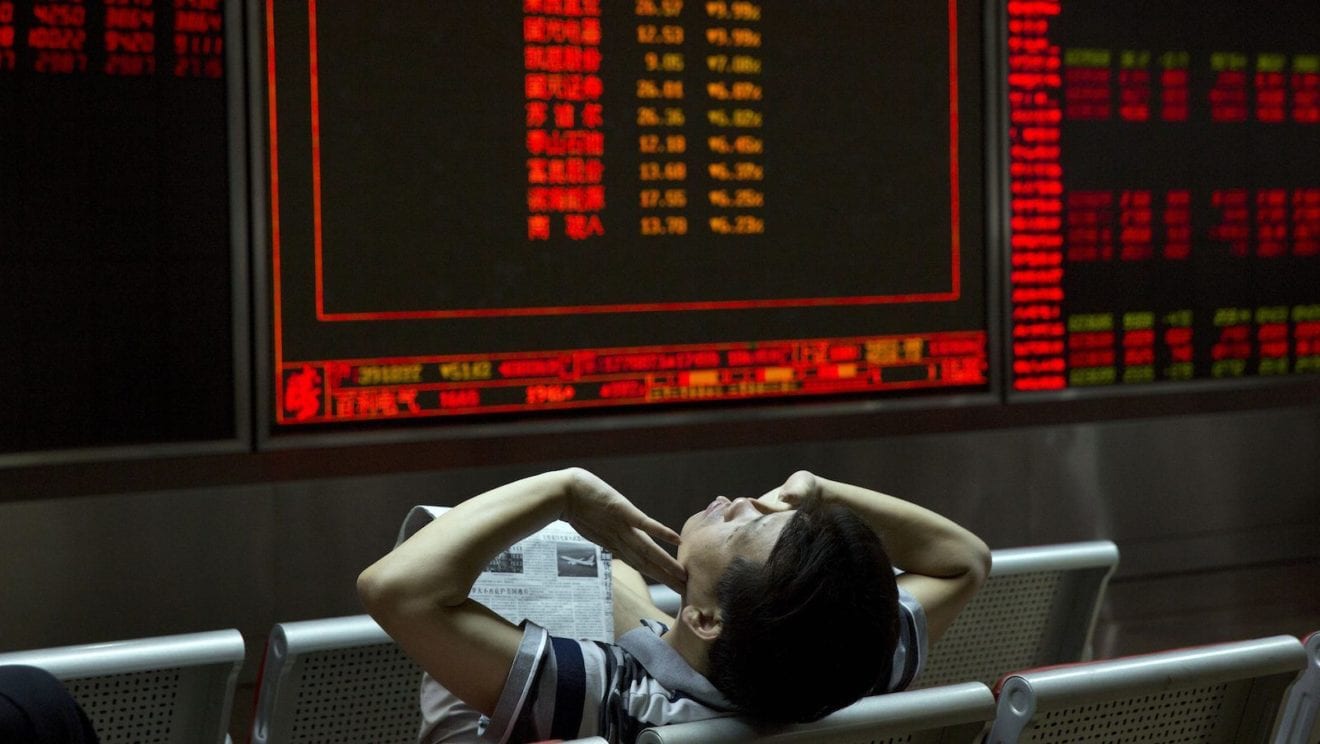
    South Korea’s new evening equity session triggered 5,354 volatility interruptions during its first week. Retail traders dominated thin trading books.

    Daily turnover across the extended four-hour window averaged 1.1 trillion won ($811 million) between Sept. 14 and Friday. That represented 4.6 percent of total equity trading value across the Korea Exchange.

    Trading runs from 4 p.m. To 8 p.m. To help domestic investors trade outside office hours, the exchange created the window. Instead, speculative retail flow concentrated into illiquid listings. The evening block generated 77.17 percent of all circuit-breaker style volatility interruptions recorded across the entire exchange over the five-day stretch.

    Retail Concentration Drives Market Friction

    Individual accounts generated more than 90 percent of all executed trades during the inaugural evening sessions. Foreign investors accounted for 6.7 percent of volume. Domestic institutions and pension funds contributed just 2.6 percent.

    Institutional market makers stayed away, leaving order books vulnerable to sharp imbalances. An average of 54.85 million shares changed hands daily across the late session. Volume was spread across hundreds of main-board Kospi and junior Kosdaq listings without offsetting bids to absorb retail momentum.

    Kosdaq Small Caps Suffer Wild Swings

    Distortions hit smaller counters on the tech-heavy Kosdaq board fastest. Thin order books let minimal volume drive outsized price jumps. These gains evaporated by the next morning’s regular open.

    Pony Link illustrated the structural gap on Sept. 14. After finishing daytime trading at 2,400 won, the Kosdaq-listed stock hit its daily upper price limit of 3,150 won in after-hours trading. That jump took just 1,417 shares, roughly one-tenth of its daytime volume of 15,641 shares. The gain vanished the next morning, and the stock closed regular hours down at 2,365 won.

    Exchange Defends Auction Mechanics

    Bourse officials rejected claims that the high number of volatility interruptions pointed to structural failure. The mechanisms pause continuous trading for short single-price auctions. This prevents transactions at distorted levels and restores orderly pricing.

    Halts cooled over the week. The market recorded 1,112 volatility interruptions on Sept. 14, dropping by half to 553 events by Friday.

    The number of volatility interruptions should not necessarily be interpreted as an indicator of market volatility, as the measures help curb excessive price movements by preventing trades at abnormal prices and facilitating price discovery through single-price auctions.

    Surveillance Team Deployed Through December

    Regulators at the Korea Exchange have assigned a dedicated task force to monitor the evening session through the end of the year. The unit will track order patterns for spoofing, price manipulation, and artificial momentum in thinly traded counters.

    Brokerages in Seoul will watch whether institutional desks deploy automated liquidity before year-end, or if the evening window stays an exclusive arena for retail day traders.

  • GS25 Shifts Top-Selling Meal Box Lineup to 6,900 Won Across 18,000 Stores

    GS25 Shifts Top-Selling Meal Box Lineup to 6,900 Won Across 18,000 Stores

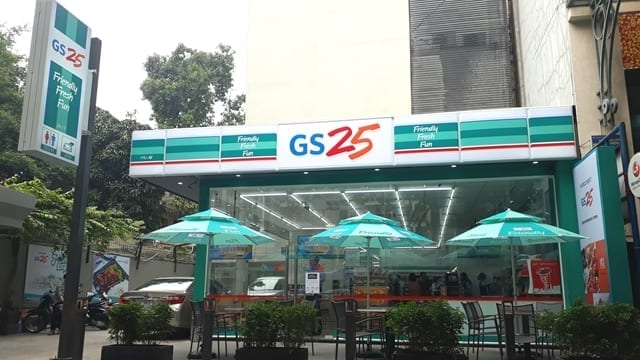
    GS Retail has revamped its ready-to-eat dosirak lineup across 18,000 GS25 convenience stores in South Korea, shifting its core recipe strategy to authentic domestic dishes while seeing its most popular price point rise to 6,900 won.

    Min Jung-hwan, a merchandiser with GS Retail’s Fresh Food Team, said in a Sept. 7 interview that the convenience chain launched a renewal of its meal boxes earlier this month to meet shifting consumer tastes across domestic stores and overseas branches in Vietnam and Mongolia.

    Rising dining prices have pushed daily lunch traffic toward convenience chains, where dosirak and fresh food items rarely exceed 7,000 won ($5.21). GS25 features approximately 20 different dosirak varieties each month, moving away from options priced below 6,000 won toward higher-quality banchan combinations and seasonal produce like spring cabbage bibimbap.

    Pricing shift and recipe pipelines

    Development cycles for new boxed meals at GS Retail take roughly 12 weeks from consumer trend analysis to store delivery. Culinary teams develop the banchan combinations, balance the flavor profiles, and run sample batches through lot testing at commercial factories before authorizing mass distribution.

    Rather than developing separate, milder product formulations for foreign tourists or overseas markets, the retailer is keeping core recipes consistent across territories. Outlets in Vietnam and Mongolia stock the same marinated bulgogi, dakgangjeong fried chicken, and japchae glass noodles sold in central Seoul.

    Even at GS25 stores in Vietnam and Mongolia, visitors are interested in authentic Korean-style dosirak. We try to meet such expectations so that they can feel they are inside a Korean convenience store.

    Marketing partnerships have accelerated this product turnover. GS Retail introduced co-branded meal boxes with chef Choi Kang-rok and runs a recurring monthly release schedule alongside its long-running Hyeja Dosirak line, an actress-fronted value brand active since 2010. Customer survey data from an early September brand renewal now dictates recipe adjustments rather than short-lived social media fads.

    Production across nine manufacturing plants

    Supplying daily fresh inventory to 18,000 domestic stores requires an industrial logistics network. GS Retail operates nine dedicated food manufacturing plants nationwide, delivering uniform meal boxes every morning. Consistency across regions remains the operational priority, from rice texture to the moisture absorption of bakery packaging.

    South Korea’s convenience sector now exceeds 53,000 outlets across competing operators, forcing chains to compete heavily on fresh food quality. When Japanese bento concepts first entered the domestic market decades ago, local operators lacked specialized food containers and processing equipment. Korean suppliers have since built proprietary packaging technology, including specialized containers that preserve seaweed crispness on triangular gimbap and trays designed for multi-sauce dishes.

    The regional convenience battle

    For convenience store operators across Asia, GS Retail’s refusal to localize recipes marks a clean departure from standard retail practice. Most regional operators adjust spice, sweetness, and protein ratios when entering Southeast Asian markets. GS25 is betting that global familiarity with Korean pop culture makes authentic recipes a stronger selling point than localized menus.

    This unified product approach gives GS Retail scale advantages in ingredient procurement and packaging development, but it concentrates operational risk. If consumer appetite for Korean food cools in overseas markets, franchisees in cities like Ho Chi Minh City or Ulaanbaatar face direct margin pressure from menus that cannot easily pivot to local staples. Rival chains like CU and 7-Eleven continue to mix regional items with imported lines in competing territories.

    Automation limits on the factory floor

    Factory automation remains the operational bottleneck across GS Retail’s manufacturing footprint. While the retailer has automated ingredient mixing, cooking, and container sealing across its nine plants, banchan packing still requires manual labor on assembly lines.

    Mechanical arms and robotic pickers cannot match the speed or dexterity of human workers when arranging delicate side dishes into compartmentalized trays. High labor dependency keeps factory overhead linked directly to minimum wage increases, capping how far production margins can expand without further packaging redesigns.

    GS Retail plans to maintain its 12-week development pipeline while rolling out faster batch runs for fast-moving social media food trends. The retailer is monitoring sales volumes across its domestic network and its Southeast Asian franchise footprint as the 6,900-won price tier establishes itself as the new commercial standard.

  • South Korea KOSPI Tests 7,100 on Chip Gains Before Pre-Holiday Selling

    South Korea KOSPI Tests 7,100 on Chip Gains Before Pre-Holiday Selling

    South Korea’s benchmark KOSPI broke past 7,100 in early Tuesday trading as semiconductor heavyweights tracked a Wall Street rally before profit-taking trimmed gains ahead of the Chuseok holiday.

    The index opened 1.94 percent higher at 7,153.99, gaining 136.08 points at the opening bell, before retreating to the late 7,020 level as domestic traders liquidated positions ahead of a two-day market closure.

    Semiconductor Heavyweights Drive Early Surge

    Tech issues led the opening advance, tracking overnight strength in the United States where the Philadelphia Semiconductor Index gained 2.06 percent and the tech-heavy Nasdaq Composite reached a record close of 27,244.28. Samsung Electronics advanced as much as 2.80 percent intraday to touch 285,000 won (approximately $210) before paring its advance to around 2 percent. SK Hynix climbed 1.96 percent to reach 1.9 million won (approximately $1,400) in early deals before flattening out.

    Chip-adjacent suppliers and affiliate holdings tracked the initial rally. SK Square rose 4.41 percent, Samsung Electronics preferred shares gained 3.31 percent, and Samsung Electro-Mechanics climbed 2.22 percent. On the junior KOSDAQ board, equipment maker Wonik IPS added 4.68 percent while Simmtech and HPSP gained 2.57 percent and 2.03 percent respectively.

    Retail Debut Sparks Household Goods Rally

    Wise Planet Company delivered the session’s sharpest single-stock move during its KOSDAQ debut. The household goods retailer jumped 230 percent above its initial public offering price of 12,000 won (approximately $8.9) to trade at 29,200 won (approximately $22), reaching an intraday peak gain of 243.33 percent. The listing lifted the broader household goods index by 134.92 percent.

    Other consumer and industrial names showed sharp dispersion. POSCO Future M opened more than 4 percent higher after confirming a 1.1 trillion won (approximately $814.1 million) lithium iron phosphate cathode supply contract with battery maker SK On, but selling pressure pulled the stock into negative territory by midday. Shipping operator KSS Line gained roughly 15 percent following a share buyback disclosure, while cyber-security provider Xgate posted double-digit gains.

    Institutional and Foreign Positioning

    Trading flows fluctuated sharply as domestic retail participants moved into cash. Retail investors on the main board sold a net 366 billion won (approximately $270.9 million) in opening deals, while foreign and institutional desks recorded net purchases of 174 billion won (approximately $128.8 million) and 142.9 billion won (approximately $105.8 million) before shifting volume across the morning session.

    In the foreign exchange market, the South Korean won traded around the early 1,350 won level against the US dollar, opening at 1,349.8 won as dollar conversions from exporters provided currency support.

    Holiday Consolidation Mirrors Previous Session

    Tuesday’s price action repeated the pattern of the prior trading day. On Monday, the KOSPI opened 2.20 percent higher at 7,161.61, reached an intraday high of 7,171.44, and then gave up nearly all its gains to close at 7,017.91, up just 0.15 percent after retail accounts sold a net 1.8886 trillion won (approximately $1.4 billion).

    South Korean financial markets remain closed on Wednesday and Thursday for the Chuseok holiday, leaving domestic bourses scheduled to resume regular trading on Friday, September 26.

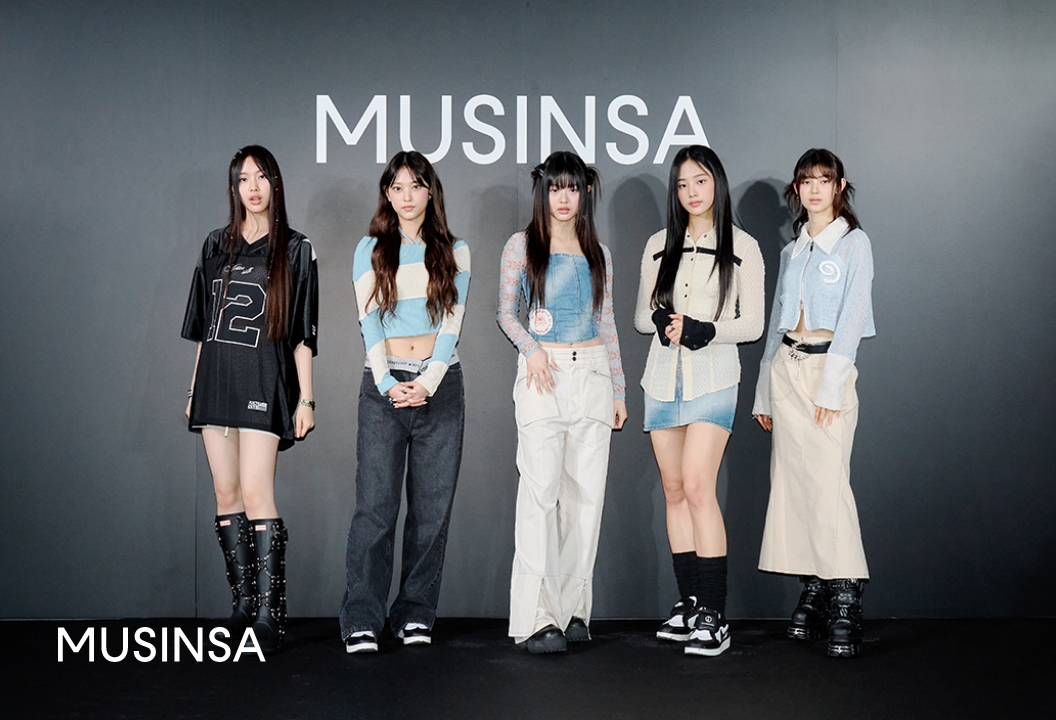
  • Musinsa Seeks 10 Trillion Won Valuation in Listing as Beauty and Overseas Bets Mount

    Musinsa Seeks 10 Trillion Won Valuation in Listing as Beauty and Overseas Bets Mount

    Musinsa filed a listing application on Sept. 7 that values the South Korean fashion e-commerce platform at up to 10 trillion won ($7.2 billion).

    That target sits well above the 5.5 trillion won implied by unlisted market trades. It also nearly triples the 3.5 trillion won figure secured during a 2023 funding round. To justify that price to institutional investors, the platform is expanding beyond online apparel into physical beauty retail while opening stores across key Asian markets.

    Recent earnings show the cost of that transition. Revenue reached a record 822 billion won in the first half of the year, following nearly 1.5 trillion won across all of last year. Operating profit fell 11.2 per cent to 52 billion won over the same six-month stretch. Store expansion, raw material costs and distribution logistics drove up overheads.

    Beauty Push Challenges Olive Young

    Musinsa is leaning on its pool of 16 million registered fashion users to fuel cosmetics sales. Over 80 per cent of Musinsa Beauty buyers previously purchased apparel on the platform. That gives the company a ready customer base without typical retail startup acquisition costs.

    Beauty inventory expanded from roughly 800 brands in 2021 to about 2,500 brands by August. Transaction value in the category jumped 1,340 per cent over the same three-year stretch. Sourcing includes Chinese makeup brands Into You and AZTK alongside domestic labels.

    Taking on CJ Olive Young represents an uphill fight for domestic market share. CJ Olive Young operates an extensive nationwide store network that dominates South Korean health and beauty retail. To differentiate its shelves, the platform is focusing on niche labels, medical tourism lines and dermocosmetics tailored for post-procedure skincare.

    Offline Footprint and Flagship Formats

    Physical store performance provides an early test for the retail crossover. In western Seoul’s Hongdae district, a pharmacy-grade beauty flagship generated 250 million won in gross sales across its first three days. Women accounted for 76 per cent of transactions. International visitors made up nearly 60 per cent of buyers.

    Inside the Musinsa Megastore in Seongsu, the country’s largest single fashion and cosmetics retail format, beauty transaction value increased 20 per cent in August compared to April. A second dedicated beauty branch will open in Seongsu in November. That launch puts the store in direct competition with Olive Young N Seongsu.

    Landlords and distributors gain a high-traffic tenant capable of drawing younger shoppers who bypass traditional department stores. Still, physical retailing alters capital requirements. Leases and store fit-outs shift the business from an asset-light marketplace into a capital-intensive brick-and-mortar operator with higher fixed liabilities.

    China Rollout Leads Global Push

    Overseas expansion forms the second leg of the listing pitch. China serves as the primary testing ground. The company aims to operate more than 100 stores there by 2030. It currently runs one multibrand store and four Musinsa Standard locations in Shanghai, where shoppers under 30 make up more than 85 per cent of sales.

    Southern China expansion starts on Oct. 31 with stores at Shenzhen’s One Avenue commercial complex. In Taiwan, the target is 15 stores within five years, focused on the private-label Musinsa Standard range. Distribution partnerships are also in place across Malaysia, Vietnam, Indonesia and the Philippines.

    Export sales across digital channels are growing quickly from a low base. The cross-border Global Store platform, serving 13 markets, reported a 143 per cent lift in second-quarter transaction value. First-half export revenue rose ninefold to 37.2 billion won. Even so, the overseas subsidiary Musinsa Shanghai has not yet reached operating profitability.

    Margin Squeeze Tests Listing Thesis

    Growth limits at home explain the transition from a 2001 online sneaker community into a regional omnichannel chain. South Korean apparel platforms face limited runway once domestic user numbers peak. Moving into beauty offers a standard way to defend growth.

    Public market investors face margin dilution risks. Sourcing private-label inventory and signing multi-year leases in tier-one Chinese cities requires sustained cash commitments. Those fixed overheads can erode operating margins during retail downturns.

    Past valuations relied on high-margin marketplace commissions from independent domestic streetwear brands. As the revenue mix shifts toward owned inventory and physical shopfronts, working capital needs will expand significantly.

    Upcoming milestones will test whether the company can maintain revenue momentum while turning foreign outposts cash positive. Key checkpoints include an Osaka pop-up show in October, the Shenzhen store debut on Oct. 31, and the Seongsu beauty flagship opening in November.

  • Average of 382 Minors Registered as Business Heads in South Korea

    Average of 382 Minors Registered as Business Heads in South Korea

    South Korean corporate registries listed an annual average of 382 minors as company heads between 2021 and 2025. The figure comes from National Health Insurance Service records released on Monday.

    Around 21 of those minor representatives drew annual salaries topping 100 million won ($72,200). That group included at least one child aged five or younger.

    Concentration in property and retail entities

    State health insurance data obtained by lawmaker Moon Jin-seok of the Democratic Party of Korea showed 1,909 total minor registrations over the five-year period. The total reflects workplace enrollments where minors were registered as executive representatives. Individual children may appear across multiple years.

    Older children formed the largest cohort. An average of 151 representatives were aged 11 to 15, while 129 were aged 16 to 18. Another 81 were aged six to 10, and 22 were aged five or younger. Among the 21 minors earning more than 100 million won each year, 12 were aged 11 to 15, six were aged 16 to 18, two were aged six to 10, and one was five or younger.

    Corporate filings reveal the listings sit almost entirely in asset-holding vehicles. Of the 100 highest-earning minors examined across the five years, 95 ran businesses in real estate, leasing and commercial services. Four operated in wholesale, retail and consumer repair. One ran a manufacturing business.

    Capital region dominates executive listings

    Seoul accounted for the vast majority of registrations, averaging 237 minor heads per year. Surrounding Gyeonggi Province logged 69. Incheon recorded 23, and the southern port city of Busan registered 19.

    These figures point to family-owned holding structures in metropolitan property markets rather than operating businesses run by young founders. Wealthy families in South Korea routinely establish corporate entities to hold commercial properties, retail shopfronts and land parcels to manage inheritance and gift tax exposure.

    Scrutiny over family income transfers

    Such practices complicate oversight for tax authorities and corporate regulators tracking intergenerational wealth transfers. Appointing non-working minor children as corporate representatives lets family offices distribute operational cash flow, salaries and corporate dividends across multiple tax brackets.

    Regulators across East Asia are checking whether nominal company heads perform actual management functions. For retail landlords and commercial property developers, dealing with entities fronted by underage representatives creates friction during contract execution, lease renewals and legal compliance filings.

    Calls for joint tax investigations

    Moon called on the National Tax Service and the NHIS to launch joint investigations into the practice. The inquiry would determine whether family-run corporations use representative registrations to disguise taxable gifts and shift parent earnings to children.

    Commercial law does not bar minors from holding corporate representative titles. Even so, tax regulators are weighing audits to test whether salaries paid to underage executives match bona fide operational duties.

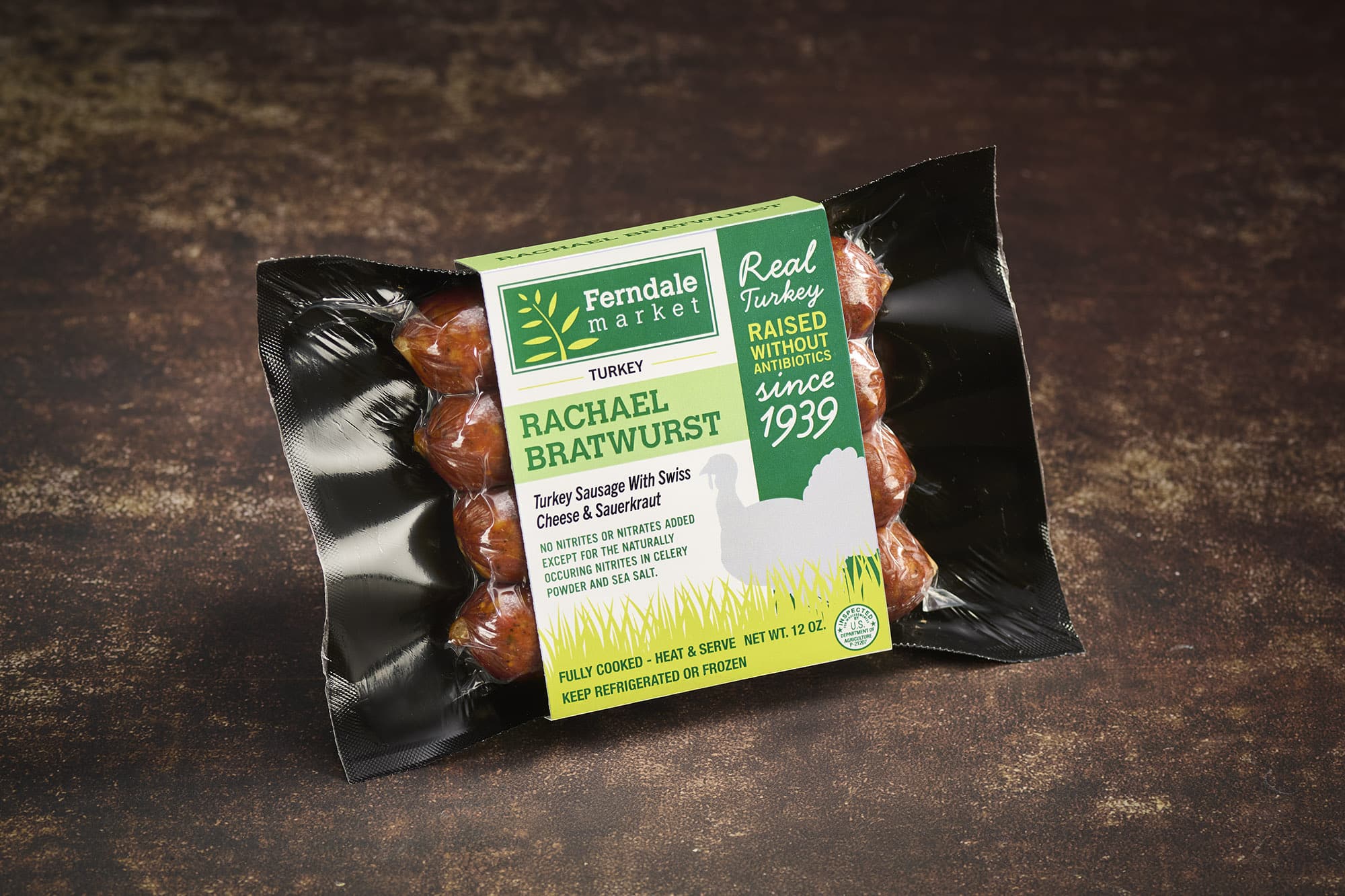
  • Ferndale Foods Takes Jila into 16,500 South Korean Stores

    Ferndale Foods Takes Jila into 16,500 South Korean Stores

    Ferndale Foods Australia secured its largest international deal in September 2026, launching four Jila confectionery products across 16,500 South Korean retail outlets.

    The Ballarat-based manufacturer rolled out the range across CU convenience stores and Olive Young health and beauty locations nationwide.

    Distribution across CU and Olive Young

    Initial shipments introduce four stock-keeping units from the Jila range, led by sugar-free gum, directly into high-traffic retail points across the peninsula.

    CU operates one of South Korea’s largest convenience store footprints, while CJ Olive Young dominates the domestic health and beauty sector with prime foot-traffic locations in commercial centres and transit hubs.

    Convenience retail dynamics in Seoul

    South Korea represents one of the densest convenience store markets per capita globally, where checkout counter space dictates brand visibility and repeat impulse buying.

    For imported confectionery makers, securing immediate nationwide distribution through established convenience and drugstore chains eliminates the friction of building fragmented regional sales routes.

    Export expansion beyond domestic borders

    The agreement marks a major geographic expansion for Ferndale Foods, which manufactures its sugar-free confectionery and mints out of regional Victoria.

    Ballarat production facilities will supply the South Korean network directly, testing the manufacturer’s export packaging and high-volume supply chain logistics across North Asia.

    Targeting 45,000 doors by June

    Ferndale Foods is targeting 45,000 retail doors in South Korea by June 30 next year.

    Talks are currently under way with additional major Korean convenience store operators to secure the remaining shelf space needed to meet that distribution target.

  • Hyundai Department Store to Open 10 Overseas Multi-Brand Stores by 2030

    Hyundai Department Store to Open 10 Overseas Multi-Brand Stores by 2030

    Hyundai Department Store will open 10 large multi-brand retail stores across Japan, Europe, and the United States by 2030. It is partnering directly with domestic apparel labels. These partnerships create permanent multi-brand platforms outside South Korea.

    The rollout begins in Tokyo. The company established a permanent location inside the Omokado shopping center in the Omotesando fashion district. That site puts multiple Korean fashion brands onto a single operated floor plan.

    Building an Export Channel for Korean Labels

    South Korean department store operators face slowing domestic consumption and saturated prime retail zones in Seoul. Exporting curated fashion spaces creates a secondary revenue channel. It also cuts market-entry risk for smaller independent labels.

    Individual Korean fashion brands frequently struggle with overseas lease negotiations, local regulatory compliance, and foreign staffing. Hyundai acts as the master tenant and operational umbrella. This structure gives smaller labels turnkey access to high-footfall international corridors.

    Tokyo Footprint as the Launchpad

    The Omokado location tests foreign shopper demand in Tokyo before the company expands into Western markets. Japanese shoppers already represent a solid buyer base for Korean consumer culture, cosmetics, and street apparel.

    Floor space in Omotesando positions the business directly against Japanese department store groups and specialty concept stores. Results in Tokyo will shape the retail layout and brand mix for planned European and American flagships.

    Shifting Away from Short-Term Pop-Ups

    Domestic retail groups spent years testing overseas appetite through short-term pop-ups in major Asian gateway cities. Permanent real estate requires consistent foot traffic and higher baseline sales to cover fixed operating costs.

    Landlords in Tokyo, London, and New York want differentiated international tenants to draw shoppers offline. Hyundai is pitching its Korean apparel curation as an anchor draw for commercial property operators overseas.

    Milestones Toward the 2030 Target

    Execution risks center on international supply chains, localized inventory management, and sustained sales momentum. Store profitability hinges on balancing prime retail rents against the average order values of youth fashion brands.

    Site reviews are underway in European and US retail capitals. Performance data from the Omotesando site over coming quarters will guide the next phase of store openings.

  • South Korea Seizes $3.26 Million in Counterfeit K-Beauty Goods

    South Korea Seizes $3.26 Million in Counterfeit K-Beauty Goods

    South Korean regulators have referred a domestic broker to prosecutors over a 4.5 billion won ($3.26 million) counterfeit ring. The network sold fake cosmetics across major domestic online marketplaces.

    Goods came from Shenzhen. The operation smuggled 61 knockoff product lines into South Korea across a 13-month run starting in October 2024.

    How the Shenzhen pipeline supplied open platforms

    Investigators at the Ministry of Food and Drug Safety found the broker coordinated directly with a Chinese factory to replicate packaging and formulations. The pipeline ran from October 2024 through November 2025 before enforcement teams shut it down. Seized inventory spanned 61 distinct items across skincare and dietary categories.

    Lab inspections by the regional food and drug safety office confirmed every batch came from China. Specialists compared the seized stock against authentic factory samples. They found clear discrepancies in container shapes, label typography, product sizing, liquid color and cream textures.

    Targeting high-demand skincare labels

    Counterfeiters targeted fast-selling domestic brands with large digital followings and strong export sales. Knockoffs copied beauty labels including Celladix, Kahi and Beauty of Joseon, along with Korea Eundan dietary supplements.

    All of these brands rely on digital storefronts and social commerce for volume. The case exposes verification gaps on open platforms, where unauthorized sellers siphon off search traffic for top-selling skincare items.

    E-commerce platform liability and brand defense

    Direct-to-consumer skincare brands face heavy costs policing open marketplaces against counterfeiters in southern China. When unauthorized copies enter domestic channels, brand owners absorb the damage through lost sales, customer service overhead on defective items and degraded consumer trust.

    To protect supply chains, Korean brand operators are shifting distribution toward direct-operated web stores and whitelisted corporate accounts. The ministry urged shoppers to buy only through certified brand storefronts on open marketplaces and avoid unverified sellers offering steep discounts.

    Prosecution referral and market enforcement

    Director Kim Jin-hwi of the Ministry of Food and Drug Safety detailed the seizure at a briefing in Yangcheon-gu, Seoul. Regulators sent the broker’s file to prosecutors for formal indictment. Border inspection teams continue targeted screening on small-batch cosmetics shipments from Guangdong province.

  • Global Used ETF Managers Court South Korea as Retail Assets Hit 25 Percent

    Global Used ETF Managers Court South Korea as Retail Assets Hit 25 Percent

    Global ETF managers are expanding in South Korea. They want to reach retail investors, who now account for up to 25 percent of their total assets.

    Russell Tencer, president of Tradr ETFs, visited Seoul on Thursday to meet investors. His trip followed a promotional roadshow by Tuttle Capital Management last week.

    Direct pitches in Seoul

    Tradr operates as an ETF brand under AXS Investments. It oversees roughly $500 million across about 60 used products, with South Korean retail accounts making up approximately 10 percent of that pool.

    Individual Korean traders took note of the issuer in 2022. That interest followed the launch of single-stock inverse vehicles for Tesla and Nvidia under tickers TSLQ and NVDS. Today, its catalogue covers single-stock used funds tied to Coupang, SK hynix, SanDisk and SpaceX.

    “We want to meet with our investor base,” Tencer said at a press briefing in Seoul. “We would love to meet and educate Korean investors.”

    Tuttle Capital Management holds an even larger share from the country. South Korean accounts represent 25 percent of the firm’s $5 billion in assets across 70 active funds, which include its double-exposure T-REX series. The US firm ran its own investor presentations in Seoul earlier this month.

    Trading volumes eclipse direct shares

    Korean retail activity in used overseas instruments now beats direct equity buying in major global tech firms. Direxion Daily Semiconductor Bull 3X Shares, traded under ticker SOXL, generated $72.64 billion in combined buy and sell volume from Korean traders this year.

    That turnover was nearly six times the $12.6 billion worth of Tesla shares traded locally over the period. High-beta exposure drives these offshore flows across Seoul desks.

    Domestic brokerage houses are aiding the shift. Many host issuer seminars and marketing events for offshore managers seeking local distribution.

    Domestic curbs push capital abroad

    Local regulations helped push retail capital into US-listed instruments. Financial authorities allowed domestic single-stock used funds to trade in late May. However, they attached heavy friction to the rollout.

    Regulators enforced minimum cash deposits and mandatory order-size caps on domestic single-stock used instruments. These rules slowed domestic turnover. Individual accounts turned to offshore equivalents instead, using standard global brokerage accounts to trade higher use multiples.

    Shifts in currency added extra volatility. The South Korean won recently strengthened into the 1,300 won range against the US dollar. That move led some retail traders to trim dollar gains, but overall trading velocity stayed high.

    New products tied to Korean tech

    Appetite from Seoul is reshaping product design in the US ETF market. Foreign managers now build instruments tailored directly to retail demand for domestic tech and semiconductor names listed abroad.

    Filings from Tradr show additional funds coming for the country’s hardware sector. These target active trading in memory chips and display components.

    US regulators will review incoming offshore single-stock filings as foreign issuers test how deeply South Korean retail capital backs specialized tech funds heading into 2027.

  • Asung Daiso Approaches 5 Trillion Won in Sales on Budget K-Beauty Surge

    Asung Daiso Approaches 5 Trillion Won in Sales on Budget K-Beauty Surge

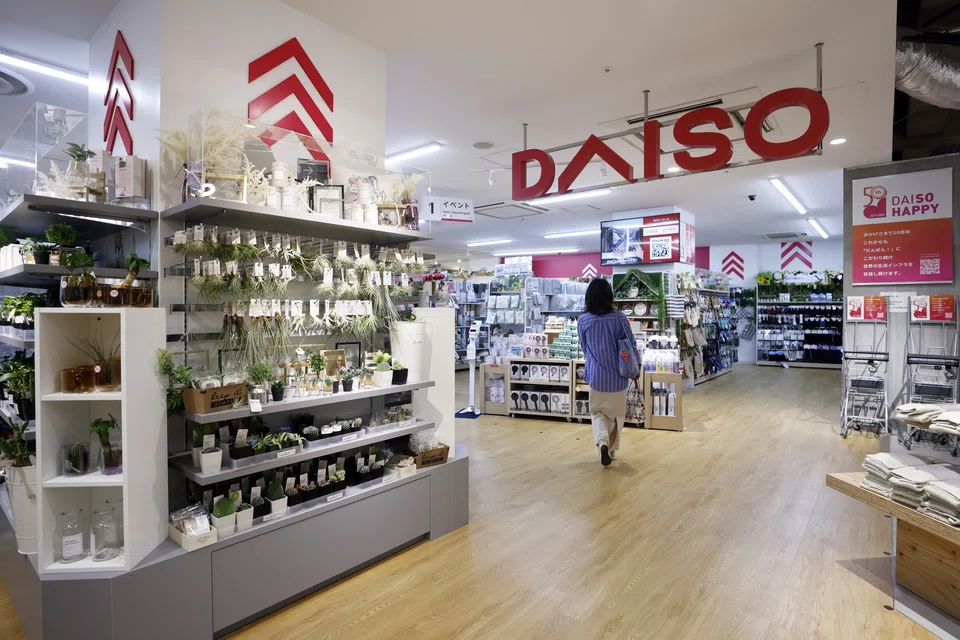
    Asung Daiso is nearing 5 trillion won ($3.7 billion) in annual revenue in South Korea. Overseas tourists are flocking to its downtown outlets for low-cost cosmetics and travel essentials.

    Total sales reached 4.54 trillion won last year, up from 2.6 trillion won in 2021. Growth came from a strict 5,000-won price ceiling alongside dedicated skincare and makeup lines.

    Foreign card transaction values doubled year-on-year across the first eight months of 2026. That followed overseas card spending growth of 130 percent in 2023, 50 percent in 2024 and 60 percent in 2025, led by central tourist locations.

    Expanding From Seven Brands to 170

    Its beauty catalogue grew from seven brands and roughly 120 stock-keeping units in 2022 to approximately 170 brands and over 1,900 products this year. Category sales jumped 50 percent in 2022, 85 percent in 2023, 144 percent in 2024 and 70 percent in 2025.

    Every item across the store network sells for between 500 won and 5,000 won. To meet that retail cap, major cosmetics manufacturers supply modified formulations and smaller unit packages.

    Daiso merchandizers have excellent taste in selecting products of high enough quality that can meet the customer’s expectations while keeping them at very low prices.

    Cosmetics now rank as the single highest-selling category at the Myeongdong Station store in central Seoul. Dedicated space on the second floor captures footfall from inbound Asian and Western travelers.

    Rivalry With Olive Young and Musinsa

    That cosmetics push challenges health and beauty leader CJ Olive Young and fashion platform Musinsa. Olive Young built a nationwide network around mid-tier and prestige domestic skincare. Musinsa opened a beauty-dedicated store in Seoul’s Hongdae district to draw younger apparel shoppers.

    The retailer targets the bottom tier of that market entirely for itself. Its 5,000-won price ceiling captures entry-level consumers and tourists buying small jars, sheet masks and serums as low-risk souvenirs.

    Margin compression remains the primary risk. Fixed dollar-store price caps during prolonged supply-chain inflation force suppliers to cut packaging costs to the bone, leaving little buffer if raw ingredient prices climb.

    First Beauty-Only Format in Eastern Seoul

    In August 2026, Daiso opened its first beauty-dedicated store near Konkuk University in Gwangjin-gu, eastern Seoul. The outlet replaces traditional homeware and hardware aisles with shelf space for personal care, cosmetics and accessories aimed at university students and local residents.

    Five consecutive years of top-line expansion made that test possible. Annual revenue climbed from 2.95 trillion won in 2022 to 3.46 trillion won in 2023 and 3.97 trillion won in 2024 before breaking past 4.5 trillion won.

    Management is now tracking full-year 2026 revenue against the 5 trillion won threshold while evaluating whether to replicate the Konkuk University format across other tourist-heavy metro stations in Seoul and Busan.

  • Daesang Launches Tailored O’Food Sauces for US Supermarkets

    Daesang Launches Tailored O’Food Sauces for US Supermarkets

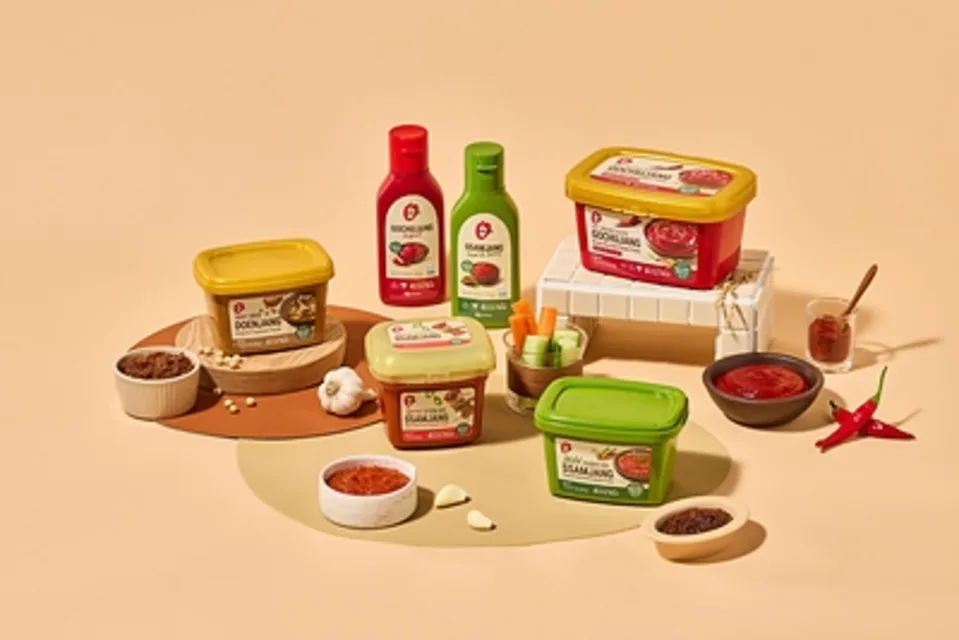
    South Korean food manufacturer Daesang has launched a revamped lineup of O’Food sauces for mainstream US grocery shelves this week.

    The export line modifies traditional Korean fermented recipes for American palates. Formulations feature lower heat levels and familiar condiment textures.

    Adapting Fermented Flavours for Export

    Core adjustments cover two key lines, gochujang and barbecue marinades. Daesang cut pungency and tweaked sweetness ratios to appeal to mainstream chains, where traditional Korean pastes often struggle to win repeat buyers.

    Retail distribution in North America runs through subsidiary Daesang America. The company is targeting broadline supermarkets rather than relying solely on ethnic grocery channels.

    The Mainstream Distribution Hurdle

    Breaking past specialty aisles into center-store condiment bays offers Asian food makers their best margin opportunity. CJ CheilJedang took that route by acquiring Schwan’s for deep US cold-chain access. Daesang chose an asset-light, recipe-first strategy instead.

    Customer retention is the primary operational hurdle. Tweaking authentic profiles risks alienating diaspora shoppers, while established Western brands are rolling out their own Korean-style sauces.

    Earlier Footprint Across North America

    Daesang already produces kimchi at facilities in California to bypass shipping bottlenecks and trim freight overhead. The sauce lineup uses these existing supply chains to build shelf space across major accounts.

    US supermarket buyers will review early velocity data from regional pilots over the coming quarters before committing to national shelf resets.

  • South Korea Partners with Shin-Line on Food Cluster and 70 CU Stores

    South Korea Partners with Shin-Line on Food Cluster and 70 CU Stores

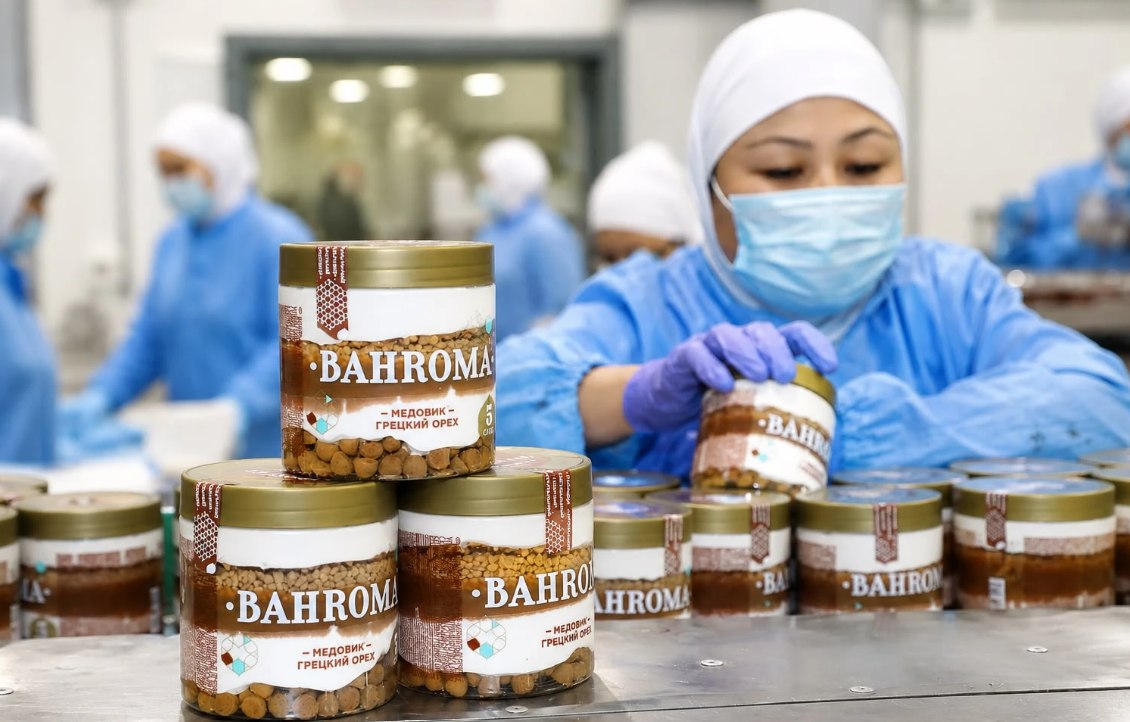
    South Korea’s food cluster agency signed a partnership on Tuesday with Kazakhstan’s Shin-Line Group to build an industrial food hub and expand bilateral market cooperation.

    The agreement opens a pathway for food producers from the National Food Cluster in Iksan to gain access to Central Asia’s largest ice cream manufacturer and its network of about 70 CU convenience stores.

    Advisory terms and network access

    Korea Food Industry Cluster Promotion Agency Chairperson Kim Deok-ho and Shin-Line Group Chairman Andrei Shin signed the memorandum of understanding at the Four Seasons Hotel in Seoul during the Korea-Kazakhstan Business Roundtable. Under the agreement, the Korean agency will consult on operating strategies, infrastructure planning, and enterprise support programs for the planned food cluster.

    Packaged goods made by tenants at South Korea’s National Food Cluster will flow directly into Shin-Line’s retail footprint. The company operates local production plants, cold-chain routes, and roughly 70 CU franchised convenience stores across Kazakhstan.

    Supply chains push into Central Asia

    For Korean packaged food manufacturers, the deal tackles their toughest operational bottleneck in Central Asia: shelf space and cold-chain logistics. Exporters entering Kazakhstan typically face fragmented wholesale channels and unpredictable refrigerated transport. Partnering with Shin-Line gives suppliers an immediate pipeline into modern convenience retail.

    Operational risk centers on product fit and price positioning. Central Asian consumers embrace Korean pop culture, but everyday convenience store spending remains sensitive to freight costs and local purchasing power. Shin-Line must balance higher-margin imported Korean inventory with high-turnover domestic staple foods. That balance keeps store traffic steady.

    Expanding the Iksan blueprint

    In North Jeolla Province, the Korean agency runs the National Food Cluster in Iksan, providing research, development, and pilot production support to domestic food processors. The Kazakhstan project exports that state-managed industrial model. It also secures captive export destinations for cluster tenants.

    This agreement provides an opportunity to expand food industry cooperation with Kazakhstan by drawing on our experience operating the National Food Cluster.

    Store counts and development timeline

    Teams from both sides will now set working schedules for technical consultations on the industrial park and outline vendor requirements for Korean exporters. The key early milestone is tracking how quickly National Food Cluster packaged lines reach shelves across Shin-Line’s 70 CU stores in Kazakhstan.

  • Global Memory Shortage to Squeeze Device Makers Through 2027

    Global Memory Shortage to Squeeze Device Makers Through 2027

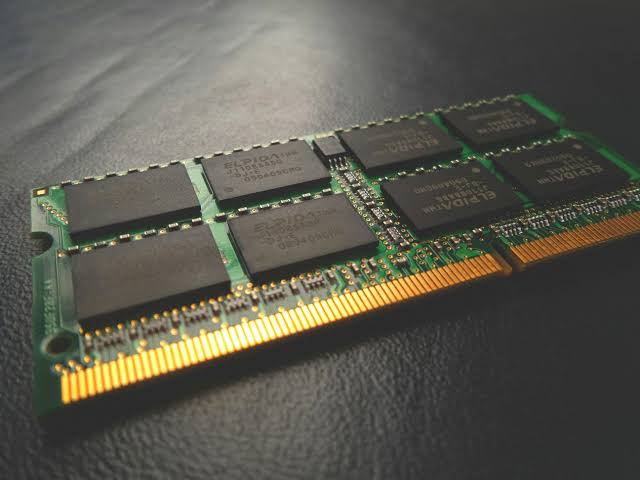
    A global memory chip shortage will squeeze independent phone and laptop makers through 2027, forcing product redesigns and price increases across entry-level consumer electronics.

    Counterpoint Research forecasts worldwide smartphone shipments will drop 13.9 per cent this year to 1.08 billion units, marking the steepest annual decline on record as memory costs make low-cost handsets uneconomical to produce.

    Memory now accounts for almost 60 per cent of the bill of materials on handsets priced around $400, according to Raymond van Eck, chief executive of Dutch repairable-phone maker Fairphone. Component availability rather than unit price has become the primary operational bottleneck for smaller manufacturers.

    Surging Prices and Supply Bottlenecks

    Market researcher TrendForce expects conventional volatile memory (DRAM) contract prices to climb 13 to 18 per cent this quarter, following a 93 to 98 per cent surge in the first quarter. The prolonged imbalance stems from severe production limits at major Asian fabricators.

    In July, the chief executive of South Korea’s SK Hynix warned that 2027 would be the worst year in industry history for supply availability, projecting that demand will exceed fab capacity past 2030.

    If you don’t have allocation, you’re out of the game anyhow.

    Smaller hardware makers are taking defensive operational measures to secure volume. Framework, a US-based modular laptop producer, now submits noncancelable purchase orders without confirmed delivery schedules, prices or volumes to maintain supplier allocation.

    Engineering Workarounds on the Factory Floor

    Hardware teams are altering board layouts to bypass supply chokepoints. Finnish handset maker Jolla created two distinct motherboard configurations so production lines can switch between integrated memory packages and discrete silicon chips.

    Counterfeit risks have mounted alongside component costs. Jolla now runs stress tests on sample components from every incoming batch to confirm shipments contain new silicon rather than recycled parts repackaged as firsthand inventory.

    Retail pricing strategies differ across hardware brands. Framework reprices machines immediately as raw component invoices arrive, Jolla introduced a standalone paid tier for memory upgrades, and Fairphone has held retail prices steady to protect volume.

    Shifting Inventory Dynamics

    Supply hoarding accelerated late last year when hardware makers realised the severity of Asian fabrication deficits. Companies attempted to build inventory buffers simultaneously, pulling forward chip volumes and compounding market tight spots.

    Jolla executives noted that combined storage and DRAM module costs peaked in late March and held flat through summer, averting earlier projections that component prices would double by autumn. Supply parity across mobile and personal computing memory lines is not projected to return until 2028.

  • Exchange Traded Concepts Launches 20-Stock Korea Semiconductor ETF on NYSE Arca

    Exchange Traded Concepts Launches 20-Stock Korea Semiconductor ETF on NYSE Arca

    Exchange Traded Concepts announced Monday it has partnered with Kiwoom Securities (USA) to launch the KICK Korea Semiconductor Index ETF on NYSE Arca under the ticker KCHP.

    The fund tracks an index of 20 semiconductor companies listed on the Korea Exchange across memory, foundry, equipment, materials, packaging, and design, anchored by Samsung Electronics and SK Hynix.

    How the Index Structure Works

    American institutional and retail buyers can now trade direct exposure to South Korea’s chip supply chain through standard brokerage accounts. They do not need local accounts on the Korea Exchange. Because underlying assets trade in Korean won, currency swings against the US dollar will directly affect net investor returns.

    Exchange Traded Concepts uses a modified market-capitalization weighting model to cap exposure to individual heavyweights. This structure prevents Samsung Electronics and SK Hynix from dominating the fund. Beyond the two primary chipmakers, the basket holds domestic producers of specialty materials, design houses, packaging contractors, and manufacturing equipment.

    The Play on Asian Hardware Suppliers

    Most broad Asian equity funds dilute exposure across consumer internet, banking, and conglomerates. That dilution blunts direct participation in the memory chip cycle. Packaging Korea’s specialized fabrication network into a single product targets investors seeking pure hardware exposure tied to global computing infrastructure, bypassing single-stock settlement risk on Seoul’s bourse.

    Earnings power remains heavily concentrated at the top. The supply chain beneath Samsung and SK Hynix relies directly on the capital spending plans of those two anchor tenants. When memory pricing or capital budgets swing in Seoul, ancillary tooling and packaging vendors face sharper revenue volatility.

    Tracking Capital Shifts Across the Pacific

    Yoon Gu Eric Lee, president and CEO of Kiwoom Securities (USA), said the index captures the secondary equipment, materials and design companies built around the country’s memory and foundry sectors.

    Trading in KCHP will test US investor appetite for targeted Asian hardware suppliers. Portfolio managers will have to balance foreign-exchange risk against direct equity holdings in Seoul.