Tag: south korea

  • Google Chrome Logs 260 Million Hours to Lead Naver in Korea

    Google Chrome Logs 260 Million Hours to Lead Naver in Korea

    Google Chrome logged 260 million hours of mobile usage in South Korea in September, extending its lead over local portal Naver for the fifth consecutive month.

    Chrome held the top spot after outpacing Naver’s 240 million hours during the month, according to mobile app analytics firm Wiseapp Retail.

    Breakdown of Mobile Browser Usage

    Samsung Internet took third place with 130 million hours. Together, the top three applications generated 630 million hours, accounting for about 80 percent of total usage time among the country’s 10 most-used search and browser apps.

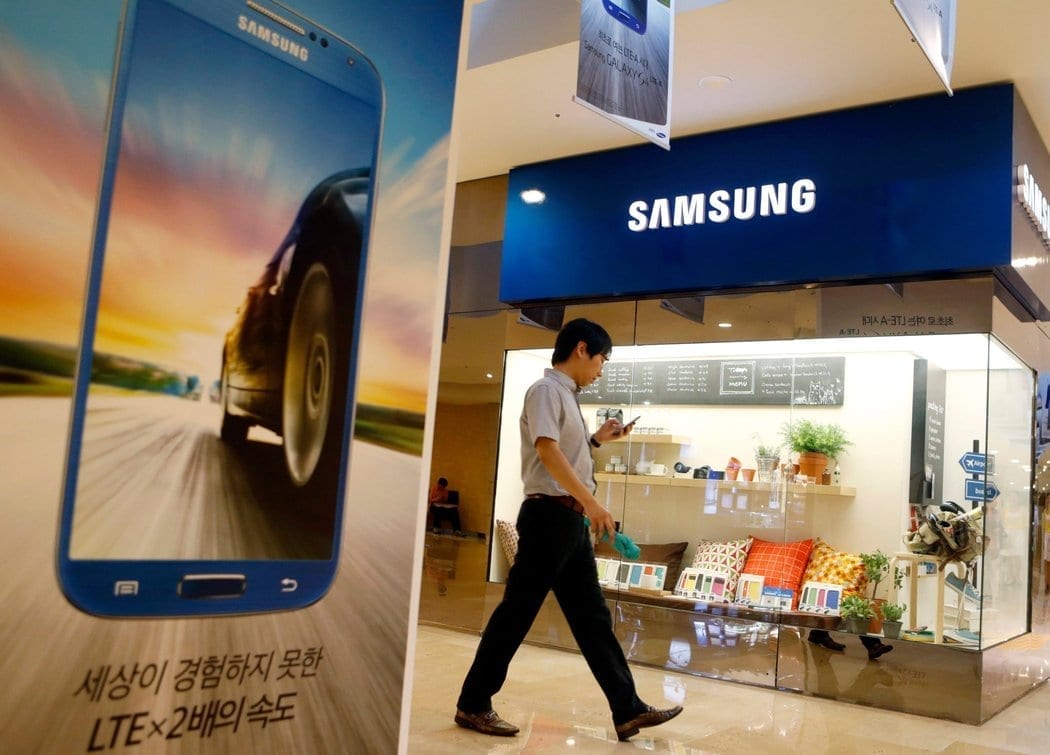
    Google’s search app came fourth with 87 million hours, followed by Brave with 38 million hours and Daum with 23 million hours.

    Whale recorded 5.7 million hours, while Nate and Firefox each logged 3.5 million hours. Microsoft Edge rounded out the top 10 with 1.8 million hours.

    Shifting Consumer Gateways

    For brands and digital retailers in South Korea, the continued shift away from Naver’s integrated ecosystem toward Chrome reshapes consumer discovery pathways. Naver built its commercial engine by bundling search results directly with its own shopping comparison engine, smart stores, and payment rails. When shoppers conduct queries directly in a web browser rather than inside Naver’s walled garden, default search engine settings and standard web indexing dilute that proprietary checkout loop.

    Google’s expanding footprint also splits consumer attention between dedicated mobile apps and direct web links. Retailers that previously focused technical resources exclusively on Naver SEO and proprietary storefronts now face higher ad spending requirements to capture high-intent buyers across multiple independent search feeds.

    Consolidation in Korea’s Smartphone Base

    Chrome first overtook Naver in monthly South Korean usage time in May. The transition follows years of Naver holding an undisputed grip over domestic web navigation, supported by localized content directories and dedicated shopping integrations.

    Wiseapp Retail based the September findings on mobile tracking data drawn from a panel representing 51.39 million smartphone users nationwide. That sample pool reflects 36.7 million Android device owners alongside 14.69 million iOS users across South Korea.

    The Next Benchmark for Domestic Portals

    Attention turns to whether Naver can arrest the engagement gap in fourth-quarter figures as domestic e-commerce traffic peaks during seasonal retail sales. With total usage across the top three players holding at 630 million hours, the immediate battle centers on whether Naver’s retail integrations can recover lost ground against Chrome’s default presence across South Korea’s 36.7 million Android handsets.

  • Seoul District Expands Corporate Chain Ban Across 232 Seongsu Land Parcels

    Seoul District Expands Corporate Chain Ban Across 232 Seongsu Land Parcels

    Seoul’s Seongdong District will bar large corporate food and beverage franchises across 232 commercial land parcels in Seongsu-dong starting this December. The decision widens municipal zoning controls to protect independent operators.

    Targeted areas include key commercial arteries along Bangsongdae Street and sections of Yeomujang Street. Previous restrictions applied only to Seoul Forest Road.

    Under the revised rules, standard restaurants, cafes and bakeries run by corporate chains cannot open new outlets within designated zones. They must fall below statutory size thresholds or secure approval from a local resident committee. District officials also designated 82 of those parcels for strict architectural preservation. Developers and tenants there must maintain red-brick facades reflecting the area’s history as a shoemaking and auto-repair hub.

    Targeting High Rents and Franchise Homogeneity

    Municipal planners designed the intervention after unchecked commercial rents hollowed out other fashionable Seoul enclaves over the past decade. Garosu-gil in Sinsa-dong and Samcheong-dong near Gyeongbok Palace both lost footfall when corporate flagships displaced independent artisans. Lease rates surged, leaving behind high commercial vacancies.

    Officials intervened early in Seongsu’s core corridors to keep commercial rents manageable for creative tenants. The decision closes off lucrative foot-traffic streets to multi-unit food operators and international retail groups. These companies must now push expansion toward secondary retail nodes or adopt smaller store formats.

    Regulating Pop-Up Retail and Temporary Leases

    The revised Sustainable Community Plan is the district’s first comprehensive policy overhaul in nearly ten years. Beyond standard retail leasing, the framework tackles short-term pop-up shops. Rapidly proliferating pop-ups have driven up temporary rents and created friction with permanent neighborhood businesses.

    District administrators plan to set up public-run pop-up spaces, publish standardized operating rules for temporary venues and inspect commercial corridors weekly. Property management will shift toward a private-led governance structure called Seongsu Town Management. That framework gives local shop owners and residents direct oversight of commercial activity.

    “Seongsu-dong’s core competitiveness lies in the unique personality and diversity built together by its local community,” said Seongdong District chief Ryoo Bo-hwa. “Through these policies, we will ensure that Seongsu-dong retains its distinct charm while allowing the local community and local businesses to grow together sustainably.”

    The Precedent Set for Commercial Real Estate

    Landlords along Yeomujang Street face tighter leasing rules that limit tenant pools to independent concepts and approved small operators. These restrictions prevent sudden rent spikes from corporate bidding wars. However, they also cap immediate yields for property owners who previously relied on corporate F&B chains for long-term leases.

    The policy tests whether municipal zoning can protect artisanal shopping streets from displacement without choking off private capital. Retailers and investors now turn their attention to resident review committees, which will begin processing initial exemption applications when the rules take effect in December.

  • Seoul Starts $184M Yongsan Electronics Market Overhaul into AI Hub

    Seoul Starts $184M Yongsan Electronics Market Overhaul into AI Hub

    Seoul broke ground this month on the redevelopment of Yongsan Electronics Market, committing 247 billion won ($184 million) in developer contributions to transform the district into an artificial intelligence cluster.

    The project covers eight of the market’s 11 commercial zones, replacing a cluster of 20 aging buildings where vacancy rates previously exceeded 60 percent with high-density tech labs, software offices, and modern retail premises.

    Building permits and zoning approvals

    Municipal authorities issued building permits for four initial zones, clearing the way for work to start on Zone 5, the primary gateway into the complex. The approved blueprints designate dedicated floor space for research and development labs, digital media studios, and technology startup incubators alongside leisure, cultural, and sports facilities.

    Pedestrian connectivity forms the backbone of the physical master plan. The municipal government will construct a 570-meter elevated walkway running east to west, linking individual blocks through 11 pedestrian bridges that connect directly to Yongsan Station.

    “With this first groundbreaking, Yongsan Electronics Market is beginning a new chapter as a growth hub for AI and ICT,” said Kim Chang-gyu, director-general of the city’s Balanced Development Headquarters.

    Shift from hardware retail to software capital

    Traditional wholesale hardware districts across Asia face identical structural obsolescence as consumer electronics purchasing shifts to digital platforms. Tokyo saw Akihabara pivot toward gaming and subculture retail decades ago, while Shenzhen turned Huaqiangbei into an agile hardware incubator. Yongsan failed to execute either pivot during the early 2010s, allowing e-commerce platforms to capture consumer hardware sales while physical foot traffic collapsed.

    Landlords and retail operators now face a compressed transition window. Commercial operators that survived on low-margin component sales and physical assembly must pivot toward enterprise tech services, while property managers must lease to institutional corporate tenants rather than independent stallholders. The primary commercial risk rests on leasing speed, as developers must fill vast R&D footprints in central Seoul while tech companies remain selective on commercial real estate commitments.

    Integration with Yongsan Business District

    The overhaul links directly to the adjacent Yongsan International Business District development. Seoul Mayor Oh Se-hoon first framed the district’s repositioning under an ambition to build Asia’s Silicon Valley in 2021, which led to the city’s formal redevelopment master plan in June 2023.

    Work originally began in the area when Yongsan Electronics Market opened in 1987, dominating South Korea’s PC and mobile retail trades through the 1990s before e-commerce platforms eroded storefront sales. The current construction phase will advance across the four permitted zones before the city reviews building permits for the remaining four development sectors.

  • Bitcoin Trades at $83,408 as Crypto Markets Track Asia Trading Moves

    Bitcoin Trades at $83,408 as Crypto Markets Track Asia Trading Moves

    Bitcoin held steady at $83,408.20 on October 13, 2026, gaining $19.57 over the previous morning as trading volumes remained subdued across major digital asset desks.

    The benchmark cryptocurrency is down 27.64 per cent from $115,278.48 a year earlier, representing a value loss of roughly $31,870 per token despite an 7.95 per cent rebound over the past month from $77,261.09.

    Total market capitalisation for Bitcoin stands at $1.33 trillion, maintaining its dominant position over alternative tokens. Second-ranked Ethereum fell 1.97 per cent over twenty-four hours to $2,503.64, extending a 41.02 per cent drop from $4,245.28 recorded twelve months prior and fixing its valuation at approximately $233 billion. Tether followed with a $183 billion market cap at $0.99, while cross-border settlement token XRP traded at $1.35.

    Exchange expansion across North Asian hubs

    Retail and institutional trading activity across Asia-Pacific remains central to digital currency liquidity as platforms seek formal integration with regional equity markets. Binance is weighing plans to offer traditional stock trading access to customers in key Asian jurisdictions, including Hong Kong and South Korea. Connecting digital asset wallets to local equities provides centralized exchanges with a direct route to capture cross-asset retail trading flow.

    Brokerages and consumer finance platforms across Hong Kong and Seoul face renewed competition if major crypto venues succeed in securing regulatory approvals for equity products. Traditional securities brokers have spent years defending their fee structures against zero-commission retail apps. A unified interface combining spot crypto, exchange-traded funds and local equities threatens to erode brokerage commission pools across East Asia.

    Balance sheet purchases and corporate exposure

    Corporate treasury allocations have resumed on a targeted scale following sharp drawdowns from record highs. Strategy completed a $21 million purchase of Bitcoin as corporate buying activity showed signs of renewed momentum. Such transactions provide price support, though treasury adoption outside specialized balance sheet operators remains limited to select consumer brands and technology firms.

    Merchant payment adoption continues among high-ticket retail brands such as Ferrari and Tesla, yet everyday consumer transactions across Asian retail checkouts remain dominated by local fiat digital wallets. Crypto volatility makes inventory pricing difficult for retailers operating on thin margins. For department stores and supermarket operators, processing volatile tokens directly creates currency exposure that standard payment gateway conversions cannot fully eliminate.

    Retracing the October 2025 record peak

    Current price levels reflect a prolonged correction from historic highs set in late 2025. Bitcoin established an all-time record of $126,198.07 on October 6, 2025, before dropping roughly 30 per cent into the close of that calendar year. Ethereum experienced an identical trajectory, peaking near $5,000 in August 2025 before losing half its valuation over the subsequent fourteen months.

    Early stages of the cryptocurrency market saw transactions such as developer Laszlo Hanyecz exchanging 10,000 Bitcoins for two pizzas in 2010, an allocation valued today at more than $668 million. Long-term appreciation exceeds 15,000 per cent over the past decade, yet steep cyclical contractions continue to challenge institutional risk models and consumer holding appetite.

    Regulatory filings and automated order flow

    Trading desks are turning toward automated infrastructure to manage market shifts. Developer teams across the crypto sector are deploying artificial intelligence agents capable of executing autonomous trades, shifting volume away from manual retail orders toward programmatic systems. These tools operate continuously across global venues, tightening spreads during Asian daytime hours.

    Regulatory scrutiny over exchange asset segregation and cross-border token transfers remains the primary hurdle for wider banking integration across Asia. Licensing authorities in Hong Kong continue to review platform permissions, while financial watchdogs in Seoul maintain strict compliance rules on investor identity checks and domestic bank linkages. Market participants are monitoring whether Binance submits formal filing documents for stock trading services in either jurisdiction before the end of the fourth quarter.

  • AI Could Offset Asia’s 25% Workforce Loss by 2050, IMF Says

    AI Could Offset Asia’s 25% Workforce Loss by 2050, IMF Says

    Artificial intelligence could help offset Asia’s shrinking workforce as populations age if adoption is scaled evenly across the region, the International Monetary Fund said on Monday.

    IMF Managing Director Kristalina Georgieva said at a book launch during meetings at the Queen Sirikit National Convention Center that AI is projected to lift growth in advanced Asia by 0.5 to 1 percentage point, more than offsetting demographic pressure if productivity is captured.

    The demographic drop in North Asia

    Countries including China, Japan and South Korea could lose nearly 25 percent of their working population between now and 2050, according to findings in the IMF book, though productivity gains from AI could offset that loss.

    IMF Managing Director Kristalina Georgieva presented the findings during the IMF and World Bank annual meetings at the Queen Sirikit National Convention Center. She identified demographics, regional trade integration and artificial intelligence as the three central shifts deciding Asia’s economic trajectory.

    AI is projected to lift up growth in advanced Asia, where the ageing populations are, somewhere between half a percentage and one percentage point… And what is amazing is that if the countries capture productivity and this growth, they will more than offset the demographic pressure

    Divergence between rich and emerging markets

    The gap between mature industrial economies and developing Southeast Asian nations creates an uneven playing field for artificial intelligence rollout. Wealthier hubs possess the computing infrastructure and capital required to automate white-collar tasks and industrial workflows quickly.

    Developing markets face different exposure levels. Krishna Srinivasan, director of the IMF Asia and Pacific department, warned that emerging economies have fewer automated jobs today but also lack the capital to capture software-driven productivity gains without targeted policy support.

    Supply chains and operational exposure

    For consumer goods manufacturers, retailers and logistics operators across Asia, the findings point to immediate operational choices. Supply chain networks that depend on cheap labour in aging hubs must substitute headcount with automated fulfilment, inventory forecasting and automated sorting.

    Retailers in Japan and South Korea already operate with automated store checkouts and robotic warehouse pickers to handle persistent staffing shortages. Expanding those systems into Chinese manufacturing corridors will determine whether factory gate prices stay stable as industrial payrolls shrink.

    Trade barriers and reform timelines

    Technology alone will not solve structural regional slowdowns without cross-border commerce reforms. Lowering non-tariff barriers and deepening trade pacts across Asia would expand regional gross domestic product by approximately 1.8 percent over the long term.

    Srinivasan noted that national workforce training programmes and regulatory reforms can accelerate enterprise adoption of artificial intelligence tools by a decade or more. Asian policymakers now face the task of drafting common digital standards and labour retraining budgets before the projected 2050 workforce contraction reaches its steepest curve.

  • Bandai Expands Tamagotchi Licensing Across Asia Ahead of 30Th Anniversary

    Bandai Expands Tamagotchi Licensing Across Asia Ahead of 30Th Anniversary

    Japanese toymaker Bandai is expanding licensing partnerships for its Tamagotchi digital pet franchise across China and South Korea ahead of the device’s 30th anniversary next month.

    The Tokyo-based company is deploying the intellectual property across apparel, cosmetics and K-pop merchandise partnerships to build recurring revenue streams outside traditional toy hardware.

    Licensing Push Across Key Asian Markets

    Bandai’s regional push relies on third-party manufacturers and retail partners to adapt the egg-shaped digital pet identity into lifestyle categories. Instead of depending solely on standalone electronic device shipments, the company is licensing Tamagotchi character designs and branding to cosmetics producers, fast-fashion brands and entertainment agencies across East Asia.

    South Korea serves as a primary testbed for entertainment tie-ins, where collaborations with K-pop talent connect the vintage Japanese property with teenage and young adult demographics. In China, retail distribution leans heavily on character merchandise concessions and co-branded beauty collections aimed at millennial consumers who grew up with the original 1990s release.

    Shift from Hardware to Brand Royalties

    For toy manufacturers across Asia, hardware cycles carry inventory risk and seasonal sales volatility. Transitioning legacy electronic properties into multi-category licensing deals shifts capital requirements onto licensees while securing high-margin royalty streams for the parent company.

    Retail buyers and department store operators across Seoul and Shanghai gain proven nostalgia properties that drive foot traffic without requiring dedicated electronics shelf space. The primary commercial risk lies in overexposure, where indiscriminate brand placement across low-tier merchandise can dilute character value and shorten the commercial lifespan of anniversary campaigns.

    Building on Global Intellectual Property

    Japanese entertainment groups have steadily reoriented their international operations toward intellectual property monetisation. Bandai Namco Holdings has applied similar playbooks to its Gundam model kit franchise and video game properties, scaling retail pop-ups and branded apparel lines across mainland China, Taiwan and Southeast Asia.

    Tamagotchi first debuted in Japan in November 1996 before becoming a global consumer electronics phenomenon in the late 1990s. Bandai has revived the hardware line periodically with wireless and colour-screen iterations, but the latest regional campaign prioritises third-party consumer goods over device manufacturing.

    Milestones to Watch

    Commercial performance across the autumn retail calendar will show whether licensing revenue can sustain momentum beyond the initial anniversary marketing cycle. Bandai heads into the November 2026 anniversary window with additional Asian retail rollouts scheduled across specialty stores and regional e-commerce platforms.

  • Lotte Signs Blackpink Jennie as Foreign Spending Drives Record Department Store Profits

    Lotte Signs Blackpink Jennie as Foreign Spending Drives Record Department Store Profits

    Lotte Department Store signed Blackpink singer Jennie for a yearlong campaign. The deal follows foreign shoppers pushing international sales past 1 trillion won for the first time.

    The agreement gives South Korea’s largest department store operator its first brand ambassador in seven years. It covers 31 domestic branches and four outlets in Vietnam and Indonesia.

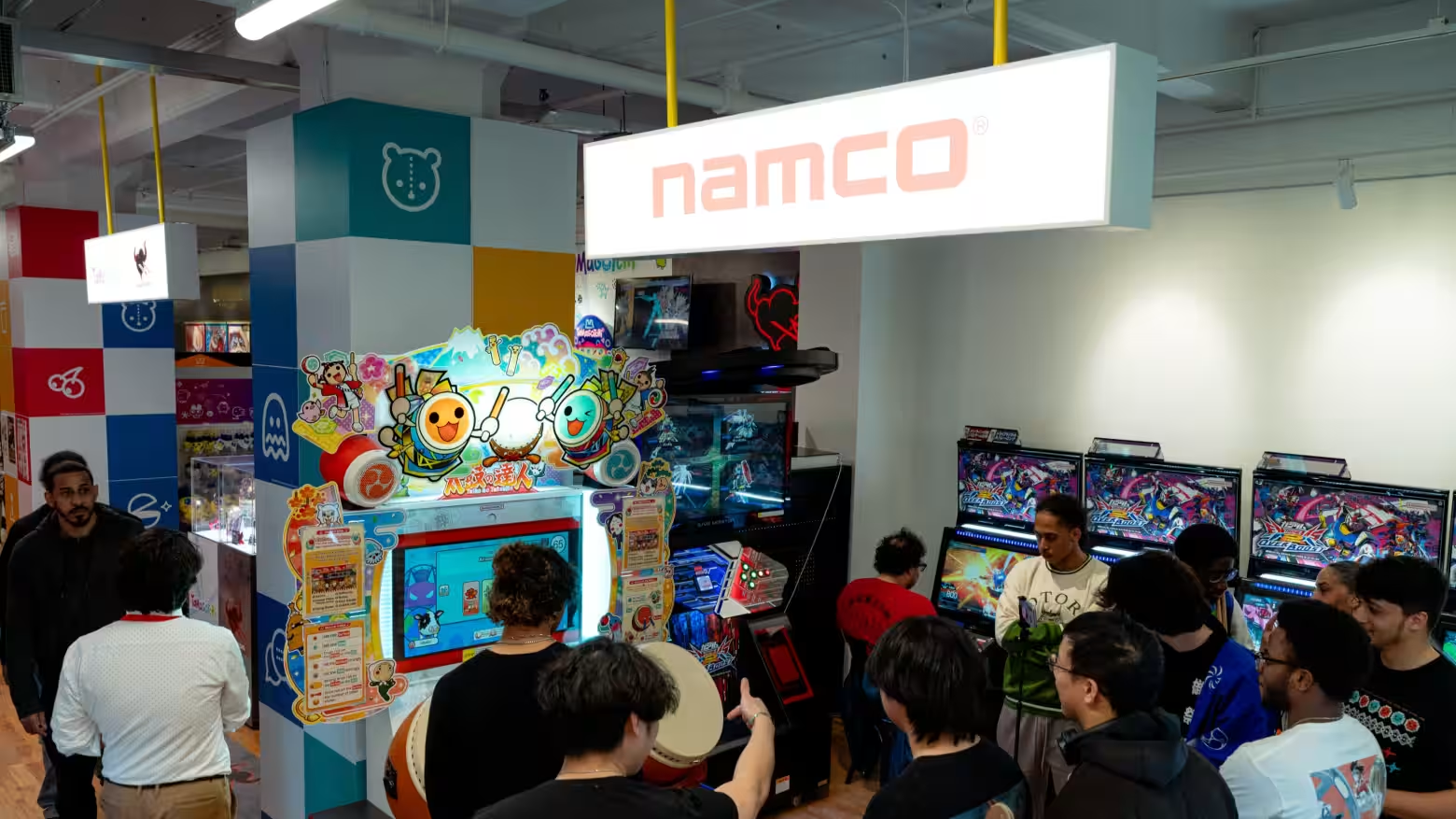
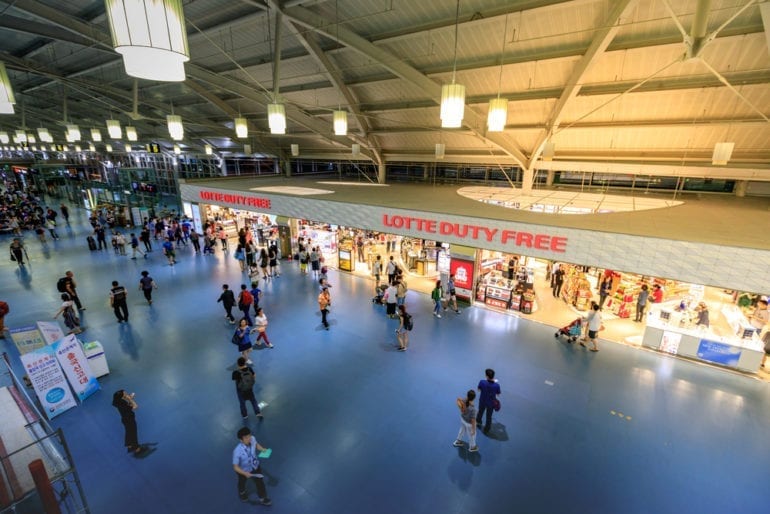
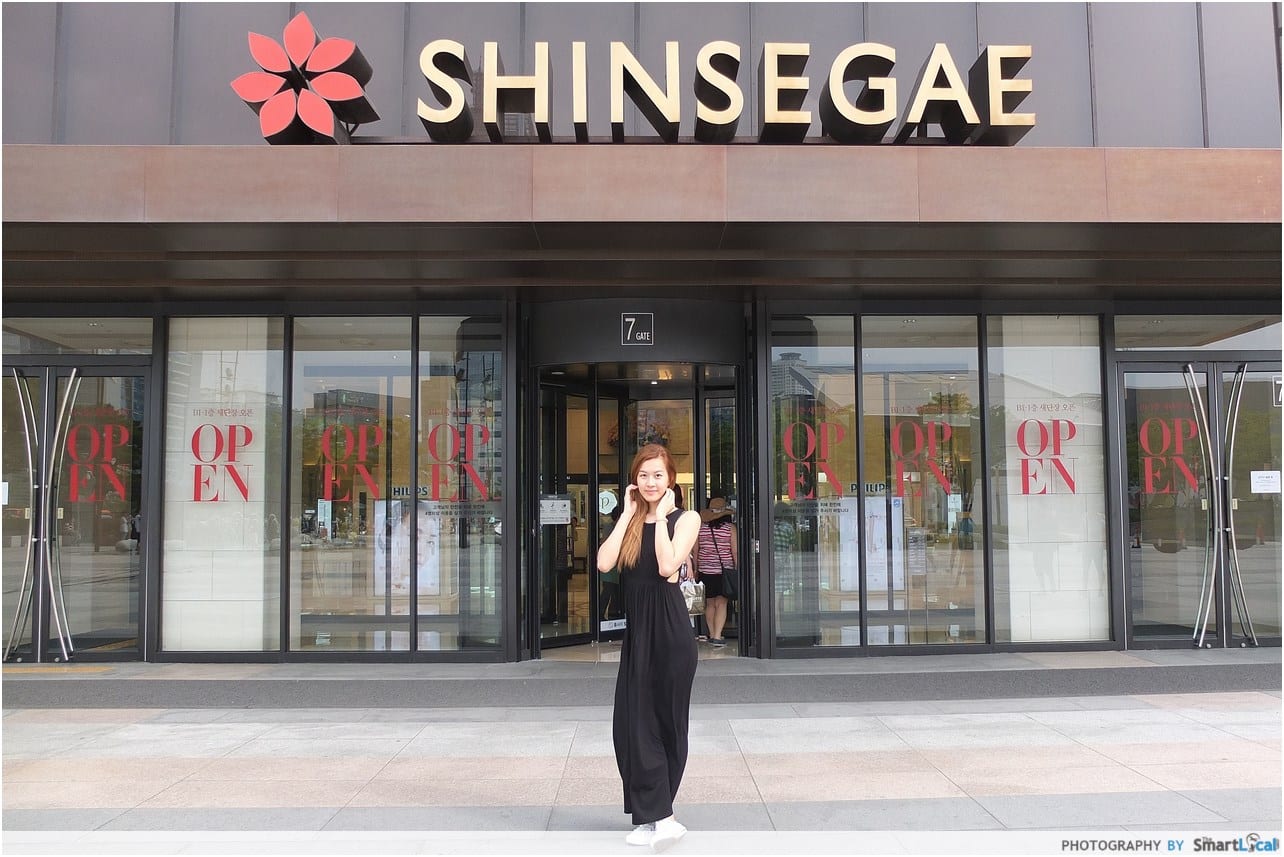
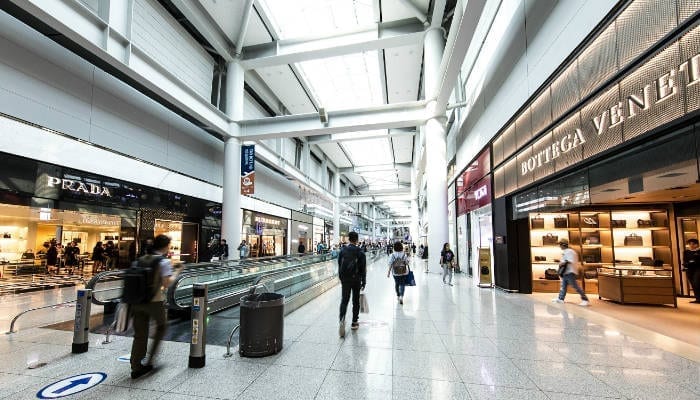
    Promotions launch in October across central transit hubs, including Incheon Airport and Seoul Station. Shinsegae Department Store counters without a formal contract. The rival chain, which operates 13 locations nationwide, features rookie group Allday Project member Annie on the digital screen outside its Myeong-dong flagship through Oct. 18. She is the daughter of Shinsegae Inc. Chair Chung Yoo-kyung.

    Foreign Footfall Rewrites Merchandising Strategies

    Department store operators across East and Southeast Asia spent years phasing out celebrity-driven advertising in favour of direct luxury brand partnerships. Rising tourist traffic reversed that playbook in Seoul. Floor plans evolved from standard retail halls into cultural destinations for international visitors.

    Foreign visitors spent 14.02 trillion won ($10.5 billion) on credit cards across South Korea from January through August. That represents a 48.5 percent increase from a year earlier, according to the Ministry of Culture, Sports and Tourism. Overseas visitors now generate almost 30 percent of total sales at the Myeong-dong flagships of both Lotte and Shinsegae. That share stood at 15 percent in 2024.

    “By combining our ambassador’s global influence with Lotte Department Store’s brand value, we will widen our reach to customers worldwide,” said Lotte Department Store CEO Jung Hyun-seok.

    Flagship Showdowns in Myeong-dong

    Concentrated tourist demand inside central Seoul creates intense pressure on prime retail real estate. Lotte built a dedicated hall for domestic fashion labels that draws most of its volume from inbound travellers. Shinsegae consolidated K-pop merchandise, packaged snacks, and domestic apparel labels onto a single tourist floor.

    Competition extends directly to the street. Shinsegae uses its building-scale outdoor digital media screen to display cultural and pop music content. Lotte plans to counter with an even larger outdoor display panel on its own building facade in December.

    Surging Operating Profits Across Both Chains

    Record quarterly and half-year earnings followed the spending surge. Lotte generated roughly 640 billion won in sales to overseas shoppers during the first half. Shinsegae collected 580 billion won from the same demographic.

    Second-quarter results set new records. Lotte’s department store division reported revenue of 891.2 billion won, lifting operating profit 84 percent to 119.7 billion won. Shinsegae posted store revenue of 738.5 billion won, up 17.5 percent, while operating profit jumped 53.5 percent to 108.8 billion won.

    First-half tallies confirmed the trend. Lotte expanded six-month operating profit by 54.8 percent to 295.9 billion won on revenue of 1.69 trillion won. Shinsegae grew first-half operating profit 39.7 percent to 249.9 billion won as division revenue reached 1.48 trillion won.

    Southeast Asian Footprint and Year-End Targets

    Across Southeast Asia, the celebrity campaign supports a retail footprint of four department stores in Vietnam and Indonesia. Cross-border brand recognition directly affects footfall in those assets. Korean lifestyle and beauty concepts drive the tenant mix at each location.

    Lotte had not used a single advertising model since actress Shin Min-a fronted its promotions in 2017. Its Myeong-dong flagship alone generated approximately 520 billion won of the retailer’s 1 trillion won in foreign sales this year. The chain focuses on maintaining foreign customer volumes into the final quarter.

    Both department store chains turn next to year-end campaigns for the winter travel season, led by the December opening of Lotte’s expanded media wall in Myeong-dong.

  • South Korea May Ban Unlicensed Foreign Banks from Arranging Global Bonds

    South Korea May Ban Unlicensed Foreign Banks from Arranging Global Bonds

    South Korea is preparing rules to bar investment banks without local securities licenses from arranging overseas bond sales for domestic companies. The restriction targets offshore bookrunners managing Korean paper. It shuts out institutions lacking registered branches or financial investment licenses inside the country.

    The Ministry of Finance and Economy initiated the push through the Korea Financial Investment Association. It sent member brokerages a survey on October 1 to gauge support for the measure. Regulators gave firms a 24-hour turnaround to state their position. The questionnaire demanded identifying details, including the respondent’s company name, department, and contact information.

    Survey Excludes Corporate Borrowers and Offshore Dealers

    Officials limited the consultation to foreign securities brokerages that already hold domestic branches or local subsidiaries. They omitted offshore investment banks facing exclusion. Korean corporate borrowers that rely on overseas debt markets to fund international operations and refinance dollar obligations were also excluded.

    Foreign brokerages operating in Seoul privately questioned the design of the review. The finance ministry issues foreign exchange stabilization bonds directly. That puts domestic desks in the position of answering queries from their primary public-sector client.

    When foreign exchange stabilization bonds and others are issued, the ministry is also a key client, so the structure makes it hard to give answers that go against the government’s wishes.

    Tighter Control Over Cross-Border Financing Channels

    Forcing issuers to work strictly with locally licensed entities shifts fee revenue to desks with a physical presence in Seoul. Global banks running debt syndicates out of Hong Kong or Singapore face a choice. They must route mandates through their Korean corporate units or surrender underwriting mandates entirely.

    Korean conglomerates and tech groups issuing dollar, euro, or yen notes will face a smaller roster of lead arrangers. Restricting the offshore dealer network reduces direct access to specialized international investor books. That raises the risk that pricing spreads widen when issuers need offshore liquidity.

    Treasury Intervention Follows Market Sell-Off

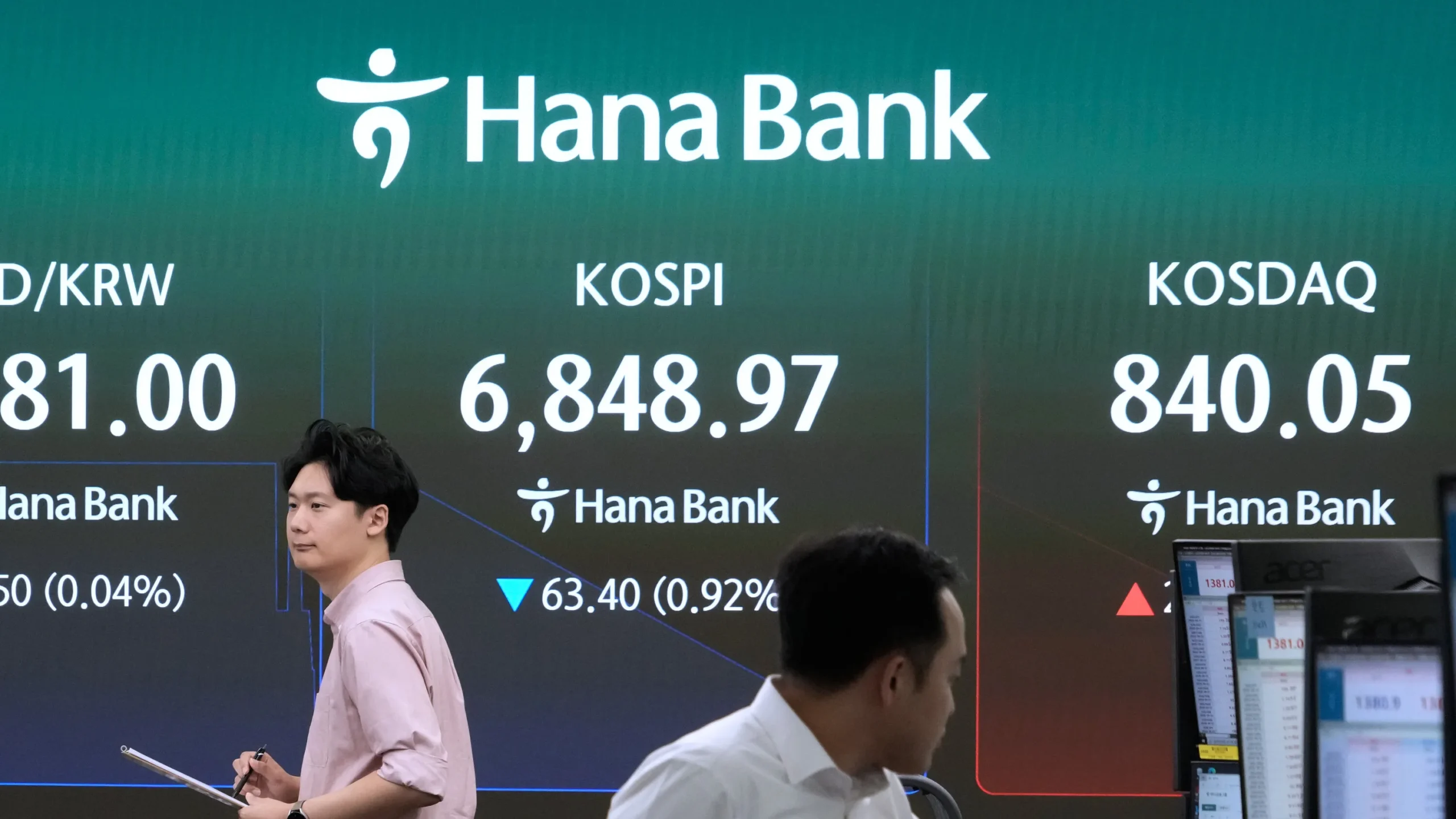
    This regulatory step coincides with broader state measures to stabilize domestic sovereign debt. The yield on benchmark three-year Korean government bonds rose 11 basis points to 4.11 per cent in early October. That matched November 2022 highs and touched levels close to four-year peaks.

    Finance Minister Lee Hyung-koo announced a 5 trillion won ($36.7 billion) reduction in government bond issuance for October. The ministry also flagged readiness to deploy early debt redemptions and open-market repurchases with the Bank of Korea to counter volatile secondary trading.

    Earlier Legal Reviews Resurface in Seoul

    Regulators previously examined a legal framework to restrict unlicensed offshore investment banks in 2019 before shelving the draft. The international finance division of the finance ministry revived the plan this month by formalizing the association-led poll.

    The finance ministry has finished collecting survey responses through the Korea Financial Investment Association. Officials are now reviewing the feedback to draft the final regulatory text for foreign bond underwriting.

  • AI Tools Used in Cyberattacks on South Korean Banks

    AI Tools Used in Cyberattacks on South Korean Banks

    Hackers used artificial intelligence agents to breach at least nine South Korean financial institutions in October 2026. The attack compromised personal data from more than 25,000 banking customers.

    Major domestic lenders bore the brunt of the intrusions. Shinhan Bank reported 25,000 compromised customer records, while KB Kookmin Bank confirmed 119 leaked customer profiles.

    Automated Penetration Tools In Action

    Running from late September to early October, the campaign relied on an open-source security tool named ARTEX paired with Anthropic’s Claude Code. A Chinese security researcher using the alias Autumn published ARTEX on GitHub earlier this year. The software functions as an automated penetration agent. It links directly into external large language models including ChatGPT, Claude and DeepSeek to run vulnerability tests across target servers.

    The software repository explicitly restricts use to local testing and research. Even so, the attacker weaponised the framework against live online banking infrastructure. Cybersecurity firm CrowdStrike tracked the interactive sessions. The firm found that the operator fed target environments directly into AI coding interfaces to accelerate intrusion paths and system mapping.

    Traces Left In Model Prompts

    During the operation, the operative inadvertently leaked personal information directly into model prompt logs. Session records show queries asking where threat actors sell compromised Korean databases and requesting specific Korean data-trading channels on Telegram. In a separate prompt, the attacker instructed Claude to compile a curriculum vitae. That document contained a personal Telegram handle, educational background, age and an address in Maoming, Guangdong province.

    Digital infrastructure and Chinese-language prompts pointed investigators toward a 26-year-old individual operating out of southern China. “While this activity has not been attributed to a named adversary, the threat actor is likely a Chinese speaker and financially motivated,” CrowdStrike stated in its findings.

    Operational Risks For Retail Banking

    Automated AI penetration shifts the economics of perimeter defense for financial institutions and retail digital banking platforms across the Asia-Pacific region. Attackers no longer need deep bespoke code writing. Open-source agents can autonomously test attack surfaces and parse enterprise firewalls around the clock at negligible cost. Traditional web application filters now face automated scanning that iterates faster than standard manual patch schedules.

    Commercial banks face compounding costs from consumer notification mandates, regulatory fines and identity theft remediation. Containment protocols must now focus on rapid API throttling and continuous identity verification rather than static perimeter defenses. Retail platforms managing high volumes of consumer payments and stored credentials represent immediate targets as autonomous agent frameworks lower execution barriers.

    Escalating AI Incursions In Asia-Pacific

    Earlier incursions set the stage. In June, an autonomous AI agent breached a government health portal in Australia in one of the region’s earliest documented cases of autonomous agent exploitation. Financial regulators in Japan and South Korea had heightened network surveillance earlier this year as code-generation tools expanded the volume of automated attack scripts circulating in private forums.

    Police in South Korea opened a formal criminal investigation into the nine targeted institutions this week following directives from President Lee Jae Myung for immediate security interventions. Regulatory authorities in Seoul are auditing network logs across commercial lenders to determine if secondary data exfiltration occurred before defensive patches took effect.

  • Samsung Electro-Mechanics Commits $5 Billion to Vietnam and Korean Substrates

    Samsung Electro-Mechanics Commits $5 Billion to Vietnam and Korean Substrates

    Samsung Electro-Mechanics will invest nearly $5 billion by 2028 in semiconductor substrate manufacturing across facilities in South Korea and Vietnam.

    The capital program targets high-end substrates for artificial intelligence servers and high-performance computing systems. Construction is underway in Thai Nguyen province. Samsung is building a dedicated chip testing and component facility there.

    Targeting AI server demand

    This outlay shifts Samsung’s manufacturing footprint in Southeast Asia toward higher-value component fabrication. Substrates connect bare silicon chips to printed circuit boards. Global capacity remains tight because orders for artificial intelligence hardware are surging.

    Data centres and generative model clusters require dense, multi-layer substrate packages that handle high heat and complex routing. Expanding in Vietnam allows the group to split lines between its South Korean base and lower-cost Southeast Asian hubs.

    Vietnam’s push into advanced packaging

    Hardware assemblers across the region are shifting capital away from standard consumer electronics assembly. They are focusing on advanced packaging, testing, and component fabrication. Other conglomerates are running similar programs, including LG with its $1 billion expansion in northern Vietnam.

    Major packaging and substrate plants anchor supply chains for materials suppliers, equipment vendors, and industrial park operators. Thai Nguyen and surrounding northern industrial corridors have evolved from handset assembly clusters into integrated electronics nodes.

    Upgrading from smartphone assembly

    Vietnam built its initial manufacturing base largely on final-stage assembly of consumer devices and mobile handsets. Samsung has long run major smartphone assembly plants in the country. Producing advanced semiconductor substrates represents a technical upgrade for local operations.

    Equipment installation and facility construction will proceed in phases through 2028. The five-year spending plan secures component capacity as enterprise computing demand outpaces consumer electronics.

    Capacity rollout schedule

    Suppliers must still navigate long equipment lead times and heavy utility demands. Substrate processing requires stable electrical grids and continuous cleanroom operations. These requirements will test regional infrastructure.

    Samsung Electro-Mechanics will ramp capacity across both South Korea and Vietnam over the next four years to meet target deployment deadlines by 2028.

  • Shinsegae Backs Paramount Takeover of Warner Bros with $1 Billion

    Shinsegae Backs Paramount Takeover of Warner Bros with $1 Billion

    South Korea’s Shinsegae Group said Tuesday it is investing $1 billion into Paramount Skydance’s acquisition of Warner Bros. Discovery to bring Hollywood entertainment franchises into its retail destinations.

    The capital injection gives the retail operator direct access to global entertainment properties, including Harry Potter, Game of Thrones, Mission: Impossible and Star Trek.

    Joining Ellison and RedBird Capital

    Shinsegae Property, the conglomerate’s real estate arm, committed the funds alongside Paramount Skydance Chairman and CEO David Ellison and US investment firm RedBird Capital Partners in the takeover of Warner Bros. Discovery.

    Plans call for deploying these studio assets across physical developments and digital ecosystems. The group intends to introduce themed entertainment zones and branded experiences directly inside its retail network. This includes Starfield, Starfield Market and Starfield Village complexes across South Korea.

    Bringing Studio IP to Korean Malls

    Traditional department store sales and standard retail leasing models continue to face pressure from e-commerce platforms. Large mall operators in Asia now rely heavily on experiential entertainment, food concepts and exclusive attractions to maintain foot traffic.

    Instead of negotiating one-off licensing agreements for individual mall events, the retailer is taking a direct equity stake at the studio ownership level. That direct involvement reduces third-party licensing friction. Still, it concentrates substantial capital in a volatile global media sector facing heavy streaming transition costs and box office swings.

    Starbay City and Streaming Tie-Ups

    The studio franchises will anchor attractions within the planned Starbay City mega-development in Hwaseong, Gyeonggi Province. Securing Warner Bros. And Paramount titles provides the project with established global film properties capable of drawing international tourists across East Asia.

    Digital integration forms the second leg of the strategy. Shinsegae plans to explore bundling streaming services HBO Max and Paramount+ with loyalty and membership tiers run by its hypermarket chain E-mart and other retail subsidiaries.

    Group leadership also outlined plans to co-produce and license Korean original content for worldwide streaming distribution through the studio partnership. It seeks to capitalise on export demand for domestic drama and film productions.

    “This investment will serve as a stepping-stone for Shinsegae Group to diversify into new business areas that combine entertainment, going beyond a simple equity investment,” the group said.

    The Road Ahead

    The consortium structured the transaction to complete on Tuesday, clearing the path for integration planning between the media conglomerates and the retail property developer. Shinsegae will next begin drafting master plans to integrate studio-themed zones into upcoming Starfield locations and the Starbay City development schedule.

  • Water to Add 123 EV Chargers Across 23 Highway Sites in South Korea

    Water to Add 123 EV Chargers Across 23 Highway Sites in South Korea

    South Korean renewable energy developer Brite Energy Partners will open 23 ultra-fast electric vehicle charging stations across the country’s national highway network through its charging brand, Water. The expansion installs 123 high-output chargers at highway service plazas across Gyeonggi, Chungcheong, Gangwon, and Gyeongsang provinces, with the initial site opening ahead of a scheduled October launch.

    Ultra-fast 400 kW hardware forms the backbone of the rollout, representing 62 of the planned plugs alongside 46 units rated at 200 kW and 15 units at 100 kW. The installation targets high-voltage vehicle architectures capable of drawing top-tier power rates during short rest stops.

    Hardware Mix and Connector Strategy

    Every stall across the 23 locations provides both DC Combo and North American Charging Standard (NACS) plugs. Integrating NACS connectors allows Tesla drivers to draw between 120 kW and 200 kW directly without third-party adapters. Stations with 400 kW units cater directly to 800-volt battery architectures, cutting session lengths during high-traffic travel periods.

    Operations began ahead of schedule at the Cheongju service plaza on the Seoul-bound Gyeongbu Expressway. The site operates as South Korea’s first highway rest stop equipped with 400 kW equipment, pairing two ultra-fast units with two 200 kW chargers.

    Tariffs and Rest Area Expansion

    Registered members receive a promotional electricity rate of 294 won per kilowatt-hour for 12 months following each station’s commission date. That pricing undercuts the Ministry of Climate, Energy, and Environment’s standard roaming tariff for chargers above 200 kW by roughly 100 won per kilowatt-hour.

    Competition among charging point operators in South Korea centers increasingly on access to prime highway concession locations managed by the state turnpike operator. By securing sites through the Korea Expressway Corporation, Water captures high-turnover dwell traffic that commercial urban charging hubs struggle to match.

    “Highway rest areas are essentially the only locations where charging speed directly impacts a driver’s time, which is why we chose to participate in the Korea Expressway Corporation’s infrastructure expansion project by deploying the highest-output chargers available,” said Yoo Dae-won, Head of the Electric Vehicle Charging Business Unit (Water) at Bright Energy Partners.

    Network Footprint Across South Korea

    Placing multi-standard ultra-fast plugs on key intercity routes alters route planning for long-distance fleet operators and passenger drivers alike. The dual-cable design shields the network against connector obsolescence as more international automakers adopt NACS standards alongside existing Combined Charging System protocols.

    Capital intensity remains the primary pressure point for independent charge point operators across the region. Grid connection costs and peak-demand utility charges on 400 kW hardware test profitability, requiring sustained throughput and high utilization rates to offset promotional retail tariffs.

    Highway Concessions and Long-Distance Transit

    The turnpike program expands on earlier provincial charging initiatives rolled out across South Korea’s secondary roads over recent fiscal periods. State tenders have shifted focus from ubiquitous low-power neighborhood chargers to concentrated high-capacity rest stops along major freight and commuter corridors.

    Completing the rollout brings Water’s total highway footprint to 397 chargers distributed across 73 rest areas nationwide. Commissioning schedules for the remaining 22 sites run through the coming quarters across the four targeted provinces.

  • KT&G Expands Airport Duty-Free Footprint to Istanbul and Gulf Hubs

    KT&G Expands Airport Duty-Free Footprint to Istanbul and Gulf Hubs

    KT&G has secured new duty-free retail space across international airport hubs in Istanbul, Bahrain, and Kyrgyzstan. The rollout builds on its 25-year retail tenure at Seoul’s Incheon International Airport.

    Management is targeting high-traffic transit corridors. Global passenger volumes are recovering, and overseas demand for the group’s flagship cigarette brand Esse continues to climb.

    Istanbul Airport handles roughly 84 million passengers annually as a key transfer nexus between Europe, Asia, and the Middle East. KT&G rolled out five Esse products across terminal duty-free shops there in August. Esse generated approximately 2 trillion won in total sales last year. More than 1 trillion won of that came from international markets. New supply contracts also placed KT&G product lines into duty-free outlets at Muharraq in Bahrain and Bishkek in Kyrgyzstan after negotiations at international travel retail trade events.

    Incheon Track Record Anchors Global Play

    This push into Eurasian and Middle Eastern travel retail builds on KT&G’s position at Incheon International Airport, where it has operated continuously since the terminal opened in March 2001. The manufacturer lists roughly 100 product variations at the hub today. Between 2015 and 2017, the company ranked as the top-selling brand by value across Incheon’s entire retail floor. Sales reached 159 billion won ($118 million) in 2017, outbilling second-place Louis Vuitton by nearly two to one, according to Incheon International Airport Corp data.

    That domestic track record gives the company use when negotiating concession shelf space with multinational operators. Incheon’s retail turnover climbed 11.2 percent in the first half of the year against the previous six months. South Korea welcomed 10.7 million foreign tourist arrivals during that period, providing steady cash flow to fund overseas distribution buildouts.

    Targeting High-Volume Travel Retail Corridors

    For airport landlords and operators, tobacco remains one of the highest-margin, fastest-turning categories per square meter. Industry estimates from the Business Research Company project the global travel retail tobacco sector will expand from $8.04 billion in 2024 to $13.47 billion by 2029. Asia-Pacific accounted for 42 percent of that turnover in 2024. Airport shops generated 60.7 percent of total sales across all travel retail channels.

    Securing distribution inside megahubs like Istanbul lets KT&G drive consumer sampling while bypassing local advertising bans common in domestic retail channels. Still, risks remain. Regulatory scrutiny around cross-border tobacco allowances is rising, and airport traffic patterns could shift away from intermediate transit hubs toward direct point-to-point routes.

    Earnings Guidance and Pipeline

    Stronger duty-free placement aligns with rising profitability across KT&G’s core tobacco operations. The group posted an 18.5 percent year-on-year increase in second-quarter operating profit to 414.5 billion won on revenue of 1.7 trillion won, delivering its fourth straight quarter of double-digit profit growth. Overseas revenue grew 18.9 percent to 557.7 billion won during the period. Operating profit for the tobacco division alone reached 382.5 billion won on sales of 1.22 trillion won.

    Following those figures, KT&G raised its full-year financial outlook. The group now projects 5 to 7 percent revenue growth and 10 to 13 percent operating profit growth, up from previous guidance ranges of 3 to 5 percent and 6 to 8 percent. Management plans to convert buyer leads from recent trade exhibitions in Cannes, Singapore, and Germany into additional airport supply listings before the close of the financial year.

  • COSRX Cuts Amazon Prices up to 41 Percent for October Prime Event

    COSRX Cuts Amazon Prices up to 41 Percent for October Prime Event

    South Korean skincare label COSRX will discount its bestselling formulas by up to 41 percent on Amazon during the two-day Prime Big Deal Days starting October 6.

    Price cuts cover its core snail mucin line, peptide serums, and barrier treatments ahead of the fourth-quarter holiday shopping cycle.

    Discounts Across Core and New Formulations

    The Seoul-founded beauty brand cut prices by 41 percent on its flagship Advanced Snail 96 Mucin Power Essence and Advanced Snail 92 All In One Cream. Its 6 Peptide Skin Booster Serum will sell at a 36 percent discount during the October 6 to 7 event.

    Newer product entries will also see discounts. The Blue Peptide Bakuchiol Plump Glow Serum gets a 26 percent markdown, while the Ceramide Skin Barrier Moisturizer is discounted by 30 percent. Customers will also see a 20 percent reduction on the peel-off PDRN EXOSOME Skinplaning Glaze Mask.

    Value Bundles and Skincare Routine Drivers

    COSRX is pairing individual markdowns with bundled merchandise to drive larger basket sizes during early seasonal shopping. The Glow Boosting Peptide Trio is discounted by 33 percent. Alongside it, the Peptide Bounce and Glow Giftset will sell at 30 percent off.

    For its One Step Original Toner Pad line, the brand offers a base 30 percent discount. Buyers who purchase two or more qualifying units across the four-variant collection receive an extra 10 percent volume discount.

    The E-Commerce Play for K-Beauty Growth

    Shopping festivals on major platforms serve as a primary acquisition channel for Asian beauty brands competing in Western digital marketplaces. Discounting replenishment staples like essence and moisturizer keeps conversion high. It also exposes shoppers to newer formulations.

    The margin trade-off is deliberate. Direct discounting on Amazon defends category share against Korean and Western competitors, but it can train cross-border consumers to wait for sales.

    Offline Expansion and Western Brand Positioning

    Recent online discounting runs parallel to an expansion across Western retail and prestige channels. In September, COSRX introduced its 5 Peptide Lip Collection to brick-and-mortar Ulta Beauty stores after sponsoring Maison Margiela at Paris Fashion Week. Those steps built on the brand’s July 2026 performance, when it secured multiple top-five rankings on Amazon during Prime Day.

    Attention now shifts to sell-through numbers from the October 6 to 7 event. Those figures will establish baseline demand before Black Friday and Cyber Monday inventory cycles begin in November.

  • Hyundai Opens UK Orders for Ioniq 3 Compact EV at £18,495

    Hyundai Opens UK Orders for Ioniq 3 Compact EV at £18,495

    Hyundai Motor opened UK order books on Monday for its Ioniq 3 electric hatchback. Entry pricing starts at £18,495 on the road after government subsidies.

    The sub-£20,000 opening price applies to the base Advance 42 kWh trim. That reflects the £3,750 UK Electric Car Grant deducted from its £22,245 list price.

    Buyers choosing the larger 61 kWh pack pay £21,995 after the grant, down from £25,745. The top-tier N Line Evo tops the range at £28,195. Existing reservation holders who switch to binding orders get the full £3,750 state subsidy rather than the £1,500 promotional factory discount Hyundai initially planned. Showroom deliveries in the UK begin this month.

    Powertrain splits and charging specifications

    Engineering teams in Rüsselsheim, Germany, developed the 4.15-metre hatchback on a 400-volt variation of the group’s E-GMP electric architecture. Production for European and British markets goes to the carmaker’s plant in Izmit, Turkey. Dimensions run 4,155 mm long, 1,800 mm wide, and 1,505 mm high on a 2,680 mm wheelbase. The car pairs a 0.263 drag coefficient with 441 litres of rear cargo capacity.

    Two lithium-ion battery capacities determine performance across five model configurations. The entry 42.2 kWh pack pairs with a 108 kW front motor producing 145 horsepower. That delivers up to 344 kilometres, or 213 miles, of WLTP driving range. For 61 kWh long-range models, a 99.5 kW motor produces 133 horsepower and delivers up to 496 kilometres, or 308 miles, per charge.

    Both packs support direct-current fast charging at peak rates between 110 kW and 119 kW. A 10 to 80 per cent charge takes 29 minutes for the base battery and 30 minutes for the larger pack. Buyers can also specify an optional 22 kW onboard alternating-current charger for faster depot and home charging. Standard equipment includes the Android Automotive OS-based Pleos Connect interface with screens up to 14.6 inches, bidirectional Vehicle-to-Load capability, and the SmartSense driver-assistance suite.

    Pricing structure and retail financing

    Cash pricing and monthly personal contract purchase rates target high-volume retail buyers seeking long range on tighter budgets. Stepping up from the 42 kWh Advance to the 61 kWh version adds £3,500, taking post-grant pricing to £21,995. Mid-tier Premium trims with the 61 kWh pack cost £23,695. The top Ultimate trim costs £26,195 and adds matrix LED lighting alongside highway driving assistance systems.

    Hyundai Finance paired the launch with an entry personal contract purchase plan for the 61 kWh Advance model. The 48-month contract requires a £355 customer deposit and £355 monthly payments at an 8.9 per cent representative APR. In continental Europe, order books opened simultaneously. Base German retail pricing starts at €28,950 before regional incentives, backed by a €209 monthly leasing offer.

    Securing the full £3,750 Electric Car Grant across every version means we can now turn that interest into orders at a price that puts a genuinely spacious, long-range electric car within reach of far more drivers.

    Asian export strategy and segment competition

    Pricing the 308-mile long-range version at £21,995 places direct pressure on European incumbents and Chinese battery-electric imports in Britain. The Ioniq 3 arrives below the Renault 5 E-Tech, which retails from £21,495 with shorter range. It also undercuts the £23,990 entry price of BYD’s Dolphin G DM-i plug-in variant. Against sister brand Kia’s EV2, which shares the E-GMP 400V platform but caps range at 448 kilometres, the car holds a clear aerodynamic range advantage.

    South Korean automakers are adjusting European production footprints to protect margins against shifting tariffs and shipping costs from East Asian plants. Assembling the Ioniq 3 in Turkey while keeping software and battery design at group technical centres lets Hyundai avoid punitive import duties faced by Chinese pure-play EV makers. It also protects retail price parity. For Asian automotive suppliers, the high-volume rollout creates steady demand for 400-volt motor units, wiring harnesses, and battery management modules.

    Focusing on Europe reflects a deliberate geographic split in Seoul’s electric vehicle catalog. Larger 800-volt models like the Ioniq 5 and Ioniq 6 anchor brand volume in North America and Asia-Pacific markets. In the United States, where buyers favor larger crossovers, Hyundai confirmed it has no plans to introduce the smaller Ioniq 3.

    Earlier platform milestones and factory ramp

    The UK order launch follows an August preview where Hyundai tested customer appetite with a temporary £1,500 reservation incentive before securing category certification under the British grant scheme. Over the prior twelve months, the group converted capacity at its Izmit plant to build the E-GMP architecture alongside internal combustion superminis. German engineering trials had locked in the 0.263 drag profile earlier.

    British dealership demonstrator fleets will complete registration by the end of October. Factory delivery times for custom orders and wholesale shipments from Turkey through the first quarter of 2027 will show whether Hyundai converts early UK reservations into sustained European market share.