Tag: south korea

  • Digital Retailers Lead AI Commerce as Consumer Brands Lag, Benchmark Shows

    Digital Retailers Lead AI Commerce as Consumer Brands Lag, Benchmark Shows

    Retailers are locking down direct access to automated shopping systems, leaving consumer goods manufacturers scrambling to keep their products visible as buyers hand search queries over to algorithms. Checkout platforms control the transaction pipe, and that proximity gives them the power to dictate terms.

    An evaluation of 106 consumer companies published in October 2026 shows all six digital retail platforms evaluated maintain an explicit agentic commerce strategy, with five operating live tools. By contrast, only two out of 53 consumer products manufacturers run an active offering.

    The divide reflects who owns customer interactions at the point of purchase. Retailers are deploying their own virtual assistants and linking inventories directly into third-party artificial intelligence engines to protect baskets. Consumer product makers remain largely relegated to optimizing product descriptions so language models recommend their items.

    Early Revenue Shows High Basket Sizes

    Conversion metrics explain the speed of retail investment. AI-referred shoppers to retail portals convert 42 percent better than conventional inbound channels, reversing the prior year when such traffic converted 38 percent worse. In the United States, 40 percent of shoppers report using automated systems to buy goods online, with 85 percent rating the automated journey higher than standard site search.

    Top-tier operators report material revenue gains from proprietary tools. Amazon attributes roughly $12 billion in incremental annualized sales to its Alexa for Shopping platform, formerly known as Rufus. Walmart recorded a 35 percent rise in average order value among customers using its Sparky assistant.

    Supermarket and specialty store operators are taking defensive positions against third-party aggregators. Eleven of 16 surveyed domestic and specialty retailers hold an explicit automated commerce strategy, with eight running live customer-facing systems. Walmart cited agentic platforms as an operational risk in its corporate filings, while Kroger warned investors that external platforms risk disintermediating direct shopper relationships.

    Asian Travel Retailers Test Automated Assistants

    Travel retail represents the slowest segment in the benchmark. Only two of 11 operators maintain an active roadmap, and none outline specific AI commercial goals in investor reporting.

    Pockets of regional testing show how duty-free operators intend to bridge the gap. In South Korea, Lotte Duty Free introduced a ChatGPT shopping service in July 2026 to guide travelers through duty-free assortments. In Australia, WH Smith deployed a pilot in-store AI assistant at Melbourne Airport to answer traveler product queries at the shelf edge.

    For Asian department stores and cross-border airport operators, third-party agents threaten high-margin concession models. If transit passengers rely on personal AI agents to compare tax-free allowances and local downtown prices, airport concessionaires lose pricing use. Terminal retail landlords face weaker tenant turnover if automated comparison engines steer passengers toward duty-paid domestic orders before they board.

    Manufacturers Pay to Win Model Recommendations

    Consumer goods makers operate below the checkout interface. Only 20 of 53 manufacturers evaluated possess an AI commerce strategy, focusing primarily on search visibility rather than direct checkout mechanics.

    Basic content restructuring produces immediate results. Confectionery maker Mondelēz increased citation rates for its Oreo brand from 10 percent to roughly 70 percent in cookie-related AI queries by formatting public product descriptions into machine-readable data. Beauty conglomerate L’Oréal paired visibility optimization across its catalog with proprietary conversational interfaces, introducing its Beauty Genius advisor alongside a checkout path and virtual try-on system linked with ChatGPT.

    Visibility optimization is shifting into a paid auction channel. OpenAI generated an estimated $1 billion annual revenue run rate within 200 days of launching sponsored placements in ChatGPT. Purchasing intent within the chat platform rose from 13.9 percent to 19.2 percent over 12 months, representing 28 billion shopping-focused conversations annually.

    Auditing Enterprise Catalogs for Bot Traffic

    The rush toward bot-ready inventory follows a year of mixed commercial pilots. Early conversational commerce interfaces suffered from product hallucinations, out-of-stock suggestions, and high bounce rates before direct platform catalog integrations took hold.

    Retail networks and packaged goods groups are reallocating promotional funds away from traditional retail media networks and keyword search auctions toward large language model placement. Brands that establish structured product data feeds retain control over their pack sizes and ingredient claims, while slow manufacturers risk total exclusion from automated basket-building workflows.

    The operational battleground now shifts to API access agreements. Store operators must negotiate whether external agents like ChatGPT or Google Gemini are permitted to scan internal inventories without paying data licensing fees. The next round of retailer quarterly earnings will clarify which platforms block automated screen scrapers and which operators sell privileged inventory feeds directly to tech intermediaries.
  • Nexeon Secures £100 Million for Silicon Battery Expansion

    Nexeon Secures £100 Million for Silicon Battery Expansion

    British battery developer Nexeon has raised 100 million pounds in new funding, securing capital from the UK National Wealth Fund, Korea Development Bank and Honda Xcelerator Ventures to scale its silicon anode technology.

    The package includes 52.6 million pounds from Britain’s newly constituted National Wealth Fund, with the remaining capital supplied by the Japanese automaker and the state-backed South Korean lender.

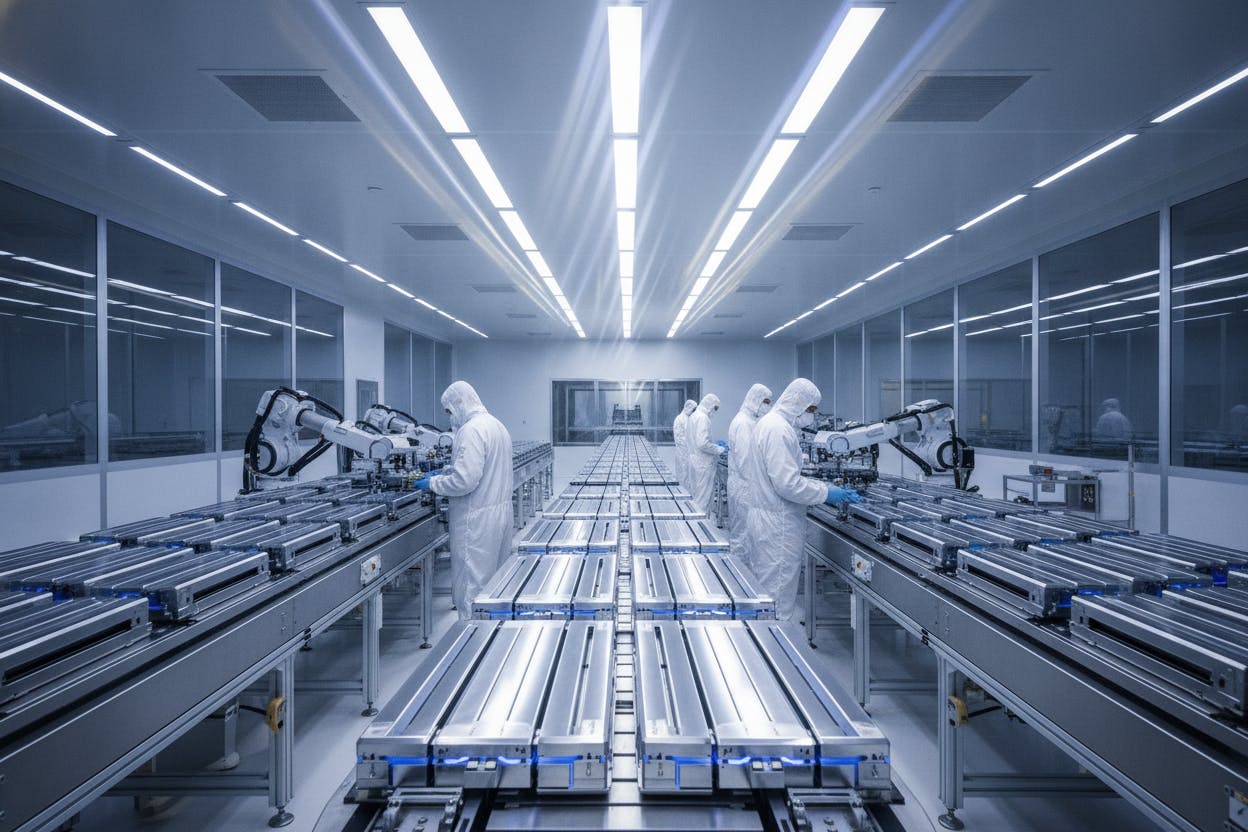
    The investment will finance a UK pilot production plant and expand an advanced manufacturing unit for the Oxfordshire-based group. The group develops silicon-based anode materials for lithium-ion cells designed to lift energy density, shorten charging times and increase electric vehicle range.

    Financing East Asian Battery Production

    While the new state money finances pilot capacity in England, Nexeon already runs its primary industrial footprint out of Gunsan, South Korea. Honda backed the business in May 2026 through Honda Xcelerator Ventures to accelerate commercial production at that Gunsan plant, ensuring direct ties into East Asian vehicle manufacturing.

    Production at the Gunsan facility centers on silicon-carbon composite materials manufactured at commercial volume. Panasonic agreed in 2023 to purchase anode supplies from the Gunsan plant to feed lithium-ion battery cells manufactured at its massive cell assembly site in Kansas in the United States.

    Automakers Take Direct Component Stakes

    Securing Korea Development Bank as an equity backer alongside Honda gives Nexeon institutional protection inside the world’s most concentrated battery manufacturing hub. South Korean cell makers and Japanese auto groups face mounting pressure to break reliance on mainland Chinese graphite supply lines, which face export controls and domestic processing bottlenecks.

    Investing directly in upstream chemical developers cuts out middle-tier intermediaries for automotive groups. Honda avoids spot-market premiums on advanced cell chemistries by taking equity directly in materials suppliers, mirroring similar bets by regional peers looking to lock down raw-material allocations well before commercial rollouts.

    The British National Wealth Fund operates with a 27.8 billion pound mandate to channel private and state capital into clean energy and critical supply chains, aiming to mobilize 100 billion pounds in overall investment by 2031. Oliver Holbourn, chief executive officer of the fund, confirmed the vehicle is backing advanced battery technology to assemble domestic manufacturing networks alongside foreign partners.

    “This investment is a strong endorsement of Nexeon’s technology and our role in enabling the next generation of lithium-ion batteries.”

    Tracking Pilot Output and Commercial Volume

    Nexeon previously operated primarily as an intellectual property and testing outfit before breaking ground on its Korean production lines. The company must now prove its pilot equipment in the UK can mirror the yield rates of its full-scale Gunsan lines without inflating unit costs.

    Execution risk sits in the yield curves. Silicon tends to swell and contract during charge cycles, degrading cell lifespan unless manufacturing tolerances remain exceptionally tight during chemical compounding.

    Panasonic’s Kansas factory remains the primary operational benchmark for Nexeon, where volume deliveries of silicon-carbon material will reveal whether the Oxfordshire-engineered chemistry withstands real-world commercial scale.

  • Sam Altman Meets 50 Samsung Executives in South Korea to Secure Memory Chips

    Sam Altman Meets 50 Samsung Executives in South Korea to Secure Memory Chips

    OpenAI chief executive Sam Altman met top Samsung Group executives in South Korea on Oct 31 to deepen cooperation on memory chips and AI infrastructure as global shortages intensify.

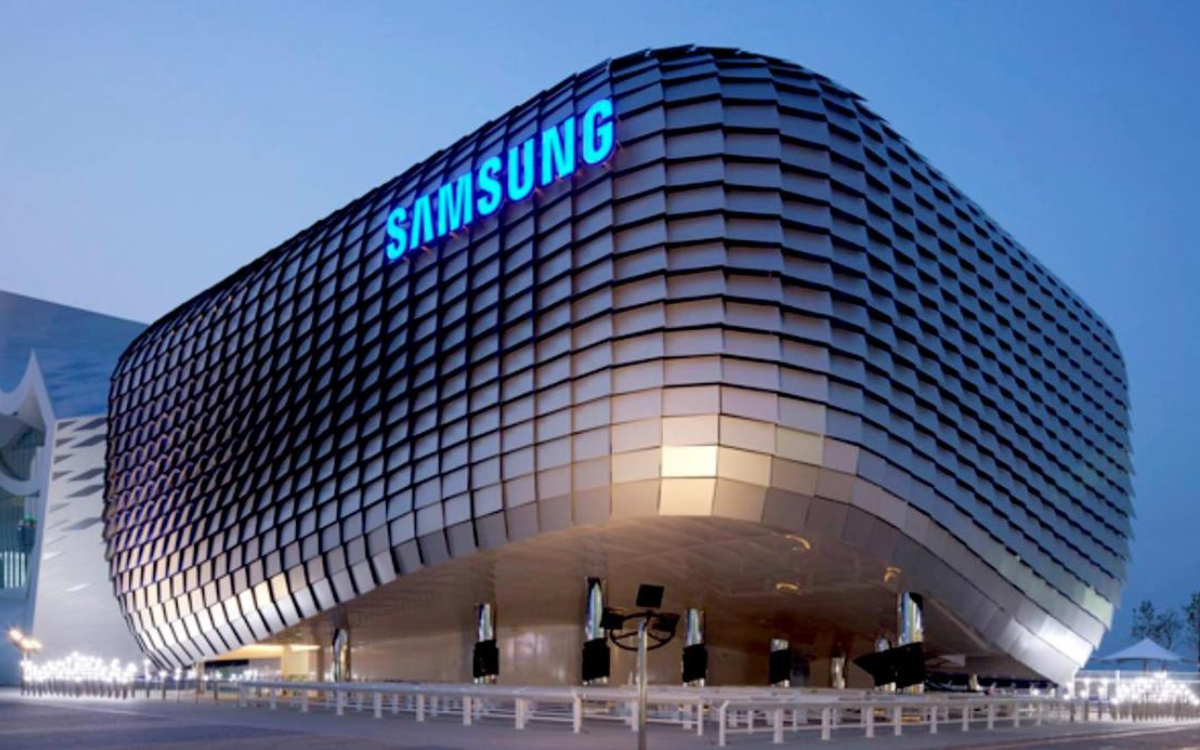
    Samsung hosted Altman in Yongin, south of Seoul, for discussions with roughly 50 leaders across its electronics, financial and biotechnology affiliates.

    The talks focused on how artificial intelligence will reshape industries, business opportunities and corporate decisions over the next decade, while data centre operators prepare to spend more than US$3 trillion on AI infrastructure in the coming years.

    The Race for Three Trillion Dollars in Hardware

    Data centre builders are fighting for limited factory allocations. The five largest companies driving the artificial intelligence infrastructure push plan to spend more than US$3 trillion in the coming years.

    That volume of capital expenditure concentrates procurement power directly in East Asia. South Korea controls the bulk of the world’s high-bandwidth and advanced memory manufacturing capacity, turning local suppliers into the primary gatekeepers for global software deployment.

    For hardware brands and consumer device manufacturers across the Asia-Pacific region, this supply crunch poses an immediate cost problem. Server buyers with massive cash reserves are hoovering up production lines, leaving personal computer makers and smartphone builders competing for the remaining silicon at elevated prices.

    Stargate Project and Offshore Data Centres

    The Yongin talks build directly on an existing agreement between the two firms. Samsung previously agreed to supply memory chips for OpenAI’s Stargate computing project and to collaborate on building specialised data centres, including floating offshore facilities designed to handle massive power and cooling loads.

    Securing Samsung’s manufacturing muscle gives OpenAI an alternative channel alongside its existing supplier relationships. For Samsung, locking in high-volume, long-term purchase agreements with the sector’s most prominent model developer guarantees steady off-take for high-margin silicon lines.

    Altman follows a well-trodden executive path into Seoul. Nvidia chief executive Jensen Huang and Advanced Micro Devices head Lisa Su have each traveled to South Korea twice since 2025 to protect their component pipelines as fabrication plants struggle to keep pace with order books.

    Internal Automation and Deployment Targets

    Beyond external component sales, Samsung is speeding up its own internal adoption of artificial intelligence. The group is rolling out tools across chip design, laboratory research, factory floor manufacturing, marketing divisions and corporate management.

    Chip production remains tightly bottlenecked by cleanroom capacity and specialized lithography equipment. With major hyperscalers committing US$3 trillion toward compute facilities, the next data point to watch is Samsung’s upcoming quarterly capital expenditure guidance, which will show how much new manufacturing capacity the company plans to build out in Yongin to service Stargate and commercial buyers.

  • Samsung Posts Record Tech Profit on Memory Demand but Shares Slide

    Samsung Posts Record Tech Profit on Memory Demand but Shares Slide

    Samsung Electronics delivered the tech sector’s highest quarterly profit on Thursday in Seoul, but its shares tumbled as investors balked at the escalating capital spending required to service artificial intelligence infrastructure.

    The company said on Oct. 29 that heavy appetite for memory products will run through upcoming quarters as hardware vendors and cloud operators build out AI computing clusters.

    Spending Outpaces Dividend Expectations

    Shareholders sold down the stock despite the blockbuster headline figures, reacting directly to the sheer scale of reinvestment needed to sustain technical leadership. Big allocations for fabrication equipment, advanced packaging lines, and server components left institutional investors dissatisfied with immediate capital returns.

    Hardware manufacturers across Asia face the same squeeze. Memory lines require billions of dollars in fresh cash before producing top-tier silicon, shrinking the free cash flow available for payouts even during record quarters.

    Demand from Servers and Personal Agents

    The South Korean manufacturer pointed to accelerating buildouts of enterprise data centres and the arrival of personal AI agents on consumer devices as the dual engines behind memory demand. Server operators continue to soak up high-bandwidth memory chips to keep accelerators fed with data.

    Smartphone vendors and laptop brands across Asia are also preparing their component pipelines for local device processing. That switch requires higher minimum configurations of DRAM in consumer phones, protecting semiconductor makers from typical seasonal troughs.

    The Balance of Supply and Capital Risk

    For component distributors, device assemblers, and electronics retailers across the region, Samsung’s heavy production spending offers both volume security and price uncertainty. If the buildout of personal AI devices stumbles at retail, excessive chip inventories will depress pricing across downstream channels.

    Rival foundries and competing memory suppliers in Taiwan and South Korea are maintaining similar capital budgets to defend client allocations. That leaves the broader electronics supply chain exposed to an oversupply shock if corporate software budgets tighten.

    Earlier Cycles and What to Watch

    Memory markets regularly swing between inventory gluts and acute shortages, with producers historically suffering margin collapses after periods of unbridled factory construction. The current cycle differs only in the customer base, which is anchored by cash-rich cloud titans rather than consumer electronics brands alone.

    Markets now turn to the sustainability of server procurement through the coming quarters, alongside Samsung’s upcoming capital expenditure filings, to see whether production increases outpace corporate orders.

  • Mom’s Touch Signs Master Franchise Deal for 50 Stores in Kazakhstan

    Mom’s Touch Signs Master Franchise Deal for 50 Stores in Kazakhstan

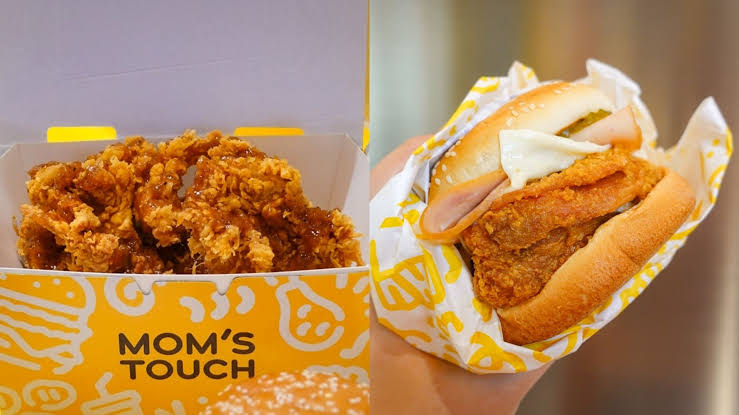
    South Korean fast-food brand Mom’s Touch signed a master franchise agreement with Shin-Line Group to open more than 50 restaurants across Kazakhstan over the next decade. The chain plans to launch its first flagship restaurant in the country before the end of 2026.

    The partnership gives Mom’s Touch exclusive development rights in Kazakhstan and includes territorial rights to expand into neighboring Kyrgyzstan. Shin-Line Group will oversee local real estate selection, operations and distribution across both Central Asian territories.

    Central Asian Franchise Structure

    Seoul-based Mom’s Touch, established in 1997, built its domestic business on made-to-order fried chicken and its core Thigh Burger sandwich. The master franchise framework shifts development risk and store capital expenditure directly onto Shin-Line Group, letting the Korean franchisor draw recurring royalty streams without funding store buildouts directly.

    Central Asia has emerged as an active proving ground for international fast-food chains seeking territory outside crowded East Asian capitals. For food and beverage operators in the region, teaming up with Shin-Line provides an existing logistics foundation in frozen foods and distribution that solves supply chain friction for quick-service poultry and bakery supplies.

    Supply Lines and Regional Risk

    Entering Kazakhstan requires managing long cold chains and securing quality poultry that matches parent company specifications. Franchisors taking this route depend entirely on the balance sheet and execution speed of their master franchisee, especially when consumer spending fluctuates against local currency pressures.

    Rival Korean food brands have focused primarily on Southeast Asia and North America to scale their offshore footprints. Taking a chicken concept into Central Asia tests whether Korean casual dining menus can secure repeat traffic against incumbent American burger giants already operating in major Kazakh hubs.

    Ten-Year Development Horizon

    The Korean quick-service brand spent recent years consolidating its domestic market presence before accelerating international franchise deals. Moving through local master partners has become its default model for international expansion, minimizing balance-sheet liabilities while testing brand appetite in emerging consumer markets.

    Attention turns to the exact launch date and location of the initial flagship store scheduled before the close of 2026. The pace of the subsequent rollout toward the 50-unit target will determine when Shin-Line exercises its development rights across the border in Kyrgyzstan.

  • 50 Korean Firms Turn to Synthetic AI Shoppers to Test Products

    50 Korean Firms Turn to Synthetic AI Shoppers to Test Products

    South Korean retail conglomerates and consumer brands are deploying artificial intelligence-generated synthetic shoppers to test products, adjust shelf pricing and model physical store layouts before committing capital to production runs.

    The shift replaces costly consumer survey panels with large language models trained on purchasing records, customer reviews and social media chatter. Technology vendor Intellicia has completed 120 proof-of-concept projects across 50 consumer companies, reporting a 91.2 percent correlation against a benchmark survey of 500 human shoppers.

    Lotte Builds Virtual Consumer Twins

    Lotte Members started work in July with domestic artificial intelligence specialists Vibe Co. And Zero to One Partners to build what it calls the AI Twin Consumer. The model draws on the transactional histories of 45 million registered members of Lotte’s L.Point loyalty program, combining that spend data with contextual online commentary to examine why consumers buy rather than merely tracking what they buy.

    Instead of relying on broad demographics such as gender or age brackets, the system creates detailed behavioural profiles. Merchandisers can query the virtual consumer directly, testing reactions to new packaging or price points before inventory reaches warehouse shelves.

    From Web Checkout to Store Aisles

    Domestic e-commerce operators Coupang and Naver are applying synthetic buyers to website journeys. Their models simulate browsing sessions to pinpoint where online shoppers encounter friction, hesitate over specifications or abandon digital baskets.

    Convenience store operator BGF Retail is pushing the simulation into the physical realm. The CU chain operator first used synthetic shoppers to vet new product concepts. It is now building virtual store environments to test foot traffic flows, shelf placement and assortment mixes before franchise owners reconfigure their physical floors.

    Food Groups Test Faster Turnarounds

    Packaged food manufacturers face short product life cycles in South Korea, where convenience trends shift across a matter of weeks. CJ Group, Daesang, Maeil Dairies, Pulmuone and Sangmidang Holdings have all run trial programs with Intellicia to evaluate food concepts through synthetic personas.

    For consumer goods operators across Asia, synthetic panels eliminate the weeks needed to recruit human focus groups and process qualitative interviews. The commercial risk shifts from expensive production missteps to data accuracy: if the underlying transaction logs or sentiment data fail to reflect shifts in disposable income, simulated demand will mislead procurement teams.

    BGF Retail’s testing across its store network and Lotte’s deployment of its 45 million-shopper dataset will demonstrate whether virtual panel decisions translate into higher sales per square metre when new SKUs hit convenience store shelves over the coming quarters.

  • Hyundai Glovis Partners with Shopee to Serve 700 Million E-Commerce Users

    Hyundai Glovis Partners with Shopee to Serve 700 Million E-Commerce Users

    Hyundai Glovis began operating an end-to-end logistics partnership with Shopee Korea this month, taking over the complete supply chain for domestic cosmetics brands expanding abroad.

    The agreement links the freight forwarder to Shopee’s customer base of about 700 million users across Southeast Asia, Taiwan and Brazil, packaging international shipping into a single contract.

    Announced on Monday, the collaboration handles cross-border operations as Hyundai Glovis targets raising non-affiliated business to 40 percent of its total revenue by 2030.

    Consolidating the Cross-Border Chain

    Under the arrangement, merchants receive a single service point covering domestic cargo pickup in South Korea, air and ocean line-haul, export-import customs clearance, in-country regulatory filings and destination fulfillment. Previously, cosmetics labels contracted separate logistics handlers for domestic trucking, international freight and destination deliveries. That fragmentation created handoff delays and customs clearance bottlenecks at regional entry ports.

    Cross-border cosmetics exporters regularly encounter divergent health authority approvals across Southeast Asian jurisdictions, where labeling regulations and ingredient clearances vary between markets. Handling domestic regulatory compliance directly allows merchants to avoid third-party agency handoffs that routinely slow inventory onboarding.

    Diversifying Beyond Captive Car Hauling

    For Hyundai Glovis, handling consumer parcel flow serves a long-term commercial balance sheet target. The company wants non-affiliated commercial contracts to generate 40 per cent of its total corporate revenue by 2030.

    Carriers serving South Korean e-commerce have historically struggled with unit economics on low-weight parcel shipments compared to bulk automotive and industrial cargo. Running cross-border beauty logistics shifts Glovis into higher-frequency retail operations, competing against dedicated regional integrators and postal networks. Success depends on whether consolidated freight pricing beats the decentralized local forwarders merchants currently use.

    Export Demand Drives Freight Integration

    South Korean cosmetics manufacturers have leaned harder into direct platform exports as consumer appetite for premium skincare formulas climbed across Southeast Asia and Latin America. Rather than building local retail store footprints or signing sole distributorships, mid-tier beauty labels increasingly use marketplace storefronts to test market appetite before committing physical capital.

    Shopee operates dominant marketplace market shares across Southeast Asia, alongside expanding operations in Brazil. Supplying those territories with consolidated freight infrastructure gives platform sellers predictable delivery timelines against local beauty retail alternatives.

    Next Steps for Latin America

    Initial rollouts focus on South Korean sellers fulfilling consumer orders into Southeast Asian markets. The companies plan to extend the service footprint into Brazil and other Latin American territories once operations across the primary Asian hubs stabilize.

    Execution hinges on Glovis meeting delivery timetables while building non-captive freight volume toward that 2030 target.

  • Musinsa Deepens Ties with Zozo Ahead of IPO

    Musinsa Deepens Ties with Zozo Ahead of IPO

    South Korean fashion platform Musinsa expanded its partnership with Japanese peer Zozo on October 16, opening a joint pop-up store in Seoul to build cross-border revenue ahead of an initial public offering.

    The temporary Zozotown retail space inside Musinsa’s Seoul shop gives the Japanese marketplace immediate offline visibility while testing consumer demand for Japanese apparel labels.

    International growth remains vital for the company to achieve its target valuation benchmarks before listing shares on public markets.

    Cross-Border Offline Merchandising

    The Seoul installation introduces curated Japanese brands from Zozotown directly to Musinsa’s domestic shopper base. Both companies structured the tie-up to share platform infrastructure and cross-sell independent labels across borders.

    Physical pop-ups provide quick feedback on fit, price tolerance, and category demand without requiring long lease commitments. Musinsa hosts the floor space, managing store traffic and point-of-sale execution while Zozo supplies the product mix.

    Valuation Demands and Regional Expansion

    Domestic apparel growth in South Korea faces immediate limits from demographic declines and plateauing consumer expenditure. For Musinsa, securing international scale outside its home base provides the volume necessary to meet valuation benchmarks when filing listing documents.

    Rival platforms across Asia have hit limits when attempting solo expansions into neighboring markets with established incumbents. By teaming up with Zozo rather than opening standalone Japanese storefronts or launching competing logistics networks, Musinsa sidesteps the customer acquisition costs that dragged down other regional fashion marketplaces. Zozo secures reciprocal access to South Korean fashion shoppers, a demographic increasingly drawn to Japanese streetwear.

    Building Up to Public Markets

    Musinsa previously focused on digitizing domestic streetwear labels and scaling its private label lines in South Korea. The company opened physical flagship locations in Seoul to bridge online commerce with brick-and-mortar foot traffic before extending that model to international partners.

    Zozo has sought regional growth outside Japan to counter aging domestic consumer profiles and intensifying competition from fast-fashion retailers. The joint pop-up in Seoul builds on earlier bilateral promotional tests between the two operators.

    Listing Timeline and Cross-Selling Metrics

    Musinsa’s next formal disclosure will show whether international channel sales can offset slower domestic fashion volume. Underwriters preparing the listing plan will scrutinize the percentage of gross merchandise value sourced outside South Korea before setting the IPO timetable.

  • Asian E-Commerce Dominates Global Sales as China Hits 13 Trillion Yuan

    Asian E-Commerce Dominates Global Sales as China Hits 13 Trillion Yuan

    China recorded 13.09 trillion yuan in online retail sales of physical goods in 2025, cementing its position as the world’s largest digital market at roughly $1.82 trillion. Physical goods accounted for 26.1 percent of total national consumer retail spending, expanding 5.2 percent year on year.

    Total online transactions across China reached 15.97 trillion yuan when including digital products and consumer services. That scale leaves the world’s next largest digital economy, the United States at $1.23 trillion, well behind in overall volume.

    Asian Markets Pull Away in Scale and Growth

    South Korea generated 272 trillion won, or about $191 billion, across digital checkouts in 2025. Services comprised a heavy portion of that total, with food delivery contributing 15.3 percent and travel and transport booking taking 12.5 percent, leaving physical goods at less than $140 billion.

    Japan generated 15.2 trillion yen, roughly $100 billion, in physical product sales online during 2024. That represented 9.8 percent of all Japanese merchandise sales, up from 9.4 percent a year earlier. Digital services and media expanded total Japanese consumer e-commerce to 26.1 trillion yen.

    India expanded faster than any of the mature East Asian retail hubs. Indian e-retail sales jumped roughly 20 percent to reach between $65 billion and $66 billion in 2025, driven by an online shopping pool that reached up to 300 million people.

    Southeast Asian Platform Volumes Climb 20 Percent

    Southeast Asia reached $191 billion across ten regional markets in 2025, according to e-Conomy SEA data. The six largest economies in the bloc generated $188 billion in gross merchandise value, up 20 percent on the previous year.

    Indonesia led the Association of Southeast Asian Nations with $71 billion in digital platform sales. Thailand posted $33 billion, while Vietnam booked $25 billion in gross merchandise volume. The Philippines and Malaysia followed with $24 billion and $20 billion, respectively.

    Fast logistics formats are accelerating that uptake across developing Asian retail markets. Quick-commerce operators promising deliveries under 30 minutes captured between 16 percent and 17 percent of all e-retail volume across India in 2025. Video-led selling channels similarly represented a quarter of all Southeast Asian digital transactions.

    The Balance Between Phone Checkouts and Store Networks

    Mobile checkouts dominate customer habits throughout the Asia-Pacific territory. South Korean shoppers conducted 211 trillion won of their purchases on mobile phones in 2025, securing a 77.6 percent smartphone share of total online retail spending.

    Japan saw smartphone orders for physical products climb 9.0 percent in 2024, advancing at more than double the pace of overall online merchandise turnover. Globally, mobile devices generate roughly 60 percent of online shopping turnover, creating sharper operational demands on checkout speeds and payment gateways.

    Physical store operators throughout Asia face diverging challenges depending on local channel maturity. In markets such as China and South Korea, where digital penetration sits near saturation, merchant acquisition costs are rising as brands shift budget toward buyer retention and targeted messaging. In India, where online transactions represent only 6 to 6.5 percent of gross retail receipts, traditional distribution networks retain considerable running room.

    Maturing Curves Reshape Capital Allocations

    Western benchmark markets illustrate the saturation ceilings facing Asian retailers. British online sales peaked at 30.7 percent during pandemic disruptions in 2021 before settling between 26.6 percent and 27.5 percent through 2025, suggesting a structural resistance band for pureplay e-commerce penetration.

    Chinese expansion rates reflect a similar cooling trend. Physical goods sales online across China grew 4.3 percent during the first eight months of 2026, moderating after a 5.2 percent rise in 2025. South Korean digital expansion dropped to 4.9 percent in 2025, marking the slowest annual increase recorded since current national accounting began in 2017.

    Regional platform operators now look toward second-tier cities and automated fulfillment to maintain transaction momentum. Projections from Bain and Flipkart place Indian online retail penetration at 10 to 12 percent of gross consumer spending by 2030, targeting a total market size between $170 billion and $180 billion.

  • South Korea Projects Semiconductor Demand Boom to Run Through 2027

    South Korea Projects Semiconductor Demand Boom to Run Through 2027

    South Korea expects its semiconductor boom to run through at least 2027 as global demand outpaces production, Finance Minister Lee Hyoung-Il said in Bangkok.

    A persistent imbalance between hardware orders and factory output keeps the export cycle expanding across the region.

    Speaking on the sidelines of the IMF-World Bank meetings, Lee noted that production capacity is broadening while orders remain heavy. The minister confirmed that stronger corporate returns from device fabricators will lift South Korea’s total tax collections above earlier fiscal targets for the current year, providing cushion against broader economic drag.

    Equities Suffer While Demand Stays High

    Equity markets told a more conflicted story during the week. Shares in South Korean component makers including SK Hynix and Seoul Semiconductor dropped sharply, matching pullbacks at US tech giant Nvidia.

    Traders dumped technology holdings because of interest rate concerns and direct pressure from Chinese semiconductor competitors. That market swing weighed heavily on Seoul’s headline benchmarks, where electronics manufacturers account for a dominant share of trading volume compared with rival Asian bourses.

    Hardware suppliers in Asia face a widening gap between short-term equity pricing and actual factory shipments. Consumer electronics assemblers, server operators, and device vendors still order stock faster than fabrication lines can deliver it, limiting downside risk for upstream producers over the next two years.

    Supply Threat Looms Beyond the AI Expansion

    The principal threat to sustained margins sits later in the investment cycle. Analysts and domestic industry commentators warn that massive capex across global foundries could trigger severe component gluts by 2029.

    Rapid factory construction across China and North America threatens to turn memory pricing into cut-throat competition once artificial intelligence hardware installations reach saturation. Operators that invest heavily in capacity today risk carrying idle cleanrooms when demand normalize.

    The current market rally follows two years of volatile post-pandemic hardware adjustments, during which consumer electronics vendors slashed component inventories before artificial intelligence workloads spurred memory demand.

    South Korean trade authorities will track export volume numbers over the fourth quarter to confirm whether device shipments continue to outpace assembly line expansions.

  • Coupang Partners with Sartori Cheese to Expand US Dairy Exports

    Coupang Partners with Sartori Cheese to Expand US Dairy Exports

    Sartori Cheese has partnered with Fortune 150 retail and technology firm Coupang to expand distribution of its artisanal cheese across South Korea, targeting a consumer base of more than 51 million people. The arrangement builds on Coupang’s export pipeline, which generated over $5 billion in overseas sales of U.S. Goods and services in 2025 alone.

    Through Coupang’s Rocket Fresh online grocery service, the Plymouth, Wisconsin-based manufacturer is introducing flagship lines including SarVecchio Parmesan and BellaVitano varieties directly to Korean households. Bert Sartori, chief executive of the fourth-generation family-owned company, noted that the digital platform allows the producer to reach Asian buyers faster and at greater scale after more than a decade of developing international sales.

    South Korea stands as Wisconsin’s third-largest overseas agricultural market. Coupang absorbs the primary operational hurdles of cross-border trade for Sartori by managing international marketing, shipping logistics, customs paperwork, foreign regulatory compliance and last-mile delivery across the country.

    Cold Chain Distribution from Plymouth to South Korea

    Exporting perishable dairy across the Pacific requires strict temperature control and fast customs processing. Coupang takes over ocean and air freight logistics, customs filings, regulatory approvals and last-mile cold-chain delivery for the American producer, bypassing domestic wholesale distributors.

    Sartori produces its cheese in Plymouth, Wisconsin, sourcing 150,000 gallons of milk daily from Majestic Crossing Dairy and other family farms located within 75 miles of its plants. The manufacturer converts local raw dairy into finished cheese wheels within hours of collection before packaging them for international transit.

    Coupang Builds Cross-Border Export Corridor

    Coupang generated more than $5 billion in overseas sales of American goods and services in 2025 alone. The retail operator deploys automated fulfillment facilities, robotics and artificial intelligence routing across its South Korean hub network to absorb cross-border volume from thousands of American suppliers.

    The company also runs a parallel trade corridor connecting American brands directly into Taiwan. By managing regulatory compliance and inventory intake centrally, Coupang acts as both merchant of record and logistics carrier for food businesses that lack overseas offices.

    Direct Import Threatens Traditional Importers

    Coupang’s end-to-end import model cuts out South Korea’s traditional multi-tiered food brokerage cartels. Conventional food importers usually take hefty margins while struggling to guarantee cold-chain integrity across urban delivery networks, leaving foreign specialty brands confined to high-end department store basements.

    Rocket Fresh changes that distribution math by placing short-shelf-life dairy directly onto consumer doorsteps within hours of ordering. Rival platforms now face heavier pressure to source overseas agricultural goods directly rather than buying through local intermediaries.

    Building Out Fresh Fulfillment Infrastructure

    The Wisconsin partnership follows heavy capital expenditure by Coupang into automated regional distribution centers across South Korea over the past three years. The platform poured billions of dollars into automated sorting machinery and temperature-zoned storage facilities to protect perishable grocery margins.

    Those investments turned Coupang from a general merchandise marketplace into South Korea’s dominant online grocery seller. The company now uses that infrastructure to win exclusive digital distribution arrangements with foreign agricultural cooperatives and specialty food makers.

    Volume Targets in Korea

    Attention turns to how fast Coupang can scale fresh dairy turnover across secondary Korean cities. Competitors will watch whether Coupang extends the Sartori cold-chain template to replicate similar direct-import arrangements for European and Australasian dairy producers.

  • Chiikawa Drives 1.8 Million Korean Cinema Admissions and Merchandise Frenzy

    Chiikawa Drives 1.8 Million Korean Cinema Admissions and Merchandise Frenzy

    Japanese character franchise Chiikawa generated 14 million dollars and drew 1.83 million admissions across South Korea within three weeks of its September 30 theatrical release.

    The animated feature captured 42.7 percent of South Korea’s nationwide cinema revenue over the October 16 to 18 weekend, taking 2.8 million dollars across 1,181 screens. Tracking data from the Korean Film Council shows the film led the box office for a third consecutive frame, pulling in nearly triple the weekend audience of second-place political drama The Assassin(s).

    Merchandise Queues and Resale Multipliers

    Consumer demand has spilled directly into physical retail corridors across Seoul. Shoppers have queued overnight outside the official Chiikawa merchandise store in central Seoul for limited-edition product drops, with select character collectibles subsequently trading on secondary resale platforms at ten times their original store prices.

    Multiplex chain CGV reported that customers in their twenties and thirties accounted for nearly 70 percent of all advance ticket bookings. The franchise, distributed locally through CJ ENM and Daewon Media alongside Japanese studio Toho, originally emerged in 2020 as a webcomic created by illustrator Nagano before expanding into short-form television animation in 2022.

    Licensing Resilience in East Asian Retail

    The consumer reception in South Korea reflects an established playbook for Japanese character licensing across East Asia. Mainland Chinese shoppers previously turned Chiikawa into a viral retail phenomenon, adopting the term digital ibuprofen to describe character purchases made during prolonged periods of graduate job competition and wage stagnation.

    Commercial landlords and retail operators face shifting foot-traffic patterns as character pop-ups replace traditional apparel anchors in high-density shopping districts. Retailers that secure official product allocations gain instant access to younger working demographics whose discretionary budgets have retreated from big-ticket luxury items toward small emotional purchases.

    Screen Density and Distributor Returns

    Competition across South Korean cinema circuits remains crowded with domestic and Hollywood releases. Distributor Hive Media Corp generated 23.7 million dollars from 3.25 million admissions for Hur Jin-ho’s period crime title The Assassin(s), while CJ ENM gathered 14.3 million dollars across four frames for franchise entry Tazza: The Song of Beelzebub.

    Chiikawa the Movie: The Secret of the Mermaid Island reached domestic theaters after finishing its Japanese domestic run as the country’s highest-grossing film of 2026. The storyline, directed by Kei Oikawa, sends the titular lead character and companions Hachiware and Usagi on a remote island expedition after chasing an employment advertisement promising inflated wages.

    Target Numbers for Regional Box Office

    Daewon Media and CJ ENM will track the two-million-ticket threshold over the coming week as South Korean theaters adjust screen allocations before November release schedules take effect.

  • South Korean Regulators Face Backlash as Margin Debt Hits 33.7 Trillion Won

    South Korean Regulators Face Backlash as Margin Debt Hits 33.7 Trillion Won

    South Korean financial authorities face mounting criticism after retail margin debt climbed to 33.7 trillion won ($2.53 billion) during a week of violent swings on the Seoul stock exchange.

    The benchmark Kospi tumbled through seven consecutive sessions before rebounding 2.05 percent to close at 5,668.05 on Friday, while retail cash reserves sank toward recent lows.

    Regulators Convene Emergency Session

    Financial Services Commission Chairman Lee Eog-weon convened an emergency review in Seoul with executives from the Financial Supervisory Service, the Korea Exchange, the Korea Capital Market Institute and the Korea Financial Investment Association. Officials reviewed risks tied to artificial intelligence semiconductor valuations, prospective United States interest rate increases and elevated crude oil prices.

    Lee instructed brokerage houses to tighten their lending standards to curb speculative exposure during volatile trading cycles.

    “Financial companies should refrain from extending credit indiscriminately and make every effort to protect customers and manage risks,” he said.

    Margin Loans Surge Above Thresholds

    Outstanding margin loans have remained above 30 trillion won for an extended run, touching a three-month peak by Wednesday. Retail accounts expanded their borrowed exposure even as the Kospi breached the 6,000-point threshold and briefly threatened the 5,500-point mark.

    Cash deposits held by retail investors dropped toward recent cyclical lows over the same period. The divergent metrics reveal that individual traders committed further to used bets rather than holding cash cushions during severe market sell-offs.

    Volatilities spilled into tech equities across North Asia as market participants reassessed capital expenditure on AI infrastructure. In Seoul, Samsung Electronics edged up 0.23 percent while SK Hynix slipped 1.26 percent, tracking broader weakness in semiconductor components.

    Market Participants Demand Concrete Steps

    Institutional desks in Seoul argue that rhetorical warnings fail to alter trading behavior when foreign funds offload local equities. Repeated government sessions without structural measures risk desensitizing domestic market participants.

    Used retail positioning poses liquidity threats to mid-cap listings if forced liquidations accelerate across secondary brokerages. Margin calls triggered during intraday slides drain trading volume from high-growth tech firms that depend on domestic retail capital.

    Index Swings Trigger Circuit Measures

    The Thursday session delivered a plunge of more than 7 percent across the Kospi, culminating in a seven-day losing streak before Friday’s technical rebound. The tech-heavy Kosdaq index jumped as much as 5 percent intraday on Friday, activating a buy-side sidecar mechanism that temporarily suspended automated program trading.

    Investor anxiety remained elevated despite the Friday bounce, with the Kospi 200 Volatility Index recording its third-largest single-day increase on record and hitting a six-week high.

    Brokers now track whether margin balances stay above the 33 trillion won line as third-quarter earnings reports from key tech exporters roll out across the region.

  • Gentle Monster Owner Takes Blue Elephant to Court in 12 Billion Won Copycat Case

    Gentle Monster Owner Takes Blue Elephant to Court in 12 Billion Won Copycat Case

    South Korean prosecutors have indicted Blue Elephant founder Choi Jin-woo for selling 12.3 billion won ($9 million) worth of eyewear allegedly copied directly from Gentle Monster parent IICOMBINED.

    The criminal case in Daejeon District Court is the first in South Korea to test whether unpatented fashion designs receive criminal protection against direct three-dimensional replication.

    Prosecutors allege Blue Elephant sent photographs of Gentle Monster frames bearing its own logo directly to overseas contract manufacturers between 2023 and mid-2025. The company produced and sold approximately 321,000 units across 51 separate models during that window. Forensic 3D scanning commissioned by IICOMBINED showed 29 models matched at least 95 per cent of Gentle Monster contour lines, with 18 exceeding 99 per cent congruence. The comparison matched Gentle Monster’s 2021 JEFF frame to Blue Elephant’s 2023 ZENTA model at 99.9441 per cent.

    Discounter growth collides with premium margins

    The dispute exposes the commercial fault line running through the South Korean optical sector, which expanded 74 per cent between 2022 and 2025 to reach 4.7 trillion won. Gentle Monster built its brand equity on gallery-format flagship stores, celebrity campaigns featuring Tilda Swinton and Stray Kids’ Felix, and luxury partnerships with Maison Margiela and Prada. Its acetate frames retail between 200,000 and 300,000 won.

    Blue Elephant replicated the gallery retail concept in Seoul’s Seongsu-dong shopping district while pricing lookalike acetate frames between 50,000 and 70,000 won. That aggressive pricing lifted Blue Elephant’s revenue 69 per cent last year to 50.7 billion won. Operating profit collapsed 74 per cent to 3.3 billion won as retail overhead climbed.

    IICOMBINED experienced its first revenue contraction in years over the same period, with total sales slipping 2.1 per cent to 772.3 billion won. Overseas business cushioned the domestic slowdown, rising to 332.9 billion won and accounting for more than 40 per cent of top-line revenue.

    Private equity backing against legal exposure

    Despite criminal charges and an active civil damages lawsuit, private capital continues to fund Blue Elephant’s retail footprint. Singapore-based private equity firm Affirma Capital acquired a 25.8 per cent stake in Blue Elephant in August for 100 billion won, a deal that valued the discount eyewear startup at 400 billion won.

    That valuation demonstrates institutional confidence in fast-fashion optical margins, yet it shifts substantial compliance risk onto incoming investors. If courts rule that wholesale imitation of unpatented consumer products constitutes criminal intellectual property theft, low-cost fast-follower brands across Asian retail will face injunctions and sudden inventory write-offs.

    For retail landlords across Asia-Pacific prime high streets, the case determines whether experiential eyewear stores are sustainable standalone formats or short-lived arbitrage plays on designer intellectual property. Flagship rents in Seongsu and Tokyo depend heavily on foot traffic generated by concept showrooms.

    Tech partnerships separate brand tiers

    Gentle Monster has responded to lower-tier copycats by pushing upmarket into connected hardware and global retail real estate. The company operates 86 stores globally, with roughly 50 located outside South Korea, and plans to reach 200 outlets within five years.

    Capital markets have valued the higher-tier positioning accordingly. Alphabet paid roughly 145 billion won for a 4 per cent stake in IICOMBINED last year, valuing the Gentle Monster operator at 3.7 trillion won. That partnership yielded prototype smart glasses developed with Samsung Electronics and unveiled at industry events in London and Mountain View.

    Choi resigned as chief executive of Blue Elephant in February following the initial criminal complaint and secured bail in July after his March indictment. Daejeon District Court will resume witness examination hearings in December and January.

  • Baemin and Coupang Eats Target Olive Young with 30-Minute Beauty Runs

    Baemin and Coupang Eats Target Olive Young with 30-Minute Beauty Runs

    South Korean food delivery platforms Baemin and Coupang Eats are now dispatching couriers with discount cosmetics in roughly 30 minutes. They are using local retail store networks to beat market leader CJ Olive Young on speed.

    Baemin added warehouse outlet chain Off Beauty to its app last week. The partnership covers roughly 4,000 products shipped from 30 outlets across Seoul, Busan and other major cities. Orders arrive faster than Olive Young’s average 55-minute express tier.

    How the Off Beauty Model Works

    Off Beauty buys surplus manufacturer stock, cosmetics in pre-redesign packaging, and near-expiry goods directly from brand owners. This supply chain keeps shelf prices low. In turn, it gives delivery apps a catalog of deeply discounted goods.

    In June, Coupang Eats listed Off Beauty with free delivery for its Coupang Wow subscribers. The discount chain runs about 50 stores today and plans to reach 100 nationwide. That expansion will give couriers more local pickup hubs across metropolitan areas.

    Filling the Gaps Between Meal Orders

    Food delivery platforms suffer predictable order slumps between the lunch and dinner rushes. Cosmetics orders flow in steadily throughout the day. These purchases smooth out rider demand during quiet hours without requiring cold storage or fast expiration controls.

    For couriers, makeup items are light and compact compared to hot meals or grocery bags. Fulfilling a lipstick or moisturiser order costs the same as delivering lunch. Crucially, the inventory does not spoil if a rider hits traffic.

    Taking on the Olive Young Monopoly

    Online channels generated 41.4 percent of South Korea’s cosmetics sales last year, according to government data. CJ Olive Young booked 2.94 trillion won ($2.2 billion) in first-half revenue across its online and offline operations. That gave the chain a 21.5 percent share of the country’s 13.72 trillion won beauty market.

    Back in 2018, Olive Young launched its Oneul Deurim three-hour delivery service from 1,360 stores and urban logistics centres. The service handled 19.35 million orders last year. It also drove nearly half of Olive Young’s total shipments in the first half of this year.

    Mounting Rivalry Across Platforms

    Rapid 30-minute delivery changes the battleground for specialist retailers. Olive Young relies on curated selections, ingredient advice, and AI skin diagnostics. Delivery apps are betting that lower prices and instant drop-offs will win impulse shoppers instead.

    Pressure is building from outside the food delivery sector as well. Other non-traditional competitors are eating into beauty sales across Korea. Online grocer Market Kurly, discount chain Daiso, and fashion marketplace Musinsa, which is opening dedicated beauty flagships, are all chasing market share.

    Whether Baemin and Coupang Eats can take 30-minute cosmetics delivery beyond major hubs hinges on Off Beauty hitting its 100-store target across provincial cities.