Tag: south korea

  • South Korea Inflation Climbs to 3.1% on Fuel Costs and Telecom Rebound

    South Korea Inflation Climbs to 3.1% on Fuel Costs and Telecom Rebound

    South Korea’s consumer price growth accelerated to 3.1 percent in August from a year earlier, driven by persistent energy costs and a rebound in mobile phone service charges.

    The pace picked up from a 2.8 percent annual rise in July, returning above the 3 percent mark after recording 3.1 percent in May and 3.2 percent in June, according to government statistics released in Sejong.

    Fuel and Telecom Shift Topline Figures

    Mobile phone bills jumped 26.7 percent compared to the same month last year. The spike reflects a low statistical base from a year earlier, when SK Telecom Co. Issued widespread customer discounts following a network data breach. Without the mobile bill distortion, overall consumer price inflation for the month stood at an estimated 2.5 percent.

    Oil prices climbed 14.2 percent on-year, adding 0.54 percentage points to the headline consumer price index. Diesel prices surged 19.6 percent while gasoline advanced 11.5 percent, sustaining pressure on transport and logistics networks in an economy that imports virtually all of its crude oil.

    Core inflation, which strips out volatile food and energy components, rose 3.4 percent on-year. That represents the sharpest gain since May 2023, when core prices advanced 3.8 percent.

    Food Relief and Service Pressures

    Industrial product prices increased 3.7 percent from a year earlier. In the service sector, overall costs climbed 3.7 percent as insurance premiums rose 13.4 percent and overseas package tour prices jumped 14.9 percent.

    Grocery shelves offered mixed relief for household budgets. Fresh produce, livestock and fishery prices dropped 2.6 percent helped by larger supplies of napa cabbage and tomatoes alongside state-backed retail discount promotions. Meat counters diverged, with imported beef prices rising 6.2 percent and domestic beef up 3.3 percent.

    For consumer brands and retailers across East Asia, the persistence of core inflation above 3 percent indicates that discretionary spending will face headwinds even as staple produce costs stabilise. Utility charges for electricity, gas and water rose 0.4 percent over the period, leaving transport costs and recurring service fees as the primary drain on disposable household income.

    Market watchers now turn to September price data to assess whether seasonal harvest supplies and crude import pricing can bring headline inflation closer to baseline targets.
  • PharmaResearch Rolls Out Rejuran Cosmetics Across 148 Sephora Canada Stores

    PharmaResearch Rolls Out Rejuran Cosmetics Across 148 Sephora Canada Stores

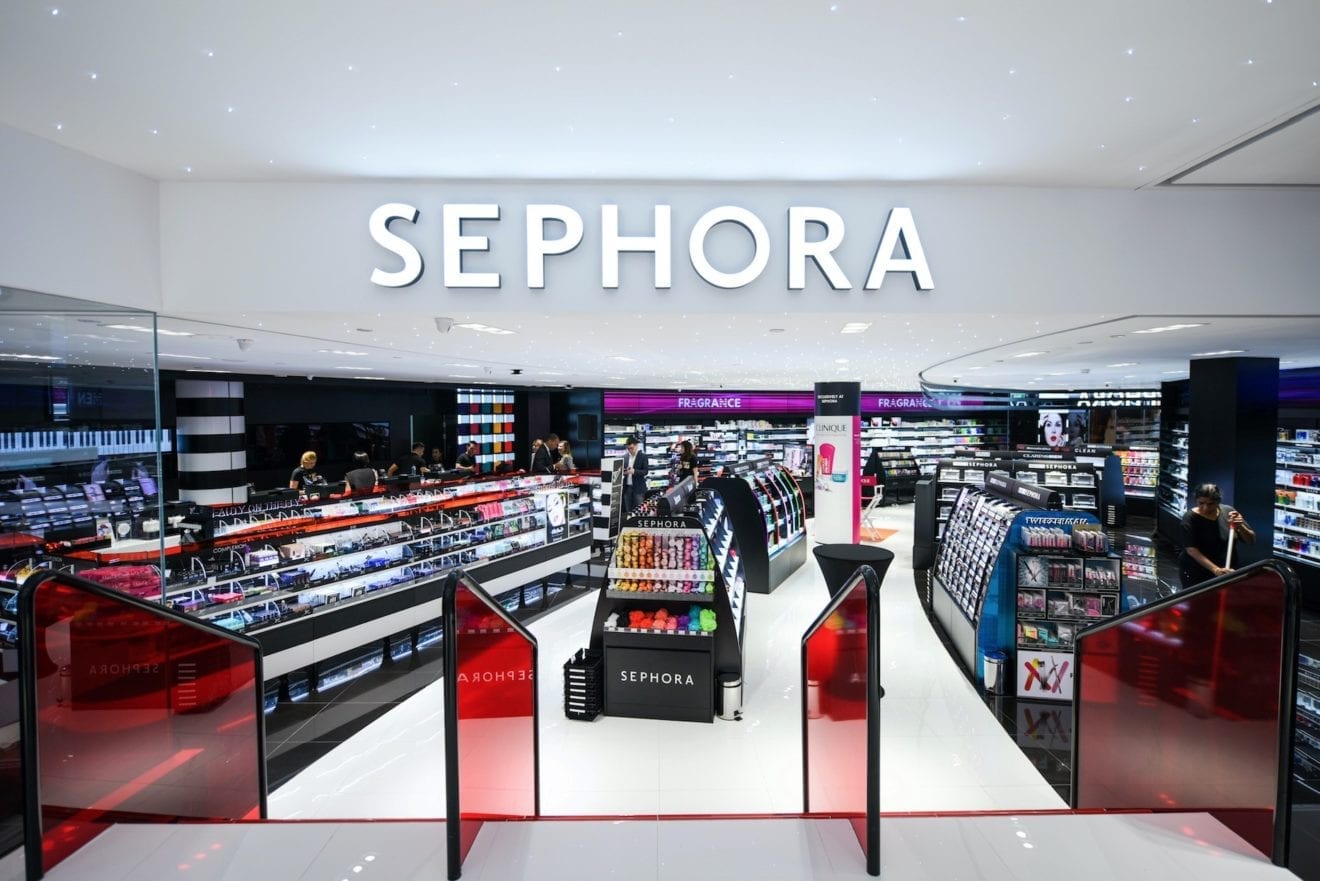
    South Korea’s PharmaResearch launched its Rejuran Cosmetics skincare line across all 148 Sephora Canada stores on Sept. 1.

    The nationwide rollout places eight product formulations, including its Turnover Ampoule and Dual Effect Ampoule, into Canadian retail stores alongside Sephora’s online channel.

    Featured on Sephora Canada’s Skincare Next Big Thing Wall, the collection relies on c-PDRN, a cosmetic ingredient purified from wild salmon DNA. PharmaResearch developed the compound from the polynucleotide technologies it uses in its injectable aesthetic skin boosters sold across more than 50 countries.

    Translating Clinical Injectables to Prestige Shelves

    The Canadian retail launch extends a clear playbook: converting medical aesthetic brand equity into mass prestige topical products. Consumers familiar with professional clinic procedures in Asia are increasingly seeking the same bio-active ingredients in daily skincare regimens.

    “Through a tailored omnichannel strategy, we aim to build meaningful connections with Canadian consumers and strengthen our market presence,” said Jooyeon Song, Head of Cosmetics at PharmaResearch USA.

    Margin Pressures and Shelf Competition

    Derma-cosmetic brands derived from Asian pharmaceuticals face a different commercial environment in North American retail compared to domestic clinic networks. Prestige beauty retailers demand heavy promotional support, co-op marketing fees, and dedicated floor space allocations that can compress wholesale margins if inventory turns slow down.

    Competition on the derma-skincare wall is intense. Rejuran must defend shelf share against entrenched clinical lines and lower-priced Korean skincare competitors already commanding established followings across Canadian cities.

    US Manufacturing Shapes North American Strategy

    In July, PharmaResearch agreed to acquire California contract manufacturer Cosmetic Group USA to secure domestic production capacity and stabilize supply lines across the Americas. That transaction followed the brand’s US retail debut in Sephora stores earlier in the year and coincided with a concurrent retail entry into Sephora Singapore.

    PharmaResearch will now focus on closing the integration of Cosmetic Group USA’s production facilities to supply North American retail channels directly and cut transpacific freight lead times from its Gangneung base.

  • South Korea Exports Hit Record 709.4 Billion Dollars Year to Date

    South Korea Exports Hit Record 709.4 Billion Dollars Year to Date

    South Korea’s exports reached 709.4 billion dollars year to date, breaking the nation’s previous full-year record months ahead of schedule. Outbound trade surpassed the total volume recorded across the whole of the prior year, according to data released by the customs office in Seoul on Saturday, September 5.

    Record Outbound Shipments

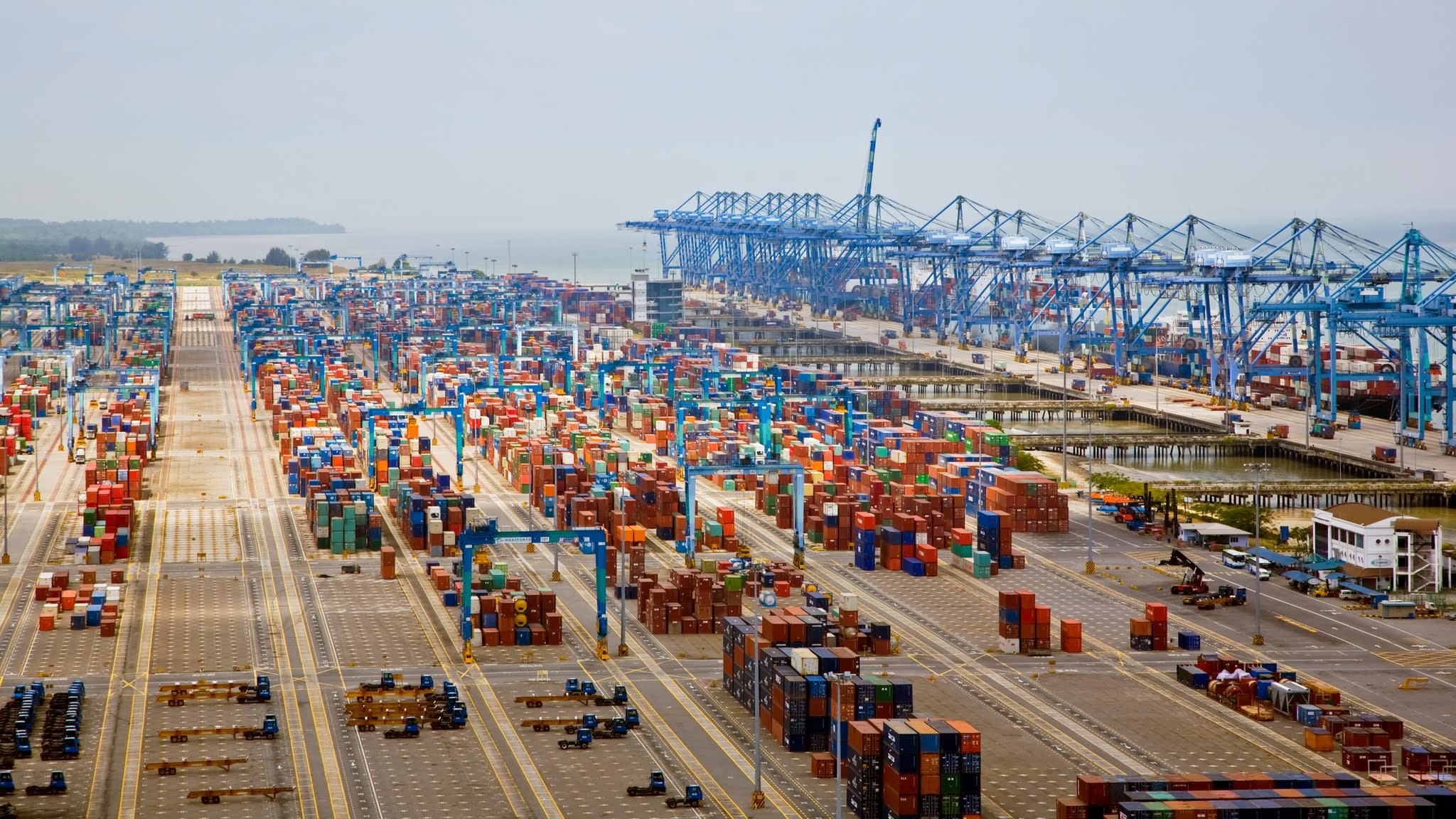
    Customs authorities confirmed the milestone as cross-border shipments cleared major domestic terminals, including Pyeongtaek port. The rapid accumulation of trade value puts outbound volume well ahead of typical seasonal delivery cycles.

    Strong shipment volumes from South Korea offer clear insight into regional manufacturing activity and commercial freight movement. As a key supplier of finished goods and critical components to global retailers and technology companies, the country’s export pace reflects sustained international purchasing appetite.

    Trade Trajectory

    Export momentum heading into the fourth quarter establishes an unprecedented baseline for the economy’s external trade balance. Market analysts and logistics planners are tracking upcoming monthly customs reports to see whether shipment velocity holds steady through the close of December.

  • Chipotle Opens First Asian Restaurant in Seoul with Singapore Next

    Chipotle Opens First Asian Restaurant in Seoul with Singapore Next

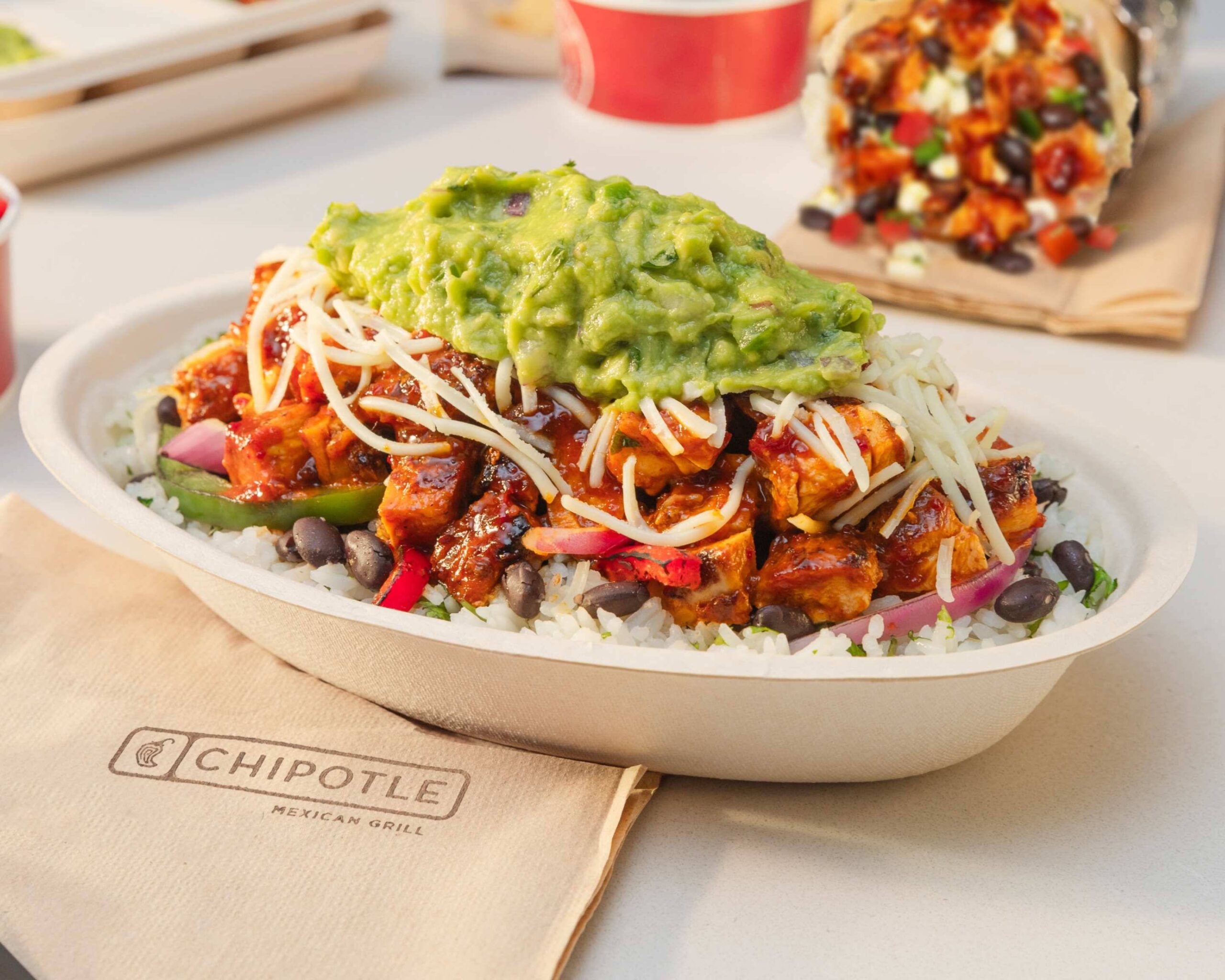
    Chipotle Mexican Grill opened its first Asian restaurant in Seoul, picking South Korea as the entry point for its regional expansion. The US fast-casual chain partnered with local conglomerate Sangmidang Holdings, formerly SPC Group, to run the operations.

    More locations will open across South Korea before the end of the year. The group will take the concept to Singapore next year for its second market in the region.

    The Partnership in Seoul

    Sangmidang Holdings manages the local rollout, bringing Chipotle’s standard assembly-line menu of burritos, bowls, tacos, quesadillas, and salads to Korean diners. The format keeps its customisation model, preparing ingredients daily without artificial colours or preservatives.

    Scott Boatwright, chief executive of Chipotle, identified South Korea as a primary target due to customer demand for fresh food served quickly. Sangmidang president Hee-soo Hur said the business will focus on maintaining the exact operational format developed in North America.

    Expanding Across Asian Markets

    Western fast-casual operators regularly use South Korea to test Asian consumer appetites before tackling larger Southeast Asian markets. High dining-out frequency and dense urban foot traffic in Seoul give foreign operators quick feedback on pricing and menu adaptation, though competition among domestic and international fast-food chains remains fierce.

    Sangmidang is now securing real estate for the next batch of Seoul restaurants due before December. Site selection for the inaugural Singapore restaurant is also underway ahead of its planned opening next year.

  • Intellisia Raises ₩3.4 Billion to Replace Consumer Panels with AI

    Intellisia Raises ₩3.4 Billion to Replace Consumer Panels with AI

    Intellisia has raised ₩3.4 billion ($2.5 million) in pre-Series A funding to scale its synthetic consumer research and retail simulation platform across Asia and North America. The round closed above its initial ₩3 billion target.

    Kakao Ventures led the investment, joined by Murex Partners, Capstone Partners, and founder Baek Seung-guk, who committed personal capital to the round. The Seoul-based company builds virtual consumer profiles trained on real-world purchasing data to answer product surveys, evaluate packaging, and simulate retail store behavior.

    Enterprise Traction and Accuracy Metrics

    Traditional consumer research takes weeks or months to recruit panels and return responses. Intellisia runs identical query sets through its platform, TheSurvey.ai, within hours. The company reports an average reproduction rate above 90 percent when testing its synthetic models against actual human survey results.

    That accuracy has converted pilots into commercial contracts across South Korea’s consumer sector. Intellisia has logged more than 200 project engagements, working with packaged food manufacturers CJ CheilJedang, Pulmuone, and Lotte Wellfood, as well as telecoms group LG Uplus, furniture maker Fursys Group, and convenience store operator BGF Retail. More than 60 percent of enterprise proof-of-concept trials converted into paid annual contracts.

    Baek previously co-founded content recommendation engine Dable, which scaled across seven Asian markets before selling to travel platform Yanolja in 2021. He founded Intellisia to apply similar predictive data modeling to consumer behavior testing.

    From Survey Panels to Store Twins

    Packaged goods manufacturers and retail chains across East Asia face compressed product lifecycles and rising sample recruitment costs. Using synthetic consumer cohorts allows brand managers to test dozens of packaging variations or pricing structures before committing physical inventory to supermarket shelves.

    Intellisia is now pushing beyond questionnaires into physical store simulation. The company is preparing trials for ParaStore, an AI digital twin platform where virtual shoppers interact with store layouts, shelf placements, and merchandising plans. BGF Retail, which operates South Korea’s CU convenience store chain, will test the system for store operations and category management.

    A commercial subscription-based software platform goes live in the fourth quarter of this year, followed by market launches in Japan and the United States next year.

  • South Korea Inflation Hits 3.1% as Telecom Discounts Fade Out

    South Korea Inflation Hits 3.1% as Telecom Discounts Fade Out

    South Korea’s consumer price index rose 3.1 per cent in August, distorted by an end to historical mobile billing discounts, according to the Ministry of Economy and Finance.

    Excluding the sharp rebound in telecommunications charges, consumer inflation ran at an estimated 2.5 per cent for the month. The gap stems directly from base effects created 12 months earlier, when SK Telecom rolled out widespread customer discounts.

    Base Effects and Mobile Charges

    Mobile phone service charges jumped 26.7 per cent in August compared to the same period last year. That spike reflects an abnormal comparison point in August 2025, when SK Telecom halved subscriber bills following a cyber security breach that compromised records for more than 20 million users.

    “In August last year, there was a temporary 50-percent discount in mobile bills, which served as a base effect, leading to a 3.1 percent rise in consumer prices this month,” said Kang Gi-lyong, a senior financial official, during a government meeting in Seoul.

    The return to normal tariff collections across the country’s primary wireless network added 0.6 percentage points directly to the headline inflation reading.

    Energy Caps and Holiday Pressures

    State market interventions also altered headline price dynamics across other consumer categories. South Korea’s active fuel price cap trimmed an estimated 0.5 percentage points off total consumer price growth, keeping the August index below an unmitigated 3.6 per cent.

    For consumer brands and retailers, the underlying 2.5 per cent rate reflects a clearer picture of domestic demand than the headline figure suggests. Household purchasing power across major metropolitan areas remains tight, but spending on staples and discretionary services has stabilized as core price growth cools.

    Government economic planners expect overall consumer price pressures to moderate further during September. Officials are preparing support packages to keep food and household goods prices stable ahead of the Chuseok holiday shopping period.

  • Mega MGC Coffee Approaches 4,500 Stores Across South Korea

    Mega MGC Coffee Approaches 4,500 Stores Across South Korea

    Mega MGC Coffee reached 4,466 outlets in South Korea on August 27, widening its lead as the country’s largest coffee franchise by physical store count.

    The network now sits within striking distance of the 4,500-store threshold in a national market that holds more than 100,000 coffee shops. Founded in 2015, the brand expanded through a low-price, high-volume model built on large drink sizes and small takeaway shop footprints.

    Franchise density and territory controls

    Rapid growth has pushed Mega ahead of older rivals. Domestic competitor Ediya Coffee operates more than 4,200 locations, while Compose Coffee passed the 3,000-store mark last year. Starbucks closed last year with just over 2,000 outlets across South Korea, operating on a corporate-owned model rather than franchises.

    To prevent its own stores from cannibalising sales, the chain analyses pedestrian commercial zones before approving new franchise applications. A company representative said Mega evaluates whether both neighbouring existing units and proposed locations can generate stable returns before clearing an opening.

    Bifurcation in the cafe sector

    The scale achieved by Mega and Compose illustrates how deeply value-tier operators have penetrated South Korea’s daily commuter market. While premium brands focus on seated dining space and elevated menus, budget chains capture weekday takeaway volume through kiosk ordering and lower pricing.

    Foreign chains continue to test the opposing end of the market. Canada’s Tim Hortons is expanding its presence toward 50 locations across South Korea, adding 26 stores this year with larger flagship formats and broader food menus.

  • South Korea Fashion Market Targets $25.15 Billion by 2029 as Domestic Labels Scale

    South Korea Fashion Market Targets $25.15 Billion by 2029 as Domestic Labels Scale

    South Korea’s fashion market is projected to reach US$25.15 billion by 2029, driven by an expanding roster of independent designer labels scaling across wholesale and retail channels.

    The figure reflects more than two decades of steady commercial development since Seoul Fashion Week debuted in 2000.

    Exporting Seoul’s Contemporary Aesthetic

    Seoul-based labels are capturing market share by combining technical fabrics with clean, structured tailoring. Amomento, founded in 2016 by designer Lee Mee-Kung, operates standalone stores in Seoul and sources textiles from South Korea and Japan. Open YY, launched by sisters Jiyoung and Boyoung Kim after rebranding from TheOpen Product, has secured global stockists through international luxury e-commerce platforms.

    Footwear and accessories have carved out dedicated niches. Heejin Kang established handbag label Osoi to target contemporary shoppers across Seoul. In jewellery, Numbering produces sterling silver and 14k gold-plated pieces. Eyewear specialist Gentle Monster built international presence through art-installation concept stores and high-profile product collaborations with Maison Margiela and Blackpink’s Jennie.

    Global Trajectories and Wholesale Reach

    Several Korean designers have anchored operations directly in major European fashion capitals. Rok Hwang, an alumnus of Celine, Louis Vuitton, and Chloe, established his label Rokh in Paris after training in London. Hyein Seo launched her utilitarian label in 2014 following graduation from the Antwerp Royal Academy of Fine Arts, staging runway presentations in London and New York.

    Veteran designers maintain long-running commercial runs at home. Former K-pop artist Seung Gun Park founded Pushbutton in 2003, making it one of Seoul’s most established independent brands. Other labels, including Lee Myoung Shin’s Low Classic, Hyunwoo Kim and Myungjun Shin’s Kijun, and outerwear specialist Dunst, continue to build volume through department store channels and multi-brand boutiques.

    For department stores and specialty stockists across Asia-Pacific, Korean contemporary labels offer mid-tier luxury price points with high cultural resonance among younger consumers. This commercial momentum increasingly challenges established Japanese and Chinese designers for shelf space across regional retail hubs.

    Buyers now track the upcoming seasonal order books, where South Korean labels must prove they can convert international runway visibility into steady wholesale reorders.

  • LG Energy Solution Buys 80,000 Tonnes of Arkansas Lithium in Ten-Year Deal

    LG Energy Solution Buys 80,000 Tonnes of Arkansas Lithium in Ten-Year Deal

    South Korea’s LG Energy Solution signed a ten-year binding agreement with Smackover Lithium to buy 8,000 tonnes of battery-grade lithium carbonate annually starting in 2029.

    The contract secures 80,000 tonnes in total from the South West Arkansas Project, representing more than a third of the site’s planned first-phase output of 22,500 tonnes per year. Commercial terms and pricing remain confidential.

    Smackover Lithium Direct Extraction Project

    Smackover Lithium operates as a joint venture formed in 2024 between Standard Lithium, which holds 55 per cent, and Norwegian energy firm Equinor, which owns 45 per cent. The venture uses direct lithium extraction to pull the metal straight from underground brine rather than relying on evaporation ponds across sites in Arkansas and Texas.

    Trading house Trafigura locked in another 8,000 tonnes annually from the same project in March. Together, the Trafigura and LG Energy Solution contracts cover roughly 90 per cent of the venture’s target to pre-sell 80 per cent of its planned capacity.

    Three export credit agencies have offered more than $1 billion in prospective debt financing to back the buildout. Project partners expect to reach a final investment decision before the end of the year.

    Local Sourcing for North American Cell Plants

    For LG Energy Solution, securing Arkansas supply ensures raw materials bypass restrictions tied to foreign entities of concern. Asian battery manufacturers face strict domestic sourcing rules in the United States, driving heavy investment into local processing deals and joint-venture extraction projects.

    The Seoul-based manufacturer operates an expanding manufacturing network across North America, targeting more than 50 gigawatt-hours of lithium iron phosphate production capacity by the end of 2026 across five sites. That footprint supplies stationary storage systems, including units for Tesla, alongside electric vehicle programmes.

    Production recently started at the company’s Lansing facility in Michigan, which will add nickel-manganese-cobalt cell lines for Toyota electric vehicles alongside its existing storage battery output.

  • Chagee Same-Store Sales Fall 16.1% in China as Network Shifts Direct

    Chagee Same-Store Sales Fall 16.1% in China as Network Shifts Direct

    Chagee posted a 16.1 per cent drop in same-store gross merchandise value across Greater China for the second quarter, marking its fifth consecutive quarter of double-digit declines at home.

    Total revenue for the Nasdaq-listed tea chain edged up 2.5 per cent year on year to RMB3.4 billion (US$503.3 million) in the three months ended June 30, while operating income jumped 387.6 per cent to RMB524.7 million. Total gross merchandise value fell 5.5 per cent to RMB7.66 billion, weighed down by a 9 per cent contraction in Greater China to RMB7.16 billion.

    Network shifts to corporate stores

    Chagee is responding to cooling domestic demand by buying back franchised outlets and running them directly. In Greater China, company-operated stores jumped from 164 to 624 over the past twelve months, while franchised locations declined from a peak of 6,836 in September 2025 to 6,616.

    Those company-owned outlets made up 11.6 per cent of the total network at the end of June but generated 27.5 per cent of overall revenue. Direct-store revenue climbed to RMB940.6 million, offsetting an 18.1 per cent fall in franchise revenue to RMB2.47 billion. Meanwhile, active members fell from 50 million in the first quarter to 47.1 million.

    China’s beverage chains are grappling with the aftermath of an aggressive 2025 delivery platform price war that drove cup prices down to single digits. While rivals like Mixue and Heytea rely heavily on deep discounting and sheer store density, Chagee is attempting to lift unit margins by consolidating ownership of its best locations.

    Overseas footprint doubles

    Outside China, gross merchandise value rose 114.3 per cent to RMB504 million. Chagee expanded its international footprint to 399 stores from 208 a year earlier, with initial momentum in new territories including South Korea, where its first three Seoul locations sold more than 16,000 cups in three days.

    Yet existing international stores are feeling the same demand pressures as domestic sites. Overseas same-store GMV declined 15.1 per cent during the quarter, steepening from a 12 per cent drop in the first three months of the year.

    Investors will watch whether the pace of franchise buybacks can stabilize network revenue before international same-store sales deteriorate further in the third quarter.

  • Hyundai Commits to Extended-Range Electric Vehicles

    Hyundai Commits to Extended-Range Electric Vehicles

    Hyundai Motor Group is developing extended-range electric vehicles to broaden its electrified lineup across major automotive markets. The powertrain format pairs electric motors with a small petrol engine acting solely as an onboard generator to charge the battery pack while driving.

    The technology eliminates direct mechanical drive from the combustion engine to the wheels, delivering pure electric driving dynamics without public charging dependency on long journeys.

    How the Powertrain Operates

    Extended-range electric vehicles rely on an electric motor to turn the axles at all times. When battery capacity runs low, an internal combustion engine kicks in to supply electricity directly to the battery and motor. Drivers refuel at conventional petrol stations while retaining the smooth acceleration and regenerative braking of a dedicated battery electric vehicle.

    Automakers increasingly view the technology as a practical interim solution for buyers concerned about charging station availability, high battery replacement costs, and cold-weather range degradation.

    Market Competition and Powertrain Shifts

    Chinese manufacturers such as Li Auto and Seres built substantial domestic market share using extended-range architectures over the past three years. Hyundai’s push into the format brings direct competition from an established legacy carmaker to a powertrain segment previously dominated by Chinese electric vehicle specialists.

    The strategy lets the Seoul-based manufacturer scale electrified production while managing capital allocation across pure battery development, conventional hybrids, and software-defined vehicle architectures.

    Hyundai plans to roll out its initial extended-range models across target regional markets as production schedules and regional regulatory frameworks align.

  • Chagee Second Quarter Profit Jumps to $68.5 Million as Overseas Sales Surge

    Chagee Second Quarter Profit Jumps to $68.5 Million as Overseas Sales Surge

    Chagee posted a net income of RMB464.8 million ($68.5 million) for the second quarter, up from RMB77.2 million a year earlier as international expansion lifted returns.

    Net margin climbed to 13.6 per cent from 2.3 per cent in the prior-year period. Total revenue rose 2.5 per cent to RMB3.4 billion ($503.3 million) for the three months ended June 30, supported by an 8.5 per cent increase in store count to 7,639 locations worldwide.

    Overseas Momentum Offsets Domestic Softness

    Operating income surged 387.6 per cent to RMB524.7 million after the chain cut operating expenses by 10 per cent. While gross merchandise value dropped 9 per cent in Greater China, sales across eight international markets jumped 114.3 per cent.

    Seoul provided an early spark for that overseas push. Three teahouses in the South Korean capital sold over 16,000 drinks during their first three days, driven by more than 46,000 mobile app downloads recorded ahead of the launch.

    The divergence between domestic and overseas performance reflects the intense discounting battle among premium tea brands inside mainland China. Rivals such as Nayuki and Heytea have faced margin erosion at home, prompting operators to look abroad where pricing power remains intact and consumer demand for Chinese milk tea formats is expanding rapidly.

    Member Retention and Sales Outlook

    Loyalty membership reached 257 million registered users by the end of June. Repurchase rates among active loyalty users held above 43 per cent during the period.

    Management reported that same-store sales declines moderated in July, with comps projected to swing into positive territory in August.

  • South Korea Smartphone Shipments Slip 0.5% as Premium Devices Take 73% Share

    South Korea Smartphone Shipments Slip 0.5% as Premium Devices Take 73% Share

    South Korea’s smartphone market shipped 3.78 million units in the first quarter of 2026, dipping 0.5 per cent year-on-year, according to data from IDC Korea.

    Handsets priced at $800 and above captured 73.2 per cent of total volume, gaining double digits over the same period last year as buyers gravitated toward top-tier devices.

    Persistent inflation, volatile financial markets and geopolitical tension in the Middle East dampened entry-level purchases. Budget and mid-tier devices lost market share despite fresh product rollouts, weighed down by channel inventory accumulated ahead of the new school term.

    Foldables Surge as 5G Hits 95% Penetration

    Foldable devices led unit expansion during the quarter. Shipments reached 190,000 units, delivering triple-digit percentage growth compared to the opening quarter of 2025.

    Fifth-generation network connectivity became standard across nearly the entire market. 5G-capable devices accounted for 95.5 per cent of all smartphone shipments nationwide, supported by steady flagship purchases and a wider spread of affordable 5G models in secondary price tiers.

    Direct Sales and Price Hikes Drive Margins

    Across East Asia, mature consumer tech markets are splitting along spending lines. Rather than chasing unit volume through discounting, hardware brands in Seoul are steering promotional spend toward high-margin halo models to protect operating profitability against elongated replacement cycles.

    Manufacturers plan to lean heavily on flagship releases to generate demand through the first half of 2026, according to Jihae Kang, a researcher on IDC Korea’s mobile phone market research team.

    Brands will pursue profitability by raising retail prices on high-capacity storage tiers and expanding direct-to-consumer sales channels through the second half of the year.

  • AI Retail Assistant Spending to Reach USD 22.4 Billion by 2036

    AI Retail Assistant Spending to Reach USD 22.4 Billion by 2036

    Global retail spending on artificial intelligence assistants will expand from USD 2.4 billion in 2026 to USD 22.4 billion by 2036, according to industry data from Fact.MR. The projected 25.0 per cent annual growth rate adds USD 20 billion in total market value over the decade, lifted from a baseline of USD 1.9 billion recorded in 2025.

    Asian retail markets represent two of the primary growth corridors over the forecast period. South Korea will expand at a 25.9 per cent compound annual rate through 2036, driven by high mobile commerce penetration and dense transaction pools inside native retail apps. Japan is projected to grow at 21.0 per cent annually, propelled by chain store operators adopting automated multilingual customer support and digital floor guidance.

    Cloud Platforms and Inventory Signals Dominate Spend

    Software platforms will account for 41.0 per cent of all retail assistant expenditure in 2026. Retailers are selecting single-platform layers to handle catalog search, guided selling journeys, and customer service escalation rather than buying point solutions.

    Cloud infrastructure will capture 51.0 per cent of deployments this year, giving store networks centralized access to generative models without the expense of hosting separate environments for each brand format. Large enterprises will generate 42.0 per cent of overall market demand, backed by dedicated governance teams and complex multi-channel data operations.

    Assistant capabilities are also shifting away from basic conversational bots toward merchandise planning. Forecasting tools will take 44.0 per cent of segment demand in 2026. Merchandising desks are connecting online search patterns with replenishment schedules to adjust inventory before store shortages occur.

    Integration Obstacles and Enterprise Rollouts

    The speed of commercial adoption faces technical friction across legacy systems. Data quality issues across fragmented product catalogs will shave an estimated 0.8 percentage points off market expansion, while internal governance reviews and legacy software integrations remain the primary bottlenecks for department store and hypermarket chains.

    Global technology providers have stepped up rollouts to meet store demand. Google Cloud launched its Conversational Commerce agent on Vertex AI in September 2025, while Microsoft introduced automated brand agents for Shopify and Copilot Studio templates in January 2026.

    The critical operational test for Asian retail operators through 2027 will center on catalog hygiene and real-time inventory synchronization across physical stores and marketplace channels.

  • South Korea Faces Backlash over Planned 22 Percent Crypto Tax Rollout

    South Korea Faces Backlash over Planned 22 Percent Crypto Tax Rollout

    South Korea will enforce a 22 percent tax on annual cryptocurrency gains over 2.5 million won on Jan. 1. Retail traders across the country are pushing back hard.

    The policy targets earnings from trading and lending digital assets across domestic platforms serving an estimated 14 million registered users. Backlash intensified after the government scrapped a planned financial investment income tax on domestic equities. Retail investors argue the disparity unfairly penalises digital asset holders.

    Tax structure and revenue estimates

    Tax officials convened a closed-door expert panel to settle implementation rules. Yet questions remain. Traders and platforms want to know how the National Tax Service will assess earnings from staking yields and token airdrops.

    Parliamentary filings project annual tax revenue from digital assets between 400 billion won and 600 billion won. A prolonged market slump could drop that intake to 200 billion won. That lower sum represents less than half the corporate tax paid last year by Dunamu, the operator of South Korea’s largest digital asset exchange, Upbit.

    Local crypto trading volumes frequently rival main-board equity turnover in South Korea, one of the world’s most active retail markets. Regional rivals take a different path. Singapore and Hong Kong leave retail capital gains untaxed to attract capital, while Seoul pulls digital assets into its standard income tax net.

    Legislative push to delay rollout

    Political resistance is building ahead of the 2028 general elections. If the law takes effect in January, taxpayers will file their first returns in May 2028. That deadline falls just one month after voters cast ballots in the 23rd parliamentary elections.

    Opposition People Power Party lawmakers are moving to postpone the start date. Representative Jung Sung-kook introduced a bill on Aug. 10 to delay implementation by three years to Jan. 1, 2030. Representative Kim Sang-hoon is drafting a separate proposal for a two-year extension.

    Voters are also acting directly. A public petition on the National Assembly platform gathered more than 10,000 signatures within a week of its Aug. 21 launch. If the petition hits 50,000 verified signatures by Sept. 20, the parliamentary committee must open formal deliberations on whether to defer the start date.