Tag: south

  • Calvin Klein Amplifies Fashion Footprint in South Korea with New Seongsu Lifestyle Boutique

    Calvin Klein Amplifies Fashion Footprint in South Korea with New Seongsu Lifestyle Boutique

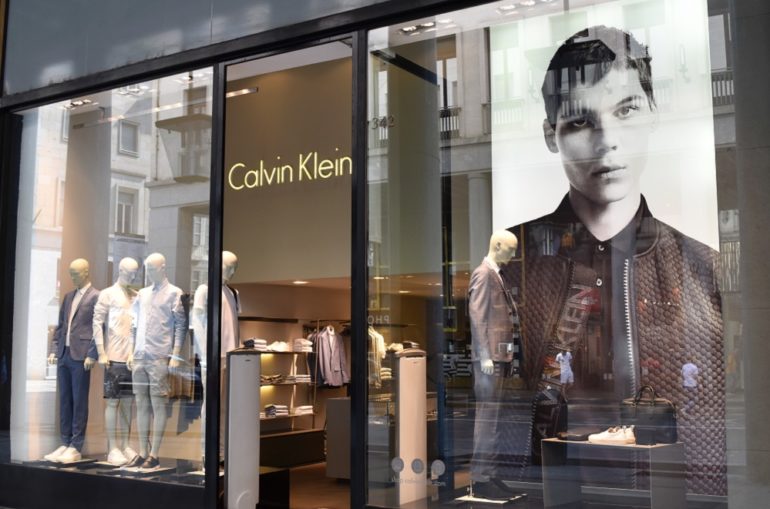
    Calvin Klein continues to solidify its footprint in South Korea with the recent opening of a chic lifestyle boutique in the stylish district of Seongsu, Seoul. The new outlet marries the sleek minimalism that is synonymous with Calvin Klein, with the industrial charm of the Seongsu neighborhood.

    The boutique, nestled in Seongdong-gu, gracefully spans three floors and cleverly integrates elements of the building’s original blueprint. An atrium breathes life into the space, which also boasts customized fixtures contributing to its unique aesthetic.

    A Shopping Experience Across Three Levels

    The boutique’s ground floor is a homage to Calvin Klein’s renowned denim collection. Here, shoppers can explore a variety of fits, fabrics, and the brand’s seasonal styles, promising something to suit every fashion-forward client.

    Moving to the second floor, Calvin Klein’s array of lingerie and underwear take the spotlight. This level also showcases the brand’s outerwear, knitwear, and accessory lines, as well as other seasonal collections, offering a comprehensive shopping experience for the discerning buyer.

    The boutique reserves its third floor for personal styling appointments, ensuring that customers receive a dedicated and personalized service to help them put together their perfect Calvin Klein ensemble.

    “We are thrilled to strengthen our brand’s presence in what is arguably one of Asia’s leading fashion and cultural hubs,” stated representatives from Calvin Klein.

    Questions & Answers

    What is unique about the new Calvin Klein boutique in Seongsu, Seoul?
    The new boutique blends Calvin Klein’s minimalist aesthetic with the industrial character of Seongsu. It spans three levels, each dedicated to different collections, and features an atrium and custom fixtures.

    What collections does the new boutique feature?
    The boutique showcases Calvin Klein’s popular denim and underwear collections. It also offers outerwear, knitwear, accessories, and other seasonal collections.

    What services does the boutique offer?
    In addition to showcasing Calvin Klein’s wide range of collections, the boutique offers personal styling appointments on the third floor. This service allows customers to receive personalized advice on creating their perfect Calvin Klein look.

  • South Korean Scent Sensation Tamburins Unveils Fairy-tale Flagship Store in Daikanyama, Tokyo

    South Korean Scent Sensation Tamburins Unveils Fairy-tale Flagship Store in Daikanyama, Tokyo

    Tamburins, a prominent fragrance brand based in South Korea, has recently inaugurated its latest flagship store in Daikanyama, marking its fifth establishment in Tokyo.

    A Modern-Day Wonderland

    The two-story venue is designed to resemble a whimsical fairytale, complete with a 13-meter tall sculpture of a dachshund dog. The brand invites customers to immerse themselves in a unique and sensory-rich environment that blends scent and spatial design. The store’s launch also includes the release of an exclusive egg perfume and other special gift items.

    Tamburins was established in Seoul in 2017. Initially launched as a beauty-focused offshoot of Iicombined – the parent organization of the renowned eyewear brand, Gentle Monster, the brand has flourished under the leadership of Hankook Kim. Its first flagship store was opened in the Sinsa-dong district of Seoul.

    Store Features and Product Range

    The store boasts an array of features designed to enhance the shopping experience. This includes a photo booth for customers to capture their visit, a relaxing lounge area for them to unwind, and ample display spaces. The company affirms that the flagship store carries the complete range of Tamburins products.

    Questions & Answers

    What is the concept behind the design of Tamburins’ newest store?
    The Daikanyama flagship store is designed to resemble a whimsical fairytale, with a 13-metre tall sculpture of a dachshund dog.

    What unique features does the Daikanyama flagship store offer?
    Besides its unique design, the store includes a photo booth, a lounge space, and large display areas to enhance the shopping experience.

    What is special about the launch of the new Tamburins store?
    The store’s launch includes the release of an exclusive egg perfume and other special gift items.

  • Swiss Sportswear Giant On Unveils First Standalone Store in Seoul, Invigorating South Korea’s Retail Scene

    Swiss Sportswear Giant On Unveils First Standalone Store in Seoul, Invigorating South Korea’s Retail Scene

    Swiss sportswear label, On, has unveiled its inaugural standalone shop in South Korea, furthering its direct-to-consumer reach within the nation.

    Strategically Located in Seoul

    The store, nestled within Seoul’s Hannam district, signifies On’s maiden standalone brand space in the Korean market. This launch builds upon the brand’s initial direct retail outposts in Yeouido and Jamsil, which were established in the previous November.

    The shop encompasses three floors, with the lower level spotlighting On’s running collection. The higher levels are dedicated to lifestyle, tennis, outdoors, and children’s merchandise.

    The basement has been repurposed as a hub for running, functioning as a space for community gatherings, such as running club meets and in-store events tied to the local running community.

    Inspired by Seoul’s Night Running Routes

    The store’s aesthetic borrows elements from Seoul’s evening running paths. The use of lighting and reflective surfaces aims to replicate the dynamic movement and visual ambiance of the city post-sunset. The storefront’s design elements also nod towards the nearby Han River.

    According to Rebecca Cai, On’s APAC GM, the brand anticipates the store to serve as a central spot for their running community. This is especially relevant with the looming Seoul Marathon. The brand also hopes the space will allow customers to fully immerse themselves in On’s universe, and personally interact with their latest performance and design innovations.

    This inauguration aligns with the company’s ongoing efforts to widen its retail footprint across Asia. Just this week, On launched its most expansive store in China, situated at Shenzhen MixC World. This two-story outlet covers approximately 802 square meters.

    Questions & Answers

    What does the new On store in Seoul offer?
    The store provides a wide array of sportswear, including running, lifestyle, tennis, outdoor, and kids’ products. Additionally, it will serve as a hub for community activities related to running.

    What is unique about the design of the new store?
    The design of the store is inspired by Seoul’s night running routes, with lighting and reflective surfaces that mimic the city’s atmosphere after dark. The facade also pays homage to the nearby Han River.

    What recent expansion efforts has On undertaken in Asia?
    On has been actively expanding its retail network in Asia. Along with the new standalone store in South Korea, it recently opened its largest store in China, located in Shenzhen MixC World.

  • On Pioneers Rapid Shoe Production with Robot-Powered Factory Launch in South Korea

    On Pioneers Rapid Shoe Production with Robot-Powered Factory Launch in South Korea

    On Running, a sportswear brand, has recently launched an automated factory in Busan, South Korea where robots are used to manufacture running shoes. The company expresses its intent to establish more such factories in the United States and Europe to accelerate its production and delivery timelines.

    Embracing Nearshoring

    Due to rising tariffs, supply chain disruptions, and geopolitical risks, several retailers and brands are considering ‘nearshoring’. This involves shifting the manufacturing process closer to the final consumer. On Running aims to expedite shoe production, decrease its environmental footprint, and bring manufacturing closer to its main markets by embracing automation. This approach contrasts with the traditional footwear manufacturing model, which typically involves shipping finished products from factories in Southeast Asia and China to customers in the US and Europe.

    Caspar Coppetti, co-founder of On, believes that automation and nearshoring are the way forward. He cites the increasing speed to market, sustainability efforts, and the growing scarcity of regions with cheap labor as reasons to pursue this direction. At present, On sources 90% of its shoes from third-party manufacturers in Vietnam and the remaining 10% from Indonesia, as per their most recent annual report.

    Automated Manufacturing Expansion

    On Running first revealed its LightSpray marathon running shoe at the 2024 Paris Olympics. This innovative shoe is created by robot arms spraying material onto a mold to generate a sock-like upper. The company’s factory in Busan, equipped with 32 robots, marks a significant expansion from its initial automated factory in Zurich, which only has four robots and commenced production in July of the previous year.

    This new factory can manufacture approximately 1,000 pairs of shoes daily. The spray-on method simplifies the traditional upper manufacturing process, reducing a complex 200-step procedure across multiple factories to a single automated operation.

    On Running, established in Switzerland in 2010, plans to develop robot factories in the US in a bid to mitigate its tariff expenses. Steep tariffs introduced by the US on sportswear manufacturing hubs such as Vietnam and China have escalated costs and affected the industry significantly over the past year. The recent Supreme Court ruling against tariffs has added further uncertainty for retailers and importers.

    Competing with Industry Giants

    In the intense competition to produce the fastest marathon shoe, not just for elite athletes but also for amateur runners eager to beat their personal bests, On Running has promoted the LightSpray as a game-changer due to its light weight. Hellen Obiri, an On-sponsored athlete, wore the LightSpray when she triumphed in the New York Marathon last November.

    Questions & Answers

    What is the importance of ‘nearshoring’ for On Running?
    Nearshoring allows the company to speed up its manufacturing process, reduce its environmental impact, and bring production closer to its main markets.

    What is the LightSpray marathon running shoe?
    The LightSpray is an innovative shoe made with a robot arm spraying material onto a mold to create a sock-like upper. It is lauded for its light weight.

    Where are On Running’s automated factories located?
    On Running currently has automated factories in Busan, South Korea and Zurich, Switzerland. They plan to establish more such factories in the United States and Europe.

  • Arirang 6 Satellite: South Korea’s High-Tech Hope Battles New Launch Setbacks

    Arirang 6 Satellite: South Korea’s High-Tech Hope Battles New Launch Setbacks

    South Korea’s multipurpose practical satellite, Arirang 6, has experienced another postponement in its launch schedule, further emphasizing the nation’s dependence on foreign launch services and the consequential lack of control over scheduling. The Korean AeroSpace Administration (KASA) has been informed of the delay by the European launch service provider Arianespace. Initially set for launch in early 2025, the launch of Arirang 6 is now slated for the third quarter of 2026 or later.

    Arirang 6: A High-Resolution Satellite

    Arirang 6, also known as KOMPSAT-6, is a high-resolution synthetic aperture radar (SAR) Earth observation satellite that can operate irrespective of weather conditions or time of day. The satellite boasts the capability to identify objects as small as 50 centimeters in both horizontal and vertical dimensions. This has led the South Korean government to invest around KRW 370 billion in the program, acknowledging its significance in national security, disaster response, and environmental monitoring.

    Despite the completion of its development several years ago, the satellite has not yet entered orbit owing to recurring delays associated with foreign launch vehicles. The latest delay is due to problems affecting Platino-1, Italy’s high-resolution SAR satellite, slated to share the launch on Arianespace’s Vega C rocket.

    European Payloads Take Priority

    As the Vega C is a European-developed launch vehicle spearheaded by the Italian Space Agency, European payloads are given priority. This means that the launch timeline of Arirang 6 remains dependent on the progress of Platino-1’s development. In the previous year, issues related to Platino-1 resulted in an earlier delay of the Korean satellite’s launch.

    Arirang 6 finished the final assembly and space environment testing in August 2022, marking the culmination of a development effort that commenced in 2012. Since then, the satellite has been stored at the Korea Aerospace Research Institute’s satellite development facility in Daejeon, awaiting a confirmed launch window.

    Multiple Disruptions

    The mission has encountered several disruptions over the past few years. Initially, South Korea planned to launch Arirang 6 from Russia in 2020, but development delays moved the schedule to the latter half of 2022. The Russia-Ukraine conflict subsequently made Russian launch options impossible, compelling Seoul to look for an alternative provider.

    In 2023, South Korea chose Arianespace’s Vega C rocket for the launch. However, another setback occurred when Vega C had a mission failure in December 2022, leading to a suspension of flights and a thorough safety review. These concerns resulted in further postponements: first to December 2024, then to the latter half of 2025, before the most recent delay pushed the timeline to 2026.

    Industry experts caution that countries without independent launch capabilities are extremely susceptible to schedule disruptions in the international launch market. Major providers like SpaceX and Arianespace prioritize domestic or strategic payloads, often leaving foreign customers vulnerable to delays beyond their control.

    Although South Korea has improved its domestic launch capabilities through the Nuri (KSLV-II) rocket program, analysts observe that the country has not yet fully incorporated its indigenous launch systems with high-value, operational satellites like Arirang 6.

    Questions & Answers

    What is Arirang 6?
    Arirang 6, also known as KOMPSAT-6, is a high-resolution synthetic aperture radar (SAR) Earth observation satellite that can operate irrespective of weather conditions or time of day.

    Why has the launch of Arirang 6 been delayed?
    The launch of Arirang 6 has been postponed due to recurring delays related to foreign launch vehicles. The most recent delay is due to problems with Italy’s high-resolution SAR satellite, Platino-1.

    What challenges is South Korea facing in its satellite launch capabilities?
    Although South Korea has improved its domestic launch capabilities, the country has not yet fully integrated its indigenous launch systems with high-value, operational satellites. This has left it vulnerable to schedule disruptions in the international launch market, as seen with the repeated delays in the Arirang 6 launch.

  • Coupang CEO Steps Down Amidst South Korea’s Largest Data Breach Scandal: Security Measures Revamped

    Coupang CEO Steps Down Amidst South Korea’s Largest Data Breach Scandal: Security Measures Revamped

    In light of a severe data breach, one of the most significant in South Korea’s history, Coupang Corp’s CEO, Park Dae-jun, has resigned. The cyberattack exposed the personal details of approximately 33.7 million customers, including their names, email addresses, phone numbers, shipping addresses, and certain order histories. However, payment details and login credentials were not compromised in the breach.

    Park’s Tenure and Resignation

    Park Dae-jun had been a part of Coupang Corp since 2012, ascending to the position of co-CEO in 2020, and subsequently becoming the sole CEO in May amid a company-wide leadership restructuring. Following the data breach incident, Park accepted responsibility for the breach and its handling, expressing his deep regret for letting down the public. He announced his decision to resign from all his positions within the company.

    In response to the significant breach, the e-commerce giant issued an apology, expressing deep regret for the anxiety caused by the data leak. The company pledged to work diligently to regain customer trust and strengthen security protocols to prevent future data breaches.

    Leadership Transition

    In the wake of Park’s resignation, Coupang Inc., Coupang Corp’s US-based parent company, has appointed Harold Rogers, the company’s chief administrative officer, as the interim CEO for the Korean branch.

    The appointment comes in the aftermath of one of South Korea’s most devastating data breaches, believed to have originated in June.

    South Korean Prime Minister Kim Min-seok announced earlier this week that the government would be investigating any possible legal violations made by the company. In response, police subsequently initiated a raid on the company’s office in Seoul.

    Under the new interim CEO, the company’s key focus will be on relieving customer anxiety, resolving the data breach issue both from within and outside the company, and restoring stability to the organization. The leadership transition signifies the parent company’s proactive approach to managing the fallout from the data leak incident.

    Questions & Answers

    Why did Coupang Corp’s CEO, Park Dae-jun, resign?
    Park Dae-jun resigned from his position due to a major data breach that exposed personal information of about 33.7 million customers.

    Who has been appointed as the interim CEO following Park’s resignation?
    Harold Rogers, the chief administrative officer of Coupang Inc., the US-based parent company of Coupang Corp, has been appointed as the interim CEO.

    What are the company’s plans following the data breach?
    The company has pledged to restore customer trust, enhance security measures, and focus on resolving the data breach issue, both internally and externally, under the new interim CEO.

  • Lululemon Makes Stylish Strides in South Korea: Unveils First Asian Global Flagship Store in Seoul’s Gangnam District

    Lululemon Makes Stylish Strides in South Korea: Unveils First Asian Global Flagship Store in Seoul’s Gangnam District

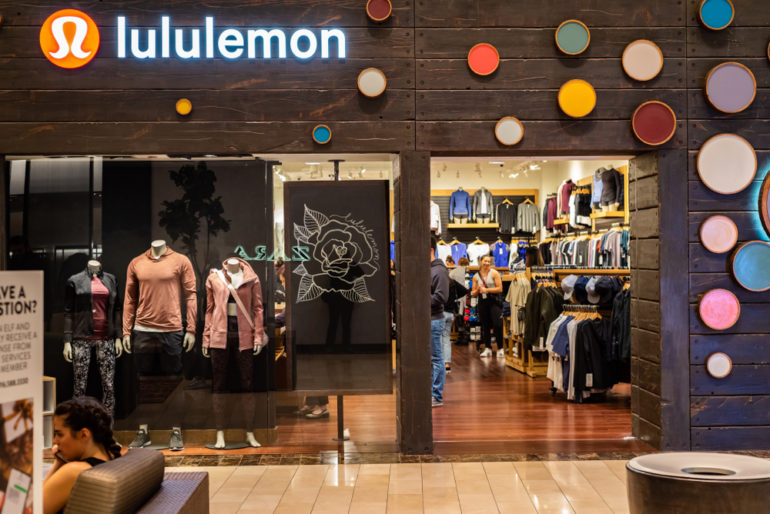
    Sportswear brand Lululemon has established its inaugural global flagship store in the heart of South Korea’s bustling Gangnam district. This 9000sqft, three-story location showcases the brand’s commitment to its growth strategy in the Asia Pacific region.

    A Fresh Retail Concept

    This new Korean flagship store introduces a unique retail design focused on movement and sensory engagement. Drawing inspiration from its Pacific Northwest roots, the store showcases structural materials and a sophisticated colour scheme to represent the brand’s heritage.

    The exterior of the store prominently features custom 3D-printed recycled materials. The design is influenced by the distinctive lines found in some of Lululemon’s most popular products.

    Expanding the Assortment

    In an effort to cater to a wider audience, the flagship store has allocated an entire floor to menswear. This expanded assortment targets not just sports and training wear, but also everyday and travel wear, meeting a range of consumer needs.

    Investing in the South Korean Market

    Gareth Pope, GM of Lululemon for the Asia Pacific region, spoke on the brand’s enthusiasm for the South Korean market. He stated, “Korea is one of the fastest-growing markets in our APAC portfolio. This flagship store represents a strategic investment in a market that continues to show significant momentum. This is driven by a vibrant community and an increasing demand for premium activewear.”

    Building on this momentum, the brand is keen on expanding its presence in Korea through new store formats, community events, and localized product assortments. “We are determined to deepen our connection with Korean consumers through personalized experiences, exclusive offerings, and continuous innovation in digital and physical retail,” Pope added.

    Strong Footprint in the Region

    The launch of the new flagship store in Korea takes the total number of Lululemon stores in Korea to 23. These stores are spread across key regions including Seoul, Gyeonggi, Busan, Daejeon and Daegu. Notably, the Gangnam location is the brand’s first flagship store in Asia and the fourth street-front store in Seoul, alongside existing stores in Cheongdam, Itaewon and Myeong-dong.

    Questions & Answers

    Where is Lululemon’s first global flagship store located?
    The store is located in Seoul’s Gangnam district in South Korea.

    What is the new retail design concept introduced by Lululemon in their flagship store?
    The new retail design is centered on movement and sensory engagement, with a colour palette and structural materials inspired by the brand’s Pacific Northwest origins.

    What does the establishment of the flagship store signify for Lululemon?
    The new flagship store represents Lululemon’s strategic investment in the South Korean market, and underpins the brand’s commitment to growth and deepening customer relationships in the Asia Pacific region.

  • South Korean Footwear Giant, Sappun, Makes Strides in Southeast Asia with Exclusive Indonesian Expansion

    South Korean Footwear Giant, Sappun, Makes Strides in Southeast Asia with Exclusive Indonesian Expansion

    South Korean female-oriented shoe brand, Sappun, has drawn out plans to broaden its global presence, beginning with Southeast Asia, Indonesia specifically.

    Expanding Footprints in Indonesia

    The footwear brand, which operates under the management of FNS Retail Co, has embarked on an exclusive alliance with Surya Bumi Retailindo. This Indonesian retail firm oversees over 20 international brands spread across sports, fashion, and lifestyle verticals, Salomon and Dickies included.

    The collaboration gives Surya Bumi Retailindo the exclusive distribution rights for Sappun within Indonesia while also setting a sturdy framework for sustained retail growth.

    Establishing Retail Presence

    Sappun, in accordance with this new partnership, has launched standalone outlets in three of Jakarta’s prime shopping precincts, such as Lippo Mall Puri, Plaza Senayan, and Grand Indonesia. Initial sales at these outlets have been reportedly on par with its flagship stores in South Korea, an indication of the strong demand from Indonesian shoppers.

    FNS Retail has plans to inaugurate five additional Sappun stores inside Indonesia by the conclusion of this year, with a future goal of reaching a total of 30 stores within the next five years.

    The entrance into the Indonesian market marks a noteworthy milestone as the first international expansion of a K-fashion women’s shoe brand. FNS Retail expressed their ambition to extend their presence further across Southeast Asia and Japan.

    The Growth of Sappun

    Sappun was founded in 2014 initially as an online-only brand which later expanded its operations to offline outlets across prominent Korean cities, including Seoul and Busan. To further extend its global reach, the brand continues to exploit e-commerce platforms like Shopee and Lazada.

    Sappun also has plans in the pipeline to launch operations in Vietnam in the near future.

    Questions & Answers

    What is Sappun’s expansion strategy?
    Sappun plans to broaden its global presence starting with Southeast Asia, specifically Indonesia. They aim to establish a robust retail presence through local partnerships and open standalone stores in prime shopping areas.

    How is the brand performing in Indonesia?
    Sappun has launched standalone outlets in three of Jakarta’s prime shopping precincts. The sales at these outlets have been reportedly on par with its flagship stores in South Korea, indicating strong demand from Indonesian shoppers.

    What are Sappun’s future plans?
    Sappun aims to extend its presence further across Southeast Asia and Japan. The brand also has plans to launch operations in Vietnam in the near future.

  • 5G Power Play: How China, South Korea, and Singapore Race to Champion Smart, Ultra-Fast Networks

    5G Power Play: How China, South Korea, and Singapore Race to Champion Smart, Ultra-Fast Networks

    Asia’s broadband and mobile landscapes are quickly transforming, spurred on by economic goals, digital sovereignty, and leadership in industries powered by artificial intelligence (AI). Significant investments are being poured into denser radio networks, more rapid fixed connections, and smart AI automation, particularly in China, South Korea, and Singapore. But what advantages do these leaders hope to reap from such extensive efforts?

    The Economic Imperative

    In the Asia-Pacific region, mobile technologies have already become a major economic cornerstone. The sector was responsible for approximately $950 billion and 5.6% of the regional GDP in 2024, and these numbers are expected to rise with the expansion of 5G.

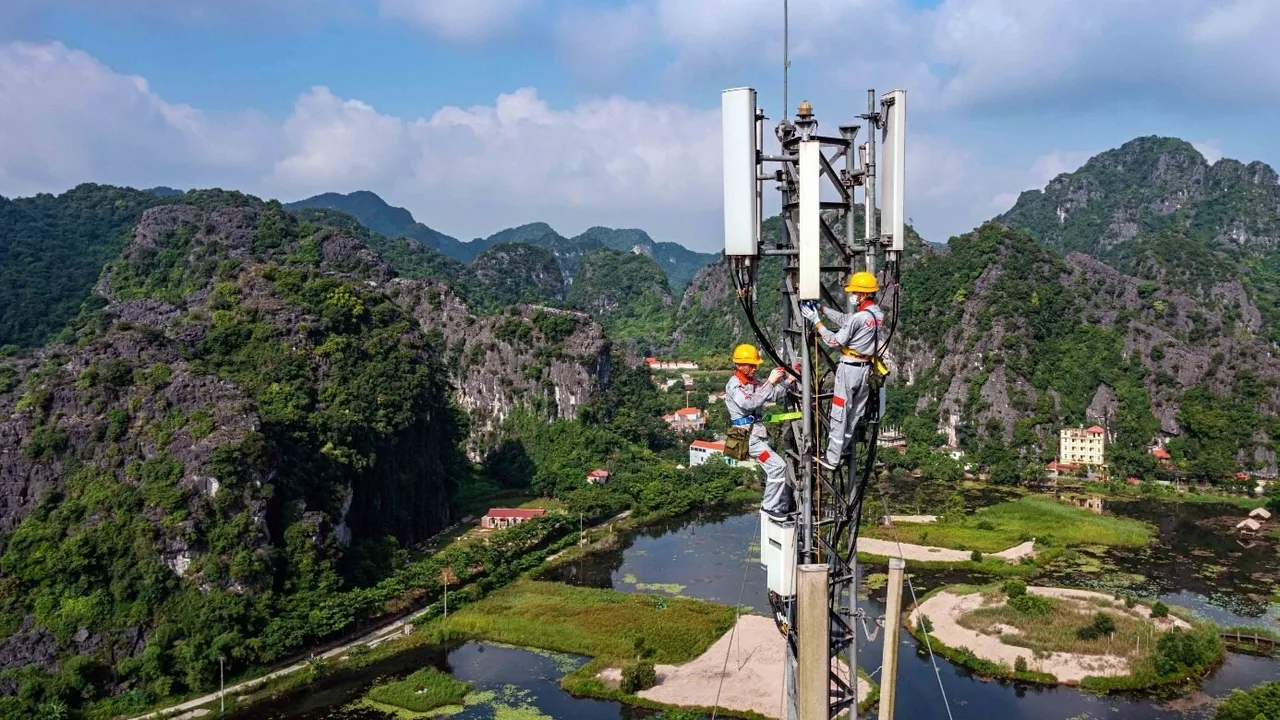
    Rapid strides are being made in China to roll out both 5G and 5G-Advanced (5G-A) networks. The country now hosts over 4.486 million 5G cell sites, accounting for 35.3% of all mobile base stations, as of May 2025. In just the first five months of that year, 235,000 new 5G base stations were installed, highlighting the government’s ongoing dedication to expanding connectivity. Furthermore, China’s move toward 5G-A signifies a shift from basic connectivity to intelligent networking.

    South Korea’s 5G rollout is similarly comprehensive and widespread. By the third quarter of 2024, the country had approximately 36.1 million 5G connections, and operators had achieved nationwide 5G coverage that same year. Additionally, South Korea ranks highest in terms of 5G infrastructure density.

    Singapore, too, is making substantial strides in the 5G domain. By early 2024, key operators such as StarHub reported over 99% outdoor 5G coverage. The city-state has also dedicated SGD 25 billion (~USD 18 billion) in R&D funding to back enterprise testbeds for 5G in sectors like smart estates, Industry 4.0, and urban mobility.

    The Consumer Imperative

    Both consumers and businesses in Asia are pressing for lower latency, higher capacity, and full coverage. Emerging technologies such as cloud gaming, immersive video, and factory automation depend on low-latency, robust connections and are transitioning to actual deployment.

    In the race for speed, South Korea and Singapore often rank among the fastest worldwide. High speeds are essential to support business workloads, AR/VR services, and AI tasks.

    In China, where average 5G download speeds exceed 400 Mbps, operators like China Mobile and China Unicom report an increase in customer satisfaction and a reduction in churn rates as users upgrade to premium 5G plans.

    Networks are not only becoming faster but also more adaptive. Vendors and carriers are incorporating AI into the radio access network, core, and operations stacks, supporting functions like energy optimization, traffic prediction, and self-healing.

    The Geopolitical Imperative

    Networks play a critical role as key geopolitical assets. As such, governments are diversifying their suppliers and promoting investments in backup cables, localized cloud and edge computing, and corporate cloud services. Security and economic objectives further propel the demand for faster, more reliable networks.

    The advent of software as the primary differentiator in a market where hardware has become largely standardized, along with subsidies and targeted policies, is accelerating deployment. The large-scale rollouts in China underscore how favorable policy can rapidly reduce costs and expand coverage.

    A Pragmatic Race with High Stakes

    Rapid progress, however, comes with its own set of challenges. Densely packed networks are expensive, and some countries still grapple with spectrum and backhaul limitations. AI networks are complex to manage, and privacy, localization, and cybersecurity rules introduce additional regulatory hurdles.

    Yet, the pursuit by China, South Korea, and Singapore of the fastest, smartest networks revolves around maintaining economic competitiveness, enabling AI and cloud services, achieving digital resilience and independence, and unlocking future business verticals.

    Network investment has now become a central pillar for economic growth and national strategy. AI and smart infrastructure drive continuous upgrades; resilience and digital sovereignty guide policy-making; and vendor competition hastens rollout. The real victors in this race won’t simply have the highest speeds, but the ability to balance speed, intelligence, regulatory clarity, and expenditure effectively.

    By pushing forward with 5G and 5.5G leadership, China, South Korea, and Singapore are poised to benefit economically through new digital industries and productivity growth, satisfy consumer demands for faster, smarter connectivity, and solidify their geopolitical influence as global frontrunners in next-generation technology.

    Questions & Answers

    What is driving the rapid evolution of Asia’s broadband and mobile landscape?
    Economic ambitions, digital sovereignty, and leadership in AI-powered industries are the key drivers behind the swift transformation of Asia’s broadband and mobile landscape.

    How is 5G contributing to the economies of China, South Korea, and Singapore?
    5G is expected to boost the economies of these countries through the creation of new digital industries, productivity growth, and by meeting consumer and business demands for faster, smarter connectivity.

    What challenges are being faced in the deployment of 5G and AI networks?
    The key challenges include the high costs of dense network deployments, limitations related to spectrum and backhaul, complexity of managing AI networks, and regulatory hurdles related to privacy, localization, and cybersecurity.

  • South Korean Cafe Giant ‘A Twosome Place’ Readies for Sweet US Debut

    South Korean Cafe Giant ‘A Twosome Place’ Readies for Sweet US Debut

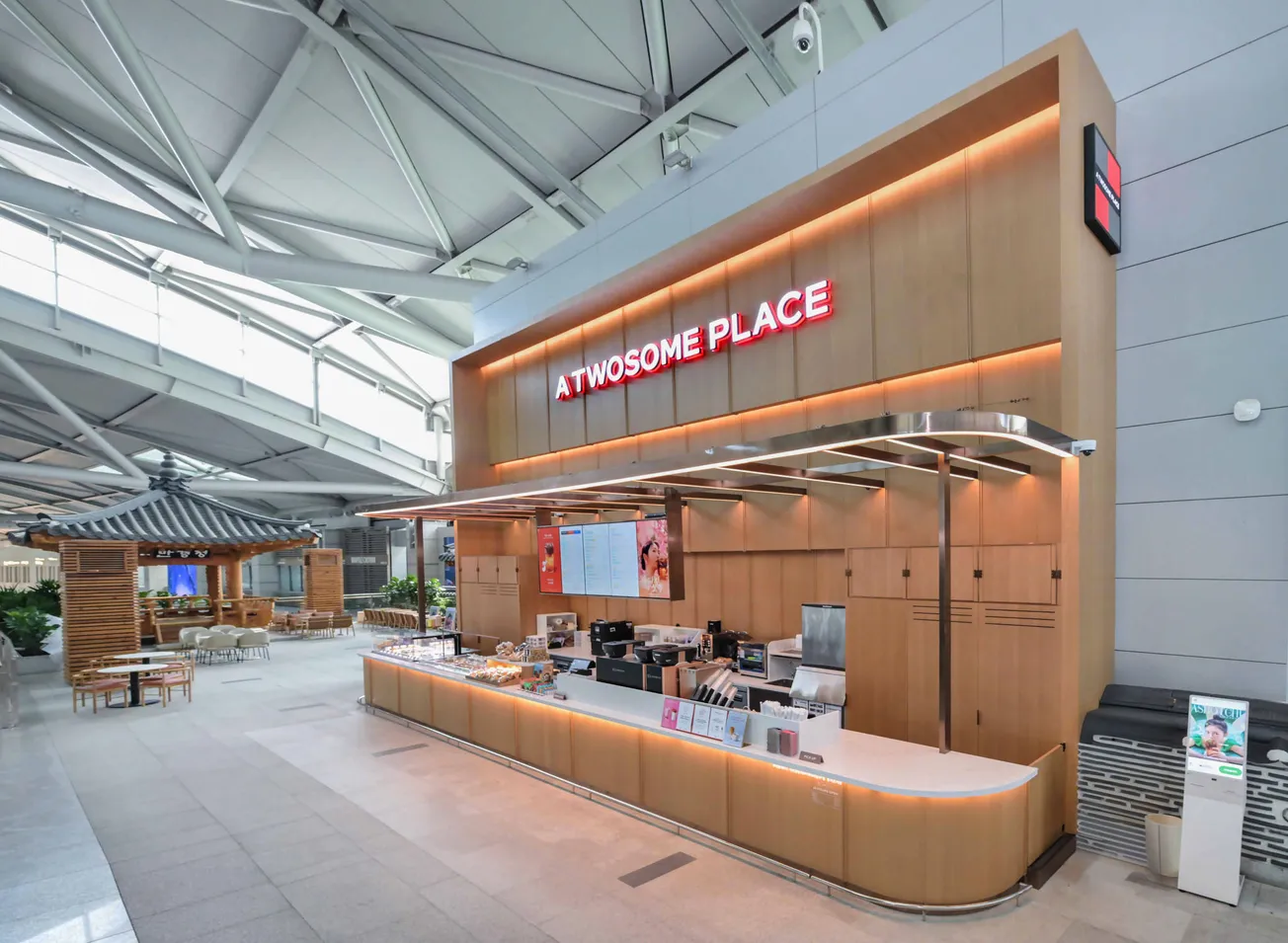
    Renowned South Korean café chain, A Twosome Place, is gearing up to launch its first company-owned branch in the United States in the coming year. This move signifies a re-energized push for international expansion, following the café’s exit from the Chinese market three years prior.

    Global Expansion Strategy

    While the exact location and timeline for the U.S. launch have not yet been disclosed, it is clear that this move is part of A Twosome Place’s comprehensive strategy to disseminate Korean-style café culture worldwide.

    A Twosome Place, established in 2002, currently operates over 1700 outlets across South Korea, and is recognized for its exceptional dessert offerings. The chain embarked on franchising in 2008 and was later purchased by The Carlyle Group in 2021.

    Domestic Developments

    On the domestic front, A Twosome Place is introducing the ‘Twosome 2.0’ concept: a high-end store design that is being implemented in key districts of Seoul. There are plans already underway to propagate this concept nationally, while infusing new elements into pre-existing stores.

    The café chain retreated from the Chinese market after shuttering over 40 outlets in 2022, which came as a result of a sustained period of lackluster sales in the region.

    Questions & Answers

    What is the significance of A Twosome Place’s expansion into the U.S.?
    The planned move to open a branch in the U.S. is part of A Twosome Place’s wider strategy to introduce Korean-style café culture to international markets.

    What is ‘Twosome 2.0’, the concept A Twosome Place is implementing domestically?
    ‘Twosome 2.0’ is a new store design concept that provides a premium aesthetic. The company plans to implement this design across their stores in South Korea.

    Why did A Twosome Place withdraw from the Chinese market?
    A Twosome Place withdrew from China after experiencing several years of slow sales, leading to the closure of more than 40 stores in 2022.

  • Korean Wave Drives Tourism Boost: Retailers Enhance Strategies To Meet K-culture Demand

    Korean Wave Drives Tourism Boost: Retailers Enhance Strategies To Meet K-culture Demand

    The rising popularity of South Korean culture, often referred to as the ‘Korean Wave’, is driving record numbers of international tourists to the country. In response, South Korean retailers are intensifying their marketing strategies to cater to the growing demand for K-beauty products, K-pop merchandise, and unique cultural experiences.

    Boost in Tourist Numbers

    Data from the industry, released on October 19, indicated that the number of foreign tourists visiting Korea between January and August reached 12.38 million. This is a 16 per cent increase compared to the same time frame in 2024 and even exceeds pre-pandemic levels in 2019 by nearly 8 per cent. Capitalizing on this influx, retailers are offering a variety of services such as beauty consultations, pop-up stores, and immersive events that blend modern retail with traditional Korean culture.

    Beauty and Tourism Merge

    One of the leading health and beauty retailers, CJ Olive Young, expanded its ‘personal shopper’ and skin consultation services at its flagship stores, which are typically frequented by foreign visitors. At its Central Gangnam location, tourists can schedule a 45-minute personalized shopping session via the travel platform Klook. These sessions include product recommendations and makeup advice.

    At Olive Young N Seongsu, guests are offered skin and scalp analysis, personalized color consulting, and custom beauty tutorials. A company spokesperson highlighted the high interest of foreign tourists in understanding K-beauty trends and receiving customized product advice. They noted that foreign customers now constitute 60 to 70 per cent of consultation users at the Seongsu branch.

    Olive Young has also introduced K-pop pop-up stores at its Myeongdong, Seongsu, and Hongdae locations. These stores allow shoppers to buy albums and receive exclusive photo cards, a strategy aimed at capturing the worldwide K-pop fan base.

    Convenience Stores and Duty-Free Retailers Participate

    Convenience store chains are also morphing into mini K-culture centers. GS25’s “New Annyeong Insadong” location features an AI-powered beauty device that analyzes a visitor’s facial shape and personal color, providing immediate product recommendations that can be bought on-site.

    Seven-Eleven, under Lotte Group, has established special retail zones that sell albums and merchandise from popular groups like SF9, NCT Wish, and Seventeen.

    Duty-free retailers are also providing experiences beyond shopping. Shilla Duty Free’s Seoul branch offers complimentary jjimjilbang (Korean sauna) vouchers to Taiwanese customers who buy a certain amount of K-brand products. Lotte Duty Free’s Myeongdong main store organizes postcard-writing events, allowing visitors to send messages overseas.

    Combining Pop Culture and Tradition

    Retailers are also leveraging the global interest generated by the Netflix animated film K-Pop Demon Hunters, which showcased traditional Korean medicine and crafts. Lotte Duty Free is issuing discount coupons to tourists visiting Seoul K-Medi Center, the real-life counterpart to the film’s setting.

    Hyundai Department Store’s The Hyundai Seoul recently hosted a traditional crafts event. Here, foreign visitors could create Korean accessories like norigae charms and bracelets, guided by English-speaking instructors.

    According to industry experts, these initiatives reflect the retail sector’s transformation beyond conventional shopping towards immersive experiences steeped in Korean culture. As articulated by a tourism official, “Korean retailers are no longer just selling products – they’re selling a piece of Korea itself.”

    Questions & Answers

    Q: What is the ‘Korean Wave’?
    A: The ‘Korean Wave’ refers to the global rise in popularity of South Korean culture, encompassing music, television dramas, films, fashion, and beauty trends.

    Q: How are South Korean retailers responding to the increased number of foreign visitors?
    A: Retailers are tailoring their services to cater to these visitors. This involves offering personalized shopping sessions, setting up pop-up stores dedicated to K-pop, and organizing events that blend modern retail with traditional Korean culture.

    Q: How are convenience stores participating in the trend?
    A: Convenience stores are transforming into mini K-culture hubs. For example, GS25 provides an AI-powered beauty device that provides immediate product recommendations, while Seven-Eleven sells albums and merchandise from various K-pop groups.

  • Escalating Dropout Rate Among South Korean Teacher-training Students Raises Concerns

    Escalating Dropout Rate Among South Korean Teacher-training Students Raises Concerns

    There has been an escalating trend of South Korean students abandoning their teacher-training colleges due to progressively unfavorable working conditions, static wages, and dwindling career outlooks. According to the Korea Educational Development Institute, the student attrition rate in education colleges reached a record high of 4.2% last year, a rate that has remained constant since the preceding year.

    Even Top Schools Are Not Spared

    Data from the Ministry of Education indicates that this issue is prevalent even among top-tier institutions. Both Seoul National University of Education and Gyeongin National University of Education experienced over 100 students opting out of their programs, in spite of these institutions being renowned for producing elementary school teachers.

    The dropout rate among students in education universities has seen a gradual increase over the years. In 2018, the dropout rate was less than 1%, which increased to 1.5% in 2019 and 1.7% in 2020, rose to 2.4% in 2021 and 3.2% in 2022, and eventually leveled at approximately 4% in 2023 and 2024.

    Factors Driving the Trend

    Surveys suggest that the key factors contributing to this trend are the diminishing authority of teachers and increased parental pressure. A poll conducted by the Korean Federation of Teachers’ Unions in May, involving 8,254 teachers across elementary, middle, and high schools, showed that 58% considered transferring or resigning within a year. Of these, a whopping 77.5% cited excessive parental complaints as the primary reason.

    A different survey by the Korea Federation of Teachers’ Associations revealed that only 19.7% would pursue teaching again given the opportunity. This is the lowest percentage since the poll’s inception in 2012.

    Experts attribute this disillusionment to more challenging classroom environments, heightened emotional labor, and relatively mediocre salaries, especially in comparison with major corporations. Furthermore, there is a deficiency in safeguards for teachers’ authority.

    Increased Attention to the Issue

    The spotlight on this issue intensified following a tragic incident in 2023 at Seoul’s Seoi Elementary School, where a young teacher took her own life reportedly due to mounting parental pressure. A similar case occurred on Jeju Island this year involving a teacher who allegedly faced ceaseless complaints prior to her death.

    The future prospects for teaching jobs are also becoming less promising. Along with the dwindling school-age population resulting from the low birthrate, the teacher certification exam increasingly fails to guarantee employment, thereby further dissuading potential educators.

    Questions & Answers

    What factors are contributing to the increasing dropout rate among South Korean education university students?
    Several factors are contributing to this trend, including worsening working conditions, stagnant wages, diminishing teacher authority, and escalating parental pressure.

    How is this dropout trend affecting even the leading education universities?
    Despite the prestigious status of institutions like Seoul National University of Education and Gyeongin National University of Education, they have not been spared from this trend. Both universities have seen over 100 students leaving their programs.

    Are the job prospects for teachers in South Korea getting worse?
    Yes, job prospects are declining for teachers in South Korea. This is largely due to the decreasing school-age population resulting from the low birthrate, which makes the teacher certification exam less effective in securing employment.

  • South Korea’s Retail Industry Expands Private Label Business Beyond Food And Household Items

    South Korea’s Retail Industry Expands Private Label Business Beyond Food And Household Items

    South Korea’s retail industry is swiftly growing its private label (PB) business by extending beyond food and household items to include clothing, innovative digital platforms, and even international markets. This expansion comes as firms ranging from convenience stores and hypermarkets to e-commerce businesses vie to fortify their brand identities and profitability.

    Private Label Sales on the Rise

    BGF Retail, the parent company of the CU convenience store chain, reported noteworthy growth in PB sales. The years 2023 and 2024 saw increases of 17.6 percent and 21.8 percent, respectively, followed by an additional 19.1 percent surge during the first nine months of 2025.

    GS25, another retail chain, offers around 800 PB items via the YouUs line, which now make up nearly 30 percent of total sales. Their affordable Real Price range saw a significant year-on-year increase of 125 percent.

    Leading supermarkets are also jumping on the bandwagon. Approximately 8 percent of Emart’s sales and 10 percent of Lotte Mart’s sales come from private-label goods. Emart boasts well-known PB labels such as No Brand, Peacock, 5K Price, and Days, while Lotte Mart promotes Today’s Good and Cookit.

    Online retailers aren’t left behind either. Kurly, for example, reported a year-on-year increase of over 10 percent in sales of its flagship PB lines, echoing the growing consumer demand for retailer-exclusive products.

    Expanding Across Platforms and Borders

    The once rigid boundaries between retailers are now blurring as PB products start to appear across rival platforms. Even Coupang, an e-commerce platform, sells Lotte Mart’s Today’s Good and Homeplus’s Simplus brands, while Emart’s Peacock products can be found on Kurly’s online marketplace.

    Convenience chains are also making their mark on the global stage. GS25 exports PB products to 33 countries, including the United States, Australia, Japan, and China. CU also sells its own-label items in more than 20 countries, through outlets such as Japan’s Don Quijote stores.

    Earlier this year, BGF Retail forged a partnership with China’s Ningxing Youbei, a prominent importer and distributor. The partnership’s goal is to introduce CU-branded sections on Chinese e-commerce platforms and operate pop-up stores that showcase its products.

    In addition, 7-Eleven Korea ventured into the clothing sector in April, launching its own line of socks, underwear, and T-shirts, and recently, knitwear.

    A spokesperson from the retail industry emphasizes that selling robust PB products via external channels provides both marketing and revenue advantages. The more positive experiences that customers have with a retailer’s PB products, the more likely they are to become loyal to that retailer’s own platform.

    The Challenges and Risks of Brand Identity

    Despite the success of the PB trend, it has stirred concerns about potential conflict with national brands. For instance, Coupang was previously accused of allegedly manipulating search rankings to favor its own PB products.

    Experts also caution that expanding PB lines too broadly across platforms could blur brand identity and complicate logistics and inventory management, thereby undermining the very benefits that PB lines are intended to provide.

    Kurly, which previously sold select CU PB products, reverted to an in-house-only model. A spokesperson stated that the company is more interested in preserving brand integrity than achieving broader exposure, and has no plans to offer its PB products on external platforms.

    Questions & Answers

    What is the trend of private label sales growth in South Korea’s retail industry?
    The trend shows consistent growth, with companies like BGF Retail reporting significant year-on-year increases in private label sales.

    How is the expansion of private labels affecting the retail industry?
    The expansion is blurring boundaries between retailers, causing them to compete on multiple platforms. It’s also leading retailers to venture into new markets like clothing and international sales.

    What are the potential risks associated with the expansion of private label lines?
    Potential risks include conflicts with national brands, the blurring of brand identity, and complications with logistics and inventory management.

  • Zen Diamond Expands Footprint In India With Two New Stores In Bengaluru

    Zen Diamond Expands Footprint In India With Two New Stores In Bengaluru

    Zen Diamond, a worldwide jewellery retailer, has broadened its reach in India by inaugurating two additional stores in Bengaluru. This decision follows the brand’s successful introduction in Mumbai in the previous year.

    Expansion into South India

    Zen Diamond’s expanded presence is marked by the establishment of new outlets at the Phoenix Mall of Asia and Phoenix Marketcity. These locations represent the company’s initial expansion in South India, an area of increasing interest for the business.

    Neil Sonawala, Managing Director of Zen Diamond, expressed enthusiasm about this development, saying, “The Indian market has always been highly valued by our brand. The positive response we received from our Mumbai outlets was remarkably encouraging. With the inauguration of our two additional stores in Bengaluru, we’re excited about introducing Zen Diamond’s tradition of superior craftsmanship to the southern region of India.”

    Store Design and Services

    The brand’s new locations will be distinguished by a sophisticated decor featuring subdued grey color schemes, fluted panels, and stucco textures. These elements have been chosen to accentuate the company’s premium jewellery collection.

    To bolster customer trust and assurance, Zen Diamond will also offer Natural Diamond Certification within India.

    Rituu Mehhta, the Centre Director of Phoenix Mall of Asia, praised the launch of the Zen Diamond stores, stating, “The introduction of a globally recognized brand like Zen Diamond significantly enhances our retail portfolio.”

    Global Presence

    Zen Diamond has a substantial international presence, operating over 450 stores worldwide. Alongside its primary jewellery offerings, the company also sells accessories, including watches, pens, ties, and gold coins.

    Questions & Answers

    What led to Zen Diamond’s expansion into South India?
    The positive feedback and success from the company’s ventures in Mumbai encouraged them to expand to other parts of India.

    What unique features can customers expect in the new Bengaluru stores?
    The Bengaluru stores will be distinguished by their refined grey palettes, fluted panels, and stucco textures, all aimed to enhance the brand’s luxurious jewellery collection.

    What steps is Zen Diamond taking to improve customer trust in India?
    To increase consumer trust and confidence, Zen Diamond will provide Natural Diamond Certification in India.

  • South Korea’s Warehouse-style Pharmacies: Consumer Convenience Vs. Public Health Concerns

    South Korea’s Warehouse-style Pharmacies: Consumer Convenience Vs. Public Health Concerns

    South Korea is currently experiencing the rapid proliferation of large-scale ‘warehouse-style’ pharmacies, establishments that sell medications and wellness supplements in large quantities. This trend has sparked an intense discussion around public health and market equity.

    The Emergence of Warehouse-Style Pharmacies

    The trend of warehouse-style pharmacies was first noticed earlier this year in Seongnam, located to the south of Seoul. It has since spread to Gwangju, where two sizable pharmacies are preparing to commence operations this month. One of these pharmacies spans an area of 262 square meters, while another, yet to be launched, is expected to cover 760 square meters. Current registration guidelines allow these establishments to operate as long as they comply with legal requirements, thereby making it impossible for local governments to prevent their opening.

    Pharmacists’ Concerns

    Pharmacists’ associations have expressed serious concerns about this trend, warning about the potential risks it poses to patients and smaller community-owned pharmacies. The Gwangju Pharmaceutical Association, in particular, has issued a public statement urging a halt to the opening of new large-scale pharmacies. They emphasized that drugs are not mere consumer products but bioactive substances requiring extensive management and professional counseling.

    The Association further warned that if medicines are treated as commonplace household items in these large establishments, their misuse and abuse would inevitably increase. Such a scenario could also put more than 700 local pharmacies at risk of going under.

    Statistics support these concerns. The daily per-capita consumption of drugs in Korea has risen from 1123 in 2021 to 1432 in 2023. Over the past ten years, drug-associated fatalities have also risen by 1.7 times.

    Pharmacists also caution about the potential risks for patients with chronic illnesses who might face dangerous side effects from common analgesics or allergies caused by certain components without personalized guidance.

    Consumer Perspectives

    On the other hand, consumers see benefits in the new model. They are attracted to the cost competition and bulk display that promise more affordable medicines and increased convenience. Many shoppers, particularly those from Gwangju’s Seo district, appreciate the opportunity to have a wider variety of vitamins and supplements available under one roof.

    This debate mirrors previous conflicts around the sale of basic over-the-counter drugs at convenience stores in 2012, and the more recent surge in online sales of supplements.

    Local governments have admitted their inability to limit these openings under the current laws but have committed to rigorous monitoring. They underscored their commitment to prioritizing citizen safety by closely inspecting facilities, staffing, and adherence to regulations while working in tandem with local pharmacist groups.

    This ongoing debate underscores the growing friction between the consumer’s need for convenience and affordability and the health sector’s concerns regarding safety and societal costs.

    Questions & Answers

    What is the concern of local pharmacists about the trend of warehouse-style pharmacies?
    Local pharmacists express concern about the potential risks it may pose to both the smaller community pharmacies and patients. They worry that treating medicines as common consumer goods could lead to their misuse and abuse, jeopardizing public health.

    How has the daily per-capita consumption of drugs changed in Korea from 2021 to 2023?
    The daily per-capita consumption of drugs in Korea has increased from 1123 in 2021 to 1432 in 2023, according to the statistics.

    What is the stance of local governments on the proliferation of warehouse-style pharmacies?
    While local governments currently cannot restrict the opening of these establishments, they have pledged to maintain rigorous monitoring efforts. They aim to prioritize citizen safety by closely inspecting facilities, staffing, and regulatory compliance.