Retail News CRM

Tag: south

  • Haglofs Unveils Flagship Store In South Korea, Bridging Urban Culture With Outdoor Exploration

    Haglofs Unveils Flagship Store In South Korea, Bridging Urban Culture With Outdoor Exploration

    Swedish outdoor apparel company, Haglofs, has inaugurated its premier flagship store in South Korea, in collaboration with local distributor, Hayl. The store is strategically situated at the foot of Dobongsan National Park, encompassing a sprawling space of 421 square meters, and houses the brand’s comprehensive collection of clothing, gear, and accessories.

    A location that mirrors the Brand’s Philosophy

    Opening a flagship store in Dobongsan National Park allows Haglofs to become a part of Seoul’s thriving outdoor culture, which seamlessly blends the urban landscape with the natural allure of mountains. As articulated by Ji-Hwan Lee, CEO of Hayl, the location resonates with Haglofs’ philosophy of making nature accessible, welcoming, and within everyone’s reach. Benefiting both novice hikers and seasoned mountaineers, the park is easily accessible all year round.

    ‘Nature Inside, Life Outdoors’ Concept

    The store introduces a unique concept: ‘Nature Inside, Life Outdoors.’ This conceptual approach aims to emphasize the human and technical facets of the brand. By enveloping customers in an immersive retail ambiance, it seeks to enrich their shopping experience.

    Expanding into Untapped Markets

    South Korea offers a new avenue for Haglofs to tap into. Daniel Stiller Cohn, Head of Distribution Sales at Haglofs, believes that their trusted distributor, Hayl, will lay a solid groundwork for the brand in the region. Their enthusiasm and proficiency make them an apt partner as they introduce Haglofs’ commitment to innovation and sustainability in South Korea.

    Questions & Answers

    What is the philosophy behind Haglofs’ new store at Dobongsan National Park?

    The location is envisioned to reflect Haglofs’ belief that nature should be accessible, welcoming, and within everyone’s reach. It is conveniently accessible all year round and caters to both novice hikers and seasoned mountaineers.

    What unique concept does the new Haglofs store introduce?

    The store presents a unique ‘Nature Inside, Life Outdoors’ concept, designed to emphasize the human and technical aspects of the brand, and provide an immersive retail experience.

    What does the new market in South Korea represent for Haglofs?

    The South Korean market represents a new and untapped frontier for Haglofs. The brand has faith in its distributor, Hayl, to establish a strong foundation for them in the region, and to carry forward their focus on innovation and sustainability.
  • Chipotle Sets Sights On Asian Market With South Korea And Singapore Expansion

    Chipotle Sets Sights On Asian Market With South Korea And Singapore Expansion

    Next year, Chipotle is set to expand its international footprint into Asia, launching its first establishments in South Korea and Singapore. This expansion is facilitated by a partnership with SPC Group.

    Chipotle Finds Its Ideal Entry Points in Asia

    Executive Vice President and owner of SPC Group, Heesoo Hur, has conveyed his excitement about the venture, stating that due to the widespread recognition of the brand and the keen interest in high-quality culinary experiences among Koreans and Singaporeans, these two markets pose perfect entry points for Chipotle’s Asian expansion.

    Chipotle, a US-based fast-casual chain, has gained popularity for its customizable offerings that include burritos, bowls, tacos, and salads created from fresh ingredients. Patrons are allowed the liberty to choose their fillings from an assembly line, enabling them to tailor their meals according to their preferences.

    Chipotle Eyes Growth in Asia

    Scott Boatwright, CEO of Chipotle, has expressed his enthusiasm about the move into Asia. He believes this expansion will provide an exceptional growth opportunity for the company. He stated that there is considerable demand for fresh, quickly prepared food in the Asian markets and, coupled with existing brand recognition, he anticipates a strong initial acceptance of the brand.

    This alliance with SPC Group is the latest in a series of international moves by Chipotle. In 2023, Chipotle formed a partnership with Alshaya Group to introduce the brand to the Middle East, where it currently operates six outlets spread across Kuwait and the UAE. Earlier this year, Chipotle revealed a collaboration with Alsea, planning to inaugurate its first Mexican outlet next year.

    At present, Chipotle operates over 3,800 restaurants globally. The company harbors ambitious plans for the future, targeting the opening of up to 345 new sites this year, with an ultimate aim of reaching a total of 7,000 locations in the US and Canada.

    Questions & Answers

    What is Chipotle’s expansion plan for Asia?
    Next year, Chipotle will be launching its first outlets in Asia, beginning with South Korea and Singapore, via a partnership with SPC Group.

    What kind of dining experience does Chipotle offer?
    Chipotle is a fast-casual chain that offers personalised dining experiences. Customers can customise their burritos, bowls, tacos, and salads with fresh ingredients chosen from an assembly line.

    What are Chipotle’s broader expansion plans?
    Chipotle operates over 3,800 restaurants worldwide and aims to open up to 345 new locations this year. In the long term, the company targets a total of 7,000 outlets in the US and Canada.

  • South Korean Yogurt Giant, Yoajung, Makes Debut In Singapore Amidst Competitive Market

    South Korean Yogurt Giant, Yoajung, Makes Debut In Singapore Amidst Competitive Market

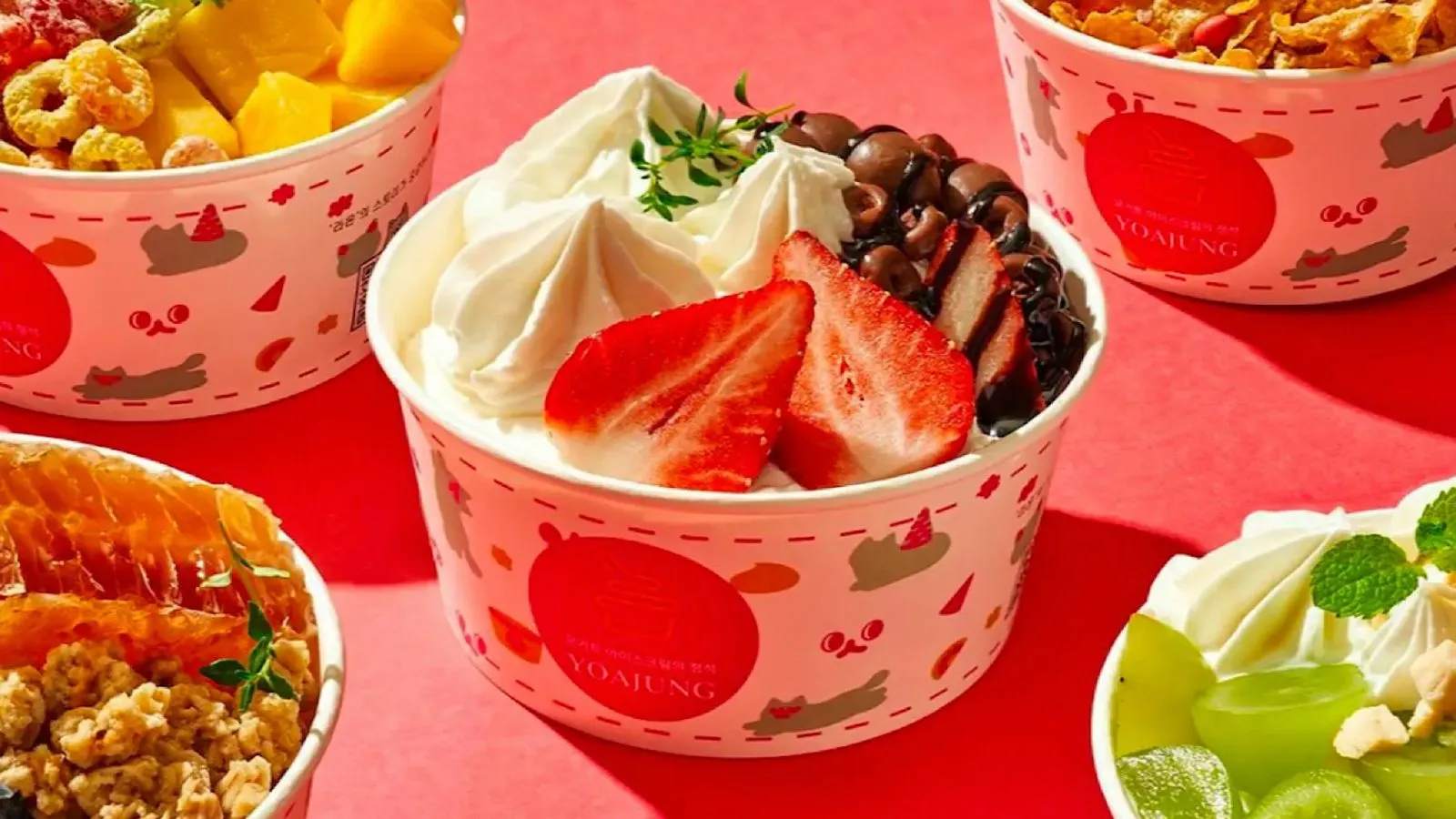
    South Korean yogurt chain, Yoajung, has officially launched its first store in Singapore, located on the bustling Orchard Road’s Scape.

    Yoajung, established in 2021, has seen rapid expansion in its short existence. The brand currently boasts over 650 branches in its home country of South Korea and has extended its international footprint to countries including Japan, China, Hong Kong, and Australia.

    This bold move into the Singaporean market was made possible through a partnership with Hong Kong’s Modu Consulting. Modu Consulting owns the master franchise rights for Yoajung in various regions, including Hong Kong, Macau, and now Singapore.

    The newly opened outlet on Orchard Road offers a customizable menu, with a focus on frozen yogurt and acai bowls. Customers have the opportunity to personalize their bowls with an extensive range of toppings and premium upgrades.

    Yoajung’s entry into Singapore is hot on the heels of another international yogurt brand, Yo-Chi. The Australian-based chain made its own foray into the Singapore market last month, opening a 60-seat outlet at Orchard Central.

    Questions & Answers

    When was Yoajung established, and how many outlets does it currently have?
    Yoajung was established in 2021 and currently operates over 650 outlets in South Korea, in addition to its branches in Japan, China, Hong Kong, and Australia.

    Who holds the master franchise rights for Yoajung in Singapore?
    Modu Consulting, a Hong Kong-based company, holds the master franchise rights for Yoajung in Singapore.

    What is unique about the menu at Yoajung’s Orchard Road outlet in Singapore?
    The Orchard Road outlet offers a customizable menu focusing on frozen yogurt and acai bowls with a broad variety of toppings and premium add-ons.

  • Perfumer H Marks Global Expansion With Inaugural Store Launch In South Korea’s Apgujeong-dong District

    Perfumer H Marks Global Expansion With Inaugural Store Launch In South Korea’s Apgujeong-dong District

    Perfumer H, a prominent fragrance brand originating from the UK and established by Lyn Harris, has recently launched its inaugural store in South Korea, marking a crucial milestone in the brand’s ongoing international expansion efforts.

    A Strategic Location

    The newly-opened flagship outlet is situated within the high-end Apgujeong-dong district in Seoul. This strategic location was chosen in collaboration with the local architecture firm, Chak Chak.

    The store, a standalone two-storey structure, showcases a minimalist design aesthetic which mirrors the brand’s principal focus on aroma, craftsmanship, and building a community.

    Continued Growth in Asia

    The introduction of the Perfumer H store in Seoul signifies the brand’s consistent expansion within the Asian market. It complements the brand’s existing presence in other prominent markets like Taiwan, China, and Japan.

    Since its inception in 2015, Perfumer H has received high praise for its sophisticated, personality-filled fragrances which are artfully crafted to complement an array of individual styles.

    Questions & Answers

    What is Perfumer H?
    Perfumer H is a British fragrance brand that was established by Lyn Harris in 2015. It’s known for creating elegant, character-rich fragrances.

    Where has Perfumer H opened its first South Korean store?
    Perfumer H has opened its first South Korean store in the upscale Apgujeong-dong district of Seoul.

    What is the significance of the new Perfumer H store in Seoul?
    The new store in Seoul signifies Perfumer H’s continued growth in the Asian market, adding to its presence in other markets such as Taiwan, China, and Japan.

  • South Korean Fashion Retailer Musinsa Teams Up With Anta Sports To Expand Into China

    South Korean Fashion Retailer Musinsa Teams Up With Anta Sports To Expand Into China

    Musinsa, a fashion retailer from South Korea, has recently expanded its operations into China, thanks to a collaboration with Anta Sports. By creating a joint venture known as Musinsa China, the two companies aim to stimulate growth in both online and physical store outlets. Majority ownership (60%) of the joint venture will be held by Musinsa, while Anta Sports will possess the remaining 40%.

    Advancing Korean Fashion in China

    Musinsa currently collaborates with over 1500 brands on its platform and intends to use this new venture to assist Korean designer labels in making their debut in China. According to Musinsa’s CEO, Joonmo Park, this alliance merges Musinsa’s knowledge of fashion with Anta’s expertise in retail and brand management.

    Park enthusiastically shared his vision for the partnership, stating that it would utilize diverse retail channels to provide Chinese consumers with unique brand experiences. He expressed eagerness to captivate young consumers in the vibrant Chinese market.

    Roles and Responsibilities

    The implementation of Musinsa Standard, the retailer’s private-label line, and the Musinsa Store will be managed by Musinsa China. Meanwhile, Anta Sports will oversee strategic and financial aspects of the venture through its representatives on the joint venture’s board.

    Co-CEO of Anta Sports, Wu Yonghua, believes that the agreement aligns perfectly with Anta’s ‘Single-Focus, Multi-Brand, and Globalisation’ strategy. He stated their intention to integrate sportswear with fashion-forward design to better cater to the preferences of China’s younger generation.

    Anta Sports aims to use its value chain capabilities and successful ‘Brand + Retail’ operating model to empower Musinsa China. The goal is to deliver standout, style-conscious products to consumers interested in sports and lifestyle.

    The business transaction is set to be finalized by the end of the month, subject to approval from regulatory bodies.

    Questions & Answers

    What is the purpose of the partnership between Musinsa and Anta Sports?
    The partnership aims to advance the growth of both online and offline channels in China by creating a joint venture, Musinsa China.

    How does this partnership fit into Anta Sports’ business strategy?
    The collaboration aligns with Anta’s ‘Single-Focus, Multi-Brand, and Globalisation’ strategy, allowing them to integrate sportswear with fashion-forward design to cater to China’s younger generation.

    Who will oversee the operations of this new venture?
    Musinsa China will manage the implementation of Musinsa Standard and the Musinsa Store, while Anta Sports will handle strategic and financial oversight through its representatives on the board of the joint venture.

  • Over Half Of South Korean Consumers Foret Refunds For Counterfeit Online Purchases, Cites Complex Procedures

    Over Half Of South Korean Consumers Foret Refunds For Counterfeit Online Purchases, Cites Complex Procedures

    Over half of South Korean consumers who inadvertently buy counterfeit products online do not pursue refunds, according to a recent survey by the Korea Consumer Agency. The respondents pointed to complex refund procedures and nominal sums involved as the main reasons for not seeking recompense.

    Consumer Responses and Counterfeit Products

    The survey, which included 1,000 consumers using eight leading online platforms, revealed that 58.6% of those who unintentionally bought counterfeit goods did not request a refund. Reasons given were that the refund process was too intricate or time-consuming (60.4%), or that the purchased items were of low value or indistinguishable from genuine products.

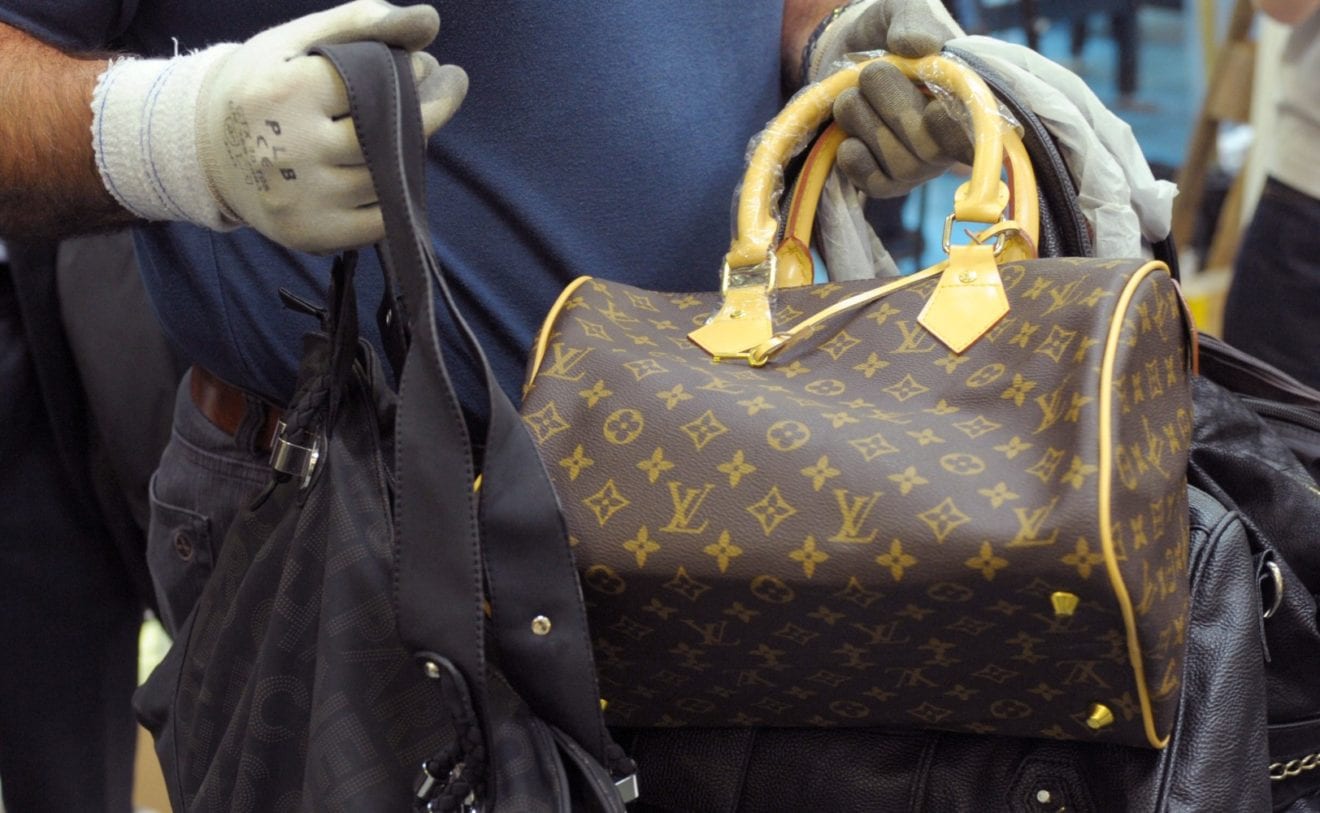
    The most frequently bought counterfeit items were bags, with 38.8% of consumers knowingly purchasing them. Shoes, however, were the most common accidental purchase, with 43.8% of consumers having inadvertently bought counterfeit footwear.

    Interestingly, many of the consumers who intentionally bought counterfeit products showed a lack of awareness about intellectual property rights. Almost half of them stated that they were unaware of, or unconcerned about, any possible issues.

    Responsibility and Complaints

    When asked who should bear the responsibility for counterfeit goods, 45.4% of the respondents blamed the sellers. Online platforms came second at 37.3%, while 17.3% of consumers held themselves accountable.

    The Korea Consumer Agency also examined 1,572 consumer complaints lodged between 2022 and February 2025. Handbags were the most frequently reported counterfeit items (21%), followed by shoes, cosmetics, audio devices, and clothing. The majority of complaints involved luxury brands, along with specific products such as Dyson hair dryers and Apple earphones.

    Price Comparisons and Seller Practices

    An analysis of price comparisons revealed further risks. On platforms like AliExpress and Temu, 72.5% of examined products were listed for less than 20% of their official market prices. Instagram and Naver Band also displayed similar steep discounts for over half of their items, with descriptors such as “mirror-grade leather” or “authentic-level” being used. Many sellers used private or external channels, which complicates monitoring efforts.

    Several platforms, including Naver Band, AliExpress, Coupang, and Temu, were criticised by the agency for their lack of clear instructions on how to report counterfeit items. Instead, they necessitated individual inquiries for each case.

    Call to Action

    The agency recommended that authorities and businesses augment their efforts to curb the sale of counterfeit goods. This includes limiting the use of misleading language on social media and enhancing transparency in reporting procedures.

    Questions & Answers

    What is the most common counterfeit item purchased intentionally in South Korea?
    Bags were the most common counterfeit items purchased on purpose, according to the survey.

    Who do consumers believe is most responsible for the sale of counterfeit goods?
    45.4% of respondents believe that sellers are the most responsible for counterfeit items.

    What measures has the Korea Consumer Agency suggested to combat counterfeit sales?
    The agency has suggested strengthening actions against counterfeit sales, restricting the use of deceptive terms on social media, and enhancing the transparency of reporting procedures.

  • South Korean Fast-food Chain Lotteria Targets Malaysian Market In Strategic Expansion

    South Korean Fast-food Chain Lotteria Targets Malaysian Market In Strategic Expansion

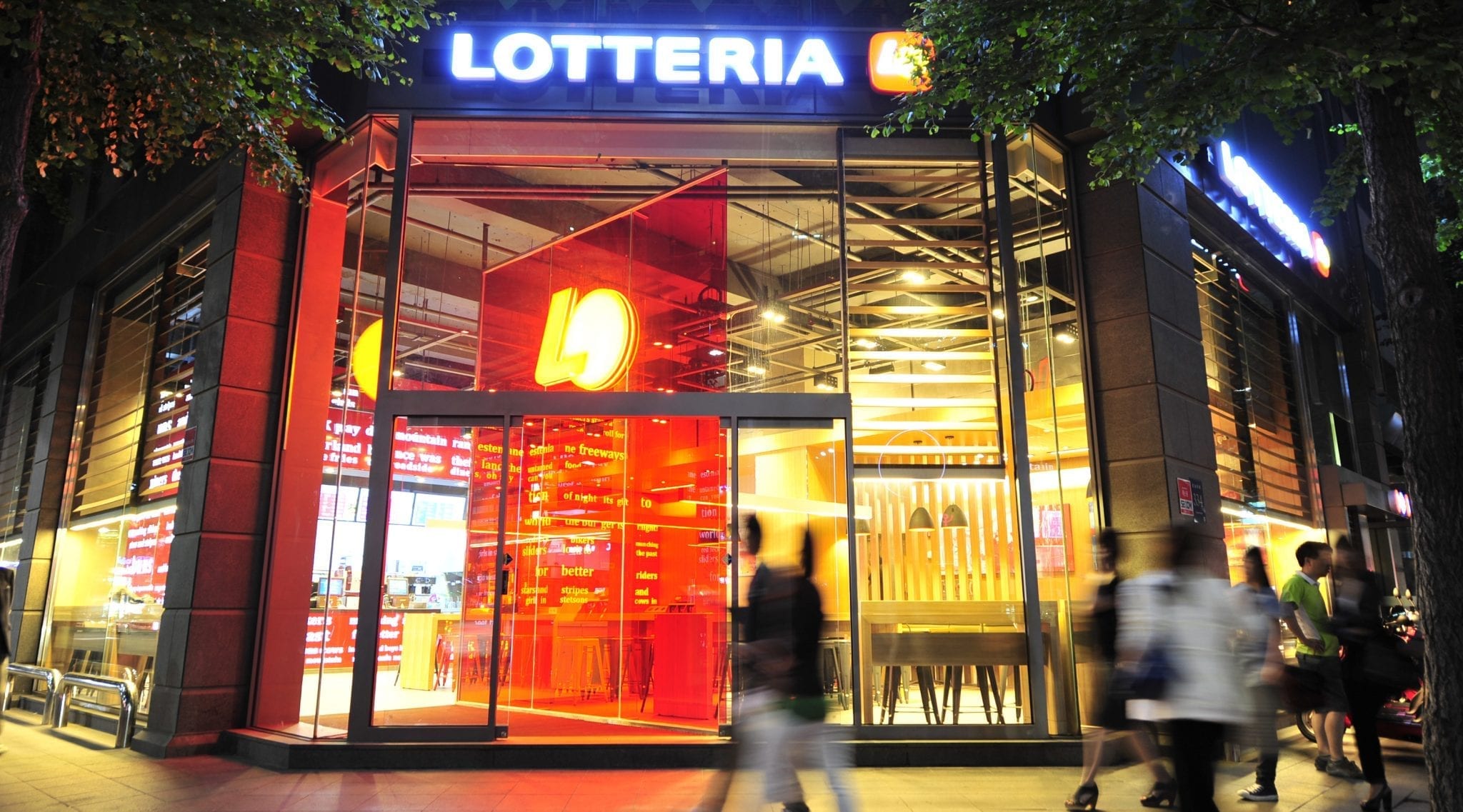
    The South Korean quick-service restaurant chain, Lotteria, is set to enter the Malaysian market by the end of the current year. This move is a result of a strategic alliance with the local firm, Serai Group.

    Exclusive Partnership with Serai Group

    As part of the collaboration, Serai Group has secured exclusive privileges to establish and manage Lotteria stores throughout Malaysia. Furthermore, it is authorized to sub-franchise the brand to other parties.

    Lotteria’s Expansion Strategy

    The venture in Malaysia is a component of Lotteria’s extensive growth strategy in Southeast Asia. This initiative is spearheaded by its parent organization, Lotte GRS Co., which is a branch of the South Korean conglomerate, Lotte Group.

    Lotte GRS has an ambitious plan to open an additional 30 Lotteria outlets throughout Malaysia in the next half-decade.

    Past Ventures and Future Prospects

    The decision to expand in Malaysia was made after Lotte GRS’s leadership, including CEO Cha Woo-cheol, conducted feasibility assessments in the region, and in Singapore, earlier in 2023. The company was exploring master franchise possibilities in these areas, indicating a strong desire to grow beyond Lotteria’s existing international markets, which include Vietnam, Myanmar, Laos, and Mongolia.

    A significant international market for Lotteria has been Vietnam, where the chain has been active since 1998. As per the 2024 financial report of Lotte Group, there are currently 253 Lotteria outlets operating across Vietnam.

    In tandem with its growth in Southeast Asia, Lotte GRS is also gearing up to open its inaugural US outlet in Orange County, California, in the middle of August.

    Questions & Answers

    What are Lotteria’s expansion plans in Malaysia?
    Lotteria plans to establish an additional 30 outlets throughout Malaysia in the next five years.

    What is the role of Serai Group in Lotteria’s expansion into Malaysia?
    Serai Group has secured exclusive rights to open and manage Lotteria stores across Malaysia, and it also has the authority to sub-franchise the brand to other parties.

    What are some of Lotteria’s established overseas markets?
    Lotteria has a strong presence in several international markets, including Vietnam, Myanmar, Laos, and Mongolia.

  • Chinese E-commerce Giants Disrupt South Africa’s Retail Sector, Claiming 3.6% Market Share

    Chinese E-commerce Giants Disrupt South Africa’s Retail Sector, Claiming 3.6% Market Share

    The South African retail market has witnessed significant disruption with the entry of Chinese e-commerce firms, Shein and Temu. Together, they constitute 3.6% of the nation’s retail sector, specifically the clothing, textile, footwear, and leather (CTFL) market. This translated to 7.3 billion rand (US$405 million) in sales in 2024.

    Disrupting the Retail Landscape

    Shein made its debut in the South African market in 2020, with Temu following in 2024. Both companies have effectively shaken up the local retail scene with competitive pricing, strategic marketing, and tax loopholes that initially provided them with an advantage over domestic retailers.

    The allure of these platforms for cost-conscious shoppers has had significant effects on local retailers. In response, these retailers appealed to regulatory bodies last year to address the tax loophole, which was subsequently closed.

    Impact on Market Shares

    The Localisation Support Fund (LSF) report indicates that the market share of domestic CTFL retailers has gradually dwindled from 75.3% in 2011 to 74% in 2024. In comparison, international physical store brands such as H&M, Zara, and Cotton On hold a combined market share of 3.4%.

    Shein and Temu together now hold a 3.6% share of the CTFL market, and a commanding 37.1% of South Africa’s e-commerce CTFL market. In particular, Shein has cornered 28% of the online women’s CTFL sales.

    Sean Mercer, a principal consultant at consulting firm BMA, observed that international retailers had spent 13 years building their market share. In contrast, Shein and Temu have managed to equal and even surpass this in a mere five years.

    Questions & Answers

    What market share do Shein and Temu hold in South Africa’s retail sector?
    Shein and Temu together hold a 3.6% share in South Africa’s retail sector, specifically in the clothing, textile, footwear, and leather market.

    What strategy did Shein and Temu use to disrupt the South African retail market?
    Shein and Temu disrupted the South African retail market with competitive pricing, strategic marketing, and by leveraging tax loopholes that initially provided them with an advantage over domestic retailers.

    How has the entry of Shein and Temu affected local retailers?
    The entry of Shein and Temu has significantly impacted local retailers, leading to a decline in their market share. The cost-effective offerings of these e-commerce platforms have drawn cost-conscious shoppers, affecting the sales of local retailers.

  • F&F Engages Goldman Sachs For Potential Acquisition Of Taylormade Amid Legal Tensions

    F&F Engages Goldman Sachs For Potential Acquisition Of Taylormade Amid Legal Tensions

    South Korean apparel company F&F Co announced on Monday that it had engaged Goldman Sachs as its advisor on the prospective purchase of TaylorMade. The company also stated that it would pursue legal action if the current owner of TaylorMade proceeds with an independent sale process.

    The Context of the Acquisition

    Earlier this year, Centroid Investment Partners, a private equity firm headquartered in Seoul, initiated a sales process for TaylorMade, which it had acquired in 2021. The company, based in Carlsbad, California, could potentially be sold for as much as $3.5 billion, according to those familiar with the transaction.

    F&F Co was a pivotal player in the 2021 acquisition of TaylorMade, participating as a strategic investor. As the most significant investor, F&F secured written Consent Rights over major business decisions, which included borrowing, key management decisions, and sales of equity. However, F&F has not approved Centroid’s current attempt to sell TaylorMade, and it views this action as a considerable violation of its contractual consent rights.

    Despite the potential acquisition, F&F stated that it is fully prepared to use all available legal and contractual measures to hold Centroid accountable for any violations. The company is carefully preparing to exercise its Right of First Refusal (ROFR) if necessary, to ensure alignment with its original investment thesis.

    Investment Breakdown

    F&F’s investment in the acquisition of TaylorMade by Centroid was substantial, contributing 358 billion won ($258 million) of a total subordinated equity investment of 619.2 billion won. This made F&F the primary equity investor as a limited partner (LP).

    Additionally, F&F contributed 195.7 billion won to a mezzanine investment of 471.5 billion won. The fashion company had already expressed its intent to acquire TaylorMade last month, explaining that its significant investment in TaylorMade in 2021 was made with the ultimate aim of acquiring the company.

    Centroid’s Sale Process

    According to insiders, Centroid’s advisors have sent confidential memoranda and process letters concerning the sale of TaylorMade to potential buyers. However, no official process has been initiated yet. Responding to a request for comment, Centroid confirmed it was in the process of selling TaylorMade to maximize its LPs’ return on investment.

    In the private equity sector, a GP, or General Partner, refers to the manager of a fund who is responsible for making investment and operational decisions. In contrast, LPs, or Limited Partners, are investors in the fund who usually have a passive role in individual deals. F&F is an LP investor in a fund managed by Centroid as the GP.

    Centroid confirmed that F&F holds the right of first refusal, which it guarantees. However, it pointed out that this right does not preclude a sale process from occurring.

    TaylorMade Overview

    Established in 1979, TaylorMade produces golf clubs, balls, and other golf-related accessories. The company has offices in Canada, China, Japan, South Korea, and Australia, in addition to its U.S. base.

    Questions & Answers

    What is F&F Co’s role in TaylorMade’s acquisition?
    F&F Co participated as a strategic investor in the 2021 acquisition of TaylorMade and is the largest equity investor as a limited partner (LP).

    What are the potential legal actions that F&F Co might take?
    F&F Co stated that it is fully prepared to use all available legal and contractual measures to hold Centroid accountable for any violations of its contractual consent rights.

    What is the right of first refusal that F&F Co holds?
    The right of first refusal allows F&F Co to decide whether or not to match the terms of a sale determined through the auction process.

  • Hanwha Group Mulls Sale Of Fg Korea, Operator Of Five Guys Franchise In South Korea

    Hanwha Group Mulls Sale Of Fg Korea, Operator Of Five Guys Franchise In South Korea

    The South Korea-based conglomerate, Hanwha Group, is reported to be contemplating the sale of FG Korea, the operator of the American burger franchise Five Guys in South Korea.

    FG Korea and Hanwha Group

    FG Korea functions as a fully-owned subsidiary of Hanwha Galleria, which is the retail division of Hanwha Group. The company recently disseminated documents to private equity firms via a local accounting firm, Samil PwC. This action is seen as an indicator of a possible sale. It is anticipated that if a sale does occur, it would likely result in the complete transfer of ownership of the company.

    FG Korea’s Expansion

    FG Korea was instrumental in introducing Five Guys to the South Korean market in 2023, with the inaugural restaurant opening in the Gangnam district of Seoul. Since then, the chain has grown to include seven branches, with plans for an eighth location to open later this month in Yongsan, central Seoul.

    In the previous year, FG Korea had entered into an agreement with Five Guys International to spearhead the brand’s expansion into Japan, with an ambitious goal of establishing more than 20 outlets within the span of seven years.

    FG Korea’s Financial Performance

    In the past fiscal year, FG Korea reported significant sales of 46.5 billion won (approximately US$33.4 million) and a net income of 2 billion won.

    This potential sale is understood to be part of Hanwha Galleria’s attempts to optimize its portfolio and reduce expenses.

    Questions & Answers

    What is the relationship between FG Korea and Hanwha Group?
    FG Korea is a wholly-owned subsidiary of Hanwha Galleria, which is the retail branch of Hanwha Group.

    What has been FG Korea’s role in the expansion of Five Guys?
    FG Korea brought Five Guys to South Korea in 2023 and has since helped the brand grow to seven locations. Furthermore, they have also signed a memorandum of understanding with Five Guys International to lead the brand’s expansion into Japan.

    What is the financial performance of FG Korea in the past fiscal year?
    FG Korea reported 46.5 billion won (approximately US$33.4 million) in sales and a net income of 2 billion won in the last fiscal year.

  • Farfetch Expands Into Korean Market Through Alliance With E-commerce Giant Coupang

    Farfetch Expands Into Korean Market Through Alliance With E-commerce Giant Coupang

    The premier luxury e-commerce platform, Farfetch, is set to broaden its business operations into the Korean market. This move is made possible through an alliance with Coupang, which is Korea’s principal e-commerce company.

    Facilitating International Fulfilment

    As part of the collaboration, Coupang will be managing all overseas fulfilment for Farfetch. On the domestic front, RLux, a high-end shopping application owned and operated by Coupang, will provide free delivery service for all items purchased within Korea.

    Enhancing Customer Convenience

    In a move aimed at improving customer convenience, Farfetch will integrate all customs duties and additional fees into the product prices. This means that customers will see the total cost upfront, making it easier for them to make informed buying decisions.

    Stephen Eggleston, Farfetch’s Chief Commercial Officer (CCO), expressed his enthusiasm for the expansion. He highlighted this as a special chance for brands in partnership with Farfetch to reach out to Korean luxury customers directly.

    Rescue from Financial Uncertainty

    In 2023, Farfetch found itself on the brink of bankruptcy. This financial calamity was averted when the company was acquired by Coupang.

    Diverse Brand Portfolio

    Now, Farfetch boasts a diverse portfolio of 1400 brands, boutiques and department stores. The company caters to customers in no less than 190 countries around the globe.

    Questions & Answers

    What new markets is Farfetch expanding into?
    Farfetch is broadening its business operations into the Korean market.

    Who will manage Farfetch’s overseas fulfilment in Korea?
    Coupang, Korea’s principal e-commerce company, will handle all overseas fulfilment for Farfetch.

    What measures is Farfetch taking to improve customer convenience in Korea?
    To enhance customer convenience in Korea, Farfetch will include all customs duties and additional fees in the product prices.

  • Gasoline shortages continue in the south

    Gasoline shortages continue in the south

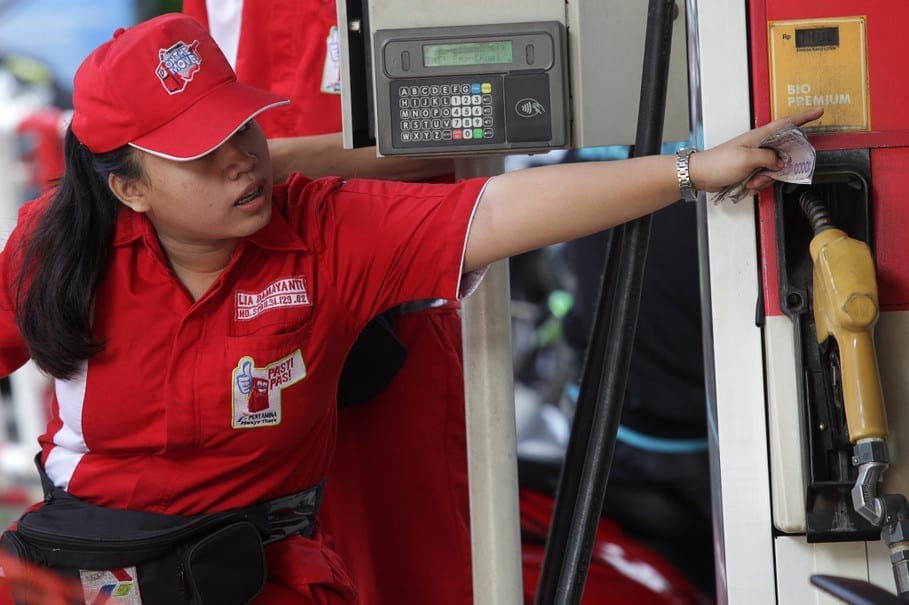
    Gasoline stations remain shut in southern localities, including HCMC, due to a short supply despite authorities’ assurances to the contrary.

    As of Thursday afternoon, seven out of HCMC’s 548 gas stations did not have stocks of the popular RON 95 gasoline to sell, according to the city Department of Industry and Trade.

    In Long An Province, several remained closed, while others limit sales, selling to customers only half of what they order.

    In Vinh Long Province, authorities have found some gas stations with empty tanks and waiting for delivery from suppliers.

    One outlet in Soc Trang Province’s An Lac Tay Commune was found not selling despite having 7,000 liters of the E5 RON 92 biofuel.

    Its manager claimed he was not selling yet because the stock had just arrived.

    Le Viet Long, a deputy inspector at the Ministry of Industry and Trade, said the reason was dubious and authorities are investigating further to slap possible penalties.

    A gas shortage has been reported in the south due to the reduced capacity of Vietnam’s biggest refinery, Nghi Son, though officials have said there is enough to fully meet demand in February.

    Trade minister Nguyen Hong Dien said Wednesday gas stations found not selling despite having stocks would have their license revoked.

    The retail price of RON 95 has increased by nearly 4.6 percent to VND24,360 ($1.07) per liter this year.

    On Friday that could increase to 8.9 percent.

    The prices in Vietnam are determined by the government on the 1st, 11th and 21st day of each month.

  • South Korean retail sales surge as people stay home

    South Korean retail sales surge as people stay home

    South Korean retail sales surged 9.1 percent in February, despite the advent of the coronavirus pandemic.

    The year-on-year increase reflected consumers buying more daily necessities online as the virus spread. And, with people largely staying home, substantially less was spent eating out, so consumers were buying more food to prepare or eat at home.

    According to data compiled by the Ministry of Trade, Industry and Energy, South Korean retail sales rose from US$7.92 billion in February last year to $8.68 billion last month.

    Online sales soared by 34.3 percent, the strongest increase since data was first collected in 2016. By comparison, for the whole of last year, online sales rose by 14.2 percent.

    Food sales almost doubled, driving overall growth, while sales of household products were up by 44.5 percent.

    Convenience-store turnover rose by 7.8 percent, however, overall sales across offline stores fell 7.5 percent year on year, with department stores hardest hit, down by 21.4 percent.