
Tag: south

  • Farfetch Expands Into Korean Market Through Alliance With E-commerce Giant Coupang

    Farfetch Expands Into Korean Market Through Alliance With E-commerce Giant Coupang

    The premier luxury e-commerce platform, Farfetch, is set to broaden its business operations into the Korean market. This move is made possible through an alliance with Coupang, which is Korea’s principal e-commerce company.

    Facilitating International Fulfilment

    As part of the collaboration, Coupang will be managing all overseas fulfilment for Farfetch. On the domestic front, RLux, a high-end shopping application owned and operated by Coupang, will provide free delivery service for all items purchased within Korea.

    Enhancing Customer Convenience

    In a move aimed at improving customer convenience, Farfetch will integrate all customs duties and additional fees into the product prices. This means that customers will see the total cost upfront, making it easier for them to make informed buying decisions.

    Stephen Eggleston, Farfetch’s Chief Commercial Officer (CCO), expressed his enthusiasm for the expansion. He highlighted this as a special chance for brands in partnership with Farfetch to reach out to Korean luxury customers directly.

    Rescue from Financial Uncertainty

    In 2023, Farfetch found itself on the brink of bankruptcy. This financial calamity was averted when the company was acquired by Coupang.

    Diverse Brand Portfolio

    Now, Farfetch boasts a diverse portfolio of 1400 brands, boutiques and department stores. The company caters to customers in no less than 190 countries around the globe.

    Questions & Answers

    What new markets is Farfetch expanding into?
    Farfetch is broadening its business operations into the Korean market.

    Who will manage Farfetch’s overseas fulfilment in Korea?
    Coupang, Korea’s principal e-commerce company, will handle all overseas fulfilment for Farfetch.

    What measures is Farfetch taking to improve customer convenience in Korea?
    To enhance customer convenience in Korea, Farfetch will include all customs duties and additional fees in the product prices.
  • Gasoline shortages continue in the south

    Gasoline shortages continue in the south

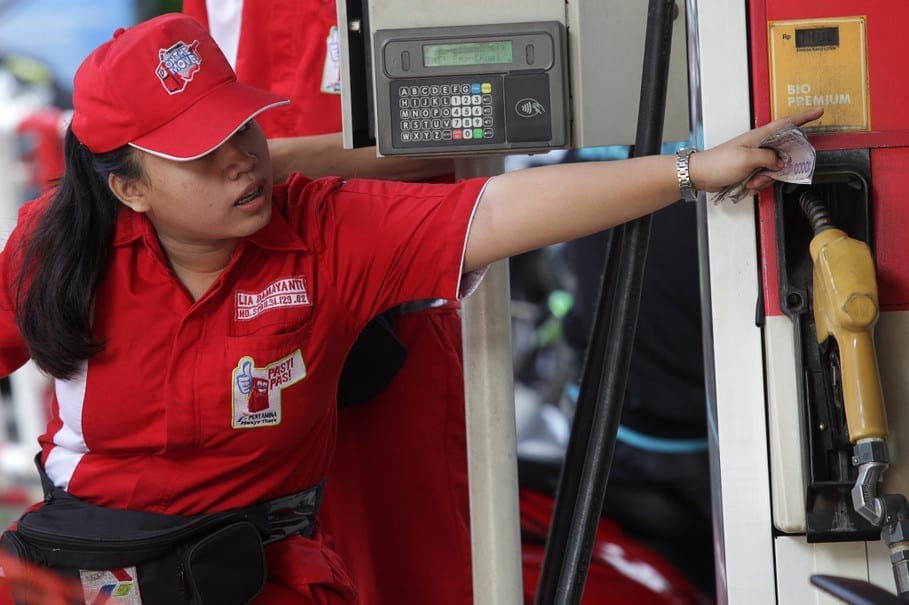
    Gasoline stations remain shut in southern localities, including HCMC, due to a short supply despite authorities’ assurances to the contrary.

    As of Thursday afternoon, seven out of HCMC’s 548 gas stations did not have stocks of the popular RON 95 gasoline to sell, according to the city Department of Industry and Trade.

    In Long An Province, several remained closed, while others limit sales, selling to customers only half of what they order.

    In Vinh Long Province, authorities have found some gas stations with empty tanks and waiting for delivery from suppliers.

    One outlet in Soc Trang Province’s An Lac Tay Commune was found not selling despite having 7,000 liters of the E5 RON 92 biofuel.

    Its manager claimed he was not selling yet because the stock had just arrived.

    Le Viet Long, a deputy inspector at the Ministry of Industry and Trade, said the reason was dubious and authorities are investigating further to slap possible penalties.

    A gas shortage has been reported in the south due to the reduced capacity of Vietnam’s biggest refinery, Nghi Son, though officials have said there is enough to fully meet demand in February.

    Trade minister Nguyen Hong Dien said Wednesday gas stations found not selling despite having stocks would have their license revoked.

    The retail price of RON 95 has increased by nearly 4.6 percent to VND24,360 ($1.07) per liter this year.

    On Friday that could increase to 8.9 percent.

    The prices in Vietnam are determined by the government on the 1st, 11th and 21st day of each month.

  • South Korean retail sales surge as people stay home

    South Korean retail sales surge as people stay home

    South Korean retail sales surged 9.1 percent in February, despite the advent of the coronavirus pandemic.

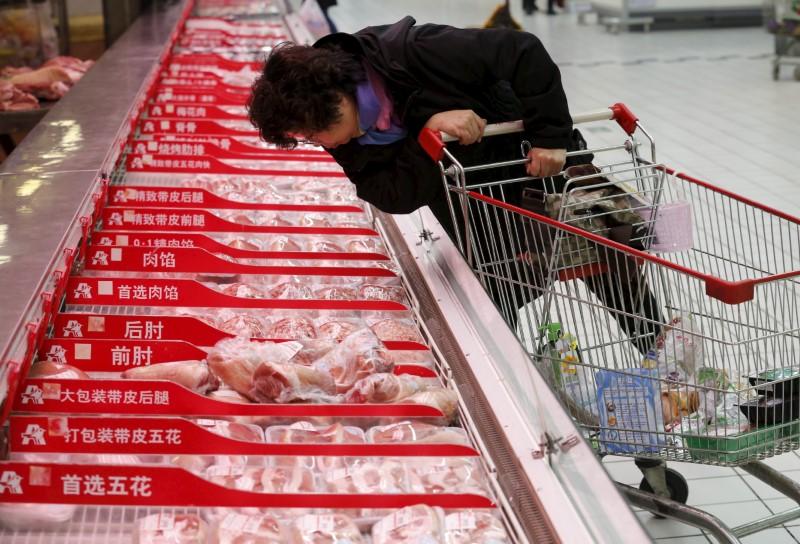
    The year-on-year increase reflected consumers buying more daily necessities online as the virus spread. And, with people largely staying home, substantially less was spent eating out, so consumers were buying more food to prepare or eat at home.

    According to data compiled by the Ministry of Trade, Industry and Energy, South Korean retail sales rose from US$7.92 billion in February last year to $8.68 billion last month.

    Online sales soared by 34.3 percent, the strongest increase since data was first collected in 2016. By comparison, for the whole of last year, online sales rose by 14.2 percent.

    Food sales almost doubled, driving overall growth, while sales of household products were up by 44.5 percent.

    Convenience-store turnover rose by 7.8 percent, however, overall sales across offline stores fell 7.5 percent year on year, with department stores hardest hit, down by 21.4 percent.