Retail News CRM

Tag: sportwear

  • Puma’s Data-driven Approach Boosts Customer Loyalty In Southeast Asia

    Puma’s Data-driven Approach Boosts Customer Loyalty In Southeast Asia

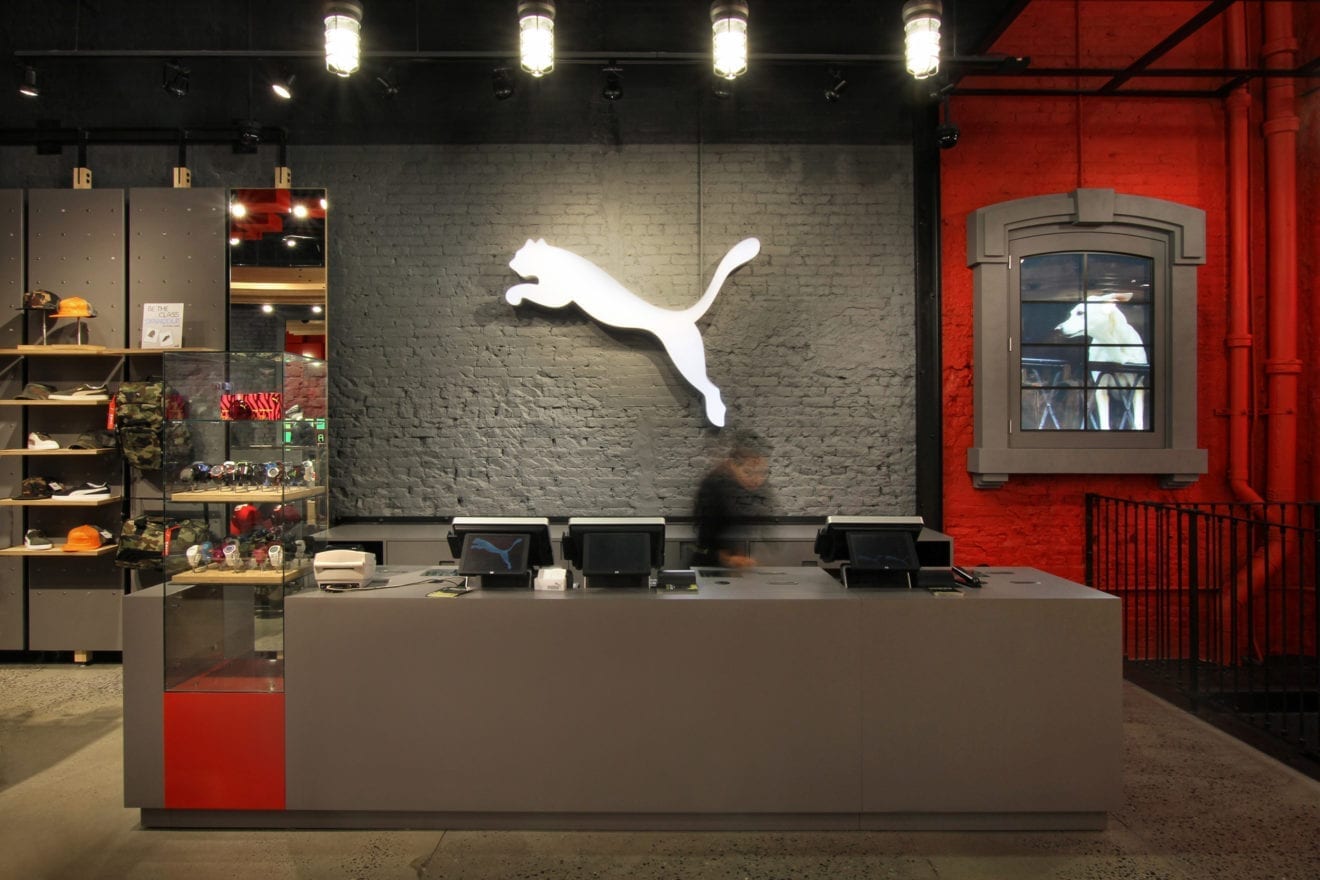
    In the retail and branding sector, data reigns supreme. It provides valuable insights that can be employed to boost personalisation and foster customer loyalty. Sportswear retailer Puma provides a case study for this, as it navigates customer relationship management (CRM) and lifecycle marketing in Southeast Asia.

    Understanding the Data Challenge

    A one-size-fits-all CRM strategy won’t suffice, especially in Southeast Asia’s diverse market. The key to any successful CRM strategy is the development of a robust database. Ankit Madhogaria, Puma’s director of e-commerce Southeast Asia, emphasizes the importance of gathering accurate consumer data both online and in physical stores. This data can then be integrated into software platforms to provide a comprehensive view of all customer interactions, transactions, and touchpoints.

    However, Puma has experienced difficulty in procuring data from its offline customers, with Madhogaria noting that customers are less inclined to share information unless they are given a compelling reason to do so. The data required can be categorized into three types: communication data (like phone numbers or emails), personal data (such as birthdays or purchase anniversaries), and behavioral data, which includes the channels customers use to make purchases. Madhogaria suggests that capturing these data types can present robust opportunities for future campaign creation and customer engagement.

    The Power of Personalisation

    Puma has been redefining personalisation at scale with the assistance of SAP Emarsys’ customer engagement platform. The platform has enabled Puma to execute smart lifecycle strategies customized to suit each market within the region, resulting in impactful omnichannel engagement.

    Madhogaria believes that successful personalisation is achievable with the right tools and an effective data capturing strategy. Using these tools, Puma can generate product recommendations that can be integrated into emails, thus driving increased click-through and conversion rates.

    Successful Campaigns and Strategies

    Madhogaria highlighted several successful campaigns driven by their data-driven approach. Puma has implemented cross-sell promotions in transaction-related emails, which generally have a higher open rate. For instance, if a customer purchased running shoes, Puma recommended complementary items such as a t-shirt or shorts. This strategy resulted in a 3% increase in returning customers within a month, translating to a near 20% rise in efficiency and a substantial boost in revenue.

    Puma’s Birthday Bash campaign was another major success, particularly in Southeast Asia. The campaign, celebrating Puma’s birthday with significant discounts, resulted in a nearly 60% uplift in offline revenue and nearly triple the online revenue. Notably, almost 60% of the campaign’s revenue came from repeat customers.

    Building Loyalty in Southeast Asia

    Understanding the nuances of different markets and consumers’ preferred communication channels is crucial for building loyalty. For instance, Viber is significant in the Philippines, Line in Thailand, and Zalo in Vietnam.

    Madhogaria stresses the importance of continuous experimentation to understand what strategies work best in each market. Puma’s approach demonstrates that successful CRM in Southeast Asia involves more than just data collection; it requires testing, learning, and delivering campaigns that resonate with local consumers.

    Questions & Answers

    What are the three types of data Puma gathers from customers?
    Puma gathers three types of data: communication data (like phone numbers or emails), personal data (such as birthdays or purchase anniversaries), and behavioral data, which includes the channels customers use to make purchases.

    How has Puma personalized its marketing strategy?
    Puma uses SAP Emarsys’ customer engagement platform to implement personalized lifecycle strategies tailored to each market. The tool also generates product recommendations that can be integrated into emails to customers.

    What successful campaigns have Puma executed in their CRM journey?
    Puma has executed several successful campaigns, including the Birthday Bash campaign that resulted in a nearly 60% uplift in offline revenue and nearly triple the online revenue. Another strategy involved integrating cross-sell promotions into transaction-related emails, which led to a 3% increase in returning customers within a month.
  • Anta Group’s Bold Expansion: 1000 New Outlets In Southeast Asia Within Three Years

    Anta Group’s Bold Expansion: 1000 New Outlets In Southeast Asia Within Three Years

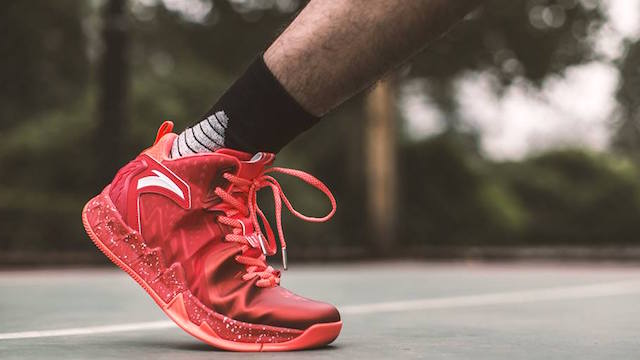
    Chinese athletic apparel corporation, Anta Group, recently announced its ambitious strategy to establish 1000 retail outlets in Southeast Asia within a span of three years.

    Anta Group currently manages a portfolio of nearly 13,000 stores, more than 200 of which are situated across Southeast Asia, spanning countries such as the Philippines, Singapore, Malaysia, and Vietnam. The new objective indicates a significant boost in the company’s retail presence in the region.

    Shaping the Future of Retail in Asia

    Unveiling the ambitious plan at the 2025 Asia New Vision Forum in Singapore was Will Wang, Vice President of Anta Group and Chairman and President of Anta SEA. The forum, themed “Shaping the Pulse: How Asia’s Brands Drive Experience, Identity, and Connection,” brought together executives from diverse sectors across Southeast Asia. The primary focus of the discussion was creating effective brand-consumer relationships, both within the region and on a global scale.

    During the forum, Wang highlighted the critical role of Southeast Asia in the group’s international expansion strategy. He revealed that the brand’s retail sales figures in the region nearly doubled in the first half of the current year compared to the same period last year.

    Wang attributed this impressive growth to the high-quality offerings of Anta, the successful localisation and digitalisation strategies, and the effective implementation of the brand’s unique “Brand+Retail” business model.

    “True globalisation involves achieving localisation in every market while maintaining the brand’s inherent qualities,” Wang emphasised during the discussion.

    He further said, “Our objective is not only to sell products in Southeast Asia, but also to deliver exceptional brand value and superior service to local consumers. We are confident in our team’s ability to realise our goal of 1000 Anta outlets in the region in the next three years.”

    Setting Global Growth in Motion

    Anta Group views Southeast Asia as both a blueprint and a springboard for its international growth initiatives. As the corporation’s presence in Southeast Asia extends to surrounding markets, and as both physical and online businesses stimulate growth, the brand’s overseas revenue rose above 150 per cent in the first half of this year.

    Apart from Southeast Asia, the Anta Group’s international retail network extends to pivotal markets such as the United Arab Emirates, Saudi Arabia, Egypt, Kenya, and North America, facilitated by strategic alliances. The group recently inaugurated its premier flagship store in the United States, located in Beverly Hills, California.

    Questions & Answers

    What is the Anta Group’s growth plan for Southeast Asia?
    The Anta Group plans to establish 1000 retail outlets in Southeast Asia over the next three years, significantly expanding its presence in the region.

    What factors have contributed to the Anta Group’s recent success in Southeast Asia?
    The group’s impressive growth in the region is attributed to high-quality product offerings, successful localisation and digitalisation strategies, and an effective “Brand+Retail” business model.

    How does the Anta Group view Southeast Asia in terms of its global growth strategy?
    The Anta Group sees Southeast Asia as a blueprint and launchpad for its international growth initiatives, leveraging the expanding market and both physical and online businesses to stimulate growth.

  • On Unveils Nature-inspired Flagship Store In Bangkok’s Iconsiam: A Blend Of Luxury Retail And Community Hub

    On Unveils Nature-inspired Flagship Store In Bangkok’s Iconsiam: A Blend Of Luxury Retail And Community Hub

    Swiss-based sportswear retailer, On, has proudly unveiled its new flagship store located within the luxurious confines of Bangkok’s prestigious IconSiam mall. This exciting venture was launched in collaboration with their Singaporean counterpart, Gill Capital.

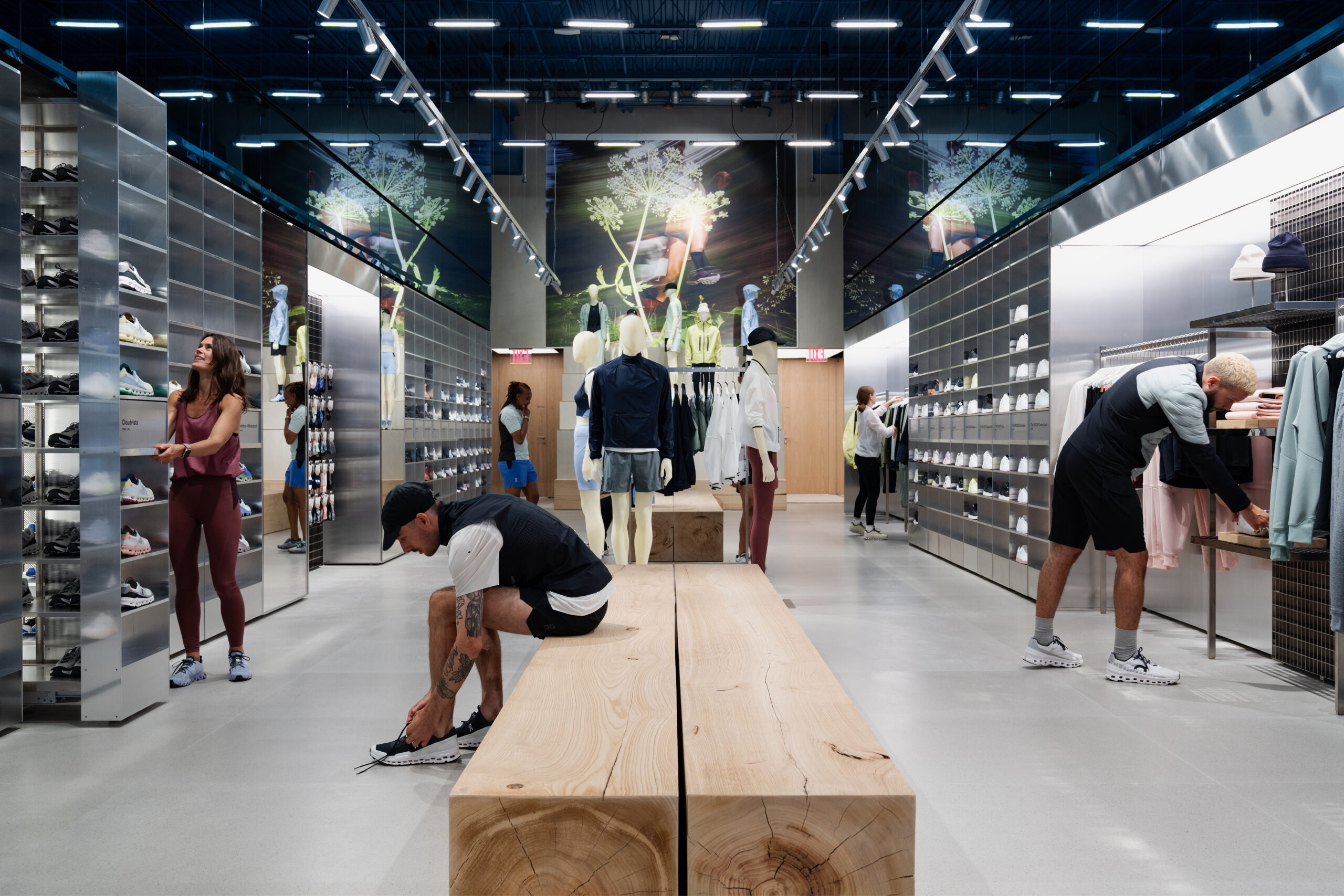
    The store, an expansive area covering 826 square meters, takes its inspiration from the natural beauty of Khon Kaen’s Blue Spring. The interior is a harmonious blend of nature-inspired elements such as stone textures and fluid, curved designs, alongside state-of-the-art technological innovations.

    The centrepiece of the store is the “Magic Wall.” This interactive installation invites customers to explore a variety of footwear options, delve into the narratives behind the products, and learn about the brand’s proprietary CloudTec cushioning and Speedboard technology.

    Visitors will find the store segmented into distinct zones to cater to a wide array of activities. These dedicated sections include running, training, lifestyle, tennis and children’s wear, providing customers with an immersive journey through the full spectrum of the brand’s product offerings.

    In addition to serving as a retail destination, the new flagship store will also function as a community hub. The space will host a variety of events such as run clubs, workshops, and training sessions, fostering a sense of community among its patrons.

    Questions & Answers

    What is the inspiration behind the design of On’s new flagship store?
    The store’s design draws inspiration from Khon Kaen’s Blue Spring, merging natural stone textures and curved design with high-tech elements.

    What distinct zones can customers expect to find in the store?
    The store is segmented into zones for various activities, including running, training, lifestyle, tennis, and kids’ wear.

    What additional purpose will the new flagship store serve?
    Beyond a retail destination, the store will also function as a community hub, hosting run clubs, workshops, and training sessions.

  • Lululemon and employer branding

    Lululemon and employer branding

    Lululemon Athletica Inc. is beefing up benefits to attract and retain workers, offering full-time employees from three to six months of paid parental leave. The gender-neutral benefit awards three months of paid leave to full-time workers who have been at the yogawear company for two years. Employees with five or more years at the firm qualify for six paid months off. At Lululemon, workers are considered full-time if they work 24 hours a week.

    “When you think about an investment, there’s also all of those areas where it’s really hard to quantify because of the contribution and the return,” said Susan Gelinas, senior vice president for people and culture at Vancouver-based Lululemon. “We just see this as something that’s right to do for our people.”

    In the U.S., without any federal requirement for paid parental leave, it’s up to individual companies to offer a benefit, and about 35 percent do, according to a survey from the Society for Human Resource Management. Still, 84 percent of workers in the U.S. don’t have access to paid family leave, according to data from the Bureau of Labor Statistics.

    The majority of Lululemon’s full-time staffers in the U.S. have been with the company for two or more years, while one-fifth have worked there five or more years. As of January 2018, about 60 percent of Lululemon’s 13,400 workers were based in the U.S. The company declined to say how much the new policy would cost.

    Employees working in Canada already receive some paid parental leave, a portion of which comes from the government’s unemployment insurance program. That compensation is partial, and Lululemon’s offer there is a “paid top-up,” Gelinas said in an interview.

  • Reebok adaptive range designed for people with restricted mobility

    Reebok adaptive range designed for people with restricted mobility

    Adidas-owned Reebok has launched a range of adaptive trainers for people with restricted mobility. Called Fit to Fit, the sneakers can be easily put on and removed.

    The shoes were created in partnership with Zappos’ adaptive department, the two companies aiming to create shoes that are inclusive in performance and lifestyle. They interviewed people with mobility issues as part of the product development process.

    “We created the Reebok Fit to Fit adaptive footwear collection to champion Reebok’s mission of inspiring human movement for all,” Reebok product manager Dan Buonomo said in an interview with Dezeen.

    “The collection’s goal is to provide functional products for everyone, while still holding true to Reebok’s iconic design heritage.”

    Key to the range is the absence of buttons and buckles which can be a challenge for people with restricted mobility. A zip on the side ensures the shoe fits, but the laces remain so the shoes retain the style and look of those made for typical consumers. Once tied to fit, they don’t need to be retied each wearing.

    Removable insoles accommodate prosthetics and a low-cut design aids mobility. A sports shoe based on Reebok’s Nanoflext TR features a pull tab in the heel making it easier for people using wheelchairs to remove the shoes from behind.

    Another shoe, the Club MEMT Parafit, based on the tennis shoe of the same name, has a removable insole and comes in wider sizes to accommodate prosthetics.

    Initially available in pairs, Reebok and Zappos plan to sell single shoes for people who have only one foot.

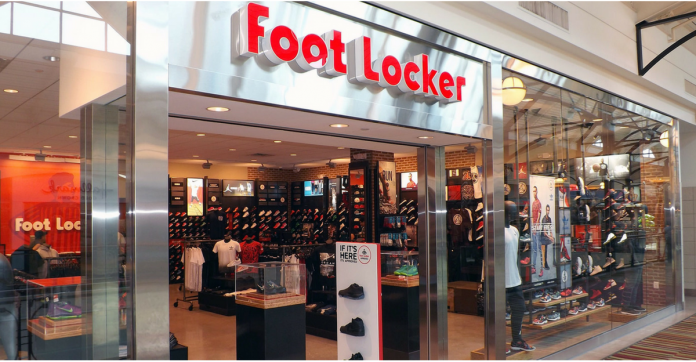
  • Foot Locker flagship forced to close for virus outbreak

    Foot Locker flagship forced to close for virus outbreak

    Foot Locker’s Orchard Road flagship has been forced to suspend business due to breaching the Singapore government’s Covid-19 safe management measures.

    The suspension was enforced as the retailer conducted a product launch which drew huge crowds outside the store last Friday despite the advisories on crowd management.

    According to Singapore Tourism Board (STB) and Enterprise Singapore (ESG), the retailer will have to stop trading at the Orchard flagship store until December 14.

    During 10 days of suspension, Foot Locker is banned from holding physical retail activities but may continue to trade online.

    “STB and Enterprise Singapore are also engaging Foot Locker Singapore on the measures it will take for future product launches, including the potential cessation of all such physical launches at Foot Locker locations across Singapore,” the agencies said.

    Opened earlier this year, Foot Locker Orchard Gateway @Emerald is the brand’s largest outlet yet in Singapore.

  • Nike sales in China stay strong despite Covid-19 outbreack

    Nike sales in China stay strong despite Covid-19 outbreack

    Nike sales in China surged 11 percent last year, marking the sixth consecutive year of double-digit growth in the market for the US sports brand.

    The growth was achieved despite the impact of Covid-19 with sales of the flagship Nike brand rising by 1 percent on a currency-neutral basis in the fourth quarter.

    Globally, the latest Nike results make for far more sobering reading. With 90 percent of its stores closed across the US, Europe, and much of Asia Pacific for as many as eight weeks during the quarter, sales plunged 38 percent to US$6.3 billion and the company reported a loss of $790 million. Asia-Pacific & Latin America sales fell 39 percent during the period.

    Digital sales, however, rose by 79 percent in the fourth quarter worldwide, to represent about 30 percent of the company’s total revenue, reflecting what the company described as an accelerated connection and engagement with consumers, based on a strengthened digital ecosystem.

    “In a highly dynamic environment, the Nike brand continues to resonate strongly with consumers all over the world as our digital business accelerates in every market,” said John Donahoe, Nike’s president and CEO.

    “We are uniquely positioned to grow, and now is the time to build on Nike’s strengths and distinct capabilities. We are continuing to invest in our biggest opportunities, including a more connected digital marketplace, to extend our leadership and fuel long-term growth.”

    Nike sales in China are recovering quickly with almost every store now reopen across the country. “Retail traffic continues to improve week-over-week with higher conversion rates as compared to the prior year,” the company said in its results announcement.

    “As physical retail re-opens, Nike’s strong digital trends continue, a testament to the strength of our brand and the investments we’ve made to elevate digital consumer experiences,” said Matt Friend, executive VP and CFO.

    Full-year results show Nike sales fell 2 percent year on year on a currency-neutral basis, due to Covid-19 impacting the second half. During the first half, sales were up 11 percent. Net income was $2.5 billion, down 36 percent.

  • Descente forced to shutter stores in South Korea as anti-Japan bias continues

    Descente forced to shutter stores in South Korea as anti-Japan bias continues

    Japanese sportswear label Descente is shuttering 47 kidswear stores in South Korea in the wake of anti-Japanese sentiment combined with the impact of Covid-19 on the territory.

    The Young Athlete outlets, which deal in clothing and accessories for kids, will close their department store and mall locations in August, with stock being redistributed to Descente’s full-range stores.

    The formerly popular Descente brand saw an 89-per-cent dip in operating profits last year to US$7.26 million compared with its 2018 results and a 15-per-cent drop in sales to $496.9 million. The drop was initially prompted by souring diplomatic ties between Japan and Korea, prompting a general boycott of Japanese goods in the territory.

    Further declines in business due to the coronavirus pandemic proved too much for the firm, with the Young Athlete stores deemed unviable to continue trading.

    Similar closures have been seen amongst other Japanese firms trading in the Korean market, including fast-fashion giant Uniqlo, which this month announced it would close physical stores of its diffusion brand GU in the country.

  • Kjus opens Beijing flagship store

    Kjus opens Beijing flagship store

    Luxury sportswear brand Kjus China has opened a flagship store in Beijing, incorporating a VIP lounge with a cafe and highlighting the luxury image of the brand.

    Designed by 5 Star Plus Retail Design, the store features a futuristic, high-tech and luxurious ambiance using cool high-end materials in metal and stone.

    “We used cool, modern, and high-end materials such as metal and stone,” a 5 Star Plus spokesperson explained about the design of the store.

    “Using stone elements in retail fixtures and stone-look flooring helped to create a more luxurious feeling to the store.

    While Kjus stores elsewhere in the world typically use wood, the 5 Star team thought wood would not achieve a futuristic feeling in this location as it is considered something of classic material.

    “However, using wood on a smaller-scale helps to draw a connection to the Switzerland-born brand. We used a wooden background for some of the high-rack equipment, as well as wooden tables, which help to create some warmth in an otherwise cool space.”

    Another important element of the Kjus China store which communicates luxury is to ensure there is enough empty space in the store, without displaying too many SKUs.”

    Special lighting effects and technological advancements are used to explain product features, key products and collections.

  • Decathlon moving into old Metro store at Singapore’s The Centrepoint

    Decathlon moving into old Metro store at Singapore’s The Centrepoint

    After five years at The Centrepoint, Metro Department Store will shutter its flagship next month.

    The announcement heralds the latest in a series of closures at the 36-year-old mall, which has close to 10 vacant units with more already expected to come.

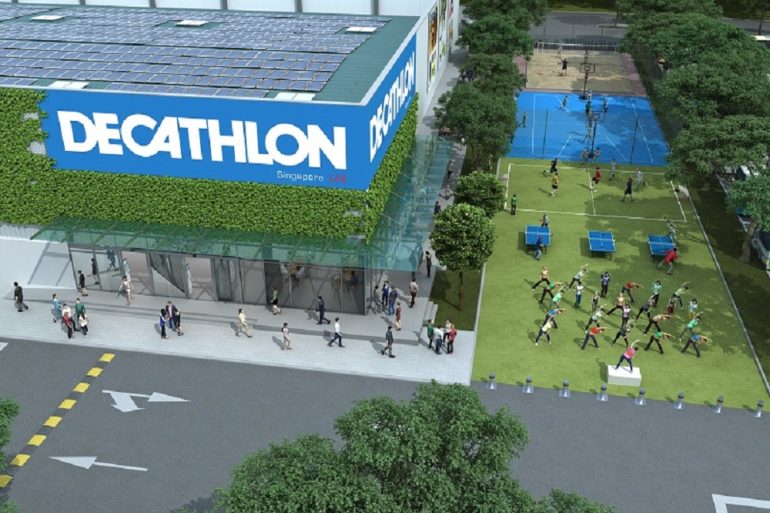
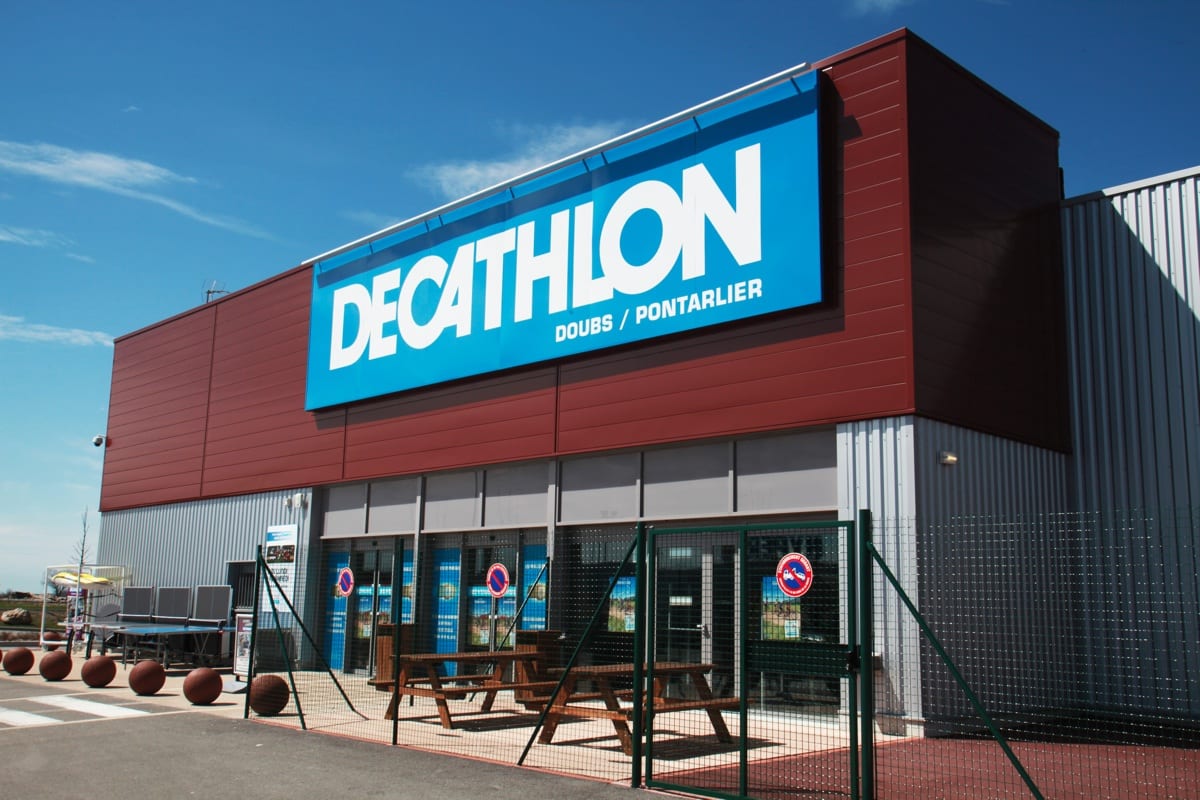
    However, Frasers Property has since confirmed that sports-goods retailer Decathlon will take over at least part of the Metro space, scheduled to open in the first part of next year once fitout is complete.

    Metro’s September 15 withdrawal from the mall will leave only two of its Singapore outlets open, at Paragon and Causeway Point respectively. Staff of the store have yet to be briefed as to whether or not they can expect to be employed at the other outlets.

    “In recent years, Metro has been rationalising its retail business in response to changing market conditions,” said a spokesperson for the firm. “Metro continues to focus on its core businesses of retail in Singapore and Indonesia, together with property investment and development.”

    Adding Decathlon to the tenant mix will provide a significant drawcard to the troubled mall which is seeking to morph into a lifestyle destination with experiential retail concepts targeting younger consumers.

  • Peu a Peu opens new flagship in Hangzhou

    Peu a Peu opens new flagship in Hangzhou

    Hangzhou-based Chinese design firm So Studio has created a retail space for sporting goods brand Peu a Peu featuring a system of pulleys, steel racks, and large metallic spheres.

    The store’s 70sqm interior, which was recently celebrated in a Designboom report, is inspired by the movement and interaction observed on a sports field as well as contemporary pop artist Jeff Koons’ balloon series.

    Peu a Peu, owned by JNBY, a designer brand focused on contemporary apparel, footwear and accessories.

    The retail space shows off metal finishes alongside grey coloured floors and walls, attempting to create a futuristic and industrial atmosphere. The detachable racks serve to divide up the room as well as supporting the metallic spheres that move around the shop area.

  • Decathlon India opens largest store today

    Decathlon India opens largest store today

    Decathlon India has opened its largest store yet at the DLF Mall of India.

    The French sports retailer’s new 3000sqft experiential retail outlet features dedicated activity and community zones for fitness and sports enthusiasts, as well as offering digital services such as self-checkout counter scan and a pay app for billing to improve the purchasing experience.

    The store has dedicated sections for women, men, children and teenagers, as well as a space for fitness aficionados and a community space featuring augmented reality golf, a simulator zone and skating rink.

    “Our aim to build a new experience for all people involved in fitness gets enhanced, with the support and environment of DLF Mall of India, one of the premier shopping destinations in Delhi NCR,” said Decathlon Noida Mall of India city sports leader Sylvain Deschamps.

    “We are excited about this new store and hope that the goodwill keeps thriving for years to come.”

    Decathlon India operates 70 outlets, including 12 in the national capital and its nearby regions.

  • Nike grows profit, pulls product in China

    Nike grows profit, pulls product in China

    Sportswear brand Nike has revealed its net profit increased to US$4 billion during the 2019 financial year, compared to the previous year, which saw Nike earn US$1.9 billion.

    The large disparity is attributed to the enactment of the Tax Act last year, which raised Nike’s effective tax rate to 55.3 percent – causing a 54 percent drop in profits. In FY19, Nike’s tax rate returned to a more normalized level of 16.1 percent.

    The positive results come at a turbulent time for the sportswear giant, which recently faced a social media backlash in China after Undercover, a Japanese streetwear label it collaborated with on a line of sneakers, shared an Instagram Story with the caption, “No Extradition to China,” and “Go Hong Kong”.

    Nike subsequently pulled the sneakers from its offering in China, according to media reports.

    Nike president, chairman, and chief executive Mark Parker told investors the business is committed to the China market “for decades to come”.

    “We are and remain a brand of China and for China,” Parker told analysts, according to the Financial Times.

    “We’re confident that we’ll continue to grow sport and our business in China for decades to come.”

    On Thursday, Parker told investors FY19 was a pivotal year for the retailer.

    “Our distinctive innovation and digital advantage led to accelerated growth across our complete portfolio, while our brand fuelled deeper relationships with consumers around the globe,” he said in a statement.

    Revenue grew 7 per cent to US$39.1 billion, driven by sportswear, Jordan, and running, as well as strategic investments in innovation and digital led by Nike Direct.

    The Converse brand saw revenue grow 3 per cent to US$1.9 billion, which was mainly driven by double-digit growth in Asia and digital.

    Nike and Retail Prodigy Group have been contacted for comment.

  • Mitre 10 workers win living wage case

    Mitre 10 workers win living wage case

    Two Mitre 10 stores were told to pay their employees a living wage in a decision by the Employment Relations Authority (ERA).

    Called a landmark case, the decision was the first collective agreement in New Zealand that was determined by the ERA with a living wage being imposed on the employer, according to a statement by the First Union said.

    Members of the First Union who work at Mitre 10 Mega in Dunedin and Mitre 10 Mosgiel, which are both owned and operated by local Otago business Jack’s Hardware and Timber, will be given their first collective agreement which affords a living wage.

    Jack’s Hardware and Timber is just one of the many locally owned and operated businesses across New Zealand that make up the Mitre 10 NZ Ltd co-operative.

    According to First Union, the ERA determination has set a precedent for retail staff and has widespread implications for other retail sites in the country.

    The determination states that an employee who has some industry experience or skill that they utilise in their role should be paid no less than $21.00 per hour. For a worker with a trade qualification that increases to $23.00 per hour and the start rate is $19 per hour.

    Neil Finn-House, Jack’s Hardware and Timber Limited CEO, said he is pleased to have concluded collective agreement negotiations with First Union following the ERA hearing that has settled two final outstanding matters: minimum wage rates and duration of the contract.

    “Most kiwis will agree that it is important that local New Zealand owned and operated businesses are able to pay their employees rates that are locally comparable,” Finn-House said.

    “Our objective at the Hearing was to reach a fair outcome, consistent with market rates of comparable businesses in the South Island, which maintains our ability to reward and recognize our staff above and beyond the minimum pay rates that the collective will contain,” Finn-House said.

    Greg Hartford, CEO of Retail NZ, noted, however, that the new rate will see entry-level staff receive $1.30 an hour more than the legal minimum wage, and $1 more than the median wage paid in heartland South Island regions.

    “While both the Union and the employer are hailing today’s decision as a fair compromise, the rates set are higher than those being paid by comparable companies in the regional South Island market,” Hartford said in a statement.

    “When setting rates, all parties need to make sure that they are taking individual circumstances into account and that any comparisons made between businesses are comparing like for like. It is hard, for example, to compare wage rates paid by a small local store to those paid a large regional business, and it’s hard to compare a large regional business to a national or multinational chain.”

  • Danish fashion label Hummel Opening in India

    Danish fashion label Hummel Opening in India

    Hummel India has signed up a Bollywood actor to help promote its launch in the country.

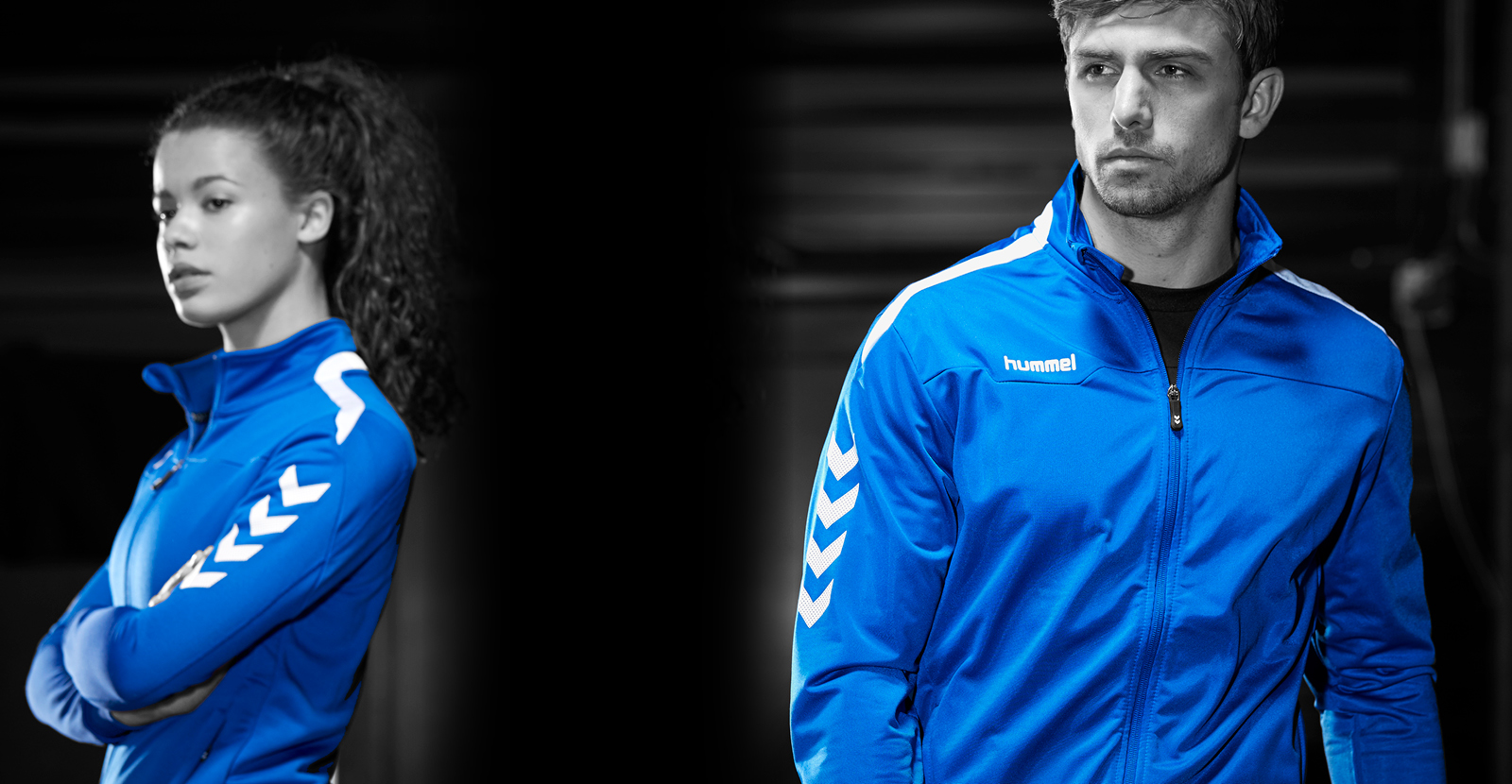
    Kartik Aaryan, described by one local media outlet as “the nation’s heartthrob and nation’s crush” has been appointed Hummel’s chief ambassador in India for the Danish sportswear label.

    Founded in 1932, Hummel produces clothing ranging from swimwear to casual streetwear and sneakers. It has already opened five stores in India and plans another 10 by the end of the financial year.

    The first five stores are franchised and have opened in Bengaluru, Pune, Chennai, Surat and Amritsar.

    Aaryan made his debut for the brand at a recent launch event in Bangalore.

    “In Hummel, I see a perfect fit. Hummel appeals to my style sensibilities, it is bold, fashionable, creative and youthful,” the actor told the audience.

    “I am excited that Hummel has entered the retail space and I am sure that the Indian audience will love the designs that Hummel has brought to India.”

    Soumava Naskar, MD of Hummel India, says the brand’s merchandise was available on Jabong and Myntra in 2016 but the company stopped selling directly to both the platforms in 2017 because it had no pricing control.

    “Three months ago, we listed our merchandise on Amazon and Flipkart via our partner ND Commerce, which manages our online stores and handles pricing control too. Which means, if customers receive discounts on our end-of-season products on Amazon or Flipkart, they will receive the same discounts in our physical stores as well. This is our first promise to Indian customers.”

    Hummel, owned by Thornico Group, is currently sold in more than 35 countries. It has more than 250 mono-brand stores and expects to achieve US$1.5 billion in turnover this calendar year.